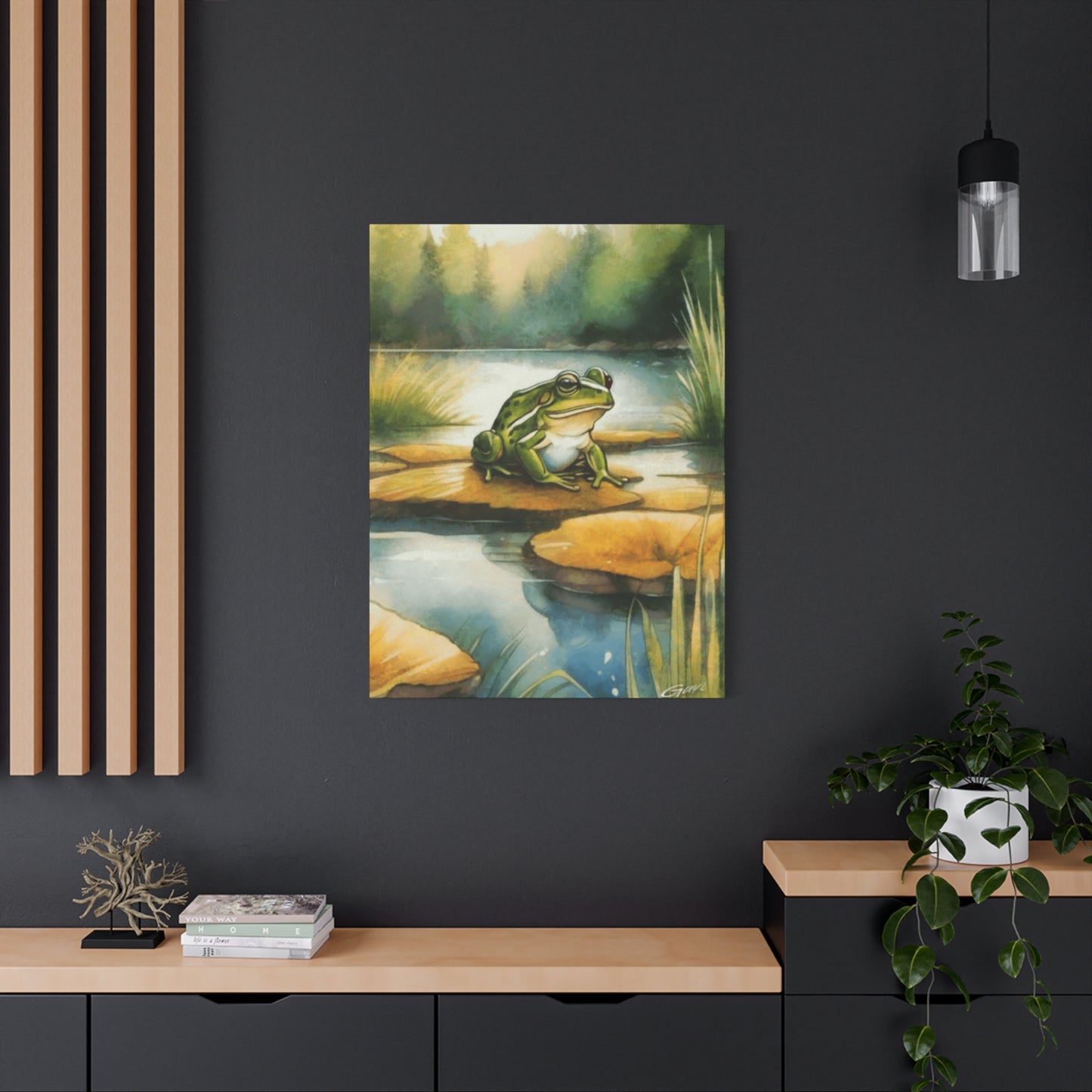
Frog By The Creeks Wall Art & Canvas Prints
Frog By The Creeks Wall Art & Canvas Prints
Couldn't load pickup availability
Frog By The Creeks Wall Art: A Comprehensive Journey Through Nature-Inspired Décor
The allure of bringing natural elements into our living spaces has captivated homeowners, interior designers, and nature enthusiasts for generations. Among the most captivating and serene representations of wildlife artistry stands the Frog By The Creeks Wall Art—a masterpiece that transforms ordinary walls into windows overlooking tranquil waterside habitats. This extensive exploration delves into every facet of this remarkable decorative phenomenon, examining its artistic merit, cultural significance, placement strategies, and the profound impact it creates within residential and commercial environments.
The Captivating Essence Behind Amphibian-Themed Artistic Representations in Contemporary Interior Spaces
Amphibian imagery has emerged as a powerful motif in contemporary home decoration, carrying symbolic weight that resonates across cultures and generations. The frog, particularly when depicted in its natural creek habitat, embodies transformation, renewal, and the cyclical nature of existence. These creatures represent the bridge between aquatic and terrestrial realms, making them powerful symbols of adaptability and evolution.
When examining Frog By The Creeks Wall Art specifically, we encounter more than mere decorative pieces. These artistic renderings capture moments of stillness beside babbling brooks, where dappled sunlight filters through overhanging vegetation, casting dancing shadows across moss-covered stones. The frog, perched contemplatively at the water's edge, becomes a meditation point—a focal element that draws viewers into a narrative of natural harmony.
The psychological impact of such imagery cannot be understated. Research in environmental psychology has demonstrated that exposure to nature-themed artwork can reduce stress hormones, lower blood pressure, and create measurable improvements in overall wellbeing. When someone gazes upon Frog By The Creeks Wall Art, their nervous system receives subtle cues associated with peaceful outdoor settings, triggering relaxation responses that counteract the frenetic pace of modern living.
Artists who specialize in this genre invest considerable effort in capturing the precise interplay of light, water, and organic textures. The reflective quality of creek water requires masterful understanding of luminosity and transparency. The variegated greens of wetland vegetation demand nuanced color theory application. The frog itself must be rendered with sufficient realism to convey its amphibious nature while maintaining artistic interpretation that elevates the piece beyond mere photographic reproduction.
Examining the Various Artistic Styles and Medium Choices for Creek-Dwelling Amphibian Depictions
The realm of Frog By The Creeks Wall Art encompasses a spectacular diversity of artistic approaches, each offering distinct aesthetic qualities and emotional resonances. Understanding these variations empowers collectors and decorators to select pieces that genuinely align with their spatial requirements and personal sensibilities.
Photorealistic renditions represent one end of the artistic spectrum. These pieces employ meticulous attention to detail, capturing every texture of the frog's permeable skin, every ripple in the creek surface, and every variation in the surrounding flora. Such works often utilize high-resolution photography as their foundation, sometimes enhanced through digital manipulation to achieve idealized compositions. The resulting pieces create powerful illusions of depth and presence, making viewers feel as though they could reach through the frame and touch the cool water.
Impressionistic interpretations take a markedly different approach. Rather than focusing on precise anatomical accuracy, these works capture the essence and atmosphere of the creek environment. Brushstrokes remain visible, colors blend with deliberate looseness, and the frog itself might be suggested through strategic color placement rather than clearly delineated. This style invites contemplation and allows individual viewers to complete the image within their own imagination, creating a more participatory viewing experience.
Watercolor representations of Frog By The Creeks Wall Art possess an inherent affinity with their subject matter. The medium's flowing, translucent qualities mirror the aqueous environment being depicted. Pigments blend and bleed across paper surfaces, creating organic transitions that conventional painting methods cannot replicate. The delicacy of watercolor work imbues these pieces with ethereal qualities, as though the scene might dissolve back into mist at any moment.
Oil paintings bring richness and depth that other mediums struggle to match. The layering possibilities inherent in oil work allow artists to build up textures over multiple sessions, creating luminous effects in water reflections and dimensional quality in vegetation. The archival permanence of properly executed oil paintings makes them heirloom-quality investments that can grace walls for generations.
Digital artwork has revolutionized the accessibility and variety of Frog By The Creeks Wall Art. Contemporary digital artists employ sophisticated software to create pieces that would be physically impossible through conventional means. They can manipulate lighting with precision, experiment with infinite color variations, and incorporate fantastical elements while maintaining photorealistic rendering in other aspects. The ability to produce high-quality prints from digital masters democratizes access to this artwork, making it available at multiple price points.
Mixed media approaches combine various materials and methods to create multidimensional pieces. An artist might begin with painted backgrounds, incorporate photographic elements, add textural materials like actual dried moss or sand, and finish with protective resin coatings. These pieces transcend traditional two-dimensional limitations, creating sculptural qualities that change appearance based on viewing angle and lighting conditions.
Strategic Placement Considerations for Maximizing the Visual Impact of Your Amphibian Creek Artwork
The location where you position your Frog By The Creeks Wall Art fundamentally influences its effectiveness as a decorative element and its ability to create desired atmospheric effects. Thoughtful placement transforms a simple purchase into a transformative design choice that elevates entire rooms.
Living rooms present prime opportunities for showcasing substantial Frog By The Creeks Wall Art pieces. As gathering spaces where families congregate and guests receive welcome, these rooms benefit from conversation-starting artwork that reflects the homeowner's aesthetic values. Consider positioning such pieces above seating arrangements where viewers can comfortably contemplate the artwork during relaxed moments. The calming nature of creek scenes makes them particularly suitable for these social spaces, promoting tranquil interactions rather than overstimulating environments.
Bathrooms possess natural thematic alignment with aquatic-themed artwork. The presence of water fixtures, tiled surfaces, and moisture-friendly materials creates contextual harmony with Frog By The Creeks Wall Art. Smaller powder rooms benefit from compact pieces that don't overwhelm limited wall space, while master bathrooms can accommodate larger statements. The act of bathing becomes meditative when accompanied by serene natural imagery, transforming routine hygiene into moments of mindful relaxation.
Bedroom placement requires careful consideration of the artwork's emotional tenor. Since bedrooms serve as retreat spaces dedicated to rest and intimacy, the artwork should promote calmness rather than stimulation. Frog By The Creeks Wall Art naturally lends itself to this purpose, with its inherently peaceful subject matter. Positioning such pieces where they're visible from the bed allows them to serve as focal points during pre-sleep wind-down periods and as gentle first impressions upon waking.
Home offices and study spaces dramatically benefit from nature-inspired artwork. Research consistently demonstrates that exposure to natural elements, even through visual representation, enhances cognitive function, creativity, and focus. Positioning Frog By The Creeks Wall Art within sight lines from workstations provides opportunities for brief mental resets during intensive concentration periods. These micro-breaks, facilitated by shifting attention to calming natural imagery, can prevent mental fatigue and maintain productivity throughout extended work sessions.
Hallways and transitional spaces often receive insufficient decorative attention despite their significant role in home navigation and spatial experience. These zones present excellent opportunities for creating gallery-style displays featuring multiple Frog By The Creeks Wall Art pieces in varying sizes. This approach transforms mundane passages into curated experiences, making the journey between rooms an aesthetic event rather than merely functional movement.
Children's rooms gain special benefits from nature-themed artwork. Young minds respond strongly to animal imagery, and frogs possess inherent appeal with their distinctive appearance and associations with fairytales and stories. Frog By The Creeks Wall Art in children's spaces should balance artistic merit with approachability, avoiding overly abstract interpretations that might confuse or frighten younger viewers. Such pieces contribute to environmental awareness formation and instill appreciation for natural ecosystems from early ages.
Commercial spaces including medical offices, therapy practices, hospitality venues, and corporate environments utilize Frog By The Creeks Wall Art to create welcoming, stress-reducing atmospheres. Waiting rooms become less anxiety-inducing when adorned with peaceful natural scenes. Corporate conference rooms benefit from the creativity-enhancing effects of nature imagery. Restaurant and café settings gain character and talking points through well-selected amphibian creek artwork.
Exploring the Symbolic Meanings and Cultural Significance Embedded Within Frog Imagery Across Global Traditions
The frog occupies fascinating positions within mythological, spiritual, and cultural frameworks across virtually every human civilization. Understanding these symbolic dimensions adds profound depth to the appreciation of Frog By The Creeks Wall Art, transforming decorative choices into meaningful statements.
Ancient Egyptian cosmology revered frogs as symbols of fertility and life-giving forces, closely associated with Heqet, a goddess depicted with a frog's head who presided over childbirth. This association stemmed from observable natural phenomena—the sudden appearance of countless frogs following Nile flooding cycles, which also brought agricultural abundance. Displaying Frog By The Creeks Wall Art can therefore carry connotations of abundance, renewal, and life's generative powers.
Native American traditions across numerous tribes regard frogs as rain-bringers and cleansers. The frog's song heralds coming storms, making it a messenger between earth and sky realms. In these contexts, frog imagery represents communication, particularly messages from spiritual dimensions. Creek settings amplify these associations, as moving water symbolizes purification and emotional cleansing across countless indigenous belief systems.
Chinese cultural symbolism connects frogs with prosperity and monetary success. The three-legged money frog occupies a prominent position in Feng Shui practices, believed to attract wealth and good fortune. While Frog By The Creeks Wall Art typically depicts anatomically accurate four-legged specimens, the broader cultural associations with abundance and prosperity transfer to naturalistic frog representations within Chinese aesthetic traditions.
Japanese culture embraces frogs as symbols of safe journeys and happy returns. The Japanese word for frog, "kaeru," shares pronunciation with the verb meaning "to return," creating linguistic connections that infuse frog imagery with homecoming significance. Travelers historically carried frog amulets, and contemporary practice continues these associations. Frog By The Creeks Wall Art in Japanese-influenced design contexts can therefore represent sanctuary, belonging, and the joy of returning to comfortable familiar places.
European folklore presents more ambivalent frog symbolism, with medieval traditions sometimes casting them as associated with witchcraft or unclean elements, while other stories feature frogs as enchanted princes awaiting transformation through love's power. This duality reflects the frog's liminal nature—existing between water and land, neither fully one nor the other. Modern interpretations largely emphasize the transformation narrative, making Frog By The Creeks Wall Art symbolic of personal growth, change, and the potential that exists beneath unpromising exteriors.
Celtic traditions viewed frogs as lords of the earth, connected to healing waters and sacred springs. Their presence near water sources signified the spot's healing properties and spiritual potency. This association makes Frog By The Creeks Wall Art particularly resonant in spaces dedicated to wellness, healing, and spiritual practice.
Contemporary environmental movements have elevated the frog to icon status as a bioindicator species—creatures whose presence or absence reveals ecosystem health. Their permeable skin makes them particularly sensitive to pollution and environmental degradation. In this context, displaying Frog By The Creeks Wall Art becomes a statement of environmental consciousness and commitment to ecological preservation.
Understanding the Scientific Accuracy and Biological Details Captured in Quality Amphibian Creek Representations
For artwork to truly resonate with nature enthusiasts and serve as more than superficial decoration, it must demonstrate fidelity to observable reality. Examining the biological accuracy within Frog By The Creeks Wall Art reveals the depth of research and attention that distinguishes superior pieces from generic productions.
Anatomical precision begins with body proportions. Different frog species exhibit distinctive body plans—tree frogs possess enlarged toe pads with adhesive properties, bullfrogs display massive robust builds, leopard frogs show slender athletic proportions suited to rapid leaping. Quality Frog By The Creeks Wall Art correctly renders these species-specific characteristics rather than presenting generic "frog-shaped" creatures.
Skin texture representation separates accomplished artwork from amateur efforts. Frog skin ranges from smooth and moist in aquatic species to warty and dry in terrestrial toads. The specific texture communicates habitat preferences and evolutionary adaptations. Creek-dwelling species typically show skin with subtle moisture sheen, delicate color variations, and occasional spotting or striping that provides camouflage against predators. Artists who invest time observing live specimens or studying detailed photographs can capture these nuances authentically.
Eye anatomy deserves particular attention. Frog eyes protrude from their skulls, providing exceptional peripheral vision essential for detecting predators and prey. The horizontal pupil shape, distinctive lid configuration, and reflective qualities of the eye surface all contribute to the creature's characteristic appearance. Poorly rendered eyes immediately signal inferior craftsmanship, while accurately depicted eyes create compelling focal points that draw viewer attention and create emotional connection with the subject.
Limb structure and positioning reveal whether artists understand amphibian physiology. Frogs possess specialized hind legs with elongated bones and powerful muscles enabling their characteristic leaping locomotion. The front legs are proportionally shorter and serve primarily for balance and cushioning landings. When depicted at rest, frogs adopt characteristic poses with hind legs folded and front legs positioned to support the body's forward weight. Unnatural positioning immediately appears wrong to anyone familiar with actual frogs.
Environmental context within Frog By The Creeks Wall Art requires equal accuracy. Creek ecosystems support specific plant communities including willows, alders, sedges, rushes, and moisture-loving wildflowers. The substrate typically combines smooth water-worn stones with muddy banks and accumulated organic matter. Water clarity, flow patterns, and surface reflections all vary based on depth, velocity, and surrounding vegetation. Artists who understand these ecological relationships create cohesive, believable scenes that transport viewers to actual creek environments.
Behavioral accuracy adds another dimension of authenticity. Frogs at creek edges typically adopt alert but relaxed postures when undisturbed, with bodies partially submerged or resting on emergent objects. Their positioning allows rapid escape into water if threats appear. This tension between relaxation and readiness creates compelling visual narratives within Frog By The Creeks Wall Art, suggesting stories beyond the frozen moment.
Lighting and color accuracy depend on understanding both amphibian coloration and natural light behavior. Most creek-dwelling frogs exhibit green, brown, and tan coloration with pattern variations that provide camouflage. These colors appear differently under various lighting conditions—the dappled shade common to creek banks creates complex interplays of light and shadow that artists must render convincingly. Water adds another complication, as subsurface subjects appear differently due to refraction and the filtering effect water has on light wavelengths.
Seasonal variations present opportunities for sophisticated artwork. Creek environments transform dramatically across seasons—spring brings high water levels and explosive plant growth, summer shows mature vegetation and lower water, autumn contributes fallen leaves and changing colors, winter reveals bare branches and potentially ice formations. Frog By The Creeks Wall Art that acknowledges these seasonal variations demonstrates observational depth and creates opportunities for rotating displays that reflect current conditions outside.
Comprehensive Guide to Materials, Printing Methods, and Quality Indicators for Purchased Amphibian Creek Artwork
When investing in Frog By The Creeks Wall Art, understanding the material substrates and production methods fundamentally influences longevity, appearance quality, and ultimate satisfaction with your purchase. This knowledge empowers informed decision-making and prevents disappointment with inferior products.
Canvas printing represents the most popular medium for contemporary wall artwork. Canvas provides textile texture that adds visual interest and depth to printed images. Quality varies considerably across canvas types. Museum-grade cotton canvas offers superior archival properties, resisting yellowing and degradation far longer than synthetic alternatives. Polyester canvas costs less and resists moisture better, making it suitable for humid environments like bathrooms. The canvas weight, measured in ounces per square yard, indicates thickness and durability—heavier weights drape better and resist sagging over time.
Stretching methods dramatically impact canvas artwork presentation. Gallery wrap technique extends the printed image around frame edges, creating a finished appearance from all viewing angles and eliminating the need for additional framing. Museum wrap leaves edges blank, assuming the piece will receive traditional framing treatment. The stretcher bar material matters—solid wood provides superior strength and resistance to warping compared to composite materials. Corner bracing adds stability to larger pieces, preventing the gradual skewing that creates distorted rectangular shapes.
Acrylic mounting creates dramatically different aesthetic effects. This process laminates prints to acrylic sheets, typically with additional backing for structural integrity. The resulting pieces possess remarkable depth and luminosity, with colors appearing exceptionally vibrant. The acrylic surface protects the print while adding contemporary polish that suits modern design sensibilities. Various acrylic thicknesses provide different effects—thicker acrylic creates more pronounced dimensional separation from walls and greater visual impact.
Metal prints represent cutting-edge presentation methods particularly suited to nature photography and photorealistic Frog By The Creeks Wall Art. The dye-sublimation process infuses inks directly into specially coated aluminum surfaces, creating waterproof, scratch-resistant, and incredibly vibrant images. The metallic base adds subtle luminescence that conventional printing cannot replicate. These pieces suit contemporary and industrial design schemes while providing exceptional durability.
Framed prints under glass offer traditional elegance and maximum protection for the artwork. Glass quality varies from standard clear glass through non-reflective varieties to museum-quality conservation glass with UV filtering properties. The matting selections, frame materials, and assembly quality all contribute to the piece's overall impression and preservation characteristics.
Giclee printing represents the gold standard for fine art reproduction. This inkjet-based process employs archival pigment inks with exceptional color accuracy and fade resistance. True giclee printing utilizes twelve or more separate ink colors compared to the four used in standard printing, enabling subtle gradations and accurate color matching impossible with conventional methods. The archival papers or canvas used in giclee processes resist degradation for potential centuries when properly cared for.
Print resolution determines image sharpness and detail clarity. Minimum resolution should never fall below 150 DPI (dots per inch) at the actual printed size, with 300 DPI representing the professional standard. Insufficient resolution creates visible pixelation where smooth gradations should exist, immediately signaling inferior quality. Source image resolution fundamentally limits achievable print quality—no printing method can add detail that doesn't exist in the source file.
Color accuracy depends on multiple factors including monitor calibration, printing profile management, and viewing light conditions. Reputable sellers provide color-matched proofs or detailed specifications about expected color rendering. Understanding that screens display colors using illuminated pixels while prints reflect ambient light helps set realistic expectations about color vibrancy differences between digital previews and physical products.
Coating applications provide additional protection and aesthetic effects. UV-resistant coatings extend longevity by filtering harmful wavelengths that cause fading. Matte finishes eliminate glare and create sophisticated presentations suited to traditionally decorated spaces. Glossy coatings enhance color saturation and create contemporary appearances. Satin finishes split the difference, providing some glare reduction while maintaining color vibrancy.
Mastering Color Coordination and Complementary Design Elements for Creek-Themed Amphibian Artwork
Successfully incorporating Frog By The Creeks Wall Art into existing design schemes requires understanding color theory, spatial relationships, and the psychological effects of hue combinations. This knowledge transforms artwork from isolated decorative objects into integral components of cohesive design visions.
The natural color palette of creek environments provides the foundational hues to work with or against when designing around Frog By The Creeks Wall Art. These pieces typically feature greens ranging from deep forest tones through bright spring growth colors, blues from pale sky reflections through deep water shadows, browns spanning light sand through dark rich soil, and accent colors from flowers, insects, or atmospheric effects.
Analogous color schemes utilize colors adjacent on the color wheel, creating harmonious, restful environments. Rooms decorated in various greens, blue-greens, and yellows naturally accommodate Frog By The Creeks Wall Art without jarring transitions. This approach suits spaces dedicated to relaxation and contemplation, where visual harmony promotes calmness. Paint selections, fabric choices, and accessory colors should sample from the artwork's palette, creating visual conversations between elements.
Complementary color strategies pair opposites from the color wheel for dynamic, energetic spaces. Since most Frog By The Creeks Wall Art emphasizes greens and blues, incorporating orange and red accents creates vibrant contrast without overwhelming the space. Throw pillows, area rugs, or decorative objects in these complementary hues draw attention between design elements, creating visual movement that energizes rooms.
Neutral backdrop strategies allow Frog By The Creeks Wall Art to command attention without competition. White, cream, gray, or beige walls provide clean canvases that make the artwork's colors appear more vibrant by contrast. This approach particularly suits pieces with complex color palettes or busy compositions that would clash with strongly colored walls. The surrounding furniture and accessories can then sample accent colors from the artwork, creating subtle connections throughout the space.
Monochromatic schemes based on single color families create sophisticated, cohesive appearances. A room designed around various green tones—from pale sage through deep emerald—naturally embraces Frog By The Creeks Wall Art featuring predominantly green coloration. Texture variations prevent monotony, with smooth, rough, matte, and glossy surfaces adding visual interest despite limited color variation.
Triadic color combinations employ three colors equally spaced around the color wheel, creating balanced yet vibrant schemes. Green, orange, and purple form one such triad. Frog By The Creeks Wall Art with natural green tones could anchor a room featuring sunset-orange accents and lavender complementary elements, creating unexpected yet harmonious compositions.
Natural material incorporation strengthens thematic connections to the creek environment depicted in the artwork. Wood furnishings echo the trees and branches appearing in many pieces. Stone elements reference the rocky creek beds. Living plants create literal natural bridges between the depicted and actual environment. Water features like tabletop fountains audibly reinforce the aquatic themes.
Lighting design profoundly impacts how Frog By The Creeks Wall Art appears and functions within spaces. Natural daylight reveals the full color spectrum and changes character throughout the day, creating dynamic viewing experiences as morning light differs from afternoon and evening illumination. Artificial lighting requires careful consideration—warm-toned bulbs enhance reds and yellows while muting blues, cool-toned lighting does the opposite. Dedicated picture lights with color-balanced LEDs ensure consistent, flattering illumination that reveals the artwork as the artist intended.
Textural contrasts add dimensional interest to spaces featuring Frog By The Creeks Wall Art. Smooth printed surfaces benefit from nearby textured elements—woven baskets, rough wood, soft textiles, or glazed ceramics. These tactile variations prevent visual monotony and create richer sensory environments.
Scale relationships between the artwork and surrounding elements determine whether the composition feels balanced or awkward. Very large Frog By The Creeks Wall Art pieces need proportional furniture and accessories to avoid overwhelming spaces or appearing isolated. Conversely, small pieces can get lost if surrounded by oversized elements. The general guideline suggests artwork should occupy roughly two-thirds to three-quarters the width of the furniture piece it hangs above.
Repetition and variation principles apply when displaying multiple pieces together. A collection of varied Frog By The Creeks Wall Art works gains cohesion through repeated elements—similar color palettes, consistent framing styles, or unified subject matter—while maintaining visual interest through variations in size, composition, or specific subject focus.
Practical Methods for Properly Hanging and Securely Mounting Your Creek Amphibian Artwork
The physical act of mounting Frog By The Creeks Wall Art requires attention to both aesthetic positioning and structural security. Improper hanging creates visual imbalance and potential safety hazards, while correct methods ensure your investment remains safely displayed for years.
Height determination follows established art world conventions refined over centuries of gallery practice. The general rule positions artwork so the visual center aligns with average eye height, typically 57 to 60 inches from the floor. This measurement references the artwork's center, not its top or bottom edge. Adjust this baseline for specific contexts—hallways might benefit from slightly lower positioning since people move through quickly, while dining areas should account for seated viewing heights.
Measuring and marking processes require precision to avoid multiple unnecessary holes. First, measure the artwork dimensions and mounting hardware positions. Calculate the artwork's center point and the distance from the top edge to where the hanging mechanism sits. Transfer these measurements to the wall, marking with pencil the precise points where hangers should be placed. Using a level ensures horizontal alignment critical for pieces wider than they are tall.
Wall composition identification determines appropriate hanging hardware. Drywall requires different solutions than plaster, brick, or concrete. Stud finders locate wooden framing members offering maximum support for heavy pieces. For lighter artwork hanging between studs, various wall anchors provide adequate support by distributing weight across larger drywall areas. The artwork's weight dictates minimum anchor capacity requirements—always err toward excessive strength rather than inadequate support.
Picture hanging hardware varies from simple nails through sophisticated rail systems. Wire and D-ring combinations suit lightweight to medium pieces, with wire attached to D-rings screwed into the frame's back sides. The wire's arch allows easy leveling adjustments. Sawtooth hangers integrate directly into frame backs, offering simple hanging from single nails but less adjustment flexibility. Heavy-duty cleats provide maximum security for large pieces, with interlocking components mounted to both artwork and wall. French cleat systems allow easy removal and reinstallation, ideal for spaces where you rotate displayed pieces seasonally.
Spacing considerations apply when arranging multiple Frog By The Creeks Wall Art pieces together. Gallery walls featuring various sized works require careful planning to achieve balanced, intentional appearances rather than haphazard randomness. Creating paper templates matching each piece's dimensions allows arranging and rearranging the composition on the floor before committing to wall holes. Generally, spacing between pieces should range from 2 to 4 inches—close enough for visual relationship without appearing cramped.
Symmetrical arrangements create formal, traditional impressions. Matching pieces flanking a central element, evenly spaced rows, or grid patterns communicate order and deliberation. These approaches suit conventional design schemes and spaces where calm, predictable atmospheres serve the room's purpose.
Asymmetrical salon-style arrangements embrace organized chaos, clustering varied pieces in balanced but non-matching configurations. This approach requires more refined spatial sense to achieve compositions that feel intentional rather than accidentally unplanned. The key involves balancing visual weight—larger pieces balanced by multiple smaller works, dark pieces offset by lighter companions, busy compositions balanced by simpler ones.
Corner placements offer opportunities often overlooked. Rather than leaving corners empty, positioning appropriately scaled Frog By The Creeks Wall Art in these locations can anchor spaces and make rooms feel more complete. Floor-to-ceiling corner arrangements create dramatic vertical elements.
Shelf and ledge display systems provide hanging alternatives offering exceptional flexibility. Wall-mounted shelves allow leaning artwork rather than permanent hanging, facilitating easy seasonal rotation or frequent arrangement changes. Layering multiple pieces at varied heights creates dimensional interest impossible with flat-hung pieces.
Protection considerations prevent damage during installation and throughout the artwork's lifespan. Bumper pads adhered to lower back corners prevent the artwork from directly contacting walls, reducing frame scratches and wall damage from repeated contact. These small spacers also improve air circulation behind pieces, reducing moisture accumulation that might damage both artwork and walls.
Seismic considerations matter in earthquake-prone regions. Museum putty, earthquake-resistant hooks, and securing wires prevent artwork from shifting or falling during tremors. While these precautions might seem excessive elsewhere, simple protective measures provide peace of mind and protect irreplaceable pieces from preventable damage.
Cleaning, Preservation, and Long-Term Maintenance Strategies for Amphibian Creek Wall Decorations
Proper stewardship of Frog By The Creeks Wall Art ensures your investment maintains its beauty and value through years or decades of display. Different materials and production methods require specific approaches to cleaning and preservation.
Dust accumulation represents the primary ongoing maintenance concern. Airborne particles settle on all exposed surfaces, gradually creating films that dull colors and obscure details. Regular gentle dusting prevents problematic accumulation. Microfiber cloths excel at capturing particles without scratching surfaces. Dusting should progress from top to bottom, allowing dislodged particles to fall downward. Frequency depends on environmental conditions—dustier environments require weekly attention while cleaner spaces might need only monthly dusting.
Canvas artwork requires particularly gentle treatment. Never apply liquids directly to printed canvas surfaces, as moisture can damage both the ink and the fabric structure. For stubborn dirt beyond dust, slightly dampened lint-free cloths might be cautiously applied to unprinted canvas edges, but printed areas should receive only dry cleaning methods. Canned air can dislodge particles from textured surfaces without physical contact.
Glass-covered pieces permit more aggressive cleaning of the protective surface while requiring caution about moisture seeping behind the glass. Glass cleaning solutions applied to soft cloths rather than directly to surfaces prevent drips from infiltrating frame edges. Wipe in circular motions, then buff to remove streaks. Anti-static glass cleaners reduce dust attraction, extending intervals between necessary cleaning.
Acrylic-mounted pieces resist scratching better than glass but still require non-abrasive cleaning methods. Solutions specifically formulated for acrylic surfaces prevent the clouding that can result from incompatible chemicals. Microfiber cloths applied with gentle pressure remove smudges and fingerprints without surface damage.
Metal prints tolerate the most vigorous cleaning methods. The dye-sublimation process creates waterproof surfaces that can be wiped with damp cloths without concern. Avoid abrasive scrubbing that might scratch the metal coating, but these pieces generally require minimal maintenance beyond occasional dust removal.
Environmental control significantly impacts artwork longevity. Ultraviolet radiation causes the most serious long-term damage, breaking down organic pigments and causing irreversible fading. Direct sunlight presents the worst exposure, but even indirect natural light and certain artificial sources emit damaging UV wavelengths. Positioning Frog By The Creeks Wall Art away from direct sun exposure extends its lifespan considerably. When sun exposure is unavoidable, UV-filtering window films or protective glass significantly reduce damage.
Temperature and humidity fluctuations stress organic materials including paper, canvas, and wooden frame components. Extreme heat accelerates chemical degradation processes, while cold temperatures can make materials brittle. High humidity promotes mold growth and can cause paper cocklings, while extremely dry conditions make materials brittle and prone to cracking. Maintaining stable moderate conditions—roughly 65-70°F and 40-50% relative humidity—creates ideal preservation environments.
Framing choices influence long-term preservation significantly. Acid-free matting materials prevent acidic migration that causes yellowing and brittleness in paper-based artwork. UV-filtering glazing provides frontline defense against light damage. Sealed backing prevents dust, insects, and humidity from infiltrating the frame package. These archival framing approaches cost more initially but dramatically extend artwork lifespan, ultimately proving economical for pieces intended as long-term holdings.
Professional restoration services can address damage when it occurs. While prevention remains the priority, accidents happen—tears, stains, fading, and frame damage afflict even carefully maintained collections. Professional art conservators possess specialized knowledge and materials for repairing various damage types. However, restoration costs can equal or exceed replacement costs for mass-produced pieces, making economic sense only for original artwork or pieces with sentimental value.
Insurance documentation protects valuable collections. Photographing each piece, recording purchase details, and maintaining receipts creates records supporting insurance claims if theft or catastrophic damage occurs. For particularly valuable original Frog By The Creeks Wall Art, professional appraisals establish documented values that insurers recognize. Some homeowner policies include limited artwork coverage, while serious collectors require separate fine art insurance policies.
Rotation strategies extend the usable lifespan of collections while keeping displayed artwork fresh and interesting. Rather than permanently displaying all owned pieces, rotating them through storage prevents continuous light exposure and allows enjoying different works seasonally. Climate-controlled storage spaces protect pieces during dormant periods.
Discovering Where to Source High-Quality Frog By The Creeks Wall Art From Reputable Vendors
The marketplace for nature-themed artwork has expanded dramatically, offering unprecedented selection but also requiring discernment to identify quality offerings from inferior products and reputable sellers from problematic vendors.
Independent artists represent the most direct source for unique, original Frog By The Creeks Wall Art. These creators often maintain websites showcasing their portfolios and offering pieces for direct purchase. Buying directly from artists ensures maximum compensation reaches creators while providing opportunities to commission custom works tailored to specific requirements. Many artists offer prints of original paintings at accessible price points alongside higher-priced originals. Social media platforms have become important venues for discovering emerging artists whose work might not appear through traditional gallery channels.
Online marketplaces have democratized art sales, connecting global networks of sellers with interested buyers. These platforms range from mass-market retailers offering thousands of generic prints through curated marketplaces featuring juried artists. Reading customer reviews provides insight into product quality, shipping practices, and vendor reliability. Detailed product descriptions including specific materials, dimensions, and production methods signal professional operations. High-resolution preview images allowing detailed inspection before purchase reduce disappointment risks.
Brick-and-mortar galleries offer irreplaceable in-person viewing experiences. Photographs never completely capture artwork appearance—colors, textures, and scale can only be fully appreciated when standing before physical pieces. Gallery staff typically possess extensive knowledge about artists, techniques, and appropriate display methods. While gallery prices generally exceed online alternatives due to overhead costs, the expertise and viewing opportunities justify premiums for serious collectors.
Art fairs and festivals bring together numerous artists and galleries in temporary marketplaces. These events provide efficient opportunities to view diverse works and meet artists personally. Many artists offer fair-specific pricing to move inventory, creating potential bargains. The temporary nature encourages purchase decisions, though buyers should resist pressure tactics and maintain quality standards.
Home décor retailers have expanded their artwork offerings dramatically, recognizing consumers' hunger for meaningful wall decoration. These mainstream outlets offer accessible price points and convenient purchasing experiences, though artistic uniqueness often suffers compared to independent artist sources. Quality varies significantly across retailers—some prioritize cheap production above all, while others curate collections balancing accessibility with artistic merit.
Custom printing services enable converting personal photographs or purchased digital files into Frog By The Creeks Wall Art. These operations provide professional printing on various substrates with finishing options matching specific needs. This approach works wonderfully for personal nature photography or legally licensed images but requires ensuring proper image rights before commercial printing.
Estate sales, thrift stores, and antique markets occasionally yield artistic treasures at bargain prices. Previous generations' tastes might not align with current trends, meaning beautiful pieces sell for fractions of original prices. These venues require patience and regular searching since inventory constantly changes, but dedicated hunters sometimes discover museum-quality pieces for nominal costs.
Commissioning original artwork provides ultimate customization. Working with talented artists to create Frog By The Creeks Wall Art depicting specific species, particular creek environments, or incorporating meaningful personal elements results in truly unique pieces. This process requires clear communication about expectations, establishment of timeline agreements, and often payment of deposits before work commences. The resulting pieces carry enhanced emotional significance beyond mass-produced alternatives.
Licensing considerations matter when sourcing imagery for printing. Copyright law protects artistic works for extended periods, meaning downloading images from random internet sources and printing them constitutes infringement. Legitimate sources include explicitly licensed stock photography, public domain works, personally created images, or properly licensed artwork where the creator has granted reproduction rights.
Price evaluation requires understanding factors justifying cost differences between comparable pieces. Original artwork commands premium prices reflecting the unique, irreplaceable nature of hand-created works. Limited edition prints number specific quantities, often signed by artists, creating scarcity value. Open edition prints cost less due to unlimited reproduction potential. Print-on-demand services offer lowest prices by producing items only after orders arrive, eliminating inventory costs but sometimes sacrificing quality.
Conclusion
Discovering the enchanting beauty of Frog by the creeks wall art is a journey that brings nature’s delicate wonders into your home, offering a serene yet captivating atmosphere through nature-inspired décor. Frogs, with their vibrant colors, playful demeanor, and connection to water, symbolize the harmony of life’s quiet moments and the richness of the natural world. Through captivating artworks that depict these amphibians in their creekside habitats, you can invite the tranquility of nature into your living spaces while creating an engaging visual narrative that reflects the beauty and complexity of our environment.
The essence of frog-themed wall art lies in its ability to evoke a sense of calm and natural harmony. Whether leaping from lily pads or perched gracefully on a creekside rock, frogs serve as a perfect representation of the peaceful, almost mystical quality of wetlands and freshwater environments. The soothing ambiance of a creek—where the soft gurgle of water and the rustling of leaves in the breeze create a timeless, tranquil soundscape—can be captured through art, offering a retreat for the eyes and the spirit. These pieces serve as a reminder of the quiet moments in nature, where beauty and stillness meet.
Frog by the creeks wall art has a versatility that allows it to blend seamlessly into various interior design themes. The calming shades of greens, browns, and blues found in these artworks not only evoke the freshness of water and plant life but also complement a range of color schemes—from neutral tones to more vibrant, earthy palettes. Whether you’re looking to infuse a touch of nature into a modern, minimalist living room or create a relaxing retreat in a bedroom or bathroom, frog-inspired décor can help to establish a peaceful, nature-infused atmosphere.
The close connection between frogs and their natural habitats also adds a layer of environmental significance to this type of art. Frogs are often seen as symbols of environmental health, as they thrive in clean, unpolluted ecosystems. By displaying frog art in your home, you’re not just celebrating the beauty of these creatures; you’re also fostering an awareness of conservation and the importance of protecting our natural world. These pieces serve as a subtle reminder of the delicate balance within our ecosystems and the role we all play in preserving the environment.
Moreover, frog-themed wall art brings an element of whimsy and charm to any space. Frogs are often depicted in playful or peaceful poses, making them an uplifting and joyful addition to your décor. Their wide eyes and curious expressions spark a sense of wonder, reminding us of the simplicity and beauty that exist in the natural world. This sense of playfulness and curiosity is perfect for family spaces, children’s rooms, or any area of the home where you want to invite a sense of joy and lightheartedness.
As with any nature-inspired art, frog by the creeks wall art can also encourage mindfulness. These artworks invite the viewer to pause, observe, and appreciate the intricate beauty of the natural world, allowing you to mentally step away from the hustle and bustle of daily life. The peaceful scene of a frog in its natural creekside setting can provide a moment of reflection and tranquility, helping you to create a calming environment in your home that nurtures both relaxation and inspiration.
In conclusion, frog by the creeks wall art offers much more than a mere decorative piece; it provides a window into the serene beauty of nature. With its vibrant colors, playful compositions, and symbolic connection to the health of our environment, this type of art can elevate any room with its unique charm. Whether you’re drawn to the soothing qualities of nature, the environmental message behind these creatures, or simply the joy they bring to your space, frog-inspired wall art will help you create a serene and enchanting atmosphere in your home, fostering a deeper connection to the natural world and its delicate wonders.
Share