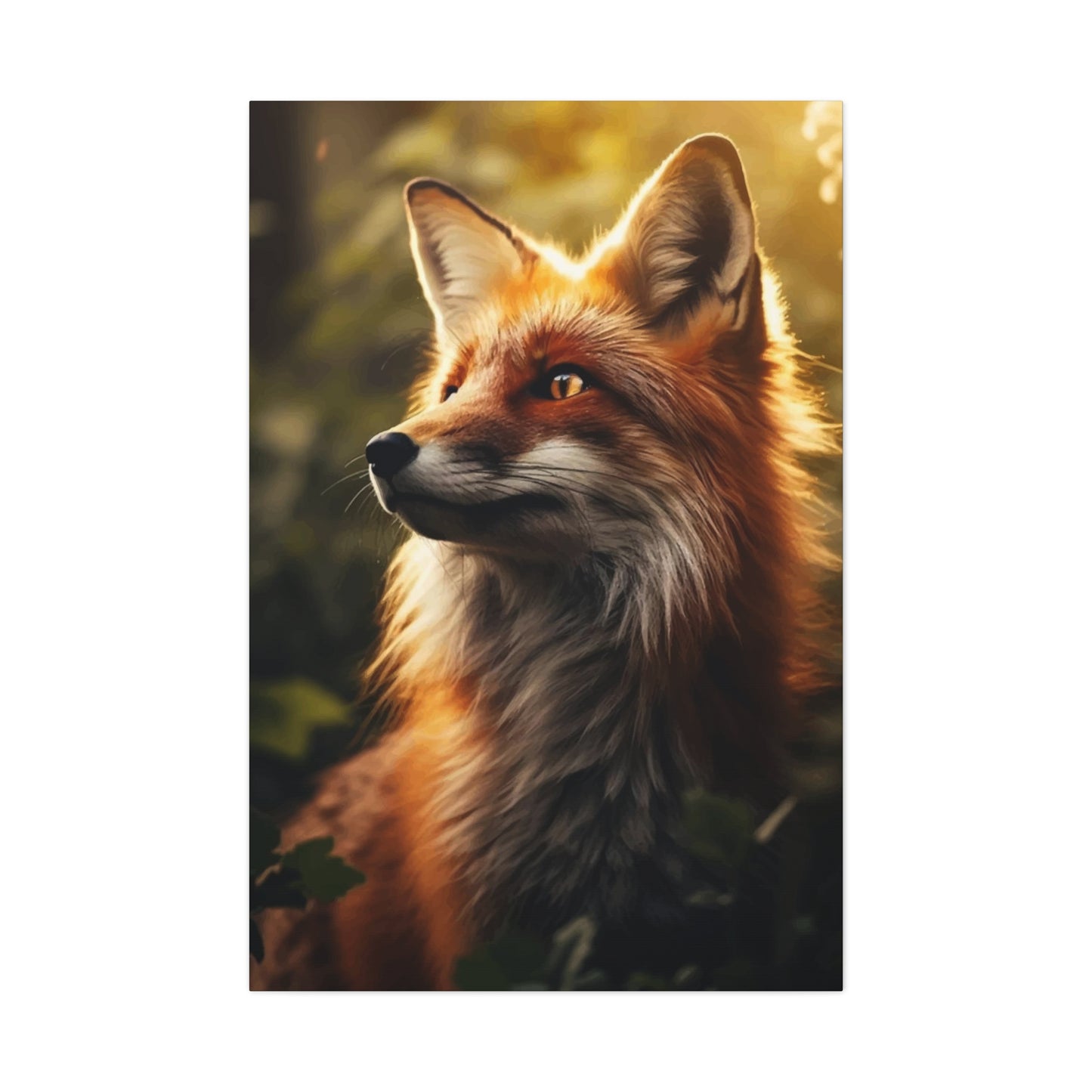
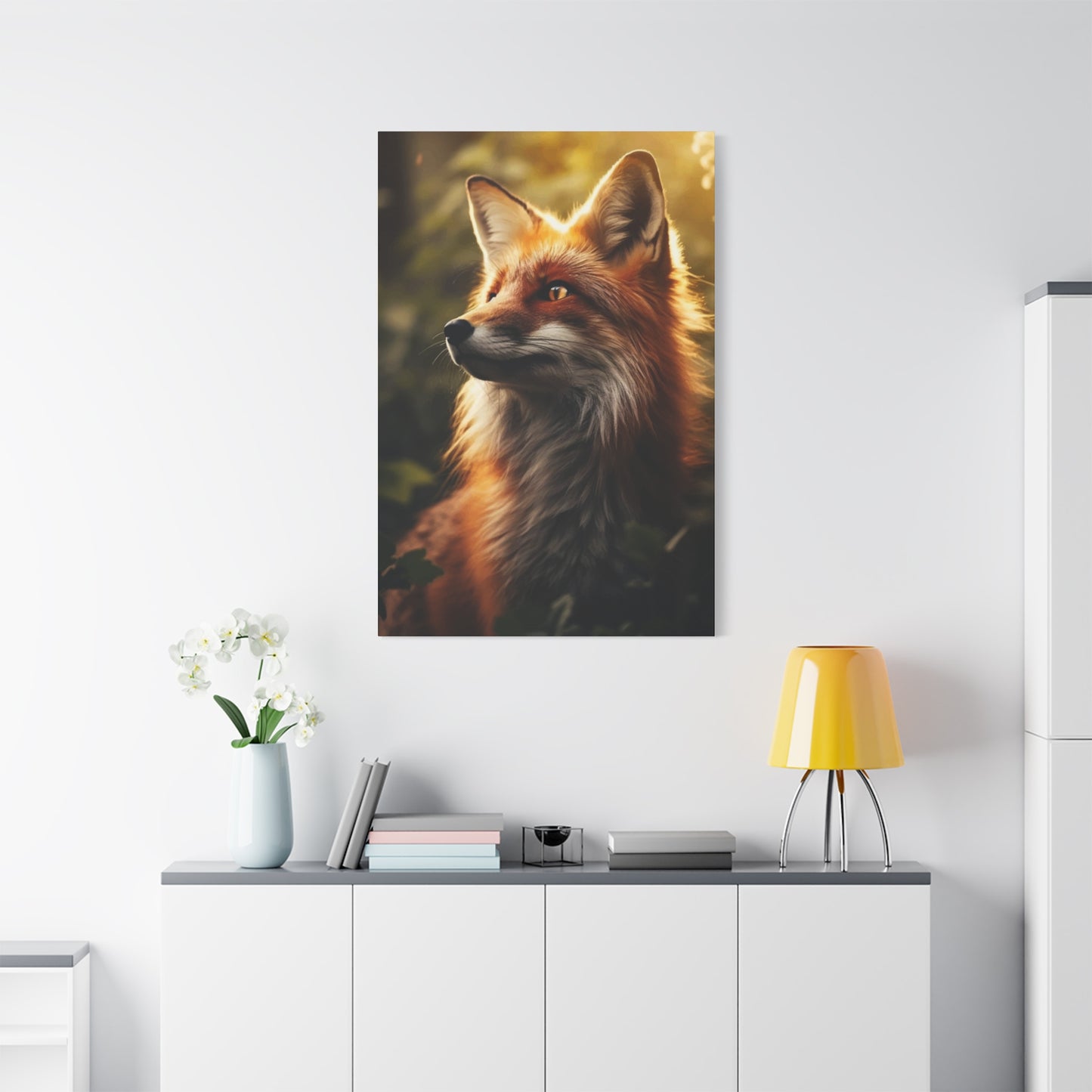
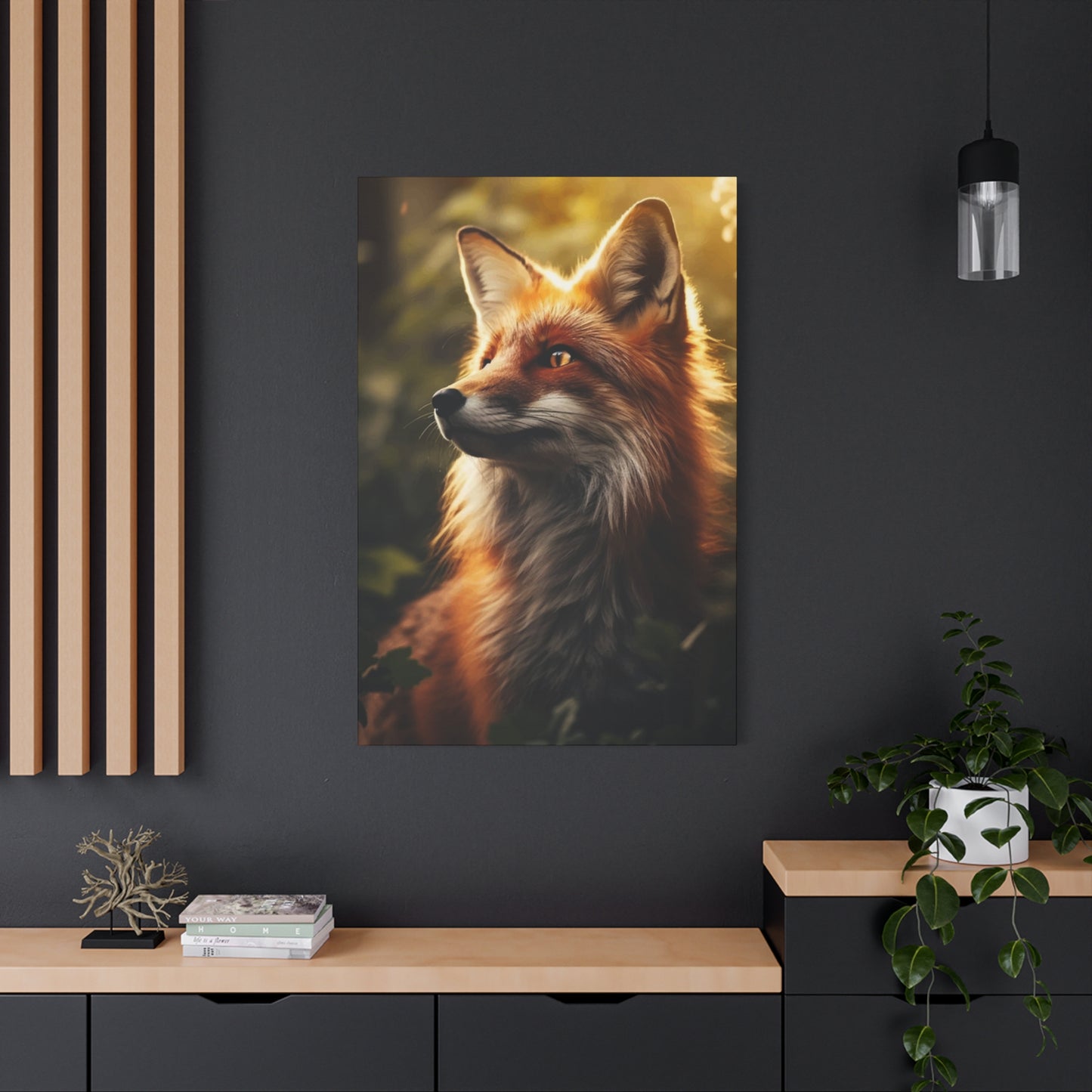
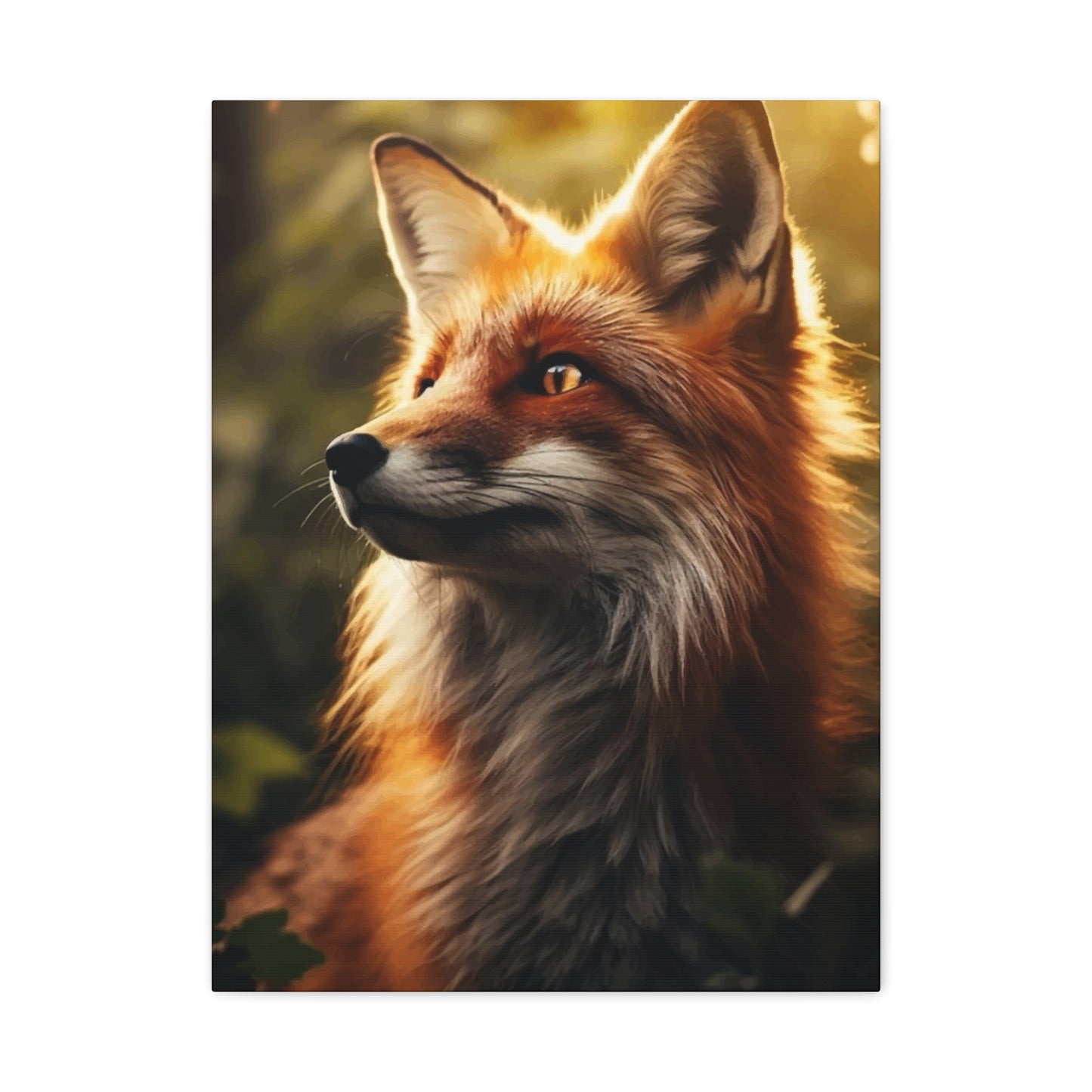
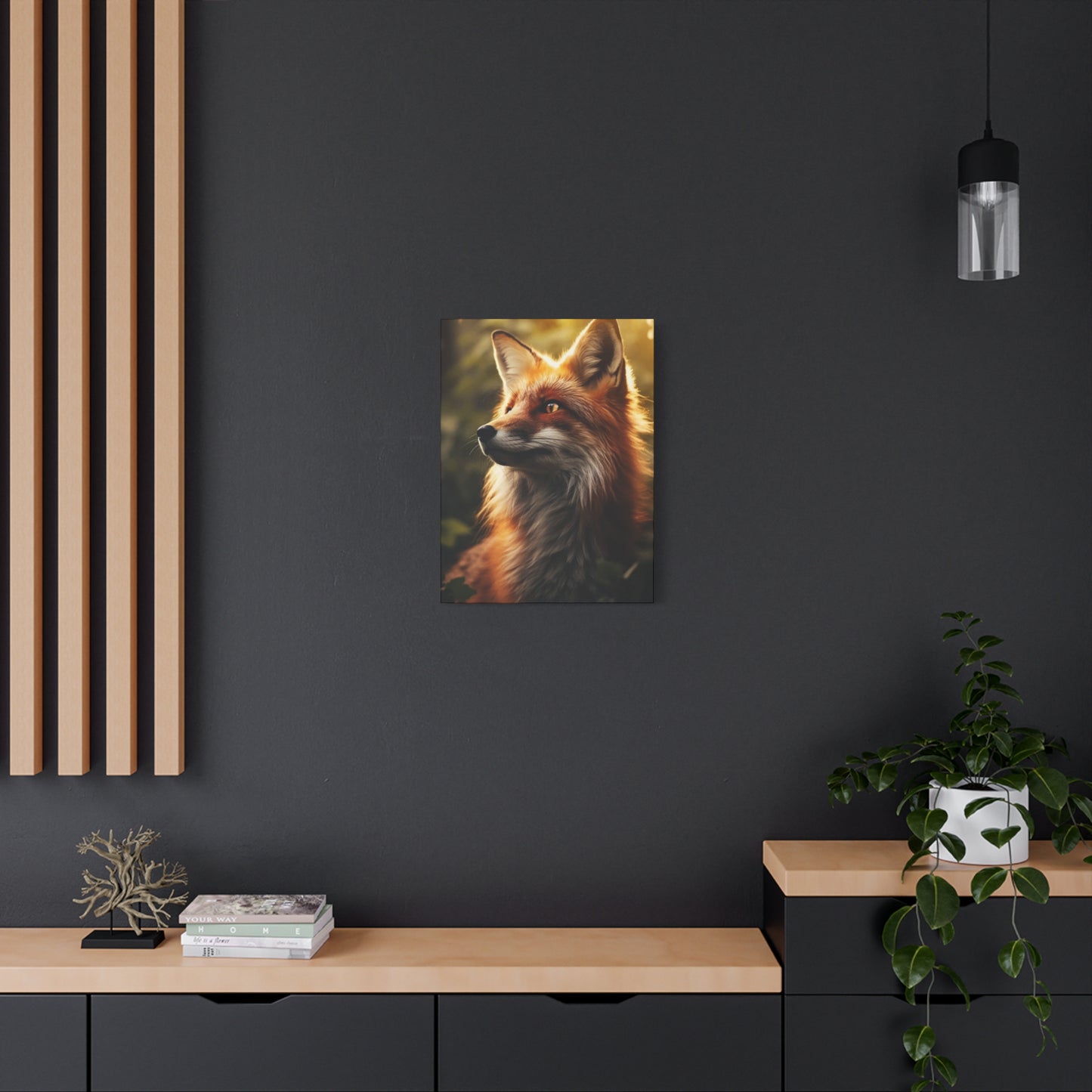
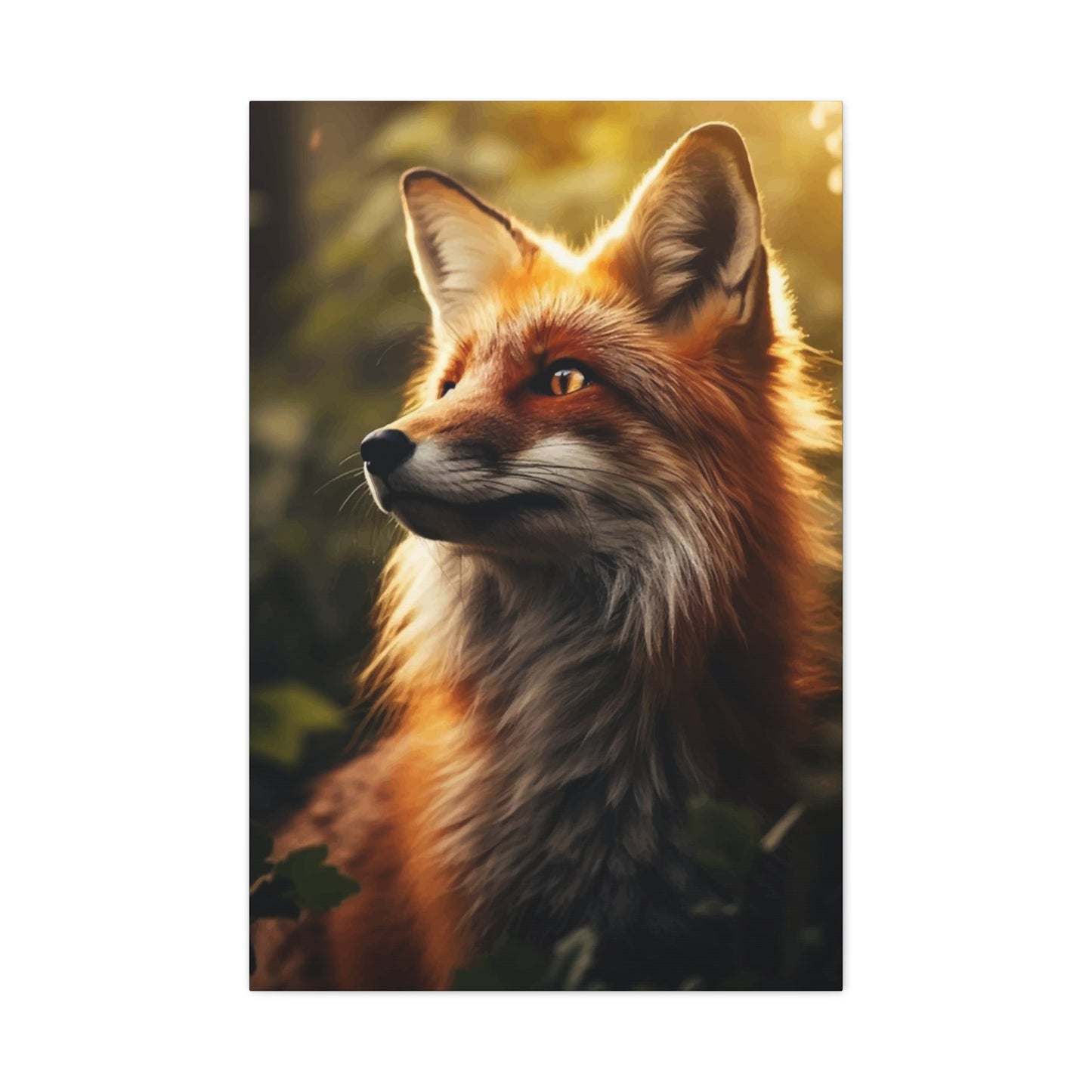
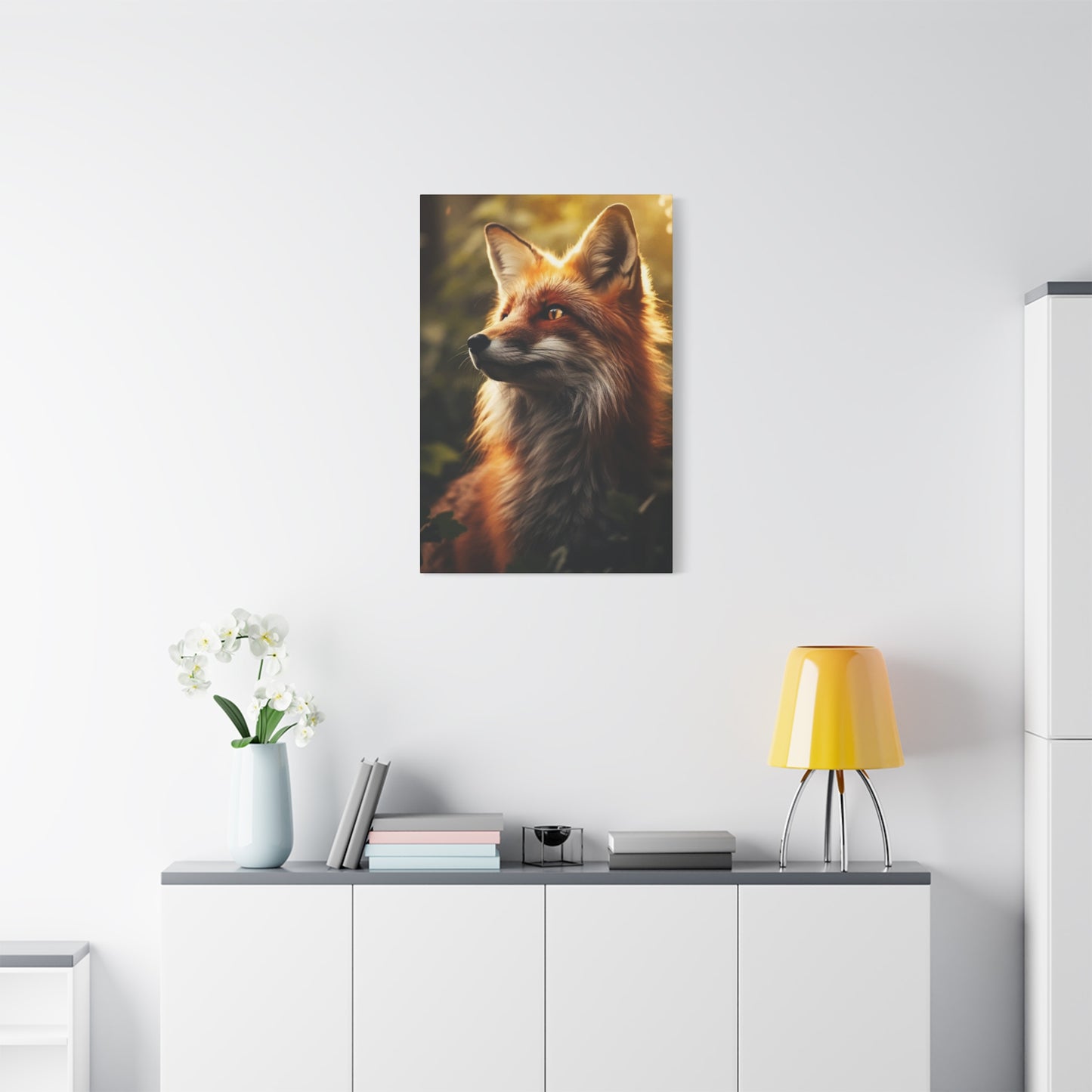
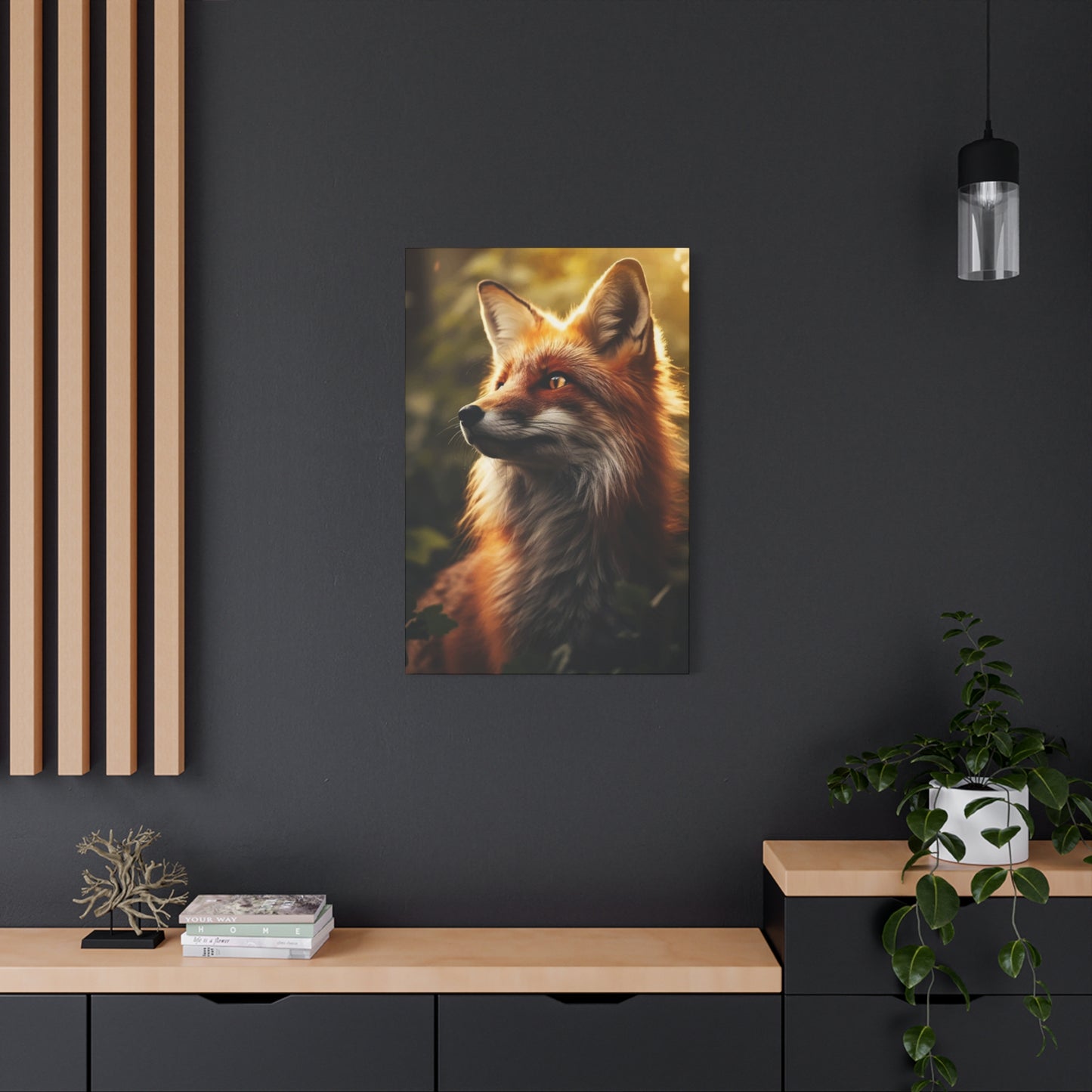
Fox Wall Art & Canvas Prints
Fox Wall Art & Canvas Prints
Couldn't load pickup availability
Discover the Captivating World of Fox Wall Art: Everything You Need to Know About Decorating with Cunning Woodland Creatures
The enchanting allure of fox-themed decorative pieces has captivated homeowners, interior designers, and wildlife enthusiasts for generations. These clever woodland creatures, with their striking russet coats and intelligent eyes, have become one of the most sought-after subjects in contemporary home decoration. Fox wall art represents more than just a trendy aesthetic choice; it embodies a connection to nature, symbolizes intelligence and adaptability, and brings a touch of wilderness into our modern living spaces.
Throughout centuries, foxes have held significant cultural meaning across various civilizations. From Japanese folklore where they appear as mystical kitsune spirits to Native American traditions where they represent cunning and wisdom, these magnificent animals have always captured human imagination. Today, this fascination translates beautifully into artistic expressions that adorn our walls, creating focal points that spark conversation and add personality to any room.
The contemporary market offers an astonishing variety of fox-themed decorative pieces, ranging from minimalist line drawings to elaborate oil paintings, from rustic wooden silhouettes to modern digital prints. Whether you're furnishing a nursery with whimsical woodland creatures, creating a sophisticated study with vintage hunting scenes, or designing a modern living room with abstract wildlife interpretations, fox imagery provides versatile options that suit virtually any decorating vision.
Why Foxes Have Become Icons in Contemporary Interior Decoration
The surge in popularity of vulpine imagery in home decoration stems from multiple cultural and aesthetic factors that resonate with contemporary sensibilities. These charismatic creatures embody qualities that modern homeowners find appealing: cleverness, independence, beauty, and a mysterious connection to the natural world that many urban dwellers crave.
From a design perspective, the distinctive physical characteristics of foxes make them particularly suitable for artistic representation. Their pointed ears, bushy tails, slender snouts, and expressive eyes create instantly recognizable silhouettes that translate beautifully across various artistic styles and mediums. The natural color palette associated with these animals—ranging from deep russets and burnt oranges to snowy whites and charcoal grays—complements numerous interior color schemes without overwhelming existing decor.
The rise of the "woodland nursery" trend has significantly contributed to the popularity of fox imagery in home decoration. Young parents seeking gender-neutral, nature-inspired themes for their children's rooms have embraced forest creatures, with foxes often taking center stage alongside deer, bears, and owls. This trend has expanded beyond nurseries into other living spaces as adults discover the sophisticated appeal of well-executed wildlife imagery.
Environmental consciousness and the biophilia movement have also influenced decorating trends. Biophilia, the innate human tendency to seek connections with nature and other forms of life, drives many people to incorporate natural elements into their living environments. Fox wall art serves as a proxy for wilderness, bringing a touch of the outdoors into homes and offices, potentially reducing stress and improving overall wellbeing.
The symbolic meanings associated with foxes across different cultures add depth to decorating choices. In many traditions, these creatures represent intelligence, quick thinking, adaptability, and survival skills. For individuals who identify with these qualities or aspire to embody them, displaying fox imagery becomes a form of personal expression, a visual reminder of valued characteristics.
Social media platforms have accelerated the popularity of fox-themed decor. Visual platforms showcase beautifully styled rooms featuring woodland creatures, inspiring users to recreate similar aesthetics in their own homes. This viral spread of decorating ideas has transformed what might have remained a niche preference into a mainstream phenomenon embraced by millions worldwide.
Exploring the Diverse Styles Available in Fox-Themed Decorative Pieces
The remarkable variety of artistic interpretations available ensures that everyone can find fox imagery that aligns with their personal taste and existing decor. Understanding the different style categories helps narrow down choices when selecting pieces for your space.
Realistic wildlife portraits capture the authentic beauty of these creatures with careful attention to anatomical accuracy, fur texture, and natural coloring. These pieces often feature foxes in their natural habitats—prowling through snow-covered forests, peeking through autumn foliage, or resting in sun-dappled meadows. Realistic styles appeal to nature enthusiasts, wildlife conservationists, and those who appreciate traditional artistic techniques. These works often demonstrate impressive skill in rendering details like individual fur strands, the gleam in an animal's eye, or the play of light across a russet coat.
Watercolor interpretations offer a softer, more ethereal approach to depicting these woodland creatures. The medium's inherent fluidity creates dreamy, romantic images where colors bleed and blend, suggesting rather than precisely defining form. Watercolor fox pieces work beautifully in spaces with softer color palettes, vintage or shabby chic aesthetics, or rooms where a gentle, calming atmosphere is desired. The transparency of watercolors creates depth and luminosity that other mediums struggle to achieve.
Geometric and minimalist representations reduce the fox form to essential shapes and lines, creating clean, contemporary images perfect for modern interiors. These pieces might feature foxes constructed from triangles and polygons, simple line drawings capturing the animal's profile in a single continuous stroke, or silhouettes filled with geometric patterns. This style appeals to those who prefer uncluttered, streamlined aesthetics and works particularly well in spaces with clean architectural lines and minimal ornamentation.
Abstract interpretations push beyond recognizable form to capture the essence or spirit of vulpine nature through color, shape, and composition. An abstract fox piece might use swirling russet and orange hues to suggest movement and energy, or employ unexpected color combinations to evoke emotional responses. These works serve as conversation starters and allow viewers to bring their own interpretations to what they see.
Vintage and retro styles draw inspiration from mid-century design, Victorian naturalist illustrations, or old hunting lodge aesthetics. These pieces might feature foxes rendered in the style of scientific illustrations from the 1800s, complete with Latin nomenclature, or adopt the muted colors and simplified forms characteristic of 1960s graphic design. Vintage-style fox pieces add character and a sense of history to spaces, working especially well in eclectic or transitional interiors that blend old and new elements.
Folk art and whimsical interpretations present foxes with playful, storytelling qualities. These might include foxes dressed in Victorian clothing, engaged in human activities, or depicted with exaggerated, cartoon-like features that emphasize cuteness or humor. Scandinavian-inspired folk designs often feature stylized foxes alongside floral motifs and other forest creatures. These cheerful, narrative pieces work wonderfully in children's spaces but can also add lighthearted charm to adult rooms when balanced with more sophisticated elements.
Mixed media creations combine multiple materials and techniques—perhaps collaging vintage papers with painted elements, incorporating found objects, or combining digital elements with hand-painted details. These unique pieces offer textural interest and complexity, often serving as statement pieces that anchor an entire room's design scheme.
Materials and Mediums: Understanding Your Options When Selecting Fox-Themed Decorative Pieces
The material and production method of your chosen fox artwork significantly impacts its appearance, longevity, and price point. Familiarizing yourself with various options helps you make informed decisions that balance aesthetic preferences with practical considerations.
Canvas prints represent one of the most popular choices for fox-themed wall decoration. Digital printing onto stretched canvas creates gallery-ready pieces at accessible price points. Modern printing methods produce remarkably detailed images with rich colors and subtle gradations. Canvas has a pleasant texture that adds visual interest and eliminates glare problems associated with glass-covered pieces. Quality varies significantly among canvas prints, with factors like canvas weight, ink quality, and stretcher bar construction affecting longevity. Premium canvas prints use archival-quality inks resistant to fading and are stretched over solid wooden frames rather than flimsy cardboard alternatives.
Framed prints under glass offer versatility and protection for paper-based artwork. This category includes everything from affordable mass-produced posters to limited-edition fine prints and original watercolors or drawings. The framing significantly impacts the overall aesthetic—rustic wooden frames create farmhouse appeal, sleek metal frames suit modern spaces, and ornate gilded frames work for traditional or eclectic rooms. Quality matting and UV-protective glass preserve artwork and prevent fading over time.
Metal prints represent a cutting-edge option where images are infused directly onto aluminum sheets, creating extraordinarily vibrant, durable pieces with a distinctive luminous quality. The metal surface reflects light in ways that make colors appear more saturated and details sharper. These prints resist moisture, scratches, and fading, making them ideal for high-traffic areas or spaces with humidity concerns like bathrooms or kitchens. The modern aesthetic of metal prints suits contemporary and industrial interior styles particularly well.
Wooden wall decorations offer three-dimensional interest and rustic charm. These might include laser-cut wooden fox silhouettes, carved wooden reliefs, or images printed directly onto wooden planks. The natural grain of wood adds organic warmth that complements the natural subject matter. Distressed or reclaimed wood pieces bring shabby chic or farmhouse appeal, while smooth, stained hardwood offers more refined sophistication.
Original paintings provide unique, one-of-a-kind pieces with inherent value and personality. Whether oil, acrylic, gouache, or watercolor, original works display the artist's hand in visible brushstrokes, textural variations, and subtle imperfections that mass-produced pieces cannot replicate. Investing in original artwork supports living artists and provides pieces with potential to appreciate in value over time.
Tapestries and textile wall hangings introduce softness and texture to interiors. Woven or printed fabric pieces add warmth and can help absorb sound in echo-prone spaces. Vintage-style woven tapestries depicting fox hunting scenes or forest landscapes bring old-world charm, while modern printed tapestries offer affordable large-scale imagery perfect for renters unable to paint or make permanent wall modifications.
Sculptural and three-dimensional pieces extend beyond flat wall surfaces to create dramatic focal points. These might include metal sculptures casting fox-shaped shadows, dimensional wooden assemblages, or ceramic tile mosaics depicting fox scenes. Such pieces add architectural interest and work beautifully on mantelpieces, shelves, or as part of gallery wall arrangements.
Size Considerations: Choosing Appropriately Scaled Fox Wall Art for Different Spaces
Proper sizing ensures your fox-themed pieces enhance rather than overwhelm or underwhelm your spaces. Understanding basic proportion principles guides successful selection and placement.
Small-scale pieces, typically ranging from five to fifteen inches on their longest dimension, work beautifully as part of gallery walls, paired with other small pieces, or placed in intimate spaces like hallways, powder rooms, or reading nooks. These modest pieces can punch above their weight when thoughtfully arranged—a collection of small fox prints in coordinating frames creates visual impact equivalent to a single larger piece while offering more flexibility in arrangement and budget-friendly acquisition over time.
Medium-scale artworks measuring approximately eighteen to thirty-six inches suit most residential spaces and represent the versatile middle ground that works above furniture, on wall sections between windows, or as standalone focal points in smaller rooms. A medium-sized fox portrait might hang perfectly above a console table in an entryway, over a desk in a home office, or on a bedroom wall without overwhelming the space.
Large-scale statement pieces extending beyond forty inches command attention and anchor entire rooms. These substantial works require careful placement in spaces with adequate wall area to showcase them properly. A large fox painting might dominate a living room wall above a sofa, create drama in a dining room, or serve as the focal point in a master bedroom. When selecting large pieces, consider the viewing distance—larger rooms with furniture arranged farther from walls can accommodate and require bigger artwork to maintain proper visual balance.
Oversized and dramatic installations measuring five feet or larger create gallery-like impact in spaces with high ceilings or expansive wall areas. Homes with two-story entryways, great rooms with vaulted ceilings, or commercial spaces benefit from these commanding pieces that fill vertical space and create memorable impressions. Multiple-panel works, also called diptychs, triptychs, or polyptychs, divide single images across multiple canvases, adding contemporary sophistication while making very large-scale imagery more manageable to transport and hang.
The surrounding space significantly influences appropriate artwork sizing. Design professionals often recommend that wall decorations occupy approximately two-thirds to three-quarters the width of the furniture piece they hang above. For walls without furniture reference points, consider the wall's dimensions—artwork should neither float insignificantly nor crowd edges uncomfortably. Leaving adequate empty space around pieces allows them to breathe and prevents cluttered appearances.
Ceiling height affects perceived scale. Standard eight-foot ceilings call for restraint with vertical artwork dimensions, while ten-foot or higher ceilings accommodate and benefit from taller pieces that draw eyes upward and emphasize ceiling height. In rooms with dramatic vertical space, don't fear going larger than intuition might suggest—pieces that seem enormous in a showroom may appear appropriately sized in a voluminous room.
Color Palette Strategies: Harmonizing Fox Wall Art with Existing Interior Schemes
Successfully incorporating fox imagery requires thoughtful consideration of color relationships between artwork and surrounding decor. Whether seeking harmonious blending or striking contrast, understanding color theory principles guides effective choices.
Monochromatic and neutral approaches feature black and white or sepia-toned fox images that coordinate effortlessly with virtually any color scheme. These versatile pieces avoid competing with colorful furnishings and instead provide sophisticated focal points through form, composition, and tonal contrast rather than chromatic variety. Black and white fox photographs or charcoal drawings suit minimalist interiors, while sepia prints complement vintage or rustic aesthetics.
Analogous color schemes utilize hues adjacent on the color wheel, creating harmonious, cohesive appearances. Since foxes naturally display warm tones—oranges, reds, and yellows—artwork featuring these colors works beautifully in rooms decorated with analogous warm palettes. A russet fox portrait complements spaces with terracotta, amber, gold, or peachy tones, creating enveloping warmth perfect for cozy living areas, dens, or bedrooms.
Complementary color strategies employ hues opposite on the color wheel to create vibrant, energizing contrast. Orange-toned fox imagery pops dramatically against blue or teal walls and furnishings, creating dynamic visual tension that energizes spaces. This approach works particularly well in rooms needing vibrancy—family rooms, playrooms, or creative workspaces.
Neutral backgrounds with colorful subjects offer flexible options that work across various schemes. Fox artwork featuring colorful subjects against cream, gray, or white backgrounds brings color into neutral spaces without overwhelming commitment, easily accommodating future decor changes. This approach particularly suits those who frequently update accessories and accents, as neutral-background artwork adapts to evolving color preferences.
Nature-inspired earthy palettes embrace the woodland origins of fox subjects through colors mimicking natural environments—mossy greens, bark browns, stone grays, and sky blues alongside the animal's russet coat. These organic color combinations create serene, grounding spaces that appeal to lovers of natural aesthetics and biophilic design principles.
Unexpected and bold combinations demonstrate that fox imagery need not limit itself to naturalistic coloring. Artists sometimes depict foxes in vivid purples, electric blues, or metallics, creating striking contemporary pieces perfect for eclectic or maximalist interiors. When selecting unconventionally colored fox pieces, pull accent colors from the artwork into accessories—throw pillows, vases, or rugs—to create intentional connections between the piece and its surroundings.
Seasonal adaptations allow fox wall art to enhance seasonal decorating rotations. Foxes depicted in snowy landscapes suit winter displays, springtime foxes among wildflowers celebrate renewal, summer scenes capture warmth and abundance, and autumn foxes among falling leaves embrace harvest season. Rotating seasonally appropriate fox pieces keeps decor fresh and celebrates the changing year.
Strategic Placement: Where Fox Wall Art Makes the Greatest Impact in Your Home
Thoughtful placement maximizes the visual and emotional impact of fox-themed decorative pieces while ensuring they enhance rather than disrupt your home's flow and function.
Entryways and foyers create first impressions, making them prime locations for striking fox pieces that welcome guests and set your home's aesthetic tone. A commanding fox portrait immediately establishes personality and style, whether that's rustic and cozy, sleek and modern, or eclectic and artistic. Entry spaces typically lack furniture that might block wall views, providing clean canvases for artwork display. Consider pieces that complement your entry's color scheme while being visible from multiple angles as people arrive and depart.
Living rooms serve as primary gathering spaces where families relax and guests socialize, making them natural showcases for significant fox wall art. Above the sofa represents the most common placement for large statement pieces, creating a focal point that anchors seating arrangements. Alternatively, place fox pieces on walls adjacent to fireplaces, on either side of windows, or create gallery walls combining multiple smaller pieces. Living room artwork should complement the room's overall aesthetic while being visible and appreciable from primary seating positions.
Dining areas benefit from artwork that sparks conversation and creates ambiance conducive to shared meals. Fox imagery brings natural elements into often-formal spaces, adding personality without overwhelming intimate dinner conversations. Consider the tone you wish to establish—playful fox illustrations create casual, family-friendly atmospheres, while sophisticated vintage hunting scenes or elegant realistic portraits suit formal dining rooms. Artwork should hang at appropriate heights for both standing and seated viewing.
Bedrooms deserve personal artwork that resonates with occupants and promotes desired moods. Foxes symbolizing cleverness and independence particularly appeal in adult bedrooms, while whimsical woodland creatures create enchanting environments in children's rooms. Bedroom artwork need not coordinate with public spaces, offering freedom to explore personal preferences. Place pieces where they're visible from the bed but won't create restless energy that might interfere with sleep—avoid overly stimulating colors or subjects directly opposite the bed.
Home offices and studies benefit from imagery inspiring desired qualities. Since foxes represent intelligence, adaptability, and problem-solving, their presence in workspaces can serve as visual reminders of these attributes. Choose pieces whose style matches your professional needs—clients entering home offices might appreciate sophisticated, gallery-quality pieces, while private workspaces allow more personal or whimsical choices.
Hallways and stairways offer overlooked opportunities for displaying fox wall art. These transitional spaces can feel neglected but come alive with thoughtfully arranged artwork. Gallery walls chronicling multiple fox pieces work beautifully along hallway lengths, while individual pieces can punctuate stairway walls at varying heights following the staircase angle. These spaces receive traffic but little lingering attention, so don't reserve your finest pieces for them—but do use them to extend your home's cohesive aesthetic story.
Bathrooms increasingly receive the same decorating attention as other rooms, with fox imagery bringing unexpected charm to these utilitarian spaces. Ensure bathroom artwork can withstand humidity—metal prints, sealed wooden pieces, or properly framed prints under glass work better than unprotected canvas or paper. Small vintage fox prints create eclectic powder room appeal, while larger pieces can anchor spacious master bathrooms.
Children's rooms and nurseries represent prime territory for fox wall art, with countless options scaled and styled for young occupants. Woodland nursery themes remain perennially popular, with gentle watercolor foxes, geometric forest creatures, or storytelling scenes creating imaginative environments. As children grow, artwork can evolve—preschoolers might enjoy bright, playful fox characters, while teenagers might appreciate more sophisticated or abstract interpretations.
Creating Cohesive Gallery Walls Featuring Fox-Themed Elements
Gallery walls offer dynamic alternatives to single statement pieces, allowing you to showcase multiple fox artworks or combine vulpine imagery with complementary elements for varied, personalized displays.
Planning begins before hammering a single nail. Lay your intended pieces on the floor in your desired arrangement, photograph the layout for reference, then measure and mark wall positions before hanging. This preparation prevents excessive nail holes and ensures balanced, intentional final results.
Theme consistency creates gallery wall cohesion even across varied pieces. A fox-focused gallery might include different artistic interpretations—realistic, abstract, photographic, illustrated—unified by their common subject. Alternatively, create woodland creature galleries where foxes appear alongside deer, owls, rabbits, and bears, unified by the forest theme rather than a single species.
Frame coordination significantly impacts gallery wall success. Matching frames in identical finishes create polished, intentional appearances, while mixed frames in complementary styles—various woods, mixed metals, or black and white combinations—create collected-over-time charm. Maintain some unifying element even with varied frames: similar widths, consistent matting colors, or cohesive finish tones.
Arrangement styles range from structured to organic. Grid arrangements with uniform spacing and alignment create clean, contemporary order perfect for modern spaces. Salon-style arrangements stack pieces closely with varied spacing, creating collected, eclectic charm. Geometric arrangements organize pieces into overall shapes—squares, rectangles, or more creative configurations—providing structure without rigid uniformity. Organic arrangements flow naturally with varied spacing and no strict alignment, creating relaxed, artistic collections.
Size variation adds visual interest. Combining large anchor pieces with smaller supporting elements creates hierarchy and prevents monotony. Typically, one or two larger pieces form the composition's core, with smaller works surrounding and complementing them. Maintaining fairly consistent spacing between pieces, regardless of their individual sizes, creates unity even across varied scales.
Color distribution affects visual balance. Distribute colors evenly throughout the arrangement rather than clustering all warm tones in one area and cool tones elsewhere. This creates cohesive flow that moves eyes around the entire composition rather than fixating on color-heavy spots.
Incorporating non-artwork elements enhances gallery wall interest. Small mirrors expand space and reflect light, floating shelves display three-dimensional objects between two-dimensional pieces, and decorative elements like antlers, dried botanicals, or small sculptures add textural variety. These mixed-media galleries feel curated and personal rather than simply art collections.
Negative space matters. Resist the temptation to fill every inch—gallery walls need breathing room. The wall color showing between pieces contributes to the overall composition, providing visual rest that prevents overwhelming busyness.
Seasonal and Holiday Themes: Rotating Fox Wall Art Throughout the Year
Seasonal rotation keeps interiors feeling fresh and celebrates the changing year, with fox imagery offering particular versatility across seasons.
Winter scenes featuring foxes navigating snowy landscapes evoke cozy hibernation feelings perfect for cold months. White arctic foxes against crystalline backgrounds, red foxes prowling through snow-laden pines, or foxes curled in frosted dens create wintry magic. These pieces particularly shine during holiday seasons, complementing evergreen decorations and winter color palettes of silver, white, blue, and red.
Spring representations capture renewal and awakening with foxes among wildflowers, peeking from burrows as earth thaws, or with spring offspring. Pastel color palettes and fresh greenery in these pieces mirror seasonal changes happening outdoors. Spring fox pieces bring optimism and freshness to spaces emerging from winter's heaviness.
Summer imagery shows foxes in full vegetation, perhaps playing in meadows, hunting during long daylight hours, or resting in dappled shade. Vibrant greens, warm golden tones, and lush backdrops characterize summer fox pieces. These work beautifully in vacation homes, sunrooms, or spaces where you want to extend summer's abundance throughout the year.
Autumn proves perhaps the most natural season for fox imagery, as the animal's russet coat harmonizes perfectly with fall foliage. Foxes among colorful leaves, autumn hunting scenes, or harvest-themed compositions celebrate the season's richness. These pieces coordinate beautifully with pumpkins, gourds, and autumn entertaining, making them particularly suitable for dining areas during harvest months.
Holiday-specific pieces extend beyond general seasonal themes. Christmas fox decorations might show foxes wearing Santa hats, Victorian-era foxes in winter clothing, or minimalist fox silhouettes integrated into holiday color schemes. Halloween options include foxes with slightly spooky stylization or incorporated into autumn harvest scenes. Thanksgiving displays might feature foxes in harvest abundance contexts.
Rotation strategies require storage solutions for off-season pieces. Wrap artworks in acid-free paper or bubble wrap, store flat or upright depending on size, and keep in climate-controlled areas avoiding humidity extremes. Label stored pieces clearly to simplify future rotations. Some collectors dedicate specific walls to rotating seasonal displays, leaving surrounding decor relatively neutral to accommodate changing focal pieces without requiring complete room overhauls.
Year-round foundations with seasonal accents offer alternatives to complete rotation. Display a permanent collection of neutral or abstractly styled fox pieces that work across seasons, then add temporary seasonal elements—small prints, shelf decor, or textile accents—that enhance without requiring complete replacement. This approach provides seasonal freshness without extensive wall rearrangement.
Incorporating Fox Imagery into Various Interior Design Styles
Fox wall art's versatility allows successful incorporation across virtually any decorating aesthetic, though approach and selection vary by style.
Modern minimalist interiors favor clean-lined, uncluttered aesthetics where every element justifies its presence. Fox pieces for these spaces should embrace simplicity—single-line drawings, geometric interpretations, or high-contrast black and white images. Avoid busy compositions or excessive detail. Mount pieces with ample surrounding negative space, allowing the artwork to float as a singular, intentional focal point. Simple, frameless presentation or minimalist metal frames maintain the aesthetic's restraint.
Scandinavian style combines minimalism with warmth, natural materials, and subtle whimsy. Fox imagery fits naturally into Scandi aesthetics given Nordic folklore traditions. Choose pieces with clean, simple forms in muted, nature-inspired color palettes—soft grays, warm whites, gentle blues, and natural wood tones. Watercolor foxes with loose, light handling or folk-art-inspired stylized interpretations capture Scandinavian sensibility. Display in light wood frames or simple white mounts that maintain the style's airy, uncluttered feel.
Farmhouse and rustic country styles embrace natural materials, vintage elements, and cozy comfort. Fox pieces for these spaces might include vintage-style prints, distressed wooden fox silhouettes, or paintings on reclaimed wood. Rustic frames in weathered woods, black metal, or even barn-window-style multi-pane frames enhance the farmhouse aesthetic. Gallery walls mixing fox prints with inspirational sayings, vintage seed catalogs, or agricultural imagery create collected farmhouse charm.
Industrial style combines raw materials like exposed brick, metal, and concrete with vintage-inspired elements. Fox artwork for industrial spaces might feature metal prints with their inherent contemporary edge, vintage scientific illustrations in metal frames, or fox silhouettes cut from rusted metal. The contrast between refined artwork and rough surroundings creates industrial style's characteristic tension.
Bohemian eclectic embraces color, pattern, global influences, and personal collections without strict rules. Fox pieces in boho spaces can be colorful, unconventional, or layered among diverse elements. Mix fox artwork with tapestries, macramé, plants, and collections from various sources. Abstract or unconventionally colored fox pieces work well here, as do folk-art interpretations from various cultural traditions. Ornate vintage frames, gallery walls with varied frame styles, or frameless pieces leaning casually on shelves all suit bohemian aesthetics.
Contemporary style features current trends, bold choices, and polished execution. Fox artwork for contemporary interiors might include trendy geometric interpretations, striking abstract pieces in current color palettes, or high-quality photographic prints. Contemporary display favors statement pieces over collections, clean professional framing, and artwork coordinated with overall color schemes. Metallic accents in frames or the artwork itself enhance contemporary sophistication.
Traditional and formal styles honor classic design principles with symmetry, rich woods, and refined elegance. Fox imagery for traditional spaces might include vintage hunting scenes, formal wildlife portraits, or botanical-style illustrations reminiscent of natural history archives. Ornate gilded frames, wood frames with classical detailing, and double matting in traditional colors enhance formal presentation. Symmetrical placement—matching pieces flanking fireplaces or windows—reinforces traditional sensibility.
Coastal and nautical styles might seem unlikely contexts for woodland foxes, but creative interpretations make it work. Choose fox pieces with color palettes pulling blues, sandy neutrals, or aqua tones rather than typical warm oranges. Driftwood frames or weathered wood mounts connect fox imagery to coastal materiality. Alternatively, arctic fox imagery with icy blues and whites coordinates naturally with beach house palettes.
Budget-Conscious Approaches to Building Your Fox Wall Art Collection
Creating an impressive fox wall art collection need not strain finances. Strategic approaches allow you to develop curated displays while respecting budget limitations.
Printable digital downloads offer the most budget-friendly entry point. Many artists sell high-resolution digital files that you download immediately and print independently through local print shops or online printing services. This approach dramatically reduces costs compared to purchasing finished prints, though you'll need separate framing solutions. Digital downloads work particularly well for gallery walls where you need multiple pieces, as buying five digital files costs far less than five finished framed prints.
Secondhand and vintage sources provide unique finds at fraction-of-retail prices. Thrift stores, estate sales, flea markets, and online marketplaces regularly feature artwork at minimal costs. You might discover genuine vintage fox prints, paintings needing new frames, or perfectly good contemporary pieces someone else no longer wanted. The hunt becomes part of the enjoyment, and unique vintage finds add character impossible to replicate with new purchases. Be prepared to reframe or refresh pieces, factoring those costs into your budget assessment.
Print-on-demand services allow you to upload images to platforms that print and ship finished products. While not as inexpensive as digital downloads you print yourself, these services offer convenience and professional results at moderate prices. They handle everything from printing to framing, though customization options may be limited compared to working with local framers.
DIY artwork creation represents the ultimate budget approach for those with artistic inclination. Simple fox silhouettes can be traced and painted on canvas, stenciled onto wood, or cut from paper. Abstract interpretations require no realistic rendering skills—experiment with colors and shapes that evoke fox qualities without attempting accurate depiction. Children's artwork featuring foxes can be matted and framed beautifully, creating meaningful displays while supporting young creativity.
Rotating displays maximize collection variety without simultaneous purchase. Instead of buying everything at once, gradually acquire pieces, rotating which ones are displayed. Store off-season or simply varied options, swapping them periodically. This keeps your displays feeling fresh while spreading costs over time.
Frame versatility reduces overall expenses. Purchasing quality frames in neutral colors and standard sizes allows you to swap artwork seasonally or as tastes evolve without replacing frames. A collection of matching frames in common sizes provides consistency while accommodating various prints over time.
Sales, discounts, and off-season purchasing reduce costs for patient shoppers. Many retailers offer significant holiday discounts, end-of-season sales, or clearances when changing inventory. Signing up for artist newsletters or following favorite shops on social media alerts you to sales and special offers. Off-season purchasing—buying winter fox scenes in summer—sometimes yields better prices as retailers clear seasonal inventory.
Mixing price points creates balanced collections. Invest in one or two higher-quality statement pieces that anchor your displays, then supplement with budget-friendly options. This approach ensures your collection includes standout pieces that command attention while controlling overall expenditure.
Caring for and Preserving Your Fox Wall Art Collection
Proper maintenance extends the life and beauty of your fox-themed pieces, protecting your investment and ensuring continued enjoyment for years.
Sunlight represents the primary threat to artwork longevity. UV radiation causes fading, discoloration, and material degradation over time. Avoid hanging artwork in direct sunlight if possible. If sun exposure is unavoidable, use UV-filtering glass or acrylic in frames, hang UV-filtering window treatments, or apply UV-filtering film to windows. Even indirect bright light gradually affects artwork, so rotating pieces between high-light and lower-light locations periodically distributes exposure.
Humidity and temperature fluctuations damage artwork through various mechanisms. High humidity promotes mold growth, foxing (brown spots on paper), and material expansion. Very low humidity causes brittleness and cracking. Extreme temperature swings cause expansion and contraction cycles that stress materials. Maintain relatively stable conditions—ideally 45-55% relative humidity and temperatures between 65-75°F. Avoid hanging artwork on exterior walls that may be prone to temperature extremes or condensation, near heating/cooling vents, or in bathrooms without adequate ventilation.
Dust accumulation dulls artwork and provides food for insects that damage materials. Dust frames and glass or acrylic surfaces regularly using soft, dry cloths or specialized dusting tools. For valuable pieces, consider using professional art handling gloves to avoid transferring oils from hands. Never use cleaning products containing ammonia or harsh chemicals directly on artwork. For artwork without protective glazing, very gently dust with soft brushes, working from top to bottom so dislodged dust falls away from the piece.
Proper mounting prevents damage while securely displaying artwork. Use appropriate hanging hardware rated for each piece's weight—lightweight pieces under five pounds can typically hang on standard picture hanging hooks, while heavier pieces require wall anchors or hanging on wall studs. Use two hanging points for pieces over twenty inches wide to prevent tilting. Ensure hanging wire or D-rings are securely attached to frames. When hanging particularly valuable or heavy pieces, consider consulting professional picture hangers.
Transportation and storage require protective wrapping to prevent damage. Wrap framed pieces in acid-free paper, bubble wrap, or specialized art moving blankets. Never let framed artwork bang against each other or hard surfaces. When storing artwork, keep it upright rather than stacking flat when possible to avoid pressure damage. Store in climate-controlled areas, avoiding attics, garages, or basements prone to humidity or temperature extremes.
Glass or acrylic glazing protects paper-based artwork from environmental threats. Regular glass provides basic protection but offers no UV filtering and risks shattering if dropped. Museum glass or acrylic provides UV filtering and reduced glare but increases cost significantly. For valuable pieces or those in high-light locations, the investment in premium glazing materials pays dividends through superior protection.
Professional conservation becomes necessary for valuable or damaged pieces. If artwork shows signs of deterioration—fading, discoloration, tears, mold, flaking paint—consult professional conservators who possess specialized knowledge and materials to restore and preserve artwork. Attempting amateur repairs often causes further damage that may be irreversible.
Conclusion
Beyond aesthetic appeal, fox imagery carries symbolic weight that adds layers of meaning to decorating choices. Understanding these associations helps you select pieces resonating with your values and desired environment.
Intelligence and cunning represent perhaps the most universal fox associations across cultures. These animals' reputation for cleverness makes their imagery particularly meaningful in spaces dedicated to study, work, or strategic thinking. A fox portrait in a home office serves as a visual reminder to approach challenges with smarts and creativity rather than brute force.
Adaptability and survival skills characterize foxes' ability to thrive in diverse environments from arctic tundra to urban suburbs. For individuals navigating change, facing challenges, or embracing new chapters, fox imagery symbolizes the flexibility and resourcefulness needed to flourish regardless of circumstances.
Playfulness and mischief soften the fox's clever reputation with lighter qualities. Foxes exhibit curiosity and apparent joy in their movements, qualities captured in playful artistic interpretations. Whimsical fox pieces remind us not to take life too seriously, to maintain curiosity, and to find joy in exploration.
Independence and self-reliance define fox behavior—they're largely solitary creatures who rely on individual skills rather than pack cooperation. For people who value autonomy, self-direction, and personal strength, fox imagery resonates as validation of these qualities.
Mysticism and magic permeate fox folklore across numerous cultures. Japanese kitsune possess supernatural abilities and shape-shifting powers. Celtic traditions associate foxes with cunning wisdom and connection to the otherworld. Native American stories cast foxes as trickster figures who teach through their escapades. Artwork drawing on these mythological traditions brings mystical, storytelling elements into spaces, creating atmosphere and sparking imagination.
Feminine energy appears in some cultural contexts, particularly Asian traditions where fox spirits often take female form. The combination of beauty, intelligence, and subtle power associated with fox folklore creates associations with divine feminine qualities.
Share