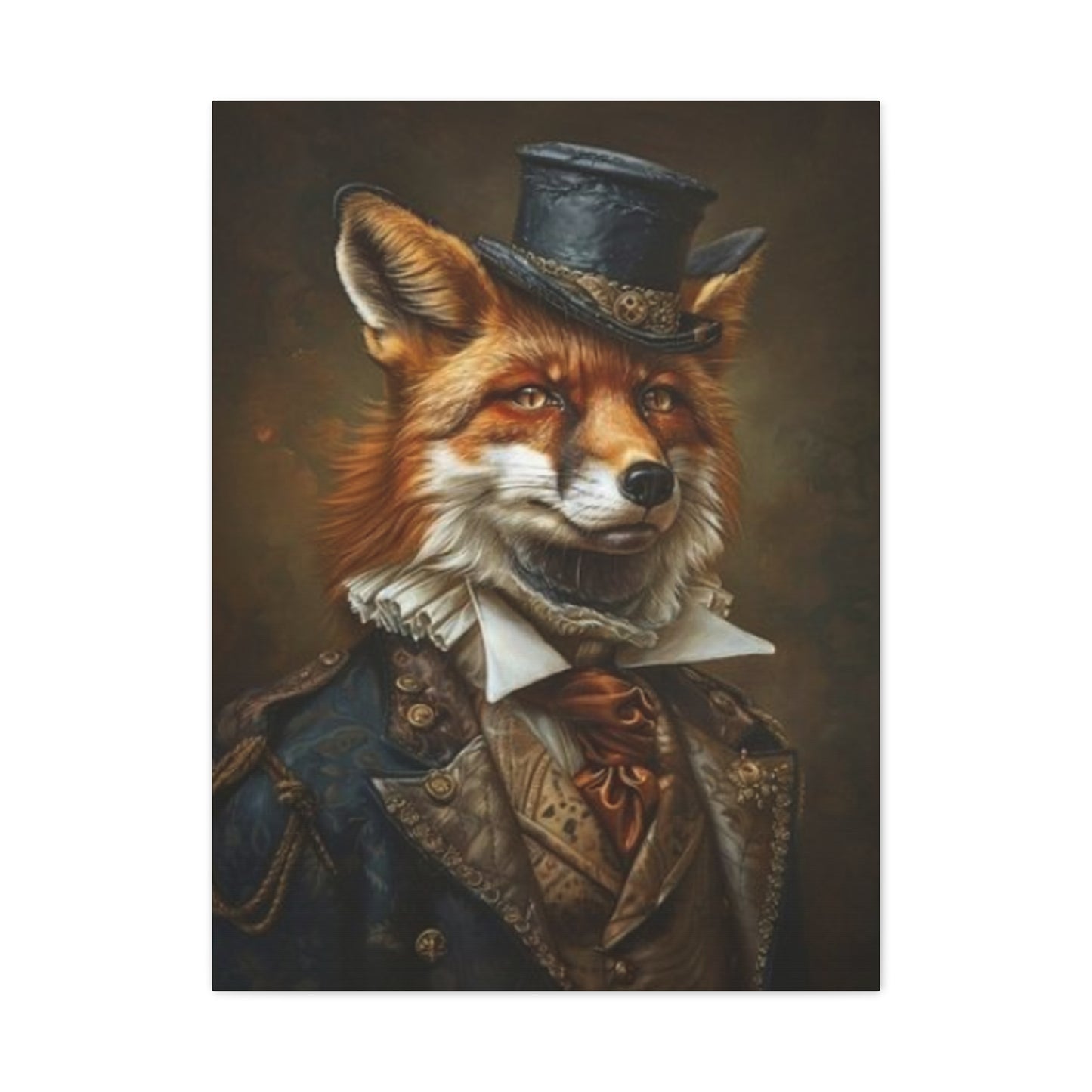
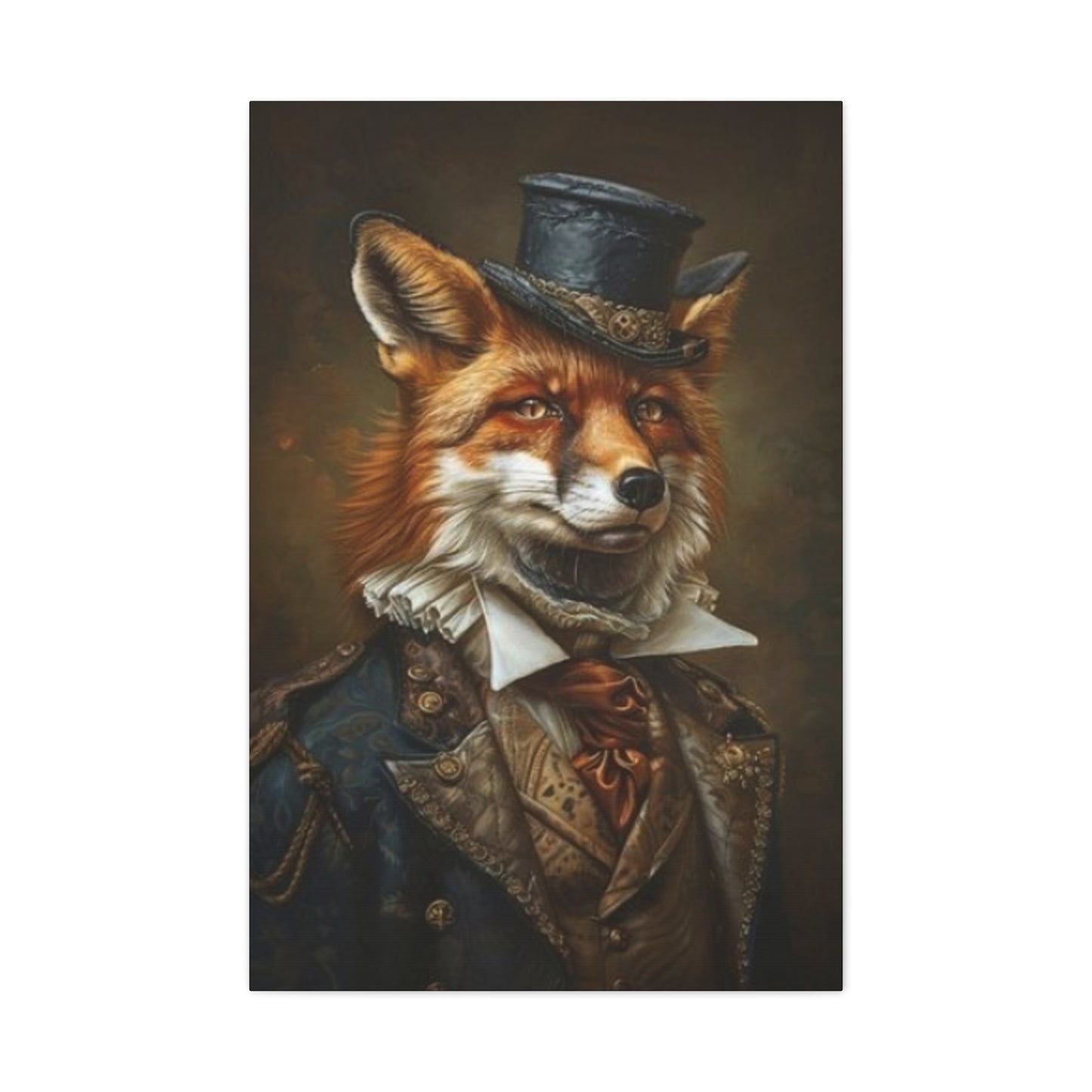
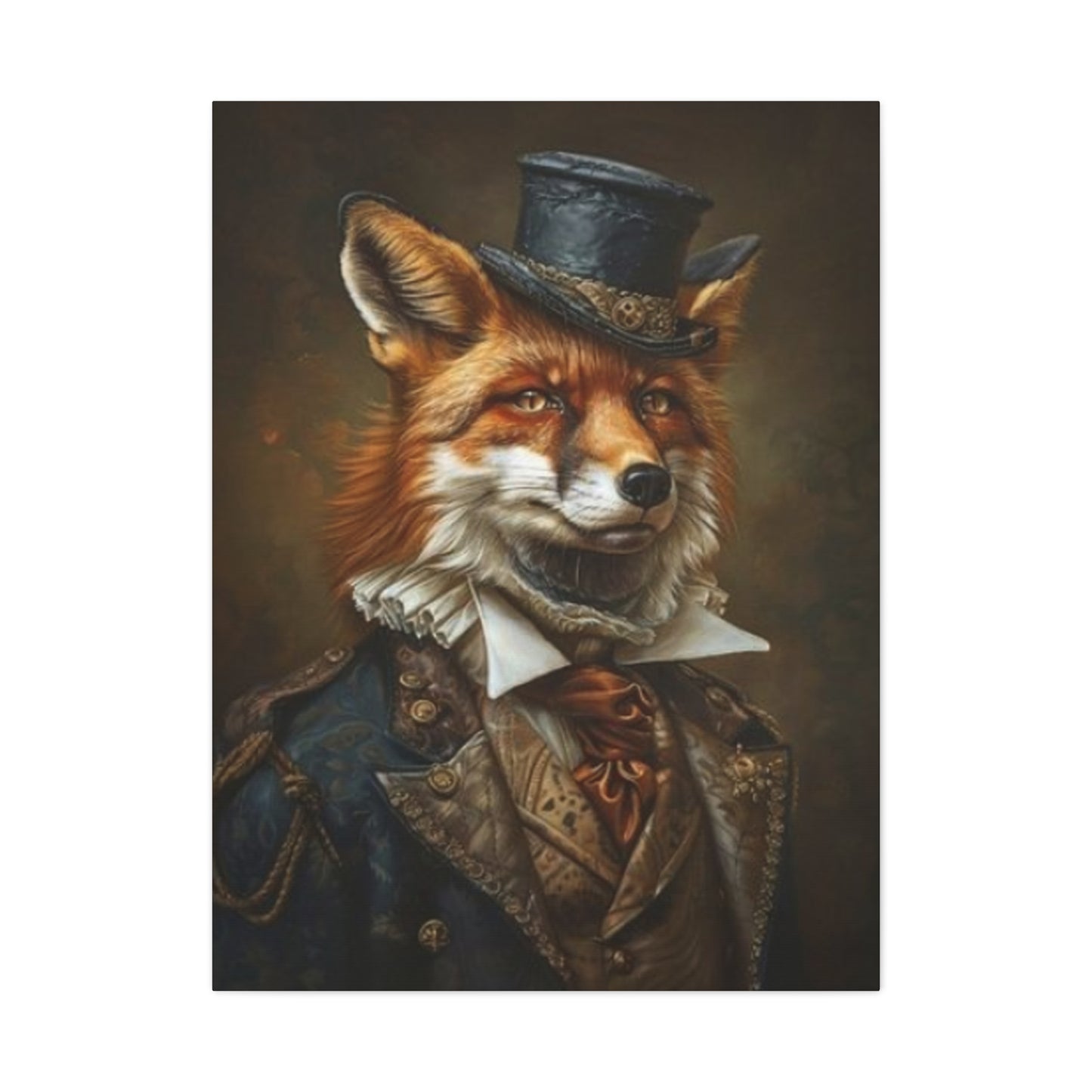
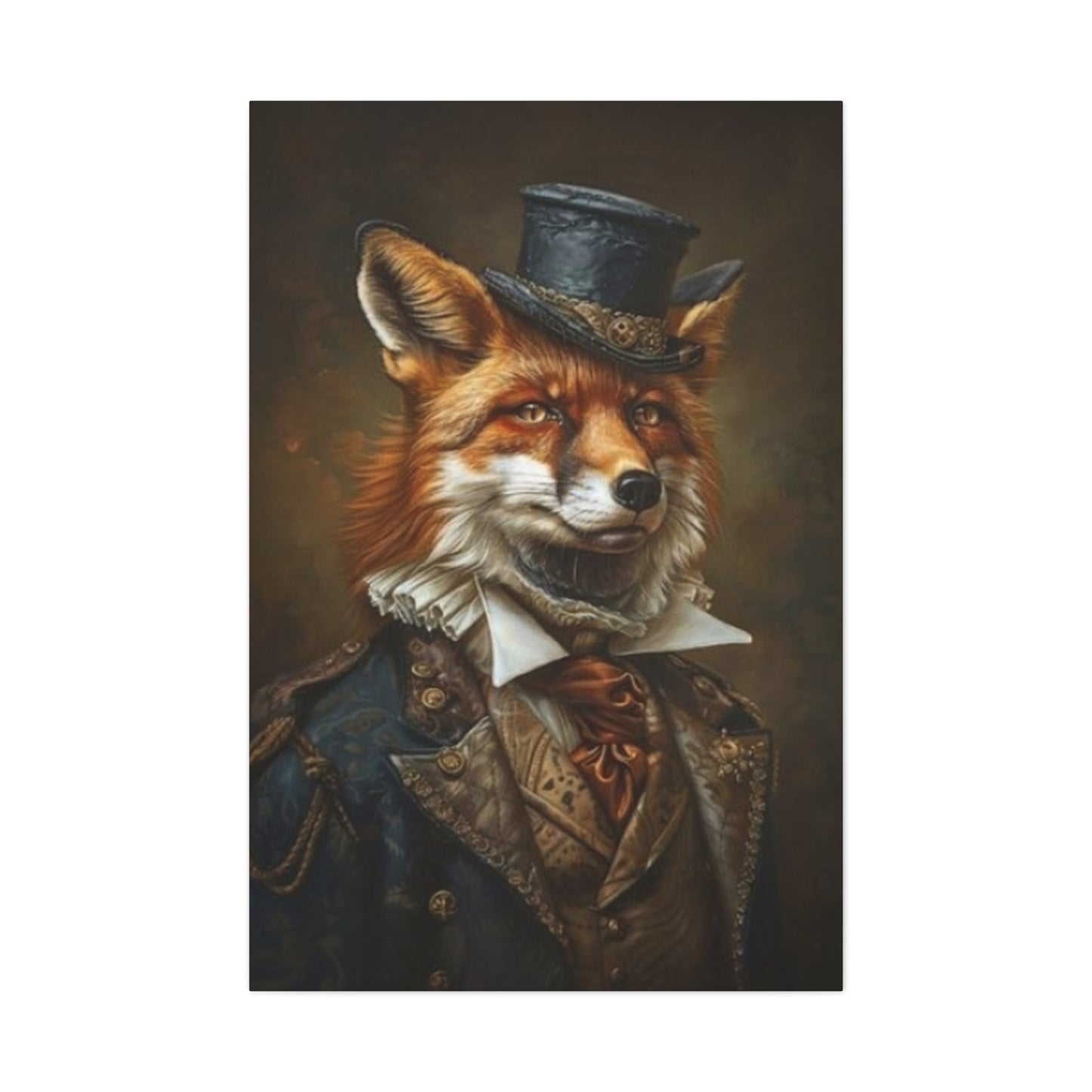
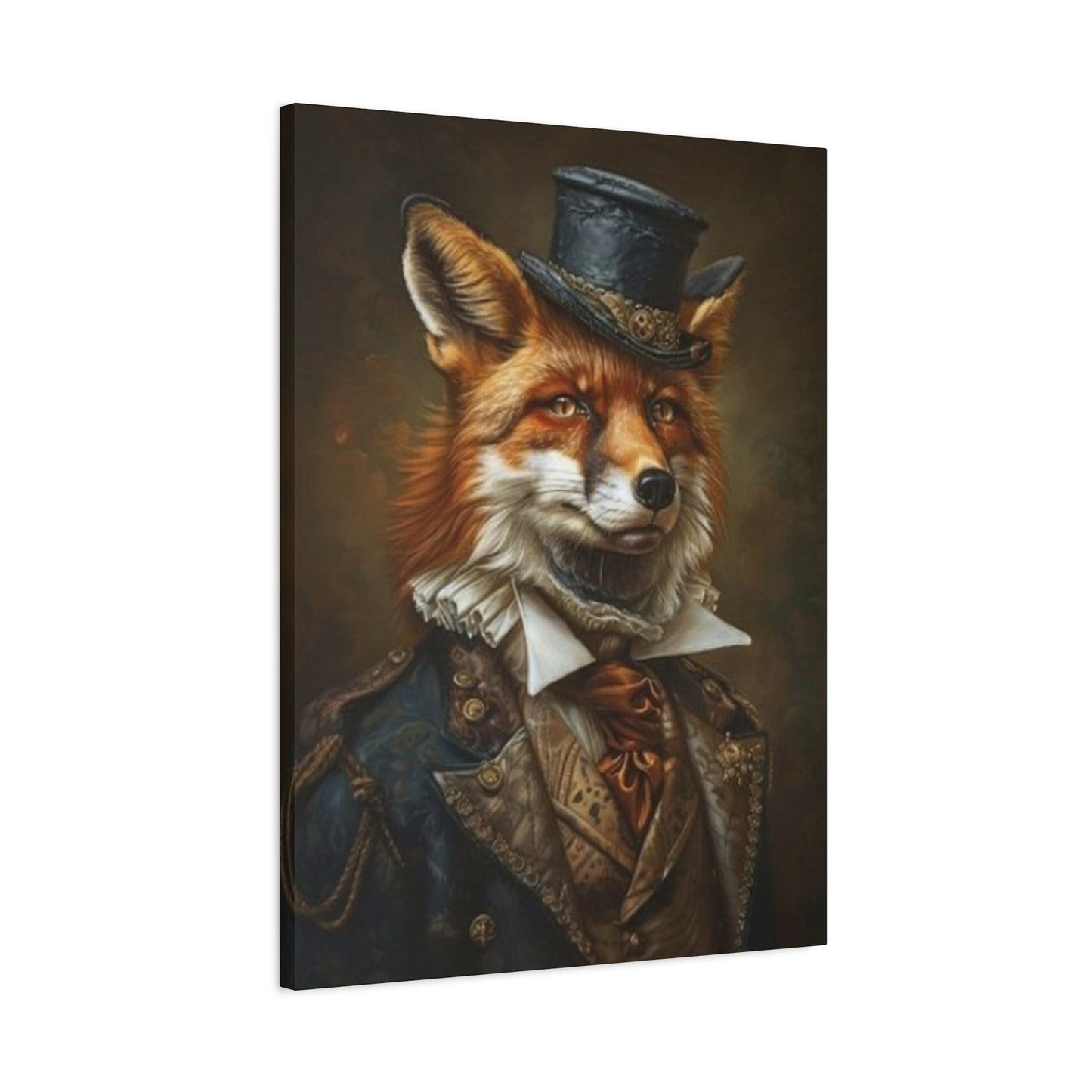
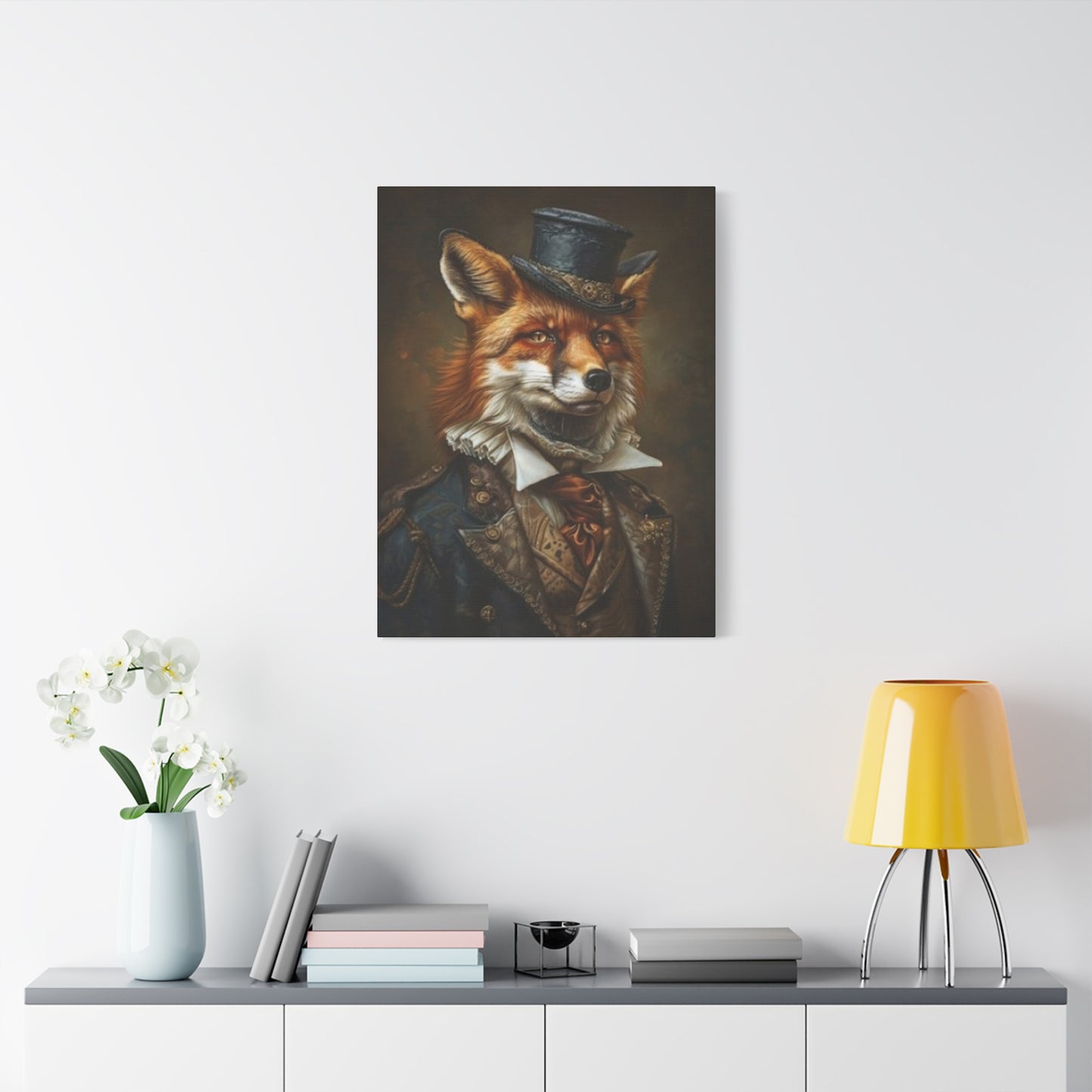
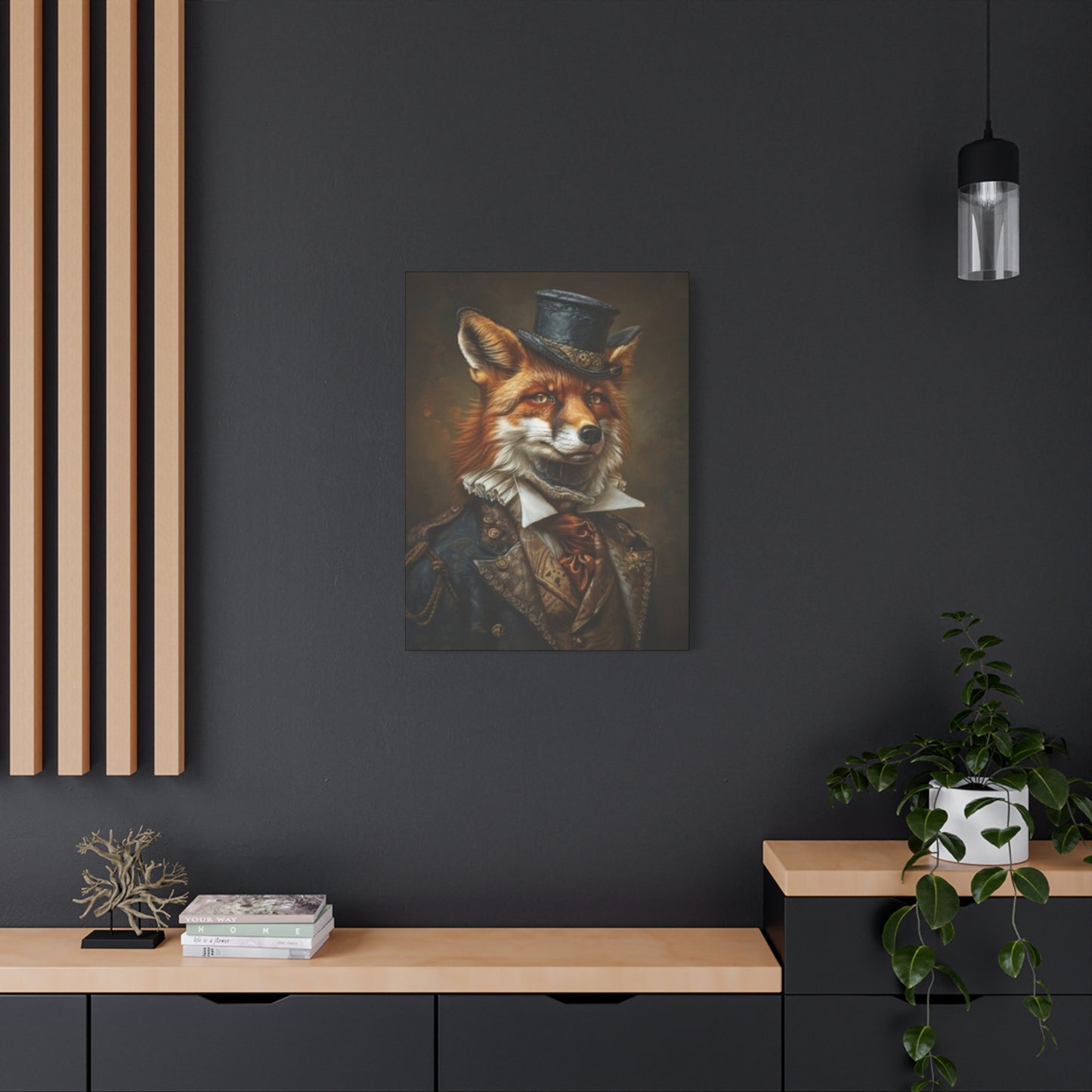
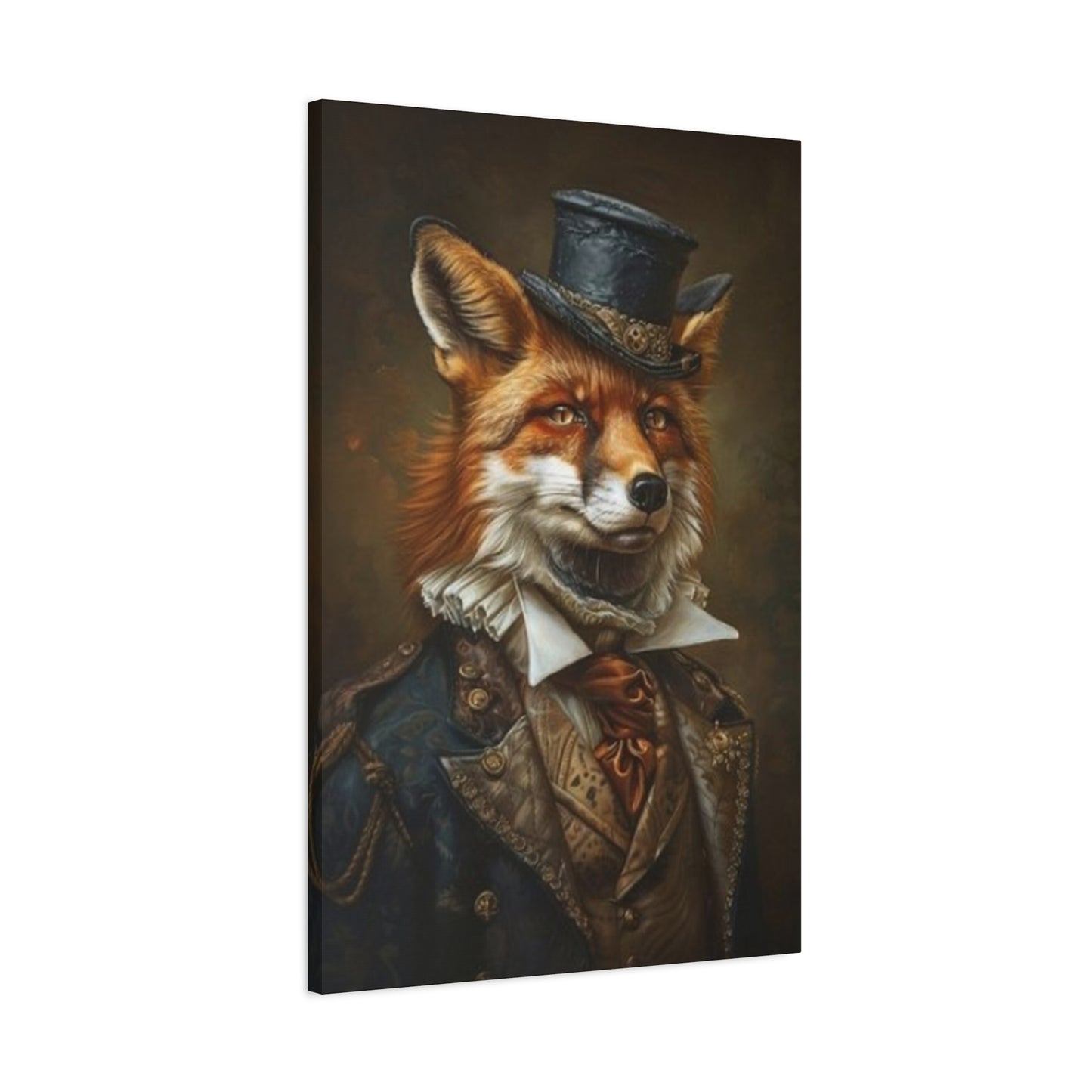
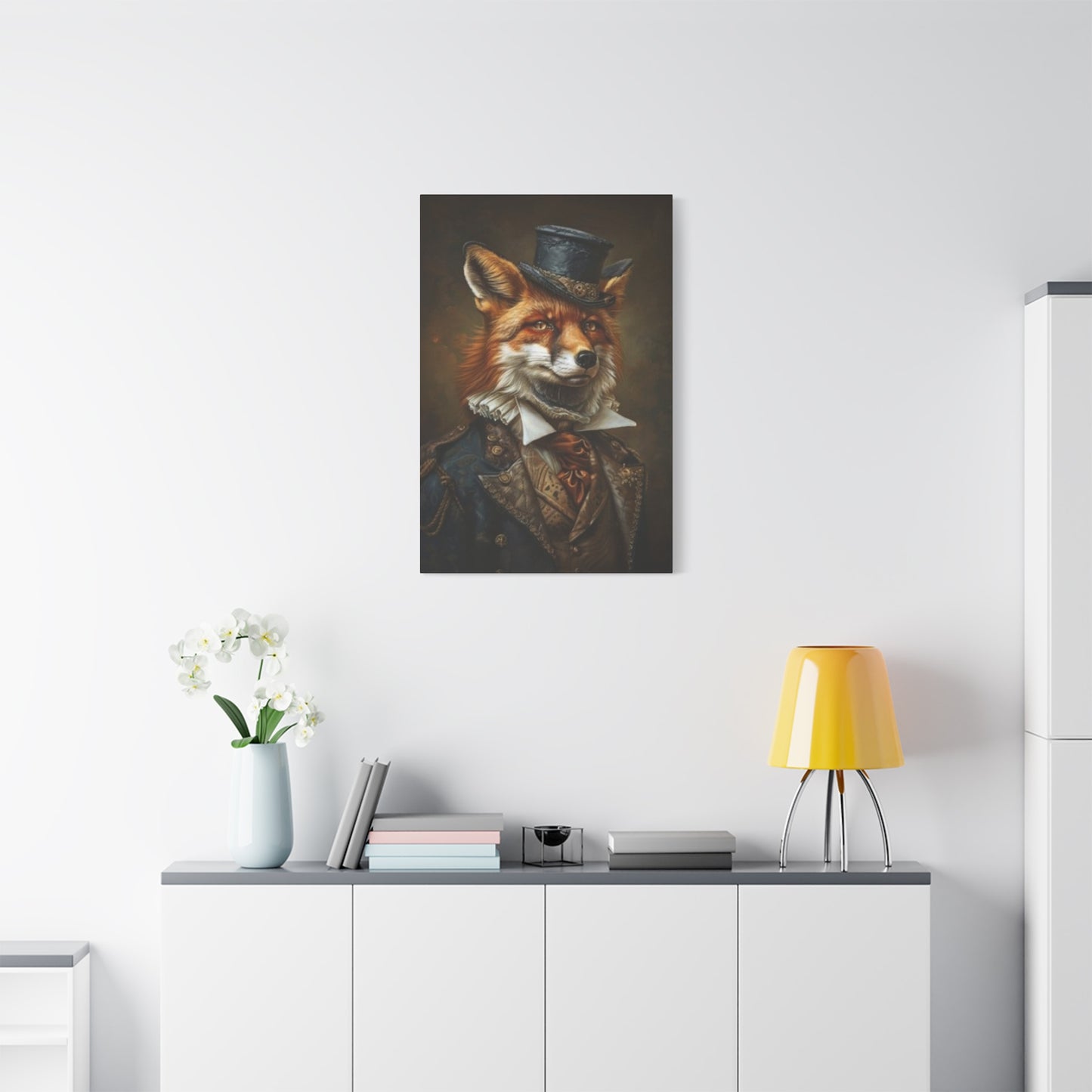
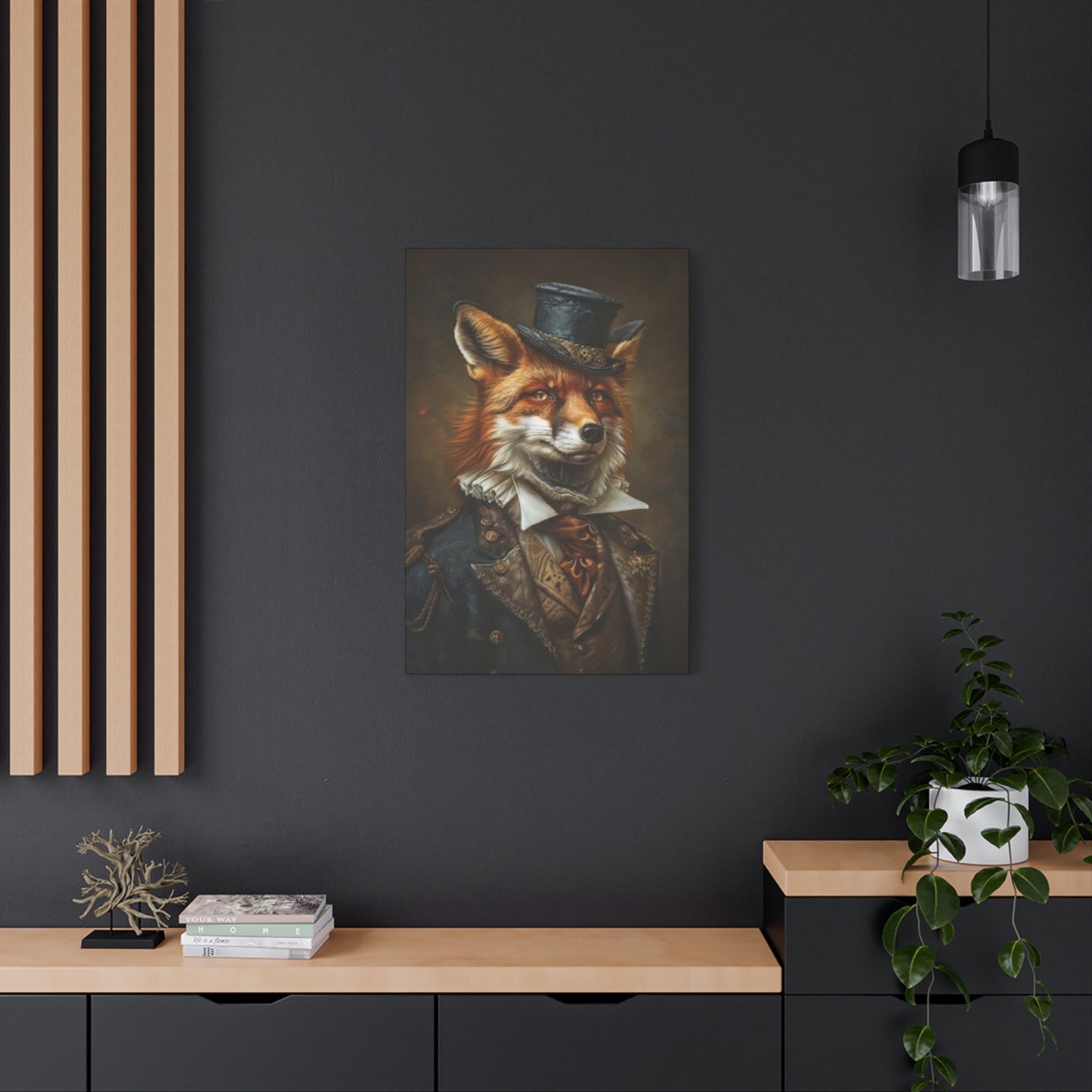
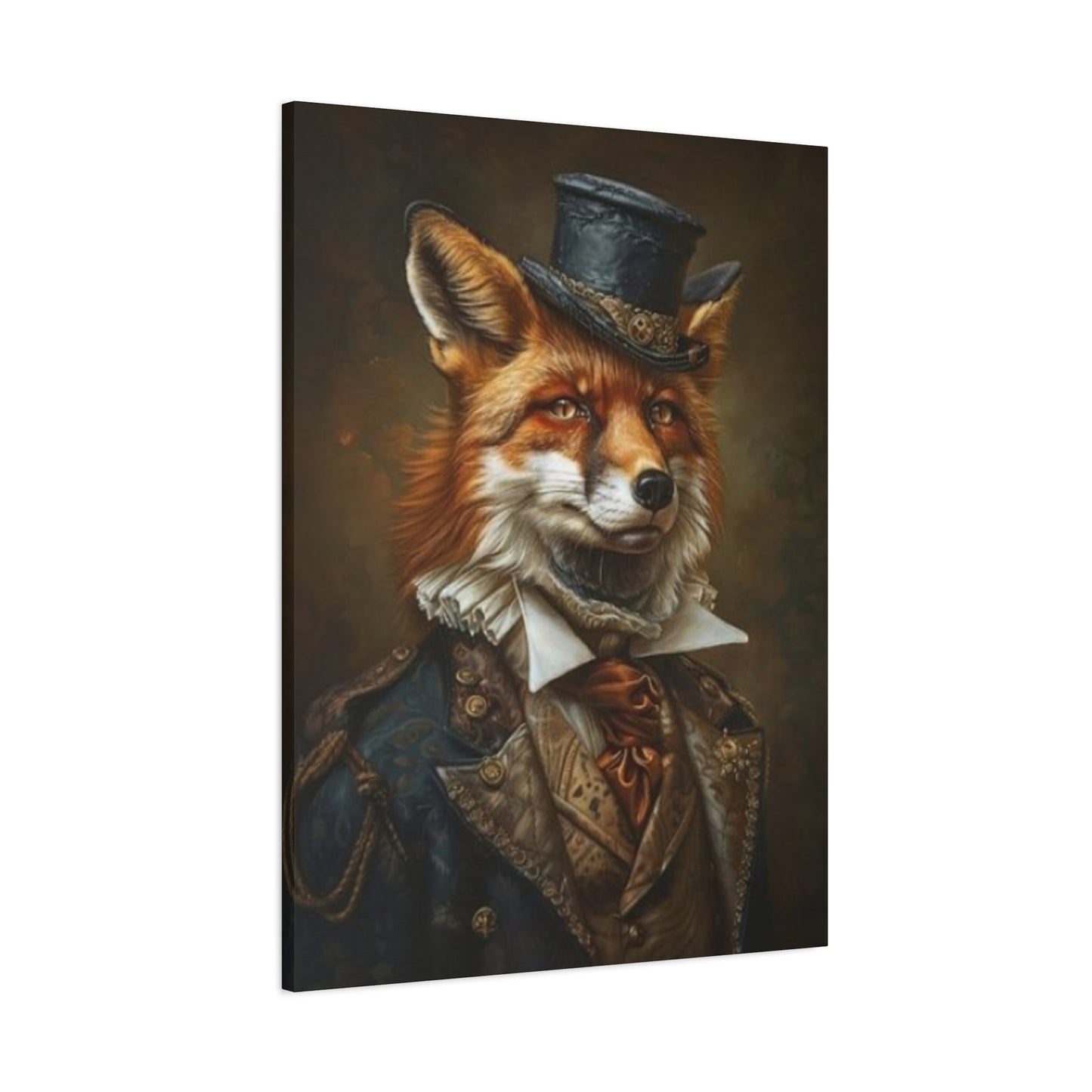
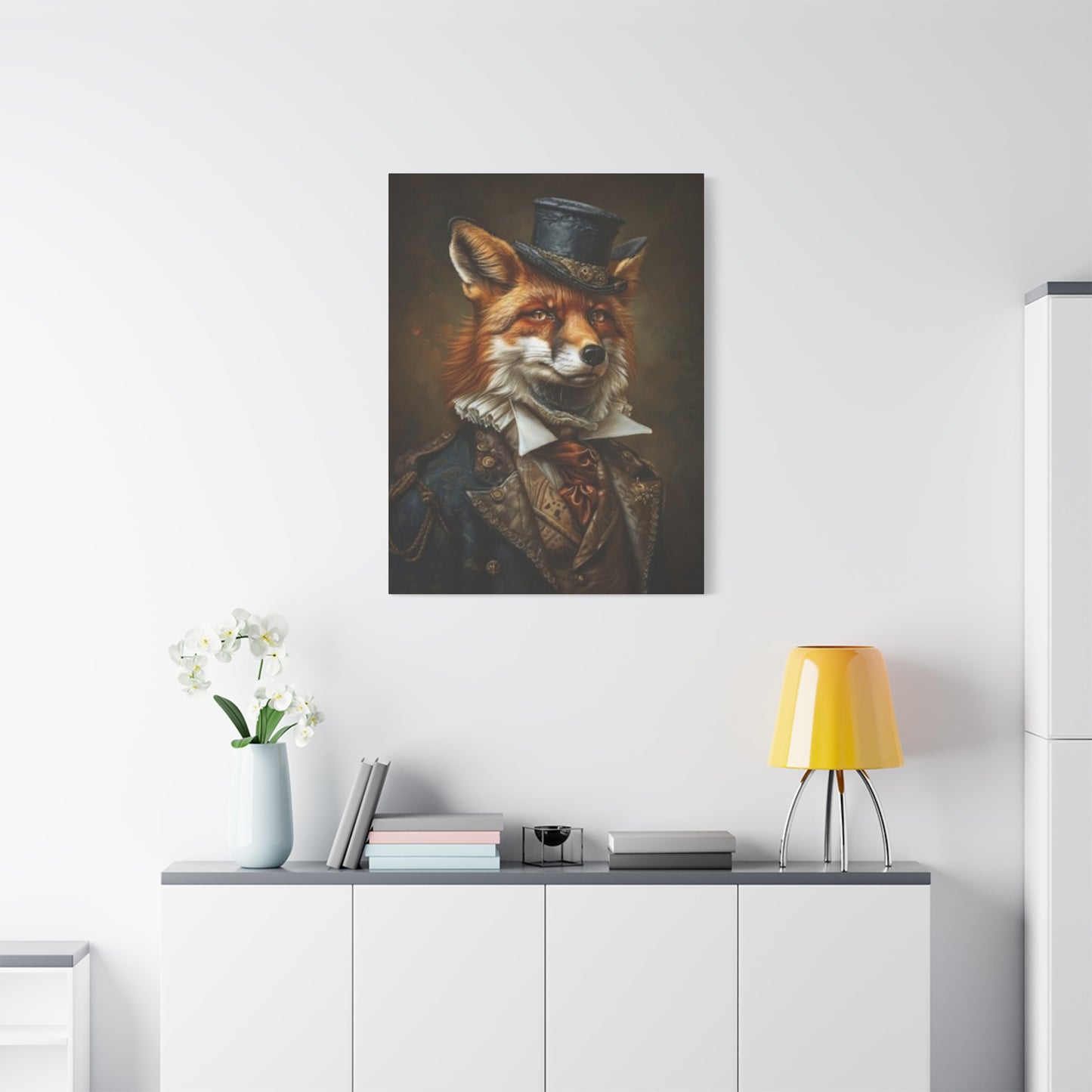
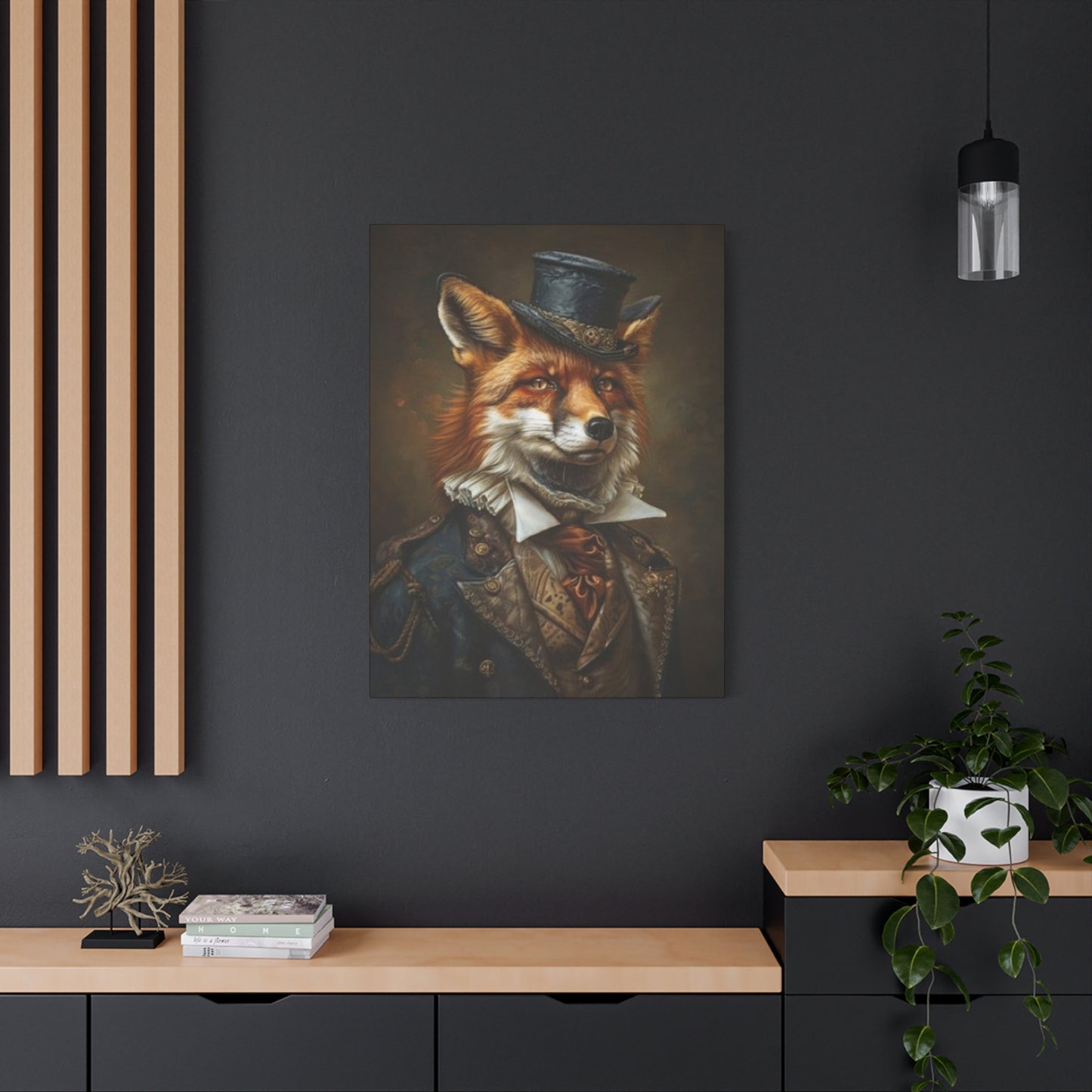
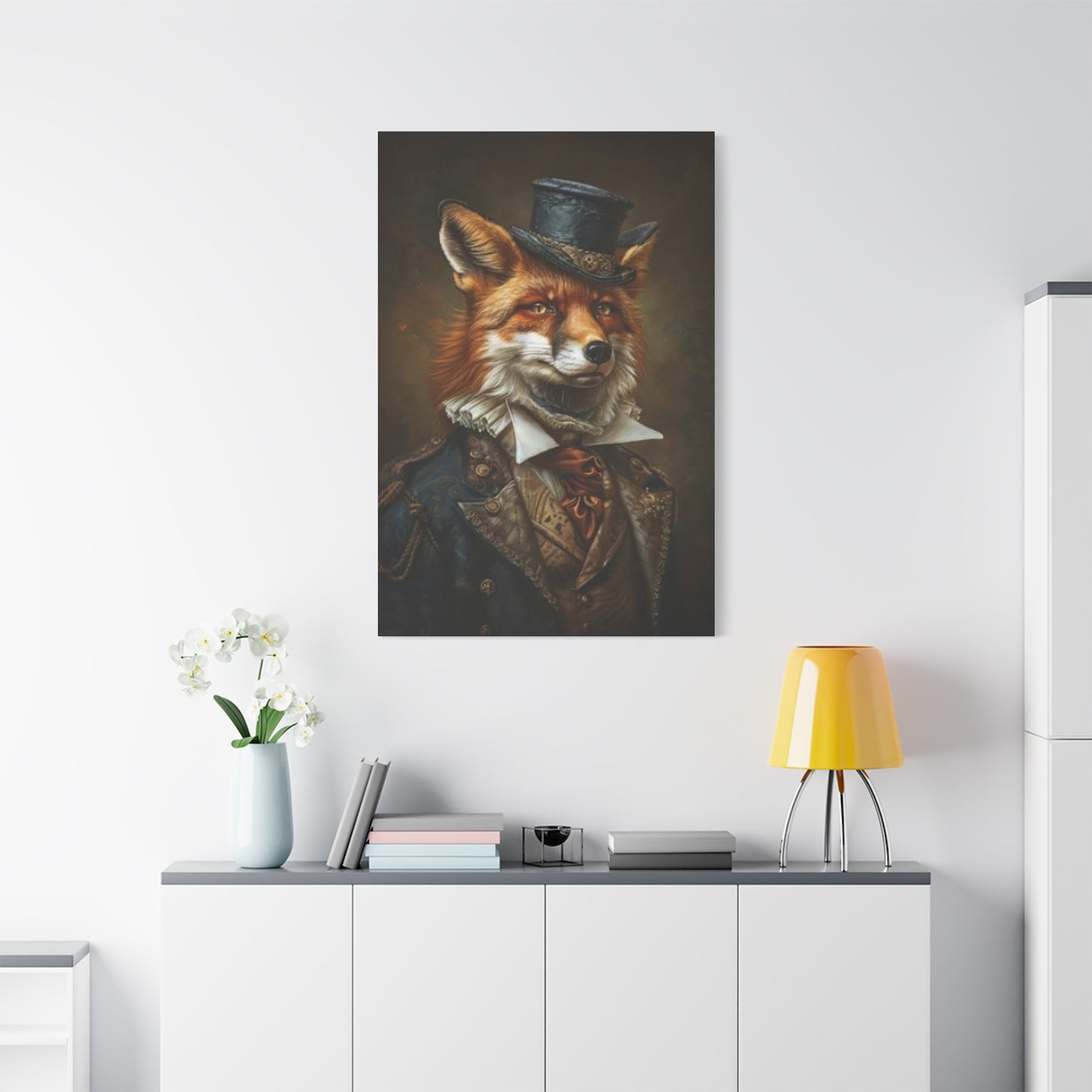
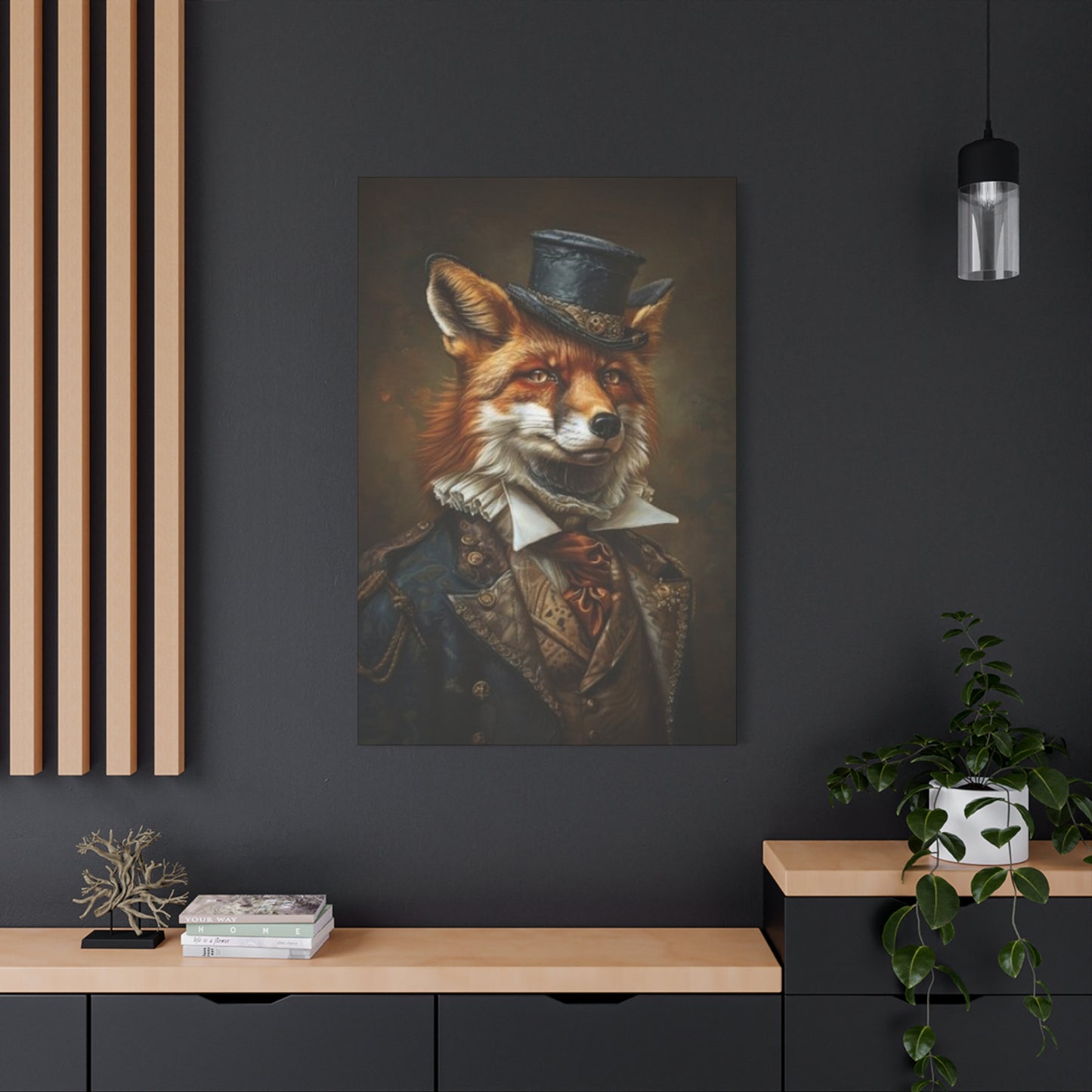
Fox Sheriff Wall Art & Canvas Prints
Fox Sheriff Wall Art & Canvas Prints
Couldn't load pickup availability
Decorate the Charm and Appeal of Fox Sheriff Wall Art for Modern Interior Spaces
The world of interior decoration has witnessed a remarkable shift toward nature-inspired designs that bring warmth and character into living spaces. Among these trending elements, wildlife imagery featuring woodland creatures has emerged as a favorite among homeowners seeking to infuse personality into their environments. The fox sheriff wall art represents a delightful intersection of whimsy and sophistication, combining the natural elegance of forest dwellers with playful storytelling elements that appeal to multiple age groups.
Decorative pieces featuring animals dressed in human attire or engaged in anthropomorphic activities have roots stretching back centuries through folklore and fables. These artistic representations tap into our collective imagination, reminding us of childhood stories where animals possessed human characteristics and moral wisdom. The fox, particularly, holds a special place in cultural narratives worldwide as a symbol of cleverness, adaptability, and resourcefulness. When depicted as a law enforcement figure, this cunning creature takes on additional layers of meaning, blending humor with authority in an unexpectedly charming manner.
Interior designers and homeowners alike have recognized the versatility of such themed artwork in creating conversation-starting focal points within rooms. Unlike generic abstract pieces or conventional landscape paintings, character-driven animal art brings narrative depth to walls while maintaining visual appeal. The fox sheriff concept specifically offers a playful yet refined aesthetic that works surprisingly well in various settings, from children's bedrooms to sophisticated home offices and eclectic living areas.
The Cultural Significance Behind Foxes in Artistic Representation Throughout History
Foxes have captivated human imagination across cultures for millennia, appearing in mythology, folklore, and artistic traditions worldwide. In Japanese culture, the kitsune represents intelligence and possesses magical abilities, often serving as messengers between the spiritual and mortal realms. European fables, particularly those attributed to Aesop, frequently cast foxes as clever protagonists who navigate challenges through wit rather than strength. Native American traditions honor the fox as a guide and teacher, representing adaptability and swift thinking.
This rich cultural tapestry provides contemporary artists with abundant inspiration when creating fox-themed artwork. The sheriff concept adds a distinctly Western American flavor to these traditions, evoking imagery of frontier justice, small-town values, and the romanticized Old West era. By placing a fox in this authoritative role, artists create an amusing juxtaposition that comments on leadership, responsibility, and the unexpected qualities that make effective guardians of community standards.
Throughout art history, anthropomorphic animal characters have served as vehicles for social commentary and gentle satire. Medieval bestiaries depicted animals with human traits to teach moral lessons. Victorian illustrators created elaborate scenes of animals engaged in human activities, often to critique contemporary society. Modern interpretations continue this tradition, with the fox sheriff serving as a charming ambassador for themes of justice, wisdom, and protective guardianship presented through an accessible and visually appealing format.
The enduring popularity of such imagery speaks to fundamental human desires to connect with the natural world while simultaneously finding ourselves reflected in it. When we see a fox dressed as a sheriff, complete with badge and perhaps a cowboy hat, we experience delight at the unexpected combination while subconsciously appreciating the metaphorical connections between the animal's natural characteristics and the role it assumes in the artwork.
Exploring Various Artistic Styles and Mediums for Fox Sheriff Themed Decor
The versatility of fox sheriff wall art manifests through numerous artistic approaches and execution methods. Watercolor renderings offer soft, dreamy interpretations that work beautifully in nurseries and children's spaces, with gentle color palettes and flowing lines creating a soothing atmosphere. These pieces often feature the fox character in pastoral settings, perhaps surveying a peaceful woodland community from a hilltop vantage point or standing before a rustic log cabin serving as the sheriff's office.
Vintage-inspired illustrations embrace a nostalgic aesthetic reminiscent of mid-century children's book illustrations or classic Western movie posters. These designs often incorporate distressed textures, muted color schemes, and typography elements that evoke bygone eras. The deliberate aging effects create warmth and familiarity, making new pieces feel like treasured heirlooms discovered in an antique shop. Such styles particularly appeal to those decorating spaces with farmhouse, rustic, or shabby chic themes.
Contemporary digital art brings bold colors, clean lines, and graphic design principles to fox sheriff imagery. These modern interpretations might feature geometric patterns, vibrant color blocking, or minimalist compositions that align with current design trends. The sharp clarity and saturated hues of digitally created pieces make striking statements in modern and transitional interiors, offering visual punch without overwhelming other design elements.
Realistic wildlife art approaches the fox sheriff concept with naturalistic rendering techniques while incorporating the costume elements. These pieces showcase the artist's skill in capturing the fox's anatomy, fur texture, and expressive features while seamlessly integrating the sheriff accessories. The result bridges the gap between serious wildlife art and whimsical character design, appealing to nature enthusiasts who appreciate both accuracy and creativity.
Mixed media approaches combine various materials and methods, perhaps incorporating fabric textures for the sheriff's vest, metallic elements for the badge, or three-dimensional components that add physical depth to the piece. These tactile variations create visual interest and unique texture that flat prints cannot replicate, making them particularly suitable for spaces where artwork serves as a primary design feature rather than supporting element.
Selecting the Perfect Fox Sheriff Wall Art for Different Room Environments
Choosing appropriate artwork for specific spaces requires consideration of multiple factors including room function, existing decor, lighting conditions, and the emotional atmosphere you wish to create. Fox sheriff wall art's adaptability makes it suitable for numerous environments when selected thoughtfully.
Children's bedrooms and nurseries benefit enormously from such playful yet meaningful imagery. The sheriff character can represent protection and safety, offering comfort to young ones while stimulating imagination through storytelling possibilities. When selecting pieces for these spaces, consider softer color palettes that promote calm and restfulness while still providing visual interest. Larger-scale pieces work well above cribs or beds, creating a focal point that draws the eye without overwhelming the space. Pairing the main piece with coordinating smaller prints creates a cohesive gallery wall that grows with the child.
Home offices and studies offer excellent opportunities for more sophisticated interpretations of the fox sheriff theme. Here, the symbolism of wisdom, vigilance, and authority resonates with the room's purpose. Vintage-style pieces with sepia tones or muted earth tones complement traditional wood furniture and leather accents commonly found in these spaces. The presence of such artwork injects personality into what might otherwise be a strictly functional environment, reminding occupants not to take themselves too seriously while still respecting the work being accomplished.
Living rooms and family spaces accommodate a wide range of styles depending on overall design direction. In eclectic or bohemian interiors, vibrant contemporary interpretations add energy and serve as conversation starters when entertaining guests. For farmhouse or rustic aesthetics, weathered or vintage-inspired fox sheriff prints reinforce the rural, countryside atmosphere. The key lies in ensuring the piece's scale matches the wall space and surrounding furniture proportions—a common mistake involves selecting artwork that's too small for the designated area, causing it to appear lost rather than intentional.
Reading nooks and cozy corners transformed into personal retreats benefit from smaller, more intimate fox sheriff pieces that create a sense of companionship. These tucked-away spaces allow for more personal, perhaps quirky selections that might not work as well in main living areas. The artwork becomes part of the retreat's appeal, contributing to the space's identity as a sanctuary separate from household hustle.
Entryways and mudrooms present opportunities for welcoming artwork that sets the tone for the entire home. A fox sheriff positioned near the entrance metaphorically "guards" the threshold while greeting visitors with charm and wit. These high-traffic areas typically benefit from durable framing and protective glazing to withstand environmental factors like temperature fluctuations and increased handling proximity.
Understanding Color Theory and Palette Selection for Woodland-Themed Artwork
The colors present in fox sheriff wall art significantly impact both the piece's visual appeal and its compatibility with existing room design. Understanding basic color relationships empowers better selection decisions that enhance rather than conflict with established decor schemes.
Earth tones form the natural foundation for fox-themed artwork, reflecting the animal's woodland habitat. Rich browns, warm oranges, rusty reds, and forest greens create authentic color stories that feel grounded and organic. These hues typically coordinate effortlessly with natural wood tones, leather furnishings, and botanical elements commonly found in nature-inspired interiors. When the sheriff accessories appear in complementary earth tones—perhaps a tan vest or brown leather belt—the overall composition maintains cohesion while still distinguishing the costume elements.
Neutral-heavy palettes featuring grays, taupes, creams, and soft whites allow fox sheriff art to adapt to minimalist or Scandinavian-inspired spaces. These subdued color schemes prevent the playful subject matter from appearing juvenile, instead lending sophistication through restraint. Accent colors can appear in strategic details like the badge or a neckerchief, providing visual interest without dominating the composition.
Jewel tone interpretations create dramatic, eye-catching pieces suitable for bold interiors. Deep emeralds, sapphire blues, rich burgundies, and golden ambers elevate the fox sheriff concept into something unexpected and luxurious. These saturated colors work particularly well in spaces with eclectic or maximalist design philosophies where vibrant artwork contributes to an overall layered, collected aesthetic.
Pastel variations render the fox sheriff theme in soft pinks, powder blues, mint greens, and lavender hues. These gentle interpretations suit nurseries, shabby chic spaces, or anywhere a lighter, more delicate touch is desired. The whimsy inherent in the subject matter amplifies when presented through these tender colors, creating artwork that feels both sweet and imaginative.
Monochromatic schemes using various shades and tints of a single color family offer sophisticated cohesion. A fox sheriff rendered entirely in blue tones from navy to sky creates striking visual impact through tonal variation rather than color contrast. These pieces work exceptionally well in spaces with established color themes, allowing the artwork to reinforce rather than compete with the existing palette.
Framing Choices That Enhance Rather Than Distract From Your Chosen Artwork
The frame surrounding fox sheriff wall art functions as both protective boundary and design element that either elevates or diminishes the piece's impact. Thoughtful frame selection considers the artwork's style, the room's aesthetic, and practical durability requirements.
Rustic wood frames complement vintage and farmhouse-style fox sheriff pieces beautifully. Reclaimed or distressed wood finishes echo the woodland theme while adding textural richness that enhances the overall presentation. Wider frame profiles suit this style, providing substantial visual weight that anchors the artwork. Natural wood grain variations ensure each framed piece possesses unique character, much like the individuality we appreciate in handcrafted items.
Sleek metal frames in black, silver, or gold tones serve contemporary and modern fox sheriff interpretations. Thin profiles maintain focus on the artwork itself while providing clean, crisp boundaries. Matte black frames offer versatile neutrality that works across color palettes, while metallic finishes add subtle glamour appropriate for more formal spaces. The reflective quality of metal frames can catch and play with room lighting, adding dynamic visual interest.
White or cream painted wood frames create fresh, airy presentations suitable for nurseries, coastal themes, or spaces embracing lightness and simplicity. These frames brighten the overall appearance while maintaining a soft, approachable quality. Distressing techniques applied to painted frames bridge the gap between pristine modern aesthetics and vintage charm, allowing flexibility in various design contexts.
Floating frames that suspend artwork between two pieces of glass create contemporary museum-quality presentations. This approach works exceptionally well for prints on high-quality paper or canvas, allowing the texture and material to remain visible while providing protection. The dimensional depth created by floating frames adds architectural interest to flat walls.
Ornate, decorative frames featuring carved details or antique finishes can elevate fox sheriff art into something more formal and traditional. When the artwork itself leans toward classical illustration styles, an elaborate frame creates cohesion between subject and presentation. However, such frames require careful consideration to avoid overwhelming simpler artwork or clashing with casual room designs.
Matting decisions also impact final presentation significantly. Wide mats create breathing room around the artwork, lending importance and formality. Colored mats can pull accent colors from the piece itself, creating visual bridges between artwork and room palette. Conservation-quality materials protect valuable prints from acid damage and discoloration over time, particularly important for pieces intended as lasting decor investments.
Creating Gallery Walls and Artistic Vignettes With Fox Sheriff Centerpieces
A single fox sheriff piece can anchor an entire wall display when thoughtfully integrated with complementary artworks and objects. Gallery walls transform blank expanses into curated exhibitions that reflect personal style and tell visual stories.
Thematic gallery walls built around woodland creatures create cohesive nature-inspired displays. Position the fox sheriff as the central or largest element, then surround it with companion pieces featuring other forest animals, botanical prints, or landscape photography depicting natural settings. This approach builds a narrative ecosystem where the sheriff character serves as guardian or protagonist within a larger environmental story.
Color-coordinated galleries use the fox sheriff piece's palette as the foundation for selecting additional artworks. Extract the dominant and accent colors, then choose surrounding pieces that reinforce these hues while varying subjects and styles. This method creates visual harmony through color relationships rather than thematic similarity, allowing for more eclectic combinations while maintaining cohesion.
Vintage and nostalgic collections pair fox sheriff art with antique maps, old book pages, vintage seed packets, or weathered signs. The sheriff character's Old West associations align naturally with Americana and frontier memorabilia. Incorporating three-dimensional objects like small shelves displaying vintage toys or miniature figurines adds depth variation that makes gallery walls more dynamic.
Symmetrical arrangements suit formal spaces and traditional aesthetics. Place the fox sheriff piece at the center, then mirror surrounding elements on both sides, maintaining balanced spacing and proportional relationships. This structured approach creates order and elegance appropriate for dining rooms, formal living areas, or spaces where classical design principles dominate.
Asymmetrical organic layouts embrace spontaneity and casual charm. Begin with the fox sheriff piece positioned off-center, then build outward with varying sizes and orientations, allowing negative space to function as part of the composition. This approach feels collected and personal, as though the display evolved naturally over time. The key lies in maintaining balanced visual weight rather than strict symmetry—heavier pieces balanced by groupings of smaller items.
Incorporating personal photographs within a gallery wall that includes fox sheriff art creates meaningful connections between family memories and artistic expression. The playful nature of the sheriff character can complement candid family moments, especially those capturing outdoor adventures or childhood whimsy. This blend of personal and decorative creates deeply personalized displays that guests find engaging and intimate.
The Psychological Impact of Animal Characters in Daily Living Environments
The presence of anthropomorphic animal artwork like fox sheriff pieces influences mood and mindset in subtle yet meaningful ways. Understanding these effects helps explain why such imagery resonates so strongly with diverse audiences.
Biophilic design principles recognize humanity's innate connection to nature and living things. Incorporating animal imagery satisfies this biological need for connection with the natural world, even in urban or suburban settings far removed from wilderness. The fox, as a wild creature, serves as a visual reminder of ecosystems and natural balance, fostering feelings of groundedness and connection to something larger than human-constructed environments.
Humor and whimsy in living spaces counterbalance daily stress and serious adult responsibilities. The inherent playfulness of a fox dressed as a sheriff triggers lighthearted responses that can shift perspective and mood. When we encounter unexpected juxtapositions or gentle absurdity in our surroundings, we experience momentary delight that accumulates over time, contributing to overall wellbeing and life satisfaction.
Character-driven art stimulates narrative thinking and imagination. Unlike abstract or purely decorative pieces, artwork featuring recognizable characters invites story creation. Viewers naturally wonder about the fox sheriff's backstory, the community it protects, or the adventures it might have. This imaginative engagement exercises mental creativity, offering brief escapes from routine concerns.
Symbolic associations attached to both foxes and sheriffs create layered meaning within living spaces. The fox's cultural associations with cleverness and adaptability combine with the sheriff's representations of protection, justice, and community service. Together, these symbols can serve as subtle reminders of values we wish to embody—using intelligence ethically, protecting those who depend on us, adapting skillfully to changing circumstances.
For children, animal characters in their environments serve developmental purposes beyond mere decoration. They provide companionship figures that feel safe and friendly, supporting emotional security. Characters with clearly defined roles like a sheriff offer models for understanding social structures and authority in non-threatening ways. The artwork becomes part of the child's environmental landscape, contributing to their sense of place and belonging.
Nostalgia plays a powerful role in our emotional responses to anthropomorphic animal art. Many adults harbor fond memories of childhood stories featuring animal characters, and encountering similar imagery as adults triggers pleasant associations with simpler times. This nostalgic comfort can transform houses into homes by infusing spaces with warmth and personal meaning beyond aesthetic considerations.
Sourcing Authentic and High-Quality Fox Sheriff Wall Art From Various Vendors
Finding fox sheriff pieces that meet quality standards while fitting budget constraints requires knowing where to look and what indicators signal worthwhile purchases versus disappointing acquisitions.
Independent artists and illustrators represent excellent sources for unique, original fox sheriff art. Platforms connecting creators directly with buyers offer vast selections spanning every conceivable style and interpretation. When purchasing from individual artists, you support creative livelihoods while often gaining access to limited editions or one-of-a-kind pieces. Many artists accept custom commission work, allowing for personalized versions tailored to specific color preferences, sizes, or compositional requests.
Galleries specializing in children's art, wildlife art, or whimsical illustration often curate selections including fox sheriff themes. These curated environments provide the advantage of expert curation—someone has already vetted quality and aesthetic standards. Gallery staff typically possess knowledge about artists, materials, and proper care, functioning as resources beyond mere transaction points.
Artisan craft fairs and makers markets present opportunities to discover emerging artists and examine pieces in person before purchasing. The ability to see actual colors, assess print quality, and feel materials provides certainty that online shopping cannot match. Additionally, meeting artists directly allows for conversations about their creative process and vision, deepening appreciation for the work.
Home decor retailers increasingly offer fox sheriff and similar woodland character art as part of their wall decor selections. These mainstream sources provide convenience and typically lower price points than gallery or original art purchases. However, quality varies significantly, making careful examination crucial. Check printing clarity, color accuracy, and material durability. Poorly executed prints fade quickly, warp easily, or display pixelation when examined closely.
When evaluating print quality, examine several factors. High-resolution printing produces crisp edges and smooth color gradients without visible dots or pixelation. Paper weight and texture affect both appearance and longevity—substantial paper stocks resist warping and feel substantial, while flimsy papers appear cheap regardless of image quality. Archival or museum-quality printing processes using acid-free papers and fade-resistant inks ensure colors remain vibrant for years rather than dulling within months.
Canvas prints offer different aesthetic qualities than paper prints, with texture and depth that works particularly well for certain fox sheriff styles. Quality canvas prints feature tightly woven fabric properly stretched over sturdy frames without sagging or warping. The image should wrap cleanly around edges if designed as gallery-wrapped (frameless) presentation. Poor canvas prints show ink absorption inconsistencies, loose fabric, or visible staples detracting from the finished appearance.
Size considerations affect both visual impact and pricing. Larger pieces command higher prices due to material costs and often look more impressive, but they must suit the intended space's proportions. Measure wall areas carefully and use templates (paper cut to size and temporarily mounted) to visualize scale before committing to purchases. A common mistake involves buying too small—artwork should fill appropriate proportions of wall space rather than appearing as an afterthought.
Caring For and Preserving Your Fox Sheriff Artwork for Lasting Beauty
Proper care extends the lifespan and maintains the visual appeal of fox sheriff wall art, protecting your investment and ensuring continued enjoyment for years or even generations.
Placement decisions significantly impact preservation. Direct sunlight causes rapid fading for most artwork mediums, particularly watercolors and prints. Position pieces away from windows receiving strong sun exposure, or use UV-filtering glazing for framing. Even indirect natural light causes gradual fading over extended periods, though much more slowly than direct exposure. Rooms with controlled lighting or pieces positioned on interior walls face fewer sun-damage risks.
Humidity and temperature fluctuations pose threats to artwork, causing paper warping, canvas expansion and contraction, or adhesive failures in framing materials. Avoid hanging pieces in bathrooms where humidity spikes occur regularly, or in locations near heating and cooling vents that create temperature extremes. Stable environmental conditions preserve artwork best, particularly for valuable or irreplaceable pieces.
Dusting and cleaning require gentle approaches appropriate to specific materials. Paper-based artwork under glazing needs only occasional glass cleaning using streak-free cleaners applied to cleaning cloths rather than sprayed directly on frames. Canvas pieces benefit from light dusting with soft, clean brushes designed for delicate surfaces. Never use wet cleaning methods on canvas or unprotected paper. For valuable pieces, professional conservation services provide proper cleaning without damage risks.
Framing choices directly impact preservation outcomes. UV-filtering glazing significantly reduces fading from light exposure, worthwhile for pieces you intend to display long-term. Acid-free matting and backing materials prevent chemical degradation that yellows and weakens paper over time. Conservation framing might cost more initially but proves economical by preventing damage requiring expensive restoration or piece replacement.
Storage of extra prints or rotated artwork requires protective measures. Store flat rather than rolled to prevent crease damage. Interleave pieces with acid-free tissue paper to prevent surface contact. Keep stored artwork in consistent temperature and humidity environments away from attics, basements, or garages prone to extremes. Proper storage allows for seasonal rotation or periodic refreshment of displayed pieces without damage to stored items.
Inspect artwork periodically for developing issues. Check for loosening frame components, deteriorating matting, insect damage, or moisture intrusion. Early detection allows for corrective measures before minor issues become major problems requiring expensive professional restoration.
The Growing Trend of Themed Nursery and Children's Room Design
Fox sheriff wall art fits perfectly within the expanding movement toward thoughtfully themed children's spaces that balance whimsy with longevity. Parents increasingly invest in cohesive design concepts that create engaging environments for children while maintaining aesthetic standards that don't require complete overhauls as children age.
Woodland nursery themes dominate contemporary baby room design, moving away from traditional pastels toward rich earth tones and natural motifs. Fox sheriff artwork anchors these spaces beautifully, providing a central character around which other elements orbit. Coordinating textiles, furniture finishes, and accessories create immersive environments where children feel surrounded by a cohesive visual story.
The sheriff element adds unique distinction to otherwise common woodland themes. While forest creature nurseries abound, the law enforcement twist provides memorability and conversation interest. It also introduces age-appropriate concepts about community roles and helpful leadership in accessible, non-intimidating ways.
Gender-neutral design has gained significant traction as parents move away from strictly pink-or-blue color schemes. Fox sheriff art naturally suits gender-neutral approaches, working equally well for any child while allowing personality expression through styling choices rather than gender conventions. This flexibility proves economically sensible for families anticipating multiple children who might use the same space.
Growth and longevity considerations make fox sheriff themes particularly practical. Unlike overtly babyish motifs that feel inappropriate once children reach school age, character-based animal art maintains appeal across developmental stages. A preschooler imagining adventures with the sheriff fox transitions easily into a grade-schooler appreciating the humor and artistic qualities. Simple styling updates—swapping pastel accents for bolder colors, adding more sophisticated textiles—refresh spaces without requiring complete redesign.
Shared sibling spaces benefit from unifying themes that appeal across age gaps. A fox sheriff theme can bridge interests between a toddler and elementary-aged child, providing common ground while allowing for individual expression through personal items and collections.
Complementary Decor Elements That Enhance Fox Sheriff Themed Spaces
Building cohesive environments around fox sheriff wall art involves selecting complementary pieces that reinforce the theme without overwhelming spaces with excessive matching.
Textiles offer accessible, changeable ways to echo themes. Throw pillows featuring woodland creatures, geometric patterns in coordinating colors, or even subtle fox motifs create visual connections without literal matching. Blankets with forest scenes or rustic plaids reinforce the overall aesthetic. Window treatments in natural fibers or earth-toned fabrics complete the cocooning atmosphere such themes promote.
Furniture selections need not be theme-specific but should harmonize with the overall aesthetic direction. Natural wood pieces enhance woodland themes regardless of specific animal motifs. For children's rooms, furniture incorporating playful elements like tree-shaped bookcases or beds with cabin-style canopies amplify the forest atmosphere. In adult spaces, clean-lined furniture in warm wood tones or upholstered pieces in complementary colors provide foundation without competing for attention.
Lighting choices dramatically affect how fox sheriff art appears and functions within rooms. Warm-temperature bulbs enhance earth tones and create cozy atmospheres appropriate for bedrooms and living areas. Picture lights mounted above artwork ensure pieces remain visible and impactful even in ambient lighting conditions. Whimsical fixtures like antler chandeliers or lantern-style pendants can reinforce rustic or woodland themes in coordinating ways.
Shelving and display surfaces become opportunities for extending themes through curated objects. Miniature figurines, nature-found objects like pinecones and interesting rocks, vintage wooden toys, or small potted plants create dimensional interest while reinforcing the connection between the fox sheriff character and the natural world it represents.
Rugs ground spaces while offering additional opportunities for color and pattern coordination. Natural fiber rugs in jute or sisal provide texture and organic qualities. Patterns featuring geometric shapes in complementary colors tie together various room elements. For children's spaces, educational rugs with maps or woodland scenes add functionality while maintaining thematic consistency.
Wall treatments beyond the artwork itself contribute to overall atmosphere. Accent walls painted in deep forest green, warm terracotta, or rich chocolate brown create depth and make lighter-toned artwork pop visually. Removable wallpaper featuring subtle tree patterns or topographic designs adds interest without permanent commitment. Wood paneling or shiplap treatments enhance rustic themes while providing textural variety.
Understanding Scale and Proportion When Designing Around Statement Pieces
Properly scaling fox sheriff wall art relative to room dimensions and surrounding furniture ensures balanced, professional-appearing results rather than awkward, disproportionate spaces.
The general principle suggests artwork should occupy roughly two-thirds to three-quarters of the width of furniture it hangs above. A fox sheriff piece positioned above a sofa should span approximately 60-75% of the sofa's length, creating visual connection and proportion. Too small, and the piece appears insignificant; too large, and it overwhelms the furniture below.
Ceiling height influences appropriate artwork sizes and positioning. Standard eight-foot ceilings accommodate most artwork sizes comfortably when hung with center points at roughly 57-60 inches from the floor—the standard museum hanging height at average eye level. Higher ceilings allow for larger pieces or vertical arrangements that draw eyes upward, making rooms feel properly proportioned. Low ceilings require particular care to avoid pieces that appear crowded against ceiling lines.
Gallery walls require advance planning to achieve balanced, intentional appearances. Before making holes, create floor templates using paper cut to frame sizes, then photograph arrangements to preview how they'll appear on walls. Alternatively, tape actual frames to walls temporarily. This preparation prevents multiple nail holes and ensures satisfying results.
Large empty walls can intimidate, tempting the use of undersized artwork that leaves spaces feeling incomplete. For substantial walls, consider oversized fox sheriff pieces specifically commissioned at larger dimensions, or create multi-panel arrangements where the same image extends across several canvases for dramatic impact. These substantial installations make bold statements appropriate for spacious areas.
Small spaces benefit from appropriately scaled smaller pieces that don't overwhelm limited square footage. A tiny powder room accommodates a modestly sized fox sheriff print beautifully, creating charm without claustrophobia. The key lies in maintaining proportion—small spaces need smaller art, not less art entirely.
Seasonal Decorating Variations Using Fox Sheriff Art as Year-Round Anchors
Fox sheriff wall art provides excellent year-round foundation pieces around which seasonal variations rotate, allowing spaces to feel fresh and current without requiring complete redesigns.
Autumn naturally aligns with woodland themes through shared earth tones and forest associations. Enhance fox sheriff displays with surrounding elements like miniature pumpkins, preserved leaves, wheat bundles, or pinecone arrangements. Swap lighter textiles for heavier fabrics in rust, burgundy, and golden yellows that echo fall foliage. The sheriff character feels particularly at home during harvest season, perhaps metaphorically overseeing autumn festivals and preparations.
Winter styling around fox sheriff art creates cozy, hibernation-ready atmospheres. Incorporate evergreen boughs, twinkling lights, and snow-white accents that suggest peaceful forest winters. The protective, watchful qualities associated with sheriffs align beautifully with winter's need for warmth and security against harsh elements. Textiles in deep reds, forest greens, and icy blues coordinate naturally with most fox sheriff color palettes while feeling seasonally appropriate.
Spring refreshment brings lighter, brighter elements that celebrate renewal and awakening. Surround fox sheriff pieces with fresh flowers, particularly wildflower varieties that suggest meadows and forest edges. Swap heavy winter textiles for light linens and cottons in soft yellows, fresh greens, and robin's egg blues. The theme of watchful protection extends to nurturing new growth and vulnerable spring creatures.
Summer styling emphasizes outdoor connections and adventure themes. Incorporate camping-related elements, miniature canoes or kayaks, fishing gear, or vintage summer camp memorabilia that suggests outdoor exploration. The fox sheriff becomes a guide for summer adventures, protecting forest visitors and wildlife alike. Lighter fabrics and vibrant colors reflect summer's energy and abundance.
Holiday-specific decorations can integrate with fox sheriff themes rather than replacing them. During autumn festivals, small decorative elements placed nearby feel more cohesive than scattered random items. Winter holidays might see the sheriff receiving a festive scarf or having small seasonal elements placed in complementary arrangement nearby. This approach maintains the artwork as a constant while acknowledging seasonal celebrations.
Custom Commission Possibilities for Personalized Fox Sheriff Creations
Commissioning custom fox sheriff artwork allows for perfect alignment between artistic vision and specific needs, creating truly unique pieces unavailable through standard retail channels.
Personalization options include incorporating family names, specific dates, or meaningful locations into the artwork. Imagine a fox sheriff standing before a building resembling your home, or wearing a badge engraved with your child's name. These personal touches transform decorative art into meaningful heirlooms with stories attached to their creation.
Color customization ensures perfect coordination with existing room palettes. Provide fabric swatches, paint chips, or photographs of spaces to artists who can then create pieces using precisely matched colors. This eliminates the guesswork and potential disappointment of hoping standard pieces will coordinate acceptably.
Size specifications address exact spatial requirements. Rather than settling for close-enough dimensions, commissioned pieces fit designated wall spaces perfectly, whether unusually large statement pieces or specifically sized arrangements for awkward architectural features like spaces between windows or above doorways.
Style preferences determine artistic approach—request watercolor softness, bold graphic design, vintage illustration techniques, or photorealistic rendering according to personal taste and room aesthetic. Discussing style references with artists helps ensure shared understanding of desired outcomes.
Incorporating multiple subjects creates family or character collections. Commission a series showing different woodland creatures as community members—perhaps a bear mayor, rabbit shopkeeper, owl teacher—with the fox sheriff as part of an extended narrative ensemble. These collections build over time, creating rich storytelling environments.
Memorial pieces honor beloved pets by portraying them as the fox sheriff character. These deeply personal artworks celebrate companions' protective presence and loyal nature while creating lasting tributes. The whimsical treatment adds lightness to subjects that might otherwise feel too sorrowful for daily display.
Gift commissions for significant occasions become treasured presents with thought and meaning far exceeding generic store purchases. A custom fox sheriff piece commemorating a baby's birth, housewarming, graduation, or retirement becomes the gift people remember and cherish for lifetimes.
Working with commission artists requires clear communication and reasonable expectations. Discuss timelines, payment structures, revision policies, and usage rights upfront. Most artists require deposits before beginning work and maintain rights to reproduce their creations unless additional fees secure exclusive rights. Understand that custom work takes time—rushing artists typically compromises quality.
Drawing Inspiration From Classic Western Imagery and Frontier Aesthetics
The sheriff element within fox sheriff wall art draws heavily from Western iconography that continues fascinating modern audiences through its themes of rugged individualism, frontier justice, and untamed landscapes.
Classic Western films established visual vocabulary around lawmen that persists in contemporary imagination. The sheriff's badge, wide-brimmed hat, weathered leather vest, and confident stance became immediately recognizable symbols. Translating these elements to a fox character creates delightful cognitive dissonance—the wild animal inhabiting the role meant to civilize wilderness.
Historical Old West settings provide rich environmental contexts for fox sheriff artwork. Dusty main streets with wooden storefronts, vast open ranges under enormous skies, rocky canyon formations, or dense pine forests all serve as appropriate backdrops. These settings ground the whimsical character in specific sense of place that enhances storytelling elements.
Wanted posters, vintage signage typography, and weathered wood textures contribute authenticity to Western-themed pieces. Artists incorporating these design elements create depth and detail that rewards closer examination. A fox sheriff standing before weathered wanted posters or beneath a hanging wooden sign reading "Sheriff's Office" adds layers of world-building that enrich the overall composition.
Native and frontier cultural elements require respectful, thoughtful treatment. While Western themes draw from this heritage, avoid appropriation or stereotyping. Focus instead on landscape elements, pioneer architecture, and the frontier spirit of adaptation and resilience that transcends specific cultural contexts.
Modern Western revivals in fashion, home decor, and entertainment reflect ongoing fascination with these aesthetics. Contemporary Western style emphasizes quality craftsmanship, natural materials, and lived-in character rather than costume-like perfection. Fox sheriff art aligning with this evolved aesthetic feels current rather than dated, appealing to sensibilities appreciating both heritage and modernity.
Conclusion
The beauty of character-driven art lies in its invitation to storytelling. Each fox sheriff piece contains implicit narratives waiting for viewers to explore and expand.
Character backstory questions naturally arise: How did the fox become sheriff? What qualifications or experiences prepared this clever creature for the role? Did it inherit the position, win election, or simply take charge when needed? These questions have no single correct answer, allowing each viewer to imagine personally meaningful narratives.
Community context enriches the sheriff character. What kind of town does it protect? A bustling frontier settlement, quiet mountain village, or perhaps a woodland community populated entirely by animals? Who are the residents depending on the fox's protection? Creating mental pictures of this world transforms a single artwork into a portal to an entire imagined place.
Daily adventures and challenges face any sheriff character. Does the fox chase bandits across rocky terrain, mediate disputes between neighbors, rescue trapped animals from dangerous situations, or maintain peace during harvest festivals? These imagined scenarios engage creative thinking while reinforcing positive values around service, bravery, and community care.
For children, these narratives serve valuable purposes beyond entertainment. Stories about the fox sheriff can address fears about safety, teach problem-solving approaches, or model handling conflicts peacefully. Parents can reference the character when discussing rules, fairness, or looking out for others, making abstract concepts concrete through familiar imagery.
Artistic series development allows narratives to unfold across multiple pieces. A bedroom gallery wall might show the fox sheriff in different scenarios—greeting townsfolk on main street, surveying the landscape from a hilltop, gathered with deputy animals around a campfire. These interconnected scenes create episodic storytelling through purely visual means.
Share