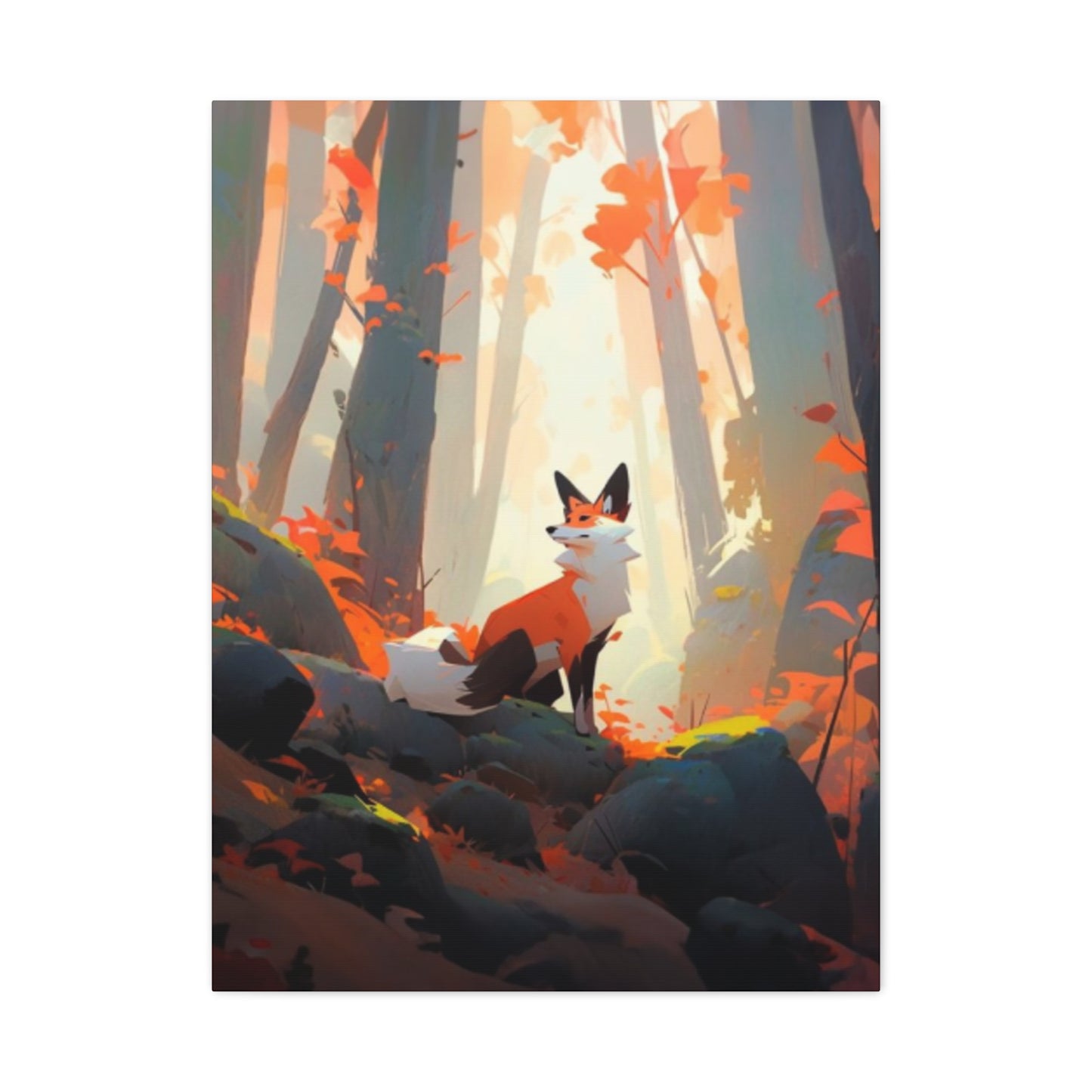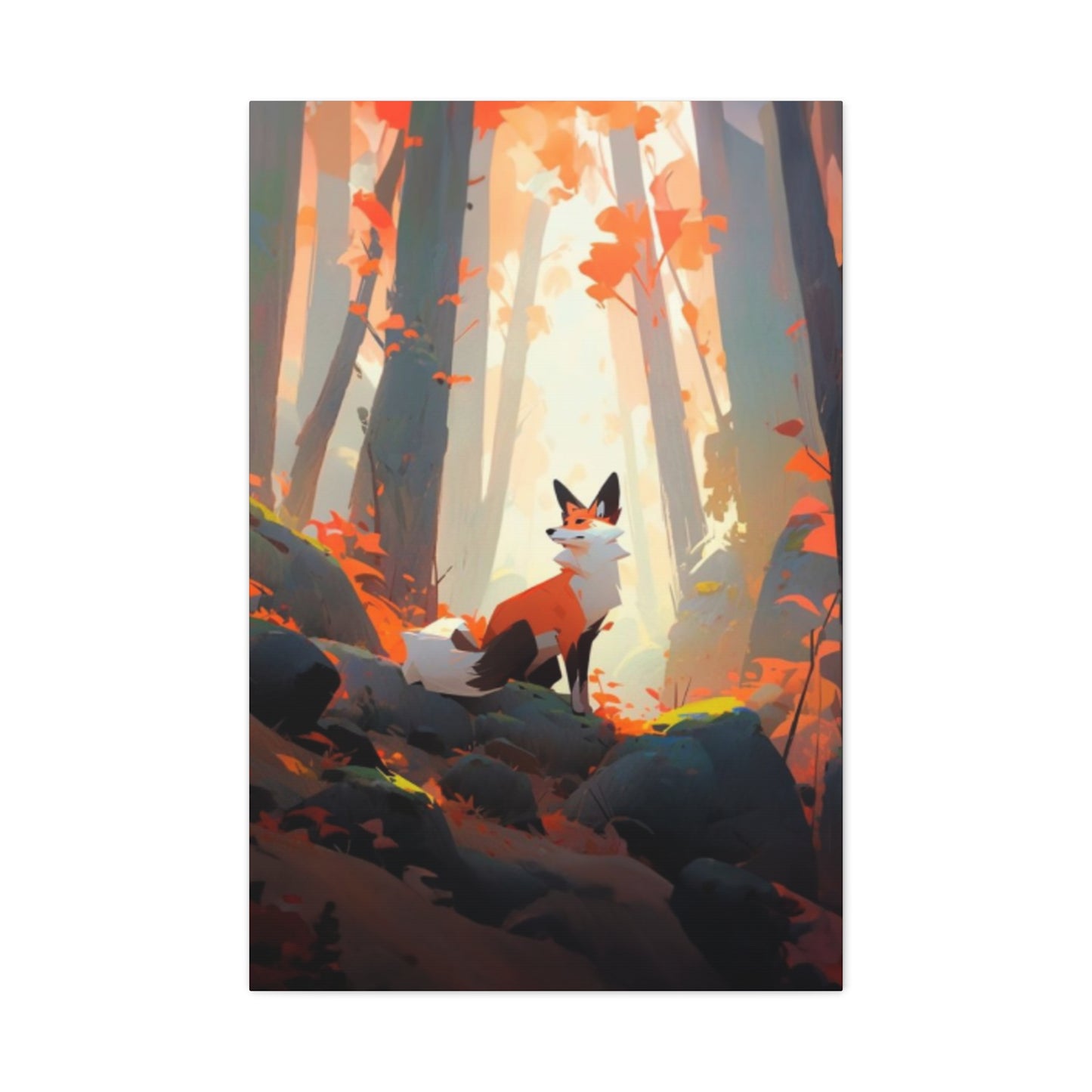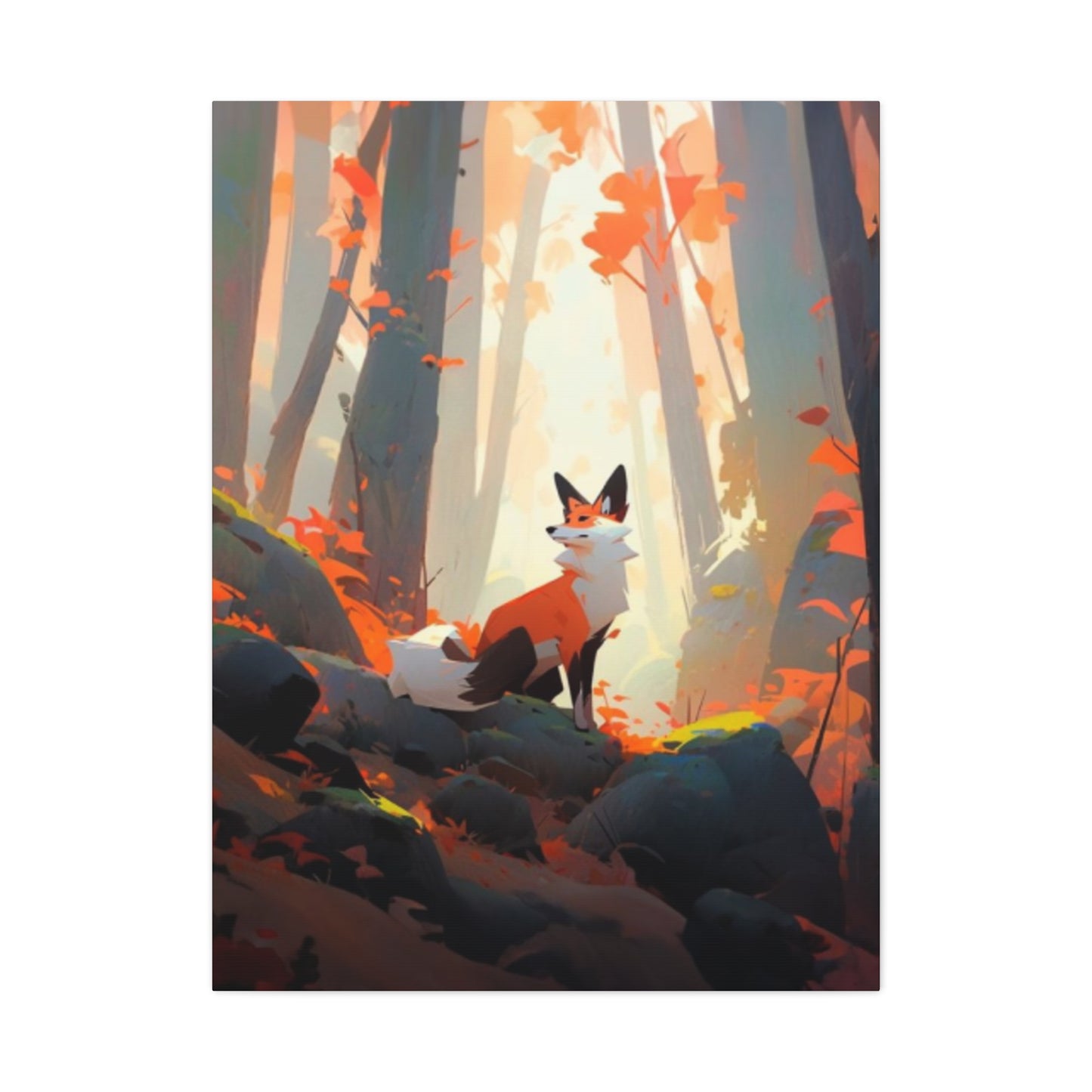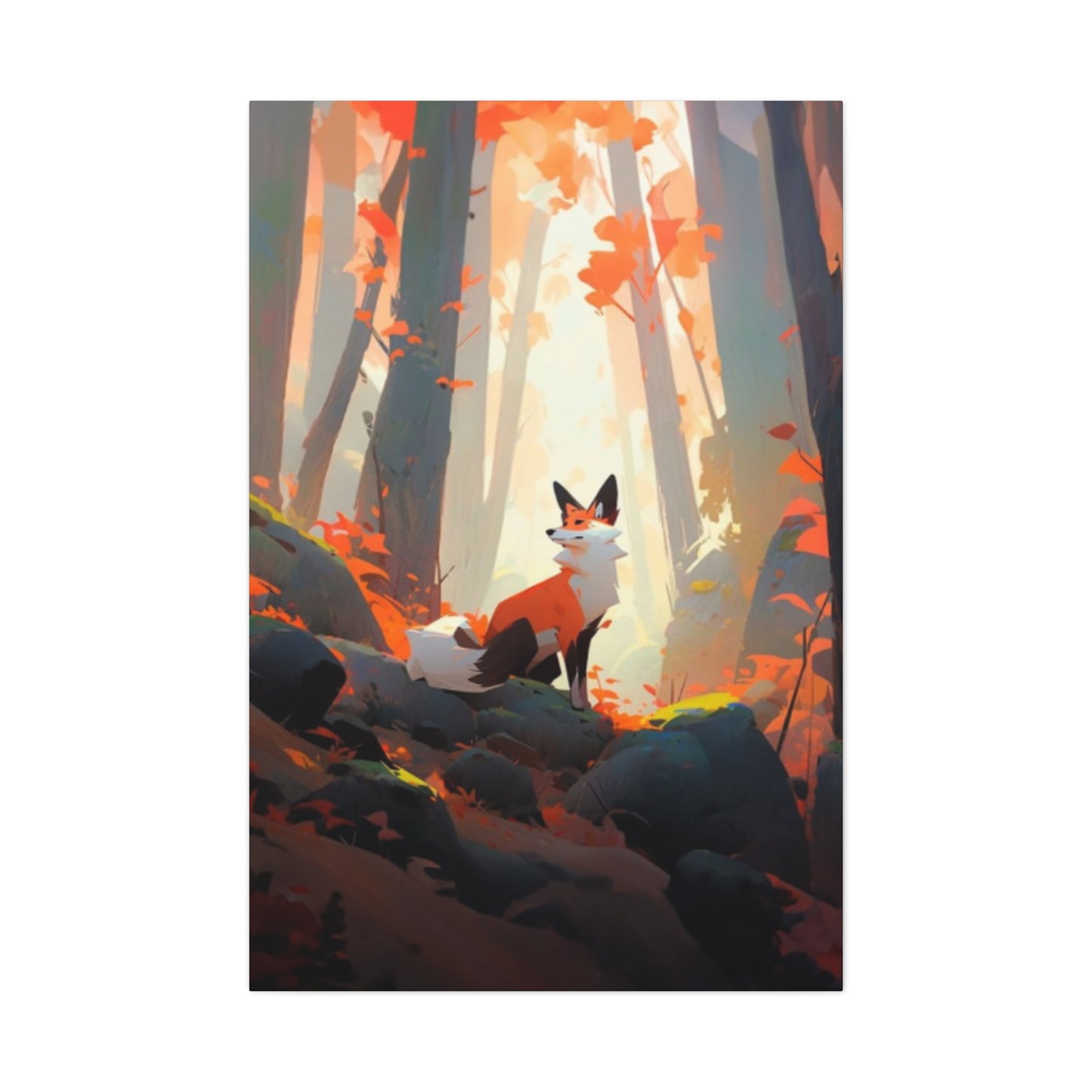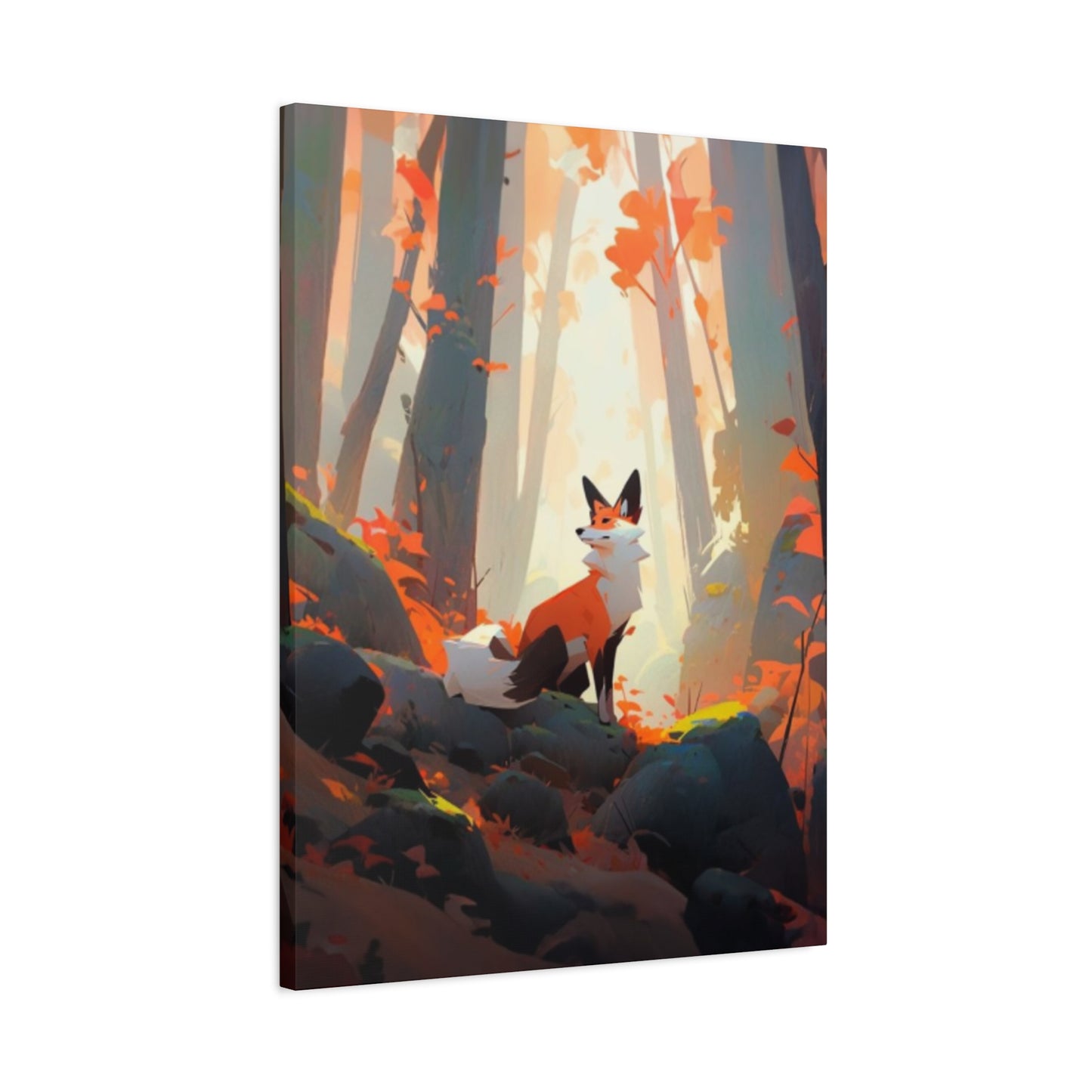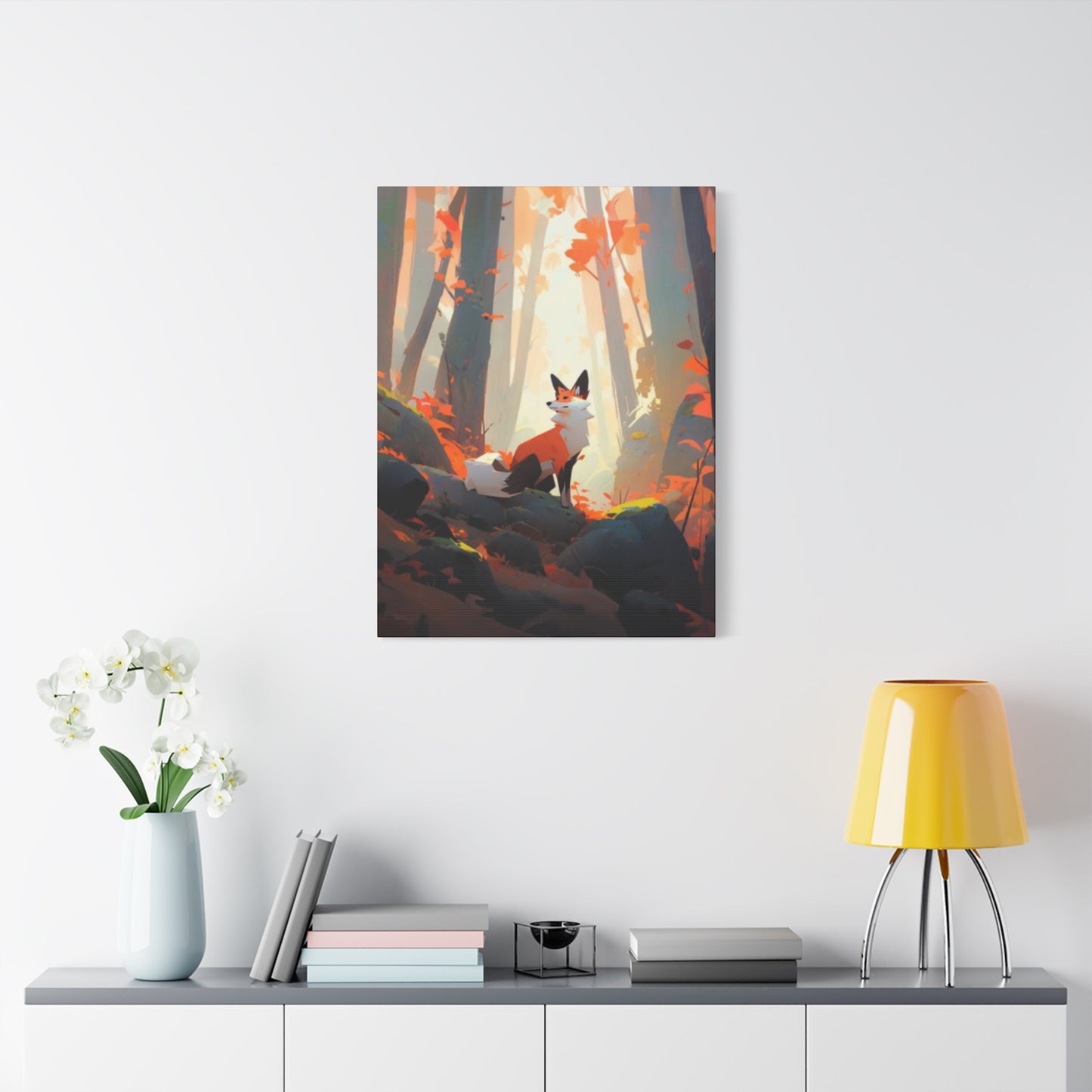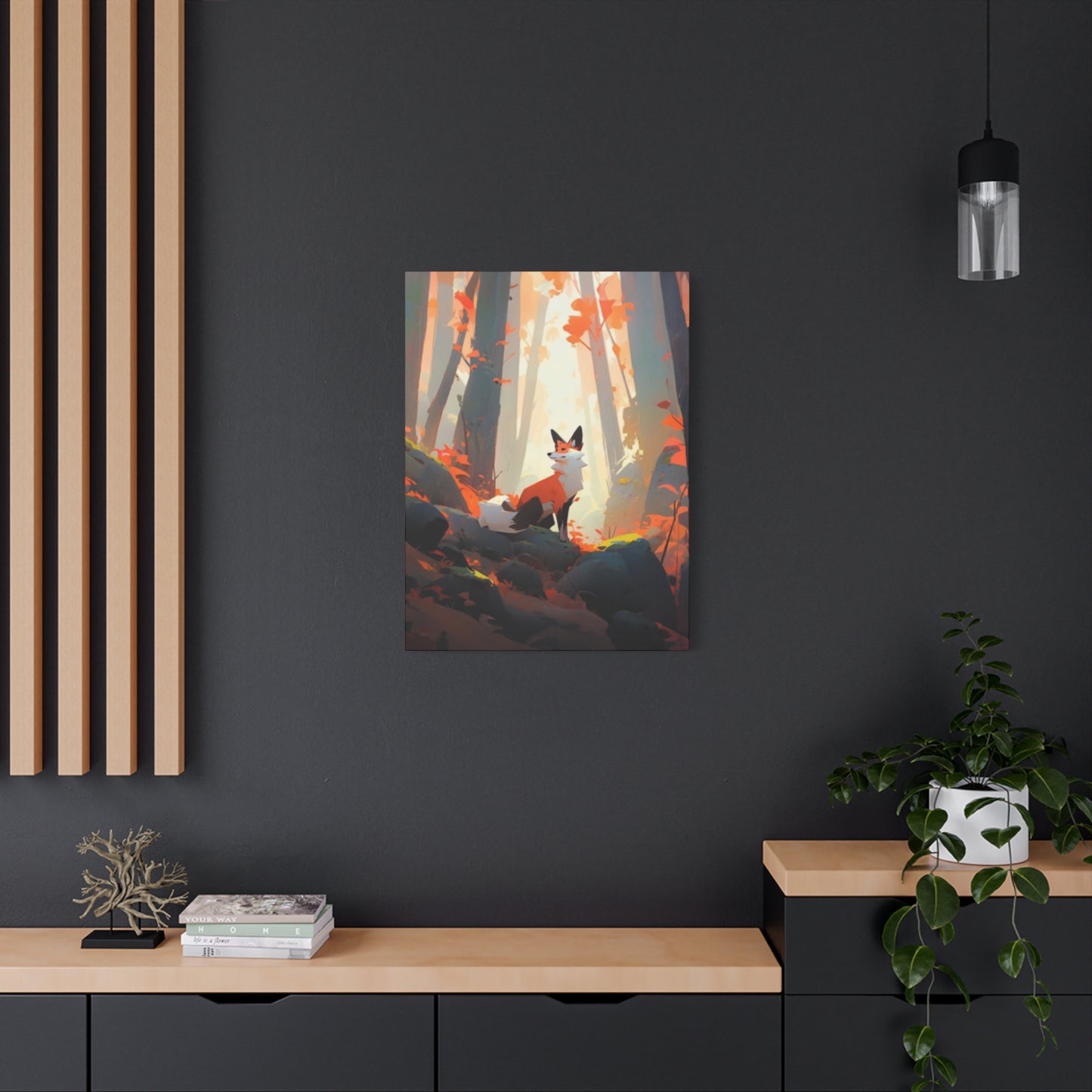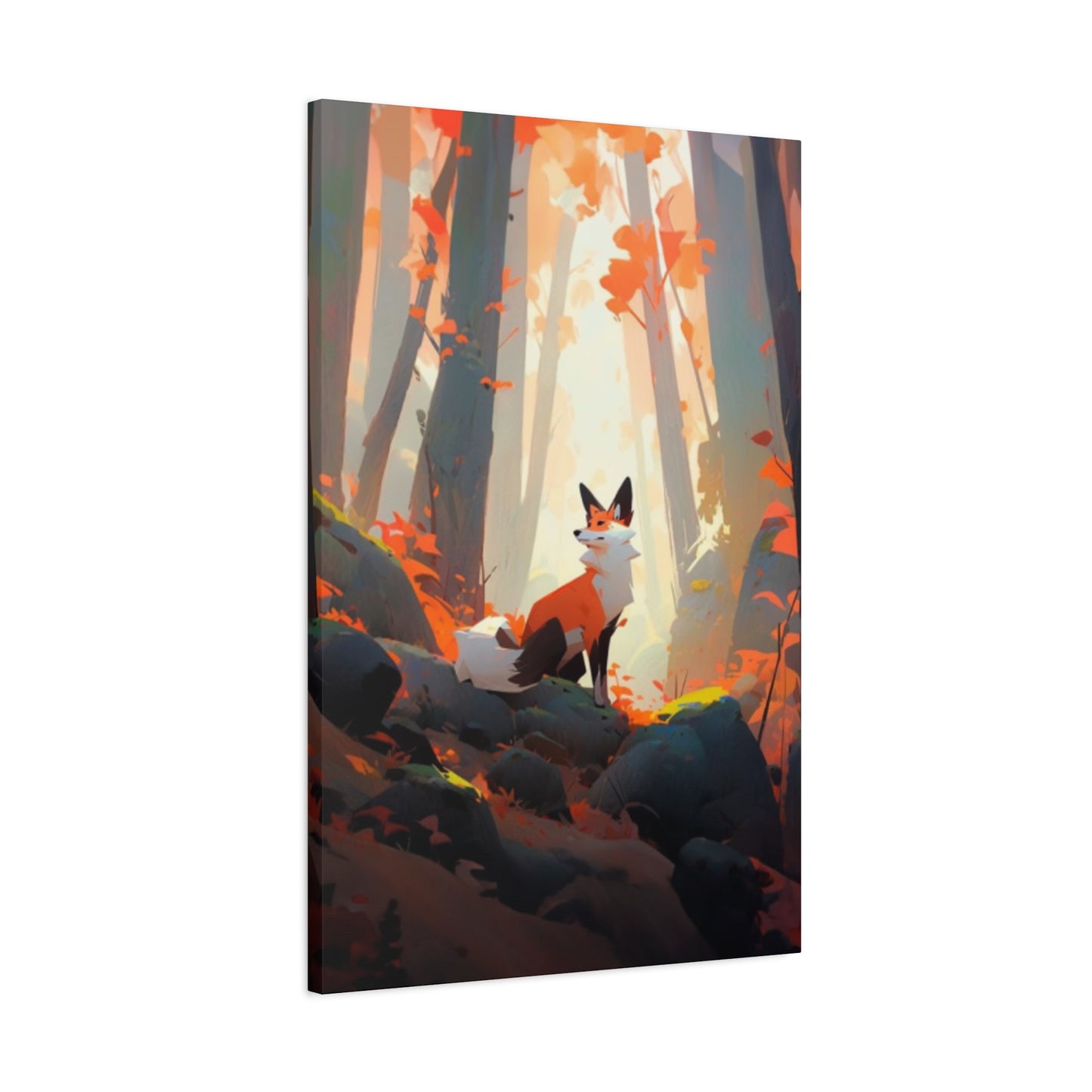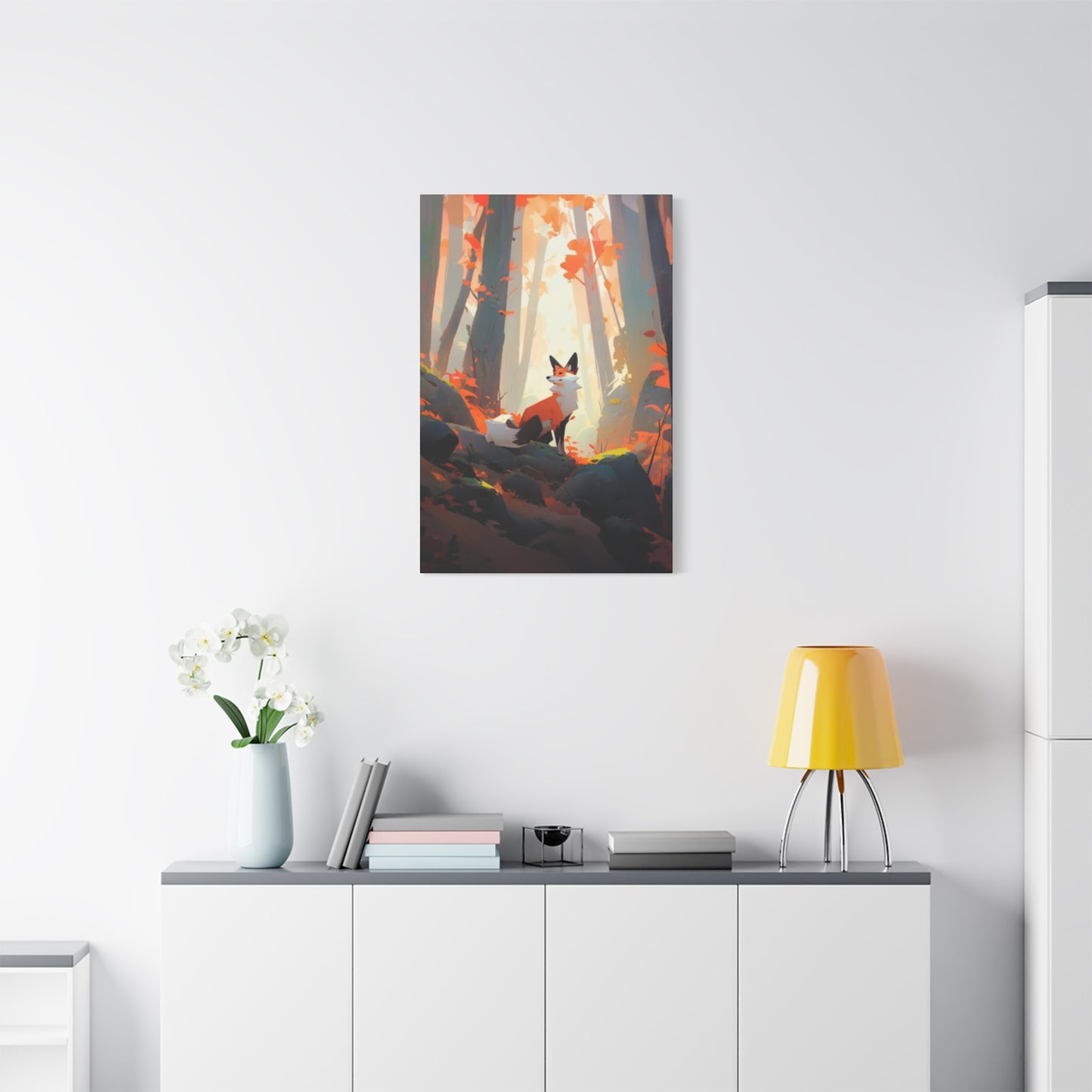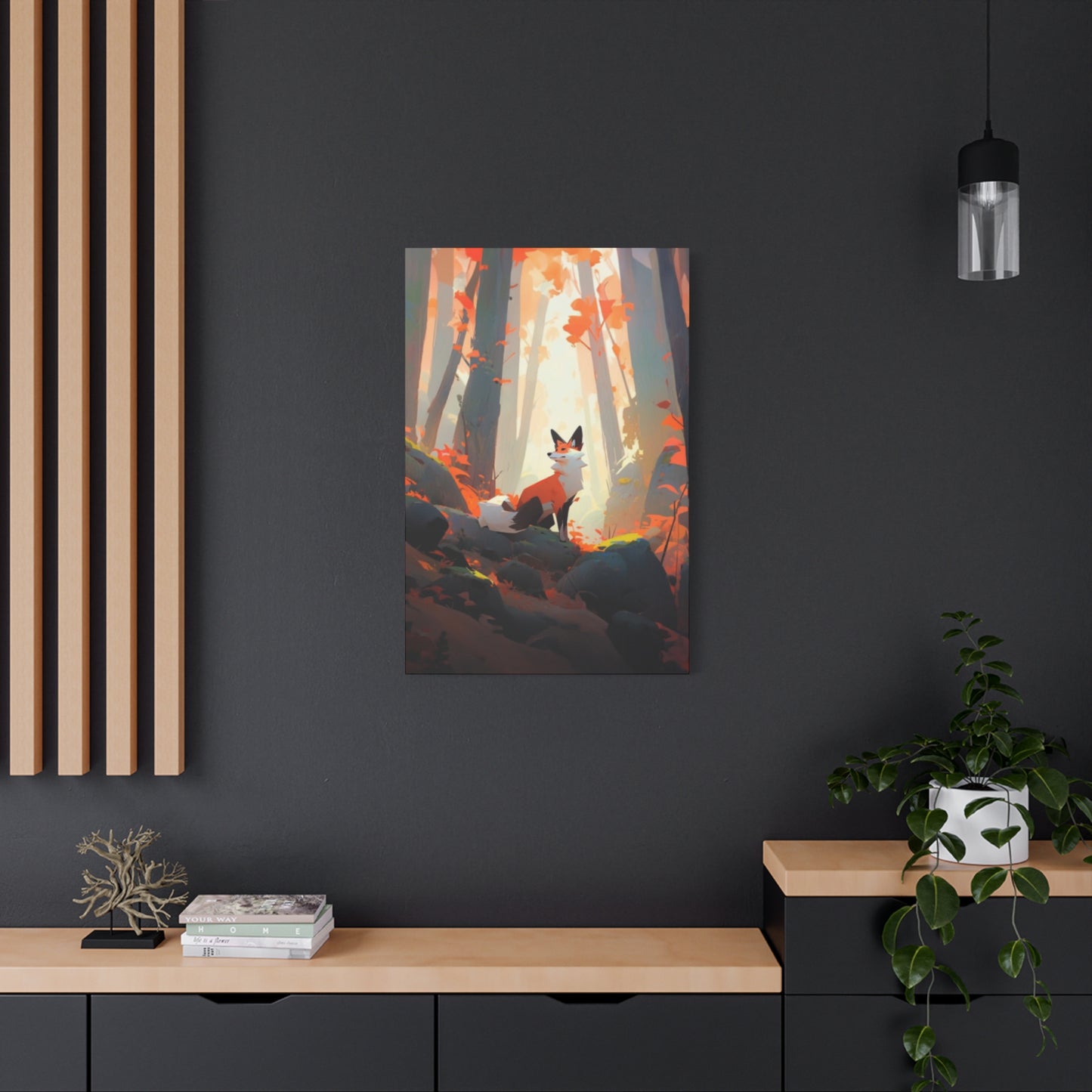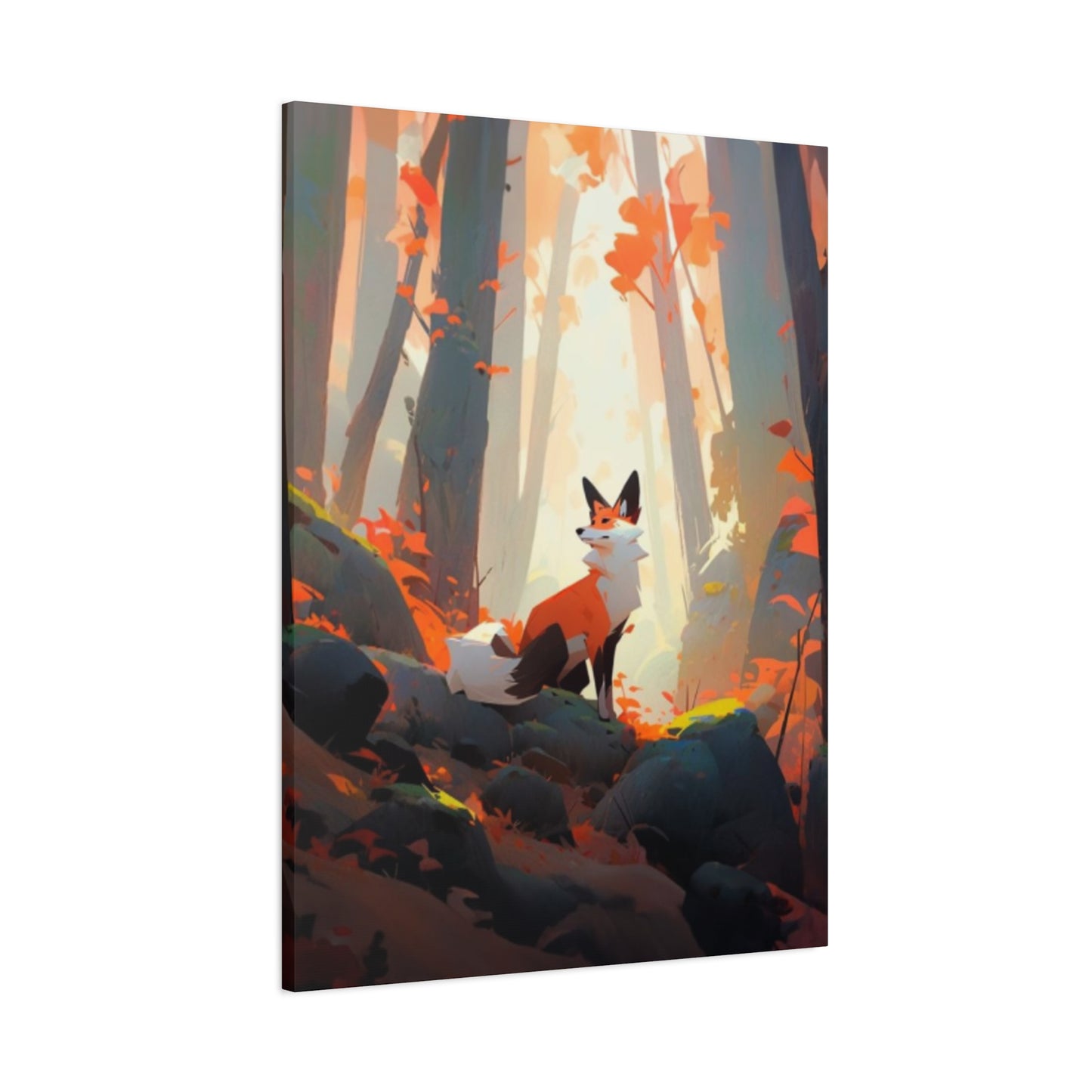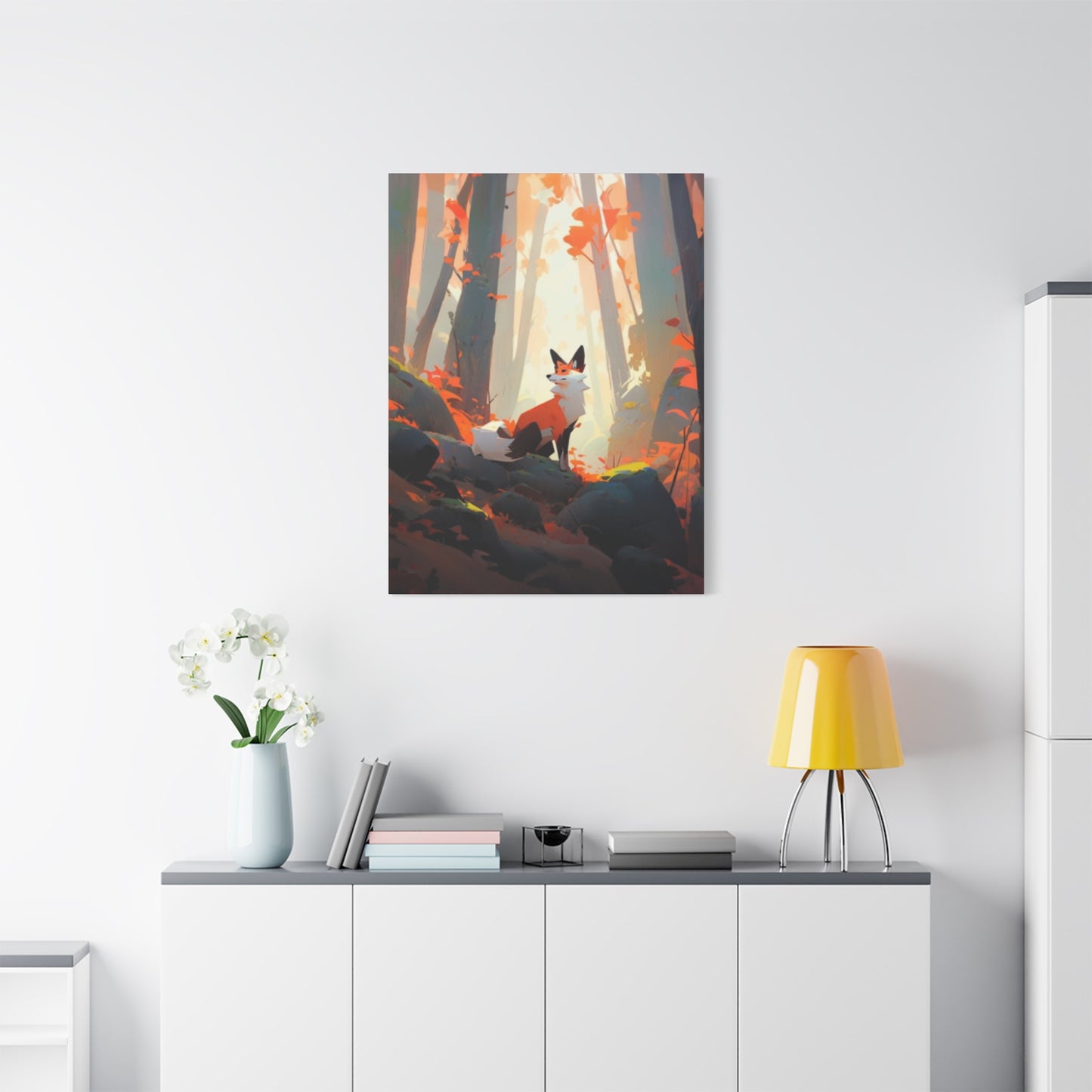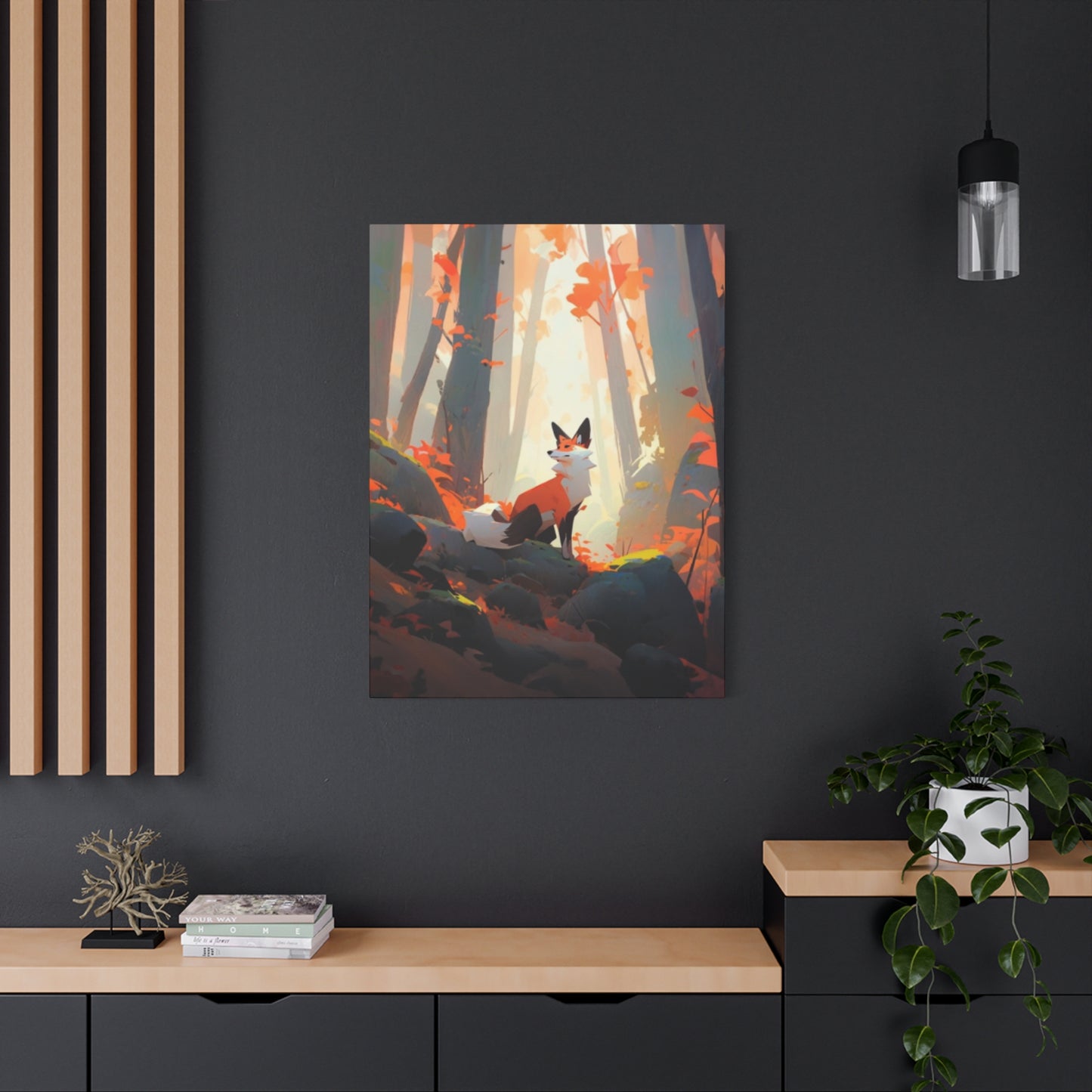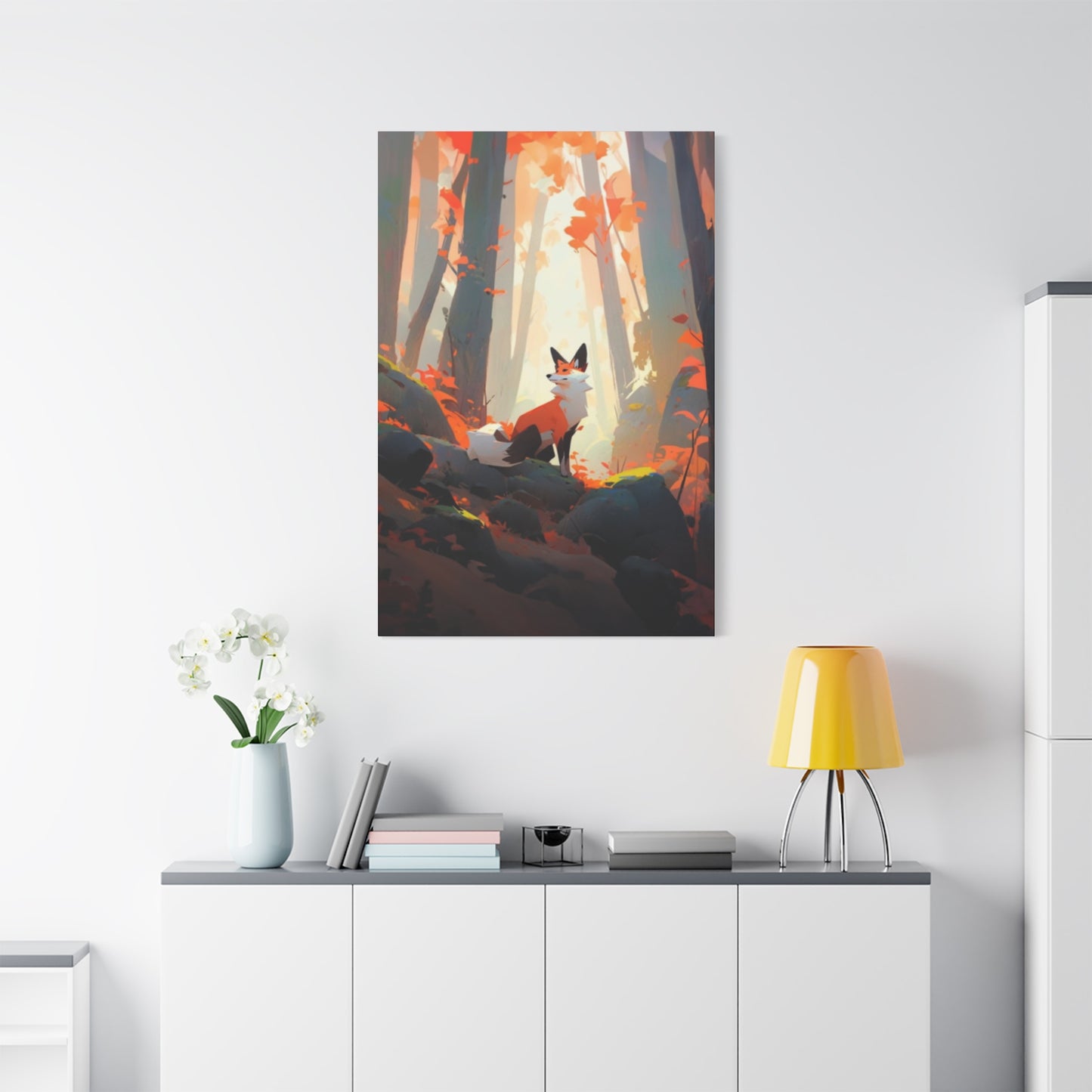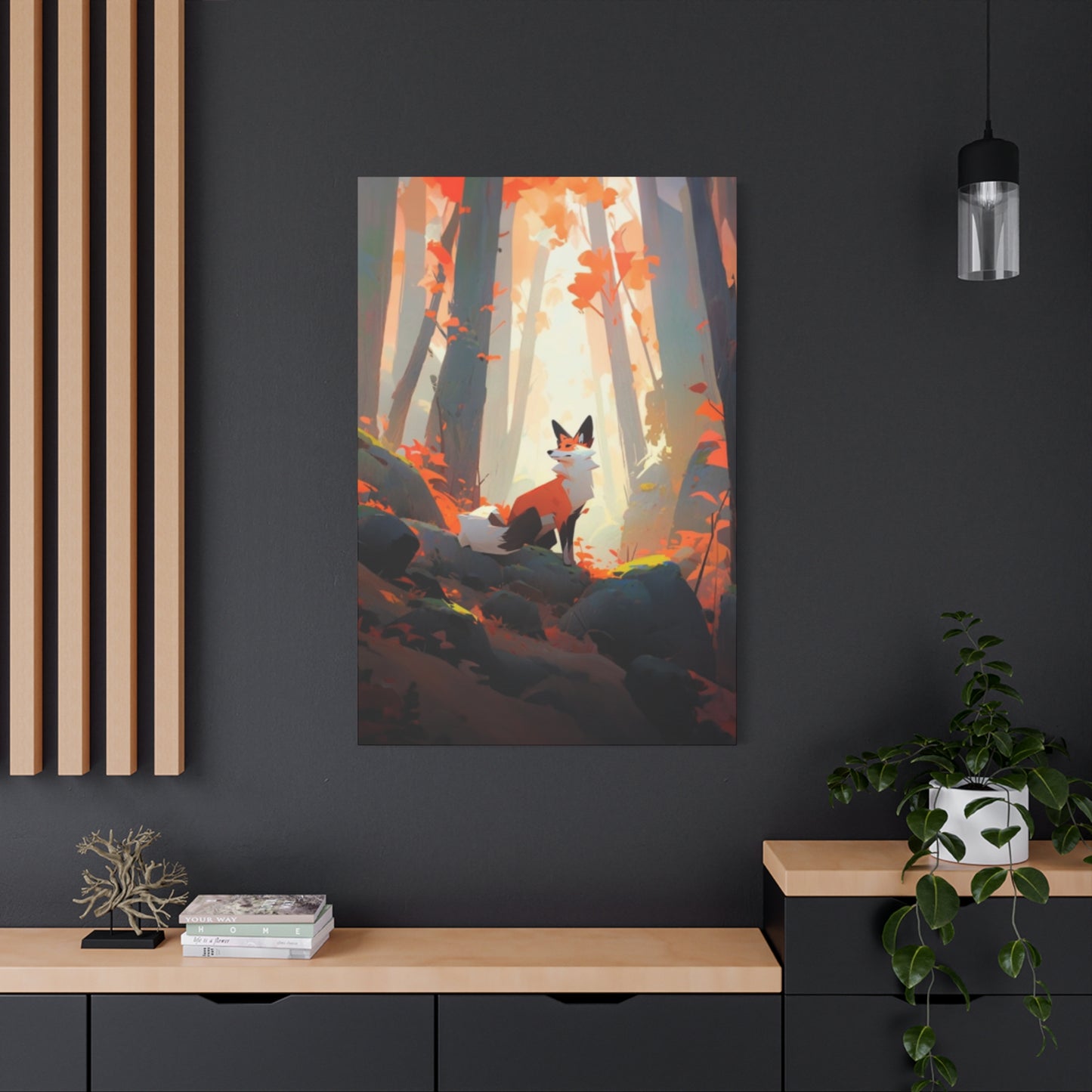


Fox in the Forest Wall Art & Canvas Prints
Fox in the Forest Wall Art & Canvas Prints
Couldn't load pickup availability
Fox in the Forest Wall Art: Capturing Woodland Magic Through Canvas and Creative Design Elements
The captivating allure of fox in the forest wall art has emerged as a dominant trend in contemporary home decoration, blending natural wilderness themes with sophisticated artistic expression. This particular style of decorative imagery brings the mystique of woodland creatures into living spaces, creating an atmosphere that resonates with nature enthusiasts and design-conscious individuals alike. The fox, renowned for its cunning intelligence and striking appearance, serves as the perfect subject when combined with lush forest backgrounds, offering viewers a glimpse into the untamed beauty of natural habitats. These artistic pieces range from realistic photographic prints to abstract interpretations, watercolor renderings, and mixed media creations that transform ordinary walls into portals of woodland enchantment.
The growing popularity of this decorative genre stems from humanity's inherent connection to nature and the desire to incorporate organic elements into increasingly urbanized living environments. Fox in the forest wall art satisfies this yearning while simultaneously providing aesthetic sophistication that complements various interior design schemes. Whether displayed in minimalist modern apartments or rustic country homes, these pieces adapt seamlessly to their surroundings, offering focal points that spark conversation and contemplation. The versatility of this artwork extends beyond residential spaces, finding prominence in commercial establishments, hospitality venues, and wellness centers where creating calming, nature-inspired atmospheres proves essential.
Why Woodland Creature Imagery Creates Lasting Impact in Contemporary Interior Spaces
The profound effect that wildlife-themed decorative pieces have on human psychology cannot be understated. When individuals surround themselves with representations of natural scenes and wild animals, they experience subconscious connections to primal instincts and ancestral memories. Fox in the forest wall art specifically taps into these deep-rooted feelings, reminding viewers of the delicate balance between civilization and wilderness. The fox itself carries symbolic weight across numerous cultures, representing adaptability, cleverness, and survival—qualities that resonate strongly with modern audiences navigating complex contemporary existence.
Research conducted by environmental psychologists reveals that exposure to nature imagery, even through artistic representation, can reduce stress levels and improve overall mental well-being. The presence of woodland scenes in living or working environments triggers responses similar to those experienced during actual forest immersion, albeit to a lesser degree. This phenomenon, sometimes referred to as vicarious nature exposure, explains why fox in the forest wall art has transcended temporary trend status to become a lasting preference in decorative choices. The calming greens of forest canopies, the earthy browns of tree bark, and the vibrant russet tones of fox fur create color palettes that naturally harmonize with human visual preferences evolved over millennia.
Beyond purely aesthetic considerations, these artistic pieces serve as conversation starters and reflection prompts. Guests entering a room adorned with compelling wildlife imagery often pause to admire the details, share stories of their own nature encounters, or express appreciation for the artistic skill displayed. This social aspect transforms wall decorations from passive background elements into active participants in the creation of memorable experiences within a space. The fox, being neither domesticated nor entirely fearsome, occupies a unique position in human consciousness that makes it particularly suitable for this purpose—familiar enough to feel accessible yet wild enough to maintain intrigue.
Diverse Artistic Styles That Bring Vulpine Subjects and Woodland Settings to Life on Canvas
The realm of fox in the forest wall art encompasses an extraordinary range of artistic approaches, each offering distinct visual experiences and emotional resonances. Photorealistic representations capture every whisker, every leaf vein, and every subtle gradation of light filtering through the forest canopy with meticulous precision. These pieces appeal to individuals who appreciate technical mastery and seek to bring the most authentic representation of wilderness into their homes. The hyperrealistic approach requires exceptional skill, as artists must understand not only the anatomy and behavior of foxes but also the complex interplay of natural lighting, seasonal variations, and ecological relationships within forest ecosystems.
Contrasting sharply with photorealism, impressionistic interpretations dissolve concrete forms into arrangements of color and suggestion. These pieces capture the essence rather than the exact appearance of their subjects, using brushstrokes that convey movement, atmosphere, and emotion. An impressionistic fox in the forest wall art might reduce the animal to a few strategic dabs of orange and white against a backdrop of swirling greens and browns, yet somehow communicate the creature's alertness and grace more effectively than literal representation. This style particularly appeals to collectors who value artistic interpretation over documentation and who appreciate the way impressionism invites personal emotional responses rather than dictating specific reactions.
Watercolor techniques bring a delicate, ethereal quality to woodland imagery. The transparency and fluidity inherent to this medium create soft transitions between elements, lending forest scenes a dreamlike quality that feels both grounded in reality and touched by imagination. Fox in the forest wall art executed in watercolors often features gentle color bleeding where the animal's form meets its surroundings, symbolically suggesting the interconnectedness of all living things within the ecosystem. The unpredictability of watercolor adds organic spontaneity that mechanical reproduction cannot replicate, making each piece genuinely unique—a quality increasingly valued in an age of mass production.
Vector art and geometric stylization represent another branch of this artistic category, appealing particularly to individuals with modern aesthetic preferences. These pieces deconstruct the fox and forest into fundamental shapes—triangles for ears, circles for eyes, polygons for foliage—creating images that feel simultaneously contemporary and timeless. The clean lines and bold color blocks characteristic of this approach integrate seamlessly with minimalist interior design philosophies while maintaining the symbolic power of wildlife imagery. This style demonstrates that fox in the forest wall art need not be literal or traditional to effectively communicate its themes and create visual impact.
Mixed media creations combine multiple materials and methods, incorporating elements like fabric, metal leaf, three-dimensional components, or even natural materials such as pressed leaves or bark fragments. These hybrid pieces blur boundaries between painting, sculpture, and assemblage, offering textural richness that purely two-dimensional works cannot achieve. A mixed media fox in the forest wall art might feature a painted background with a fox silhouette created from cut copper, or a collage combining vintage botanical prints with contemporary acrylic painting. These innovative approaches attract collectors seeking truly distinctive pieces that push creative boundaries while honoring the enduring appeal of wildlife themes.
Selecting the Perfect Woodland Fox Artwork for Your Specific Space Requirements and Personal Aesthetics
Choosing appropriate fox in the forest wall art requires careful consideration of multiple factors beyond simple visual appeal. The physical dimensions of the piece must correspond appropriately to the wall space available and the scale of surrounding furnishings. An oversized canvas can overwhelm a small room, creating visual imbalance, while a diminutive print may appear lost on an expansive wall, failing to achieve its intended impact. Interior design principles suggest that artwork should generally occupy between two-thirds and three-quarters of the furniture width beneath it, though this guideline flexes depending on overall room composition and personal preference.
Color palette compatibility represents another crucial consideration. While fox in the forest wall art typically features earth tones that integrate easily with many decorating schemes, specific pieces may emphasize particular hues—golden autumn leaves, the blue-grey mist of early morning forests, or the vibrant greens of summer foliage. Successful integration requires either complementing existing room colors or deliberately introducing contrasting elements to create visual interest. A room dominated by cool greys and blues might benefit from the warm russet tones of fox fur, while a space already featuring earth tones might call for a piece emphasizing the cooler aspects of forest environments.
The emotional tone conveyed by different artistic interpretations merits thoughtful evaluation. Some fox in the forest wall art depicts moments of stillness—a fox sitting attentively amid falling leaves or resting beneath fern fronds—creating serene, contemplative atmospheres suitable for bedrooms or meditation spaces. Other pieces capture dynamic action—a fox mid-leap through underbrush or racing between trees—generating energy appropriate for areas where activity and vitality are desired, such as home offices or exercise rooms. The chosen piece should align with the intended purpose and feeling of the specific space it will occupy.
Frame selection profoundly influences how fox in the forest wall art presents itself and interacts with surrounding decor. Natural wood frames enhance rustic or traditional aesthetics, with variations in wood tone and finish offering nuanced effects. Light oak or birch frames maintain brightness and openness, while darker walnut or mahogany options add gravitas and formality. Metal frames in black, silver, or bronze create crisp, contemporary presentations that work particularly well with geometric or minimalist interpretations. Alternatively, floating frames that create space between the artwork and frame edge lend modern sophistication, while ornate gilded frames suit more classical or maximalist design sensibilities.
Placement considerations extend beyond merely finding an empty wall. Lighting plays a critical role in how artwork appears throughout different times of day and under various conditions. Natural light can enhance colors and textures but may also cause fading over time if too intense or direct. Many collectors choose to position fox in the forest wall art where it receives indirect natural light or supplement with dedicated picture lighting that highlights the piece without causing damage. The viewing height matters as well; artwork should typically be hung so its center sits at average eye level, approximately 57 to 60 inches from the floor, though this adjusts in spaces where viewers are typically seated.
How Various Cultural Traditions Have Interpreted and Symbolized the Clever Red-Furred Creature Throughout Centuries
Across global mythologies and folklore traditions, the fox occupies fascinating positions that enrich the symbolic depth of fox in the forest wall art. In Japanese culture, the kitsune represents wisdom, longevity, and magical abilities, with the number of tails indicating the creature's age and power—some legends speak of nine-tailed foxes possessing near-divine capabilities. These fox spirits could transform into human form, often appearing as beautiful women who brought either great fortune or devastating trickery depending on their intentions. This rich mythological context adds layers of meaning to artistic representations, particularly for individuals familiar with these cultural narratives.
Celtic traditions viewed the fox as a guide through the spirit world and the dark forests that held both danger and enlightenment. The creature's nocturnal habits and ability to move silently through undergrowth made it a natural symbol for shamanic journeys and transitions between states of consciousness. Warriors would invoke fox energy when needing to outmaneuver opponents, while healers sought its guidance when navigating the mysterious territories of illness and recovery. This spiritual significance persists in modern interpretations, with fox in the forest wall art sometimes serving as personal totems or reminders of these ancient wisdom traditions.
Native American cultures attributed various qualities to foxes depending on regional species and tribal traditions. Some viewed them as tricksters similar to coyotes, teaching lessons through cleverness and mischief. Others recognized them as survivors who thrived through adaptability rather than strength, offering models for sustainable living within challenging environments. The fox's ability to camouflage itself within forest settings symbolized the importance of understanding one's environment and working with rather than against natural forces. These perspectives resonate particularly with contemporary viewers seeking to reconnect with ecological awareness and sustainable living philosophies.
European folklore frequently cast the fox in the role of the cunning outlaw, as exemplified in tales like Reynard the Fox. These stories positioned the fox against established authority, using intelligence and resourcefulness to outmaneuver more powerful adversaries. This narrative framework appealed to common people who saw themselves in similar positions relative to nobility and institutional power. The enduring popularity of these tales has infused the fox with associations of clever resistance, strategic thinking, and the triumph of wit over brute force. Fox in the forest wall art tapping into these themes can serve as subtle reminders of personal agency and the power of intelligence in navigating complex circumstances.
Chinese symbolism associates the fox with both positive and negative qualities, viewing it as a creature of ambiguous moral alignment. While recognized for intelligence and charm, foxes also carried associations with seduction and illusion, capable of leading people astray through enchantment. This duality makes the fox a complex symbolic figure, representing the reality that cleverness and adaptability are morally neutral qualities whose value depends entirely on how they're employed. This nuanced perspective adds philosophical depth to fox in the forest wall art, encouraging viewers to contemplate the multifaceted nature of survival, success, and ethical decision-making.
Creating Harmonious Gallery Walls That Feature Multiple Woodland and Wildlife Themed Pieces Together
The concept of gallery walls—collections of multiple artworks arranged together—offers exciting possibilities for displaying fox in the forest wall art alongside complementary pieces. This approach allows for narrative development across several images, perhaps showing different seasons in forest environments, various wildlife species that share woodland habitats, or contrasting artistic styles unified by common themes. The arrangement itself becomes an artistic statement, with the negative space between frames and the overall composition contributing as much to the visual effect as the individual pieces.
When assembling a gallery wall incorporating fox in the forest wall art, consider establishing a consistent element that unifies the collection while allowing variation in other aspects. This might mean maintaining similar color palettes across different subjects and styles, using uniform framing despite diverse image sizes, or creating thematic coherence through related content. For instance, a collection might include a central large-scale fox portrait surrounded by smaller images of forest details—mushrooms, ferns, tree bark textures, fallen leaves—that contextualize the animal within its environment. This approach creates a comprehensive visual story greater than any single piece could achieve.
The physical arrangement requires planning, ideally beginning with templates cut to match frame sizes that can be positioned and repositioned on the wall before committing to hanging. Traditional arrangements place the largest piece at eye level as an anchor, with smaller works radiating outward in balanced compositions. However, more dynamic approaches intentionally create asymmetry, using varied spacing and unexpected juxtapositions to generate visual tension and interest. Some designers recommend laying the entire arrangement on the floor first, photographing it from above, and using that reference when transferring to the vertical surface.
Balance doesn't necessarily mean symmetry. A large fox in the forest wall art positioned off-center can be counterbalanced by a cluster of smaller pieces on the opposite side, creating equilibrium through distributed visual weight rather than mirror-image arrangement. Color distribution matters as well; if one piece contains a vivid accent color, echoing that hue in other parts of the arrangement creates cohesion even when subjects differ significantly. The overall shape of the gallery wall also contributes to its effect—rectangular grids convey order and formality, while organic arrangements that follow flowing curves feel more relaxed and spontaneous.
Practical hanging considerations for gallery walls include using appropriate hardware for wall type and artwork weight, maintaining level alignment across multiple pieces, and ensuring consistent spacing. Many professionals use a consistent gap measurement, often between two and three inches, though this can vary based on frame sizes and desired density. For renters or those hesitant to commit to permanent holes, removable hanging strips rated for appropriate weights offer alternative mounting solutions. The investment of careful planning and execution pays dividends in creating a cohesive, professional-appearing installation that elevates fox in the forest wall art from individual pieces to a curated collection.
The Environmental Movement's Influence on Wildlife Artwork Popularity and Purchasing Patterns Among Modern Consumers
The surge in demand for fox in the forest wall art correlates closely with broader cultural shifts toward environmental consciousness and conservation awareness. As climate change and habitat destruction dominate headlines, individuals increasingly seek ways to express their environmental values through consumer choices, including home decor selections. Wildlife-themed artwork serves dual purposes: creating aesthetically pleasing environments while signaling the owner's alignment with ecological values and concern for threatened species and habitats. This combination of personal satisfaction and values expression drives purchasing decisions in ways purely decorative considerations might not.
Many artists creating fox in the forest wall art actively participate in conservation efforts, with portions of their sales supporting wildlife organizations, habitat restoration projects, or endangered species protection programs. This direct connection between art purchase and environmental impact appeals strongly to conscientious consumers who want their spending to reflect their principles. Some artists document specific locations or individual animals, using their work to raise awareness about particular conservation challenges. Owning such pieces allows individuals to feel personally connected to these efforts, transforming passive appreciation into active participation in wildlife protection.
The educational dimension of wildlife artwork contributes to its growing prominence in homes and public spaces. Accurate, beautiful representations of animals and their habitats can inspire curiosity about ecology, biodiversity, and the intricate relationships within natural systems. Children growing up surrounded by fox in the forest wall art may develop stronger connections to wildlife and greater interest in understanding and protecting natural environments. This indirect educational influence extends the impact of these artworks beyond their immediate aesthetic contribution, positioning them as tools for fostering environmental stewardship across generations.
Social media platforms have amplified the visibility of wildlife artwork and the artists who create it, building communities around shared appreciation for nature-themed imagery. Photographs of interiors featuring fox in the forest wall art circulate widely, inspiring others to incorporate similar elements into their own spaces. This viral quality accelerates trend adoption while simultaneously raising awareness about the artists themselves and the conservation messages many embed within their work. The shareable nature of compelling wildlife imagery creates organic marketing that benefits both artists and environmental causes, demonstrating how aesthetic appreciation and ecological awareness can mutually reinforce each other.
Market research indicates that younger consumers particularly value authentic connections between the products they purchase and larger social or environmental causes. This demographic cohort, now entering peak home-buying and decorating years, shows willingness to invest more in fox in the forest wall art when they perceive it as supporting meaningful causes rather than merely adding decorative elements to rooms. This shift in consumer values is reshaping the wildlife art market, rewarding artists who transparently communicate their environmental commitments and creating expectations that art purchases should contribute to positive change beyond individual aesthetic satisfaction.
Commissioning Custom Artwork That Captures Your Personal Connection to Specific Locations or Memories
While readily available fox in the forest wall art offers convenience and immediate gratification, commissioned custom pieces provide opportunities for deeply personalized artistic expressions. Working directly with an artist to create a unique work allows for incorporating specific elements, locations, or memories that hold personal significance. Perhaps a particular forest trail where you experienced a memorable fox sighting, or a woodland area from childhood that shaped your love of nature—these specific places and experiences can be immortalized through custom artwork that no mass-produced piece could replicate.
The commissioning process typically begins with conversations between client and artist, establishing vision, preferences, and expectations. These discussions might cover preferred artistic styles, color palette priorities, size requirements, and the emotional tone desired in the finished piece. Many artists welcome reference photographs from clients—images of specific locations, poses captured during wildlife encounters, or examples of existing artworks that resonate aesthetically. These materials help ensure the final fox in the forest wall art aligns with the client's vision while allowing the artist creative latitude to apply their unique perspective and skills.
Timeline considerations matter significantly when commissioning artwork. Unlike purchasing ready-made pieces, custom works require weeks or months for completion, depending on the artist's current workload, the complexity of the requested piece, and the chosen medium. Realistic expectations prevent disappointment, and many artists provide progress updates or preliminary sketches that allow for feedback and adjustments before too much work has been invested. This collaborative process often deepens the client's connection to the finished piece, as they've participated in its creation rather than simply selecting it from existing options.
Pricing for commissioned fox in the forest wall art varies dramatically based on artist reputation, piece size, medium complexity, and required timeframes. Established artists with strong collector bases command premium prices reflecting their skill, experience, and market demand. Emerging artists may offer more accessible pricing while delivering comparable quality, providing opportunities for collectors to support developing talent while acquiring custom works within modest budgets. Most professional artists clearly communicate their pricing structures and payment schedules upfront, with many requiring deposits before beginning work and final payment upon completion or delivery.
The legal aspects of commissioning artwork deserve attention. Commissioned pieces typically transfer physical ownership to the client but may retain intellectual property rights with the artist, affecting reproduction permissions for prints, merchandise, or digital sharing. Clear contracts established before work begins prevent misunderstandings, specifying ownership terms, usage rights, revision policies, and delivery conditions. While these formal considerations might seem awkward when dealing with creative collaboration, they protect both parties and ensure the commissioned fox in the forest wall art becomes a source of lasting satisfaction rather than potential conflict.
Seasonal Variations in Forest Imagery and How They Transform the Atmosphere of Living Spaces Throughout the Year
The cyclical transformations of forest environments offer rich possibilities for how fox in the forest wall art contributes to interior atmospheres across different seasons. Spring forest scenes burst with renewal—bright green foliage, wildflowers carpeting forest floors, and the soft light of lengthening days. Fox imagery within this context captures themes of new beginnings, vitality, and the acceleration of life after winter's dormancy. These pieces feel particularly appropriate during actual spring months, when their content resonates with observable changes in the natural world outside, creating continuity between interior and exterior environments.
Summer forest representations embrace lush abundance, with dense canopy layers filtering sunlight into dappled patterns on forest floors. Fox in the forest wall art depicting this season conveys fullness, maturity, and the peak of natural productivity. The deep greens and rich earth tones characteristic of summer woodland scenes create cooling visual effects particularly welcome during warm months. These pieces work especially well in rooms where people seek respite from heat and bright light, offering psychological associations with the cool shadows of forest interiors even when physical access to such environments proves impractical.
Autumn forest imagery provides perhaps the most dramatic seasonal option, with brilliant foliage colors ranging from golden yellows through vibrant oranges to deep crimsons. Fox in the forest wall art set against fall backgrounds creates stunning color combinations, as the russet tones of fox fur harmonize perfectly with autumn leaves. These pieces capture themes of transition, harvest, and the poignant beauty of change and impermanence. The warm color palettes of autumn scenes add psychological warmth to spaces during months when temperatures drop and daylight diminishes, counteracting the subtle depression that sometimes accompanies seasonal transitions.
Winter forest scenes offer stark beauty through simplified compositions—bare trees creating intricate branch patterns against grey skies or snow-covered ground. Fox in the forest wall art featuring winter settings emphasizes the animal's survival capabilities and the stripped-down essence of forest environments when growth ceases and life consolidates. The muted color palettes of winter scenes—greys, browns, and whites punctuated by fox russet—create contemplative, peaceful atmospheres suitable for spaces dedicated to rest, reflection, or focused work. These pieces remind viewers of nature's resilience and the quiet strength required to endure challenging periods.
Some collectors choose to rotate fox in the forest wall art seasonally, maintaining collections that represent different times of year and switching displayed pieces to match current seasons. This approach keeps interior environments feeling fresh and responsive to natural cycles, preventing the visual fatigue that can occur when unchanging artwork becomes invisible through over-familiarity. For individuals who enjoy regular refreshment of their surroundings but prefer avoiding complete redecorating projects, seasonal artwork rotation offers an effective middle path between stagnation and constant upheaval.
The Intersection of Wildlife Photography and Artistic Interpretation in Creating Compelling Forest Creature Imagery
Wildlife photography represents both a distinct artistic medium and a common starting point for other forms of fox in the forest wall art. Photographers specializing in wildlife subjects invest countless hours in remote locations, often under challenging conditions, to capture moments of authentic wild behavior. The resulting images can stand alone as finished artworks or serve as reference materials for painters, illustrators, and digital artists who interpret them through different stylistic lenses. This interconnection between photography and other artistic approaches creates a rich ecosystem of wildlife imagery that serves diverse aesthetic preferences and philosophical perspectives.
The ethical considerations surrounding wildlife photography influence how these images are perceived and valued. Responsible wildlife photographers prioritize animal welfare over perfect shots, maintaining appropriate distances, avoiding disturbance during sensitive periods like breeding or rearing young, and never baiting or manipulating animals to achieve desired behaviors. Fox in the forest wall art derived from ethically obtained photographs carries implicit integrity that collectors increasingly value, particularly as awareness grows regarding the sometimes problematic practices in wildlife media production. Many photographers now explicitly communicate their ethical standards, building trust with audiences who care about how images were obtained.
The debate between photographic documentation and artistic interpretation touches fundamental questions about art's purpose and value. Purists might argue that unmanipulated photographs represent authentic reality and therefore possess inherent superiority over interpretive works. Others counter that all artistic choices—from angle selection to timing to post-processing—involve interpretation, making the distinction less absolute than it initially appears. Furthermore, non-photographic fox in the forest wall art offers expressive possibilities unavailable to straight photography, conveying emotions, emphasizing particular qualities, or creating impossible juxtapositions that communicate truths different from literal documentation.
Hybrid approaches combining photography with digital painting, collage elements, or other manipulations represent growing segments of the wildlife art market. These works begin with photographic captures but transform them through additional creative processes, perhaps emphasizing certain elements while minimizing others, adding painterly effects, or combining multiple images into composite scenes. Such pieces occupy interesting middle ground between documentation and pure imagination, offering some of photography's immediacy and detail while incorporating the expressive freedom of more traditional artistic media. Fox in the forest wall art created through these hybrid methods appeals particularly to individuals drawn to contemporary aesthetics that transcend traditional medium boundaries.
The accessibility of high-quality cameras and the democratization of image distribution through online platforms have dramatically expanded the wildlife photography field. This expansion brings both benefits and challenges—more artists creating fox in the forest wall art means greater variety and availability for consumers, but also market saturation that makes distinguishing exceptional work from mediocre production more difficult. Collectors navigating this abundant landscape benefit from developing discerning eyes, recognizing the technical mastery, artistic vision, and unique perspectives that separate truly outstanding wildlife imagery from the vast quantity of merely competent work flooding the marketplace.
How Different Room Functions Influence Optimal Choices for Wildlife Themed Decorative Elements
The specific function of a room significantly impacts which type of fox in the forest wall art works best within that space. Living rooms, serving as primary gathering areas for family and guests, benefit from pieces that invite extended viewing and generate conversation. Larger-scale works with rich detail reward repeated examination, revealing new elements upon each viewing. The subjects and moods in these pieces should generally maintain broad appeal, avoiding imagery that might disturb or discomfort visitors while remaining interesting enough to avoid visual boredom despite frequent exposure.
Bedroom environments call for fox in the forest wall art that promotes relaxation and peaceful transitions into sleep. Gentle compositions featuring restful subjects—a fox curled sleeping beneath a tree, or peacefully observing its surroundings—create appropriate atmospheres. Color palettes should trend toward cooler, softer tones that facilitate calmness rather than stimulation. Overly dynamic or intense imagery might prove counterproductive in spaces dedicated to rest, even if those same pieces would work beautifully in more active areas. The personal, private nature of bedrooms also allows for more idiosyncratic selections reflecting individual tastes without concern for how they'll be received by visitors.
Home offices and work spaces require careful consideration of how fox in the forest wall art might impact productivity and mental states during extended periods of focused work. Some individuals find nature imagery deeply centering, helping maintain calm focus during stressful tasks. Others might find detailed, complex artwork distracting when attempting concentration. The optimal choice depends on individual working styles and the specific demands of work being performed. Generally, pieces positioned behind monitors or in peripheral vision should remain relatively simple, while artwork placed on walls opposite work stations can be more complex since it will be viewed during deliberate breaks rather than while working.
Dining areas present opportunities for fox in the forest wall art that stimulates appetite and conversation without overwhelming the social dynamics of shared meals. Medium-sized pieces that don't dominate the space work well, positioned where diners can comfortably view them without straining. The artwork should complement rather than compete with table settings and food presentation. Some design philosophies suggest avoiding wildlife imagery in eating spaces, reasoning that reminders of living creatures might interfere with enjoying animal-based foods. However, many find this concern overstated, with thoughtful selection ensuring the artwork enhances rather than complicates the dining experience.
Children's spaces offer unique opportunities for fox in the forest wall art that combines aesthetic appeal with gentle educational elements. Images that accurately depict wildlife and forest environments can foster curiosity about nature while creating visually engaging rooms that grow with children rather than quickly feeling too juvenile. Choosing pieces with lasting artistic merit rather than explicitly childish treatments ensures the artwork remains appropriate as kids age, avoiding the need for complete redecorating every few years. The durability of framing and mounting becomes particularly important in children's rooms where active play might occasionally impact walls.
Exploring Abstract and Minimalist Approaches to Representing Woodland Creatures in Modern Visual Design
Abstract interpretations of fox in the forest wall art strip away literal representation to focus on essential forms, colors, and emotional resonances. These pieces might reduce a fox to a few strategic brushstrokes that suggest rather than depict the animal, or fragment the image into geometric components that reference the subject without documenting it. Abstract wildlife art challenges viewers to engage more actively, completing the image through their own perception and interpretation rather than passively receiving a complete representation. This participatory quality creates deeper, more personal connections between viewer and artwork, as the image becomes partially a product of individual consciousness rather than solely the artist's creation.
Minimalist approaches take reduction further, employing the smallest possible elements to convey their subjects. A minimalist fox in the forest wall art might consist of a single elegant line defining the animal's silhouette against a monochrome background, or a few carefully placed shapes whose arrangement unmistakably suggests the subject despite extreme simplification. This aesthetic philosophy aligns with broader cultural movements toward intentional simplicity, mindfulness, and the elimination of unnecessary complexity from physical and mental environments. Minimalist wildlife imagery creates powerful visual impact through restraint, proving that artistic effectiveness doesn't correlate directly with detail quantity or technical complexity.
Color field painting techniques applied to wildlife subjects create fox in the forest wall art that emphasizes atmospheric qualities and emotional tones over specific forms. Large areas of color might suggest forest environments with minimal or no representation of actual trees, while the fox appears as a subtle tonal variation or a small focal element within the expansive color field. These pieces function almost as meditative objects, their power deriving from sustained contemplation rather than immediate recognition. They suit contemporary interiors where clean lines and uncluttered visual fields predominate, adding nature-inspired elements without introducing busy, detailed imagery that might conflict with minimalist design philosophies.
Silhouette treatments offer another minimalist approach, reducing fox in the forest wall art to pure positive or negative shapes against contrasting backgrounds. The fox becomes a black cutout against warm sunset colors, or a negative space within a dark forest scene. This technique creates striking graphic impact while maintaining clear subject recognition. Silhouettes work particularly well at large scales where their simplified forms read clearly from across rooms, and their high contrast ensures visibility in various lighting conditions. The graphic quality of silhouette artwork integrates seamlessly with modern design aesthetics that favor bold, clear visual statements over subtle gradations.
Contemporary digital design approaches sometimes incorporate motion, animation, or interactive elements into what traditionally would be static wall art. Digital frames can display rotating collections of fox in the forest wall art or subtle animations that create the impression of gentle forest movement—swaying branches, falling leaves, or the fox slowly turning its head. These dynamic pieces represent the cutting edge of decorative art, blurring boundaries between static images and video installations. While requiring electricity and periodic updating unlike traditional artwork, they offer variety and movement that some individuals find more engaging than unchanging images, particularly in spaces where people spend extended periods.
Understanding the Market Value and Investment Potential of Wildlife Artwork from Emerging and Established Artists
The market for fox in the forest wall art encompasses enormous price ranges, from affordable prints costing tens of dollars to original works by renowned artists commanding tens of thousands. Understanding what drives these value differences helps collectors make informed decisions aligned with their budgets and objectives. Original works—unique pieces created directly by artists—occupy the premium end, valued for their singular nature, the direct connection to the artist's hand and vision, and their potential to appreciate if the artist's reputation grows. Limited edition prints, numbered and signed by artists, offer middle ground between accessibility and collectibility, maintaining scarcity while remaining more affordable than originals.
Artist reputation significantly influences artwork pricing. Established artists with exhibition records, critical recognition, and strong collector bases can command substantially higher prices than emerging artists of comparable skill. This premium reflects not just artistic quality but also the marketing, provenance, and investment security associated with recognized names. However, collecting works by emerging artists offers opportunities for both financial and aesthetic rewards. Supporting developing talent when their work remains affordable allows collectors to acquire high-quality pieces while budgets are modest, with the potential for significant value appreciation if those artists eventually achieve broader recognition.
The investment dimension of fox in the forest wall art requires realistic expectations. While some wildlife art appreciates dramatically, most pieces function better as sources of aesthetic pleasure than financial instruments. Unlike stocks or bonds, artwork provides ongoing experiential value through daily viewing pleasure, making its utility less purely financial. Individuals approaching wildlife art primarily as investment often find themselves disappointed, while those who purchase works they genuinely love receive value regardless of future market movements. If appreciation occurs, it represents a welcome bonus rather than the primary purpose of ownership.
Provenance—the documented history of ownership and exhibition—impacts artwork value, particularly for pieces by established artists. Clear provenance confirms authenticity and provides context that can enhance both monetary and cultural value. For collectors considering fox in the forest wall art as potential investment, maintaining documentation becomes important. Certificates of authenticity, purchase receipts, correspondence with artists, and records of any exhibitions or publications featuring the work create provenance that future buyers will value. This documentation practice proves especially important for limited edition prints, where maintaining the integrity of edition numbering depends on careful record-keeping.
The rise of digital marketplaces and online galleries has transformed how collectors discover and acquire fox in the forest wall art. These platforms expand access beyond geographic limitations, connecting artists with global audiences and allowing collectors to explore vastly more options than physical galleries could stock. However, online purchases lack the ability to experience artwork physically before buying—seeing actual colors, textures, and scale in person rather than through screen representations. Reputable online sellers address this limitation through detailed photographs, dimension specifications, and generous return policies, but some uncertainty remains inherent to remote purchases. Balancing the expanded selection of online marketplaces with the tangible experience of gallery browsing often yields optimal outcomes.
Conclusion
Professional-quality framing transforms fox in the forest wall art from mere images into refined presentations worthy of prominent display. The frame serves multiple functions: protecting the artwork from physical damage and environmental factors, separating the image from surrounding wall space to create psychological boundaries that focus attention, and providing aesthetic enhancement that complements the artwork while contributing to overall interior design. Investment in quality framing pays dividends through both enhanced visual impact and extended artwork longevity, making it a crucial consideration rather than an afterthought or unnecessary expense.
Mat boards create breathing space between artwork and frame, preventing visual claustrophobia while adding design flexibility through color and width choices. Traditional white or cream mats provide neutral presentation that works across diverse decor styles, while colored mats can be coordinated with either artwork hues or room colors. Mat width affects perception dramatically—narrow mats create intimate, contained presentations while wide mats generate spaciousness and formality. Conservation-quality mat board prevents acid migration that would otherwise cause discoloration and deterioration over time, essential for preserving fox in the forest wall art intended as lasting additions to collections rather than temporary decorations.
Glazing choices—the transparent material protecting artwork surfaces—involve tradeoffs between different qualities. Standard glass offers clarity and protection at accessible cost but adds significant weight and breakage risk. Acrylic glazing provides lightweight durability that's particularly advantageous for large pieces or situations where safety concerns favor shatter-resistant materials. Museum-quality glazing incorporates UV filtering that blocks the light wavelengths most responsible for fading, crucial for preserving fox in the forest wall art created with light-sensitive media like watercolors or photographs. Anti-reflective coatings minimize glare from windows or artificial lighting, ensuring clear viewing from various angles without distracting reflections.
Float mounting techniques suspend artwork within the frame without obscuring edges, creating visual lightness and allowing appreciation of the complete work including deckled edges on handmade papers or artist signatures in margins. This presentation method particularly suits pieces where the entire surface contributes to the artistic statement. Canvas works can be stretched over wooden frames and displayed without additional framing, allowing the three-dimensional quality of canvas texture to remain visible and accessible. This approach creates contemporary, gallery-like presentations appropriate for modern interiors while reducing weight and cost compared to traditional framing.
Some collectors choose to display fox in the forest wall art without framing at all, particularly when using museum-quality papers or mounting prints to rigid backing boards. This approach maintains the artwork's inherent qualities without the mediation of frames, creating direct, unadorned presentations. However, unframed pieces require more careful handling and face greater vulnerability to environmental damage from humidity, temperature fluctuations, and air pollutants.
Share