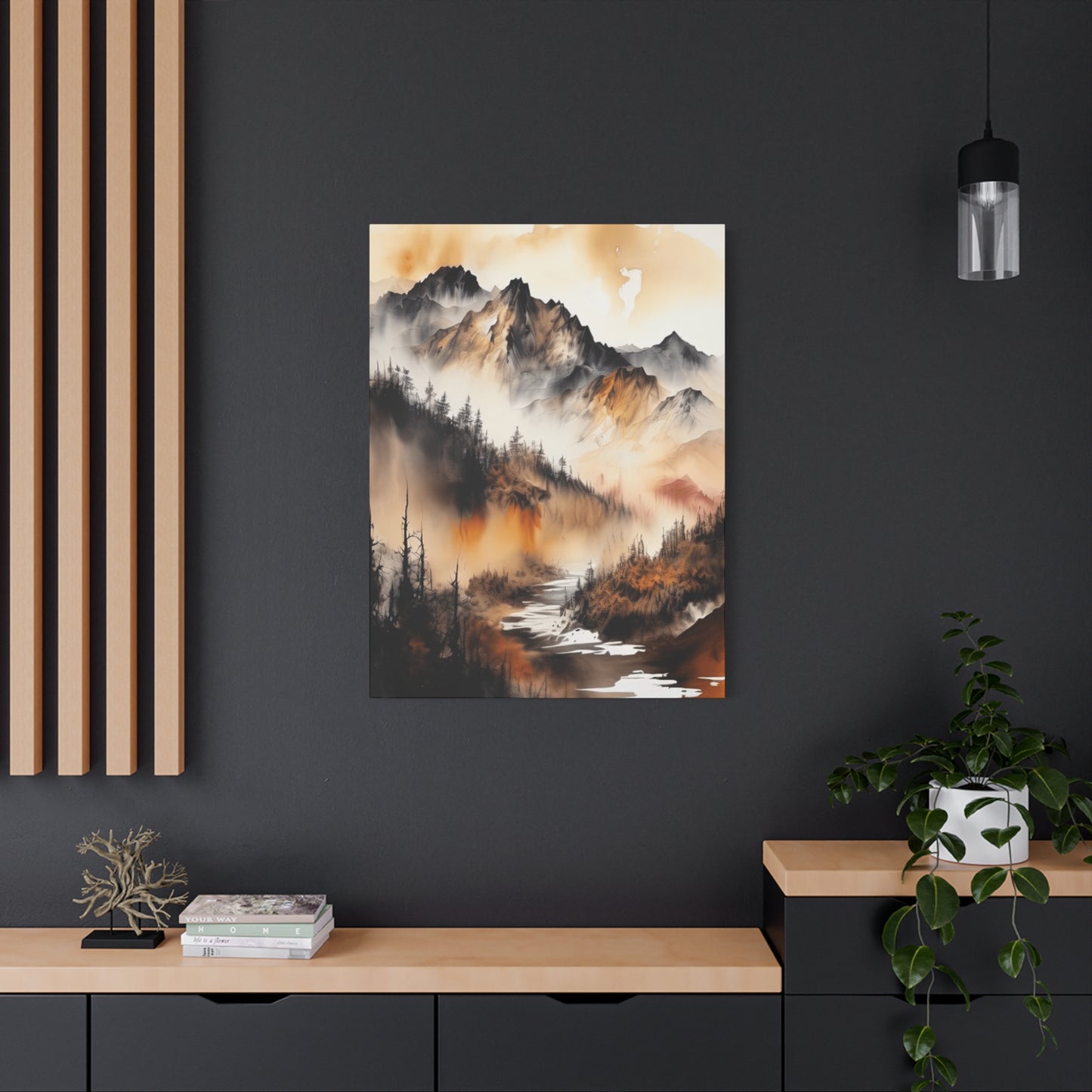
Forest Wall Art & Canvas Prints
Forest Wall Art & Canvas Prints
Couldn't load pickup availability
Bring the Outdoors In: Discover the Natural Beauty and Artistic Vibes of Forest Wall Art for Your Living Room
The allure of bringing nature indoors has captivated homeowners, interior designers, and art enthusiasts for generations. Among the most enchanting ways to achieve this connection with the natural world is through carefully selected forest wall art. These captivating pieces transform ordinary rooms into sanctuaries of tranquility, offering visual escapes into verdant woodlands, misty groves, and sun-dappled canopies. The growing popularity of nature-themed decorative pieces reflects a deeper yearning for environmental connection in our increasingly urbanized lives.
Forest wall art encompasses a remarkably diverse spectrum of artistic interpretations, from hyper-realistic photographic prints capturing the intricate details of ancient trees to abstract representations that evoke the essence of woodland atmospheres through color and form. This versatility makes forest-themed artwork suitable for virtually any interior design scheme, whether your aesthetic leans toward rustic farmhouse charm, contemporary minimalism, traditional elegance, or eclectic bohemian flair.
The psychological benefits of incorporating nature imagery into interior spaces have been extensively documented by researchers and environmental psychologists. Exposure to representations of natural environments can reduce stress hormones, lower blood pressure, improve concentration, and enhance overall mood. Forest scenes, in particular, evoke feelings of peace, stability, and renewal that can counterbalance the frenetic pace of modern existence.
When selecting forest wall art for your home or workspace, numerous considerations come into play. The size and scale of the piece must complement the dimensions of the wall and surrounding furniture. Color palettes should harmonize with existing decor while potentially introducing new accent hues that enliven the space. The style of the artwork should reflect your personal taste while considering the overall aesthetic cohesion of the room.
Exploring Various Artistic Styles Within Forest Wall Art Collections
The realm of forest-themed artistic expression offers an astonishing variety of styles, each bringing its own unique character and emotional resonance to interior spaces. Photographic forest wall art represents one of the most popular categories, with professional nature photographers capturing breathtaking moments in woodlands around the globe. These images might showcase the golden light of sunrise filtering through a pine forest, the ethereal beauty of fog weaving between tree trunks, or the vibrant colors of autumn foliage creating a canopy of crimson and gold.
Impressionistic interpretations of forest scenes offer a softer, more dreamlike quality that can introduce a sense of romance and nostalgia to a room. These paintings typically feature visible brushstrokes, blended colors, and an emphasis on capturing the atmospheric qualities of forest environments rather than precise botanical details. The impressionistic approach allows artists to convey the emotional experience of being in a forest—the dappled light, the sense of depth and mystery, the interplay of shadow and illumination.
Abstract forest wall art takes creative interpretation to another level, distilling the essence of woodland environments into compositions of color, texture, and form that may bear little resemblance to literal trees and foliage. These pieces might use vertical elements to suggest tree trunks, employ green and brown color palettes to evoke forest atmospheres, or create layered compositions that hint at the depth and complexity of forest ecosystems without directly depicting them. Abstract forest art works particularly well in contemporary spaces where bold, non-representational pieces serve as conversation starters and focal points.
Watercolor forest scenes bring a delicate, translucent quality to forest wall art that can feel both sophisticated and whimsical. The medium's inherent characteristics—its tendency to blend and bleed, creating soft edges and unexpected color combinations—lend themselves beautifully to capturing the fluid, organic nature of forest environments. Watercolor forest art often features pale, muted palettes that introduce subtle color without overwhelming a space, making these pieces ideal for bedrooms, nurseries, and other areas where a calming atmosphere is desired.
Illustrative and graphic approaches to forest wall art offer crisp, clean interpretations that work exceptionally well in modern and Scandinavian-inspired interiors. These designs might feature simplified tree silhouettes, geometric interpretations of forest patterns, or stylized representations of woodland flora and fauna. The clarity and precision of illustrative forest art makes it particularly suitable for spaces with minimal decoration, where each piece needs to make a clear visual statement without competing with other elements.
Vintage and antique botanical illustrations represent another fascinating category within forest wall art. These scientific drawings, often created in the 18th and 19th centuries, combine artistic beauty with botanical accuracy, depicting individual tree species, forest understory plants, mushrooms, and other woodland elements with meticulous detail. Collections of these vintage prints can be arranged in gallery walls that bring both visual interest and a sense of scholarly refinement to a space.
Mixed media forest wall art incorporates multiple materials and techniques to create dimensional, textured pieces that engage viewers through their tactile qualities. These works might combine painting with collage elements, incorporate natural materials like pressed leaves or bark, or feature three-dimensional elements that project from the wall surface. The complexity and uniqueness of mixed media pieces make them excellent choices for art collectors seeking one-of-a-kind statement pieces.
Creating Harmonious Color Schemes Through Forest-Themed Decorative Pieces
The color composition of forest wall art plays a crucial role in determining how the piece will interact with your existing interior palette and the mood it will create within the space. Traditional forest imagery typically features a predominance of greens and browns, but the specific shades and combinations can vary dramatically, from the deep, saturated emerald tones of tropical rainforests to the silvery sage hues of coastal woodlands.
Monochromatic forest wall art, rendered entirely in black and white or sepia tones, offers a timeless elegance that transcends passing design trends. These pieces emphasize form, texture, contrast, and composition without the distraction of color. Black and white forest photography can be particularly striking, with dramatic contrasts between dark tree trunks and bright sky, or the subtle gradations of gray in a misty forest scene. This approach works beautifully in both classic and contemporary settings, providing visual impact without introducing additional colors that might clash with existing schemes.
Warm-toned forest wall art emphasizes the golden, amber, russet, and terracotta hues found in autumn woodlands or captured during the magical hours of sunrise and sunset. These pieces radiate coziness and comfort, making them ideal for living rooms, dining areas, and other gathering spaces where you want to foster feelings of warmth and conviviality. Warm forest art pairs beautifully with natural wood furnishings, leather upholstery, and other organic materials that reinforce the connection to nature.
Cool-toned forest wall art leans toward blues, teals, silvers, and the cooler shades of green found in shaded groves and northern forests. These pieces create a sense of calm, spaciousness, and serenity that makes them particularly well-suited for bedrooms, bathrooms, and meditation spaces. The psychological effects of cool colors include reduced heart rate and blood pressure, making cool-toned forest art an excellent choice for areas dedicated to rest and relaxation.
Multicolored forest wall art embraces the full spectrum of hues found in diverse woodland ecosystems throughout the seasons. These vibrant pieces might showcase the riot of colors in an autumn forest, the wildflowers blooming on a forest floor in spring, or the unexpected pops of color provided by birds, mushrooms, and other forest inhabitants. Multicolored pieces work well as focal points in neutral spaces, introducing visual excitement without requiring extensive redecorating.
Subtle, muted palettes represent another appealing option for forest wall art, featuring desaturated colors that whisper rather than shout. These pieces often have a vintage or aged quality, as though the colors have faded gently over time. Muted forest art integrates seamlessly into spaces with soft, sophisticated color schemes, adding depth and interest without disrupting the overall tonal harmony.
The strategic use of accent colors within forest wall art can tie together disparate elements in a room's design scheme. A forest scene that features predominantly green and brown tones but includes touches of coral, burgundy, or gold can echo colors found in textiles, accessories, or other artwork, creating visual connections that unify the space. When selecting forest wall art with this purpose in mind, bring fabric swatches or paint chips to ensure the accent colors truly complement your existing palette.
Selecting the Perfect Dimensions and Formats for Your Forest Wall Art
The physical size and format of forest wall art significantly impacts its visual presence and effectiveness within a space. A piece that's too small for its intended wall will appear lost and insignificant, failing to make the desired impact, while an oversized piece can overwhelm a room and make it feel cramped. Understanding the principles of scale and proportion helps ensure your forest wall art enhances rather than detracts from your interior design.
Large-scale forest wall art, typically defined as pieces measuring 40 inches or larger in at least one dimension, creates dramatic focal points that command attention and anchor a room's design. These substantial pieces work best on expansive walls with minimal architectural interruptions, such as the wall above a sofa, behind a bed's headboard, or in a dining room. The grandeur of large forest art can make a powerful statement in open-concept spaces, two-story entryways, and other areas with generous wall space and high ceilings.
Medium-sized forest wall art offers versatility and accessibility for most residential spaces. Pieces in the 20 to 40 inch range work well in a variety of contexts, from above console tables and mantels to in hallways and stairwell walls. Medium pieces are often more affordable than their large-scale counterparts and easier to transport and hang, making them practical choices for renters and those who move frequently. They can stand alone as individual statements or be grouped with other pieces to create gallery wall arrangements.
Small forest wall art, typically under 20 inches in its largest dimension, excels in creating intimate moments of visual interest in unexpected places. These diminutive pieces work beautifully in powder rooms, home offices, bookcases, and narrow wall segments. Collections of small forest prints or paintings can be arranged in grid patterns or asymmetrical groupings to fill larger wall expanses while maintaining individual charm.
Panoramic forest wall art exploits the horizontal format to create expansive vistas that evoke the experience of standing within a forest and gazing across the landscape. These elongated pieces, which may measure several feet wide while remaining relatively narrow in height, suit locations like above king-sized beds, along hallway walls, or in spaces with horizontal architectural features they can complement. The panoramic format naturally draws the eye across the composition, creating a sense of movement and spaciousness.
Vertical forest wall art emphasizes the soaring height of trees and the layered structure of forest canopies. Tall, narrow pieces accentuate the vertical lines in a room, making ceilings appear higher and spaces feel more expansive. Vertical forest art works particularly well flanking windows or doors, in narrow wall segments between architectural features, or in rooms with low ceilings where vertical emphasis creates a more balanced spatial feeling.
Square forest wall art offers a balanced, harmonious format that suits both traditional and contemporary interiors. The equal dimensions create a sense of stability and order that can ground a space. Square pieces work beautifully when hung in multiples, creating symmetrical arrangements that appeal to those with more formal design sensibilities.
Triptychs and multi-panel forest wall art divide a single forest scene across two, three, or more separate canvases or prints that hang together as a unified composition. This format creates visual interest through the separation and alignment of the panels while allowing for creative flexibility in how the pieces are spaced and arranged. Multi-panel forest art can span very large wall areas while remaining manageable in terms of individual piece size and installation.
Circular and organic-shaped forest wall art breaks away from traditional rectangular formats, offering unexpected visual interest through unconventional geometry. Round forest prints can soften the hard lines and angles prevalent in most rooms, introducing a more organic, flowing aesthetic. Irregularly shaped pieces that echo natural forms like tree cross-sections or organic openings in forest canopies bring sculptural qualities to wall decoration.
Materials and Mediums That Bring Forest Wall Art to Life
The physical materials and substrates used to create and present forest wall art significantly influence the piece's aesthetic qualities, longevity, and suitability for different environments. Understanding these options empowers you to select pieces that not only look beautiful initially but will maintain their appeal for years to come.
Canvas prints represent one of the most popular formats for forest wall art, offering a gallery-worthy presentation that combines affordability with visual impact. High-quality canvas reproduces photographic and painted images with rich color saturation and fine detail. The texture of the canvas adds dimensionality that flat paper prints cannot achieve, creating subtle light and shadow play across the surface. Gallery-wrapped canvas, where the image extends around the frame's edges, provides a finished, frameless presentation that suits contemporary aesthetics.
Fine art paper prints cater to purists and collectors who appreciate the subtlety and archival qualities of traditional printmaking. Papers vary widely in texture, weight, thickness, and finish, from smooth, glossy photo papers that maximize color vibrancy to textured watercolor papers that complement painted forest scenes. Archival-quality papers and inks ensure images won't fade or yellow over time, preserving the forest wall art's beauty for generations.
Metal prints offer a sleek, modern presentation that makes colors appear luminous and extraordinarily vibrant. The dye-sublimation process infuses images directly into specially coated aluminum sheets, creating a waterproof, scratch-resistant, and remarkably durable product. The glossy finish and metallic sheen of metal prints make them particularly stunning for high-contrast forest photography, images with water elements, or contemporary interpretations of woodland scenes.
Acrylic prints mount images behind clear acrylic panels, creating depth and dimension that makes forest scenes appear almost three-dimensional. The glossy acrylic surface enhances color saturation and creates a luminous quality, particularly effective for forest photography with strong lighting elements like sun rays streaming through trees. The contemporary, frameless presentation of acrylic prints suits modern interiors beautifully.
Wood prints bring an organic, rustic quality to forest wall art that reinforces the connection to nature. Images printed or transferred onto wood planks, panels, or rounds retain the wood grain's visible texture, which becomes part of the artwork's character. The natural variations in wood color and grain pattern mean each piece is truly unique. Wood-mounted forest art works exceptionally well in farmhouse, rustic, cabin, and natural-inspired interior designs.
Framed canvas and paper prints offer traditional elegance and the opportunity to customize the presentation through frame selection. The frame becomes an extension of the artwork, with choices ranging from ornate gold gilt befitting classical forest paintings to simple black or natural wood frames that allow contemporary forest photography to take center stage. Matting adds another layer of customization, creating breathing room between image and frame while allowing for color coordination with room decor.
Original paintings and drawings represent the pinnacle of forest wall art for collectors and those seeking truly unique pieces. Whether oils, acrylics, watercolors, or mixed media, original artworks carry the artist's hand and vision in ways no reproduction can match. The texture of brushstrokes, the subtle variations in color mixing, and the knowledge that you own the only example of this particular piece add immeasurable value beyond the purely visual.
Textile and fiber art interpretations of forest scenes introduce softness and textural variety to wall decoration. Woven tapestries, embroidered forest scenes, quilted landscape art, and other fabric-based pieces bring warmth and tactile appeal. These works particularly suit bedrooms, cozy reading nooks, and spaces where softening the visual and acoustic environment enhances comfort.
Sculptural and three-dimensional forest wall art extends beyond flat surfaces to create pieces that project into the room space. Carved wood relief sculptures depicting forest scenes, layered paper cut designs creating depth through multiple planes, and assemblage pieces incorporating found natural materials bring physical dimensionality that engages viewers from multiple angles as lighting conditions change throughout the day.
Placement Strategies That Maximize the Impact of Forest Wall Art
The location and hanging methodology you choose for forest wall art profoundly influences how the piece functions within your space and the degree to which it achieves your decorative and atmospheric goals. Thoughtful placement considers viewing angles, lighting conditions, architectural features, furniture arrangements, and the psychological effects you wish to create.
Living room placement typically positions forest wall art as a focal point above primary seating areas. The classic arrangement places a substantial piece centered above a sofa at approximately 6 to 8 inches above the furniture's top edge. This height allows comfortable viewing from both seated and standing positions while creating visual unity between furniture and artwork. In living rooms with fireplaces, forest wall art often claims the mantel position, becoming the room's natural focal point. The artwork's width should typically measure between two-thirds and three-quarters of the furniture piece below it to maintain pleasing proportions.
Bedroom forest wall art creates a restful, rejuvenating atmosphere conducive to quality sleep and peaceful mornings. Positioning forest scenes above the bed's headboard provides the first and last visual impression of each day, beginning and ending with calming nature imagery. The horizontal wall space above beds particularly suits panoramic forest vistas that expand the sense of spaciousness. Alternative placements include across from the bed where the forest scene becomes visible from your resting position, or on walls flanking the bed where paired forest prints create symmetry and balance.
Dining room forest wall art enhances the gathering and entertaining function of these spaces by providing conversation pieces and creating ambiance. Large statement pieces work well on the wall most visible when entering the dining room, while long horizontal pieces complement the linear nature of dining tables. Forest scenes depicting abundant growth, seasonal bounty, or gatherings of animals can subtly reinforce themes of abundance and community appropriate to dining spaces.
Home office forest wall art can significantly impact productivity, creativity, and wellbeing during work hours. Positioning forest scenes within your direct line of sight when looking up from your computer provides regular micro-breaks that refresh eyes and mind. Research suggests that even brief glimpses of nature imagery can restore attention and reduce mental fatigue. Alternatively, placing forest art where it's visible during video calls creates an attractive background while maintaining privacy.
Entryway and hallway forest wall art sets the tone for your entire home, offering guests their first impression of your space and aesthetic sensibilities. Entry walls provide opportunities for dramatic statement pieces that welcome arrivals with natural beauty. Narrow hallways transform into gallery-style spaces when lined with coordinated forest prints, creating visual interest in transitional areas often neglected in decorating schemes.
Bathroom forest wall art brings the spa-like tranquility of nature into personal care spaces. The calming qualities of forest imagery enhance the restorative purposes of bathrooms. When selecting forest art for bathrooms, consider the humidity levels and choose appropriate materials like metal or acrylic prints that withstand moisture better than canvas or paper. Frameless options prevent moisture damage to wooden frames.
Kitchen forest wall art might seem unconventional, but thoughtfully selected pieces can beautifully complement this heart-of-the-home space. Forest scenes featuring edible elements like fruit or nut trees, mushroom foraging, or wild herbs connect the space's function with nature's bounty. Smaller forest prints can fill the wall space above cabinets, while larger pieces work on walls not occupied by cabinetry or appliances.
Stairwell forest wall art takes advantage of vertical wall expanses that can be challenging to decorate. Ascending galleries of forest images can follow the staircase angle, creating visual movement that complements the physical ascent. Alternatively, a single large piece positioned at the landing provides a focal point visible from multiple floors. The vertical nature of many forest images particularly suits stairwell walls.
Outdoor covered spaces like screened porches, covered patios, and three-season rooms benefit from forest wall art that blurs the boundaries between indoor and outdoor living. Weather-resistant materials become essential in these transitional zones. Forest scenes visible through windows or glass doors create layered views that integrate your actual outdoor surroundings with artistic interpretations of natural beauty.
Understanding How Lighting Conditions Affect Your Forest Wall Art
The interplay between lighting and forest wall art dramatically influences how pieces appear, the moods they create, and their effectiveness in achieving your decorative goals. Carefully considering existing lighting conditions and potentially modifying them to showcase your forest art optimally ensures your investment looks its best.
Natural daylight creates dynamic, ever-changing conditions that affect forest wall art throughout the day and across seasons. Morning light tends toward cooler tones with lower intensity, gradually warming and intensifying toward midday before softening again in afternoon and evening. Forest art positioned on east-facing walls receives gentle morning illumination that can make morning routines more pleasant, while west-facing placement captures afternoon and evening light. South-facing walls receive the most consistent, intense natural light throughout the day, which showcases forest art beautifully but requires consideration of UV protection to prevent fading.
Direct sunlight, while beautiful, poses risks to forest wall art, potentially causing irreversible fading and damage over time. Even archival inks and pigments can degrade with prolonged UV exposure. If your forest art will receive direct sun exposure, consider UV-protective glazing for framed pieces, or position the art where direct sun hits it only briefly during the day. Alternatively, window treatments can filter harsh sunlight while still admitting ambient natural light.
Artificial lighting offers consistent illumination that you control completely, making it ideal for showcasing forest wall art. Ambient room lighting from ceiling fixtures provides general illumination but may not ideally highlight wall art. Accent lighting dedicated to illuminating specific pieces allows you to create gallery-quality presentation at home. Picture lights mounted directly above or below artwork, adjustable track lighting, or strategically positioned floor or table lamps can dramatically enhance how forest wall art appears.
Color temperature in artificial lighting significantly affects how forest wall art's colors appear. Warm white bulbs (2700-3000K) emit yellowish light that enhances warm tones in forest art like autumn colors, golden hour lighting, and earthy browns, while potentially making cool-toned forest scenes appear muddy or dingy. Cool white or daylight bulbs (5000-6500K) render colors more accurately and make cool-toned forest art appear crisp and vibrant but may make warm-toned pieces feel less inviting. Neutral white bulbs (3500-4000K) offer compromise, rendering most colors reasonably accurately.
Dimmer switches provide valuable flexibility, allowing you to adjust lighting intensity to suit different times of day, activities, and moods. Bright illumination during active hours showcases forest wall art's details and colors vibrantly, while dimmed evening lighting creates intimate, cozy atmospheres where forest scenes become more mysterious and dreamlike. Dimmable LED bulbs have become increasingly affordable and effective, making this feature accessible for most households.
Indirect lighting creates soft, diffused illumination without harsh shadows or bright spots. Bouncing light off ceilings or walls before it reaches forest wall art creates even, flattering illumination that minimizes glare on glossy surfaces. This approach works particularly well for forest art with subtle tonal variations, as indirect lighting reveals nuances that might be lost in more dramatic lighting scenarios.
Layered lighting combines ambient, task, and accent lighting to create flexible, sophisticated illumination schemes. In spaces featuring forest wall art, layering might include recessed ceiling lights for general illumination, table lamps for reading, and dedicated picture lights or track lights for forest art. This approach allows you to adjust which lighting elements are active based on needs and desired atmosphere.
Backlighting creates dramatic effects with certain types of forest wall art, particularly pieces on translucent materials or those with cut-out elements. LED strips behind acrylic or canvas prints create a glowing halo effect that makes images appear luminous. Shadow box frames with internal lighting transform forest art into glowing focal points that create ambient room lighting while showcasing the artwork.
Avoiding glare and reflections requires attention to the angles between light sources, forest wall art surfaces, and viewing positions. Glossy finishes on acrylic prints, glass-covered frames, or metal prints can create mirror-like reflections that obscure the image when poorly positioned relative to lighting. Adjusting either the art's position or the light source angle usually resolves these issues. Matte finishes and textured surfaces like canvas minimize glare concerns but may not achieve the color vibrancy of glossy presentations.
Complementary Decorative Elements That Enhance Forest Wall Art
Forest wall art achieves its full potential when thoughtfully integrated into a cohesive design scheme that includes complementary furnishings, accessories, and decorative elements. Creating these connections transforms individual pieces into parts of a unified, harmonious whole.
Natural wood furniture creates organic synergy with forest wall art, reinforcing the connection to nature through material and form. The grain patterns, warm tones, and tactile qualities of wood pieces establish visual conversations with forest scenes. Rustic reclaimed wood, smooth walnut, light oak, and richly figured exotic woods each bring different characters that can echo qualities in your forest art. Coffee tables, dining tables, shelving units, and bed frames in wood finishes that harmonize with your forest art's tones create satisfying visual unity.
Living plants bridge the gap between forest wall art's representations and actual botanical life, bringing authentic natural elements into your space. Positioning potted trees, large leafy plants, or hanging greenery near forest art creates layered natural imagery that blurs boundaries between art and reality. The living, growing quality of plants adds dynamic elements that change over time, providing evolving interest that static artwork cannot achieve alone. Species selection can echo the forest types depicted in your art—ferns and moss for temperate forest themes, succulents for arid woodland art, or tropical plants for rainforest imagery.
Natural fiber textiles reinforce forest wall art themes through materials and often colors. Jute rugs, linen curtains, wool throws, and cotton upholstery in earthy tones or forest-inspired patterns create tactile connections to nature. Textiles with botanical prints, leaf patterns, or woodgrain designs can reference forest motifs more explicitly. The softness and texture of natural fibers provide sensory variety that complements visual forest art experiences.
Stone and mineral elements contribute additional organic materials that complete nature-inspired interiors featuring forest wall art. Slate, granite, river rock, or agate accent pieces bring the geological components of forest ecosystems into your design. Stone planters, mineral bookends, geode displays, or even statement pieces like live-edge wood tables with stone inlays create material diversity while maintaining natural themes.
Earthy color palettes throughout a room's finishes and furnishings allow forest wall art to feel at home rather than isolated. Wall colors in soft greens, warm browns, sandy neutrals, or even deeper forest hues create enveloping environments where woodland art feels like natural extensions rather than jarring additions. Accent colors drawn from forest scenes—moss green, mushroom taupe, lichen gray, bark brown—can appear in pillows, throws, and accessories to tie everything together.
Complementary artwork and photography that shares thematic connections with your forest wall art creates curated, gallery-like presentations. Pairing forest scenes with images of forest wildlife, botanical studies of woodland plants, or abstract pieces inspired by natural patterns builds richer narratives. When creating these groupings, vary the sizes, formats, and frames to prevent monotony while maintaining thematic unity.
Rustic and vintage accessories add character and reinforce natural themes around forest wall art. Items like wooden bowls, woven baskets, vintage botanical books, antler sheds, bird nests, or old wooden tools introduce authentic natural and handcrafted objects that resonate with forest imagery's evocation of simpler, more connected ways of living.
Lighting fixtures in natural materials or organic forms enhance forest wall art installations. Rattan pendant lights, wooden floor lamps, fixtures with leaf or branch motifs, or even antler chandeliers in appropriate settings maintain consistent natural aesthetics. The fixtures themselves become decorative elements that support your forest art's themes.
Scent elements create multisensory experiences that deepen the forest atmosphere suggested by wall art. Candles, diffusers, or incense in forest-inspired fragrances—pine, cedar, eucalyptus, moss, earth—engage the olfactory sense alongside the visual. This multisensory approach creates more immersive, memorable spaces that truly evoke the experience of being in nature.
Caring for and Preserving Your Forest Wall Art Collection
Proper maintenance and thoughtful preservation practices ensure your forest wall art retains its beauty and value for years or even generations. Understanding the vulnerabilities of different materials and formats allows you to take appropriate protective measures.
Regular cleaning removes accumulated dust and grime that can dull appearances and potentially damage surfaces over time. The cleaning approach varies by material—canvas and paper require gentle dusting with soft, dry cloths or special art cleaning brushes, while glass and acrylic surfaces can tolerate slightly damp microfiber cloths for more thorough cleaning. Never spray cleaning products directly onto forest wall art; instead, lightly dampen the cloth and wring thoroughly before gently wiping surfaces. Avoid commercial glass cleaners on acrylic, as they can cause crazing and cloudiness.
UV protection significantly extends the lifespan of forest wall art, particularly pieces in paper or canvas formats with fugitive inks or pigments susceptible to fading. Positioning art away from direct sunlight provides basic protection, while UV-filtering window films, curtains, or shades offer additional defense without eliminating natural light entirely. For framed forest art, UV-protective glazing (glass or acrylic) blocks harmful wavelengths while allowing visible light transmission. Museum-quality UV-protective glazing blocks up to 99 percent of damaging rays while remaining virtually invisible.
Climate control maintains stable environmental conditions that prevent damage from temperature and humidity fluctuations. Extreme heat can cause canvases to sag, adhesives to fail, and some inks to run or smear. High humidity encourages mold growth, paper warping, and canvas loosening, while excessive dryness makes organic materials brittle. Ideal conditions for preserving forest wall art fall between 65-75 degrees Fahrenheit with relative humidity between 40-50 percent. While these precise conditions aren't always achievable in living spaces, avoiding extreme fluctuations and problematic microclimates (like hanging forest art above heating vents or in steamy bathrooms without ventilation) prevents most climate-related damage.
Proper hanging hardware and techniques prevent accidents and damage from falls or improper mounting. The weight of your forest wall art determines appropriate hanging methods—lightweight paper prints might need only a single nail, while heavy framed pieces or large canvases require wall anchors, multiple points of attachment, or mounting to wall studs. Wire hanging systems distribute weight across the frame's back, while sawtooth hangers work for lighter pieces. D-rings on heavy frame sides provide secure attachment points. Always exceed the weight rating of hanging hardware rather than pushing limits.
Periodic inspections identify developing problems before they become serious. Checking forest wall art quarterly for signs of insect damage, mold growth, framing issues, fading, or physical damage allows prompt intervention. Look for small holes in paper or canvas that might indicate insect activity, any discoloration or spotted patterns suggesting mold, loosening of canvas from stretcher bars, deteriorating frame joints, or any yellowing and fading of colors.
Professional conservation and restoration services can rescue damaged forest wall art or preserve especially valuable pieces. Conservators possess specialized knowledge and materials for repairing tears, removing discoloration, stabilizing degrading materials, and other interventions beyond typical homeowner capabilities. For original artworks, limited editions, or pieces with significant monetary or sentimental value, consultation with conservation professionals ensures appropriate preservation approaches.
Proper storage of forest wall art when not displayed prevents damage during transitional periods. Wrap pieces in acid-free tissue or glassine paper, never plastic wrap that can trap moisture. Store flat rather than rolled when possible, especially for paper works. Keep stored forest art in climate-controlled areas away from temperature extremes, humidity fluctuations, and pest access. Periodically check stored pieces for any developing problems.
Documentation of your forest wall art collection serves practical and sentimental purposes. Photograph each piece and maintain records of purchase information, artist details, dimensions, materials, and any known provenance. This documentation aids insurance claims if pieces are damaged or stolen, helps with estate planning, and preserves the stories behind your collected forest art for future generations.
Sourcing Authentic and Quality Forest Wall Art Pieces
Finding forest wall art that meets your aesthetic standards while respecting budgets requires knowledge of the various marketplaces, artist networks, and quality indicators that distinguish exceptional pieces from mediocre offerings.
Independent artists and photographers offer unique forest wall art unavailable through mass-market retailers. Many creative professionals maintain portfolios showcasing forest scenes they've captured or created, available for purchase as limited editions or commissioned pieces. Working directly with artists often allows customization of sizes, formats, and even the specific forest locations or styles you prefer. This personal connection to creators adds meaning to your forest art while supporting artistic livelihoods.
Juried art fairs and outdoor shows provide opportunities to view forest wall art in person before purchasing while meeting the artists who created them. The jurying process ensures a baseline quality level, while the event atmosphere allows comparison of multiple artists' work. Seasonal art festivals, craft shows, and gallery nights in most communities regularly feature nature photographers and landscape painters whose work includes forest scenes.
Local galleries curate collections based on regional tastes and often feature work by artists from the surrounding area. Establishing relationships with gallery owners provides access to their expertise in matching collectors with appropriate pieces. Galleries typically offer more polished presentations and sometimes authentication, provenance documentation, and certificates of authenticity that add value to forest wall art purchases.
Print-on-demand services democratize access to forest wall art by offering thousands of designs at various price points and the ability to select your preferred size and format. These platforms host work from countless artists who upload designs available for printing on canvas, paper, metal, acrylic, and other substrates. The quality of print-on-demand forest art varies significantly based on the platform's printing standards and materials. Reading reviews and ordering sample prints helps assess whether specific services meet your quality expectations.
Vintage and antique markets provide access to older forest wall art with historical character and often exceptional craftsmanship. Original paintings from past decades, vintage nature photography, antique botanical prints, and historic chromolithographs bring unique aesthetic qualities impossible to replicate with contemporary production. Authentication and condition assessment become more important with older pieces, and prices for genuine antiques reflect their rarity and historical value.
Estate sales and auctions sometimes yield unexpected forest art treasures at favorable prices. Deceased collectors' artwork disperses to new homes, occasionally including quality pieces that original owners acquired years ago. Online auction platforms have expanded access to estate art sales beyond local geographic limitations. Thorough examination of condition reports and images before bidding helps avoid disappointment with pieces that photographs might flatter.
Custom commissioning allows you to obtain forest wall art depicting specific locations, trees, perspectives, or aesthetic qualities that existing pieces don't provide. Many artists accept commissions to create original works based on your requirements and preferences. Commissioning involves clear communication about your vision, review of preliminary sketches or proofs, and patience for the creation timeline. The result is forest art that's uniquely yours and tailored to your exact specifications.
Licensing and reproduction rights considerations matter if you plan to use forest wall art for commercial purposes or reproduction. Original artwork purchases don't automatically convey reproduction rights, which remain with artists unless explicitly transferred. If you intend to use forest art in business contexts, publications, or merchandise, clarify licensing terms before purchasing and obtain necessary permissions or licenses.
Quality indicators help identify forest wall art worth collecting. Sharp focus and good composition in photographic work, skillful technique and pleasing color harmony in paintings, archival materials that resist degradation, professional presentation with quality framing or mounting, and clear artist attribution all suggest pieces that will provide lasting satisfaction. Conversely, blurry or poorly composed photography, amateurish painting technique, cheap materials that yellow or fade quickly, and sloppy presentation suggest pieces unlikely to provide long-term value.
Conclusion
Forest wall art offers a timeless way to bring the awe-inspiring beauty of nature into your home, transforming your living spaces with the tranquil and majestic allure of woodlands, trees, and natural landscapes. Whether you're drawn to the lush greenery of spring, the rich colors of autumn, or the quiet serenity of winter, forest-themed art provides a versatile and peaceful way to express your love for nature while enhancing your décor. The deep connection between humans and the forest has been a source of inspiration for artists throughout history, and it continues to captivate audiences with its ability to evoke emotions, memories, and a sense of place.
One of the most compelling aspects of forest wall art is its ability to seamlessly blend with a variety of interior styles. From rustic and earthy to modern and minimalist, nature-inspired pieces can serve as the perfect complement to any room, providing a grounding element that ties the space together. The natural colors found in forest scenes—rich greens, deep browns, soft yellows, and cool blues—are universally appealing, helping to create a calming and inviting atmosphere. Whether you choose a large, statement piece for a living room wall or a smaller, intimate artwork for a hallway or bedroom, forest art can add depth and dimension while enhancing the overall mood of the space.
The power of forest wall art goes beyond its aesthetic appeal. These images also tap into a primal, emotional connection to nature—something that many of us long for in our fast-paced, urbanized world. Looking at a painting or photograph of towering trees, winding forest paths, or sun-dappled clearings can instantly transport you to a place of peace and quiet, evoking feelings of calm and rejuvenation. The tranquility of the forest serves as a reminder to slow down, take a deep breath, and reconnect with the simple beauty of the natural world. For many, having this kind of art in their home can be a daily reminder of the restorative power of nature and a way to cultivate an atmosphere of mindfulness and relaxation.
Moreover, forest wall art also invites storytelling and personal interpretation. A lone tree standing against a vast backdrop may symbolize resilience and solitude, while a bustling forest scene full of wildlife could evoke a sense of community and interconnectedness. The way light filters through the canopy, the textures of tree bark, and the play of shadows on the forest floor can all be elements that resonate with different emotions and experiences. For those who feel a deep connection to nature, forest wall art serves as a meaningful way to express their love for the outdoors, while for others, it may evoke fond memories of hiking, camping, or quiet moments spent in natural spaces.
As with any form of art, it’s essential to choose pieces that speak to your personal tastes and preferences. Whether you lean toward the realistic beauty of detailed wildlife illustrations or the more abstract interpretations of forests in various seasons, the art you select can help define the mood of the room. For example, a dramatic, stormy forest scene might add a sense of adventure and energy to a space, while a soft, misty forest view might promote a more serene and contemplative atmosphere. You can experiment with different framing styles, such as ornate vintage frames for a classic touch or sleek, minimalist frames for a more modern feel.
In conclusion, forest wall art not only celebrates the natural beauty of the outdoors but also provides a powerful way to create a harmonious, soothing environment in your living spaces. By choosing artwork that connects with you emotionally and visually, you can bring the magic of the forest indoors, inviting nature’s calming influence into your home. Whether you’re an avid nature lover or simply someone who appreciates the artistic expression of the great outdoors, forest wall art is a timeless and versatile addition that will enhance any home, creating a space that feels as peaceful and refreshing as a walk through the woods.
Share