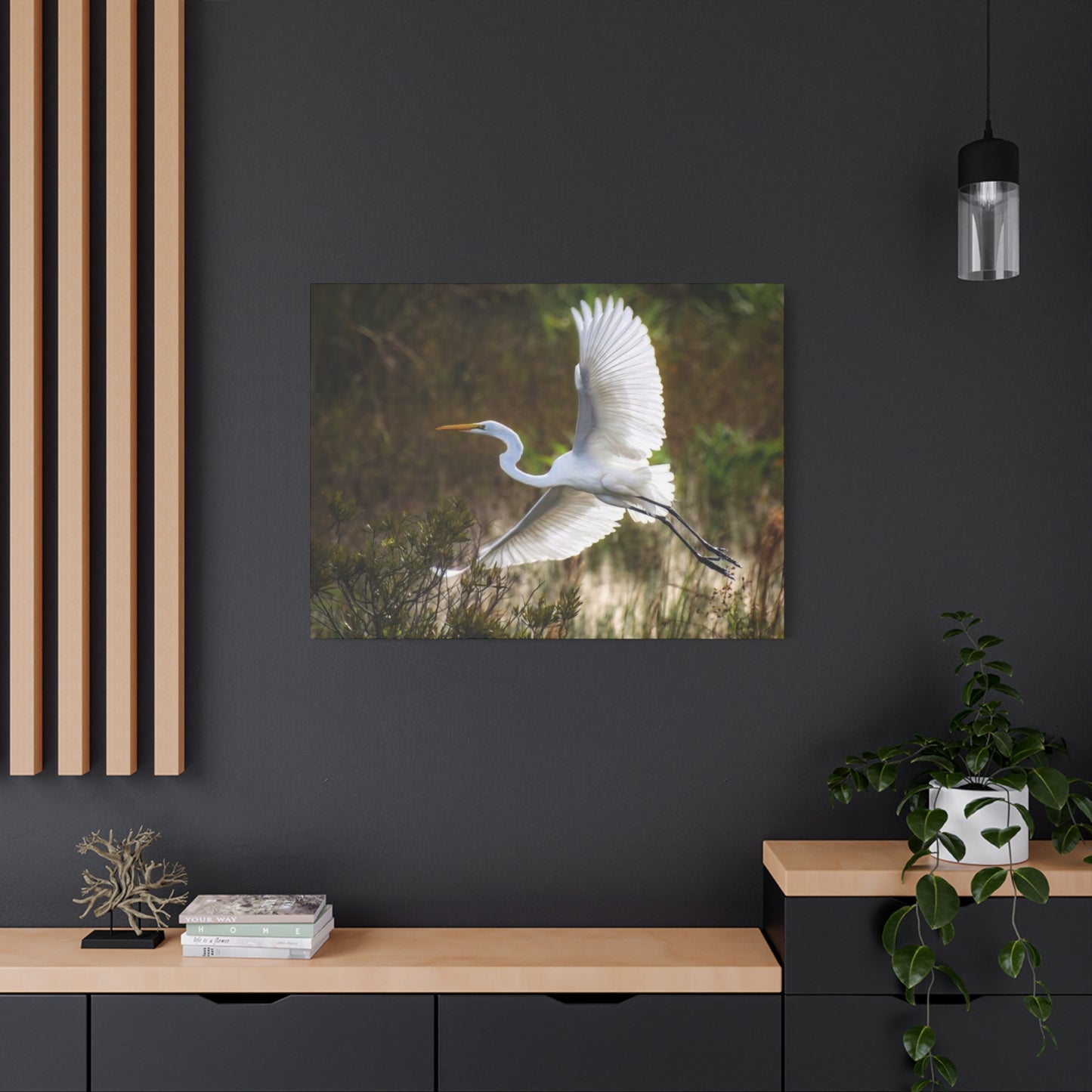
Flying Heron Wall Art & Canvas Prints
Flying Heron Wall Art & Canvas Prints
Couldn't load pickup availability
Graceful Avian Décor: Discover the Beauty of Flying Heron Wall Art to Enrich Your Living Spaces
The world of interior design has witnessed a remarkable surge in nature-inspired decorative elements, with flying heron wall art emerging as a captivating choice for homeowners and design enthusiasts seeking to infuse their living spaces with elegance and tranquility. These magnificent representations of one of nature's most graceful creatures have transcended mere decoration to become powerful statements of aesthetic refinement and environmental appreciation.
Flying heron wall art represents far more than simple ornamentation within modern residential and commercial environments. These artistic renditions capture the essence of freedom, grace, and natural beauty that resonates deeply with individuals seeking to establish meaningful connections with the natural world within their indoor sanctuaries. The elongated silhouette of herons in flight creates visual movement that draws the eye upward, generating an impression of expanded space and heightened ceilings.
The popularity of these avian masterpieces stems from their remarkable versatility across diverse design philosophies. Whether your aesthetic leans toward minimalist contemporary arrangements, rustic farmhouse charm, coastal nautical themes, or sophisticated traditional elegance, flying heron wall art adapts seamlessly to complement and enhance existing décor schemes. The inherent symbolism associated with herons—patience, independence, self-determination, and tranquility—adds layers of meaning beyond their visual appeal.
Interior designers frequently recommend heron imagery for spaces intended to promote relaxation and contemplation. The serene nature of these wading birds translates effectively into calming visual experiences that can transform chaotic environments into peaceful retreats. The graceful curves and flowing lines characteristic of heron representations introduce organic elements that soften harsh architectural angles and geometric patterns prevalent in modern construction.
Exploring Various Artistic Mediums and Styles for Heron Representations
The market offers an extensive array of flying heron wall art rendered in countless mediums, each bringing distinct characteristics and aesthetic qualities to interior environments. Metal sculptures have gained tremendous popularity for their dimensional qualities and ability to create dramatic shadow play when properly illuminated. Artisans craft these pieces from materials including wrought iron, brushed aluminum, copper, and stainless steel, often incorporating intricate cutwork details that enhance their visual complexity.
Canvas prints represent another beloved option, offering reproduction quality that rivals original paintings at accessible price points. Modern printing methods enable artists to capture extraordinary detail and color vibrancy, from photorealistic depictions to abstract interpretations that emphasize form and movement over literal representation. Gallery-wrapped canvases eliminate the need for separate framing, creating contemporary presentations that appeal to minimalist sensibilities.
Wooden wall sculptures carved from sustainable materials provide warmth and textural interest that metallic and printed options cannot replicate. Craftspeople employ various wood species—from light birch and maple to rich walnut and mahogany—to create pieces ranging from simple silhouettes to elaborate three-dimensional installations. The natural grain patterns visible in wooden pieces ensure each creation remains genuinely unique, even when produced from identical designs.
Glass and ceramic tile mosaics offer opportunities for incorporating heron imagery within bathrooms, kitchens, and outdoor living spaces where moisture resistance proves essential. These durable options withstand environmental challenges while maintaining their aesthetic appeal through years of exposure. Stained glass interpretations capture and refract light in mesmerizing ways, transforming windows and room dividers into luminous focal points that shift throughout the day as natural lighting conditions evolve.
Selecting the Perfect Size and Scale for Maximum Visual Impact
Determining appropriate dimensions for flying heron wall art requires careful consideration of multiple factors including wall dimensions, ceiling heights, surrounding furnishings, and viewing distances. Oversized pieces spanning four to six feet create commanding focal points suitable for expansive walls in living rooms, dining areas, or commercial reception spaces. These substantial installations demand attention and establish immediate visual hierarchy within open floor plans.
Medium-sized renditions measuring approximately two to four feet accommodate most residential settings without overwhelming neighboring elements. These proportions work particularly well above furniture pieces like sofas, console tables, and beds, where they fill vertical space without extending beyond the furniture's horizontal footprint. Design principles suggest artwork should occupy roughly two-thirds to three-quarters of the underlying furniture's width for balanced visual relationships.
Smaller heron pieces measuring under twenty-four inches function beautifully as components within gallery wall arrangements or as complementary accents in intimate spaces like powder rooms, home offices, and reading nooks. These modest dimensions allow for creative clustering arrangements that tell visual stories through multiple coordinated pieces. Grouping several smaller heron images at varying heights generates dynamic compositions that engage viewers more actively than single large installations.
Scale considerations extend beyond simple measurements to encompass visual weight—the perceived heaviness or lightness of decorative elements. Dark, solid metal sculptures appear heavier than equivalently sized pieces rendered in lighter materials or featuring open, airy designs. Balancing visual weight throughout a room prevents certain areas from feeling overly burdened while others seem neglected, creating harmonious environments that feel intentionally curated rather than haphazardly assembled.
Color Palette Selection and Coordination Strategies for Cohesive Interiors
The color schemes employed within flying heron wall art significantly influence how pieces integrate with existing décor and the emotional atmospheres they cultivate. Monochromatic presentations featuring single colors in various tones create sophisticated, cohesive looks that complement rather than compete with surrounding elements. Black silhouettes deliver timeless elegance suitable for virtually any color scheme, while white or cream variations provide subtle contrast against darker wall treatments.
Metallic finishes including bronze, copper, silver, and gold introduce luxurious qualities that catch and reflect ambient lighting. Bronze-toned pieces pair exceptionally well with warm color palettes featuring earth tones, terracotta, ochre, and rust shades. Silver and pewter finishes harmonize beautifully with cool color schemes built around blues, grays, and lavenders. Gold accents add opulence to both traditional and contemporary settings when balanced carefully to avoid excessive ornamentation.
Naturalistic color representations showing herons in their characteristic blue-gray plumage with white accents and black markings appeal to individuals seeking authentic wildlife portrayals. These realistic interpretations work particularly well in nature-themed rooms, sunrooms, and spaces overlooking water features or natural landscapes. The muted, neutral tones typical of heron plumage blend seamlessly with organic color palettes inspired by coastal, woodland, and wetland environments.
Bold, vibrant interpretations featuring unexpected color combinations transform heron imagery into contemporary art statements. Artists employ vivid turquoise, coral, emerald, or sunset hues to reimagine these familiar birds as expressions of creative freedom. These unconventional presentations suit eclectic interiors where unexpected color juxtapositions create energy and visual excitement. When incorporating colorful heron art, designers recommend pulling accent colors from the artwork into throw pillows, area rugs, or decorative accessories to establish intentional connections throughout the space.
Placement Strategies for Maximizing Aesthetic and Emotional Resonance
Strategic positioning of flying heron wall art dramatically affects its impact within interior environments. Living rooms typically accommodate heron pieces above seating arrangements where they become natural conversation starters and focal points for social gatherings. Positioning artwork at appropriate eye levels—generally with the center point approximately sixty to sixty-six inches from the floor—ensures comfortable viewing for standing and seated individuals alike.
Dining spaces benefit from heron imagery that introduces natural elements into areas dedicated to nourishment and fellowship. Large-scale pieces centered on the primary wall create architectural interest in rooms where furnishings often occupy most available floor space. The vertical orientation characteristic of flying herons complements the vertical lines of dining chairs, establishing visual rhythms that unify disparate elements.
Bedrooms transform into personal sanctuaries when adorned with calming heron representations. Placement above headboards creates instant focal points that draw eyes upward upon entering, while positioning pieces on walls opposite the bed ensures they become the first sight upon waking. The peaceful associations connected with herons promote restful atmospheres conducive to quality sleep and relaxation.
Entryways and hallways present excellent opportunities for incorporating heron art into otherwise underutilized spaces. These transitional areas set tones for entire homes, making them ideal locations for meaningful decorative statements. Narrow hallways particularly benefit from vertical heron compositions that emphasize height rather than width, making corridors feel more spacious and intentionally designed.
Bathrooms styled with spa-like aesthetics embrace heron imagery that reinforces connections to water and natural tranquility. Moisture-resistant options including sealed metal pieces and coated prints withstand humid conditions while maintaining their appearance. Positioning heron art where it reflects in mirrors multiplies its visual presence, creating the illusion of additional artwork without requiring extra wall space.
Creating Compelling Gallery Walls Featuring Multiple Heron Elements
Gallery wall arrangements allow homeowners to showcase collections of flying heron wall art alongside complementary pieces for dynamic, personalized displays. Successful gallery walls balance consistency with variety—maintaining enough visual connection between pieces to create cohesion while incorporating sufficient diversity to sustain interest. Limiting color palettes to two or three primary hues helps unify eclectic collections that might otherwise appear chaotic.
Symmetrical gallery arrangements appeal to individuals who appreciate orderly, balanced compositions. These layouts feature pieces arranged in regular patterns—such as grids or perfectly centered configurations—that project formality and intentionality. Symmetrical presentations work particularly well in traditional interiors where balance and proportion receive emphasis. Centering the entire arrangement around a single large heron piece with smaller complementary images surrounding it creates clear visual hierarchy.
Asymmetrical arrangements offer more relaxed, organic feels that suit contemporary and casual design philosophies. These layouts position pieces of varying sizes in irregular patterns that appear spontaneous despite requiring careful planning. Starting with the largest piece positioned slightly off-center, then building outward with progressively smaller items creates balanced asymmetry. Maintaining consistent spacing between frames—typically two to three inches—prevents arrangements from appearing cluttered.
Incorporating three-dimensional metal heron sculptures alongside flat printed or painted pieces introduces depth variation that enhances visual interest. The interplay between dimensional and flat elements creates shadow patterns and textural contrasts that evolve throughout the day as lighting conditions shift. Mixing mediums demonstrates curatorial sophistication and personal style beyond simple picture hanging.
Extending gallery walls beyond heron imagery to include related natural elements—such as feathers, nests, branches, or water scenes—tells broader environmental stories. These expanded narratives create immersive experiences that transport viewers to wetland habitats where herons naturally dwell. Carefully curated combinations of fauna, flora, and landscape imagery transform ordinary walls into windows opening onto tranquil natural worlds.
Illuminating Heron Artwork for Dramatic Enhancement and Mood Setting
Proper lighting dramatically amplifies the visual impact of flying heron wall art while establishing desired atmospheric qualities. Picture lights mounted directly above or below artwork provide focused illumination that highlights details and creates gallery-quality presentations. These dedicated fixtures come in various finishes and styles to coordinate with existing hardware and décor themes. LED options offer energy-efficient solutions that generate minimal heat, protecting delicate materials from degradation.
Recessed ceiling spotlights aimed at artwork create professional museum-quality lighting when properly positioned and adjusted. These fixtures should illuminate pieces evenly without creating glare or hot spots that distract from the imagery itself. Adjustable gimbal-style recessed lights offer flexibility for directing beams precisely where desired, accommodating artwork changes without requiring fixture repositioning.
Ambient room lighting affects how heron art appears throughout different times of day. Natural daylight streaming through windows reveals colors and details differently than incandescent bulbs, fluorescent tubes, or LED fixtures. Considering how pieces appear under various lighting conditions before finalizing placement ensures consistent satisfaction regardless of time or weather. North-facing rooms receive cooler, more consistent natural light, while south-facing spaces experience warmer, more variable illumination.
Backlighting creates ethereal effects when applied to translucent or semi-transparent materials including certain metal pieces with cutwork designs. Positioning subtle LED strips behind heron sculptures casts dramatic shadows on walls while emphasizing the artwork's dimensional qualities. This indirect lighting approach adds depth and mystery that cannot be achieved through conventional front-lighting methods.
Incorporating dimmer switches allows precise control over lighting intensity, enabling homeowners to adjust ambiance according to activities and moods. Bright illumination showcases artwork during daytime gatherings, while subdued lighting creates intimate atmospheres for quiet evenings. Smart lighting systems with programmable settings and remote controls offer ultimate convenience for coordinating illumination throughout homes.
Combining Heron Imagery with Complementary Decorative Elements
Flying heron wall art achieves maximum impact when thoughtfully coordinated with surrounding decorative elements including textiles, furniture, accessories, and architectural features. Area rugs incorporating similar color palettes or complementary patterns ground seating arrangements while visually connecting wall art to floor-level furnishings. Natural fiber rugs in materials like jute, seagrass, or sisal reinforce organic themes established by nature-inspired artwork.
Throw pillows and blankets featuring coordinating colors, patterns, or wildlife motifs create intentional design connections throughout rooms. Subtle repetition of key colors from heron art into soft furnishings unifies disparate elements without appearing overly matched or staged. Textural variety—combining smooth velvets, nubby linens, and chunky knits—adds tactile interest that prevents spaces from feeling flat despite coordinated color schemes.
Selecting furniture with organic shapes and natural materials reinforces the environmental themes inherent in heron imagery. Wooden pieces showing visible grain patterns, woven rattan accents, and stone or ceramic surfaces echo the natural world referenced by wildlife art. Curved furniture silhouettes mirror the graceful lines characteristic of heron forms, creating visual harmonies that feel instinctively pleasing even when viewers cannot articulate specific design principles at work.
Accessory items including vases, sculptures, candles, and books contribute to cohesive design narratives when chosen with awareness of existing themes. Clear glass vessels evoke water associations, while driftwood candleholders and river rock arrangements reference wetland habitats. Coffee table books featuring wildlife photography, environmental conservation, or nature writing demonstrate interests extending beyond mere decoration into genuine appreciation for the natural world.
Living plants introduce authentic natural elements that complement rather than compete with heron artwork. Selecting species native to wetland environments—such as papyrus, horsetail, and certain ferns—creates thematic consistency. Even non-native houseplants contribute to nature-infused atmospheres when displayed in planters coordinating with overall design schemes. The organic, ever-changing qualities of living plants provide dynamic contrasts to static artwork.
Understanding Symbolic Meanings and Cultural Significance of Herons
Herons carry profound symbolic meanings across numerous cultures and spiritual traditions, adding layers of significance to their presence within residential spaces. Many interpret these majestic birds as emblems of patience, given their characteristic hunting behavior of standing motionless for extended periods awaiting opportune moments to strike. This quality resonates with individuals seeking reminders to slow down and observe rather than rushing impulsively through life's challenges.
The heron's ability to navigate effortlessly between earth, water, and air positions it as a symbol of balance and adaptability within various philosophical systems. These creatures demonstrate comfort across multiple environments, suggesting flexibility and resourcefulness in approaching diverse situations. For those navigating life transitions or seeking greater equilibrium between competing demands, heron imagery serves as visual affirmation of these aspirations.
Independence and self-reliance emerge as recurring themes in heron symbolism, reflecting these birds' predominantly solitary nature. Unlike many avian species that flock together, herons typically hunt and travel alone, representing comfort with solitude and confidence in individual capabilities. This symbolism appeals particularly to self-sufficient individuals who value autonomy and personal strength.
Various indigenous cultures honor herons as messengers between physical and spiritual realms, attributing wisdom and mystical qualities to these enigmatic creatures. Their association with water—traditionally linked to emotions, intuition, and the subconscious—enhances their spiritual significance. Incorporating heron imagery into meditation spaces or areas dedicated to reflection acknowledges these deeper meanings beyond purely aesthetic considerations.
Eastern philosophical traditions sometimes associate herons with good fortune, longevity, and purity. The birds' white plumage symbolizes innocence and spiritual cleanliness within certain belief systems, while their impressive lifespans represent endurance and resilience. These positive associations make heron art particularly meaningful for individuals drawn to intentional, symbolically rich décor choices.
Caring for and Preserving Various Types of Heron Wall Art
Proper maintenance extends the lifespan and preserves the appearance of flying heron wall art across all material types. Metal pieces benefit from regular dusting with soft, dry cloths or feather dusters that remove accumulated particles without scratching surfaces. Avoiding abrasive cleaners and harsh chemicals prevents damage to protective coatings and finishes. For outdoor metal installations, applying appropriate sealants protects against rust and weathering, particularly in coastal environments where salt air accelerates corrosion.
Canvas prints require gentle cleaning approaches that prevent moisture damage and color fading. Lightly brushing surfaces with soft-bristled brushes removes loose dust, while minimally damp microfiber cloths can address stubborn spots when necessary. Ensuring canvas pieces remain away from direct sunlight prevents UV-related fading, though UV-protective glass or acrylic glazing offers additional protection for particularly valuable or sentimental pieces. Maintaining consistent humidity levels prevents canvas warping and paint cracking.
Wooden heron sculptures demand specific care addressing the unique vulnerabilities of natural materials. Periodic application of appropriate wood conditioners or oils maintains moisture balance, preventing cracking from excessive dryness or swelling from humidity exposure. Protecting wooden pieces from direct sunlight prevents uneven fading and degradation of surface finishes. Regular inspection for signs of pest activity—particularly in homes with active insect populations—allows early intervention before significant damage occurs.
Glass and ceramic tile installations generally require minimal specialized care beyond routine cleaning with appropriate glass cleaners and non-abrasive tools. Avoiding ammonia-based products on certain glass types prevents chemical reactions that can cloud or damage surfaces. Ensuring proper initial installation with suitable adhesives and grouts prevents moisture infiltration that could compromise integrity over time.
Framed pieces benefit from professional-quality materials including acid-free mats and UV-protective glazing that safeguard artwork from environmental damage. Periodically checking frame hardware ensures hanging systems remain secure, particularly for heavier pieces where hardware failure poses safety risks. Rotating artwork seasonally or annually prevents uneven fading in rooms with significant natural light exposure, preserving consistent appearance across entire collections.
Sourcing Quality Heron Wall Art from Reputable Artisans and Vendors
Identifying reliable sources for flying heron wall art ensures purchases meet expectations regarding quality, authenticity, and value. Local art galleries and craft fairs provide opportunities to examine pieces physically before purchasing, assess craftsmanship details, and establish relationships with creating artists. These direct connections often yield insights into artistic processes, inspiration sources, and care requirements specific to individual pieces.
Artisan marketplaces specializing in handcrafted goods connect consumers with independent creators producing unique, small-batch items impossible to find through mass-market retailers. These venues typically offer detailed product descriptions, customer reviews, and direct communication channels with sellers that facilitate informed purchasing decisions. Supporting independent artisans contributes to sustainable creative economies while ensuring receipt of genuinely unique pieces.
Established home décor retailers maintain curated selections combining accessibility with reasonable quality standards. These vendors typically offer return policies and customer service resources that provide security for purchasers uncertain about how pieces will integrate with existing décor. Seasonal sales and clearance events present opportunities to acquire desirable items at reduced prices, though selection may be limited compared to regular inventory periods.
Online marketplaces featuring both commercial and handmade offerings provide vast selection spanning all price points, styles, and material types. Carefully reviewing product specifications, customer feedback, and seller ratings helps identify reliable sources among numerous options. Scrutinizing shipping policies, return procedures, and damage protection ensures recourse if items arrive damaged or fail to meet expectations established by product descriptions and images.
Custom commissioning allows individuals to obtain precisely specified pieces tailored to particular dimensions, color schemes, and stylistic preferences. Working directly with artists to develop custom designs ensures perfect coordination with existing décor while creating truly one-of-a-kind artworks. Though typically more expensive and time-consuming than purchasing ready-made pieces, commissioned works offer unmatched personalization and emotional significance.
Incorporating Heron Wall Art Within Specific Design Styles and Aesthetics
Coastal and nautical design schemes naturally embrace flying heron wall art given these birds' associations with waterfront environments. Pairing heron imagery with color palettes featuring various blues, sandy neutrals, and crisp whites creates cohesive seaside-inspired spaces. Weathered wood frames, rope accents, and distressed finishes enhance maritime atmosphics while complementing nature-inspired artwork. Combining heron pieces with shells, coral, driftwood, and other beachcombing treasures tells comprehensive coastal narratives.
Farmhouse and rustic aesthetics incorporate heron art through pieces featuring reclaimed wood, distressed metal finishes, and earthy color palettes. Mounting heron silhouettes on salvaged barn wood or incorporating them into shiplap accent walls reinforces vintage agricultural themes. These unpretentious presentations prioritize authenticity and warmth over sophisticated polish, creating inviting environments that feel lived-in and genuine rather than staged.
Contemporary minimalist spaces utilize heron imagery with clean lines, simple silhouettes, and monochromatic color schemes that avoid visual clutter. Single statement pieces positioned with generous surrounding white space create focal points without overwhelming sparse décor philosophies. Metal sculptures with sleek, modern finishes align particularly well with minimalist principles emphasizing quality over quantity and intentional selection over accumulation.
Traditional and classic interiors incorporate heron art through ornately framed paintings, detailed realistic renderings, and pieces featuring rich, saturated colors. Gold or carved wooden frames add formality appropriate to traditional aesthetics, while selecting heron imagery rendered in classical artistic styles maintains period consistency. Positioning artwork symmetrically and at precise measurements demonstrates attention to proportion and balance central to traditional design principles.
Eclectic and bohemian spaces embrace heron art featuring unexpected colors, mixed media, and artistic interpretation over literal representation. Layering heron pieces among diverse collections spanning multiple cultures, time periods, and artistic movements creates personalized environments reflecting individual journeys and experiences. This approach prioritizes emotional resonance and personal meaning over adherence to prescribed design rules.
Exploring the Natural Habitats and Behaviors of Wild Herons
Understanding the natural environments and behavioral patterns of wild herons enriches appreciation for artistic representations of these remarkable birds. Herons inhabit wetland ecosystems including marshes, swamps, shorelines, and riverbanks across every continent except Antarctica. These habitats provide the shallow waters and abundant fish populations that constitute primary food sources. Observing herons in their natural settings reveals the elegant movements and patient hunting strategies that artists seek to capture.
The distinctive hunting behavior of herons demonstrates remarkable patience and precision. These birds wade slowly through shallow waters or stand motionless for extended periods, waiting for unsuspecting prey to venture within striking distance. When opportunities arise, herons strike with lightning speed, extending their long necks in fluid motions that propel sharp beaks toward targets with remarkable accuracy. This dramatic contrast between stillness and explosive action fascinates observers and frequently inspires artistic interpretation.
Flight patterns differ significantly among heron species, though most share characteristic slow, powerful wingbeats and extended neck postures during flight. Great blue herons—among the most commonly depicted species—display impressive wingspans reaching six to seven feet that enable graceful, seemingly effortless flight. The sight of these large birds lifting from water surfaces or gliding across sunset skies captivates viewers, explaining their popularity as artistic subjects.
Nesting behaviors vary among species, with many herons establishing rookeries where numerous pairs build nests in close proximity within trees or reed beds. These communal nesting sites buzz with activity during breeding seasons as adults transport materials and feed hungry chicks. The striking appearance of juvenile herons—often featuring different plumage patterns than adults—provides artistic inspiration distinct from mature bird representations.
Seasonal migration patterns see many heron populations traveling substantial distances between breeding and wintering grounds. These journeys demonstrate remarkable navigational abilities and physical endurance, reinforcing symbolic associations with independence and determination. For individuals living along migration routes, seasonal heron appearances mark natural calendar transitions and reinforce connections to cyclical patterns larger than human experience.
Combining Heron Art with Other Wildlife and Nature-Inspired Décor
Creating comprehensive nature-themed interiors involves thoughtfully combining flying heron wall art with complementary wildlife representations. Waterfowl including ducks, geese, and swans share habitat associations with herons, making them natural companions within coordinated design schemes. Mixing species while maintaining consistent artistic styles—such as all realistic renderings or all stylized interpretations—creates cohesive collections despite subject diversity.
Incorporating aquatic life imagery including fish, turtles, and frogs references the ecosystems where herons hunt and thrive. These additions build complete habitat narratives that educate while decorating, particularly appealing for families with children developing environmental awareness. Layering different trophic levels—from primary producers through apex predators—demonstrates ecological relationships beyond simple aesthetic arrangement.
Botanical elements including cattails, water lilies, and marsh grasses complement heron imagery by depicting the vegetation characteristic of wetland environments. Pressed botanical specimens in coordinating frames create scientific yet artistic presentations, while painted or photographed plant life adds color and textural variety to wildlife-focused collections. The vertical growth patterns of many wetland plants mirror the vertical orientation of standing or flying herons.
Landscape photography or paintings depicting marshes, ponds, lakes, and coastal areas provide contextual settings that enhance heron artwork. These broader environmental representations situate specific species within larger ecosystems, creating immersive experiences that transport viewers to natural spaces. Selecting landscapes photographed during golden hour or featuring dramatic weather conditions adds emotional qualities beyond simple documentation.
Abstract representations of water through fluid art, resin pieces, or textile works introduce the essential element connecting all wetland species. These non-representational pieces contribute to thematic cohesion without duplicating subject matter, maintaining visual interest through varied artistic approaches. The reflective, flowing qualities inherent in water-inspired abstracts complement the graceful movements characteristic of herons.
Seasonal Rotation Strategies for Maintaining Fresh, Dynamic Interiors
Implementing seasonal rotation systems for flying heron wall art and complementary décor maintains fresh appearances and sustains homeowner engagement with residential spaces. Spring rotations might emphasize nesting behaviors, juvenile birds, and vibrant growth through pieces featuring lighter colors, new foliage, and family groups. These selections celebrate renewal and new beginnings aligned with seasonal associations.
Summer displays can highlight active feeding, flight, and the lush abundance of fully developed wetland ecosystems. Incorporating pieces with richer greens, fuller vegetation, and bright blue skies reflects the season's peak vitality. Additional layers including fresh flowers, bright textiles, and lighter window treatments complement summery heron art while maintaining overall design cohesion.
Autumn rotations transition toward warmer color palettes featuring bronze, copper, and golden tones that mirror fall foliage. Selecting heron pieces with sunset or sunrise lighting effects, migration themes, or preparations for winter aligns artwork with seasonal transitions. Complementary décor including harvest elements, darker textiles, and ambient lighting creates cozy atmospheres as daylight hours diminish.
Winter presentations might feature stark, minimalist compositions emphasizing heron silhouettes against snow or ice, highlighting the birds' resilience and adaptability. Monochromatic pieces in blacks, whites, and grays suit winter's reduced color palette while maintaining visual interest through strong contrasts and compelling compositions. Layering cozy textiles and increased indoor lighting compensates for seasonal darkness while showcasing winter-themed heron art effectively.
Rotating artwork prevents visual fatigue that develops when identical pieces remain displayed indefinitely. This practice allows homeowners to maintain larger collections than can be displayed simultaneously while ensuring all pieces receive regular appreciation. Storing rotated artwork properly in climate-controlled spaces with protective wrapping preserves condition during periods between displays.
Gifting Heron Wall Art for Meaningful, Personalized Presentations
Flying heron wall art makes thoughtful gifts for numerous occasions including housewarmings, weddings, anniversaries, and milestone celebrations. The symbolic meanings associated with herons—patience, independence, tranquility—allow givers to convey meaningful messages beyond simple decoration. Selecting pieces whose colors and styles align with recipients' known preferences demonstrates consideration and thoughtfulness that recipients appreciate.
Housewarming presentations benefit from neutral, versatile heron pieces that coordinate with unknown décor schemes while adding immediate personality to new spaces. Including care instructions and symbolic meaning descriptions adds personal touches that transform material gifts into meaningful gestures. Medium-sized pieces work particularly well, offering sufficient presence without overwhelming while remaining manageable during moves and furniture rearrangements.
Wedding and anniversary gifts might feature pairs of herons symbolizing partnership, monogamy, and enduring commitment. Many heron species maintain long-term pair bonds, making them appropriate representations of lasting relationships. Custom framing in metallic finishes matching wedding themes or incorporating wedding colors personalizes these gifts while maintaining timeless appeal beyond trendy design moments.
Sympathy expressions featuring heron imagery acknowledge loss while offering peaceful, contemplative focal points during difficult periods. The birds' associations with patience and inner strength provide comfort without empty platitudes. Selecting pieces with soft colors and gentle compositions respects the solemnity of circumstances while contributing beauty that honors memories.
Milestone birthday celebrations for nature enthusiasts particularly appreciate heron art reflecting recipients' established interests. Pairing artwork with complementary items including field guides, binoculars, or conservation organization memberships creates comprehensive packages celebrating passions beyond material objects. For significant birthdays, commissioning custom pieces incorporating recipients' specific favorite species, locations, or artistic styles demonstrates exceptional effort and consideration.
Photographing and Displaying Heron Wall Art on Social Media Platforms
Effectively photographing flying heron wall art for social media sharing requires attention to lighting, composition, and styling that showcases pieces attractively. Natural lighting produces most flattering results, avoiding harsh direct sunlight that creates glare while ensuring sufficient illumination to capture colors and details accurately. Photographing during golden hour—shortly after sunrise or before sunset—bathes scenes in warm, flattering light that enhances appeal.
Composition techniques including the rule of thirds create balanced, professional-appearing images that engage viewers. Positioning heron art along compositional gridlines rather than centering it exactly generates dynamic tension that holds attention. Including contextual elements like furniture corners, plant leaves, or decorative accessories provides scale references while demonstrating how pieces integrate within actual living spaces.
Styling photographs to show coordinated décor elements illustrates comprehensive design visions beyond isolated artwork. Including portions of complementary pillows, adjacent artwork, or coordinating accessories demonstrates intentional curation rather than random placement. Maintaining consistent color palettes and aesthetic approaches across visible elements creates cohesive presentations that inspire rather than simply inform.
Writing engaging captions that share personal connections, symbolic meanings, or design processes behind selections transforms simple product photographs into storytelling opportunities. Discussing why particular pieces resonate or describing how they transformed spaces invites authentic engagement beyond superficial appreciation. Including relevant hashtags expands reach to communities interested in similar aesthetics, nature themes, or specific design styles.
Respecting artists' intellectual property rights by providing appropriate credit when sharing representations of their work maintains ethical standards and supports creative communities. Tagging artists or retailers when possible drives traffic to their platforms while acknowledging creative contributions. This practice strengthens relationships within online design communities while potentially discovering additional artists and vendors worth following.
Commissioning Custom Heron Art for Perfectly Personalized Spaces
Custom commissioning processes allow individuals to obtain flying heron wall art precisely tailored to specific dimensions, color preferences, stylistic approaches, and symbolic meanings. Initial consultations establish parameters including size constraints, material preferences, budget considerations, and design inspirations. Sharing photographs of existing spaces, color swatches, and inspiration examples helps artists understand visions and propose appropriate approaches.
Discussing symbolic intentions behind pieces enables artists to incorporate meaningful details that resonate personally. Specifying particular heron species, specific behavioral moments, or environmental settings creates unique narratives distinguishing custom works from generic offerings. These conversations often reveal creative possibilities requesters had not independently considered, elevating final results beyond initial concepts.
Review processes involving preliminary sketches or digital mockups ensure alignment between artistic interpretations and client expectations before substantial work begins. These checkpoints allow adjustments to compositions, color schemes, or design elements without requiring extensive revisions to completed pieces. Maintaining open communication throughout creation processes prevents misunderstandings while building collaborative relationships.
Timeline establishment sets realistic expectations regarding completion dates, particularly important for pieces intended for specific events or seasonal displays. Handcrafted works require substantial time investments, with complex pieces potentially requiring weeks or months between commission acceptance and final delivery. Planning sufficiently ahead prevents deadline pressures that compromise quality or rush artisans beyond comfortable working paces.
Investment in custom commissions typically exceeds ready-made purchases, reflecting time, skill, and unique qualities involved in creating one-of-a-kind works. Viewing these expenditures as investments in meaningful, lasting additions to homes rather than simple decorative purchases helps frame appropriate value perceptions. The emotional significance and perfect coordination achieved through custom work often justifies premium costs for individuals prioritizing personal expression within residential environments.
Creating Three-Dimensional Displays and Layered Visual Compositions
Moving beyond single-plane presentations, three-dimensional displays featuring flying heron wall art create dynamic installations with substantial visual impact. Combining flat printed or painted pieces with dimensional metal sculptures at varying depths generates shadow play and spatial complexity impossible with uniform mounting depths. Positioning smaller elements closer to walls with larger pieces extended further outward establishes clear foreground-background relationships.
Incorporating actual natural materials including branches, driftwood, or preserved foliage adds authentic textural elements that enhance nature themes. Mounting lightweight heron pieces on weathered branches creates organic installations reminiscent of natural perching behaviors. These mixed-media approaches blur boundaries between artwork and sculptural installation, transforming walls into immersive environmental experiences.
Shadow box framing techniques allow incorporation of three-dimensional objects including feathers, eggs, nests, or other natural artifacts alongside flat heron imagery. These deep frames create museum-quality specimen presentations suitable for natural history enthusiasts and collectors. Arranging elements thoughtfully within shadow boxes tells visual stories about heron life cycles, habitats, or evolutionary adaptations.
Floating shelves positioned near heron art display complementary objects at varying heights, creating layered compositions that engage viewers through multiple focal points. Alternating attention between wall-mounted artwork and shelf-displayed items generates visual rhythms that prevent monotony. Maintaining cohesive color schemes and thematic connections across all elements ensures unity despite physical separation.
Corner installations wrapping around wall intersections maximize underutilized spaces while creating immersive viewing experiences. Positioning heron pieces on adjacent walls at coordinated heights suggests movement through space, as if birds traverse room corners during flight. These innovative mounting strategies demonstrate creative problem-solving and sophisticated spatial awareness.
Balancing Heron Art with Other Focal Points and Architectural Features
Successfully incorporating flying heron wall art within rooms containing multiple competing focal points requires strategic balancing that prevents visual overwhelm. Identifying primary focal points—such as fireplaces, large windows, or entertainment centers—and positioning heron art to complement rather than compete ensures harmonious environments. Placing artwork on perpendicular walls allows sequential focus as viewers move through spaces rather than forcing simultaneous attention.
Repeating colors, materials, or design elements between heron art and architectural features creates intentional connections that unify disparate elements. Selecting metal heron sculptures that echo hardware finishes on doors, light fixtures, or stair railings establishes subtle coordination. Similarly, pulling paint colors from artwork to accent architectural trim or built-in cabinetry strengthens relationships between temporary décor and permanent structures.
Scale balancing between artwork and architectural elements prevents either from diminishing the other's impact. Large-scale millwork, substantial crown molding, or grand staircases demand equally substantial artwork to maintain visual equilibrium. Conversely, modest architectural features pair better with appropriately proportioned pieces that enhance without overwhelming. Observing these scale relationships produces polished, professionally designed appearances.
Negative space management around both heron art and architectural features prevents cluttered, chaotic presentations. Allowing breathing room around each element ensures individual appreciation while maintaining overall composition coherence. Cramming too many items within limited space creates visual noise that prevents meaningful engagement with any single component.
Lighting coordination between artwork and architectural features requires ensuring both receive appropriate illumination without creating harsh contrasts or neglected shadows. Layered lighting schemes incorporating ambient, task, and accent sources enable independent control over different room areas. This flexibility allows emphasis shifts between artwork and architectural features depending on activities and desired atmospheres.
Conclusion
Discovering the elegance of flying heron wall art offers a unique opportunity to introduce both beauty and tranquility into your living spaces. The graceful flight of the heron, with its long, sweeping wings and serene presence, symbolizes freedom, elegance, and a connection to nature. By incorporating this magnificent bird into your décor, you can create an atmosphere of peace and sophistication, transforming your home into a space that reflects both natural beauty and timeless elegance.
Flying heron wall art stands out for its ability to evoke a sense of movement and serenity. The heron, often depicted in mid-flight or in a peaceful pose by the water, carries with it a sense of stillness, grace, and contemplation. These qualities make heron-inspired art a perfect addition to spaces that aim to cultivate a sense of calm—whether it’s the living room, bedroom, or even a hallway. The imagery of a heron in flight often conveys freedom, making it an ideal symbol for those who appreciate the beauty of nature and the emotional resonance of the natural world.
The fluidity of the heron’s wings, captured in artwork, brings dynamic energy to a room while maintaining a soft and understated elegance. It’s a symbol of effortless beauty and grace, and these qualities can enhance your décor, creating a serene and welcoming environment. Whether rendered in vibrant colors, muted tones, or a minimalist style, the flying heron can work within a variety of design themes, from coastal and nature-inspired interiors to more contemporary or traditional spaces. Its elegant shape and graceful posture lend themselves to a wide range of artistic expressions, from watercolor and oil paintings to more abstract and geometric interpretations.
One of the greatest appeals of flying heron wall art is its versatility in design. The image of the heron can be both bold and subtle, depending on your room’s aesthetic and the overall mood you wish to evoke. A large, dramatic heron in flight can be a striking focal point in a spacious living area, making a statement while conveying a sense of calm. Alternatively, a more delicate, smaller piece—perhaps featuring a heron gliding over a tranquil pond or standing at the water’s edge—can create a peaceful and serene atmosphere in a bedroom or study.
The heron also brings an element of nature indoors, inviting feelings of connectedness to the outdoors and an appreciation for wildlife. Nature-inspired art is known to reduce stress and enhance well-being, and heron wall art is no exception. Its symbolic connection to water and flight can invoke feelings of serenity and balance, making it a wonderful choice for creating a space that nurtures relaxation and mindfulness. If your home has a coastal, lakeside, or nature-themed aesthetic, flying heron art can be the perfect complement, enhancing the natural elements within the space.
Beyond its aesthetic and emotional benefits, the flying heron also serves as a symbol of grace, resilience, and independence. As a bird known for its patience and precision, the heron represents the quiet strength that comes from navigating life’s challenges with grace. By incorporating heron art into your décor, you bring not just beauty, but a deeper meaning into your space. It can serve as a reminder to approach life’s obstacles with calm determination and to always seek moments of quiet reflection amidst the busyness of daily life.
Moreover, flying heron wall art is incredibly versatile when it comes to framing and placement. Depending on your room’s design, you can choose from a variety of frame styles—whether a sleek, modern metal frame or a rustic wooden one that enhances the natural beauty of the heron. You can also experiment with placement, whether above a mantelpiece, alongside other nature-inspired décor, or as the centerpiece of a gallery wall. Its adaptability to different spaces and styles makes it a perfect fit for those who enjoy customizing their homes and adding personal touches to their décor.
In conclusion, flying heron wall art is a graceful and sophisticated way to elevate your living spaces. Its symbolism of freedom, elegance, and connection to nature makes it a timeless addition to any home. Whether you’re looking to create a peaceful retreat, add a striking focal point, or infuse your home with the beauty of the natural world, heron wall art offers an effortless way to transform your décor. With its dynamic yet serene presence, the heron brings both beauty and deeper meaning into your space, making it a perfect piece of art to inspire and soothe for years to come.
Share