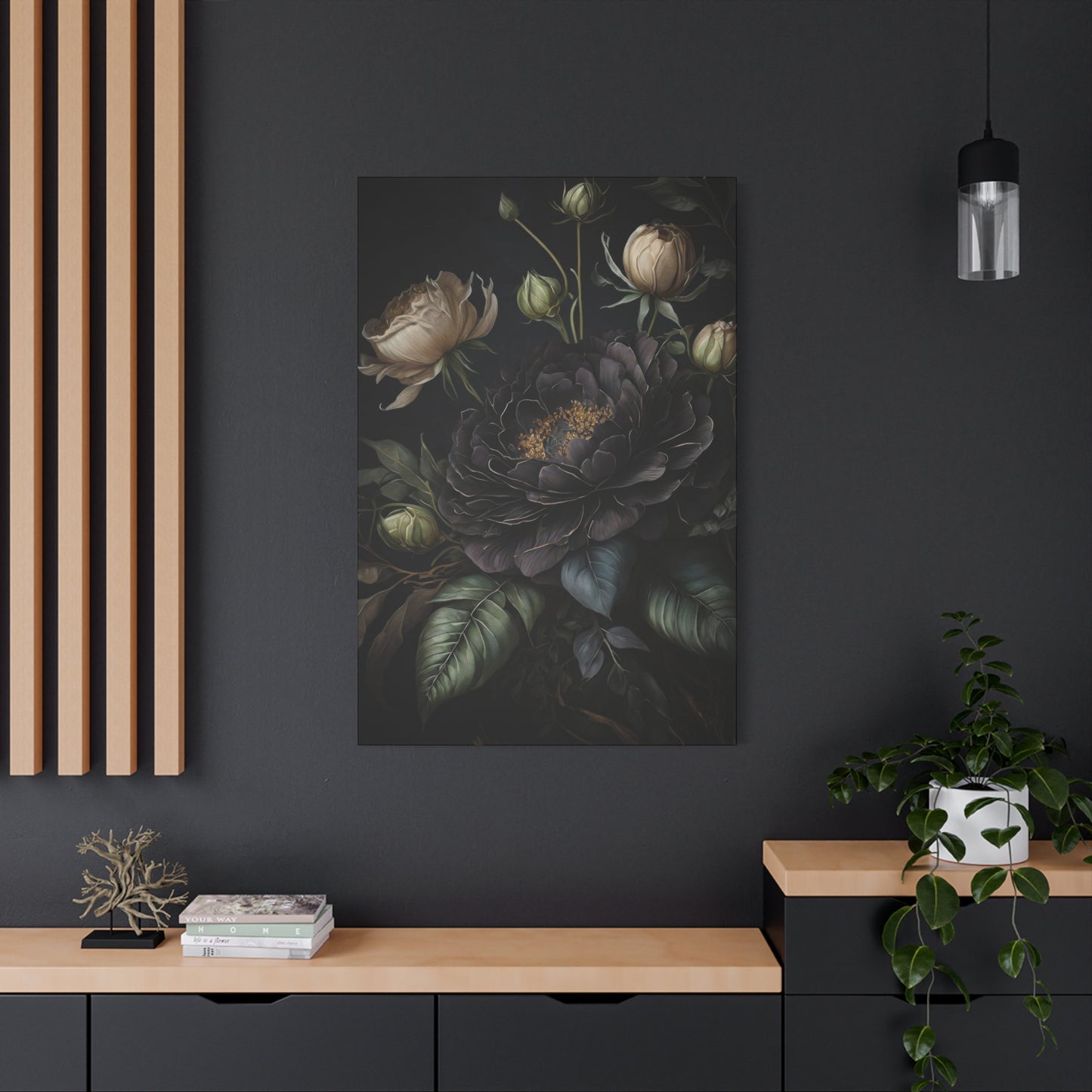
Flowers Dark Wall Art & Canvas Prints
Flowers Dark Wall Art & Canvas Prints
Couldn't load pickup availability
Captivating Floral Imagery Against Midnight Backdrops: Exploring Flowers Dark Wall Art in Contemporary Interior Spaces
The realm of interior decoration has witnessed a remarkable shift toward moody, dramatic aesthetics that challenge conventional brightness-focused design philosophies. Among these emerging trends, flowers dark wall art stands as a striking visual statement that marries natural elegance with shadowy sophistication. This distinctive decorative approach creates atmospheric depth while maintaining organic beauty, offering homeowners and designers alike an opportunity to infuse spaces with both mystery and refinement.
The allure of botanical subjects rendered against obsidian, charcoal, and midnight-toned canvases transcends simple ornamentation. These pieces function as focal points that anchor entire rooms, establishing emotional resonances that lighter, more traditional floral depictions cannot achieve. The interplay between delicate petals and dark surroundings generates a visual tension that captivates viewers, drawing them into contemplative engagement with the artwork.
This comprehensive exploration delves into every facet of flowers dark wall art, from its aesthetic foundations to practical considerations for selecting, positioning, and maintaining these compelling pieces. Whether you're a seasoned interior enthusiast or someone beginning to curate their living environment, understanding the nuances of this decorative approach will empower you to make informed decisions that enhance your spatial experience.
The Aesthetic Philosophy Behind Botanical Subjects on Shadowy Canvases
The marriage of organic forms with dark backgrounds represents more than a passing decorative fad. This aesthetic draws from centuries of artistic tradition, notably the Dutch Golden Age still life paintings where flowers emerged from near-black voids with startling luminosity. Contemporary interpretations of this classical approach speak to modern sensibilities that appreciate complexity, emotional depth, and visual sophistication.
Dark backgrounds serve multiple purposes in floral compositions. They eliminate visual noise, allowing the botanical subject to command undivided attention. This compositional strategy mirrors how the human eye naturally focuses on illuminated objects within darker environments, creating an instinctive gravitational pull toward the artwork. The surrounding darkness functions as a theatrical stage curtain, from which the floral performance emerges with heightened drama.
Beyond mere visual impact, these pieces communicate psychological subtleties. The juxtaposition of life-affirming flowers against death-suggesting darkness creates philosophical tension. This duality speaks to the impermanence of beauty, the cycle of existence, and the coexistence of opposites—themes that resonate deeply within human consciousness. Such artwork invites contemplation rather than passive observation, transforming walls into portals for philosophical reflection.
The color palette employed within dark floral compositions deserves particular attention. Crimson roses appear more sumptuous against midnight backgrounds, their velvety texture seemingly tangible. Ivory peonies gain ethereal luminescence when surrounded by charcoal tones. Even subdued hues like dusty lavender or muted coral achieve surprising vibrancy when freed from competing visual elements. This color amplification effect makes flowers dark wall art particularly effective in spaces requiring visual anchors without overwhelming brightness.
Diverse Manifestations Within the Floral Shadowy Artwork Category
The world of botanical imagery on dark foundations encompasses remarkable variety. Understanding these different manifestations helps in selecting pieces that align with specific aesthetic visions and spatial requirements.
Photographic interpretations capture flowers with stunning realism, often employing dramatic lighting techniques that enhance textural details. These works might showcase dew-covered petals catching singular light beams, or macro perspectives revealing pollen grains and pistil structures invisible to casual observation. The photographic approach satisfies those seeking naturalistic representation while maintaining the dramatic impact of dark surroundings.
Painted versions span from hyperrealistic oil compositions to loose, impressionistic watercolors. Oil paintings particularly excel at rendering the luscious quality of petals through impasto techniques, where thick paint applications create dimensional surfaces that interact dynamically with ambient light. Acrylic interpretations might employ glazing methods that build translucent layers, creating depth that rivals traditional oil approaches while offering durability advantages.
Digital art has revolutionized floral depictions, enabling artists to manipulate botanical forms in ways impossible through traditional media. These works might incorporate surrealistic elements—flowers bleeding into cosmic backgrounds, petals transforming into architectural elements, or botanical subjects fragmented and reassembled in cubist fashion. Digital manipulation allows for color saturation levels and contrast ratios that push beyond natural limitations, creating hyperbolic versions of floral beauty.
Mixed media approaches combine multiple techniques within single compositions. A piece might feature painted flowers overlaid with metallic leaf applications, creating reflective elements that shift appearance throughout the day as lighting conditions change. Collage elements incorporating vintage botanical illustrations, fabric textures, or three-dimensional components add tactile complexity that flat imagery cannot achieve.
Minimalist interpretations reduce floral forms to essential shapes and lines, often featuring single stems or blooms against expansive dark fields. These compositions embrace negative space as an active design element, creating breathing room that allows the minimal botanical subject to resonate powerfully despite its simplicity. Such works particularly suit contemporary, pared-down interior schemes.
Botanical clusters and abundant arrangements present the opposite approach, filling compositions with profuse blooms in the manner of Dutch masterworks. These dense accumulations create visual richness that rewards prolonged viewing, as the eye discovers new details within the complexity. Peonies, roses, dahlias, and ranunculus commonly populate these lush compositions, their overlapping forms creating depth through layered positioning.
Selecting Appropriate Pieces for Various Living Environments
Different spaces within the home present unique opportunities and challenges for incorporating flowers dark wall art. Understanding these environmental factors ensures selections that enhance rather than clash with existing architectural and decorative elements.
Living rooms typically benefit from larger-scale pieces that function as commanding focal points. These social spaces accommodate bold artistic statements, particularly above sofas or fireplace mantels where sight lines naturally converge. The scale should relate proportionally to surrounding furnishings—a massive sectional sofa warrants equally substantial artwork, while more modest seating arrangements pair better with medium-sized pieces or thoughtfully arranged groupings.
Bedroom environments invite more intimate, contemplative compositions. Dark floral imagery in sleeping quarters creates cocooning atmosphics that promote relaxation. Positioning such artwork opposite the bed creates a visual destination for morning waking and evening pre-sleep moments. The psychological effect of botanical subjects in bedrooms connects occupants with natural rhythms even within urban environments divorced from green spaces.
Dining areas present unique opportunities for conversational artwork. Pieces positioned at seated eye level become dinner companions, their details emerging through candlelight during evening meals. Dark backgrounds prevent visual distraction from table settings while allowing floral subjects to complement rather than compete with food presentations. Consider how artwork colors relate to dishware, linens, and typical cuisine color palettes when making selections for these spaces.
Bathroom spaces, often neglected in decorative schemes, can achieve spa-like tranquility through carefully selected botanical imagery. Moisture-resistant printing methods and proper framing become essential in these humid environments. Dark floral pieces in bathrooms create dramatic contrast against typically light fixtures and tiles, transforming utilitarian spaces into personal sanctuaries.
Home office environments benefit from artwork that stimulates creativity without causing distraction. A single dramatic floral piece provides visual respite from screen-focused work, offering the eyes a organic resting point. The depth of dark compositions creates meditative qualities that can facilitate problem-solving and innovative thinking during contemplative breaks.
Hallways and transitional spaces gain purpose through strategic artwork placement. These passages often lack natural light and architectural interest, making them ideal candidates for dramatic pieces that transform circulation routes into gallery experiences. Dark floral compositions particularly excel in these challenging spaces, as they don't require abundant natural light to make visual impact.
Material Considerations and Printing Substrates for Lasting Quality
The physical medium carrying the floral image significantly impacts both aesthetic presentation and longevity. Various substrate options offer distinct advantages depending on environmental conditions and desired visual effects.
Canvas remains the traditional choice for artwork presentation, offering texture that adds dimensional quality to printed images. Gallery-wrapped canvases stretch the image around frame edges, creating finished sides that eliminate framing necessity. This frameless presentation suits contemporary interiors while providing economical solutions for larger formats. Canvas accepts both pigment and dye-based inks, though archival pigment inks provide superior fade resistance crucial for preserving dark, saturated backgrounds.
Metal prints present contemporary alternatives that create luminous, almost holographic effects. The printing process infuses dyes directly into specially coated aluminum panels, resulting in extraordinary color saturation and contrast. Dark backgrounds on metal achieve inky depths impossible through other substrates. These prints resist moisture and scratching, making them suitable for kitchens, bathrooms, and high-traffic areas. The reflective quality adds dimension as viewing angles change, creating dynamic relationships with ambient lighting.
Acrylic printing suspends images between glossy acrylic layers, creating depth and vibrancy that rivals backlit displays. Light penetrates the acrylic face, reflects off the printed backing, and re-emerges through the front surface, creating illuminated effects without electrical components. This substrate particularly enhances dark floral compositions by creating the impression that flowers glow from within shadowy depths. The contemporary, frameless aesthetic suits modern and minimalist interiors.
Fine art paper printing satisfies traditionalists seeking gallery-quality results. Cotton rag papers with neutral pH levels ensure archival stability, preventing yellowing and degradation over decades. Matte papers create non-reflective surfaces ideal for spaces with challenging lighting conditions, while subtle textures add tactile interest. Framing under museum-quality glass with UV filtration protects these vulnerable substrates while allowing the paper's inherent qualities to remain visible.
Wood panels offer rustic alternatives that introduce organic texture. Direct printing onto prepared wood surfaces creates unique pieces where natural grain patterns interact with printed images. Alternatively, thin wood veneers can mount printed papers or canvases, combining substrate benefits. Wood's warmth balances the coolness of dark backgrounds, creating harmonious combinations particularly suited to farmhouse, cottage, and eclectic interior styles.
Color Palette Harmonies Within Interior Schemes
Successfully incorporating flowers dark wall art requires understanding color relationships between the artwork and surrounding elements. These relationships create either cohesive unity or dynamic contrast depending on desired effects.
Monochromatic schemes build around single color families in varied saturations and values. A room featuring navy walls, indigo textiles, and midnight furnishings might incorporate dark floral art where even the botanical subjects lean toward blue-toned varieties—delphiniums, hydrangeas, morning glories. This envelope approach creates immersive environments where boundaries between surfaces blur, producing womb-like intimacy.
Analogous color harmonies employ adjacent hues on the color wheel, creating gentle progressions. Artwork featuring burgundy roses and plum dahlias against near-black backgrounds might coordinate with rooms incorporating wine-colored accent chairs, mauve throw pillows, and raspberry accessories. These progressions create sophisticated, gallery-like coherence without monotony.
Complementary contrasts position opposite color wheel hues for maximum visual impact. Dark floral pieces featuring orange marigolds or coral poppies create electric relationships with teal or turquoise room elements. The biological wiring of human vision makes these complementary combinations particularly stimulating, creating energized environments suitable for creative workspaces or social areas.
Neutral foundations provide versatile backdrops for dark floral statements. Greige walls, taupe furnishings, and natural fiber textiles create calm environments where dramatic artwork becomes the undisputed star. This approach offers flexibility for seasonal decorative changes, as neutral surroundings accommodate shifting accent colors without requiring artwork rotation.
Metallic accents within artwork create opportunities for decorative cohesion. Pieces incorporating gold leaf highlights or copper-toned stems coordinate beautifully with brass lighting fixtures, bronze hardware, or gilded mirror frames. These reflective elements create dialogue between artwork and architectural details, unifying the space through material repetition.
Dimensional Relationships and Proportional Considerations
Artwork sizing relative to architectural features and furnishings determines whether pieces enhance or overwhelm spaces. Understanding these proportional relationships prevents common scaling errors.
The two-thirds rule provides reliable guidance for artwork above furnishings. Pieces should span approximately two-thirds of the furniture width they surmount. A 90-inch sofa ideally pairs with artwork (or grouped pieces) measuring roughly 60 inches wide. This proportion creates visual connection without appearing either lost or overbearing.
Ceiling height influences vertical dimensions. Standard eight-foot ceilings accommodate pieces up to 36 inches tall before creating top-heavy imbalances. Loftier ceilings in newer constructions permit taller pieces that fill vertical expanses without crowding. Consider the sight lines from various room positions—seated views differ dramatically from standing perspectives.
Gallery walls assemble multiple pieces into cohesive arrangements, allowing smaller individual works to create collective impact equivalent to larger single pieces. Successful groupings maintain consistent spacing (typically 2-3 inches between frames) and either consistent frame styles or intentionally eclectic mixes. Dark floral subjects particularly suit gallery arrangements, as their shared tonal qualities create unity even when individual compositions differ.
Diptych and triptych formats split single images across multiple panels, creating expansive presences while maintaining manageable individual sizes. These multi-panel works introduce horizontal rhythms that complement modern furnishings' linear qualities. Ensure proper alignment during hanging, as even slight misalignments disrupt the visual flow and draw attention to the division rather than the unified image.
Vertical orientations suit narrow wall sections flanking windows, doorways, or built-in features. Tall, narrow floral pieces guide eyes upward, creating height illusions beneficial in standard-ceiling spaces. Conversely, horizontal formats emphasize width, making narrow rooms feel more expansive.
Lighting Strategies That Enhance Floral Shadowy Compositions
Proper illumination transforms dark floral artwork from mere decoration into dramatic focal points. Various lighting approaches create different moods and visual effects.
Picture lights mounted directly above frames cast focused illumination that creates gallery-like presentation. These fixtures should position approximately one-third the artwork height above the frame's top edge to minimize shadows while ensuring even coverage. LED picture lights offer advantages in heat reduction compared to traditional incandescent options, protecting artwork from thermal damage while consuming minimal electricity.
Track lighting provides adjustable illumination that adapts to changing artwork positions or seasonal rotations. Position tracks perpendicular to walls at appropriate distances (typically one-third to one-half the ceiling height) to achieve optimal angles. Adjustable heads allow precise beam focusing, creating spotlight effects that isolate artwork from surrounding walls.
Recessed ceiling fixtures with directional trims create architectural lighting solutions without visible hardware. These cleaner installations suit contemporary aesthetics but require planning during construction or renovation phases. Ensure adequate distance between fixtures and walls—too close creates harsh shadows, while excessive distance fails to provide sufficient illumination.
Ambient lighting alone rarely showcases dark artwork adequately. The nature of dark backgrounds means they absorb rather than reflect light, requiring dedicated illumination to reveal details and create visual hierarchy. Layered lighting schemes combining general ambiance with dedicated artwork illumination create flexible environments adaptable to various activities and moods.
Natural light presents both opportunities and challenges. North-facing windows provide consistent, cool illumination without direct sun exposure that risks fading. East and west orientations create dynamic lighting conditions with morning and evening drama but require UV-filtering treatments to protect artwork. South-facing walls receive intense, warm light that can bleach colors over time, making them generally unsuitable for valuable or sentimental pieces.
Color temperature of artificial lighting affects artwork appearance. Warm white bulbs (2700-3000K) create cozy atmosphics but can shift color perception toward yellow-orange ranges. Neutral white (3500-4100K) provides balanced illumination closest to midday natural light. Cool white (5000K+) creates crisp, gallery-like conditions but may feel harsh in residential settings. Matching color temperatures throughout spaces prevents jarring transitions between differently lit areas.
Framing Choices That Complement Rather Than Compete
Frame selection significantly impacts how flowers dark wall art integrates within interiors. The frame should enhance the artwork while respecting surrounding decorative elements.
Black frames create seamless transitions from dark artwork backgrounds, effectively extending the shadowy field to the frame perimeter. This approach maximizes the artwork's apparent size while creating sophisticated, gallery-like presentation. Matte black finishes absorb light for subtle transitions, while glossy blacks introduce reflective elements that catch ambient light.
Natural wood frames introduce warmth that balances dark compositions' coolness. Light woods like oak, ash, or maple create stark contrasts that define artwork boundaries clearly. Medium tones such as walnut or cherry provide transitional values between dark images and lighter walls. Deeply stained or ebonized woods approach black but retain subtle grain patterns that add textural interest.
Metallic frames in silver, gold, or copper tones create elegant presentations particularly suited to traditional and transitional interiors. Gold's warmth complements floral subjects beautifully, especially pieces featuring warm-toned blooms like roses, dahlias, or marigolds. Silver's coolness suits contemporary settings and coordinates with stainless fixtures and chrome hardware. Antiqued or distressed metallic finishes add vintage character appropriate for farmhouse or shabby-chic aesthetics.
White frames create maximum contrast, essentially inverting the artwork's dark background relationship. This bold choice suits confident decorative schemes and particularly works when other room elements incorporate white—trim, furniture, or architectural features. The high contrast draws immediate attention, making the artwork unavoidable within the space.
Ornate frames with decorative carving suit traditional interiors where elaborate moldings and architectural details warrant equally detailed artwork presentation. However, overly busy frames can compete with complex floral compositions. Reserve ornate framing for simpler, more minimalist floral subjects against dark backgrounds.
Frameless presentations offer contemporary alternatives, particularly with canvas gallery wraps or acrylic panels that don't require protective glazing. These modern approaches create seamless wall integration and suit minimalist, Scandinavian, and contemporary industrial interiors. The absence of framing makes the artwork itself entirely responsible for visual impact.
Preservation Strategies for Enduring Beauty and Color Fidelity
Flowers dark wall art represents investments deserving proper care to maintain appearance across years and decades. Understanding preservation principles protects these pieces from preventable degradation.
UV radiation constitutes the primary threat to artwork longevity, causing colors to fade and substrates to yellow or become brittle. Window films block harmful UV wavelengths while allowing visible light transmission, protecting artwork without eliminating natural illumination. Alternatively, UV-filtering glazing on framed pieces provides protection at the artwork level. Even indirect natural light contains sufficient UV radiation to cause gradual damage, making protection essential even for pieces not receiving direct sun.
Humidity fluctuations threaten artwork integrity, particularly paper-based pieces and certain canvas types. Relative humidity should ideally remain between 40-55%, as higher levels promote mold growth while lower levels cause substrates to become brittle and inks to crack. Bathroom installations require particular attention, with proper ventilation essential for preventing moisture accumulation. Consider alternative substrates like metal or acrylic for particularly humid environments.
Temperature extremes and fluctuations likewise threaten artwork stability. Avoid positioning pieces above heating registers, radiators, or fireplaces where rising heat creates damaging conditions. Similarly, exterior walls in climates with severe winters can become cold enough to cause condensation issues. Artwork prefers the temperature ranges comfortable for human habitation—generally 65-75°F.
Cleaning requirements vary by substrate but universally demand gentle approaches. Canvas and paper surfaces require only occasional dusting with soft, natural-bristle brushes, working from top to bottom to avoid grinding dust into surfaces. Glazed surfaces tolerate slightly more aggressive cleaning with microfiber cloths lightly dampened with distilled water. Avoid commercial glass cleaners containing ammonia or other chemicals that might seep past frame edges and contact artwork. Metal and acrylic prints prove most forgiving, tolerating cleaning solutions specifically formulated for those substrates.
Hanging hardware significantly impacts preservation, as failures result in damaged artwork and sometimes injured occupants. Use appropriate anchors for wall types—drywall requires different solutions than plaster, concrete, or brick. Heavy pieces demand mounting into wall studs or using substantial anchors rated for appropriate weights. Wire hangers distribute weight across two hanging points, reducing stress on any single frame point. Ensure wires are taut but not so tight they strain frame corners.
Cultural Symbolism Within Botanical Subject Selection
Different flowers carry cultural meanings that add symbolic layers to purely aesthetic considerations. Understanding these associations allows intentional message-crafting through botanical selections.
Roses dominate Western floral symbolism, with color variations conveying distinct meanings. Red roses communicate passionate love, making them romantic bedroom choices. White roses suggest purity and new beginnings, suiting wedding gifts or nursery décor. Yellow roses indicate friendship and joy, appropriate for social spaces. Black roses, popular in dark floral art, traditionally represent endings, farewell, or gothic romanticism depending on context.
Peonies hold profound significance in Eastern cultures, symbolizing prosperity, honor, and happy marriage in Chinese tradition. Japanese culture associates peonies with bravery and honor, historically decorating samurai garments. Their lush, abundant blooms make them popular subjects for dark floral compositions seeking romantic luxury.
Lotus flowers carry spiritual weight across Asian cultures, representing enlightenment and spiritual awakening in Buddhism due to their growth pattern—emerging pristine from muddy waters. Their structured, geometric form creates striking silhouettes against dark backgrounds, offering both aesthetic appeal and philosophical depth.
Chrysanthemums present complex symbolism varying dramatically by culture. In Japan, they represent the imperial family and appear on the imperial seal, conveying honor and longevity. European traditions associate chrysanthemums with death and mourning, making them common funeral flowers. Consider your audience's cultural background when incorporating these blooms into artwork selections.
Lilies likewise carry varied meanings. Easter lilies symbolize resurrection and purity in Christian tradition. Stargazer lilies suggest ambition and wealth. Calla lilies represent magnificent beauty. Their elegant, sculptural forms render beautifully against dark backgrounds, particularly in minimalist compositions emphasizing clean lines.
Orchids communicate refinement, luxury, and exotic beauty across cultures. Their complex blooms with intricate patterns create fascinating subjects for detailed botanical illustrations. In Victorian flower language, orchids conveyed thoughtfulness and mature charm, adding subtle messaging to period-inspired interiors.
Wildflower assortments communicate natural abundance, informality, and connection to countryside or meadow environments. Mixed wildflower compositions suit farmhouse, cottage, and rustic decorative schemes, their casual arrangements contrasting delightfully with formal dark backgrounds to create accessible elegance.
Seasonal Rotations and Evolving Decorative Narratives
Strategic artwork rotation maintains visual freshness while marking seasonal transitions. Developing multiple pieces allows evolving decorative narratives throughout the year.
Spring welcomes lighter florals against dark backgrounds—cherry blossoms, tulips, daffodils, and hyacinths that announce renewal after winter dormancy. These compositions can incorporate softer dark backgrounds in charcoal or deep grey rather than true black, acknowledging increasing daylight hours and lighter seasonal mood.
Summer accommodates bolder, more saturated floral subjects. Sunflowers, dahlias, zinnias, and cosmos in full saturation create energetic presences. Dark backgrounds intensify these warm colors, preventing them from appearing overwhelming. Summer pieces might incorporate subtle heat shimmer effects or slight motion blur suggesting garden breezes.
Autumn invites richer, earthier tones. Burgundy dahlias, rust-colored chrysanthemums, deep orange marigolds, and wine-toned roses coordinate with seasonal color palettes dominated by harvest hues. Compositions might incorporate dried elements, seed heads, or fading blooms that acknowledge the season's inherent melancholy as growth cycles conclude.
Winter permits the darkest, most dramatic compositions. White or pale blooms against midnight backgrounds create stark beauty mirroring snowy landscapes. Amaryllis, paperwhites, and hellebores that bloom during cold months make seasonally appropriate subjects. Alternatively, preserved botanicals like dried hydrangeas or architectural branches create winter-appropriate compositions.
Rotating artwork need not require complete replacement. Interchangeable frame systems allow quick image swaps using consistent frames, making seasonal transitions economical and convenient. Alternatively, maintaining several framed pieces in storage permits effortless swapping at seasonal intervals.
Creating Cohesive Rooms Through Repeated Botanical Motifs
Carrying floral themes beyond single wall pieces creates unified interior narratives. This approach transforms isolated decorative elements into comprehensive design stories.
Textile repetition extends artwork themes into functional objects. Throw pillows incorporating similar floral subjects or complementary colors create dialogue between vertical wall surfaces and horizontal seating planes. Curtains or upholstery featuring botanical patterns amplify the theme while avoiding monotonous repetition if patterns differ sufficiently in scale or style from wall art.
Three-dimensional floral elements bring literal depth to the design narrative. Fresh or preserved botanicals in vases create living counterpoints to static artwork. Select vessels in colors, materials, or styles that coordinate with frames or artwork backgrounds. Sculptural botanical forms—metal flowers, ceramic blooms, or carved wooden botanicals—add tactile dimension while maintaining the overarching theme.
Secondary artwork in smaller formats extends the narrative to additional walls without competing with primary focal pieces. A large statement piece above the sofa might coordinate with smaller framed botanicals flanking a doorway or arranged on secondary walls. This repetition creates visual rhythm while establishing clear hierarchy through scale differences.
Wallpaper or wall murals featuring botanical subjects create immersive environments where individual artwork pieces nestle within larger thematic contexts. This approach requires careful calibration to prevent visual chaos. Generally, mural or wallpaper patterns should differ substantially in scale or style from framed artwork—large-scale wallpaper florals pair with minimalist framed pieces, while complex framed compositions work better against simpler, smaller-scale wallpaper patterns.
Unexpected surfaces offer creative extension opportunities. Lampshades printed or painted with botanical subjects, decorative trays featuring floral motifs, or even throw blankets with flower patterns can subtly reinforce the theme throughout the space.
Psychological Impacts of Botanical Imagery in Living Spaces
The presence of floral imagery, even as static artwork, creates measurable effects on occupant wellbeing and spatial perception. Understanding these influences allows strategic deployment for specific psychological outcomes.
Biophilic design principles recognize humanity's innate connection to natural forms and elements. Even representational nature through artwork activates similar neural pathways as exposure to actual nature, reducing stress markers and promoting restoration from mental fatigue. Dark floral pieces provide these biophilic benefits while maintaining dramatic aesthetic impact traditional bright botanicals cannot achieve.
Color psychology within floral subjects influences mood and energy levels. Warm-toned blooms in reds, oranges, and yellows stimulate and energize, making them appropriate for social spaces, dining areas, and home offices requiring alertness. Cool-toned flowers in blues, purples, and whites calm and soothe, suiting bedrooms, meditation spaces, and bathrooms intended for relaxation.
The dark backgrounds in these compositions create cocooning effects that many find comforting, particularly in bedroom environments. The surrounding darkness visually recedes, making spaces feel more intimate and protected. This effect proves valuable in large rooms that otherwise feel impersonal or in urban apartments where connection to outdoors proves limited.
Conversely, dark compositions can feel oppressive if overused or improperly lit. Balance dark floral pieces with adequate lighter elements through furnishings, textiles, or additional wall art. The goal is sophisticated drama, not gloomy oppression.
The complexity within floral compositions provides visual interest that combats monotony without creating chaos. The human brain requires adequate sensory stimulation to maintain alertness and engagement, yet excessive stimulation causes stress. Detailed botanical imagery occupies a sweet spot—sufficiently complex for sustained interest yet organized enough to remain comprehensible and non-threatening.
Artwork quality impacts psychological responses. Cheap reproductions on inferior substrates communicate different messages than investment-quality pieces in premium presentations. The former might save money but fail to provide the satisfaction and pride of ownership that quality pieces generate. Consider artwork purchases as long-term investments in daily quality of life rather than disposable decorative solutions.
Creating Personal Connections Through Meaningful Botanical Selections
The most satisfying flowers dark wall art selections often carry personal significance beyond pure aesthetics. These meaningful connections transform decorative objects into cherished possessions.
Birth month flowers offer natural personalization opportunities. Each month associates with specific blooms—January carnations, February violets, March daffodils, and so forth. Artwork featuring your birth flower or those of family members creates personalized relevance. Dark backgrounds lend sophistication to even traditionally cheerful blooms, making these personal choices appropriate for adult spaces.
Wedding flowers immortalized through commissioned artwork preserve meaningful memories while providing functional decoration. Couples might commission pieces featuring their bouquet flowers against dramatic dark backgrounds, creating artistic mementos more display-worthy than photographs alone. Anniversary gifts in this vein combine thoughtfulness with practical utility.
Garden documentation appeals to passionate horticulturists. Commissioning artwork featuring blooms from your own garden creates unique pieces impossible to purchase commercially. These personalized works celebrate your cultivation efforts while providing year-round enjoyment of seasonal bloomers.
Ancestral connections to specific flowers add genealogical dimensions. Perhaps your grandmother cultivated prize-winning dahlias, or your mother's favorite flower was lilac. Incorporating these meaningful blooms into your décor creates subtle family tributes that honor heritage while enhancing your present environment.
Geographic connections link flowers to meaningful locations. Native plants from your hometown, blooms associated with memorable vacation destinations, or flowers significant to your cultural heritage create layered meanings that enrich daily interactions with the artwork.
Commissioning Custom Pieces for Perfectly Tailored Results
While mass-produced options offer convenience and economy, commissioned custom flowers dark wall art delivers personalized results impossible through ready-made selections. Understanding the commissioning process enables confident navigation of custom creation.
Artist selection constitutes the crucial first step. Portfolio review reveals technical capabilities, stylistic preferences, and whether their aesthetic vision aligns with yours. Social media platforms, online galleries, and local art shows provide artist discovery opportunities. Seek artists whose existing work resonates emotionally—attempting to redirect an artist dramatically from their natural style rarely produces satisfying results.
Commission agreements should clearly specify deliverables, timelines, and payment structures. Professional artists provide contracts detailing dimensions, substrate, number of revision rounds included, completion deadlines, shipping arrangements, and payment schedules. Deposits typically range from 25-50% of the total commission value, with balances due upon completion. Clear agreements prevent misunderstandings that could sour otherwise positive collaborations.
Creative direction requires balance between specific requests and artistic freedom. Provide reference images illustrating desired flowers, color palettes, compositional approaches, and mood rather than demanding exact replication. Artists produce their best work when granted creative latitude within defined parameters. Over-direction stifles their creative process and produces stiff, uninspired results.
Revision processes allow course corrections during creation. Most commissions include 1-2 revision rounds where you can request adjustments to elements not meeting expectations. Communicate diplomatically, focusing on specific elements rather than wholesale rejections. Remember that artists invest emotional energy alongside technical skills in their creations.
Timeline realism prevents disappointment. Quality artwork requires substantial time—rushing artists rarely improves outcomes. Expect several weeks minimum for completed pieces, with complex or large-scale works requiring months. Plan accordingly if commissioning for specific occasions or deadlines.
Pricing reflects multiple factors beyond mere materials and time. Artist reputation, experience, demand, complexity, size, and substrate all influence costs. Commission budgets for custom work should significantly exceed ready-made alternatives—you're paying for unique, personalized art that exists nowhere else. Value custom commissions as investment pieces rather than disposable decoration.
Sourcing Quality Ready-Made Options Through Various Retail Channels
Not every situation warrants custom commissions. Quality ready-made flowers dark wall art appears through numerous retail channels, each offering distinct advantages and limitations.
Online marketplaces aggregate thousands of artists and vendors, providing unprecedented selection. These platforms allow filtering by size, color, price, and style, narrowing vast inventories to manageable options. Customer reviews provide insights into print quality, shipping experiences, and vendor responsiveness. However, screen color representation varies, making in-person assessment impossible. Order samples when possible before committing to large or expensive pieces.
Print-on-demand services let you upload images for printing on various substrates. This model suits those possessing high-resolution floral photography or purchasing digital files from photographers and illustrators. Quality varies substantially among providers—research thoroughly, examining sample galleries and customer feedback before committing. Understand the resolution requirements for your desired size, as insufficient resolution produces pixelated, unprofessional results.
Art fairs and craft shows enable in-person assessment before purchase while supporting local artists directly. You'll examine quality firsthand, discuss customization possibilities, and often secure pricing better than retail galleries marking up artist work. These events also facilitate discovery of emerging artists before their work achieves wider recognition and corresponding price increases.
Interior design showrooms and galleries curate selections reflecting current trends and timeless classics. Professional curation means higher average quality but also premium pricing reflecting overhead and expertise. Consultative services help clients navigate options, though recommendations may skew toward higher-margin items. These venues suit buyers prioritizing convenience and expert guidance over bargain hunting.
Antique shops and vintage markets occasionally yield original dark floral paintings from earlier eras. These authentic vintage pieces bring historical character impossible to replicate through new production. However, condition assessment requires knowledge to avoid overpaying for damaged works. Restoration costs can exceed purchase prices for pieces requiring significant intervention.
Display Alternatives Beyond Traditional Wall Hanging
While walls provide natural artwork surfaces, alternative display methods create distinctive presentations that challenge conventional approaches.
Easel displays bring gallery or studio ambience into homes, allowing floor-based positioning without wall penetration. This approach suits renters unable to create wall holes or those frequently rearranging spaces. Easels permit casual leaning rather than formal hanging, creating relaxed presentations appropriate for bohemian, artistic, or eclectic interiors. Ensure adequate easel stability for artwork weight, particularly with larger or heavier pieces.
Shelf leaning provides another commitment-free approach, resting artwork atop mantels, bookshelves, consoles, or window sills. Layer multiple pieces at varying heights for dimensional interest, or feature singular pieces as shelf focal points. This method facilitates easy seasonal swapping without wall repairs. However, stability concerns warrant consideration in homes with children or pets prone to knocking displayed items.
Picture ledges or gallery rails mount to walls but allow repositionable artwork without additional holes. These strips feature lips preventing artwork from sliding off while permitting infinite adjustability along the rail length. Multiple pieces can overlap slightly for gallery-wall effects without commitment to permanent positioning. This flexibility encourages experimental arrangements without consequences.
Clip systems suspend artwork from ceiling-mounted or wall-mounted rails via nearly invisible cables, creating floating presentations particularly suited to contemporary interiors. These systems protect walls entirely while allowing precise height adjustment. Initial installation requires more effort than traditional hanging, but subsequent changes become effortless.
Room dividers and screens featuring dark floral imagery partition open-plan spaces while providing decorative value. Folding screens create flexible division that adapts to changing needs, while permanent divider installations might feature translucent materials with floral imagery that glows when backlit. These functional art pieces serve multiple purposes beyond mere decoration.
Complementary Decorative Elements That Enhance Floral Focal Points
Strategic supporting décor amplifies the impact of flowers dark wall art without competing for attention. These complementary elements create cohesive, layered interiors.
Mirrors positioned adjacent to or opposite artwork multiply visual impact through reflection while enhancing light distribution in darker spaces. Antiqued mirror finishes coordinate particularly well with dark floral aesthetics, their subdued reflectivity preventing overwhelming brightness. Mirror frames should coordinate with artwork framing through material, finish, or style repetition.
Candlelight introduces romantic ambience that harmonizes beautifully with dark floral drama. Grouped candles in varying heights create atmospheric lighting during evenings, their warm glow gentler than electric alternatives. Unscented candles prevent fragrance competition with fresh flowers if present. Consider LED flameless alternatives for safety in unattended situations or homes with curious children or pets.
Architectural elements like molding, wainscoting, or wall paneling create dimensional interest that elevates entire walls from flat planes to sculptural surfaces. Painted in colors that coordinate with artwork, these elements provide sophisticated contexts that make artwork feel integrated rather than arbitrarily applied. Picture rail molding allows hanging without visible hardware while adding period character to newer constructions lacking original details.
Conclusion
Captivating floral imagery against midnight backdrops is an emerging trend in contemporary wall art that brings together the allure of nature’s delicate beauty with the depth and mystery of dark, moody settings. This striking combination has the power to transform ordinary spaces into atmospheric, sophisticated retreats, allowing flowers to take center stage in a way that feels both dramatic and refined. Whether it’s a bold, oversized bloom set against a midnight-hued background or a more subtle, painterly design in deep tones, this style of floral wall art offers endless possibilities for creating an immersive environment that balances beauty with mystery.
One of the key elements of floral imagery against dark backdrops is the way it captures contrast—light and dark, softness and strength. The deep, midnight shades of blues, purples, and blacks act as a backdrop that enhances the vivid colors of the flowers, making them appear more striking and dynamic. This play of contrast creates a sense of depth, giving the artwork an almost ethereal, otherworldly quality. The flowers seem to emerge from the darkness, as though they are bathed in moonlight, making the overall composition both mesmerizing and dramatic. This kind of floral wall art is perfect for those who want to add a touch of intrigue and sophistication to their space, without sacrificing the natural beauty of botanical elements.
Floral imagery against dark backdrops works particularly well in contemporary interior design, where minimalism and maximalism can meet in an unexpected way. While dark walls and moody color palettes have gained popularity in modern homes, they can sometimes feel heavy or oppressive. Floral art on dark backdrops breaks up this potential heaviness, offering just enough color and light to maintain balance. The flowers, whether rendered in vibrant reds, soft whites, or muted pastels, bring life and warmth to an otherwise cool and dark setting, striking the perfect harmony between boldness and subtlety.
In contemporary spaces, this style of wall art can also be a way to evoke different moods and atmospheres. For example, a large, dark floral piece can serve as the focal point in a living room or dining area, commanding attention while still maintaining an elegant, sophisticated tone. The deep colors of the backdrop lend the piece an air of mystery, while the flowers themselves—often rendered in intricate detail—add a sense of grace and beauty. In bedrooms, a floral painting against a midnight background can create a serene yet slightly mysterious vibe, perfect for creating a restful yet emotionally evocative environment. The moodiness of the backdrop allows the soft, natural beauty of the flowers to shine in a way that feels both grounding and transformative.
Moreover, floral imagery against dark backdrops offers an opportunity to experiment with different artistic techniques and mediums. From watercolor florals that seem to dissolve into the dark background to bold, graphic floral illustrations with sharp lines and high contrast, the versatility of this style makes it adaptable to various tastes and spaces. Some designs may evoke a romantic, vintage feel, while others take a more contemporary, abstract approach, making it a flexible choice for anyone looking to infuse their home with personality and visual intrigue.
This style of art is also ideal for creating a sense of drama without overwhelming the space. The use of dark backgrounds helps to anchor the artwork, making it feel more like an immersive piece that fits organically into the room, rather than something that stands out too starkly. This creates a harmonious atmosphere where the floral art can blend with other design elements in the space, such as furniture, lighting, and textiles. It’s a great way to use art to tie together various elements in a room, acting as a unifying feature that enhances the overall aesthetic.
Additionally, the symbolism of flowers in art plays a significant role in the appeal of floral imagery on dark backgrounds. Flowers have long been used to represent beauty, renewal, and even mystery. Against a dark backdrop, their meaning can become more profound, highlighting themes of growth, resilience, and transformation. The contrast between the brightness of the flowers and the darkness of the backdrop can symbolize hope and beauty emerging from the shadows, evoking a sense of optimism and strength.
In conclusion, captivating floral imagery against midnight backdrops brings a unique and compelling dimension to contemporary interior design. The interplay of dark, moody backdrops with vibrant or delicate flowers creates a powerful visual statement that captures both beauty and depth. This style offers versatility, allowing it to work across a range of interior aesthetics—from minimalist to maximalist, traditional to modern. By introducing floral imagery against dark backgrounds into your space, you can create a room that feels both sophisticated and alive, dramatic and serene, making it a perfect choice for those looking to add a layer of mystery and elegance to their home. Whether it’s in the living room, bedroom, or hallway, this style of wall art will undoubtedly elevate the mood of any space, inviting viewers to pause, reflect, and marvel at the captivating beauty that lies within the interplay of light, dark, and nature.
Share