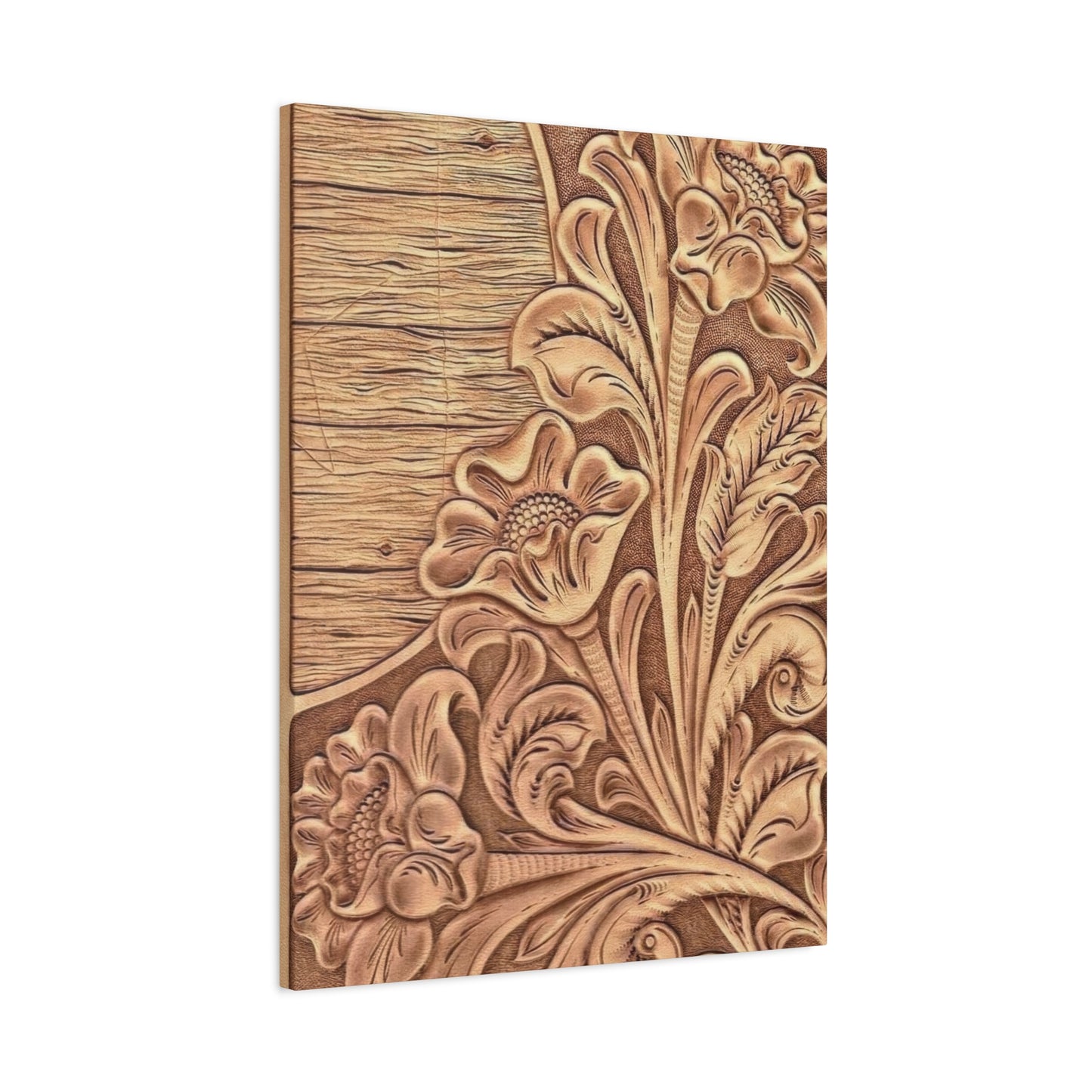
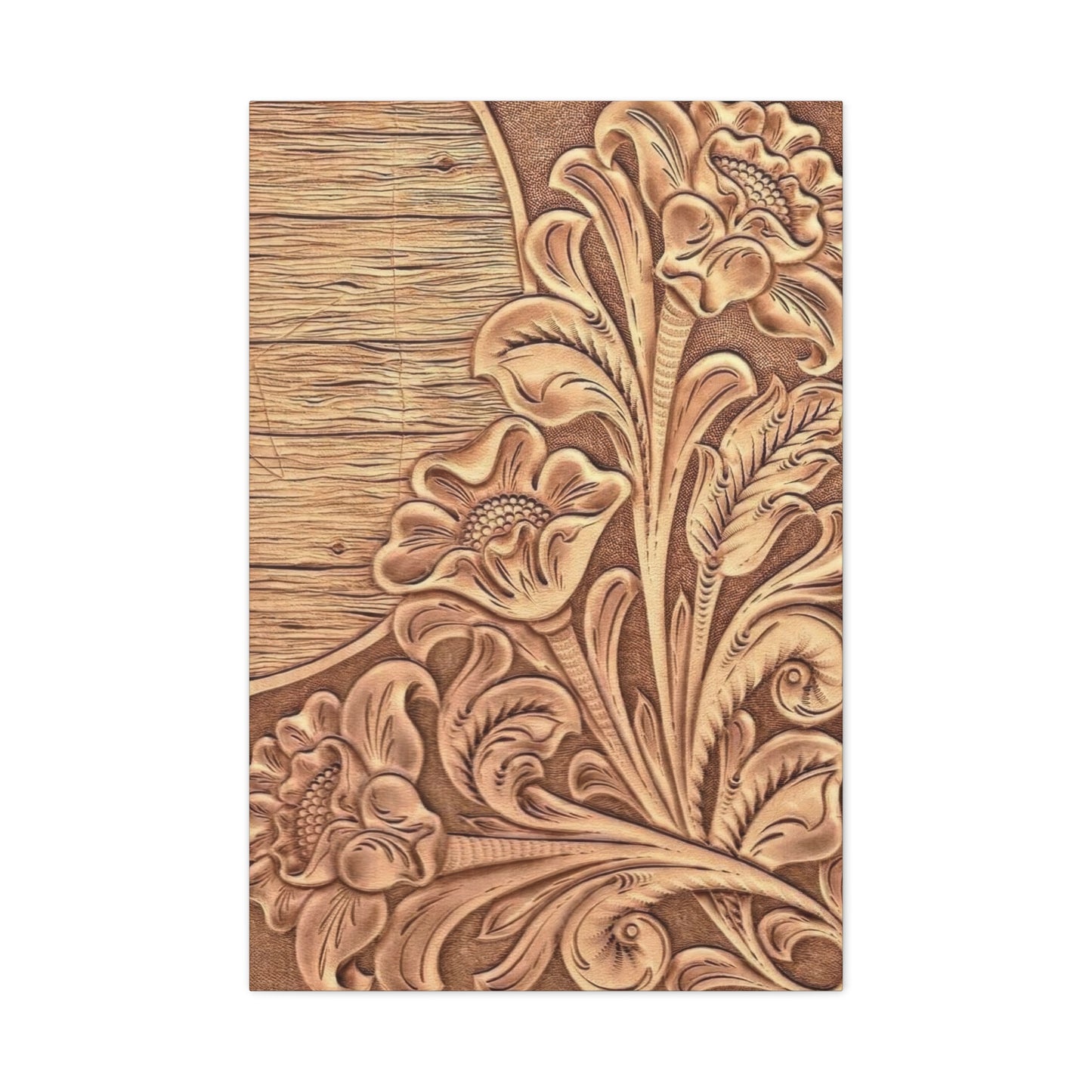
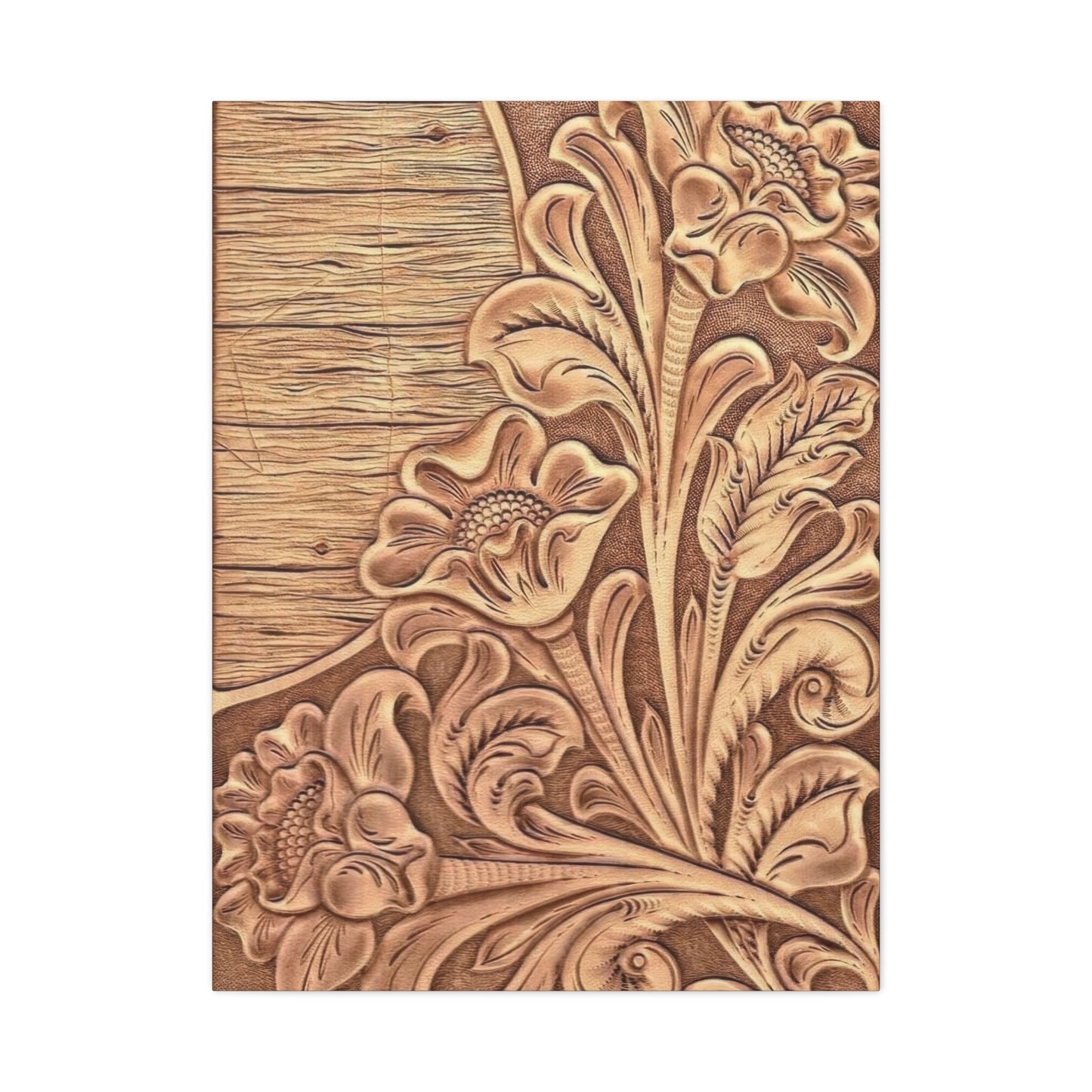
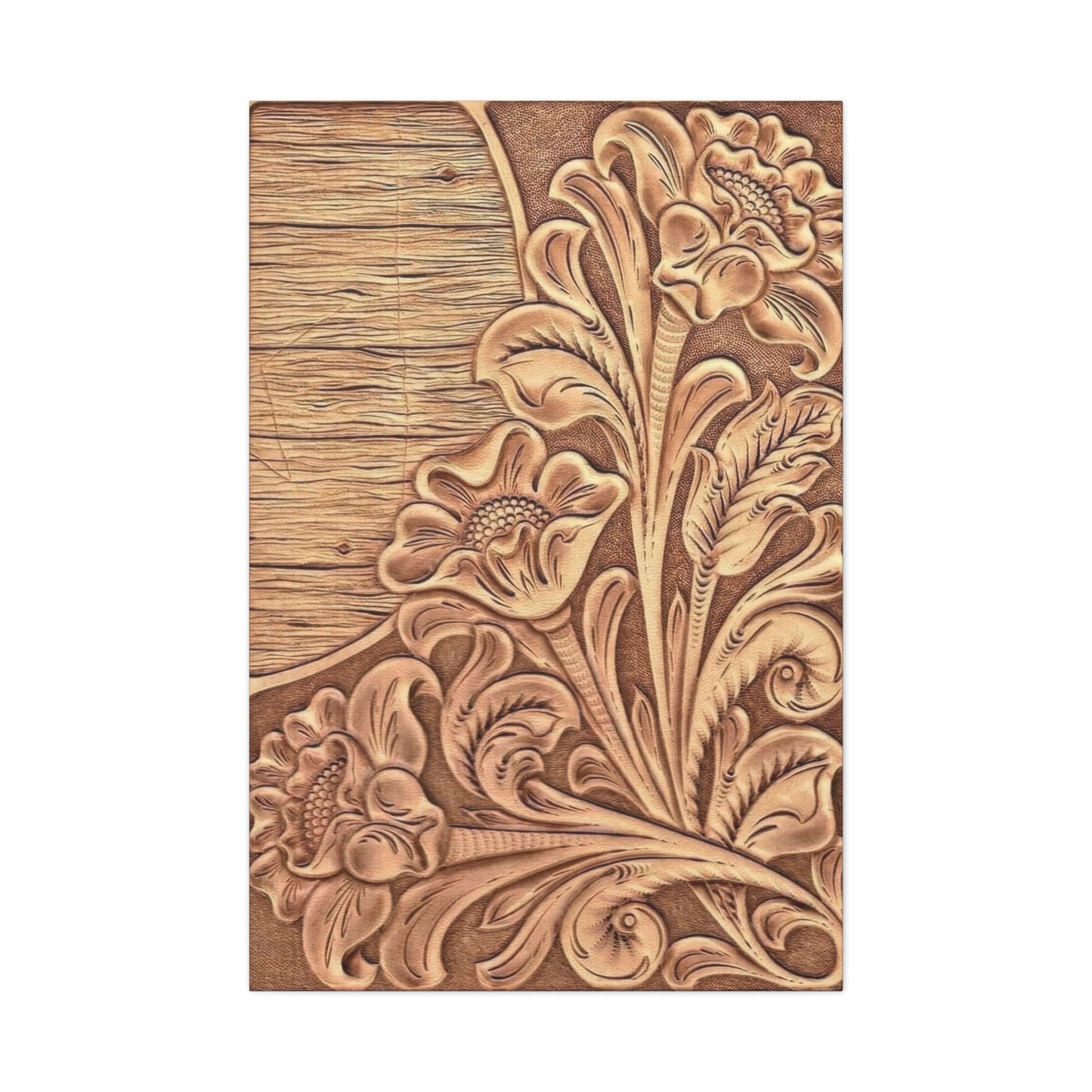
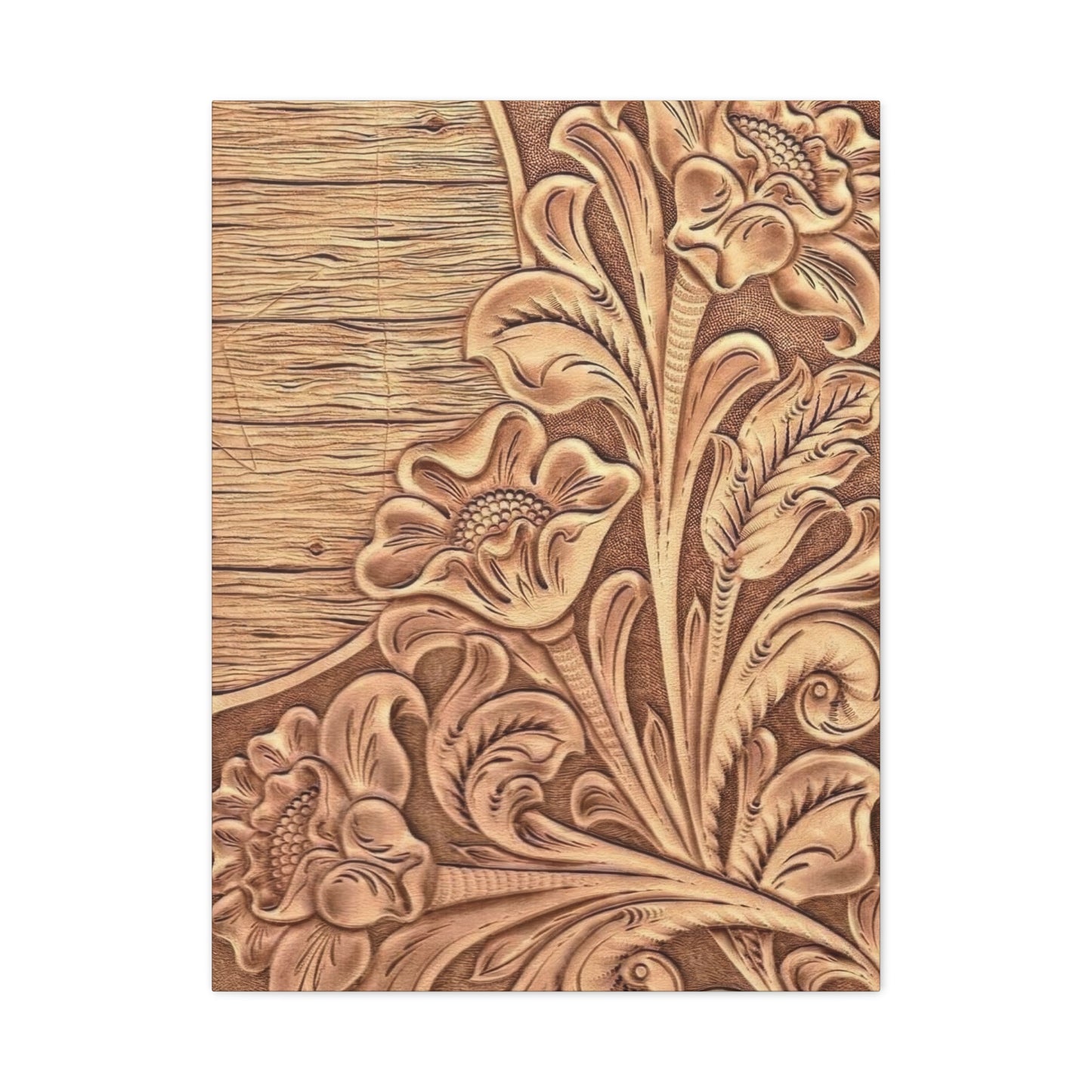
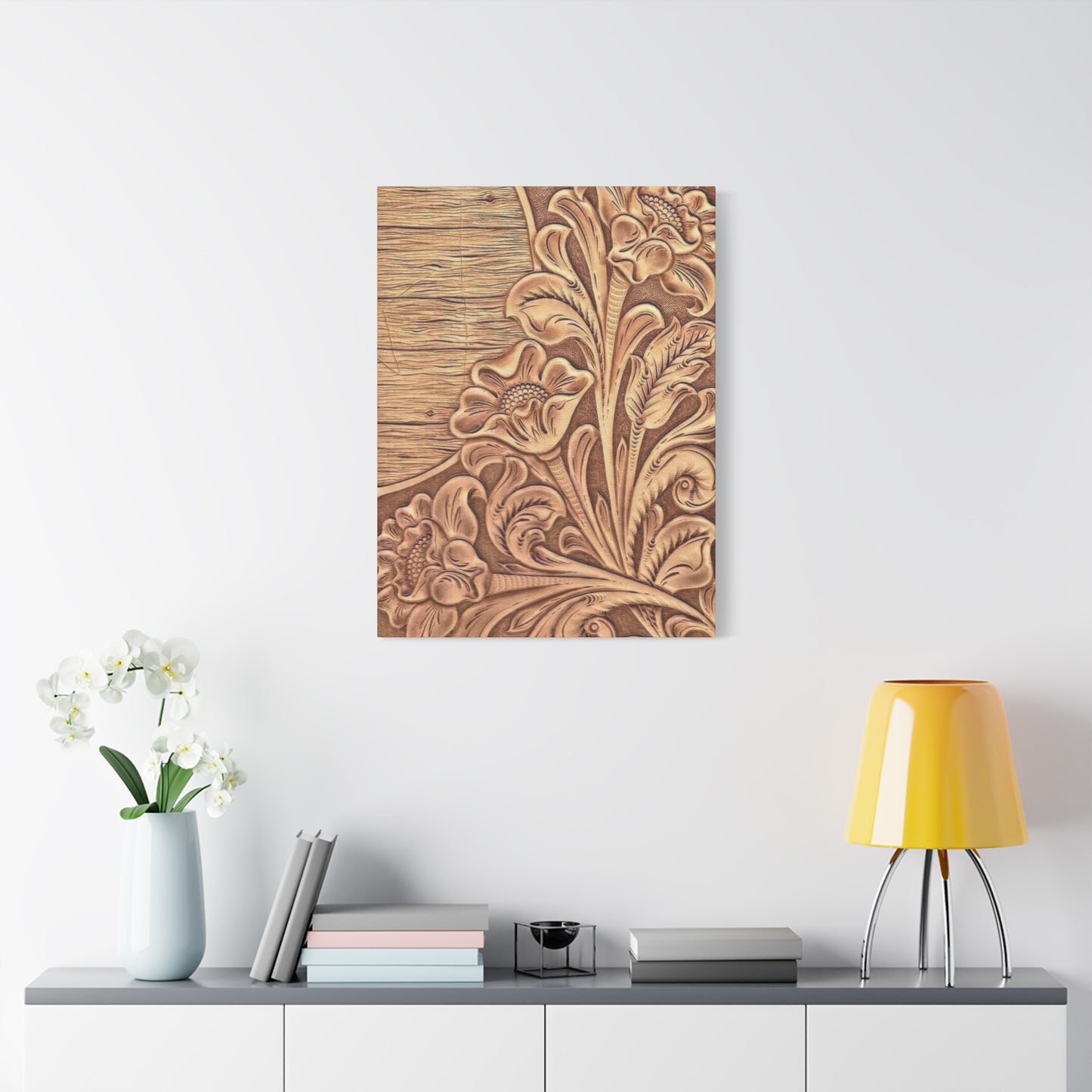
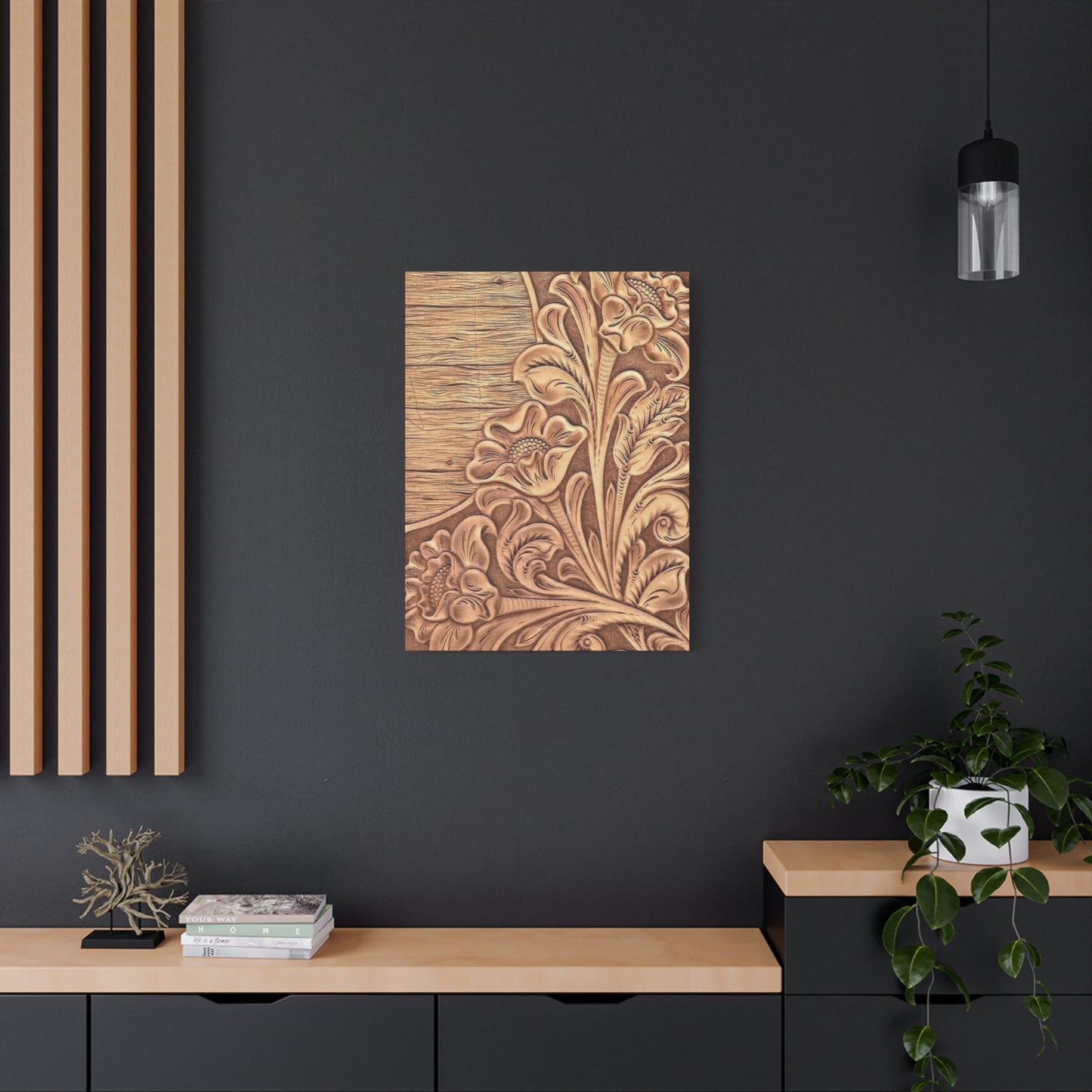
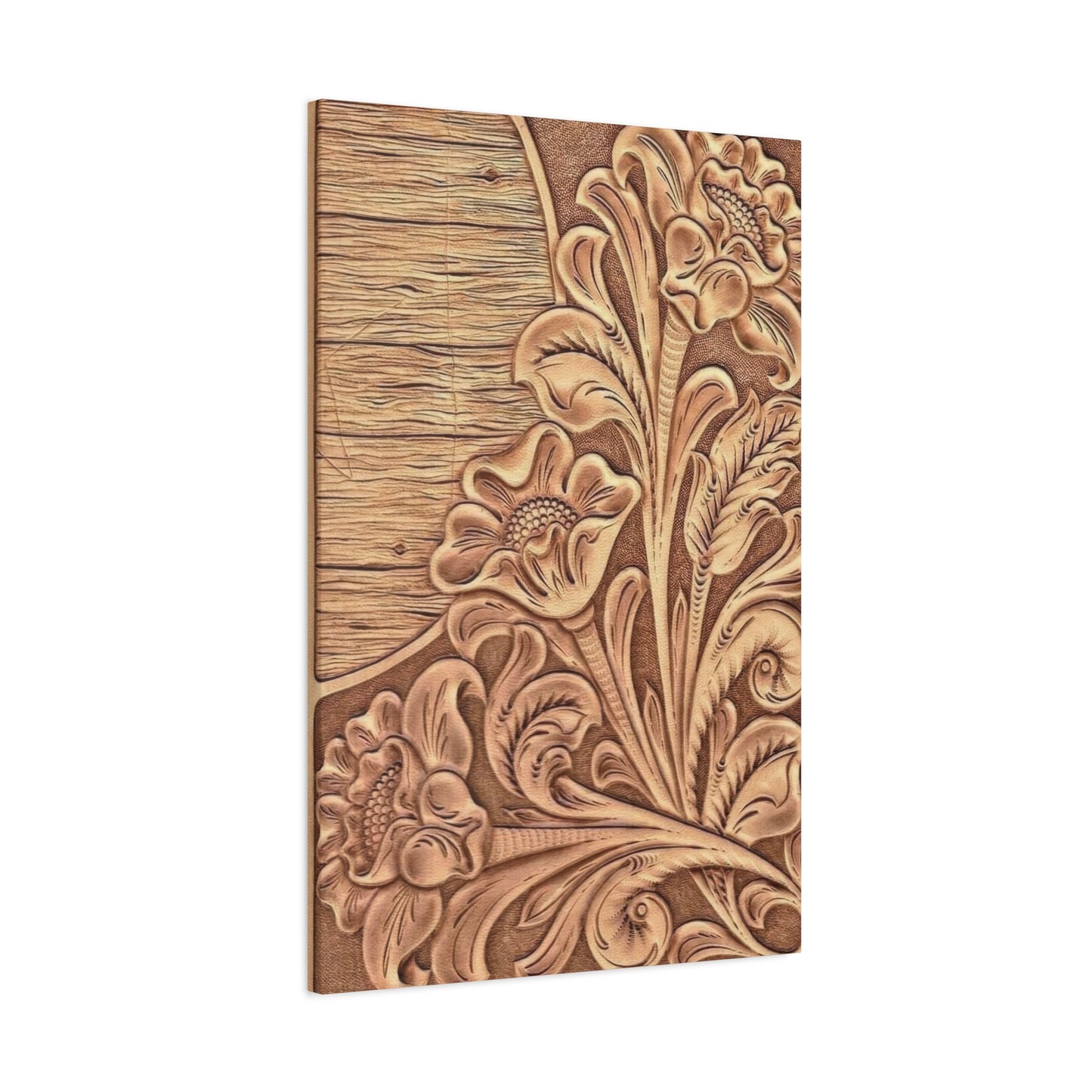
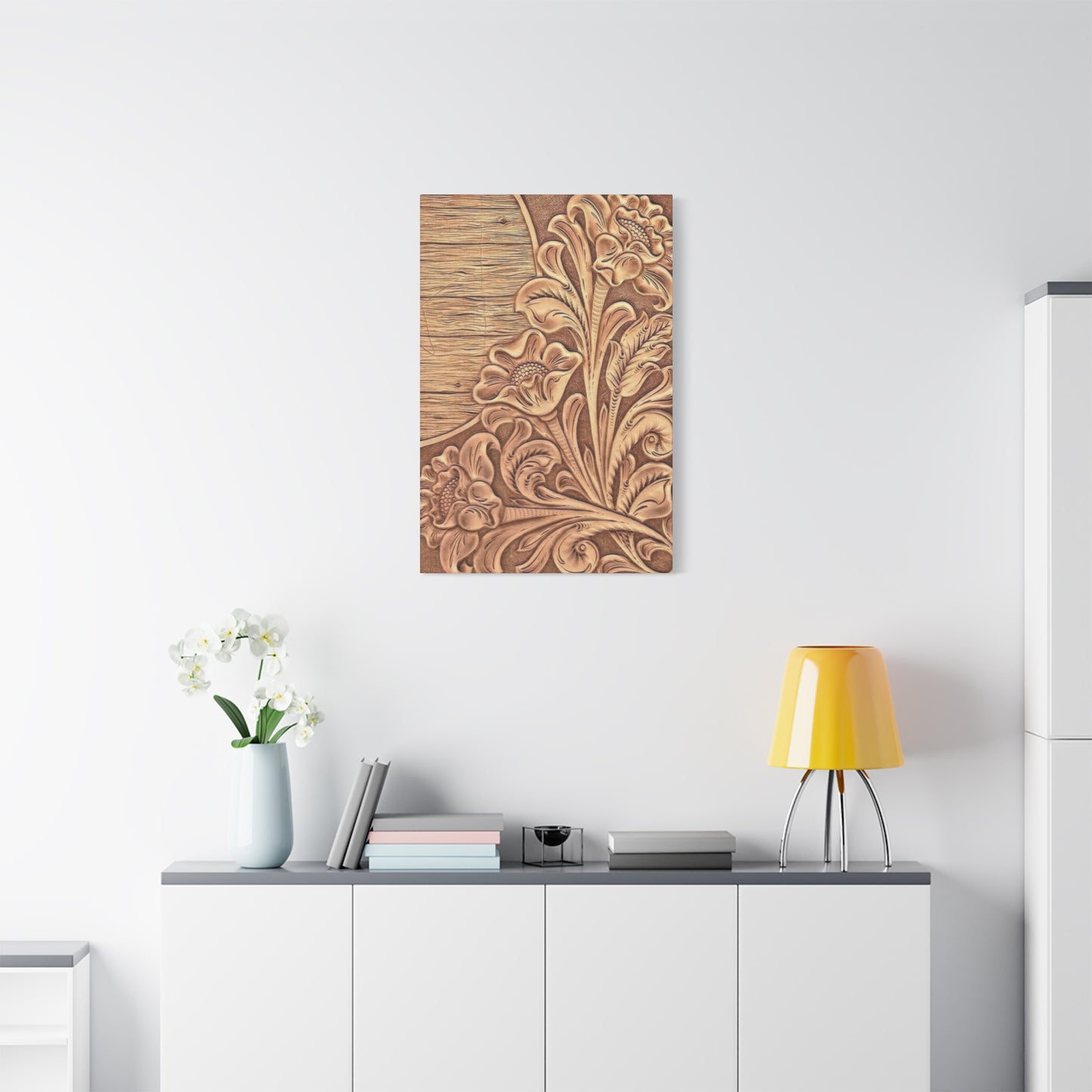
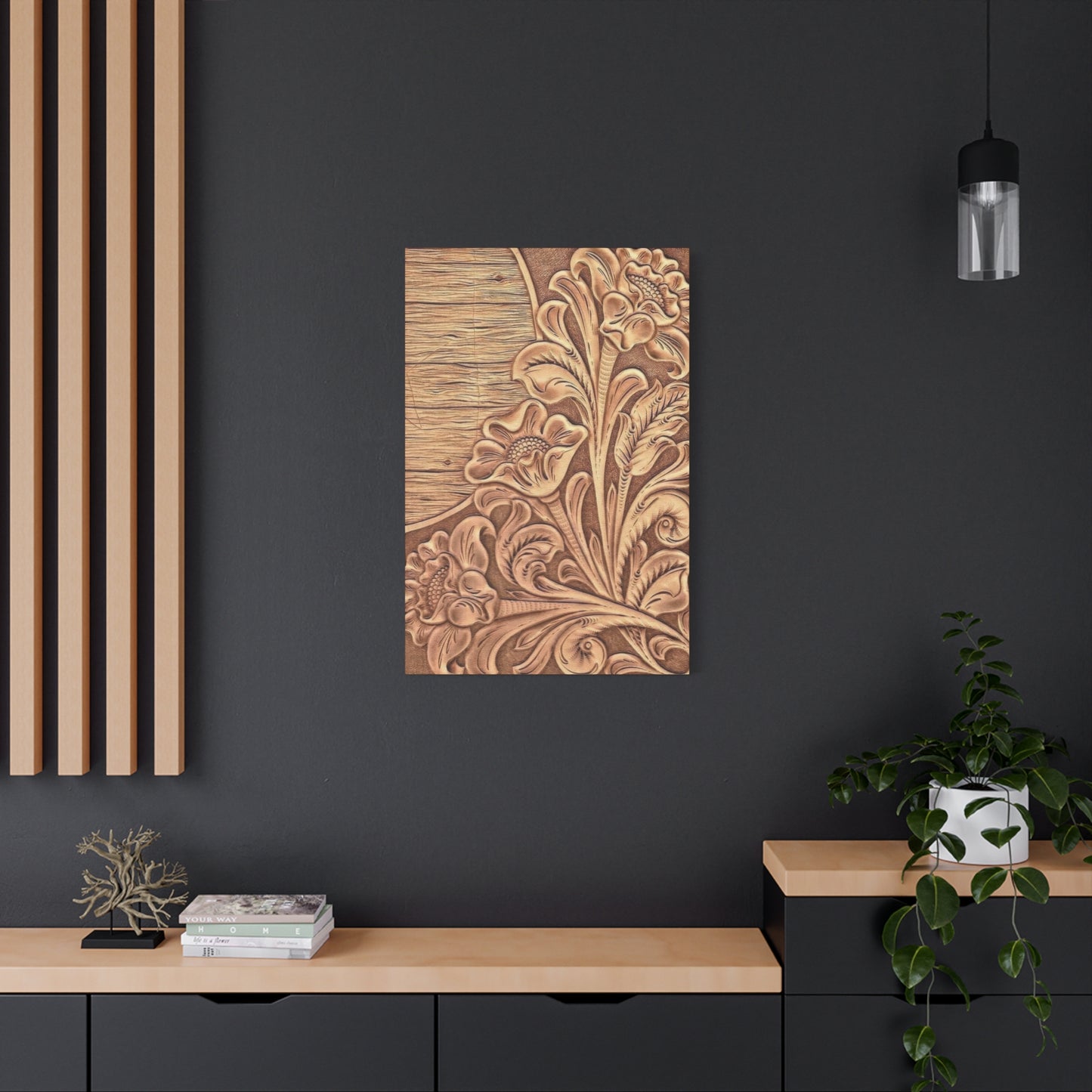
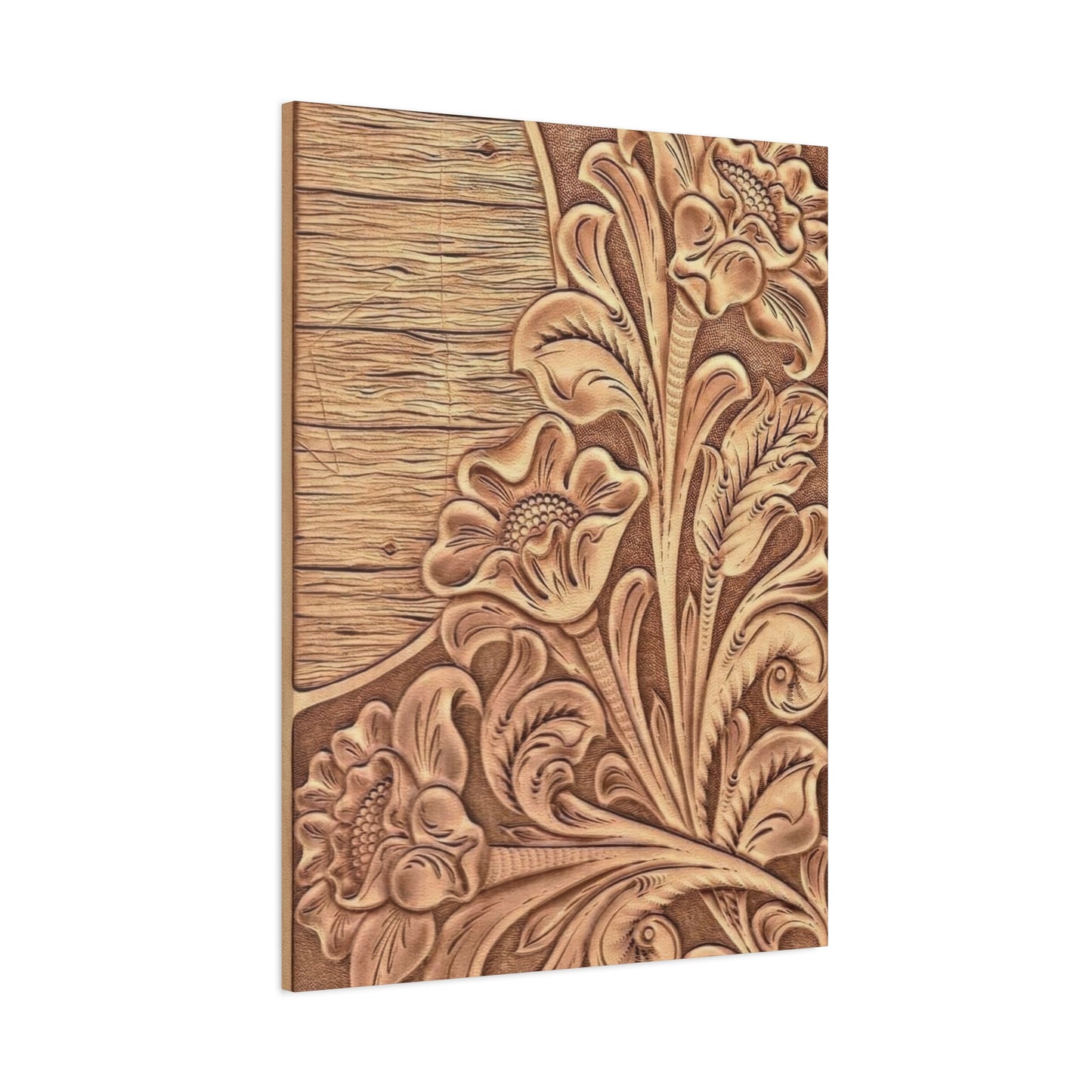
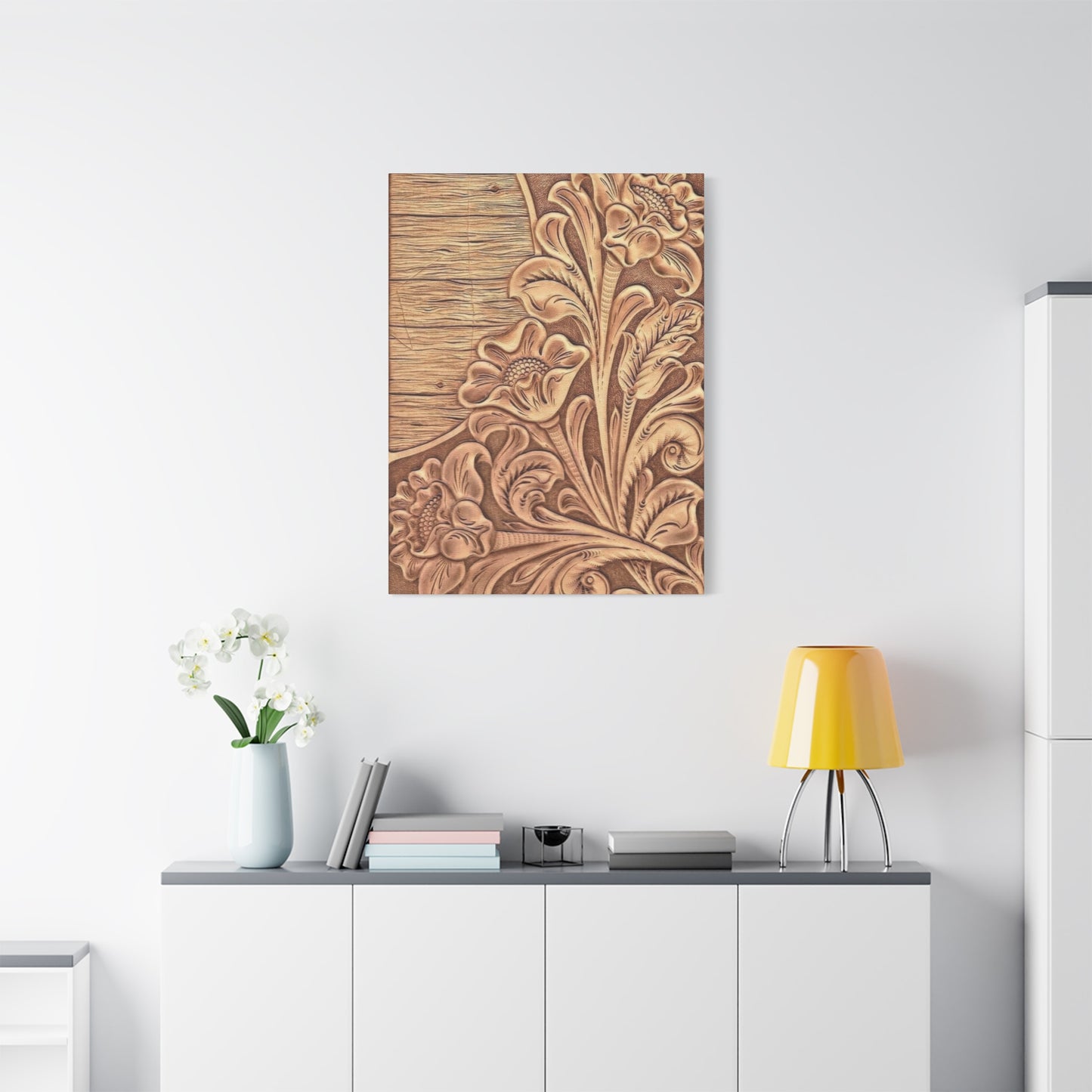
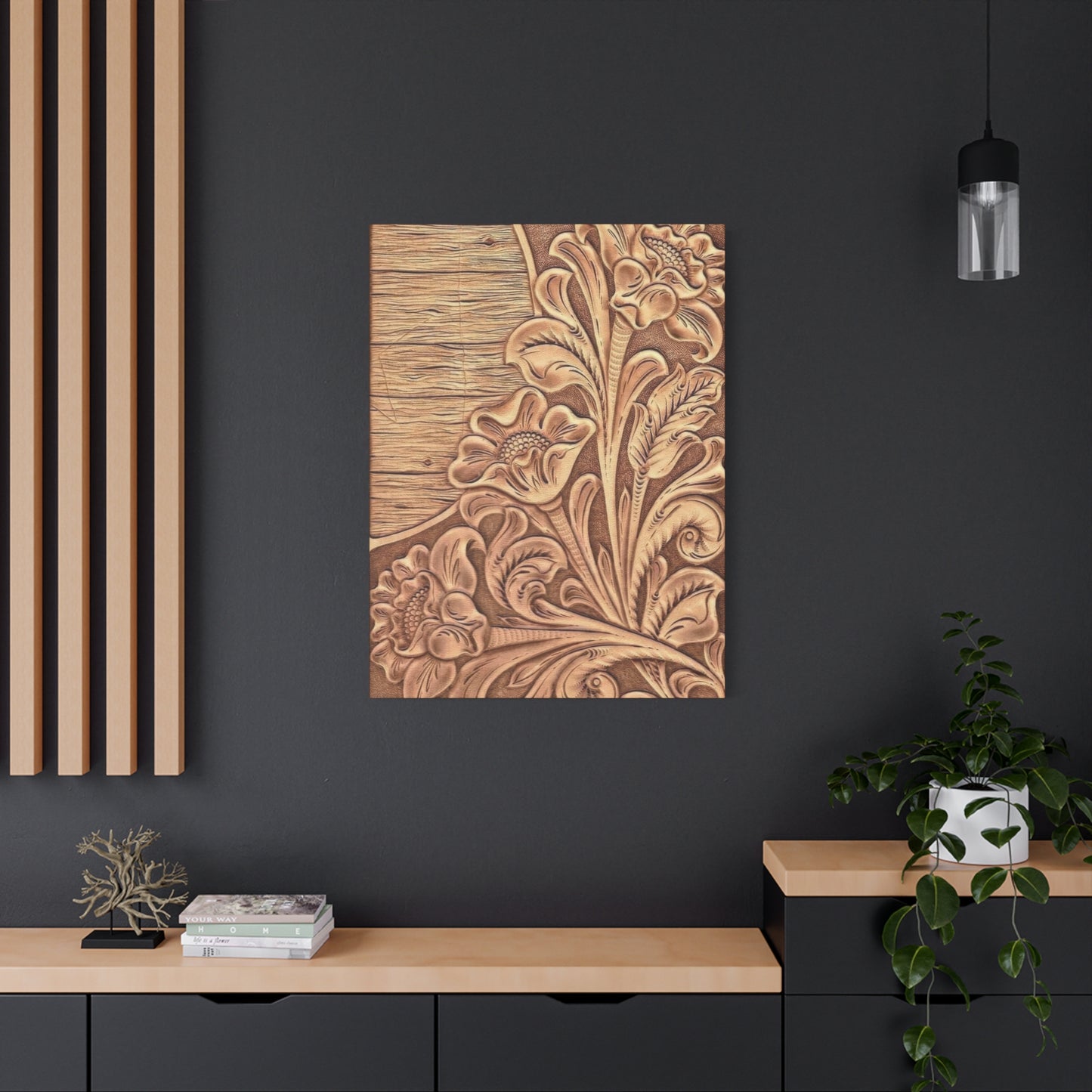
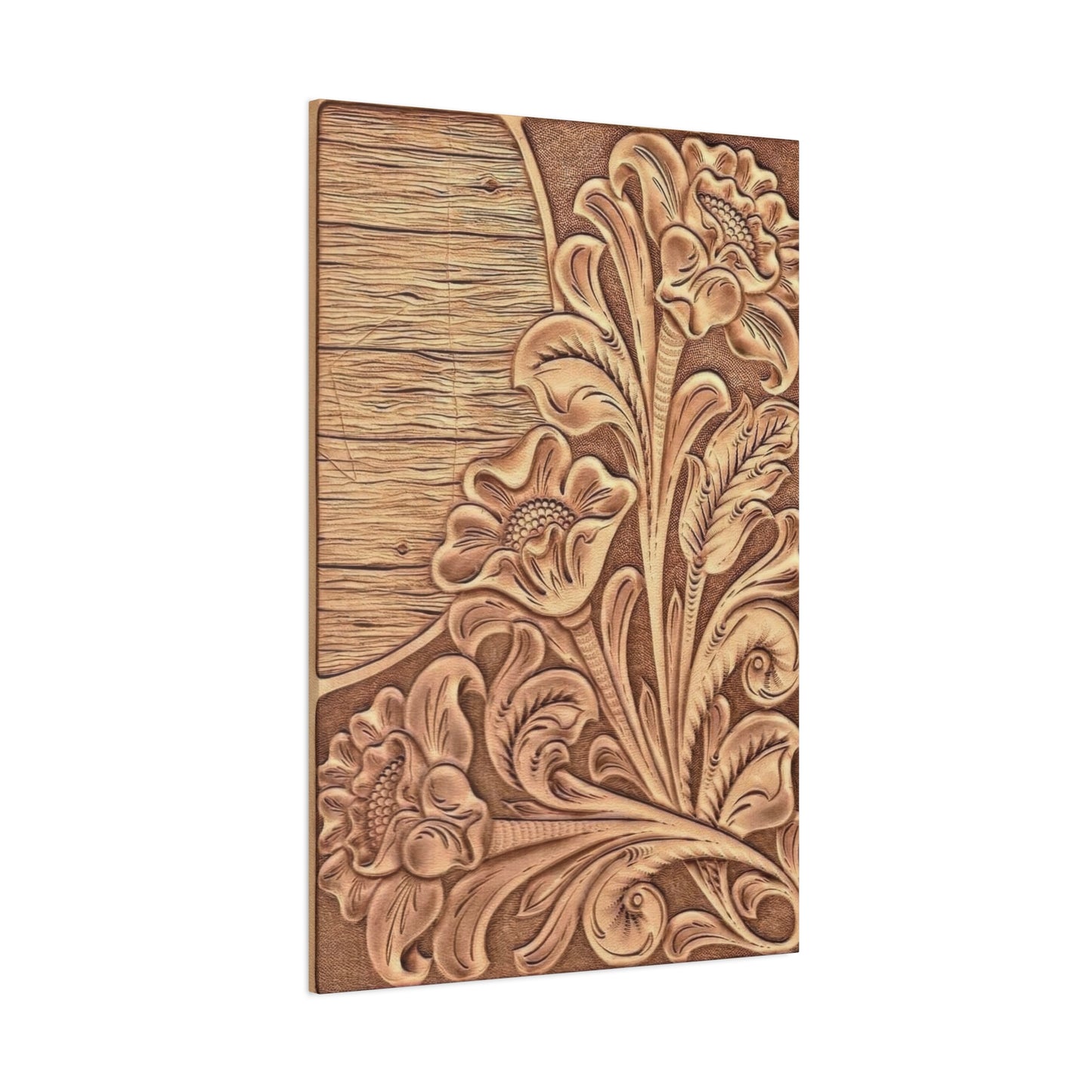
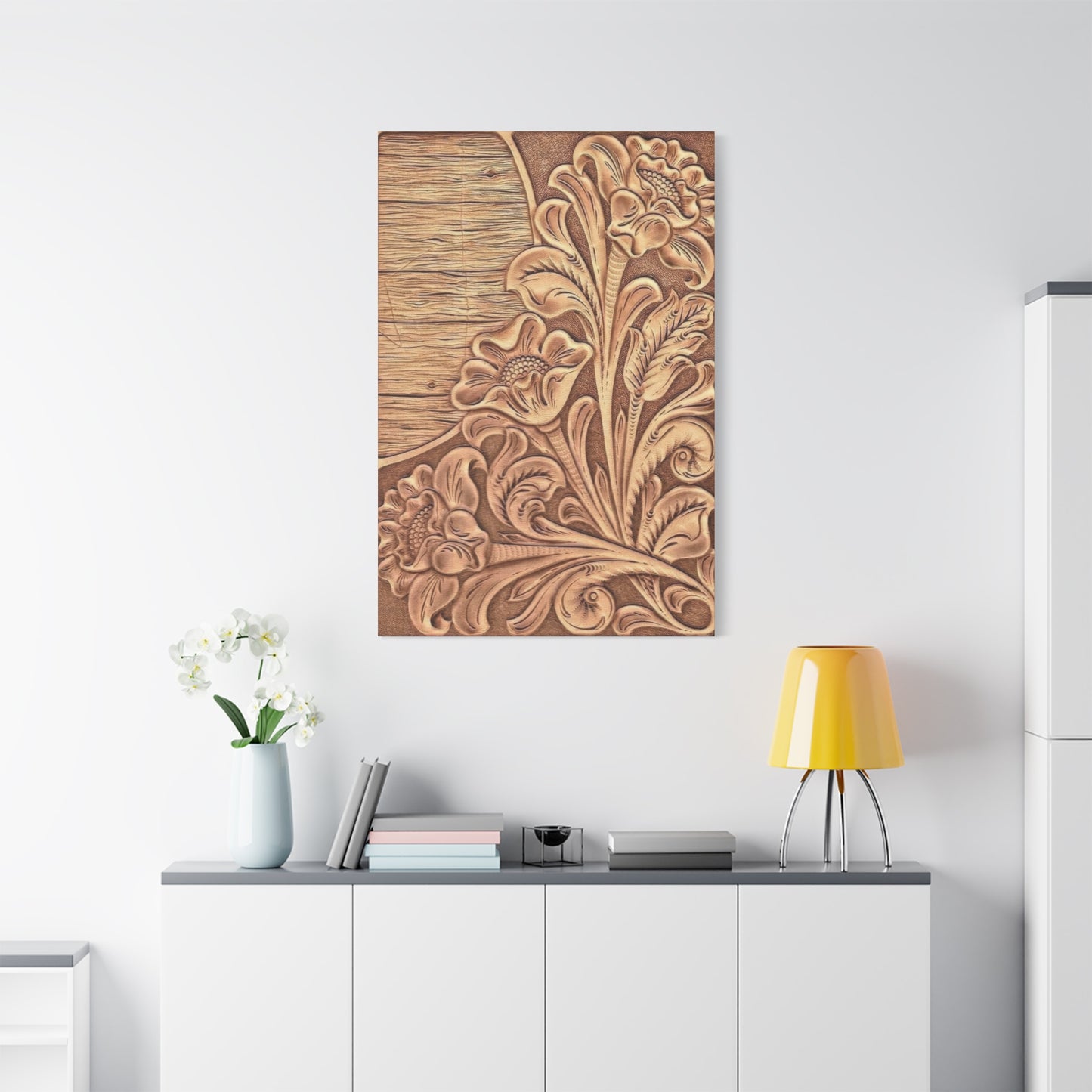
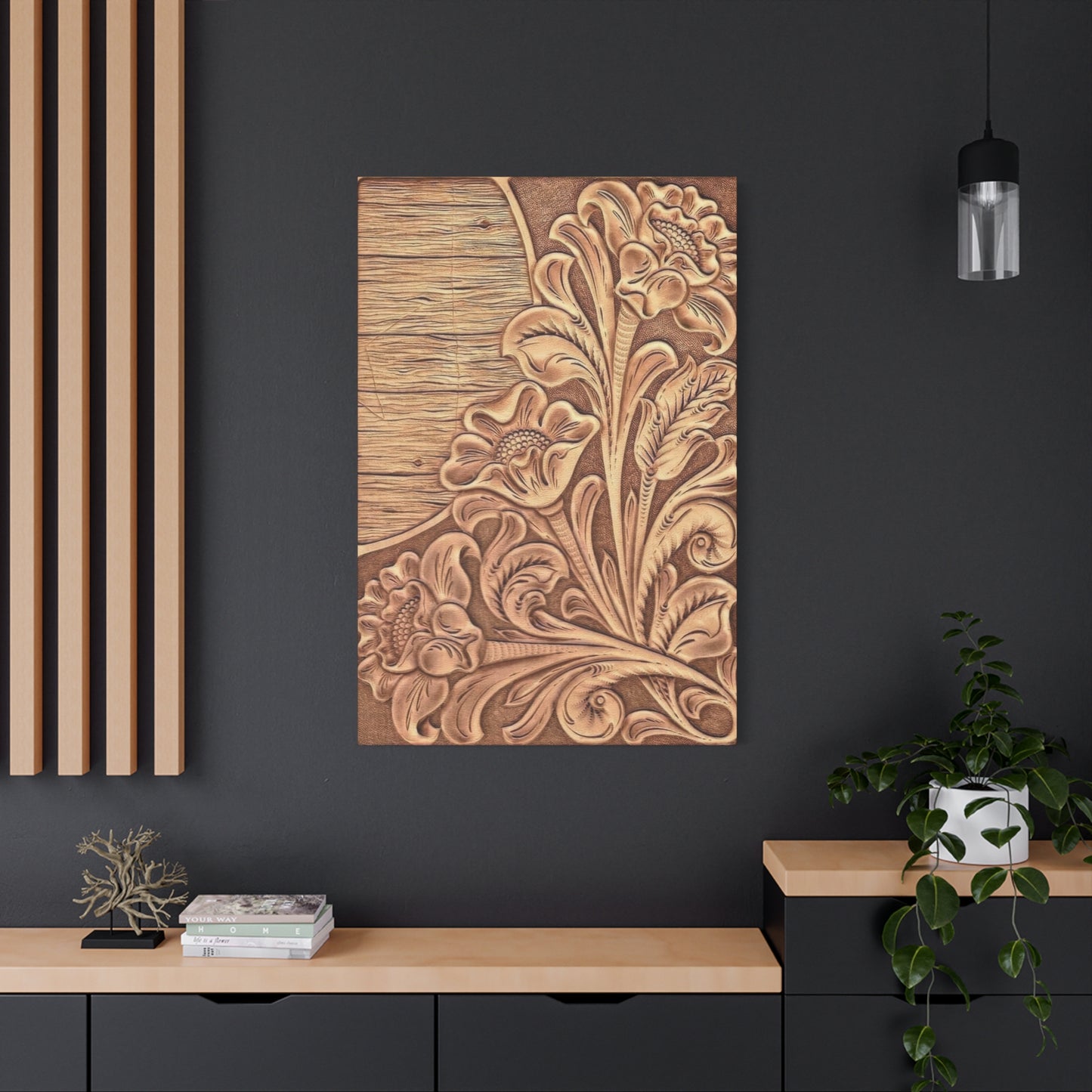
Flower Pattern Wall Art & Canvas Prints
Flower Pattern Wall Art & Canvas Prints
Couldn't load pickup availability
Decorating with Flower Pattern Wall Art: Innovative Ways to Infuse Botanical Designs into Your Home
The world of interior decoration has witnessed a remarkable surge in botanical-themed embellishments, particularly those featuring delicate floral motifs that transform ordinary walls into extraordinary visual experiences. Flower pattern wall art has emerged as a versatile decorative solution that bridges the gap between natural beauty and contemporary living spaces, offering homeowners an opportunity to infuse their environments with organic elegance and sophisticated charm.
Exploring the Captivating Realm of Botanical Visual Compositions for Modern Interiors
When we delve into the fascinating domain of decorative pieces showcasing botanical designs, we encounter an extensive array of possibilities that extend far beyond simple framed prints. These artistic expressions encompass everything from hand-painted murals to digitally rendered compositions, from vintage-inspired illustrations to contemporary abstract interpretations. The versatility inherent in floral-themed decorative pieces allows them to seamlessly complement various architectural styles, from minimalist urban apartments to rustic countryside cottages.
The aesthetic appeal of botanical artwork lies in its inherent ability to evoke emotions and create atmospheric depth within confined spaces. Unlike geometric patterns or abstract designs, floral motifs carry with them an organic quality that resonates with our innate connection to the natural world. This connection transcends mere visual appreciation, touching upon deeper psychological responses that make us feel more relaxed, inspired, and connected to our surroundings.
Contemporary designers have recognized the transformative potential of flower pattern wall art, incorporating these elements into both residential and commercial settings. The revival of botanical illustrations from centuries past, combined with modern printing capabilities and innovative display methods, has created a renaissance in floral-themed interior decoration. Museums, galleries, and private collections worldwide house extraordinary examples of botanical art that continue to inspire contemporary creators and collectors alike.
Understanding Various Categories and Styles of Floral Decorative Elements
The spectrum of floral artistic expressions available today encompasses numerous categories, each with its distinct characteristics and appeal. Vintage botanical illustrations, originally created for scientific documentation purposes, have found new life as decorative elements that combine educational value with aesthetic beauty. These detailed renderings showcase plants in various stages of growth, often including cross-sections of flowers, seeds, and root systems that fascinate viewers with their intricate detail.
Contemporary abstract interpretations of floral themes take a different approach, focusing on color, form, and emotional expression rather than botanical accuracy. These pieces often feature bold brushstrokes, vibrant color palettes, and imaginative compositions that capture the essence of flowers without attempting photorealistic representation. Such artwork appeals to those who prefer modern aesthetics while still appreciating the beauty of natural forms.
Watercolor botanical compositions represent another popular category, characterized by their soft, translucent qualities and delicate color transitions. These pieces often evoke a sense of tranquility and romance, making them particularly suitable for bedrooms, bathrooms, and other spaces designed for relaxation. The fluidity inherent in watercolor techniques allows artists to capture the ephemeral beauty of flowers in ways that feel both spontaneous and carefully considered.
Pressed flower compositions offer a unique approach to floral decoration, incorporating actual botanical specimens preserved between glass or acrylic panels. These pieces celebrate the three-dimensional quality of real flowers while protecting them from deterioration, creating lasting mementos of natural beauty. The process of creating pressed flower artwork requires patience and skill, as artists must carefully select, press, and arrange specimens to achieve balanced compositions that maintain their color and integrity over time.
Discovering the Profound Impact of Botanical Imagery on Residential Atmosphere
The presence of floral-themed decorative elements within living spaces extends beyond mere aesthetic enhancement, influencing the psychological and emotional experiences of inhabitants in measurable ways. Research conducted by environmental psychologists has demonstrated that exposure to natural imagery, including botanical subjects, can reduce stress levels, improve mood, and enhance cognitive function. These effects occur even when the natural elements are represented through artwork rather than living plants.
The color schemes typically associated with floral artwork contribute significantly to these beneficial effects. Soft pinks and lavenders promote feelings of calm and romance, while vibrant yellows and oranges energize spaces and stimulate creativity. Deep reds and purples add drama and sophistication, creating focal points that command attention without overwhelming surrounding elements. Green tones, omnipresent in botanical compositions through foliage and stems, provide balance and harmony, connecting floral elements to their natural context.
Beyond color considerations, the compositional elements of floral artwork influence how viewers interact with and perceive spaces. Large-scale botanical murals can visually expand small rooms, creating the illusion of greater depth and dimension. Conversely, clusters of smaller framed pieces arranged in gallery walls add visual interest to expansive blank walls, breaking up monotonous surfaces while maintaining cohesive design themes.
The seasonal associations carried by different floral species allow homeowners to create dynamic interior environments that evolve throughout the year. Spring bulbs like tulips and daffodils bring fresh energy to spaces during winter months, while summer blooms such as sunflowers and dahlias maintain warmth during cooler seasons. Autumn arrangements featuring chrysanthemums and asters provide transitional beauty, and winter compositions showcasing amaryllis or paperwhites offer hope and anticipation during the darkest months.
Mastering the Selection Process for Botanical Decorative Pieces That Complement Your Space
Choosing appropriate floral artwork for specific spaces requires careful consideration of multiple factors, beginning with the physical dimensions and proportions of the intended display area. A common mistake involves selecting pieces that are either too small, causing them to appear insignificant and lost on large walls, or too large, overwhelming the space and creating visual imbalance. Professional designers often recommend that artwork should occupy roughly two-thirds to three-quarters of the available wall space for optimal visual impact.
The existing color palette within a room should inform artwork selection, though this doesn't necessarily mean perfect matching. Complementary colors—those opposite each other on the color wheel—can create dynamic visual tension that energizes spaces, while analogous colors—those adjacent on the color wheel—produce harmonious, soothing effects. Neutral-toned rooms offer the most flexibility, allowing for bold floral artwork that becomes the focal point, or subtle botanical prints that enhance existing design schemes without dominating them.
Lighting conditions significantly affect how floral artwork appears and performs within spaces. Natural light brings out the true colors and details of botanical prints, but excessive direct sunlight can cause fading over time, particularly with watercolors and photographs. Rooms with limited natural light benefit from artwork featuring brighter colors and higher contrast, which remain visible even in dimmer conditions. Artificial lighting can be strategically positioned to highlight specific pieces, using picture lights, track lighting, or strategically placed lamps to create dramatic effects.
The architectural style and period of a home should inform artwork choices to maintain cohesive design narratives. Victorian homes with ornate moldings and traditional features pair beautifully with vintage botanical illustrations and classical floral still lifes. Mid-century modern spaces benefit from graphic, stylized floral designs with bold colors and clean lines. Contemporary minimalist environments can accommodate either subtle monochromatic botanical prints or dramatic large-scale floral photography, depending on desired effects.
Examining Different Medium Options for Presenting Floral Visual Content
The medium through which floral artwork is created and presented dramatically influences its appearance, durability, and suitability for various environments. Traditional oil paintings offer rich, luminous colors and visible brushwork that adds texture and depth to compositions. These pieces often become family heirlooms, passed down through generations as both artistic and sentimental treasures. The investment required for original oil paintings reflects the artist's skill, time, and materials, but many collectors find the unique qualities of original artwork well worth the expense.
Canvas prints have democratized access to high-quality floral artwork, allowing reproduction of famous paintings and photographs at accessible price points. Modern printing technologies produce remarkably accurate color reproduction and detail, making it difficult to distinguish prints from originals at casual viewing distances. Gallery-wrapped canvases, where the image extends around the frame edges, eliminate the need for additional framing, creating clean, contemporary presentations suitable for modern interiors.
Metal prints represent an innovative medium gaining popularity for floral photography and contemporary botanical designs. The process involves infusing dyes directly into specially coated aluminum sheets, creating luminous, vibrant images with exceptional durability and resistance to fading. The reflective quality of metal surfaces adds dimension and depth to images, particularly those featuring water droplets, morning dew, or other reflective elements common in flower photography.
Textile-based presentations, including embroidered pieces, fabric prints, and tapestries, offer unique textural qualities that distinguish them from flat printed media. These pieces add warmth and softness to interiors, making them particularly appropriate for bedrooms and sitting areas where comfort is paramount. Vintage embroidered floral pieces, whether antique samplers or mid-century crewelwork, bring handcrafted charm and historical character to contemporary spaces.
Investigating Color Psychology and Its Relationship to Floral Decorative Choices
The colors present in floral artwork exert powerful influences on human psychology and behavior, making color selection a crucial consideration when choosing botanical decorative pieces. Red flowers, whether roses, poppies, or tulips, evoke passion, energy, and vitality. These warm hues increase heart rate and blood pressure slightly, creating stimulating effects appropriate for dining rooms, entryways, and other spaces designed for activity and social interaction.
Blue floral compositions, featuring hydrangeas, delphiniums, or morning glories, promote tranquility, trust, and mental clarity. These cooler tones lower blood pressure and slow heart rate, creating calming effects ideal for bedrooms, bathrooms, and meditation spaces. The relative rarity of true blue flowers in nature makes blue floral artwork particularly striking and memorable, often becoming conversation pieces that guests notice and comment upon.
Yellow botanical artwork radiates happiness, optimism, and mental stimulation. Sunflowers, daffodils, and buttercups bring sunshine indoors, brightening spaces and lifting spirits even on overcast days. The attention-grabbing quality of yellow makes it excellent for kitchens, home offices, and children's rooms, where energy and creativity are valued. However, excessive yellow can become overwhelming, so designers often recommend balancing vibrant yellow flowers with green foliage or neutral backgrounds.
Purple floral imagery conveys luxury, creativity, and spiritual awareness. Lavender, lilacs, and irises add sophistication and mystery to interiors, working particularly well in formal living rooms, libraries, and master suites. The historical association between purple dyes and royalty, stemming from their rarity and expense in pre-industrial times, continues to lend purple flowers an air of elegance and exclusivity.
White and cream flowers offer versatility and timelessness, working seamlessly with any color scheme or design style. Magnolias, gardenias, and white roses bring purity, peace, and spaciousness to interiors. White floral artwork performs particularly well in small spaces, where darker colors might feel oppressive, and in minimalist designs where restraint and simplicity are valued over abundance and complexity.
Analyzing Composition Principles That Create Visually Compelling Floral Displays
The arrangement and composition of elements within floral artwork significantly impact its visual effectiveness and emotional resonance. Symmetrical compositions, where elements balance evenly around a central axis, create feelings of stability, formality, and order. These arrangements work well in traditional interiors and formal spaces where predictability and structure are desired qualities. Classical still life paintings often employ symmetrical compositions, with central floral arrangements flanked by balanced elements like fruit, vessels, or fabric drapes.
Asymmetrical compositions offer more dynamic, contemporary feels, with visual weight distributed unevenly to create tension and interest. These arrangements guide the viewer's eye through the composition along carefully planned pathways, using size, color, and placement to create movement and rhythm. Modern botanical photography frequently employs asymmetrical compositions, positioning subjects off-center and using negative space as an active design element rather than empty background.
The rule of thirds, a compositional guideline borrowed from photography and fine art, suggests dividing images into nine equal parts using two horizontal and two vertical lines, then placing important elements along these lines or at their intersections. This principle creates naturally pleasing compositions that feel balanced without being rigidly symmetrical. Floral artwork that follows this guideline often feels professional and carefully considered, even when the compositional structure isn't consciously recognized by viewers.
Depth and layering within floral compositions create three-dimensional illusions that draw viewers into artwork, making them feel like windows into botanical gardens rather than flat decorative objects. Foreground elements, typically rendered with greater detail and color saturation, appear to project forward, while background elements fade into softer focus and muted tones. This atmospheric perspective mimics how human vision naturally perceives depth, creating convincing spatial illusions within two-dimensional media.
Exploring Various Placement Strategies for Maximum Visual Impact
The strategic positioning of floral artwork within rooms dramatically affects both the pieces themselves and the spaces they inhabit. Above furniture pieces such as sofas, beds, or consoles, artwork should typically be centered horizontally and hung so that the center point sits at eye level for standing adults, approximately sixty to sixty-five inches from the floor. This placement ensures comfortable viewing and creates visual connections between furniture and artwork that unify spaces.
Gallery walls, featuring multiple pieces arranged in cohesive groupings, allow for creative expression and personal storytelling through carefully curated collections. These arrangements work particularly well with botanical themes, as the natural diversity of floral species and artistic styles provides inherent variety while maintaining thematic unity. Successful gallery walls balance different sizes, orientations, and frame styles while maintaining consistent spacing between pieces, typically two to three inches.
Staircase walls present unique opportunities for dramatic botanical displays, with ascending or descending arrangements that follow the staircase angle. This placement naturally guides viewers' eyes along the stairs while filling otherwise awkward wall spaces that can be challenging to decorate. The vertical nature of many floral subjects, particularly tall stems and climbing vines, complements staircase architecture beautifully.
Corner spaces, often overlooked in decorating schemes, benefit tremendously from large-scale floral artwork that activates these transitional zones. Positioning substantial botanical pieces in corners creates focal points that anchor rooms and provide visual destinations for eyes scanning spaces. This strategy works particularly well in open-concept layouts where defining separate zones without physical barriers is desirable.
Investigating the Relationship Between Frame Selection and Artistic Presentation
The frames surrounding floral artwork serve multiple functions beyond simply holding pieces in place, contributing significantly to overall aesthetic impact and protection of valuable pieces. Traditional wood frames, available in countless stains and finishes, bring warmth and organic quality that complements botanical subjects naturally. Ornate carved frames suit vintage botanical illustrations and classical oil paintings, their decorative elements echoing the complexity and detail within the artwork itself.
Simple modern frames with clean lines and minimal ornamentation allow artwork to take center stage, particularly important with bold contemporary floral pieces that make strong statements on their own. Black frames create dramatic contrast and definition, particularly effective with lighter-colored florals and white backgrounds. White and cream frames produce softer, more ethereal presentations that enhance pale watercolors and pastel compositions.
Matting, the border between artwork and frame, provides breathing room that prevents images from feeling cramped or overwhelmed by their surroundings. White and off-white mats offer classic, timeless presentations suitable for any artwork style. Colored mats can pull specific hues from within artwork, creating cohesive connections between image and frame while adding visual interest. Multiple mats layered together, with thin inner mats in accent colors, create sophisticated presentations that elevate even simple prints to gallery-worthy status.
Frameless presentations, including canvas wraps, standoff mounts, and acrylic face mounting, create contemporary, minimalist displays appropriate for modern interiors. These methods emphasize artwork itself while reducing visual clutter and allowing pieces to blend seamlessly with surrounding architecture. Floating frames, which suspend artwork between two pieces of clear acrylic or glass with visible gaps around edges, create dramatic three-dimensional effects particularly suited to pressed flower compositions and botanical specimens.
Discovering Seasonal Rotation Strategies for Dynamic Interior Environments
Implementing seasonal rotations of floral artwork creates ever-changing interior landscapes that remain fresh and engaging throughout the year. This approach prevents decorative fatigue, where familiar pieces become invisible through constant exposure, while allowing homeowners to maintain larger artwork collections than their walls might accommodate simultaneously. Spring rotations might feature cherry blossoms, tulips, and daffodils, celebrating renewal and new beginnings after winter dormancy.
Summer displays can showcase roses in full bloom, vibrant wildflower meadows, and lush garden scenes that bring outdoor abundance indoors. The bold colors and exuberant compositions typical of summer floral artwork energize spaces and maintain connections to nature even during sweltering days when outdoor time becomes less appealing. Sunflowers, zinnias, and dahlias represent summer's peak, their substantial forms and saturated hues creating powerful visual statements.
Autumn rotations introduce chrysanthemums, asters, and dried flower arrangements that acknowledge seasonal transitions while maintaining beauty through change. The warmer color palettes typical of fall florals, featuring oranges, deep reds, and golden yellows, create cozy atmospheres that complement cooler weather and shorter days. Wheat sheaves, seed pods, and other harvest imagery can complement floral pieces, creating seasonal narratives within display arrangements.
Winter presentations might feature amaryllis, paperwhites, and evergreen branches decorated with berries, maintaining botanical connections during months when outdoor gardens sleep. The symbolic nature of winter bloomers, representing hope and persistence through harsh conditions, carries particular resonance during challenging seasons. Alternatively, revisiting pressed flower collections or vintage botanical illustrations during winter months can provide pleasant reminders of warmer seasons while offering appreciation for preserved beauty.
Examining Scale Considerations for Different Room Types and Purposes
The scale of floral artwork relative to room dimensions and surrounding furnishings dramatically impacts overall effectiveness and visual harmony. Oversized botanical pieces, ranging from five to eight feet in height, create dramatic focal points in spacious rooms with high ceilings, commanding attention and anchoring large furniture arrangements. These statement pieces work particularly well in double-height entryways, above king-sized beds, or spanning large sections of dining room walls.
Medium-sized pieces, typically measuring three to four feet in their longest dimension, offer versatility suitable for most residential spaces. These proportions work above standard sofas, in hallways, flanking fireplaces, or as standalone features in home offices and bedrooms. The moderate scale ensures visibility and impact without overwhelming spaces or competing excessively with architectural features and furnishings.
Smaller botanical prints and photographs, ranging from eight by ten inches to sixteen by twenty inches, excel in clustered arrangements, shelf displays, and intimate spaces where proximity allows detailed examination. These pieces invite close viewing, rewarding viewers who take time to appreciate intricate details like delicate petal textures, water droplets, or subtle color variations. Powder rooms, reading nooks, and alcoves provide ideal settings for smaller-scale floral artwork.
Proportional relationships between artwork and furniture establish visual harmony within rooms. Design professionals often recommend that artwork spanning furniture pieces should measure approximately two-thirds to three-quarters of the furniture width. For example, artwork hanging above a seventy-two-inch sofa should ideally measure between forty-eight and fifty-four inches wide, either as a single large piece or a grouped arrangement with this overall dimension.
Uncovering Creative Grouping Methods for Multiple Floral Pieces
Arranging multiple botanical pieces together creates opportunities for visual storytelling and thematic development impossible with single artworks. Monochromatic groupings, featuring floral pieces in various shades of a single color, create sophisticated, cohesive displays with subtle variations providing interest without chaos. A collection of white flower photographs in varying tones from bright white to creamy ivory creates elegant, serene presentations suitable for formal spaces.
Botanical progression series, showing a single flower species through different growth stages from bud to full bloom to seed head, educates while decorating, combining aesthetic appeal with narrative structure. These arrangements particularly suit spaces where learning and curiosity are valued, such as libraries, studies, or children's rooms. The sequential nature guides viewers' eyes along predetermined paths, creating movement within static displays.
Rainbow arrangements, organizing floral artwork by color spectrum from red through violet, create playful, energetic displays that celebrate color diversity in nature. These arrangements work particularly well in creative spaces, children's rooms, and casual family areas where whimsy and personality are welcomed. The chromatic progression provides organizational structure that prevents multicolored collections from appearing chaotic or random.
Contrasting pairings juxtapose different artistic styles, scales, or color schemes to create dynamic visual dialogues between pieces. A vintage botanical illustration paired with contemporary abstract floral photography generates interesting conversations between past and present, scientific documentation and artistic interpretation. These contrasts require careful balancing to avoid discord, but successful pairings create greater impact than either piece could achieve alone.
Analyzing the Influence of Botanical Artwork on Perceived Room Dimensions
Strategic deployment of floral artwork can manipulate perceived room dimensions, making spaces appear larger, taller, or more proportional than their actual measurements. Large-scale botanical murals featuring perspective depth, such as garden pathways disappearing into flower-filled distance, create convincing illusions of expanded space. These trompe l'oeil effects work particularly well in windowless rooms, basement spaces, and small urban apartments where actual expansion is impossible.
Vertical compositions emphasizing tall flower stems, climbing vines, or elongated formats draw eyes upward, creating impressions of increased ceiling height. This strategy proves particularly valuable in homes with standard eight-foot ceilings, where vertical emphasis can counteract potentially boxy proportions. Bamboo, gladiolus, delphiniums, and other naturally vertical botanical subjects suit this purpose perfectly.
Horizontal panoramic flower fields, meadow scenes, or extended garden vistas widen narrow rooms visually, the lateral emphasis encouraging eyes to scan sideways rather than forward. Hallways, galley kitchens, and rectangular rooms benefit particularly from this approach, as it counterbalances their elongated proportions and creates more balanced perceived dimensions.
Light-colored floral artwork with significant white or pale backgrounds reflects light and opens spaces, making rooms feel airier and more spacious. This effect proves especially valuable in spaces with limited natural light, where darker artwork might feel oppressive. Conversely, darker botanical pieces can add cozy intimacy to oversized rooms that otherwise feel cold or impersonal, defining spaces within larger areas.
Exploring the Intersection Between Botanical Artwork and Biophilic Design Principles
Biophilic design, which seeks to connect building occupants more closely to nature, relies heavily on natural imagery including floral artwork as key components. This approach recognizes that humans evolved in natural environments and continue to function optimally when surrounded by natural elements, even when represented symbolically through artwork. Flower pattern wall art serves this purpose admirably, bringing botanical beauty into urban settings where access to actual nature may be limited.
The restorative qualities of nature exposure, well-documented through environmental research, extend to nature representations in art. Hospital studies have demonstrated that patients with nature imagery visible from their beds recover faster and require less pain medication than those viewing blank walls or urban scenes. While these studies typically involved actual window views, subsequent research has confirmed that nature artwork produces similar if less pronounced benefits.
Biophilic design principles recommend distributing natural imagery throughout buildings rather than concentrating it in single locations, ensuring that occupants encounter nature regularly as they move through spaces. This suggests that modest floral pieces strategically placed in hallways, bathrooms, and transitional spaces may prove more beneficial than a single dramatic botanical installation in one room. The cumulative effect of multiple nature encounters creates sustained connections that single exposures cannot match.
The specific characteristics of effective biophilic imagery include high visual complexity, providing viewers with diverse elements to explore and discover over time, and fractal patterns resembling those found throughout nature. Many floral compositions naturally incorporate these qualities, with their intricate petal arrangements, branching structures, and complex color variations providing endless visual interest that simple geometric or abstract artwork cannot replicate.
Investigating Budget-Conscious Approaches to Building Botanical Art Collections
Creating impressive floral artwork displays need not require substantial financial investment, as numerous affordable options deliver aesthetic impact comparable to expensive originals. High-quality digital prints from independent artists, available through online marketplaces and print-on-demand services, offer original designs at accessible prices. These platforms connect artists directly with consumers, eliminating gallery markups while ensuring artists receive fair compensation for their creative work.
Public domain botanical illustrations, including those from historical herbals and natural history publications, provide free source material for DIY printing projects. Institutions including the New York Public Library, Smithsonian Institution, and various European museums have digitized extensive collections of historical botanical illustrations, making high-resolution images available for download. Printing these on quality paper or canvas through local services creates museum-worthy artwork at minimal cost.
Thrift stores, estate sales, and antique shops yield surprising botanical treasures for collectors willing to hunt through inventory. Vintage framed prints, often available for minimal prices because they're unfashionable or temporarily out of style, can be restored or reframed to create stunning displays. Patience and regular visits eventually uncover gems that would cost hundreds of dollars in galleries or specialty shops.
Creating original pressed flower artwork using garden flowers or wildflowers costs almost nothing while producing truly unique pieces with personal meaning. This approach requires only collection of plant material, heavy books for pressing, adhesive, backing boards, and frames—most of which are readily available or inexpensive. The process of creating pressed flower artwork provides therapeutic benefits while connecting makers directly to source materials.
Examining Preservation and Protection Strategies for Valuable Floral Artwork
Proper care extends the lifespan of botanical artwork indefinitely, protecting both aesthetic qualities and financial investments. Ultra-violet filtering glass or acrylic prevents sun damage that causes colors to fade and paper to yellow over time. While more expensive than standard glazing, UV-protective materials pay for themselves by preserving artwork that would otherwise deteriorate. Museum-quality conservation glass offers the highest protection, blocking ninety-nine percent of harmful wavelengths while maintaining crystal clarity.
Climate control prevents damage from humidity fluctuations, temperature extremes, and environmental pollutants. Artwork should not hang above heat sources like radiators or fireplaces, nor in direct sunlight where daily temperature swings and UV exposure accelerate deterioration. Maintaining relative humidity between forty and fifty-five percent prevents paper from becoming brittle when too dry or developing mold when too damp.
Regular dusting using soft, clean brushes prevents accumulation of airborne particles that can abrade surfaces or attract moisture. Frames and glazing should be cleaned with appropriate materials—microfiber cloths for frames, glass cleaner or slightly damp cloths for glazing—avoiding excess moisture that might seep behind glass and damage artwork. Annual professional cleaning and inspection catch potential problems before they become severe.
Insurance documentation, including photographs and appraisals of valuable pieces, protects financial investments and simplifies replacement if disaster strikes. Keeping records separate from the artwork itself ensures information survival even if pieces are destroyed. Digital photographs stored in cloud services provide accessible backup documentation viewable from anywhere with internet access.
Discovering Regional and Cultural Variations in Floral Artistic Traditions
Different cultures have developed distinct approaches to botanical artistic expression, each reflecting unique aesthetic values and philosophical perspectives. Japanese floral artwork emphasizes simplicity, asymmetry, and appreciation for transient beauty, principles derived from Zen philosophy and wabi-sabi aesthetics. Cherry blossom paintings celebrate ephemeral beauty, acknowledging that flowers' brief blooming periods make them more precious rather than less. Ikebana-inspired compositions feature minimalist arrangements where negative space carries equal importance to plant material.
Dutch Golden Age flower paintings represent another significant tradition, characterized by lavish, abundant compositions showcasing dozens of flower species in elaborate arrangements. These paintings often contained symbolic meanings recognizable to contemporary viewers, with specific flowers representing virtues, vices, or religious concepts. The incredible detail and realism achieved by Dutch masters established standards that influenced botanical illustration for centuries.
Chinese botanical painting traditions emphasize brushwork calligraphy and symbolic meanings associated with specific flowers. The "Four Gentlemen"—plum blossoms, orchids, bamboo, and chrysanthemums—represent virtue, refinement, strength, and longevity respectively. These subjects appear repeatedly throughout Chinese art history, with each generation of artists reinterpreting traditional themes while demonstrating technical mastery through subtle variations in composition and execution.
Indian miniature painting traditions feature stylized floral motifs as decorative elements surrounding narrative scenes or as independent decorative compositions. The Mughal period particularly celebrated garden themes, with paintings depicting paradise gardens filled with flowering plants and trees. Persian influences introduced stylized flower forms that became characteristic of Indian decorative arts, appearing in textiles, architecture, and manuscript illumination alongside paintings.
Analyzing the Role of Photography in Contemporary Floral Visual Expression
Modern photographic capabilities have revolutionized botanical artistic expression, enabling creators to capture flower details invisible to unaided vision and moments too fleeting for traditional artistic media. Macro photography reveals pollen grains, stamen structures, and petal textures with microscopic precision, transforming familiar flowers into alien landscapes of extraordinary complexity. These extreme close-ups create abstract compositions where recognition gives way to pure form, color, and texture appreciation.
High-speed photography freezes motion during moments of transformation—petals unfurling, water droplets impacting surfaces, seeds dispersing on wind—revealing beauty in processes too rapid for human perception. These images educate while amazing, showing familiar subjects in completely novel contexts that shift understanding and appreciation. The technical sophistication required to capture such moments elevates photography to artistic status comparable to any traditional medium.
Long-exposure photography blurs moving elements while keeping stationary objects sharp, creating dreamlike impressions of flowers swaying in breezes or gardens bathed in star trails. This technique produces painterly effects within photographic media, bridging the boundary between documentation and artistic interpretation. The resulting images capture emotional essence rather than literal appearance, suggesting mood and atmosphere through technical manipulation.
Infrared photography records light wavelengths invisible to human vision, rendering foliage and flowers in surreal false colors where greens become whites and blues shift toward reds. These otherworldly images challenge viewers' perceptions of familiar subjects, creating science fiction landscapes from ordinary gardens. The technical requirements for infrared capture, including camera modifications or special filters, create barriers that keep this approach relatively rare and distinctive.
Investigating Mixed Media Approaches to Botanical Artistic Creation
Contemporary artists increasingly combine multiple media within single works, creating hybrid pieces that transcend traditional categorical boundaries. Collage techniques layer painted elements, printed papers, fabric scraps, and found materials into complex compositions that build physical dimension while maintaining decorative suitability. Floral themes lend themselves naturally to this approach, as the organic complexity of botanical subjects complements mixed media's inherent variety.
Combining photography with drawing or painting produces images that exist between documentation and imagination, with realistic photographic elements merging seamlessly into painted backgrounds or illustrated embellishments. This approach allows artists to perfect certain elements photographically while adding interpretive touches that purely photographic work cannot achieve. The dialogue between represented and imagined elements creates visual tension that engages viewers intellectually as well as aesthetically.
Three-dimensional assemblages project from wall surfaces, incorporating dried plant materials, fabric flowers, or sculptural elements alongside traditional flat artwork. These pieces cast shadows that change with lighting conditions, creating dynamic displays that evolve throughout days as natural light shifts. The physical depth invites different viewing angles and closer inspection than purely two-dimensional work permits.
Digital art techniques enable manipulations impossible in traditional media, from seamless blending of multiple photographs into composite images to complete digital painting using stylus and tablet. The distinction between digital and traditional artwork has become increasingly irrelevant as printing technologies mature, with museum-quality giclée prints rivaling original paintings in color fidelity and longevity. Many contemporary artists employ hybrid workflows, photographing or scanning traditional artwork then digitally enhancing final pieces.
Exploring the Therapeutic and Wellness Dimensions of Floral Visual Environments
Healthcare facilities increasingly recognize botanical artwork's therapeutic value, incorporating nature imagery throughout patient areas, waiting rooms, and treatment spaces. Research demonstrates that patients in rooms featuring nature artwork report less pain, experience reduced anxiety, and require less medication than those in rooms without such imagery. These benefits extend beyond placebo effects, with measurable physiological changes including lowered blood pressure and reduced stress hormone levels.
Dementia care facilities use botanical imagery to create calming environments that reduce agitation and aggressive behaviors common in dementia patients. Familiar flowers may trigger positive memories from gardens past, providing moments of clarity and connection even when other cognitive functions have deteriorated. The nonthreatening quality of floral subjects makes them universally appropriate, unlikely to trigger negative reactions as images of people, animals, or abstract art sometimes do.
Corporate environments employ botanical artwork to humanize sterile office spaces, improving employee satisfaction and productivity. Studies in workplace psychology demonstrate that access to nature, even through artwork, reduces mental fatigue and improves focus on cognitively demanding tasks. The presence of botanical imagery signals that employers value employee wellbeing beyond productivity metrics, contributing to positive workplace culture and reduced turnover.
Meditation and yoga spaces benefit particularly from carefully chosen floral artwork that supports contemplative practices without distraction. Lotus blossoms carry spiritual significance across multiple traditions, making them especially appropriate for these settings. Simpler compositions with limited color palettes and minimal complexity work better than busy, complicated arrangements that might pull attention away from interior focus.
Examining Digital Display Options for Contemporary Botanical Presentations
Digital picture frames and smart displays enable rotating floral artwork collections without physical swapping, showcasing extensive libraries within limited wall space. High-resolution screens now rival print quality, with color accuracy and detail sufficient for serious art appreciation. The ability to program automatic rotations creates ever-changing displays that maintain interest over time, preventing the familiarity blindness that can occur with static artwork.
Projection systems transform entire walls into botanical displays, creating immersive environments impossible with traditional framed artwork. These installations can respond to time of day, seasons, or user preferences, displaying morning garden scenes at breakfast time and moonlit botanical landscapes during evening hours. While requiring significant investment and suitable wall surfaces, projection systems create dramatic effects particularly suited to entertainment spaces and contemporary homes.
Augmented reality applications overlay digital botanical artwork onto physical walls when viewed through smartphones or tablets, allowing experimental placement before committing to purchases or permanent hanging. Some applications enable virtual gallery walls with custom arrangements, helping visualize how multiple pieces will interact before making holes in walls. As augmented reality hardware becomes more accessible, these preview capabilities may become standard tools in interior decoration planning.
NFT artwork represents a controversial but growing category of digital botanical art, using blockchain technology to establish ownership and authenticity of unique digital files. While environmental concerns regarding cryptocurrency mining and questions about long-term value persist, NFTs have created new markets connecting digital artists with collectors. Some collectors appreciate that NFTs eliminate physical storage requirements while ensuring verifiability that reproductions cannot offer.
Investigating Lighting Techniques That Enhance Botanical Artwork Presentation
Proper illumination dramatically affects how floral artwork appears and performs within spaces, with lighting design constituting a crucial but often overlooked consideration. Picture lights mounted directly on frames provide focused illumination that highlights artwork while creating dramatic contrast with surrounding walls. LED picture lights have largely replaced halogen predecessors, offering cooler operation, longer lifespan, and color accuracy that won't distort artwork hues.
Track lighting systems allow flexible spotlight positioning that can be adjusted as artwork changes or as experimentation reveals optimal angles. Angled lighting from above and slightly forward minimizes glare on glazed pieces while creating subtle shadows that emphasize texture in oil paintings or dimensional work. Multiple lights trained on large pieces provide even illumination across entire surfaces, preventing hot spots and dark corners that create viewing difficulties.
Ambient lighting from floor and table lamps contributes to overall artwork visibility while creating layered lighting schemes with depth and interest. This general illumination should complement rather than overpower dedicated artwork lighting, providing sufficient background light that pieces remain visible even when accent lights are dimmed. Dimmer switches enable lighting adjustment for different times of day and activities, with brighter settings for active daytime use and subdued lighting for evening relaxation.
Natural daylighting creates constantly changing illumination that reveals different qualities of botanical artwork throughout days and seasons. Morning light often carries warmer tones that enhance yellows and oranges, while afternoon light shifts cooler, emphasizing blues and purples. This natural variation keeps artwork dynamic and alive, though positioning must account for fading risks from excessive direct sunlight exposure.
Conclusion
Decorating your living spaces with flower pattern wall art and botanical design elements is a fantastic way to bring the beauty of nature indoors, infusing your home with vibrancy, serenity, and elegance. The timeless appeal of flowers, paired with the organic textures and colors found in botanical designs, offers an endless array of possibilities for creating personalized, captivating spaces. Whether you choose bold floral prints, delicate botanicals, or subtle patterns, these elements can transform any room, turning it into a serene, lively, or even whimsical retreat.
The beauty of incorporating flower pattern wall art and botanical elements into your décor lies in their versatility. Floral designs have the ability to complement virtually any interior style—from modern minimalism to bohemian, vintage, and even traditional. Their natural charm effortlessly enhances spaces, allowing you to experiment with different looks without ever losing that connection to the organic world. For example, large-scale floral prints make a statement in a living room, while smaller botanical details create a more subtle, layered effect in spaces like kitchens or hallways.
One of the most creative ways to incorporate flower pattern wall art is by combining it with other design elements. Mixing botanical prints with natural textures like wood, linen, or stone can help create a harmonious balance between nature’s beauty and the coziness of your home. Pairing floral artwork with plants or greenery can also enhance the overall botanical theme, bringing an even greater sense of life and vitality to your living space. Indoor plants—whether in decorative pots, hanging baskets, or on shelves—complement flower pattern art, creating a cohesive, nature-inspired atmosphere. The two together blur the line between interior décor and the outdoors, making your home feel like a serene garden sanctuary.
Layering different patterns and designs is another creative way to use flower pattern wall art. Don’t be afraid to mix bold floral prints with subtler, more understated botanical designs to create visual depth. You can combine large, statement-making flowers with smaller, more intricate leaf patterns, or opt for a monochromatic scheme to create a cohesive and peaceful look. This layering effect adds texture and interest to the room, keeping the space dynamic without overwhelming it. Alternatively, you can contrast florals with geometric patterns or modern designs for a more eclectic, contemporary vibe.
For a truly unique and personal touch, consider incorporating custom or handmade flower wall art. Whether it's a painting, a hand-carved design, or a piece crafted from upcycled materials, these one-of-a-kind creations lend a sense of individuality and authenticity to your space. This approach not only supports artisanal craftsmanship but also ensures that your décor is deeply personal, reflecting your style and appreciation for nature.
Flower pattern wall art can also be used strategically to create mood and set the tone of a room. For instance, larger floral pieces with vibrant colors and intricate details can energize a living room or dining area, while softer, pastel floral prints bring a sense of calm and relaxation to bedrooms or bathrooms. Darker, muted florals can evoke a more moody, sophisticated atmosphere in a study or office. The colors, size, and style of the floral design can directly influence the room’s ambiance, making it easy to customize the space to suit your personal preferences and needs.
Additionally, botanical wall art offers an easy way to bring seasonal changes into your home. For example, a burst of vibrant, colorful flowers can complement the bright, warm feeling of spring and summer, while more muted tones like autumn leaves or delicate winter florals can lend a cozy, comforting atmosphere during the colder months. Swapping out wall art seasonally allows you to refresh your space and keep it in tune with the changing seasons, helping your home feel ever-evolving and connected to the world outside.
Incorporating flower pattern wall art and botanical elements into your home also has the added benefit of promoting well-being. Research has shown that being surrounded by nature or nature-inspired designs can have a positive effect on mood, creativity, and stress reduction. The calming influence of botanical themes can turn your home into a peaceful retreat, allowing you to unwind and recharge. Flowers, in particular, have long been associated with positive emotions, beauty, and vitality, making them a perfect addition to any room.
In conclusion, decorating your living spaces with flower pattern wall art and botanical design elements is not only an aesthetically pleasing choice but also a meaningful one. Whether you're drawn to the bold, colorful energy of large-scale floral prints or the understated beauty of delicate botanical sketches, these designs bring the outdoors inside, creating a serene, lively, and welcoming atmosphere. The possibilities for creativity are endless, allowing you to experiment with different styles, patterns, and materials to reflect your personal taste and the mood you want to create in your home. By adding these natural elements into your décor, you are not just decorating your walls—you’re nurturing a deeper connection to the beauty of the world around you.
Share