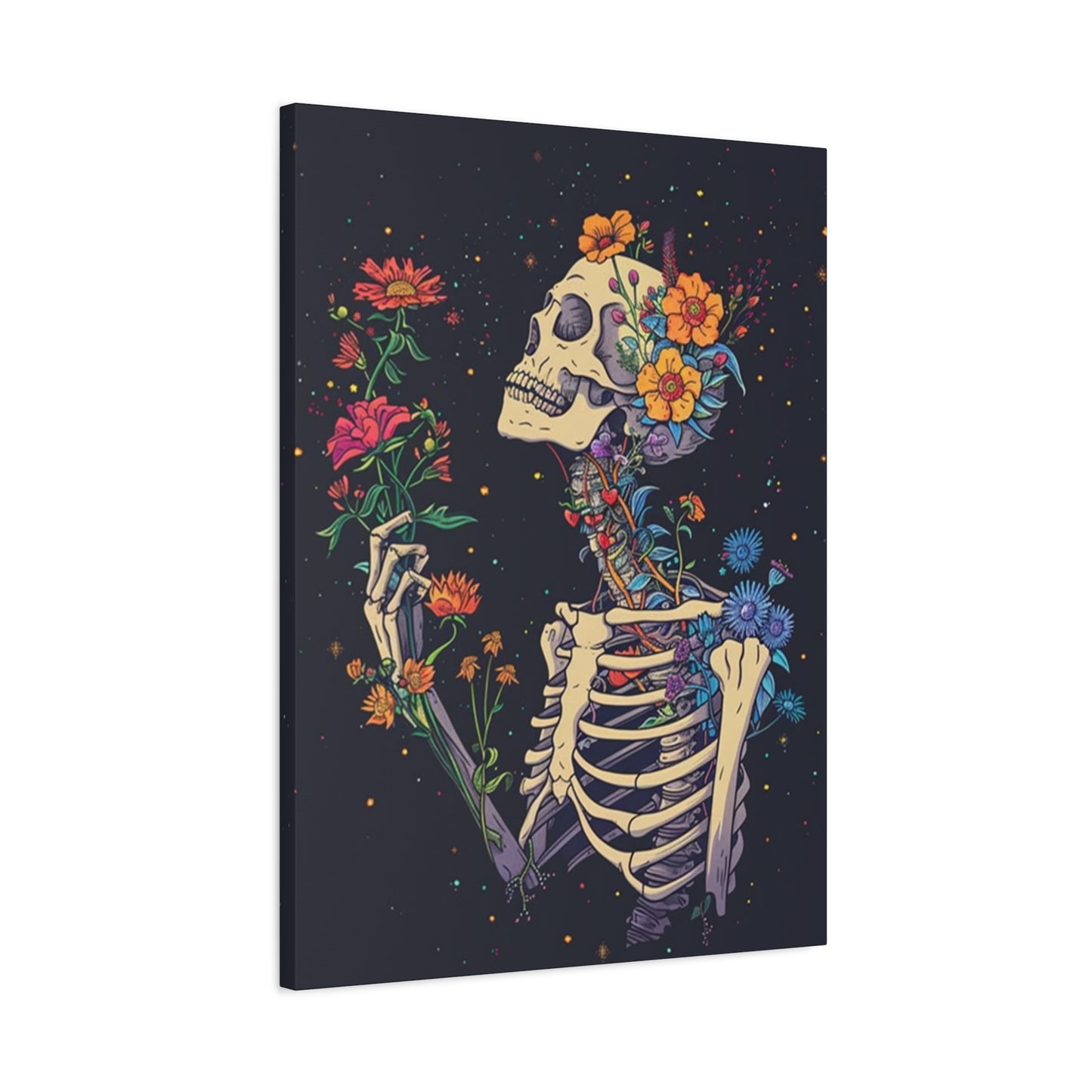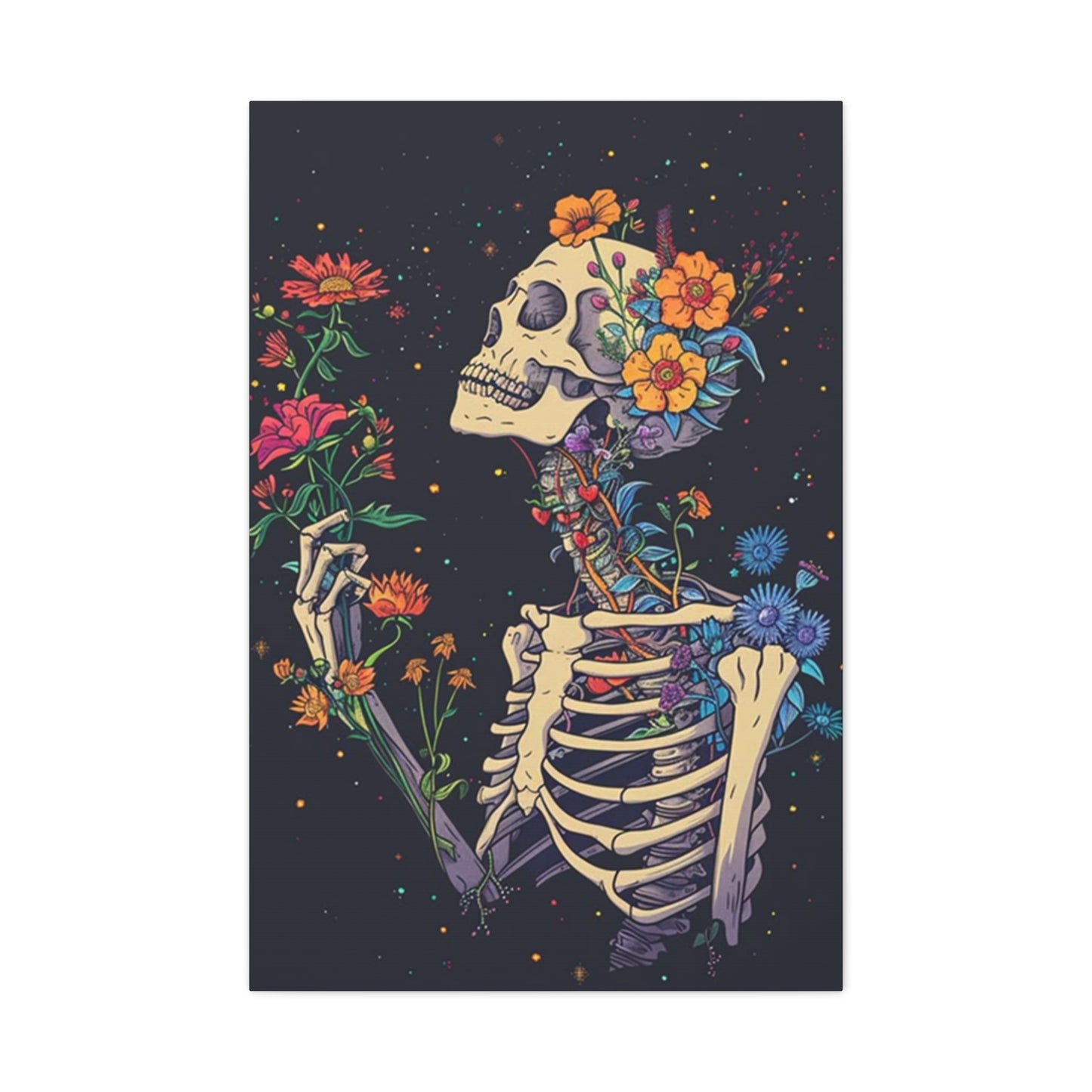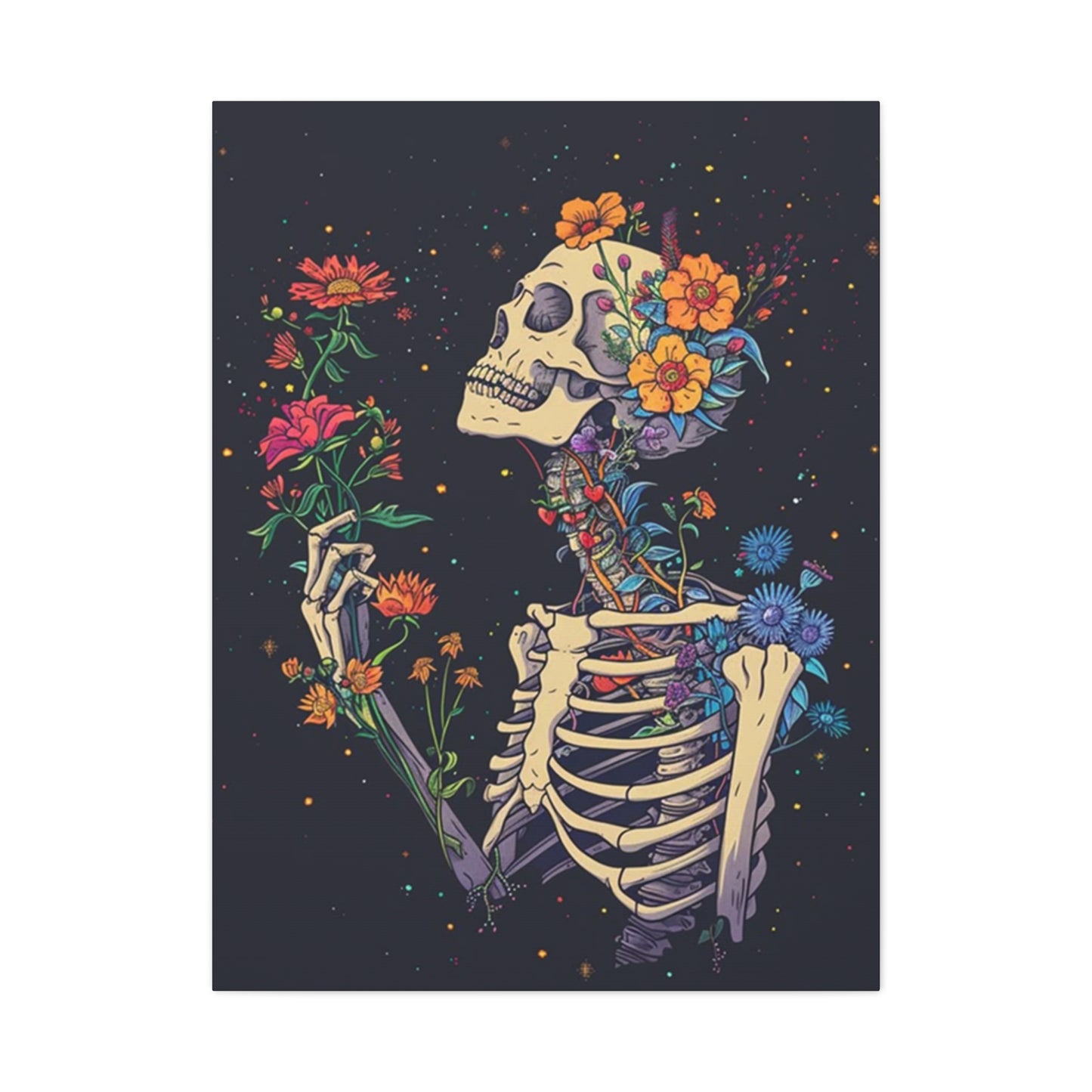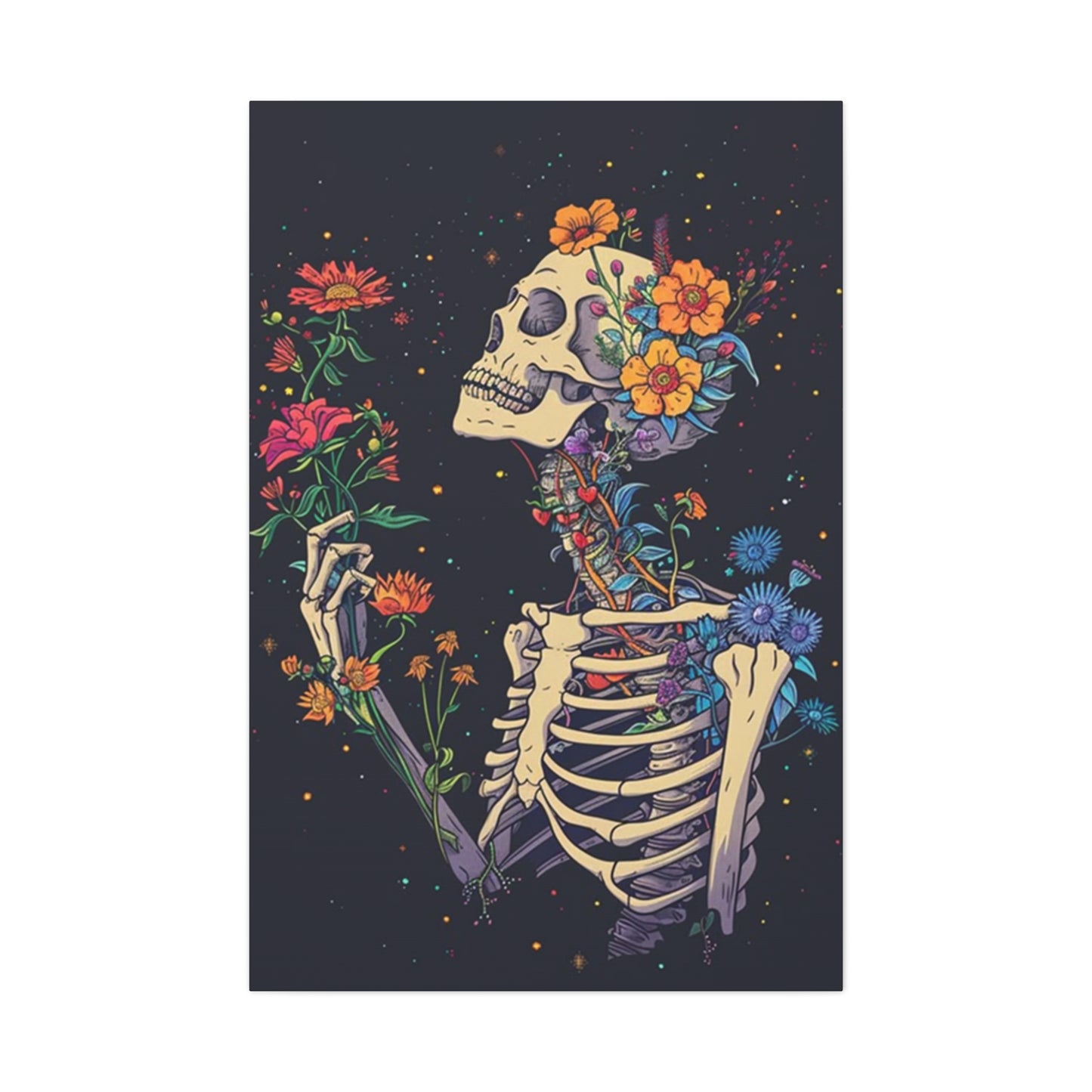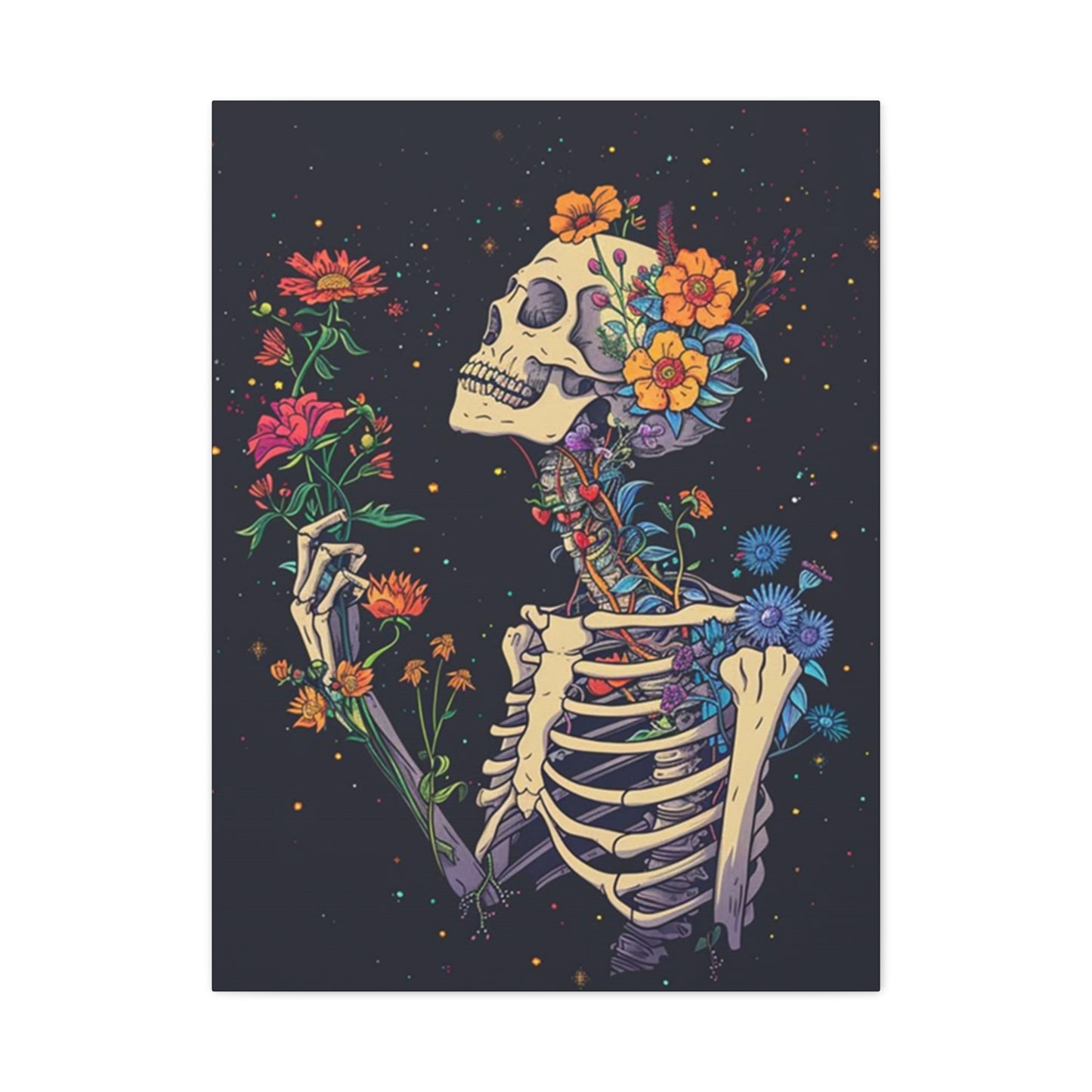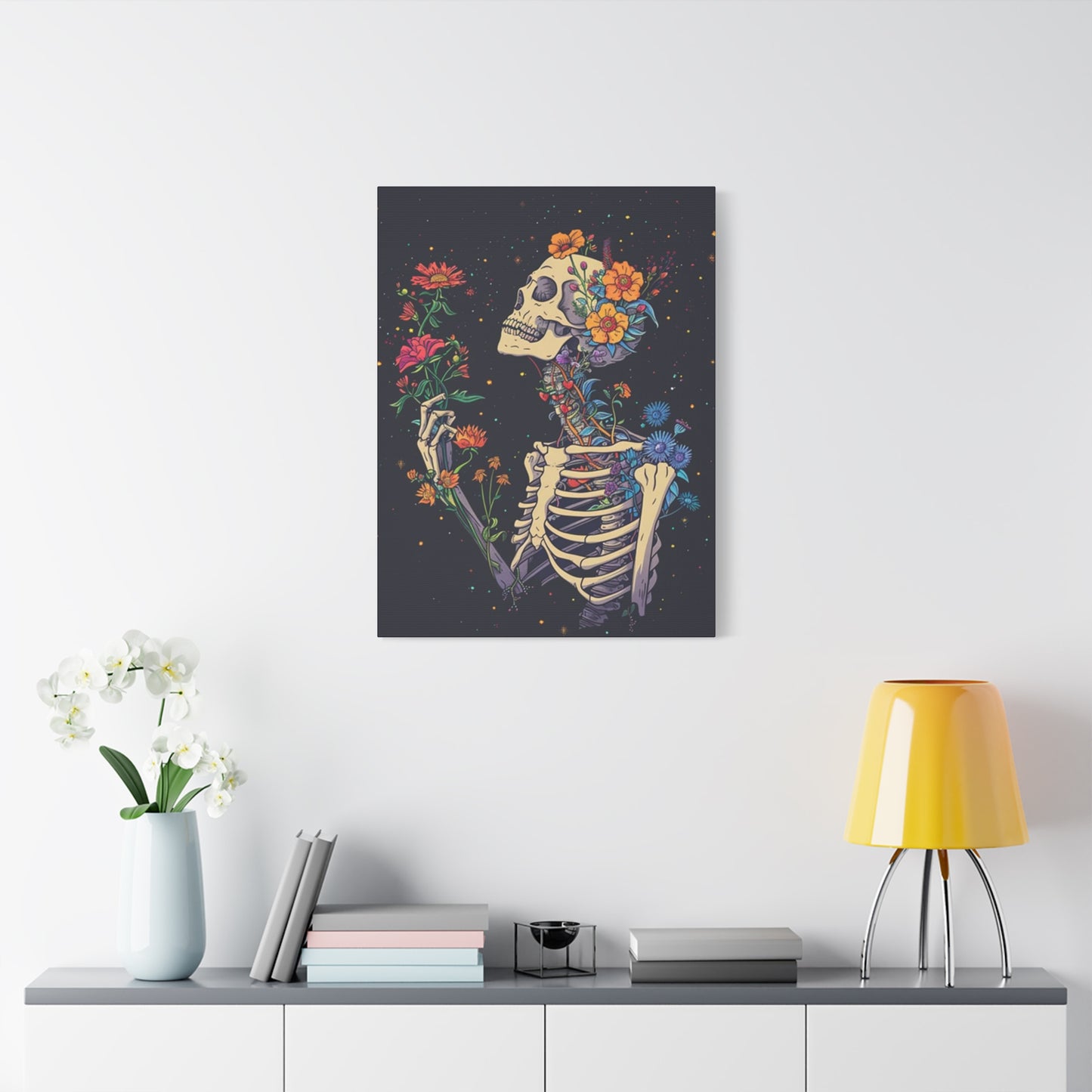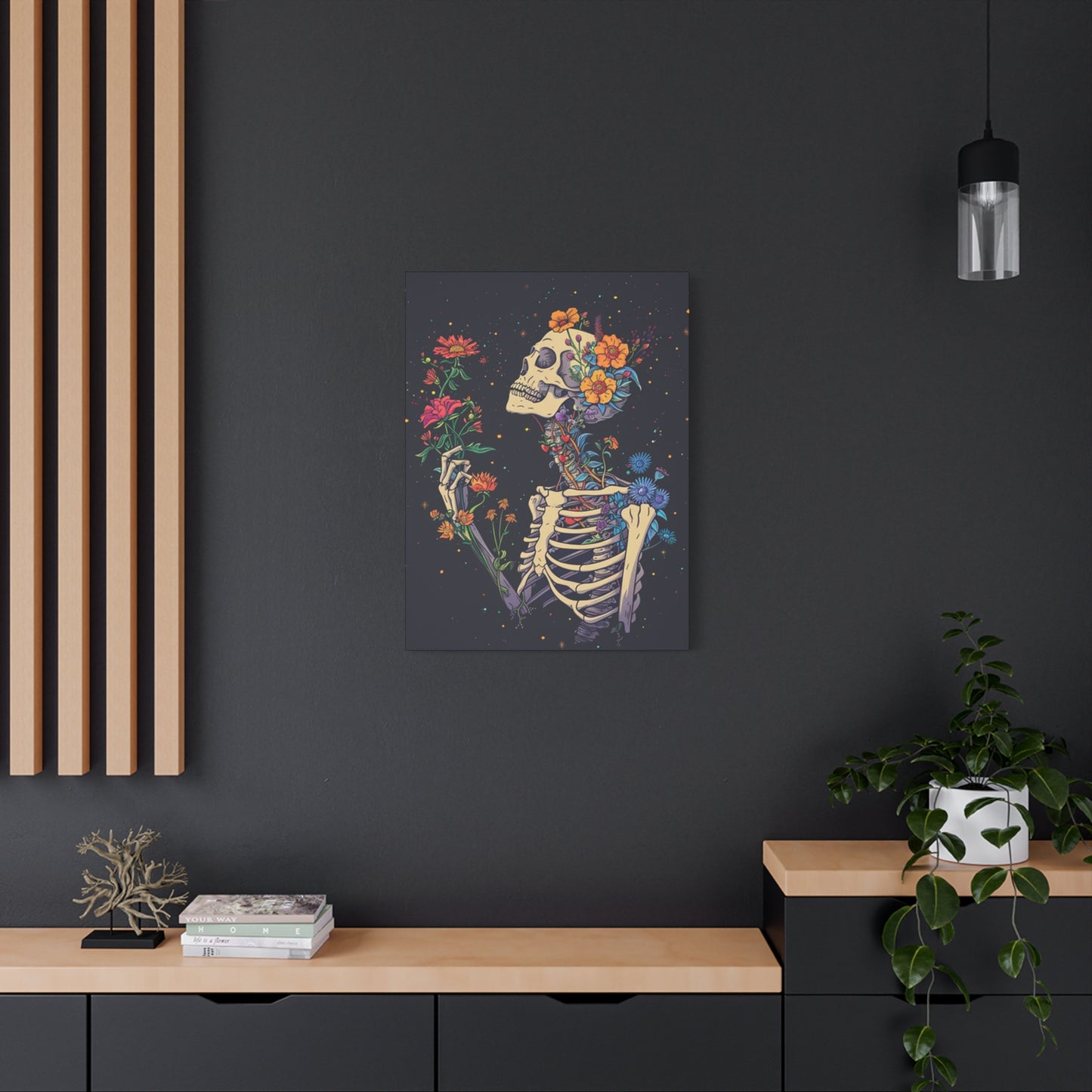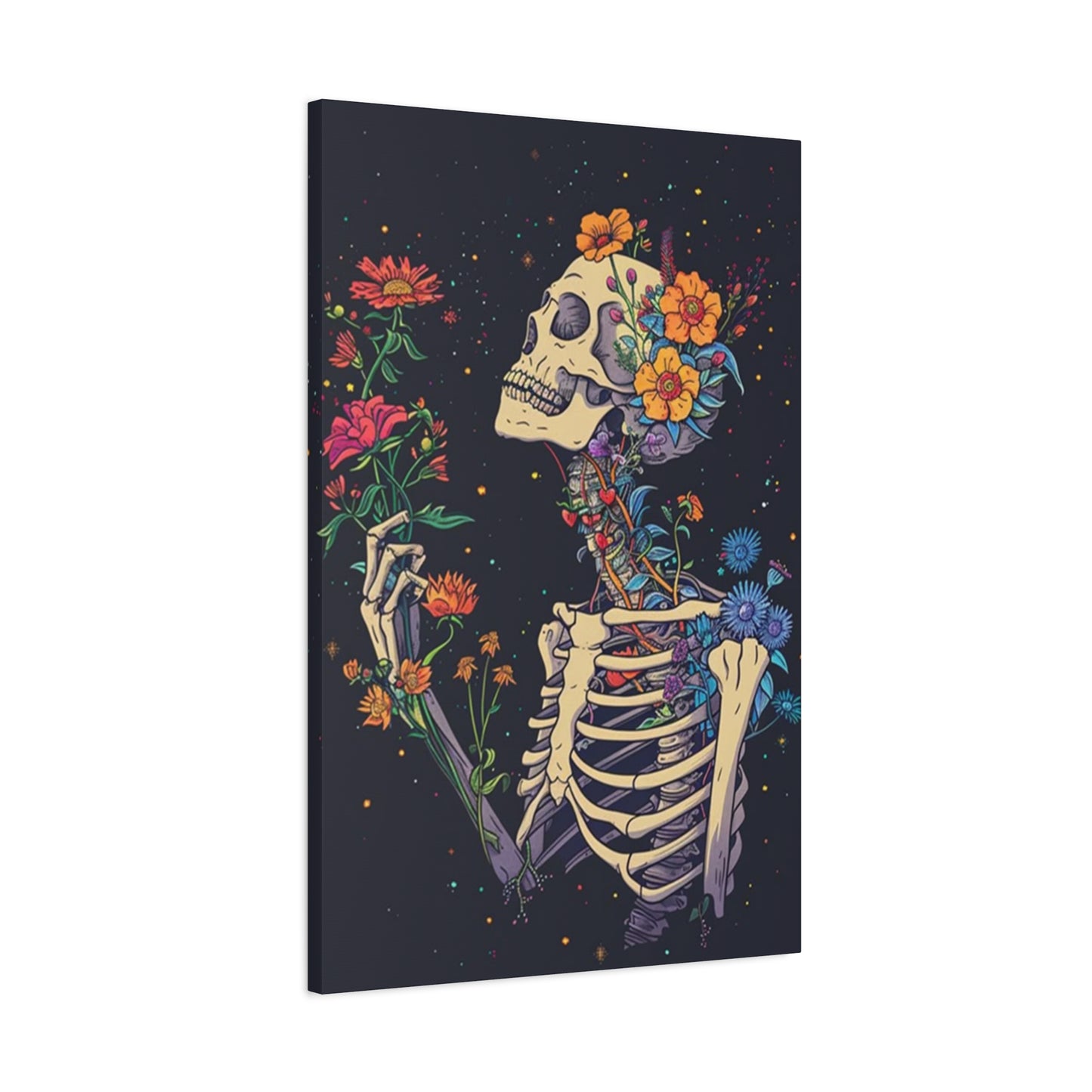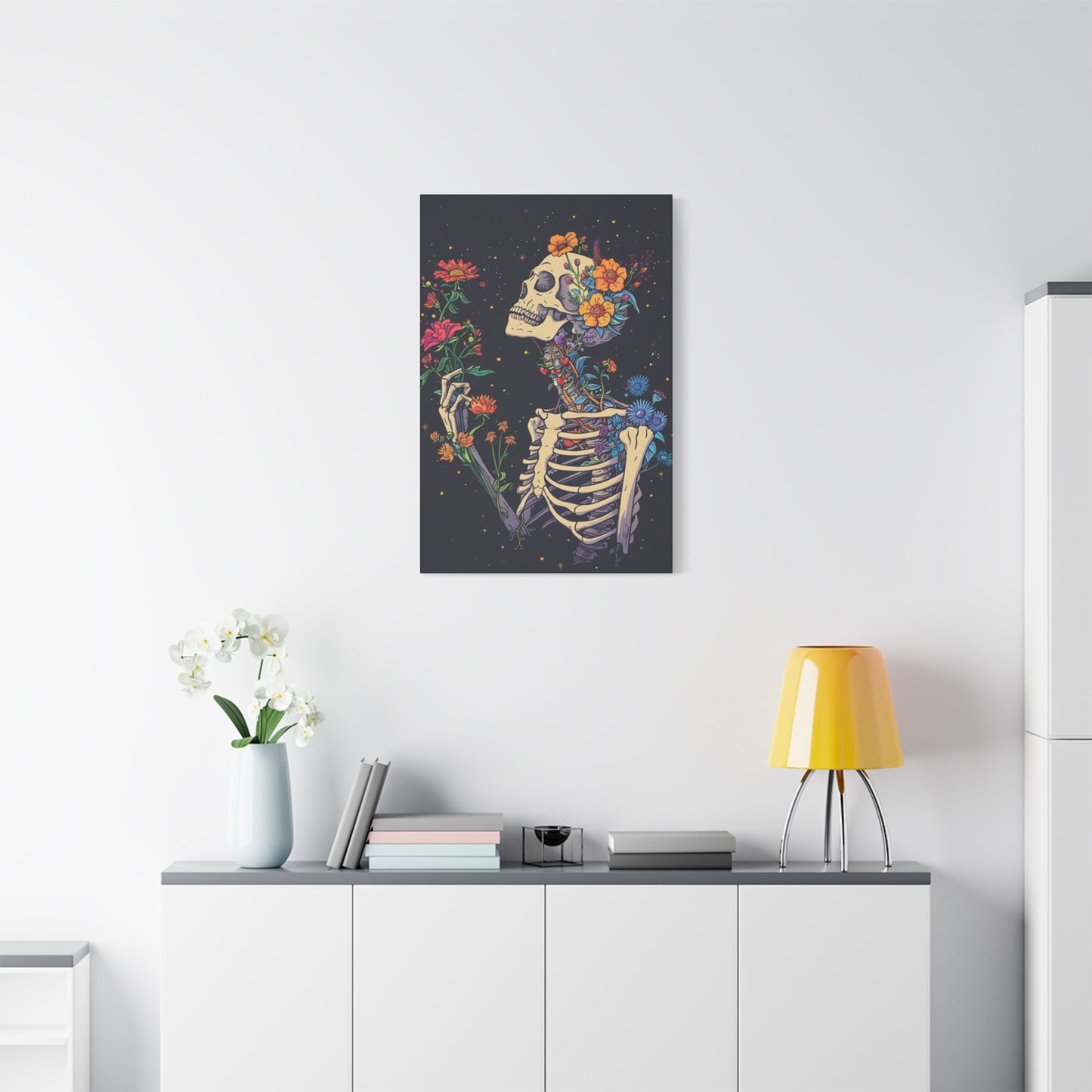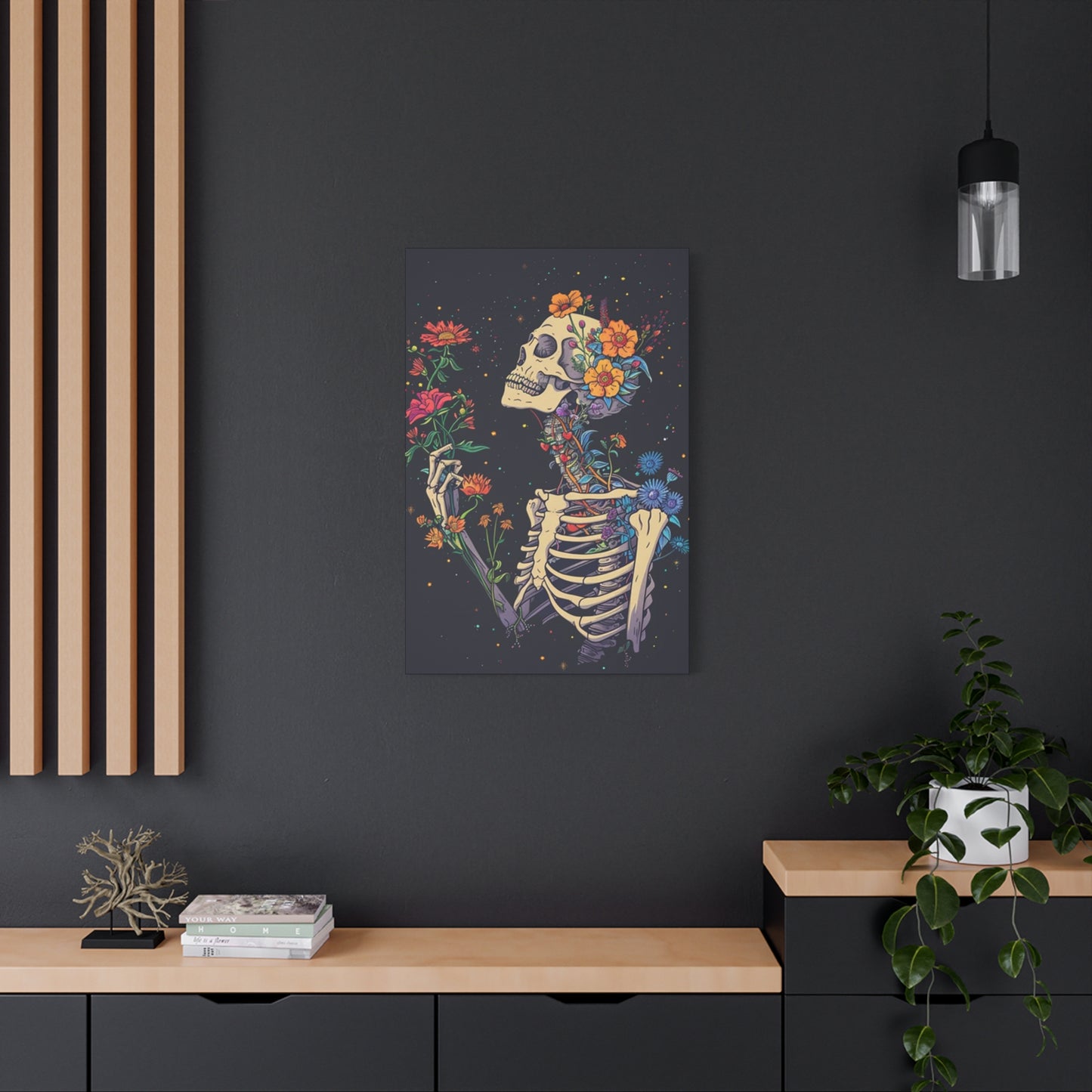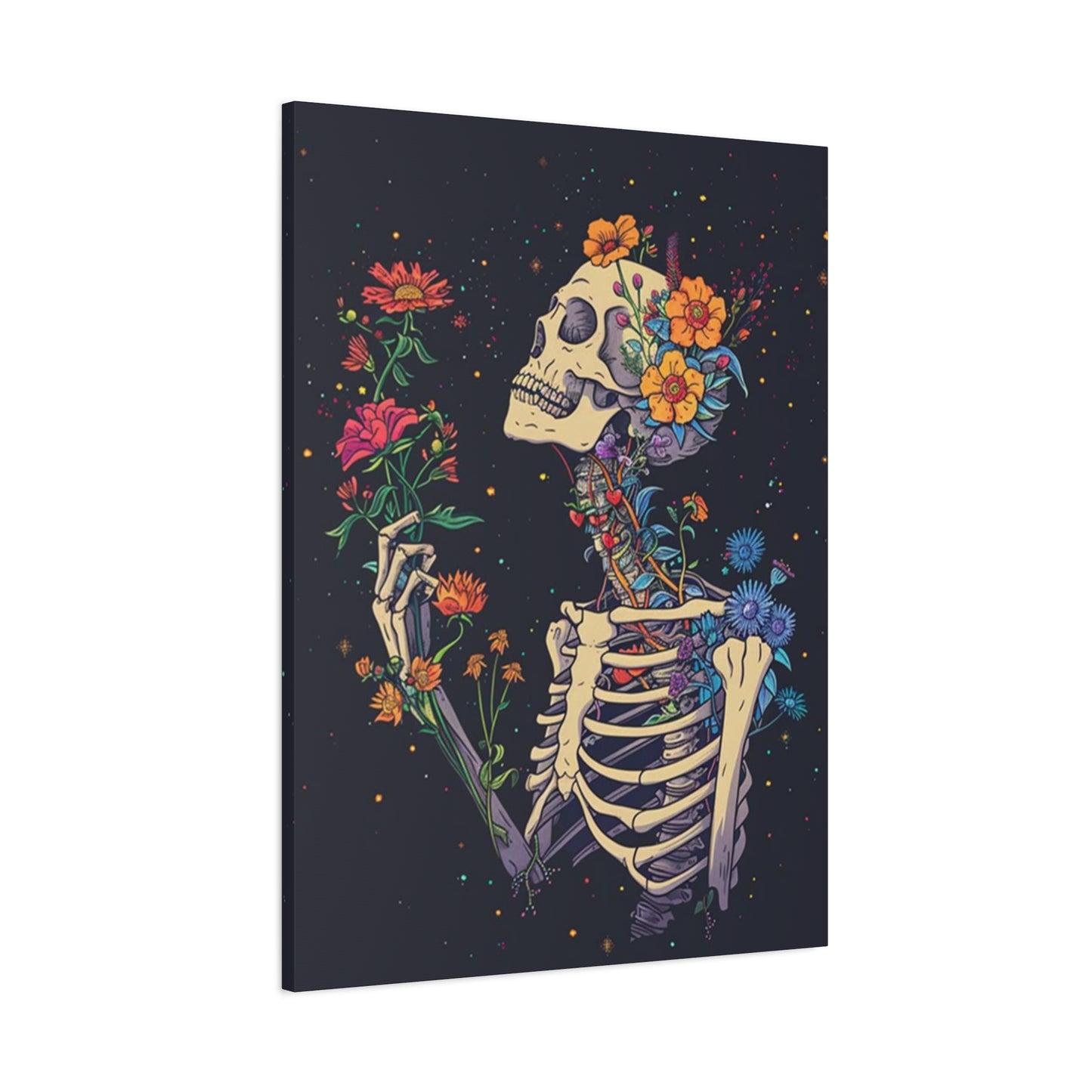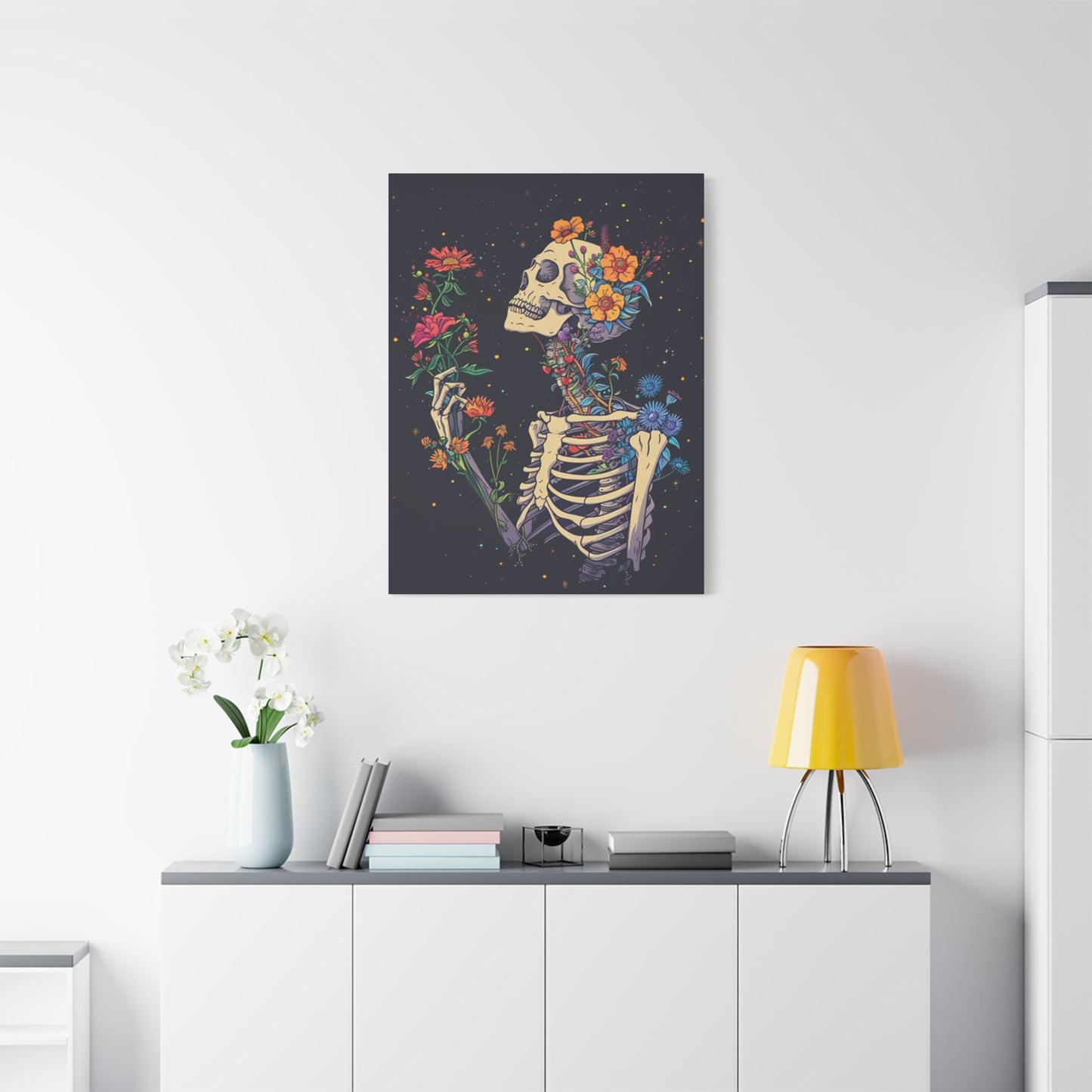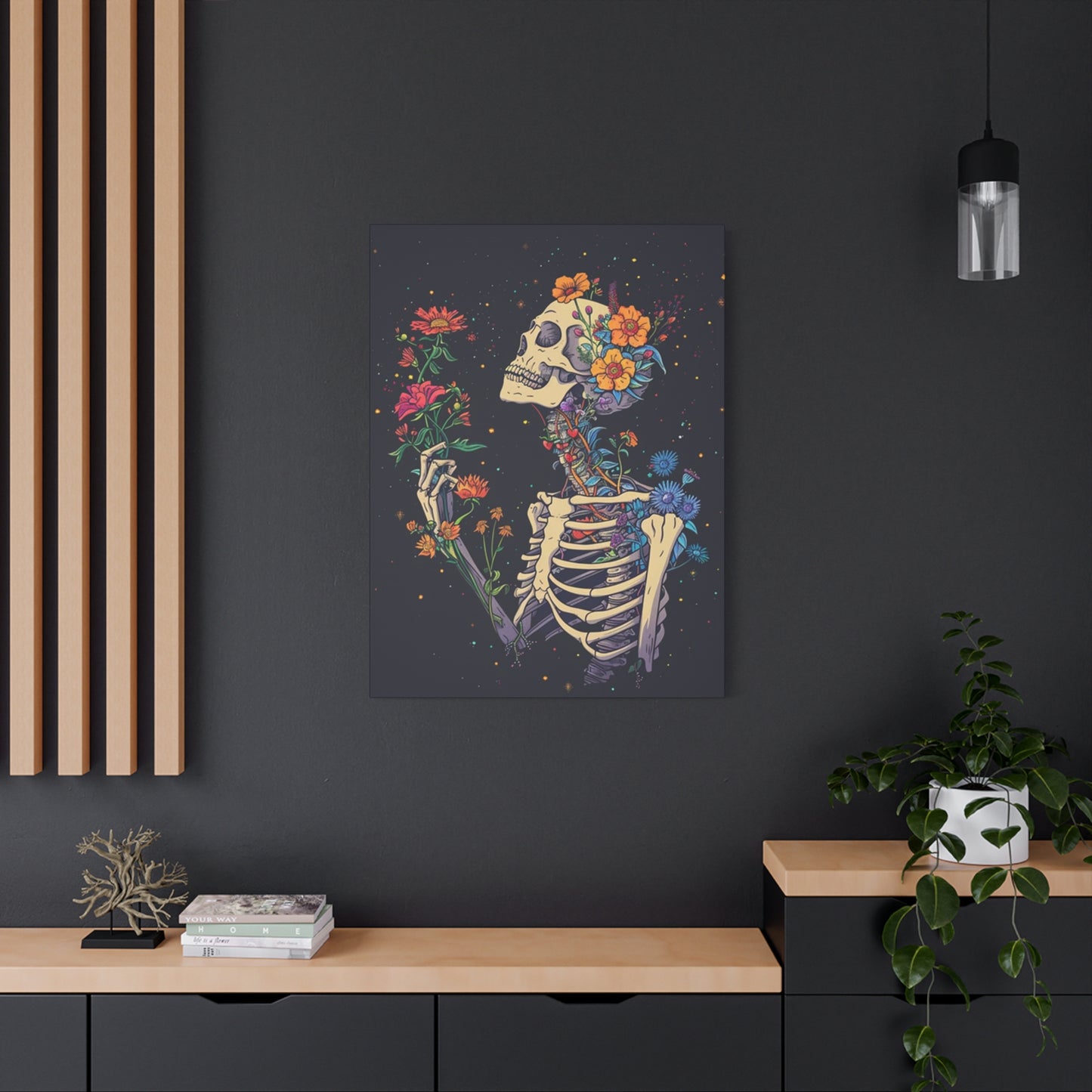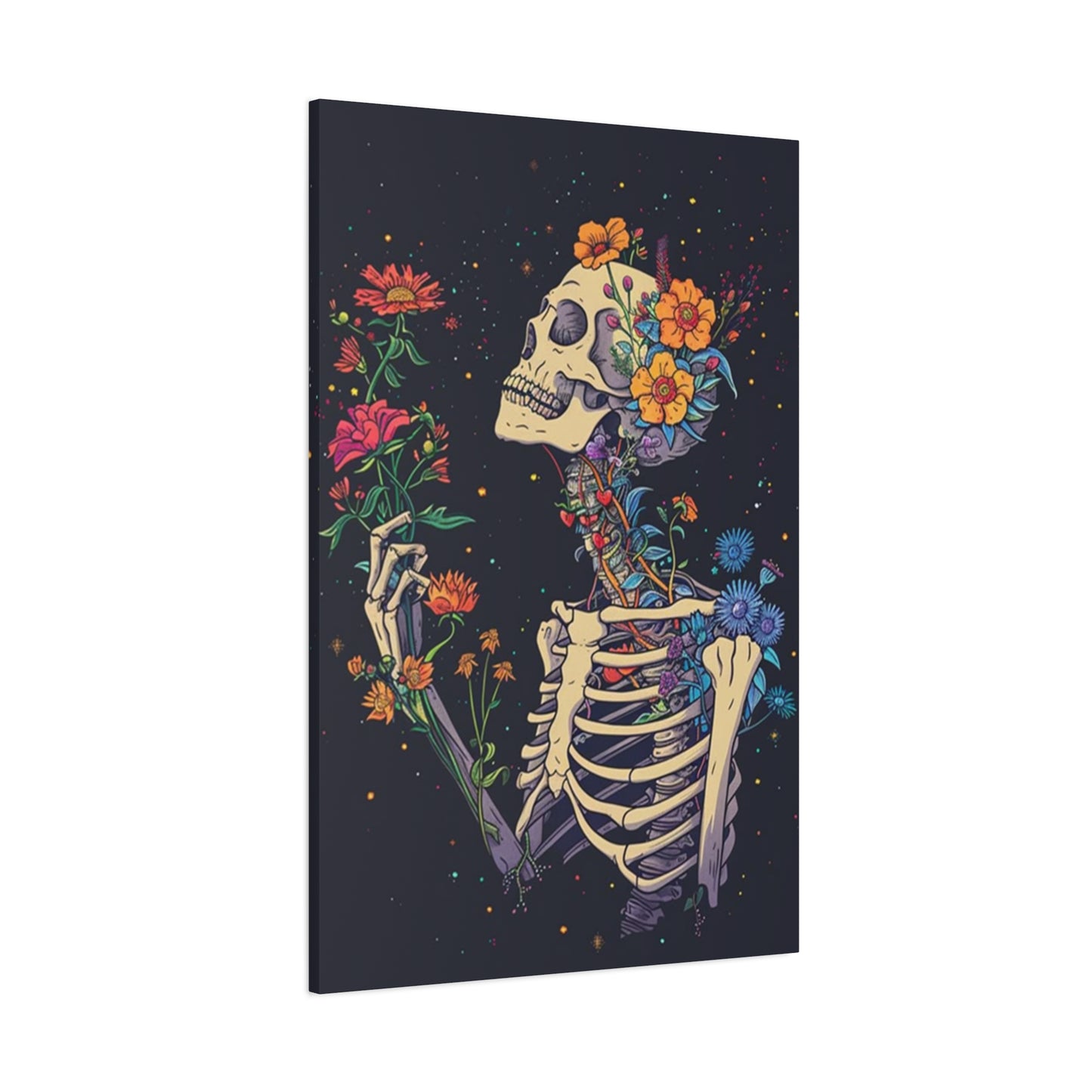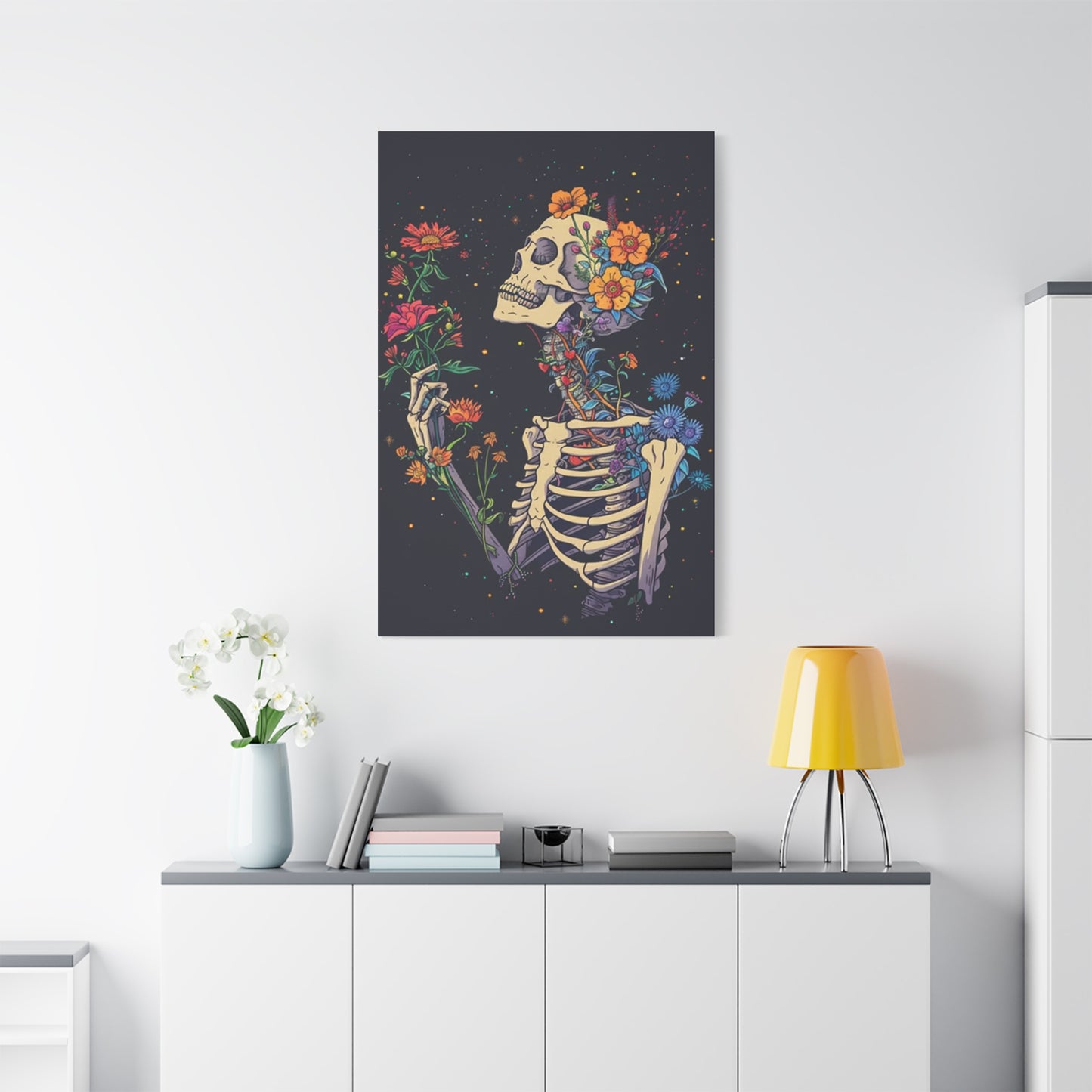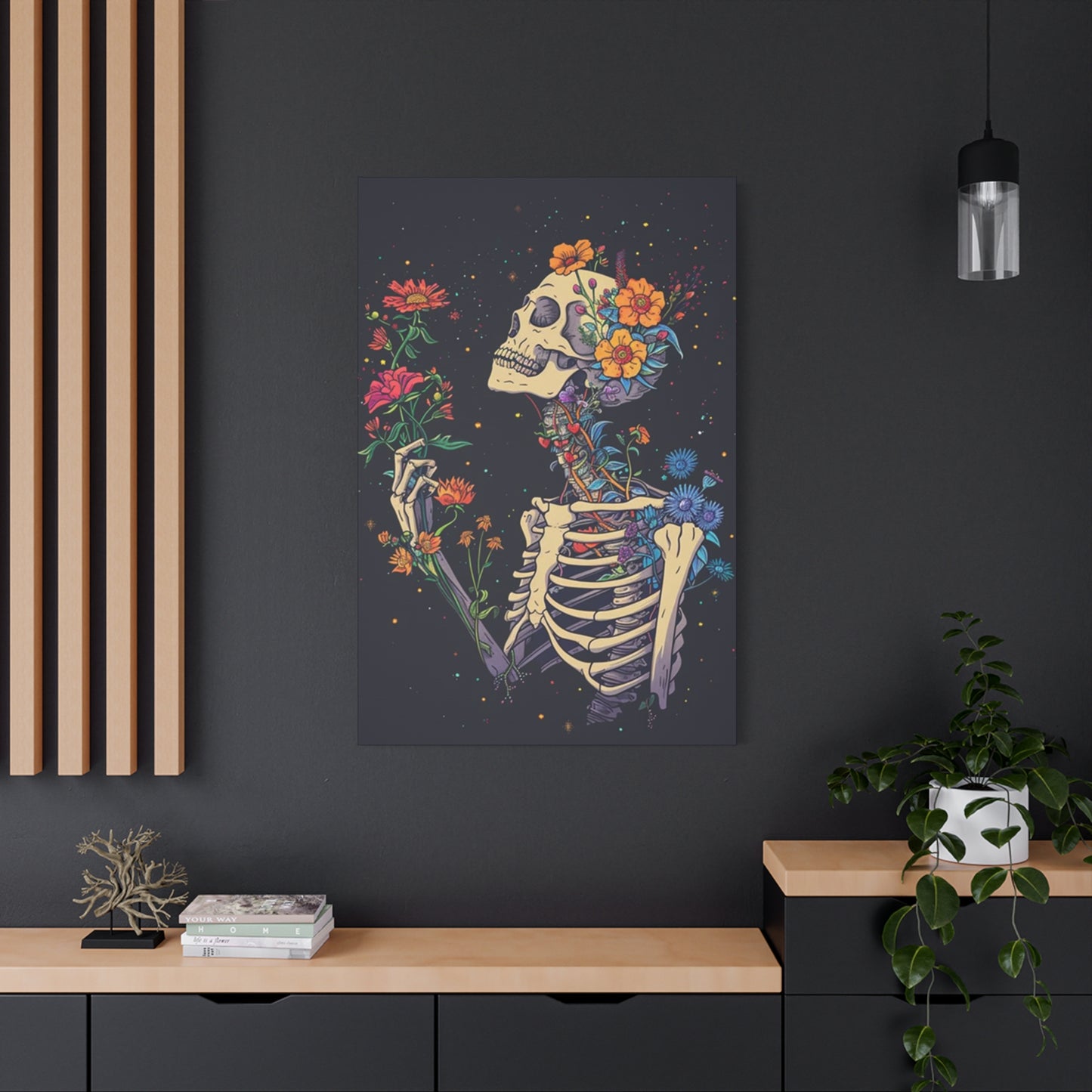


Flower On Skeleton Wall Art & Canvas Prints
Flower On Skeleton Wall Art & Canvas Prints
Couldn't load pickup availability
Captivating Floral Imagery Combined With Human Anatomy: The Rising Trend of Flower On Skeleton Wall Art in Contemporary Home Decor
The intersection of botanical beauty and anatomical precision has created a fascinating aesthetic movement that continues to captivate homeowners, interior designers, and art enthusiasts worldwide. This unique decorative style combines the delicate, vibrant nature of blooming flora with the stark, architectural framework of human skeletal structures, resulting in pieces that provoke thought while simultaneously beautifying living spaces.
Exploring the Symbolic Depth Behind Botanical Skeletal Imagery in Modern Interior Design
The marriage of flowers and skeletal forms represents far more than a mere visual contrast. This artistic combination carries profound symbolic weight that resonates across cultures and philosophical traditions. The skeleton, traditionally associated with mortality and the ephemeral nature of existence, stands in deliberate juxtaposition to blossoms, which symbolize renewal, vitality, and the cyclical patterns of life itself.
This paradoxical pairing creates a visual dialogue about the transient nature of existence while celebrating beauty in unexpected places. The skeletal framework provides structure and permanence, while flowering elements introduce color, softness, and the promise of regeneration. Together, they form a harmonious representation of life's dualities—death and rebirth, fragility and endurance, darkness and light.
Throughout various cultural contexts, this imagery has been interpreted differently. In Mexican traditions, particularly those surrounding Día de los Muertos, the combination of bones and blooms represents a celebration of life beyond death, a joyful remembrance rather than a somber reflection. Meanwhile, in Victorian mourning practices, flowers placed upon graves and memorial art served as symbols of continuing love and the soul's eternal nature.
Contemporary interpretations often lean toward a more philosophical or aesthetic appreciation, viewing the combination as a statement about embracing all aspects of existence. The increasing popularity of flower on skeleton wall art reflects a broader cultural shift toward accepting mortality as an integral part of the human experience while finding beauty in that acceptance.
Diverse Stylistic Approaches to Floral Skeletal Artwork for Various Living Spaces
The versatility of this artistic theme allows for countless interpretations, each suitable for different interior design schemes and personal preferences. From minimalist line drawings to richly detailed botanical illustrations interwoven with anatomical precision, the range of available styles ensures that every homeowner can find pieces that resonate with their aesthetic sensibilities.
Watercolor renditions offer a softer, more romantic interpretation of the theme. These pieces typically feature delicate washes of color where roses, peonies, or wildflowers seem to grow organically from skeletal structures. The translucent quality of watercolor creates an ethereal effect, making these pieces particularly suitable for bedrooms, meditation spaces, or areas where a calming atmosphere is desired.
Bold graphic designs present a more contemporary take on the concept. Utilizing strong lines, limited color palettes, and geometric precision, these pieces appeal to those who prefer modern, minimalist interiors. Black and white compositions with strategic pops of color create striking focal points in living rooms, home offices, or gallery walls.
Vintage botanical illustration styles merged with anatomical drawings evoke a sense of scientific curiosity and Victorian-era natural history. These pieces often feature Latin nomenclature, aged paper textures, and the detailed cross-hatching typical of engraving techniques. They work exceptionally well in libraries, study rooms, or spaces decorated with antique furnishings and scholarly accents.
Abstract interpretations take creative liberties with both floral and skeletal forms, creating dreamlike compositions where realistic representation gives way to imaginative expression. These pieces might feature skulls composed entirely of flower petals, rib cages serving as trellises for climbing vines, or spinal columns transforming into stems. Such artwork suits eclectic interiors and spaces where conversation-starting pieces are welcomed.
Material Considerations When Selecting Skeletal Floral Decorative Pieces for Your Home
The physical medium and materials used in creating these artworks significantly impact their appearance, longevity, and suitability for various environments. Canvas prints remain among the most popular choices, offering texture and depth that mimics traditional painting while remaining affordable and accessible. Gallery-wrapped canvas eliminates the need for framing and creates a contemporary, finished appearance suitable for modern interiors.
Metal prints provide exceptional durability and a distinctive luminous quality. The process of infusing dyes directly into specially coated aluminum creates vibrant colors with remarkable depth. These pieces resist fading, moisture, and physical damage, making them ideal for high-traffic areas, bathrooms, or spaces with challenging environmental conditions. The sleek, modern appearance of metal prints complements industrial, contemporary, and minimalist design schemes.
Traditional framed prints under glass offer protection and a classic presentation that works well in traditional or transitional interiors. The choice of frame material, color, and style dramatically affects the overall impact of the piece. Ornate gilded frames can elevate a simple print into a statement piece suitable for formal dining rooms or entryways, while simple black or natural wood frames maintain focus on the artwork itself.
Wooden panels and reclaimed wood substrates add rustic charm and tactile interest. Artwork printed or painted directly onto wood grain incorporates the natural variations and imperfections of the material into the composition. This approach particularly suits farmhouse, cottage, or bohemian interior styles, where organic textures and natural materials are emphasized.
Acrylic prints create a contemporary, high-end appearance through face-mounting, where the image is printed on the reverse side of clear acrylic. This creates exceptional depth and vibrancy while protecting the print from environmental damage. The glossy, dimensional quality of acrylic suits modern, upscale interiors and spaces where artwork serves as a focal point.
Strategic Placement Recommendations for Maximizing Visual Impact Throughout Your Residence
The location where you display flower on skeleton wall art significantly influences both its aesthetic impact and the atmosphere it creates within a room. Thoughtful placement considers factors including lighting conditions, viewing angles, surrounding decor elements, and the functional purpose of each space.
Living room installations benefit from creating a gallery wall arrangement that combines multiple pieces of varying sizes. This approach allows for thematic exploration while adding visual interest through dimensional variation. Positioning larger pieces at eye level ensures they serve as natural focal points, while smaller complementary works fill surrounding space. Consider balancing the visual weight by placing larger, darker pieces lower and to the sides, with lighter, more delicate works elevated.
Bedroom environments call for more subtle, calming compositions. Placing artwork above the headboard creates a natural focal point without overwhelming the restful atmosphere essential to sleeping spaces. Opt for pieces with softer color palettes—muted roses, lavender, or sage tones—rather than vibrant, energizing hues. Symmetrical arrangements of matching or complementary pieces on either side of the bed create a sense of balance and harmony.
Dining areas provide excellent opportunities for conversation-starting artwork. A large statement piece positioned on the wall facing the head of the table ensures visibility to all seated guests. The thematic combination of mortality and vitality naturally provokes interesting discussions, making these pieces particularly suitable for spaces dedicated to gathering and social interaction.
Home offices and creative workspaces benefit from inspirational imagery that stimulates thought and creativity. Skeletal floral artwork serves as a reminder of life's precious, fleeting nature, potentially inspiring productivity and purposeful work. Positioning such pieces within the line of sight when looking up from computer screens provides visual breaks that reduce eye strain while offering moments for reflection.
Bathroom spaces, often overlooked in decorating schemes, can accommodate smaller pieces that add personality to utilitarian environments. The contrast of delicate botanical elements against clinical white fixtures creates an unexpected aesthetic tension. Ensure any artwork placed in bathrooms utilizes moisture-resistant materials and protective finishes to withstand humid conditions.
Hallways and transitional spaces present opportunities for creating narrative sequences through multiple related pieces. A series of prints showing different flowers integrated with various skeletal elements can be arranged in progression, creating visual interest in spaces typically reserved for functional passage rather than aesthetic contemplation.
Color Palette Selection to Harmonize Skeletal Floral Artwork With Existing Interior Design Schemes
The chromatic choices within skeletal floral compositions dramatically influence their emotional resonance and compatibility with surrounding decor. Understanding color theory and its practical implications helps ensure that new artwork enhances rather than conflicts with established design schemes.
Monochromatic compositions utilizing black, white, and grayscale tones offer maximum versatility. These pieces complement virtually any color scheme while making strong visual statements through contrast and form rather than hue. The stark simplicity of black skeletal structures against white backgrounds creates dramatic impact suitable for minimalist, Scandinavian, or contemporary interiors. Conversely, white or cream skeletal forms against dark backgrounds generate a softer, more mysterious atmosphere.
Warm color palettes featuring reds, oranges, yellows, and warm pinks create energizing, passionate environments. Roses, poppies, marigolds, and dahlias in these hues bring vitality and warmth to spaces. When combined with skeletal elements, these colors create fascinating tension between the vibrancy of life and the stillness of death. Such pieces work well in social spaces like living rooms, dining areas, or entryways where energetic, welcoming atmospheres are desired.
Cool color schemes incorporating blues, purples, and cool pinks establish calming, contemplative moods. Lavender, delphinium, hydrangea, and violet imagery promotes tranquility and introspection. These cooler tones naturally complement the contemplative nature of skeletal imagery, creating cohesive emotional experiences. Bedrooms, meditation spaces, and reading nooks benefit particularly from these soothing chromatic choices.
Earth tone palettes featuring browns, tans, ochres, and muted greens ground spaces with natural, organic energy. Sunflowers, dried botanicals, wheat, and autumn foliage combined with skeletal forms evoke harvest themes and seasonal cycles. These colors integrate seamlessly with rustic, farmhouse, or bohemian design schemes where natural materials and organic textures predominate.
Jewel tone selections—deep emeralds, sapphires, rubies, and amethysts—add richness and luxury. These saturated hues create dramatic, sophisticated statements particularly effective in formal spaces or rooms where opulence is desired. The intensity of jewel tones provides sufficient visual weight to balance the dramatic nature of skeletal imagery without being overwhelmed by it.
Pastel palettes offer gentler interpretations suitable for spaces requiring softer, more nurturing atmospheres. Pale pinks, mint greens, baby blues, and lavenders create romantic, dreamy environments. When applied to skeletal floral compositions, pastels temper the potentially stark nature of anatomical imagery, making such pieces appropriate even for nurseries or children's rooms when presented thoughtfully.
Complementary Decorative Elements to Create Cohesive Themed Environments Around Skeletal Floral Centerpieces
Creating harmonious interior spaces involves more than selecting individual pieces; it requires thoughtful coordination of multiple elements that reinforce and complement each other. When flower on skeleton wall art serves as a focal point, surrounding decor should enhance its thematic and aesthetic qualities.
Textile choices significantly impact overall ambiance. Throw pillows featuring complementary botanical prints—whether realistic flora, stylized blossoms, or abstract floral patterns—create thematic continuity. Consider incorporating pillows with anatomical heart prints, vintage botanical chart designs, or geometric patterns that echo shapes found within the artwork. Velvet fabrics add luxury and depth, linen provides casual elegance, and cotton offers versatile comfort.
Living plants and floral arrangements bridge the gap between artistic representation and natural reality. Fresh flowers displayed in interesting vessels—vintage medicine bottles, laboratory beakers, or weathered terra cotta pots—reinforce the botanical theme while adding life and fragrance. Dried flower arrangements, particularly those featuring preserved roses, lavender, or eucalyptus, offer longevity while maintaining aesthetic cohesion.
Sculptural elements provide three-dimensional interest that complements two-dimensional artwork. Small decorative skulls in materials ranging from crystal and ceramic to carved wood or metal create thematic continuity without redundancy. These need not be macabre; many contemporary interpretations are whimsical, artistic, or even elegant. Botanical sculptures, whether realistic or stylized, add another layer of thematic reinforcement.
Lighting fixtures contribute significantly to atmospheric effects. Edison bulb pendants, wrought iron chandeliers, or vintage medical lamps can reinforce the aesthetic depending on the specific style of your skeletal floral artwork. Warm-toned lighting enhances the cozy, contemplative aspects of these pieces, while cooler lighting emphasizes their stark, dramatic qualities.
Furniture selections should complement rather than compete with statement artwork. For pieces featuring ornate, detailed imagery, simpler furniture forms prevent visual chaos. Conversely, when artwork is minimalist, furniture with more decorative elements maintains visual interest throughout the space. Consider how furniture lines and curves either echo or contrast with forms within the artwork—repetition creates harmony while contrast generates dynamic tension.
Accessory objects scattered throughout the room can subtly reinforce themes without overwhelming them. Vintage books on botany or anatomy, antique apothecary jars, botanical pressed specimens under glass, or Victorian-style terrariums all contribute to a cohesive narrative. The key is restraint; too many themed elements create novelty rooms rather than sophisticated spaces that incorporate meaningful artistic statements.
Flooring and area rugs ground spaces literally and figuratively. For rooms featuring skeletal floral artwork, consider rugs that either complement color palettes or provide neutral grounding that allows wall art to dominate visually. Botanical patterns in rugs can reinforce floral themes, while geometric designs offer structured contrast to organic forms. Natural fiber rugs like jute or sisal add texture while maintaining neutral palettes.
Sourcing Authentic and Ethically Produced Skeletal Floral Artwork From Reputable Creators
The proliferation of mass-produced decor has made finding genuinely unique, well-crafted pieces increasingly challenging yet increasingly important for those seeking to create distinctive living spaces. When searching for flower on skeleton wall art, several avenues offer access to quality work while supporting artists and craftspeople.
Independent artists selling through online platforms offer the most direct connection between creator and collector. These artists often provide customization options, allowing for size adjustments, color modifications, or even commissioned pieces tailored specifically to your space and preferences. Purchasing directly from artists ensures they receive fair compensation for their creativity and labor, fostering continued artistic production.
Local art markets, galleries, and craft fairs provide opportunities to examine works in person before purchasing, allowing assessment of material quality, color accuracy, and craftsmanship. These venues also facilitate conversations with creators, offering insights into their inspirations, processes, and the stories behind specific pieces. Building relationships with local artists can lead to ongoing collaborations and sources for future acquisitions.
Print-on-demand services offer convenience and variety, though quality varies significantly between providers. When utilizing these services, research production methods, material quality, and customer reviews thoroughly. Higher-quality services use archival inks, premium substrates, and proper color calibration to ensure longevity and accuracy. Be aware that many print-on-demand platforms host designs from multiple sources with varying copyright adherence; supporting platforms that verify artist rights protects both creators and consumers.
Antique shops and vintage markets occasionally yield genuine historical pieces combining floral and anatomical imagery, particularly Victorian-era anatomical charts, botanical illustrations, or memorial art. These authentic vintage items carry historical significance and unique character that reproductions cannot replicate. However, they require careful condition assessment and often benefit from professional restoration and proper preservation framing.
Art reproduction companies specializing in museum-quality prints offer access to works by established artists at more accessible price points than original pieces. Reputable companies maintain proper licensing agreements with artists or estates, ensuring legal and ethical reproduction. These prints typically use superior materials and production methods that preserve artwork for decades when properly cared for.
Commission work from independent artists provides the ultimate in personalization. Working directly with an artist to create custom flower on skeleton wall art ensures a piece perfectly suited to your space, preferences, and existing decor. This process typically involves consultations about desired elements, size specifications, color preferences, and stylistic approaches. While more expensive and time-consuming than purchasing existing works, commissioned pieces offer unparalleled uniqueness and emotional connection.
Practical Methods for Properly Displaying and Preserving Skeletal Floral Artwork for Lasting Enjoyment
Once you've acquired meaningful pieces, proper display and preservation ensure they remain beautiful and intact for years or even generations. Different materials and formats require specific care considerations to maintain their appearance and structural integrity.
Hanging hardware selection significantly impacts both safety and appearance. For lighter pieces under five pounds, picture hanging strips or standard picture hooks suffice. Medium-weight pieces between five and fifteen pounds require wall anchors or hanging directly into wall studs. Heavier pieces exceeding fifteen pounds mandate heavy-duty hangers rated for specific weights, ideally secured into studs or using robust wall anchors appropriate for your wall type—drywall requires different hardware than plaster or masonry.
Positioning relative to direct sunlight dramatically affects longevity, particularly for prints, photographs, and painted works. Ultraviolet radiation causes fading, discoloration, and material degradation over time. Whenever possible, position artwork away from direct sunlight. When this isn't feasible, UV-protective glass or acrylic glazing, window treatments that filter UV rays, or rotating pieces seasonally can minimize damage. Even indirect daylight causes cumulative damage, so pieces of particular value or sentimental importance merit the most protected positions.
Environmental conditions within homes affect artwork condition. Extreme temperature fluctuations, high humidity, or excessively dry conditions all pose risks. Maintain relative humidity between forty and sixty percent when possible, as lower humidity causes materials to become brittle while higher levels promote mold growth. Avoid hanging artwork above heat sources like radiators or fireplaces, near air conditioning vents that create temperature fluctuations, or in bathrooms without proper ventilation.
Cleaning and dusting require appropriate methods for different materials. Canvas prints tolerate gentle dusting with soft, dry microfiber cloths or feather dusters. Avoid liquid cleaners unless specifically designed for canvas, as moisture can damage printed surfaces or canvas fibers. Framed pieces under glass benefit from glass cleaning products applied to cloths rather than directly to glass to prevent moisture seeping behind glazing. Metal prints can be cleaned with slightly damp microfiber cloths, while acrylic prints require special acrylic cleaners to avoid scratching.
Framing choices impact both aesthetic appeal and preservation. Acid-free matting prevents chemical reactions that cause discoloration and deterioration of paper-based artwork. Museum glass or conservation-grade acrylic provides superior UV protection compared to standard glass. Proper spacing between artwork and glazing prevents condensation damage and allows air circulation. Professional framers can assess specific pieces and recommend appropriate preservation framing techniques.
Periodic inspection helps identify developing issues before they become serious problems. Check for signs of fading, particularly in colored areas; discoloration from environmental factors or material aging; moisture damage evidenced by buckling, warping, or mold growth; physical damage like tears, scratches, or frame separation; and pest activity such as insects that consume paper or wood. Addressing problems promptly prevents minor issues from escalating into irreparable damage.
Storage of artwork not currently displayed requires careful attention. Wrap pieces in acid-free tissue paper or glassine rather than regular paper or plastic, which can trap moisture or cause chemical reactions. Store flat rather than rolled when possible to prevent creasing. Maintain stable temperature and humidity in storage areas. Keep artwork elevated off floors to protect against flooding or moisture migration. Never store pieces in attics, basements, or garages where environmental extremes occur.
Size and Scale Considerations for Achieving Balanced Visual Proportions in Various Room Settings
The physical dimensions of artwork relative to both wall space and surrounding furnishings critically influence visual impact and spatial harmony. Understanding principles of proportion and scale ensures that flower on skeleton wall art enhances rather than overwhelms or underwhelms spaces.
Single large-scale pieces make bold statements and serve as undeniable focal points. For positioning above furniture like sofas, consoles, or beds, artwork should span between two-thirds and three-quarters of the furniture width. A seventy-two-inch sofa pairs well with artwork measuring forty-eight to fifty-four inches wide. Leaving appropriate negative space prevents cramped appearances—maintain at least six to eight inches between furniture tops and artwork bottoms, and leave proportional space on either side.
Gallery walls composed of multiple pieces offer flexibility and visual interest through varied sizes and arrangements. Successful gallery walls maintain consistent spacing between pieces, typically two to four inches depending on overall scale. Plan arrangements on the floor before committing to wall placement, photographing various configurations for comparison. Consider the overall shape of gallery wall compositions—rectangular grids create formal, organized appearances, while organic clustering generates casual, eclectic energy. Maintain a consistent element across pieces, whether color palette, frame style, or thematic content, to unify diverse works.
Vertical spaces like narrow walls beside doorways, between windows, or in stairwells call for vertically oriented pieces or vertically arranged groupings of smaller works. These elongated compositions draw the eye upward, creating impressions of increased height. Staircases particularly benefit from ascending arrangements where pieces step upward following the staircase angle, creating dynamic visual movement.
Horizontal expanses like walls behind long sofas, above fireplace mantels, or in hallways benefit from horizontally oriented pieces or horizontal arrangements of multiple works. These compositions emphasize width and groundedness, creating calm, stable impressions. Triptychs—three related panels displayed together—work particularly well in horizontal configurations, creating cohesion through repetition while maintaining movement across the span.
Proportional relationships between artwork and room scale require consideration beyond furniture measurements. In rooms with high ceilings—ten feet or above—standard-sized artwork appears diminished and lost. These spaces benefit from either larger individual pieces or multi-piece arrangements that collectively fill appropriate visual space. Conversely, rooms with lower ceilings or modest dimensions can feel overwhelmed by oversized artwork. Here, smaller pieces or delicate compositions maintain comfortable scale relationships.
Viewing distances influence effective sizes. Artwork viewed primarily from across rooms requires larger scale or bolder design elements to maintain visual impact. Pieces intended for close viewing—in narrow hallways, small powder rooms, or beside reading chairs—can feature more delicate details and smaller overall dimensions that reward intimate examination.
Multiple pieces displayed throughout connected spaces benefit from conscious size relationships that create visual flow and coherence. Avoid placing the largest, most dominant piece in the first visible area, as this creates anticlimax as viewers move through spaces. Instead, build toward focal points, using progressively larger or more complex pieces to draw people through rooms and create destination moments.
Crafting Original Skeletal Floral Compositions for Those With Artistic Inclinations
For creative individuals seeking ultimate personalization and the satisfaction of creating unique pieces, designing and producing flower on skeleton wall art offers fulfilling creative expression. Various approaches accommodate different skill levels and artistic preferences.
Drawing and illustration represent the most accessible starting points. Begin with reference materials—anatomical diagrams for skeletal structure accuracy and botanical references for floral details. Even those without formal training can achieve compelling results by tracing basic skeletal outlines then adding freehand floral elements. Experiment with different media: graphite pencils for subtle shading, ink pens for bold line work, colored pencils for detailed coloring, or markers for vibrant blocks of color. Digital drawing using tablets and styluses offers infinite corrections and adjustments without material costs, though initial equipment investment is higher.
Painting techniques provide rich, textural results. Acrylics offer versatility, quick drying times, and easy cleanup, making them ideal for beginners. Layer translucent washes for ethereal effects or apply thick, impasto strokes for dimensional texture. Watercolors create delicate, luminous results particularly suited to floral subjects. Master wet-on-wet techniques for soft blending and wet-on-dry methods for crisp details. Oil paints, while requiring more extensive materials and longer drying times, provide unmatched color richness and blending capabilities for those committed to traditional fine art techniques.
Mixed media approaches combine multiple materials and methods for unique textural effects. Collage elements like vintage book pages, sheet music, or old photographs integrate beautifully with drawn or painted skeletal and floral imagery. Incorporate three-dimensional elements like dried flower petals, small bones from craft suppliers, pressed botanicals, or fabric pieces for tactile interest. Experiment with metallic leaf, wax, resin, or textured mediums to create surfaces that catch and reflect light.
Photography and photo manipulation offer contemporary approaches. Photograph actual skeletal models—medical teaching models, museum specimens, or archaeological finds where permitted—and combine these images with photographs of flowers through digital editing. Alternatively, create double-exposure effects in-camera or through post-processing software, layering skeletal and floral images to create dreamlike composites. These digital methods provide enormous flexibility in composition, color adjustment, and effects application.
Digital art and illustration utilize software like Adobe Illustrator, Procreate, or free alternatives like GIMP or Krita. Create vector artwork that scales infinitely without quality loss, or work in raster formats with layers that allow non-destructive editing. Digital tools enable experimentation with compositions, colors, and effects without material waste. Export finished works at high resolutions suitable for printing at professional print shops, or display them on digital frames that cycle through multiple creations.
Printmaking techniques create distinctive textured results with the possibility of producing multiple copies. Linocut or woodcut methods carve designs into blocks then print them using ink rollers. Screen printing allows for multi-color designs through layered applications. Etching and engraving produce fine-lined, detailed images with characteristic plate marks. Monoprinting creates one-of-a-kind pieces using painting techniques combined with printing processes.
Transfer methods move images from temporary substrates onto final surfaces. Gel medium transfers move laser-printed or photocopied images onto canvas, wood panels, or other porous surfaces. Image transfer papers enable printing designs on home printers then transferring them using heat or water. These techniques allow digitally created or manipulated images to become physical artwork with unique textural qualities.
Stylistic Variations Across Different Design Philosophies and Interior Movements
The fundamental concept of combining botanical and skeletal imagery adapts remarkably well across diverse design philosophies, each interpreting the theme through characteristic aesthetics and underlying principles. Understanding these variations helps identify which approaches best align with personal tastes and existing decor schemes.
Minimalist interpretations emphasize simplicity, negative space, and essential forms stripped of unnecessary embellishment. Flower on skeleton wall art in minimalist contexts typically features clean lines, limited color palettes—often monochromatic—and compositions that leave substantial breathing room around central subjects. A single delicate wildflower emerging from an eye socket rendered in fine black line work against white backgrounds exemplifies this approach. The restraint heightens impact, making each element meaningful through its very inclusion.
Maximalist approaches embrace abundance, layering, and sensory richness. Skeletal forms become barely visible beneath cascading florals—roses spilling from ribcages, skulls completely covered in blooms with only the suggestion of underlying structure. Rich, saturated colors compete for attention while ornate frames add further visual complexity. These pieces suit eclectic interiors where more is genuinely more, and restraint would seem out of place.
Industrial aesthetics incorporate raw materials, exposed structures, and utilitarian elements. Skeletal floral artwork in industrial contexts often appears on metal substrates, distressed wood, or concrete panels. Color palettes lean toward grays, blacks, rust tones, and muted greens. Imagery might include weathered bones entwined with hardy, wild plants rather than delicate garden flowers. Presentation eschews traditional frames for raw-edged panels, welded metal frames, or simple cleat mounting systems.
Bohemian interpretations celebrate artistic freedom, global influences, and natural elements. These pieces often feature vibrant colors, pattern mixing, and organic flowing forms. Imagery might include dreamcatchers incorporating both feathers and flowers along with skulls, mandala patterns radiating from skeletal centers, or nomadic textile patterns integrated into compositions. Hand-painted or drawn pieces with visible brush strokes and personal touches suit this aesthetic better than mechanical precision.
Scandinavian design principles emphasizing functionality, simplicity, and connection to nature inform lighter, airier interpretations. Pieces in this vein feature pale woods, soft neutral backgrounds, simple line drawings with minimal shading, and delicate wildflowers rather than bold tropical blooms. The overall effect remains calming and uncluttered, suitable for spaces where tranquility and order are paramount.
Gothic sensibilities bring drama, mystery, and romantic darkness. Black backgrounds predominate, with deep reds, purples, and metallic accents. Roses—particularly dark red or black roses—dominate floral choices. Ornate Victorian frames, elaborate borders within compositions, and inclusion of additional gothic motifs like ravens, moths, or architectural elements create atmospheric pieces suited to dramatic, moody interiors.
Farmhouse rustic styles emphasize comfort, simplicity, and connection to agrarian roots. Skeletal floral artwork in farmhouse contexts often appears on distressed or reclaimed wood, features muted earth tones and white, includes wildflowers, wheat, cotton bolls, or herbs rather than formal garden blooms, and incorporates galvanized metal frames or simple wooden frames in natural or whitewashed finishes.
Contemporary modern approaches balance current trends with timeless principles. Clean but not sparse, colorful but not chaotic, these pieces feature geometric elements alongside organic forms, sophisticated color combinations—perhaps navy and blush, or emerald and gold—minimalist yet substantial frames, and professional finishing that suggests gallery quality. These pieces work in updated traditional homes bridging old and new.
Psychological and Emotional Responses Evoked by Skeletal Floral Imagery in Domestic Settings
The human response to imagery combining death symbolism and life affirmation runs deep, touching fundamental aspects of consciousness, cultural conditioning, and personal experience. Understanding these responses helps explain the powerful draw many people feel toward this aesthetic while illuminating why others find it unsettling.
Memento mori traditions—reminders of mortality—have existed throughout human history across cultures. From medieval European art featuring skeletal figures in daily life scenes to Japanese reflections on impermanence, acknowledging death's inevitability paradoxically heightens appreciation for living. Flower on skeleton wall art functions in this philosophical tradition, creating daily subtle reminders that life is precious because it is temporary. For many, this generates not depression but motivation to live purposefully and appreciate present moments.
The aesthetic pleasure derived from contrast and paradox stimulates cognitive engagement. The human brain finds satisfaction in resolving apparent contradictions into coherent wholes. Delicate petals against rigid bone structure, vibrant color against monochrome skeletal forms, life's vitality alongside death's stillness—these juxtapositions create tension that resolves into appreciation for life's complexity. This intellectual engagement makes such artwork perpetually interesting rather than merely decorative.
Personal experiences with mortality dramatically influence individual responses. Those who have processed grief surrounding death may find comfort in imagery that acknowledges death while affirming continuity and beauty. The flowers suggest that death does not end significance or meaning, that beauty persists even in the face of loss. Conversely, those dealing with fresh grief or harboring unresolved fears about mortality might find such imagery triggering rather than comforting.
Rebellion against sanitized culture appeals particularly to younger generations. Modern Western society increasingly distances people from death through institutional medicalization and isolation of dying processes. Deliberately displaying skeletal imagery represents rejection of this sanitization, an assertion that death is natural and need not be hidden. This countercultural stance explains significant popularity among millennials and Generation Z, demographics more inclined toward authentic engagement with difficult topics.
Aesthetic appreciation divorced from literal symbolism allows many to enjoy this imagery simply as beautiful design. The architectural elegance of skeletal structures provides sophisticated compositional frameworks, while floral elements add color and softness. For these viewers, intellectual interpretation matters less than pure visual pleasure—the way curves and lines interact, how colors balance, the overall decorative impact.
Spiritual and philosophical frameworks shape interpretation significantly. Buddhist practitioners might see literal representations of impermanence and non-attachment. Pagan traditions often embrace death as natural transformation rather than ending. Secular existentialists may appreciate direct confrontation with mortality without supernatural comfort. Personal belief systems filter meaning through different lenses, allowing the same imagery to serve varied spiritual and philosophical functions.
Gender associations influence reception patterns. Historically, women have been culturally connected to both flowers through traditional gender roles and death through caregiving responsibilities surrounding the dying. This dual association may partially explain the strong popularity of skeletal floral art among women seeking imagery that honors both aspects of traditionally feminine experience while subverting decorative expectations.
Conclusion
While many homeowners prefer permanent installations of beloved artwork, others enjoy rotating pieces seasonally or for specific occasions, keeping spaces feeling fresh and responsive to changing contexts. Skeletal floral imagery adapts beautifully to these cyclical approaches through thoughtful selection and display strategies.
Spring manifestations emphasize renewal and awakening. Pieces featuring delicate blossoms—cherry blossoms, apple blossoms, tulips, or daffodils—emerging from skeletal forms represent life returning after winter dormancy. Soft pastels in pinks, yellows, and greens create optimistic, hopeful atmospheres. Display these pieces from March through May in regions with traditional four-season patterns, creating visual alignment with natural cycles occurring outdoors.
Summer iterations burst with abundance and energy. Sunflowers, daisies, poppies, and wildflower meadow mixtures in vibrant yellows, oranges, and reds combine with skeletal elements to express life at its fullest. These bold, energetic pieces suit the season's longer days and social, outward-focused activities. Their exuberance complements outdoor living, garden parties, and the general expansiveness of summer months.
Autumn representations acknowledge transition and harvest. Dahlias, chrysanthemums, wheat, dried seed heads, and autumn foliage in rust, burgundy, ochre, and brown tones create pieces that honor seasonal change. The combination with skeletal imagery particularly resonates during autumn, when nature itself displays death and decay as part of its cycle. These pieces work beautifully throughout September, October, and November, bridging back-to-school energy and holiday preparations.
Winter expressions offer two distinct approaches. Traditional holiday pieces might incorporate evergreen branches, holly, or winter roses with red and green color schemes suitable for December festivities. Post-holiday winter pieces embrace the season's stark beauty through bare branches, frost-covered flowers, or crystalline white blooms combined with skeletal elements in icy blues, silvers, and whites. These create serene, contemplative atmospheres suited to January and February.
Holiday-specific variations cater to celebratory occasions. Día de los Muertos provides perfect context for especially elaborate skeletal floral pieces featuring marigolds, papel picado patterns, and vibrant color combinations that honor deceased loved ones through celebration rather than mourning. Halloween interpretations lean darker, with black backgrounds, gothic roses, ravens, and mysterious atmospheric effects. Valentine's Day adaptations emphasize anatomical hearts entwined with roses, creating romantic pieces that acknowledge love's passionate intensity.
Rotating display strategies make seasonal variation practical without requiring extensive storage or expense. Create a core collection of neutral pieces that remain year-round, then accent with smaller seasonal pieces that change quarterly. Use removable picture ledges, floating shelves, or gallery rails that allow easy swapping without wall damage. Maintain consistent frame styles across seasonal pieces so changes appear intentional rather than haphazard.
While flower on skeleton wall art primarily engages visual senses, thoughtfully incorporating elements that appeal to other senses creates richer, more immersive environmental experiences. This holistic approach transforms rooms from merely visually appealing spaces into fully realized atmospheric environments.
Olfactory elements extend the floral theme into actual sensory experience. Display fresh or dried flowers matching those depicted in artwork—if your piece features lavender and roses, keep small vases of these blooms nearby, or use essential oil diffusers with corresponding scents. The connection between visual representation and actual fragrance creates multisensory coherence. Incense, particularly resins like frankincense or myrrh, adds mysterious, contemplative qualities that complement the philosophical nature of mortality themes.
Share