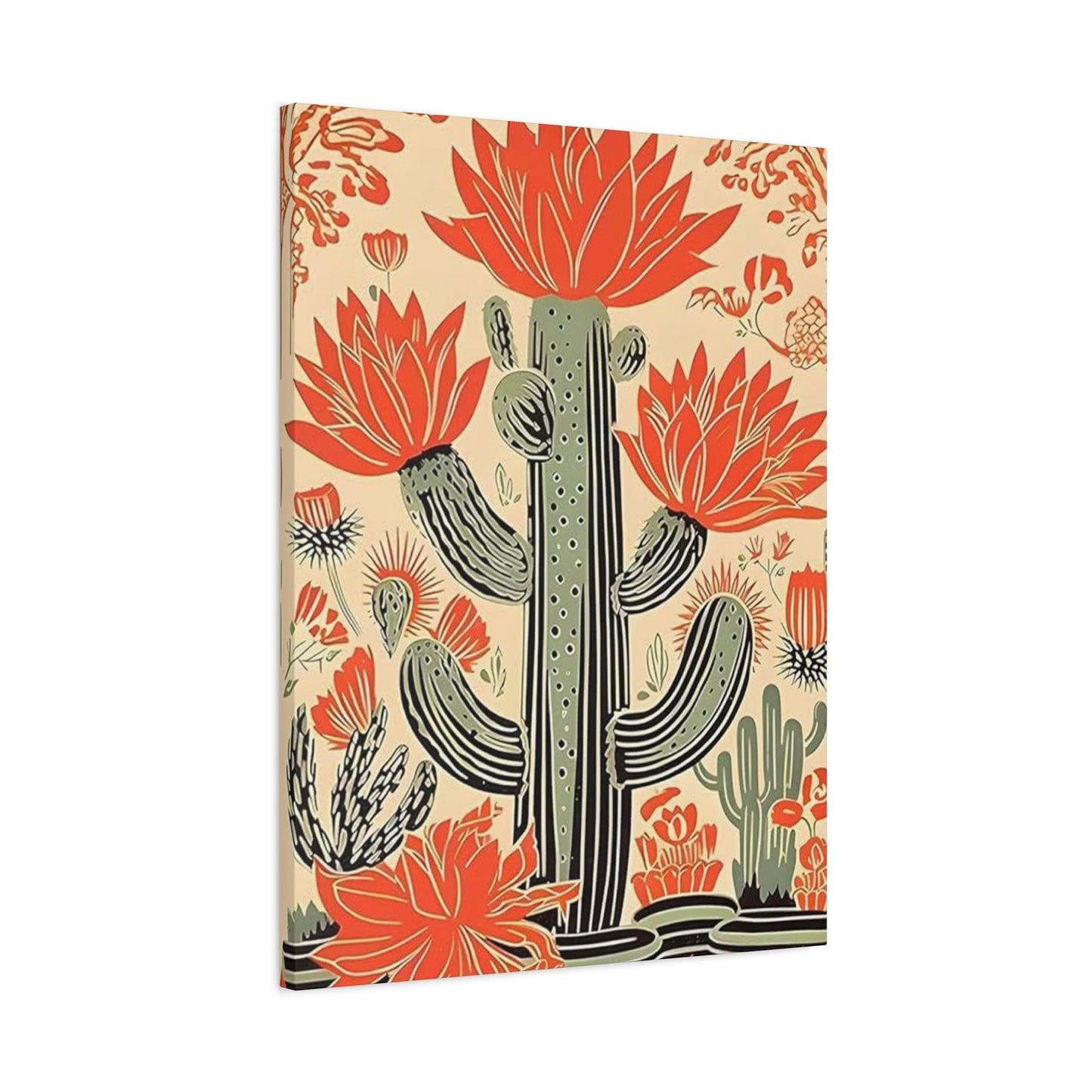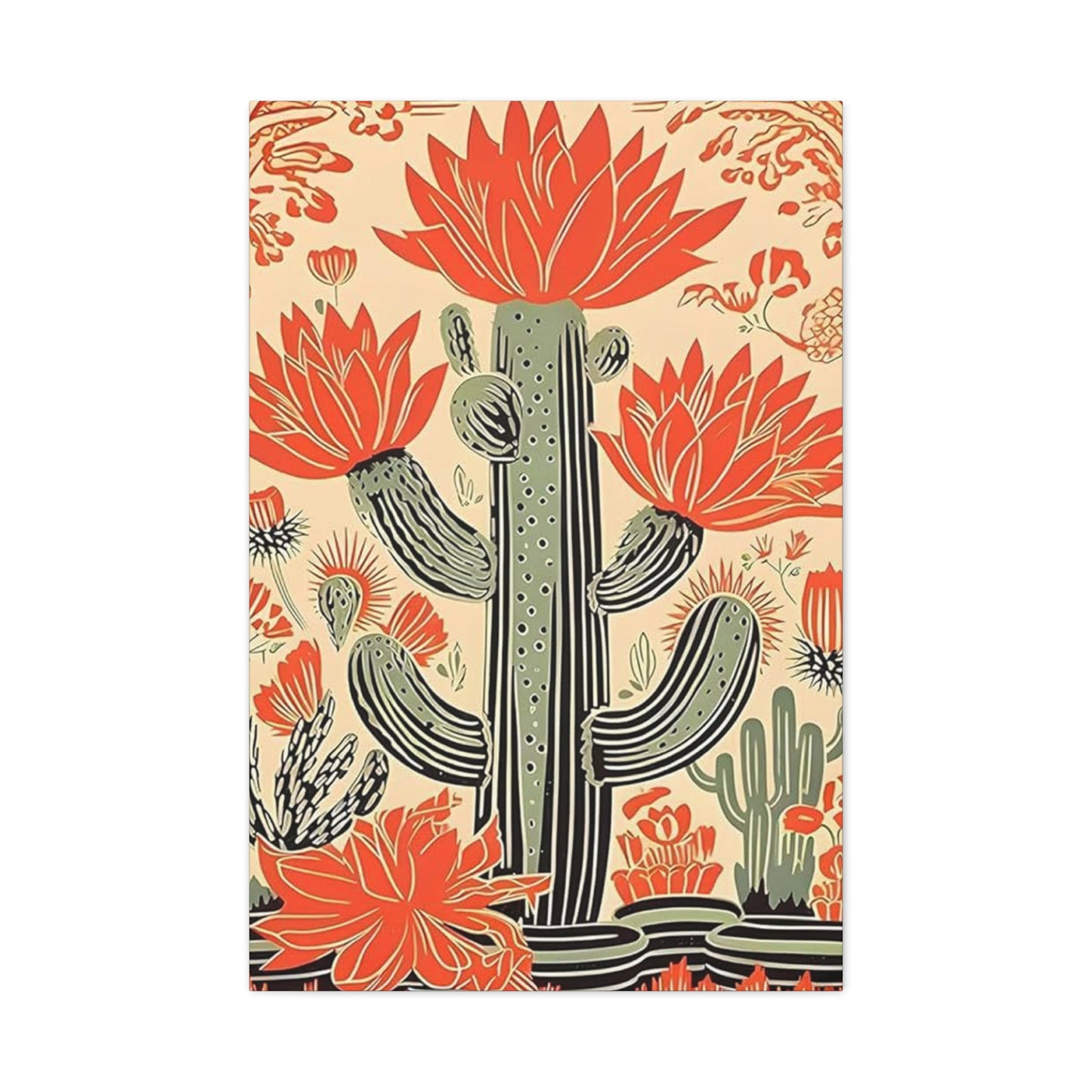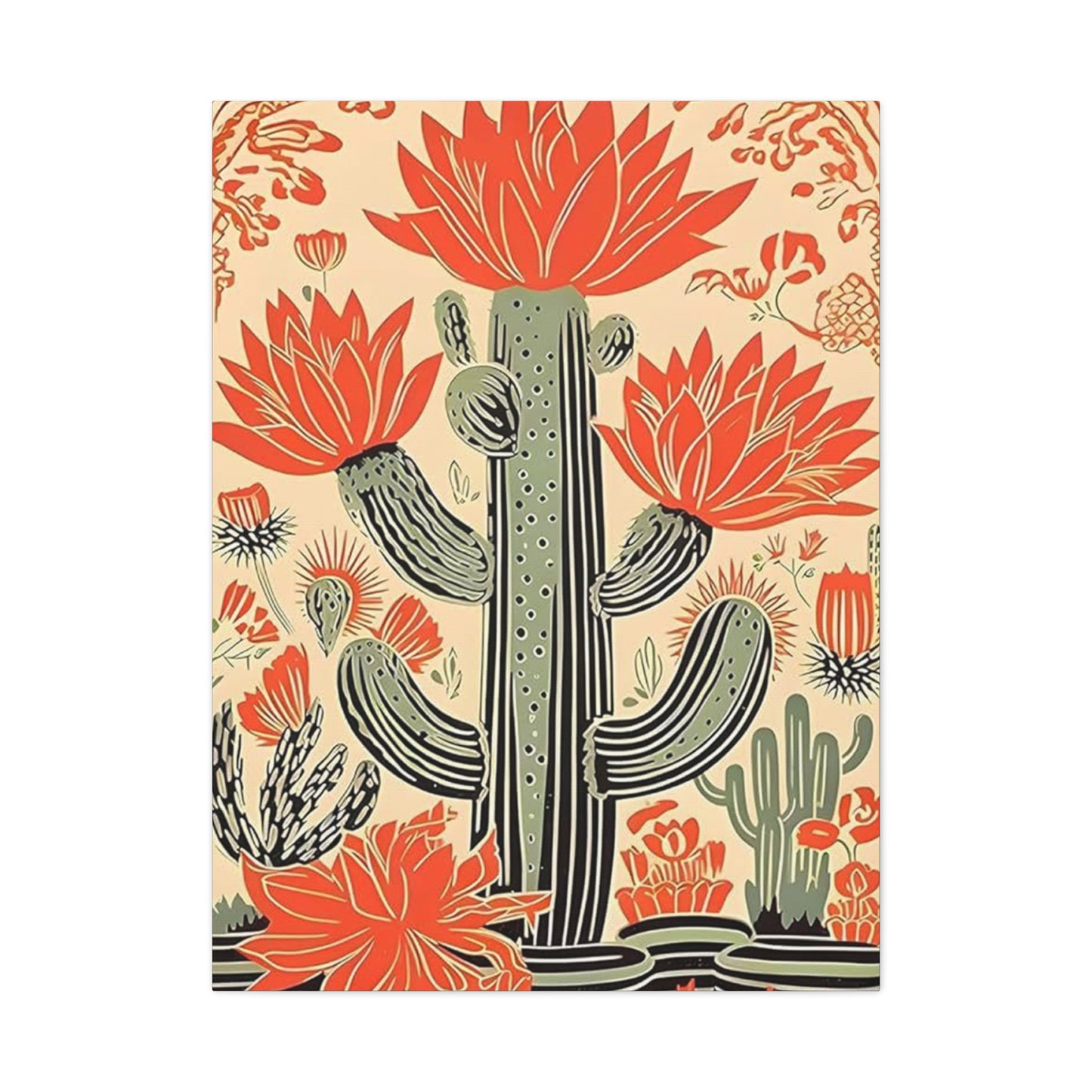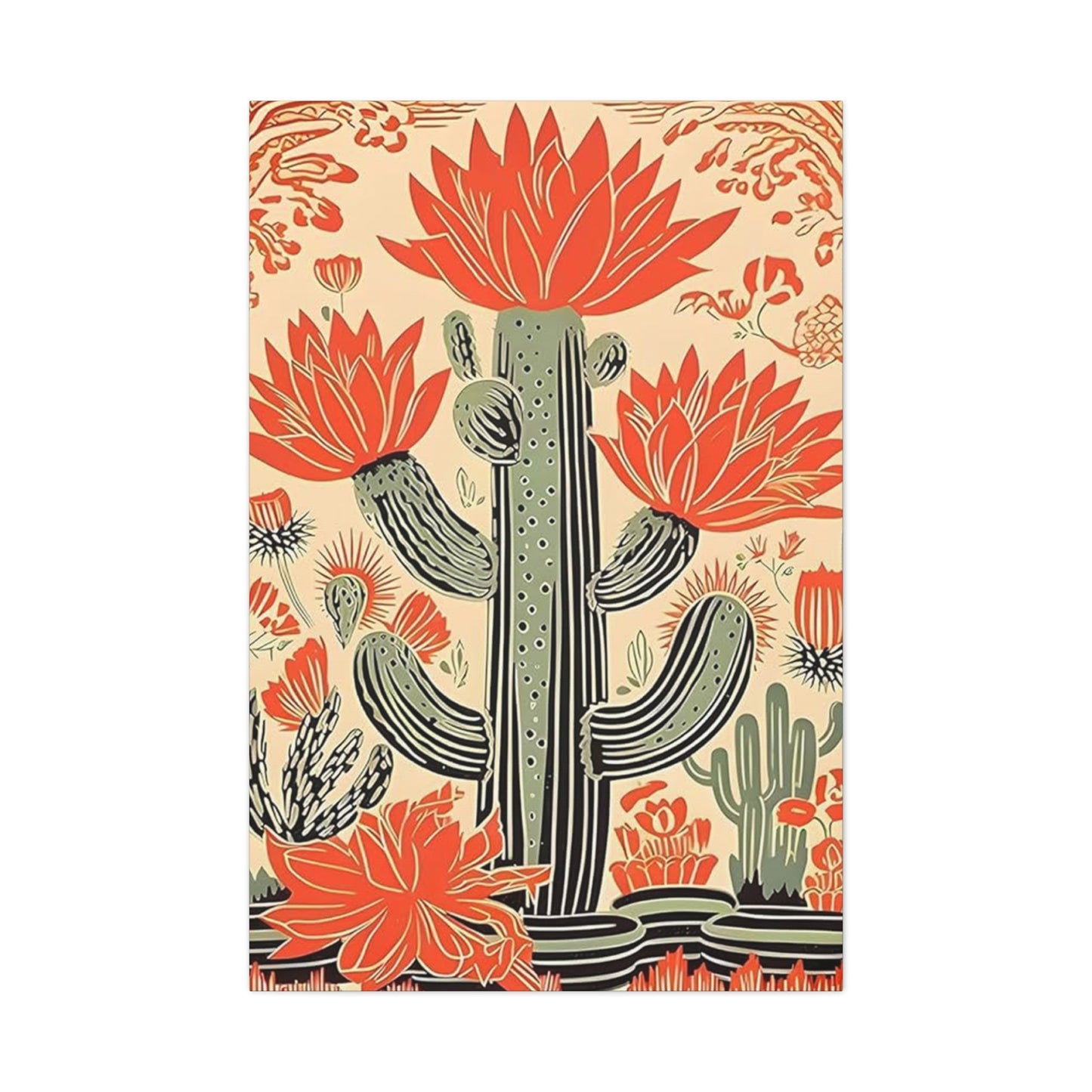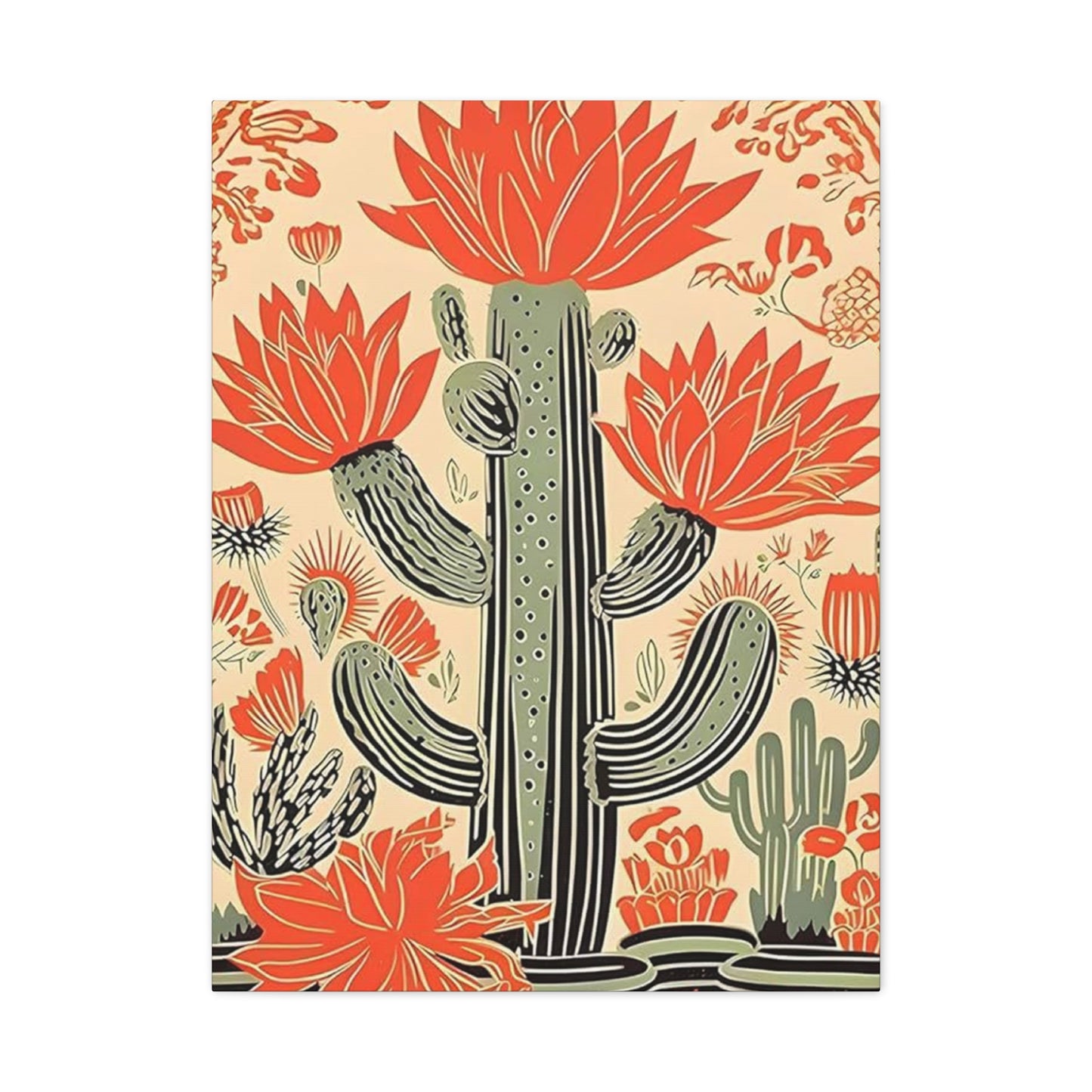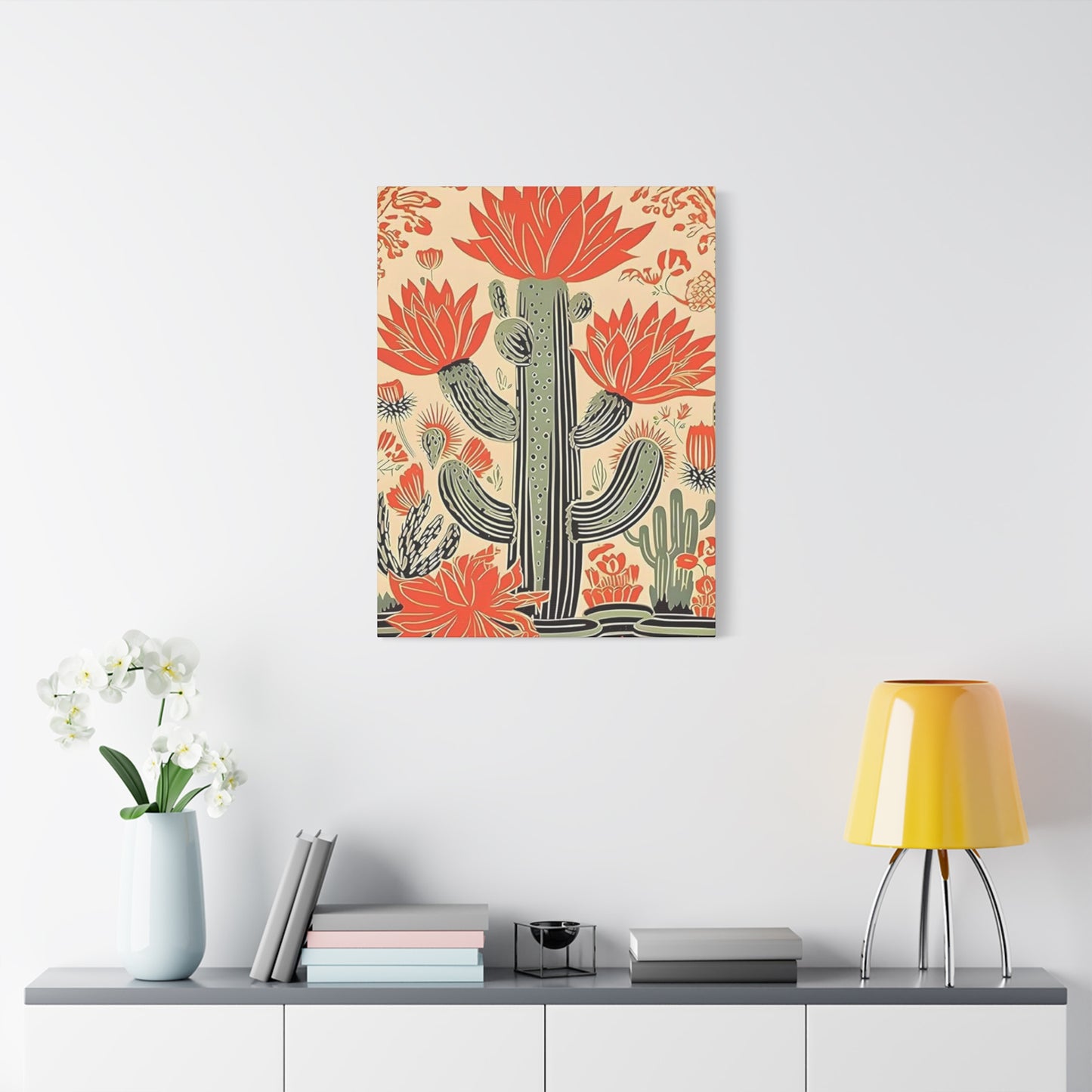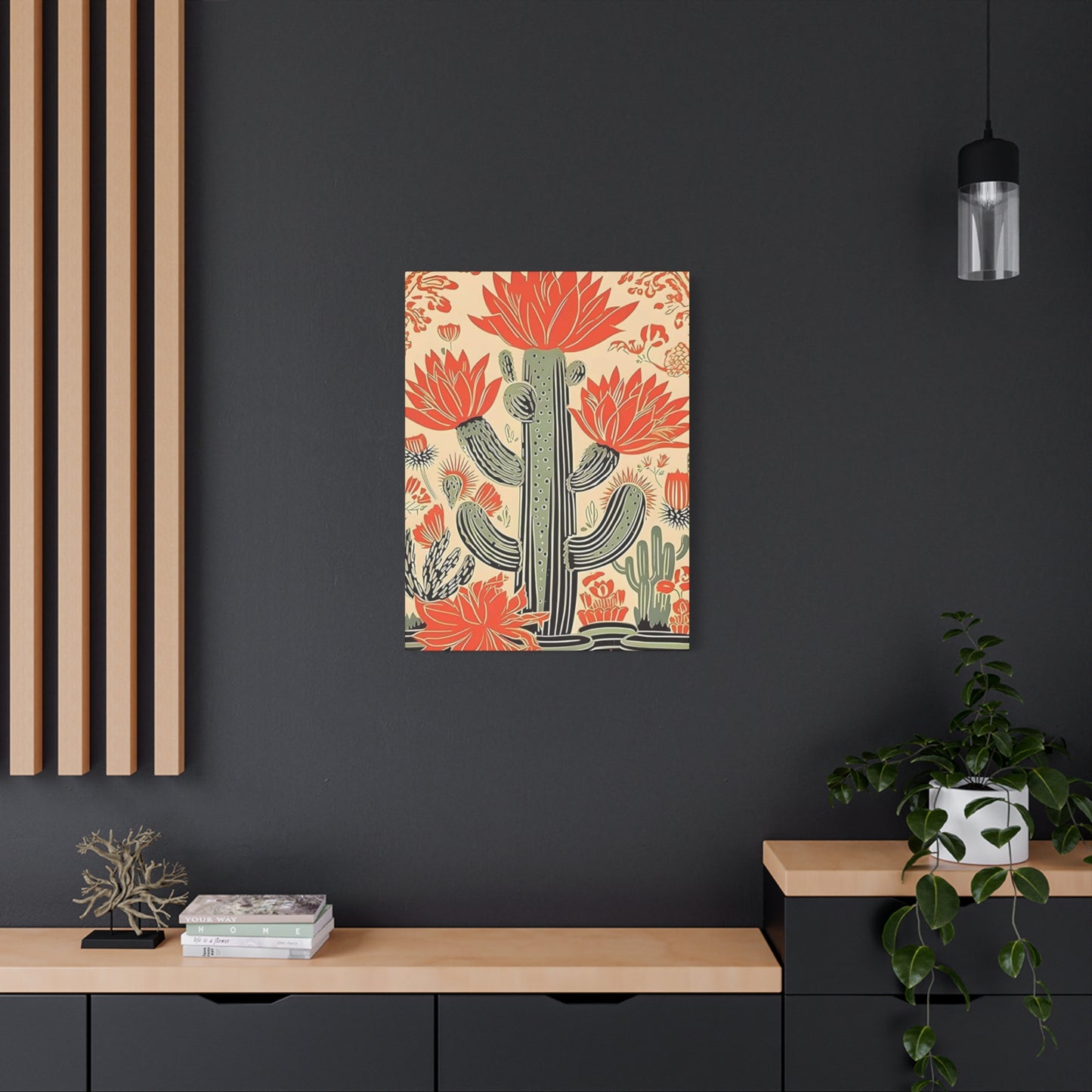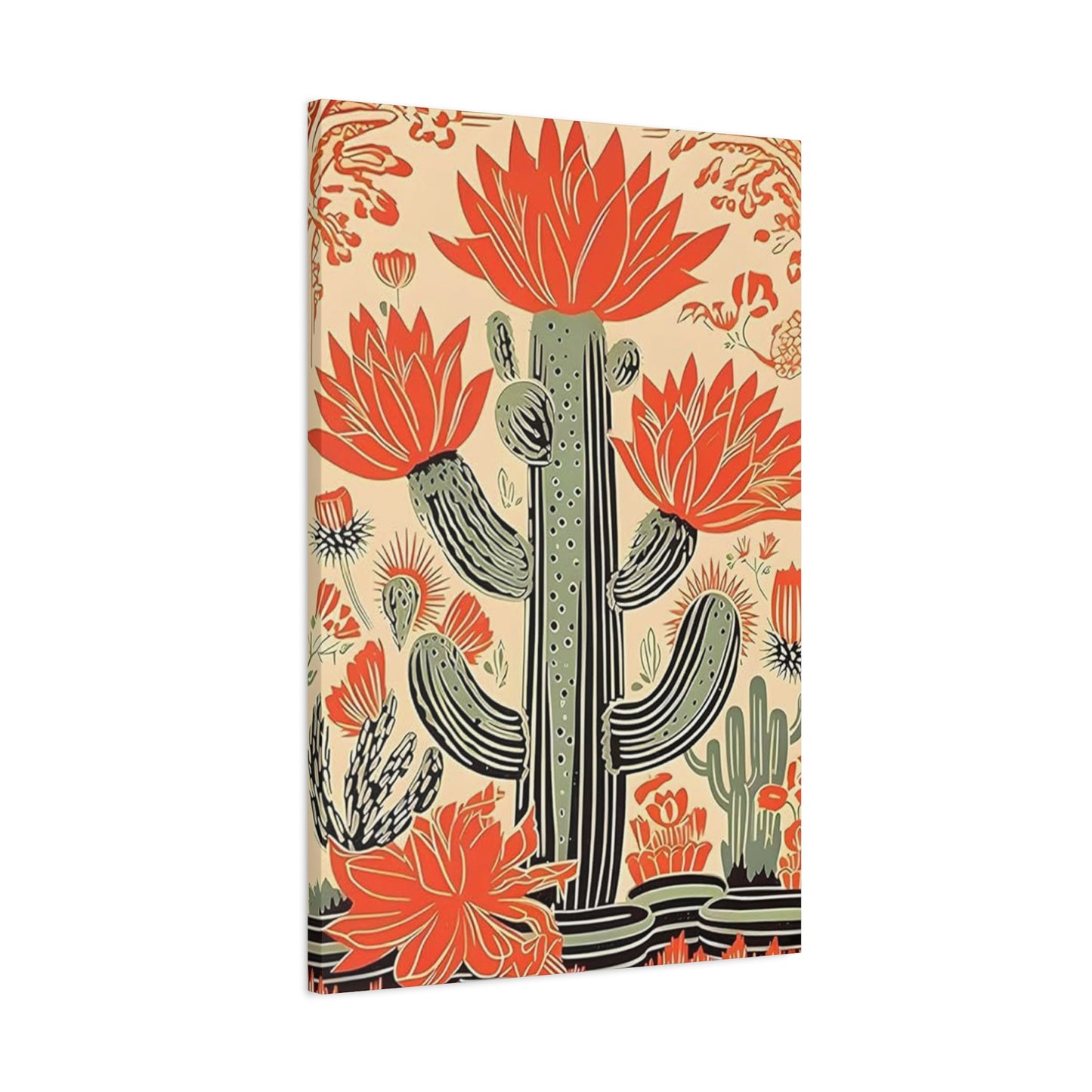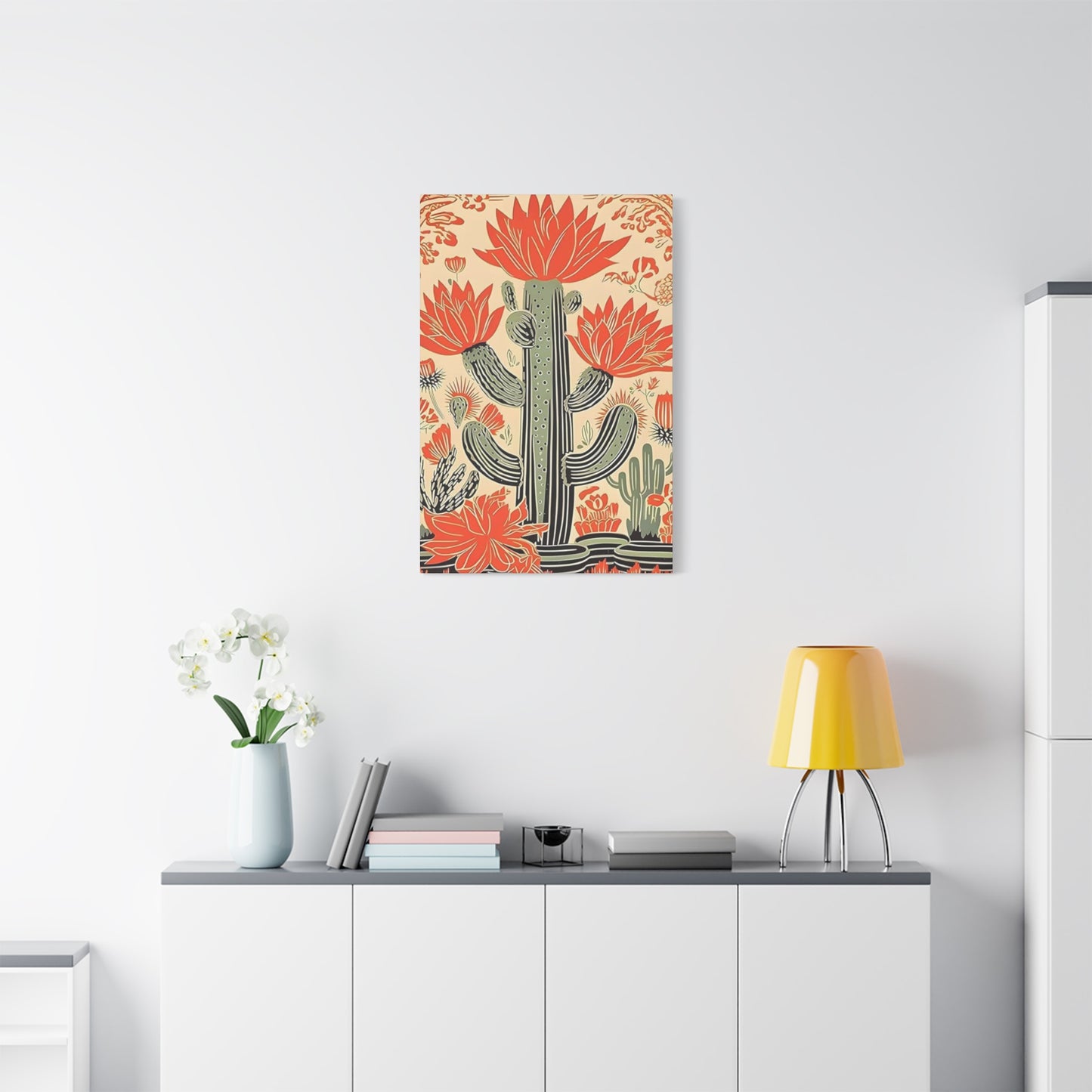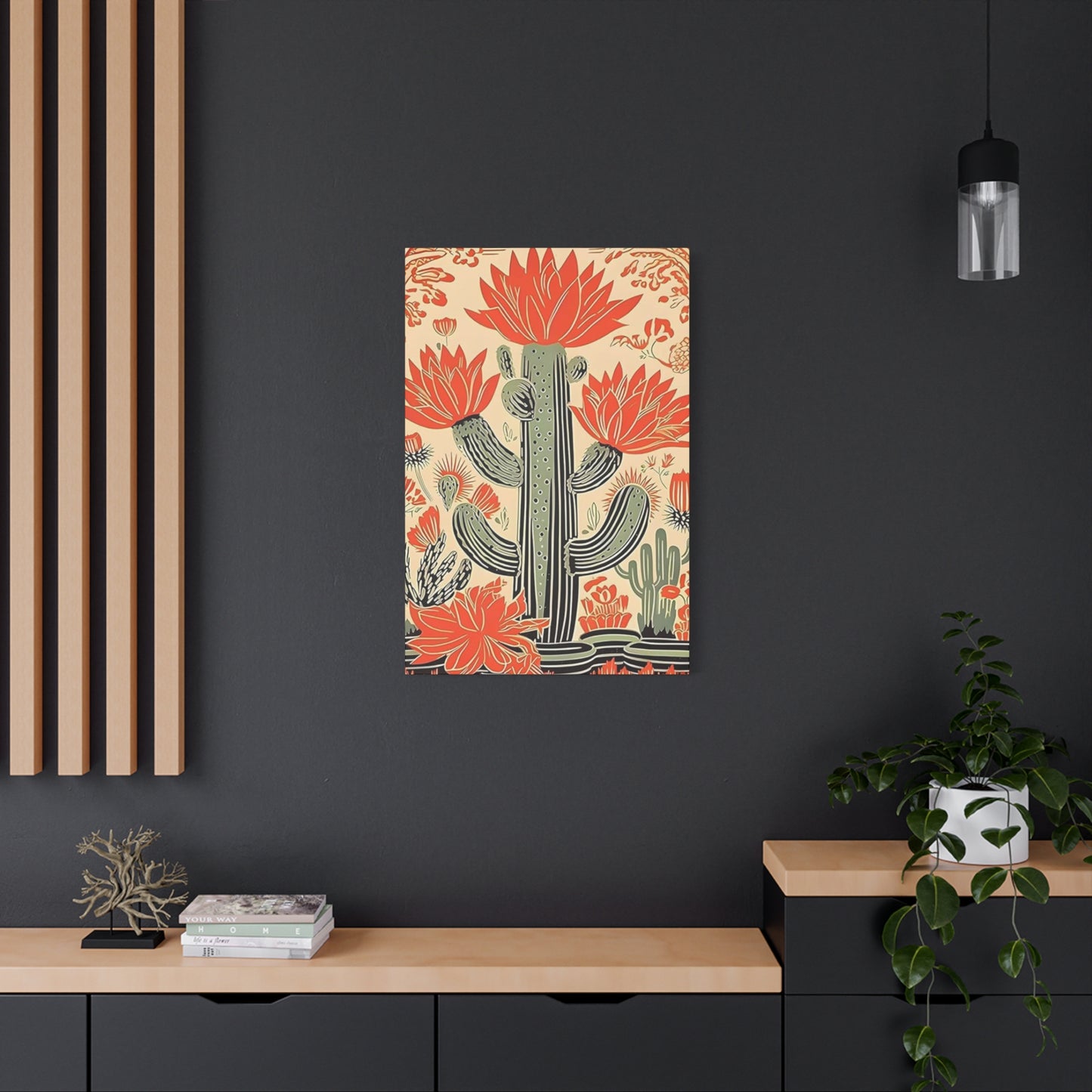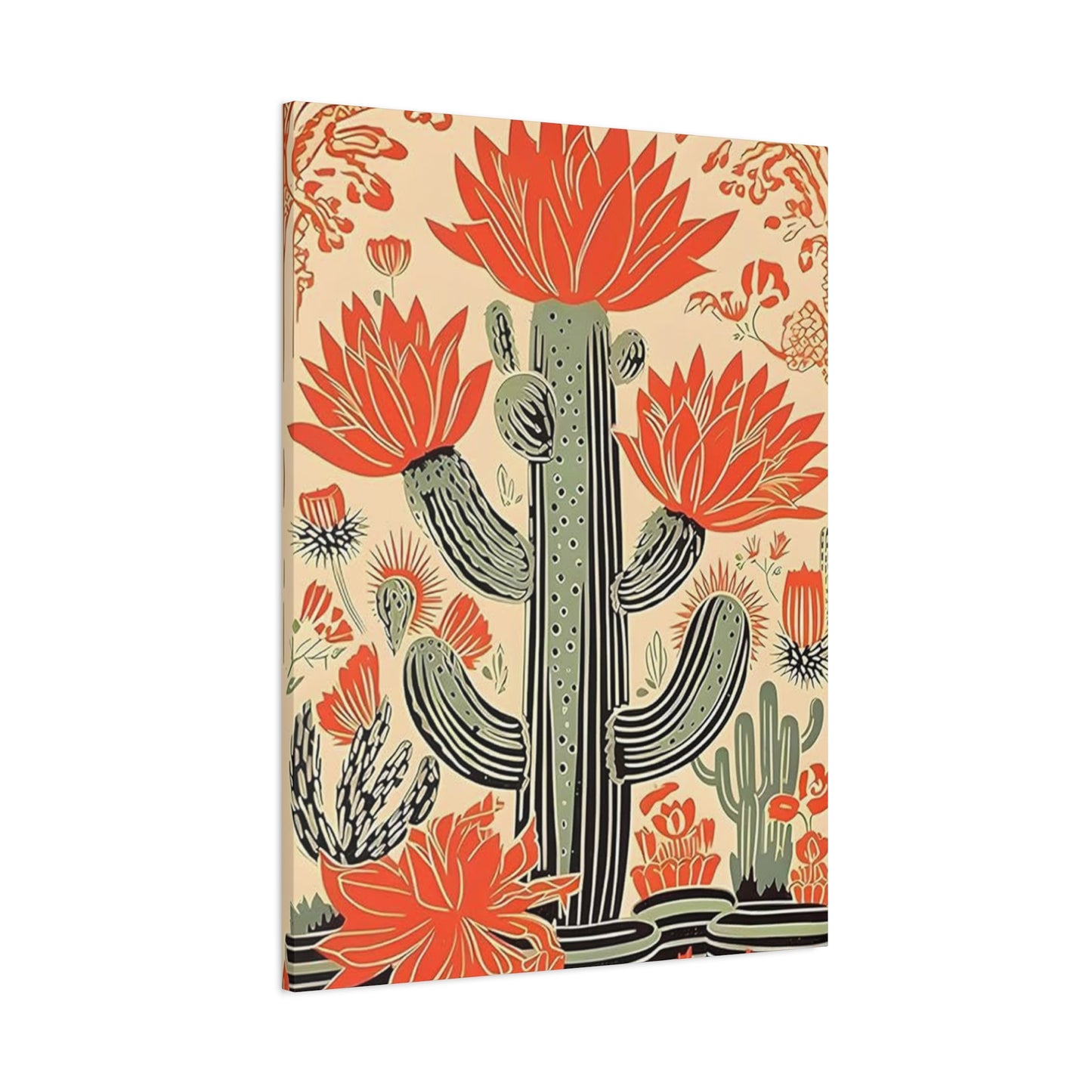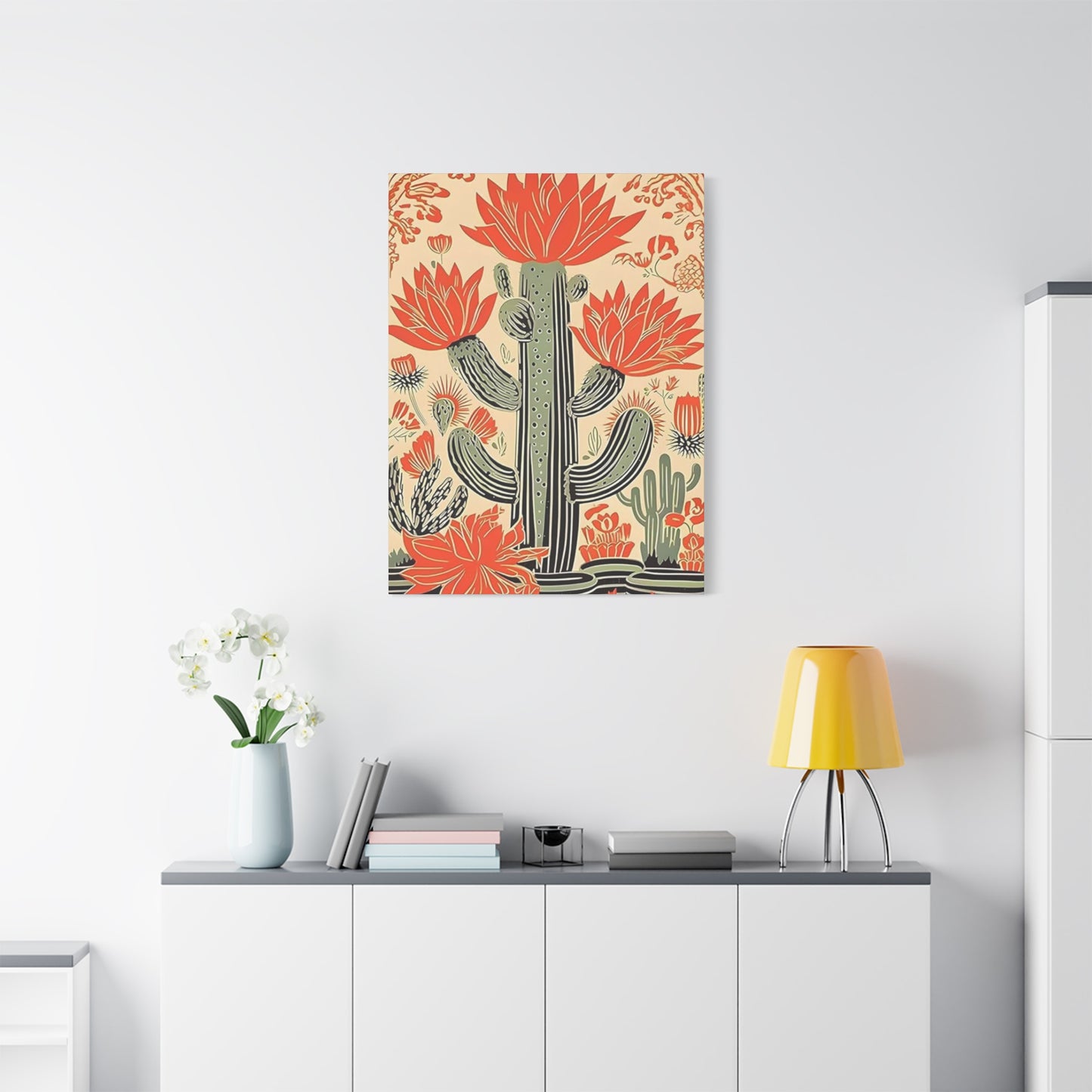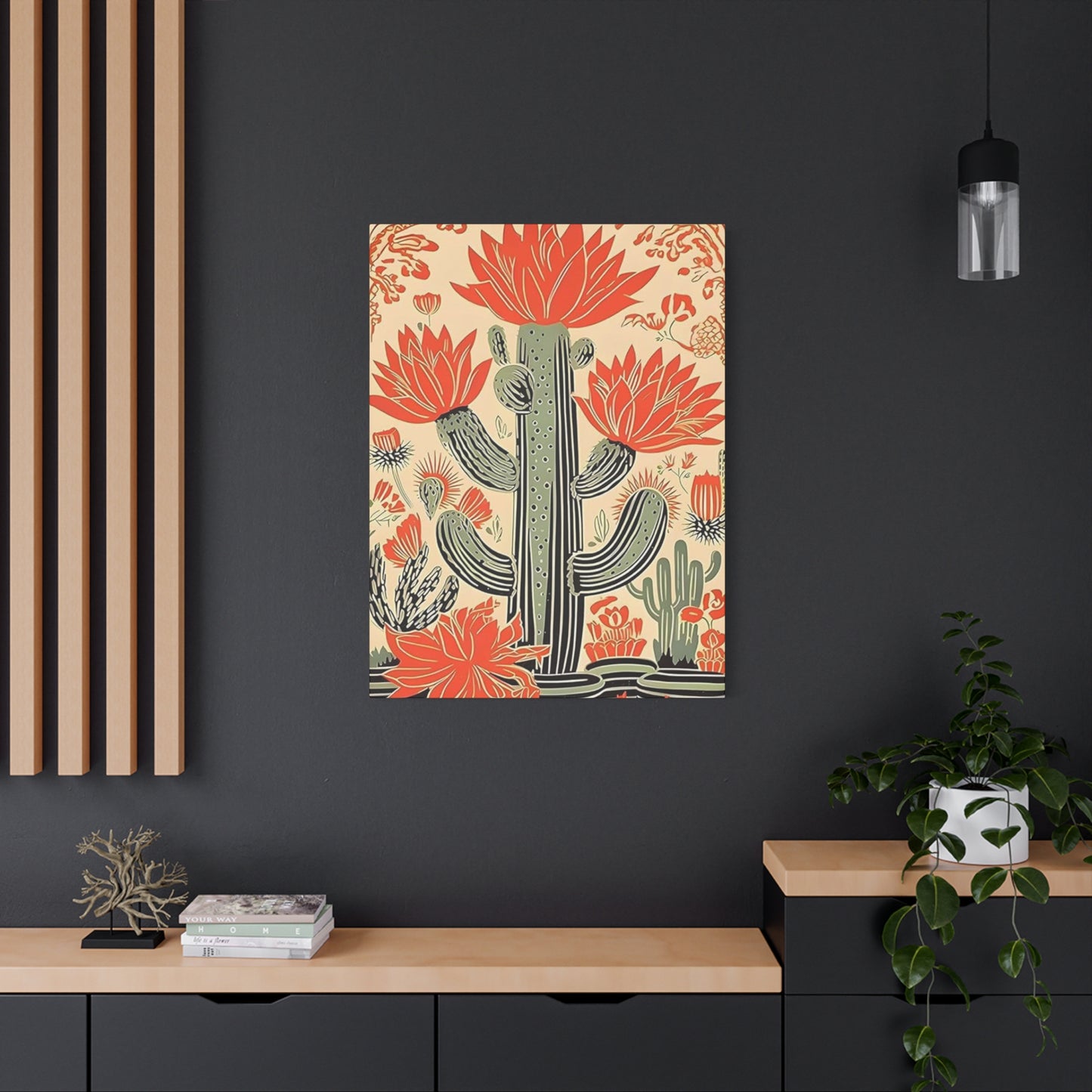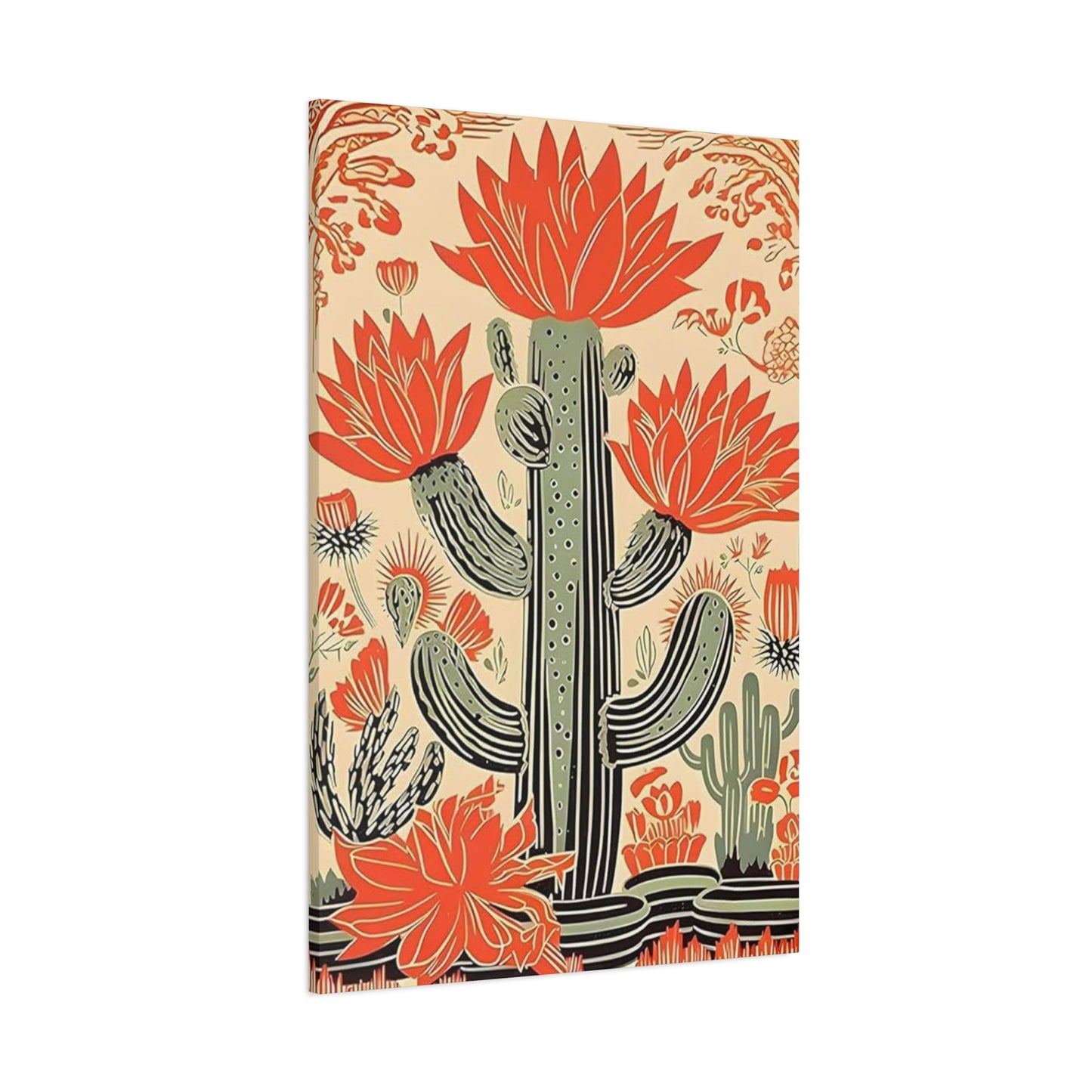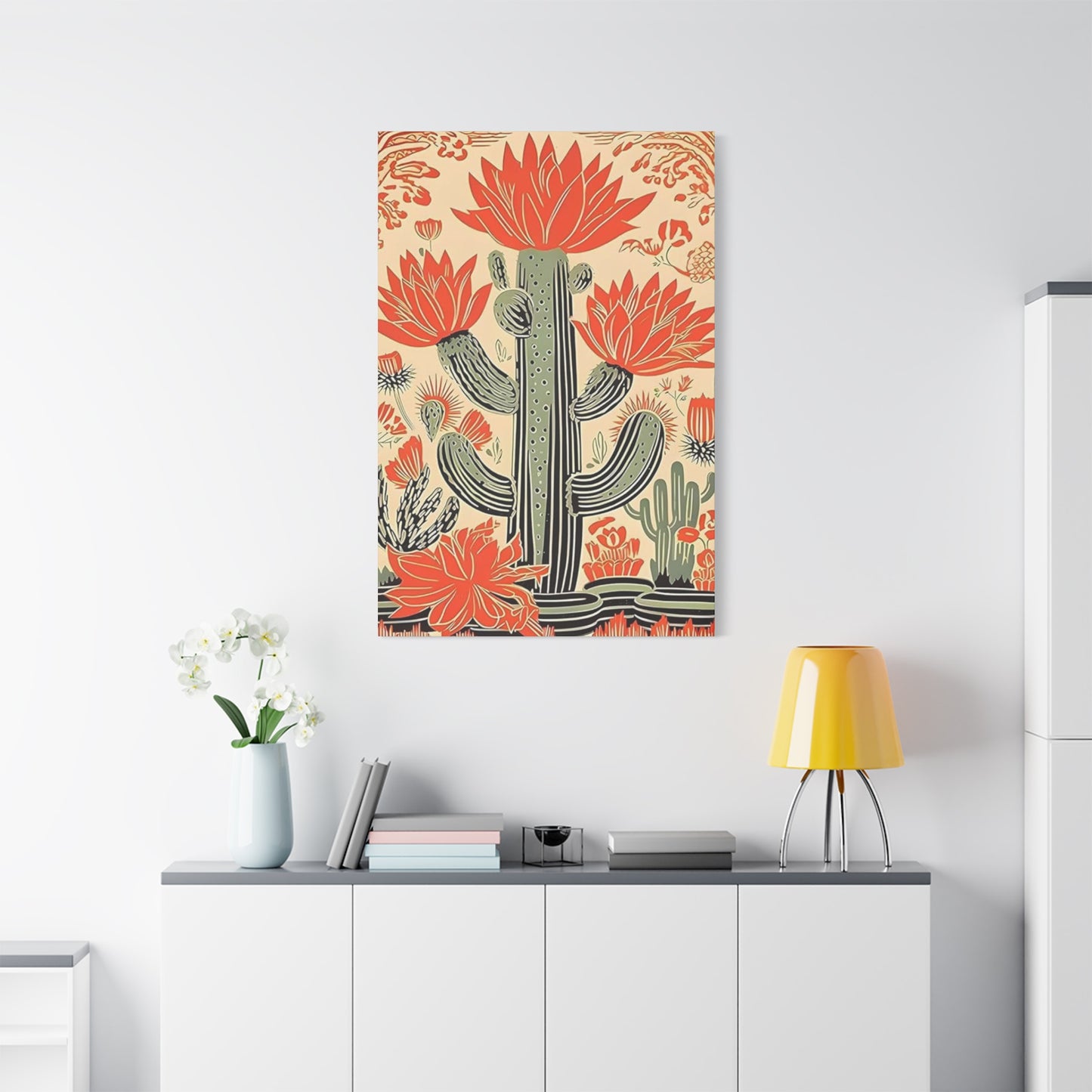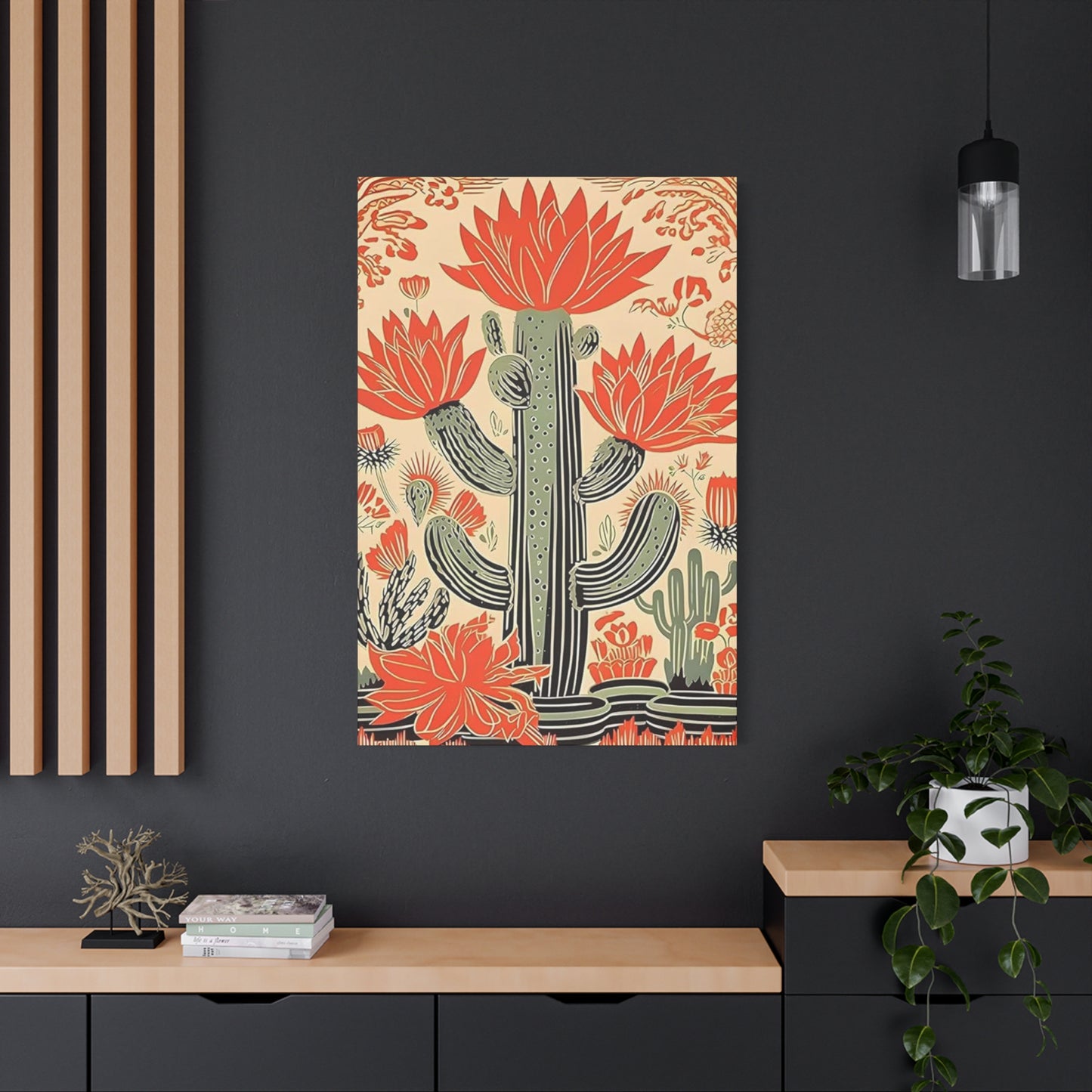


Flower On A Cactus Wall Art & Canvas Prints
Flower On A Cactus Wall Art & Canvas Prints
Couldn't load pickup availability
Discover the Beauty of Flower On A Cactus Wall Art: Bringing Desert Elegance Into Your Living Spaces
The enchanting beauty of desert flora has captivated artists and decorators for centuries, and nothing exemplifies this natural wonder quite like the rare and magnificent blooms that emerge from succulent plants. When these stunning botanical moments are captured and transformed into decorative pieces, they create an extraordinary visual statement that combines rugged resilience with delicate beauty. This comprehensive exploration delves into every aspect of incorporating these remarkable desert-inspired decorations into your home, from selecting the perfect pieces to understanding their profound impact on interior aesthetics.
The Mesmerizing Appeal of Desert Flora in Contemporary Home Decoration
Desert plants blooming in their natural habitat represent one of nature's most spectacular phenomena. The contrast between the hardy, protective exterior of these resilient plants and the soft, vibrant petals that emerge creates a visual metaphor that resonates deeply with modern sensibilities. When captured through various artistic mediums and displayed as decorative elements, these images bring a unique energy to any room.
The popularity of these botanical representations has surged dramatically in recent years, reflecting a broader cultural shift toward appreciating minimalist aesthetics combined with natural elements. Homeowners and interior designers alike have embraced these pieces for their ability to add color, texture, and symbolic meaning to spaces without overwhelming existing decor schemes. The juxtaposition of strength and vulnerability inherent in these images speaks to contemporary values of resilience, patience, and unexpected beauty.
What makes these particular decorative pieces so compelling is their versatility across different design philosophies. Whether your home embodies a southwestern aesthetic, modern minimalism, bohemian eclecticism, or traditional warmth, these botanical artworks seamlessly integrate while adding distinctive character. The natural tones found in desert landscapes—sandy beiges, terracotta oranges, sage greens, and sky blues—complement virtually any color palette, making these pieces remarkably adaptable.
Understanding the Symbolic Significance Behind Blooming Desert Plants
Throughout various cultures and spiritual traditions, blooming succulents have carried profound symbolic weight. These hardy plants survive in some of Earth's harshest environments, making their occasional blossoms all the more precious and meaningful. In many indigenous traditions, these blooms represent endurance, protection, and the ability to thrive against all odds. The appearance of such delicate beauty from such a formidable plant serves as a powerful reminder that even in difficult circumstances, beauty and growth remain possible.
In feng shui practices, these plants symbolize endurance and prosperity, particularly when displayed in specific areas of the home. The protective spines represent boundaries and protection from negative energy, while the blooms signify periods of abundance and reward after patience and persistence. Displaying artwork featuring these botanical subjects can invoke these symbolic qualities, creating spaces that feel both protected and open to positive transformation.
The symbolism extends beyond ancient traditions into contemporary psychology and wellness. Many people connect with these images as representations of their own journeys—periods of hardship and protection followed by moments of breakthrough and blossoming. This metaphorical resonance makes these decorative pieces particularly meaningful for spaces dedicated to reflection, creativity, or personal growth such as home offices, meditation areas, or reading nooks.
Exploring Various Artistic Styles and Mediums for Desert Botanical Decor
The realm of desert botanical artwork encompasses an extraordinary range of artistic interpretations and mediums, each offering unique aesthetic qualities and emotional impacts. Photographic representations capture the intricate details and vivid colors of actual blooms, providing stunning realism that celebrates nature's artistry. High-resolution macro photography reveals textures and color gradations invisible to casual observation, transforming familiar subjects into abstract compositions of form and light.
Watercolor interpretations bring a softer, more ethereal quality to these subjects. The translucent layers and flowing pigments create dreamlike renderings that emphasize the delicate nature of the blooms while maintaining the structural integrity of the plant forms. These pieces often feature beautiful color bleeding and unexpected hue combinations that arise from the unpredictable nature of the medium itself.
Oil and acrylic paintings offer bolder, more dramatic representations. Artists working in these mediums can create thick, textured surfaces that add dimensional interest to walls, or smooth, luminous finishes that glow with inner light. Contemporary painters often take creative liberties with color palettes, producing pieces in unexpected hues—midnight blues, rich purples, or metallic golds—that push beyond naturalistic representation into expressive territory.
Vector illustrations and digital artwork represent the modern evolution of botanical art. These pieces feature clean lines, flat color fields, and geometric simplification that align perfectly with contemporary minimalist aesthetics. The precision of digital tools allows for intricate pattern work and perfect symmetry, creating pieces that feel both organic and architectural. These works often incorporate typography, abstract elements, or multiple specimens arranged in deliberate compositions.
Mixed media creations combine multiple materials and techniques, resulting in unique pieces with substantial visual interest. Artists might incorporate actual pressed botanicals, fabric textures, metallic foils, or three-dimensional elements that create shadow play and depth. These pieces often blur the line between traditional wall hangings and sculptural installations, offering collectors truly one-of-a-kind statements.
Selecting the Ideal Flower On A Cactus Wall Art for Different Room Environments
Choosing the right piece for a specific space requires thoughtful consideration of multiple factors including room size, existing color schemes, lighting conditions, and the emotional atmosphere you wish to create. Each room in your home serves different functions and benefits from carefully selected decorative elements that enhance rather than compete with its purpose.
For living rooms and common gathering spaces, consider larger statement pieces or gallery wall arrangements that create focal points for conversation and contemplation. These social areas benefit from artwork that sparks interest and reflects your personality while remaining accessible to diverse tastes. Pieces featuring multiple blooms or panoramic desert landscapes work particularly well in these expansive spaces, filling visual weight without overwhelming the room.
Bedroom environments call for more serene, intimate selections that promote relaxation and personal reflection. Softer color palettes, smaller scales, and gentler compositions help create the peaceful atmosphere conducive to rest. Consider pieces with muted tones—dusty roses, soft corals, pale yellows—that maintain visual interest without stimulating excessive mental activity before sleep. The positioning should allow comfortable viewing from the bed, creating a pleasant visual experience during those quiet moments before sleep and upon waking.
Kitchen and dining areas offer wonderful opportunities for incorporating vibrant, energetic botanical pieces. These spaces associated with nourishment and gathering benefit from artwork that celebrates abundance and natural vitality. Brighter colors and more dynamic compositions work well here, as these rooms typically feature good lighting and active energy. Consider pieces that incorporate warm tones—oranges, reds, golden yellows—that stimulate appetite and conversation.
Home offices and creative workspaces require careful selection to balance stimulation with focus. The right decorative pieces can inspire creativity and persistence without causing distraction. Consider the symbolic meanings discussed earlier—resilience, patience, unexpected rewards—and how these concepts might support your work. Medium-sized pieces positioned within your peripheral vision rather than directly in your sightline allow you to glance up for momentary inspiration without pulling attention from tasks.
Bathrooms and powder rooms, often neglected in decorating schemes, present excellent opportunities for smaller, more intimate botanical pieces. These private spaces can handle more experimental selections or bolder color choices that might overwhelm larger areas. The steamy environment requires consideration of materials and protective framing, but the investment creates a spa-like atmosphere that elevates daily rituals into moments of beauty and mindfulness.
Hallways and transitional spaces benefit from series or collections of related pieces that create visual rhythm as people move through your home. Consider creating a gallery progression that tells a story—perhaps showing the blooming cycle from bud to full flower—or grouping different species that share aesthetic qualities. These often-overlooked areas become galleries that connect your home's various spaces while providing continual visual interest.
Color Psychology and Palette Selection for Desert Botanical Artwork
The colors present in your chosen Flower On A Cactus Wall Art dramatically influence the emotional tone and energy of your space. Understanding basic color psychology helps you select pieces that support your intentions for each room while harmonizing with existing elements.
Warm colors—reds, oranges, and yellows—appearing in blooms create energy, enthusiasm, and warmth. These hues stimulate conversation and activity, making them excellent choices for social spaces. Pink and coral blooms offer softer warmth, introducing romance, playfulness, and nurturing energy particularly suited to bedrooms and spaces dedicated to self-care. The intensity of these warm tones matters significantly; vivid, saturated versions create drama and excitement, while pale, muted variations offer gentle comfort.
Cool colors—blues, purples, and certain greens—promote calm, contemplation, and spaciousness. Though less common in actual desert blooms, many artistic interpretations incorporate these hues to create specific moods. Lavender and soft purple blooms evoke tranquility and spirituality, working beautifully in meditation spaces or bedrooms. Teal and turquoise, while not naturalistic bloom colors, appear frequently in contemporary interpretations and bring freshness, clarity, and sophisticated calm.
The background colors and surrounding elements within the composition equally impact the overall effect. Stark white backgrounds create modern, gallery-like presentations that emphasize the botanical subject's colors and forms. These high-contrast pieces make bold statements and work particularly well in minimalist spaces. Neutral backgrounds—beiges, tans, soft grays—provide subtle sophistication that allows the artwork to integrate smoothly into varied color schemes without demanding attention. These pieces function as visual anchors rather than dramatic focal points.
Dark backgrounds—charcoal, navy, black—create dramatic, moody presentations that emphasize the luminosity of the blooms themselves. These pieces often feel more intimate and mysterious, working beautifully in sophisticated adult spaces like master bedrooms, home libraries, or formal dining rooms. The contrast makes colors appear more vibrant and jewel-like, creating visual impact even with smaller pieces.
Natural desert palette backgrounds incorporating sandy tones, rusty oranges, and dusky purples situate the botanical subjects within their environmental context. These pieces feel more narrative and complete, telling a fuller story about the harsh beauty of desert ecosystems. They work particularly well in southwestern-inspired spaces or rooms featuring natural materials like wood, stone, and leather.
Size Considerations and Proportional Relationships in Wall Decoration
Selecting appropriately sized pieces represents one of the most critical factors in creating harmonious interior spaces. Too small, and your carefully chosen artwork disappears into the wall, failing to make the intended impact. Too large, and it overwhelms the space, creating visual discomfort and imbalance.
As a general principle, artwork should occupy roughly two-thirds to three-quarters of the available wall space above furniture pieces. For example, when hanging a piece above a sofa, the ideal width spans approximately two-thirds of the sofa's length. This creates visual connection between the furniture and artwork while maintaining appropriate negative space. However, these proportions serve as starting points rather than rigid rules; personal preference and specific room characteristics should ultimately guide decisions.
Large-scale pieces—those exceeding forty inches in any dimension—create dramatic focal points that anchor entire rooms. These statement works demand attention and set the tone for surrounding decor. They work magnificently in spaces with high ceilings, large furniture pieces, or open floor plans where substantial visual weight is necessary to prevent the room from feeling empty or unfinished. When selecting oversized pieces, ensure adequate viewing distance exists; you should be able to stand back at least one-and-a-half times the artwork's diagonal measurement to appreciate the complete composition.
Medium-sized pieces—ranging from twenty to forty inches—offer the most versatility. They create visual interest without overwhelming spaces, working well in most residential rooms. These dimensions allow for easy repositioning and redecorating flexibility as your tastes evolve. Medium pieces also work beautifully in groups, allowing you to create custom gallery arrangements that can expand or contract based on available space and changing preferences.
Small pieces—under twenty inches—excel in intimate spaces, grouped arrangements, or as unexpected details that reward close observation. While lacking the immediate impact of larger works, smaller pieces create opportunities for personal discovery and can be displayed in unconventional locations like bathroom walls, closet interiors, or bookcases. Collections of small pieces unified by theme, color palette, or framing style create sophisticated, curated displays that demonstrate thoughtful artistic sensibility.
The ceiling height of your space dramatically affects size selection. Standard eight-foot ceilings benefit from vertically oriented pieces that draw the eye upward, creating an illusion of greater height. Rooms with higher ceilings can accommodate taller pieces or vertically stacked arrangements without feeling cramped. Conversely, rooms with low ceilings benefit from horizontal orientations that emphasize width rather than height, making spaces feel broader and more expansive.
Framing Options and Presentation Styles for Botanical Artwork
The frame surrounding your Flower On A Cactus Wall Art significantly impacts its overall aesthetic and how it integrates with your existing decor. Frame selection should consider the artwork's style, your room's design philosophy, and practical factors like protection and longevity.
Traditional wooden frames offer timeless appeal and natural warmth that complements botanical subjects beautifully. Lighter woods—maple, birch, natural oak—create casual, approachable presentations suitable for relaxed, comfortable spaces. These frames allow the artwork to remain the focus while providing subtle structure. Darker woods—walnut, cherry, espresso-stained oak—bring sophistication and weight, working particularly well with more formal decor schemes or artwork featuring rich, saturated colors.
Metal frames deliver sleek, contemporary presentations that emphasize modernity and precision. Thin black metal frames have become ubiquitous in current design trends, offering minimalist elegance that suits virtually any style. Their slim profiles maximize visible artwork while providing clean definition. Silver and brushed metal frames bring cooler, more industrial aesthetics that work beautifully in modern or transitional spaces. Gold and brass frames, experiencing renewed popularity, add warmth and luxury, particularly complementing artwork featuring warm-toned blooms or vintage-inspired compositions.
Float mounting presents artwork within the frame with visible space between the image and frame edge, creating a sophisticated, gallery-quality presentation. This technique works particularly well with pieces printed on high-quality paper or canvas, allowing their edges and materiality to become part of the aesthetic experience. Float mounting adds dimensional depth through shadow effects and emphasizes the artwork as a precious object worthy of careful presentation.
Frameless presentations, where artwork mounts directly to walls or suspends from minimal hanging systems, emphasize contemporary minimalism and allow the piece itself to define its boundaries. Canvas prints with gallery-wrapped edges exemplify this approach, eliminating frames entirely while creating three-dimensional objects that project from walls. These presentations work beautifully in modern, pared-down spaces where excess decoration would feel cluttered.
Matting—the border between artwork and frame—provides additional customization opportunities. White and cream mats create classic, clean presentations that work across styles. Colored mats can pull specific hues from the artwork, creating cohesive color relationships that tie the piece into room schemes. Double or triple matting adds luxury and depth, creating shadow lines that enhance dimensional interest. The mat width should relate to both artwork and frame size; larger pieces benefit from wider mats that provide visual breathing room, while smaller works might use narrower borders to prevent overwhelming the actual image.
Protective glazing—the transparent covering over artwork—merits careful consideration. Regular glass provides basic protection but creates glare and reflections that can obscure viewing from certain angles. Non-reflective or museum glass eliminates these issues, providing crystal-clear viewing from all positions. Acrylic glazing offers lightweight, shatter-resistant alternatives to glass, particularly valuable for large pieces or homes with children. UV-protective glazing prevents fading and deterioration, essential for preserving valuable or sentimental pieces exposed to natural light.
Creating Cohesive Gallery Wall Arrangements with Desert Botanical Themes
Gallery walls—curated collections of multiple pieces displayed together—offer wonderful opportunities to explore desert botanical themes with depth and nuance. These arrangements allow you to showcase various artistic styles, different blooming species, or complementary subjects that collectively create more impact than any single piece could achieve.
Successful gallery walls require planning and intentionality rather than random accumulation. Begin by selecting a unifying element—whether that's a consistent color palette, similar frame styles, related subject matter, or cohesive artistic approach. This thread of connection allows individual pieces to maintain their distinctiveness while contributing to a harmonious whole. For botanical themes, you might unite pieces through consistent tones of desert landscapes, similar artistic mediums like watercolors, or frames in matching finishes.
Layout planning prevents frustration and unnecessary wall damage. Before hanging anything, arrange pieces on the floor in your intended configuration, adjusting spacing and relationships until the composition feels balanced. Photograph this arrangement for reference during hanging. Alternatively, trace each piece onto paper, cut out these templates, and arrange them on the wall with removable tape, allowing you to perfect the layout before introducing actual hardware.
Symmetrical gallery arrangements create formal, orderly presentations suited to traditional decor schemes. These might feature identical sizes in grid patterns, or carefully balanced compositions with a central focal piece flanked by matching smaller works. Symmetry provides visual calm and emphasizes the individual merit of each piece while presenting them as part of a deliberate collection.
Asymmetrical arrangements feel more dynamic and contemporary, allowing varied sizes and orientations to create visual movement and interest. These compositions require more careful balancing of visual weight—larger or darker pieces feel heavier and should be distributed to prevent the arrangement from appearing to "tip" in one direction. Asymmetry allows more flexibility in adding pieces over time as your collection grows, creating evolving displays that reflect your changing tastes.
The spacing between pieces dramatically affects the overall impression. Tighter spacing—around one to two inches between frames—creates unified, almost quilt-like presentations where the collection reads as a single entity. This approach works beautifully when pieces share strong visual similarities. Wider spacing—three to six inches—emphasizes each piece's individuality while maintaining their relationship as part of a curated collection. This breathing room suits more diverse collections where pieces vary substantially in style or color.
Vertical arrangements climbing a stairway wall or reaching toward high ceilings draw the eye upward, creating impressions of height and grandeur. These work particularly well with multiple pieces of similar sizes arranged in a column or gently cascading pattern. Horizontal arrangements stretching across long walls emphasize width and work beautifully above sofas, buffets, or beds where you want to create visual connection with furniture below.
Lighting Strategies to Showcase Your Desert Botanical Artwork
Proper illumination transforms good artwork into stunning focal points while inadequate lighting allows even exceptional pieces to disappear into their surroundings. Developing effective lighting strategies ensures your carefully selected Flower On A Cactus Wall Art receives the attention it deserves.
Natural daylight provides the truest color rendering and creates dynamic presentations that shift throughout the day as light quality changes. Position artwork to receive indirect natural light rather than harsh direct sunlight, which causes fading and glare. North-facing walls in the Northern Hemisphere receive gentle, consistent light throughout the day, making them ideal for displaying valuable pieces. East and west exposures create more dramatic lighting changes, with morning or afternoon sun creating warm glows that can beautifully illuminate botanical subjects during specific times.
Picture lights—dedicated fixtures mounted directly to frames or walls above artwork—provide focused illumination that emphasizes texture and color while creating ambient glow. These specialized lights come in various styles from traditional brass arms to modern LED strips. When selecting picture lights, ensure the arm extends far enough to evenly illuminate the entire piece without creating hot spots or shadows. The color temperature of the bulbs matters significantly; warm white bulbs (2700-3000K) create cozy, inviting presentations, while cooler bulbs (3500-4000K) provide crisper, more gallery-like viewing.
Track lighting and adjustable spotlights offer flexible illumination that you can redirect as artwork changes or moves. These systems work particularly well in homes where art displays evolve frequently. Position track heads to create thirty-degree angles between the light source and artwork surface, preventing glare while providing even illumination. Dimmers allow you to adjust intensity based on time of day and ambient light levels, creating perfect viewing conditions in any situation.
Recessed ceiling lights or can lights provide general illumination that can highlight artwork when properly positioned. Wall-washing techniques, where lights are positioned to graze walls with even illumination from ceiling to floor, create gallery-like presentations particularly effective for multiple pieces on the same wall. However, avoid positioning recessed lights directly above artwork, as this creates harsh shadows and uneven illumination.
Accent lighting from floor lamps, table lamps, or sconces contributes ambient glow that can indirectly highlight artwork. While not specifically directed at pieces, this layered lighting approach creates depth and dimension in rooms, ensuring artwork remains visible and appreciable even when dedicated picture lights are off. This contributes to the overall atmosphere while maintaining visual interest in your decorative pieces throughout varying lighting scenarios.
LED strips behind frames or mounting systems create ethereal backlighting effects that separate artwork from walls, adding dimensional depth through shadow play. This contemporary technique works particularly well with pieces featuring translucent elements or when you want to create dramatic, modern presentations. Color-changing LED systems allow you to modify the backdrop hue to match moods or occasions, though this should be used judiciously to avoid overwhelming the artwork itself.
Complementary Decor Elements That Enhance Desert Botanical Themes
Creating cohesive, resonant spaces involves thoughtfully coordinating your Flower On A Cactus Wall Art with surrounding decorative elements. Strategic selection of complementary objects, textiles, and furnishings amplifies your botanical theme while preventing overwhelming redundancy.
Living plants provide the most obvious and effective complement to botanical artwork. Actual succulents displayed on shelves, tables, or in hanging planters create dimensional connections between two-dimensional representations and three-dimensional reality. This layering of botanical references at different scales and formats adds sophistication and depth to your design scheme. Choose varieties that thrive in your specific light conditions and commit to proper care—nothing undermines a carefully curated aesthetic quite like neglected, dying plants.
Natural materials echo the desert environments where these botanical subjects thrive. Wood furnishings in lighter, sun-bleached finishes or deeper, earthier tones coordinate beautifully with desert botanical themes. Stone elements—whether in fireplace surrounds, accent walls, or decorative objects—reference the rocky terrain of native habitats. Woven textiles in natural fibers like jute, sisal, or cotton bring textural interest that complements without competing with your primary artwork.
Color coordination through textiles creates harmonious spaces where artwork feels integrated rather than arbitrarily placed. Throw pillows, blankets, and curtains pulling colors from your botanical pieces unify the room's palette. However, avoid overly literal matching—if your artwork features pink blooms, consider incorporating several shades of pink along with complementary colors rather than exact matches, which can feel contrived. This approach creates color conversation throughout the space rather than simple repetition.
Pottery and ceramic vessels echo the handcrafted, earthy qualities inherent in desert aesthetics. Pieces in terracotta, earthenware, or stoneware with natural glazes complement botanical artwork beautifully. These might serve functional purposes—holding plants, flowers, or household items—or stand as sculptural objects that contribute textural and tonal variety. Southwestern-inspired pottery with geometric patterns or traditional designs reinforces regional themes when appropriate to your overall vision.
Metalwork in copper, brass, or wrought iron adds warmth and structural interest that balances the organic softness of botanical subjects. Mirrors with metal frames, sculptural candle holders, or decorative wall hangings in these materials create pleasing contrasts in texture and finish. The warm tones of copper and brass particularly complement the earthy palettes common in desert botanical artwork, while the strength of these materials metaphorically echoes the resilience symbolized by blooming succulents.
Textile patterns and prints should be selected carefully to complement rather than compete with your botanical artwork. Geometric patterns in colors pulled from your pieces can create visual connections without botanical redundancy. Subtle, tone-on-tone patterns add textural interest without busy-ness. If you do incorporate additional botanical prints in fabrics, ensure they differ significantly in scale or style from your primary artwork—mixing a large-scale photographic print with small-scale line-drawn botanical textiles, for example, creates pleasing variety rather than confusing repetition.
Seasonal Variations and Rotating Displays for Year-Round Interest
While desert botanical artwork maintains appeal throughout the year, thoughtful seasonal considerations and strategic rotation keep your spaces feeling fresh and responsive to changing light, temperatures, and moods associated with different times of year.
Spring naturally aligns with blooming themes, making it ideal for featuring pieces with vibrant, colorful flowers in prominent positions. The sense of renewal and emergence inherent in the season resonates with imagery of delicate blooms emerging from hardy plants. Consider moving your most colorful, energetic pieces into high-visibility locations during these months when increased daylight and outdoor activity make homes feel more open and social. Complement these pieces with fresh flowers in complementary colors and lighter, brighter textiles that embrace spring's optimistic energy.
Summer's intense heat and light create opportunities to emphasize the hardy, protective aspects of desert plants. Pieces featuring strong structural forms, dramatic shadows, and the full intensity of desert landscapes work particularly well during these months. The visual suggestion of resilience and adaptation to harsh conditions provides a subtle cooling psychological effect—a reminder that beauty persists even in challenging environments. Lighter, airier frames and mountings prevent visual heaviness during warm months when physical and visual space feels valuable.
Autumn introduces opportunities to feature warmer-toned pieces that echo the season's characteristic colors. Artwork featuring orange, rust, amber, and golden blooms resonates with fall foliage and creates cozy, harvest-inspired atmospheres. This season also invites introspection and preparation for winter's quieter months, making it ideal for pieces with more contemplative, intimate qualities. Richer, deeper frame colors and luxurious matting add warmth as days shorten and indoor time increases.
Winter presents the perfect time to emphasize the promise of future blooms—pieces depicting buds, early blooming stages, or the dramatic contrast between hardy plants and delicate flowers remind viewers that growth and beauty persist even during dormant periods. This metaphorical resonance provides comfort during cold, dark months. Pieces with cooler color palettes or dramatic, stark compositions suit winter's aesthetic while maintaining year-round appeal to desert botanical themes.
Creating a rotation system allows you to maintain interest in your collection while responding to seasonal shifts and evolving tastes. Store off-rotation pieces properly—flat or vertically in climate-controlled areas away from humidity extremes and direct light. This preservation ensures pieces remain pristine for their next display period. Document your collection through photographs, noting dimensions, framing details, and hanging hardware requirements. This information streamlines rotation logistics and helps you plan new arrangements efficiently.
Rotation doesn't require wholesale changes—moving a single piece from a secondary location to a prime spot, or swapping two pieces between rooms, refreshes your space without major effort. These subtle shifts maintain visual interest while honoring your investment in quality pieces. They also allow you to rediscover aspects of familiar works that you may have stopped consciously noticing during extended display periods.
Sourcing Authentic and Quality Desert Botanical Artwork
The proliferation of mass-produced decorative items makes finding distinctive, quality pieces both more challenging and more important. Thoughtful sourcing ensures your Flower On A Cactus Wall Art maintains uniqueness and craftsmanship that justify its prominence in your home.
Independent artists offer the most distinctive, original works available. Connecting directly with creators through in-person studio visits, art fairs, or online portfolios allows you to understand their processes, inspirations, and stories. This connection adds meaning to your acquisition beyond the purely visual. Many artists accept commissions, creating custom pieces tailored to your specific size requirements, color preferences, or compositional desires. While original artwork commands premium prices, the investment acquires truly unique pieces that cannot be replicated, along with the satisfaction of directly supporting creative professionals.
Limited edition prints provide a middle ground between mass production and original art. These numbered, signed reproductions maintain artistic integrity while offering more accessible pricing. Understanding edition sizes helps assess value—smaller editions (under one hundred) maintain greater exclusivity than larger runs. Giclée printing, using archival inks and papers, produces museum-quality reproductions with exceptional color fidelity and longevity. These prints, particularly when professionally framed with protective glazing, rival originals in visual impact while remaining more financially accessible.
Artisan marketplaces and juried craft shows curate selections from multiple creators, providing opportunities to compare styles and quality in single locations. The curation process typically ensures minimum quality standards, though individual preferences and scrutiny remain essential. These venues also support local and regional artists, contributing to creative communities while acquiring pieces with regional authenticity.
Vintage and antique botanical illustrations offer historical depth and distinctive aesthetics unavailable in contemporary works. Authenticated vintage prints from botanical texts, field guides, or scientific publications bring scholarly credibility and aged patina that complement traditional or eclectic decor schemes. Proper authentication and condition assessment remain crucial—reputable dealers provide provenance information and honest condition reports. Conservation framing preserves these delicate works while allowing their historical character to shine through.
When evaluating quality in any piece, examine several factors regardless of source. Color vibrancy and consistency indicate quality materials and careful production. Papers should feel substantial rather than flimsy, with smooth, even surfaces free from defects. Canvas should be tightly woven without visible gaps or irregular stretching. Printing should appear crisp and detailed even under close inspection, without visible pixelation, color banding, or registration issues in multi-color works. Frames should be solid and well-constructed with tight joints, even staining or finishing, and properly secured backing hardware.
Caring for and Preserving Your Desert Botanical Artwork
Proper maintenance ensures your carefully selected pieces retain their beauty and value for decades. While most wall decorations require minimal intervention, understanding basic preservation principles prevents common damage and deterioration.
Dust accumulation represents the most frequent maintenance concern. Regular, gentle dusting with soft, lint-free cloths prevents particle buildup that can scratch glazing or migrate into frames. For glazed pieces, microfiber cloths designed for glass cleaning remove dust without scratching. Avoid household glass cleaners containing ammonia, which can damage certain frame finishes and mat materials. Instead, use plain water lightly dampened cloths for stubborn smudges, ensuring no moisture seeps behind glazing where it could damage artwork or mats.
Environmental conditions dramatically impact longevity. Excessive humidity encourages mold growth, particularly on paper-based works and natural fiber mats. Conversely, extremely dry conditions make papers brittle and prone to cracking. Maintain relative humidity between forty and fifty-five percent through whole-house systems or room humidifiers and dehumidifiers as needed. Avoid displaying valuable pieces in bathrooms, kitchens, or other high-humidity areas unless properly sealed with moisture barriers.
Temperature stability prevents expansion and contraction cycles that stress materials and mounting systems. Avoid positioning artwork directly above heating vents, radiators, or fireplaces where temperature fluctuations are greatest. Similarly, don't hang pieces on exterior walls in climates with extreme temperature swings, as these walls experience greater temperature variations that can transfer through to artwork.
Light exposure, particularly ultraviolet radiation, represents the greatest threat to long-term preservation. Even pieces displayed away from direct sunlight experience ambient UV exposure that gradually fades pigments. UV-filtering glazing provides substantial protection, blocking up to ninety-nine percent of harmful radiation while maintaining clarity. Window treatments that filter or diffuse natural light offer additional protection, particularly for south and west-facing rooms that receive intense afternoon sun.
Inspect your pieces periodically for signs of deterioration. Fading, yellowing, foxing (brown spots on paper), or visible mold growth indicate environmental damage requiring attention. Loose frames, separating joints, or failing hanging hardware present safety concerns requiring immediate correction. Address these issues promptly—small problems become expensive restorations when ignored.
For valuable or sentimental pieces, consider documentation through high-resolution photography. These records prove invaluable for insurance purposes and provide references for professional restoration should damage occur. Note acquisition dates, sources, and any provenance information in permanent records stored separately from the pieces themselves.
When moving or storing pieces, use appropriate materials and techniques. Acid-free glassine or archival tissue paper protects surfaces without causing chemical damage. Never use newspaper, bubble wrap, or other materials that contact artwork directly, as these can transfer chemicals or cause physical damage. Store flat when possible, or vertically with adequate support to prevent warping. Climate-controlled storage areas maintain the moderate temperature and humidity levels essential for preservation.
Conclsuion
One of the most appealing aspects of Flower On A Cactus Wall Art lies in its remarkable adaptability across design philosophies. Understanding how these pieces function within different aesthetic frameworks helps you select and present them most effectively within your specific stylistic context.
Southwestern style naturally embraces desert botanical artwork as an authentic element of its regional character. In these spaces, pair botanical pieces with traditional elements like exposed wooden beams, terracotta tile, leather furnishings, and woven textiles in rich earth tones. Authentic regional pottery, wrought iron accents, and natural fiber rugs complete the aesthetic. Choose artwork with naturalistic color palettes and perhaps wider, rustic frames that echo the handcrafted quality valued in this style. Multiple pieces creating gallery walls or arranged on ledges build the collected-over-time feel characteristic of authentic southwestern interiors.
Modern minimalism requires more selective approaches, emphasizing quality over quantity. In these pared-down spaces, a single striking piece on an otherwise bare wall creates dramatic impact through negative space. Choose artwork with clean compositions, limited color palettes, and simple, slim frames that maintain the uncluttered aesthetic essential to this style. Black metal frames or frameless mounting systems preserve minimalist principles while properly presenting the botanical subject. The organic subject matter provides the touch of nature and softness that prevents minimalist spaces from feeling cold or sterile.
Bohemian eclecticism welcomes desert botanical artwork as part of its globally-inspired, layered approach. In boho spaces, mix these pieces with artwork from various sources and styles, creating collected arrangements that tell personal stories. Ornate vintage frames, colorful mats, and creative hanging systems align with this style's free-spirited character. Don't hesitate to combine botanical artwork with textiles, macramé, mirrors, and other wall hangings in richly layered presentations that celebrate abundance and creative expression.
Scandinavian design appreciates desert botanical artwork for its natural subject matter and potential for soft, muted palettes. In these light-filled, streamlined spaces, choose pieces with gentle watercolor aesthetics or photography featuring soft light and minimal contrast. White or natural wood frames maintain the bright, airy quality central to this aesthetic. Position pieces thoughtfully within compositions that balance artwork with empty wall space and functional furniture, maintaining the purposeful simplicity that defines Scandinavian interiors.
Industrial style benefits from the unexpected softness and organic quality that botanical artwork provides against exposed brick, concrete, and metal fixtures characteristic of this aesthetic. The contrast between rugged materials and delicate blooms creates visual tension that energizes spaces. Choose bold, graphic pieces with strong compositions that hold their own against industrial elements. Metal frames in black or raw steel finishes maintain stylistic consistency while properly showcasing the artwork.
Traditional and transitional styles incorporate desert botanical artwork as fresh, unexpected elements that prevent spaces from feeling dated or overly formal. In these contexts, choose pieces that maintain some classical qualities—perhaps botanical illustrations with vintage aesthetics or photographs with formal compositions. Wooden frames in rich finishes and substantial matting align with traditional framing conventions while the subject matter introduces contemporary relevance. These pieces work particularly well in home libraries, formal living rooms, or dining rooms where they add natural beauty without disrupting established sophistication.
Coastal style surprisingly accommodates desert botanical artwork when color palettes align. The soft blues, corals, sandy neutrals, and whites common in beach-inspired spaces coordinate beautifully with certain botanical pieces. Choose artwork featuring cooler-toned blooms or backgrounds with sky-blue or aqua elements. The metaphorical connection between desert resilience and ocean endurance creates subtle thematic resonance. White or weathered wood frames maintain coastal character while presenting botanical subjects in this unexpected but successful stylistic fusion.
Share