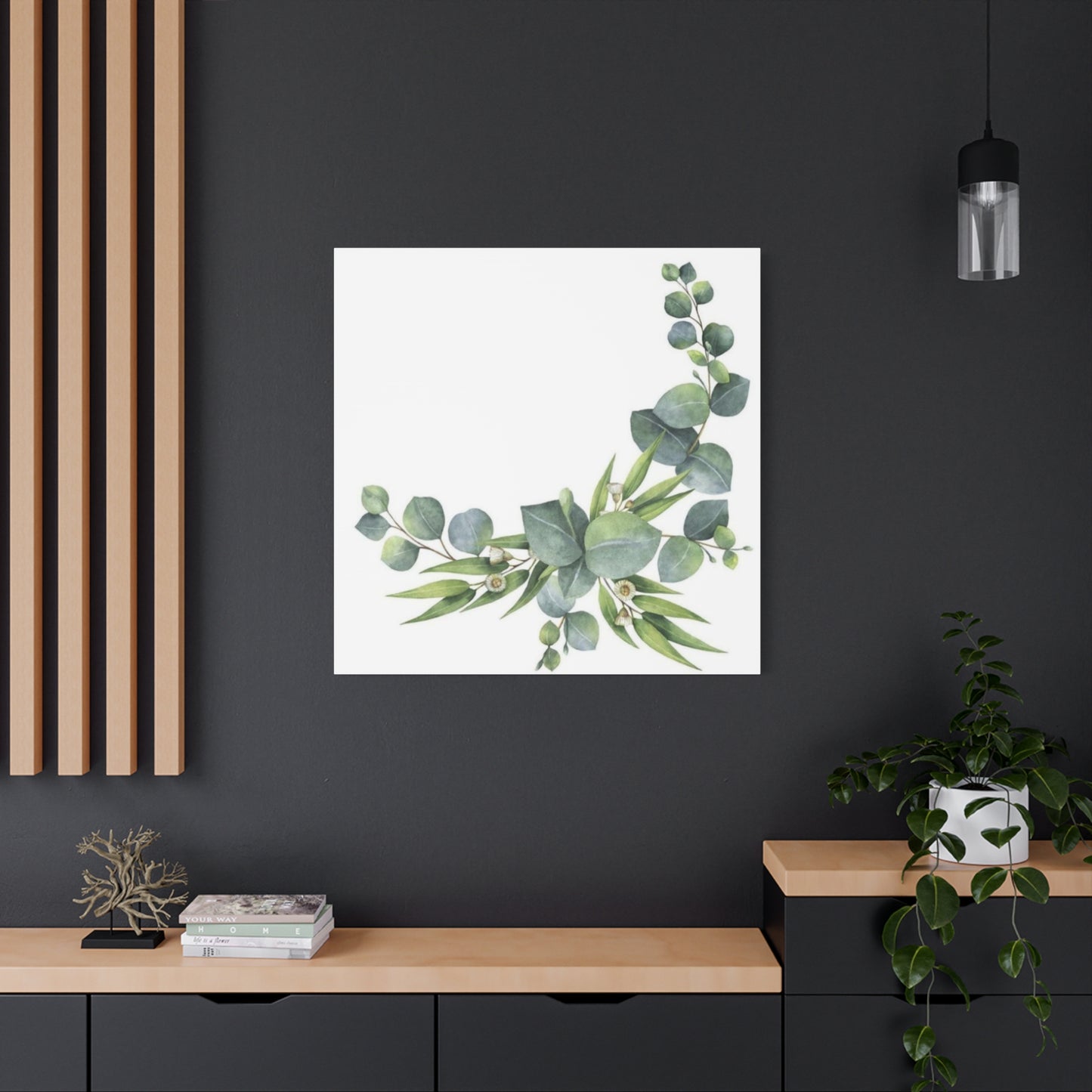
Flower of Eucalyptus Wall Art & Canvas Prints
Flower of Eucalyptus Wall Art & Canvas Prints
Couldn't load pickup availability
Bringing Nature's Elegance Into Your Living Spaces Through Flower of Eucalyptus Wall Art
The allure of botanical décor has captivated interior designers and homeowners alike for centuries, with eucalyptus emerging as one of the most sought-after natural elements in contemporary home styling. Among the myriad ways to incorporate this Australian native into your dwelling, flower of eucalyptus wall art stands as a particularly sophisticated choice that bridges the gap between organic beauty and artistic expression. This form of decorative enhancement transcends mere ornamentation, offering a tangible connection to nature's serene aesthetics while simultaneously elevating the ambiance of any room it graces.
Eucalyptus, renowned for its distinctive silvery-green foliage and aromatic properties, possesses an inherent versatility that translates beautifully into wall-mounted displays. The blossoms and seed pods of various eucalyptus species present unique visual characteristics ranging from delicate creamy-white pompoms to vibrant crimson bursts, each variety bringing its own personality to interior environments. When thoughtfully arranged and preserved as wall art, these botanical specimens create focal points that command attention without overwhelming the senses, striking that elusive balance between statement-making presence and understated refinement.
The rising popularity of flower of eucalyptus wall art reflects a broader societal shift toward biophilic design principles—the conscious effort to incorporate natural elements into built environments to enhance human well-being. Research consistently demonstrates that exposure to botanical imagery and preserved plant materials can reduce stress levels, improve cognitive function, and foster feelings of tranquility. Unlike living plants that require consistent maintenance, preserved eucalyptus arrangements offer these benefits while demanding minimal upkeep, making them ideal for busy households or commercial spaces where regular care routines might prove challenging.
Discovering the Botanical Characteristics That Make Eucalyptus Ideal for Artistic Display
Eucalyptus belongs to the Myrtaceae family, comprising over seven hundred species native primarily to Australia, with smaller populations scattered across nearby islands and select regions where humans have introduced them. What distinguishes eucalyptus from countless other botanical candidates for wall art is its remarkable structural integrity even after harvesting. The leaves contain substantial quantities of eucalyptol and other volatile oils that contribute to their preservation, allowing them to maintain form and color far longer than most foliage varieties when properly treated.
The flowering structures of eucalyptus species vary dramatically depending on their genetic lineage. Some varieties produce fluffy, brush-like blossoms composed entirely of stamens, creating ethereal clouds of texture that photograph beautifully and add dimensional interest to flat surfaces. Other species develop cap-like structures called opercula that protect developing flowers before dramatically bursting open to reveal intricate reproductive organs beneath. These botanical peculiarities make eucalyptus flowers endlessly fascinating subjects for artistic interpretation, whether displayed in their natural state or incorporated into more elaborate compositions.
Beyond their visual appeal, eucalyptus flowers and foliage emit subtle aromatic compounds that can gently perfume indoor spaces without the overwhelming intensity of artificial fragrances. This olfactory dimension adds another sensory layer to the experience of flower of eucalyptus wall art, creating multidimensional interactions with your environment. The scent profile typically features clean, slightly camphoraceous notes with undertones of mint and honey, depending on the specific species and preservation method employed. This natural fragrance can subtly influence mood and perception, contributing to the overall atmospheric quality of a room.
The structural adaptations that allow eucalyptus to thrive in challenging Australian climates also make it exceptionally suitable for indoor display. The thick, waxy cuticle coating eucalyptus leaves helps prevent moisture loss, which translates to better color retention and longer-lasting displays when the plant material is cut and preserved. The fibrous nature of eucalyptus stems provides excellent structural support for arrangements, allowing artists to create dynamic compositions that maintain their intended shape over extended periods without collapsing or drooping—a common problem with more delicate botanical specimens.
Exploring the Diverse Species and Their Unique Visual Contributions to Decorative Arrangements
The sheer variety within the eucalyptus genus provides nearly limitless possibilities for creating distinctive wall art pieces. Eucalyptus cinerea, commonly called silver dollar eucalyptus or argyle apple, features perfectly round, coin-shaped leaves in soft blue-gray tones that create a sense of geometric order and balance in arrangements. This species rarely flowers in cultivation, but its foliage alone commands significant presence and pairs beautifully with more texture-rich eucalyptus varieties in mixed compositions.
Eucalyptus globulus, the Tasmanian blue gum, produces substantial woody fruits and aromatic adult foliage that transitions from juvenile rounded leaves to elongated sickle-shaped mature foliage. The flowers of this species appear as solitary white blooms or occasionally in groups of three, creating delicate focal points against the bold, leathery leaves. Artists often incorporate both juvenile and mature foliage from the same species to create visual contrast and narrative depth within a single piece of flower of eucalyptus wall art.
For those seeking more dramatic color palettes, Eucalyptus ficifolia (now reclassified as Corymbia ficifolia) offers spectacular red, orange, or pink flowers that cluster in large terminal groups. These vibrant blossoms create stunning visual impact and can serve as the centerpiece of bold, contemporary arrangements. The flowering period typically occurs during summer months, but proper preservation allows these colorful blooms to retain much of their chromatic intensity indefinitely, bringing perpetual warmth to interior spaces regardless of the season outside.
Eucalyptus leucoxylon, known as the yellow gum or South Australian blue gum, produces flowers in shades ranging from cream to deep pink or red, often appearing in winter when many other eucalyptus species lie dormant. The blossom structure features abundant stamens that create a fluffy, almost feathery appearance, adding softness and movement to rigid wall-mounted displays. This species demonstrates remarkable variability in flower color even within the same genetic population, allowing artists to source material with specific color requirements or to embrace natural variation for more organic, eclectic compositions.
The ghost gum, Eucalyptus pauciflora, presents yet another aesthetic entirely, with smooth white bark that peels away in ribbons and relatively modest flowers that appear in creamy clusters. While the blossoms themselves might seem understated compared to more flamboyant species, their simplicity creates opportunities for minimalist design approaches that emphasize negative space and subtle tonal variations. This species particularly appeals to those pursuing Scandinavian-inspired or Japanese-influenced design schemes where restraint and simplicity reign supreme.
Examining the Various Presentation Formats for Displaying Eucalyptus Botanical Elements on Vertical Surfaces
Pressed and framed eucalyptus represents perhaps the most traditional approach to botanical wall art, drawing on centuries-old herbarium preservation methods. This format involves carefully pressing fresh eucalyptus specimens between absorbent materials until completely desiccated, then mounting the flattened material against contrasting backgrounds within glazed frames. The pressing process transforms three-dimensional plant structures into elegant two-dimensional representations that emphasize form, vein structure, and subtle color gradations. Museum-quality archival materials ensure these pressed specimens can last decades or even centuries without significant degradation.
Shadow box displays offer increased dimensional depth compared to traditional pressed arrangements, allowing eucalyptus flowers and foliage to retain more of their natural volume and texture. These enclosed display cases typically feature raised mounting surfaces positioned several inches behind protective glass or acrylic fronts, creating literal and figurative breathing room around the botanical subjects. Shadow boxes accommodate bulkier elements like seed pods, flower clusters, and branching structures that would be damaged or destroyed by pressing, expanding the range of eucalyptus material suitable for wall art purposes.
Resin-preserved eucalyptus pieces represent a more contemporary approach that entirely encapsulates plant material within clear casting resin, creating gem-like objects that can hang as standalone pieces or be incorporated into larger mixed-media works. The resin encapsulation process halts all decomposition while providing exceptional protection from environmental factors like humidity, dust, and handling damage. Light passing through the transparent resin illuminates the suspended eucalyptus from multiple angles, creating visual effects impossible to achieve with other presentation methods. This format particularly suits modern, minimalist interiors where clean lines and innovative materials take precedence.
Wreath and circular arrangements of dried eucalyptus provide an alternative to rectangular formats, offering organic circular compositions that soften the angular geometry typical of most architectural spaces. These pieces can range from minimalist hoops adorned with sparse eucalyptus accents to abundant, densely-packed circles overflowing with diverse botanical elements. The circular format carries symbolic associations with wholeness, cycles, and continuity that can add conceptual depth to the visual appeal. These pieces typically mount flat against walls or can be slightly elevated on standoffs to cast subtle shadows that enhance their dimensional presence.
Large-scale murals and wallpaper featuring photographic or illustrated eucalyptus imagery represent the most immersive approach to flower of eucalyptus wall art. These installations can transform entire walls into botanical showcases, creating environments that feel more like outdoor gardens than enclosed rooms. Modern printing methods produce imagery with exceptional detail and color fidelity, while premium substrates ensure durability and washability. This approach particularly suits commercial spaces, hospitality environments, or residential rooms where dramatic visual impact takes priority over subtlety.
Understanding the Preservation Methods That Maintain Botanical Beauty Over Extended Periods
Air drying remains the simplest and most accessible preservation method for eucalyptus, requiring nothing more than time, patience, and appropriate environmental conditions. Fresh-cut eucalyptus bundles hung upside down in warm, dry, dark locations will gradually lose moisture over two to four weeks, resulting in preserved material that retains much of its original shape and color. The darkness prevents light-driven color degradation, while inverted positioning helps maintain natural stem curvature and prevents drooping as moisture evaporates. This method works particularly well for eucalyptus species with naturally low moisture content and robust structural characteristics.
Glycerin preservation offers superior color retention and flexibility compared to simple air drying, though it requires more preparation and material investment. This method involves placing fresh-cut eucalyptus stems in a solution of glycerin and water, which the plant gradually absorbs through transpiration, replacing cellular moisture with the preserving liquid. The glycerin-treated material remains supple and less brittle than air-dried specimens, reducing the risk of breakage during handling and arrangement. Color shifts toward slightly darker, more muted tones, but the overall effect often appears more sophisticated and less faded than air-dried alternatives.
Silica gel desiccation provides the fastest preservation results while offering excellent color retention, particularly for delicate flowers that might be damaged by other methods. This process involves completely burying eucalyptus specimens in fine silica gel crystals that rapidly absorb moisture through direct contact. Most material dries completely within one to two weeks, though exact timing depends on the specimen's size and moisture content. The resulting preserved eucalyptus maintains exceptional detail and vibrant coloration, though the material becomes quite fragile and requires careful handling during arrangement and mounting.
Pressing under weight or in dedicated plant presses creates permanently flattened specimens ideal for herbarium-style displays and framed arrangements. This method applies consistent, even pressure across the entire specimen while absorbent materials draw out moisture. The process typically requires one to three weeks for complete desiccation, with absorbent papers changed every few days to prevent mold growth and ensure uniform drying. Pressed eucalyptus develops a unique aesthetic character distinct from three-dimensional dried material, emphasizing line quality, pattern, and negative space in ways that dimensional specimens cannot.
Chemical preservation methods including freeze-drying and specialized fixatives offer professional-grade results but typically require access to commercial equipment or specialized knowledge. Freeze-drying removes moisture through sublimation while the specimen remains frozen, preventing cellular collapse and maintaining exceptional structural integrity and color fidelity. This method produces the highest quality preserved material but requires expensive equipment and controlled processing environments. Chemical fixatives work through various mechanisms to stabilize plant tissues, though many contain harsh compounds that require careful handling and disposal consideration.
Investigating Color Psychology and How Eucalyptus Hues Influence Spatial Perception and Mood
The characteristic blue-gray coloration of many eucalyptus species exerts powerful psychological effects on viewers, generally promoting feelings of calm, stability, and mental clarity. Color psychology research indicates that blue tones activate parasympathetic nervous system responses that lower heart rate and blood pressure, creating physiological relaxation that accompanies subjective feelings of tranquility. The gray undertones present in eucalyptus foliage soften the coolness of pure blue, preventing the chilly sensation that can accompany deeply saturated blue environments while maintaining the calming properties.
Green tones present in fresher eucalyptus specimens or certain species tap into humanity's deep evolutionary associations between green coloration and life-sustaining environments. Our ancestors survived by recognizing green vegetation as indicators of water, food, and safe habitation, creating neurological pathways that continue to trigger positive responses when we encounter green hues. Flower of eucalyptus wall art featuring greener specimens can make spaces feel more alive, fresh, and rejuvenating compared to the more contemplative atmosphere created by blue-gray varieties.
The silvery, almost metallic quality characteristic of many eucalyptus leaves adds a sophisticated, contemporary dimension to the color palette that elevates eucalyptus beyond typical botanical décor. This lustrous quality results from the waxy coating that protects leaves from excessive moisture loss and UV damage in their native habitats. In interior contexts, this subtle shimmer catches and reflects available light, creating gentle animation and visual interest that keeps the eye engaged. The effect reads as elegant rather than flashy, suitable for refined environments where overt glitz would feel inappropriate.
Warmer tones present in eucalyptus flowers—creams, yellows, pinks, and reds—provide crucial counterbalance to the cool foliage, preventing color schemes from skewing too heavily toward cold spectrums that can feel unwelcoming. These warmer accents create visual anchors that draw the eye and establish focal points within compositions. The biological purpose of these warm flower colors—attracting pollinators—translates into human contexts as attention-grabbing elements that guide visual navigation through space and arrangement.
The muted, desaturated quality of preserved eucalyptus colors creates a sense of timelessness and maturity that highly saturated hues cannot replicate. Bright, intense colors tend to feel energetic and contemporary, which suits certain contexts but can also feel dated as color trends shift. The subtle, complex tones of eucalyptus exist outside mainstream color trend cycles, maintaining relevance across changing design fashions. This quality makes flower of eucalyptus wall art a sound long-term investment rather than a trendy purchase likely to feel outdated within a few years.
Analyzing Ideal Placement Strategies to Maximize Visual Impact and Environmental Harmony
Living rooms benefit enormously from substantial flower of eucalyptus wall art pieces positioned above primary seating arrangements or on prominent feature walls visible upon entering the space. These public areas of the home set the tone for the entire dwelling, making thoughtful art placement crucial for establishing desired atmospheric qualities. Large-scale eucalyptus arrangements in living spaces signal a commitment to bringing natural elements indoors while demonstrating aesthetic sophistication. The calming properties of eucalyptus make it particularly well-suited to spaces designed for relaxation and social gathering, promoting comfortable conversation and stress reduction.
Bedroom environments represent perhaps the ideal setting for flower of eucalyptus wall art, as the calming and purifying associations with eucalyptus align perfectly with the restorative purpose of sleeping quarters. Positioning eucalyptus art where it's visible upon waking can establish a peaceful, grounded start to each day, while viewing it before sleep can facilitate mental unwinding. The subtle natural fragrance of properly preserved eucalyptus can contribute to improved sleep quality without the artificial intensity of synthetic air fresheners or the maintenance requirements of living plants that might disturb sleep through excessive watering needs or pest issues.
Bathrooms and powder rooms offer unexpected opportunities for eucalyptus wall art that resonates with the cleansing and refreshing functions of these spaces. The association between eucalyptus and spa environments makes this placement feel intuitive and appropriate, elevating everyday hygiene routines into more mindful, self-care oriented experiences. Smaller-scale pieces suit these typically compact spaces, and the moisture-resistant properties of properly preserved eucalyptus make it more suitable for humid environments than many alternative botanical materials. Avoid positioning pieces directly in shower spray zones, but general bathroom humidity typically won't damage well-preserved eucalyptus.
Entryways and hallways represent transitional zones that benefit from artistic elements that guide movement while establishing atmospheric continuity between distinct areas. Flower of eucalyptus wall art in these circulation spaces creates visual rhythm and repetition when multiple related pieces are positioned along longer corridors. The vertical orientation of many eucalyptus arrangements naturally complements the vertical proportions of hallway walls, while the neutral color palette prevents visual competition with whatever lies at the corridor's end. These transitional placements also serve the practical purpose of making narrow spaces feel wider through careful color and scale selection.
Home offices and workspaces gain significant functional benefits from eucalyptus wall art beyond mere aesthetic enhancement. The mental clarity associations with eucalyptus can subtly support focus and cognitive performance, while the natural elements provide beneficial visual breaks from screen-based work. Positioning eucalyptus art within your peripheral vision while facing a computer creates opportunities for microbreaks that rest the eyes and reset attention, potentially improving overall productivity. The biophilic elements may also help counteract the sterile, disconnected feeling that can develop in spaces dominated by electronics and artificial materials.
Examining How to Successfully Incorporate Eucalyptus Art Into Various Design Schemes and Aesthetics
Modern minimalist interiors find a natural ally in flower of eucalyptus wall art, as both design philosophies emphasize restraint, intentionality, and connection to essential elements. The clean lines and uncluttered compositions characteristic of minimalism harmonize beautifully with spare eucalyptus arrangements that feature ample negative space and limited color palettes. Select frames in materials like light woods, brushed metals, or simple matte blacks that complement minimalist principles without introducing visual noise. The organic nature of eucalyptus softens the sometimes stark quality of minimalist spaces without compromising the fundamental aesthetic.
Scandinavian-inspired interiors, which blend minimalism with warmth and natural materials, embrace eucalyptus particularly enthusiastically. The Nordic design tradition emphasizes connection to nature as an antidote to long, dark winters, making botanical elements not just decorative but almost spiritually essential. Pair flower of eucalyptus wall art with the light woods, neutral textiles, and simple forms characteristic of Scandinavian style, allowing the eucalyptus to serve as one of several natural elements—alongside wool, linen, leather, and wood—that create sensory richness within restrained color schemes. The silvery-green tones of eucalyptus complement the gray-white-beige palettes typical of this aesthetic.
Bohemian and eclectic interiors can accommodate more exuberant eucalyptus arrangements featuring mixed species, varied preservation methods, and combination with other botanical elements and found objects. The maximalist tendencies of boho style welcome layering, texture mixing, and abundant natural materials, allowing eucalyptus to join a chorus of decorative elements rather than performing solo. Consider incorporating eucalyptus into gallery walls alongside diverse artwork, textiles, and three-dimensional objects, or selecting eucalyptus pieces with elaborate frames that contribute their own decorative interest. The key to successful bohemian incorporation lies in abundance and variety rather than restraint and repetition.
Farmhouse and rustic aesthetics naturally embrace eucalyptus as an element that reinforces the connection to agricultural life and rural environments. Pair flower of eucalyptus wall art with reclaimed wood frames, galvanized metal accents, and other materials that reference farm and barn contexts. The informal, collected-over-time feeling central to farmhouse style suggests incorporating eucalyptus pieces that appear handmade or personally assembled rather than mass-produced designer objects. Distressed finishes, visible hardware, and imperfect arrangements enhance the authentic, lived-in quality that makes farmhouse style appealing.
Contemporary interiors with bold color schemes and strong design statements can use eucalyptus as a sophisticated neutral that grounds more adventurous choices elsewhere. When surrounding décor features saturated colors, geometric patterns, or dramatic contrasts, the muted tones and organic forms of eucalyptus provide visual relief and prevent sensory overload. Select large-scale eucalyptus pieces that can hold their own against bold surrounding elements without attempting to compete directly. The juxtaposition between organic botanical forms and highly designed contemporary furnishings creates dynamic tension that keeps spaces feeling energized rather than static.
Discovering DIY Methods for Creating Your Own Preserved Eucalyptus Wall Art Pieces
Sourcing high-quality eucalyptus represents the crucial first step in any DIY wall art project, with options including purchasing from florists, foraging from cultivated garden specimens, or ordering pre-dried material from specialty botanical suppliers. When selecting fresh eucalyptus for preservation, prioritize material without blemishes, pest damage, or premature browning, as these imperfections will become more pronounced during drying. Harvest or purchase eucalyptus during optimal times—typically morning hours after dew has evaporated but before afternoon heat stresses the plants—to ensure maximum moisture content and vitality for preservation processes.
Preparing eucalyptus for preservation requires removing lower leaves that would sit below water lines or glycerin solution levels, as these submerged leaves will rot rather than preserve. Make fresh cuts at the base of stems using sharp, clean shears or pruning scissors, cutting at an angle to maximize surface area for solution absorption in glycerin methods or to prevent stems from sitting flat against container bottoms in water-based methods. Strip away any damaged leaves or spent flowers that would detract from the final aesthetic, but retain interesting structural elements like seed pods or developing buds that add visual complexity.
Air drying execution involves bundling eucalyptus stems in small groups—typically five to ten stems depending on variety and stem thickness—and securing with rubber bands or string. Hang these bundles upside down in a warm, dry, dark location with good air circulation, such as an attic, closet, or unused room. Avoid basements or other damp locations where slow drying might encourage mold growth. Check weekly for dryness by testing leaf and stem flexibility; properly dried eucalyptus should feel papery and slightly brittle, with stems that snap cleanly rather than bend. This process typically requires two to four weeks depending on environmental conditions and material thickness.
Glycerin preservation begins with mixing one part glycerin to two parts warm water in a container deep enough to hold eucalyptus stems upright with solution covering the bottom several inches of each stem. Place prepared eucalyptus stems in the solution and position in a cool, dry location away from direct sunlight. Monitor solution levels and add more as needed to keep stem ends submerged. Watch for glycerin absorption by observing color changes in leaves—they'll typically darken and may develop a slight sheen as glycerin replaces water. The process generally requires two to six weeks, with completion indicated when color changes reach the topmost leaves.
Mounting and framing preserved eucalyptus requires careful planning to ensure longevity and proper presentation. For pressed specimens, use acid-free backing boards and mounting materials to prevent deterioration over time. Attach specimens with minimal adhesive points using museum-quality glues or tiny stitches with fine thread for maximum reversibility and minimal visual impact. For dimensional arrangements in shadow boxes, secure stems with discrete wires, pins, or dots of clear adhesive, ensuring all attachment points are hidden from normal viewing angles. Select frames with UV-protective glazing to prevent light damage, and use spacers to keep glass from touching delicate flower structures. Consider backing materials in colors that enhance your eucalyptus—white and cream create classic botanical illustration aesthetics, while darker charcoals and blacks produce more contemporary drama.
Investigating Professional Alternatives for Acquiring Museum-Quality Eucalyptus Art Pieces
Artisan botanical artists who specialize in preserved plant materials represent the premium tier of flower of eucalyptus wall art sources, offering pieces that qualify as fine art rather than mere decoration. These skilled practitioners bring years of training in horticulture, preservation science, and artistic composition to their work, creating pieces with exceptional longevity and aesthetic sophistication. Prices for artisan pieces reflect the considerable time investment—often dozens of hours for a single substantial work—and the expertise required to source optimal specimens, preserve them flawlessly, and arrange them in compositions that transcend simple craft into genuine artistry. Commissioning custom pieces allows for input on color palette, scale, and specific eucalyptus varieties while supporting independent creative professionals.
Gallery-represented botanical artists occupy a unique niche between fine art and decorative arts, creating pieces that appear in juried exhibitions and respected galleries while remaining accessible to non-collector audiences. These artists often develop signature styles or specialized methods that distinguish their work from both mass-produced items and artisan crafts. Gallery representation typically includes certificates of authenticity, professional photography, and established secondary markets should you eventually wish to sell pieces. Investing in gallery-level botanical art provides not just beautiful décor but potential appreciation value, particularly for artists whose reputations grow over time.
Interior designers and decorators maintain relationships with wholesale botanical suppliers and artisan communities that give them access to pieces unavailable through retail channels. Engaging design professionals to source flower of eucalyptus wall art ensures selections perfectly harmonize with your overall interior vision, as designers consider factors like scale, proportion, color theory, and stylistic consistency that untrained eyes might overlook. While design services carry additional costs, the value lies in avoiding expensive mistakes and achieving cohesive results that feel professionally curated rather than randomly accumulated.
Online marketplaces specializing in handmade and artisan goods host numerous botanical artists offering eucalyptus wall art at various price points and quality levels. These platforms facilitate direct communication between makers and customers, allowing for customization requests and questions about materials and methods. Review ratings, completed order counts, and customer photos before purchasing to assess whether a particular seller's quality meets your expectations. Be aware that online representations of color and scale can mislead, so carefully read dimensions and descriptions, and don't hesitate to request additional photos or information before committing to purchases.
Botanical gift shops at gardens, arboreta, and natural history museums often stock locally-created eucalyptus art that reflects regional botanical character and artistic communities. These specialty retailers typically curate inventory carefully, balancing accessibility and quality while supporting local artists and their institutions' educational missions. Prices generally sit between mass-market retailers and high-end galleries, offering good value for those seeking quality without entering collectible art markets. Additional benefits include knowing your purchase supports botanical conservation and education, and the opportunity to view pieces in person before buying.
Understanding Proper Display Conditions to Maximize the Longevity of Your Botanical Art
Light exposure represents the single greatest threat to preserved eucalyptus color and structural integrity, with ultraviolet radiation causing rapid degradation of plant pigments and cellular structures. Position flower of eucalyptus wall art away from windows receiving direct sunlight, or install UV-filtering window films if direct light exposure is unavoidable. Even indirect natural light causes cumulative damage over months and years, so rooms with northern exposures or limited windows provide ideal environments for maximum preservation. Artificial lighting poses less threat, though prolonged exposure to heat-generating incandescent bulbs or high-intensity spotlights should still be avoided.
Humidity fluctuations present another significant preservation challenge, as excessive moisture can promote mold growth on organic materials while extreme dryness increases brittleness and breakage risk. Maintain consistent relative humidity between forty and sixty percent—the range generally comfortable for human habitation—to keep preserved eucalyptus in optimal condition. Avoid hanging pieces in bathrooms with poor ventilation, uninsulated walls prone to condensation, or near humidifiers and dehumidifiers where conditions fluctuate dramatically. Consistent climate control benefits both your eucalyptus art and your overall interior environment, making humidity monitoring worthwhile even beyond art preservation concerns.
Temperature stability matters less than humidity consistency but still merits consideration, particularly regarding thermal cycling that occurs near heat sources or in seasonally used spaces. Avoid positioning eucalyptus art above radiators, fireplaces, heating vents, or other heat sources that create localized temperature spikes. Similarly, pieces shouldn't hang on exterior walls in poorly insulated buildings where temperature differentials between interior and exterior create condensation risks. Moderate, stable temperatures anywhere in the typical household comfort range suit preserved eucalyptus well, with gradual seasonal changes posing minimal threat compared to daily dramatic swings.
Dust accumulation represents an often-overlooked preservation concern that degrades appearance while potentially introducing moisture-retaining particles that promote deterioration. Regularly remove dust from framed pieces using soft, dry microfiber cloths or gentle compressed air, taking care not to dislodge delicate botanical elements. For shadow boxes and dimensional arrangements, consider having frames professionally sealed or use frames with excellent gasket systems that minimize dust infiltration. Open wreaths and unglazed arrangements require more frequent cleaning but should be handled minimally to prevent mechanical damage from excessive contact.
Pest prevention deserves attention despite preserved eucalyptus being relatively unappealing to most household insects. Certain species like carpet beetles or silverfish might consume plant materials if infestations establish nearby, making general household pest management relevant to art preservation. Inspect pieces periodically for signs of insect activity including small holes, powdery residues, or live insects. Properly sealed frames provide excellent pest protection, while open arrangements might benefit from occasional inspection and, if necessary, gentle treatment with food-safe insect deterrents like diatomaceous earth applied to frame backs and hanging hardware areas.
Exploring Complementary Design Elements That Enhance Eucalyptus Art Displays
Natural fiber textiles create harmonious partnerships with flower of eucalyptus wall art, as both elements reference organic origins and traditional crafting methods. Consider positioning eucalyptus pieces above furniture upholstered in linen, cotton, or wool fabrics that echo the matte, textured quality of preserved plant materials. Area rugs in jute, sisal, or wool add another layer of natural material that reinforces the biophilic design principles underlying eucalyptus art selection. The color palettes of undyed or naturally dyed textiles—creams, beiges, grays, and soft earth tones—complement eucalyptus beautifully without competing for visual attention.
Wood furnishings and architectural elements amplify the natural aesthetic established by eucalyptus wall art while adding warmth that prevents spaces from feeling too cool or minimal. Light woods like oak, ash, and maple create bright, airy partnerships, while darker walnut and mahogany provide richer, more grounded backdrops. Consider the finish level on wooden elements—matte and satin finishes feel more organic and compatible with eucalyptus art, while high-gloss lacquered pieces might create jarring tonal shifts. Reclaimed and weathered woods bring additional character that complements the organic imperfection inherent in botanical materials.
Stone and ceramic objects introduce earthy mineral elements that ground botanical displays while contributing textural variety. Pottery vessels, stone sculptures, and ceramic tableware share eucalyptus's connection to natural materials and handcraft traditions. Select pieces in neutral tones that harmonize with eucalyptus color palettes, or introduce controlled pops of warmer terracotta, sage green, or muted blue that reference natural mineral pigments. The cool, permanent quality of stone and ceramic provides pleasing contrast to the ephemeral, organic character of preserved plant materials.
Metal accents in brass, copper, bronze, or aged steel can add sophistication and contemporary edge to eucalyptus displays without disrupting natural aesthetics. These warmer metals feel more compatible with botanical elements than chrome or polished silver, which read as too industrial and cold. Consider metal photo frames, wall sculptures, light fixtures, or decorative objects positioned near eucalyptus art to create cohesive material stories. Patinated or antiqued metal finishes prevent excessive shine that might distract from subtler botanical elements while adding depth and visual interest.
Lighting design dramatically affects how flower of eucalyptus wall art reads within a space, with careful illumination enhancing visibility and impact. Picture lights mounted directly above frames create focused illumination that highlights artwork while de-emphasizing surrounding walls. Adjustable track lighting allows precise directional control, letting you spotlight eucalyptus pieces while washing walls with ambient light. Avoid placing eucalyptus art where it will create glare on protective glazing or where shadows from other objects will obscure portions of arrangements. Warm-toned LED bulbs typically complement eucalyptus better than cool daylight-spectrum bulbs, which can emphasize cool gray tones and create less inviting atmospheres.
Investigating Seasonal Rotation Strategies to Keep Your Interior Spaces Feeling Fresh
Spring rotations might introduce eucalyptus pieces featuring fresher green tones or flowering specimens that align with renewed growth in outdoor environments. Position these pieces in spaces where you'll notice them frequently during the season's longer daylight hours, such as east-facing breakfast areas or south-facing sitting rooms. The fresh, vital quality of spring-appropriate eucalyptus reinforces the optimism and energy characteristic of the season, creating resonance between interior atmospheres and natural cycles outside your windows.
Summer displays can emphasize eucalyptus varieties with cooler silver-blue tones that visually counteract heat and create psychological cooling effects. Consider moving eucalyptus pieces to outdoor-adjacent spaces like sunrooms or screened porches where they can blur boundaries between interior and exterior environments. The calming properties of eucalyptus feel particularly valuable during potentially overstimulating summer months when bright light, intense colors, and high activity levels might otherwise create visual and mental overwhelm.
Autumn arrangements benefit from incorporating eucalyptus seed pods, which add textural richness and three-dimensional interest appropriate to harvest season aesthetics. The muted tones of preserved eucalyptus harmonize beautifully with traditional autumn color palettes of rust, gold, and brown without requiring you to embrace ubiquitous pumpkin-and-leaf clichés. Position eucalyptus pieces where they'll provide continuity during the transition from summer to winter, grounding your interior atmosphere even as exterior landscapes transform dramatically.
Winter months showcase eucalyptus at its finest, as the evergreen nature of most species makes them feel seasonally appropriate while offering relief from potential holiday décor fatigue. The silvery, almost frosted appearance of many eucalyptus varieties evokes winter landscapes without requiring explicit holiday theming, allowing pieces to remain in place throughout the entire season rather than being stored away after specific holidays. Consider pairing eucalyptus with minimal white or silver accents for subtle seasonal acknowledgment that avoids overwhelming spaces with temporary decorations.
Rotation logistics require establishing storage systems that protect pieces during off-display periods while keeping them accessible for seasonal swaps. Dedicate closet space or under-bed storage to carefully wrapped eucalyptus art, using acid-free tissue paper and sturdy boxes that prevent crushing. Label stored pieces clearly with contents and ideal display seasons to streamline future rotations. Consider photographing each piece in situ during its display season, creating reference images that help you remember successful placements and pairings for future rotations.
Examining How Different Room Functions Influence Appropriate Eucalyptus Art Selection
Formal dining rooms benefit from symmetrical eucalyptus arrangements or matched pairs that reinforce the ceremonial quality of these special-occasion spaces. The botanical elements add organic softness to rooms often dominated by hard surfaces—wood tables, upholstered chairs, glass or china cabinets—without compromising elegance. Select pieces substantial enough to register from seated positions around dining tables, as guests will view artwork from lower vantage points than in standing-circulation areas. The subtle eucalyptus fragrance can pleasantly enhance dining experiences without competing with food aromas or triggering allergies as living flowers might.
Kitchen spaces increasingly embrace decorative elements beyond purely utilitarian objects, with flower of eucalyptus wall art offering food-safe natural beauty resistant to the temperature, humidity, and airborne grease challenges inherent to cooking environments. Position pieces away from direct stovetop proximity while keeping them visible from primary work areas and eating zones. The fresh, clean associations with eucalyptus feel particularly appropriate in food-preparation spaces, subtly reinforcing hygiene and purity. Smaller-scale pieces or narrow vertical arrangements suit typical kitchen wall configurations, where cabinets, windows, and appliances limit available display surfaces.
Conclusion
Stunning Flower of Eucalyptus Wall Art is an exceptional way to infuse your living spaces with the serene elegance and calming presence of nature. With its soft, muted greens and delicate floral forms, eucalyptus art brings a sense of tranquility and refinement to any room. Eucalyptus, known for its clean scent and natural beauty, serves as a symbol of renewal, vitality, and strength—qualities that resonate deeply in a home setting. By incorporating this art into your décor, you’re not just adding visual beauty but also inviting the gentle spirit of the natural world into your everyday life.
One of the most compelling aspects of eucalyptus flower wall art is its versatility. The eucalyptus plant, with its round, silvery leaves and subtle, delicate flowers, blends seamlessly with a variety of interior design styles. Whether your aesthetic is modern, bohemian, rustic, or even minimalist, the soft, organic nature of eucalyptus brings an understated elegance to any space. The natural hues of eucalyptus—cool greens, soft blues, and silvery grays—complement a wide array of color palettes, making it an ideal choice for those looking to create a balanced, serene atmosphere in their home.
Eucalyptus art also has a unique ability to transform a room into a peaceful sanctuary. Its soft tones are calming, offering an almost meditative quality to the environment. This makes it an ideal choice for spaces where relaxation and tranquility are a priority, such as bedrooms, bathrooms, or reading corners. The presence of eucalyptus in your home invites a sense of calm, helping to create a serene escape from the demands of daily life. The botanical beauty of eucalyptus art evokes feelings of peace, grounding, and mindfulness, allowing you to unwind and reconnect with nature in the comfort of your own space.
In addition to its aesthetic appeal, eucalyptus is a symbol of renewal and healing, adding a layer of deeper meaning to the art. The eucalyptus tree is often associated with cleansing and purifying, both physically and spiritually. By incorporating eucalyptus flower art into your décor, you’re not only enhancing the beauty of your living space but also inviting the qualities of renewal and rejuvenation into your life. Whether it’s the healing properties of the plant or the sense of fresh energy it symbolizes, this art serves as a gentle reminder of the importance of rest, recovery, and self-care.
Another noteworthy benefit of eucalyptus wall art is its timeless charm. Unlike trends that come and go, the soft, natural elegance of eucalyptus flowers has enduring appeal. The minimalist beauty of the plant makes it a lasting feature in your home that can withstand the changing tides of interior design trends. Whether you’re updating your décor or curating a timeless style, eucalyptus art offers a sophisticated yet understated aesthetic that continues to inspire and delight for years to come.
Eucalyptus art is also a perfect way to connect with the natural world, particularly in spaces where access to nature may be limited. For those who live in urban environments or in areas without abundant greenery, bringing a touch of nature indoors can have a significant positive impact on well-being. The presence of plants and botanical imagery has been shown to reduce stress and improve mood, and eucalyptus wall art can be a wonderful way to enjoy the benefits of nature without leaving your home. It’s a simple yet powerful way to bring the outdoors in, creating a harmonious connection between your home and the natural world beyond.
Whether displayed as a statement piece in a living room or as part of a cohesive botanical collection in a hallway or kitchen, Stunning Flower of Eucalyptus Wall Art can enhance the beauty of any space. Its delicate details and gentle color palette bring a sense of peaceful sophistication, making it a perfect addition to any room looking for a touch of nature’s elegance.
In conclusion, Stunning Flower of Eucalyptus Wall Art does more than just decorate your walls—it transforms your home into a sanctuary of natural beauty and calm. With its timeless charm, symbolic meaning, and ability to fit seamlessly into any décor, eucalyptus flower art is a wonderful way to bring the elegance of nature into your living space. Whether for its aesthetic qualities or the deeper emotional resonance it carries, eucalyptus wall art is a choice that will continue to inspire and uplift, creating a harmonious, beautiful environment for years to come.
Share