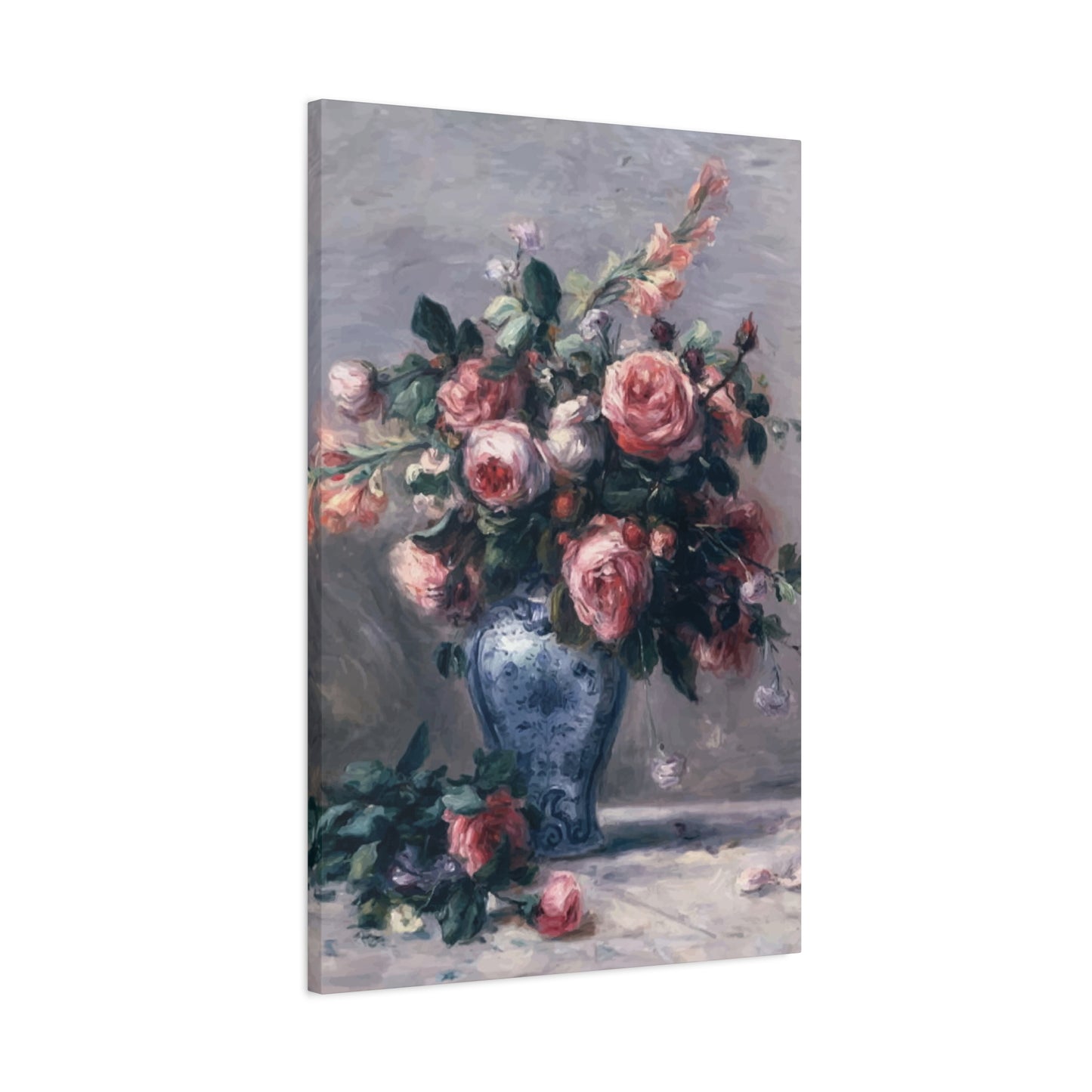
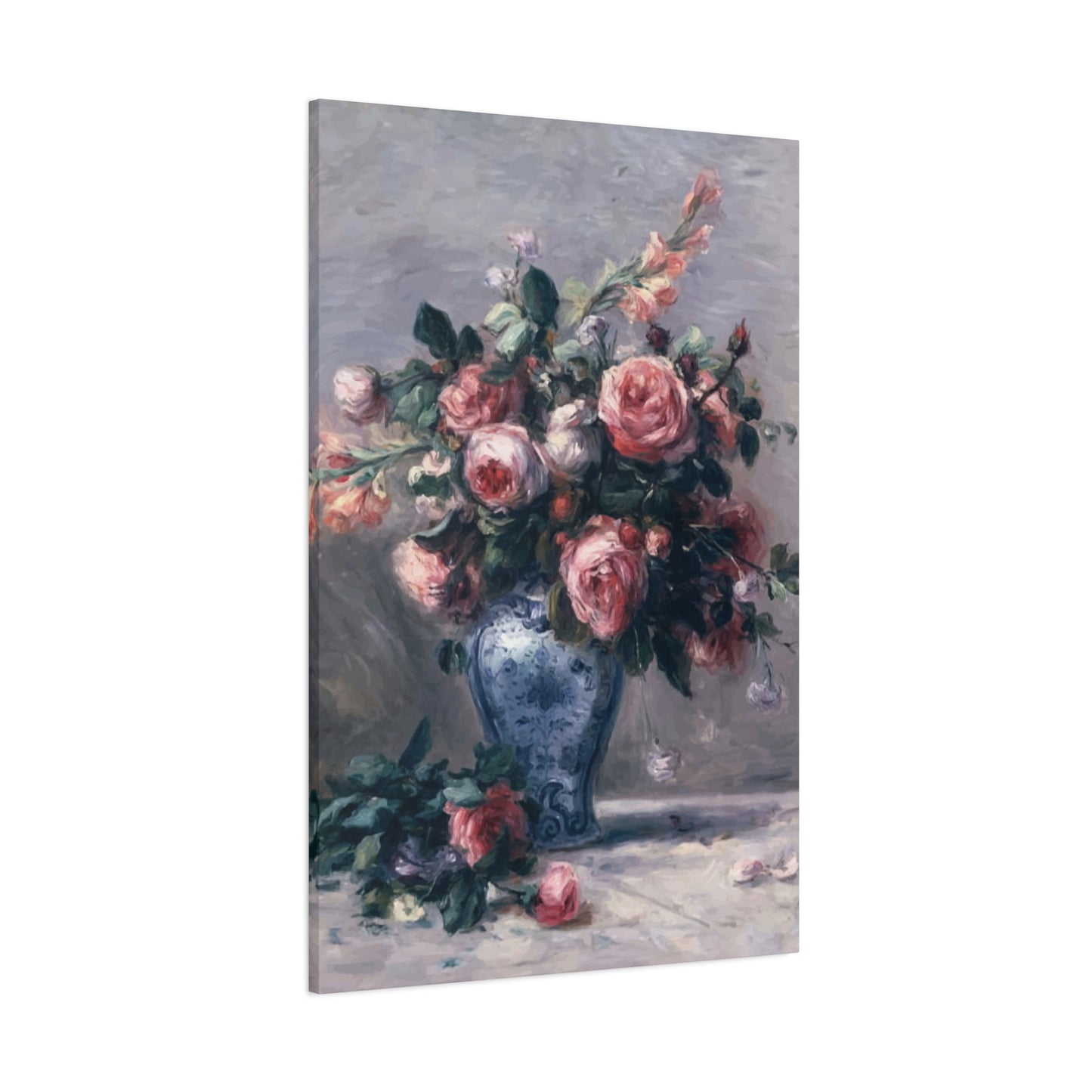
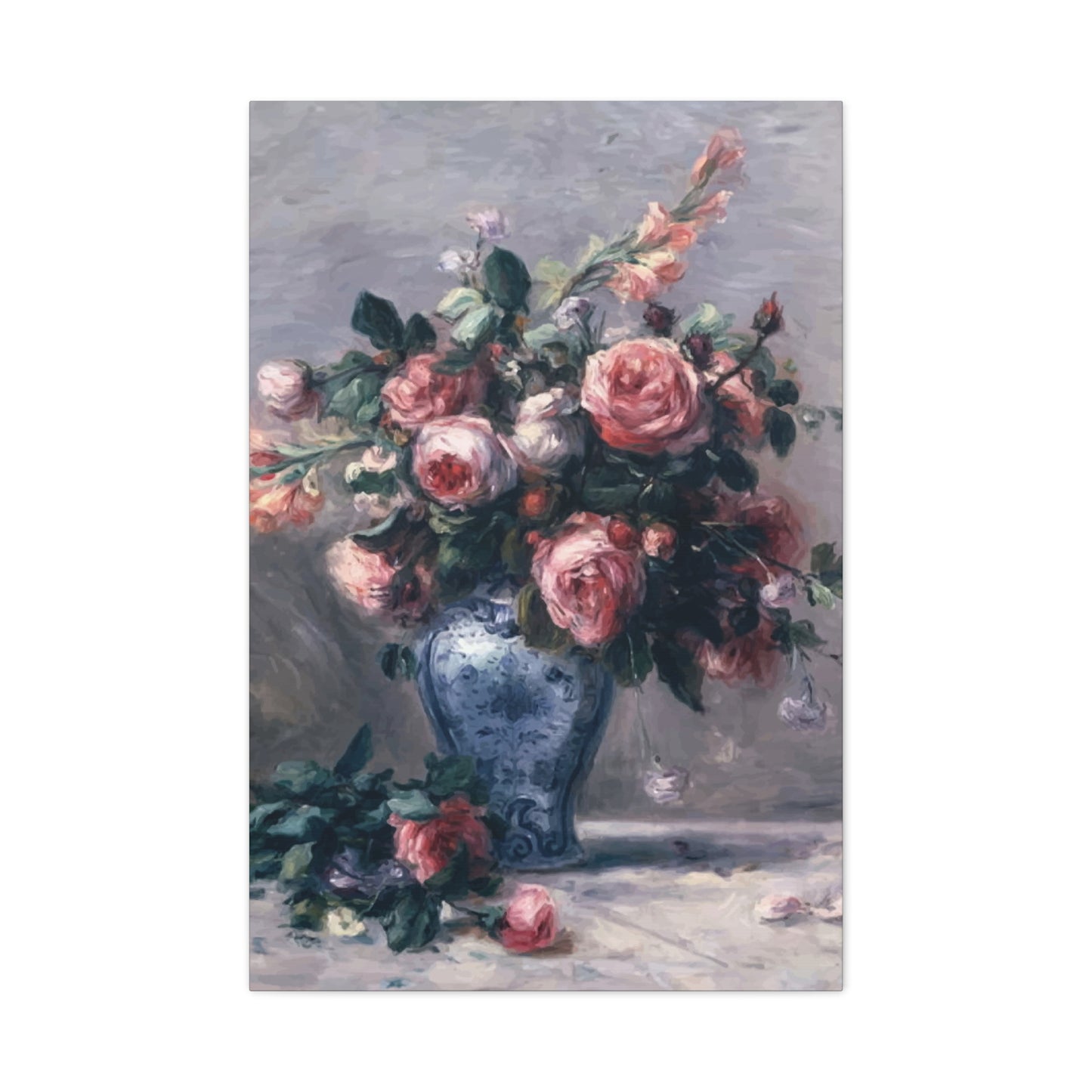
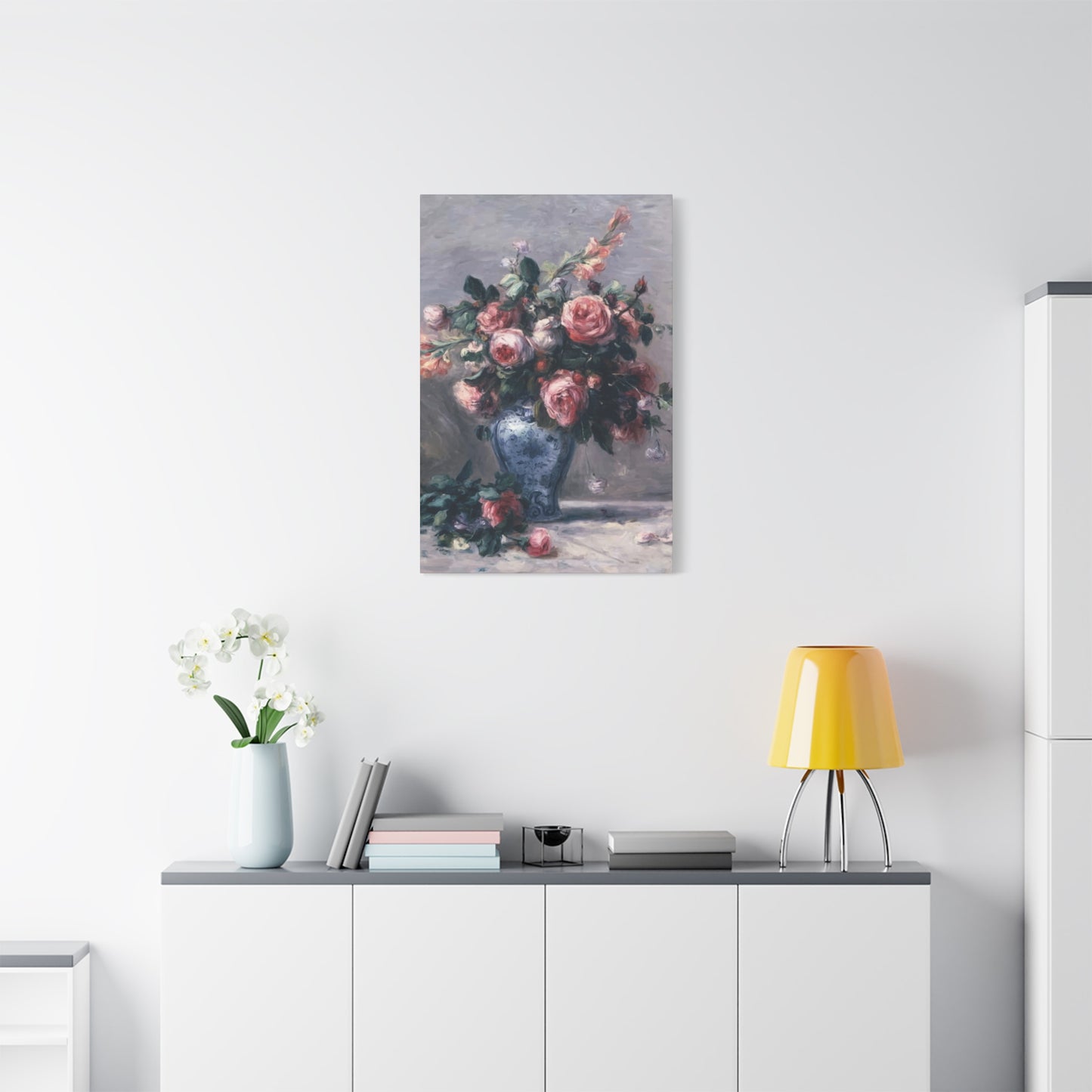
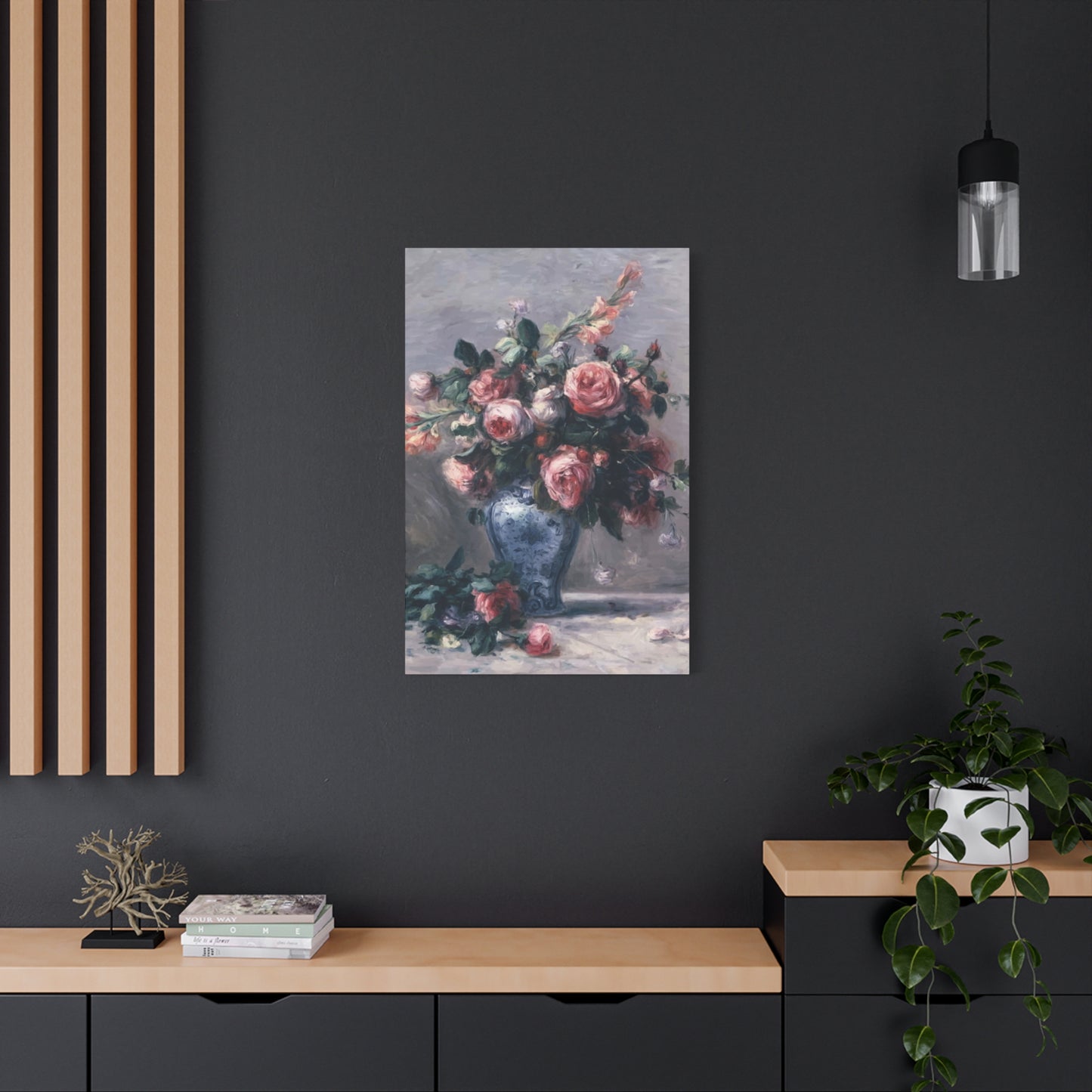
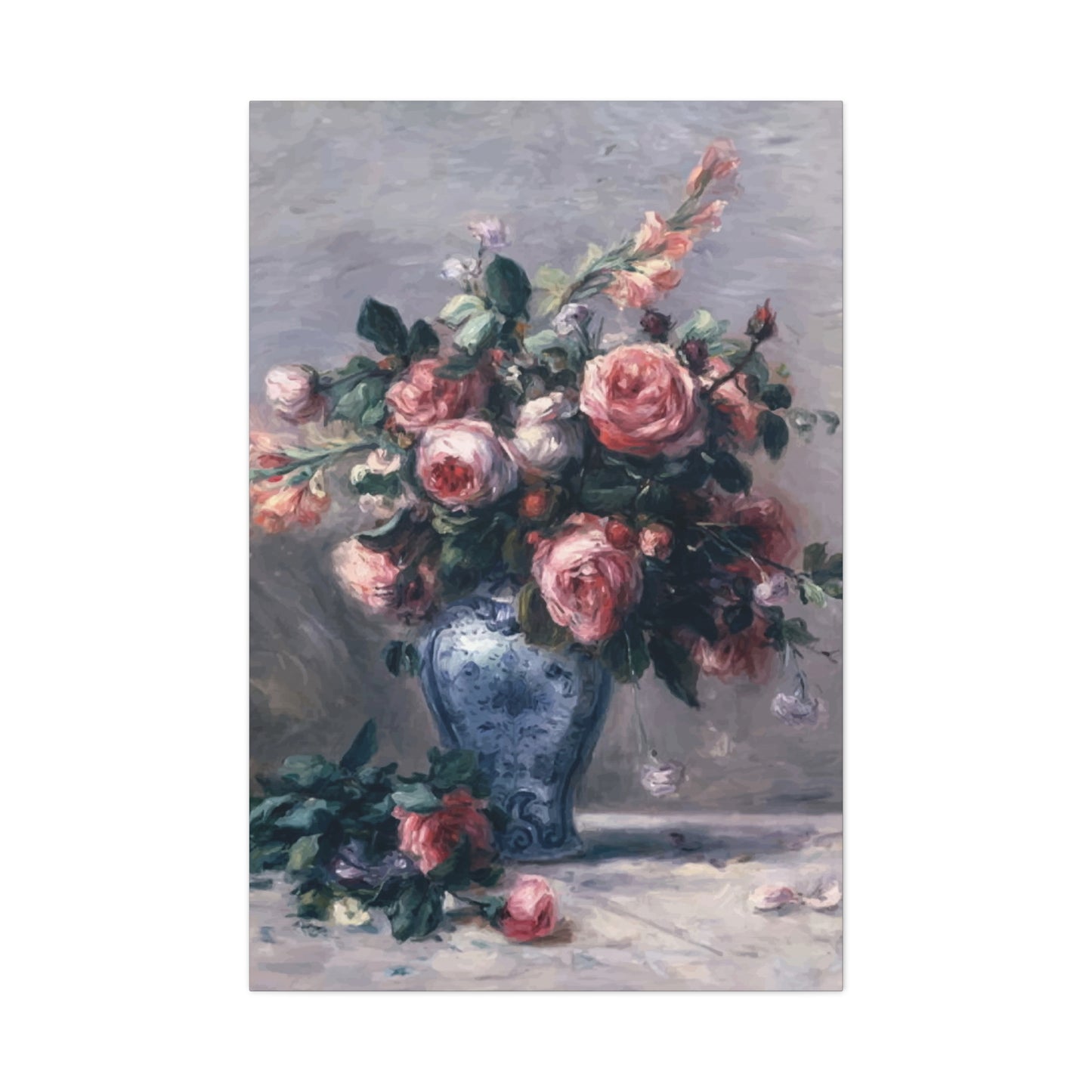
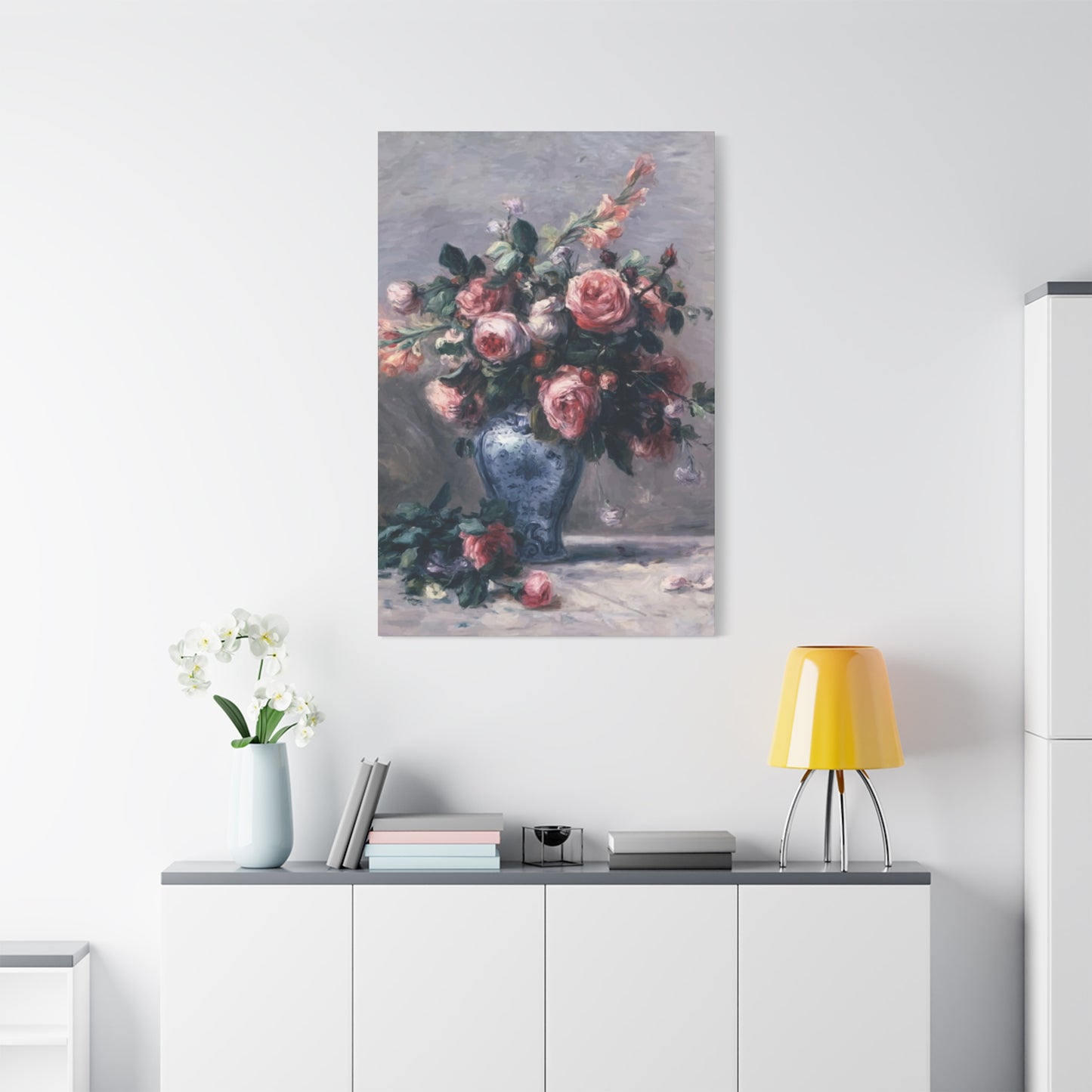
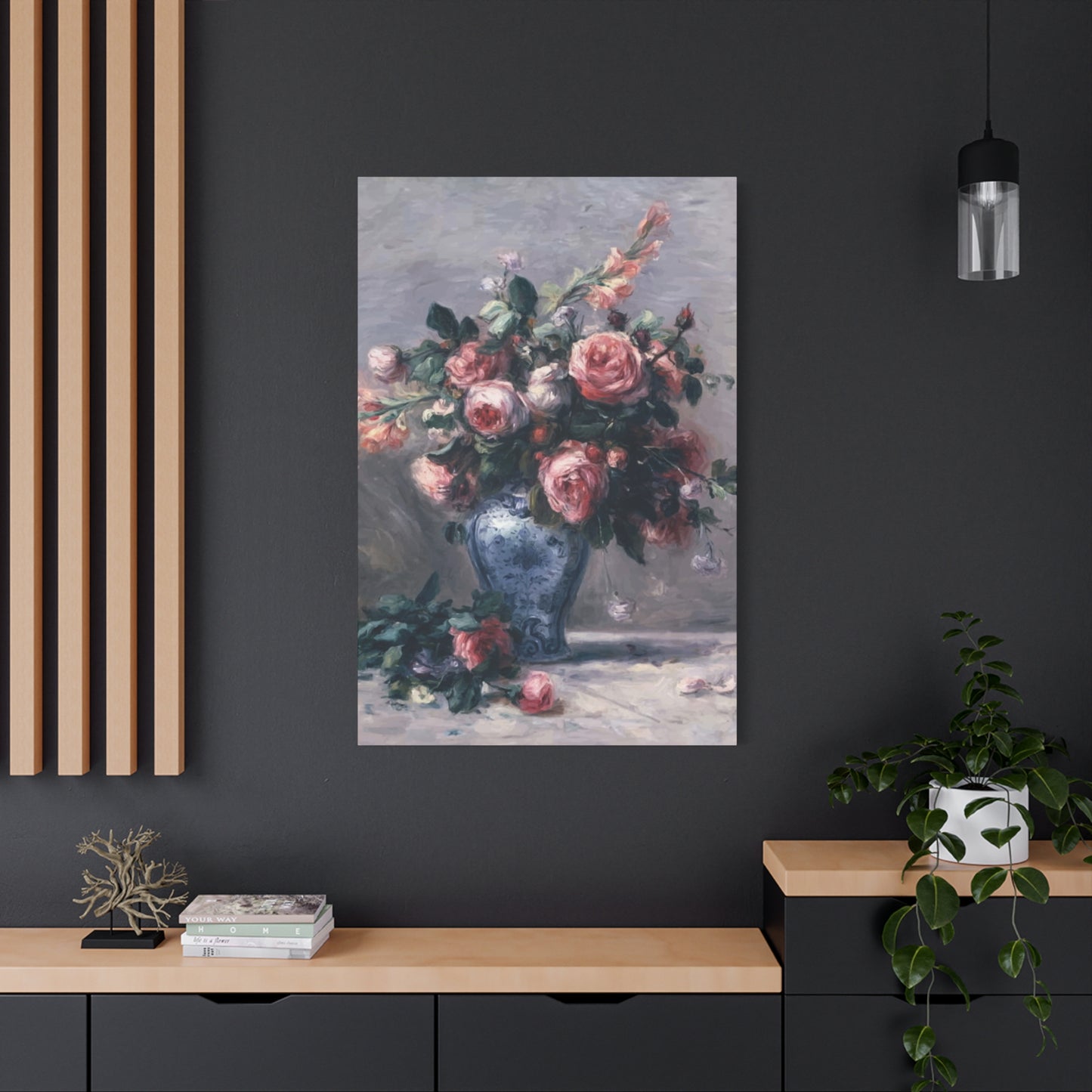
Flower in Vase Wall Art & Canvas Prints
Flower in Vase Wall Art & Canvas Prints
Couldn't load pickup availability
Bringing Nature's Beauty Indoors: The Timeless Appeal of Flower in Vase Wall Art for Modern Living Spaces
The art of displaying botanical arrangements has captivated humanity for centuries, transcending cultural boundaries and artistic movements. When we examine the profound impact of flower in vase wall art on contemporary interior design, we discover an enchanting intersection of natural elegance and creative expression that continues to resonate with homeowners, collectors, and design enthusiasts worldwide.
The Enduring Fascination with Botanical Imagery in Residential Decor
Throughout human civilization, people have sought ways to preserve the ephemeral beauty of blossoms through various artistic mediums. The representation of florals in containers has evolved from simple sketches to elaborate masterpieces that command attention in any room. This fascination stems from our innate connection to the natural world and our desire to surround ourselves with elements that evoke tranquility, joy, and organic vitality.
The psychological resonance of botanical subjects cannot be understated. When individuals encounter flower in vase wall art in their personal spaces, they experience an immediate sense of calm and connection to nature, even within urban environments where greenery might be scarce. This artwork serves as a visual bridge between the constructed world we inhabit and the organic beauty that exists beyond our walls.
Botanical paintings and prints have witnessed remarkable resurgence in recent years, with homeowners increasingly seeking authentic representations of flora that speak to their personal aesthetic preferences. Unlike mass-produced generic imagery, carefully selected pieces featuring arrangements in containers offer distinctive character that reflects the inhabitant's taste and sophistication.
Exploring Diverse Artistic Styles that Showcase Floral Arrangements
The spectrum of artistic interpretations available when selecting flower in vase wall art is remarkably expansive. From photorealistic renderings that capture every petal and shadow to abstract interpretations that suggest botanical forms through color and gesture, the possibilities accommodate virtually every design sensibility.
Impressionistic approaches to floral painting emerged in the nineteenth century, revolutionizing how artists captured the essence of their subjects. These works emphasize light, movement, and atmospheric qualities rather than precise botanical accuracy. The loose brushwork and vibrant color palettes characteristic of this movement bring energy and spontaneity to any space, creating focal points that feel alive and dynamic.
Contemporary minimalist interpretations strip away extraneous details, focusing on essential forms and restrained color schemes. These pieces work exceptionally well in modern interiors where clean lines and uncluttered aesthetics predominate. A simple line drawing of stems in a vessel can convey remarkable sophistication while maintaining visual subtlety that complements rather than competes with surrounding design elements.
Traditional Dutch still life paintings represent another significant category within this genre. These meticulously detailed works from the seventeenth century showcased the artist's technical prowess while symbolizing various philosophical and moral concepts. Modern reproductions of these classical masterpieces bring gravitas and cultural depth to formal living areas, studies, and dining rooms.
Watercolor treatments offer delicate, translucent qualities that feel particularly appropriate for bedrooms, bathrooms, and other intimate spaces. The medium's inherent softness creates gentle, inviting atmospheres that promote relaxation and contemplation. Artists working in watercolor can achieve extraordinary subtlety in depicting the fragile nature of petals and the play of light through stems and water.
Selecting the Perfect Dimensions and Proportions for Your Space
Understanding spatial relationships is crucial when incorporating flower in vase wall art into your environment. The scale of the artwork relative to the wall and surrounding furnishings dramatically affects the overall visual impact and harmony of the room.
For expansive walls in living rooms or above sofas, larger pieces measuring four to six feet in width create commanding presence without overwhelming the space. These substantial works anchor the room and provide a visual destination that draws the eye and invites contemplation. When selecting oversized pieces, ensure they remain proportional to the wall surface, leaving adequate breathing room on all sides.
Medium-sized pieces ranging from two to three feet work beautifully above console tables, in hallways, and as part of gallery wall arrangements. These versatile dimensions adapt to various contexts and can be easily repositioned as your design preferences evolve. Multiple medium pieces arranged thoughtfully can create visual interest while maintaining cohesion through shared color palettes or stylistic approaches.
Smaller works measuring under eighteen inches excel in creating intimate moments throughout your home. Consider placing these gems in unexpected locations such as powder rooms, walk-in closets, or kitchen nooks. These petite pieces reward closer inspection and add layers of refinement to spaces that might otherwise feel utilitarian.
The orientation of the artwork also merits careful consideration. Vertical compositions draw the eye upward, making rooms feel taller and more spacious. Horizontal arrangements emphasize width and work particularly well above furniture pieces. Square formats offer balanced, grounded energy that suits transitional spaces and modern interiors.
Mastering Color Coordination to Enhance Your Existing Palette
The chromatic qualities of flower in vase wall art profoundly influence the emotional temperature and visual cohesion of your interior. Strategic color selection transforms artwork from mere decoration into an integral component of your design scheme.
When working with established color palettes, you might choose pieces that echo existing hues, creating harmonious continuity throughout the space. If your room features predominantly neutral tones with navy accents, selecting artwork that incorporates similar blue shades reinforces the color story while adding visual interest through botanical forms.
Alternatively, artwork can introduce complementary colors that energize your palette without disrupting harmony. In a room dominated by warm earth tones, a piece featuring cool lavender or sage florals provides refreshing contrast that prevents monotony. This approach requires finesse; the introduced colors should enhance rather than clash with the existing scheme.
Monochromatic artwork offers sophisticated restraint that appeals to those favoring understated elegance. Black and white botanical studies possess timeless quality that transcends passing trends while accommodating virtually any decorating style. These pieces allow architectural features and furnishings to take center stage while providing visual interest through form and composition rather than color.
Vibrant, saturated colors inject energy and personality into otherwise subdued spaces. Bold fuchsia peonies or brilliant orange ranunculus can transform a neutral room into a dynamic environment that reflects the inhabitant's vivacious spirit. When selecting highly chromatic pieces, ensure the intensity aligns with the room's purpose; while energizing colors suit social spaces, bedrooms typically benefit from more soothing palettes.
The container depicted in the artwork presents another opportunity for color coordination. Vessels in metallic finishes can echo hardware and light fixtures, while ceramic containers in specific hues might complement tile work or upholstery. These subtle connections create layered sophistication that distinguishes thoughtfully designed interiors from haphazard assemblages.
Examining Material Choices and Their Impact on Presentation
The substrate and surface treatment of flower in vase wall art significantly affect its visual presence and longevity. Each material option presents distinct aesthetic qualities and practical considerations worth evaluating before making your selection.
Traditional canvas prints offer textured surfaces that add dimensionality and artistic authenticity. The weave of the fabric becomes visible upon closer inspection, contributing to the handcrafted quality of the piece. Canvas withstands the test of time remarkably well, and the material's flexibility allows for gallery-wrapped presentations where the image extends around the sides of the stretcher bars, eliminating the need for frames.
Paper-based prints accommodate an enormous range of artistic styles, from delicate watercolors to bold graphic designs. Fine art papers specifically formulated for archival printing ensure colors remain vivid for decades without fading. Rag papers containing cotton fibers offer museum-quality presentation that serious collectors appreciate. These works typically require framing with archival mats to protect the edges and provide visual separation from the glazing.
Metal prints represent a contemporary option that delivers exceptional vibrancy and startling clarity. The process involves infusing dyes directly into specially coated aluminum surfaces, resulting in luminous colors and extraordinary detail retention. These pieces suit modern and industrial interiors particularly well, and their durability makes them excellent choices for high-humidity environments like bathrooms and kitchens.
Acrylic mounting creates stunning depth and a glossy, gallery-quality finish that makes colors appear extraordinarily rich. The clear acrylic panel protects the print while amplifying its visual impact through its refractive properties. This presentation style works beautifully in contemporary settings where sleek, polished aesthetics predominate.
Wood-mounted prints introduce organic warmth through the visible grain and texture of the substrate. These pieces work exceptionally well in rustic, farmhouse, and casual coastal interiors where natural materials feature prominently. The wooden backing provides structural stability while contributing its own aesthetic value to the overall presentation.
Creating Compelling Gallery Walls with Botanical Themes
The gallery wall concept has evolved from traditional salon-style presentations to become one of the most popular approaches for displaying multiple artworks in residential settings. When executed thoughtfully, collections of flower in vase wall art create visual narratives that reflect personal taste while demonstrating design sophistication.
Establishing a cohesive thread among disparate pieces requires identifying unifying elements that create harmony despite variety. This might involve selecting works that share a color palette, even if the styles differ considerably. A collection might include an impressionistic oil painting, a contemporary photograph, and a vintage botanical print, all unified by their emphasis on blush pink and cream tones.
Alternatively, stylistic consistency can unite pieces despite chromatic variation. A gallery wall featuring exclusively watercolor botanicals maintains cohesion through shared technique, even when the color schemes range from cool purples to warm oranges. This approach allows for chromatic diversity while preventing the arrangement from feeling chaotic.
The physical arrangement of pieces within the gallery wall dramatically affects the overall impression. Symmetrical layouts convey formality and order, making them suitable for traditional interiors and spaces where architectural symmetry already exists. Asymmetrical arrangements feel more relaxed and contemporary, allowing for inclusion of varying sizes and orientations within a balanced composition.
Begin planning your gallery wall by arranging pieces on the floor, experimenting with different configurations until you achieve satisfying visual balance. Consider the negative space between pieces; too little creates cluttered confusion, while excessive spacing dilutes impact. Generally, maintaining two to three inches between frames creates cohesion while allowing each piece to maintain its individuality.
The anchor piece typically should be the largest or most visually commanding work, positioned at eye level in the most prominent location. Additional pieces then radiate outward, creating a composition that guides the viewer's gaze throughout the arrangement. This hierarchy prevents the gallery wall from appearing as a random assemblage of unrelated elements.
Incorporating Seasonal Variations to Refresh Your Interior
One of the most delightful aspects of collecting flower in vase wall art is the opportunity to rotate pieces seasonally, keeping your interior feeling current and reflective of the natural world beyond your walls. This practice prevents visual stagnation while allowing you to enjoy a broader collection than your walls can simultaneously accommodate.
Spring naturally calls for pieces featuring tulips, daffodils, cherry blossoms, and other harbingers of renewal. The fresh pastels and delicate compositions associated with spring florals inject optimism and lightness into spaces emerging from winter's somber palette. Consider artwork showcasing branches in glass vessels, capturing the moment when dormant wood begins producing tender leaves and blossoms.
Summer permits more exuberant, saturated expressions. Sunflowers, dahlias, zinnias, and garden roses in their peak glory suggest abundance and warmth. Pieces depicting these robust specimens arranged in ceramic or terracotta vessels evoke languid afternoons and the pleasures of the growing season. The richer colors appropriate to summer months create cozy, enveloping atmospheres during longer days.
Autumn artwork might feature chrysanthemums, asters, wheat stalks, and berries in arrangements that echo harvest's bounty. The warm amber, russet, and burgundy tones characteristic of fall imagery create comfort as daylight diminishes and temperatures cool. These pieces prepare our psychological landscape for the introspective season ahead while celebrating the beauty of change and transition.
Winter presents opportunities for subtle, contemplative imagery. Bare branches arranged with minimal adornment possess stark elegance that complements the season's stripped-down aesthetic. White amaryllis, paperwhites, and eucalyptus stems in clear glass containers suggest purity and quiet beauty. These restrained compositions feel appropriate during months when nature itself adopts a more minimal expression.
Understanding the Impact of Framing Choices on Overall Presentation
The frame surrounding flower in vase wall art profoundly influences how the piece integrates into your interior and affects the viewer's interpretation of the artwork itself. This critical component deserves thoughtful consideration rather than being relegated to an afterthought.
Traditional ornate frames featuring carved details and gilded finishes bring formal elegance to classical botanical prints and oil paintings. These elaborate surrounds complement period furnishings and architectural details found in Victorian, Georgian, and French-inspired interiors. The weight and prominence of ornate framing elevate the perceived importance of the artwork while creating visual richness.
Simple wooden frames in natural finishes offer versatility that accommodates numerous decorating styles. Light oak or maple frames contribute casual warmth without overwhelming delicate imagery, making them excellent choices for cottage, Scandinavian, and transitional spaces. Darker walnut or espresso frames provide grounding weight that suits more sophisticated, masculine environments.
Metal frames in brushed silver, gold, or black finishes deliver contemporary refinement that works beautifully in modern and industrial interiors. The sleek profiles of metal framing allow the artwork to take center stage while providing clean definition. Thin metal frames particularly suit minimalist compositions where ornate surrounds would feel discordant.
Floating frames create the illusion that the artwork hovers within the frame, surrounded by a narrow margin of space. This presentation style adds dimensionality and draws attention to the piece's edges, making it particularly effective for works with interesting borders or when the image extends to the paper's edge. The subtle shadow created by the float adds depth that flatter pieces lack.
Mat selection requires equal consideration, as this element provides breathing room between the artwork and frame while influencing the overall visual weight of the presentation. Wide mats create formal, gallery-quality presentation that elevates even modest prints to collector status. The mat color should complement both the artwork and the surrounding interior; crisp white mats suit bright, airy spaces, while cream or ecru options feel warmer and more traditional.
Positioning Artwork to Maximize Visual Impact and Viewing Experience
The placement of flower in vase wall art within your room dramatically affects its impact and your enjoyment of the piece. Strategic positioning considers sightlines, lighting conditions, and the room's traffic patterns to ensure optimal presentation.
The traditional guideline suggests hanging artwork so its center sits approximately fifty-seven to sixty inches from the floor, approximating average eye level. This standard works well in most contexts, though adjustments may be necessary based on ceiling height and viewer stature. In rooms where people are typically seated, such as dining rooms and living rooms, slightly lower placement ensures comfortable viewing from furniture.
Above sofas and beds, artwork should hang with its lower edge positioned six to eight inches above the furniture's back. This clearance creates visual connection between furniture and art while preventing the piece from appearing to float aimlessly on the wall. The artwork's width ideally measures between two-thirds and three-quarters of the furniture's width, creating balanced proportion.
Hallways and corridors present unique challenges due to their narrow dimensions. In these transitional spaces, viewers typically pass by rather than standing to contemplate the artwork. Slightly lower placement might be appropriate to accommodate the diagonal sightline created as people move through the space. Consider creating rhythmic interest by hanging a series of similarly sized pieces at regular intervals.
Stairway walls allow for creative stepped arrangements where pieces ascend or descend following the angle of the stairs. This approach creates dynamic movement that complements the physical act of climbing or descending. Ensure consistent diagonal alignment by maintaining equal spacing between each piece and the stair tread directly below it.
Corner placement offers opportunities to activate overlooked spaces while creating cozy, intimate viewing experiences. A piece positioned to be discovered upon entering a room or rounding a corner rewards exploration and adds an element of surprise to your interior. These locations work particularly well for smaller, more detailed works that invite closer inspection.
Exploring Symbolic Meanings and Cultural Significance of Different Flowers
The specific botanical subjects depicted in flower in vase wall art carry layers of meaning accumulated across centuries and cultures. Understanding these associations adds depth to your selections and allows you to craft spaces that communicate particular sentiments or values.
Roses have symbolized love, passion, and beauty since ancient times, with different colors conveying distinct messages. Red roses represent romantic love and desire, while white varieties suggest purity and innocence. Yellow roses communicate friendship and joy, making them appropriate for social spaces. The rose's universal recognition and enduring appeal ensure its imagery remains perpetually relevant in residential decor.
Peonies hold special significance in Asian cultures, where they represent prosperity, honor, and romantic attachment. Their lush, many-petaled blooms suggest abundance and good fortune, making peony imagery particularly popular among those seeking to cultivate auspicious energy in their homes. The flower's brief blooming period adds poignancy to its symbolic weight, reminding us to appreciate fleeting beauty.
Lilies carry varied meanings depending on type and cultural context. In Western traditions, white lilies symbolize purity and are often associated with spiritual devotion, making them common in religious art. Stargazer lilies suggest wealth and prosperity, while daylilies represent motherhood and devotion. The lily's elegant form and dramatic presence make it a compelling subject for artistic interpretation.
Sunflowers embody optimism, loyalty, and longevity. Their tendency to turn toward the light has made them symbols of spiritual faith and devotion. The bold, cheerful nature of sunflower imagery uplifts spirits and creates welcoming, positive atmospheres. These characteristics make sunflower art particularly suitable for kitchens, breakfast nooks, and family gathering spaces.
Tulips rose to prominence during the Dutch Golden Age when tulip mania gripped the Netherlands. Today, they symbolize perfect love and spring renewal. Different colors convey specific sentiments: red tulips declare love, purple represents royalty, and yellow suggests cheerful thoughts. The flower's simple, sculptural form appeals to both traditional and modern sensibilities.
Cherry blossoms hold profound significance in Japanese culture, representing the transient nature of life and the importance of living in the present moment. The brief, spectacular blooming period of these delicate flowers reminds viewers to appreciate beauty in its moment of fullness, knowing it cannot last. Cherry blossom imagery brings contemplative serenity to bedrooms and meditation spaces.
Discovering Rare and Unique Floral Subjects Beyond Common Choices
While roses, tulips, and sunflowers dominate floral imagery, exploring less common botanical subjects allows you to create distinctive interiors that reflect curiosity and individual taste. These unusual specimens bring conversation-worthy interest to your walls while demonstrating knowledge that extends beyond conventional choices.
Proteas, native to South Africa, present architectural forms unlike typical flowering plants. Their sculptural, almost alien appearance creates striking visual impact, particularly in contemporary settings where unusual organic forms complement modern aesthetics. The dramatic structure of king proteas commands attention while maintaining the softness associated with botanical subjects.
Ranunculus offers abundant petals arranged in perfect concentric circles, creating mesmerizing patterns that reward close observation. The flower's paper-thin petals capture light beautifully, and its range of colors extends from pale pastels to deeply saturated jewel tones. Ranunculus imagery brings delicate sophistication to feminine spaces without feeling overly sweet or juvenile.
Anemones feature bold central stamens surrounded by simple, elegant petals, creating graphic quality that works beautifully in minimalist contexts. The stark contrast between the dark center and pale petals provides natural drama that requires no artistic embellishment. These flowers work particularly well in modern farmhouse and Scandinavian-inspired interiors.
Orchids communicate exotic luxury and refined taste. Their complex forms and extended blooming periods have made them symbols of rare beauty and perseverance. Orchid imagery suits formal spaces where sophisticated elegance is desired. The flowers' architectural qualities allow them to bridge traditional and contemporary aesthetics seamlessly.
Dahlias present enormous variety in form, from simple single-petal varieties to complex pompom and cactus types. This diversity makes dahlia imagery endlessly interesting, as each variety possesses distinct character. The flower's association with Victorian gardens brings nostalgic charm while remaining visually current due to its bold forms and vibrant colors.
Hellebores, sometimes called Lenten roses, offer subtle beauty that appeals to those favoring understated elegance. These nodding flowers possess quiet grace that suits contemplative spaces. Their early blooming habit, often pushing through snow, symbolizes resilience and hope, making hellebore imagery meaningful for those who appreciate poetic resonance in their decorative choices.
Selecting Artwork that Complements Various Interior Design Styles
The remarkable versatility of flower in vase wall art allows it to enhance virtually any decorating style, though specific approaches work better with certain aesthetics. Understanding these relationships ensures your selections feel intentional rather than haphazard.
Traditional interiors characterized by rich woods, layered textiles, and classical proportions benefit from formal floral arrangements depicted in realistic styles. Dutch still life paintings or English botanical illustrations printed on aged paper bring appropriate gravitas. Choose substantial frames with decorative details that echo the room's architectural ornamentation.
Modern spaces defined by clean lines, minimal ornamentation, and emphasis on function over decoration require restrained botanical imagery. Consider abstract interpretations that suggest floral forms through color and gesture rather than precise representation. Simple line drawings in black and white maintain the aesthetic discipline modern design requires while introducing organic softness.
Farmhouse style embraces accessible, unpretentious beauty that celebrates agrarian life and handcrafted objects. Artwork depicting wildflowers in mason jars or garden blooms in enamelware containers reinforces this vernacular aesthetic. Distressed frames and mounting on reclaimed wood enhance the rustic character farmhouse devotees seek.
Coastal interiors evoke seaside living through light palettes, natural textures, and relaxed formality. Botanical subjects in this context might include sea grasses, hydrangeas, and whitewashed or driftwood-toned vessels. Artwork should feel breezy and uncomplicated, with sun-bleached colors that echo sand, sky, and sea foam.
Bohemian style celebrates eclecticism, global influences, and artistic expression. This aesthetic accommodates diverse floral imagery from various periods and cultures. Mix contemporary botanical photographs with vintage prints and ethnic textiles featuring floral motifs. Layering and abundance characterize this approach, so resist the urge to edit strictly.
Scandinavian design principles emphasize simplicity, functionality, and connection to nature. Minimalist watercolors featuring single stems in simple glass vessels align with this aesthetic's restraint. Pale palettes dominated by whites, grays, and muted earth tones maintain the serene atmosphere Nordic design cultivates.
Industrial interiors juxtapose raw materials like exposed brick, concrete, and metal with softer elements to prevent harshness. Botanical imagery provides necessary organic warmth without compromising the aesthetic's edge. Consider metal prints or simple frames that allow the flowers to soften the environment without introducing fussiness.
Caring for and Preserving Your Botanical Artwork Investment
Proper stewardship ensures your flower in vase wall art remains vibrant and structurally sound for years or decades. Understanding basic conservation principles protects your investment while maintaining the visual pleasure the pieces provide.
Light exposure represents the primary threat to artwork longevity, particularly for pieces on paper or printed materials. Ultraviolet radiation causes fading, yellowing, and structural degradation of substrates and pigments. Position artwork away from direct sunlight, or use UV-filtering glazing when framing works on paper. LED lighting produces minimal UV radiation, making it preferable to incandescent or fluorescent sources.
Humidity fluctuations cause materials to expand and contract, potentially leading to warping, mold growth, and adhesive failure. Maintain relative humidity between forty and sixty percent, using humidifiers in dry climates and dehumidifiers in damp environments. Avoid hanging artwork in bathrooms or above heating vents where moisture and temperature vary dramatically.
Dust accumulation dulls artwork's appearance and can harbor insects that damage organic materials. Gently dust frames and glazing monthly using soft, lint-free cloths or specialized art cleaning tools. Never spray cleaning products directly onto artwork; instead, slightly dampen the cloth if necessary, ensuring no moisture contacts the art itself.
For unframed canvas works, periodic gentle dusting prevents buildup that can become embedded in the texture. Hold a soft brush at an angle and use light, sweeping motions that follow the weave direction. Avoid touching the painted surface with your hands, as oils from skin can cause gradual degradation.
Glazing protects works on paper from environmental contaminants and physical damage. Acrylic glazing weighs less than glass and won't shatter, making it appropriate for large pieces and homes with children. Museum-quality glass with UV filtering provides maximum protection for valuable works but adds significant weight and expense.
Regular inspection allows you to identify problems before they become severe. Look for signs of insect activity, mold growth, or structural issues like separating layers or cracking. Address concerns promptly by consulting conservation professionals who can assess damage and recommend appropriate remediation.
Understanding Pricing Factors and Building a Collection Strategically
The market for flower in vase wall art spans from affordable prints to museum-quality originals commanding substantial prices. Understanding valuation factors helps you make informed decisions aligned with your budget and collecting goals.
Original artworks created directly by artists represent the pinnacle of desirability and value. Oils on canvas by recognized artists appreciate over time, particularly if the artist's reputation grows. These pieces offer unique aesthetic qualities impossible to replicate through reproduction, with visible brushwork and surface texture contributing to their appeal.
Limited edition prints produced in controlled quantities and signed by the artist occupy a middle tier. The scarcity created by limiting production to a specific number maintains value better than open editions. Accompanying certificates of authenticity document provenance and edition size, important factors in resale value.
Reproduction prints make quality imagery accessible at modest prices. While these pieces won't appreciate financially, they provide aesthetic pleasure and allow you to live with beautiful images while you build toward more significant acquisitions. Focus on archival printing processes and quality materials to ensure longevity.
Artist reputation dramatically influences pricing. Established artists with gallery representation and exhibition history command premium prices reflecting their recognition. Emerging artists offer opportunities to acquire original works at accessible prices, with potential for appreciation if the artist's career flourishes.
Size affects pricing, as larger works require more materials and labor to produce. However, size alone doesn't determine value; a small work by a significant artist exceeds the value of a large piece by an unknown creator. Consider price per square inch when evaluating comparable pieces.
Building a coherent collection involves patience and strategic thinking. Rather than acquiring pieces impulsively, develop a vision for your collection's character. You might focus on a particular artistic movement, specific botanical subjects, or works by regional artists. This focused approach creates collections with greater intellectual and aesthetic cohesion than random assemblages.
Acquire the best examples you can afford rather than settling for mediocre pieces to fill space quickly. A few exceptional works create more impact than numerous forgettable ones. Save for pieces that truly resonate rather than compromising on quality or subject matter.
Attend gallery openings, art fairs, and studio tours to view work in person and meet artists. These experiences deepen your understanding and appreciation while potentially allowing you to acquire pieces directly, eliminating gallery markups. Building relationships with artists and dealers can lead to opportunities to preview new work before public release.
Discovering Sources for Acquiring Botanical Wall Decor
The channels through which you acquire flower in vase wall art affect not only price but also the overall purchasing experience and confidence in your acquisition's quality and authenticity.
Physical galleries provide curated selections and expert guidance from staff knowledgeable about the artists and works they represent. The ability to view pieces in person before purchasing eliminates uncertainty about color accuracy, scale, and physical presence. Galleries often host opening receptions that allow collectors to meet artists and discuss their work directly.
Online marketplaces have democratized art acquisition, offering unprecedented access to artists worldwide. These platforms allow you to browse thousands of options from your home, filtering by style, price, color, and subject. However, online purchasing requires careful attention to return policies, as reproductions often fail to accurately represent the artwork's true appearance.
Directly commissioning artists provides the most personalized experience, resulting in works created specifically for your space and preferences. This approach works beautifully when you have specific requirements regarding size, color palette, or subject matter. Commissioned pieces typically require deposits and patience as the artist completes the work, but the result is truly unique.
Estate sales and auctions offer opportunities to acquire vintage and antique botanical prints at favorable prices. These venues require more knowledge and confidence, as pieces may lack documentation or show condition issues. However, treasures occasionally surface, rewarding those willing to search through less promising material.
Craft fairs and art festivals allow you to meet emerging artists and purchase work directly. The casual atmosphere encourages conversation about the artist's process and inspiration. Prices at these events are often negotiable, particularly late in the show when artists prefer selling to transporting work home.
Museum shops offer reproduction prints of works in their collections, providing access to iconic images with assurance regarding quality and color accuracy. While these aren't original works, they allow you to live with renowned masterpieces at accessible prices. Museum-quality printing and archival materials ensure these reproductions maintain their beauty for decades.
Creating Thematic Collections that Tell Visual Stories
Moving beyond single acquisitions to develop thematic collections elevates casual decoration into intentional curation. These assembled groupings create narratives that reflect your interests and demonstrate sophisticated collecting sensibility.
Color-focused collections unite works sharing specific hues despite varying subjects or styles. A collection celebrating blue tones might include delphinium paintings, hydrangea photographs, and iris illustrations. The chromatic consistency creates visual harmony while allowing diversity in other aspects.
Vessel-centric collections emphasize the containers rather than their contents, gathering images of similar receptacles across various artistic interpretations. A collection featuring clear glass vessels would showcase how different artists render transparency, refraction, and reflection while the flowers themselves vary widely.
Seasonal collections document the progression of blooming periods throughout the year, creating visual records of each season's distinctive character. Display pieces corresponding to the current season while storing others, maintaining perpetual freshness in your interior.
Single-species collections demonstrate deep appreciation for particular flowers, gathering various artistic interpretations of the same subject. A rose collection might include everything from medieval illuminated manuscript reproductions to contemporary photographic close-ups, revealing how differently artists approach this universal subject.
Period collections focus on specific artistic movements or historical eras, such as Victorian botanical illustrations or mid-century modernist interpretations. These collections acquire scholarly dimension that extends beyond pure decoration into the realm of art historical documentation.
Cultural collections gather botanical imagery from specific traditions, such as Japanese Ikebana paintings or Dutch Golden Age still life works. These collections celebrate particular aesthetic philosophies while educating viewers about different cultural approaches to natural beauty.
Pairing Floral Artwork with Complementary Decorative Objects
Flower in vase wall art exists within a broader decorative context, interacting with surrounding objects to create layered, visually rich environments. Strategic pairing amplifies the impact of both artwork and accessories.
Actual floral arrangements positioned beneath or near botanical artwork create delightful dialogue between representation and reality. Fresh flowers echo the colors and forms depicted on the wall, blurring boundaries between art and life. This approach works particularly well in entryways and dining rooms where fresh arrangements are already typical.
Books stacked on coffee tables or shelves provide opportunities to reinforce botanical themes through their covers and subject matter. Garden design volumes, floral photography monographs, and botanical reference books extend the floral narrative beyond the walls into three-dimensional space.
Textiles featuring floral patterns add tactile dimension to visual themes. Throw pillows, table runners, or upholstered pieces incorporating flower motifs create layered richness without overwhelming the space. Ensure the scale and style of textile patterns complement rather than compete with wall art for attention.
Sculptural objects shaped like flowers or organic forms provide dimensional interest that flat artwork cannot. Ceramic vases, whether empty or filled, bronze botanical sculptures, or carved wooden flowers bring the subject into real space, creating fuller sensory experience.
Decorative trays and boxes adorned with floral imagery on tabletops and surfaces extend the theme horizontally throughout the room. These functional objects serve practical purposes while contributing to the overall aesthetic cohesion.
Mirrors in ornate frames featuring floral motifs reflect and multiply the botanical theme while adding light and apparent space to the room. The reflective surface might capture actual or artistic flowers, creating ephemeral compositions that change with viewer position.
Addressing Common Concerns and Questions About Floral Wall Decor
As you embark on selecting and displaying flower in vase wall art, certain questions and concerns commonly arise. Addressing these considerations helps you navigate the process with confidence.
Many people worry that floral artwork might feel too feminine or traditional for their taste. However, the extraordinary range of styles available ensures options exist for every aesthetic preference. Graphic, minimalist interpretations, moody dark-toned paintings, and architectural botanical forms offer alternatives to soft, romantic representations typically associated with feminine spaces.
Concerns about artwork clashing with existing decor often inhibit purchasing decisions. Remember that art can serve as either a unifying element that reinforces your color scheme or an intentional accent that introduces controlled contrast. Either approach works; the key lies in making deliberate choices aligned with your goals.
The question of whether to frame artwork oneself or purchase framed pieces involves weighing cost against convenience. Custom framing is expensive but allows precise control over materials and design. Pre-framed pieces offer immediate gratification and often cost less overall, though you sacrifice personal preference in presentation details.
Durability concerns arise particularly with paper-based works. Proper framing with UV-protective glazing and adherence to care guidelines ensures these pieces last indefinitely. Museums worldwide preserve works on paper centuries old through appropriate environmental controls and handling practices accessible to residential collectors.
The authenticity question emerges when contemplating expensive purchases. Reputable galleries and dealers provide documentation verifying provenance and authenticity. Request certificates of authenticity for limited editions and signed originals, and research artists to confirm their credentials and exhibition history.
Worry about making mistakes or wasting money sometimes prevents people from experimenting with art. Remember that tastes evolve, and your collection should reflect your current aesthetic preferences. If a piece no longer resonates, you can donate, sell, or gift it, making room for work that better reflects your present sensibility.
Conclusion
For those with creative inclinations and limited budgets, creating your own flower in vase wall art offers rewarding possibilities. These handmade pieces carry personal significance impossible to replicate through purchased work while developing artistic skills.
Pressing flowers from your garden or meaningful locations preserves specimens in perpetuity. Arrange dried flowers on archival paper or fabric, then frame under glass to protect these delicate arrangements. This craft produces beautiful results even for those without drawing or painting abilities, as the natural materials provide inherent beauty.
Photography offers accessible entry into creating floral art. Modern smartphones capture remarkable detail and color accuracy, allowing you to photograph arrangements and print the results at appropriate sizes. Experiment with composition, lighting, and editing to develop a personal style that reflects your artistic vision.
Watercolor painting accommodates beginners while offering lifetime mastery potential. The medium's forgiving nature allows for experimentation, and countless resources teach botanical watercolor technique. Your early efforts provide functional decoration for informal spaces while more accomplished works graduate to prominent display.
Collage techniques using paper, fabric, or mixed media create distinctive pieces impossible to purchase. Tear or cut petal shapes from decorative papers, layer them to suggest dimensional flowers, and mount the result on canvas or heavy paper. This approach produces contemporary, graphic results that suit modern interiors.
Embroidery and fiber arts translate floral subjects into tactile, dimensional works. French knots suggest flower centers, satin stitch renders petals, and stem stitch depicts, naturally, stems and leaves. Frame completed embroidery like traditional artwork, or stretch it over canvas for contemporary presentation.
Digital illustration using tablets and software allows for experimentation without material costs. Create botanical drawings and paintings digitally, then print the results at professional print shops. This approach offers unlimited revision possibilities and the ability to print multiple sizes from a single digital file.
Share