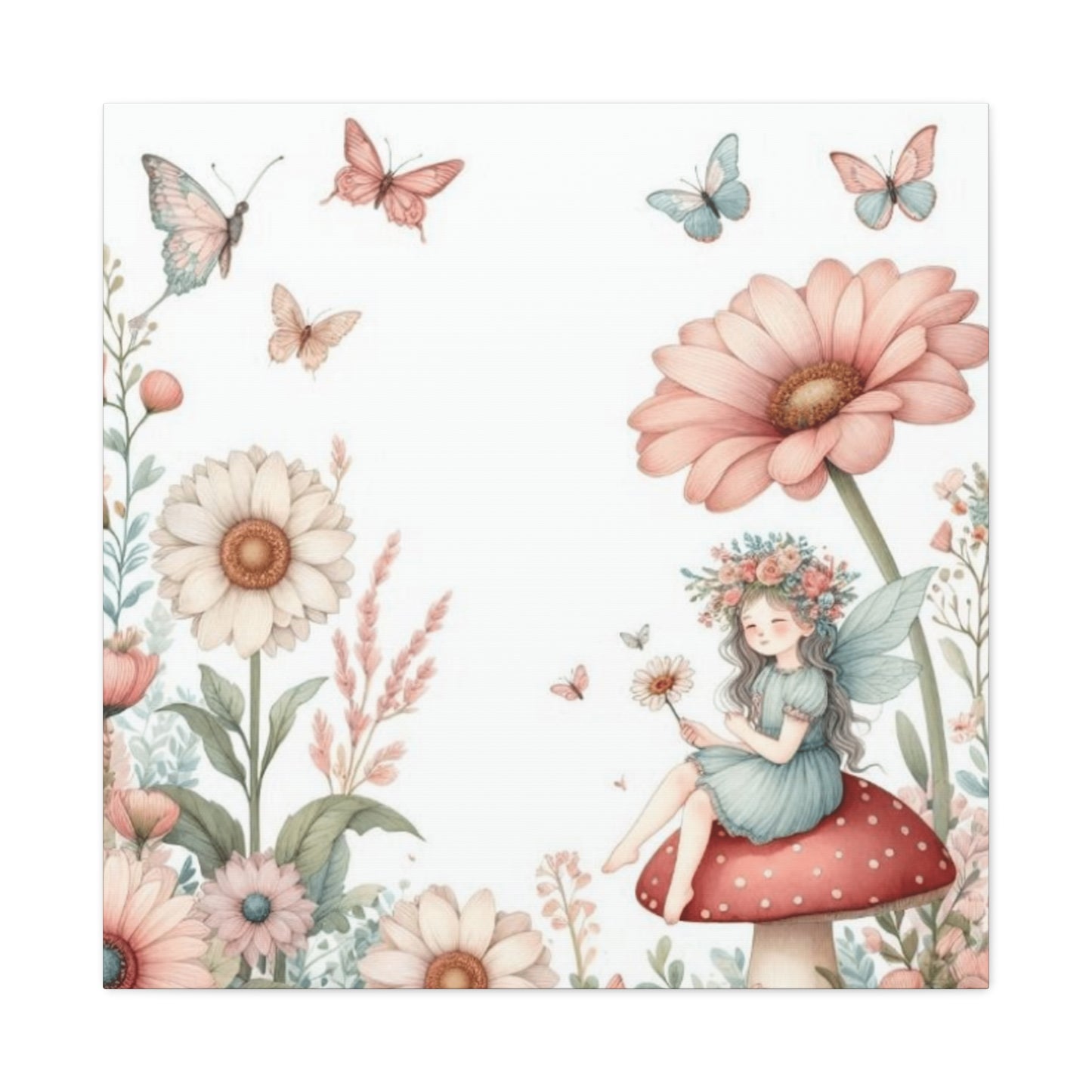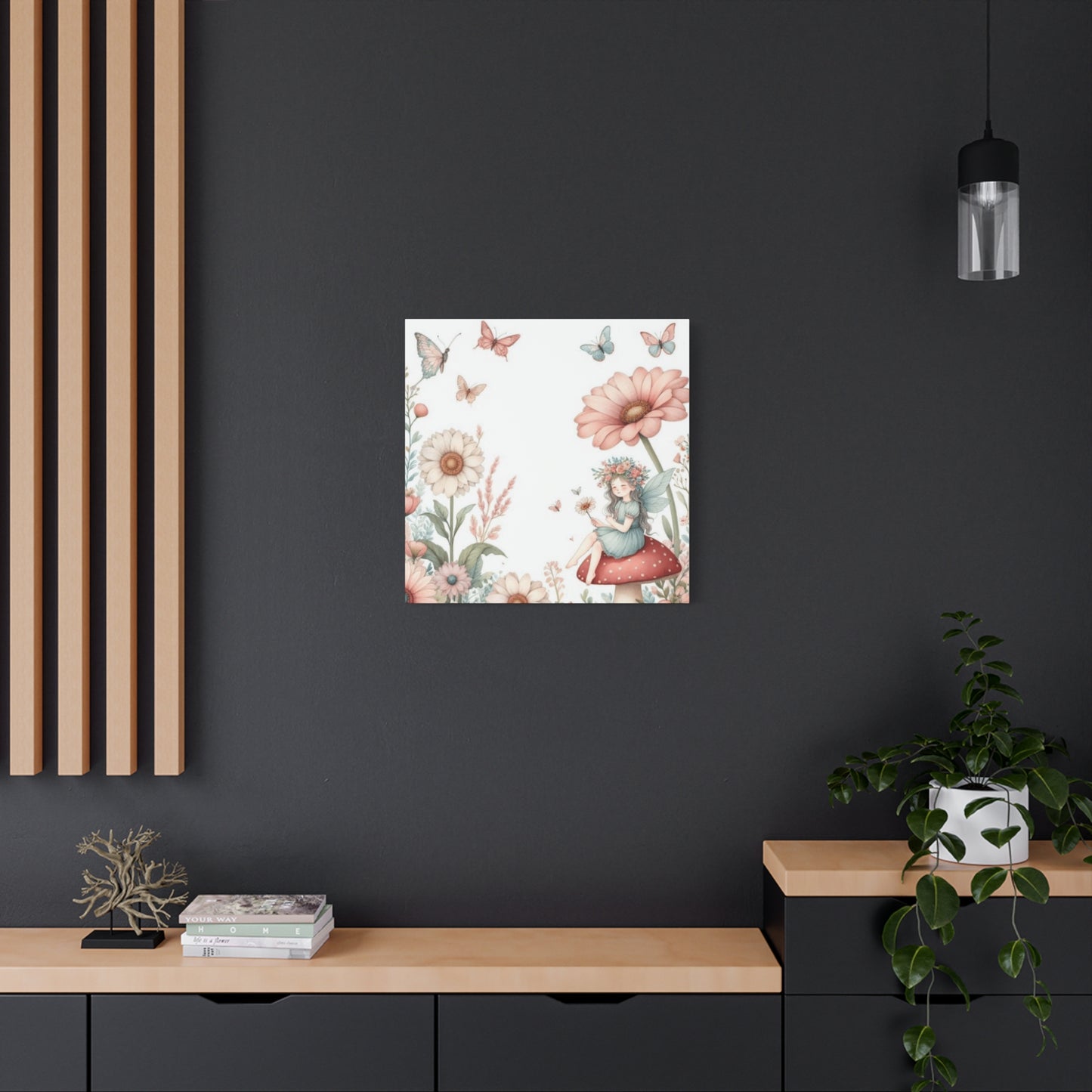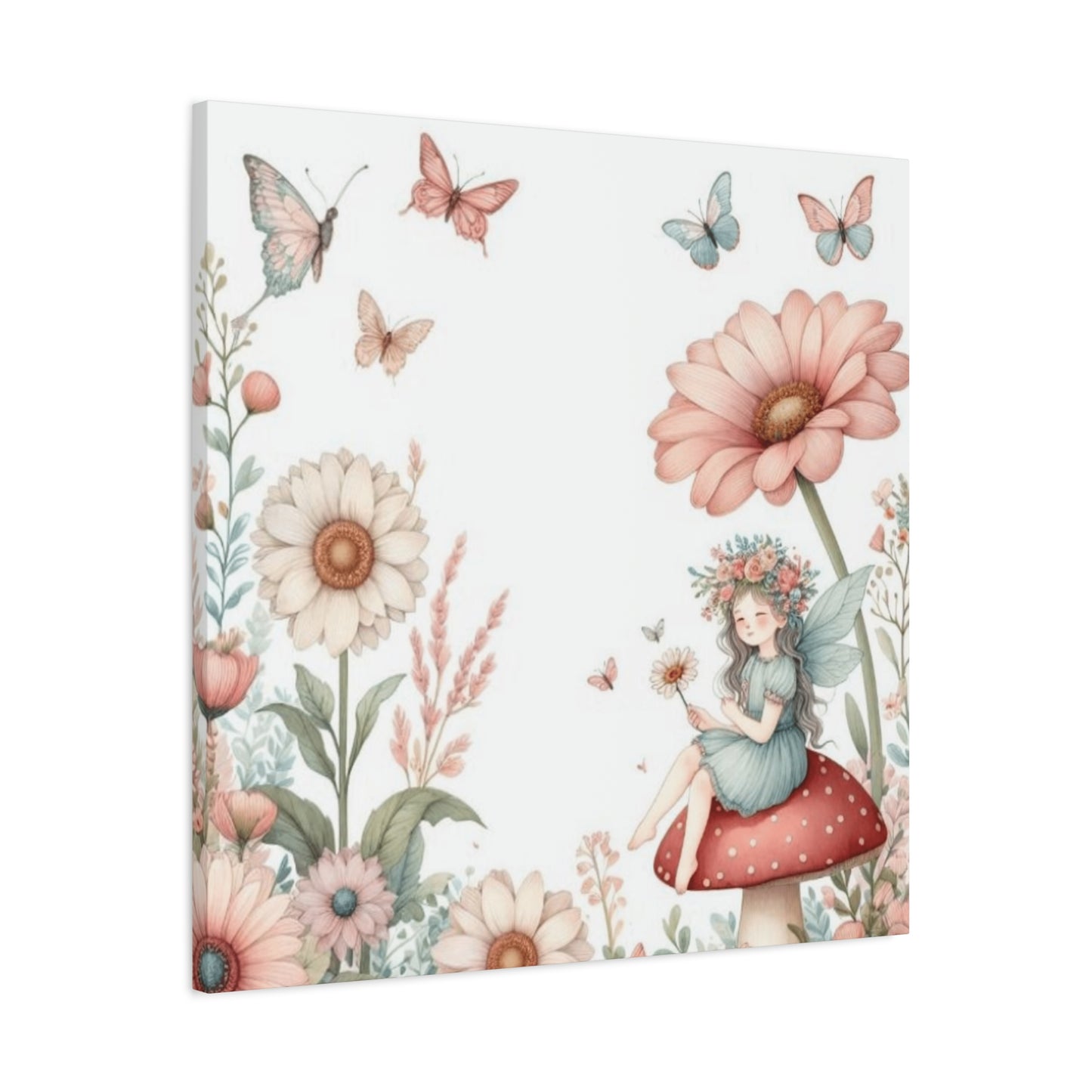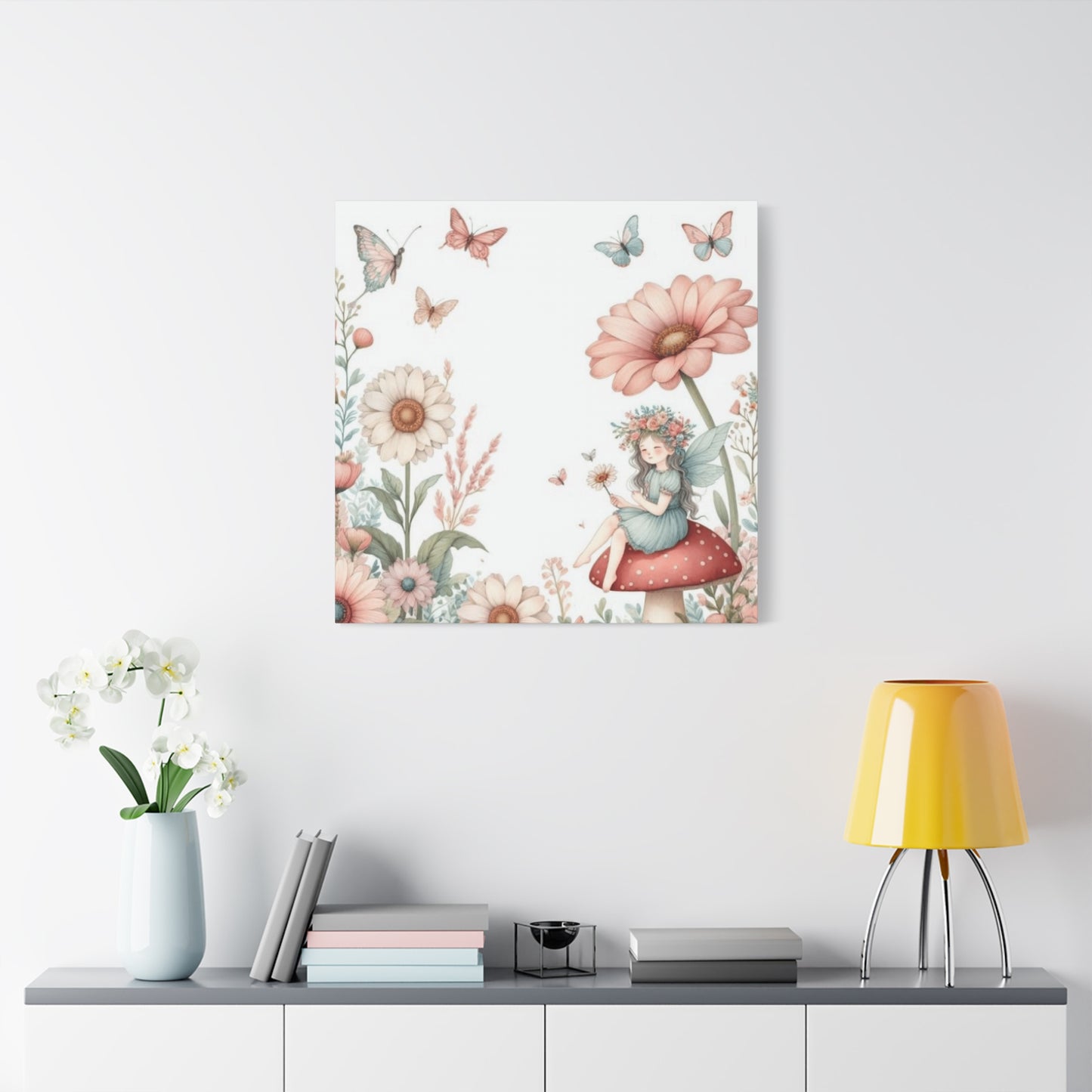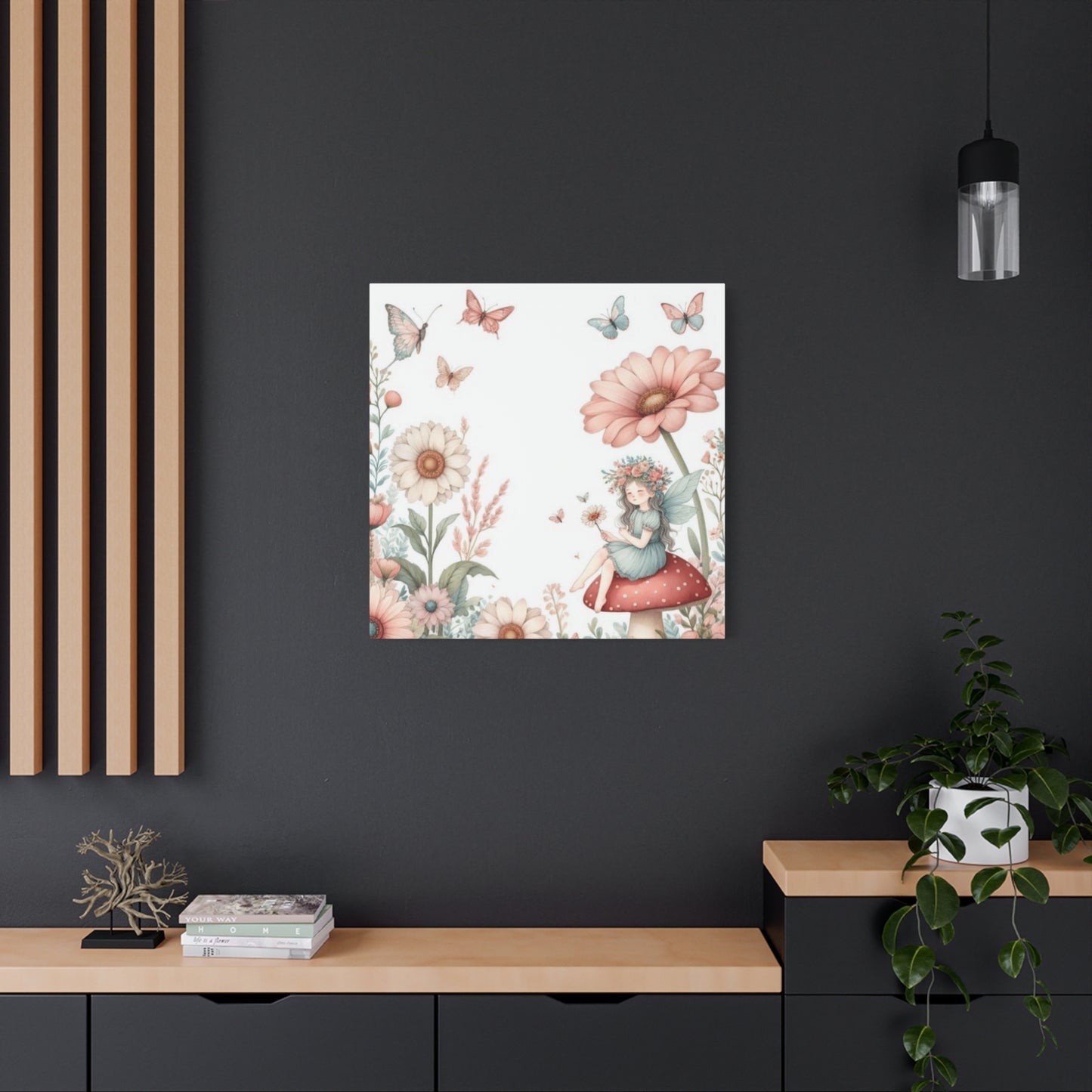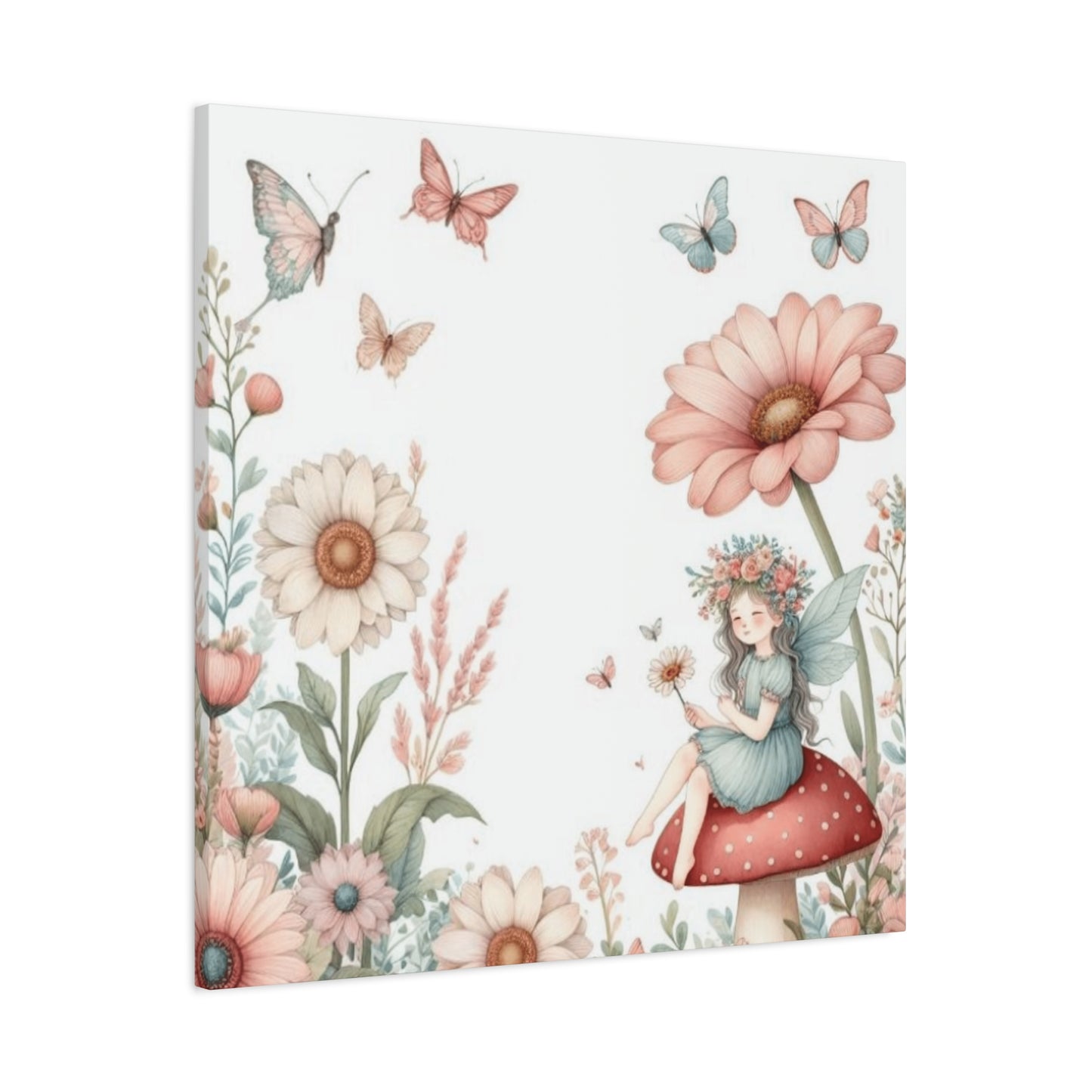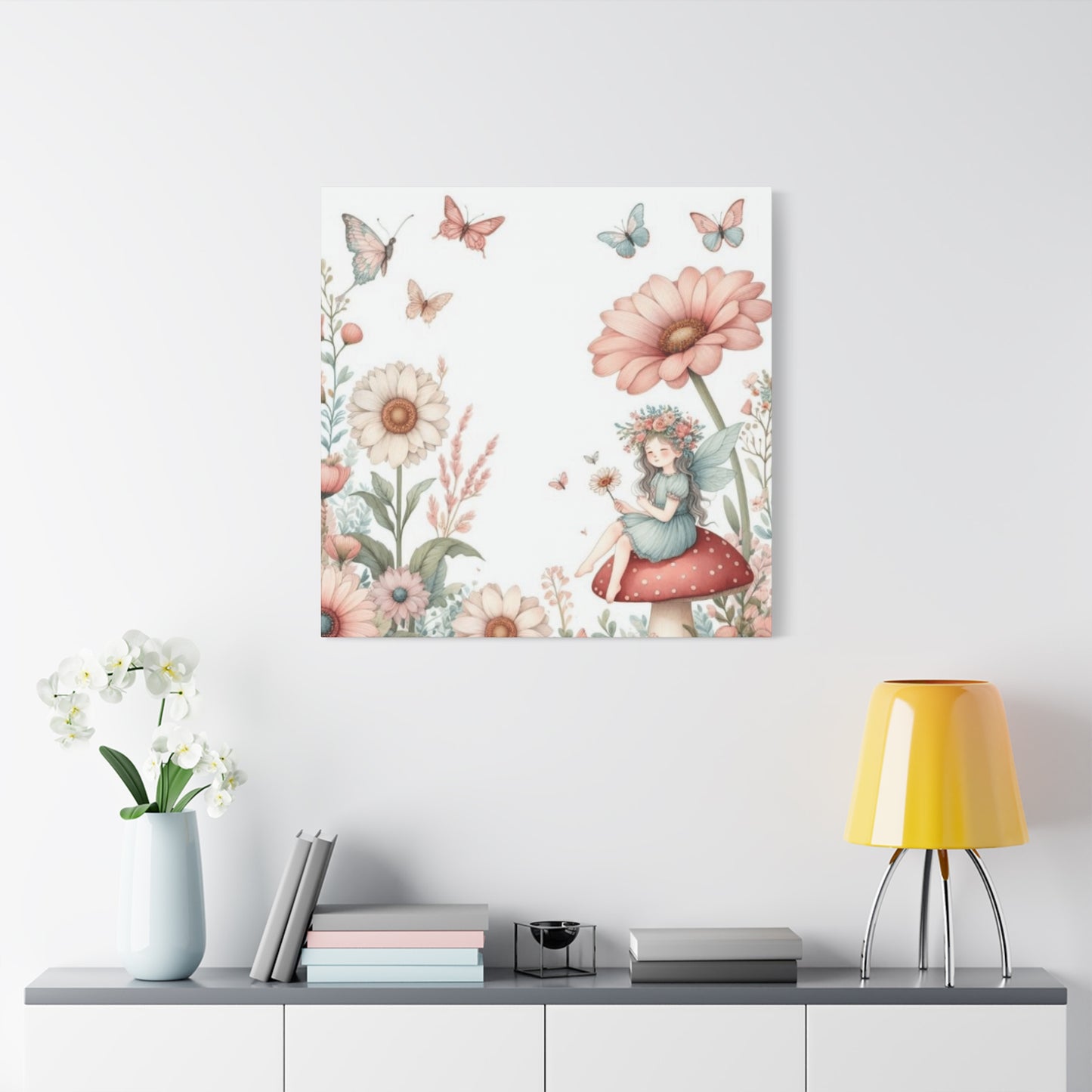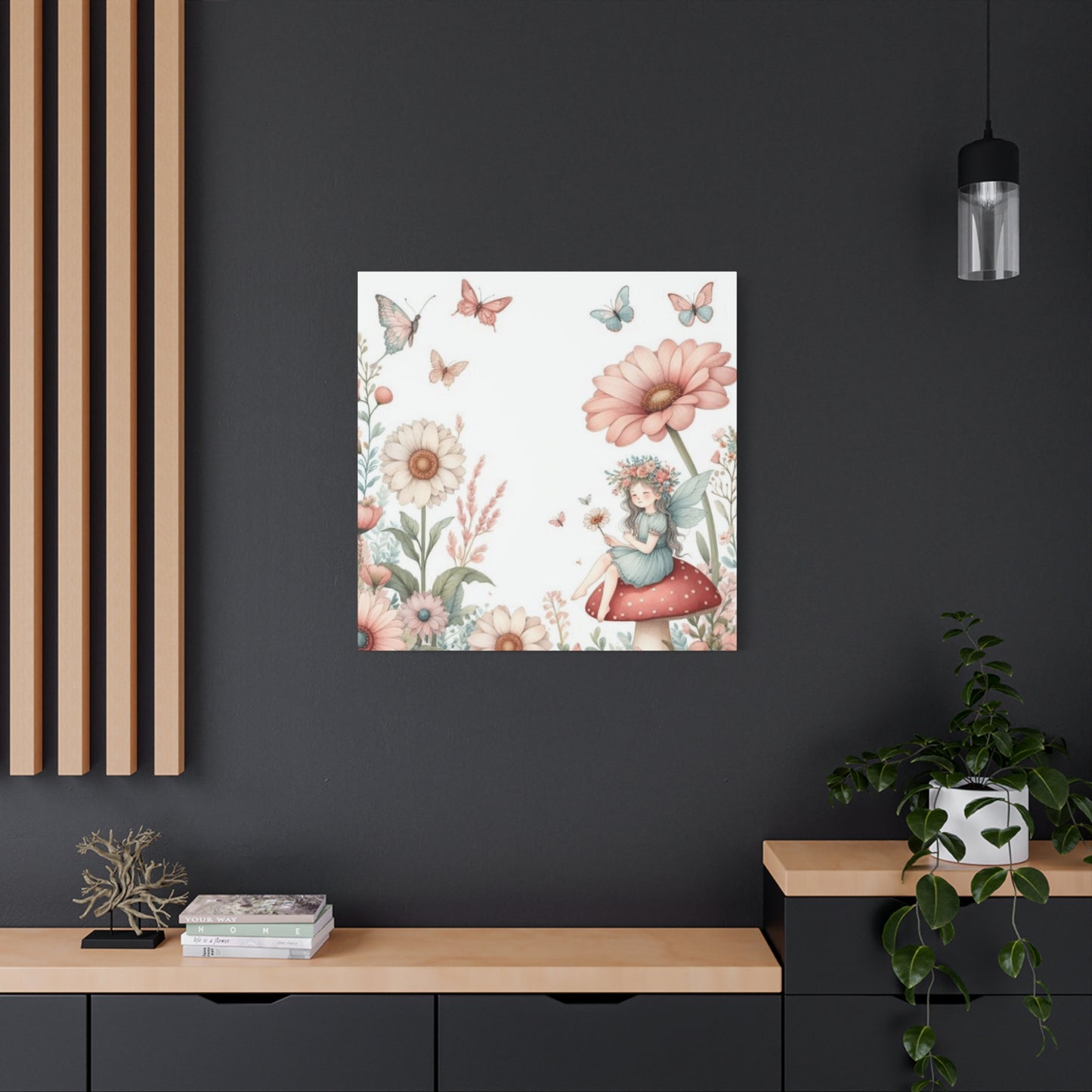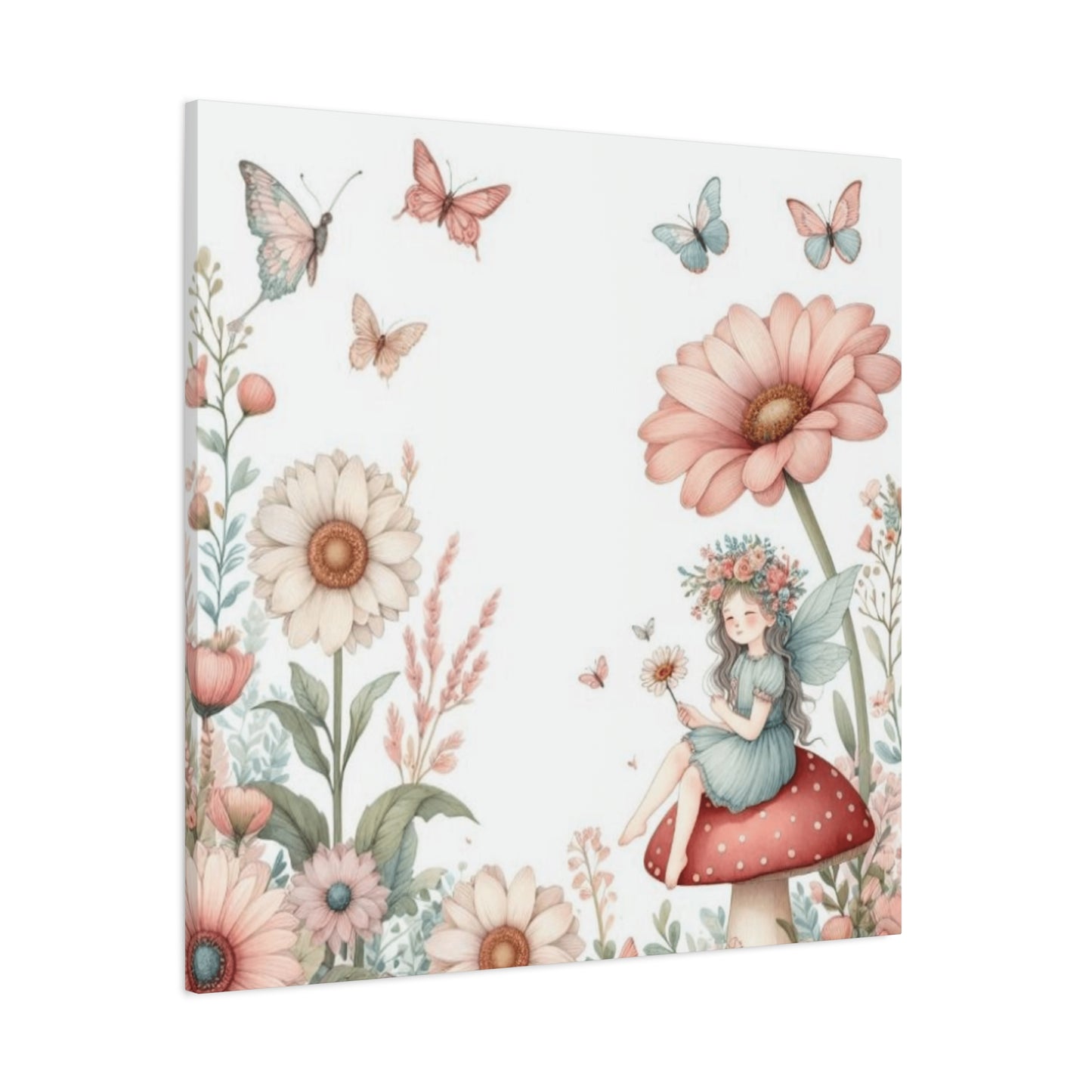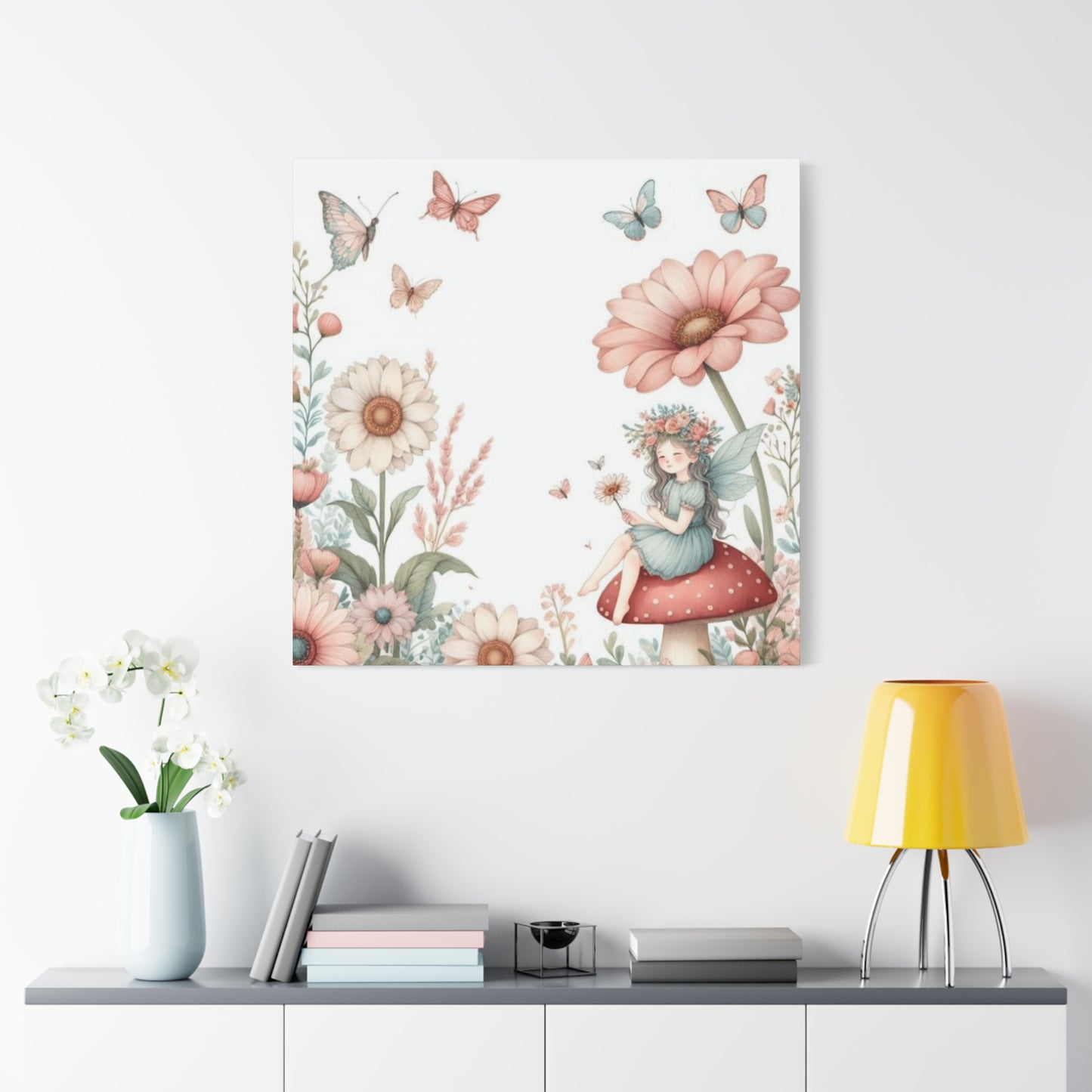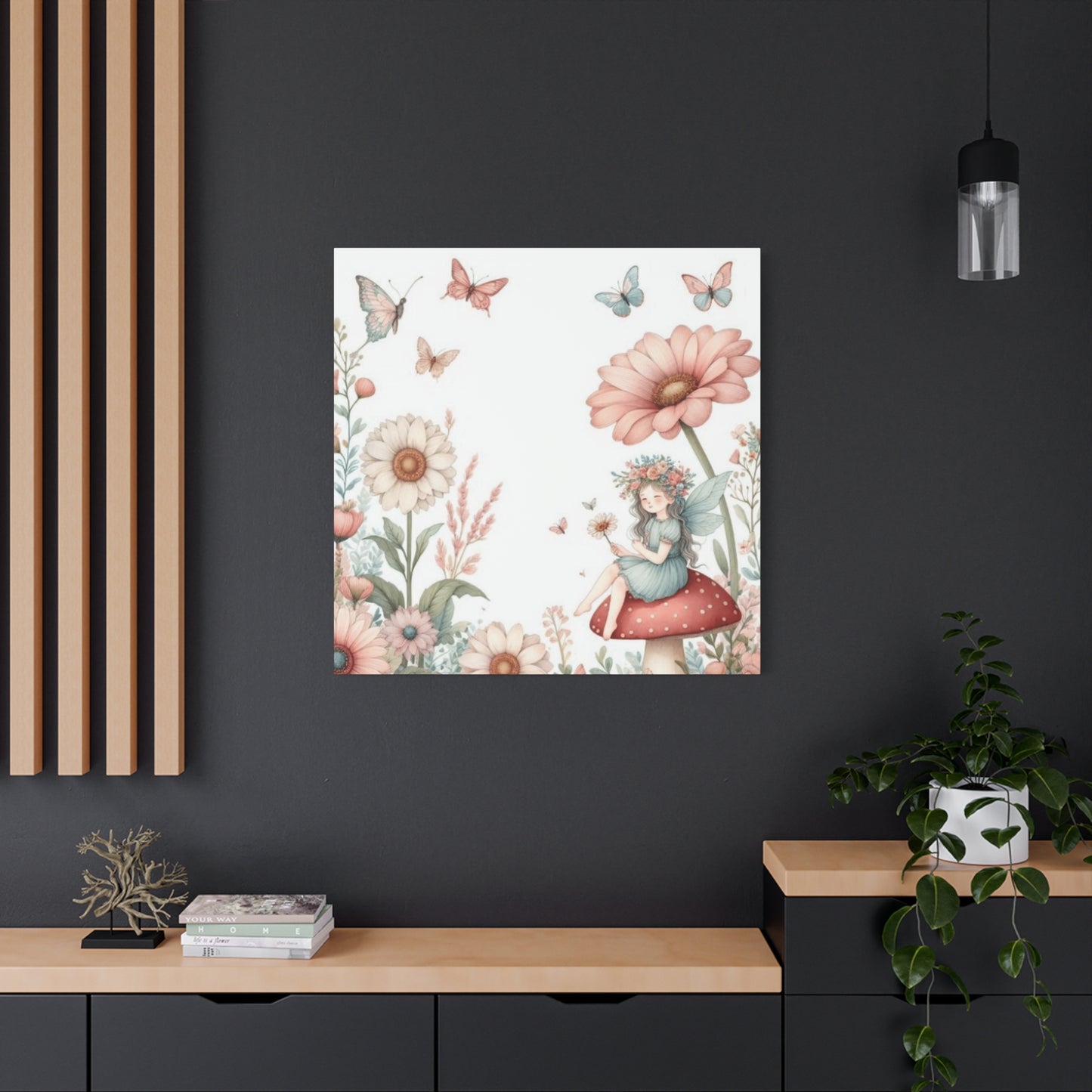


Flower Fairy Wall Art & Canvas Prints
Flower Fairy Wall Art & Canvas Prints
Couldn't load pickup availability
Enchanting Flower Fairy Wall Art: Creating Magical Spaces That Bring Whimsical Garden Sprites Into Your Home Décor
The realm of botanical sprite imagery has captivated hearts and minds for generations, weaving together the delicate beauty of nature with the ethereal charm of mystical creatures. Flower fairy wall art represents a distinctive genre of decorative expression that transforms ordinary living spaces into enchanted sanctuaries filled with wonder and imagination. These artistic representations feature diminutive winged beings adorned with petals, leaves, and natural elements, creating a harmonious blend between the botanical world and fantasy realms.
The fascination with these whimsical portrayals extends far beyond simple decoration. Each piece tells a story of nature's hidden guardians, creatures believed to protect and nurture the gardens they inhabit. From watercolor illustrations depicting sprites nestled within rose blossoms to elaborate oil paintings showcasing entire fairy courts beneath mushroom caps, the variety of artistic styles available ensures that every aesthetic preference finds its perfect match.
Contemporary interpretations of these mystical beings have evolved significantly from their origins in folklore and legend. Modern artists employ diverse mediums ranging from traditional canvas paintings to digital prints, metallic sculptures, and even three-dimensional installations. This evolution has made flower fairy wall art accessible to a broader audience while maintaining the enchanting essence that makes these pieces so captivating.
The appeal of incorporating such artwork into living spaces stems from multiple factors. Beyond their undeniable visual charm, these pieces evoke feelings of nostalgia, innocence, and connection to the natural world. They serve as portals to imagination, inviting viewers to contemplate the unseen magic that might exist within their own gardens and green spaces.
Exploring the Rich Tapestry of Botanical Sprite Imagery Throughout Cultural Narratives
The concept of diminutive winged creatures associated with flowers and plants permeates numerous cultural narratives across the globe. Celtic traditions speak of the Aos Sí, supernatural beings dwelling in natural formations who maintain the balance between the human world and nature. Japanese folklore introduces us to the kodama, tree spirits that share similarities with Western interpretations of garden sprites. Scandinavian legends tell of älvor and huldra, enchanting beings connected to forests and meadows.
Victorian England witnessed a remarkable surge in the popularity of fairy imagery, particularly those associated with botanical elements. This period produced some of the most iconic representations that continue to influence contemporary artists. The Cottingley Fairies photographs of 1917, despite their eventual revelation as fabrications, demonstrated society's eagerness to believe in the existence of these magical beings and solidified their place in popular imagination.
Literary works have played a pivotal role in shaping our understanding and visualization of these ethereal creatures. From Shakespeare's A Midsummer Night's Dream to the detailed botanical sprite illustrations of Cicely Mary Barker, literature has provided frameworks for artists to interpret and reimagine these beings. Barker's work, in particular, established a template that paired specific plant species with individual fairy characters, each possessing distinct personalities and appearances reflecting their associated flora.
The symbolism embedded within these representations extends beyond mere aesthetics. Different flowers carry specific meanings, and their associated sprites inherit these symbolic attributes. A rose fairy might represent love and passion, while a lavender sprite embodies tranquility and peace. This symbolic language adds layers of meaning to the artwork, allowing collectors to select pieces that resonate with personal values or intentions for specific spaces.
Folk traditions from various regions have contributed unique characteristics to the broader narrative. Slavic mythology introduces the rusalka, water sprites associated with aquatic plants. Irish tales speak of leprechauns who, while distinct from flower fairies, share the connection between supernatural beings and natural environments. These diverse cultural threads weave together to create the rich tapestry from which contemporary flower fairy wall art draws inspiration.
Diverse Artistic Expressions Capturing the Essence of Garden Sprites in Visual Form
The spectrum of artistic styles employed to depict botanical sprites encompasses an extraordinary range of approaches, each offering unique visual qualities and emotional resonances. Watercolor illustrations provide delicate, translucent qualities that perfectly capture the ephemeral nature of these beings. The medium's fluidity allows artists to create soft transitions between the sprite figures and their floral surroundings, suggesting a seamless integration between creature and environment.
Oil paintings offer richness and depth unattainable in other mediums. The layering capabilities of oil paints enable artists to build complex textures, from the gossamer quality of wings to the velvety softness of flower petals. Traditional oil paintings possess a timeless quality that appeals to collectors seeking heirloom pieces capable of commanding attention as focal points in formal living areas.
Digital artistry has revolutionized the creation and accessibility of sprite imagery. Contemporary digital artists utilize sophisticated software to produce illustrations ranging from photorealistic renderings to stylized graphic interpretations. The advantages of digital creation include the ability to produce limited edition prints at various price points, making high-quality artwork accessible to broader audiences. Digital techniques also facilitate the creation of fantastical scenes impossible to achieve through traditional methods, incorporating luminous effects, impossible color combinations, and surreal spatial arrangements.
Mixed media approaches combine multiple materials and methods to create textured, dimensional pieces. Artists might incorporate pressed flowers, glitter, fabric elements, or metallic leaf alongside painted elements. These compositions possess tactile qualities that invite closer examination, revealing new details with each viewing. The dimensional aspect adds visual interest and creates dynamic interactions with light throughout the day.
Sculptural interpretations move beyond two-dimensional representations, creating physical forms that occupy space in dramatic ways. Metal sculptures might feature silhouettes of sprites dancing among wrought iron flowers, suitable for both interior walls and outdoor garden settings. Resin sculptures capture three-dimensional fairy figures in mid-flight, suspended in clear material alongside preserved botanical specimens.
Photographic compositions represent another avenue for artistic expression. These might involve elaborate staging with costumes, props, and models to create fantastical scenes. Alternatively, photographers might employ double exposure, composite imaging, or creative lighting to suggest the presence of mystical beings within genuine garden settings. The photorealistic quality of these pieces creates a compelling illusion that blurs the boundary between fantasy and reality.
Vintage and antique illustrations hold particular appeal for collectors drawn to nostalgic aesthetics. Reproductions of Victorian-era fairy paintings, art nouveau botanical prints, and early twentieth-century children's book illustrations offer glimpses into how previous generations visualized these creatures. These pieces carry historical significance beyond their decorative value, representing artistic movements and cultural attitudes of their respective periods.
Selecting the Perfect Botanical Sprite Artwork for Your Personal Living Environment
Choosing appropriate flower fairy wall art requires consideration of multiple factors to ensure the selected piece harmonizes with existing décor while fulfilling the intended atmospheric purpose. The first consideration involves assessing the overall aesthetic of the space. Traditional interiors featuring classic furnishings and rich woods might pair beautifully with vintage reproduction prints or classical oil paintings. Contemporary spaces with clean lines and minimalist furniture might benefit from modern interpretations featuring simplified forms and bold color palettes.
Color coordination plays a crucial role in creating cohesive interior environments. Analyzing the dominant and accent colors present in the room helps identify artwork that will complement rather than clash with existing elements. A room decorated in cool blues and greens might showcase artwork featuring water sprites and aquatic plants, while warm-toned spaces could incorporate pieces depicting autumn fairies among golden leaves and amber flowers.
Scale and proportion significantly impact how artwork interacts with its surroundings. Large-scale pieces command attention and serve as focal points, ideal for prominent walls with ample space. Conversely, oversized artwork in confined spaces can feel overwhelming, creating visual tension rather than harmony. Smaller pieces work beautifully in intimate spaces, gallery wall arrangements, or as complementary elements within larger decorative schemes.
The intended mood or atmosphere for the space should guide selection. Nurseries and children's rooms often benefit from cheerful, vibrant illustrations featuring friendly, approachable sprite figures engaged in playful activities. Adult bedrooms might embrace more sophisticated interpretations with romantic or dreamy qualities that promote relaxation. Living areas might feature dramatic, conversation-starting pieces with bold compositions and striking visual elements.
Framing choices dramatically influence the final presentation and integration into the space. Traditional gilded frames lend formality and elegance, appropriate for classical interiors and vintage artwork. Simple black or white frames provide clean, contemporary presentations that allow the artwork itself to command attention. Natural wood frames create organic, earthy presentations that emphasize the botanical aspects of the imagery. Ornate frames with carved details suit elaborate, detailed artwork with Victorian or baroque influences.
Personal resonance with the subject matter should not be overlooked. The most successful decorative choices are those that spark genuine emotional connections. Whether drawn to specific flower species that hold personal significance, attracted to particular color schemes, or captivated by certain artistic styles, honoring personal preferences ensures long-term satisfaction with the selection.
Practical considerations include evaluating the lighting conditions where the artwork will hang. Spaces with abundant natural light can showcase artwork with subtle details and delicate color variations. Dimly lit areas might require pieces with stronger contrast and more dramatic compositions to maintain visual impact. Additionally, considering whether the artwork will be protected behind glass or displayed unframed influences maintenance requirements and longevity.
Crafting Your Own Botanical Sprite Masterpieces Through Various Artistic Methods
For those inclined toward creative expression, producing original flower fairy wall art offers deeply satisfying opportunities to manifest personal visions while developing artistic skills. The journey begins with gathering inspiration from multiple sources: botanical gardens, illustrated books, museum collections, and nature itself. Photographers might venture into gardens during golden hour, capturing images of flowers in magical lighting conditions that suggest the presence of hidden sprites.
Sketching forms the foundation for most artistic endeavors. Beginning with basic shapes to establish proportions and compositions allows experimentation before committing to final executions. Artists might practice drawing individual elements separately—wings, faces, flower petals, leaves—before combining them into complete compositions. Reference images of real flowers ensure botanical accuracy, while anatomy references help create believable humanoid forms despite their fantastical nature.
Watercolor painting offers an accessible entry point for beginners while providing sufficient depth for lifetime mastery. The process begins with light pencil sketches on watercolor paper, followed by building layers of transparent color. Starting with lightest values and gradually adding darker tones creates luminous effects reminiscent of light filtering through delicate wings and petals. Wet-on-wet blending creates soft, dreamy backgrounds suggesting enchanted garden atmospheres.
Acrylic painting provides versatility and forgiveness for developing artists. Unlike oils, acrylics dry quickly, allowing rapid layering and error correction. They can be diluted with water for watercolor-like transparency or used thick for impasto textures. Acrylic inks offer intense pigmentation suitable for detailed botanical illustrations, while heavy-body acrylics enable sculptural applications creating dimensional flower petals and textured foliage.
Colored pencil work produces meticulous, detailed illustrations perfect for capturing the intricate qualities of both botanical specimens and delicate sprite features. The medium allows precise control, making it ideal for rendering complex patterns on wings, subtle gradations in flower petals, and fine details in facial features. Layering multiple colors creates rich, luminous effects, while burnishing with light-colored pencils or blending tools achieves smooth, polished surfaces.
Digital illustration has become increasingly accessible through affordable tablets and software. Vector-based programs allow creation of clean, scalable images suitable for prints of any size. Raster-based painting programs replicate traditional media effects while offering advantages like unlimited layers, easy corrections, and experimental color adjustments. Digital artists can incorporate photographic elements, creating fantastical composites that merge reality with imagination.
Mixed media collage enables artists to combine various materials, creating textured, dimensional works. One might begin with painted backgrounds, then layer pressed flowers, translucent papers, fabric scraps, and drawn elements. Ephemera like vintage botanical prints, sheet music, or antique book pages adds nostalgic qualities. Finishing with varnish or resin encases the elements, creating unified, durable surfaces suitable for hanging.
Regardless of chosen medium, understanding color theory enhances results. Complementary color schemes create vibrant, energetic compositions, while analogous palettes produce harmonious, serene effects. Value contrast ensures readability and focal point establishment, guiding viewer attention through the composition. Temperature relationships—warm versus cool colors—add depth and atmosphere, with warm tones advancing and cool tones receding.
Composition principles guide effective arrangement of elements within the picture plane. The rule of thirds suggests placing focal points at intersections of imaginary lines dividing the canvas into thirds horizontally and vertically. Leading lines direct viewer attention toward important areas, while negative space prevents overcrowding and allows visual breathing room. Balance can be symmetrical for formal, calm compositions or asymmetrical for dynamic, energetic effects.
Examining Notable Artists Who Have Shaped the Genre of Sprite and Botanical Imagery
Numerous artists have made significant contributions to the visualization of botanical sprites, each bringing unique perspectives and styles that have influenced the genre's development. Cicely Mary Barker stands among the most influential, her Flower Fairies series establishing iconic imagery that persists in popular consciousness. Created between 1923 and 1948, her meticulous botanical illustrations paired with charming sprite figures demonstrated extraordinary attention to accurate plant representation while maintaining enchanting fantasy elements.
Arthur Rackham's contributions to fantasy illustration included numerous fairy subjects rendered in his distinctive style featuring muted earth tones, intricate linework, and atmospheric compositions. His work on A Midsummer Night's Dream and various fairy tale collections showcased sprites in natural settings, emphasizing their connection to wild, untamed nature rather than cultivated gardens. Rackham's influence on subsequent fantasy artists cannot be overstated, establishing visual conventions that remain recognizable today.
Margaret Tarrant created gentle, accessible sprite imagery particularly appealing to children and those seeking comfort in nostalgic aesthetics. Her soft pastel palettes and friendly, approachable figures made fairy art accessible to wider audiences. Tarrant's work appeared on greeting cards, calendars, and children's books throughout the early twentieth century, cementing particular visual associations in public consciousness.
Brian Froud revolutionized fairy imagery in the late twentieth century, moving away from Victorian prettiness toward more earthy, sometimes unsettling interpretations. His collaboration with author Alan Lee on "Faeries" presented sprites as ancient beings with complex relationships to humanity and nature. Froud's creatures possess gnarled, organic qualities suggesting genuine connections to soil, bark, and leaf rather than existing as ethereal beings merely associated with plants.
Contemporary artists continue pushing boundaries and exploring new interpretations. Jessica Galbreth creates dreamy, romantic fairy art characterized by soft focus effects and luminous color palettes. Her work appeals to those drawn to mystical, spiritual themes. Amy Brown produces more dynamic compositions featuring bold colors and energetic poses, her fairies often depicted in fantastical scenarios beyond simple botanical settings.
Stephanie Law combines botanical accuracy with surreal fantasy, creating intricate watercolor illustrations where the boundaries between plant and sprite dissolve entirely. Her figures often morph into flowers, with petals becoming wings and vines extending from limbs. This approach emphasizes the unity between sprite beings and their botanical homes rather than depicting them as separate entities occupying the same space.
Linda Ravenscroft works in acrylics to produce highly detailed, vibrant fairy portraits characterized by elaborate costumes constructed from natural materials. Her fairies wear dresses fashioned from flower petals, crowns made from twigs and buds, and carry accessories crafted from seed pods and leaves. This attention to costume detail appeals to viewers who appreciate fashion and textile arts alongside fantasy themes.
Jasmine Becket-Griffith brings a contemporary twist to fairy imagery with her distinctive big-eyed style borrowing from anime and pop surrealism movements. Her fairies occupy fantastical environments rendered with meticulous detail, combining elements of gothic aesthetics with sweet, childlike features. This juxtaposition creates unique appeal spanning multiple aesthetic preferences.
Selina Fenech produces digital paintings featuring fairies in elaborate narrative scenarios. Her work often depicts fairies interacting with other fantastical creatures or engaged in specific activities, telling visual stories rather than simply presenting portraits. The narrative quality invites viewers to imagine broader contexts and stories surrounding the depicted moments.
Incorporating Botanical Sprite Artwork Into Various Interior Design Schemes
Successfully integrating flower fairy wall art into diverse interior design styles requires understanding how different aesthetics interact with fantasy themes. Cottage style naturally accommodates sprite imagery, with its emphasis on comfort, nostalgia, and natural materials. Vintage fairy prints complement floral fabrics, distressed wood furniture, and collections of botanical specimens. Grouping multiple smaller fairy illustrations in mismatched frames creates charming gallery walls characteristic of cottage aesthetics.
Shabby chic interiors benefit from aged or distressed-looking fairy artwork, particularly pieces with muted, faded color palettes reminiscent of sun-bleached textiles. Soft pinks, creams, and pale blues predominate in both the décor and complementary artwork. Ornate, distressed white or gilt frames enhance the romantic, feminine quality characteristic of this style. Pairing sprite artwork with mirrors, candleholders, and other decorative elements creates cohesive vignettes.
Whimsical modern spaces embrace fantasy themes while maintaining contemporary sensibilities through clean lines and edited color palettes. Modern interpretations of fairy art featuring simplified forms, graphic qualities, and limited color schemes integrate seamlessly with minimalist surroundings. Large-scale canvases featuring single, dramatically posed sprite figures provide focal points without cluttering spaces with excessive detail or busy compositions.
Bohemian interiors celebrate eclecticism and global influences, creating environments where fantastical elements mix freely with diverse cultural artifacts. Fairy art in boho spaces often features rich, saturated colors and elaborate detail. Hanging fabric tapestries depicting fairy scenes adds textural variety while echoing the layered, collected aesthetic characteristic of bohemian style. Mixing fairy imagery with mandalas, celestial themes, and ethnic textiles creates visually rich environments.
Nurseries and children's rooms provide ideal settings for cheerful, storybook-style fairy illustrations. Creating themed environments transports young imaginations to magical realms. Murals depicting fairy villages among oversized flowers transform entire walls into portals to fantasy worlds. Coordinating bedding, curtains, and accessories featuring similar sprite imagery reinforces the immersive quality. However, avoiding overwhelming spaces with excessive theme saturation ensures rooms remain restful rather than overstimulating.
Romantic bedrooms benefit from dreamy, ethereal fairy art that promotes relaxation and peaceful atmospheres. Soft focus illustrations in gentle colors complement flowing curtains, plush bedding, and ambient lighting. Positioning artwork above the bed or on the wall opposite creates visual interest visible from resting positions. Pairing sprite imagery with floral arrangements, decorative pillows, and scented candles enhances the sensory experience of the space.
Garden rooms and sunrooms create natural homes for botanical sprite artwork, reinforcing connections between interior and exterior spaces. The abundance of natural light in these areas showcases artwork beautifully while providing appropriate context for garden-themed imagery. Pairing fairy art with actual plants, terrariums, and botanical specimens blurs boundaries between representation and reality, creating immersive environments celebrating nature.
Eclectic spaces that resist singular stylistic categorization offer freedom to incorporate diverse fairy art expressions. Mixing Victorian prints with contemporary digital illustrations, sculptural elements with traditional paintings, creates dynamic, personality-rich environments. The key to successful eclectic integration lies in identifying connecting threads—perhaps a consistent color story, thematic continuity, or particular aesthetic qualities—that provide subtle cohesion despite surface diversity.
Understanding the Symbolic Meanings Behind Different Botanical Species and Their Sprite Guardians
The language of flowers, or floriography, assigns specific meanings to various botanical species, traditions that extend to their associated sprite guardians in contemporary fairy art. Understanding these symbolic associations enables intentional selection of artwork that carries desired meanings or intentions for specific spaces.
Rose fairies embody love, passion, and beauty, making them appropriate for romantic settings like bedrooms and intimate gathering spaces. Different rose colors carry nuanced meanings: red roses signify passionate romantic love, pink roses represent gentle affection and grace, white roses embody purity and new beginnings, and yellow roses celebrate friendship and joy. Artwork depicting rose fairies thus carries layered symbolism depending on the rose color featured.
Lavender sprites represent tranquility, devotion, and healing properties. Lavender has long been associated with relaxation and aromatherapy, making lavender fairy art particularly suitable for bedrooms, bathrooms, and meditation spaces. The soft purple hues characteristic of lavender also contribute to calming visual environments conducive to rest and stress reduction.
Daisy fairies embody innocence, purity, and new beginnings. The simple, cheerful nature of daisies translates to approachable, friendly sprite representations appropriate for children's spaces and areas where welcoming, optimistic atmospheres are desired. Daisy fairy art often features bright, clear colors and uncomplicated compositions reflecting the flower's straightforward charm.
Lily sprites carry diverse meanings depending on lily variety. White lilies represent purity and virtue, often appearing in religious and spiritual contexts. Tiger lilies symbolize wealth and prosperity, while calla lilies embody magnificent beauty. Water lily fairies connect to aquatic environments, representing rebirth and enlightenment in various spiritual traditions. The elegant forms of lilies translate to graceful, refined sprite depictions suitable for sophisticated interiors.
Wildflower fairies celebrate freedom, spontaneity, and natural beauty. Artwork featuring sprites among diverse wildflower meadows rather than cultivated garden flowers carries messages about embracing natural states and rejecting excessive artifice. These pieces suit relaxed, informal spaces where creative freedom and authentic self-expression are valued.
Forget-me-not fairies embody remembrance and enduring love, making them poignant choices for memorial spaces or areas dedicated to cherished memories. The delicate blue flowers and their associated sprites carry gentle melancholy alongside hopefulness, appropriate for reflective spaces that honor past experiences while remaining open to future possibilities.
Sunflower sprites represent adoration, loyalty, and longevity. The bold, cheerful nature of sunflowers translates to vibrant, energetic fairy art suitable for spaces dedicated to social gathering and celebration. Sunflower fairy imagery often features warm yellow and gold tones that visually warm spaces and create inviting, uplifting atmospheres.
Violet fairies symbolize modesty, faithfulness, and watchfulness. Violets' tendency to grow in shade and their diminutive size translate to sprite representations with gentle, reserved qualities. Violet fairy art suits quiet corners dedicated to reading, contemplation, or private reflection, spaces where modest beauty and understated elegance are appreciated.
Iris sprites carry messages related to wisdom, hope, and valor. The iris's classical associations with the Greek goddess of the rainbow imbue iris fairy art with additional layers of meaning related to communication and divine messages. The striking forms and colors of irises result in visually dramatic fairy depictions suitable for spaces where bold statements are desired.
Orchid fairies embody rare beauty, luxury, and refined tastes. Orchids' exotic appearances and cultivation requirements translate to elegant, sophisticated sprite representations. Orchid fairy art suits formal spaces where elegance and distinction are emphasized, appealing to collectors who appreciate rare, unusual subjects.
Exploring Various Materials and Substrates Used for Displaying Botanical Sprite Imagery
The materials and surfaces upon which flower fairy art is presented significantly impact both aesthetic qualities and practical considerations regarding durability and placement. Canvas remains among the most popular substrates for painted and printed fairy artwork. Stretched canvas provides traditional presentation suitable for both oil and acrylic paintings, offering texture that adds visual interest and professional appearance. Gallery-wrapped canvas, where the image continues around the sides, creates contemporary presentations requiring no additional framing.
Paper substrates range from basic print paper to archival fine art papers designed for longevity. Watercolor papers with textured surfaces enhance the appearance of reproduced watercolor illustrations, maintaining visual connections to traditional media. Smooth papers suit detailed illustrations where fine lines and precise details are paramount. Archival papers free from acid and lignin resist yellowing and deterioration, essential for pieces intended as lasting additions to collections.
Metal prints create stunning contemporary presentations where images are infused into specially coated aluminum sheets. The process produces vibrant colors with extraordinary depth and luminosity. Metal prints resist fading, moisture, and physical damage, making them suitable for challenging environments including bathrooms and kitchens where traditional paper prints would degrade. The sleek, modern appearance suits contemporary interiors while providing interesting contrast to the classic fantasy subject matter.
Wood panels offer rustic, organic substrates particularly appropriate for nature-themed fairy imagery. Images can be printed directly onto finished wood, transferred using various methods, or panels can serve as painting surfaces. The visible wood grain adds texture and reinforces connections to natural materials. Reclaimed wood panels with weathered characteristics create distressed, vintage appearances compatible with farmhouse and cottage aesthetics.
Acrylic glass prints encapsulate images between clear acrylic layers or mount them behind acrylic, creating glossy, modern presentations with remarkable depth and dimension. Colors appear saturated and vibrant, while the substantial physical presence of thick acrylic adds perceived value. Acrylic prints suit contemporary spaces where modern materials and sleek presentations are preferred.
Fabric substrates including tapestries and textile prints offer unique textural qualities unavailable with rigid surfaces. Woven tapestries provide dimensional surface interest and traditional craftsmanship associations. Printed fabrics can be stretched over frames, hung as banners, or incorporated into room dividers and curtains. Fabric's inherent softness complements the gentle, ethereal qualities of fairy subjects.
Ceramic tiles hand-painted or printed with fairy imagery create durable, water-resistant artwork suitable for bathrooms, kitchens, and outdoor installations. Tiles can be displayed individually as small accent pieces or arranged in groups to create larger compositions. The permanence and durability of ceramic makes these pieces suitable for long-term installations in spaces where other materials would degrade.
Glass surfaces enable unique presentation options including reverse painting, where artists apply paint to the back of glass sheets, protecting finished surfaces. Stained glass techniques create luminous fairy scenes that transform with changing light throughout the day. Fused glass incorporates multiple layers, sometimes including pressed flowers or metallic elements, creating dimensional effects.
Creating Immersive Fairy Garden Environments That Extend the Magic Beyond Wall Art
While wall-mounted artwork provides focal points for incorporating botanical sprite themes, creating comprehensive environments that extend these themes throughout three-dimensional spaces generates immersive experiences. Fairy gardens—miniature landscape installations featuring small plants, decorative structures, and diminutive accessories—complement wall art by bringing the depicted fantasy realm into tangible reality.
Indoor fairy gardens utilize containers ranging from shallow terrariums to elaborate multi-level planters. Selecting appropriate plants ensures successful cultivation while maintaining proper scale. Miniature varieties of common houseplants including ferns, ivies, and succulents provide diverse textures and colors. Moss creates naturalistic ground cover, while small flowering plants add seasonal color. Arranging plants at varying heights creates depth and visual interest.
Hardscape elements establish structure within fairy gardens. Miniature furniture, tiny houses, bridges, and pathways guide the eye through scenes and suggest narratives about imaginary inhabitants. Natural materials including small stones, bark pieces, and driftwood maintain organic aesthetics compatible with nature themes. Found objects like interesting seed pods or small shells add unique character while keeping costs minimal.
Fairy figurines selected to coordinate with wall art styles create cohesive thematic connections. Gardens might feature resin fairies in styles matching wall-mounted artwork, reinforcing specific aesthetic directions. Positioning figurines engaged in activities—sitting on benches, tending miniature flowers, gathering around tiny water features—adds storytelling elements that invite closer inspection.
Lighting dramatically enhances fairy garden installations. Miniature LED string lights or solar-powered garden lights suggest magical luminescence. Strategically placed spotlights highlighting specific areas create focal points and nighttime visual interest. Fiber optic lighting embedded within gardens creates starlight effects or glowing mushroom accents.
Outdoor fairy gardens extend enchanted themes into actual garden spaces, creating discoveries among full-scale plantings. Tuck miniature doors against tree trunks suggesting fairy homes within. Position small furniture arrangements in secluded garden corners inviting visitors to imagine fairy inhabitants. Weather-resistant fairy figurines nestled among hostas or emerging from beneath ferns create delightful surprises during garden exploration.
Seasonal variations keep fairy gardens dynamic and interesting throughout the year. Spring might feature miniature bulbs and pastel decorations. Summer displays abundant flowering plants and bright accessories. Autumn incorporates miniature pumpkins, colorful leaves, and harvest themes. Winter gardens with evergreen plants, miniature snow-dusted structures, and icy decorations maintain interest during dormant months.
Terrariums create self-contained fairy ecosystems particularly suitable for those with limited space or outdoor access. Closed terrariums maintain humid environments perfect for moisture-loving plants like ferns and moss. Open terrariums accommodate succulents and cacti in fairy desert garden themes. Layering materials including gravel, activated charcoal, soil, and decorative sand creates attractive cross-sections visible through glass walls.
Fairy garden themes might coordinate with wall art subjects. A wall-mounted rose fairy painting could inspire a miniature rose garden with tiny arbors and rose-themed accessories. Woodland fairy art might pair with gardens featuring tree-bark structures, forest-floor plantings, and woodland fairy figurines. Water fairy artwork could complement miniature pond installations complete with small aquatic plants and water-dwelling sprite figures.
Examining How Color Psychology Influences the Emotional Impact of Sprite Artwork
Color selection profoundly affects emotional responses to artwork, making understanding color psychology valuable for both creating and selecting flower fairy wall art. Warm colors—reds, oranges, yellows—generally evoke energy, excitement, and emotional warmth. Fairy art dominated by warm palettes creates stimulating, energizing environments suitable for social spaces and areas dedicated to creative activities.
Red's intensity conveys passion, power, and vitality. Red-themed fairy art featuring roses, poppies, or autumn leaves creates dramatic focal points commanding immediate attention. However, red's stimulating effects can overwhelm restful spaces, making it more appropriate for areas where energy and dynamism are desired rather than relaxation.
Orange combines red's energy with yellow's cheerfulness, resulting in friendly, inviting qualities. Orange-toned fairy art creates accessible, approachable aesthetics perfect for gathering spaces and children's areas. The warmth of orange suggests comfort without the aggressive intensity of pure red.
Yellow embodies optimism, joy, and mental clarity. Fairy art featuring sunflowers, daffodils, or golden light creates uplifting environments that combat dreariness. Yellow's association with sunshine makes it particularly valuable in spaces lacking natural light. However, intense yellows can cause visual fatigue, so softer, buttery yellows often work better for spaces viewed frequently.
Cool colors—blues, greens, purples—generally promote calm, relaxation, and contemplation. Cool-toned fairy art suits restful environments including bedrooms, bathrooms, and meditation spaces where tranquility is prioritized over stimulation.
Blue represents peace, stability, and serenity. Fairy art featuring blue flowers like forget-me-nots, bluebells, or morning glories creates calming environments conducive to sleep and relaxation. Lighter blues feel airy and spacious, while deeper blues convey sophisticated elegance. Blue's natural associations with sky and water reinforce peaceful qualities.
Green connects viewers to nature, growth, and renewal. As the dominant color in natural environments, green feels inherently balanced and restful. Fairy art emphasizing foliage, forest settings, or green flowers creates harmonious environments that reduce stress. Green suits virtually any space, offering versatility unmatched by more emotionally charged colors.
Purple combines blue's calm with red's energy, resulting in complex associations with creativity, spirituality, and luxury. Violet and lavender fairy art creates sophisticated, contemplative environments. Lighter purples feel dreamy and romantic, while deeper purples convey richness and drama. Purple's rarity in nature lends it exotic, special-occasion qualities.
Neutral colors—whites, grays, browns—provide visual rest and emphasize form over color. Sepia-toned vintage fairy prints or black-and-white illustrations focus attention on composition, detail, and subject matter rather than color relationships. Neutrals integrate easily with any color scheme, offering safe choices for uncertain decorative directions.
Complementary color schemes—opposite positions on color wheels—create vibrant, dynamic compositions full of visual energy. Fairy art combining purple flowers with yellow accents or orange blooms against blue skies produces stimulating effects commanding attention. These high-contrast combinations suit energetic spaces but may overwhelm intimate areas.
Analogous color schemes—adjacent wheel positions—create harmonious, unified compositions that feel naturally cohesive. Fairy art incorporating blues, blue-greens, and greens produces peaceful, flowing effects. Yellow, yellow-orange, and orange combinations feel warm and inviting without the jarring contrast of complementary schemes.
Monochromatic approaches—single colors in varying values and saturations—create sophisticated, cohesive presentations emphasizing subtle variation rather than bold contrast. Fairy art rendered entirely in shades of green from pale mint to deep forest creates unified, restful effects while maintaining visual interest through value changes.
Conclusion
Understanding printing processes helps collectors make informed decisions about reproduced fairy artwork, as different methods produce distinct visual qualities and durability characteristics. Giclée printing represents the gold standard for fine art reproduction, utilizing professional-grade inkjet printers with expanded color gamuts and archival pigment-based inks. The term derives from French meaning "to spray," referencing the precise ink application process.
Giclée prints achieve remarkable color accuracy and detail reproduction, capturing subtle gradations and complex color relationships present in original artwork. Pigment-based inks resist fading significantly better than dye-based inks, with properly stored giclée prints remaining stable for decades or even centuries. The ability to print on various substrates including canvas, watercolor paper, and fine art papers provides flexibility in presentation options.
Offset lithography, the traditional commercial printing method, transfers images from plates to rubber blankets before applying them to paper. This indirect process produces consistent results across large print runs. Offset printing works best for flat color areas and designs with limited color transitions. While economical for large quantities, offset printing cannot match giclée's tonal range or substrate versatility.
Digital printing encompasses various methods beyond giclée, generally referring to direct-from-file printing without plates or screens. Consumer-grade inkjet printers produce adequate results for personal use but lack the color gamut, resolution, and archival qualities of professional giclée printing. Dye-based inks used in many consumer printers fade noticeably within years, particularly when exposed to light.
Dye sublimation transfers images to specially coated materials through heat, converting solid dyes to gas that penetrates coating surfaces. The method works excellently for metal prints and some fabric applications, producing vibrant, durable images resistant to scratching and moisture. However, substrate limitations mean dye sublimation cannot replicate the texture and appearance of traditional art papers or canvas.
Screen printing or serigraph involves pushing ink through mesh screens, with separate screens for each color. Artists value screen printing for producing bold, graphic images with flat color areas and crisp edges. The method handles metallic and specialty inks unavailable in other processes. However, screen printing's inability to reproduce continuous tone gradations makes it unsuitable for photographic or painterly fairy art with subtle color transitions.
Laser printing uses toner powder fused to paper through heat and pressure. While office laser printers produce acceptable text documents, they struggle with the color subtlety and continuous tones required for quality art reproduction. Professional laser printers achieve better results but still cannot match inkjet methods for fine art applications.
Relief printing methods including woodcut and linocut create images by carving away non-printing areas, leaving raised surfaces to receive ink. These traditional printmaking techniques produce distinctive graphic qualities with visible texture and handmade character. Contemporary artists sometimes employ relief methods for fairy illustrations with folk art or arts-and-crafts aesthetics, though the method's limitations make it unsuitable for detailed, naturalistic renderings.
Print resolution, measured in dots per inch, significantly impacts quality. Professional reproduction requires minimum 300 DPI, with many fine art prints exceeding 1440 DPI. Higher resolutions capture finer details and smoother color transitions. However, viewing distance matters: large prints viewed from distances of several feet don't require the same resolution as small prints examined closely.
Share