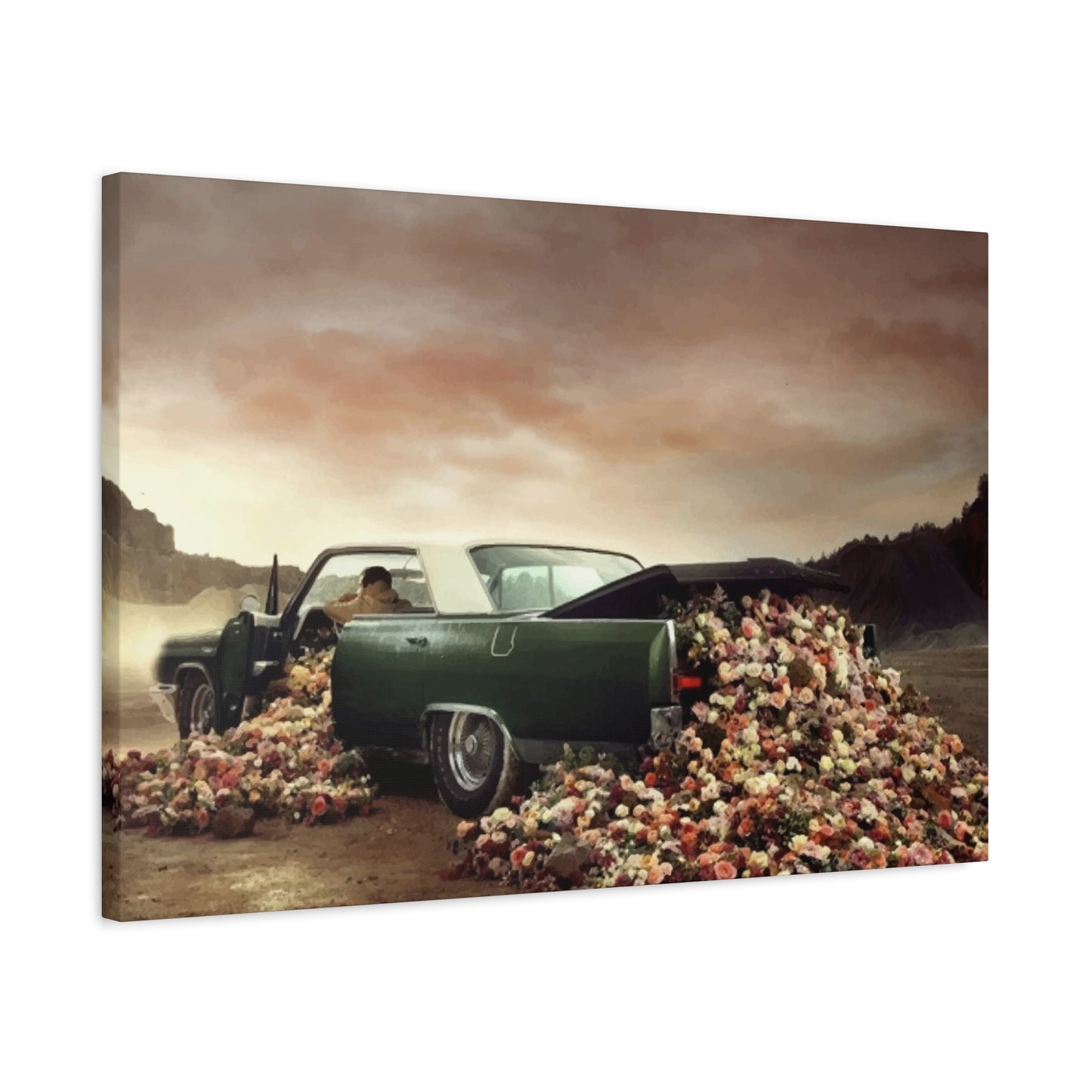
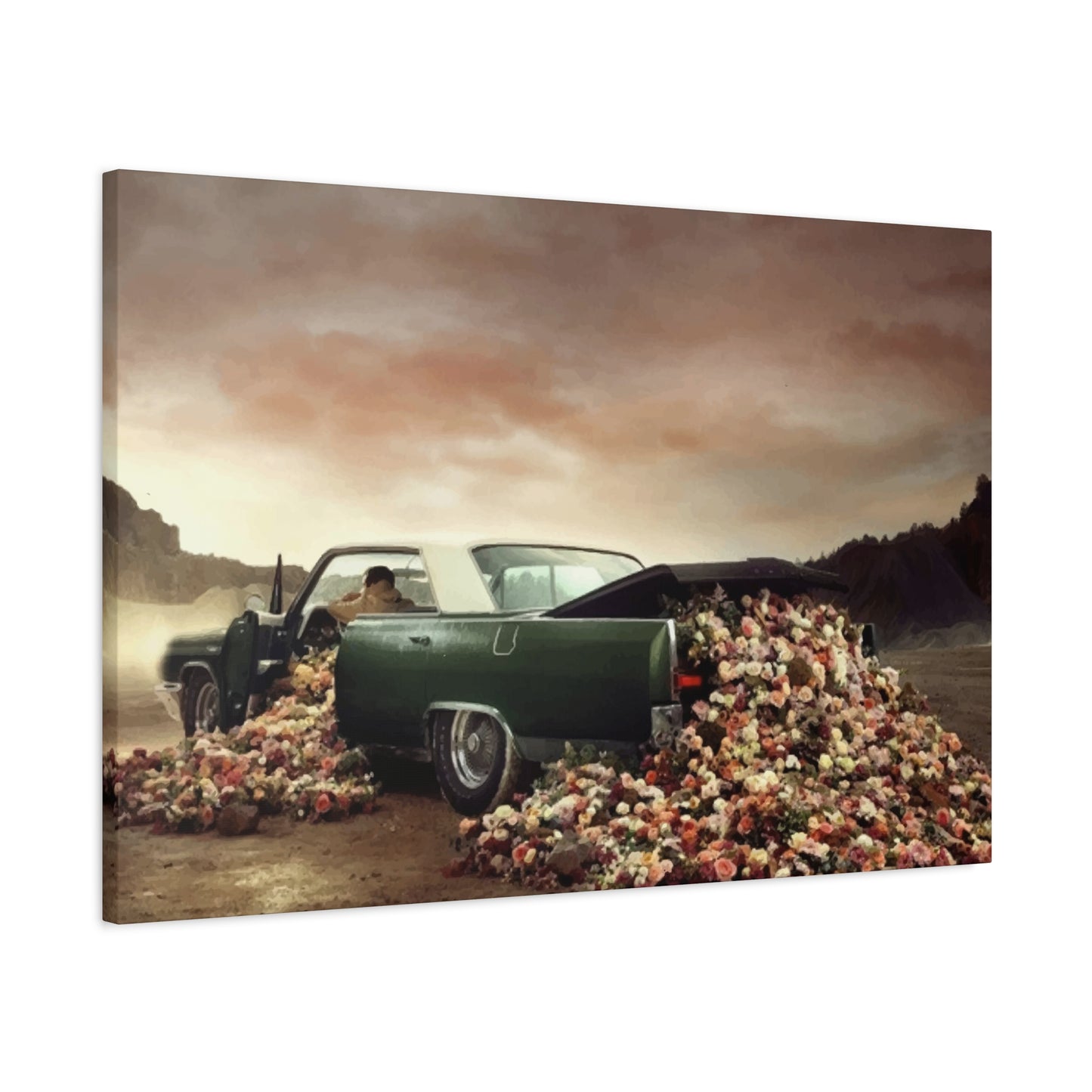
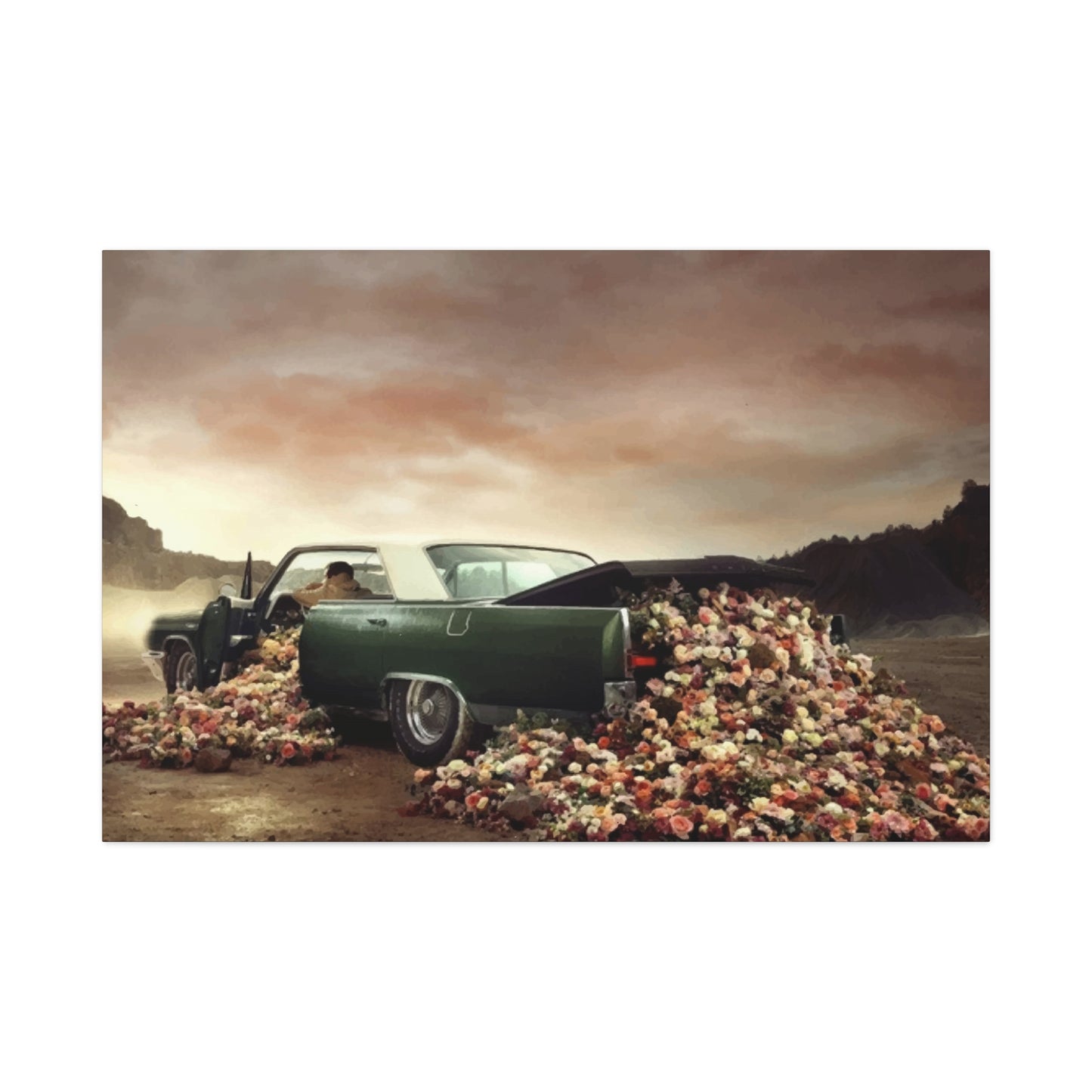
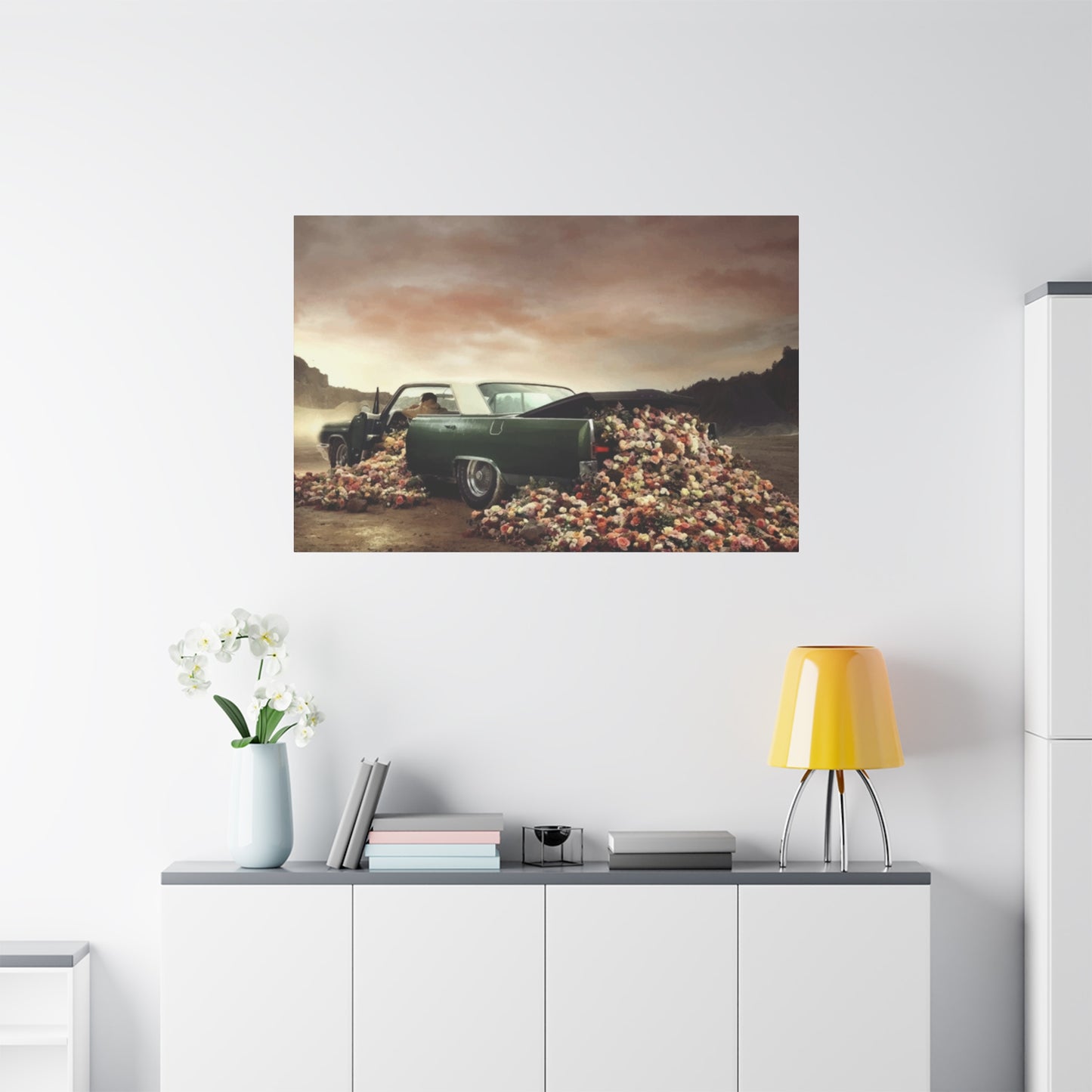
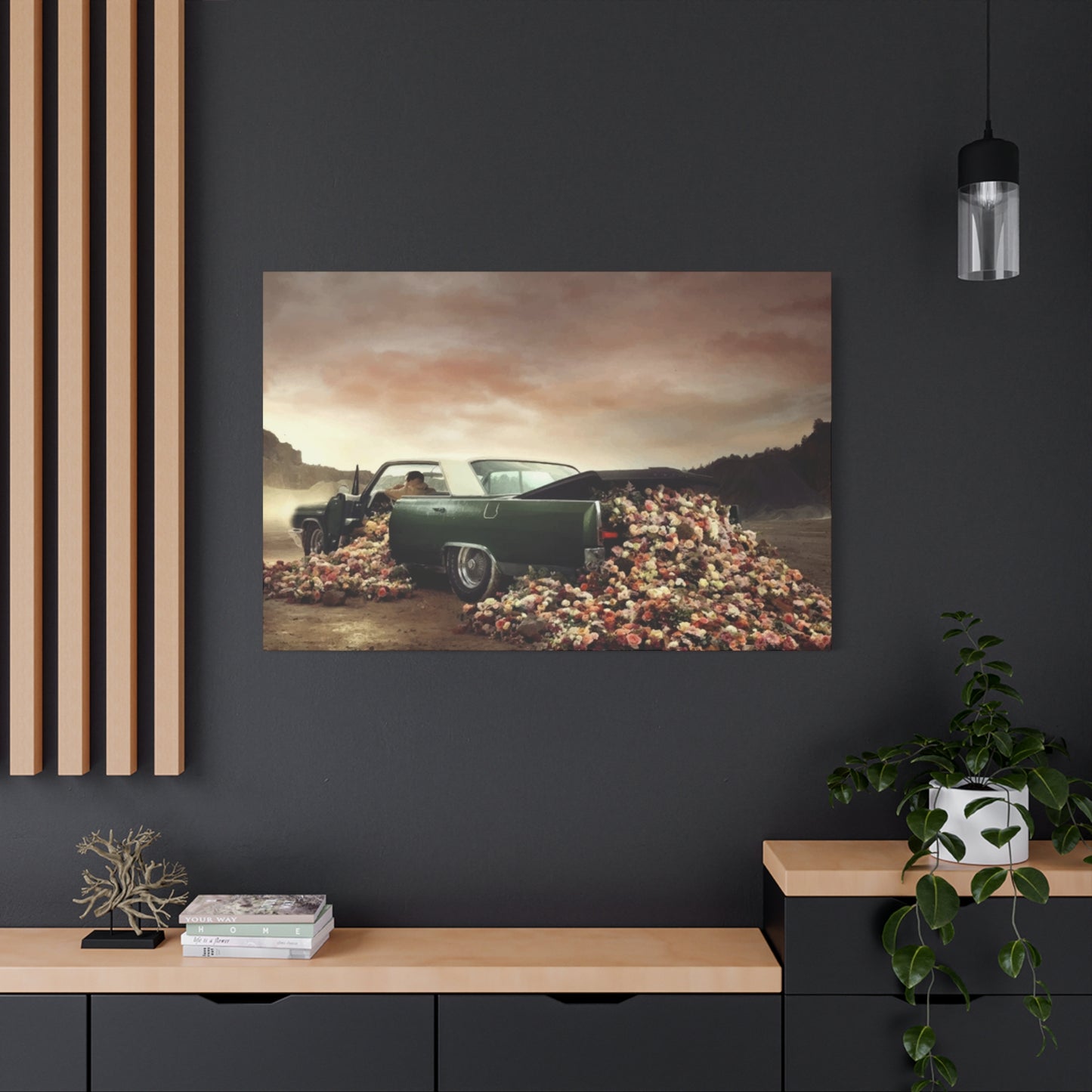
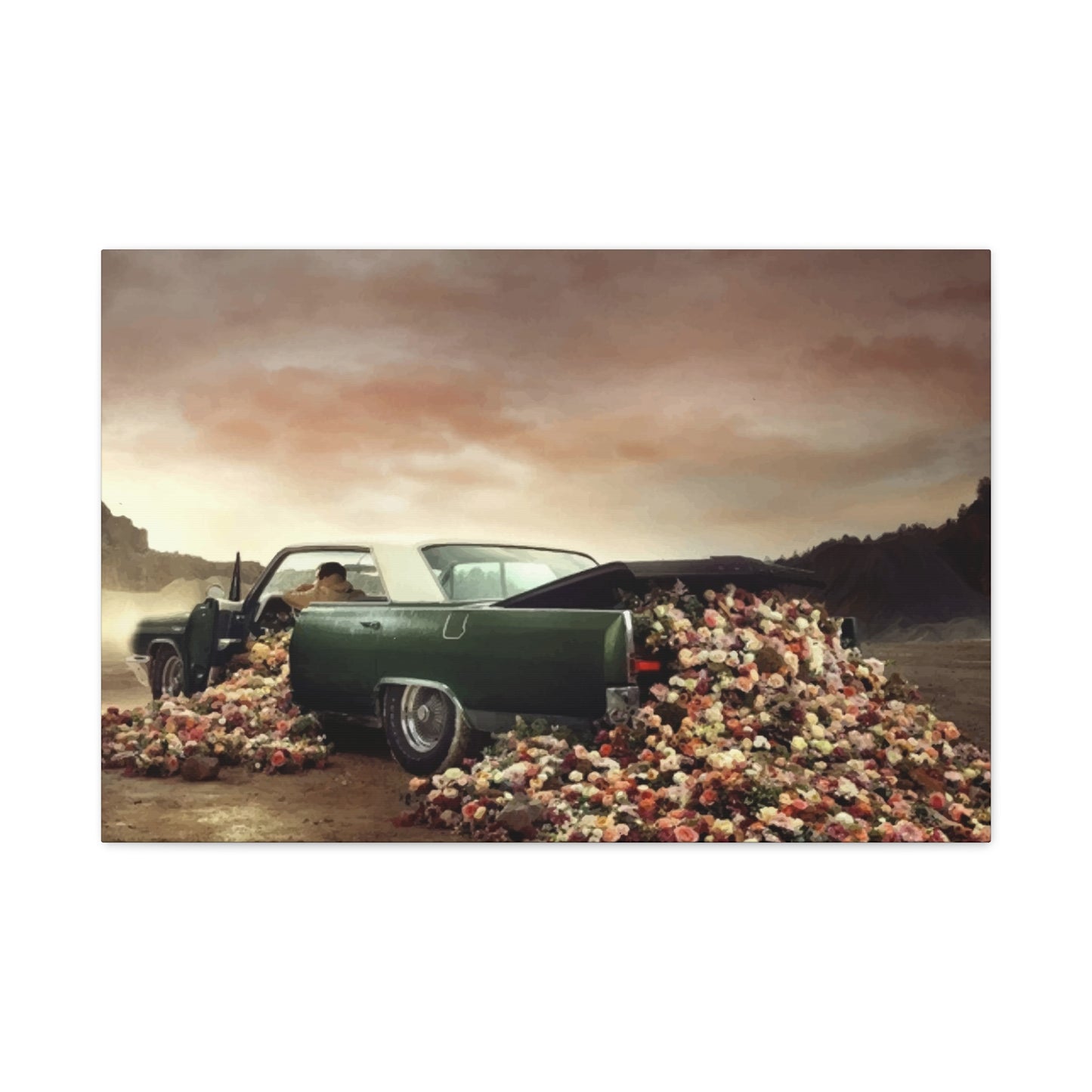
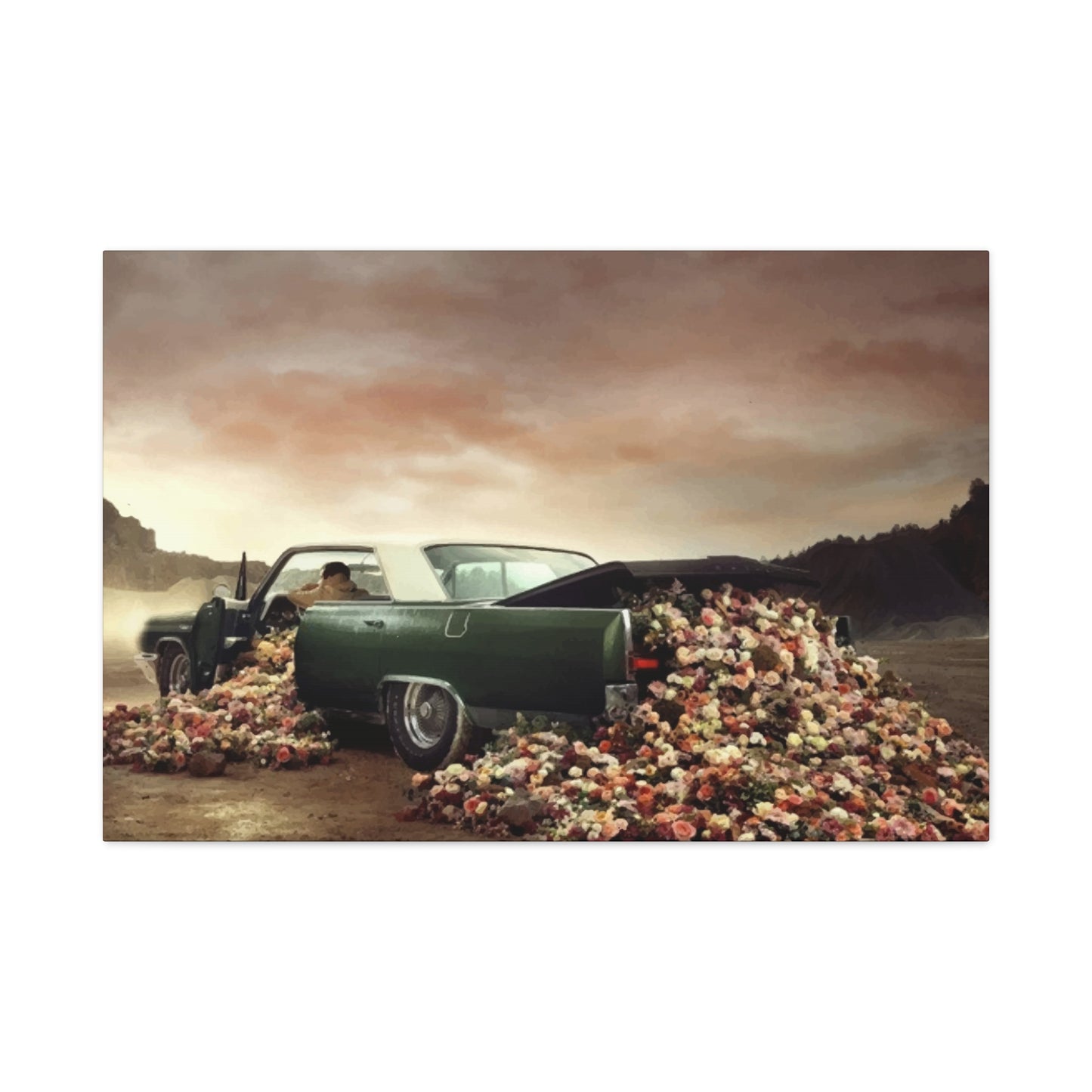
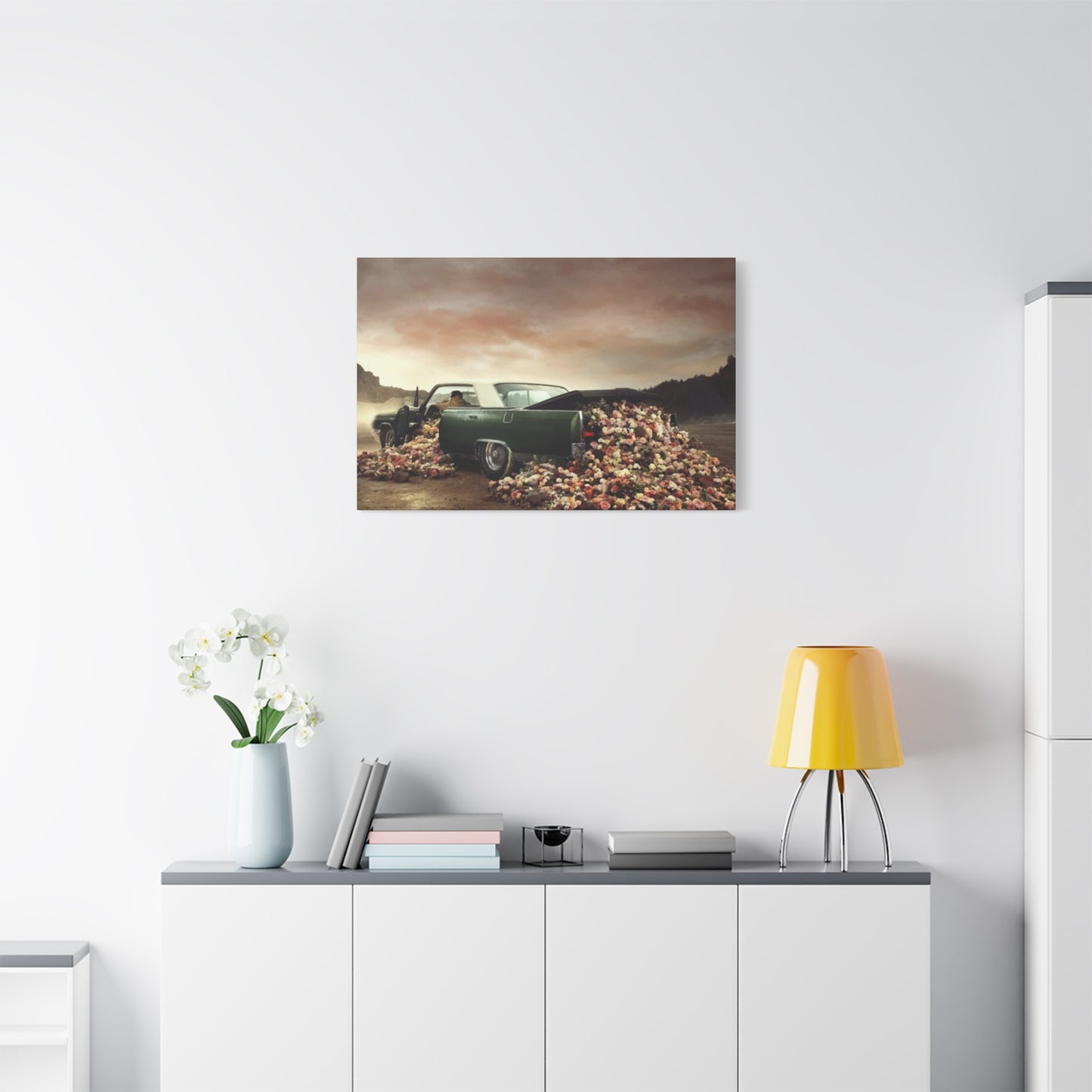
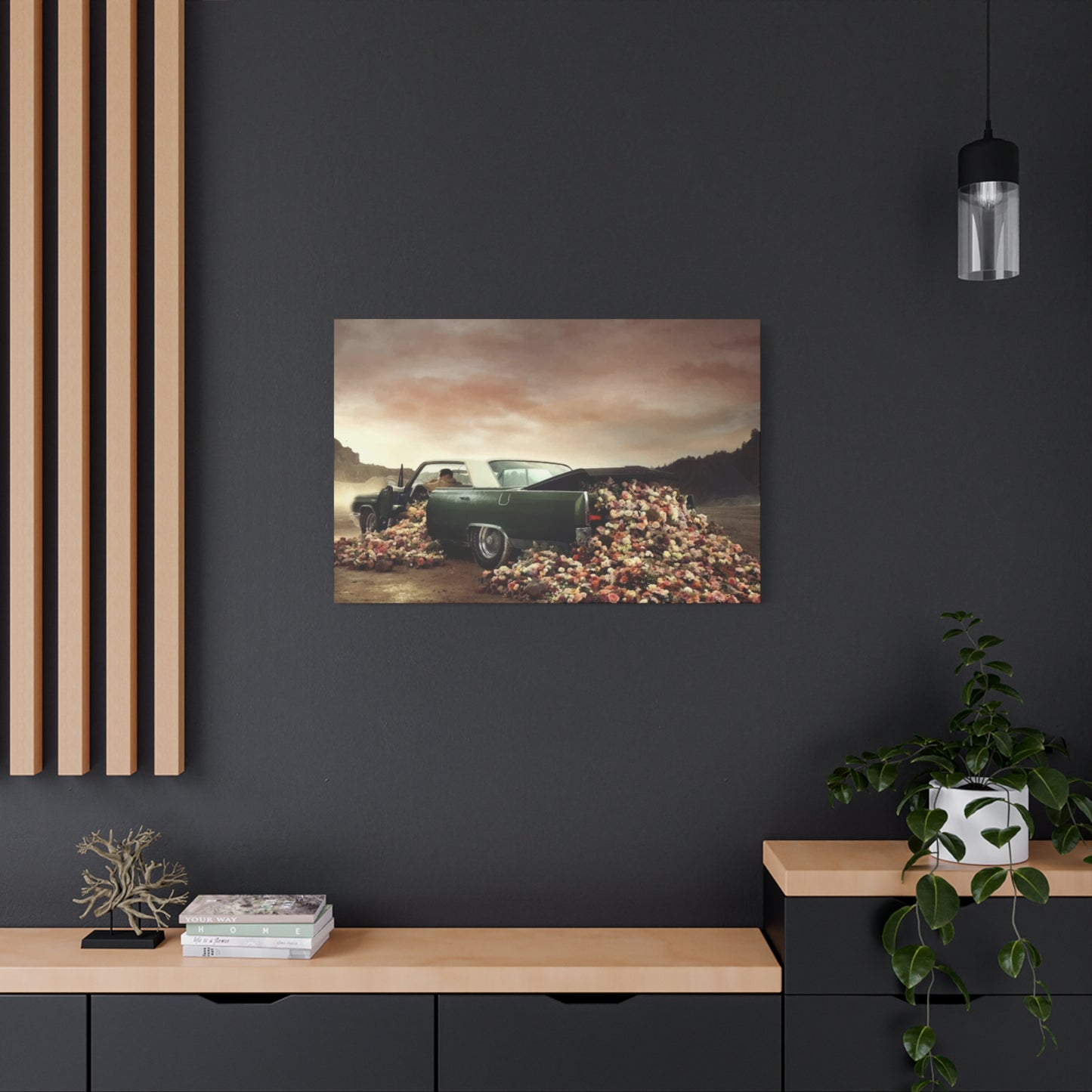
Flower Car Wall Art & Canvas Prints
Flower Car Wall Art & Canvas Prints
Couldn't load pickup availability
Elevate Your Living Space with Stunning Flower Car Wall Art: A Comprehensive Journey Through Automotive Botanical Decor
The intersection of vintage automobiles and vibrant floral arrangements has created a captivating aesthetic trend that transforms ordinary living spaces into extraordinary visual experiences. Flower car wall art represents more than mere decoration; it embodies a philosophy of bringing together mechanical precision with organic beauty, creating harmonious visual narratives that speak to both nostalgia and contemporary design sensibilities.
Why Automotive Floral Imagery Resonates with Modern Interior Enthusiasts
The phenomenon of combining classic vehicles with botanical elements taps into multiple layers of human aesthetic appreciation. When we observe a vintage automobile adorned with cascading blooms, our minds experience a delightful cognitive dissonance—the rigid, manufactured perfection of metal and chrome juxtaposed against the ephemeral, organic beauty of petals and stems. This contrast creates visual tension that captures attention while simultaneously soothing the observer through its harmonious resolution.
Contemporary homeowners increasingly seek artwork that tells stories beyond conventional landscapes or abstract compositions. Flower car wall art provides narrative depth by suggesting romantic getaways, carefree summer adventures, or whimsical reimaginings of urban environments where nature reclaims human-made objects. Each piece invites viewers to construct their own interpretations, whether imagining a forgotten vehicle in an abandoned field gradually becoming a garden, or envisioning a deliberate artistic statement about the relationship between humanity's creations and the natural world.
The psychological impact of combining these elements extends beyond simple aesthetic pleasure. Research in environmental psychology demonstrates that images incorporating natural elements, particularly florals, can reduce stress levels and improve mood. When these organic components appear alongside familiar objects like automobiles—items that represent freedom, adventure, and personal identity—the emotional resonance deepens considerably. Viewers unconsciously associate the calming properties of botanical imagery with the excitement and possibility symbolized by vehicles, creating a balanced emotional experience that feels both energizing and peaceful.
Discovering the Perfect Pieces for Your Distinctive Living Environment
Selecting appropriate flower car wall art requires careful consideration of multiple factors that extend beyond immediate visual appeal. The relationship between artwork and its surrounding environment determines whether a piece enhances or disrupts the overall aesthetic harmony of a space. Understanding how to evaluate potential additions ensures that your investment delivers lasting satisfaction rather than becoming a source of decorative regret.
Size considerations demand attention to both the physical dimensions of your wall space and the visual weight of the artwork itself. A common mistake involves selecting pieces that are too small for their intended location, resulting in artwork that appears insignificant and fails to command appropriate attention. Conversely, oversized pieces can overwhelm smaller rooms, creating claustrophobic sensations rather than the intended visual impact. The ideal approach involves measuring your available wall space and selecting artwork that occupies approximately sixty to seventy-five percent of that area, leaving sufficient breathing room around the edges while ensuring the piece maintains commanding presence.
Color palette compatibility represents another crucial consideration that significantly influences the success of your decorative choices. Flower car wall art spans an enormous spectrum of chromatic possibilities, from muted pastels suggesting vintage romance to bold, saturated hues evoking contemporary energy. Examine the existing colors within your space, considering not only wall paint but also furniture upholstery, flooring materials, curtain fabrics, and accent accessories. Your selected artwork should either complement these established colors through harmonious coordination or provide deliberate contrast that creates intentional focal points. Neither approach is inherently superior; the choice depends entirely on whether you seek cohesive tranquility or dynamic visual stimulation.
The style and era of the depicted vehicle carry significant aesthetic implications that influence how the artwork interacts with its surroundings. Classic cars from the 1950s and 1960s evoke different emotional responses than sleek sports cars from later decades or utilitarian trucks with rustic charm. Consider whether your space leans toward vintage nostalgia, contemporary minimalism, rustic farmhouse aesthetics, or eclectic bohemian sensibilities. Matching the vehicle style to your existing decor creates coherent visual narratives that feel intentional rather than haphazard.
Floral variety within the composition deserves equal scrutiny. Different botanical elements convey distinct moods and associations. Roses suggest romance and elegance, sunflowers evoke cheerfulness and warmth, wildflower collections imply carefree spontaneity, while exotic blooms indicate sophistication and worldliness. The density and arrangement of floral elements also matter significantly—sparse, minimalist botanical accents create subtle sophistication, whereas abundant, overflowing arrangements generate exuberant, maximalist impact.
Material Considerations That Transform Good Artwork into Exceptional Statements
The substrate and finishing materials used to produce flower car wall art dramatically affect both its visual presentation and practical longevity. Understanding these material distinctions empowers consumers to make informed purchasing decisions that align with their specific requirements, budget constraints, and aesthetic preferences.
Canvas prints remain perpetually popular due to their versatility and gallery-worthy appearance. The texture of canvas adds tactile dimension that flat prints cannot replicate, creating subtle variations in light reflection that bring artwork to life. Stretched canvas, where the printed material wraps around wooden frames, offers a contemporary, frameless presentation that works particularly well in modern settings. Gallery-wrapped canvas, with images extending around the sides, creates a three-dimensional effect that enhances visual interest from multiple viewing angles. The durability of canvas makes it suitable for various environments, though direct sunlight exposure should be limited to prevent fading over extended periods.
Metal prints have surged in popularity among those seeking contemporary, high-impact visual statements. The process involves infusing dyes directly into specially coated aluminum sheets, creating images with extraordinary vibrancy, depth, and dimensional quality. The reflective properties of metal create luminous effects that seem to glow from within, particularly effective for flower car wall art where capturing the brilliance of both chrome and petals benefits from enhanced color saturation. Metal prints offer exceptional durability, resisting moisture, scratches, and fading far better than most alternatives. Their sleek, frameless presentation aligns perfectly with minimalist and industrial design aesthetics, though they can appear cold in spaces seeking warmth and softness.
Acrylic prints provide another premium option that delivers stunning visual impact through unique material properties. These involve mounting high-resolution prints behind clear acrylic panels, creating extraordinary depth and dimensional effects. Light interacts with acrylic in ways that enhance color vibrancy while creating subtle reflections and refractions that change as viewers move around the artwork. The glossy finish delivers gallery-level sophistication that elevates any space, though glare from windows or lighting fixtures requires careful placement consideration. Acrylic prints command attention and work beautifully as focal points in formal living areas, dining rooms, or professional office environments.
Wood prints offer rustic charm and organic warmth that complements farmhouse, cottage, and natural design schemes. Direct printing onto wood surfaces preserves the material's inherent grain patterns, which become part of the artwork's character. This approach works particularly well for flower car wall art with vintage themes, where the natural imperfections of wood enhance the nostalgic atmosphere. Different wood types provide varying color tones and grain patterns—birch offers light, subtle backgrounds, while darker walnut creates dramatic contrast. The textured surface of wood prints invites closer inspection and tactile interaction, creating engaging viewer experiences that smooth surfaces cannot replicate.
Paper prints, while less durable than alternatives, remain viable options particularly when professionally framed and matted. High-quality archival papers preserve image quality for decades when properly protected from environmental factors. The advantage of paper prints lies in their affordability and the wide variety of framing options available, allowing for extensive customization to match any decor style. Museum-quality matting and UV-protective glass transform simple paper prints into impressive displays worthy of prominent placement.
Strategic Positioning That Maximizes Visual Resonance Throughout Your Home
Once you've acquired your flower car wall art, strategic placement determines whether it achieves its full decorative potential. The location, height, lighting conditions, and surrounding elements all contribute to how effectively the artwork enhances your space. Thoughtful positioning transforms good artwork into exceptional focal points that anchor entire rooms.
Height placement follows general guidelines that have emerged from centuries of gallery curation and interior design practice. The center of your artwork should typically align with average eye level, approximately fifty-seven to sixty inches from the floor. This standard ensures comfortable viewing without requiring neck strain or awkward positioning. However, this guideline requires adjustment based on ceiling height, furniture placement, and the specific viewing context. In dining rooms where people predominantly experience artwork while seated, slightly lower placement proves more effective. Conversely, hallways where people typically stand while viewing can accommodate slightly higher positioning.
The wall you select carries implications beyond mere availability. Accent walls—those painted in contrasting colors or featuring distinctive treatments—naturally draw attention and work beautifully for showcasing statement pieces. However, artwork placed on accent walls must complement rather than compete with the wall's existing visual impact. Lighter, neutral walls provide versatile backdrops that allow artwork's colors and composition to command full attention without interference. Consider sight lines from adjacent rooms and primary traffic patterns; artwork positioned where it's frequently glimpsed from multiple vantage points delivers greater value than pieces hidden in peripheral locations.
Lighting dramatically affects how viewers perceive and experience your flower car wall art. Natural light from windows can beautifully illuminate artwork during daylight hours, though direct sunlight causes fading over time and should be avoided or mitigated with window treatments. Artificial lighting offers controllable consistency and can be precisely directed to enhance specific pieces. Picture lights mounted above frames create elegant, focused illumination perfect for traditional settings. Track lighting provides flexibility for highlighting multiple pieces while adjusting emphasis as collections change. Recessed spotlights deliver clean, modern illumination without visible fixtures interrupting visual flow. LED options offer energy efficiency and generate minimal heat that could potentially damage artwork over time.
Surrounding decor elements require thoughtful coordination to create cohesive visual narratives. Furniture placement should direct attention toward rather than away from your artwork. Sofas, chairs, and tables positioned perpendicular to artwork-bearing walls create natural sight lines that encourage appreciation. Complementary accessories—throw pillows, vases, books, or decorative objects—that echo colors or themes from your flower car wall art reinforce visual connections and create satisfying repetition that feels intentional. However, avoid cluttering the area immediately around statement pieces; allow sufficient negative space for the artwork to breathe and maintain prominence.
Creating Cohesive Gallery Arrangements That Tell Compelling Visual Stories
Single statement pieces deliver powerful impact, but thoughtfully curated gallery walls transform ordinary spaces into dynamic visual experiences that reflect personal style and creative sensibility. Successfully arranging multiple pieces of flower car wall art requires balancing unity with variety, creating relationships between individual elements while maintaining each piece's distinct character.
Gallery wall layouts fall into several general categories, each offering different aesthetic effects. Grid arrangements provide structure and order, with pieces of identical or similar sizes arranged in straight rows and columns with equal spacing. This approach works beautifully in contemporary spaces where clean lines and geometric precision dominate. The predictability of grid layouts creates calm, organized impressions that feel intentional and carefully considered.
Salon-style arrangements embrace organized chaos, with pieces of varying sizes, shapes, and orientations covering walls in dense, overlapping compositions. This approach originated in eighteenth and nineteenth-century galleries where maximizing displayed artwork took precedence over minimalist aesthetics. Contemporary salon walls work wonderfully in eclectic, bohemian, or maximalist spaces where abundance and visual richness are celebrated. The key to successful salon arrangements lies in maintaining consistent spacing between pieces—typically two to three inches—which creates cohesion despite the apparent randomness.
Linear arrangements organize artwork along invisible horizontal or vertical lines, creating visual continuity despite variation in individual piece sizes. This approach works particularly well along hallways, staircases, or above furniture where horizontal or vertical emphasis enhances the space's natural geometry. Maintaining consistent spacing and ensuring alignment along the chosen axis prevents the arrangement from appearing haphazard.
Asymmetrical balanced arrangements embrace intentional irregularity while maintaining visual equilibrium. This sophisticated approach requires careful attention to visual weight—larger, darker, or more complex pieces carry more weight than smaller, lighter, or simpler ones. Balancing heavier pieces on one side with multiple lighter pieces on the opposite side creates dynamic tension that feels energetic yet stable. This approach works beautifully in contemporary spaces where interesting visual relationships matter more than strict symmetry.
Before committing to wall arrangements, create templates from paper or cardboard matching your artwork dimensions. Arrange these templates on the floor in your desired configuration, experimenting with different layouts until achieving satisfying composition. Photograph successful arrangements for reference, then transfer the design to your wall using templates and painter's tape to mark positions. This methodical approach prevents unnecessary wall damage from experimental hanging and ensures satisfying results.
Complementary Design Elements That Enhance Automotive Botanical Aesthetics
Flower car wall art doesn't exist in isolation; its impact amplifies or diminishes based on surrounding design choices. Creating cohesive spaces requires considering how various elements interact to either reinforce or undermine your decorative vision. Strategic selection of complementary components transforms individual pieces into integral parts of harmonious environments.
Color schemes provide the foundation for successful coordination. Extract a palette from your flower car wall art, identifying dominant, secondary, and accent colors present in the piece. Dominant colors should appear in approximately sixty percent of the room's surfaces—typically walls, large furniture pieces, or flooring. Secondary colors occupy roughly thirty percent, appearing in upholstered furniture, curtains, or area rugs. Accent colors, representing about ten percent, appear in smaller decorative objects like pillows, vases, books, or artwork frames. This sixty-thirty-ten rule creates balanced, professional-looking spaces where colors relate without overwhelming.
Textile selections offer opportunities for reinforcing visual themes while adding textural variety. Throw pillows incorporating floral patterns or automotive motifs create obvious connections to your wall art while providing comfort and visual interest. Curtain fabrics can echo colors from your artwork, either matching closely for cohesive calm or contrasting deliberately for dynamic energy. Area rugs ground seating arrangements while providing another surface for color coordination or complementary pattern mixing. Upholstered furniture in solid colors that appear in your artwork create sophisticated connections that feel curated rather than coincidental.
Decorative accessories provide finishing touches that complete the visual narrative. Vases containing fresh or artificial flowers echo botanical elements from your artwork while introducing three-dimensional beauty into the space. Vintage automobile models displayed on shelves or mantels reinforce automotive themes while adding nostalgic charm. Coffee table books featuring photography of classic cars, botanical subjects, or destinations associated with road trips create intellectual connections to your artwork's themes. Candles in colors matching your artwork's palette provide both aesthetic coordination and sensory dimension through fragrance.
Furniture styles should align with the era and aesthetic suggested by your flower car wall art. Vintage vehicles from mid-century periods pair beautifully with Danish modern furniture, characterized by clean lines, organic forms, and warm wood tones. Rustic trucks adorned with wildflowers complement farmhouse furniture featuring distressed finishes, simple silhouettes, and practical functionality. Sleek sports cars with exotic blooms work wonderfully alongside contemporary furniture emphasizing minimalism, innovative materials, and sculptural forms. Matching furniture era to artwork era creates temporal coherence that feels authentic rather than disjointed.
Caring for Your Investment to Ensure Lasting Beauty and Vibrancy
Quality flower car wall art represents both financial investment and emotional commitment to creating beautiful living spaces. Proper care preserves both the physical condition and visual appeal of your pieces, ensuring they continue delivering aesthetic value for years or decades. Understanding basic preservation principles protects your investment while requiring minimal time or specialized knowledge.
Dust accumulation represents the most common threat to artwork appearance and longevity. Particles settling on surfaces dull colors, obscure details, and can eventually cause permanent damage if left unaddressed. Different materials require specific cleaning approaches. Canvas prints benefit from gentle dusting using soft, dry microfiber cloths or feather dusters, moving in consistent directions rather than circular motions that can redistribute particles. Avoid liquid cleaners unless specifically formulated for canvas, as moisture can damage both the print and underlying material. Metal prints tolerate slightly more aggressive cleaning with microfiber cloths slightly dampened with water or specialized metal cleaners, though excessive moisture should be avoided around edges where it might penetrate behind the print surface. Acrylic prints require careful attention to prevent scratching; use only microfiber cloths designed for delicate surfaces and specialized acrylic cleaners that won't damage the material's finish. Wood prints benefit from dusting with soft, dry cloths, with occasional application of wood conditioning products appropriate for the specific wood type, applied sparingly to avoid discoloring printed areas.
Environmental factors significantly impact artwork longevity. Direct sunlight represents the most destructive force, causing colors to fade gradually but inexorably. Even artwork claiming fade resistance will eventually succumb to intense, prolonged sun exposure. Position pieces away from windows where direct rays strike, or utilize window treatments that filter UV radiation while still admitting natural light. Temperature fluctuations and humidity variations also threaten artwork integrity. Extreme heat can warp materials, loosen adhesives, and accelerate chemical deterioration. High humidity encourages mold growth and causes materials to expand, while low humidity leads to brittleness and cracking. Maintain relatively stable indoor climates with temperatures between sixty and seventy-five degrees Fahrenheit and humidity levels between forty and fifty-five percent for optimal preservation.
Physical damage prevention requires vigilance about placement decisions and handling practices. Hang artwork securely using appropriate hardware rated for the piece's weight, ensuring stability that prevents accidental falls. Keep artwork away from high-traffic areas where accidental impacts might occur. Avoid placing artwork above heat sources like fireplaces, radiators, or heating vents where temperature extremes accelerate deterioration. When relocating pieces, always handle them by their frames or edges rather than touching printed surfaces where fingerprints can leave permanent marks or oils that attract dirt.
Professional cleaning and restoration services provide options when artwork requires attention beyond routine maintenance. Many professional framers and art conservators offer cleaning services for various materials, employing specialized techniques and products unavailable to consumers. If valuable pieces show signs of damage—fading colors, warping, separation of materials, or visible staining—consulting professionals prevents well-intentioned but potentially destructive amateur repair attempts.
Exploring Creative Approaches to Personalizing Automotive Floral Imagery
While purchasing ready-made flower car wall art offers convenience and immediate gratification, creating custom pieces or modifying existing artwork provides opportunities for deeper personalization that reflects individual tastes, memories, and creative visions. Various approaches accommodate different skill levels, budgets, and time commitments while delivering uniquely personal results.
Commissioning custom artwork from talented artists ensures absolute uniqueness while supporting creative professionals. Many artists specialize in automotive subjects or botanical compositions and welcome commission requests. Begin by researching artists whose existing work resonates with your aesthetic preferences, examining their portfolios for quality, style consistency, and thematic range. Contact artists to discuss your vision, providing reference images, color preferences, size specifications, and any meaningful details you wish incorporated. Professional artists typically provide preliminary sketches or digital mockups for approval before proceeding with final execution, ensuring the finished piece meets expectations. Commission costs vary dramatically based on artist reputation, piece size, medium complexity, and timeline urgency, ranging from several hundred to several thousand dollars for exceptional work.
Photography enthusiasts with appropriate skills and equipment can create entirely original flower car wall art by capturing their own images. This approach offers maximum creative control and the satisfaction of displaying truly personal work. Scout locations featuring vintage vehicles, whether at car shows, museums, salvage yards, or private collections with owner permission. Experiment with different floral arrangements, either naturally occurring or carefully staged, finding compositions that balance automotive and botanical elements effectively. Consider lighting conditions carefully; golden hour illumination during early morning or late afternoon provides warm, flattering light that enhances both metal surfaces and delicate petals. Experiment with various angles, perspectives, and depths of field to discover unique viewpoints that transcend conventional automotive or floral photography. Post-processing software enables further refinement, adjusting colors, contrast, and composition to achieve desired aesthetic effects.
Digital artwork creation using graphic design software provides another avenue for personalization, particularly for those with computer skills but limited drawing abilities. Applications like Adobe Photoshop, Illustrator, or Procreate enable combining stock images, original photography, or illustrated elements into custom compositions. Source high-quality images of vintage vehicles and floral elements from stock photography websites, ensuring proper licensing for personal use. Experiment with layering, blending modes, color adjustments, and digital painting techniques to create cohesive compositions that feel unified rather than obviously collaged. Digital creation offers unlimited experimentation without material costs, allowing extensive exploration until achieving satisfying results.
Modification of existing prints provides accessible personalization options requiring minimal artistic skill. Purchase affordable prints serving as bases, then enhance them with hand-painted details, mixed media additions, or dimensional embellishments. Add metallic paint accents to chrome details, making them shimmer and catch light. Apply texture mediums to floral areas, creating dimensional effects that distinguish your piece from flat reproductions. Incorporate collage elements like vintage sheet music, map fragments, or pressed flowers that add layers of meaning and visual interest. Frame modified pieces behind glass to protect additions while displaying your creative enhancements.
Understanding How Various Spaces Benefit from Automotive Botanical Decor
Different rooms within homes serve distinct purposes and create unique contextual frameworks for artwork. Understanding how flower car wall art functions within various spaces enables strategic placement decisions that enhance both the artwork and the room itself. Each environment presents specific opportunities and challenges that influence selection and positioning choices.
Living rooms function as primary gathering spaces where families relax, entertain guests, and spend significant time. Flower car wall art in living areas should create welcoming atmospheres that stimulate conversation while maintaining comfort. Large statement pieces work beautifully above sofas, anchoring seating arrangements and providing focal points that organize the space visually. Colors should complement existing furnishings without overwhelming the room's overall palette. Consider the emotional tone you wish to establish—vibrant, saturated colors energize spaces and encourage lively interaction, while softer, muted palettes promote calm relaxation. Living rooms typically offer ample wall space and favorable viewing distances that accommodate larger pieces where details remain visible and impactful.
Bedrooms require more careful consideration given their function as personal sanctuaries dedicated to rest and rejuvenation. Flower car wall art in bedrooms should promote tranquility rather than stimulation. Pieces featuring softer colors, gentler compositions, and romantic or dreamy qualities work better than bold, high-energy alternatives. Placement above beds creates obvious focal points, though secure mounting becomes crucial for safety. Side wall placements work equally well, visible from bed but not directly overhead. Consider scale carefully—oversized pieces can feel overwhelming in intimate bedroom spaces, while appropriately scaled artwork maintains presence without dominating.
Dining rooms benefit from artwork that enhances the experience of shared meals and conversation. Flower car wall art in these spaces should feel celebratory and sophisticated, complementing the formality or casualness of the dining environment. Colors that stimulate appetite—warm reds, oranges, and yellows—work particularly well, coincidentally matching many popular floral hues. Consider how artwork appears both when the room is empty and when people occupy dining chairs; lower placement accommodates seated viewing perspectives. Lighting becomes especially important in dining rooms, as artwork should remain visible during evening meals when overhead chandeliers provide primary illumination.
Home offices require artwork that inspires productivity while preventing sterility. Flower car wall art combines energizing visual interest with elements suggesting freedom and possibility—appropriate reminders during focused work sessions. Placement should allow occasional viewing during breaks without causing distraction during concentrated tasks. Behind desk placement creates attractive backgrounds for video calls while remaining outside primary sight lines during computer work. Colors should energize without overstimulating; consider cooler blues and greens that promote focus alongside warmer accent colors that prevent coldness.
Kitchens present challenging environments for artwork due to temperature fluctuations, moisture exposure, and spatial constraints imposed by cabinetry and appliances. However, successful kitchen artwork creates warmth and personality in spaces that might otherwise feel purely utilitarian. Flower car wall art featuring casual, cheerful compositions works well in these informal spaces. Metal or acrylic materials withstand kitchen conditions better than canvas or paper. Position artwork away from direct stove proximity where grease particles and heat cause damage. Available wall space often limits options, but even smaller pieces provide visual relief from expanses of cabinetry.
Bathrooms rarely receive serious consideration for quality artwork, yet these spaces benefit tremendously from thoughtful decoration. Flower car wall art transforms bathrooms from purely functional spaces into enjoyable environments. Choose materials resistant to humidity—metal and acrylic work best, while canvas and paper risk moisture damage. Smaller pieces suit typical bathroom dimensions, creating interest without overwhelming limited space. Consider the view from the bathtub or shower; artwork positioned for easy viewing during bathing adds luxury to daily routines.
Hallways and staircases offer excellent opportunities for creating gallery-style displays. These transitional spaces receive frequent traffic while lacking the extended dwelling time of primary rooms, making them perfect for multiple smaller pieces that viewers experience sequentially rather than simultaneously. Linear arrangements work particularly well, creating visual flow that complements the hallway's geometry. Staircase walls benefit from arrangements that follow the ascending or descending angle, creating dynamic compositions that enhance rather than fight architectural features.
Exploring Diverse Stylistic Approaches Within Automotive Floral Imagery
Flower car wall art encompasses remarkable stylistic diversity, ranging from photorealistic representations to heavily stylized interpretations. Understanding various aesthetic approaches enables more informed selection aligned with personal preferences and existing decor styles. Each artistic direction offers distinct characteristics and emotional resonances that appeal to different sensibilities.
Photorealistic imagery captures subjects with meticulous accuracy, reproducing every detail, texture, and subtle variation visible in actual scenes. These pieces appeal to viewers who appreciate documentary authenticity and the skill required to achieve convincing realism. Photorealistic flower car wall art typically features actual vehicles and genuine floral arrangements captured through photography or rendered through traditional or digital painting techniques that replicate photographic precision. The strength of this approach lies in its immediate accessibility—viewers instantly recognize subjects and connect with depicted scenes as potentially real moments they might encounter. However, strict realism sometimes lacks the emotional interpretation and artistic voice present in more stylized approaches.
Impressionistic interpretations prioritize capturing essential characteristics and emotional qualities over precise detail. Inspired by nineteenth-century impressionist painters who revolutionized Western art, this approach employs loose brushwork, visible paint application, and emphasis on light effects rather than sharp focus. Impressionistic flower car wall art might depict recognizable vintage vehicles and botanical elements through suggestions and color relationships rather than defined edges and meticulous details. This style creates dreamy, romantic atmospheres particularly effective in bedrooms, reading nooks, or spaces seeking gentle, contemplative moods. The softness and ambiguity invite viewers to complete images mentally, creating participatory viewing experiences that feel personal and interpretive.
Vintage or retro-styled pieces deliberately emulate aesthetic qualities from earlier eras, incorporating characteristics like faded colors, aged textures, simplified forms, or period-appropriate graphic design elements. These pieces appeal strongly to nostalgia, evoking specific times and associated cultural memories. Vintage-styled flower car wall art might feature classic cars from the 1950s rendered in colors and compositions reminiscent of mid-century advertising posters, or distressed finishes suggesting aged photographs discovered in attics. This approach works beautifully in spaces embracing farmhouse, shabby chic, or deliberately retro design schemes. The aged quality can make spaces feel established and collected rather than recently decorated.
Abstract interpretations deconstruct subjects into shapes, colors, patterns, and forms that suggest rather than literally represent automobiles and florals. This sophisticated approach requires viewers to engage more actively, finding connections between abstract elements and real-world subjects. Abstract flower car wall art might reduce a vehicle to essential geometric shapes while representing flowers through organic curves and botanical color palettes. This style works exceptionally well in contemporary, minimalist, or artistically ambitious spaces where conventional representational art feels too predictable. Abstract pieces often generate ongoing interest because they reveal new relationships and interpretations with repeated viewing.
Minimalist approaches embrace simplicity, eliminating unnecessary elements to focus on essential forms and relationships. Minimalist flower car wall art might depict vehicle silhouettes with single flower accents against expansive negative space, or reduce complex scenes to simplified shapes and limited color palettes. This style aligns perfectly with contemporary design movements emphasizing clean lines, uncluttered spaces, and intentional restraint. Minimalist pieces provide visual interest without overwhelming, making them ideal for small spaces or rooms with already complex decorative elements.
Maximalist styles celebrate abundance, complexity, and visual richness, layering multiple elements into dense, energetic compositions. Maximalist flower car wall art might feature vintage vehicles completely covered with overflowing floral arrangements, surrounded by additional decorative elements, patterns, and embellishments that fill every available space. This exuberant approach appeals to those who find minimalism cold or boring, preferring environments that feel collected, personal, and visually stimulating. Maximalist pieces work beautifully as focal points in eclectic, bohemian, or deliberately dramatic spaces.
Whimsical interpretations inject humor, fantasy, or unexpected elements into automotive floral imagery. These pieces might depict impossibly oversized flowers dwarfing tiny vehicles, cars with flower petals for wheels, or surreal scenarios where botanical and mechanical elements merge in imaginative ways. Whimsical flower car wall art appeals to viewers with playful sensibilities who appreciate art that doesn't take itself too seriously. These pieces work wonderfully in creative spaces, children's areas, or anywhere lighthearted energy is welcome.
Discovering Sources for Acquiring Exceptional Automotive Floral Artwork
Finding quality flower car wall art that meets aesthetic preferences, budget constraints, and material requirements requires knowing where to look and how to evaluate potential purchases. Various marketplaces, retailers, and individual creators offer different advantages regarding selection variety, price points, customization possibilities, and quality assurance.
Online marketplaces provide vast selection and convenient shopping from home, though quality varies significantly. Major e-commerce platforms host thousands of sellers offering flower car wall art in countless styles, sizes, and materials. The advantage lies in extensive variety—virtually any aesthetic preference can find matching pieces. However, quality inconsistency poses challenges, as marketplace sellers range from professional artists and reputable print companies to questionable operations producing inferior products. Carefully examine product descriptions, material specifications, and customer reviews before purchasing. Look for detailed information about print processes, material types, and sizing accuracy. Customer photographs often reveal more accurate representations than professional product images. Pay attention to seller ratings and response patterns to customer questions or complaints, which indicate reliability and customer service quality.
Specialized art retailers focusing on home decor typically offer curated selections emphasizing quality and aesthetic cohesion. These retailers employ buyers who select offerings based on quality standards and design relevance, providing some quality assurance that general marketplaces lack. Prices typically run higher than marketplace averages, reflecting both better quality and the curation service. These retailers often provide room visualization tools enabling customers to see how pieces look in context, reducing uncertainty about scale and aesthetic compatibility. Return policies tend to be more generous and straightforward than individual marketplace sellers, reducing purchase risk.
Direct purchase from individual artists through personal websites or portfolio platforms ensures authenticity while supporting creative professionals. Artists selling directly typically offer higher quality than mass-produced alternatives, along with potential customization options. Prices reflect the reality that purchasing directly from creators eliminates middleman markups while fairly compensating artistic labor. Building relationships with artists whose work resonates with your aesthetic can lead to ongoing patronage as your collection grows and your spaces evolve. Many artists maintain social media presences where they share new work, creative processes, and personal stories that deepen connections between creators and collectors.
Galleries and art fairs provide opportunities to experience artwork in person before purchasing, eliminating uncertainty about colors, scale, and material qualities. This traditional approach offers advantages that online shopping cannot replicate—seeing actual colors under proper lighting, assessing material quality through direct observation, and discussing pieces with knowledgeable gallery staff or artists themselves. Prices at galleries typically include significant markups reflecting overhead costs and sales commissions, positioning this option at the premium end of the market. However, the assurance of quality and the personal experience often justify higher costs for serious collectors.
Print-on-demand services enable customers to upload their own images or select from extensive libraries, choosing materials, sizes, and finishing options. This approach works well for creating truly personalized flower car wall art from personal photographs or licensed designs. Quality varies depending on the specific service provider, with established companies typically delivering reliable results while newer or unknown services require more careful evaluation. Reading independent reviews and ordering small test prints before committing to large, expensive pieces helps assess quality without major risk.
Local frame shops and print services offer personalized assistance and rapid turnaround for customers with specific visions or time constraints. These businesses typically provide higher service levels than online alternatives, with staff available to answer questions, provide recommendations, and ensure satisfaction. Supporting local businesses strengthens community economies while building relationships with professionals who can assist with future projects. Prices generally exceed online alternatives due to higher operating costs, but the personalized service and local convenience often warrant the premium.
Conclusion
While permanent artwork installations create stability and familiarity, strategic seasonal rotations introduce variety that prevents visual boredom and allows responding to changing moods, celebrations, and environmental conditions. Implementing rotation strategies transforms flower car wall art from static decoration into dynamic expressions that evolve throughout the year.
Spring rotations naturally emphasize renewal, growth, and vibrant optimism. Flower car wall art featuring cherry blossoms, tulips, daffodils, or other spring flowers paired with convertibles or brightly colored vintage vehicles captures seasonal energy. Lighter, brighter colors reflect increasing daylight and warming weather. This season offers perfect opportunities to clean and refresh all displayed artwork, removing winter dust accumulation and assessing whether pieces need repairs or replacements.
Summer selections celebrate warmth, freedom, and outdoor adventure. Artwork depicting road trips, beach scenes, or vehicles overflowing with sunflowers, zinnias, or other summer blooms captures seasonal spirit. Bold, saturated colors reflect summer's intensity and energy. Consider displaying pieces featuring vintage station wagons packed for vacation or pickup trucks filled with market-fresh flowers that evoke summer abundance and leisure.
Autumn rotations introduce warmer color palettes featuring oranges, reds, golds, and browns that echo changing leaves. Flower car wall art incorporating chrysanthemums, dahlias, or autumn foliage alongside classic vehicles in harvest settings creates seasonal resonance. This period naturally transitions from summer's exuberance toward winter's contemplative quietness, making it ideal for introducing pieces with nostalgic or reflective qualities.
Winter displays can maintain flower car wall art themes while acknowledging seasonal realities. Pieces featuring evergreen arrangements, holly branches, or winter berries maintain botanical connections despite dormant gardens. Snowy scenes with vintage vehicles create cozy, nostalgic atmospheres perfect for long winter evenings. Alternatively, winter provides excellent opportunities to display tropical or summer pieces that provide visual warmth and psychological escape from cold, dark conditions.
Holiday rotations offer opportunities for festive expressions without resorting to overtly themed decorations. Flower car wall art incorporating seasonal colors—reds and greens for Christmas, pastels for Easter, patriotic colors for national holidays—provides subtle holiday acknowledgment that feels sophisticated rather than kitschy. This approach maintains aesthetic integrity while participating in seasonal celebrations.
Implementing practical rotation systems ensures the process remains manageable rather than becoming burdensome. Designate storage areas for artwork not currently displayed, ensuring pieces remain protected from damage. Use acid-free materials for wrapping and separating stacked pieces. Label stored artwork clearly to facilitate identification when rotation time arrives. Calendar reminders prompt timely seasonal changes before visual boredom sets in. Enlist help when moving large or heavy pieces, preventing damage to both artwork and walls. Consider rotating only portions of your collection, maintaining some pieces year-round while changing others seasonally, which provides stability alongside variety.
Colors profoundly affect human psychology, influencing mood, energy levels, and emotional states in ways that operate largely beneath conscious awareness. Understanding color psychology enables strategic selection of flower car wall art that actively contributes to desired atmospheric qualities rather than merely providing decoration.
Warm colors—reds, oranges, yellows—energize spaces and stimulate activity. These hues increase perceived temperature, making rooms feel physically warmer while creating psychologically activating environments. Flower car wall art dominated by warm tones works well in social spaces like living rooms, dining areas, or kitchens where energy and interaction are desired. Red specifically increases heart rate and creates urgency, making it powerful but requiring careful use. Orange combines red's energy with yellow's cheerfulness, creating approachable warmth without aggressive intensity.
Share