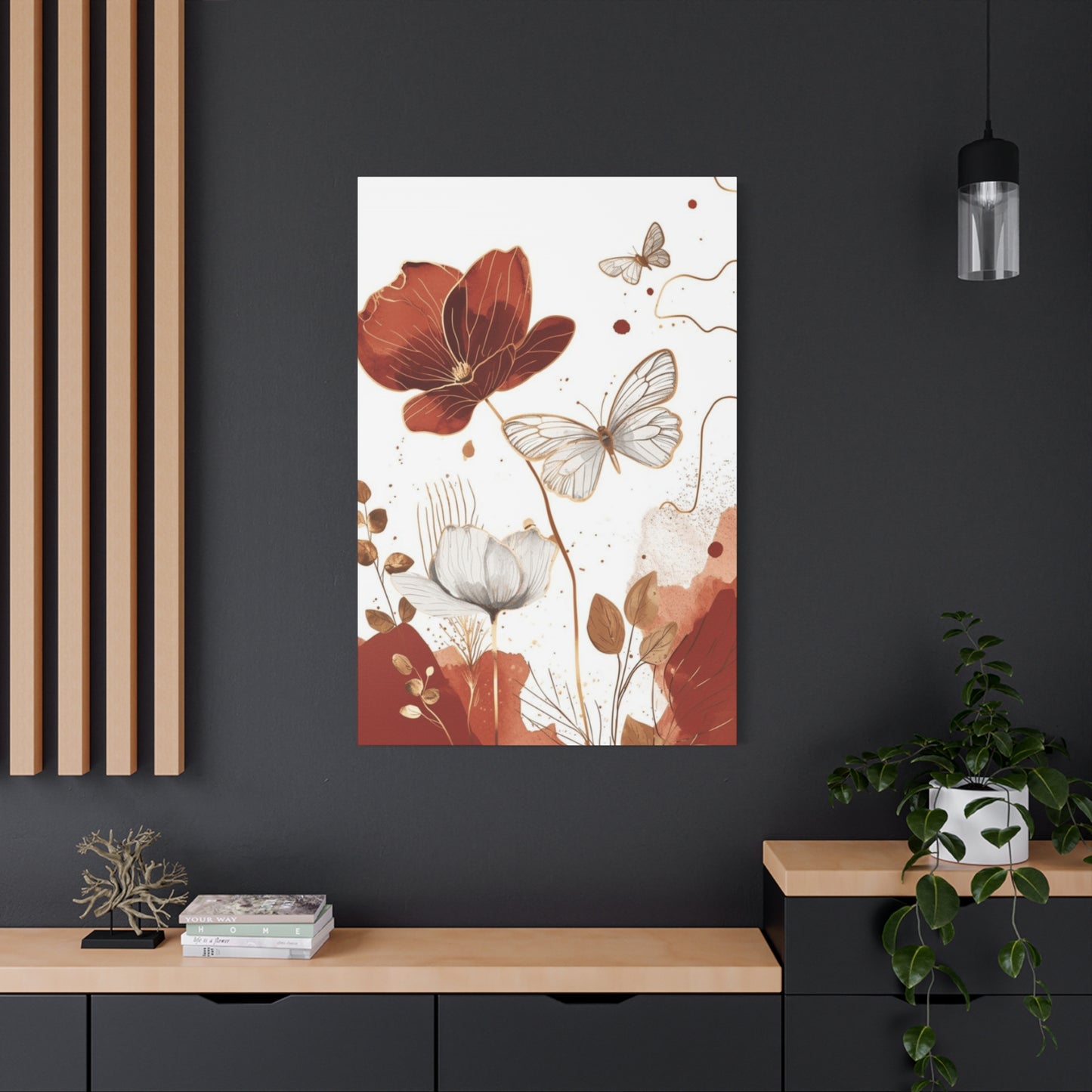


Flowe and Butterfly Painting Wall Art & Canvas Prints
Flowe and Butterfly Painting Wall Art & Canvas Prints
Couldn't load pickup availability
Creating Stunning Visual Harmony Through Nature-Inspired Canvas Masterpieces for Every Living Space With Flowe and Butterfly Painting Wall Art
The realm of decorative wall embellishments has witnessed a remarkable transformation with the emergence of botanical and winged creature artwork that captures the essence of natural beauty. Among the most captivating choices for homeowners and interior design enthusiasts are pieces that showcase delicate petals alongside graceful lepidoptera, creating an atmosphere of tranquility and visual splendor. These artistic creations have transcended mere decoration, becoming statements of personal taste and reflections of one's connection to the natural world.
The Timeless Appeal of Nature-Inspired Artwork in Contemporary Interior Spaces
Throughout the ages, humanity has maintained an intrinsic connection with the environment, seeking to bring elements of the outdoors into indoor living quarters. This fundamental desire manifests itself through various forms of artistic expression, with botanical and insect-themed pieces standing at the forefront of popular choices. The combination of blooming specimens and colorful winged insects creates a harmonious balance that resonates with individuals across different cultures and age groups.
The psychological impact of surrounding oneself with representations of nature cannot be understated. Studies have revealed that exposure to natural imagery can reduce stress levels, improve mood, and enhance overall well-being. When individuals incorporate Flowe and Butterfly Painting Wall Art into their living environments, they create sanctuaries that promote relaxation and mental clarity. The gentle curves of petals and the ethereal quality of butterfly wings work together to soften harsh architectural lines and introduce organic shapes into structured spaces.
Contemporary living often distances people from natural environments, making the presence of nature-inspired artwork increasingly significant. Urban dwellers particularly benefit from these visual reminders of the natural world, as they compensate for the lack of green spaces and outdoor access. A carefully selected piece featuring vibrant blooms and delicate insects can transform a sterile apartment into a refreshing oasis, providing daily moments of contemplation and peace.
Exploring Various Artistic Styles and Rendering Methods for Botanical and Lepidoptera Compositions
The diversity of artistic approaches available for creating these nature-themed pieces is truly remarkable. Artists employ numerous methods to capture the essence of flowers and butterflies, each style offering distinct aesthetic qualities and emotional resonances. From photorealistic renderings that showcase every minute detail to abstract interpretations that emphasize color and movement, the range of possibilities ensures that every individual can find artwork that speaks to their personal preferences.
Watercolor representations of these subjects possess an inherently delicate quality that mirrors the fragility of actual flowers and butterflies. The transparency of watercolor pigments allows for subtle gradations of hue and tone, creating ethereal compositions that seem to float across the canvas. Artists working in this medium often exploit the natural flow of water to generate organic patterns that enhance the naturalistic feel of their subjects. The soft edges and gentle blending characteristic of watercolor paintings make them particularly suitable for bedrooms and meditation spaces where a calming atmosphere is desired.
Oil paintings, in contrast, offer richness and depth that can make botanical and insect subjects appear almost tangible. The thick application of pigment creates textural interest, with raised brushstrokes adding dimensionality to petals and wing patterns. Master artists working in oils can achieve luminosity through layering transparent glazes, making flowers appear to glow with inner light and butterfly wings shimmer with iridescent qualities. These substantial pieces command attention and serve as focal points in formal living rooms and dining areas.
Acrylic mediums provide versatility that appeals to both traditional and contemporary artists. The quick-drying nature of acrylics allows for rapid layering and experimentation, enabling artists to combine various methods within a single composition. Some creators use acrylics to achieve flat, graphic representations reminiscent of mid-century modern design, while others build up layers to create effects similar to oil paintings. The durability of acrylic makes these pieces practical choices for high-traffic areas and spaces with fluctuating environmental conditions.
Digital art has revolutionized the creation and distribution of botanical and lepidoptera imagery. Artists using sophisticated software can manipulate photographs, create entirely imagined compositions, or blend multiple reference sources into cohesive designs. The precision possible with digital tools allows for intricate patterns and perfect symmetry when desired, while filters and effects can introduce painterly qualities or surreal elements. Print reproductions of digital artwork make stunning visual designs accessible to broader audiences at various price points.
Mixed media approaches combine different materials and methods to create unique textural and visual effects. An artist might begin with traditional painting, then add collage elements, metallic leaf, or three-dimensional components that extend beyond the picture plane. These innovative pieces offer surprising details that reveal themselves upon closer inspection, rewarding viewers who take time to examine the artwork carefully. The layered nature of mixed media creations adds complexity and conversational interest to any space they inhabit.
Color Psychology and Its Role in Selecting the Perfect Piece for Your Environment
The hues present in Flowe and Butterfly Painting Wall Art significantly influence the emotional atmosphere of a room. Understanding color psychology enables individuals to make informed decisions that align with their desired mood and the function of each space. Different chromatic choices evoke distinct emotional responses, and thoughtful selection can enhance the effectiveness of interior design schemes.
Warm tones such as reds, oranges, and yellows infuse spaces with energy and vitality. Artwork featuring scarlet poppies, golden marigolds, or butterflies with orange and black wing patterns creates stimulating environments suitable for social gathering areas and creative workspaces. These hues can increase alertness and encourage conversation, making them excellent choices for dining rooms and home offices where productivity and interaction are desired. However, excessive use of warm colors in relaxation areas might prove too stimulating, potentially interfering with rest and contemplation.
Cool color palettes dominated by blues, purples, and greens promote tranquility and mental calmness. Pieces depicting lavender fields with periwinkle butterflies, or azure morning glories with sapphire-winged insects create soothing atmospheres ideal for bedrooms and bathrooms. These colors have been shown to lower blood pressure and heart rate, making them particularly beneficial for individuals seeking to create peaceful retreats within their homes. Cool-toned artwork also pairs beautifully with neutral furnishings, allowing the piece to serve as a refreshing accent without overwhelming the space.
Pastel versions of any hue introduce softness and approachability to interiors. Pale pink roses with cream-colored butterflies, or mint green foliage with pale yellow insects create gentle, welcoming environments perfect for nurseries and guest rooms. These subdued tones work well in small spaces, as they reflect light and create an impression of airiness and spaciousness. Pastel artwork also complements vintage and shabby chic decorating styles, enhancing the romantic, nostalgic qualities of these design approaches.
Monochromatic schemes using variations of a single color create sophisticated, cohesive looks. A piece featuring white flowers and butterflies on a cream background, or charcoal blooms with black insects on gray, demonstrates restraint and elegance. These restrained color palettes allow form and composition to take precedence over chromatic impact, appealing to minimalist sensibilities and contemporary design philosophies. Monochromatic artwork integrates seamlessly into existing color schemes, making it a safe choice for individuals uncertain about introducing bold colors.
Contrasting color combinations generate visual excitement and dynamic energy. Artwork pairing complementary colors such as purple flowers with yellow butterflies creates vibrant tension that captures attention and enlivens neutral spaces. The juxtaposition of opposites on the color wheel makes each hue appear more saturated and intense, resulting in pieces with powerful visual impact. These bold choices suit confident decorators willing to make strong aesthetic statements and work particularly well in modern interiors with clean lines and minimal ornamentation.
Size Considerations and Placement Strategies for Maximum Visual Impact
Determining the appropriate dimensions for Flowe and Butterfly Painting Wall Art requires careful consideration of room proportions, furniture scale, and viewing distances. An improperly sized piece can appear lost on a large wall or overwhelming in a confined space, while correct proportions create balance and enhance the overall design composition.
For large, expansive walls such as those found behind sofas or beds, oversized artwork measuring four feet or more in width provides necessary visual weight. A single substantial piece creates a dramatic focal point that anchors the room and establishes a clear hierarchical organization of visual elements. When selecting large-scale artwork, viewers should stand at the typical viewing distance within the room to ensure the piece can be appreciated without appearing fragmented or requiring excessive head movement to take in the entire composition.
Medium-sized pieces ranging from two to four feet work well in most standard residential spaces. These versatile dimensions suit placement above consoles, dressers, and mantels without overwhelming the supporting furniture. Medium artwork also functions effectively in gallery wall arrangements, where multiple pieces of similar or varied sizes create cohesive visual stories. When hanging medium-sized pieces, the center of the artwork should typically rest at eye level for an average adult, approximately 57 to 60 inches from the floor, though this guideline can be adjusted based on ceiling height and furniture placement.
Small artwork measuring less than two feet offers intimate viewing experiences and works beautifully in cozy spaces or as part of larger arrangements. These diminutive pieces suit narrow walls in hallways, bathrooms, and stairwells where larger artwork would appear cramped. Collections of small botanical and butterfly paintings can create charming vignettes when grouped together, with careful attention to spacing ensuring the arrangement reads as an intentional collection rather than a cluttered assemblage. Small pieces also provide flexibility, as they can be easily repositioned to refresh a room's appearance without significant effort.
Triptychs and multi-panel compositions extend artwork across broader expanses while maintaining visual coherence through related imagery and consistent style. These segmented pieces work particularly well in long, horizontal spaces such as above lengthy sofas or in narrow hallways where a single elongated canvas might appear awkward. The separation between panels creates rhythm and allows for interesting compositional choices, with some artists placing a single butterfly across multiple panels or showing the progression of a flower from bud to full bloom across the sequence.
Vertical orientations suit tall, narrow wall spaces and can draw the eye upward, making ceilings appear higher and rooms feel more spacious. A vertical piece featuring a tall stem with blooms ascending and butterflies hovering at various heights creates upward movement that energizes a space. These orientations work particularly well in entryways and flanking architectural features such as windows or doorways, where horizontal pieces might conflict with the vertical emphasis of the architectural elements.
Material Substrates and Their Influence on Appearance and Longevity
The surface upon which Flowe and Butterfly Painting Wall Art is created or printed significantly affects both its visual qualities and durability. Different substrates offer distinct advantages, and understanding these characteristics helps individuals select pieces that meet their aesthetic preferences and practical requirements.
Traditional stretched canvas remains the most popular choice for painted and printed artwork. The woven texture of canvas provides grip for paint application and adds subtle visual interest that enhances the handmade quality of pieces. Canvas surfaces accept a wide range of media and printing methods, making them versatile choices for artists and manufacturers. The slight flexibility of stretched canvas allows it to withstand minor impacts without cracking, though it requires protection from punctures and excessive humidity that could cause warping or mold growth.
Rigid panels constructed from wood, hardboard, or composite materials offer exceptional stability and support finely detailed work. Artists creating intricate botanical illustrations or precise butterfly renderings often prefer these smooth, unyielding surfaces that allow for controlled brushwork and fine line definition. Panel-mounted artwork maintains perfect flatness over time, never developing the slight waviness that can sometimes affect stretched canvas. These rigid supports prove particularly suitable for resin-coated pieces or those incorporating three-dimensional elements that require substantial backing.
Paper substrates showcase the traditional beauty of watercolors, prints, and drawings. High-quality cotton rag papers preserve pigments and prevent yellowing, ensuring artwork maintains its original appearance for generations when properly framed and protected. The soft, matte surface of fine art papers complements delicate subjects and provides an authentic, gallery-quality presentation. Paper-based artwork requires framing behind glass or acrylic glazing for protection from environmental pollutants, moisture, and physical contact, adding depth to the overall presentation through the layering of frame, matting, and glazing materials.
Metal substrates have gained popularity for their contemporary appearance and remarkable durability. Artwork printed directly onto aluminum sheets exhibits extraordinary color vibrancy and depth, with a subtle sheen that adds luminosity to floral and butterfly subjects. Metal prints resist fading, withstand humidity, and clean easily, making them practical choices for kitchens, bathrooms, and other challenging environments. The modern aesthetic of metal artwork complements industrial and contemporary interiors, though the sleek finish may feel incongruous in traditional or rustic settings.
Wooden substrates, particularly reclaimed or distressed boards, impart rustic charm that enhances country, farmhouse, and cottage decorating styles. Artwork transferred onto wood surfaces or painted directly on weathered planks embraces imperfections as part of the aesthetic appeal. The natural grain patterns of wood add organic texture that reinforces the natural subject matter, creating cohesive pieces that feel authentically connected to the earth. Wood-mounted artwork suits casual environments and brings warmth to spaces that might otherwise feel sterile or cold.
Fabric substrates such as silk or linen create luxurious tapestry-like presentations. These soft, flexible materials suit large-scale pieces and can be hung without frames, creating dramatic cascading effects. Fabric artwork offers unique textural qualities and can be easily transported or stored by rolling, making them practical for individuals who relocate frequently. The fiber arts quality of fabric-based pieces appeals to those who appreciate textile traditions and handcrafted aesthetics.
Frame Selection and Matting Choices That Enhance Rather Than Distract
The framing and presentation of Flowe and Butterfly Painting Wall Art dramatically influence its visual impact and integration with surrounding decor. Thoughtful frame selection enhances the artwork while protecting it from environmental damage, whereas inappropriate framing can diminish even the most beautiful piece.
Simple, narrow frames in black, white, or natural wood tones allow artwork to take visual precedence while providing clean boundaries that separate the piece from the wall. These understated frames suit contemporary and minimalist interiors where simplicity and restraint define the aesthetic. The narrow profile keeps focus on the artwork itself, making this approach ideal for pieces with strong compositional elements or bold colors that command attention without additional embellishment.
Wide, ornate frames with decorative molding and gilded finishes complement traditional and classical interiors. These elaborate frames add gravitas and formality to artwork, elevating the perceived importance of the piece. Botanical and butterfly subjects presented in ornate gold or silver leaf frames evoke the aesthetic of museum collections and botanical illustration archives, lending intellectual and cultural associations to the work. These substantial frames work best with formal artwork styles and suit traditional living rooms, libraries, and dining rooms.
Floating frames create modern presentations where artwork appears to hover within the frame structure. A small gap between the artwork edge and the frame inner edge adds dimensionality and draws attention to the entire perimeter of the piece. This contemporary framing approach works particularly well with canvas artwork or pieces that extend to the edge without borders, allowing the full composition to remain visible. Floating frames suit transitional and contemporary spaces where clean lines and thoughtful design details are appreciated.
Natural wood frames with visible grain patterns reinforce connections to nature and complement the organic subject matter. Light woods such as maple or birch create bright, airy presentations suitable for Scandinavian-inspired interiors, while darker woods like walnut or mahogany add richness and warmth. The authentic character of real wood frames, including natural variations and occasional knots, enhances the handcrafted quality of artwork and appeals to individuals who prioritize natural materials in their home furnishings.
Matting provides breathing room around artwork and creates visual separation between the piece and its frame. Cream or off-white mats offer neutral backgrounds that prevent stark contrasts while allowing colors to appear vibrant. Multiple mat layers, with a narrow inner mat in a complementary color surrounded by a wider outer mat, add depth and sophistication to presentations. Wide mats suit small or medium artwork, expanding the overall dimensions and making pieces more substantial, while narrow mats or no matting at all suit larger works that require no additional size enhancement.
Shadow box frames accommodate three-dimensional elements and create dramatic presentations with significant depth. These deep frames work beautifully for mixed media pieces incorporating preserved specimens, sculptural elements, or heavy texture. The depth allows for creative lighting effects, with raking light from above or below creating dramatic shadows that enhance the three-dimensional qualities of the artwork.
Caring for Your Investment: Preservation Practices That Extend Artwork Lifespan
Proper stewardship of Flowe and Butterfly Painting Wall Art ensures these pieces retain their beauty and value for decades or even generations. Understanding the vulnerabilities of different media and substrates enables owners to implement protective measures that prevent deterioration.
Light exposure poses one of the most significant threats to artwork longevity. Ultraviolet radiation causes pigments to fade, papers to yellow, and organic materials to become brittle. Positioning artwork away from direct sunlight prevents the most severe light damage, while UV-filtering glazing on framed pieces provides additional protection. For spaces where natural light cannot be avoided, window treatments such as sheer curtains or UV-blocking films help mitigate damage. Regularly rotating artwork between displayed and stored pieces distributes light exposure, preventing any single piece from bearing the full burden of environmental stress.
Temperature and humidity fluctuations stress artwork materials, causing expansion and contraction that can lead to cracking, warping, and delamination. Maintaining stable environmental conditions between 65-75 degrees Fahrenheit and 40-50 percent relative humidity protects most artwork types. Avoiding placement near heating vents, air conditioning units, fireplaces, and exterior walls subject to temperature extremes helps maintain stable conditions. In climates with significant seasonal variations, humidifiers and dehumidifiers help maintain optimal humidity levels that prevent damage.
Dust accumulation dulls colors and, over time, can become embedded in textured surfaces where it proves difficult to remove. Regular, gentle dusting with soft, clean brushes or microfiber cloths prevents buildup. For framed pieces behind glazing, cleaning the glass or acrylic with appropriate solutions keeps presentations clear and bright. Unframed canvas and panel paintings benefit from occasional professional cleaning by conservators who possess specialized knowledge and tools for safely removing accumulated grime without damaging delicate paint layers.
Physical damage from impacts, punctures, or abrasion can permanently mar artwork surfaces. Hanging pieces securely with appropriate hardware suited to the wall type and artwork weight prevents falls that could cause catastrophic damage. In homes with active children or pets, positioning artwork at safe heights or in protected areas reduces the risk of accidental contact. Corner guards and strategically placed furniture can provide physical barriers that prevent collisions in high-traffic areas.
Moisture damage from leaks, floods, or high humidity can cause catastrophic and irreversible harm to artwork. Water exposure leads to mold growth, pigment bleeding, substrate warping, and delamination of adhered elements. Avoiding placement in bathrooms or kitchens where steam and splashing occur protects pieces from moisture-related problems. In areas prone to water damage from plumbing or roof leaks, regular inspection of ceiling and wall conditions around artwork locations allows for early detection and remediation of problems before they affect collections.
Chemical pollutants from cleaning products, cooking fumes, and off-gassing from building materials and furnishings can gradually degrade artwork. Proper ventilation helps disperse these contaminants, while avoiding harsh cleaning chemicals near artwork prevents direct exposure to harmful substances. In homes with smokers or frequent cooking that produces heavy fumes, more frequent professional cleaning may be necessary to prevent permanent discoloration and damage.
Creating Cohesive Gallery Walls That Tell Visual Stories Through Botanical and Lepidoptera Imagery
Arranging multiple pieces of Flowe and Butterfly Painting Wall Art into gallery wall configurations creates dynamic displays that transform entire walls into artistic statements. Successful gallery walls balance unity and variety, creating visual interest while maintaining overall cohesion.
Establishing a unifying theme provides the foundation for coherent gallery walls. A collection focused exclusively on specific flower varieties, butterfly species, or color families creates clear conceptual connections between pieces. Alternatively, a broader nature theme can incorporate diverse botanical and insect subjects unified by consistent style, color palette, or framing approach. The unifying element should be immediately apparent to viewers, creating a sense that the collection was intentionally curated rather than randomly assembled.
Layout planning determines the success of gallery wall installations. Creating paper templates matching the dimensions of each piece allows for experimentation with arrangements before committing to nail holes. Symmetrical, grid-based layouts create orderly, formal appearances suited to traditional interiors, with evenly spaced pieces aligned in neat rows and columns. Asymmetrical, organic arrangements feel more casual and contemporary, with varied spacing and staggered alignment creating dynamic visual movement. Many successful gallery walls combine elements of both approaches, using underlying grid structures to guide placement while allowing for thoughtful deviations that add interest.
Size variation within gallery walls creates visual hierarchy and prevents monotony. Mixing large anchor pieces with medium and small supporting works allows the eye to move naturally through the composition. Typically, the largest or most visually commanding piece occupies the central or primary position, with smaller works radiating outward. However, unconventional arrangements placing the dominant piece off-center or at the periphery can create unexpected tensions and interesting visual dynamics for adventurous decorators.
Spacing between pieces significantly affects the overall impression of gallery walls. Tight spacing of one to two inches between frames creates unified, almost wallpaper-like effects where individual pieces merge into a larger whole. Generous spacing of four to six inches emphasizes each piece as an independent work while maintaining relationships with neighbors. Consistent spacing throughout creates orderly, intentional appearances, while varied spacing can introduce rhythm and energy to arrangements.
Color distribution across gallery walls requires careful consideration to achieve balance. Scattering similar colors throughout the arrangement creates cohesion and guides the eye across the entire display. Alternatively, organizing pieces in color gradients that transition from warm to cool hues or light to dark values creates pleasing visual progressions. Avoiding clustering all pieces of similar coloration in one area prevents visual imbalance where one section appears heavy while others feel sparse.
Incorporating three-dimensional elements such as sculptural pieces, preserved specimens in shadow boxes, or floating shelves displaying small objects adds depth and textural variety to gallery walls. These dimensional elements break the flatness of a wall covered entirely with framed artwork, creating engaging focal points and conversation starters. The three-dimensional components should relate thematically to the surrounding artwork, reinforcing rather than contradicting the overall conceptual framework.
Sourcing Original Artwork Versus Reproductions: Considerations for Every Budget
Individuals seeking Flowe and Butterfly Painting Wall Art face decisions about investing in unique, original pieces versus acquiring high-quality reproductions. Each option offers distinct advantages, and the optimal choice depends on budget, values, and intended use.
Original artwork carries inherent value as one-of-a-kind creations bearing the direct touch of the artist. Collectors appreciate the unique character of originals, including subtle imperfections and variations that distinguish handmade works from mass-produced items. Original paintings allow buyers to support living artists directly, fostering relationships and potentially discovering emerging talents whose works may appreciate significantly over time. The investment in original artwork often transcends mere decoration, becoming a meaningful connection to creative expression and a tangible asset that can be passed to future generations.
However, original artwork typically commands premium prices that may exceed many decorating budgets. Serious collectors building significant collections must carefully allocate resources, potentially limiting the number of pieces they can acquire. The higher financial commitment also creates pressure to make selections that will remain satisfying long-term, as the cost of mistakes becomes substantial. For individuals uncertain about their aesthetic preferences or anticipating frequent moves, the commitment required for original artwork may feel overwhelming.
Limited edition prints offer middle-ground options between originals and unlimited reproductions. Artists produce small numbered series, often signed and certified, creating scarcity that maintains value while making artwork more accessible than unique originals. Limited editions allow individuals to acquire works by renowned artists whose originals might be completely unattainable financially. The knowledge that only a small number of identical pieces exist provides some of the exclusivity associated with original artwork at a fraction of the price.
Open edition reproductions make stunning designs accessible to virtually any budget. Modern printing capabilities produce remarkably faithful reproductions that capture colors, details, and even textural qualities of original paintings. For individuals prioritizing decoration over collection, reproductions offer practical solutions that allow for frequent updates and changes without significant financial sacrifice. The wide availability of reproductions means virtually any desired image can be sourced, providing access to historical masterworks and contemporary designs alike.
Print-on-demand services have democratized access to artistic imagery, allowing individuals to license designs from vast digital libraries and have them printed in custom sizes and formats. These services offer tremendous flexibility, enabling customers to create personalized displays that exactly fit their spaces and preferences. The quick turnaround and relatively low costs make experimentation affordable, encouraging creative risk-taking that might feel too costly with original artwork.
Handmade reproductions created by skilled artisans occupy a unique niche, offering some qualities of original artwork while remaining more affordable. Artists may recreate their own successful compositions multiple times, or talented copyists may faithfully reproduce famous works using traditional methods. These handmade reproductions possess authentic artistic merit and craftsmanship that mass-produced prints lack, appealing to individuals who value the human element in artwork production.
Commissioning Custom Pieces That Perfectly Match Your Vision and Space
For individuals with specific requirements that available artwork cannot satisfy, commissioning custom Flowe and Butterfly Painting Wall Art provides the opportunity to collaborate with artists in creating perfectly tailored pieces. Custom commissions ensure artwork matches precise dimensions, color schemes, and stylistic preferences while incorporating meaningful personal elements.
Identifying appropriate artists for commission projects requires research into various creators' styles, capabilities, and working methods. Online portfolios, gallery exhibitions, and art fair displays provide insight into artists' aesthetic approaches and technical skills. Seeking artists whose existing body of work aligns closely with desired outcomes increases the likelihood of satisfactory results, as artists naturally produce their strongest work when creating within their established style and comfort zone. However, some artists welcome opportunities to explore new directions, and commissioning work outside their typical subjects can yield exciting, unexpected results.
Clear communication about expectations forms the foundation of successful commission relationships. Providing reference images, color swatches from the intended space, and detailed dimension requirements helps artists understand the project scope and constraints. Discussing desired mood, level of realism, and any specific elements that must be included or avoided prevents misunderstandings that could derail projects. Written agreements outlining deliverables, timelines, payment schedules, and revision policies protect both parties and establish clear frameworks for collaboration.
Budget discussions should occur early in commission conversations, as custom artwork costs vary dramatically based on artist reputation, piece size, complexity, and materials. Established artists with significant demand command higher prices reflecting their experience and market position, while emerging artists may offer more accessible pricing to build portfolios and clientele. Understanding what factors influence pricing helps commissioners make informed decisions about project scope and identify opportunities for compromise when budgets prove limiting.
The commission process typically involves multiple stages, beginning with preliminary sketches or digital mockups that establish composition and general approach. These initial concepts allow for adjustments before substantial time and materials are invested, ensuring the direction satisfies the commissioner. Some artists provide one round of revisions included in base pricing, with additional changes incurring supplementary fees. Clarifying revision policies prevents conflicts when changes are requested during the creation process.
Patience proves essential during custom projects, as quality artwork cannot be rushed. Depending on size, complexity, and the artist's existing commitments, commission completion may require weeks or months. Regular communication maintains connection throughout the process, with progress photos allowing commissioners to watch their pieces develop and provide feedback at key stages. The anticipation that builds during creation often enhances satisfaction when the completed work is finally delivered and installed.
The personal relationship developed through commission collaborations often becomes as valuable as the finished artwork itself. Many commissioners form lasting relationships with artists, returning for additional pieces and following their creative journeys with invested interest. The knowledge that artwork was created specifically for one's own space and preferences imbues pieces with special significance that even cherished purchased artwork may lack.
Seasonal Rotation Strategies That Keep Interiors Fresh and Engaging
While permanently displayed Flowe and Butterfly Painting Wall Art provides enduring beauty, periodically rotating pieces introduces novelty and prevents visual fatigue. Strategic rotation keeps interiors feeling fresh while protecting artwork through distributed exposure to environmental stresses.
Seasonal rotations align artwork with changing natural cycles and holidays, creating homes that feel attuned to the passage of time. Spring displays might emphasize pale pastels, delicate butterflies, and emerging blooms that echo the renewal occurring outdoors. Summer rotations could feature bold, saturated colors and tropical flowers that capture the season's vibrant energy. Autumn selections incorporating warm oranges, reds, and yellows complement falling leaves and harvests, while winter displays with ethereal whites and cool blues reflect the stark beauty of dormant nature.
Thematic rotations respond to life events, personal interests, and evolving tastes. Artwork celebrating gardens and growth might predominate during years focused on new projects and expansion, while peaceful, contemplative pieces could dominate periods of rest and reflection. Rotating artwork to align with personal seasons creates environments that support current life phases and emotional needs, making homes feel responsive and nurturing.
Practical storage solutions protect artwork not currently displayed while keeping pieces accessible for regular rotation. Flat storage in acid-free boxes or portfolios preserves works on paper, while canvas pieces can be stored vertically in climate-controlled areas to prevent warping. Maintaining an inventory system with photographs and condition notes helps track collections and identify appropriate rotation schedules that ensure all pieces receive display time without excessive environmental exposure.
Strategic rotation extends the perceived size and variety of collections, as periodically reintroducing stored pieces creates the experience of acquiring new artwork without additional expenditure. Rediscovering favorites after months in storage often renews appreciation for qualities that had become invisible through overfamiliarity. This refreshed perspective allows viewers to notice details and appreciate compositional elements they had overlooked during previous display periods.
Documenting rotation schedules and observations about how different pieces affect room atmospheres helps refine display strategies over time. Notes about which artworks generate the most compliments, create desired moods, or harmonize particularly well with seasonal light conditions inform future rotation decisions. This accumulated knowledge transforms rotation from arbitrary swapping into a sophisticated curatorial practice that maximizes the value and impact of collections.
Understanding Different Butterfly Species Represented in Artistic Compositions
The specific lepidoptera species depicted in Flowe and Butterfly Painting Wall Art carry distinct visual characteristics and symbolic associations that influence the overall meaning and aesthetic of pieces. Familiarity with common butterfly types enhances appreciation for artistic choices and allows for intentional selection of imagery that resonates personally.
Monarch butterflies, with their distinctive orange and black wing patterns, rank among the most recognizable and beloved species. These large, charismatic insects symbolize transformation, endurance, and the miracles of nature due to their remarkable multi-generational migration cycle. Artwork featuring monarchs often evokes feelings of wonder and respect for natural processes, making them popular choices for individuals who value environmental consciousness and natural wisdom. The bold, graphic quality of monarch wing patterns translates beautifully into various artistic styles, from photorealistic renderings to stylized graphic designs.
Swallowtails encompass numerous species characterized by distinctive tail-like extensions on their hindwings. The elegant shape and varied coloration of swallowtails, including yellow, black, blue, and white species, make them favorite subjects for botanical artists. The graceful curves of swallowtail wings create pleasing compositional lines that draw the eye through artwork, while their substantial size provides visual weight that balances large floral elements. Symbolically, swallowtails represent grace, beauty, and the soul's journey, carrying spiritual associations in many cultural traditions.
Blue morpho butterflies possess extraordinary iridescent wings that shimmer with electric blue coloration. This remarkable appearance results from microscopic wing structures that reflect light rather than pigmentation, creating colors that shift with viewing angle. Capturing the luminous quality of morpho wings challenges artists and results in stunning pieces that seem to glow with inner light. These tropical species introduce exotic elements to artwork, suggesting lush rainforests and distant lands. The transcendent beauty of morpho butterflies makes them symbols of transformation, hope, and the extraordinary possibilities that exist within nature.
White cabbage butterflies and sulfur butterflies, despite being common agricultural pests, possess delicate beauty that translates well into subtle, understated artwork. These pale species create gentle, peaceful compositions particularly suited to minimalist aesthetics and spaces requiring soft, non-commanding imagery. The simplicity of their coloration allows other compositional elements such as line, form, and composition to take precedence, appealing to viewers who appreciate restraint and nuance over bold statement.
Painted lady butterflies display intricate patterns combining orange, black, and white markings that create busy, detailed wings requiring close observation to fully appreciate. These cosmopolitan species, found on every continent except Antarctica and South America, represent adaptability and resilience. Artwork featuring painted ladies rewards careful viewing with their complex patterns, making them excellent choices for spaces where artwork will be regularly contemplated rather than merely glimpsed in passing.
Rare and exotic species including birdwings, the world's largest butterflies, introduce drama and grandeur to artwork. These substantial insects native to tropical regions possess impressive wingspans and vivid coloration that command attention and create powerful focal points. Depicting rare species in artwork can raise awareness about conservation needs while celebrating the incredible diversity of lepidoptera worldwide.
Conclusion
The specific flowers depicted alongside butterflies in Flowe and Butterfly Painting Wall Art carry rich symbolic histories that add layers of meaning to decorative pieces. Understanding floral symbolism allows for intentional selection of imagery that reinforces desired atmospheres and communicates personal values.
Roses, perhaps the most culturally significant flowers, convey complex meanings depending on color and context. Red roses symbolize passionate love and desire, making them popular choices for romantic settings such as master bedrooms. White roses represent purity, innocence, and new beginnings, suiting spaces associated with fresh starts and contemplation. Yellow roses communicate friendship and joy, while pink varieties express grace and admiration. The classical beauty of roses transcends specific symbolic associations, making them universally appreciated subjects that suit virtually any decorating style.
Lilies embody purity, refined beauty, and transience. The elegant trumpet shape and substantial size of lily blooms create dramatic compositional elements that anchor artwork. White lilies specifically carry associations with spirituality and memorial, making them potentially somber choices for highly celebratory spaces but deeply meaningful for contemplative environments. Tiger lilies, with their spotted orange petals, introduce wilder, more untamed energy while retaining the lily form's essential grace.
Orchids represent exotic beauty, luxury, and refined taste. The extraordinary diversity of orchid species provides artists with endless variation in form and color, from tiny delicate blooms to substantial tropical flowers. The sophisticated appearance of orchids makes them particularly suitable for contemporary and modern interiors where sleek elegance is valued. Culturally, orchids symbolize strength, beauty, and abundance, making them positive additions to homes while avoiding the somber associations of some floral varieties.
Sunflowers radiate warmth, happiness, and optimism with their bold yellow petals and substantial size. These cheerful blooms create energizing, uplifting artwork perfect for spaces where positive attitudes and enthusiasm are desired. The structural form of sunflowers, with their clearly defined circular centers surrounded by radiating petals, translates beautifully into various artistic styles from realistic to highly stylized. Symbolically, sunflowers represent adoration, loyalty, and longevity, making them meaningful gifts and personal selections.
Peonies symbolize prosperity, honor, and romance while providing lush, full-petaled forms that create visually rich compositions. The abundant ruffled petals of peonies offer artists opportunities to demonstrate technical skill through complex rendering of overlapping layers. These beloved flowers carry particularly strong cultural significance in Asian traditions, where they represent wealth and nobility. The fleeting bloom period of actual peonies makes artwork depicting these flowers valuable representations of ephemeral beauty.
Wildflower compositions incorporating mixed species create casual, naturalistic arrangements that feel spontaneous and uncontrolled. Artwork featuring wildflowers often evokes meadows, prairies, and untamed natural spaces, appealing to individuals who value ecological authenticity over cultivated perfection. The variety within wildflower compositions prevents visual monotony while maintaining thematic coherence through shared naturalistic treatment and habitat associations.
Share