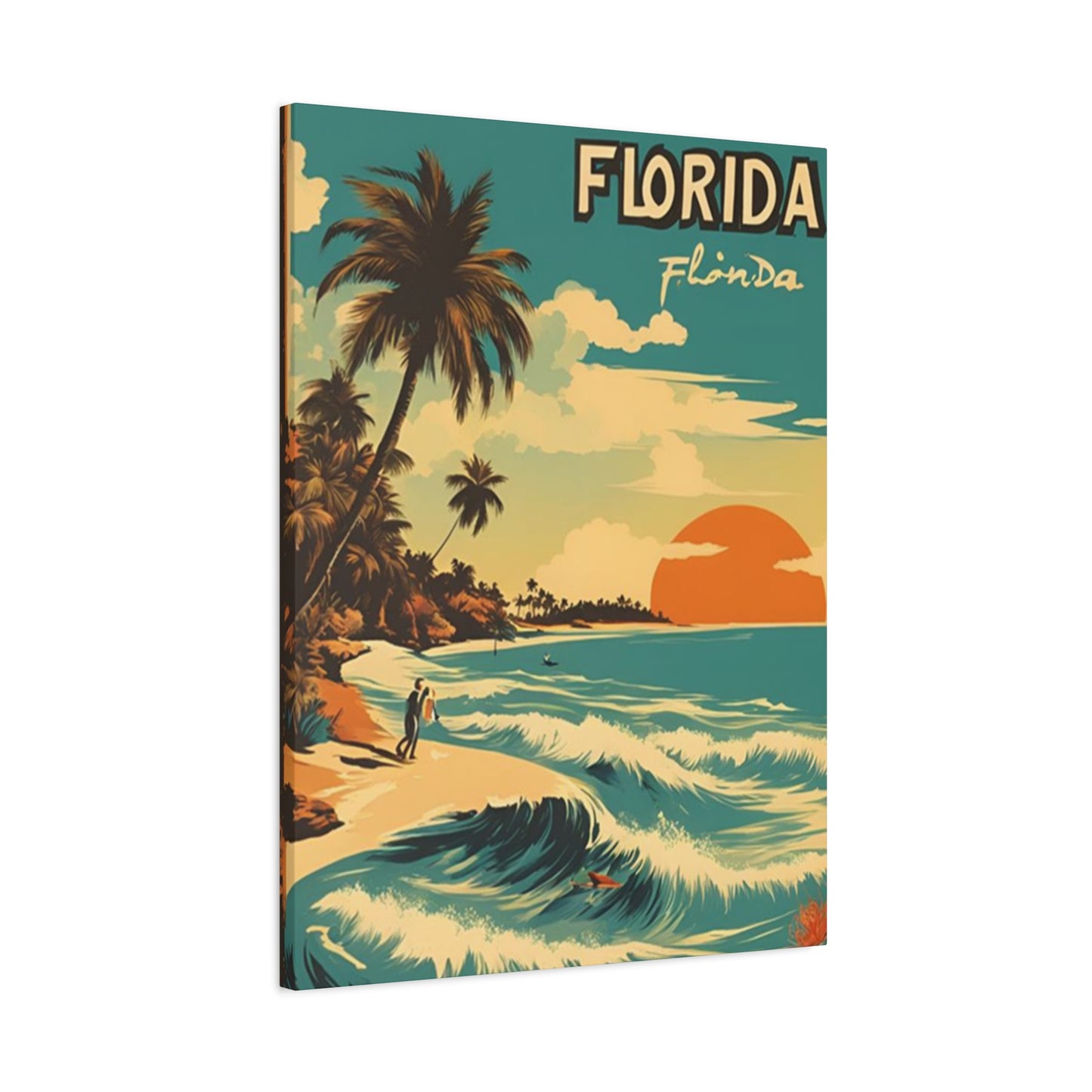
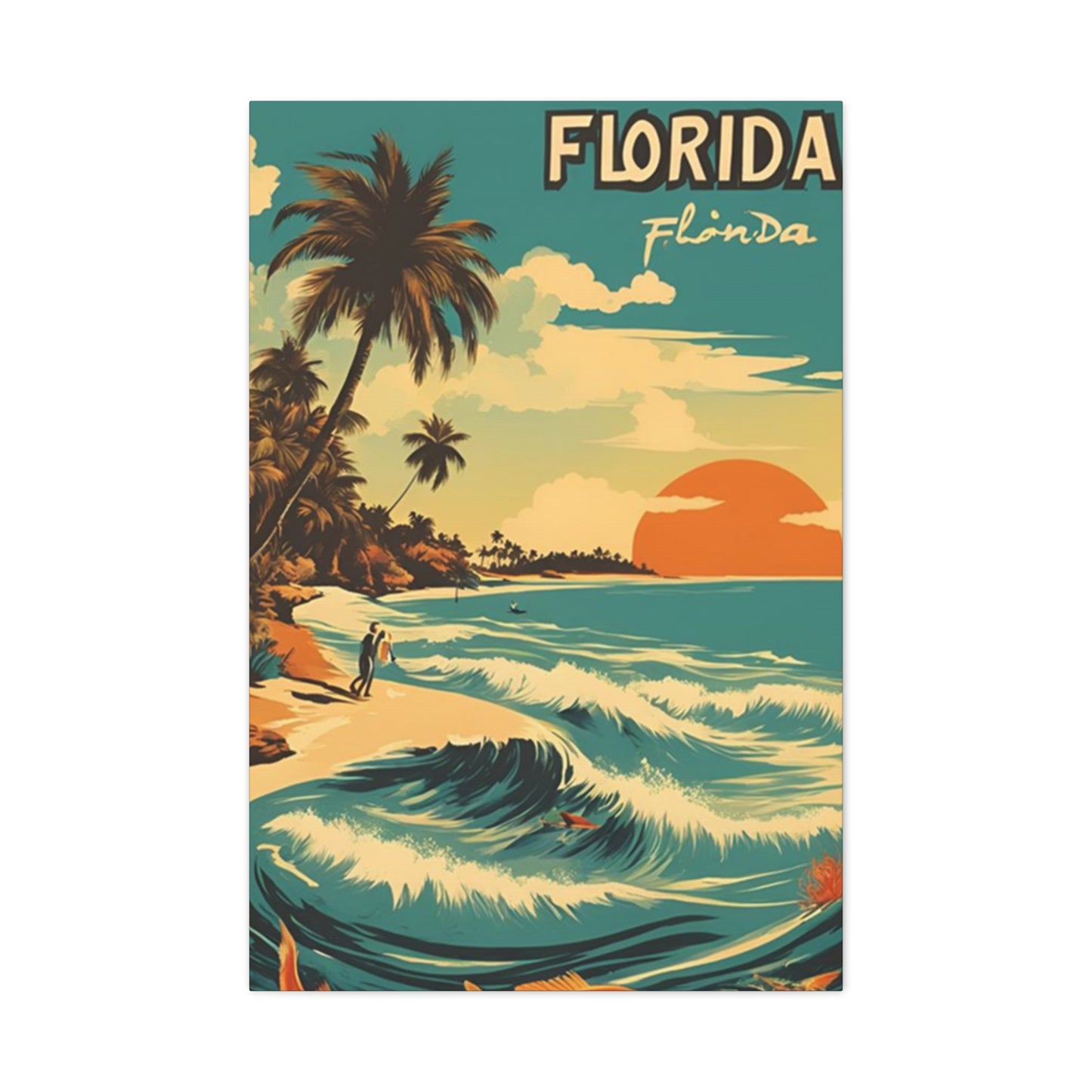
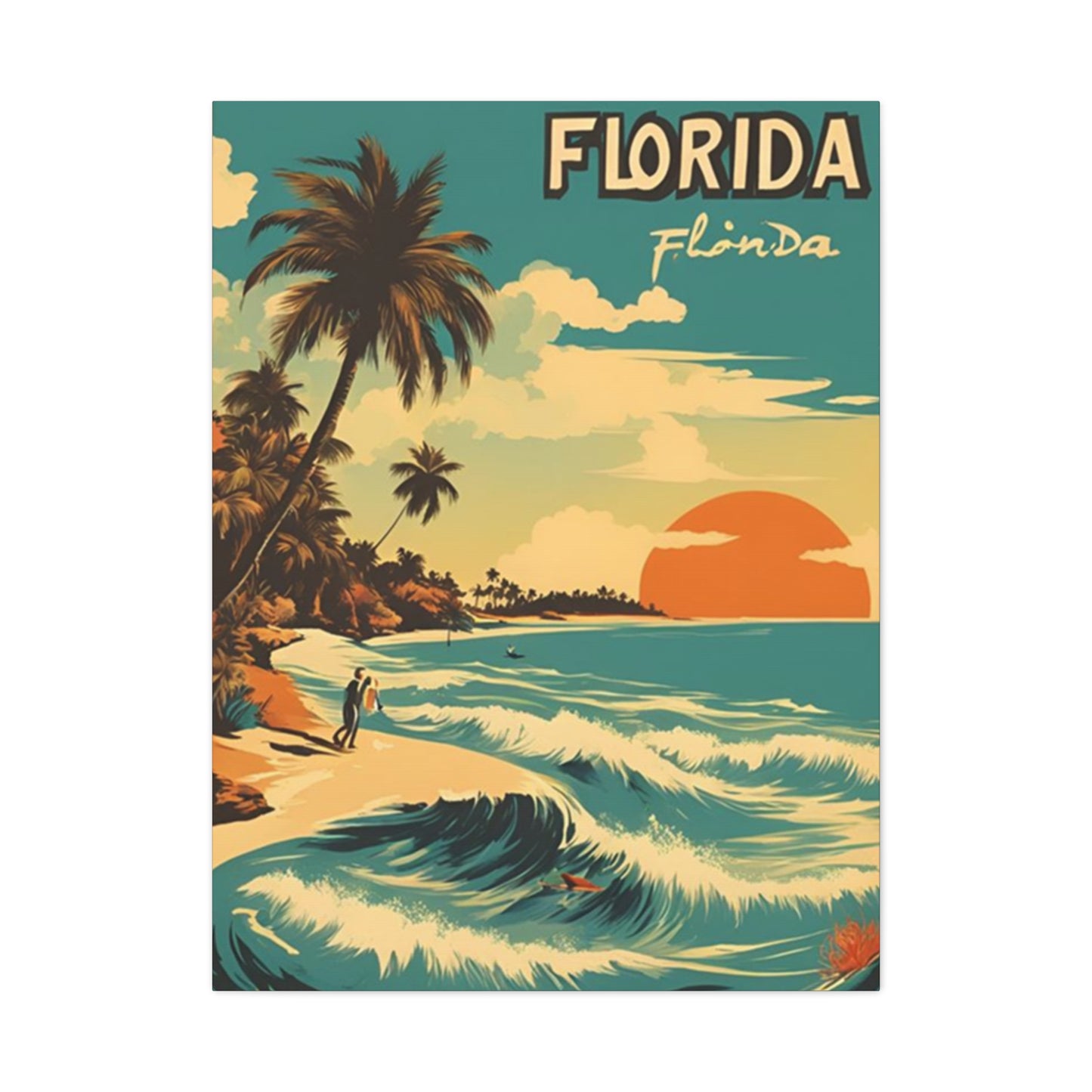
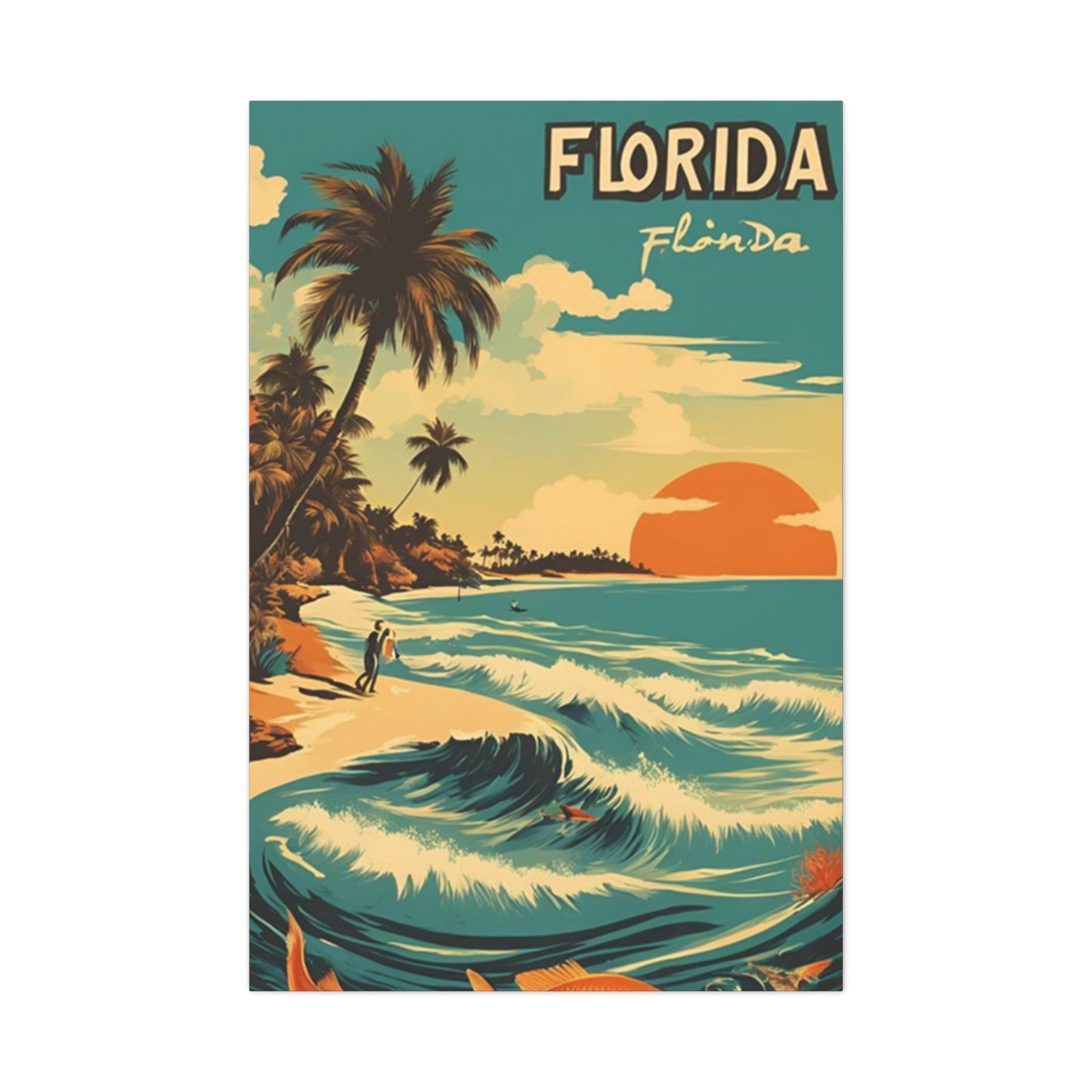
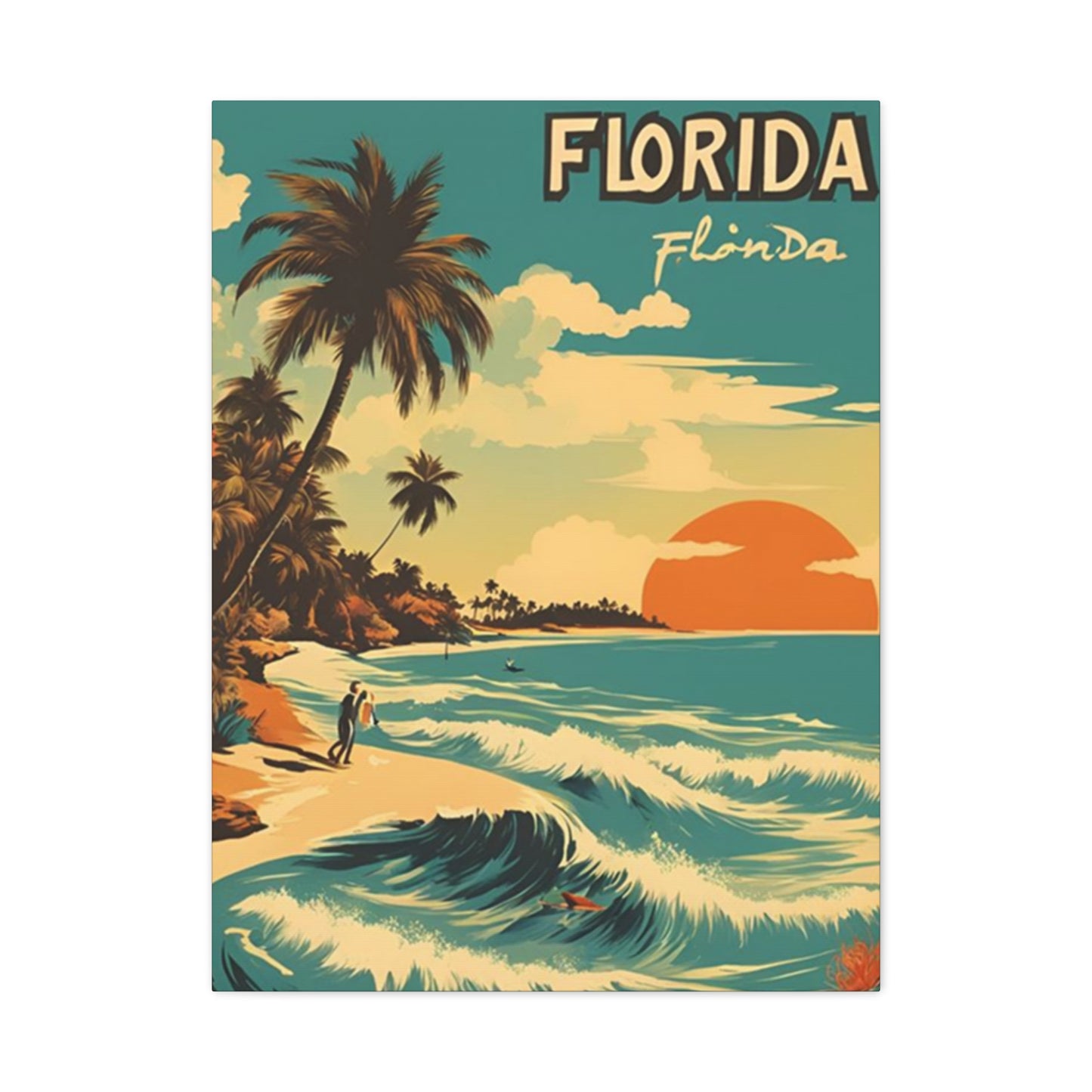
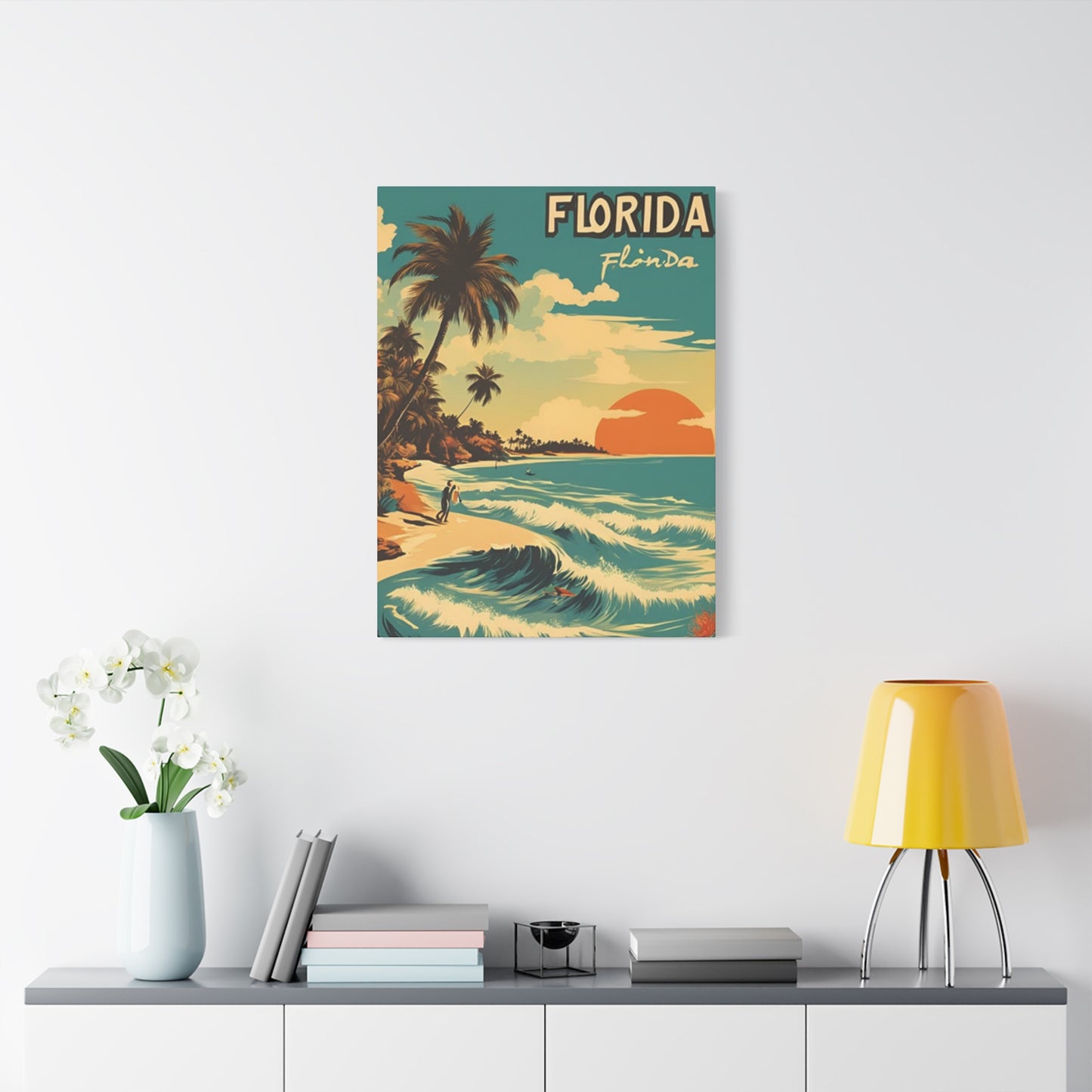
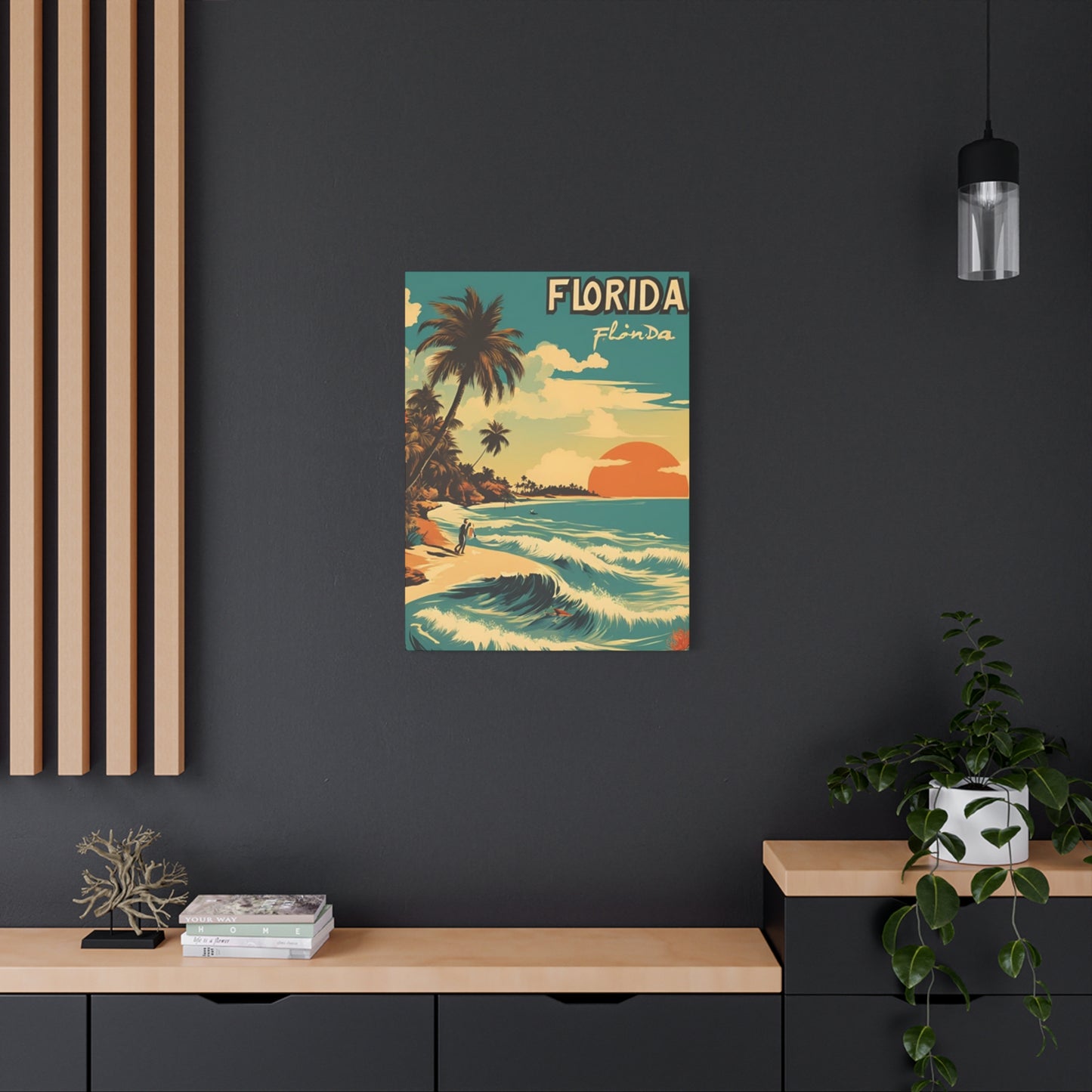
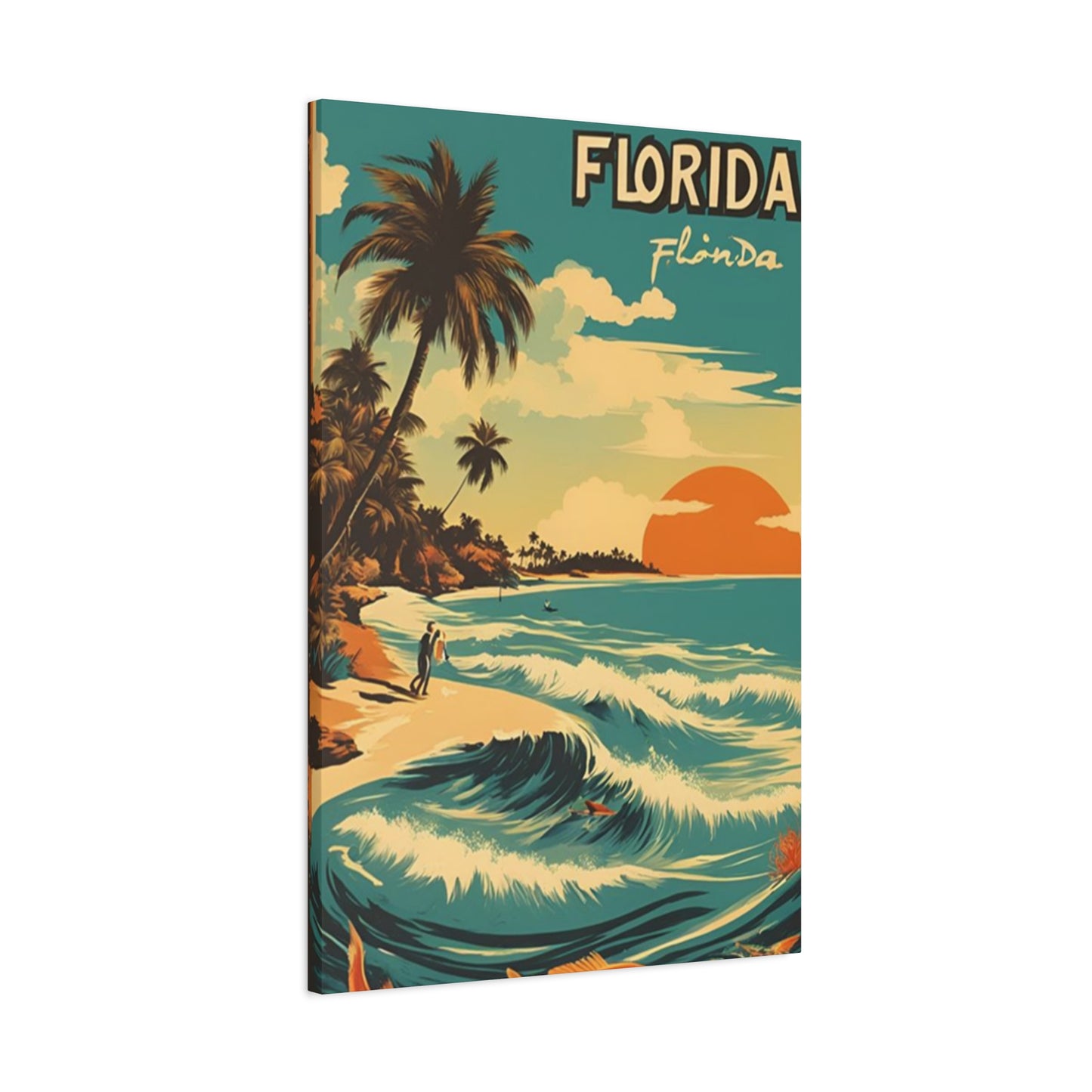
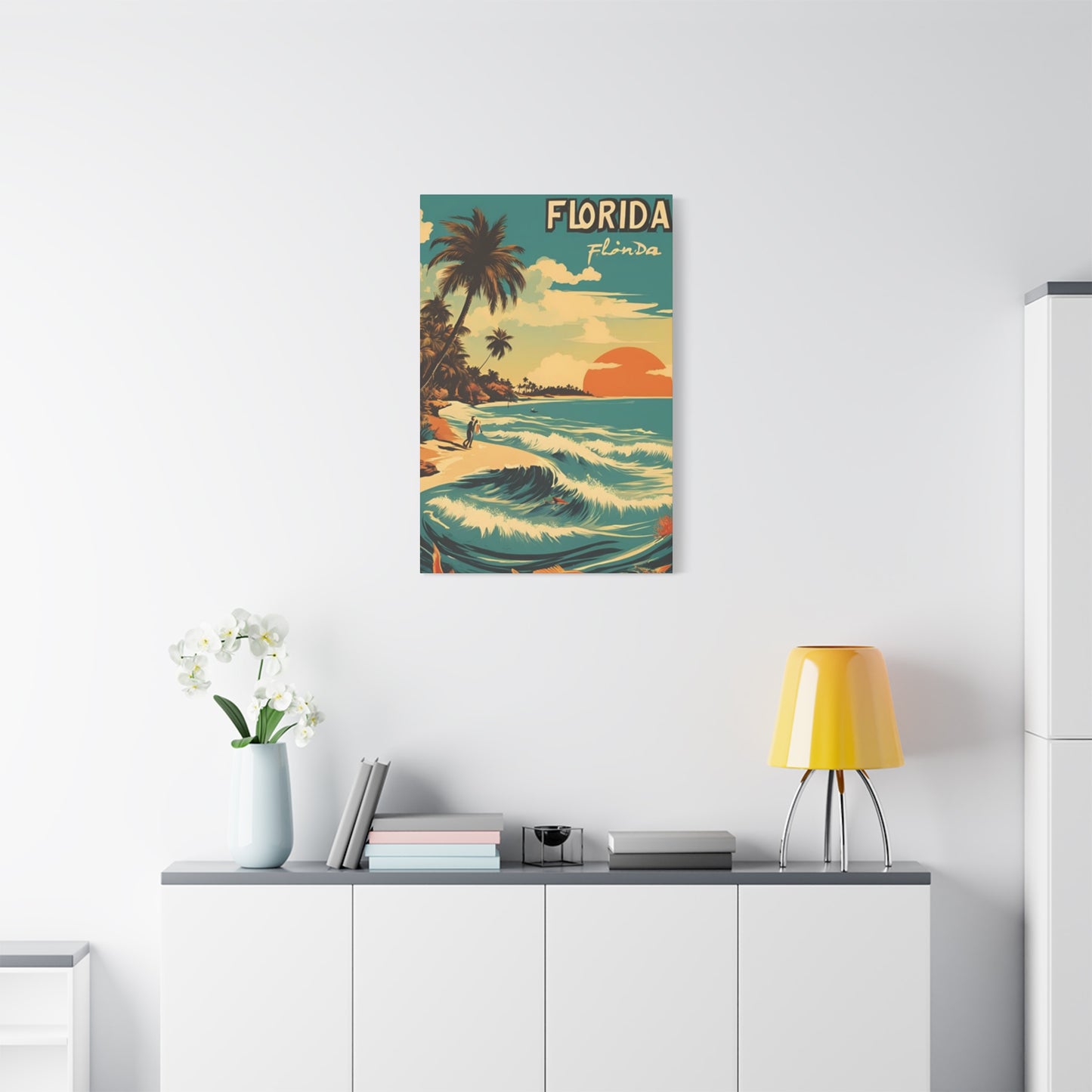
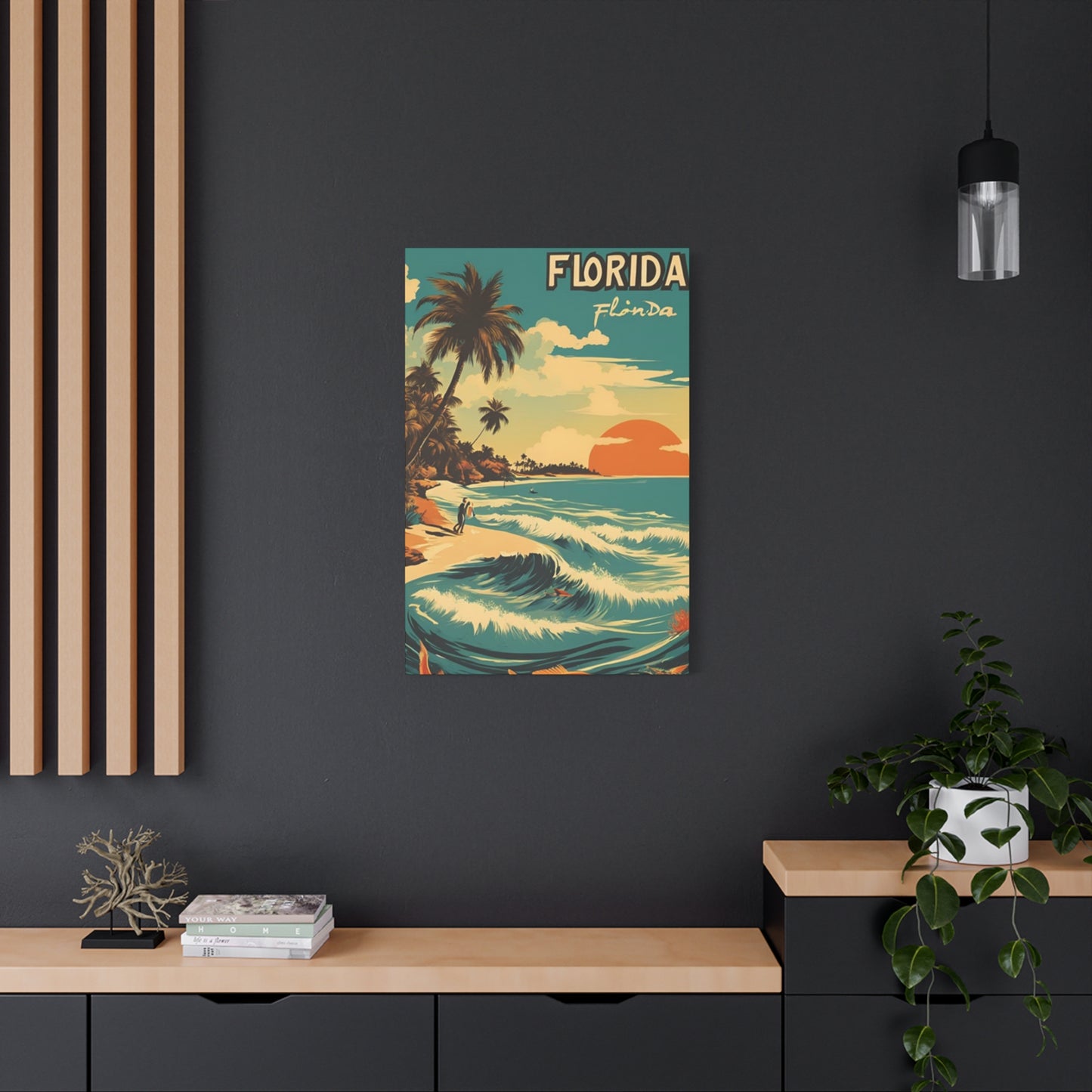
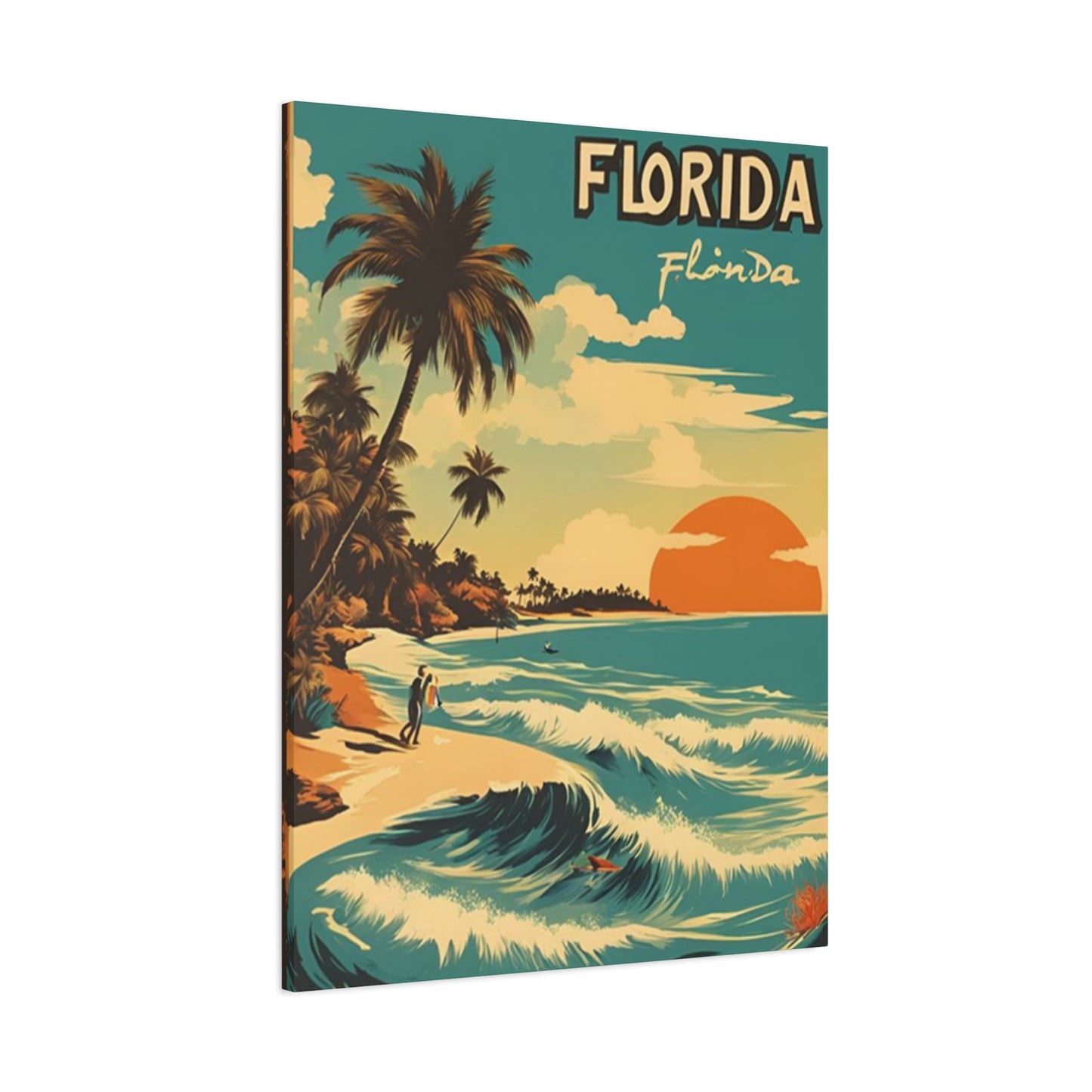
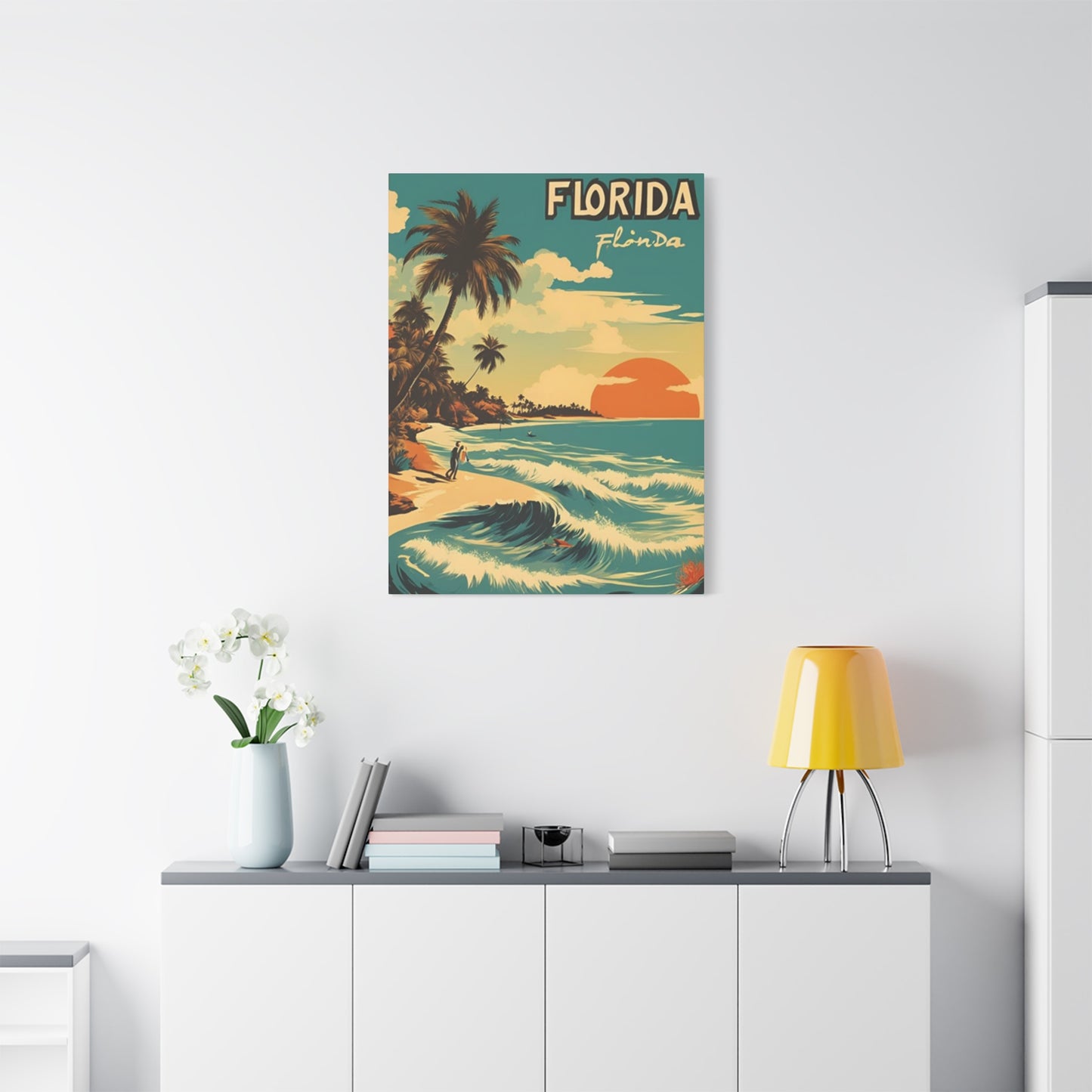
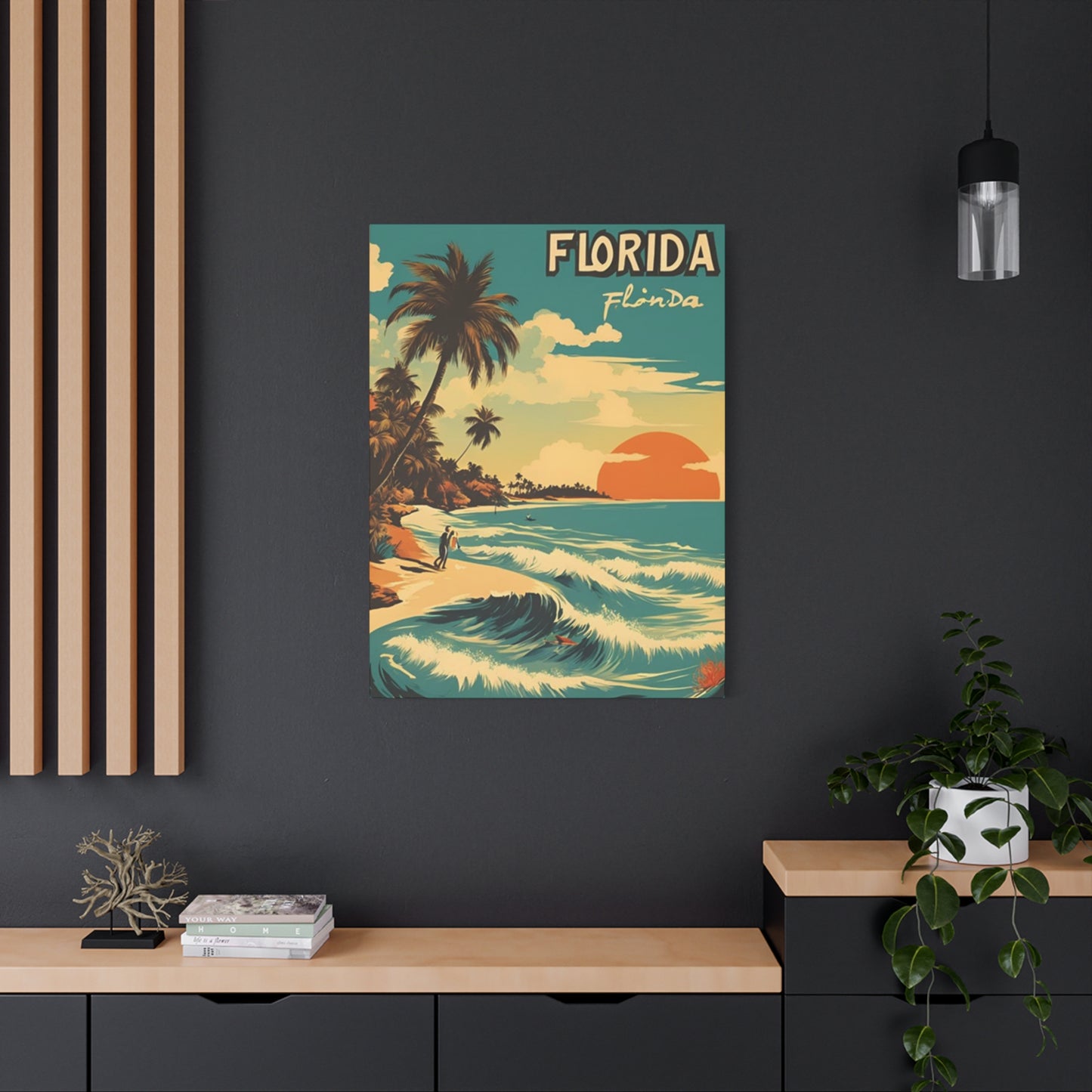
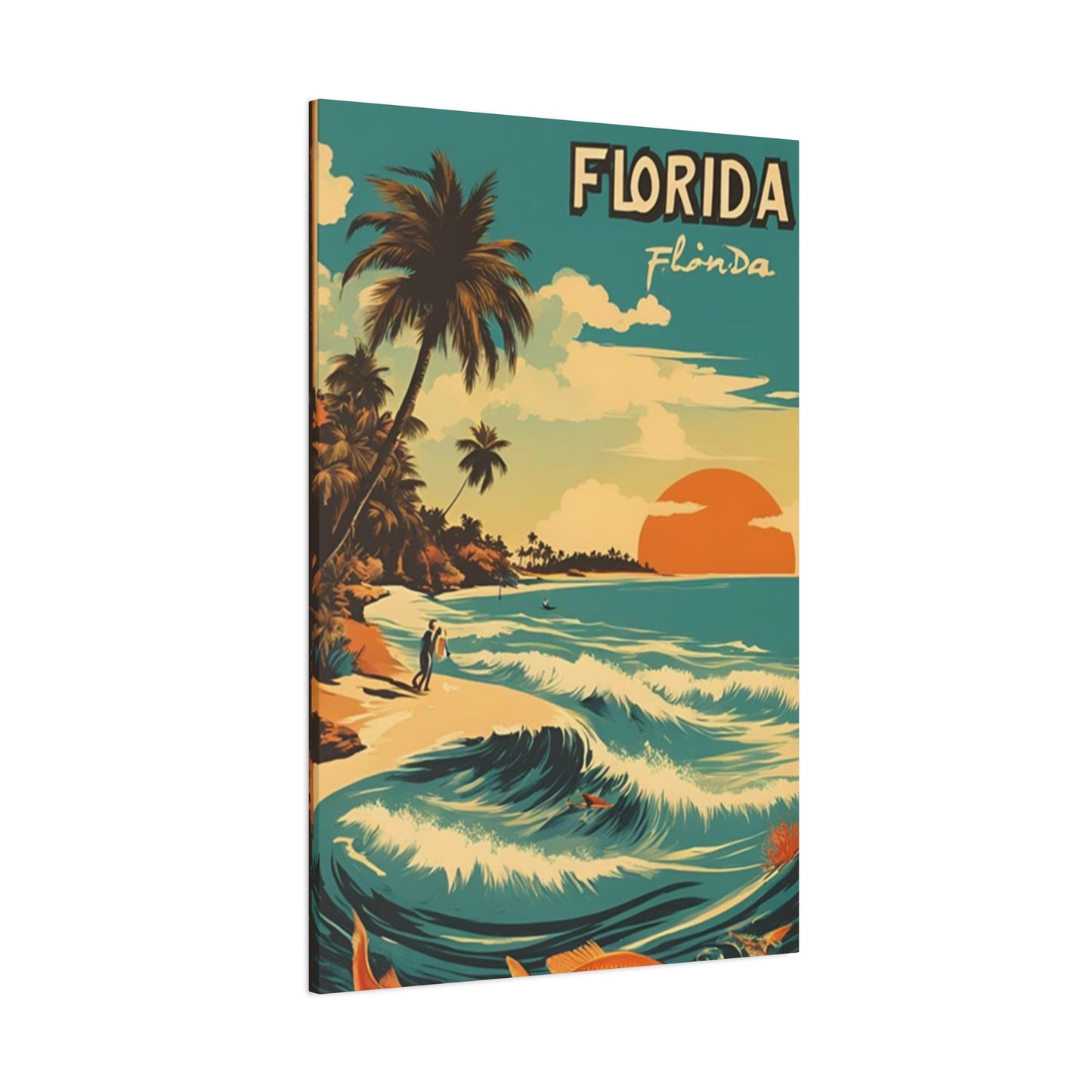
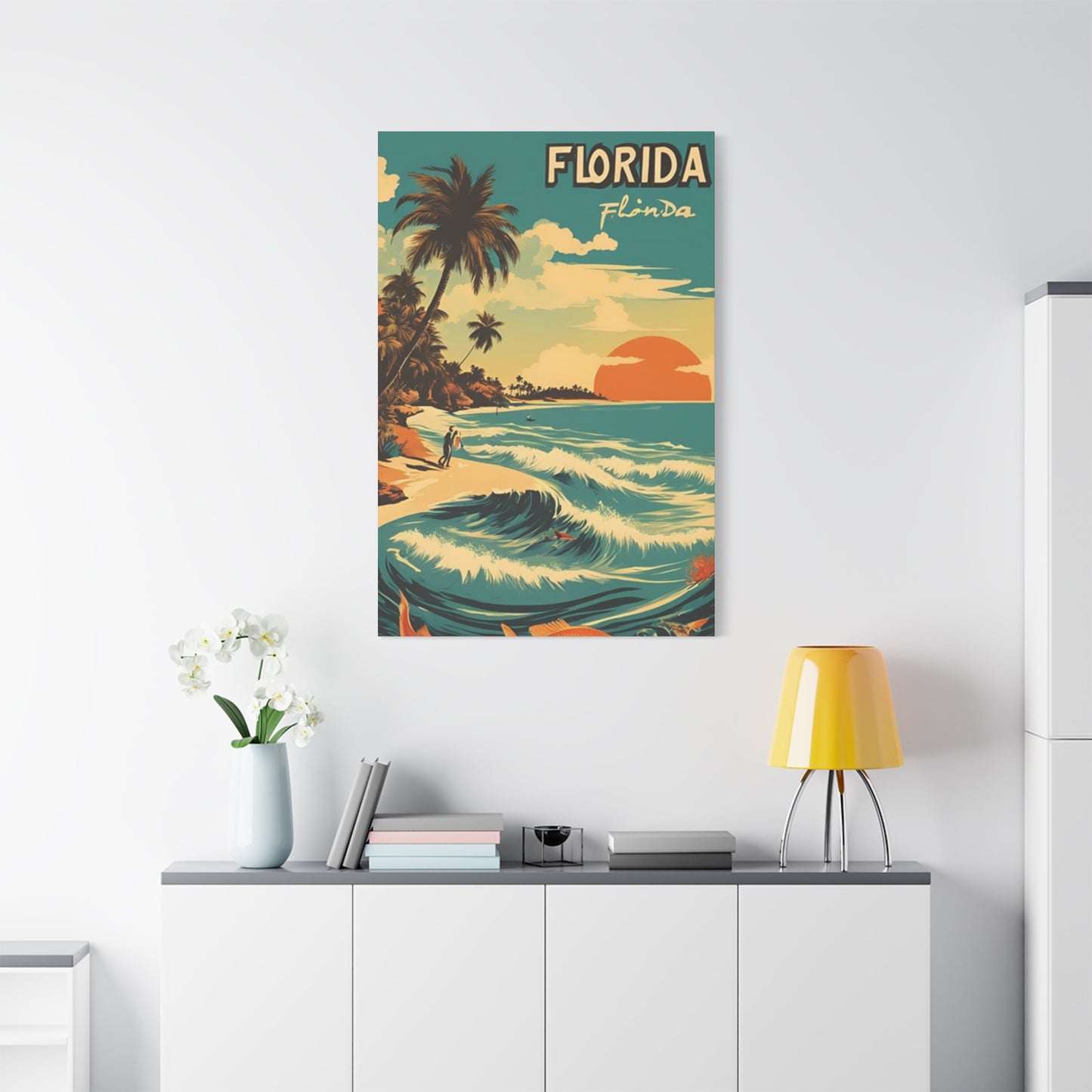
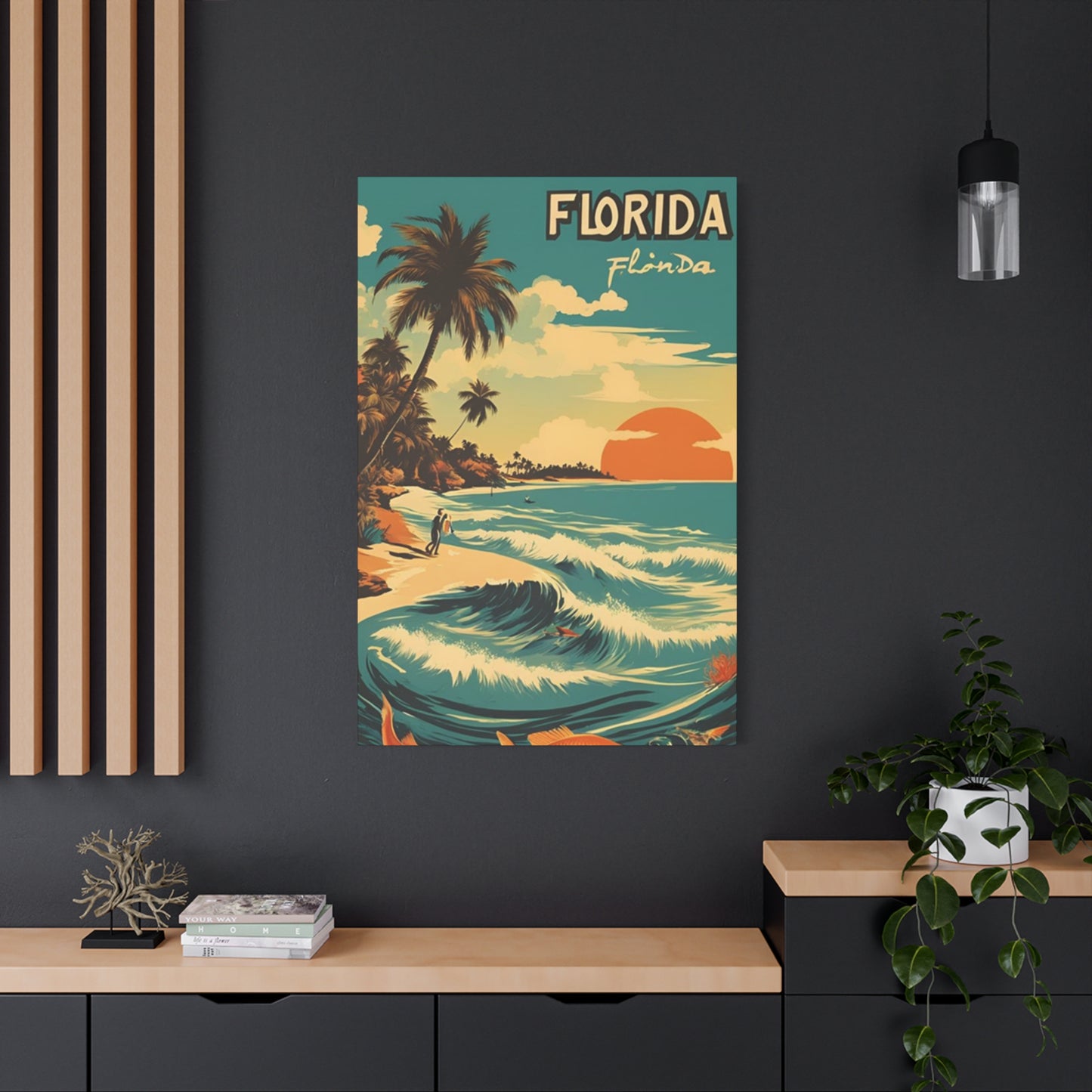
Florida Beach Poster Wall Art & Canvas Prints
Florida Beach Poster Wall Art & Canvas Prints
Couldn't load pickup availability
Coastal Paradise Captured: Decorating Your Space With Florida Beach Poster Wall Art That Brings Ocean Serenity Home
The alluring charm of Florida's shorelines has captivated hearts for generations, inspiring countless individuals to bring fragments of that coastal paradise into their living spaces. Florida beach poster wall art represents more than mere decoration—it embodies memories of sun-kissed afternoons, the rhythmic crash of turquoise waves, and the gentle whisper of sea breezes through palm fronds. This comprehensive exploration delves into every facet of incorporating these stunning visual elements into your environment, transforming ordinary rooms into sanctuaries that celebrate the Sunshine State's magnificent coastal beauty.
Discovering the Magnetic Appeal of Coastal Imagery From Florida's Pristine Shorelines
Florida's beaches possess an undeniable magnetism that transcends geographical boundaries. From the powdery white sands of Pensacola Beach to the vibrant cultural tapestry surrounding Miami's South Beach, each coastal region offers distinctive visual characteristics that translate beautifully into wall art. The state's 1,350 miles of coastline provide endless inspiration for artists and photographers who capture these breathtaking vistas.
The visual language of Florida's beaches communicates tranquility and escape—two increasingly precious commodities in our fast-paced modern world. When you hang Florida beach poster wall art in your home or office, you're not simply adding decoration; you're creating a portal to serenity. The soft gradients of sunset over the Gulf of Mexico, the dramatic contrast of storm clouds gathering above the Atlantic, or the playful dance of morning light across tide pools—each image tells a story that resonates with viewers on multiple levels.
Scientific research has demonstrated that exposure to natural imagery, particularly coastal scenes, can significantly reduce stress levels and promote mental well-being. The color palette inherent in beach photography—blues, teals, sandy beiges, and coral pinks—has been shown to lower blood pressure and create calming environments. This makes Florida beach poster wall art not just aesthetically pleasing but functionally beneficial for creating spaces that nurture both body and mind.
The diversity of Florida's coastal ecosystems means that poster art featuring these locations can suit virtually any aesthetic preference. Minimalists might gravitate toward clean, simple compositions showing endless horizon lines where sky meets sea. Those with bohemian sensibilities might prefer vibrant sunset scenes bursting with color. Traditional decorators can find classic lighthouse imagery or vintage-inspired beach town scenes that complement their existing furnishings perfectly.
Exploring Various Styles and Artistic Expressions in Coastal Wall Decor
The realm of Florida beach poster wall art encompasses an impressive spectrum of artistic styles, each offering unique ways to interpret and present coastal beauty. Understanding these different approaches helps you select pieces that authentically reflect your personal taste while complementing your space's existing design narrative.
Photographic realism captures Florida's beaches with stunning clarity and detail. These pieces transport viewers directly to the location, preserving every nuance of light, texture, and atmosphere. High-resolution photography printed on quality materials can reveal the intricate patterns in sand ripples, the translucent quality of shallow water, or the delicate structure of sea oats swaying in coastal breezes. This style appeals to those who value authenticity and wish to recreate the exact feeling of standing on their favorite beach.
Impressionistic interpretations offer a softer, more dreamlike quality. Artists working in this style capture the essence and emotional impact of coastal scenes rather than precise details. Brushstrokes suggest movement in water and clouds, while colors blend in ways that evoke memory and mood. These pieces work exceptionally well in spaces designed for relaxation, as their gentle, flowing qualities naturally encourage the eye to wander and the mind to drift.
Abstract coastal art takes inspiration from beach elements but reimagines them through shape, color, and composition. A piece might reduce a seascape to horizontal bands of color representing sand, sea, and sky, or it might fragment and reassemble coastal imagery in unexpected ways. This approach suits contemporary spaces and appeals to collectors who appreciate conceptual thinking alongside aesthetic beauty.
Vintage-style beach posters harken back to mid-century travel advertisements and retro seaside resort promotions. These nostalgic pieces often feature bold typography, simplified illustrations, and color palettes reminiscent of 1950s and 1960s design. They bring a playful, cheerful energy to spaces while celebrating Florida's long-standing reputation as a premier vacation destination.
Watercolor renderings of Florida beaches offer a delicate, ethereal quality that works beautifully in bedrooms, nurseries, and other intimate spaces. The medium's inherent translucency and flowing nature mirror the qualities of water itself, creating visual poetry that soothes and inspires. Artists using this medium often emphasize soft color transitions and gentle forms that suggest rather than define coastal elements.
Selecting the Perfect Dimensions and Proportions for Maximum Visual Impact
Size matters significantly when incorporating Florida beach poster wall art into your space. The relationship between artwork dimensions and the surrounding environment determines whether a piece becomes a focal point or feels lost and ineffective. Understanding basic principles of scale and proportion transforms your decorating efforts from haphazard to harmonious.
Large-scale pieces, typically measuring 30 by 40 inches or greater, command attention and work best as statement pieces. These substantial artworks suit spacious walls in living rooms, above sofas, or in entryways where they can create immediate impact. A sweeping panoramic view of Clearwater Beach at sunset, printed at this scale, becomes an immersive experience rather than merely a decorative element. The generous dimensions allow viewers to notice intricate details and feel genuinely transported to the location depicted.
Medium-sized posters, ranging from 16 by 20 inches to 24 by 36 inches, offer versatility and work well in varied settings. These dimensions suit bedrooms, offices, hallways, and smaller living spaces where wall real estate is limited. Medium pieces also excel in gallery wall arrangements where multiple artworks of similar or complementary sizes create visual rhythm and narrative depth.
Small-format prints measuring 11 by 14 inches or smaller provide opportunities for creating collections and thematic groupings. A series of small Florida beach poster wall art pieces showing different coastal locations or times of day can be arranged in grids or organic clusters that tell visual stories. These petite dimensions work particularly well on narrow wall sections, in bathrooms, or on shelves and mantels where they can be grouped with three-dimensional objects.
Proportion extends beyond the artwork itself to include how it relates to furniture and architectural features. Interior designers often recommend that wall art above a sofa span approximately two-thirds to three-quarters of the furniture's width. A piece hanging above a bed should relate similarly to the headboard's dimensions. These guidelines create visual balance that feels naturally pleasing rather than awkward or disproportionate.
Vertical versus horizontal orientation also affects how artwork functions in a space. Horizontal pieces emphasize width and work well in rooms with low ceilings or above long, horizontal furniture pieces. They naturally guide the eye across the composition, mimicking the experience of gazing across a beach toward the horizon. Vertical pieces draw the eye upward, making them ideal for narrow walls, creating the illusion of height in rooms with lower ceilings, or balancing rooms dominated by horizontal elements.
Navigating Color Palettes That Harmonize With Your Existing Interior Design
Color coordination between your Florida beach poster wall art and surrounding decor determines whether the artwork feels integrated or jarring. Mastering this aspect of design creates cohesive, professionally styled spaces that feel intentional and refined.
Coastal color schemes naturally center around blues and aquas, reflecting the ocean's ever-changing hues. These colors pair beautifully with crisp whites, creating classic nautical aesthetics. Adding sandy beiges, weathered grays, and driftwood tones grounds the palette and prevents it from feeling too saturated or overwhelming. This traditional beach-inspired combination works in virtually any room and complements both contemporary and traditional furnishing styles.
Sunset-themed Florida beach poster wall art introduces warmer tones—corals, peaches, golden yellows, and soft pinks. These colors create energy and warmth, making them excellent choices for social spaces like living rooms and dining areas. They pair beautifully with neutral backgrounds and natural materials like rattan, jute, and light woods that echo beach elements.
For spaces decorated in neutral palettes dominated by grays, beiges, and whites, Florida beach poster wall art provides opportunities to introduce color without overwhelming the subtle foundation. A predominantly blue seascape becomes a jewel-like accent in a neutral room, drawing the eye and serving as a color anchor around which other small accessories can coordinate.
Complementary color schemes create dynamic visual interest. If your room features warm wood tones and amber or rust accents, consider beach art with cooler blue and teal tones. The color wheel principle of complementary opposites creates visual vibration that energizes spaces without creating discord.
Monochromatic approaches use varied shades and tints of a single color family. A room decorated primarily in blues might incorporate Florida beach poster wall art featuring deep navy seas, medium azure skies, and pale powder blue highlights. This sophisticated approach creates depth and interest while maintaining serene cohesion.
Analogous color schemes use colors adjacent on the color wheel—blues, blue-greens, and greens, for instance. This creates harmony with gentle variation. Beach art featuring turquoise water, teal sky, and seafoam accents works beautifully in spaces incorporating these neighboring hues throughout furnishings and accessories.
Consider how natural and artificial lighting affects color perception throughout the day. Colors appear different under morning sunlight versus evening lamplight. If possible, view potential artwork under the lighting conditions where it will hang to ensure the colors work harmoniously across different times and lighting scenarios.
Examining Material Quality and Printing Methods for Long-Lasting Beauty
The longevity and visual appeal of Florida beach poster wall art depends significantly on production materials and printing methods. Understanding these factors helps you make informed purchases that provide lasting value rather than disappointing quickly with fading or deterioration.
Paper quality forms the foundation of any poster. Premium posters utilize acid-free, archival-grade paper that resists yellowing and degradation over time. Museum-quality paper, typically ranging from 200 to 300 GSM (grams per square meter) in weight, provides substantial feel and durability while maintaining excellent print receptivity. Matte finishes reduce glare and create sophisticated, gallery-like presentations. Glossy finishes enhance color vibrancy and depth, making them ideal for photographs where you want maximum visual impact.
Canvas prints offer textured, painterly qualities that add dimensional interest to coastal imagery. Gallery-wrapped canvas, where the image continues around the sides of the stretcher frame, creates a finished look that doesn't require additional framing. Canvas provides durability and a substantial, high-end appearance that justifies higher price points. The material's flexibility also makes it easier to handle and less prone to damage than glass-covered prints.
Metal prints represent newer printing technology that infuses dyes directly into specially coated aluminum sheets. The resulting images display extraordinary color saturation, sharpness, and luminosity. Metal prints resist moisture, making them excellent choices for bathrooms or coastal-climate homes where humidity could damage paper prints. Their contemporary appearance suits modern interiors particularly well.
Wood prints create rustic, organic presentations where images are transferred onto real wood surfaces. The wood grain becomes part of the composition, adding texture and character. These work beautifully with beach imagery, as the natural material echoes coastal driftwood and weathered beach structures. Each piece possesses unique characteristics based on the specific wood grain pattern.
Printing methodology dramatically affects image quality. Giclée printing, using archival inks and high-resolution printers, produces museum-quality results with exceptional color accuracy and longevity. These prints can last 100-200 years under proper conditions without noticeable fading. Standard inkjet printing, while less expensive, may not offer the same color range, detail resolution, or longevity.
UV-resistant inks and coatings protect your Florida beach poster wall art from the sun's damaging rays, which cause fading over time. If hanging artwork in rooms with significant natural light, seek prints specifically treated for UV resistance or plan to frame them under UV-protective glass or acrylic.
Eco-conscious consumers should investigate sustainable production practices. Some printers use water-based inks, recycled papers, and renewable energy sources. These choices allow you to enjoy beautiful coastal art while minimizing environmental impact—a consideration particularly relevant when celebrating natural environments like Florida's beaches.
Framing Choices That Enhance Rather Than Distract From Coastal Imagery
Framing serves dual purposes: protecting artwork and enhancing its visual presentation. The right frame complements your Florida beach poster wall art while directing attention toward the image rather than the borders. Understanding framing principles elevates your presentation from amateur to professional.
Frame color significantly impacts how artwork reads within a space. White frames create clean, contemporary presentations that work beautifully with modern interiors and allow colorful beach imagery to pop without competition. They blend seamlessly with white or light-colored walls, creating a floating effect where the image seems suspended in space.
Natural wood frames echo coastal elements like driftwood, weathered beach structures, and pier pilings. Light woods like birch, maple, or natural oak create airy, Scandinavian-inspired presentations. Medium woods like walnut or cherry add warmth and traditional elegance. Distressed or whitewashed wood finishes enhance casual, beach cottage aesthetics.
Black frames provide dramatic contrast and sophisticated presentation, particularly effective with black-and-white beach photography or sunset images with deep, rich colors. Black creates defined boundaries that sharpen and focus the image, commanding attention in ways lighter frames may not.
Metal frames in silver, gold, or bronze finishes suit contemporary and glamorous interiors. Thin metal frames create minimalist presentations that barely interrupt the visual flow from wall to image. Ornate metal frames in antique finishes can add vintage charm to nostalgic beach scenes.
Frame width affects visual weight and presence. Thin frames (half-inch to one inch wide) create subtle boundaries that barely interrupt the image, maintaining focus on the artwork itself. These work well with smaller pieces or in collections where you want individual images to blend rather than compete. Wider frames (two to four inches) create substantial visual weight, adding importance and gravitas to the artwork. They work well with larger pieces or in spaces with heavier furniture where delicate framing might appear insubstantial.
Matting creates breathing room between image and frame, preventing the composition from feeling cramped or constrained. White or cream mats provide classic, gallery-quality presentation suitable for any style. Colored mats can pull accent colors from the image, though they require careful color matching to avoid appearing mismatched. Double matting, with a narrow inner mat in a contrasting color, adds dimensional depth and professional polish.
Glass versus acrylic glazing protects prints from dust, moisture, and physical damage. Regular glass is economical but heavy and breakable. UV-protective glass prevents fading but costs more. Acrylic (plexiglass) is lighter and shatter-resistant, making it safer for high-traffic areas or homes with children. Museum-quality acrylic combines UV protection with anti-reflective properties that eliminate glare, creating optimal viewing conditions.
Some Florida beach poster wall art works beautifully without framing, particularly canvas wraps or prints with finished edges. This creates casual, contemporary presentation and eliminates framing costs. However, unframed pieces lack the protection and visual definition that framing provides.
Strategic Placement Principles for Creating Rooms That Tell Visual Stories
Where you hang your Florida beach poster wall art dramatically affects both its visibility and the room's overall atmosphere. Strategic placement considers sightlines, lighting, functional zones, and the psychological impact of imagery in different locations.
Eye-level hanging remains the golden rule for most artwork. Gallery standards place the center of artwork approximately 57 to 60 inches from the floor, aligning with average human eye height. This ensures comfortable viewing without neck strain. However, this guideline adapts based on ceiling height, furniture placement, and viewing context. Art viewed primarily while seated should hang lower than pieces viewed while standing.
Living rooms offer prime real estate for showcasing larger, impactful Florida beach poster wall art. The wall behind the sofa provides an obvious focal point where substantial pieces or gallery walls command attention. Alternatively, creating a gallery wall on a side wall establishes visual interest while keeping the space behind the sofa open for windows or architectural features.
Bedrooms benefit from calming coastal imagery that promotes relaxation and peaceful sleep. Hanging beach art above the bed creates a serene focal point visible upon waking. The restful qualities inherent in ocean scenes make them particularly suitable for these private, restorative spaces. Alternatively, positioning artwork on the wall opposite the bed creates a pleasant view from lying position.
Entryways and hallways set the tone for your entire home. A stunning piece of Florida beach poster wall art in the entry creates immediate impact, welcoming guests with coastal charm. Narrow hallways become gallery spaces when lined with smaller beach prints that create visual rhythm and guide movement through the space.
Bathrooms naturally accommodate beach-themed art, creating spa-like atmospheres that enhance the bathing experience. The moisture-resistant properties of metal prints or properly sealed canvas make them practical choices for these environments. Beach imagery reinforces the water element already present in bathrooms, creating thematic cohesion.
Home offices benefit from artwork that reduces stress and promotes mental clarity. Florida beach poster wall art positioned within your line of sight when seated at your desk provides visual breaks during work sessions. The expansive qualities of beach horizons can help prevent the feeling of confinement that sometimes accompanies extended periods at a desk.
Dining areas become more inviting with artwork that stimulates conversation and creates ambiance. Beach scenes evoke vacation memories and happy associations that enhance the dining experience. Consider how lighting—both natural and artificial—interacts with artwork in spaces where you entertain.
Grouping multiple pieces creates visual impact impossible with single artworks. Gallery walls combine various sizes and sometimes styles of Florida beach poster wall art to tell more complex visual stories. Successful groupings maintain consistent spacing (typically 2-3 inches between frames) and often share common elements like color palette, subject matter, or frame style even when mixing sizes.
Avoid hanging valuable or cherished artwork in direct sunlight, which causes fading over time regardless of ink quality. If a sun-exposed wall is your only or best option, use UV-protective glazing or consider rotating artwork periodically to distribute sun exposure across multiple pieces.
Consider the relationship between artwork and lighting. Dedicated picture lights enhance viewing and add drama, particularly effective with larger statement pieces. Track lighting or adjustable spots allow you to highlight artwork while providing general illumination. Natural light creates beautiful, ever-changing viewing conditions but requires monitoring to prevent sun damage.
Creating Cohesive Gallery Walls That Showcase Multiple Coastal Treasures
Gallery walls transform ordinary spaces into dynamic visual experiences that showcase your personality and design sensibility. Successfully curating and arranging multiple pieces of Florida beach poster wall art requires planning, but the results justify the effort.
Thematic cohesion provides the conceptual glue holding gallery walls together. Your collection might focus on a single Florida location shown at different times or from varying perspectives. Alternatively, you might create a tour of different beaches—Miami, Naples, Sanibel Island, St. Augustine—each represented by individual pieces. Color could serve as your unifying element, with all pieces sharing similar palettes even if depicting different subjects.
Layout planning prevents the frustration of multiple nail holes from trial-and-error hanging. Create paper templates matching your frames' exact dimensions. Arrange these on the floor until you achieve a pleasing composition, then tape them to the wall at your intended heights. Step back and evaluate the arrangement from various angles and distances. Adjust until satisfied, then use the templates as guides for nail or hook placement.
Symmetrical arrangements create formal, orderly presentations with traditional elegance. Grid layouts place same-size frames in precise rows and columns with equal spacing. This works beautifully in contemporary spaces or when displaying a collection where each piece has equal importance. Symmetry communicates stability and thoughtful curation.
Asymmetrical arrangements feel more organic and casual while offering greater flexibility for incorporating various sizes. These layouts require more planning to achieve visual balance—where the arrangement feels stable even though it's not symmetrical. Larger pieces anchor the composition, typically positioned slightly off-center, with smaller pieces arranged around them to balance visual weight.
Salon-style hanging creates dense, layered presentations reminiscent of 18th and 19th-century galleries where walls were covered floor to ceiling with art. This maximalist approach works in traditional interiors and creates conversation-starting focal walls. Success requires careful attention to spacing and flow, ensuring no area appears overcrowded while others seem sparse.
Linear arrangements place frames in horizontal or vertical lines, creating clean, graphic presentations with contemporary appeal. This works particularly well in hallways where wall space is narrow and elongated. Staggered lines add visual interest while maintaining the linear principle.
Frame consistency versus variety affects the gallery wall's overall character. Using identical frames in the same finish creates unity and draws attention to the images themselves. Mixing frame styles, colors, and materials creates eclectic, collected-over-time character. This approach requires a confident eye to avoid chaos, typically working best when frames share at least one common element (similar wood tones, all metal finishes, or complementary colors).
Incorporating dimensional elements adds depth to gallery walls. Small floating shelves interspersed among framed Florida beach poster wall art allow you to display three-dimensional objects—seashells, coral, vintage beach finds, or small sculptures. This creates tactile interest and reinforces thematic connections.
Scale variation within gallery walls prevents monotony and creates visual rhythm. Include at least three different frame sizes, ensuring the largest pieces anchor the composition while smaller pieces fill and balance. Odd numbers of items typically create more dynamic, interesting arrangements than even numbers.
Negative space—wall area without artwork—provides visual rest and prevents overwhelming viewers. Not every inch needs coverage. Strategic gaps allow individual pieces room to breathe and prevent the composition from becoming visually chaotic.
Maintenance Practices That Preserve Your Coastal Art Investment
Proper maintenance ensures your Florida beach poster wall art remains vibrant and beautiful for years or even generations. Simple practices prevent damage and deterioration, protecting both aesthetic and financial value.
Dust accumulation dulls artwork over time and can scratch surfaces if not removed correctly. Dust frames and glass or acrylic glazing regularly using microfiber cloths, which attract and trap particles rather than spreading them. For unframed canvas or paper prints, use soft, clean paintbrushes to gently sweep dust away without touching the image surface directly.
Cleaning glass or acrylic requires care to avoid scratching. Spray cleaner onto your cloth rather than directly on the glazing to prevent liquid seeping behind glass where it might damage the print. Use cleaners specifically formulated for glass or acrylic, as some general-purpose cleaners leave streaky residues. For acrylic, avoid ammonia-based products which can cause clouding or cracking over time.
Humidity control protects paper-based artwork from warping, mold, and mildew. Ideal conditions maintain 40-50% relative humidity. Florida's climate presents particular challenges given high humidity levels, especially in coastal regions. Dehumidifiers in rooms housing valuable art help maintain stable conditions. Avoid hanging artwork on exterior walls or in bathrooms without proper ventilation where moisture problems are most common.
Temperature stability prevents expansion and contraction that can damage artwork and framing materials. Extreme temperature fluctuations cause materials to expand and contract at different rates, potentially leading to warping, buckling, or separation. Maintain consistent indoor temperatures, avoiding locations near heating vents, fireplaces, or air conditioning units that blow directly on artwork.
Sunlight remains the most significant threat to artwork longevity. UV radiation breaks down pigments and paper fibers, causing irreversible fading and yellowing. Even UV-protective glazing and fade-resistant inks only slow this process rather than preventing it entirely. Position valuable Florida beach poster wall art away from windows, or use window treatments that filter UV light. If sun exposure is unavoidable, rotate artwork periodically so no piece receives continuous exposure.
Inspect artwork periodically for signs of damage or deterioration. Look for fading, yellowing, spots or stains, warping, loose frame corners, or separation between mats and backing. Early detection allows corrective measures before minor issues become major problems. Professional conservation may be necessary for valuable pieces showing deterioration.
Secure hanging prevents artwork from falling and sustaining damage. Use appropriate hangers rated for your artwork's weight. Heavy pieces require wall anchors that extend into studs rather than just drywall. Check hanging hardware periodically to ensure screws haven't loosened and wire or cord remains intact.
When moving or storing Florida beach poster wall art, protect it appropriately. Wrap framed pieces in bubble wrap or moving blankets, protecting corners with cardboard guards. Store artwork upright rather than flat when possible, as stacking creates pressure that can damage frames and bend prints. Climate-controlled storage prevents humidity and temperature extremes during extended storage periods.
Insurance documentation protects your investment if damage or loss occurs. Photograph your artwork, ideally with close-ups showing any signatures or edition numbers. Keep purchase receipts and any certificates of authenticity. For valuable pieces, have professional appraisals and ensure your homeowner's or renter's insurance provides adequate coverage.
Sourcing Authentic, High-Quality Pieces From Reputable Creators and Vendors
The marketplace for Florida beach poster wall art ranges from mass-produced prints to limited-edition works and original photography or artwork. Understanding where and how to source pieces ensures you acquire genuine quality that meets your expectations.
Online marketplaces have democratized art access, offering vast selections across every price point. These platforms connect buyers directly with artists and photographers, often eliminating middlemen and reducing costs. When shopping online, examine seller ratings and reviews carefully. Look for detailed product descriptions specifying materials, dimensions, and printing methods. High-resolution preview images should show the artwork clearly, though remember that colors may appear differently on your wall than on your screen.
Artist websites and online portfolios allow you to purchase directly from creators. This often provides the best combination of quality, price, and authenticity since you're buying from the source. Many Florida photographers maintain websites showcasing their coastal work, offering prints in various sizes and formats. Direct relationships with artists sometimes allow customization—requesting specific sizes, crops, or even commissioning new work of specific locations.
Brick-and-mortar galleries specializing in coastal or Florida artwork provide tangible shopping experiences where you can view pieces in person, assess quality directly, and receive expert guidance from gallery staff. These venues typically curate their selections, meaning the work has passed professional vetting. Prices generally run higher than online sources due to overhead costs, but the ability to see exactly what you're purchasing justifies the premium for many buyers.
Art fairs and coastal festivals throughout Florida showcase local artists and photographers selling their work directly. These events offer opportunities to meet creators, discuss their process, and potentially negotiate prices. The social atmosphere makes art buying less intimidating for those new to collecting. You'll often find unique pieces unavailable elsewhere, though selection is limited to what artists bring to the event.
Home decor retailers stock affordable Florida beach poster wall art that coordinates with current design trends. While these pieces may lack the uniqueness and quality of works purchased from artists, they provide accessible options for budget-conscious decorators. Quality varies significantly by retailer, so inspect materials and printing before purchasing.
Print-on-demand services allow you to upload personal photographs and have them printed as posters or canvas. If you've captured your own Florida beach images, this transforms your photography into professional-looking wall art. These services offer remarkable convenience and personalization, though print quality varies by provider. Order sample prints before committing to large or expensive formats.
Authenticity verification becomes important with limited-edition prints or work by established photographers. Certificates of authenticity document the print's legitimacy, edition number, and sometimes the artist's signature. Edition sizes affect value—smaller editions generally command higher prices due to exclusivity. Be wary of "limited editions" with extremely high numbers (in the thousands), which diminish the concept's meaning.
Licensing concerns occasionally arise, particularly with vintage-style reproduction posters. Ensure sellers have rights to the images they're selling, especially if artwork appears to copy or reference famous photographs or works. Reputable sellers clearly indicate whether they hold copyrights or proper licensing.
Return policies protect you if artwork arrives damaged or appears significantly different than online representations. Understand return windows, who pays return shipping, and whether restocking fees apply. Reputable sellers stand behind their products and accommodate reasonable return requests.
Price reflects multiple factors including artist recognition, edition size, materials, size, and market demand. While expensive doesn't guarantee quality, extremely cheap prints often sacrifice materials and production methods that affect longevity and appearance. Establish a budget but prioritize value—the combination of quality, aesthetic appeal, and longevity—rather than just lowest price.
Decorating Different Room Types With Coastal Imagery for Maximum Effect
Each room in your home serves different functions and creates different moods, requiring thoughtful consideration when selecting and placing Florida beach poster wall art. Understanding these nuances creates cohesive, purposeful environments throughout your living space.
Living rooms function as social hubs and relaxation zones where families gather and guests are entertained. These spaces accommodate bold, substantial artwork that makes statements and sparks conversation. Large-scale beach scenes showing dramatic sunsets, sweeping coastlines, or impressive wave formations command attention and establish the room's aesthetic direction. Since people spend extended periods in living rooms, choose imagery that remains visually interesting over time without becoming tiresome. Layering multiple pieces at varying heights and groupings creates visual richness that reveals new details upon repeated viewing.
Bedrooms prioritize calm and relaxation, making them ideal locations for gentler Florida beach poster wall art. Soft sunrise scenes with pastel skies and calm water promote tranquility conducive to sleep. Misty, dreamy coastal imagery with subtle tones creates soothing environments that help minds unwind after busy days. The intimate nature of bedrooms also makes them appropriate for personal favorite locations—beaches connected to treasured memories or significant life events. Since bedrooms are private spaces, decoration can be more personally meaningful and less concerned with broad appeal.
Children's rooms offer playful possibilities for beach-themed decoration. Colorful scenes showing beach activities, wildlife, or cheerful coastal elements appeal to younger sensibilities while maintaining the calming qualities of ocean imagery. As children grow, coastal art can mature with them—from whimsical, cartoon-style beach scenes to sophisticated photography that teenagers find acceptable. The versatility of Florida beach poster wall art makes it suitable across childhood stages, requiring only style adjustments rather than complete thematic changes.
Bathrooms naturally complement beach imagery, creating spa-like retreats for bathing and grooming. The practical considerations of moisture exposure make material selection particularly important—metal prints, properly sealed canvas, or well-framed prints under glass withstand bathroom humidity. Smaller-scale pieces work well in typical bathroom dimensions, though powder rooms might accommodate larger statements. The connection between water in the imagery and water in the room's function creates intuitive, harmonious design.
Home offices balance professionalism with personality. Florida beach poster wall art humanizes these work-focused environments while providing psychological benefits. Coastal imagery offers visual escape during stressful work moments, potentially improving focus and productivity by offering periodic mental breaks. Scenes suggesting expansiveness—wide-open beach horizons or vast ocean vistas—can counteract the potentially confining feeling of working from home. The artwork should energize and inspire rather than distract, meaning subtler compositions often work better than dramatic, attention-demanding pieces.
Dining rooms benefit from artwork that enhances the enjoyment of meals and social gatherings. Beach scenes evoke vacation associations and relaxed, happy moods that improve dining experiences. The artwork should be visible from seated positions around the table, meaning placement and height require careful consideration. Color relationships between artwork and table settings, dishware, and centerpieces create cohesive presentations during entertaining.
Kitchens present unique challenges given activity levels, heat, and potential splatter. If incorporating Florida beach poster wall art in kitchens, place it away from cooking zones where grease and moisture might cause damage. Eat-in kitchen areas and breakfast nooks work well for smaller beach prints that create pleasant backdrops for casual meals. The informal nature of kitchens allows for more casual, playful artwork that might seem too lighthearted elsewhere.
Entryways and foyers create first impressions for guests and set tones for entire homes. Bold, welcoming Florida beach poster wall art announces your aesthetic preferences immediately. These high-traffic areas suit durable framing with protective glazing that withstands exposure. Since people typically move through entryways rather than lingering, imagery should create immediate impact rather than requiring extended viewing to appreciate.
Hallways transform from dead space into gallery opportunities when lined with coordinated beach prints. This creates journey-like experiences as viewers progress through the corridor, with each piece offering something new. Hallways with natural light become particularly beautiful display spaces where sunlight interacts with imagery throughout the day, creating ever-changing viewing conditions.
Conclusion
The imagery we surround ourselves with significantly impacts our mental and emotional states. Florida beach poster wall art offers particular benefits based on both aesthetic qualities and the associations humans have with coastal environments.
Color therapy, though sometimes dismissed as pseudoscience, has demonstrated effects on mood and physiology. Blue tones prevalent in beach imagery have been consistently associated with calmness, reduced blood pressure, and decreased anxiety. The color's association with sky and water triggers innate positive responses. Aqua and turquoise combine blue's calming properties with green's associations with growth and renewal. Sand and beige tones provide grounding, neutral bases that prevent cooler colors from feeling cold or stark.
Biophilic design—incorporating natural elements into built environments—has gained scientific support for its positive effects on human well-being. Humans evolved in natural settings, and our nervous systems respond positively to natural imagery even when we're indoors. Florida beach poster wall art provides biophilic elements without requiring actual plants or natural materials. Studies have shown that even photographic representations of nature reduce stress indicators and improve mood.
Horizon lines in beach imagery create particular psychological effects. The meeting point of sea and sky suggests infinity and possibility, encouraging expansive thinking. This quality makes beach art particularly valuable in urban environments where views are often constrained by buildings and limited sightlines. The psychological relief of viewing unlimited distance can counteract feelings of confinement common in densely populated areas.
Nostalgia and memory activation occur when viewing beach scenes, particularly if they depict locations with personal significance. These positive associations trigger pleasure responses and can improve mood even during challenging circumstances. Surrounding yourself with imagery of a beach where you vacationed, got engaged, or spent childhood summers maintains ongoing connection to those positive memories.
Rhythmic natural patterns—waves, sand ripples, cloud formations—create visual interest without overwhelming cognitive processing. These patterns engage attention gently rather than demanding active processing, making them ideal for spaces designed for relaxation or contemplation. The repetitive yet varied nature of these patterns parallels meditative experiences, potentially facilitating mental quiet.
Seasonal affective responses, particularly during dark winter months, can be partially addressed through exposure to bright, light-filled imagery. Florida beach poster wall art typically features abundant natural light, clear skies, and sun-drenched scenes that counteract the gloom of winter or chronically overcast climates. While not replacing actual sunlight exposure, such imagery provides psychological brightness that may improve seasonal mood dips.
Stress reduction potential in beach imagery has been measured through various physiological markers. Heart rate, cortisol levels, and muscle tension often decrease when subjects view coastal scenes. This effect appears strongest with personally meaningful locations but extends to beach imagery generally. Creating spaces that reduce physiological stress responses has tangible health benefits beyond mere aesthetic pleasure.
Cultural associations with beaches—vacation, leisure, freedom from obligations—trigger psychological responses even through representational imagery. Simply viewing Florida beach poster wall art can activate the mental states associated with beach visits, providing psychological mini-vacations without leaving home. This effect becomes particularly valuable during periods when actual beach visits aren't feasible.
Share