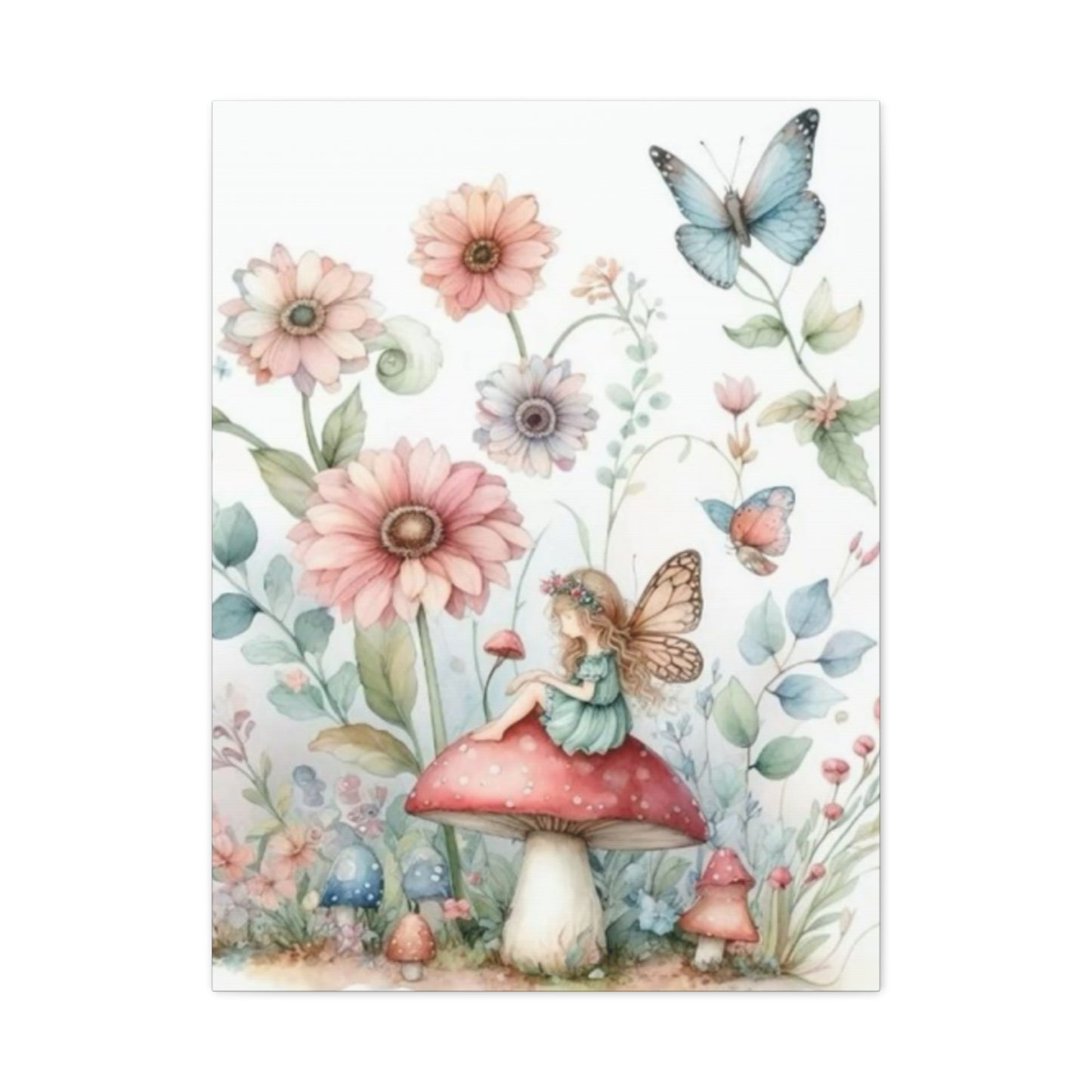
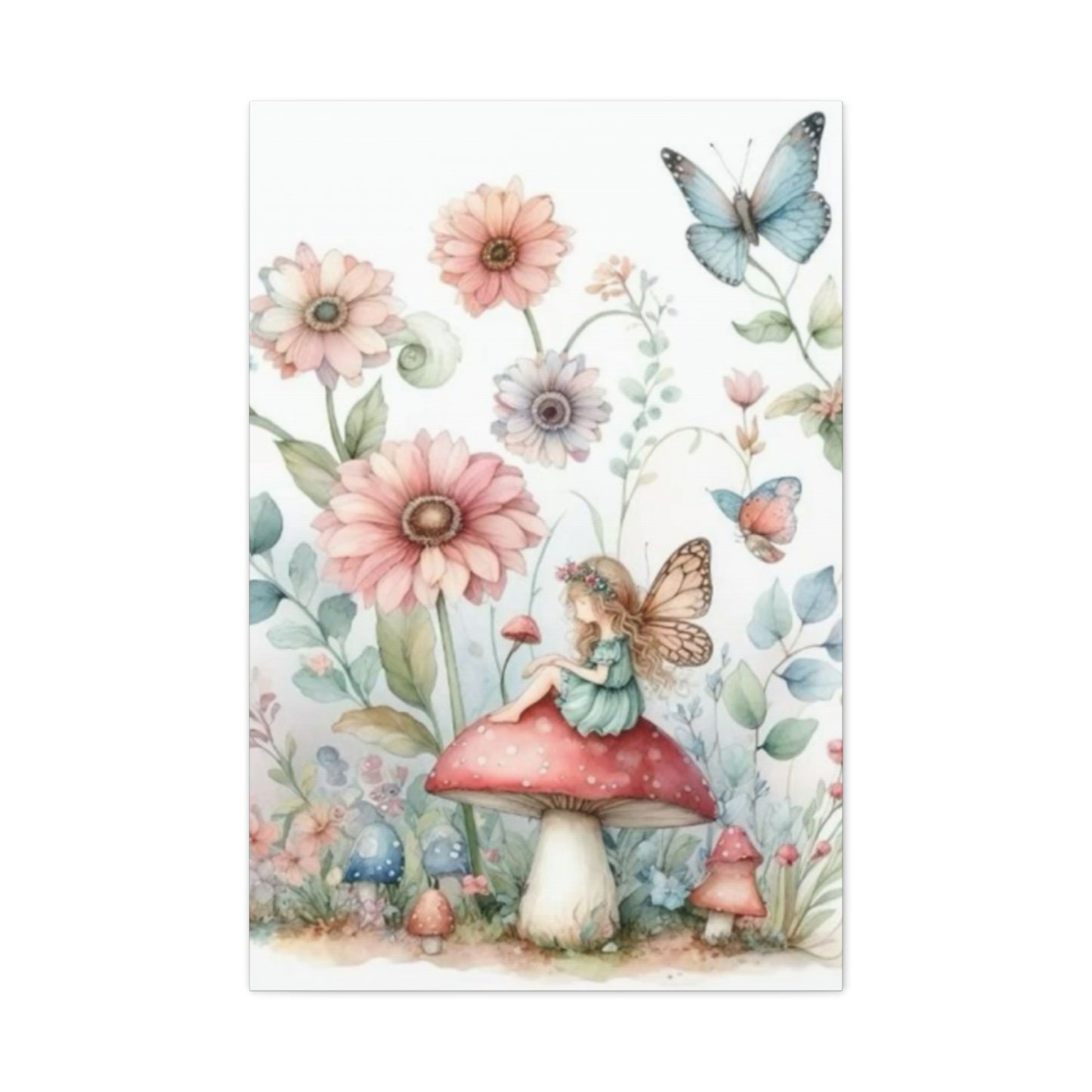
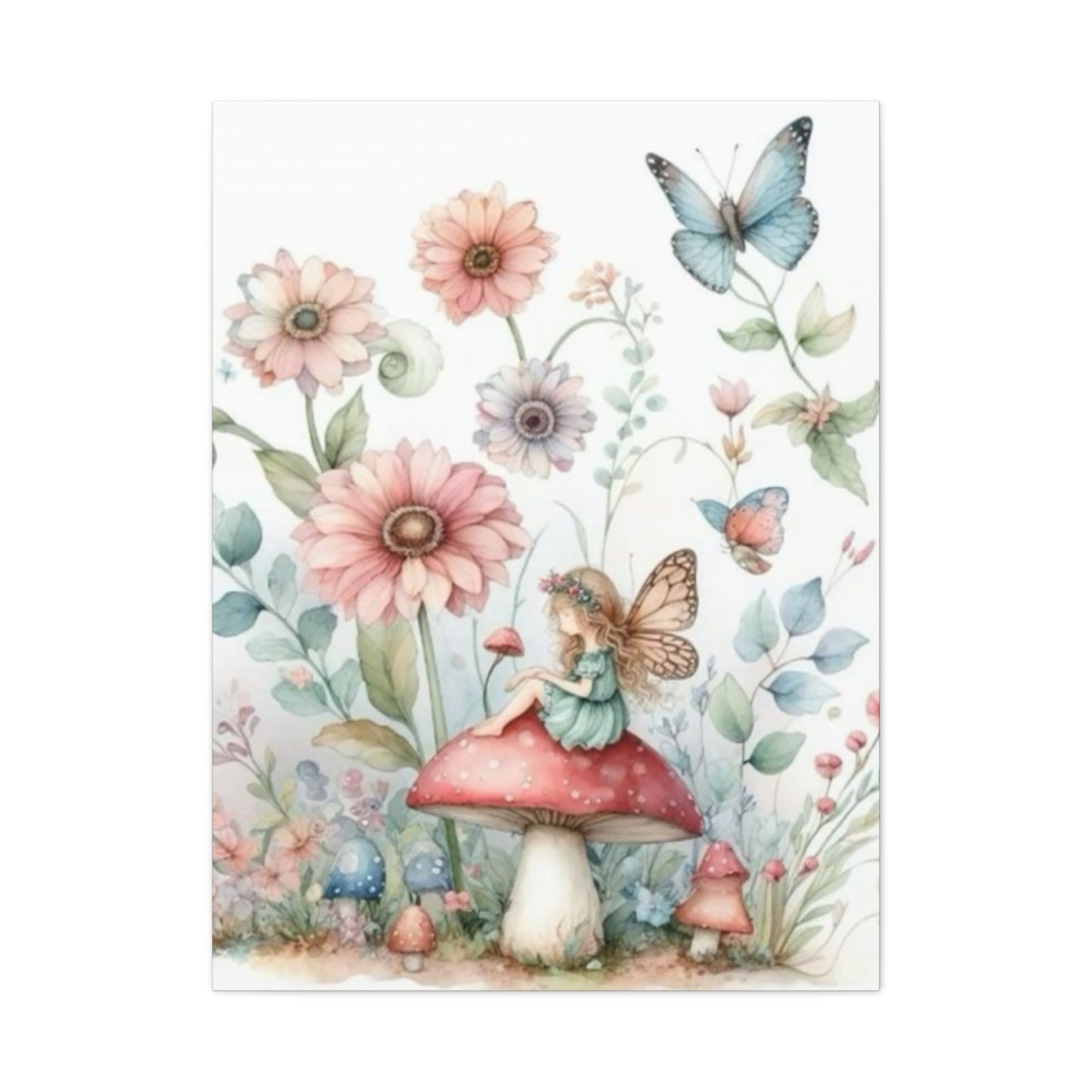
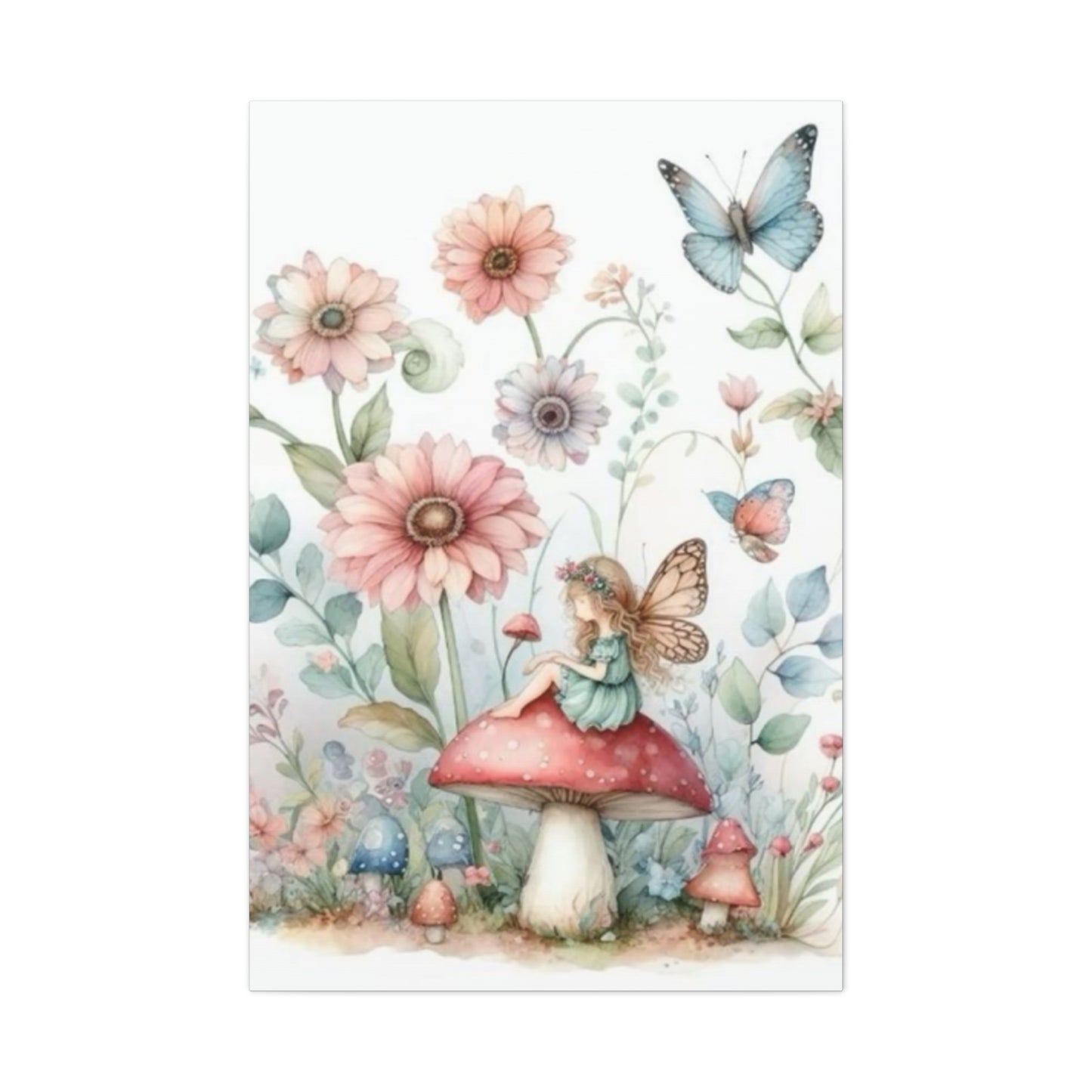
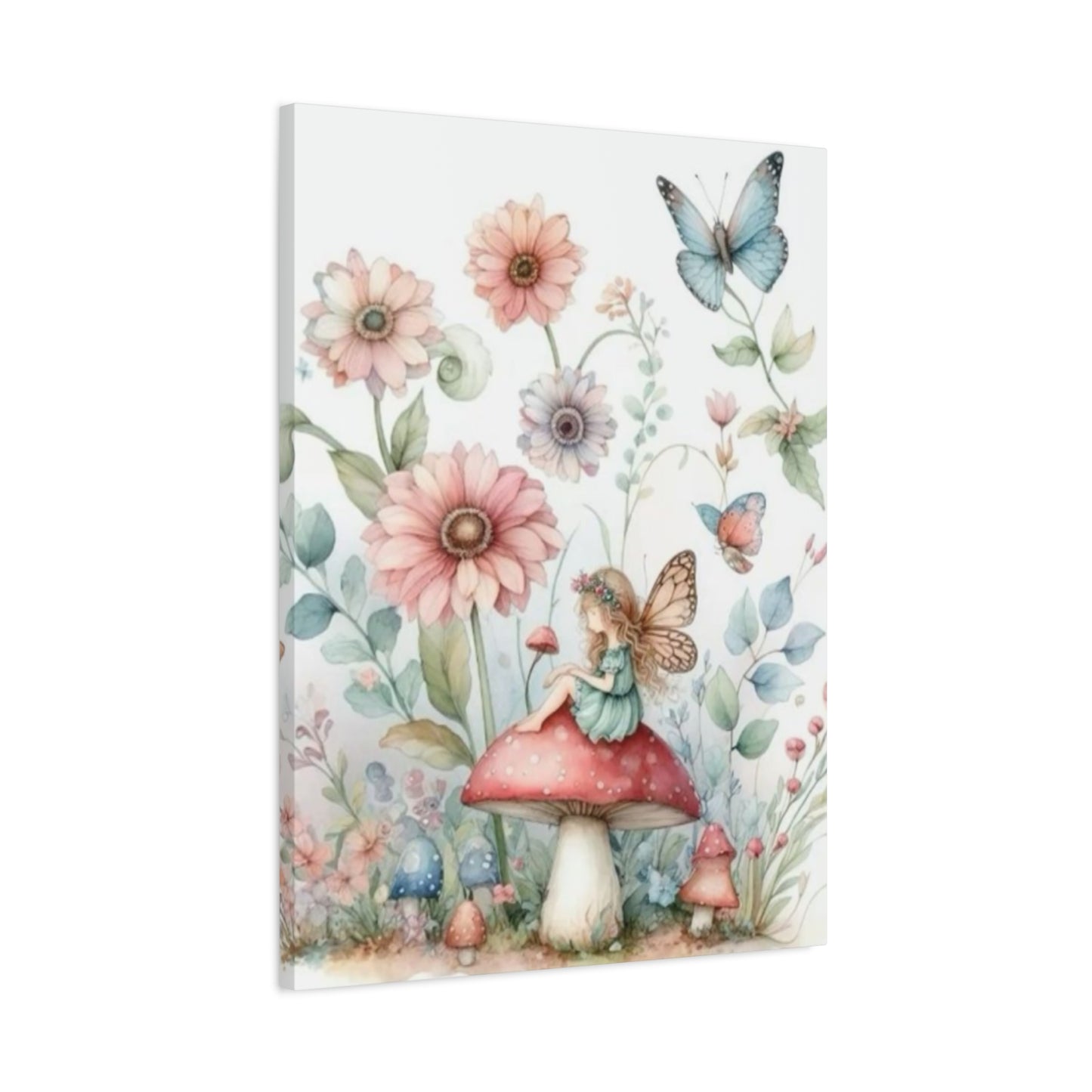
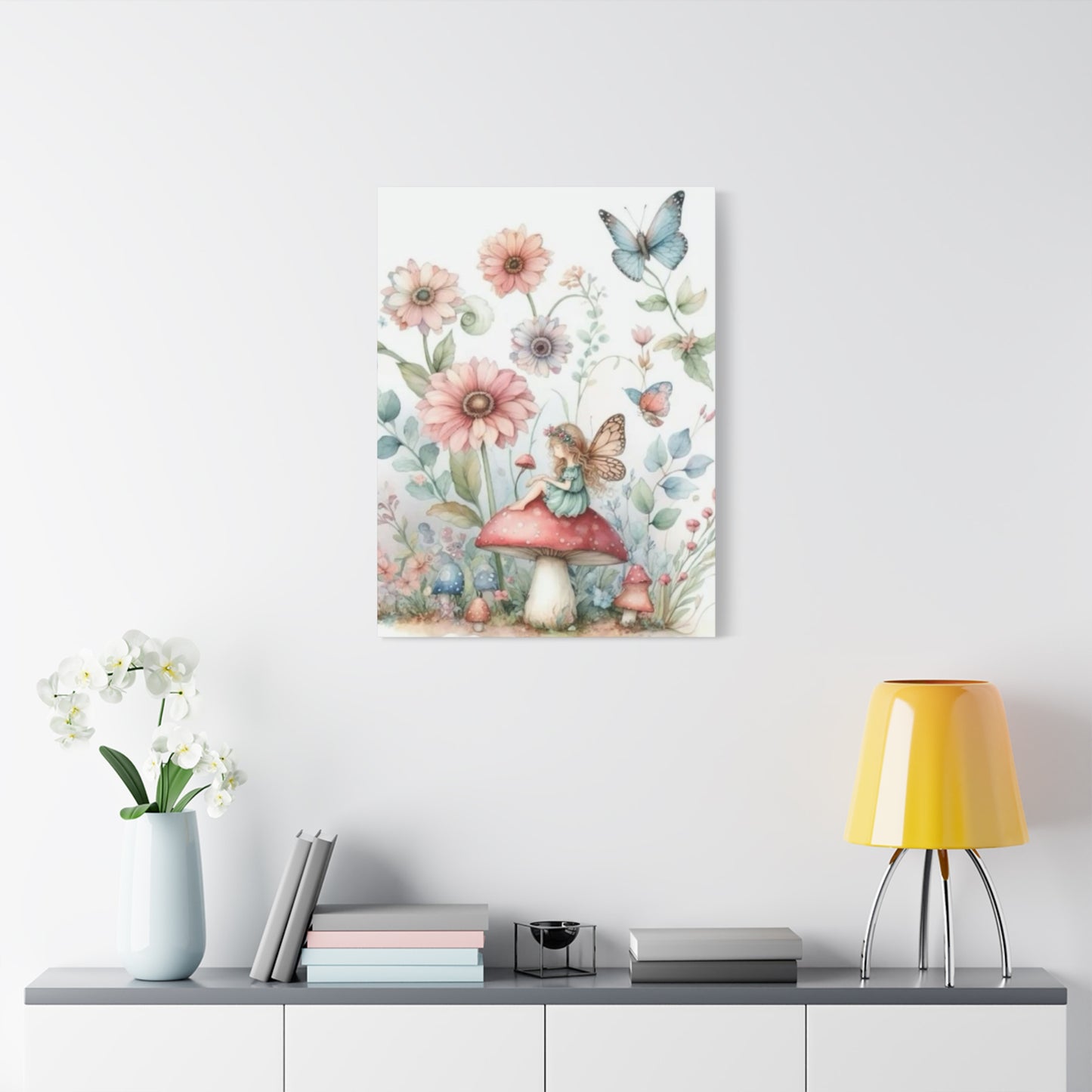
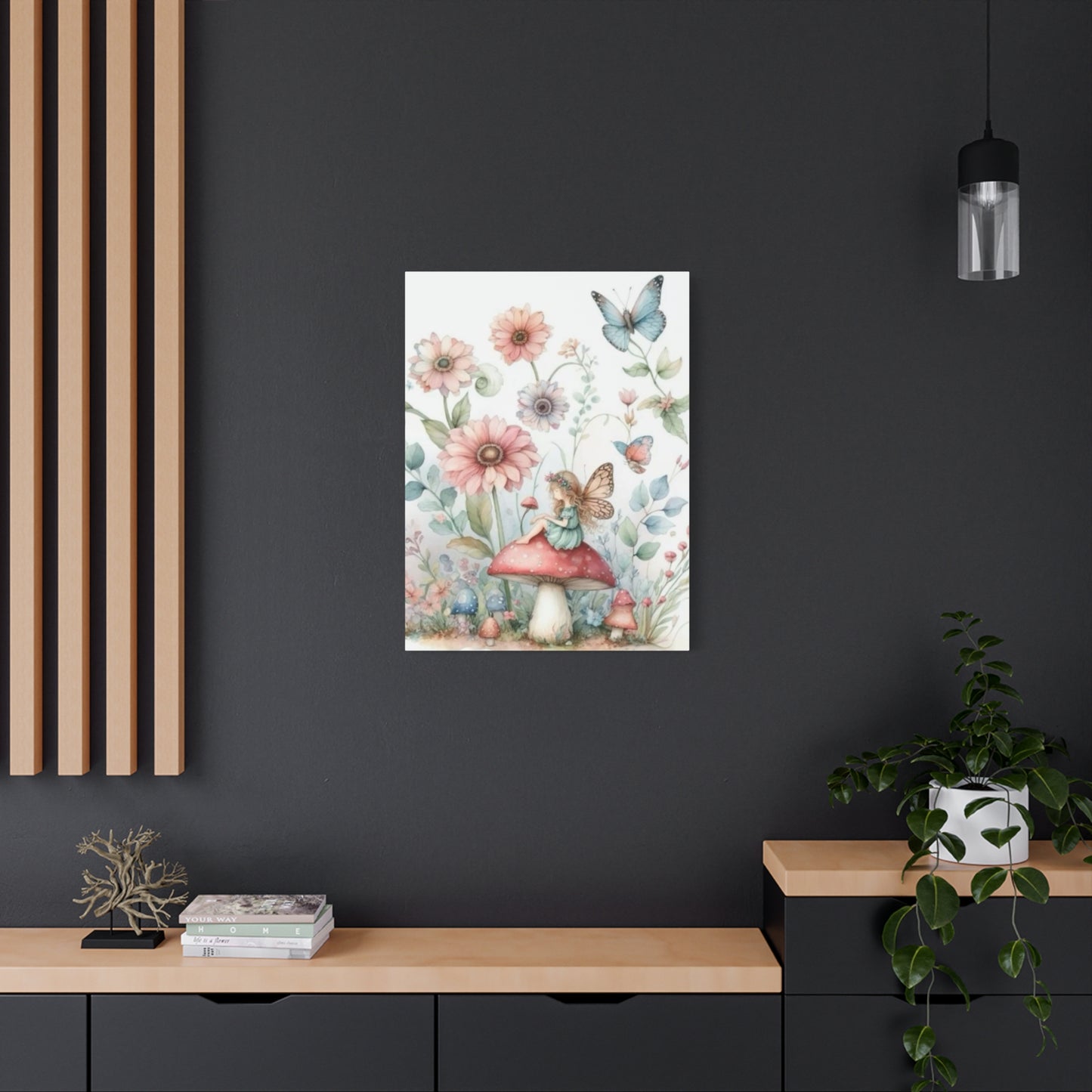
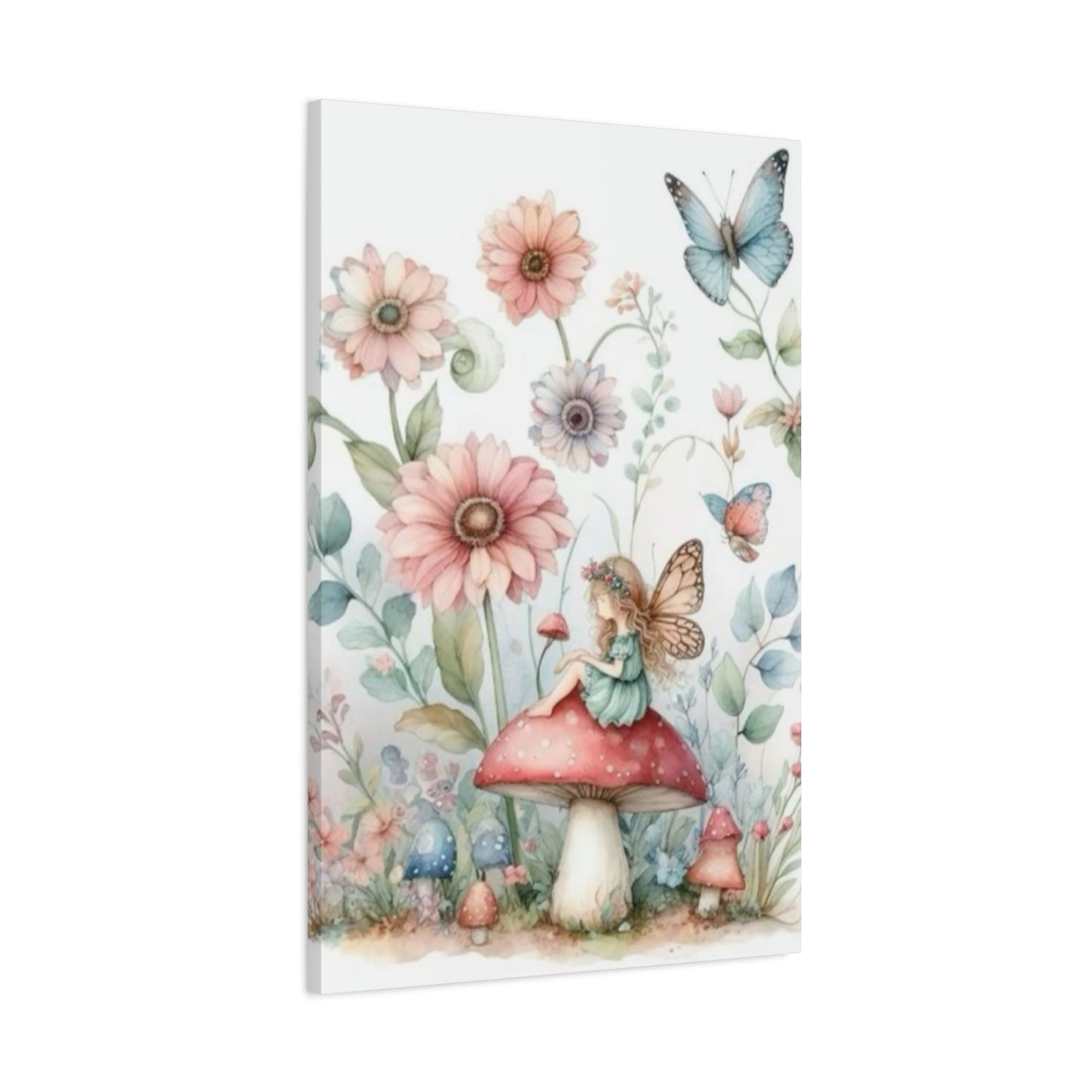
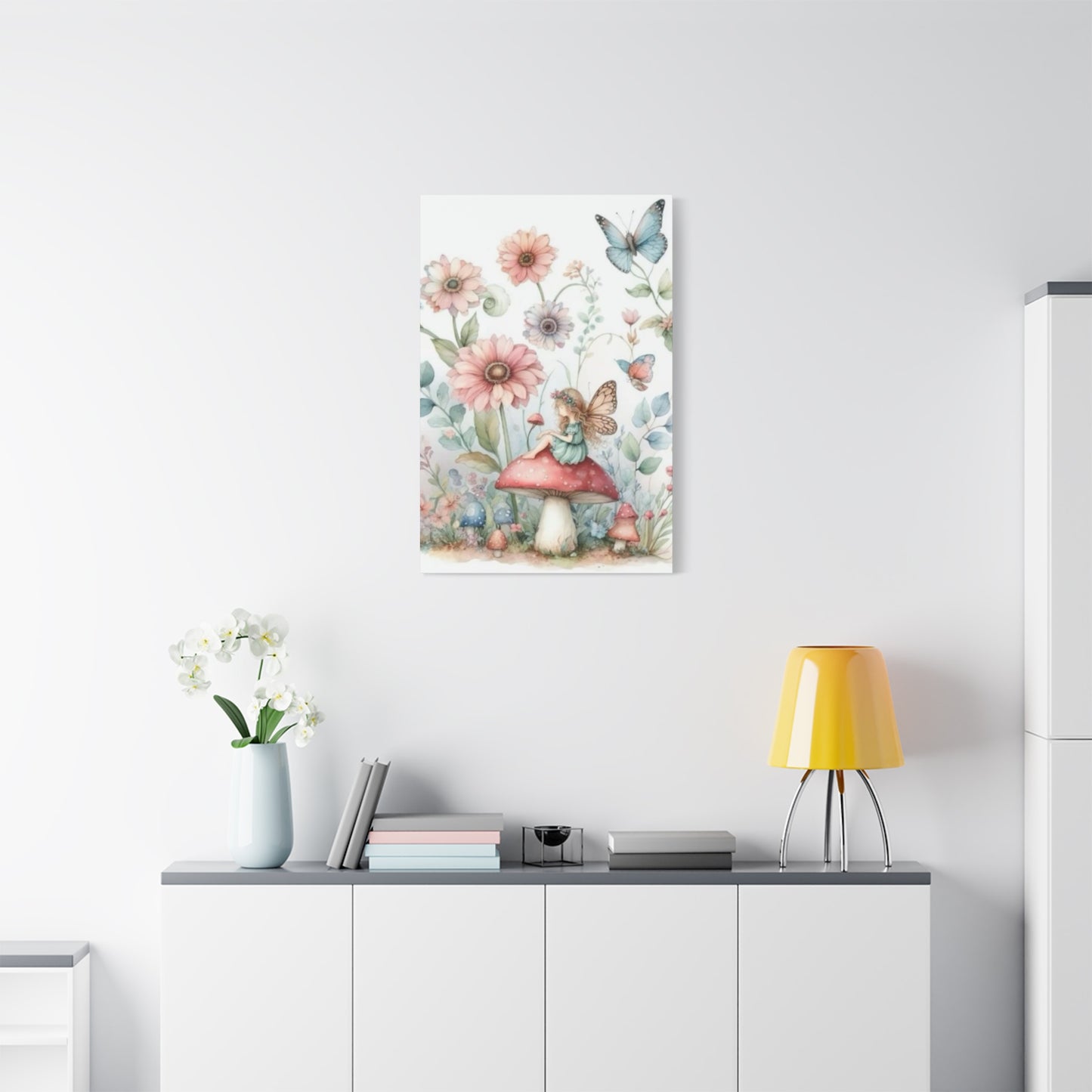
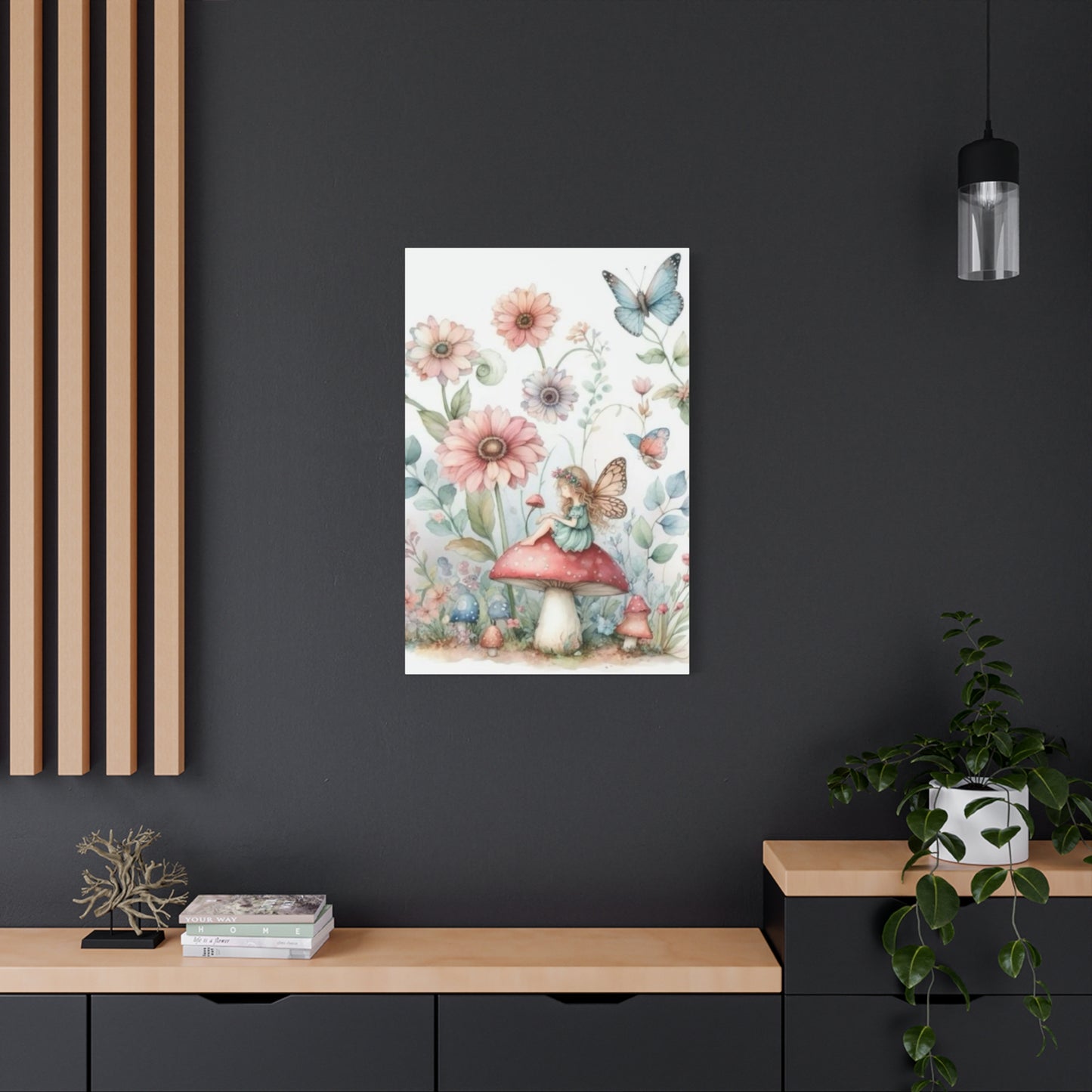
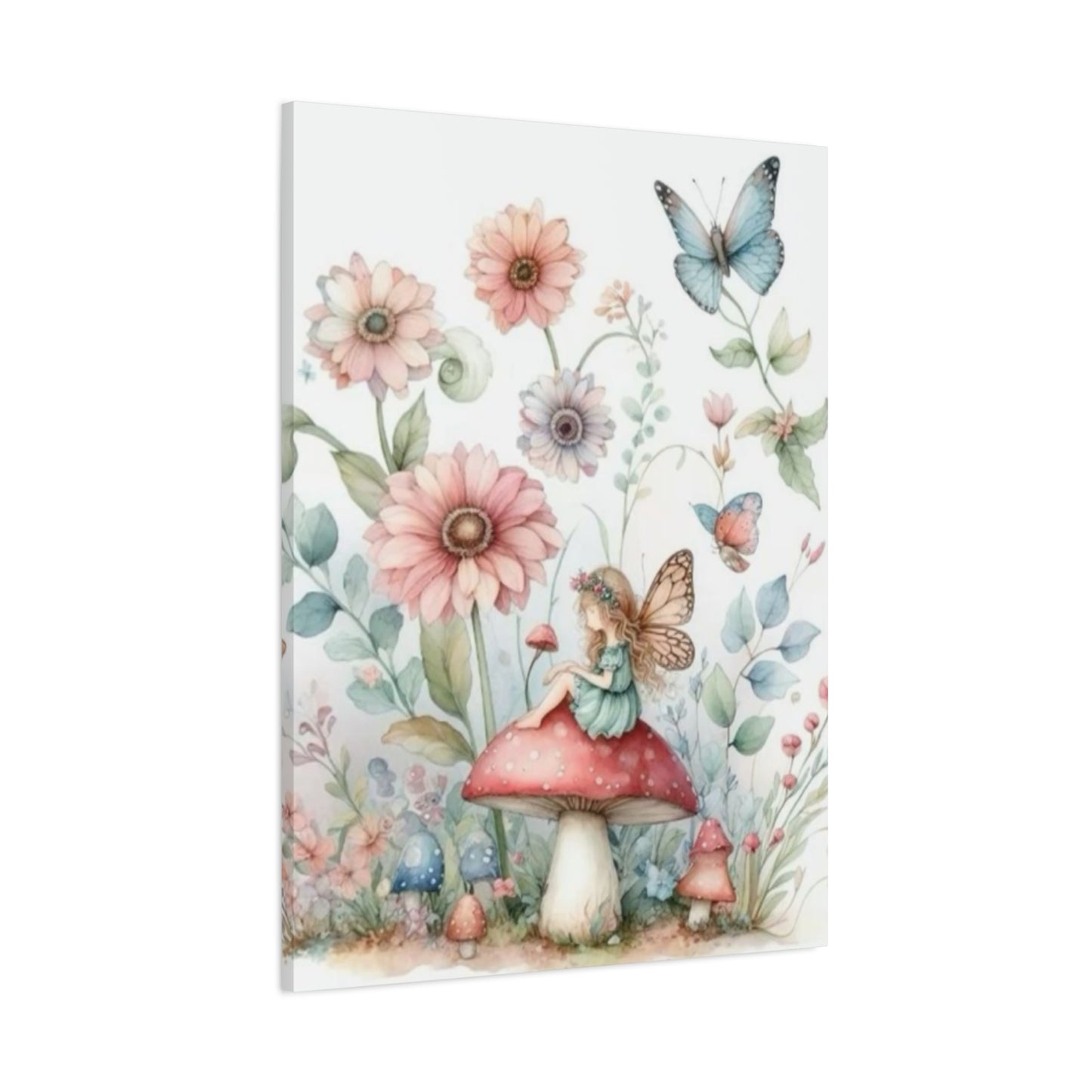
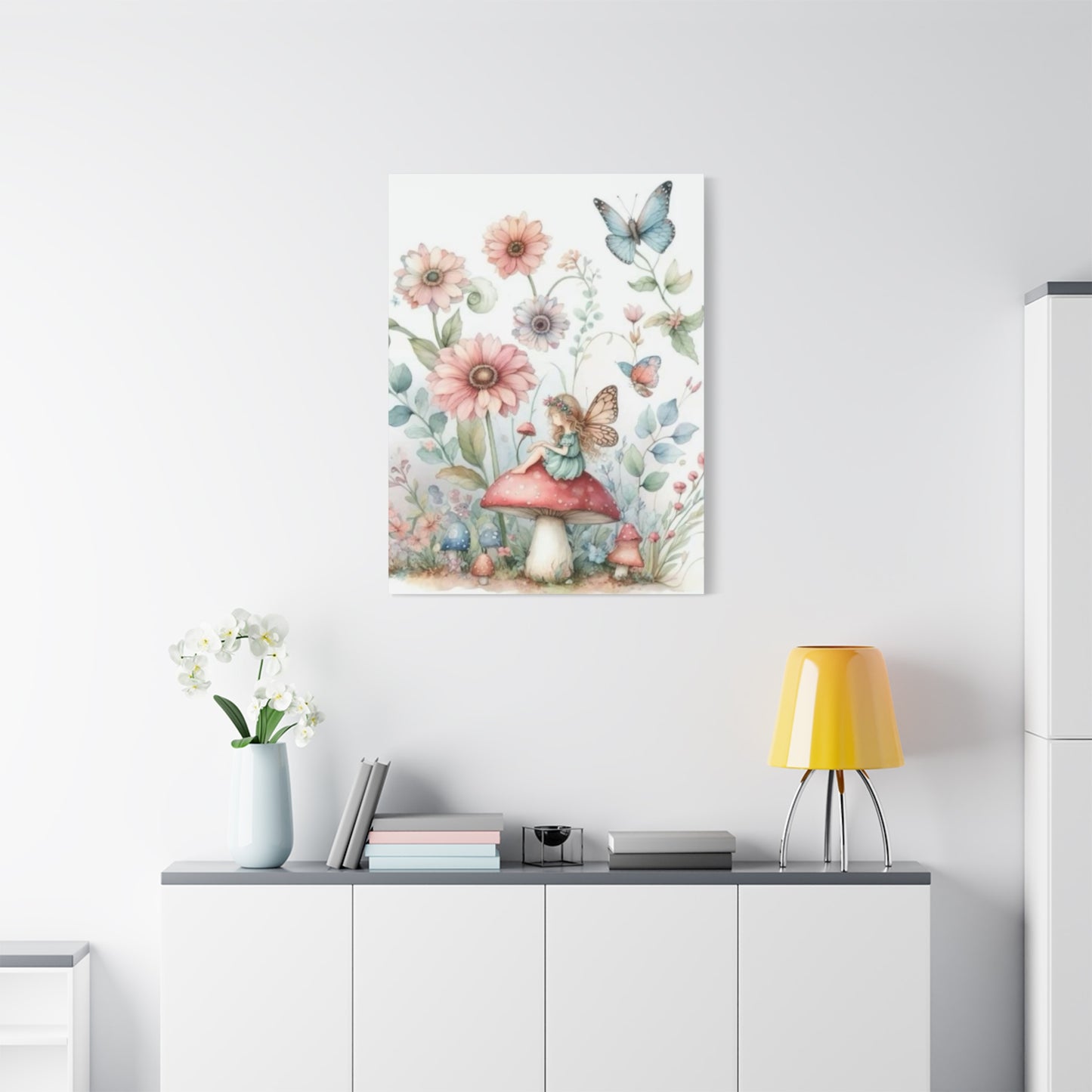
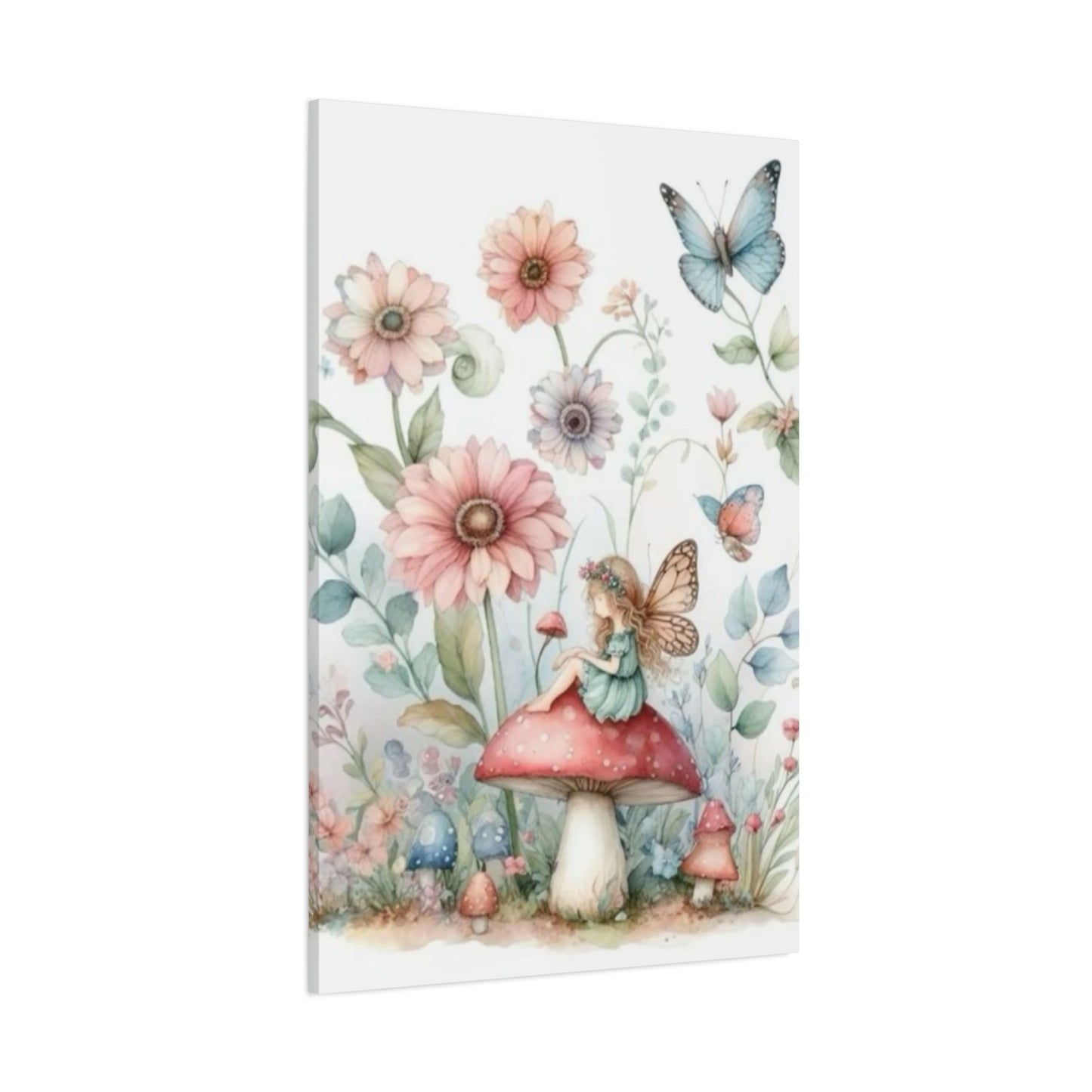
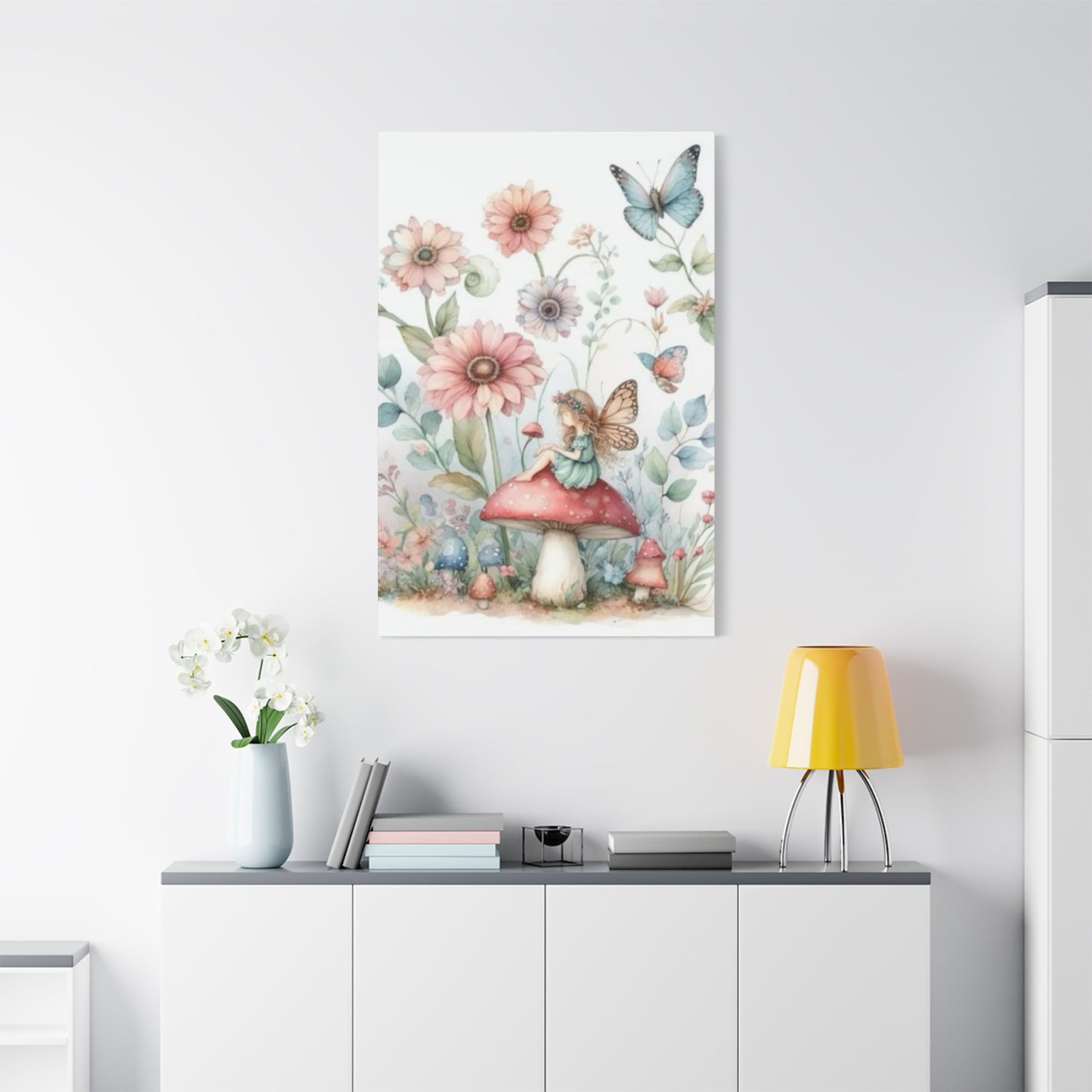
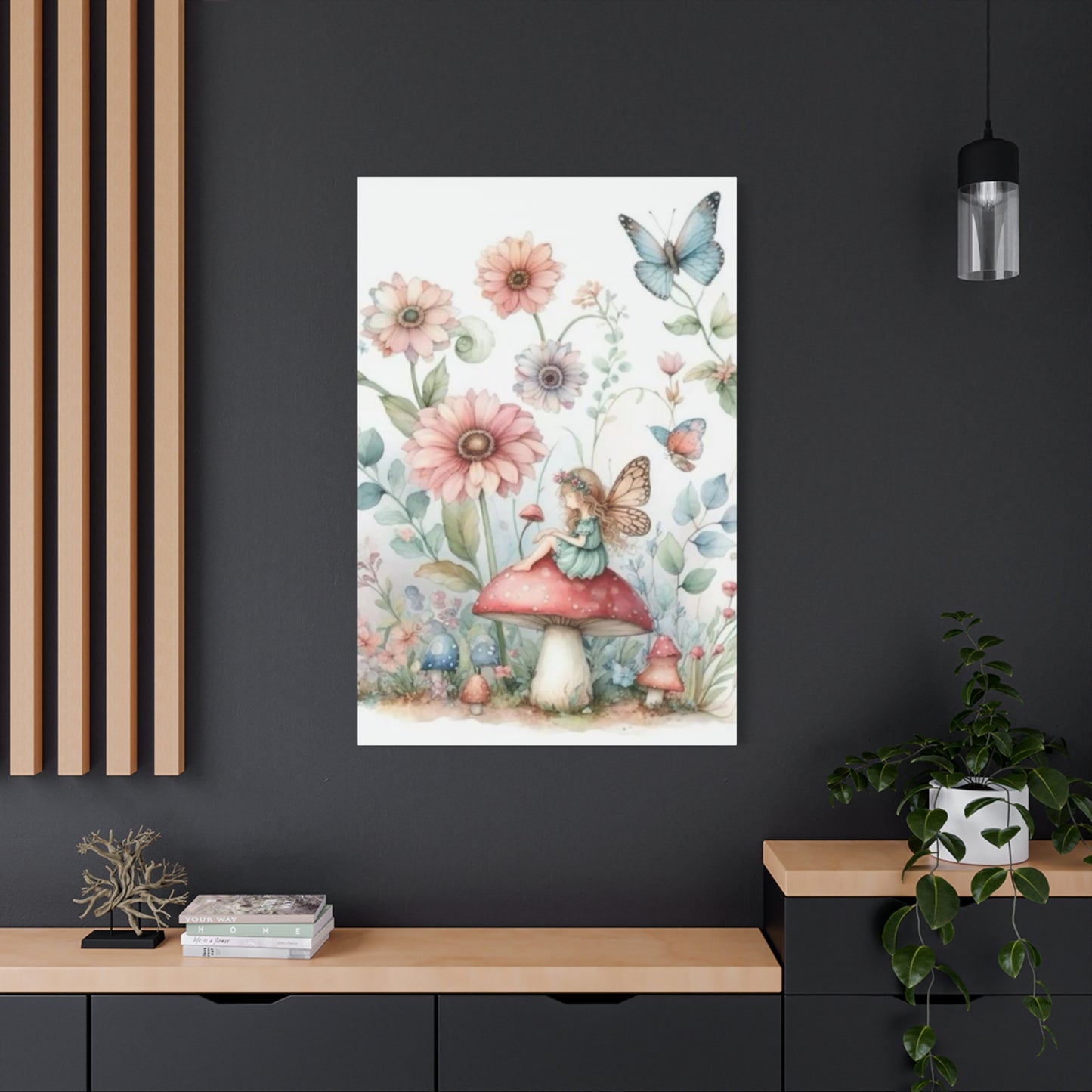
Floral Fairies Wall Art & Canvas Prints
Floral Fairies Wall Art & Canvas Prints
Couldn't load pickup availability
Whimsical Garden Spirits: How Floral Fairies Wall Art Can Create a Dreamy, Magical Atmosphere
The world of interior decoration has witnessed a remarkable transformation with the emergence of ethereal botanical sprite imagery. Floral fairies wall art has become an extraordinary medium for individuals seeking to infuse their living spaces with enchantment, wonder, and a touch of mystical charm. These captivating visual representations merge the delicate beauty of nature's blooms with the whimsical essence of mythological woodland creatures, creating an aesthetic that transcends conventional decorative boundaries.
The allure of these supernatural garden beings depicted in artistic form stems from humanity's ancient fascination with the unseen realm that allegedly exists parallel to our own. Throughout centuries, various cultures have maintained beliefs in diminutive winged entities that inhabit gardens, forests, and meadows, tending to flowers and maintaining nature's delicate balance. When these ethereal concepts are translated into visual artwork and displayed upon walls, they serve as portals to imagination, inviting observers to reconnect with childhood wonder and the magic that permeates the natural world.
Contemporary homeowners, designers, and decoration enthusiasts have increasingly embraced this particular artistic genre as a means of establishing distinctive atmospheric qualities within residential and commercial environments. The versatility of such imagery allows it to complement numerous decorating philosophies, from vintage cottage aesthetics to modern minimalist approaches, demonstrating its remarkable adaptability across diverse design landscapes. Whether rendered in watercolor softness, bold acrylic statements, or intricate digital compositions, these botanical sprite representations possess an inherent capacity to transform ordinary rooms into extraordinary sanctuaries.
The psychological impact of surrounding oneself with images of nature-connected mystical beings cannot be understated. Research in environmental psychology has consistently demonstrated that exposure to natural elements and fantastical imagery can significantly reduce stress levels, enhance creative thinking, and promote overall emotional wellbeing. When individuals select floral fairies wall art for their spaces, they are not merely choosing decorative objects but rather establishing visual anchors that facilitate mental respite from the demands of contemporary existence.
Discovering the Enchantment Behind Botanical Sprite Imagery in Contemporary Home Decoration
The phenomenon of incorporating supernatural garden creature imagery into residential spaces reflects a broader cultural movement toward reconnecting with nature despite increasingly urbanized lifestyles. As concrete jungles expand and natural landscapes diminish, people instinctively seek methods to bring elements of the organic world into their immediate environments. Artwork featuring ethereal beings among blossoms serves this purpose while simultaneously adding layers of fantasy and narrative possibility to otherwise mundane walls.
These artistic representations function on multiple perceptual levels simultaneously. On the surface, they present visually pleasing compositions of color, form, and subject matter. The combination of delicate petals, verdant foliage, and graceful winged figures creates harmonious arrangements that naturally attract the human eye. Beneath this immediate visual appeal lies a deeper symbolic resonance that speaks to universal human experiences and longings.
The figures depicted in such artwork often embody qualities that resonate with viewers on subconscious levels. Their association with flowers and growth symbolizes renewal, beauty, and the cyclical nature of existence. Their diminutive size reminds observers of humility and the importance of small, often overlooked wonders. Their wings suggest freedom, transcendence, and the possibility of moving beyond earthly limitations. When these symbolic elements combine within a single artistic composition, they create a rich tapestry of meaning that enriches the viewer's experience far beyond simple aesthetic appreciation.
Different artistic styles bring varied interpretations to this timeless subject matter. Realistic renderings that emphasize botanical accuracy alongside anatomically plausible winged figures appeal to those who appreciate naturalistic beauty with fantastical elements. In contrast, more stylized or abstract interpretations may employ bold colors, geometric patterns, or surrealistic distortions that emphasize emotional resonance over literal representation. This stylistic diversity ensures that individuals with vastly different aesthetic preferences can find versions of this imagery that align with their personal tastes and existing decorative schemes.
The scale and format of such artwork also significantly influence its impact within a space. Large-scale pieces serve as commanding focal points that immediately capture attention upon entering a room, establishing the decorative tone and setting expectations for the overall atmosphere. Medium-sized works offer versatility, working effectively as standalone statements or as components within gallery wall arrangements. Smaller pieces provide opportunities for creating intimate decorative moments in unexpected locations such as powder rooms, reading nooks, or hallway alcoves.
Material considerations further expand the possibilities within this artistic category. Canvas prints offer classic presentation with texture and depth, while metal prints provide contemporary sleekness and enhanced color vibrancy. Wood-mounted pieces bring rustic warmth and organic materiality that reinforces the nature-connected themes of the imagery itself. Glass or acrylic presentations create luminous, almost ethereal effects that seem particularly appropriate for subjects involving supernatural beings. Each material choice contributes distinct qualities to the overall decorative impact and longevity of the piece.
Selecting the Perfect Ethereal Garden Being Artwork for Various Living Environments and Personal Aesthetics
Choosing appropriate botanical sprite imagery requires thoughtful consideration of multiple factors that extend beyond simple personal preference. The intended location, existing decorative elements, lighting conditions, and desired emotional atmosphere all play crucial roles in determining which specific pieces will most effectively serve their decorative purpose while maintaining visual harmony within the broader space.
Bedroom environments particularly benefit from the calming, dreamlike qualities inherent in such imagery. These private sanctuaries serve as retreats from external demands, spaces where imagination and rest receive priority. Artwork featuring serene garden sprites surrounded by soft-hued blossoms contributes to the tranquil atmosphere conducive to relaxation and restorative sleep. Cooler color palettes emphasizing blues, purples, and silvery greens create especially soothing effects, while warmer tones featuring peachy pinks, golden yellows, and coral reds can add comforting coziness to spaces that might otherwise feel overly stark or cold.
Living areas present different considerations, as these spaces typically serve multiple functions and accommodate various individuals with potentially divergent preferences. In such contexts, botanical sprite artwork can serve as conversation starters, decorative anchors that tie together disparate elements, or visual counterpoints that add whimsy to otherwise serious environments. The scale should generally correspond to the room's dimensions and the viewing distance from primary seating arrangements. A common mistake involves selecting pieces that are too small for the wall space or viewing distance, resulting in artwork that fails to make adequate visual impact despite its inherent beauty.
Children's spaces offer particularly appropriate contexts for such imagery, as the fantastical elements naturally align with youthful imagination and wonder. However, the approach should be tailored to the child's age and developing tastes. Younger children often respond enthusiastically to bright colors, clear forms, and recognizable elements, while older children and adolescents may prefer more sophisticated interpretations that balance whimsy with artistic credibility. Involving children in the selection process respects their developing autonomy while ensuring the chosen pieces genuinely resonate with those who will live with them daily.
Bathrooms, though sometimes overlooked in decorative planning, present excellent opportunities for such artwork. These intimate spaces benefit from visual elements that promote relaxation and pleasant sensory experiences. The combination of floral motifs and magical beings creates associations with gardens, natural water sources, and outdoor tranquility, all of which enhance the bathing or grooming experience. Practical considerations such as humidity resistance become important in these environments, making certain materials and finishing treatments preferable to others.
Home offices and creative workspaces gain particular value from the presence of imagination-stimulating imagery. The combination of natural elements and fantastical subjects encourages lateral thinking, creative problem-solving, and mental flexibility. For individuals whose work involves creative output, surrounding themselves with visually inspiring elements directly supports their productive activities. Even for those engaged in more analytical or administrative tasks, the presence of such artwork provides welcome visual respite during breaks and helps prevent the sterile, uninspiring atmospheres that can develop in purely functional workspaces.
The existing color scheme within a space significantly influences which specific pieces will successfully integrate versus those that will appear jarring or disconnected. Artwork can either complement the existing palette by incorporating similar hues or provide intentional contrast that adds visual interest and prevents monotony. Understanding basic color theory helps in making these determinations. Analogous color schemes using adjacent hues on the color wheel create harmonious, cohesive effects, while complementary schemes employing opposite colors generate dynamic tension and visual excitement.
Architectural features and existing furniture arrangements also impact artwork placement and selection. Pieces positioned above furniture should generally relate proportionally to the furniture width, with optimal dimensions typically ranging from two-thirds to three-quarters of the furniture piece's width. Vertical spaces such as narrow wall sections between windows or beside doorways call for vertically oriented compositions, while horizontal expanses above sofas or beds suit landscape-oriented works. Ignoring these spatial relationships often results in awkward visual dynamics that diminish both the artwork and the surrounding environment.
Lighting represents another critical consideration that dramatically affects how artwork appears and functions within a space. Natural daylight brings out true colors and creates dynamic viewing experiences as light quality shifts throughout the day, while artificial lighting offers consistent conditions that can be specifically designed to enhance artwork. The direction, intensity, and color temperature of light sources all influence perception. Spotlighting or picture lights can dramatically enhance artwork's impact, though care must be taken to avoid glare, uneven illumination, or heat damage to sensitive materials.
Personal connection and emotional resonance should ultimately guide final selections. Artwork that intellectually seems appropriate but fails to spark genuine enthusiasm will never provide the same satisfaction as pieces that immediately capture the heart, regardless of how well they match theoretical decorative principles. The most successful decorative environments balance thoughtful planning with authentic personal expression, allowing individual personality to shine through while maintaining overall aesthetic cohesion.
Exploring Diverse Artistic Styles and Interpretations in Winged Garden Spirit Decoration
The artistic landscape of botanical sprite representation encompasses remarkable diversity, with creators employing vastly different approaches, mediums, and conceptual frameworks to explore this enduring subject matter. Understanding these varied expressions allows individuals to make more informed selections that align with their aesthetic sensibilities and the specific atmospheres they wish to cultivate within their spaces.
Traditional watercolor interpretations often emphasize delicacy, transparency, and soft color transitions that seem particularly suited to capturing the ephemeral nature of both flowers and supernatural beings. The medium's inherent fluidity creates organic, naturalistic effects that resist rigid control, resulting in compositions that feel spontaneous and alive. These qualities make watercolor particularly effective for representing subjects associated with nature and magic. The subtle gradations and gentle washes characteristic of skilled watercolor work create dreamy, atmospheric effects that invite prolonged contemplation rather than demanding immediate attention.
Acrylic paintings offer different expressive possibilities, with their bold colors, distinct edges, and potential for heavy texture or smooth flatness. Artists working in acrylics can achieve striking visual impact through saturated hues and confident mark-making that projects energy and vitality. The medium's versatility allows for both realistic rendering and expressive abstraction, making it suitable for diverse conceptual approaches. Heavy impasto techniques that build dimensional texture create tactile surfaces that add physical depth to the visual depth already present in the composition, while smooth application produces clean, contemporary effects.
Oil painting's rich history and distinctive handling characteristics bring gravitas and luminosity to botanical sprite subjects. The medium's slow drying time facilitates subtle blending and reworking that can produce extraordinarily nuanced color relationships and atmospheric effects. Traditional oil techniques emphasizing glazing and layering create depth and glow that seem almost supernatural themselves, particularly appropriate for subjects involving otherworldly beings. The inherent prestige associated with oil painting also adds perceived value and seriousness to subject matter that might otherwise be dismissed as merely decorative or childish.
Digital illustration has revolutionized the creation and distribution of such imagery, offering artists unprecedented control, flexibility, and reproducibility. Digital tools enable effects impossible or impractical through traditional media, from perfect gradients to complex pattern work to seamless photo-integration. The ability to easily modify, experiment, and produce variations accelerates the creative process while ensuring consistency across multiple prints. Contemporary digital artists create works of remarkable sophistication that rival or exceed traditional media in visual impact and artistic merit, definitively establishing digital creation as legitimate fine art rather than mere commercial illustration.
Mixed media approaches combining multiple materials and techniques create rich, complex surfaces that reward close inspection. An artist might begin with watercolor washes, add acrylic details, incorporate collaged elements, and finish with ink linework, creating compositions with varied textures, materials, and visual languages coexisting within a unified whole. These layered, multifaceted works often possess particular depth and interest, though they can also risk visual confusion if not executed with strong compositional control and clear intention.
Stylistic interpretations range from photorealistic renderings that emphasize botanical accuracy and believable anatomy to highly stylized or abstracted versions that prioritize emotional expression, decorative pattern, or conceptual content over literal representation. Realistic approaches appeal to those who appreciate technical mastery and convincing illusion, while stylized work attracts individuals drawn to distinctive artistic voices and expressive freedom. Neither approach holds inherent superiority; effectiveness depends entirely on execution quality and alignment with viewer preferences.
Cultural influences significantly shape artistic interpretations of these subjects. Western representations often draw upon Victorian-era fairy painting traditions, Pre-Raphaelite aesthetics, or contemporary fantasy illustration conventions. Asian artistic traditions might incorporate elements of traditional painting styles, anime and manga visual languages, or spiritual and mythological frameworks distinct from Western conventions. Indigenous artistic traditions worldwide contain their own nature spirit representations that, while perhaps not directly analogous to European fairy concepts, address similar human impulses to personify and mythologize natural forces.
Contemporary artists increasingly push boundaries by combining traditional fairy imagery with unexpected elements, social commentary, or conceptual frameworks that challenge conventional interpretations. Some creators place botanical sprites in urban environments, highlighting tensions between nature and civilization. Others employ body diversity, varied ages, or unconventional beauty standards in their sprite representations, challenging the homogeneous appearance often found in traditional depictions. These progressive approaches expand the genre's relevance and accessibility while maintaining its essential magic and wonder.
The choice between representational and abstract approaches fundamentally affects artwork's impact and appropriate contexts. Representational work featuring clearly recognizable flowers and sprite figures creates immediate narrative accessibility, allowing viewers to quickly grasp subject matter and construct stories around the depicted scenes. Abstract or semi-abstract interpretations emphasizing color, form, and suggestion rather than literal representation require more interpretive engagement from viewers but offer greater ambiguity and personal meaning-making. Neither approach universally outperforms the other; selection depends on the intended effect and viewer preferences.
Creating Harmonious Gallery Walls and Arrangements with Mystical Botanical Artwork
The strategic arrangement of multiple artwork pieces creates visual impact exceeding the sum of individual components while allowing for creative expression and personalized narrative development. Gallery walls featuring floral fairies wall art offer opportunities to establish complex, layered decorative statements that showcase personality, tell stories, and create powerful focal points within residential or commercial environments.
Successful multi-piece arrangements begin with thoughtful planning that considers the available wall space, existing architectural features, furniture placement, and desired visual effect. The traditional approach involves creating templates from paper or cardboard matching each artwork's dimensions, then arranging these templates on the wall using removable adhesive until achieving a satisfying composition before committing to permanent hanging. This method prevents the frustration and wall damage that often result from trial-and-error hanging directly with finished pieces.
Grid arrangements featuring identical frames and consistent spacing create orderly, contemporary effects that work particularly well in modern or minimalist interiors. This structured approach brings coherence to diverse imagery by imposing uniform presentation parameters. The rigid geometry provides visual stability and sophistication while allowing the individual artworks to provide variety and interest within the controlled framework. Grid arrangements work best when individual pieces share some unifying elements such as color palette, subject matter, or style, preventing the overall effect from appearing random or disconnected despite the organizational structure.
Salon-style arrangements embrace asymmetry, varied frame sizes, and organic groupings that create more relaxed, eclectic effects reminiscent of traditional art galleries or collected interiors accumulated over time. This approach offers greater flexibility and can accommodate diverse pieces gathered from various sources over extended periods. The challenge lies in achieving visual balance without formal symmetry, requiring sensitivity to visual weight, color distribution, and compositional flow. Larger pieces typically anchor the arrangement, with medium and smaller works clustered around them in configurations that feel intuitive rather than rigidly planned.
Linear arrangements along a horizontal axis create clean, streamlined effects particularly suited to hallways, stairways, or above furniture pieces with strong horizontal emphasis. Maintaining consistent spacing between pieces and aligning either top edges, bottom edges, or center lines creates cohesion despite potential variations in individual artwork dimensions. This approach works effectively for showcasing series or collections where sequential viewing enhances appreciation, such as seasonal variations on similar themes or progressive stages of botanical growth.
Vertical arrangements draw the eye upward, creating impressions of height and elegance particularly valuable in rooms with lower ceilings or spaces dominated by horizontal elements. Stacking pieces vertically along a central axis with consistent spacing creates formal, balanced effects, while staggered or cascading arrangements introduce dynamic movement. Narrow wall sections such as those beside doorways or between windows benefit particularly from vertical arrangements that maximize decorative impact within spatial constraints.
Thematic groupings create narrative cohesion by assembling pieces that relate through subject matter, color relationships, or conceptual connections. A collection focusing exclusively on botanical sprite imagery might include various artistic styles, different flower species, seasonal variations, or cultural interpretations, united by the common subject matter. Alternatively, sprite artwork might combine with purely botanical pieces, insect studies, or landscape elements to create broader nature-themed arrangements. The connecting thread should be evident enough to create intentional cohesion without becoming monotonous or overly literal.
Frame selection significantly impacts overall arrangements, with choices ranging from uniform frames that create visual unity to eclectic frame combinations that add character and individuality. Consistent framing simplifies arrangement planning and creates cleaner, more contemporary effects, while varied frames add texture, personality, and visual complexity. When combining different frame styles, maintaining some unifying element such as similar wood tones, consistent metallics, or proportional relationships helps prevent chaotic results. Frameless mounting offers sleek, modern alternatives that emphasize artwork itself while minimizing decorative distraction.
Spatial considerations including viewing distance, traffic flow, and surrounding elements should inform arrangement planning. Gallery walls positioned in spaces where viewers can step back for full appreciation benefit from larger overall dimensions and more complex compositions, while arrangements in narrow hallways or small rooms should remain more compact and simplified. Ensuring adequate clearance around furniture and avoiding visual competition with architectural features or other decorative elements prevents cluttered effects and allows each component to receive appropriate attention.
Color distribution throughout an arrangement dramatically affects visual balance and cohesion. Pieces featuring similar colors naturally group visually even when physically separated, creating implied connections across the composition. Strategic placement of color accents guides the viewer's eye through the arrangement in intentional sequences. Balanced color distribution prevents visual weight from accumulating disproportionately in specific areas, which can make arrangements feel unstable or lopsided despite physically symmetric placement.
Scale variation adds visual interest and hierarchical structure to arrangements, with larger pieces commanding primary attention while smaller works provide supporting details and complexity. Extremely varied scales can create dynamic, energetic effects, while more moderate scale differences produce gentler, more harmonious results. The largest piece typically serves as the arrangement's anchor or focal point, with its placement significantly influencing the entire composition's structure and feel.
Understanding the Symbolism and Meaning Behind Garden Sprite Imagery Across Different Contexts
The enduring appeal of floral fairies wall art extends beyond mere aesthetic pleasure, tapping into rich symbolic traditions and archetypal imagery that resonates across cultural boundaries and throughout human history. Examining these deeper meanings enriches appreciation and understanding while potentially influencing selection based on the specific qualities or energies individuals wish to invite into their spaces.
Flowers themselves carry extensive symbolic associations that vary across cultures, traditions, and contexts. Roses traditionally represent love, passion, and beauty, with specific colors adding nuanced meanings ranging from romantic love to friendship to remembrance. Lilies symbolize purity, renewal, and transcendence, often appearing in spiritual and ceremonial contexts. Lotus blossoms hold particular significance in Eastern philosophical traditions, representing enlightenment, spiritual awakening, and the possibility of maintaining purity despite emerging from murky waters. Cherry blossoms embody impermanence, beauty's fleeting nature, and mindful appreciation of present moments.
Daisies convey innocence, simplicity, and cheerful optimism, making them popular choices for spaces intended to feel light and carefree. Sunflowers symbolize vitality, adoration, and loyalty, their characteristic heliotropism serving as a metaphor for seeking enlightenment or maintaining positive orientation toward life's challenges. Violets represent modesty, faithfulness, and hidden beauty, their small size and woodland habitat contributing to associations with humility and unpretentious virtue. Pansies symbolize remembrance and loving thoughts, their name derived from the French pensée meaning thought.
When supernatural garden beings combine with specific flowers in artistic representations, these symbolic associations merge and interact, creating layered meaning that enriches interpretation. A sprite dancing among roses might suggest joyful celebration of love and beauty, while one resting thoughtfully upon a lotus flower could imply spiritual contemplation or peaceful enlightenment. These symbolic combinations allow artists to encode complex ideas and emotions within their compositions, offering viewers opportunities for personal interpretation and meaning-making.
The sprites themselves embody multiple archetypal qualities and symbolic associations. Their diminutive size speaks to humility, the importance of small things, and perspectives that value overlooked details others might miss. Their wings symbolize freedom, transcendence, spiritual elevation, and the capacity to move beyond earthly limitations or material constraints. Their connection to nature positions them as guardians, intermediaries between human and natural worlds, or embodiments of nature's vital forces made visible and personified.
Different cultural traditions conceptualize nature spirits in varied ways that influence contemporary artistic representations. Celtic mythology speaks of the Aos Sí, supernatural beings dwelling in mounds, woods, and bodies of water, sometimes interacting with humans but existing primarily in their own parallel realm. Scandinavian folklore describes various types of nature spirits including elves, hulder, and tomte, each with distinctive characteristics and associated behaviors. Slavic traditions include beings like the rusalka and vila, female spirits associated with water, forests, and seasonal transitions.
Asian folklore contains numerous spirit beings associated with natural phenomena, from Japanese kami inhabiting everything from mountains to individual trees, to Chinese various nature deities and spirits, to Southeast Asian naga and various forest guardians. These diverse cultural traditions demonstrate humanity's universal tendency to perceive and personify natural forces, creating narrative frameworks for understanding and relating to the non-human world. Contemporary botanical sprite artwork draws consciously or unconsciously from these varied traditions, creating hybrid representations that resonate across cultural boundaries.
The placement of sprite beings within compositions contributes additional meaning beyond the figures and flowers themselves. Sprites shown in flight suggest freedom, movement, and active engagement, while those resting convey contemplation, peace, and gentle presence. Multiple sprites interacting imply community, cooperation, and social harmony, whereas solitary figures emphasize independence, self-sufficiency, or introspection. Sprites shown tending flowers reinforce nurturing qualities and caretaking roles, while those dancing or playing emphasize joy, spontaneity, and celebration.
Seasonal associations provide another interpretive layer, with spring imagery emphasizing renewal, birth, and fresh beginnings; summer representations suggesting abundance, vitality, and full expression; autumn scenes implying harvest, gratitude, and preparation for dormancy; and winter imagery representing rest, contemplation, and potential lying dormant awaiting activation. Artwork featuring specific seasonal indicators allows viewers to select pieces that resonate with current life circumstances or seasons they wish to invoke energetically regardless of external calendar realities.
Light quality within compositions creates atmospheric effects that influence emotional tone and symbolic interpretation. Bright, clear light suggests optimism, clarity, and transparent simplicity, while diffused, glowing light creates mysterious, magical atmospheres emphasizing the supernatural aspects of the subjects. Dramatic contrasts between light and shadow add tension, mystery, and emotional intensity, while soft, even lighting produces calm, peaceful effects. Artists manipulate these lighting qualities intentionally to guide viewers toward particular emotional responses and interpretive frameworks.
Incorporating Ethereal Botanical Artwork into Various Design Styles and Decorating Philosophies
One of the remarkable qualities of floral fairies wall art lies in its versatility across diverse decorating approaches and aesthetic philosophies. Rather than limiting itself to single stylistic contexts, this imagery adapts remarkably well to various environments when selected and presented thoughtfully with attention to specific stylistic conventions and expectations.
Cottage-style interiors characterized by soft colors, vintage elements, floral patterns, and cozy comfort find natural alignment with botanical sprite imagery. These spaces typically embrace romanticism, nostalgia, and connections to pastoral ideals and simpler times. Artwork featuring delicate watercolor sprites among traditional garden flowers like roses, hollyhocks, and sweet peas reinforces the cottage aesthetic's core values while adding whimsical touches that prevent spaces from feeling overly serious or stuffy. Distressed or vintage-style frames further enhance period-appropriate presentation.
Shabby chic decorating, which combines worn, vintage elements with feminine details and soft color palettes, similarly accommodates such imagery comfortably. The slightly faded, weathered aesthetic characteristic of shabby chic style pairs effectively with artwork featuring muted colors, vintage illustration styles, and romantic compositions. Whitewashed or pale painted frames with visible wear complement the shabby chic philosophy while providing appropriate presentation for botanical sprite subjects. The combination creates cohesive, dreamy environments that feel collected over time rather than deliberately designed.
Bohemian or eclectic interiors celebrating artistic expression, cultural diversity, and unconventional combinations offer fertile ground for incorporating such artwork alongside diverse elements from various traditions and periods. The bohemian philosophy embraces personal meaning and emotional resonance over adherence to conventional design rules, allowing botanical sprite imagery to coexist comfortably with global textiles, vintage finds, handmade elements, and bold colors. In these contexts, such artwork contributes to the overall sense of creativity, individuality, and openness to magic and wonder that characterizes successful bohemian spaces.
Modern minimalist interiors, seemingly at odds with fantastical subjects, can actually incorporate botanical sprite imagery effectively when pieces are selected and presented appropriately. Clean-lined frames, carefully considered placement, and artwork featuring simplified, graphic interpretations or muted color palettes allow the imagery to function within minimalist parameters. The key lies in maintaining the minimalist commitment to intentionality, restraint, and visual breathing room while allowing the artwork to provide the human touch and emotional warmth that overly austere minimalism sometimes lacks.
Scandinavian design's emphasis on simplicity, functionality, natural materials, and connection to nature creates surprisingly compatible conditions for such imagery. The Nordic aesthetic values bringing natural elements indoors and maintaining connections to seasonal cycles and natural phenomena. Botanical sprite artwork featuring clean compositions, muted color palettes emphasizing whites, grays, and soft pastels, and contemporary illustration styles aligns well with Scandinavian sensibilities while adding imaginative elements that prevent spaces from feeling cold or impersonal.
Traditional decorating characterized by symmetry, classic furniture styles, rich colors, and formal arrangements can incorporate botanical sprite imagery when pieces demonstrate appropriate refinement and sophistication. Oil paintings or high-quality reproduction prints in substantial, traditional frames present subject matter with the gravitas and polish expected in traditional interiors. Botanical accuracy, skilled rendering, and classical composition structures help such pieces earn their place among other traditional decorative elements while introducing subtle whimsy that adds personality and prevents stuffiness.
Contemporary interiors emphasizing current trends, bold statements, and up-to-date aesthetics benefit from botanical sprite imagery when artists employ contemporary illustration styles, unexpected color combinations, or conceptual approaches that feel fresh and current rather than derivative or nostalgic. Large-scale prints, unusual materials like metal or acrylic, and frameless presentation methods align with contemporary preferences while the subject matter provides narrative content and human interest that purely abstract contemporary art sometimes lacks.
Rustic or farmhouse styles celebrating natural materials, simplicity, and connections to agricultural heritage accommodate such imagery particularly when pieces feature wildflowers, native plants, or garden sprites in outdoor settings rather than more cultivated, formal gardens. Wood-mounted prints or frames constructed from reclaimed materials reinforce the rustic aesthetic while the supernatural subjects add storytelling elements and imaginative dimensions that enliven practical, work-focused spaces. The combination honors both nature's practical provision and its mysterious, magical qualities.
Tropical or exotic design schemes featuring lush vegetation, bold colors, and references to warm climates can incorporate botanical sprite imagery featuring tropical flowers like hibiscus, plumeria, orchids, or birds of paradise. Sprites depicted among these exotic blooms extend the tropical theme while adding fantastical elements that emphasize vacation-like escapism and imaginative transport to faraway paradises. Bold colors and dramatic compositions align with tropical design's embrace of visual abundance and sensory richness.
Gender-neutral spaces benefit from carefully selected botanical sprite imagery that avoids overly feminine or childish presentation. Pieces featuring balanced color palettes, sophisticated rendering, and subjects presented with dignity and artistic merit rather than cuteness appeal across gender spectrums. The goal involves celebrating wonder and imagination as universal human qualities rather than attributes exclusively associated with particular demographics. Thoughtful selection and presentation make such imagery accessible and appealing to diverse individuals regardless of gender identity or age.
Practical Considerations for Displaying and Preserving Your Garden Spirit Artwork
Proper display and preservation practices ensure botanical sprite artwork maintains its beauty and integrity over extended periods while achieving maximum visual impact within its intended space. Understanding material-specific vulnerabilities and implementing appropriate protective measures prevents premature deterioration and maintains aesthetic appeal indefinitely.
Canvas prints require different handling and display considerations than paper-based works. Stretched canvas resists bending and warping but can develop loose tension over time, particularly in fluctuating humidity conditions. Maintaining consistent environmental conditions prevents stretcher bar impressions, sagging, or uneven surfaces that compromise visual quality. Gallery-wrapped edges allow frameless display that emphasizes contemporary aesthetics, while traditionally stretched canvas benefits from framing that provides structural protection and finished presentation. Avoiding direct sunlight prevents fading and discoloration, particularly for prints using dye-based inks rather than more stable pigment-based formulations.
Paper prints demand careful handling and appropriate framing to prevent damage from light, moisture, physical contact, and environmental pollutants. Museum-quality framing employing acid-free mats, UV-protective glazing, and sealed backing prevents many common deterioration causes. Spacers between artwork and glazing prevent direct contact that can cause sticking, moisture accumulation, or surface damage. Regular inspection identifies emerging issues like foxing, yellowing, or insect damage before they become severe. Storing unframed prints flat in acid-free sleeves or folders within stable environments preserves them for eventual display or gifting.
Metal prints offer exceptional durability and contemporary aesthetics but require appropriate mounting and display. The rigid substrate resists warping and damage while the ink becomes part of the metal surface rather than sitting atop it, creating exceptional longevity and resistance to fading. However, improper mounting can cause bowing or warping over time. Float mounting systems that allow airflow behind the panel prevent moisture accumulation while creating dimensional shadow effects that enhance contemporary presentation. Avoiding abrasive cleaning methods prevents surface scratching that compromises the smooth, luminous finish.
Wood-mounted prints combine organic materiality with structural stability, creating rustic or natural presentations appropriate for certain decorating styles. The wood substrate can respond to humidity fluctuations by expanding or contracting, potentially causing surface cracking if extreme. Sealing wood backs and edges minimizes moisture absorption while allowing the front to showcase the print. The dimensional quality of wood mounting creates substantial physical presence that enhances visual impact, particularly for larger pieces. Natural wood grain variations become part of the overall aesthetic, adding character and uniqueness to each piece.
Acrylic or glass presentations create luminous, contemporary effects with the artwork appearing to float within transparent layers. Face-mounted acrylic produces extraordinary depth and color saturation while providing substantial physical protection. However, both materials are susceptible to scratching and require careful cleaning with appropriate materials. Static electricity can attract dust to acrylic surfaces, necessitating regular gentle cleaning. Weight considerations become significant with larger pieces, requiring robust hanging systems and secure wall mounting.
Hanging hardware selection should correspond to artwork weight and wall type. Standard picture hangers suffice for lightweight pieces on typical drywall, while heavier works require wall anchors, studs, or specialized hanging systems. Distributing weight across multiple hanging points prevents single-point failure and allows leveling adjustments. Wire hangers offer flexibility for positioning and accommodating imperfect walls, while sawtooth hangers provide clean, contemporary mounting for lighter pieces. French cleat systems distribute weight effectively while allowing easy removal and repositioning.
Lighting significantly affects both artwork preservation and visual impact. Direct sunlight causes fading, discoloration, and material degradation over time, making UV-protective glazing essential for valuable or irreplaceable pieces in sun-exposed locations. Artificial lighting offers control but can generate heat that damages sensitive materials if fixtures are positioned too closely. LED lighting produces minimal heat while offering adjustable color temperatures that can enhance artwork appearance. Accent lighting directed at specific pieces creates dramatic effects that draw attention and enhance visual hierarchy within rooms.
Environmental stability regarding temperature and humidity prevents many common deterioration mechanisms. Extreme fluctuations stress materials, causing expansion and contraction cycles that create physical damage over time. Excessive humidity promotes mold growth, adhesive failure, and material degradation, while overly dry conditions cause brittleness, cracking, and surface damage. Maintaining moderate, stable conditions through climate control systems benefits artwork alongside human comfort. Avoiding placement near heating vents, air conditioning returns, fireplaces, or other sources of environmental extremes extends artwork lifespan significantly.
Regular inspection allows early identification and correction of emerging issues before they become severe. Checking for discoloration, staining, physical damage, frame deterioration, or mounting failures enables timely intervention. Professional conservation services can address serious problems, though prevention remains vastly preferable to remediation. Documenting artwork through photographs aids insurance claims and establishes provenance while creating visual records of original condition for comparison purposes.
Security considerations become relevant for valuable or irreplaceable pieces, with options ranging from simple security hangers that resist removal to sophisticated alarm systems and environmental monitoring. Inventory documentation including photographs, dimensions, materials, and identifying marks aids recovery efforts if theft occurs while supporting insurance claims. Discreet marking or registration with art databases provides additional security layers without compromising aesthetic presentation.
Discovering Where to Find Exceptional Floral Fairies Wall Art from Talented Creators
Locating high-quality botanical sprite artwork that aligns with personal aesthetic preferences and budget parameters requires knowledge of available sources and evaluation strategies that distinguish superior work from mediocre offerings. The contemporary marketplace offers unprecedented access to artists worldwide through both physical and online venues, each with distinct advantages and considerations.
Independent artists selling directly through personal websites or social media platforms often offer the best value and most distinctive work. Direct purchasing eliminates intermediary markups while supporting creators most substantially. Artists' websites typically showcase complete portfolios, providing comprehensive understanding of their style, subject matter preferences, and available formats. Social media platforms enable direct communication with artists, allowing custom commissions, questions about process, and personal connections that enrich ownership experience. Following artists' accounts provides ongoing access to new work and special offerings before wider public availability.
Online marketplaces specializing in handmade or artist-produced goods connect consumers with diverse creators worldwide. These platforms offer extensive selection across varied styles, price points, and materials, though quality varies substantially between sellers. Customer reviews, seller ratings, and clear return policies help mitigate risks inherent in purchasing unseen items from unknown sources. Search filtering based on style, color, size, or price parameters helps narrow overwhelming options to manageable selections. Reading detailed descriptions and examining multiple images from various angles provides better understanding of actual products versus idealized promotional photography.
Print-on-demand services enable artists to offer their work without maintaining inventory, reducing costs and expanding availability. These services produce items only after purchase, eliminating overproduction waste while allowing artists to offer diverse products beyond their storage capacity to maintain. Quality varies between services based on printing methods, materials, and quality control practices. Customer reviews specific to print quality, color accuracy, and material durability help assess service reliability before purchasing. Understanding whether artists or services fulfill orders affects potential communication, returns, and customer service experiences.
Local art galleries and craft fairs provide opportunities to view work physically before purchasing while supporting local creative communities. Physical examination allows accurate assessment of colors, textures, dimensions, and overall quality impossible through online images. Conversations with gallery staff or artists themselves provide insights into creative processes, materials, and care requirements. Building relationships with local galleries enables access to new acquisitions matching your preferences and may result in preview opportunities or reserved viewings. Supporting local artists strengthens community creative ecosystems while potentially accessing work before wider distribution.
Conclusion
Enchanting Floral Fairies Wall Art is more than just a decorative element; it’s a gateway to creating a world of whimsy, magic, and charm within your living space. The integration of floral fairies and nature-inspired designs in home décor serves not only as a visual delight but also fosters an ambiance of tranquility, creativity, and imagination. Whether you are decorating a nursery, a bedroom, a living room, or even a garden space, floral fairy wall art offers endless opportunities to infuse a sense of wonder and natural beauty into your surroundings.
One of the primary reasons why floral fairies resonate so deeply with people is their symbolic connection to the mystical realm of nature. Fairies are often considered protectors of the earth, guardians of flowers, and emissaries of good fortune. By incorporating these magical beings into your home décor, you are inviting a sense of calm and positivity, as well as an air of fantasy and adventure. The vibrant colors of flowers, combined with the ethereal allure of fairy figures, create a balanced and harmonious environment that appeals to both the heart and the mind.
Floral fairies can be tailored to match various interior design styles, from whimsical and playful to elegant and serene. The versatility of floral fairy wall art allows it to seamlessly integrate into a range of aesthetics, whether your style leans more toward bohemian, vintage, shabby chic, or contemporary. The fusion of nature and fantasy in these pieces makes them perfect for creating focal points in any room, drawing the eye and sparking the imagination of anyone who enters. These art pieces are not merely objects of decoration but rather reflections of the personal tastes, aspirations, and stories of those who adorn their spaces with them.
Moreover, floral fairy art can be used to create a variety of atmospheres. In children’s rooms, it provides a space for imagination to thrive, offering a whimsical escape where dreams are woven into reality. In adult spaces, such artwork can evoke a sense of nostalgia and remind us of the wonder we once found in nature and fantasy. These enchanting designs have the ability to transport individuals into a world where reality and dream converge, creating an oasis of peace and beauty.
The timeless appeal of floral fairies also makes them an excellent investment for your home’s aesthetic longevity. Unlike trends that fade, the natural motifs of flowers paired with the timeless fantasy of fairies hold enduring appeal. Their gentle, ethereal quality ensures that these pieces remain relevant and captivating, no matter the passing seasons or changing décor styles.
Additionally, these pieces can serve as a way to express personal values, beliefs, or even an affinity for the natural world. Many people who choose floral fairy wall art feel a deep connection to nature or find solace in the quiet, magical moments that the art encapsulates. It can serve as a reminder to slow down, breathe, and appreciate the smaller, magical moments of life, much like the delicate balance between flowers and fairies.
Ultimately, incorporating Enchanting Floral Fairies Wall Art into your home is not just about beautifying your walls; it’s about transforming your space into a sanctuary of wonder and peace. It’s an invitation to step into a world where creativity and nature meet, where fairy tales come alive, and where the spirit of a garden blooms in every corner of your home. Whether through the vibrant, detailed design or the soothing pastel palette, floral fairies invite everyone into a space where imagination knows no bounds.
Share