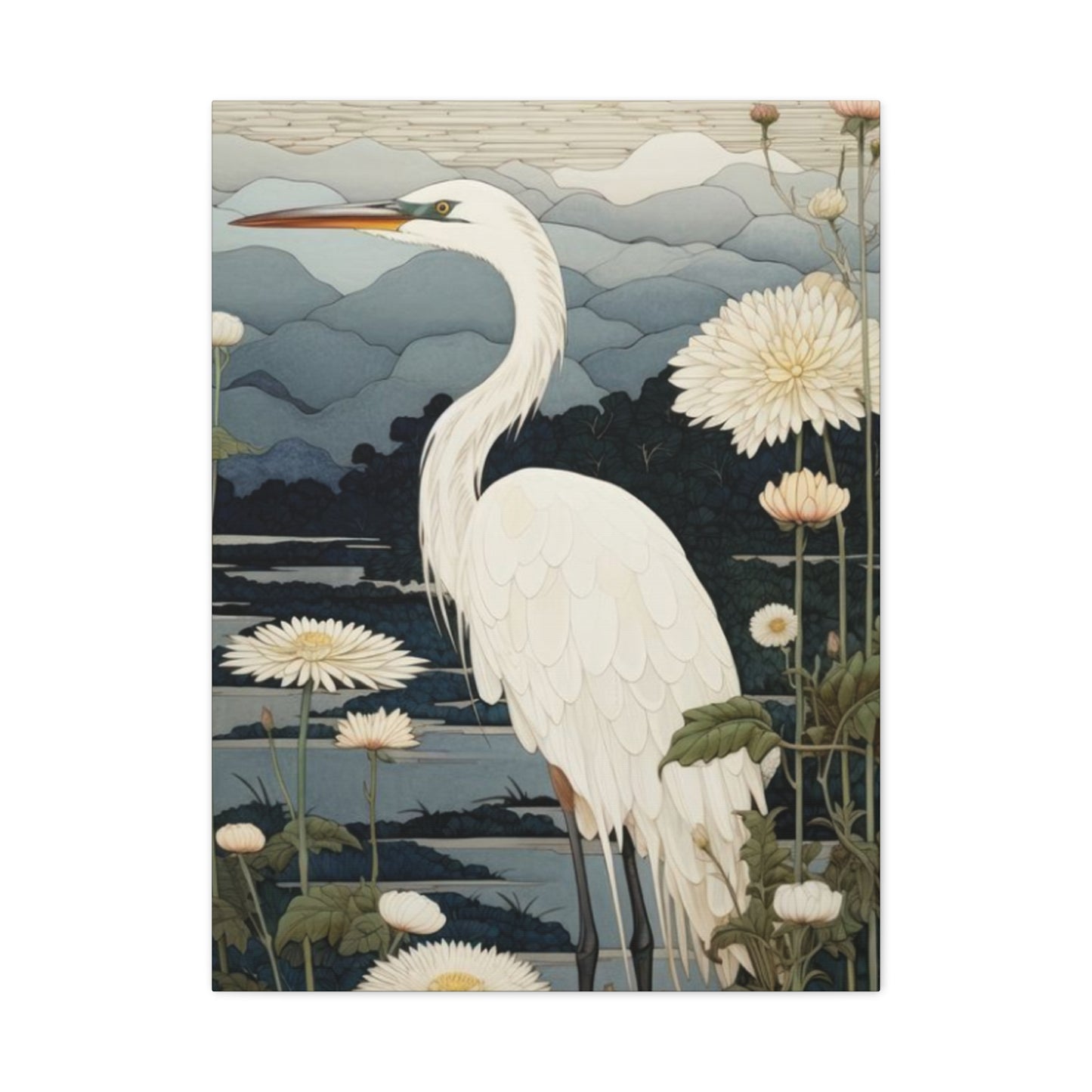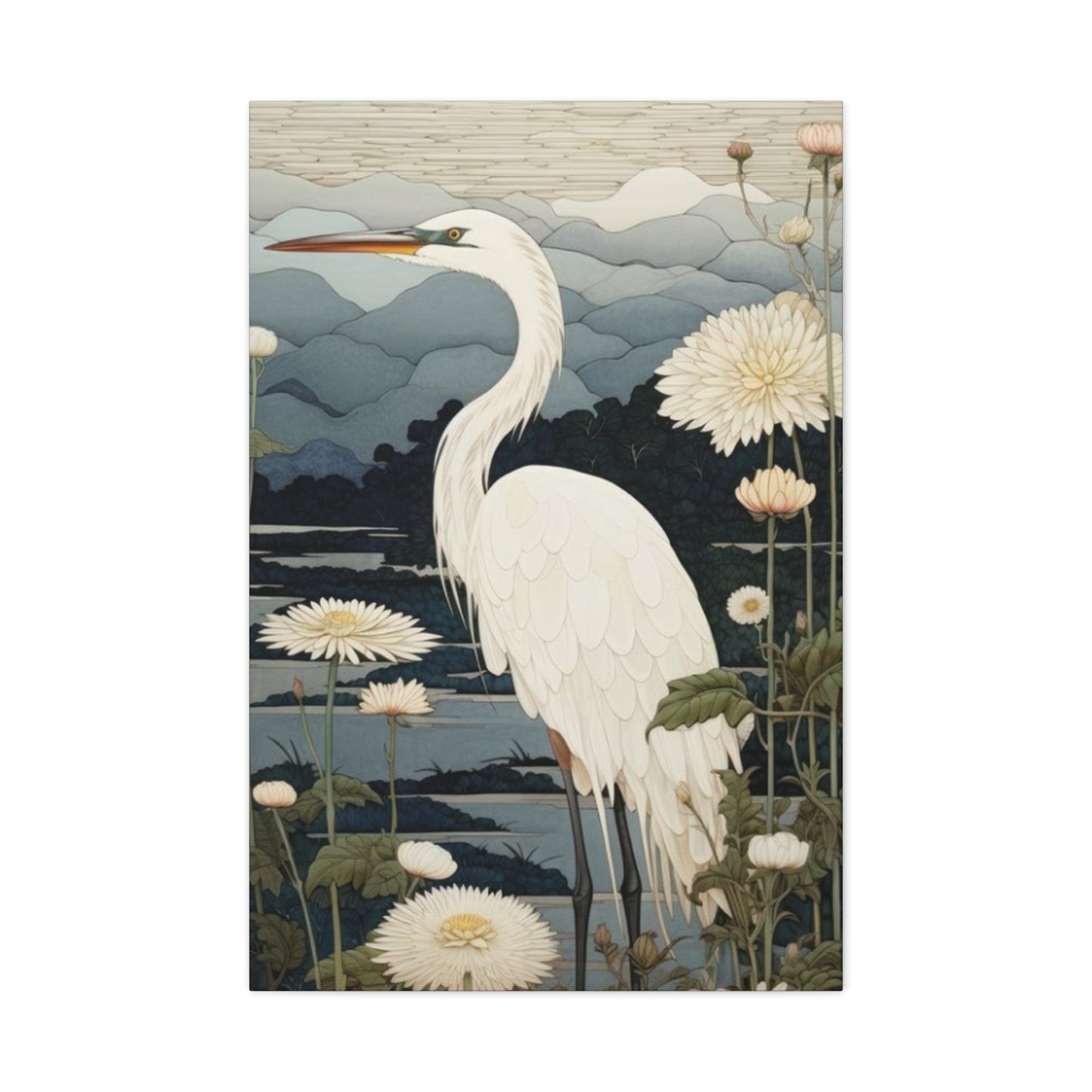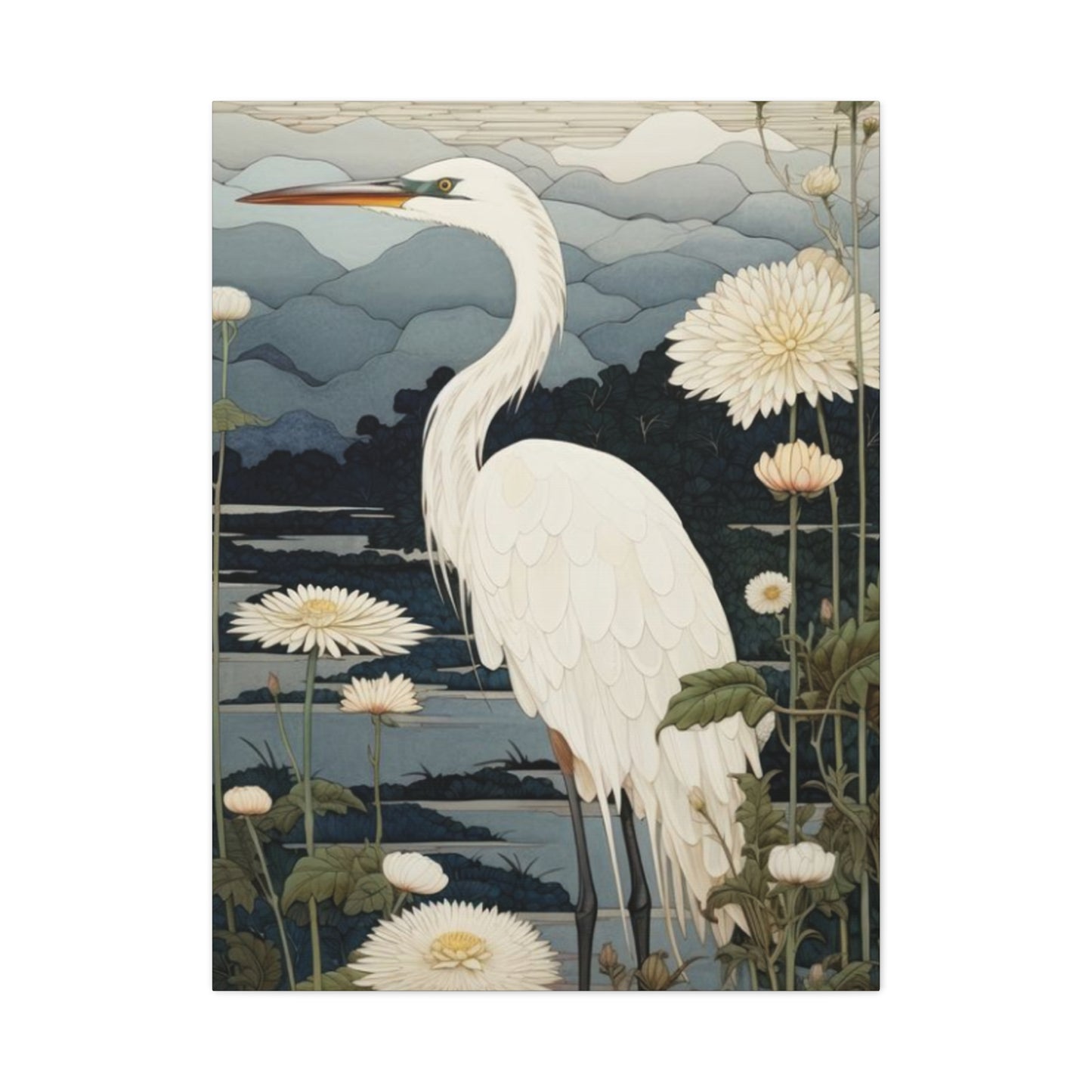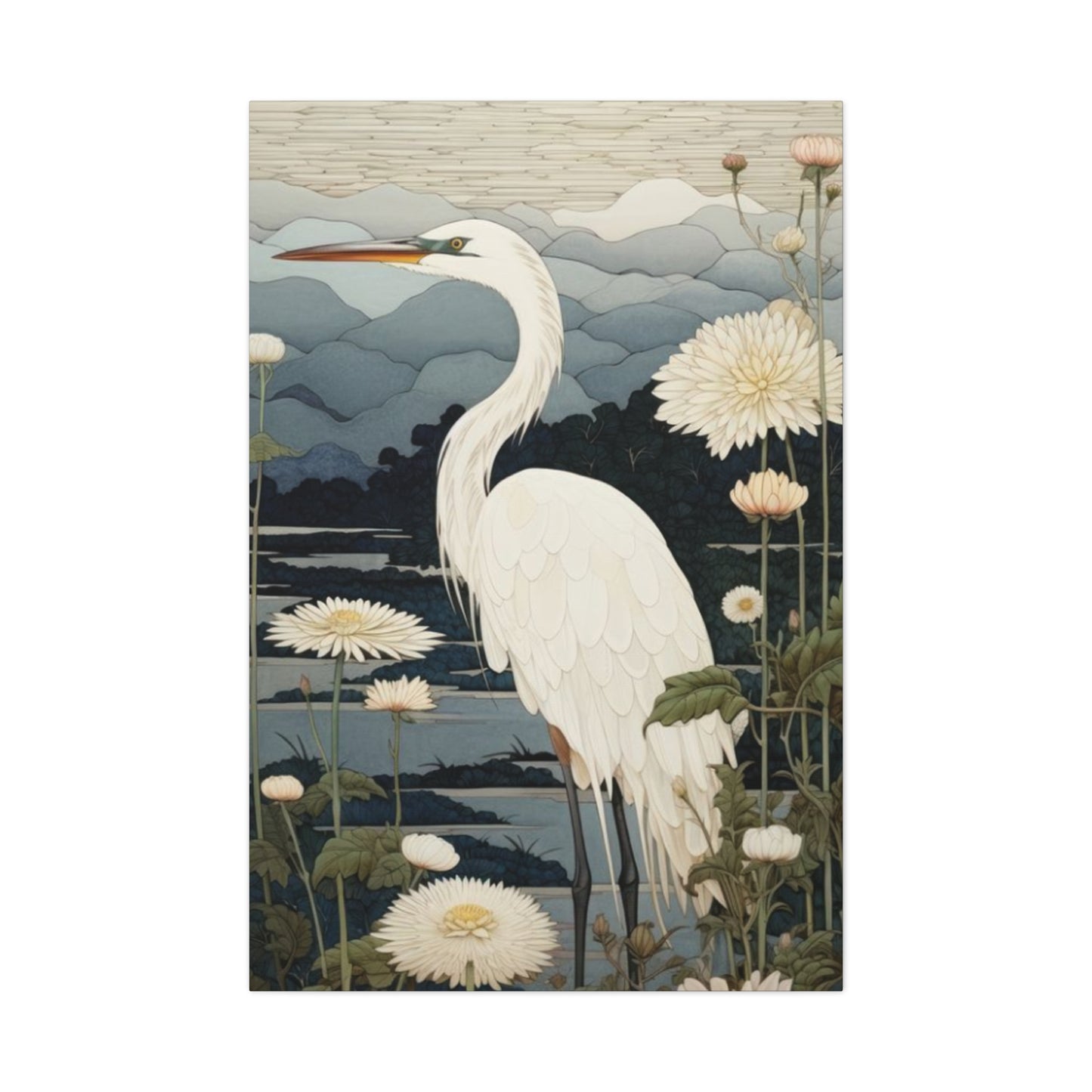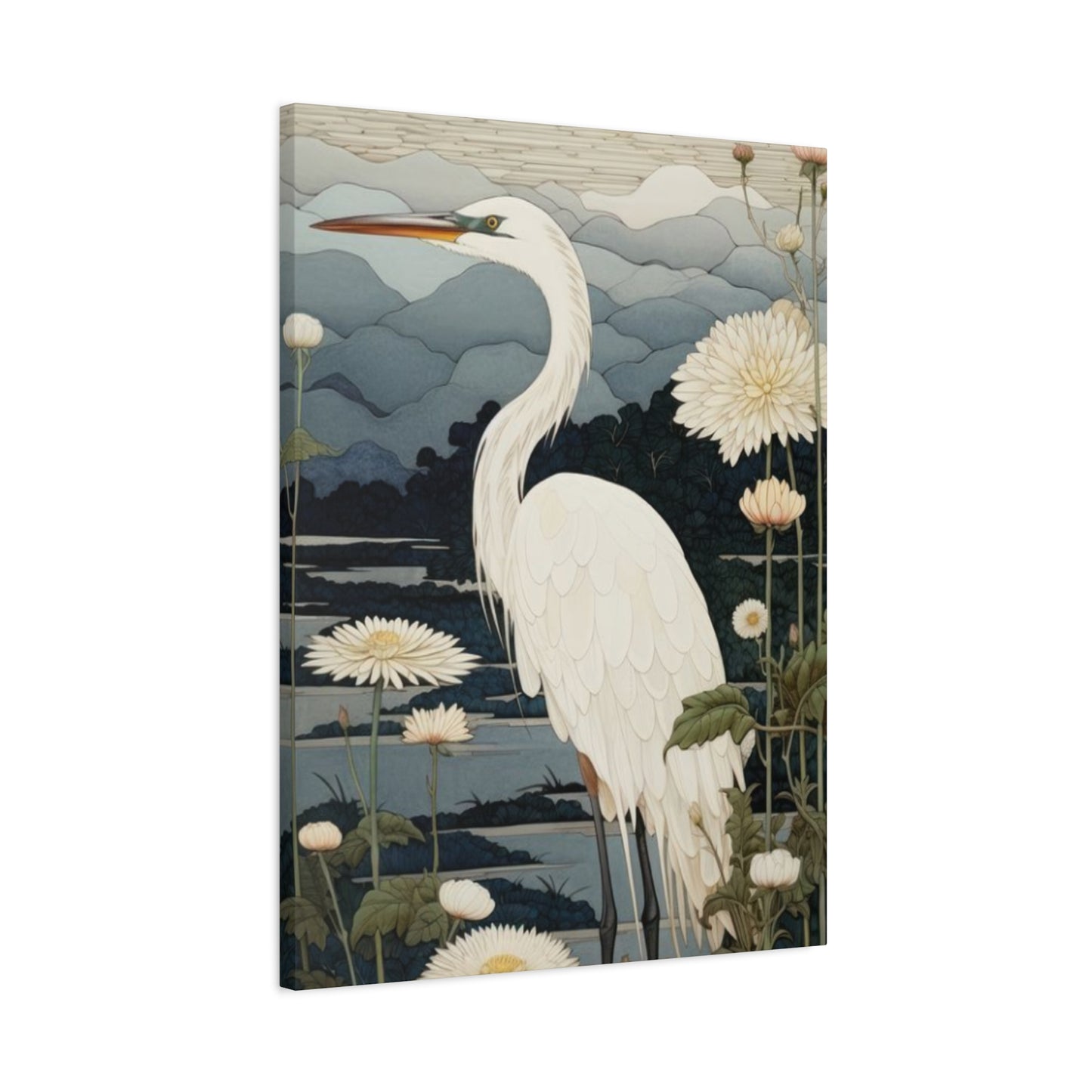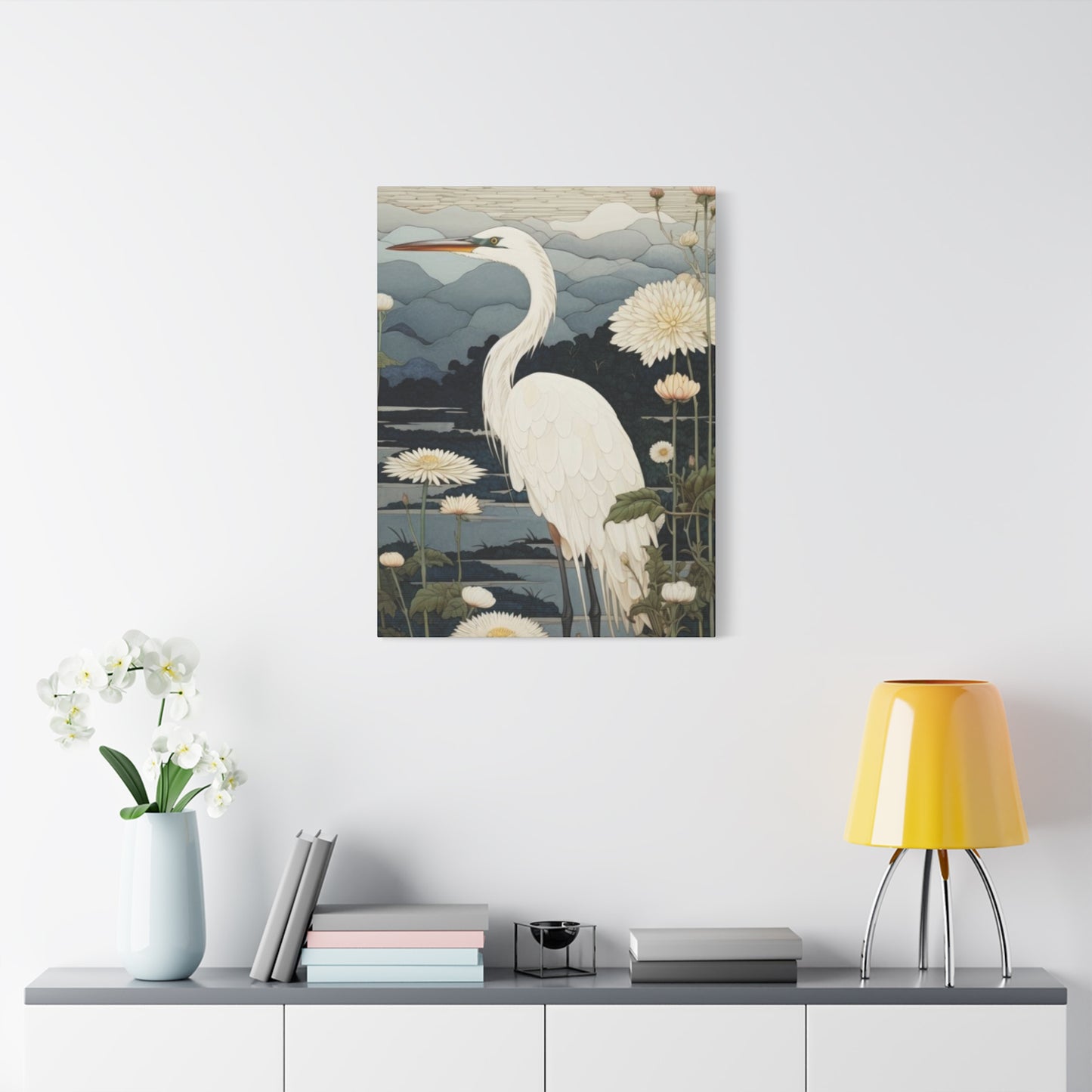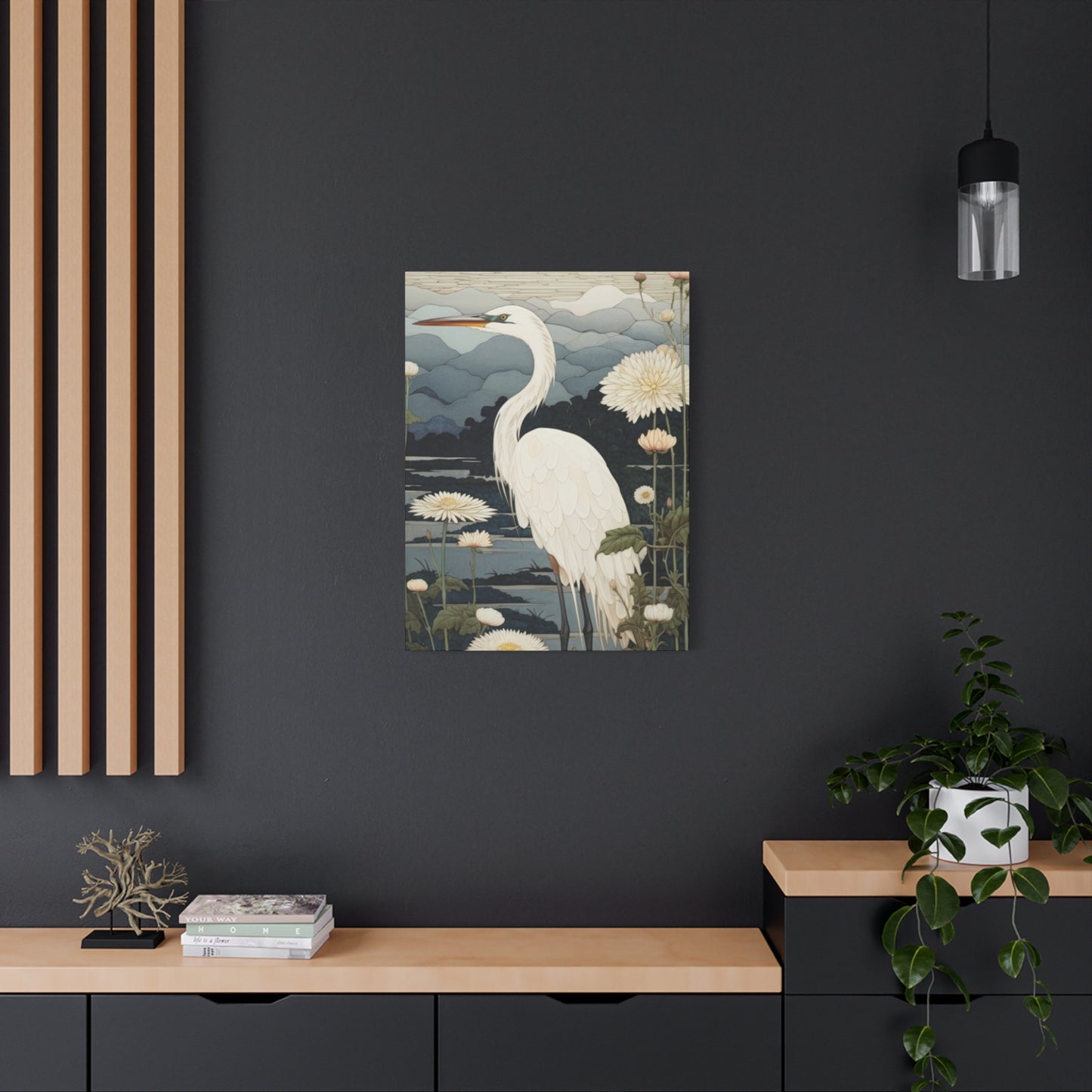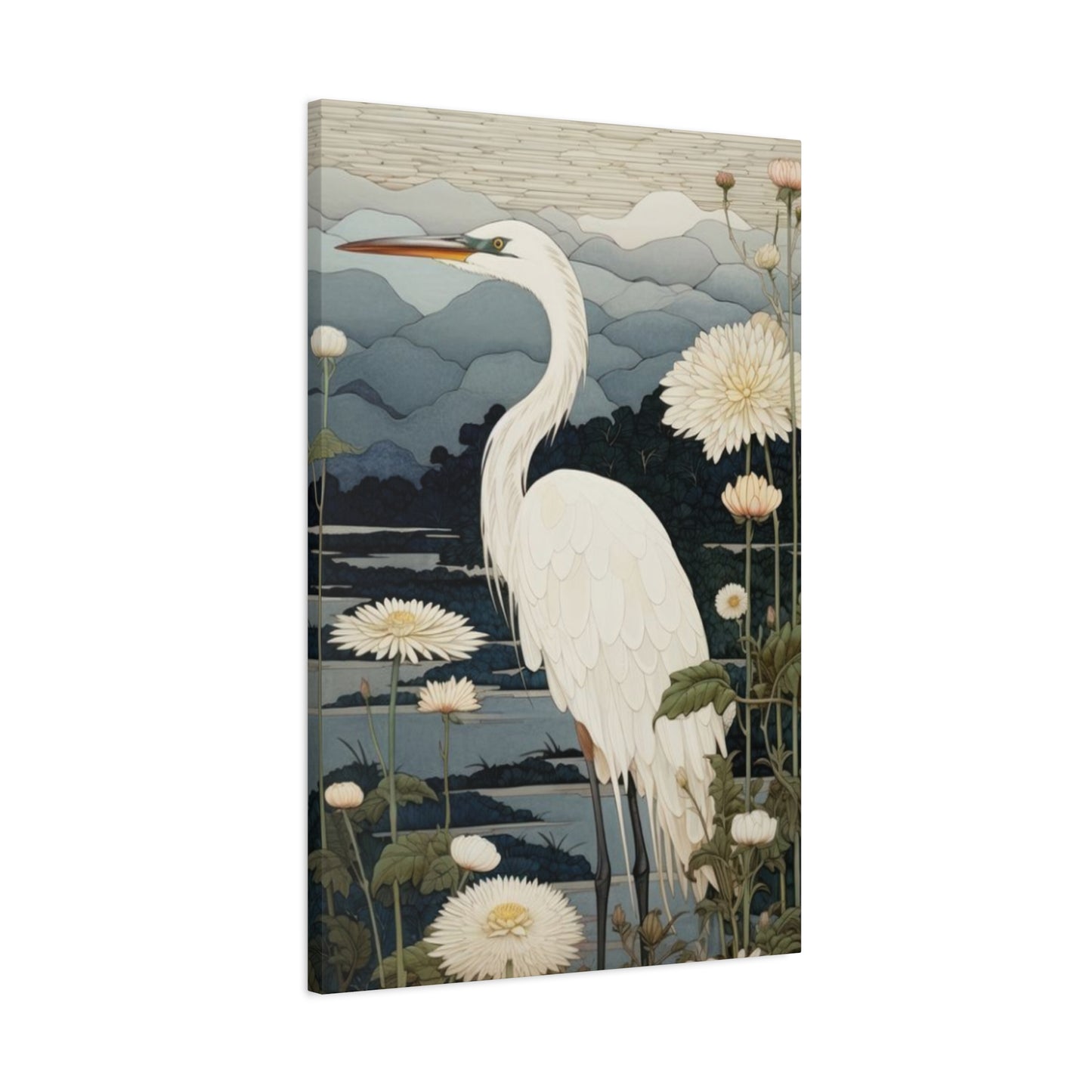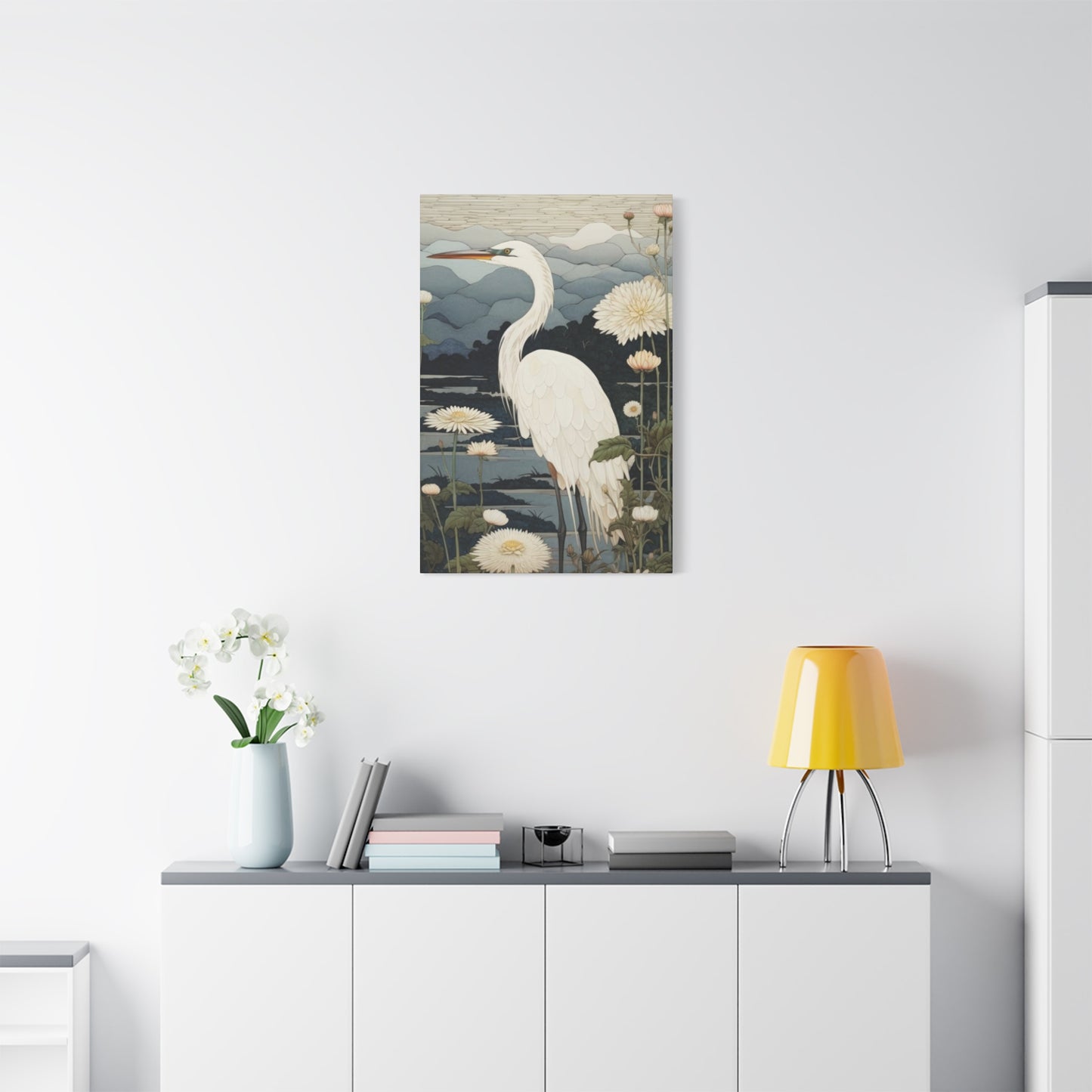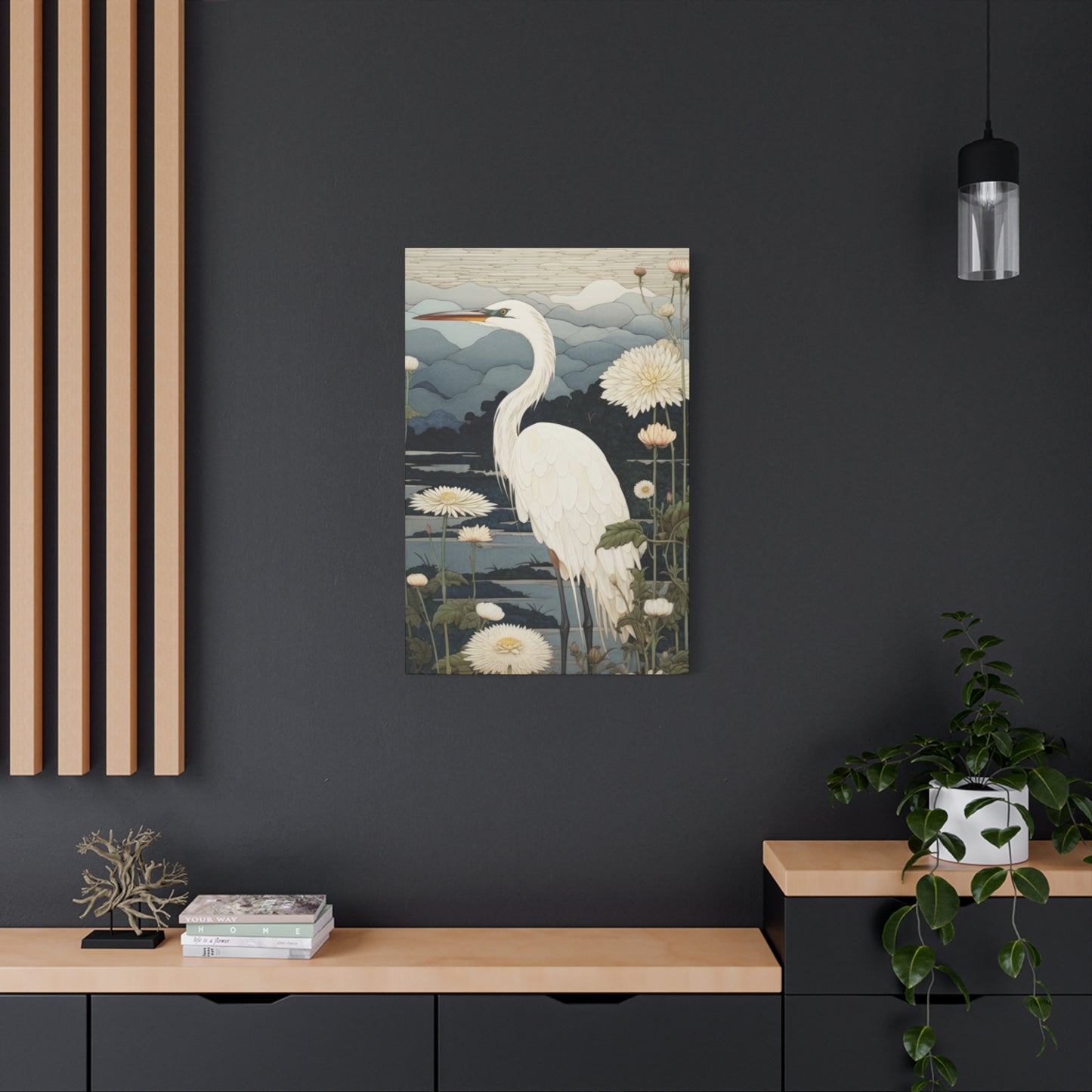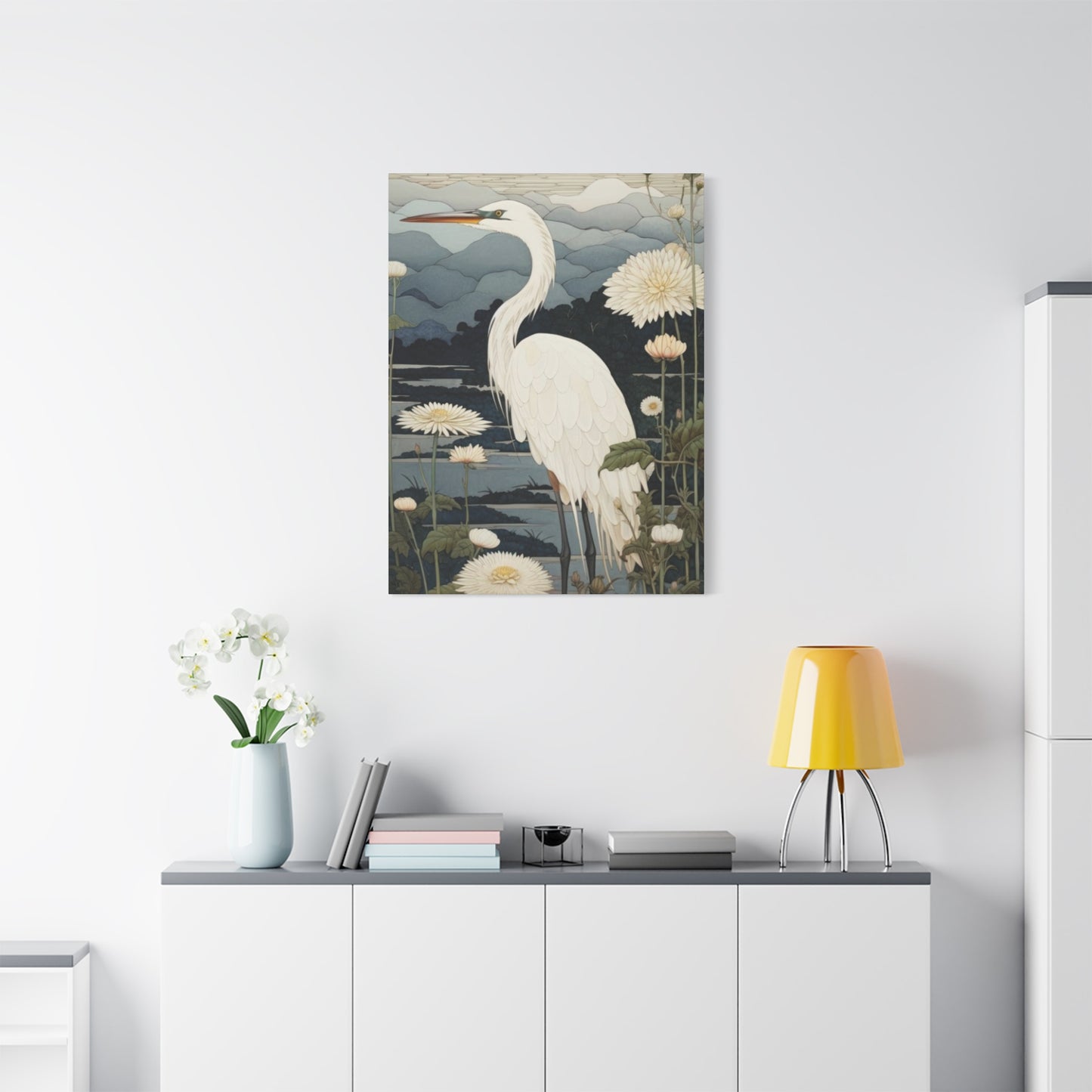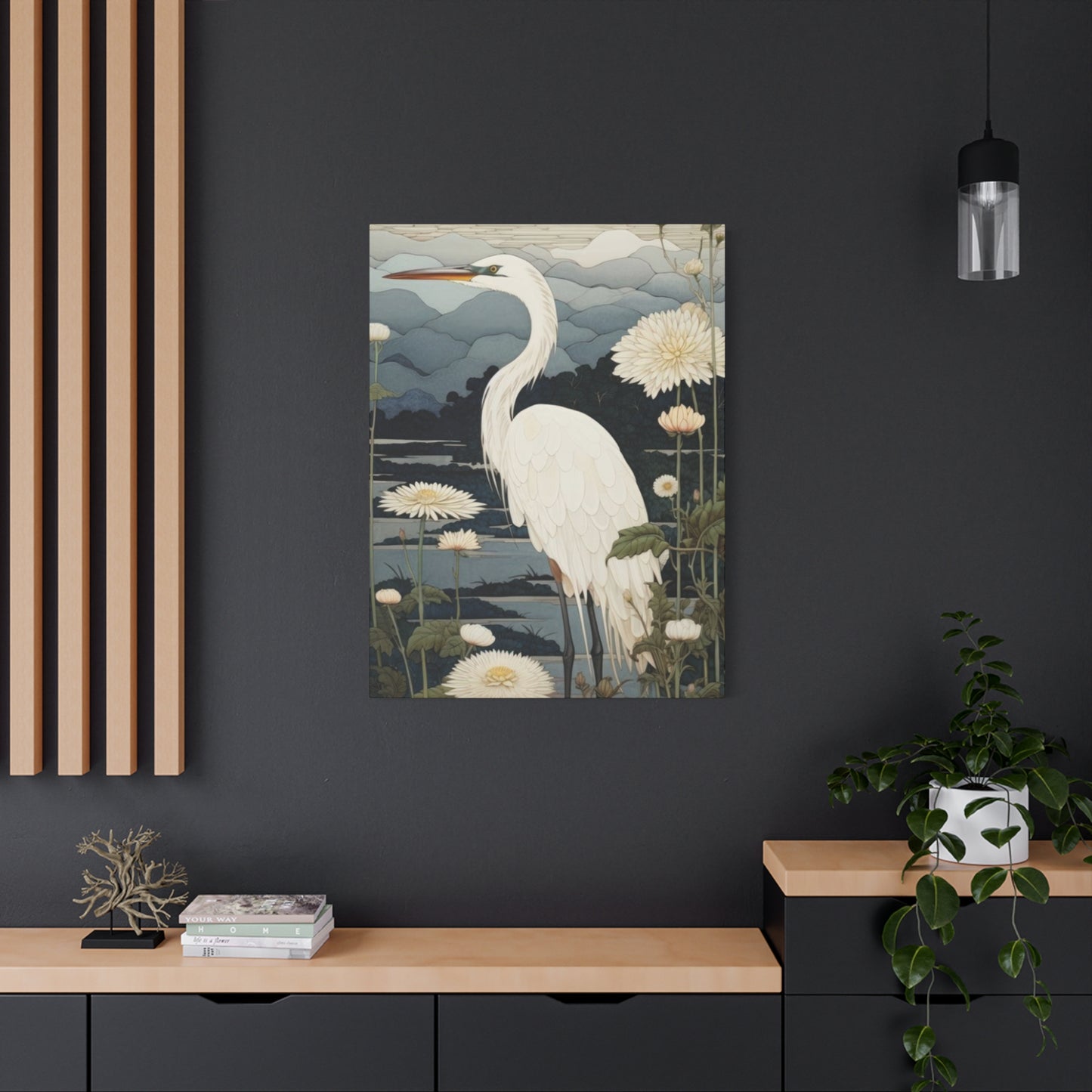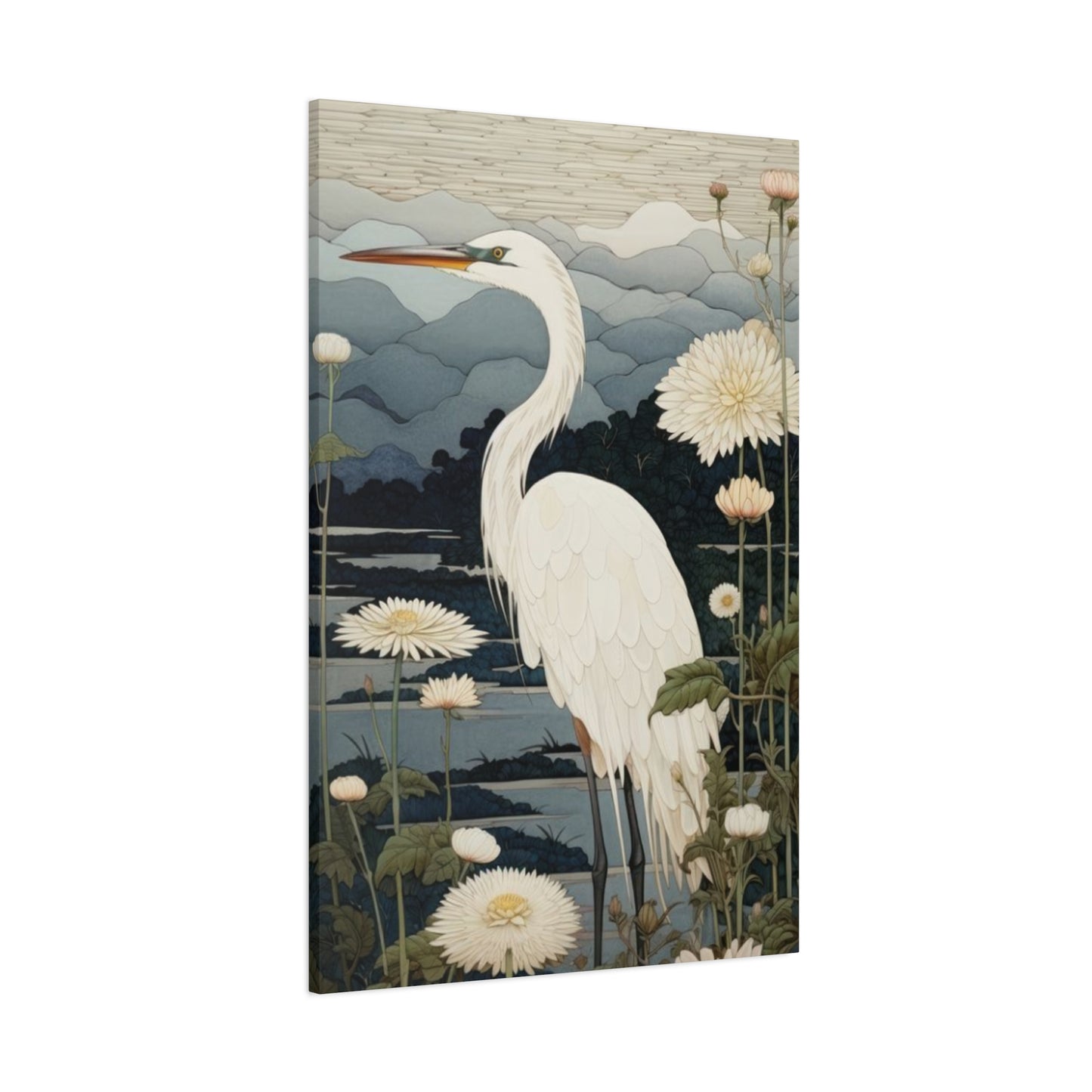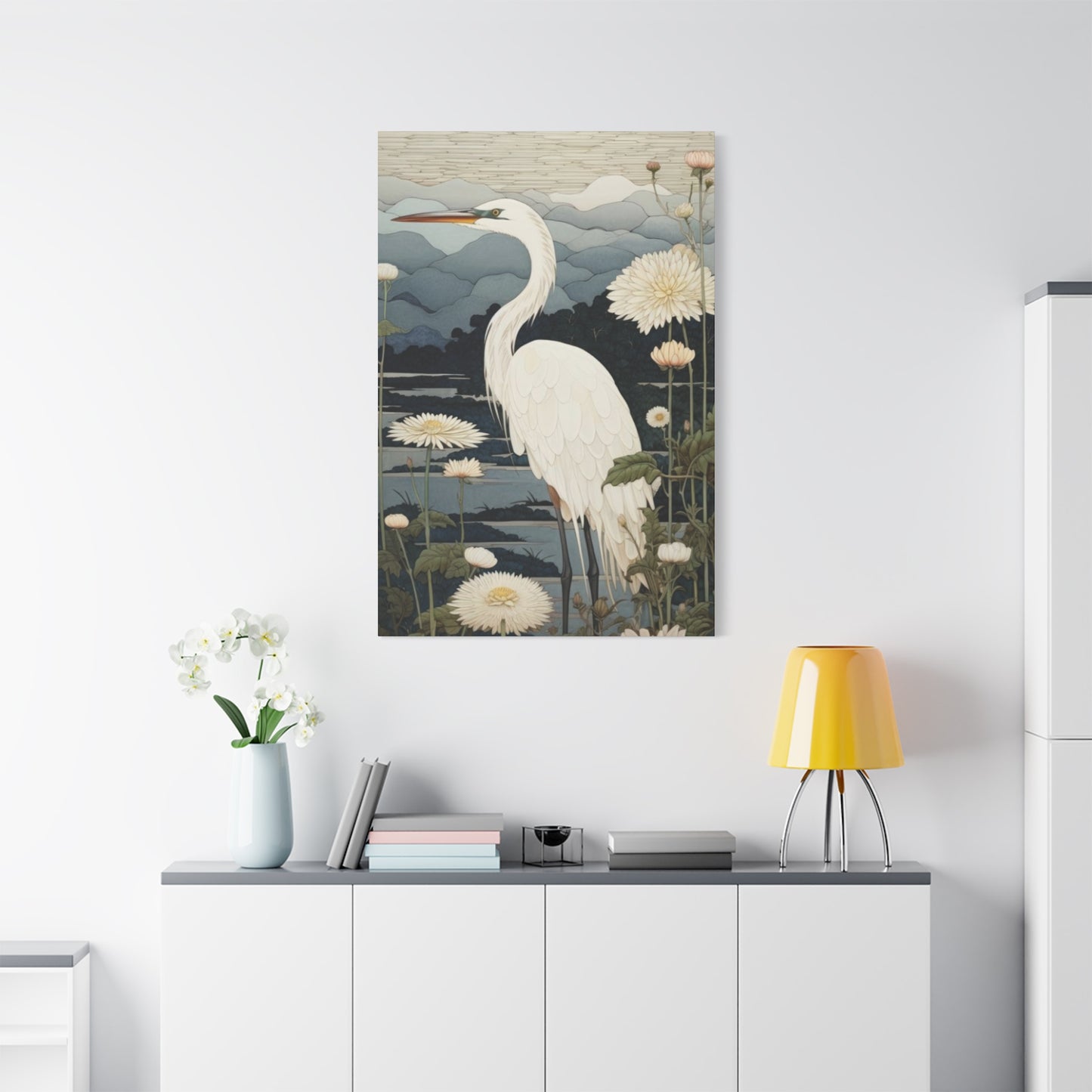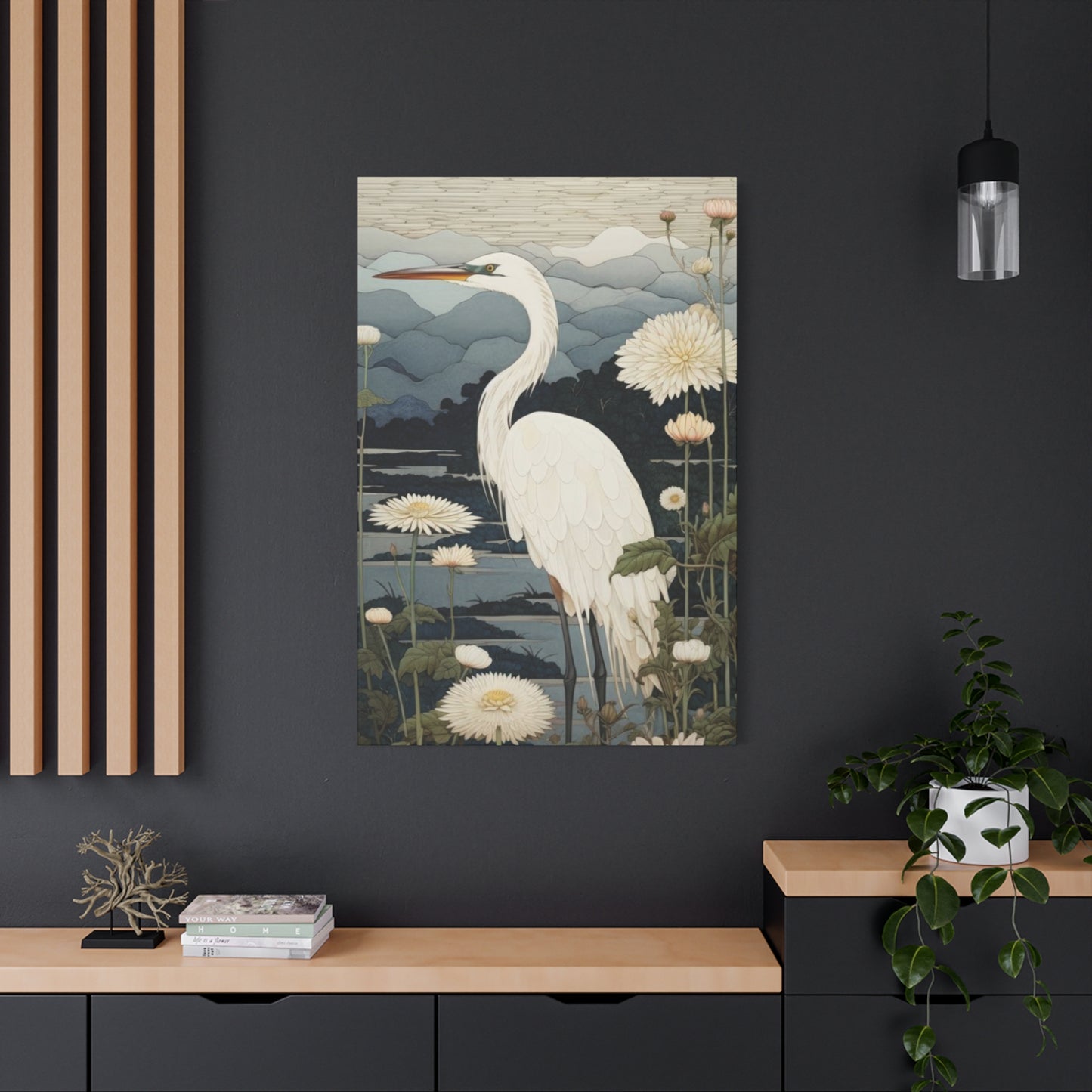


Flamingo Bird Wall Art & Canvas Prints
Flamingo Bird Wall Art & Canvas Prints
Couldn't load pickup availability
Bringing Vibrant Tropical Elegance Into Your Living Spaces With Flamingo Bird Wall Art
The magnificent presence of flamingos has captivated human imagination for centuries, and today, these stunning pink wading birds have become one of the most sought-after decorative elements in contemporary interior design. When you incorporate flamingo bird wall art into your home or workspace, you're not merely adding a decorative piece; you're inviting a symphony of colors, elegance, and tropical charm that transforms any mundane wall into a captivating focal point. These remarkable creatures, with their distinctive curved beaks and brilliant plumage, offer an unparalleled aesthetic appeal that resonates with diverse design sensibilities.
The rising popularity of flamingo-themed decor stems from a perfect convergence of several factors that appeal to modern homeowners and designers alike. First, the inherent visual drama these birds possess makes them ideal subjects for artistic representation. Their naturally occurring pink coloration, which ranges from pale blush to deep coral, provides an immediate pop of color that can either complement existing color schemes or serve as a bold statement piece. Second, flamingos embody a sense of exotic luxury and tropical paradise, evoking memories of beach vacations, sunset cocktails, and carefree summer days. This emotional connection transforms a simple wall hanging into a portal that transports viewers to warmer, more relaxed environments.
Why Flamingo Imagery Creates Such Powerful Visual Impact In Modern Homes
The visual dominance of flamingo bird wall art derives from several distinct characteristics that set these avian subjects apart from other decorative motifs. The elongated, graceful neck of a flamingo creates elegant lines that draw the eye naturally upward, adding vertical interest to room compositions. This inherent verticality makes flamingo artwork particularly effective in spaces with high ceilings or narrow walls where horizontal pieces might feel disproportionate. The curved posture that flamingos naturally adopt, whether standing on one leg or bending to feed, introduces organic, flowing shapes that soften the angular geometry typically found in modern architecture and furniture design.
Beyond their structural elegance, flamingos possess a color palette that interior designers dream about. The various shades of pink found in flamingo plumage interact beautifully with a surprising range of color schemes. In spaces dominated by cool tones like blues, greens, and grays, flamingo art introduces warmth without overwhelming the existing palette. Conversely, in rooms featuring warm neutrals like beige, cream, and tan, the pink tones create harmonious resonance while adding necessary visual excitement. Even in predominantly white or minimalist spaces, flamingo bird wall art provides just enough color to prevent sterility without disrupting the clean, uncluttered aesthetic.
The tropical associations that flamingos carry extend far beyond mere beach-house kitsch when executed thoughtfully. These birds inhabit some of the world's most visually stunning environments, from the shallow lagoons of the Caribbean to the alkaline lakes of East Africa. When depicted in their natural habitats, flamingo artwork incorporates additional layers of visual interest through complementary elements like palm fronds, tropical flowers, turquoise waters, and golden sunsets. This contextual richness allows flamingo bird wall art to function as a complete scenic composition rather than a simple animal portrait.
Different Artistic Styles And Mediums For Showcasing Flamingos On Your Walls
The versatility of flamingo imagery becomes apparent when examining the diverse artistic approaches available to consumers. Photographic representations offer hyper-realistic portrayals that capture every delicate feather, the subtle gradations of pink coloration, and the reflective quality of water surrounding these wading birds. High-resolution photography printed on premium canvas or metal substrates delivers museum-quality results that appeal to those who appreciate naturalistic accuracy. These photographic pieces work exceptionally well in contemporary settings where clean lines and realistic imagery align with the overall design philosophy.
Watercolor interpretations of flamingos bring an entirely different energy to wall decor. The fluid, unpredictable nature of watercolor painting creates soft edges and color bleeding that perfectly captures the ethereal quality of flamingos wading through shallow waters at dawn or dusk. The transparency inherent to watercolor techniques allows for luminous layering effects where pale pinks glow with inner light, and background washes suggest tropical atmospheres without overwhelming the primary subject. These softer, more impressionistic renderings suit spaces designed around romantic, feminine, or bohemian aesthetics where harder-edged artwork might feel discordant.
Abstract and geometric interpretations push flamingo imagery into more daring design territory. Artists working in these modes deconstruct the flamingo form into essential shapes, bold color blocks, and stylized patterns that retain the essence of the subject while introducing modernist sensibilities. A flamingo rendered in angular, faceted planes might incorporate unexpected color variations—electric blues, vibrant purples, metallic golds—that expand the decorative possibilities beyond natural color limitations. These contemporary treatments appeal to collectors with bold tastes who want flamingo bird wall art that makes unequivocal statements rather than subtle suggestions.
Line drawing and minimalist illustrations represent another popular approach, particularly among those drawn to Scandinavian design principles or modern simplicity. A single continuous line tracing the elegant contours of a flamingo's neck, body, and legs creates visual impact through restraint rather than elaboration. These pared-down representations often feature black ink on white backgrounds or vice versa, making them incredibly versatile pieces that integrate seamlessly into virtually any existing decor scheme. The sophisticated simplicity of minimalist flamingo art appeals to viewers who appreciate clever artistic economy and understated elegance.
Mixed media compositions combine multiple artistic techniques and physical materials to create textured, dimensional pieces that transcend traditional flat artwork. A mixed media flamingo might incorporate painted elements alongside collaged papers, fabric appliques, metallic leaf, or even three-dimensional components that project from the surface. These richly layered creations offer tactile interest alongside visual appeal, inviting closer inspection that reveals hidden details and artistic choices not immediately apparent from a distance. For collectors seeking truly unique statement pieces, mixed media flamingo bird wall art provides unmatched individuality.
Strategic Placement Considerations That Maximize The Impact Of Flamingo Artwork
The location where you hang flamingo bird wall art significantly influences both its visual impact and the overall atmosphere it creates within a space. Living rooms present numerous opportunities for flamingo artwork, with the wall above the sofa serving as the most traditional and effective placement. A large-scale flamingo piece or a coordinated grouping of smaller works creates a focal point that anchors the seating area while providing conversational interest for guests. The key to successful placement above furniture involves proportional considerations—the artwork should span approximately two-thirds to three-quarters of the furniture width below it to achieve visual balance.
Dining spaces benefit tremendously from flamingo imagery that enhances the social, celebratory atmosphere these rooms are meant to foster. The tropical, vacation-like associations that flamingos carry help create a relaxed, convivial mood perfect for dinner parties and family gatherings. In formal dining rooms, a single large flamingo piece positioned on the wall opposite the entry creates an immediate visual destination that draws guests into the space. For more casual dining areas or breakfast nooks, smaller flamingo prints arranged in asymmetrical clusters add playful personality without overwhelming the intimate scale of these spaces.
Bedroom environments offer unique opportunities to leverage the calming, dream-like qualities that softer flamingo artwork can provide. When selecting pieces for sleeping quarters, consider flamingo bird wall art rendered in soothing color palettes—pale pinks, soft corals, dusty mauves—that promote relaxation rather than stimulation. Positioning flamingo art on the wall opposite the bed allows it to serve as the first visual impression upon waking, setting a positive, aesthetically pleasing tone for the day ahead. Alternatively, placing flamingo pieces on the wall behind the headboard, though invisible from the bed itself, creates impact for anyone entering the room and establishes the decorative theme immediately.
Bathrooms, particularly those designed around tropical, spa-like, or coastal themes, provide natural homes for flamingo decor. The association between flamingos and water makes these birds especially appropriate for moisture-prone environments. When selecting flamingo bird wall art for bathrooms, ensure the medium and mounting materials can withstand humidity without warping, fading, or developing mold. Canvas prints sealed with moisture-resistant coatings or metal prints work particularly well in these spaces. Powder rooms and guest bathrooms allow for bolder, more whimsical flamingo treatments since these spaces are used briefly and guests often appreciate unexpected decorative flourishes.
Home offices and creative workspaces benefit from flamingo artwork that introduces organic beauty and color into environments that might otherwise feel overly utilitarian. The presence of nature imagery, even stylized representations, has been shown to reduce stress and enhance mood—valuable attributes in work environments. Positioning flamingo bird wall art within your direct line of sight from your desk provides momentary visual escapes during intense work sessions, allowing your eyes and mind brief respites that can actually enhance productivity and creativity.
Selecting The Perfect Size And Scale For Your Available Wall Space
Determining appropriate sizing for flamingo bird wall art involves more than simply measuring your available wall space, though those measurements certainly provide essential starting parameters. A common mistake involves selecting artwork that's too small for the designated area, resulting in pieces that appear insignificant or lost against expansive walls. As a general guideline, wall art should occupy roughly sixty to seventy-five percent of the available wall width in most residential applications. This proportion ensures the artwork feels substantial without overwhelming the space or leaving insufficient visual breathing room around its perimeter.
Large-scale flamingo pieces, those measuring forty inches or larger in any dimension, command attention and work beautifully as standalone statement pieces. These substantial works suit spacious rooms with high ceilings where smaller pieces would disappear visually. A life-sized or near-life-sized flamingo rendering creates dramatic impact, particularly when the artwork depicts the bird in an active pose with wings spread or neck extended. The monumentality of oversized flamingo bird wall art transforms it from mere decoration into a defining characteristic of the room itself, around which other design elements naturally organize themselves.
Medium-sized flamingo artwork, typically ranging from twenty to forty inches, offers versatility that explains its popularity. These dimensions work effectively above furniture, in hallways, or as components within gallery wall arrangements. Medium pieces provide sufficient scale to make clear visual statements without requiring the extensive wall space that large-scale works demand. For collectors building flamingo-themed arrangements, medium-sized pieces serve as excellent anchor points around which smaller complementary works can be clustered.
Small flamingo prints and drawings, generally under twenty inches in their largest dimension, excel in intimate spaces, as accent pieces within larger arrangements, or in collections that create impact through quantity rather than individual scale. A grid of nine small flamingo studies, each depicting a different pose or perspective, can create as much visual interest as a single large piece while offering greater compositional flexibility. Small-scale flamingo bird wall art also presents lower financial barriers to entry, allowing collectors to experiment with different styles and artists before committing to larger investments.
Vertical versus horizontal orientation significantly affects how flamingo artwork interacts with its surroundings. Vertically oriented pieces emphasize the natural height and grace of flamingos, drawing the eye upward and making rooms feel taller. These orientations work particularly well flanking windows, in narrow wall spaces, or in rooms where additional vertical emphasis complements the existing architecture. Horizontally oriented flamingo compositions, perhaps depicting multiple birds in a group or a single bird against an expansive tropical landscape, create lateral visual movement that can make narrow rooms feel wider. Panoramic flamingo scenes in extremely wide formats create cinematic impact while complementing low-profile furniture arrangements.
Color Coordination Strategies That Harmonize Flamingo Art With Existing Decor
Successfully incorporating flamingo bird wall art into established color schemes requires thoughtful consideration of undertones, value contrasts, and color relationships. While flamingos are predominantly pink, the specific shade varies considerably depending on diet, age, species, and artistic interpretation. Caribbean flamingos display more vibrant coral-pink plumage, while Andean flamingos show paler, more delicate coloration. Understanding these variations helps you select artwork that harmonizes with rather than clashes against your existing palette.
In rooms featuring cool color schemes dominated by blues, greens, and purples, flamingo art introduces complementary warmth that prevents spaces from feeling cold or uninviting. The pink tones in flamingo plumage sit opposite blue-green on the color wheel, creating pleasing visual tension and balance. This complementary relationship explains why flamingo bird wall art pairs so beautifully with turquoise accent walls, navy blue furnishings, or seafoam green textiles. The natural contrast between warm pinks and cool blues also enhances the visibility and impact of the artwork, ensuring it doesn't blend into backgrounds.
Rooms decorated in warm neutral palettes—beiges, tans, creams, warm grays—provide sympathetic backgrounds where flamingo art can shine without competing against strongly colored walls or furnishings. The warmth inherent in these neutral tones shares an affinity with the warm pink hues of flamingo plumage, creating harmonious relationships that feel cohesive and intentional. In these settings, flamingo bird wall art functions as the primary color accent, injecting personality and vitality into spaces that might otherwise feel bland or generic. Supporting the flamingo colors with coordinating accessories—throw pillows in coral, table lamps with rose gold finishes, or area rugs with pink accents—strengthens the overall design cohesion.
Monochromatic white or predominantly white interiors benefit enormously from the color injection that flamingo artwork provides. Against stark white walls, the pinks of flamingo bird wall art pop with particular vibrancy, creating focal points that anchor otherwise minimal spaces. This contrast approach works exceptionally well in contemporary and Scandinavian-inspired interiors where clean simplicity predominates. The key to success in these high-contrast settings involves ensuring the pink tones in your flamingo art contain enough intensity to register as intentional statements rather than weak pastels that might appear washed out against bright white backgrounds.
For bold, eclectic interiors that already incorporate multiple strong colors, selecting flamingo art with complex, varied palettes ensures it holds its own within the visual competition. Multi-colored abstract flamingo pieces or realistic renderings that include rich background elements—deep blue waters, golden sunsets, lush tropical foliage—contain sufficient color complexity to resonate with other vibrant elements in the room. In these maximalist settings, flamingo bird wall art contributes to the overall sense of abundance and visual richness rather than standing apart as a discrete element.
Framing Options And Presentation Methods That Enhance Flamingo Artwork
The framing and presentation choices you make for flamingo bird wall art significantly impact both its visual appeal and its perceived value. Traditional wooden frames offer timeless elegance and work across diverse decorating styles. Light-colored wood frames in natural oak, blonde ash, or whitewashed finishes create casual, beachy vibes that reinforce the tropical associations of flamingo imagery. These lighter frames suit coastal, cottage, or Scandinavian interiors where dark, heavy framing would feel discordant. Darker wood frames in espresso, walnut, or mahogany tones introduce formality and sophistication, elevating flamingo art from playful decoration to serious artistic statement worthy of more traditional or formal spaces.
Metal frames deliver contemporary edge particularly appropriate for modern or industrial interiors. Sleek black metal frames create dramatic contrast that emphasizes the artwork while introducing crisp, clean lines aligned with modernist sensibilities. Gold or rose gold metal framing adds glamorous luxury that pairs beautifully with the pink tones in flamingo plumage, creating coordinated metallic accents throughout the composition. Brushed silver or aluminum frames offer neutral metallic options that don't introduce warm or cool color bias, making them versatile choices when you're uncertain about committing to gold or black.
Floater frames create the illusion that artwork floats within the frame rather than sitting directly against it, with a gap of a quarter to half inch separating canvas edges from frame interior. This mounting style works spectacularly with canvas or panel-mounted flamingo bird wall art, adding dimensional interest and shadow play that enhances the artwork's presence. Floater frames suit contemporary and transitional interiors where traditional frame styles might feel dated or overly ornate. The visible gap also prevents the frame from visually competing with the artwork, ensuring the flamingo imagery remains the undisputed focal point.
Frameless presentation methods have gained considerable popularity, particularly for canvas prints and metal prints. Gallery-wrapped canvases where the image continues around the sides create finished presentations that don't require framing, reducing both cost and visual weight. These frameless canvases project a casual, artistic vibe appropriate for relaxed, contemporary spaces. Metal prints mounted directly to walls with standoff hardware create ultra-modern presentations with striking dimensional depth. The reflective quality of metal surfaces also enhances the luminosity of flamingo bird wall art, making colors appear more vibrant and saturated.
Matting considerations affect both the visual impact and the perceived value of framed flamingo artwork. Wide mats, typically three to four inches on all sides, create breathing room around the artwork that prevents it from feeling cramped within its frame. This spacious presentation elevates prints and drawings, making even modest-sized pieces appear more substantial. Mat color selection influences how viewers perceive the artwork—white and cream mats provide neutral, classic presentations, while colored mats can either complement or contrast with the flamingo imagery. A soft blush mat might harmonize beautifully with pink plumage, while a seafoam green mat could reference tropical waters and create pleasing color echoes.
Creating Stunning Gallery Wall Arrangements Featuring Flamingo Themes
Gallery walls allow you to develop complex, layered compositions that tell visual stories while maximizing impact in ways single pieces cannot achieve. When designing flamingo-themed gallery walls, you can choose between curated collections where every piece features flamingo imagery and more eclectic arrangements where flamingo bird wall art appears alongside complementary subjects and themes. Purely flamingo-focused galleries work beautifully in spaces dedicated to tropical or coastal themes, creating immersive environments where the repeated motif reinforces the overall design concept.
Symmetrical grid arrangements bring order and formality to flamingo gallery walls. These layouts feature identical frame sizes arranged in precise rows and columns, creating patterns that appeal to orderly sensibilities. A three-by-three grid of identically framed flamingo prints delivers clean, modern impact perfect for contemporary spaces. The uniformity of spacing and sizing in grid arrangements creates visual calm despite potentially diverse imagery within the frames. This approach works particularly well when you've collected multiple works from a single series or by a single artist, ensuring stylistic consistency across the arrangement.
Asymmetrical salon-style galleries embrace organized chaos, mixing various sizes, orientations, and frame styles to create dynamic, collected-over-time aesthetics. These arrangements require more planning to achieve balanced compositions, but the resulting visual richness rewards the effort. When creating salon walls with flamingo bird wall art, start by identifying your largest piece, which will serve as the anchor point. Position this piece at approximately eye level, then build outward, surrounding it with progressively smaller works. Maintaining consistent spacing between frames, typically two to three inches, helps unify disparate elements into cohesive compositions.
Themed gallery walls expand beyond flamingos to include related tropical subjects—palm leaves, pineapples, tropical flowers, beach scenes—that reinforce the overall aesthetic without strict repetition. This approach prevents visual monotony while maintaining thematic coherence. Within these broader tropical galleries, flamingo bird wall art often serves as the hero pieces due to their distinctive appearance and inherent visual interest. Supporting cast members complement without competing, creating layered environments that reward extended viewing as new details reveal themselves upon repeated encounters.
Linear horizontal arrangements create streamlined presentations ideal for spaces above sofas, beds, or consoles where vertical space is limited but horizontal expanse is abundant. These layouts typically feature three to five pieces arranged in a single horizontal row, with careful attention to visual weight distribution. Balancing larger pieces with smaller ones prevents lopsided compositions where one end feels heavier than the other. When incorporating flamingo bird wall art into horizontal arrangements, consider alternating portrait and landscape orientations to introduce visual rhythm and prevent monotonous repetition.
Vertical stacked arrangements work beautifully in narrow wall spaces flanking windows, doors, or in hallways where width is constrained but height is available. These vertical galleries draw the eye upward, emphasizing room height while making efficient use of otherwise challenging wall areas. Flamingo imagery, with its natural verticality, suits this arrangement style particularly well. Stacked galleries typically work best with odd numbers of pieces—three, five, or seven—arranged with the most visually substantial piece positioned at or slightly below eye level to anchor the composition.
Pairing Flamingo Artwork With Complementary Decorative Elements And Accessories
Creating cohesive, professionally designed interiors involves extending visual themes beyond wall art into supporting decorative elements. When you've invested in beautiful flamingo bird wall art, reinforcing its presence through thoughtfully selected accessories strengthens the overall design impact. Textile selections offer immediate opportunities for thematic reinforcement—throw pillows featuring coordinating pink tones or even subtle flamingo motifs create visual dialogue between wall art and furnishings. These textiles need not literally depict flamingos; solid colors in coral, blush, or salmon that echo plumage tones suffice to establish connections.
Area rugs ground seating arrangements while offering another opportunity to support flamingo themes. Tropical-inspired patterns incorporating botanical elements, geometric designs in complementary colors, or solid rugs in coordinating hues all work effectively. The size and placement of rugs affect how prominently they figure in the overall composition—large rugs that anchor entire seating groups make substantial visual statements and should harmonize clearly with flamingo bird wall art colors. Smaller accent rugs in entry areas or beside beds can introduce bolder patterns or more saturated colors without overwhelming spaces.
Table lamps and floor lamps provide both functional illumination and sculptural interest, making them valuable design elements beyond their utilitarian purposes. Lamps with coral, rose gold, or copper finishes introduce metallic accents that complement pink flamingo tones while adding luxurious shimmer. Lamp bases in tropical-inspired forms—ceramic pieces molded as palm leaves or bamboo, or even explicitly flamingo-shaped lamps—reinforce themes playfully. Lampshades in complementary colors or materials like natural linen that echoes beach environments complete the lighting compositions.
Decorative objects displayed on shelves, mantels, and consoles offer opportunities for smaller-scale thematic reinforcement. Coral specimens, either natural or decorative reproductions, introduce organic forms and coordinating colors. Metallic objects in rose gold or copper finishes echo flamingo plumage tones while contributing textural variety. Glass vessels in turquoise or aqua reference tropical waters often depicted alongside flamingos. Books with covers in complementary colors or tropical subject matter serve double duty as both decorative objects and reading material. When arranging these elements, group them in odd-numbered clusters—threes or fives—to create more dynamic, naturally appealing compositions than even-numbered groupings typically achieve.
Living plants bridge the gap between flamingo bird wall art and real-world tropical environments these birds inhabit. Large-leafed tropicals like monstera, bird of paradise, and philodendrons introduce dramatic organic forms that complement rather than compete with flamingo artwork. The lush greenery creates pleasing color contrast against pink plumage while reinforcing tropical themes. Even those without green thumbs can achieve these effects with high-quality faux plants, which have evolved dramatically in recent years to closely mimic their living counterparts. Positioning plants near flamingo artwork creates visual groupings that help anchor the art within the broader room composition.
Lighting Techniques That Showcase Flamingo Wall Art To Maximum Effect
Proper illumination transforms good artwork into stunning focal points while inadequate lighting renders even exceptional pieces disappointing. When lighting flamingo bird wall art, you're seeking to enhance color vibrancy, create dimensional interest through strategic shadows, and ensure the artwork remains visible under various lighting conditions throughout the day. Natural light presents both opportunities and challenges—while daylight reveals colors most accurately, direct sunlight causes fading over time and creates glare that obscures rather than reveals artwork details. Position flamingo art perpendicular to windows when possible, where it receives ambient daylight without direct sun exposure.
Picture lights mounted directly above or below artwork deliver focused illumination that makes pieces glow against surrounding walls. These dedicated fixtures come in various styles from traditional brass library lights to sleek contemporary LED strips. For flamingo bird wall art, picture lights should provide warm-toned illumination that enhances rather than cools the pink plumage colors. The beam should cover the entire artwork evenly, which requires careful sizing—the picture light should extend roughly three-quarters the width of the art it illuminates. LED picture lights offer energy efficiency and generate minimal heat, protecting artwork from thermal damage over years of use.
Track lighting systems provide flexible solutions that allow you to direct multiple light sources toward different artworks and adjust them as your display evolves. The adjustability of track fixtures means you can fine-tune angles to eliminate glare and optimize how light interacts with flamingo bird wall art surfaces. For canvas or paper-based artwork, position track lights at thirty-degree angles from the wall to minimize glare while providing sufficient illumination. Textured or dimensional flamingo pieces benefit from slightly more oblique angles that emphasize surface variations through shadow play.
Recessed ceiling fixtures, while less targeted than picture lights or track systems, contribute general illumination that ensures artwork remains visible as part of the broader room environment. In spaces where flamingo bird wall art represents the primary focal point, position recessed lights to create subtle highlighting while avoiding harsh spotlighting effects. Dimmer switches allow you to adjust illumination levels based on time of day and room usage, creating brighter settings when you're actively enjoying the artwork and softer ambient lighting for relaxation.
Accent lighting from floor lamps or table lamps positioned strategically within rooms contributes layered illumination that makes spaces feel warm and inviting. While these fixtures typically don't directly illuminate wall art, they contribute general ambient lighting that ensures flamingo bird wall art remains visible even when overhead lights are dimmed. The warm glow from well-positioned lamps creates atmospheric lighting that enhances the mood and appeal of artistically decorated spaces.
Sourcing Authentic And Quality Flamingo Wall Art From Reliable Sources
The marketplace for flamingo bird wall art spans from mass-produced prints available at big-box retailers to original paintings by recognized artists, with countless options occupying the spectrum between these extremes. Understanding this landscape helps you make informed purchasing decisions aligned with your budget, aesthetic preferences, and long-term satisfaction. Original paintings and drawings represent the pinnacle of uniqueness and artistic value, with prices reflecting both the time investment required to create them and the artist's reputation and skill level. Owning an original flamingo painting means possessing a one-of-a-kind object that exists nowhere else in the world—a distinction that appeals to serious collectors.
Limited edition prints occupy middle ground between mass-produced reproductions and original artwork. Artists create these by producing small numbers of prints from original paintings or drawings, typically numbering and signing each print within the edition. Once the stated edition number is reached, no additional prints are produced, creating artificial scarcity that supports higher prices than open-edition prints command. Limited edition flamingo bird wall art appeals to those who want more exclusive pieces than standard prints offer but can't justify the investment in original artwork.
Open-edition prints make artwork accessible to broader audiences by removing production limits, though this accessibility comes at the cost of exclusivity. Digital printing technologies now produce remarkably high-quality reproductions that capture fine details and color nuances invisible in older printing methods. Giclee printing on archival papers or canvas using pigment-based inks creates prints with museum-quality appearance and longevity measured in decades when properly displayed and maintained. When purchasing printed flamingo bird wall art, inquire about printing methods, paper or canvas quality, and ink types to ensure you're receiving genuinely high-quality reproductions rather than cheap knock-offs.
Online marketplaces provide vast selections from independent artists and small publishers who might not have access to traditional retail distribution. These platforms allow you to discover unique flamingo interpretations unavailable through conventional stores. When shopping online, carefully review seller ratings, return policies, and shipping practices. Request detailed photos showing the actual artwork rather than digital mockups when possible. Be aware that screen displays vary considerably in color accuracy, so the flamingo pink you see on your monitor may differ from the printed result—though reputable sellers typically offer hassle-free returns if colors don't meet expectations.
Local art fairs, craft shows, and gallery exhibitions provide opportunities to view flamingo bird wall art in person before purchasing, eliminating the color accuracy concerns inherent to online shopping. These venues also allow you to meet artists directly, discussing their creative processes, materials, and inspiration. Building relationships with local artists can lead to commission opportunities where artists create custom flamingo pieces specifically for your space, incorporating your preferred colors, sizes, and compositional elements. Supporting local artists contributes to your community's cultural vitality while ensuring your money reaches creators directly rather than being absorbed by intermediaries.
Understanding Print Quality Specifications And Materials For Long-Lasting Beauty
The longevity and visual quality of flamingo bird wall art depend heavily on the materials and production methods used in its creation. Understanding these technical considerations helps you distinguish superior products from inferior alternatives that may look similar initially but deteriorate rapidly. Paper quality forms the foundation of any printed artwork, with factors like weight, texture, and acid content determining both appearance and longevity. Museum-quality papers typically weigh 200 GSM or greater, providing substantial feel that resists warping and cockling. Acid-free papers prevent yellowing and brittleness that plague cheaper alternatives, ensuring your flamingo artwork maintains its appearance for decades.
Canvas substrates offer different aesthetic qualities than paper, with textured surfaces that add dimensional interest and traditional fine art associations. High-quality canvas for art reproduction uses cotton or cotton-poly blends rather than pure synthetic materials, providing superior ink absorption and more natural appearances. The canvas should be gallery-wrapped around substantial stretcher bars—typically 1.5 inches thick—that prevent sagging and warping over time. The corners should be neatly folded and stapled on the rear rather than sides, creating clean edges if you choose frameless presentation for your flamingo bird wall art.
Metal prints represent relatively recent innovations that create stunning contemporary presentations. These involve infusing dyes directly into specially coated aluminum sheets through heat transfer processes, resulting in images with exceptional clarity, saturation, and luminosity. The metal surface reflects light in ways that make colors appear more vibrant than paper or canvas presentations. Metal prints suit modern flamingo bird wall art particularly well, as the contemporary medium complements contemporary artistic treatments. The durability of metal prints exceeds paper and canvas, with resistance to moisture, UV damage, and physical impact that makes them suitable for high-traffic areas or humid environments.
Acrylic face-mounting creates premium presentations where prints are bonded to the rear of thick, clear acrylic sheets. The acrylic protects the print while adding depth and dimensional richness that enhances color saturation and detail clarity. Light passes through the acrylic, illuminating the print from within and creating jewel-like effects particularly striking with flamingo imagery. The substantial weight and thickness of acrylic-mounted pieces communicates quality and permanence, though it also requires robust mounting hardware capable of supporting significant loads. These premium presentations command higher prices but deliver museum-quality results that elevate flamingo bird wall art from simple decoration to serious art.
Ink types dramatically affect both color accuracy and longevity. Pigment-based inks contain solid color particles suspended in liquid carriers, offering superior fade resistance and color stability compared to dye-based alternatives. While dye-based inks may produce slightly more vibrant colors initially, they fade dramatically when exposed to light and environmental factors. For flamingo bird wall art you expect to display for years, insist on pigment-based inks rated for at least 100 years of display life under museum conditions. This longevity rating ensures your investment maintains its visual impact rather than fading to ghost images within a few years.
Caring For And Preserving Your Flamingo Wall Art Investment Over Time
Proper care extends the life and beauty of flamingo bird wall art, protecting your investment while ensuring continuous enjoyment. Prevention begins with thoughtful placement decisions that minimize exposure to damaging environmental factors. Direct sunlight represents the primary threat to artwork longevity, causing colors to fade, papers to yellow and become brittle, and canvas to deteriorate. Even artwork created with fade-resistant materials suffers damage from prolonged sun exposure. Position flamingo art away from windows where direct sun strikes walls, or install UV-filtering window films that block damaging wavelengths while maintaining natural light transmission.
Humidity control protects both the artwork materials and the wall surfaces behind them. Excessive moisture causes papers to warp and ripple, encourages mold growth on organic materials, and weakens adhesives bonding multi-layer constructions. Environments with relative humidity consistently above sixty-five percent pose risks, particularly in bathrooms or basements. If displaying flamingo bird wall art in naturally humid spaces, ensure adequate ventilation and consider dehumidification equipment that maintains healthier moisture levels. Conversely, extremely dry conditions below thirty percent relative humidity can cause papers and canvases to become brittle and crack. Homes in arid climates or with aggressive heating systems may require humidification during winter months.
Temperature stability matters less than extreme heat, which accelerates chemical processes that degrade artwork materials. Hanging flamingo art above radiators, fireplaces, or heating vents subjects it to temperature fluctuations and heat that speed deterioration. Similarly, artwork shouldn't contact exterior walls in climates with extreme seasonal temperature variations, as condensation can form behind pieces when warm indoor air meets cold wall surfaces. Leaving small air gaps between artwork and walls promotes circulation that reduces condensation risks.
Dust accumulation dulls colors and can actually abrade artwork surfaces as particles act like fine sandpaper. Regular gentle dusting with soft, clean cloths maintains appearance while preventing buildup. For framed flamingo bird wall art behind glass, standard glass cleaners applied to cloths rather than sprayed directly onto glass prevent liquid from seeping behind glass and contacting artwork. Unframed canvas or paper artwork requires more delicate approaches—very soft brushes or compressed air blown gently across surfaces removes dust without physical contact that might cause damage. Never use commercial dusting sprays containing oils or chemicals on unprotected artwork surfaces.
Professional cleaning becomes necessary when routine dusting proves insufficient or when artwork suffers specific damage like stains, tears, or fading. Reputable art conservation professionals possess specialized knowledge and materials to address problems without causing additional harm. While professional services represent added expenses, attempting amateur restoration on valuable flamingo bird wall art often causes irreversible damage far more costly than professional intervention. Many insurance policies covering fine art require professional conservation for claims to be honored, providing additional incentive to engage qualified experts when problems arise.
Conclusion
The surprising versatility of flamingo imagery allows it to enhance diverse decorating approaches from ultra-modern to traditionally ornate. In coastal and nautical interiors, flamingos feel perfectly at home alongside classic beach house elements like weathered wood, rope accents, and shell collections. The tropical coastal aesthetic differs from traditional New England coastal style, embracing warmer palettes, more vibrant colors, and explicit tropical references. Flamingo bird wall art serves as immediate signifiers of this tropical coastal approach, distinguishing Caribbean-inspired spaces from more traditional seaside aesthetics.
Mid-century modern interiors embrace flamingo motifs with particular enthusiasm, as these birds enjoyed tremendous popularity during the 1950s and 1960s when this design style originated. Vintage flamingo artwork from this era, whether original or reproduction, adds authentic period flavor to retro-inspired spaces. The clean lines, organic forms, and bold colors characteristic of mid-century design align beautifully with stylized flamingo representations. Pairing flamingo bird wall art with iconic mid-century furniture pieces, starburst clocks, and geometric patterns creates cohesive vintage environments that feel transported from another era.
Bohemian interiors characterized by layered textiles, collected objects, and eclectic mixes of patterns and colors provide fertile ground for flamingo artwork to flourish. The free-spirited, globally inspired nature of boho style welcomes tropical motifs alongside Moroccan rugs, Indian textiles, and African baskets. In these maximalist environments, flamingo bird wall art contributes to overall visual abundance rather than serving as singular focal points. Pairing flamingos with complementary art featuring other exotic subjects—elephants, peacocks, tropical flowers—creates curated collections that reflect well-traveled, culturally curious sensibilities.
Share