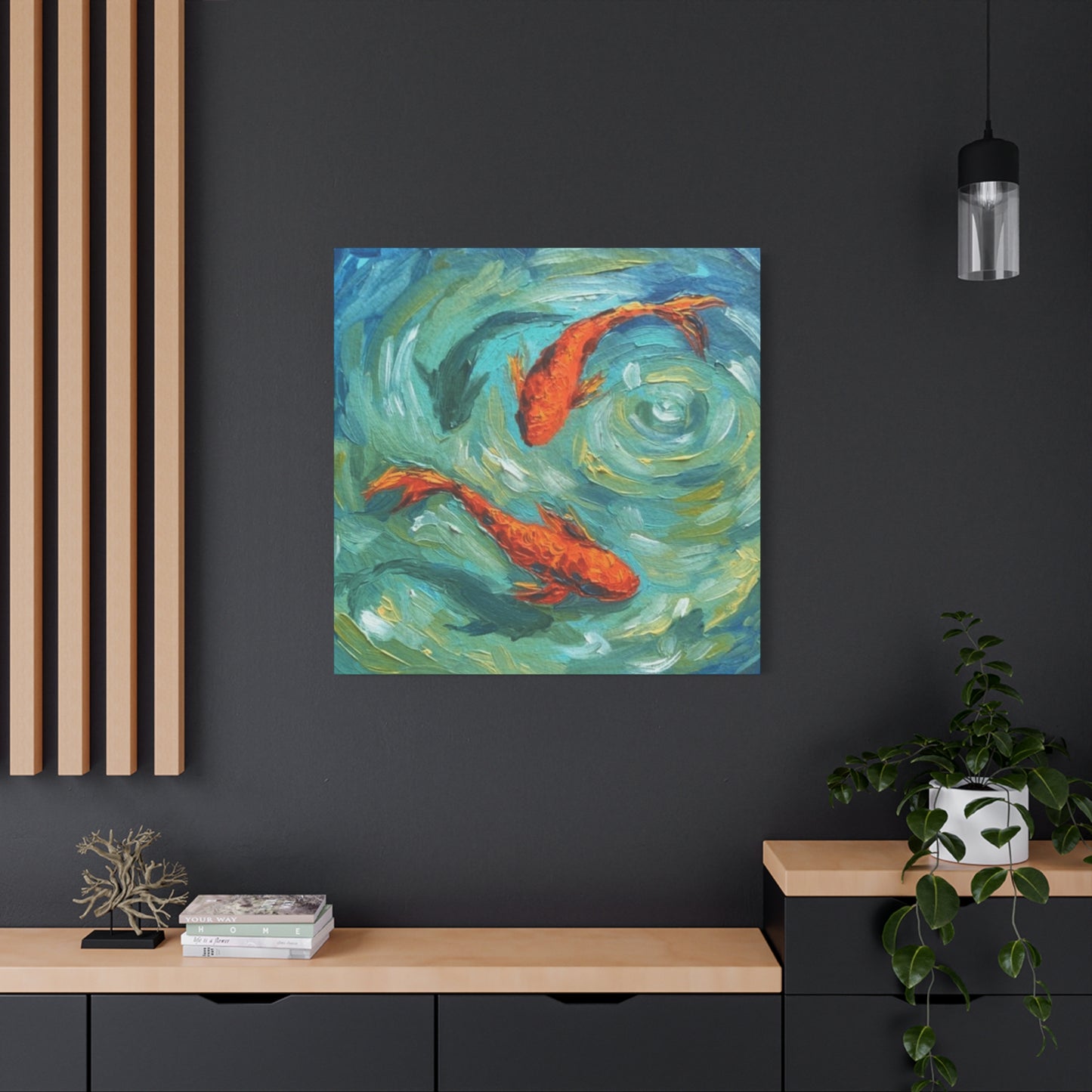


Fish Wall Art & Canvas Prints
Fish Wall Art & Canvas Prints
Couldn't load pickup availability
Captivating Fish Wall Art: Everything You Need to Know About Aquatic Décor for Your Living Spaces
The world of interior design has witnessed a remarkable surge in the popularity of marine-themed decorative pieces, with fish wall art emerging as one of the most sought-after choices among homeowners, office managers, and design enthusiasts. These stunning visual representations of underwater life bring a sense of tranquility, vibrancy, and natural beauty into any environment. Whether you're looking to create a coastal atmosphere in your beach house, add a splash of color to a minimalist apartment, or establish a calming ambiance in a professional setting, aquatic-themed artwork offers endless possibilities for transforming ordinary walls into extraordinary focal points.
The appeal of marine life imagery extends far beyond mere aesthetics. Throughout human civilization, aquatic creatures have held profound symbolic meanings across different cultures, representing prosperity, wisdom, freedom, and harmony. When incorporated into contemporary living spaces, these timeless symbols continue to resonate with viewers, creating emotional connections that transcend simple decoration. The fluidity of fish movements, the diversity of species, and the mesmerizing underwater environments they inhabit provide artists with infinite inspiration for creating captivating pieces that speak to our innate connection with nature.
In recent years, the market for ocean-inspired decorative items has expanded exponentially, offering consumers an unprecedented variety of styles, materials, sizes, and price points. From hand-painted canvases featuring tropical species to three-dimensional metal sculptures depicting schools of swimming creatures, from photorealistic prints capturing the majesty of deep-sea dwellers to abstract interpretations celebrating the essence of aquatic movement, the options available today cater to every taste, budget, and design preference.
The Profound Symbolic Meanings Behind Aquatic Creature Imagery in Home Decoration
Understanding the deeper significance of fish wall art can help you make more meaningful choices when selecting pieces for your space. Across numerous cultures and traditions, aquatic life has been imbued with powerful symbolism that continues to influence how we perceive and appreciate these decorative elements today.
In Eastern philosophies, particularly within Chinese and Japanese traditions, certain species carry specific auspicious meanings. The koi, for instance, symbolizes perseverance, strength, and determination due to its ability to swim upstream against powerful currents. Legends speak of koi that successfully climbed waterfalls and transformed into dragons, representing the achievement of goals through persistent effort. Displaying artwork featuring these magnificent creatures is believed to attract positive energy, encourage personal growth, and inspire household members to overcome obstacles in their lives.
Goldfish represent abundance and prosperity in many Asian cultures, with their golden coloration symbolizing wealth and good fortune. Their peaceful swimming patterns are thought to bring harmony and balance to living environments, making them popular subjects for artwork placed in areas where families gather or where important decisions are made. The number of fish depicted in a piece can also hold significance, with certain numbers considered particularly auspicious for attracting specific types of luck or fortune.
In Western symbolism, aquatic creatures often represent freedom, exploration, and the mysteries of the unconscious mind. The vast, unexplored depths of the ocean mirror the hidden aspects of human consciousness, making marine imagery particularly appealing to those drawn to introspection and self-discovery. Dolphins, with their intelligence and social nature, symbolize communication, community, and playfulness. Sharks represent power, fearlessness, and determination. Tropical species with brilliant colors evoke feelings of joy, vitality, and the carefree spirit associated with island paradises.
The element of water itself carries profound meaning across virtually all cultural traditions. Water represents emotions, intuition, adaptability, and the flow of life. By bringing representations of aquatic life into your environment, you're symbolically inviting these qualities into your space. The calming effect of viewing underwater scenes can help reduce stress, lower blood pressure, and create a meditative atmosphere that supports mental and emotional wellbeing.
Understanding these symbolic layers adds depth to your appreciation of fish wall art and can guide your selection process. Whether you're drawn to specific species for their aesthetic qualities or their symbolic resonance, recognizing the meanings embedded in these images allows you to create spaces that not only look beautiful but also support your personal values and aspirations.
Exploring the Diverse Range of Materials Used in Creating Aquatic-Themed Decorative Pieces
The material from which a piece is crafted significantly impacts its visual appearance, durability, maintenance requirements, and suitability for different environments. Today's artists and manufacturers employ an impressive array of materials to create fish wall art, each offering distinct advantages and aesthetic qualities.
Canvas prints remain among the most popular choices for aquatic artwork, offering versatility, affordability, and widespread availability. High-quality canvas reproductions can capture incredible detail and color vibrancy, making them ideal for photographic images or digital artwork. The texture of canvas adds a traditional, artistic quality to pieces, while modern printing techniques ensure fade resistance and longevity. Canvas works particularly well for larger pieces, as the material can be stretched over substantial frames without becoming prohibitively heavy or expensive.
Metal artwork has gained tremendous popularity for its contemporary aesthetic and exceptional durability. Aluminum, steel, and copper are commonly used to create both two-dimensional prints and three-dimensional sculptures. Metal prints offer extraordinary color saturation and a unique luminous quality, as light reflects off the surface in ways that differ from traditional paper or canvas. The material's resistance to moisture, fading, and damage makes it especially suitable for areas with high humidity, such as bathrooms or pool rooms. Three-dimensional metal sculptures, often featuring schools of fish or individual specimens, add dramatic visual interest and cast intriguing shadows that change throughout the day as lighting shifts.
Wood serves as both a canvas for artwork and a medium for creating sculptural pieces. Reclaimed wood, driftwood, and carefully selected hardwoods provide rustic charm and organic texture that complement coastal and nautical themes perfectly. Artists may paint directly on wood surfaces, creating pieces with visible grain patterns that add character and depth. Carved wooden fish, ranging from simple silhouettes to intricately detailed sculptures, bring warmth and natural beauty to spaces. The sustainability of wood as a material also appeals to environmentally conscious consumers.
Acrylic, both as a painting medium and as a material for prints, offers brilliant color and a glossy, modern finish. Acrylic prints, where images are mounted behind clear acrylic panels, create a sleek, gallery-quality appearance with impressive depth and vibrancy. The material's resistance to shattering makes it safer than glass, particularly in homes with children or in earthquake-prone regions. Artists working with acrylic paints can achieve effects ranging from transparent glazes to thick, textured applications that add tactile interest to pieces.
Glass artwork, including fused glass, stained glass, and glass prints, brings elegance and sophistication to aquatic-themed decoration. The translucent quality of glass allows light to pass through colored elements, creating luminous effects that change throughout the day. Stained glass fish designs can transform windows into stunning focal points while maintaining privacy. Fused glass pieces, where multiple layers are heated and combined, create depth and dimension that captivate viewers. The fragility of glass requires careful placement, but the visual rewards justify the extra consideration.
Ceramic and porcelain tiles offer unique possibilities for creating permanent, moisture-resistant installations
Individual tiles can be arranged to form mosaics depicting underwater scenes, or single large tiles can feature printed or hand-painted designs. The hard, glazed surface of ceramic withstands humidity exceptionally well, making these pieces ideal for bathrooms, kitchens, or outdoor areas. The substantial weight of ceramic requires proper mounting, but the durability ensures these pieces can last for decades without fading or deterioration.
Fabric-based artworks, including tapestries, embroidered pieces, and textile collages, add softness and texture to spaces. These pieces work particularly well in bedrooms or informal living areas where a softer aesthetic is desired. Hand-embroidered or quilted fish designs bring artisanal quality and uniqueness that mass-produced items cannot match. The tactile nature of fabric art invites closer inspection and creates a sense of warmth and comfort.
Mixed media pieces combine multiple materials to create complex, layered works that engage viewers on multiple levels. An artist might combine metal, wood, glass, and found objects to create a single piece that tells a story or evokes a particular underwater environment. These works often serve as conversation starters and statement pieces that define the character of a room.
Understanding the properties of different materials helps you select pieces that will not only suit your aesthetic preferences but also perform well in your specific environment. Consider factors such as humidity levels, exposure to direct sunlight, the need for easy cleaning, and the weight-bearing capacity of your walls when making selections.
Navigating the Vast Spectrum of Artistic Styles in Marine-Themed Decorative Works
The stylistic approach an artist takes when depicting aquatic subjects dramatically influences the mood, message, and visual impact of the resulting piece. Familiarizing yourself with different artistic styles helps you articulate your preferences and select works that align with your personal taste and the overall design direction of your space.
Photorealistic renderings capture underwater subjects with stunning accuracy and detail, often rivaling the quality of actual photographs. Artists who specialize in this approach spend countless hours perfecting every scale, fin, and color gradation to create works that transport viewers directly into underwater environments. These pieces appeal to those who appreciate precision and want to bring the authentic beauty of marine life into their homes. Photorealistic fish wall art works exceptionally well in spaces with contemporary, minimalist, or modern design schemes where the artwork serves as the primary focal point against relatively neutral backgrounds.
Abstract interpretations move away from literal representation to capture the essence, movement, and energy of aquatic life through shapes, colors, and compositions that evoke rather than depict. An abstract piece might use flowing lines and gradients of blue to suggest water movement, with bursts of bright color indicating fish without showing recognizable forms. This style offers tremendous creative freedom and allows viewers to engage with the work on an emotional and intuitive level rather than a purely visual one. Abstract marine artwork complements spaces with bold, contemporary design and appeals to collectors who value artistic expression over literal representation.
Impressionistic works, inspired by the famous art movement, use visible brushstrokes, emphasis on light and its changing qualities, and vibrant colors to create atmospheric depictions of underwater scenes. Rather than detailing every scale, impressionistic artists capture the play of light through water, the shimmer of fish moving through currents, and the overall mood of aquatic environments. These pieces bring warmth, energy, and a sense of movement to spaces, working beautifully in both traditional and contemporary settings.
Minimalist approaches strip subjects down to their most essential elements, using simple lines, limited color palettes, and negative space to create striking, uncluttered compositions. A minimalist fish design might consist of a single curved line suggesting a swimming motion, or a silhouette in a single color against a contrasting background. This style suits modern, Scandinavian, and Japanese-inspired interiors where simplicity and restraint are valued. Minimalist marine artwork allows the beauty of form to speak without distraction, creating calm, meditative atmospheres.
Geometric styles use shapes, patterns, and structured compositions to depict aquatic subjects in stylized ways
Fish might be represented through triangles, circles, and polygons arranged to suggest form while maintaining an abstract, decorative quality. This approach bridges the gap between representation and abstraction, appealing to those who appreciate both recognizable subjects and bold, graphic design. Geometric fish wall art works particularly well in mid-century modern, art deco, and contemporary eclectic spaces.
Folk art and naive styles embrace a charming, informal approach often characterized by bright colors, flattened perspective, and decorative patterns. These pieces have an accessible, cheerful quality that works wonderfully in casual, family-oriented spaces. Folk art aquatic pieces often draw from specific cultural traditions, bringing unique perspectives and storytelling elements to their depictions of marine life. The handcrafted appearance of folk art, even in reproduced forms, adds warmth and personality to environments.
Surrealistic interpretations place aquatic creatures in unexpected contexts or depict them with fantastical elements that challenge reality. A surrealist piece might show fish swimming through clouds, transforming into other objects, or existing in impossible architectures. This style appeals to those who enjoy thought-provoking art that invites interpretation and conversation. Surrealistic marine artwork serves as a bold statement piece that defines the creative character of a space.
Traditional Asian styles, including sumi-e (Japanese ink painting) and Chinese brush painting, bring centuries of artistic refinement to depictions of aquatic life. These styles emphasize simplicity, the expressive quality of brushstrokes, and the philosophical principles underlying the artwork. The elegant restraint of these pieces creates sophisticated, contemplative atmospheres suitable for meditation spaces, studies, or formal living areas. The timeless quality of traditional Asian marine artwork ensures these pieces remain relevant across changing decorative trends.
Contemporary digital art and illustration bring fresh, innovative approaches to aquatic subjects, often incorporating pop culture influences, bold color combinations, and experimental techniques. Digital artists can create effects and compositions impossible with traditional media, pushing the boundaries of how we visualize underwater life. These pieces appeal to younger collectors and those who want cutting-edge, distinctive artwork that reflects current aesthetic sensibilities.
Vintage and retro styles evoke specific time periods, from Victorian natural history illustrations to mid-century tropical fish advertisements. These pieces bring nostalgic charm and period character to spaces, working beautifully in themed environments or as ironic counterpoints in otherwise contemporary settings. The appeal of vintage aesthetic continues to grow as people seek connections to the past and appreciate the craftsmanship of earlier eras.
Understanding these stylistic categories helps you identify pieces that resonate with your personal aesthetic while ensuring cohesion with your existing décor. Many collectors find themselves drawn to multiple styles, creating eclectic galleries that reflect the breadth of their interests and the evolution of their tastes over time.
Strategic Placement Considerations for Maximizing the Impact of Aquatic Artwork in Your Living Environment
Where you position your fish wall art significantly influences both its visual impact and its longevity. Thoughtful placement considers factors including lighting, viewing angles, room function, humidity levels, and the relationship between the artwork and other design elements in the space.
Living rooms serve as primary gathering spaces where families relax, entertain guests, and spend significant time. Aquatic artwork in these areas should be positioned at eye level when people are seated, typically placing the center of the piece between 57 and 60 inches from the floor. Above sofas and fireplaces are classic locations, but ensure adequate space between furniture and artwork – leaving 6 to 12 inches prevents the piece from feeling cramped. In open-concept living areas, fish wall art can help define specific zones, with a large statement piece anchoring a seating arrangement and creating visual boundaries without physical barriers.
Bedrooms benefit from the calming influence of underwater imagery, making them ideal locations for marine-themed artwork. Position pieces where they're visible from the bed, creating a focal point that promotes relaxation before sleep. The wall behind the headboard serves as a natural location for larger works, while smaller pieces can flank the bed or occupy walls opposite the sleeping area. Avoid placing artwork directly above the bed in earthquake-prone regions or if the piece is particularly heavy. The soothing colors and flowing forms typical of aquatic art support the restful atmosphere bedrooms require.
Bathrooms and powder rooms naturally complement fish wall art due to their connection with water. The humid environment of bathrooms requires careful material selection – metal, sealed canvas, glass, and ceramic withstand moisture better than paper-based works or unsealed wood. Position artwork away from direct water spray while ensuring it remains visible and impactful. Even small bathrooms can accommodate marine-themed pieces, with carefully sized works adding personality without overwhelming limited space. The reflective surfaces common in bathrooms, including mirrors and glossy tiles, can amplify the impact of well-placed artwork.
Home offices and studies benefit from the contemplative qualities of underwater scenes. Research indicates that viewing nature imagery, including aquatic environments, reduces stress and improves focus. Position artwork within your line of sight from your desk, but avoid placing it directly behind computer monitors where glare might interfere with visibility. The symbolic meanings associated with certain fish species – perseverance for koi, intelligence for dolphins – make these particularly appropriate for workspaces where these qualities support professional endeavors.
Dining rooms present opportunities for creating sophisticated, conversation-worthy displays
A substantial piece of fish wall art can anchor a dining area, providing a focal point that complements rather than competes with table settings and food presentation. The symbolic association between fish and abundance makes aquatic artwork particularly appropriate for spaces dedicated to gathering and sharing meals. Ensure adequate lighting so the artwork remains visible during evening meals, but avoid direct overhead lighting that creates harsh glare on reflective surfaces.
Entryways and hallways set the tone for your entire home, making them strategic locations for impactful pieces. These transitional spaces often feature blank walls that benefit from the visual interest and welcoming energy of aquatic artwork. In narrow hallways, consider creating gallery walls with multiple smaller pieces rather than single large works, maintaining proper spacing between frames to avoid a cluttered appearance. Entryway artwork should be visible from the door, creating an immediate positive impression for arriving guests.
Staircases and landings offer vertical spaces perfectly suited to marine-themed arrangements. Schools of fish ascending a staircase wall create dynamic visual movement that complements the physical act of climbing stairs. The often-overlooked walls of landings and turns provide opportunities for statement pieces that surprise and delight. Ensure adequate lighting in these areas, as staircases can be shadowy and reduce the visibility of artwork.
Outdoor and covered patio spaces extend living areas into nature, and weather-resistant fish wall art can enhance these environments. Metal sculptures withstand outdoor conditions particularly well, developing attractive patinas over time. Covered areas protected from direct rain can accommodate a wider range of materials. Outdoor marine artwork creates continuity between interior and exterior spaces while celebrating the connection with the natural world that outdoor living emphasizes.
Children's rooms benefit from the playful, colorful nature of many aquatic-themed pieces. Select artwork that matches the maturity level and interests of the child, recognizing that tastes change as children grow. Durability becomes particularly important in kids' spaces, with securely mounted pieces better than those that might be accidentally knocked loose during play. The exposure to nature imagery, even in stylized forms, supports children's developing awareness and appreciation of the natural world.
Commercial spaces, including offices, restaurants, medical facilities, and retail environments, increasingly incorporate aquatic artwork to create welcoming atmospheres that reduce stress and engage visitors. In commercial contexts, consider viewing angles from various positions throughout the space, ensure artwork aligns with brand identity, and select durable materials that withstand higher traffic and cleaning demands. Restaurants with seafood menus find thematic coherence in marine-themed decoration, while medical and dental offices appreciate the anxiety-reducing qualities of underwater imagery.
Proper lighting dramatically influences how artwork appears and how well it withstands time. Natural light beautifully illuminates marine artwork but can cause fading over years of exposure. Position pieces perpendicular to windows rather than directly opposite them to minimize direct sun exposure while maintaining good visibility. For valuable or particularly light-sensitive works, use UV-filtering glass or acrylic in frames. Artificial lighting should illuminate artwork without creating glare – picture lights, track lighting, and recessed spots can all work depending on the piece and its location. Avoid fluorescent lighting directly on artwork, as it can distort colors and contains UV radiation that accelerates fading.
Climate control matters for artwork longevity. Extreme temperature fluctuations and high humidity levels can damage certain materials over time. Avoid placing pieces directly above heating vents or radiators, in areas with poor air circulation, or in consistently damp environments unless the materials specifically withstand these conditions. Basements and garages, unless climate-controlled, generally don't provide suitable environments for artwork preservation.
The relationship between artwork size and wall space follows general guidelines but allows for creative interpretation. A single piece should typically cover about two-thirds to three-quarters of the furniture width below it for balanced proportions. However, intentionally oversized or undersized pieces can create dramatic effects when used purposefully. Gallery walls with multiple pieces should maintain consistent spacing between frames – typically 2 to 3 inches works well for cohesive arrangements. When creating gallery walls, plan the entire layout before hanging by arranging pieces on the floor or using paper templates on the wall.
Consider the viewing distance when selecting size – pieces viewed from across
Hallways and other areas where viewers pass relatively close to walls work well with medium to smaller pieces where details remain visible. Large rooms with distant viewing points benefit from substantial works with bold compositions that read clearly from afar.
The color palette of surrounding elements influences how artwork appears. Fish wall art with vibrant blues and greens stands out dramatically against neutral walls but might compete with bold paint colors. Consider whether you want artwork to serve as the dominant visual element or to coordinate with other colorful furnishings. The flexibility to change wall colors as tastes evolve is an advantage of neutral backgrounds that allow artwork to define the color story.
Hanging height conventions exist for good reason – eye-level placement ensures comfortable viewing – but creative installations sometimes break these rules effectively. Installing pieces higher than standard can work in rooms with tall ceilings or when viewed primarily from standing positions. Lower placement might suit spaces where people recline or situations where you want to create unexpected visual compositions.
Security considerations matter for valuable pieces. Use appropriate hanging hardware rated for the artwork's weight, ensuring it's anchored into studs or using appropriate wall anchors for drywall. In earthquake-prone regions, museum putty or earthquake-resistant hanging systems add protection. For particularly valuable works, consider insurance coverage and security systems that protect against theft.
Rotating artwork periodically prevents fading from consistent light exposure and allows you to refresh your space without purchasing new pieces. This practice particularly benefits collectors with more artwork than available wall space, allowing different pieces to shine during different seasons or as your mood shifts.
Creating Harmonious Interior Design Schemes That Showcase Aquatic-Themed Artwork to Its Full Potential
Successfully incorporating fish wall art into your interior design requires understanding how color, texture, scale, and style interact to create cohesive, visually pleasing environments. Whether you're designing an entirely new space or adding marine elements to an existing room, these principles guide the creation of harmonious schemes that feel intentional rather than haphazard.
Color coordination forms the foundation of successful interior design. Aquatic artwork typically features blues, greens, teals, and turquoise, along with the varied colors of tropical fish species. These cool tones create calm, serene atmospheres and pair beautifully with both neutral palettes and complementary warm accents. Neutral walls in whites, creams, grays, or soft beiges allow colorful marine artwork to command attention as the room's focal point. This approach works across various design styles and offers flexibility as tastes change.
Alternatively, painting walls in colors drawn from the artwork creates immersive, thematic environments. A soft aqua or seafoam green echoes ocean tones while remaining subtle enough for daily living. Accent walls in deeper blues or greens provide dramatic backdrops that make lighter elements in artwork pop forward. When using colored walls, ensure the artwork contains sufficient contrast to remain distinct rather than blending into the background.
Complementary color schemes introduce warm tones that balance the coolness of aquatic blues and greens. Coral, orange, sandy beige, and warm wood tones evoke beaches and tropical environments while providing visual warmth. These colors can appear in furnishings, textiles, and accessories, creating dialogue between the coolness of ocean-themed artwork and the warmth of beach elements. The contrast between cool and warm tones adds energy and prevents spaces from feeling monotonous or cold.
Analogous color schemes use colors adjacent on the color wheel, such as blues, greens, and purples, creating harmonious, sophisticated environments. This approach works beautifully in spaces where you want a cohesive, relaxing atmosphere without stark contrasts. Varying the saturation and value of analogous colors provides visual interest while maintaining overall unity.
Monochromatic schemes explore a single color in multiple shades, tones, and tints. A monochromatic blue room with fish wall art in varying blue tones creates a serene, elegant environment. This approach requires careful attention to texture and pattern to prevent visual blandness, but executed well, it produces stunning results with a sophisticated, purposeful appearance.
Texture plays a crucial role in creating dimensional, interesting spaces. The smooth surface of canvas or metal prints contrasts beautifully with nubby upholstery fabrics, natural fiber rugs, or wooden furniture. Mixing textures prevents spaces from feeling flat or one-dimensional. In coastal-themed rooms, incorporate natural materials like rattan, jute, linen, and weathered wood alongside marine artwork. These organic textures reinforce connections with nature and create tactile interest that engages multiple senses.
Scale and proportion require careful consideration to achieve balanced compositions. A single large piece of fish wall art creates a bold statement and serves as an unquestionable focal point. This approach works particularly well in contemporary and minimalist spaces where restraint and impact are priorities. Multiple medium-sized pieces can be arranged to create gallery walls or scattered throughout a space to distribute visual interest. Small pieces work as accents, complementing larger elements without competing for attention.
The principle of visual weight helps create balanced arrangements. Dark colors, busy patterns, and large sizes carry more visual weight than light colors, simple designs, and small sizes. Distribute visual weight throughout a space to avoid lopsided compositions where one area feels heavy while another seems empty. Aquatic artwork often features substantial visual weight due to deep blue tones, so balance these pieces with appropriately weighted elements elsewhere in the room.
Furniture selection and placement should complement rather than compete with featured artwork. Low-profile furniture allows wall art to remain prominent, while substantial pieces create distinct visual zones. The style of furniture should align with the artwork's aesthetic – sleek, modern pieces complement contemporary marine art, while weathered, casual furnishings suit coastal and nautical themes. Avoid placing furniture that blocks significant portions of artwork, and ensure seating arrangements provide comfortable viewing angles.
Lighting design transforms how artwork appears throughout the day and evening. Layer lighting types to create flexibility – ambient lighting provides overall illumination, task lighting supports specific activities, and accent lighting highlights artwork and creates drama. Dimmer switches allow adjustment as natural light changes and moods shift. Warm white bulbs (2700-3000K) create inviting atmospheres, while cooler bulbs (3500-4100K) provide clarity and energy. Avoid mixing color temperatures within a single space, as this creates visual confusion.
Window treatments influence both natural light levels and the overall aesthetic. Sheer curtains diffuse harsh sunlight while maintaining brightness, protecting artwork from direct UV exposure while keeping spaces airy. Heavier drapes provide light control and privacy when needed. The color and pattern of window treatments should coordinate with the overall scheme – solid colors in tones drawn from artwork maintain cohesion, while patterns can add personality if they don't compete visually with the art.
Flooring choices affect the room's overall tone and should harmonize with marine-themed artwork. Light hardwoods, particularly those with golden or honey tones, evoke sandy beaches and provide warm contrast to cool artwork. Painted or whitewashed wood floors create bright, coastal atmospheres. Natural fiber rugs in jute or sisal add texture and define spaces within open floor plans. Area rugs in blues, greens, or neutral tones with aquatic motifs or patterns reinforce the theme without overwhelming it.
Accessorizing spaces with marine-themed items requires restraint to avoid kitsch or theme park effects. Select a few high-quality accessories that complement the artwork without duplicating it. Natural elements like shells, coral, driftwood, and sea glass displayed in clear vessels bring authentic beach character. Books with ocean photography or marine biology content add intellectual depth. Throw pillows in coordinating colors provide comfort and visual ties between artwork and furnishings. Avoid overcrowding surfaces with too many themed items – curation and selectivity create sophisticated rather than cluttered appearances.
Metallic accents add sophistication and reflect light throughout spaces. Brushed nickel, chrome, and polished silver have cool tones that harmonize with blues and greens in aquatic artwork. Warm metals like brass, copper, and gold provide contrast and luxury. Mixing metal finishes within a space is acceptable in contemporary design, though maintaining consistency within individual areas creates cleaner looks. Metallic elements can appear in lighting fixtures, hardware, frames, and decorative objects.
Pattern integration requires thoughtful consideration to maintain visual harmony. If fish wall art features busy, detailed compositions, balance it with simpler patterns in fabrics and accessories. If the artwork is more minimal or abstract, you have more freedom to introduce patterns elsewhere. Stripe patterns, particularly in nautical navy and white, complement marine themes while remaining classic. Geometric patterns work with contemporary aquatic artwork, while organic, flowing patterns echo the movement of water and fish.
Architectural elements influence how artwork integrates into spaces. Crown molding, wainscoting, built-in shelving, and other permanent features create frameworks within which artwork must work. In rooms with strong architectural character, ensure marine artwork enhances rather than fights these features. Traditional architectural details pair beautifully with classic marine art, while contemporary architecture suits bold, modern pieces. In spaces lacking architectural interest, substantial artwork can provide the focal points and character that built-in elements would otherwise supply.
Creating zones within open-concept spaces helps define different functional areas while maintaining flow. A large piece of fish wall art behind a seating area visually anchors that zone, distinguishing it from dining or kitchen areas. Consistent design elements – colors, materials, style – maintain cohesion across zones even as each serves distinct purposes. The repeated appearance of marine themes in different forms throughout an open space creates rhythm and unity.
Personal collections and meaningful objects deserve display alongside purchased artwork. Family photos in coordinating frames, travel souvenirs with personal significance, and handmade items create layers of meaning that transform houses into homes. The most successful spaces reflect the inhabitants' personalities, interests, and experiences rather than appearing staged or impersonal. Fish wall art that connects with your own memories – perhaps of childhood beach vacations, diving expeditions, or aquarium visits – carries significance beyond its aesthetic qualities.
Maintenance and care considerations influence material and placement choices. Easy-to-clean surfaces matter in homes with children or pets. Durable materials withstand daily life better than delicate ones. Consider your lifestyle honestly when making selections – the most beautiful piece becomes a source of stress rather than joy if it requires constant worry about damage.
Seasonal adjustments allow spaces to evolve without major overhauls. Swapping lighter, breezier textiles and accessories during summer months for cozier, warmer elements in winter keeps spaces feeling fresh while maintaining the core design. Marine artwork remains constant as the anchor, but supporting elements can shift with seasons and occasions.
Budget considerations shouldn't prevent the creation of beautiful spaces. Prioritize investment in a few key pieces that you love rather than filling walls with numerous mediocre items. Mix price points – splurge on statement pieces while saving on supporting elements. Thrift stores, estate sales, and online marketplaces offer opportunities for finding unique pieces at accessible prices. Remember that creating your ideal space is a process that unfolds over time rather than happening all at once.
The Rich Cultural Heritage and Artistic Traditions Depicting Aquatic Life Across Civilizations
Humans have created imagery of aquatic creatures for millennia, with archaeological evidence revealing fish depictions in cave paintings, ancient ceramics, textiles, and architectural ornaments across virtually every civilization with access to water. Examining this rich heritage provides context for understanding contemporary fish wall art and reveals the enduring fascination our species holds for underwater life.
Ancient Egyptian art frequently featured fish, particularly Nile perch and tilapia, in tomb paintings, hieroglyphics, and decorative objects. The Nile River formed the lifeblood of Egyptian civilization, making aquatic creatures central to daily life, spirituality, and artistic expression. Egyptians believed certain fish species held sacred qualities, with tilapia associated with rebirth due to their mouth-brooding reproductive behavior. The stylized, profile depictions of fish in Egyptian art influenced aesthetic conventions for centuries, establishing principles of clarity and decorative arrangement still evident in some contemporary marine artwork.
Greek and Roman cultures incorporated aquatic imagery extensively in mosaics, frescoes, and ceramics. The famous Alexander Mosaic from Pompeii includes elaborate marine scenes with extraordinary detail and naturalism. Romans particularly excelled at mosaic techniques, creating floors and walls featuring dolphins, octopi, various fish species, and mythological sea creatures in public baths, wealthy homes, and commercial establishments. These works demonstrate remarkable observational skills and artistic prowess, with some specimens displaying such lifelike quality that marine biologists can identify specific species from millennia-old depictions.
Asian artistic traditions elevated fish imagery to extraordinary levels of refinement and symbolic complexity. Chinese brush painting developed sophisticated approaches to depicting carp, goldfish, and other freshwater species, with artists like Ma Yuan and Qi Baishi creating works celebrated for their technical mastery and spiritual depth. The economy of brushstrokes, the capture of movement and life essence rather than mere physical accuracy, and the integration of empty space as an active compositional element distinguish these works. Japanese artists, including Hokusai and Hiroshige, created stunning prints featuring aquatic life, with some images becoming so iconic they continue influencing contemporary artists worldwide.
The Japanese woodblock print tradition, or ukiyo-e, produced countless marine-themed works during its golden age. These prints, originally created as affordable art for common people, demonstrated remarkable technical sophistication in their carved blocks and printing processes. The bold compositions, flattened perspective, and vivid colors of ukiyo-e influenced European Impressionists and continue shaping graphic design and illustration today. Collecting prints featuring carp, sea bream, and other species became a popular pursuit, with some prints created specifically as educational tools illustrating various fish types.
Islamic art, while often focused on geometric and calligraphic elements due to religious proscriptions against representational art, incorporated stylized aquatic motifs in ceramics, textiles, and architectural ornaments. Persian and Turkish tiles frequently featured fish within elaborate patterns, with the stylization maintaining symbolic meaning while respecting aesthetic principles. The flowing, organic forms of Islamic decoration echo the movement of water and swimming creatures, creating connections with marine themes even when specific species aren't explicitly depicted.
European artistic movements approached aquatic subjects with varying perspectives across different periods. Medieval bestiaries included fish alongside terrestrial and mythical creatures, often imbuing them with moral lessons and spiritual symbolism. Renaissance artists brought emerging understanding of anatomy and perspective to marine subjects, creating more naturalistic depictions. The Dutch Golden Age produced remarkable fish still-life paintings showcasing both artistic skill and the wealth that exotic species represented. These works often carried memento mori meanings, reminding viewers of life's transience through images of dead fish destined for consumption.
The rise of natural history illustration during the Age of Exploration brought unprecedented accuracy and scientific rigor to fish depiction. Artists accompanying expeditions or working from preserved specimens created detailed illustrations serving both scientific documentation and aesthetic pleasure. These illustrations, combining artistic skill with observational precision, influenced both scientific understanding and decorative arts. Many contemporary fish wall art designs draw inspiration from vintage natural history plates, appreciating their clarity, composition, and historical character.
Indigenous cultures worldwide developed unique approaches to depicting aquatic life within their artistic traditions. Pacific Northwest Coast native peoples created formline designs featuring salmon, halibut, and other species central to their subsistence and cultural practices. Australian Aboriginal artists incorporated fish into dreamtime stories and rock art, with some sites containing aquatic imagery thousands of years old. Polynesian and Melanesian cultures featured marine motifs in tattooing, carving, and tapa cloth decoration, reflecting their profound connections with ocean environments. These diverse traditions remind us that marine imagery transcends any single cultural perspective, instead representing a universal human response to aquatic life.
The Arts and Crafts Movement of the late 19th and early 20th centuries embraced nature as both subject matter and inspiration, with artists like William Morris creating textile and wallpaper designs featuring stylized aquatic elements. This movement's influence persists in contemporary decorative arts, particularly in the appreciation for handcrafted objects and nature-inspired patterns. The movement's philosophy that beautiful objects enhance daily life aligns with the contemporary practice of displaying fish wall art in homes and workplaces.
Modernist movements of the 20th century approached aquatic subjects through new lenses. Cubists fragmented forms, examining fish from multiple perspectives simultaneously. Surrealists placed aquatic creatures in impossible contexts, exploring subconscious meanings and dream logic. Abstract Expressionists used marine themes as starting points for explorations of color, gesture, and emotion. These modern approaches expanded the vocabulary of aquatic imagery beyond representation, opening possibilities still being explored today.
Conclusion
In conclusion, captivating fish wall art brings a refreshing, tranquil essence to your living spaces, perfectly embodying the beauty and serenity of the aquatic world. Whether you're drawn to the vibrant colors of tropical fish or the graceful movements of oceanic species, these artworks evoke a sense of calm and wonder that can transform any room. Fish wall art isn't just about adding visual interest—it’s about creating an atmosphere that promotes relaxation, reflection, and a deeper connection with nature.
Fish, with their fluid motion and diverse forms, are timeless symbols of life and movement. They symbolize peace, adaptability, and the constant flow of life, making them ideal elements for home décor. By incorporating fish-themed wall art, you not only enhance the aesthetic appeal of your space but also introduce a sense of harmony and natural beauty. These designs serve as a reminder of the vastness and wonder of the underwater world, offering a glimpse into a peaceful realm where vibrant colors and life coexist in perfect balance.
One of the most appealing aspects of fish wall art is its versatility. Whether you prefer a single statement piece or a collection of smaller prints, fish-themed artwork can complement a variety of design styles. In coastal or beach-inspired interiors, fish art naturally fits, reinforcing the oceanic themes and bringing the peaceful ambiance of the sea indoors. However, it also works wonderfully in more eclectic, contemporary, or even minimalist spaces. The soft, flowing lines of fish can soften sharp angles and add a sense of fluidity to any room, creating an atmosphere of tranquility.
The colors and textures found in fish-themed wall art can also be customized to suit the mood you want to create in your space. For instance, warm golds, oranges, and reds can bring vibrancy and energy to a room, while cool blues and greens are perfect for fostering relaxation and calmness. Whether you opt for abstract renditions of fish or highly detailed, realistic portrayals, these artworks have the ability to add depth, movement, and a dynamic flair to your walls. The contrast between the fluidity of water and the structure of the fish often creates a beautiful balance that draws the eye and stimulates the imagination.
Furthermore, fish wall art works especially well in spaces designed for rest and renewal, such as bedrooms or meditation areas. The peaceful, flowing imagery of fish gently gliding through water can evoke a sense of serenity, helping to create a relaxing sanctuary where you can unwind and recharge. In living rooms or dining areas, fish art can become a conversation starter, offering both visual and thematic interest for guests. It invites a sense of playfulness and curiosity into the space while maintaining a level of sophistication.
For those who seek a more personal touch, fish wall art can also carry deeper symbolism. In various cultures, fish are associated with good luck, abundance, and even spiritual transformation. Whether it's the symbolic meaning of koi fish in Japanese culture, or the notion of freedom and adaptability in Western interpretations, these themes can enrich the aesthetic of your space, turning the artwork into more than just decoration. The choice of fish species, style, and colors can reflect your own values or aspirations, making the piece not only beautiful but also meaningful.
Additionally, the environmental aspect of fish wall art can serve as a gentle reminder of our relationship with the natural world. By showcasing aquatic life, you help raise awareness of the need to preserve the oceans and the creatures that inhabit them. Whether you're an ocean lover or simply someone who appreciates nature’s beauty, fish wall art connects you to the broader ecosystem and encourages mindfulness of our planet’s health.
Ultimately, captivating fish wall art offers a unique and versatile way to breathe new life into your living spaces. By bringing the dynamic, peaceful energy of the aquatic world into your home, you can create a space that is both visually stimulating and deeply calming. With endless possibilities for style, color, and meaning, fish-themed décor can transform any room into a peaceful sanctuary that reflects your personal aesthetic and appreciation for nature. Whether you're looking to introduce subtle elegance or bold vibrancy, fish wall art brings the beauty of the underwater world into your home, offering a timeless and soothing design element that will never go out of style.
Share