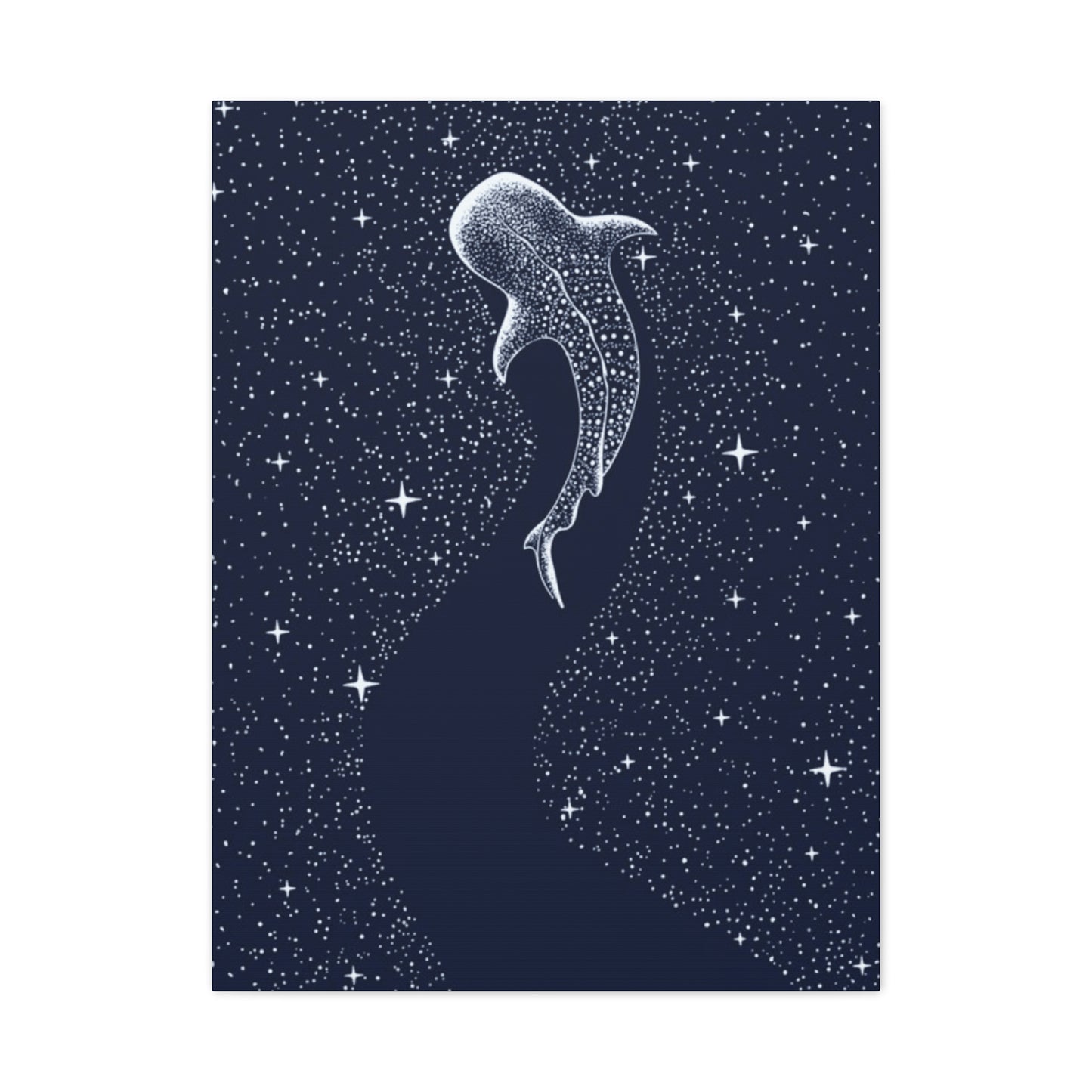
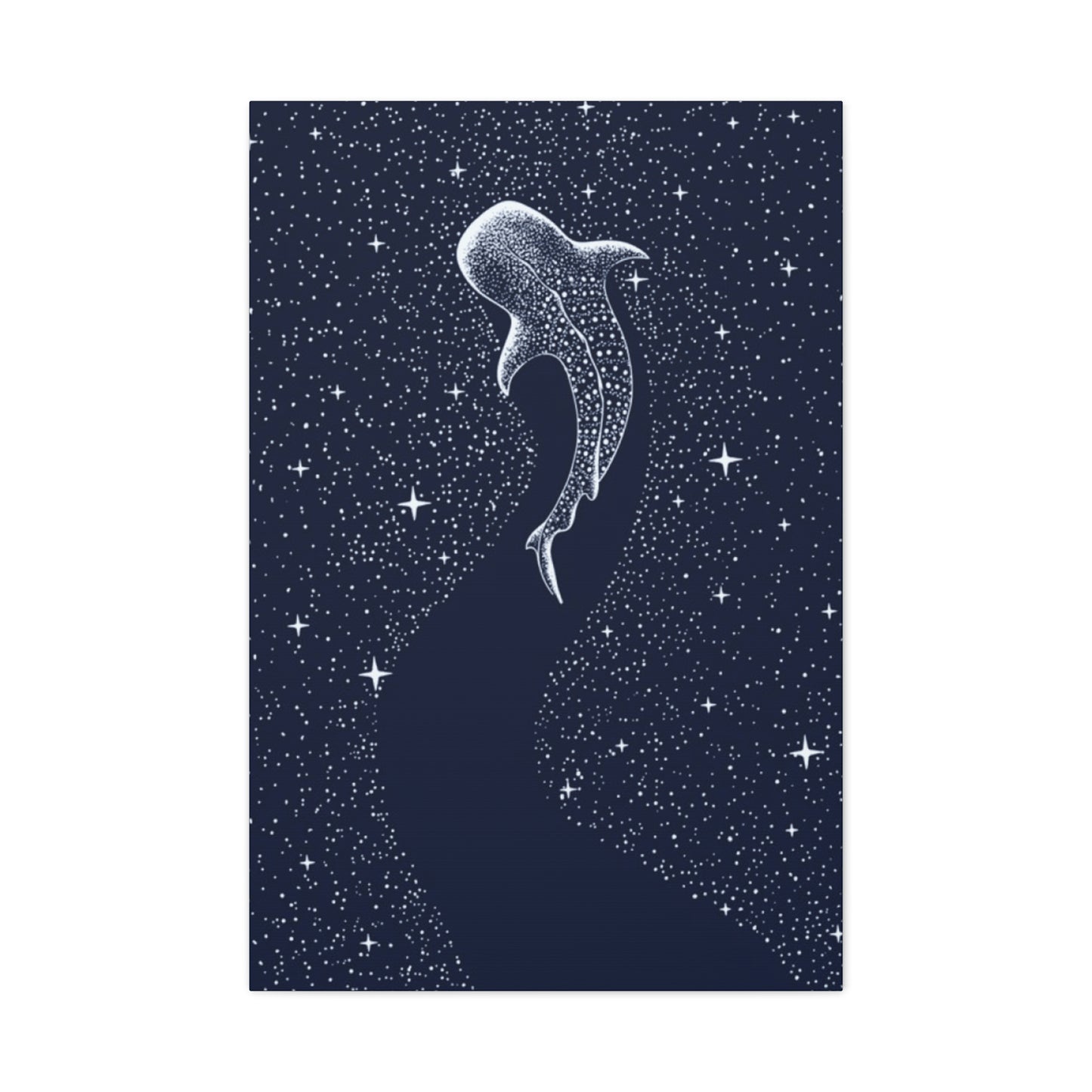
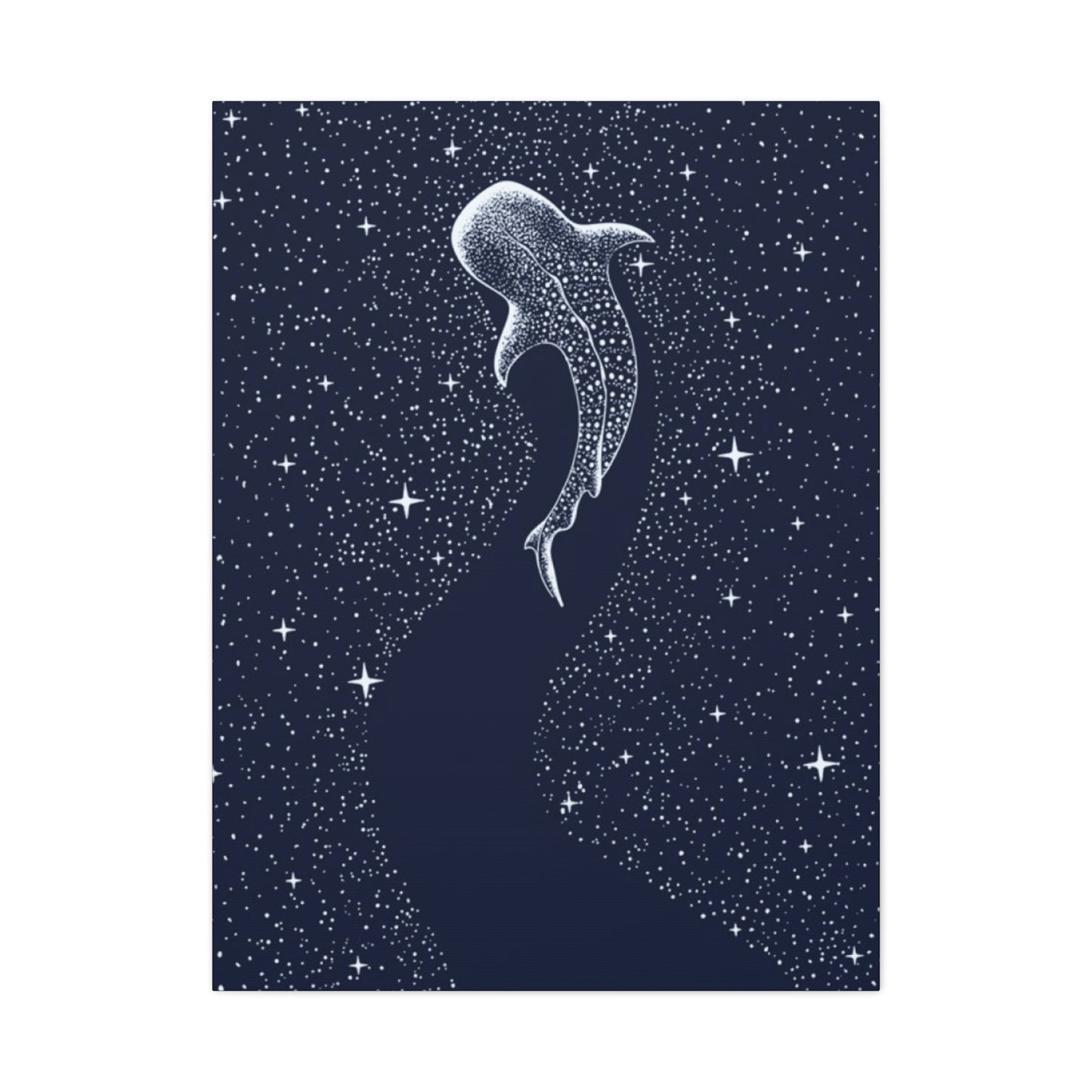
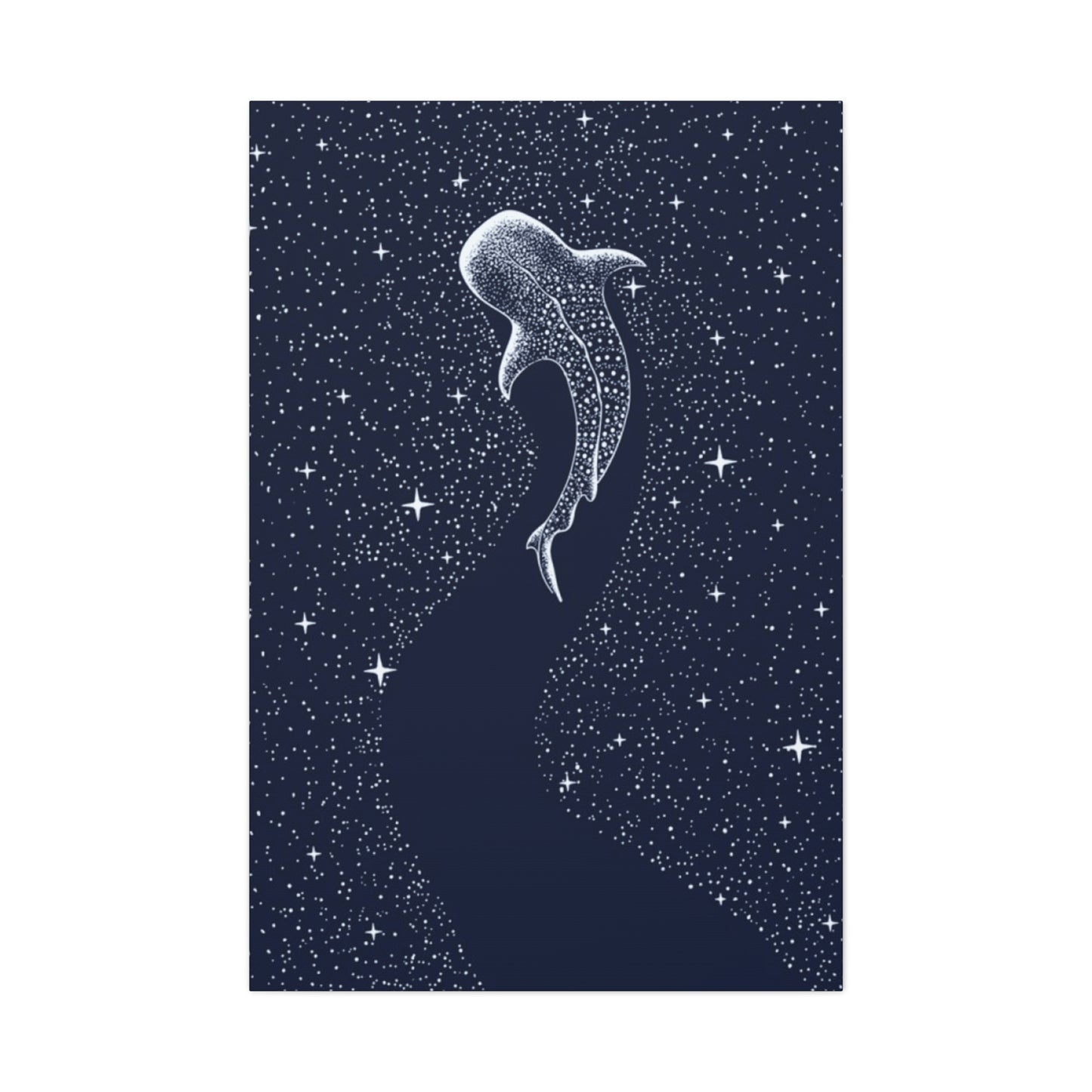
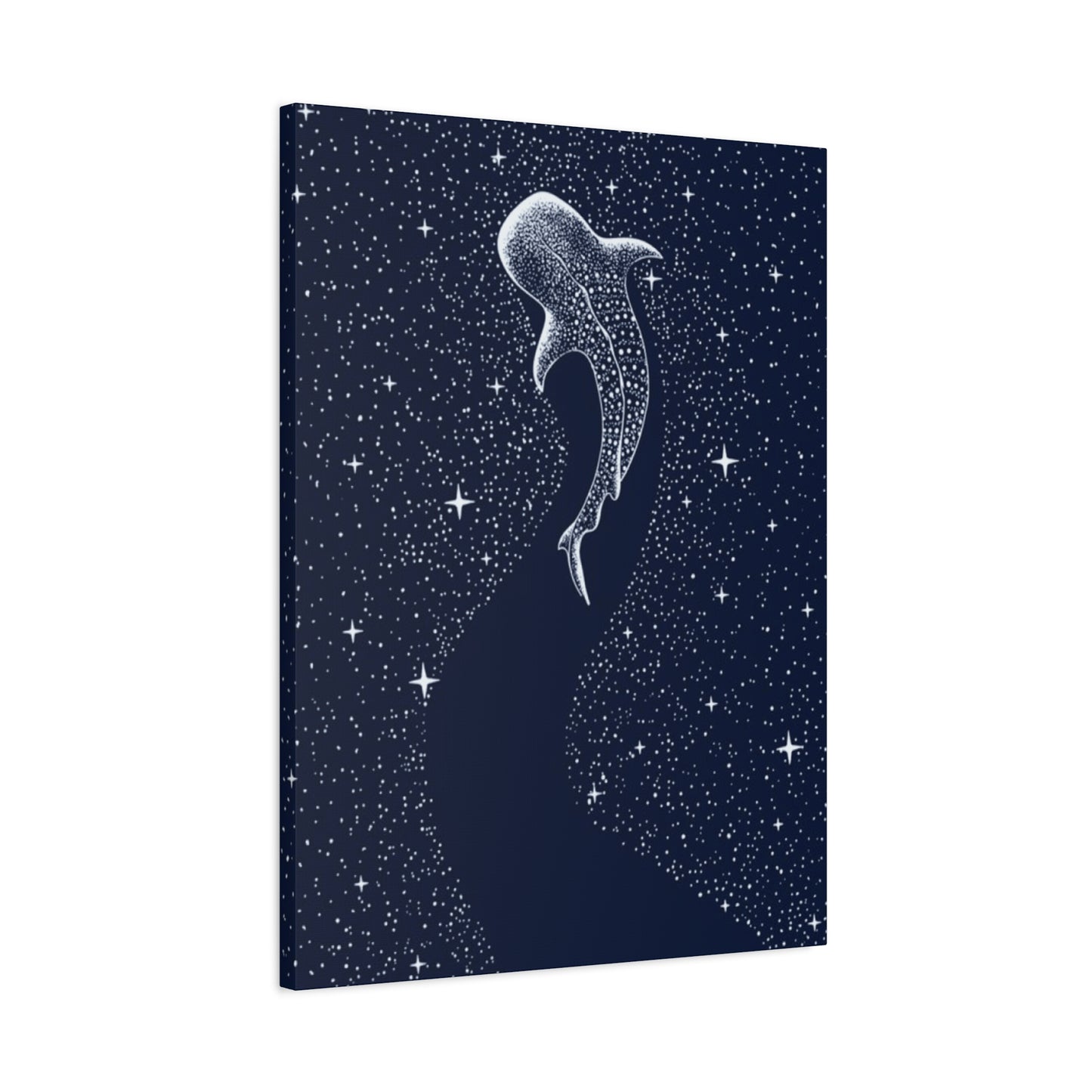
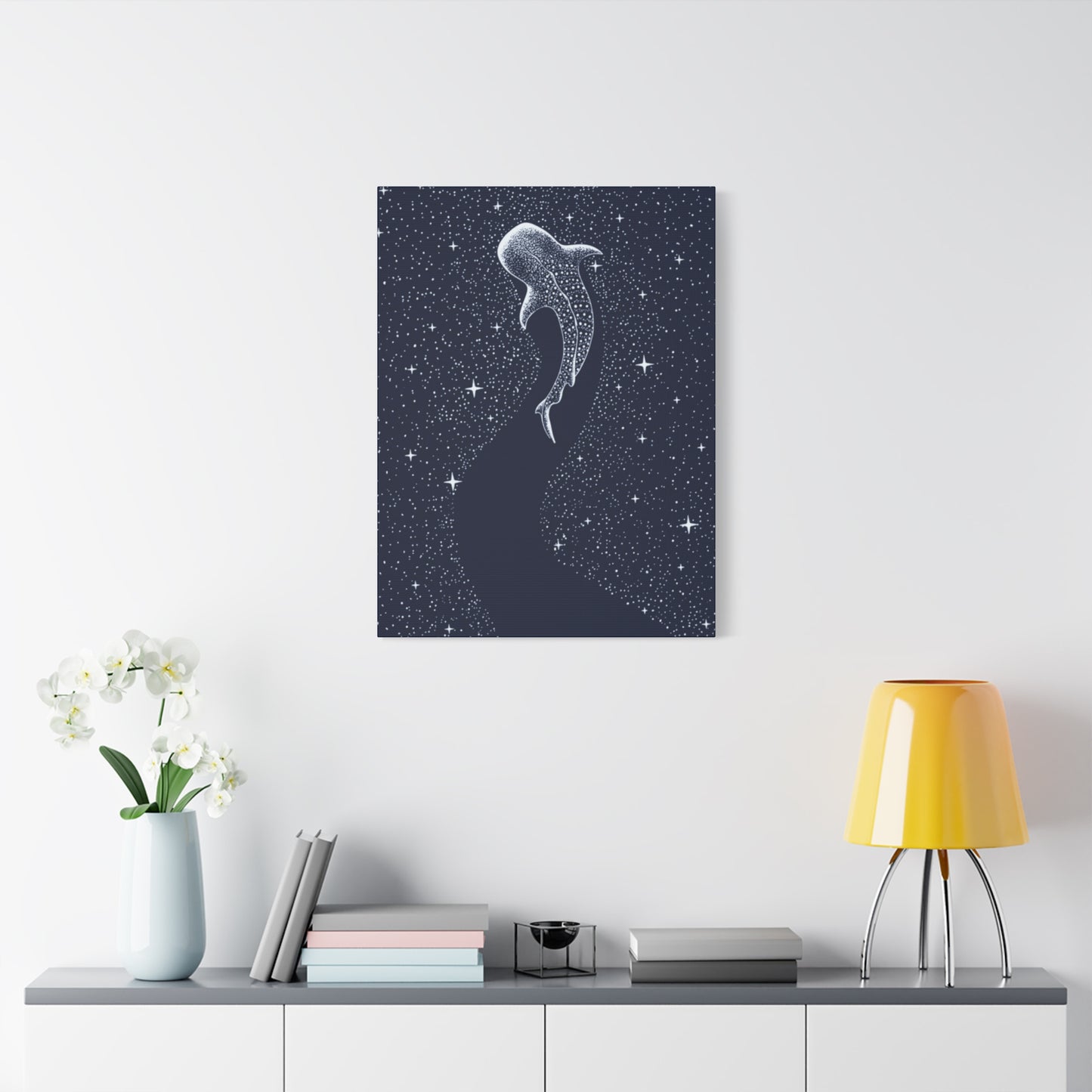
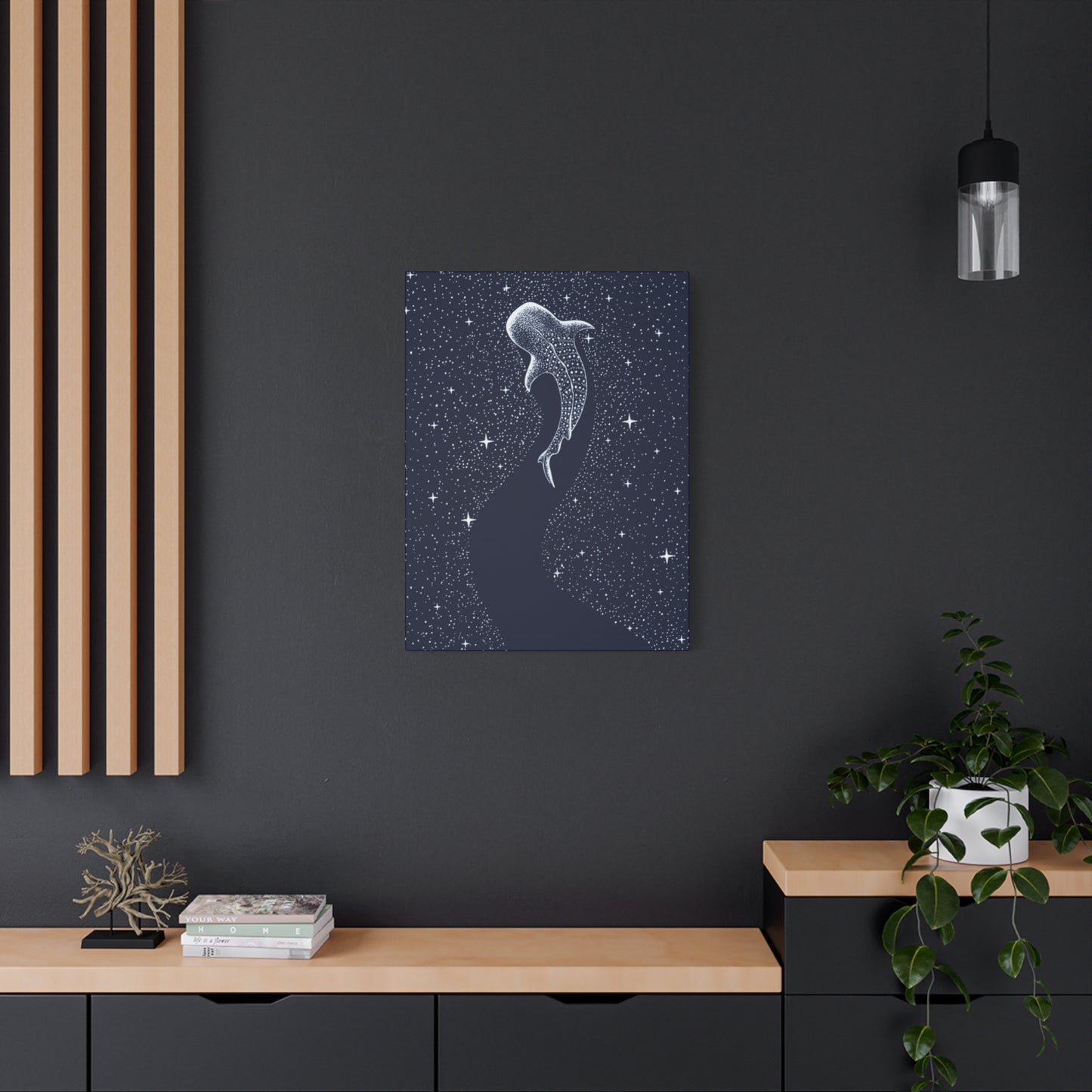
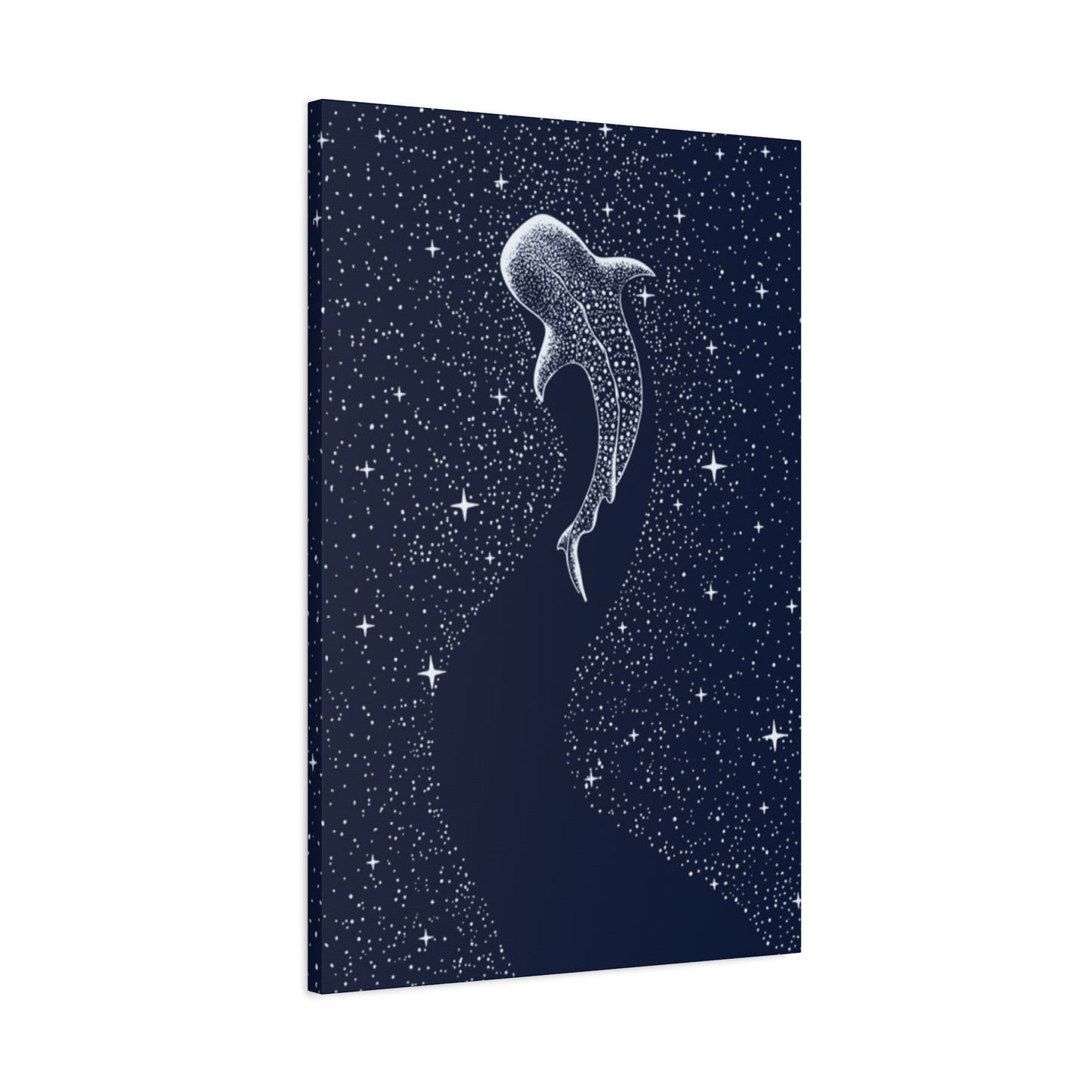
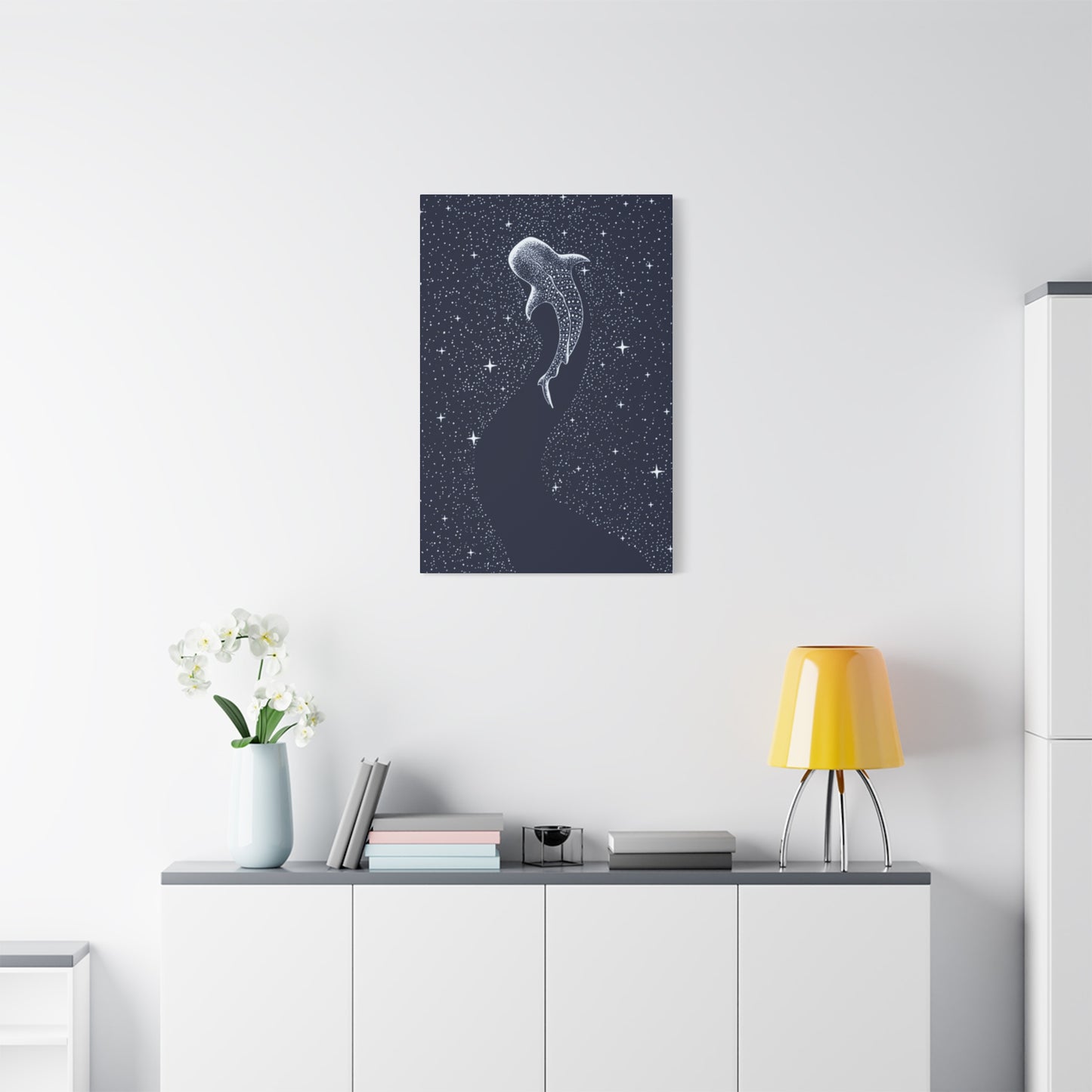
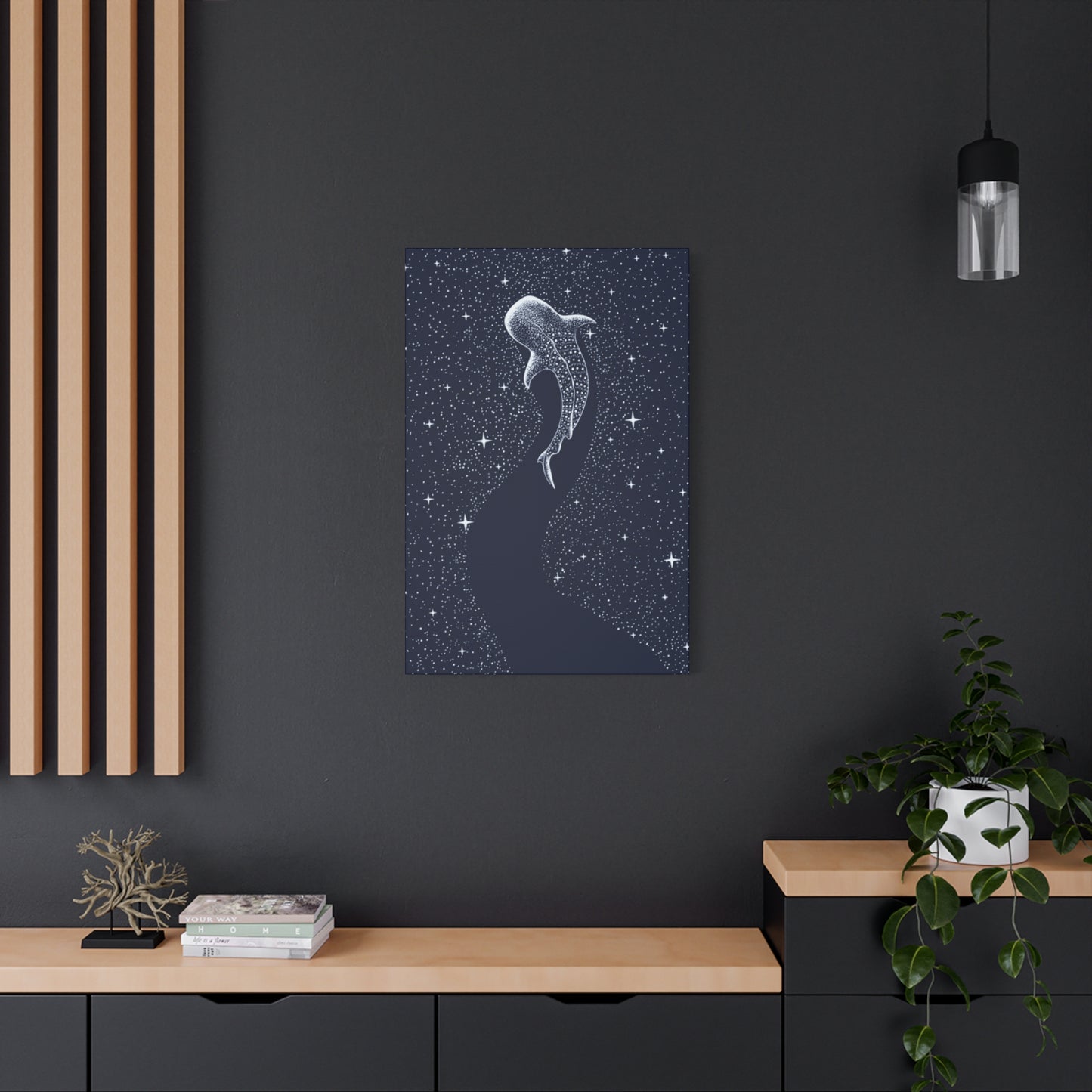
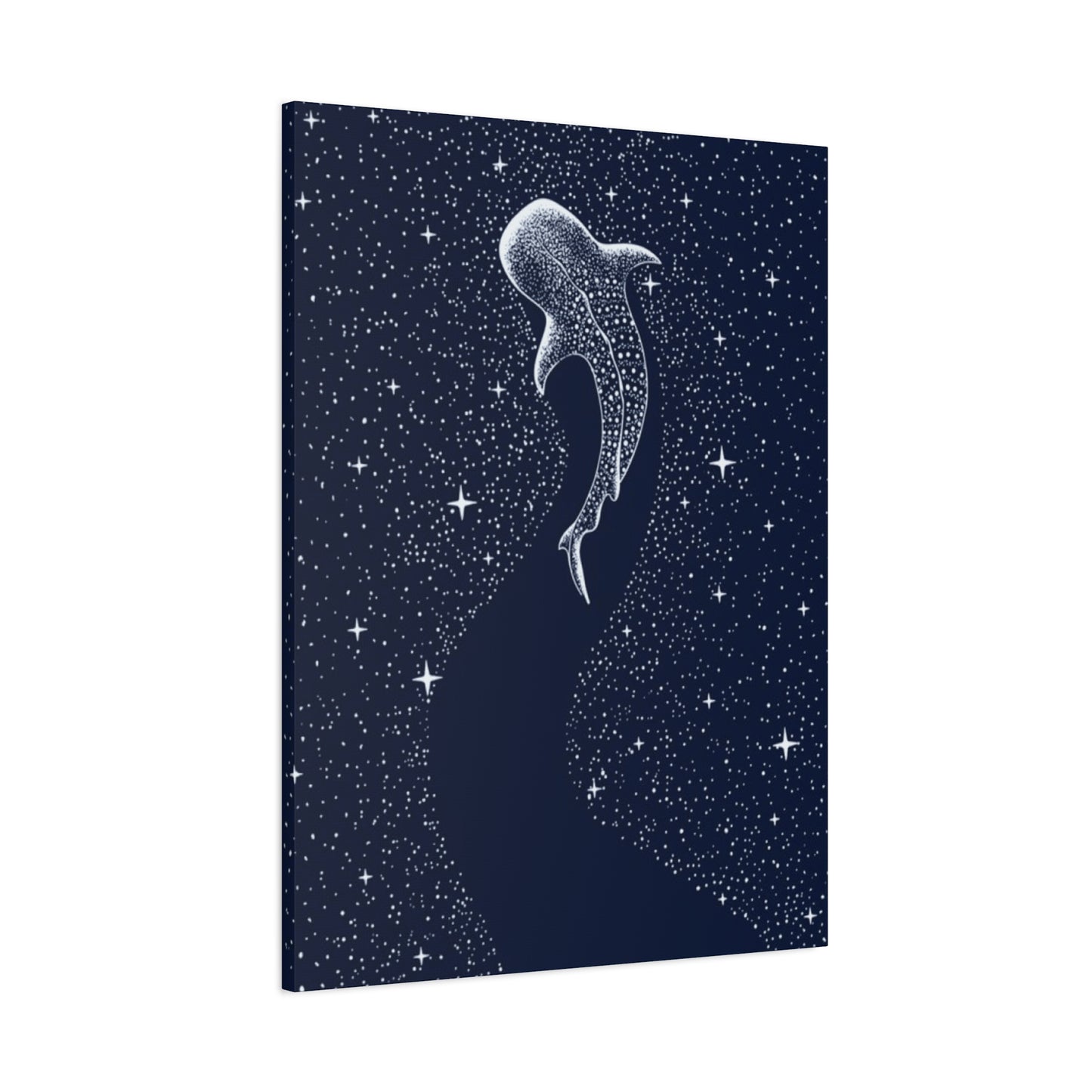
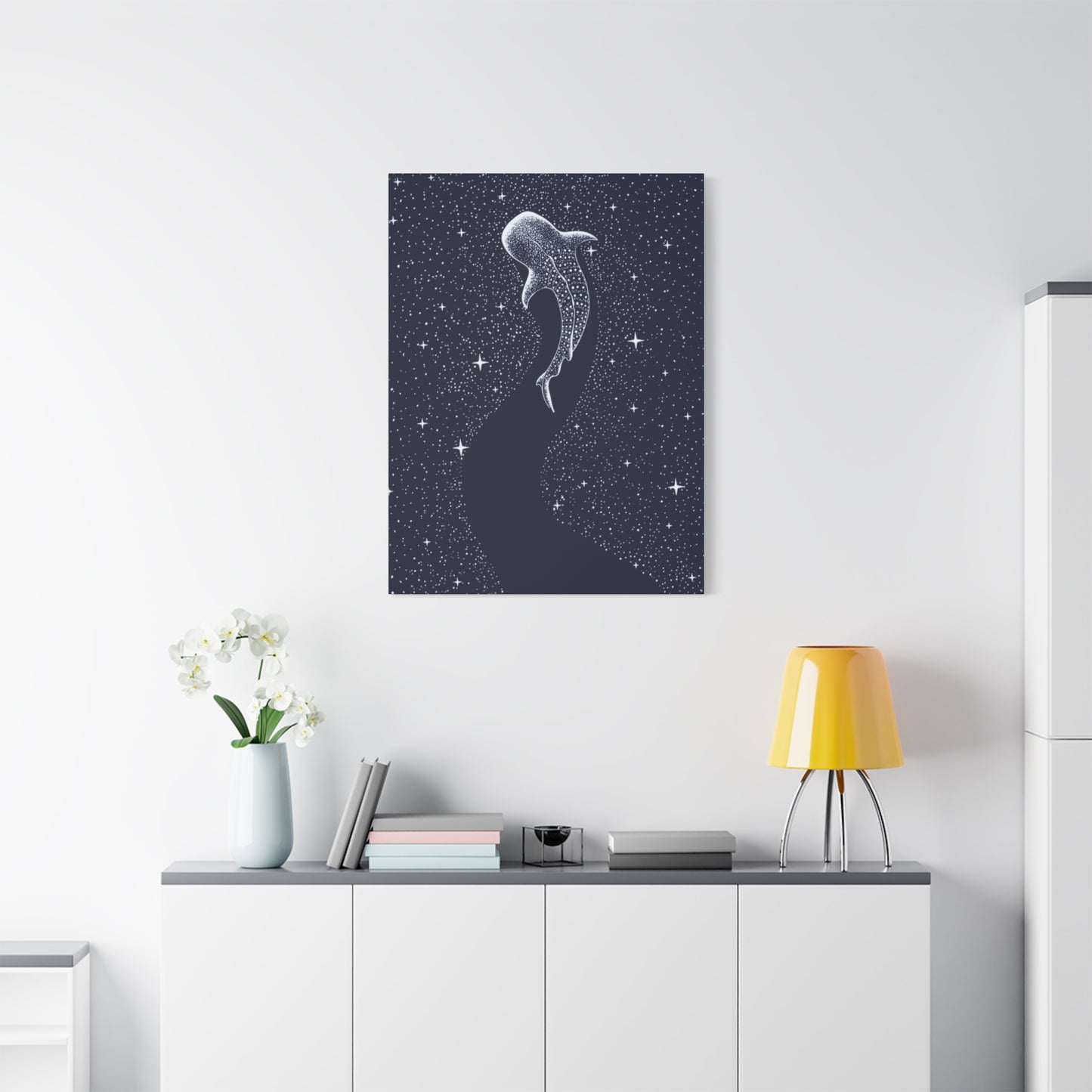
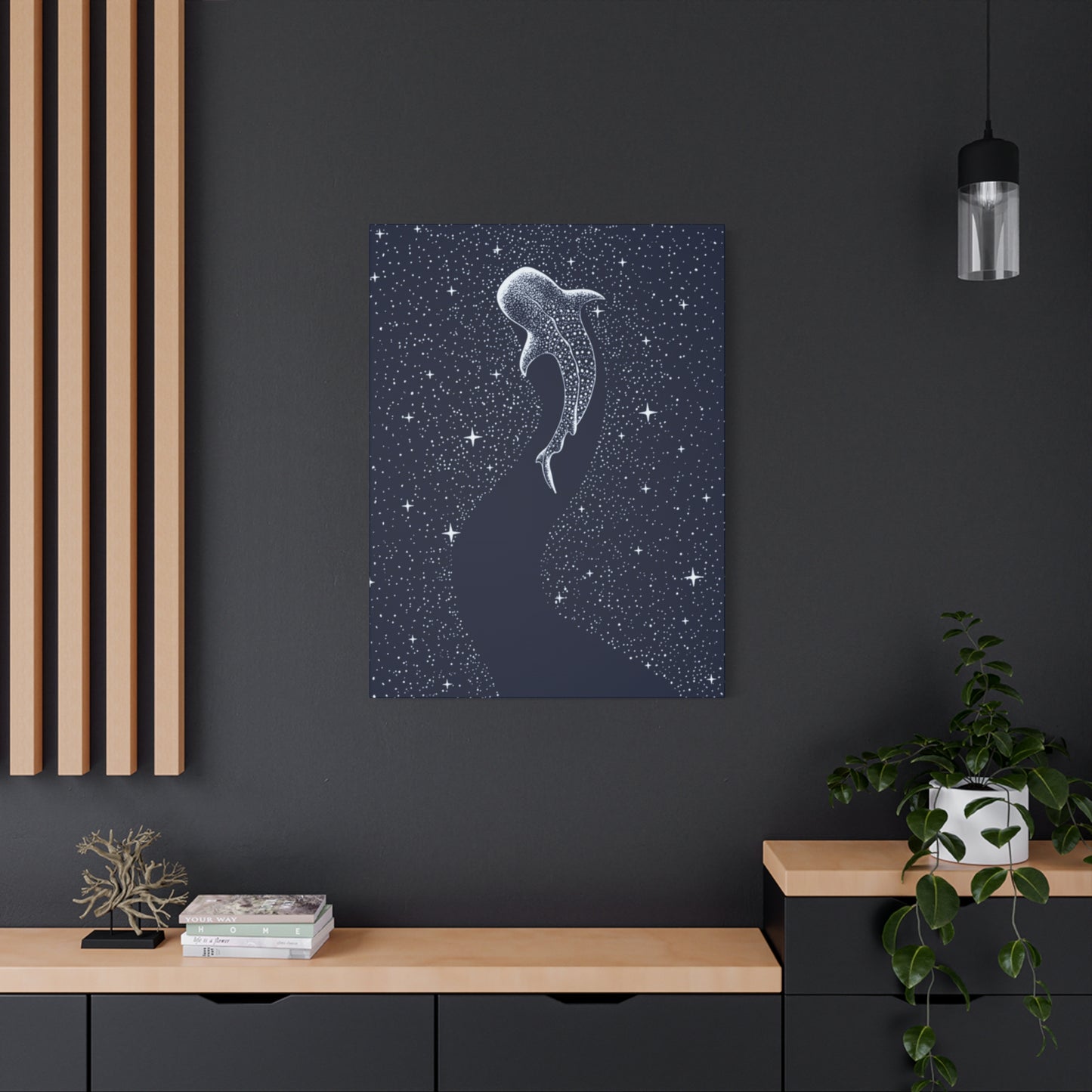
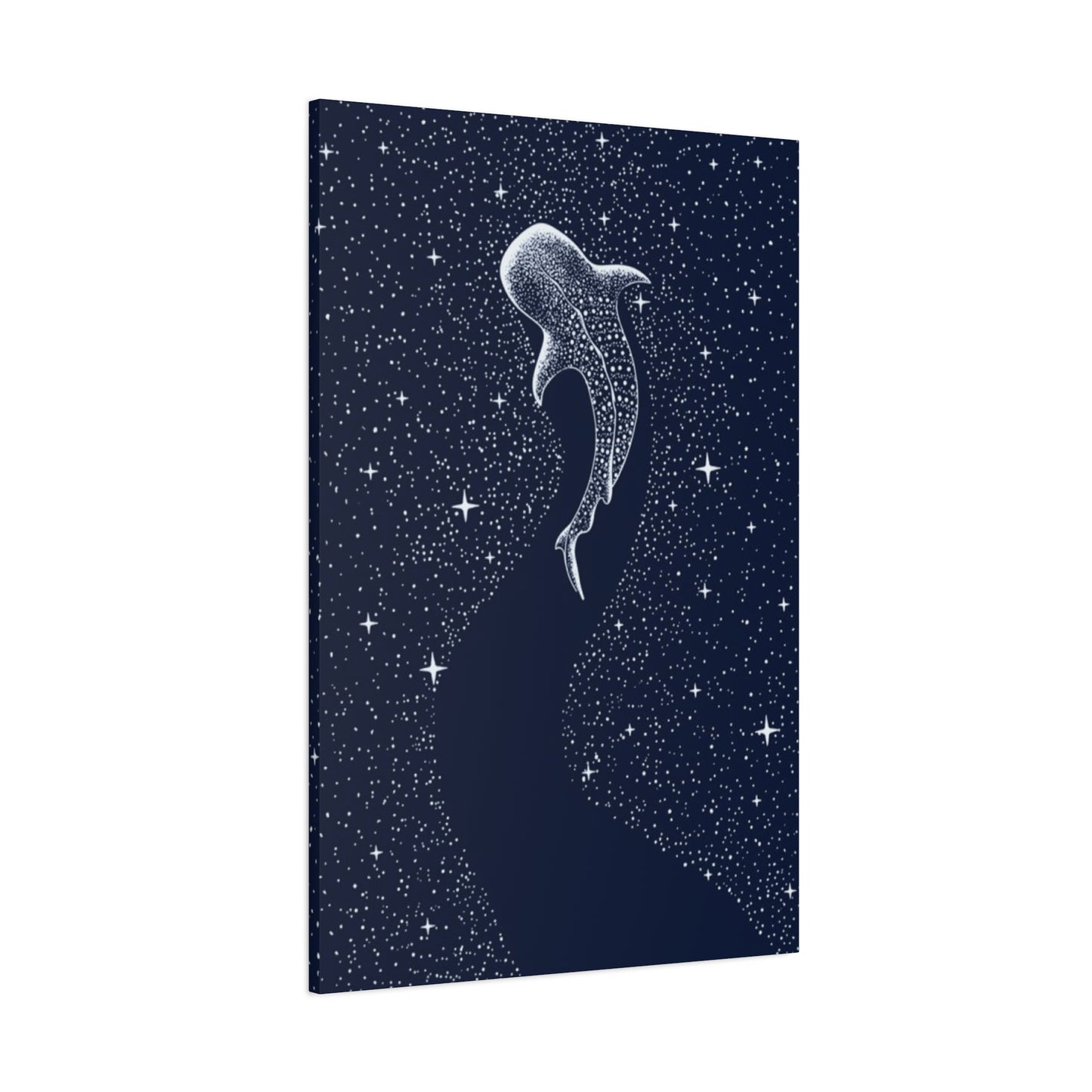
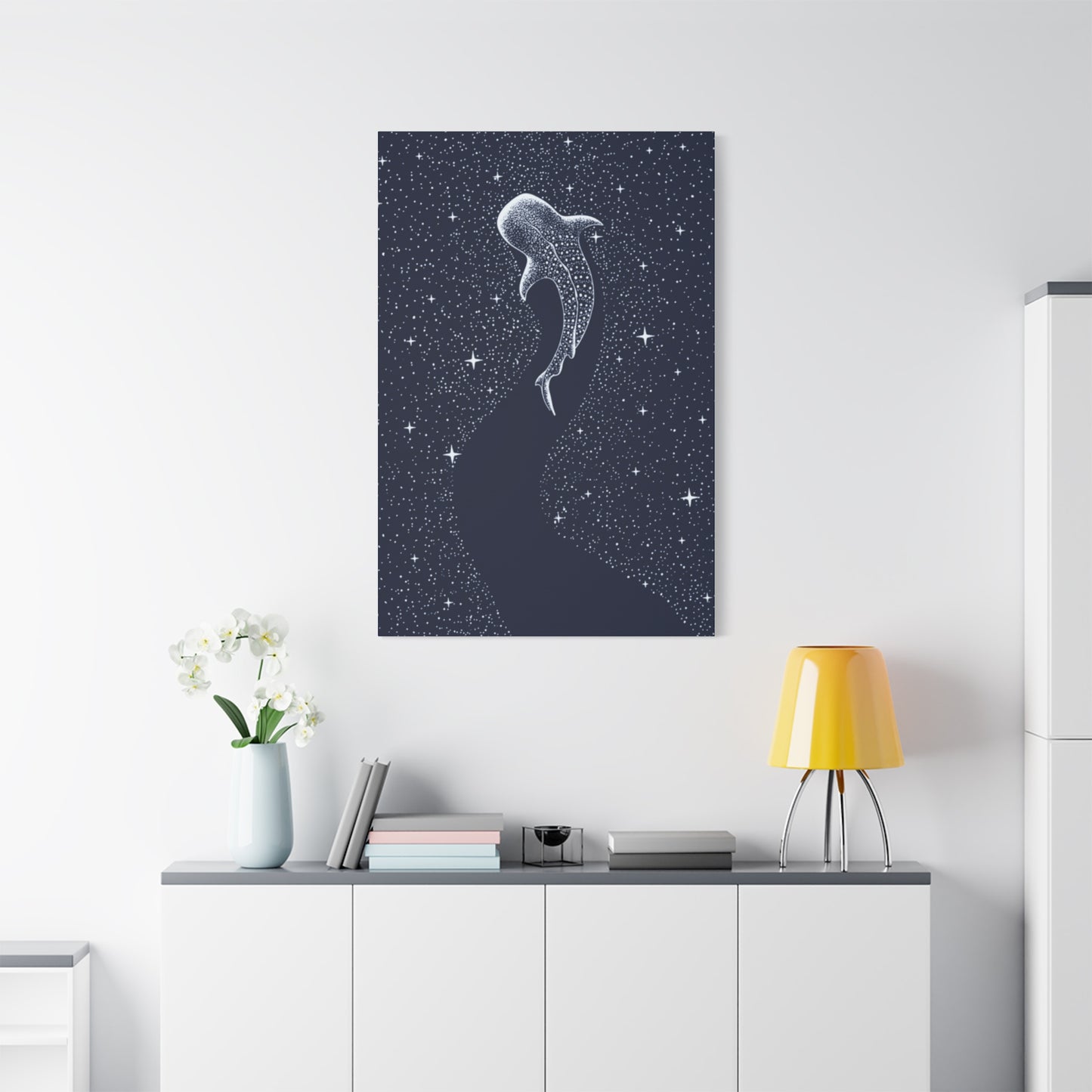
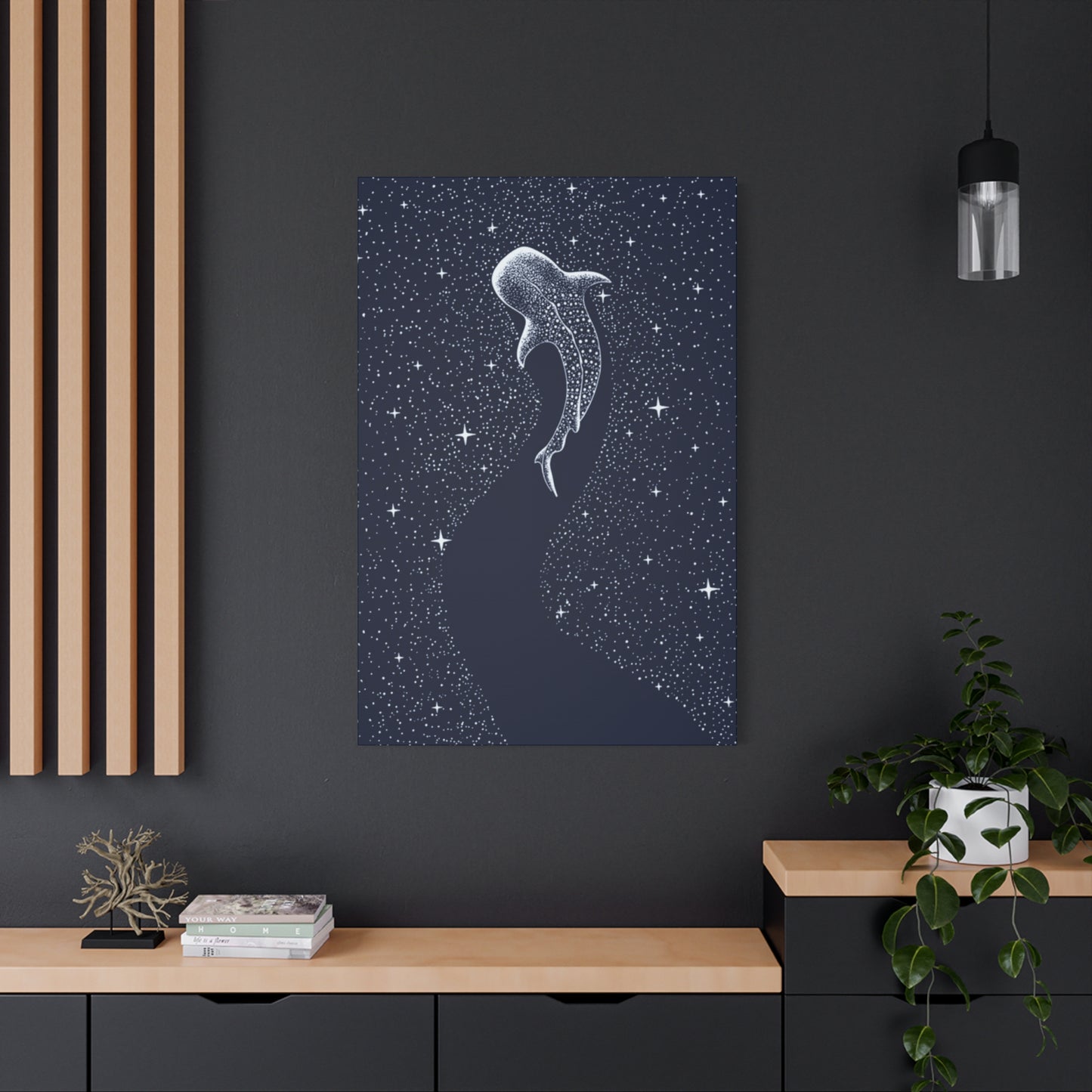
Fish in Starry Space Wall Art & Canvas Prints
Fish in Starry Space Wall Art & Canvas Prints
Couldn't load pickup availability
Enchanting Fish in Starry Space Wall Art: Creating Cosmic Underwater Dreamscapes for Modern Living Spaces
The mesmerizing blend of aquatic life suspended within celestial environments has captured the imagination of interior design enthusiasts worldwide. Fish in starry space wall art represents a revolutionary artistic movement that merges two seemingly disparate worlds into breathtaking visual narratives. This unique decorative approach transforms ordinary rooms into extraordinary sanctuaries where marine creatures glide through nebulae, swim past distant galaxies, and navigate cosmic currents adorned with twinkling constellations.
The concept challenges conventional boundaries between earthly oceans and infinite cosmos, creating dialogue between the mysterious depths we explore beneath waves and the unfathomable vastness stretching beyond our atmosphere. When decorators and homeowners seek statements that provoke conversation while maintaining aesthetic elegance, fish in starry space wall art delivers precisely that balance. These pieces serve as portals to imaginary realms where natural laws bend, allowing koi to drift through asteroid belts and jellyfish to pulse with bioluminescent energy against backgrounds of purple nebulae.
Contemporary living demands artwork that reflects both personal identity and cultural awareness of our place within larger systems. The juxtaposition of familiar aquatic species against unfamiliar cosmic backdrops creates cognitive dissonance that resolves into wonder. This artistic genre speaks to our collective fascination with exploration, whether diving into ocean trenches or launching telescopes toward distant stars. Every carefully placed scale on a celestial salmon or tentacle on a space-faring octopus tells stories about adaptation, survival, and the universal patterns connecting all existence.
Exploring Various Artistic Representations Within Cosmic Aquatic Imagery
The diversity within this artistic category astounds even seasoned collectors. Photorealistic renderings present fish with anatomically precise details floating through scientifically accurate star fields, creating surreal yet believable scenarios. These works often feature species like betta fish, their flowing fins rendered in meticulous detail against backgrounds showing actual constellation patterns from astronomical databases. The contrast between biological precision and impossible circumstances generates visual tension that captivates viewers.
Abstract interpretations take liberties with form and color, presenting fish as geometric suggestions or fluid color masses that merge with spiral galaxies and supernova remnants. These pieces prioritize emotional resonance over literal representation, using the symbolic weight of fish and stars to evoke feelings rather than depict scenes. Swirls of indigo, violet, and turquoise suggest both water and cosmos simultaneously, while golden accents might represent either fish scales or distant stars depending on viewing perspective.
Minimalist approaches strip the concept to essential elements: a simple fish silhouette against a gradient suggesting both water depth and cosmic void, perhaps punctuated by sparse star clusters. These designs appeal to modern sensibilities favoring clean lines and uncluttered compositions. Despite their simplicity, they maintain the core concept's power, proving that even suggested fish in starry space wall art can transform a room's atmosphere.
Vintage-inspired pieces adopt retro color palettes and stylistic elements reminiscent of mid-century scientific illustrations or 1970s psychedelic posters. These works often feature bold outlines, limited color schemes, and compositions that feel both nostalgic and timeless. A rainbow trout rendered in burnt orange and mustard yellow against a teal cosmos dotted with geometric stars evokes specific cultural moments while maintaining contemporary relevance.
Digital art has revolutionized possibilities within this genre. Artists manipulate photographs of actual fish and astronomical imagery, blending layers to create impossible scenes with photographic credibility. Others generate entirely synthetic creations using 3D modeling software, building fish from polygons and rendering cosmic environments with physics-based lighting simulations. The resulting images possess hyperreal qualities that traditional media cannot achieve, presenting fish in starry space wall art that seems simultaneously familiar and alien.
Mixed media approaches combine painting, collage, metallic foils, and even embedded LED lights to create multidimensional experiences. A canvas might feature painted fish overlaid with actual photographs of nebulae, topped with metallic leaf suggesting star fields that catch and reflect light as viewers move past. These pieces transform depending on lighting conditions and viewing angles, offering new discoveries with each observation.
Selecting Appropriate Dimensions and Formats for Maximum Visual Impact
Size considerations significantly affect how fish in starry space wall art influences room dynamics. Oversized pieces measuring six feet or larger create immersive focal points that dominate spaces, pulling viewers into cosmic underwater worlds. These statement pieces work exceptionally well in rooms with high ceilings or expansive blank walls, such as loft apartments, modern offices, or hospitality venues. The scale allows intricate details to remain visible from distance while creating impressive impact that smaller works cannot match.
Medium-sized pieces ranging from two to four feet suit most residential applications, providing substantial presence without overwhelming modestly proportioned rooms. These dimensions work beautifully above furniture pieces like sofas, beds, or console tables, creating balanced compositions that anchor decorative schemes. A three-foot square canvas showing a school of angelfish navigating through a meteor shower provides adequate visual interest for a living room without competing with other design elements.
Gallery walls incorporating multiple smaller pieces offer flexibility and personalization. Arranging six to twelve smaller works showing different fish species in various cosmic environments creates cohesive narratives while allowing individual pieces to shine. This approach suits collectors who appreciate variety and enjoy curating combinations that evolve over time. The arrangement patterns themselves become part of the artistic statement, whether organized in geometric grids or organic clusters.
Vertical formats complement architectural features like narrow wall sections flanking windows or doors. A tall, slender piece depicting a seahorse ascending through vertical bands of nebula colors draws eyes upward, making rooms feel more spacious. Conversely, horizontal formats suit spaces above horizontal furniture or in rooms where width exceeds height, creating visual balance through proportional relationship.
Diptychs and triptychs split single images across multiple panels, adding depth and architectural interest. A triptych might show a whale shark's journey across three canvases, its massive body beginning in one panel, continuing through the center, and exiting through the third against an evolving cosmic backdrop. The gaps between panels create rhythm while maintaining compositional unity, and the modular format allows easier transport and hanging compared to single large pieces.
Shape variations beyond standard rectangles offer additional creative possibilities. Circular pieces evoke portholes or planets, naturally suiting the cosmic theme while creating focal points that break monotonous wall planes. Irregular organic shapes might follow the contour of an eel or ray, creating sculptural presences that extend into three-dimensional space.
Understanding Color Theory and Palette Selection for Cohesive Interior Design
Color psychology plays crucial roles in how fish in starry space wall art affects mood and spatial perception. Deep blues and purples dominate many cosmic aquatic pieces, evoking both ocean depths and night skies. These cool tones promote calmness and contemplation, making them ideal for bedrooms, meditation spaces, or any environment intended for relaxation. The psychological association between blue and tranquility combines with purple's spiritual connotations to create atmospheres conducive to introspection.
Warm accents within predominantly cool compositions create visual excitement and prevent monotony. Orange and gold highlights suggesting bioluminescence or distant stars inject energy into otherwise serene palettes. These warm touches draw attention to specific elements, guiding viewer focus toward key compositional features like a fish's eye or particularly detailed constellation patterns.
Complementary color schemes using opposites on the color wheel generate maximum contrast and vibrancy. A piece featuring orange koi against blue-violet cosmic backgrounds exploits the orange-blue complementary relationship, making both colors appear more saturated and lively. This approach suits spaces needing energizing elements, such as home offices or creative studios.
Analogous palettes using adjacent colors create harmonious, sophisticated aesthetics. A composition working within the blue-green-cyan range with subtle purple transitions offers visual complexity while maintaining cohesive flow. These schemes integrate easily into existing decor, complementing rather than competing with surrounding design elements.
Monochromatic approaches using variations of single hues demonstrate that fish in starry space wall art need not employ rainbow palettes. A piece rendered entirely in shades of teal, from nearly black shadows to nearly white highlights, creates elegant minimalism while maintaining thematic integrity. The value contrasts between light and dark provide all necessary visual interest without chromatic variety.
Metallics add luxury and dimensionality impossible with standard pigments. Silver leafing on stars creates literal reflective surfaces that catch light, making constellations twinkle as viewers move. Gold accents on fish scales suggest precious materials while enhancing warm color schemes. Rose gold has become particularly popular, bridging warm and cool palettes while adding contemporary flair.
Considering existing room colors ensures artwork enhances rather than clashes with established palettes. A room dominated by earth tones benefits from fish in starry space wall art incorporating warm browns, oranges, and golden yellows alongside cosmic blues. Conversely, spaces featuring cool grays and whites suit artwork emphasizing icy blues, silvers, and crisp whites suggesting crystalline waters and distant galaxies.
Neutral backgrounds allow colorful fish to star as focal points. Charcoal or deep navy cosmos settings make vibrant tropical fish populations sing with saturated oranges, yellows, and reds. This approach suits minimalist interiors where artwork provides primary color interest against otherwise subdued palettes.
Examining Various Printing Methods and Material Substrates for Lasting Quality
Canvas prints remain perennially popular for fish in starry space wall art due to their versatility and accessibility. High-quality giclée printing on archival cotton or linen canvas reproduces artwork with exceptional color accuracy and detail. The textile surface adds textural dimension that flat prints lack, while canvas's light weight simplifies hanging. Gallery-wrapped canvases where imagery continues around frame edges create finished appearances without additional framing costs.
Metal prints offer contemporary aesthetics particularly suited to cosmic themes. Infusing dyes directly into aluminum surfaces creates luminous, almost backlit qualities that make stars genuinely appear to glow. The reflective properties create depth impossible with absorptive materials, while metal's durability ensures longevity even in challenging environments like bathrooms or kitchens. The smooth, glossy finish enhances modern, minimalist interiors.
Acrylic face mounting sandwiches prints between clear acrylic sheets, creating museum-quality presentations with remarkable depth and color saturation. Light travels through the acrylic, reflecting off the print and back through the surface, intensifying colors and creating three-dimensional illusions. Fish in starry space wall art rendered through this method achieves jewel-like brilliance that commands attention. The crystal-clear acrylic protects prints from UV damage, fingerprints, and environmental degradation.
Traditional paper prints in professional frames provide classic presentations that suit formal settings. Fine art papers like cotton rag or alpha cellulose offer archival properties ensuring decades of colorfastness. Matting separates artwork from glazing while providing visual buffers that enhance presentation. Conservation glazing with UV filtering protects delicate inks from fading while reducing glare that might obscure details.
Wood prints transfer images onto natural wood surfaces, allowing grain patterns to show through and interact with imagery. A fish in starry space wall art piece on birch might feature wood grain suggesting water currents or cosmic dust lanes, creating organic integration between substrate and subject. Each piece becomes unique as wood variations affect final appearance.
Fabric tapestries offer textile warmth distinct from framed works. Woven or printed on materials like polyester, cotton, or velvet, these pieces hang without frames using rods or clips. The soft, organic quality suits bohemian or eclectic interiors, and the portable nature appeals to renters or frequent movers. Some tapestries incorporate actual embroidery or appliqué, adding tactile dimensions.
Glass prints fuse images onto glass backs, creating glossy, reflective surfaces with intense colors. The process differs from acrylic mounting, as imagery becomes part of the glass rather than sandwiched behind it. This creates unique optical properties where artwork seems to float within the glass itself. The heavy, substantial feel conveys luxury, though careful mounting is essential.
Photographic papers in various finishes offer alternatives to canvas or specialty substrates. Glossy finishes maximize color saturation and contrast, making cosmic scenes particularly dramatic. Matte finishes reduce reflections and glare, suiting rooms with challenging lighting. Luster and pearl finishes compromise between both extremes, offering some sheen without excessive reflection.
Crafting Custom Designs to Reflect Personal Aesthetic Preferences
Commissioning original fish in starry space wall art allows complete creative control over subject matter, palette, size, and style. Working directly with artists ensures pieces perfectly match vision and space requirements. The collaborative process typically begins with consultations discussing themes, colors, dimensions, and mood. Artists may provide sketches or digital mockups for approval before proceeding with final works.
Species selection carries symbolic weight worth considering. Koi represent perseverance and strength in many cultures, making them meaningful choices for personal spaces. Goldfish suggest prosperity and good fortune, while betta fish symbolize courage despite their small size. Dolphins and whales evoke intelligence and social connection, whereas sharks might represent power and determination. Choosing species with personal significance adds layers of meaning beyond pure aesthetics.
Incorporating personal elements like specific star configurations visible on meaningful dates adds intimate touches. A piece showing the night sky from a wedding date or child's birth, but reimagined as an underwater starscape with significant fish species, becomes treasured heirloom art. Some artists can integrate subtle hidden elements like initials formed by star patterns or dates encoded in constellation arrangements.
Cultural aesthetics influence design directions. Japanese-inspired pieces might feature koi swimming through cosmic cherry blossom petals, blending traditional ukiyo-e woodblock print styles with contemporary space imagery. Art Nouveau interpretations could incorporate flowing, organic lines and decorative borders typical of that movement, applied to cosmic aquatic subjects. Celtic knotwork patterns might form constellation connections, merging ancient symbolism with modern themes.
Photorealistic styles suit clients valuing technical precision, showing anatomically accurate fish in scientifically plausible cosmic environments. These pieces require significant skill and time, often commanding higher prices, but deliver stunning results that blur lines between photography and painting. Alternatively, impressionistic approaches prioritize mood and color over detail, creating dreamy, ethereal visions where fish and stars merge into symphonies of color and light.
Fantasy elements expand creative possibilities beyond realistic constraints. Mechanical fish constructed from brass gears and telescopes navigating steampunk cosmos, or crystalline fish made from faceted gemstones swimming through geometric space create unique subcategories within the genre. These fantastical interpretations appeal to clients desiring truly one-of-kind statement pieces.
Color matching services ensure artwork coordinates perfectly with existing decor. Providing paint swatches, fabric samples, or photographs of spaces helps artists select palettes guaranteeing harmonious relationships between new art and established environments. This attention to coordination proves especially valuable for clients with carefully curated color schemes.
Size customization addresses specific architectural features. Artists can create pieces fitting unusual dimensions like narrow vertical spaces, extremely wide horizontal spans, or irregular wall sections. Custom sizing ensures artwork appears intentionally designed for locations rather than generically scaled.
Positioning and Arrangement Strategies for Optimal Visual Harmony
Hanging height significantly affects viewing experience and spatial perception. Standard recommendations suggest centering artwork at approximately 57 to 60 inches from floor to center, reflecting average eye level. However, contexts modify this guideline. In dining rooms where viewers primarily sit, lowering artwork creates better sightlines. Conversely, pieces viewed primarily while standing, such as entryway art, might hang slightly higher.
Above furniture, maintaining 6 to 12 inch gaps between furniture tops and artwork bottoms creates visual connection while preventing pieces from appearing to float aimlessly. A fish in starry space wall art piece above a sofa should relate to the furniture proportionally, typically spanning two-thirds to three-quarters the furniture width to maintain balance without overwhelming.
Lighting dramatically influences how artwork appears and the ambiance it creates. Natural light showcases colors accurately but requires UV protection to prevent fading. Positioning pieces perpendicular to windows reduces glare while still providing illumination. Picture lights mounted directly above frames highlight artwork specifically while adding warm accent lighting to spaces. Track or recessed spotlights offer flexible options for illuminating multiple pieces or creating dramatic effects. Warm-toned lighting enhances warm colors in artwork while cooling cool tones slightly, whereas cool-toned lighting does the reverse. Neutral daylight-balanced lighting reproduces colors most accurately.
Grouping multiple pieces requires careful planning. Symmetrical arrangements of identical-sized pieces create formal, orderly aesthetics suited to traditional interiors. Asymmetrical compositions mixing sizes and orientations feel dynamic and contemporary. When clustering fish in starry space wall art pieces, maintaining consistent spacing between frames creates cohesion. Typical gaps range from 2 to 6 inches depending on frame styles and room scale.
Creating salon-style walls with dense, edge-to-edge arrangements evokes gallery aesthetics while allowing extensive collections to shine. This approach works beautifully with varied frame styles and artwork sizes, provided unifying elements like consistent matting colors or coordinated palettes tie disparate pieces together. Planning layouts on paper or using digital tools prevents unnecessary wall damage from repeated repositioning.
Vertical stacking of two to three pieces creates columns that draw eyes upward, emphasizing ceiling height. This arrangement suits narrow wall sections while making rooms feel more spacious. Horizontal rows of three to five pieces emphasize width, grounding spaces and making them feel more stable and settled.
Corners often go underutilized despite offering unique opportunities. Wrapping artwork around corners using pieces on adjacent walls creates visual flow encouraging full room exploration. Alternatively, corner-specific pieces designed to span the angle make architectural features become focal points rather than dead zones.
Height variation within groupings adds visual interest and prevents monotony. Stepping pieces up gradually or creating wave patterns with alternating high and low placements guides viewer attention through compositions. When incorporating fish in starry space wall art into mixed gallery walls alongside other artwork types, these pieces often work best as focal anchors with surrounding pieces supporting rather than competing.
Preserving Artwork Longevity Through Proper Environmental Control
UV radiation represents the primary threat to artwork longevity, gradually breaking down pigments and causing irreversible fading. Direct sunlight exposure proves especially damaging, potentially noticeably degrading prints within months. Positioning fish in starry space wall art away from windows or using UV-filtering glazing and window films provides protection. Museum-quality UV-filtering acrylic or glass blocks up to 99% of harmful wavelengths while remaining virtually invisible, making it ideal for valuable pieces.
Temperature and humidity fluctuations stress materials, causing expansion and contraction that leads to warping, cracking, or delamination. Maintaining relatively stable conditions between 65-75°F and 40-55% relative humidity protects artwork. Avoiding placement near heating vents, air conditioners, or fireplaces prevents localized climate extremes. In particularly dry or humid climates, whole-room humidifiers or dehumidifiers help maintain ideal conditions.
Dust accumulation dulls colors and creates abrasive surfaces that scratch protective glazing during cleaning. Regular dusting using soft, clean microfiber cloths prevents buildup. For unglazed canvas or fabric pieces, gentle vacuuming with soft brush attachments on low suction removes dust without damaging surfaces. Always dusting from top to bottom allows gravity to assist rather than redistribute particles.
Moisture damage from leaks, condensation, or high humidity causes warping, mold growth, and ink bleeding. Avoiding bathroom and kitchen placements unless pieces feature moisture-resistant materials like metal or acrylic prevents problems. Regular inspections behind frames check for hidden moisture issues, particularly on exterior walls prone to condensation.
Smoke and airborne pollutants gradually discolor artwork and degrade materials. Cooking smoke, tobacco smoke, and fireplace emissions prove particularly harmful. Adequate ventilation and air filtration systems reduce pollutant concentrations. Avoiding candle placement near artwork prevents soot accumulation.
Physical damage from accidents, pets, or children necessitates strategic placement. Hanging artwork above typical impact zones protects from daily wear. In homes with active pets or young children, securing frames with appropriate hardware prevents pieces from being knocked loose, and choosing more durable substrates like metal or acrylic over glass reduces breakage risks.
Cleaning methods must match materials. Glass or acrylic glazing tolerates gentle cleaning with appropriate solutions, but overly aggressive chemicals or abrasive materials scratch surfaces. Canvas requires dry cleaning methods or very light, barely damp cloths on unpainted frame areas only. Metal prints handle gentle wiping with microfiber cloths, while wood prints need wood-specific cleaners. When uncertain, consulting artwork creators or professional conservators prevents accidental damage.
Coordinating Artwork with Various Interior Design Philosophies
Contemporary minimalist spaces featuring clean lines, neutral palettes, and sparse furnishings benefit from fish in starry space wall art that maintains similar restraint. Single large-scale pieces with substantial negative space, limited color palettes, and crisp compositions enhance rather than clutter these environments. A simple silhouette of a manta ray against a gradient suggesting both water and cosmos, punctuated by sparse star placements, complements minimalist aesthetics perfectly.
Industrial interiors characterized by exposed brick, metal fixtures, and reclaimed wood find suitable partners in metal prints or pieces emphasizing raw, edgy aesthetics. Fish in starry space wall art with intentionally distressed finishes, bold contrasts, and mechanical elements coordinate with industrial elements while adding organic curves that soften harsh architectural lines. The juxtaposition between industrial surroundings and fantastical subject matter creates compelling contrasts.
Bohemian eclectic styles embrace pattern mixing, vibrant colors, and diverse cultural influences. These spaces accommodate fish in starry space wall art featuring rich, saturated palettes, intricate details, and multiple layered elements. Fabric tapestries or mixed media pieces incorporating various textures align with bohemian sensibilities. Grouping cosmic aquatic artwork alongside other eclectic pieces creates rich visual tapestries reflecting collected-over-time aesthetics.
Scandinavian design principles valuing functionality, natural materials, and muted colors guide artwork selection toward pieces emphasizing similar qualities. Fish in starry space wall art rendered in soft grays, whites, and pale blues with clean, simple compositions honors Scandinavian restraint while introducing subtle whimsy. Natural wood frames complement the style's preference for organic materials.
Mid-century modern aesthetics characterized by organic forms, bold colors, and retro styling pair beautifully with vintage-inspired cosmic aquatic pieces. Artwork featuring limited color palettes in burnt orange, mustard yellow, teal, and brown alongside atomic-era stylistic elements bridges mid-century and contemporary sensibilities. The organic fish forms complement the period's celebration of natural shapes.
Coastal and nautical themes find obvious synergy with aquatic subjects, though care prevents overly literal interpretations. Fish in starry space wall art for coastal spaces might emphasize blues and sandy neutrals while incorporating subtle nautical elements like compass roses reimagined as constellation markers or anchor shapes formed by star patterns. The cosmic element elevates potentially cliché coastal themes into sophisticated statements.
Glamorous Hollywood Regency styles featuring bold patterns, rich colors, metallics, and dramatic contrasts accommodate equally bold fish in starry space wall art. Pieces with metallic accents, jewel-toned color schemes, and luxurious presentation methods like acrylic face mounting match the style's inherent drama. Oversized statement pieces command attention appropriate to glamorous settings.
Traditional formal interiors benefit from fish in starry space wall art presented in classic formats with ornate frames, balanced compositions, and sophisticated color restraint. While the subject matter defies tradition, presentation methods can bridge contemporary concepts with classical sensibilities. Rich wood frames, museum matting, and carefully composed scenes demonstrating technical mastery suit formal environments.
Investigating Symbolic Meanings and Cultural Interpretations
Water symbolizes emotions, subconscious mind, and life itself across countless cultural traditions. Fish inhabiting this element carry related symbolism emphasizing intuition, emotional depth, and connection to hidden aspects of existence. Simultaneously, stars and cosmic imagery represent destiny, aspiration, and humanity's quest for meaning within vast universal contexts. Combining these symbols creates rich metaphorical landscapes where emotional journeys intersect with cosmic purpose.
Eastern philosophies particularly embrace fish symbolism. Buddhist traditions feature fish among the Eight Auspicious Symbols, representing freedom and happiness through liberation from worldly attachments. Hindu mythology includes Matsya, the fish avatar of Vishnu who saved humanity from cosmic floods. Chinese culture venerates goldfish and koi as bearers of prosperity, abundance, and good fortune. Placing fish within cosmic contexts amplifies their transcendent associations, suggesting spiritual journeys beyond earthly confines.
Christian symbolism historically employed fish as secret identification symbols among early believers, representing faith and divine provision. The Greek word for fish, ichthys, formed an acronym for "Jesus Christ, God's Son, Savior." While fish in starry space wall art typically lacks explicit religious intent, viewers from Christian backgrounds may subconsciously associate the imagery with spiritual themes.
Astrological traditions connect both aquatic and celestial imagery. Pisces, the fish constellation, concludes the zodiac cycle, symbolizing completion, wisdom, and spiritual enlightenment. Incorporating actual Pisces constellation patterns within fish in starry space wall art resonates particularly with those born under this sign while creating cosmological authenticity.
Jungian psychology interprets water as representing the unconscious mind's depths, with fish symbolizing insights emerging from those mysterious regions. The cosmos represents the collective unconscious shared across humanity, containing archetypal patterns and universal truths. Artwork merging these realms creates visual representations of psychological journeys toward self-knowledge and connection with greater consciousness.
Dreams featuring fish or cosmic imagery carry significant weight in various interpretive traditions. Fish suggest hidden knowledge, spiritual nourishment, or slippery truths difficult to grasp. Cosmic dreams indicate perspective shifts, recognition of one's small place within vast systems, or connection with universal energies. Fish in starry space wall art visually manifests these dream symbols, potentially resonating with viewers on unconscious levels.
Environmental symbolism has grown increasingly relevant as ecological awareness expands. Fish represent marine ecosystems facing threats from pollution, climate change, and overfishing. The cosmos represents the fragility of our planetary home viewed from space, emphasizing Earth's isolation and preciousness. Artwork combining these elements might subtly comment on environmental stewardship, reminding viewers that protecting oceans and planet requires cosmic perspective.
Whales and dolphins carry particular symbolic weight as intelligent, social creatures demonstrating complex emotional lives. Their presence in cosmic contexts emphasizes consciousness itself as a cosmic phenomenon, suggesting intelligence and awareness represent fundamental universal principles rather than earthly accidents. These pieces invite contemplation about life's existence elsewhere in the cosmos and our relationships with other sentient beings.
Sourcing Authentic Artwork from Reputable Creators and Vendors
Independent artists offer unique advantages when seeking fish in starry space wall art. Purchasing directly supports creators while often allowing customization discussions and establishing personal connections. Platforms showcasing independent artists provide searchable databases where filtering by style, price range, size, and theme helps locate ideal pieces. Reading artist statements and portfolios ensures aesthetic alignment before purchases.
Print-on-demand services democratize access to diverse designs, offering extensive catalogs at various price points. These platforms allow artists to upload designs that customers order in preferred sizes and formats, with printing and shipping handled by the service. Quality varies significantly between services, making research into printing methods, materials, and customer reviews essential. Reputable services specify ink types, substrate details, and color reproduction accuracy.
Galleries and art fairs provide curated selections and expert guidance. Gallery relationships with artists ensure authenticity while providing return policies and professional consultations. Art fairs allow direct artist interactions and opportunities to see pieces in person before purchasing. The gallery markup reflects these services but provides reassurance, particularly for significant investments.
Online marketplaces connecting multiple sellers require careful vendor evaluation. Checking seller ratings, reading reviews, and examining return policies protects buyers. Detailed product descriptions specifying dimensions, materials, and production methods help set appropriate expectations. Comparing multiple vendors selling similar pieces often reveals significant price and quality variations.
Licensing and copyright considerations affect both buyers and sellers. Legitimate vendors secure proper rights to reproduce and sell artwork, with original artists receiving appropriate compensation. Suspiciously low prices on designs available elsewhere at higher costs may indicate unauthorized reproductions. Purchasing properly licensed fish in starry space wall art supports artistic communities while avoiding legal complications.
Custom framing services elevate presentation quality and protect investments. Professional framers offer materials and expertise ensuring proper artwork preservation. Acid-free matting prevents chemical degradation, while conservation glazing blocks UV radiation. Custom frames complement specific pieces while coordinating with room aesthetics. Though more expensive than ready-made frames, custom framing proves worthwhile for valuable or meaningful pieces.
Auction sites and secondary markets occasionally offer fish in starry space wall art, potentially at below-retail prices. However, buyer protections vary, and assessing condition before purchase proves challenging. Understanding return policies and authenticity guarantees helps minimize risks. For rare or collectible pieces, secondary markets may provide the only acquisition opportunities.
Subscription services delivering rotating artwork selections allow regular refreshments without permanent commitments. These services ship pieces for temporary display periods before exchanges, ideal for those enjoying frequent aesthetic changes. Some focus on emerging artists, providing discovery platforms while supporting developing talents. Subscription costs typically prove lower than outright purchases while eliminating storage concerns for replaced pieces.
Creating Immersive Themed Environments Beyond Single Focal Pieces
Extending cosmic aquatic themes throughout entire rooms creates cohesive environments that transport inhabitants to imaginary realms. Coordinating fish in starry space wall art with complementary decor elements amplifies impact while maintaining aesthetic unity. Textiles incorporating celestial or aquatic patterns bridge artwork and functional items, with throw pillows, curtains, or area rugs featuring complementary designs in coordinating color palettes.
Lighting design dramatically enhances themed environments. Star projectors cast moving constellation patterns across ceilings and walls, creating dynamic cosmic ambiance. Blue or purple LED accent lighting suggests underwater or cosmic environments while energy-efficient technology enables continuous operation. Fiber optic installations might create starfield effects or simulate bioluminescent organisms, adding dimension impossible through static artwork alone.
Furniture selections can subtly reinforce themes without overtly themed pieces. Organic forms recalling water-smoothed stones or flowing currents connect with aquatic elements. Metallic finishes suggesting spaceship surfaces or telescope components emphasize cosmic aspects. Deep blue velvet upholstery or iridescent fabrics mimicking fish scales add texture while maintaining color continuity.
Sculptural elements create three-dimensional theme extensions. Celestial mobiles suspended from ceilings add movement while casting interesting shadows. Aquarium installations containing actual fish create living artwork connecting fantasy representations with natural reality, though this requires commitment to proper animal care. Metal or glass fish sculptures on shelves or tables echo wall art subjects in different media.
Painted accent walls extend color palettes throughout spaces without overwhelming rooms. Deep navy or midnight blue walls create cosmic backdrops making fish in starry space wall art pop visually while establishing immersive environments. Ombre walls transitioning from deep blues at bottom to lighter teals above suggest water depths or atmospheric layers. Subtle metallic speckle finishes suggest distant stars without busy patterning.
Ceiling treatments often go overlooked despite offering unique opportunities. Dark ceilings with glow-in-the-dark stars create nighttime surprise elements while maintaining neutral daytime appearances. Subtle cosmic murals on ceilings encourage upward gazing, unusual in typical room usage. Fiber optic ceiling installations create twinkling starfields impressive in dedicated spaces like home theaters or bedrooms.
Flooring choices contribute to overall atmospheres. Deep blue or teal rugs ground color schemes while soft, plush textures contrast with typical hard flooring. Area rugs with abstract patterns suggesting water ripples or cosmic dust add visual interest without literal representations. Lighter flooring prevents rooms from feeling too dark when combining with deep wall colors.
Window treatments balance natural light control with theme consistency. Sheer curtains in cosmic colors filter light beautifully while maintaining privacy. Blackout curtains in deep colors ensure media room darkness while coordinating with palettes. Curtains printed with subtle star patterns or abstract aquatic designs add pattern without overwhelming.
Incorporating Cosmic Aquatic Themes in Various Room Functions
Bedrooms benefit particularly from calming fish in starry space wall art, as the tranquil imagery promotes restful atmospheres conducive to sleep. Positioning artwork opposite beds creates focal points visible upon waking, starting days with inspirational imagery. Above headboards, pieces create cohesive sleeping environments without requiring additional footboard furniture. The combination of soothing blues and contemplative cosmic themes suits spaces dedicated to rest and personal reflection.
Living rooms as social gathering spaces require fish in starry space wall art that stimulates conversation while complementing varied activities. Large statement pieces above sofas anchor seating arrangements while providing discussion topics. Gallery walls incorporating multiple pieces create visual richness appropriate for rooms receiving extended viewing. Ensuring adequate lighting allows proper appreciation during evening entertaining while dimmer controls adjust ambiance for relaxation or movie viewing.
Home offices demand inspirational artwork that stimulates creativity without distracting from work. Fish in starry space wall art suggesting themes of exploration, adaptation, or navigating unknown territories provides subtle motivation. Positioning pieces within sight from workstations offers mental breaks when focusing becomes challenging. Moderately sized pieces balance impact with restraint, preventing overstimulation during concentration-intensive tasks.
Children's spaces accommodate playful interpretations of cosmic aquatic themes. Brighter colors and whimsical styling create age-appropriate environments encouraging imagination. Educational elements like labeled constellation patterns or fish species information combine decoration with learning. As children mature, themes remain relevant though aesthetic preferences may shift, making quality pieces worthwhile investments that grow with inhabitants.
Dining areas benefit from artwork creating pleasant visual environments enhancing meal experiences. Fish in starry space wall art establishes conversation topics during gatherings while complementing food presentations with coordinating color palettes. Artwork positioned at seated eye level engages diners comfortably without requiring awkward viewing angles. Protecting pieces from food splatters through strategic positioning or choosing easily cleaned substrates like acrylic prevents damage.
Bathrooms present unique challenges due to humidity and temperature fluctuations. Selecting fish in starry space wall art on moisture-resistant substrates like metal or waterproof canvas prevents damage. The obvious thematic connection between bathrooms and water makes aquatic artwork particularly suitable. Smaller pieces work well in modestly sized bathrooms without overwhelming tight spaces.
Entryways create first impressions for visitors, making impactful fish in starry space wall art excellent welcoming statements. These pieces immediately establish home personalities while demonstrating artistic appreciation. Sizing must account for viewing distances in typically smaller spaces, with adequately scaled pieces avoiding feeling cramped. Durable substrates withstand higher traffic and potential impacts near doorways.
Hallways often feature minimal furnishings, creating opportunities for gallery-style artwork displays. Linear arrangements of multiple fish in starry space wall art pieces guide movement through transitional spaces while adding visual interest to otherwise overlooked areas. Lighting considerations prove particularly important in hallways often lacking natural light, requiring adequate artificial illumination for proper artwork appreciation.
Conclusion
Though specific names vary based on platforms and discovery methods, various contemporary creators have embraced cosmic aquatic themes, developing distinctive approaches within this growing category. Some artists emphasize photorealistic renderings combining meticulously detailed marine life with astronomically accurate celestial backdrops, creating surreal yet believable impossible scenes. Their works often feature specific identifiable fish species against particular constellation patterns, demonstrating both biological and astronomical knowledge.
Digital artists leveraging 3D modeling and rendering software create hyperrealistic fish in starry space wall art impossible through traditional media. These creators build entire virtual environments, controlling lighting, perspective, and atmospheric effects with precision unattainable in physical media. The resulting images possess otherworldly qualities that straddle photography and pure imagination, attracting collectors appreciating cutting-edge creative methods.
Abstract painters approaching the theme through gestural mark-making and intuitive color relationships create pieces prioritizing emotional resonance over representational accuracy. Their fish suggest movement and life through brushstrokes rather than precise anatomy, while cosmic elements emerge from layered washes and splattered pigments. These works appeal to viewers valuing expressionist approaches and personal interpretive freedom.
Mixed media artists incorporating unusual materials create physically textured fish in starry space wall art engaging multiple senses. Embedded elements like actual sand, crushed glass, or metallic foils add tactile dimensions, while layers building visual depth invite close examination revealing hidden details. These pieces often command premium prices reflecting complex production processes and material costs.
Share