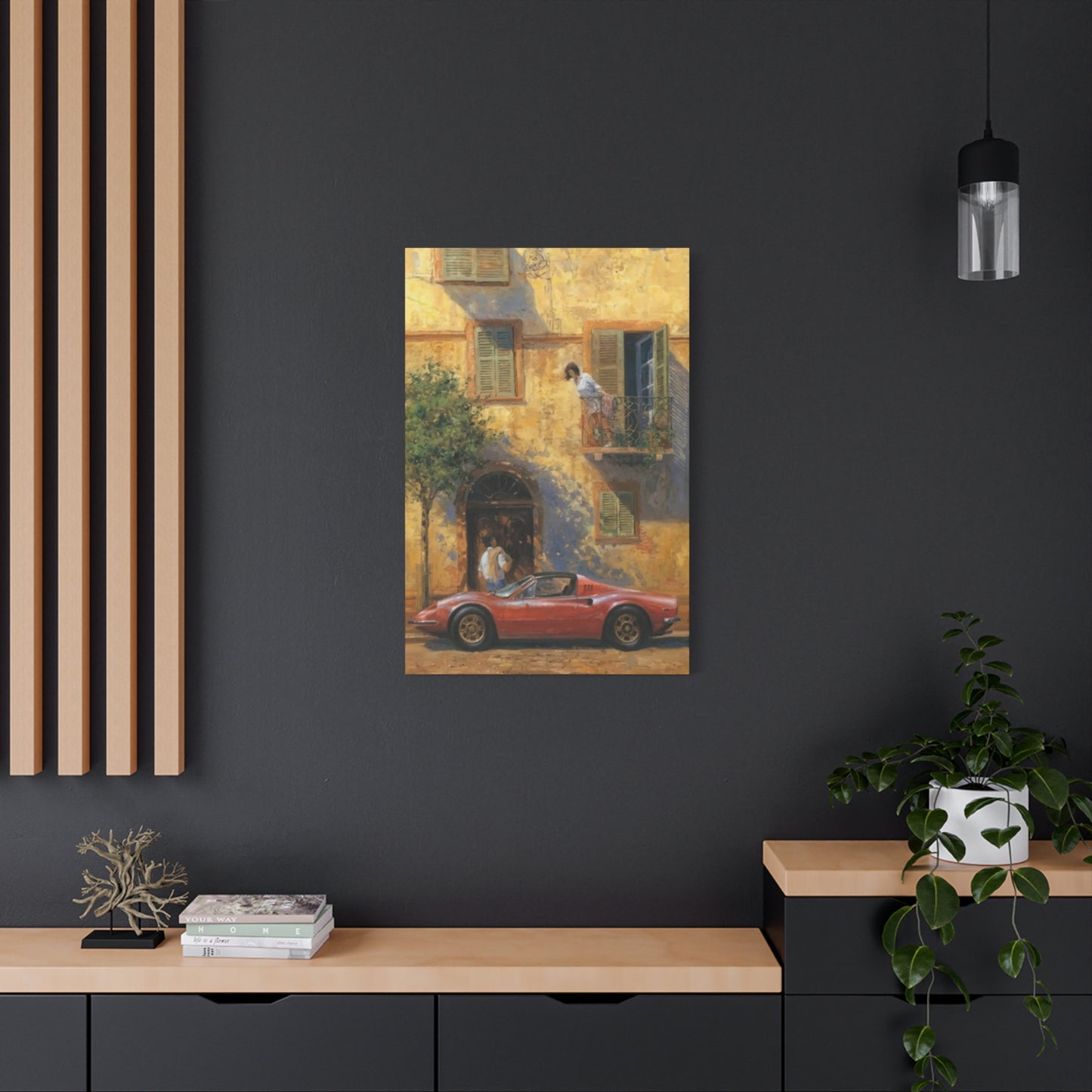


Ferrari Lovers Wall Art & Canvas Prints
Ferrari Lovers Wall Art & Canvas Prints
Couldn't load pickup availability
Ferrari Lovers Wall Art: Bringing Italian Racing Heritage Into Your Living Space
The world of automotive excellence finds its most passionate expression through carefully curated visual displays that capture the essence of speed, luxury, and engineering brilliance. When enthusiasts seek to immortalize their devotion to the prancing horse emblem, they discover countless ways to transform ordinary rooms into shrines celebrating decades of racing dominance and mechanical innovation. This comprehensive exploration delves into every aspect of acquiring, displaying, and appreciating decorative pieces that honor one of motorsport's most legendary manufacturers.
Why Automotive Artwork Commands Attention in Contemporary Interior Decoration
The magnetic pull of racing-themed visual displays stems from their unique ability to merge aesthetic sophistication with raw mechanical power. Unlike conventional decorative elements, these specialized pieces communicate stories of human achievement, technological progression, and the relentless pursuit of perfection. Every canvas, print, or sculptural representation carries within it the DNA of countless hours spent perfecting aerodynamic curves, balancing weight distribution, and extracting maximum performance from every component.
Collectors and casual admirers alike recognize that surrounding oneself with imagery celebrating mechanical excellence serves purposes beyond mere decoration. These visual tributes become conversation starters, philosophical statements about one's values, and daily reminders of what human ingenuity can accomplish when passion meets precision. The distinctive scarlet hue synonymous with Italian racing heritage possesses psychological properties that energize spaces, stimulate creative thinking, and establish focal points that anchor entire room designs.
Within modern living environments where minimalism often reigns supreme, strategically placed automotive artwork introduces necessary dynamism and character. The sweeping lines characteristic of mid-century racing machines contrast beautifully with contemporary furniture's angular geometry, creating visual tension that prevents spaces from feeling sterile or impersonal. Meanwhile, vintage-inspired pieces featuring hand-drawn illustrations or period-appropriate typography transport viewers to romanticized eras when drivers possessed celebrity status rivaling today's entertainment superstars.
The investment potential of carefully selected pieces should not be overlooked, particularly when focusing on limited-edition releases or works created by recognized artists within the automotive illustration community. As production numbers dwindle and certain models achieve iconic status within collector circles, corresponding artwork experiences appreciation that mirrors—and sometimes exceeds—the vehicles themselves. Savvy enthusiasts understand that today's decorative purchase may become tomorrow's valuable heirloom, passed down through generations of family members who share similar automotive passions.
Ferrari Lovers Wall Art: Examining Different Formats and Presentation Methods
The marketplace offers extraordinary diversity in how racing heritage gets translated into displayable formats. Canvas prints represent perhaps the most popular choice, offering texture and depth that photographs printed on glossy paper cannot match. The fabric surface absorbs and reflects light differently throughout the day, causing images to seemingly shift and breathe as natural illumination changes. Gallery-wrapped canvases eliminate the need for traditional framing, with images extending around edges to create three-dimensional objects rather than flat pictures.
Metal prints have surged in popularity among enthusiasts seeking ultra-modern presentations that emphasize technological sophistication. The dye-sublimation process fuses ink directly into specially coated aluminum panels, producing luminous colors and exceptional detail retention. These lightweight yet durable pieces resist fading, moisture damage, and warping, making them ideal for environments where traditional paper or canvas might deteriorate. The reflective quality of metal surfaces adds shimmer to images, particularly enhancing metallic paint finishes and chrome details that define classic automotive design.
Acrylic mounting provides another contemporary option that transforms standard prints into luxury display pieces. By sandwiching photographic paper between clear acrylic sheets, this method creates depth while protecting imagery from environmental damage. Light passes through the transparent layers, illuminating images from within and producing vibrant color saturation that commands attention across rooms. The glossy surface enhances contrast and makes colors appear more saturated than they would in traditional framing, though this approach requires careful placement to avoid problematic glare from windows or artificial lighting.
Framed prints maintain timeless appeal, particularly when paired with museum-quality matting and conservation glass that filters harmful ultraviolet radiation. This traditional presentation method offers maximum flexibility, allowing enthusiasts to select frame styles, colors, and materials that complement existing décor. From sleek modern metals to rich wooden finishes that echo classic dashboard materials, framing choices communicate as much about personal taste as the artwork itself. Professional framing elevates even modest prints into statement pieces worthy of prominent placement.
Three-dimensional options extend beyond flat imagery into sculptural territory. Metal wall sculptures featuring silhouettes or abstract interpretations of famous models create dramatic shadows and visual interest that changes throughout the day. Layered wood cutouts offer tactile appeal and rustic charm, while backlit LED installations transform recognizable profiles into glowing tributes visible day and night. These dimensional pieces serve dual roles as functional lighting and artistic statements, particularly effective in spaces where traditional artwork might feel too conventional.
Selecting Imagery That Resonates With Personal Automotive Passion
The vast catalog of available imagery spans decades of racing history, from early competition machines with crude mechanical simplicity to contemporary marvels bristling with electronic sophistication. Enthusiasts must navigate this abundance by identifying which specific eras, models, or themes speak most powerfully to their individual sensibilities. Some gravitate toward vintage Grand Prix scenes capturing the danger and glamour of pre-safety revolution racing, while others prefer clinical studio photography showcasing every engineering detail of modern supercars.
Period racing posters offer authentic connections to motorsport's golden age, when hand-drawn illustrations advertised upcoming events with artistic flair modern graphic design cannot replicate. These historical documents, whether original prints or faithful reproductions, carry nostalgic weight that transports viewers to specific moments in racing chronology. The typography, color palettes, and compositional approaches reflect contemporary artistic movements, making these pieces valuable not just as automotive memorabilia but as examples of mid-century commercial art.
Action photography freezes moments of mechanical violence and athletic precision, capturing vehicles at limit conditions that reveal their essential character. Images of cars cornering with suspension compressed, tires smoking, or bodywork millimeters from barriers communicate the intense physical forces these machines endure. Skilled motorsport photographers position themselves in dangerous locations to capture angles impossible for spectators, producing perspectives that emphasize speed, drama, and the thin margin separating victory from disaster.
Studio photography takes the opposite approach, presenting vehicles as sculptural objects worthy of contemplation. Shot against neutral backgrounds with carefully controlled lighting, these images transform automobiles into artworks themselves, highlighting form, proportion, and surface details. Close-up shots isolating specific design elements—an air intake, wheel design, or exhaust configuration—appeal to technically-minded enthusiasts who appreciate engineering solutions as much as overall aesthetics.
Abstract and artistic interpretations allow creative freedom beyond photographic documentation. Watercolor paintings, digital illustrations, and mixed-media works reimagine familiar subjects through individual artistic vision, producing pieces that function as fine art while maintaining clear connections to automotive subjects. These interpretations range from barely recognizable color fields suggesting speed and motion to detailed technical drawings revealing internal mechanisms typically hidden beneath bodywork.
Creating Cohesive Display Arrangements That Tell Visual Stories
Single statement pieces command attention through scale and positioning, serving as room anchors around which other decorative elements orbit. Oversized canvases measuring several feet across demand prominent placement on primary walls, visible immediately upon entering spaces. These dominant pieces establish color schemes and thematic directions that influence subsequent decorating decisions, from furniture selection to accent colors in textiles and accessories.
Gallery walls offer opportunities to showcase multiple related pieces in curated arrangements that create visual narratives. By combining various sizes, formats, and subjects within unified themes, enthusiasts build personal museums chronicling specific aspects of racing heritage. A gallery might trace model evolution across decades, compare different racing liveries, or juxtapose vintage and contemporary imagery to highlight changing design philosophies. The arrangement itself becomes an artistic statement, with spacing, alignment, and flow guiding viewers through intentional sequences.
Symmetrical layouts project formality and deliberate curation, appealing to those who appreciate order and precision. Pieces of identical sizes arranged in perfect grids create clean, modern presentations that complement minimalist décor. This approach works particularly well in formal spaces like home offices or libraries, where the disciplined arrangement reinforces professional atmospheres while still expressing personal passion.
Asymmetrical arrangements embrace organic flow and creative spontaneity, allowing pieces of varying sizes to interact in less predictable ways. This salon-style hanging creates visual interest through controlled chaos, drawing eyes across walls as viewers discover new relationships between adjacent pieces. Successfully executing asymmetrical arrangements requires careful planning to ensure overall balance despite individual elements' irregularity, often involving mock layouts with paper templates before committing to nail placement.
Thematic clustering groups related imagery within larger collections, creating mini-exhibitions within rooms. One wall section might focus exclusively on a specific model, another on a particular racing circuit, and a third on a celebrated driver's career highlights. This organizational strategy allows collections to grow organically over time without disrupting existing arrangements, as new acquisitions simply expand appropriate clusters rather than forcing complete redesigns.
Ferrari Lovers Wall Art: Matching Decorative Choices to Architectural Settings
Modern minimalist environments benefit from bold, singular pieces that provide necessary visual warmth without cluttering clean lines. Large-scale abstract interpretations or high-contrast monochromatic photography complement neutral color schemes while introducing energy and personality. The key lies in maintaining minimalism's essential restraint while preventing spaces from feeling cold or impersonal—automotive artwork achieves this balance by combining artistic merit with subjects that provoke emotional responses.
Traditional spaces with rich wood tones, classical moldings, and established architectural character require different approaches. Vintage racing posters in period-appropriate frames harmonize with traditional aesthetics, their historical authenticity complementing rather than conflicting with established décor. Warm color palettes in artwork echo wood finishes, while subject matter's inherent dynamism prevents traditional spaces from feeling stuffy or museum-like.
Industrial lofts with exposed brick, visible ductwork, and raw materials create ideal backdrops for automotive artwork. The mechanical honesty of these architectural elements mirrors the exposed engineering visible in cutaway illustrations or technical drawings. Metal prints and sculptural pieces reinforce industrial aesthetics while celebrating the machinery that defines the genre. The rough textures of brick and concrete contrast beautifully with the precision and refinement represented in carefully engineered vehicles.
Contemporary open-plan layouts present both challenges and opportunities for artwork placement. Without traditional walls dividing distinct rooms, enthusiasts must consider sightlines from multiple angles and ensure pieces complement various functional zones. Strategic placement can actually define spaces within open areas—a large automotive canvas behind a seating group psychologically establishes a living zone, while smaller pieces near dining areas create separate visual territories.
Home theaters and entertainment spaces naturally accommodate dramatic automotive displays, where larger-than-life imagery enhances the immersive atmosphere these rooms pursue. Backlit installations or projection-mapping concepts can integrate with entertainment systems, displaying different images or animations depending on usage. The inherently cinematic quality of racing imagery reinforces these spaces' purposes while providing visual interest when screens remain dark.
Understanding Color Psychology in Automotive Display Choices
The iconic rosso corsa shade carries powerful psychological associations that extend beyond simple brand recognition. This particular red stimulates energy, passion, and excitement, elevating heart rates and drawing attention across distances. Rooms featuring predominantly red automotive imagery feel more dynamic and stimulating, making these pieces excellent choices for spaces intended to energize—home gyms, game rooms, or creative studios where motivation matters.
Contrasting color schemes balance the intensity of dominant reds with complementary or analogous hues. Black-and-white photography provides sophisticated alternatives that suit formal environments or serve occupants who prefer subtler decorative approaches. The absence of color shifts focus to form, composition, and subject matter's essential character, often revealing details that vibrant color might overshadow. Monochromatic presentations also offer greater versatility across changing décor trends, as they avoid commitment to specific color schemes that may eventually feel dated.
Blue tones occasionally appear in racing liveries and historical imagery, introducing cooling psychological effects that balance red's heat. These cooler palettes create calmer, more contemplative atmospheres while maintaining clear automotive connections. Gulf racing colors, for instance, combine light blue and orange in combinations that enthusiasts instantly recognize, offering alternative color stories that expand decorating possibilities beyond traditional expectations.
Metallic accents in artwork mirror the materials comprising actual vehicles, creating conceptual connections between representation and reality. Silver, gold, and bronze elements catch light and add luxury associations, elevating perceived value of both artwork and surrounding environments. These reflective details work particularly well in conjunction with metallic furniture hardware, light fixtures, or accent pieces, creating cohesive material palettes that unify disparate elements.
Earth tones in backgrounds or supporting imagery ground compositions and prevent overwhelming visual stimulation. Warm browns, tans, and subtle greens provide necessary relief from intense reds, creating hierarchies that guide attention to primary subjects. These natural hues also help automotive artwork integrate with wood furniture, leather upholstery, and other organic materials common in residential interiors.
Illumination Strategies That Maximize Visual Impact
Picture lighting transforms artwork from passive decorations into focal points commanding attention regardless of ambient lighting conditions. Dedicated fixtures mounted above or below frames cast focused illumination that enhances colors, creates depth, and ensures consistent presentation regardless of time or weather. LED picture lights offer adjustable color temperatures, allowing enthusiasts to emphasize warm or cool tones depending on imagery's specific characteristics and desired emotional impact.
Track lighting systems provide flexible solutions for illuminating multiple pieces across larger wall expanses. Adjustable heads direct light precisely where needed, accommodating gallery walls with varied piece sizes and positions. Dimming capabilities allow intensity modulation based on time of day, activity, or mood, transforming the same collection from dramatic evening statements to subtle daytime accents.
Natural lighting presents both opportunities and challenges for automotive artwork display. Indirect sunlight beautifully illuminates pieces while avoiding damaging direct exposure that causes fading and deterioration. Strategic positioning near windows perpendicular to light sources captures beneficial illumination while minimizing harmful effects. However, enthusiasts must balance aesthetic benefits against conservation concerns, potentially reserving less valuable prints for sunny exposures while protecting investment pieces in controlled lighting conditions.
Accent lighting within display arrangements adds dimensionality and drama to three-dimensional pieces or gallery walls. Small spotlights concealed within arrangements highlight specific elements, create interesting shadow patterns, and add theatrical flair appropriate to motorsport's inherently dramatic nature. Colored LED systems enable custom lighting schemes that can change for special occasions, holidays, or simply to refresh familiar displays without physical rearrangement.
Backlighting techniques work particularly well with transparent or translucent materials like acrylic or frosted metal. Concealed LED strips behind mounted pieces create glowing effects that make artwork appear to float off walls while casting soft ambient light into rooms. This approach serves dual purposes, functioning as both accent lighting and functional illumination that can reduce reliance on overhead fixtures.
Preservation Practices Ensuring Long-Term Display Quality
Ultraviolet radiation represents the primary threat to most artwork formats, causing inks and dyes to fade gradually over time. Museum-grade glass and acrylic incorporate UV-filtering properties that block harmful wavelengths while maintaining optical clarity. These protective measures prove particularly crucial for valuable or irreplaceable pieces, where preventing degradation justifies higher initial investment. Even with protective glazing, avoiding direct sunlight exposure adds insurance against accelerated aging.
Climate control maintains stable temperature and humidity levels that prevent warping, mold growth, and material degradation. Extreme fluctuations stress canvas fabrics, cause paper to become brittle, and encourage adhesive failures in mounted prints. Maintaining consistent conditions—ideally around 70 degrees Fahrenheit and 50 percent relative humidity—mimics museum standards that extend artwork longevity indefinitely. Dehumidifiers in damp climates or humidifiers in arid regions help achieve target ranges when building systems prove inadequate.
Regular dusting prevents particulate accumulation that dulls surfaces and embeds into textures over time. Microfiber cloths gently remove dust without scratching surfaces or leaving lint behind. Glass and acrylic require slightly different cleaning approaches—glass tolerates conventional cleaners while acrylic demands specialized solutions that won't cause hazing or micro-scratching. Avoiding harsh chemicals and abrasive materials preserves protective coatings and surface finishes that might otherwise degrade.
Rotation schedules for extensive collections prevent individual pieces from bearing continuous light exposure while allowing enthusiasts to enjoy full collections over time. Storing unused artwork in archival-quality materials—acid-free tissue, proper boxes, and climate-controlled spaces—maintains condition during off-display periods. This practice also refreshes visual environments periodically, preventing familiarity from breeding indifference toward even exceptional pieces.
Professional conservation becomes necessary when damage occurs or preventive measures prove insufficient. Specialized conservators possess skills and materials to repair tears, restore faded areas, and stabilize degrading materials. While conservation services require investment, they potentially salvage pieces with sentimental or monetary value that would otherwise become unsalvageable. Establishing relationships with qualified conservators before emergencies arise ensures rapid response when time-sensitive interventions become necessary.
Navigating the Marketplace for Authentic and Quality Pieces
Licensed merchandise ensures legal compliance and supports original creators, whether photographers, illustrators, or corporate rights holders. Official licensing arrangements guarantee certain quality standards and provide legal protections for both sellers and buyers. While licensed products typically command premium prices compared to unauthorized alternatives, they offer peace of mind regarding authenticity and may include certificates of authenticity valuable for insurance or resale purposes.
Independent artists and photographers offer unique alternatives to mass-produced options, creating limited editions or custom works unavailable through mainstream channels. These creators often specialize in specific niches—particular eras, racing series, or artistic styles—developing devoted followings among knowledgeable enthusiasts. Purchasing directly from artists establishes personal connections and ensures maximum compensation reaches creators rather than intermediary retailers.
Online marketplaces aggregate offerings from numerous sellers, providing convenient access to global inventories. However, this convenience requires heightened scrutiny regarding seller reputations, return policies, and product descriptions. Reading reviews, examining seller ratings, and requesting additional photographs before purchasing reduces risks associated with buying sight-unseen. Established platforms often provide buyer protections that mediate disputes, though understanding specific terms before purchasing prevents misunderstandings.
Auction houses and specialty dealers handle rare vintage posters, original artwork, and other collectible items commanding substantial prices. These professional venues authenticate items, provide provenance documentation, and facilitate transactions between serious collectors. While their services include fees reflected in final prices, the expertise and guarantees they provide justify costs for significant acquisitions. Attending auctions—whether physical or online—requires understanding bidding procedures, buyer's premiums, and other conventions that govern these specialized marketplaces.
Direct manufacturer offerings sometimes include artwork as promotional materials or official merchandise. These items carry maximum authenticity and occasionally feature exclusive imagery unavailable elsewhere. However, availability often proves limited, with desirable pieces selling quickly or appearing only during specific events. Monitoring official channels and joining collector communities helps enthusiasts learn about releases before public announcements.
Building Collections That Appreciate Beyond Initial Enjoyment
Strategic acquisition focuses on pieces likely to maintain or increase value over time, whether through inherent quality, limited availability, or emerging artist recognition. Understanding market dynamics requires research into past price trends, production quantities, and factors that historically influenced collectible automotive artwork valuations. While future appreciation never guarantees, informed collecting increases probability of assembling holdings that function as investments alongside decorative assets.
Documentation practices record acquisition details—purchase prices, dates, seller information, and condition notes—creating paper trails valuable for insurance claims, estate planning, or eventual sales. High-quality photographs taken upon acquisition document condition before display or storage, establishing baselines for assessing any subsequent deterioration. Maintaining organized records requires minimal ongoing effort but provides substantial benefits when needed years or decades later.
Insurance considerations become relevant once collections reach significant cumulative values. Standard homeowner policies often include coverage limits for artwork that may prove insufficient for valuable holdings. Scheduling specific pieces or acquiring specialized fine art insurance ensures adequate protection against theft, damage, or loss. Professional appraisals establish current market values and provide documentation insurers require for coverage, though these valuations need periodic updates as market conditions evolve.
Networking within collector communities provides invaluable market intelligence, acquisition opportunities, and social connections with like-minded enthusiasts. Online forums, social media groups, and local clubs facilitate information exchange about available pieces, fair pricing, and emerging artists worth monitoring. These relationships often lead to private sales avoiding public marketplace competition and fees, particularly as established collectors prune holdings or shift focus toward different niches.
Estate planning ensures collections pass to intended recipients and receive appropriate valuations for tax purposes. Specific bequests naming individual pieces prevent family disputes and ensure knowledgeable enthusiasts inherit items they'll properly appreciate. Professional appraisals conducted before death establish stepped-up basis valuations that can reduce capital gains obligations for heirs who subsequently sell pieces. Consulting estate planning attorneys familiar with collectible property addresses unique considerations that general estate plans might overlook.
Ferrari Lovers Wall Art: Exploring Cultural Significance and Collective Fascination
The global appeal of Italian racing heritage transcends language barriers and cultural boundaries, uniting disparate populations through shared appreciation of mechanical excellence. This universal recognition stems from decades of racing dominance, cinematic appearances, and careful brand cultivation that transformed industrial products into cultural icons. Understanding this phenomenon requires examining how certain automotive manufacturers achieved status beyond mere transportation or competition, becoming symbols representing broader concepts—craftsmanship, performance, luxury, passion—that resonate across demographics.
Nostalgia plays crucial roles in sustained enthusiasm, particularly among generations who witnessed specific racing eras firsthand. Those who experienced particular periods develop deep emotional connections to associated imagery, seeing in representations of period vehicles reminders of youth, specific life circumstances, or cherished memories. This emotional resonance explains why vintage imagery often commands premiums despite—or perhaps because of—its lack of contemporary technical sophistication. The imperfect printing techniques, faded colors, and aged paper become authenticating features rather than defects.
Celebrity associations amplify certain vehicles' cultural cache, as famous owners or prominent film appearances embed particular models into popular consciousness beyond automotive circles. When A-list actors, musicians, or other cultural figures publicly embrace specific brands, they lend glamour and aspirational status that extends to related imagery. Movies featuring prominent automotive content introduce machines to audiences who might otherwise remain unaware, creating pop culture moments that ripple through decades.
Social media transformed how enthusiasts discover, share, and discuss automotive imagery. Platforms enable instant global distribution of newly created artwork, allowing talented but unknown artists to build followings without traditional gallery representation. Hashtags and algorithmic recommendations expose users to content matching their demonstrated interests, continuously feeding enthusiasm and introducing new creators. This democratization expanded both supply and demand, creating vibrant online marketplaces while making physical ownership seem quaint compared to constantly refreshing digital collections.
Generational shifts influence which specific eras and models capture contemporary imagination. Younger enthusiasts often gravitate toward vehicles from their formative years, creating cyclical patterns where models once considered recent become increasingly collectible as their admirers achieve financial means to pursue nostalgic passions. Meanwhile, older generations maintain affection for machinery that defined their youth, ensuring sustained demand for imagery spanning multiple decades of production history.
Personalizing Spaces Through Custom and Commissioned Works
Custom photography commissions allow enthusiasts who own vehicles to immortalize their specific machines in professional imagery. Skilled automotive photographers bring portable studios to clients' locations or arrange shoots at scenic venues, capturing vehicles in dramatic lighting and compelling compositions. These personalized pieces carry emotional weight beyond generic imagery, documenting specific moments in ownership experiences and creating heirlooms with family significance extending beyond pure automotive interest.
Illustration commissions offer artistic interpretations that photographs cannot achieve. Talented illustrators work from reference photographs to create stylized renditions emphasizing particular features, imagining vehicles in settings or situations impossible to photograph, or combining multiple elements into single compositions. These custom works become utterly unique, ensuring no duplicate exists anywhere regardless of what other enthusiasts display.
Digital artwork enables technical possibilities unavailable through traditional media, including animations, interactive elements, or multi-layered compositions that reveal different details based on viewing angles. Forward-thinking creators explore these frontiers, producing works that blur boundaries between static decoration and dynamic displays. Early adopters of these emerging formats position themselves at collecting's cutting edge, though assessing long-term value proves challenging for such novel categories.
Collaborative processes between clients and creators ensure final works meet expectations while benefiting from professional expertise. Initial consultations establish visions, discuss possibilities, and set realistic parameters regarding timelines and costs. Review stages during creation allow course corrections before substantial work proceeds in wrong directions. This partnership approach produces outcomes satisfying both parties while educating clients about creative processes they might otherwise never witness.
Licensing personal work for reproduction raises considerations when commissioned pieces capture such compelling imagery that broader audiences might appreciate access. Some agreements stipulate that photographers or illustrators retain rights to reproduce works commercially, compensating original clients through reduced commission fees. Others specify exclusive ownership where only original clients may authorize reproductions. Negotiating these terms upfront prevents misunderstandings that could sour otherwise successful collaborations.
Designing Dedicated Display Spaces Celebrating Automotive Passion
Man caves and personal retreats benefit from concentrated automotive themes that might overwhelm shared family spaces. These private domains allow unrestricted expression through extensive gallery walls, multiple large-scale pieces, and complementary memorabilia including models, racing helmets, or salvaged vehicle components. Creating cohesive environments where every element reinforces common themes produces immersive experiences that transport occupants away from mundane daily concerns into realms celebrating mechanical achievement.
Garage workshops where restoration projects or routine maintenance occurs naturally accommodate automotive artwork, though environmental challenges require special consideration. Temperature fluctuations, humidity, chemical fumes, and physical hazards threaten conventional artwork materials. Metal prints and properly sealed canvases withstand these harsh conditions better than paper-based options. Protective glazing becomes essential, as does positioning pieces away from work zones where accidental contact might cause damage.
Home offices occupied by automotive industry professionals or enthusiasts whose careers fund their passions appropriately showcase subject matter reflecting occupants' expertise. Clients, colleagues, and video call participants glimpse personal interests through background displays, potentially sparking conversations that strengthen professional relationships. The careful balance involves maintaining professionalism while expressing personality—understated displays convey passion without overwhelming spaces primarily dedicated to productive work.
Entertaining spaces where hosts receive guests benefit from conversation-starting displays that reveal homeowners' interests and provide natural discussion topics. Racing heritage artwork serves these purposes excellently, as most guests possess at least passing familiarity with the subject matter even if they don't share equivalent enthusiasm. These pieces break ice with new acquaintances and deepen connections with fellow enthusiasts who appreciate seeing personal collections.
Transitional spaces including hallways, staircases, and entryways often receive minimal decorative attention despite offering substantial wall space. Automotive imagery transforms these overlooked areas into gallery experiences, creating visual interest throughout homes rather than concentrating it in primary rooms. Vertical spaces along staircases particularly suit sequential displays tracing model evolution or documenting racing careers, with progressive arrangements rewarding ascent or descent.
Ferrari Lovers Wall Art: Addressing Common Challenges in Display Projects
Commitment anxiety paralyzes some enthusiasts who fear making permanent decisions about piece selection, sizing, or placement. This hesitation often stems from awareness that incorrect choices may require expensive corrections or live with unsatisfactory results. Starting small with less expensive prints allows experimentation without major financial risk. Temporary hanging methods including adhesive strips enable trying various positions before committing to nail holes. Digital mockup tools available online let users visualize different arrangements by uploading room photographs and superimposing potential artwork at proper scale.
Rental situations present unique restrictions when lease agreements prohibit or limit wall modifications. Removable hanging systems designed specifically for renters support substantial weight while causing minimal wall damage. Freestanding easels display single pieces without any wall contact, offering flexibility to reposition items easily. Leaning large canvases against walls creates casual, contemporary aesthetics while avoiding permanent installation. Communicating with landlords about specific plans sometimes yields permissions when general prohibitions might otherwise apply, particularly when tenants demonstrate responsible approaches and offer proper repairs upon moving.
Budget constraints force prioritization when wishlists exceed available funds. Beginning with focal pieces establishing color schemes and thematic directions allows subsequent additions to complement initial purchases. Print-on-demand services offering economical pricing enable building substantial collections affordably, though quality varies significantly across providers. Watching for sales, discontinued items, or overstock deals helps stretch budgets further. Balancing modest pieces with occasional significant acquisitions gradually builds impressive collections without financial strain.
Space limitations in smaller residences require selectivity and creative solutions. Vertical orientations maximize impact within narrow walls. Corner placements utilize otherwise difficult spaces. Rotating displays swap pieces seasonally, maintaining freshness while accommodating more extensive collections than permanent simultaneous display allows. Multi-functional furniture including room dividers or headboards with integrated display capabilities adds hanging space without consuming additional square footage.
Maintenance accessibility becomes problematic when pieces hang above furniture, in high-traffic areas, or on tall walls. Planning cleaning routines into regular housekeeping prevents dust accumulation that becomes difficult to address once established. Furniture arrangements should accommodate step stools or ladders reaching pieces requiring attention. Professional cleaning services include artwork dusting upon request, outsourcing tasks that homeowners find difficult or time-consuming.
Seasonal and Rotating Display Concepts Maintaining Fresh Perspectives
Holiday themes allow temporary transformations without permanent commitment. Winter displays might emphasize snow rallies or historic alpine races, while summer arrangements feature warm-weather circuits or vintage vacation imagery. Special occasions including birthdays, anniversaries, or race event dates become opportunities for relevant installations. These limited engagements create anticipation and prevent year-round displays from becoming invisible through excessive familiarity.
Racing calendar synchronization keeps displays current with ongoing motorsport seasons. Displaying imagery relevant to upcoming events builds excitement and provides conversation topics for gatherings around race broadcasts. Post-event swaps to victorious vehicles or particularly memorable moments extend enjoyment beyond actual competition. This dynamic approach maintains collecting hobby vitality rather than treating artwork as static decoration requiring no ongoing engagement.
Mood-based selection acknowledges that appropriate imagery varies with psychological states and functional needs. Energizing action shots suit morning routines in bedrooms or adjacent spaces, while serene studio photography creates calming evening atmospheres. Workspace displays might emphasize determination and achievement, supporting productive mindsets. Entertainment areas call for dramatic, engaging imagery that enhances recreational activities. Recognizing these contextual variations and adjusting displays accordingly maximizes artwork's positive environmental impact.
Collection growth accommodation requires planning systems that expand gracefully without forcing complete redesigns. Modular gallery wall concepts include deliberate gaps accepting future additions. Tracking systems install with extra capacity beyond immediate needs. Furniture selections consider potential display integration through later additions of complementary pieces or shelving. This forward-thinking approach prevents collections from outgrowing their allocated spaces, avoiding difficult decisions about whether to stop acquiring or disrupt established arrangements.
Digital display integration represents emerging possibilities where screens show artwork collections in rotation, virtual galleries, or even animated sequences. High-quality digital frames now achieve resolutions and color accuracy rivaling traditional prints while offering infinite variety through changeable content. Some enthusiasts maintain parallel physical and digital collections, dedicating screens to less valuable images while reserving prime wall space for investment pieces or sentimental favorites. This hybrid approach combines traditional collecting satisfaction with modern convenience and variety.
Photographic Techniques Capturing the Essence of Automotive Design
Professional automotive photography transcends simple documentation, employing sophisticated techniques that reveal subjects' essential character. Understanding these methods helps collectors appreciate quality imagery and evaluate potential purchases. Low-angle perspectives emphasize aggressive stances and aerodynamic efficiency, portraying vehicles as crouching predators ready to pounce. These dramatic viewpoints transform familiar shapes into imposing sculptures that command respect and attention.
Motion blur techniques convey speed without requiring actual velocity. Panning follows moving subjects while maintaining sharp focus, blurring backgrounds into streaked impressions suggesting velocity. Rig photography mounts cameras to moving vehicles, capturing steady subjects against rushing scenery. These approaches inject dynamism into static images, allowing viewers to imagine sounds, sensations, and emotions accompanying actual driving experiences.
Light painting illuminates subjects in darkness through long exposures and carefully choreographed artificial lighting. Photographers wield flashlights, strobes, or colored gels during extended shutter openings, painting light across curves and highlighting specific features. This technique produces impossible lighting scenarios—perfectly illuminated vehicles floating in complete darkness—that emphasize form while eliminating distracting context.
Detail isolation zooms into specific elements rather than capturing entire vehicles. Close-ups of badge work, wheel designs, exhaust tips, or interior controls allow appreciation of craftsmanship invisible in wider shots. These intimate perspectives appeal to technically-minded enthusiasts who recognize significance in details casual observers overlook. Collections mixing full-vehicle images with detail shots create visual variety while comprehensively documenting subjects.
Environmental portraiture places vehicles within contextual settings that reinforce their character or intended purposes. Mountain roads suggest performance capabilities, urban environments emphasize sophistication, and period-appropriate locations transport vehicles back to their original eras. These storytelling compositions engage viewers beyond simple object admiration, inviting imaginative narratives about where vehicles might travel and adventures they might facilitate.
Incorporating Complementary Decorative Elements Building Cohesive Themes
Scale models displayed on shelves, desks, or dedicated cases extend three-dimensional presence throughout rooms. Die-cast collectibles range from inexpensive toy-grade replicas to museum-quality limited editions featuring opening panels and detailed interiors. These miniatures allow enthusiasts to "own" vehicles financially unattainable at full scale, creating tangible connections to admired machinery. Coordinating model subjects with wall artwork establishes consistent themes across decorative elements.
Automotive literature including coffee table books, vintage magazines, and manufacturer publications provides both reading material and decorative objects. Colorful spines lined on bookshelves add visual interest while communicating owner interests to visitors. Strategic placement of opened books displaying particularly striking pages creates impromptu still-life arrangements. These items serve functional purposes while reinforcing automotive themes without overwhelming spaces.
Racing memorabilia encompasses enormous variety—autographed photographs, event tickets, pit passes, driver suits, helmets, and countless other ephemera. Authentic pieces carry historical significance and investment potential, while reproductions offer economical alternatives. Shadow box framing transforms three-dimensional objects into wall-mountable displays complementing traditional artwork. These personal artifacts tell specific stories and document actual connections to racing events or personalities.
Furniture selections in automotive themes range from subtle to overt. Racing seats repurposed as office chairs provide authentic seating while showcasing genuine components. Coffee tables incorporating wheel designs, or constructed from actual automotive parts, serve practical purposes while reinforcing décor themes. Lighting fixtures shaped like pistons, crankshafts, or other mechanical elements add functional sculptures throughout spaces.
Textile choices including throw pillows, blankets, and area rugs introduce additional opportunities for thematic reinforcement. Subtle patterns incorporating subtle styling cues or racing colors maintain cohesion without overwhelming spaces. These easily changeable elements allow seasonal refreshes or corrections when permanent installations prove too intense. Quality textiles also improve comfort and acoustic properties in rooms where hard surfaces might otherwise create harsh environments.
Conclusion
Art Deco's streamlined aesthetics profoundly influenced automotive design during the movement's peak, with contemporary posters reflecting period artistic sensibilities. The geometric patterns, stylized typography, and emphasis on speed and progress created lasting visual vocabulary still referenced in nostalgic contemporary works. Collectors pursuing period-appropriate displays benefit from understanding these artistic contexts, ensuring complementary framing and display choices that honor original intentions.
Pop Art's embrace of commercial imagery and consumer culture naturally incorporated automotive subjects, with notable artists including cars in works celebrating or critiquing modern life. These fine art treatments elevated automotive imagery beyond commercial purposes, validating vehicle appreciation as legitimate artistic subject matter. Contemporary artists working in pop traditions continue exploring these themes, producing works that function simultaneously as automotive celebration and broader cultural commentary.
Minimalism's reduction to essential elements appears in contemporary automotive photography emphasizing clean lines, negative space, and subtle tonal variations. These restrained compositions appeal to viewers appreciating sophistication over flash, allowing subjects' inherent forms to speak without artificial enhancement. Minimalist presentations suit contemporary interiors where excessive decoration conflicts with architectural intentions toward simplicity and clarity.
Photorealism achieved through painstaking illustration techniques produces images often indistinguishable from photographs at casual glance. These works showcase artist skill while creating alternative representations that somehow feel different despite visual similarity. The knowledge that human hands created every detail adds appreciation layers absent from mechanical photography. Limited editions by recognized photorealistic automotive illustrators command premium prices reflecting the substantial time each piece requires.
Abstract expressionism's gestural energy and emotional immediacy translate surprisingly well to automotive subjects, despite seemingly incompatible approaches. Energetic brushwork suggests motion and speed without depicting recognizable forms, while color choices reference familiar palettes without literal representation. These interpretive works allow non-enthusiast household members to appreciate artistic merit even if automotive content leaves them cold, potentially enabling displays in shared spaces where conventional automotive imagery might face spousal resistance.
Share