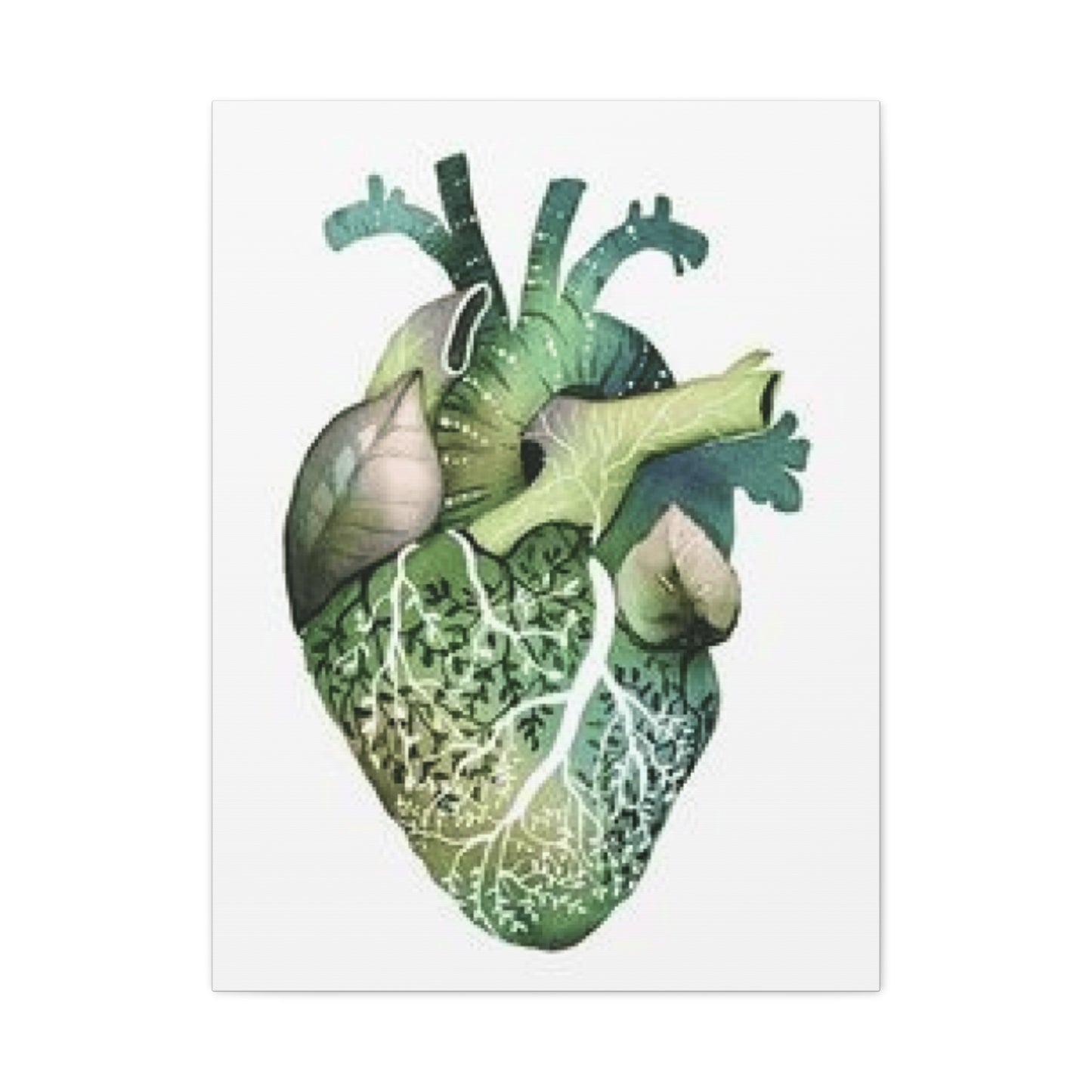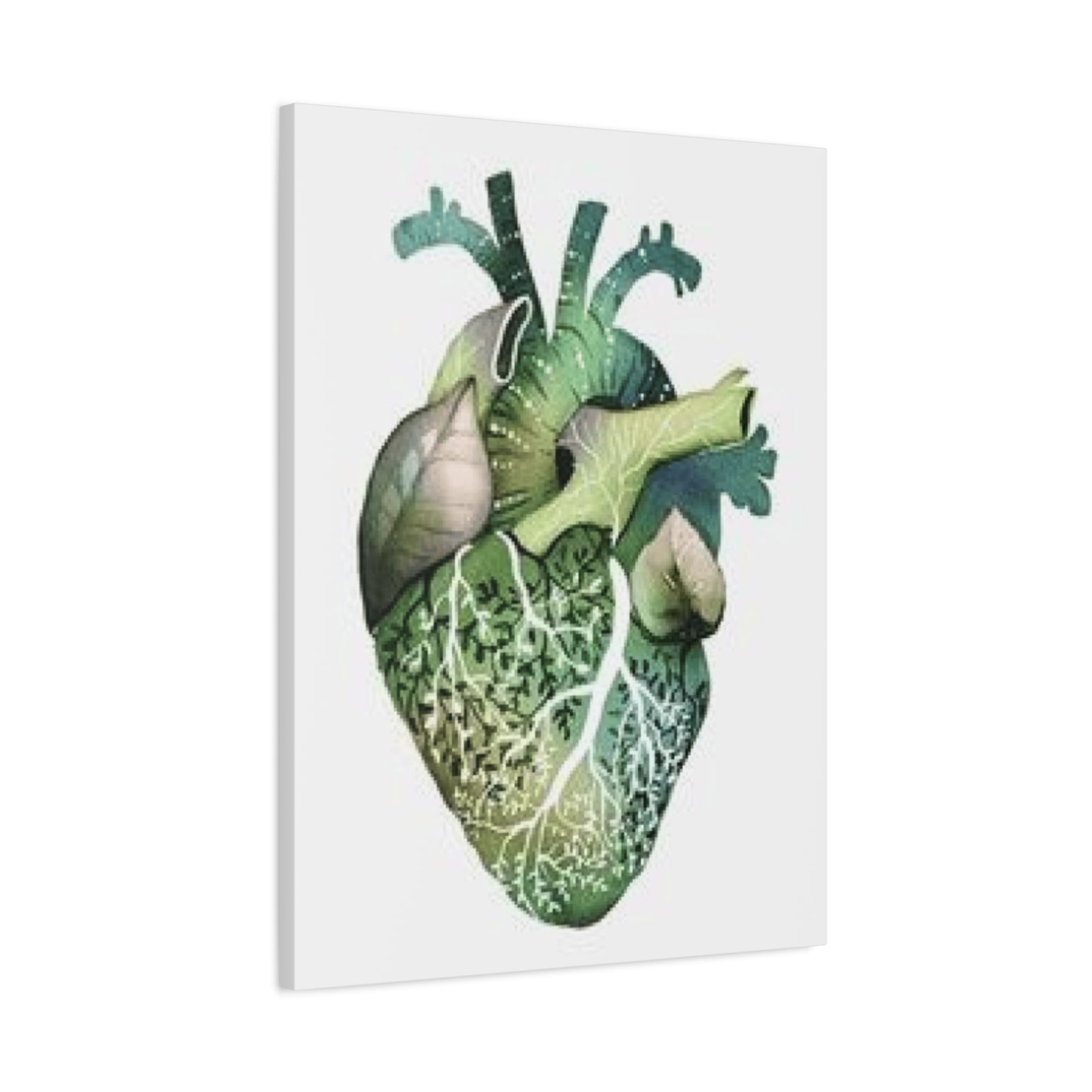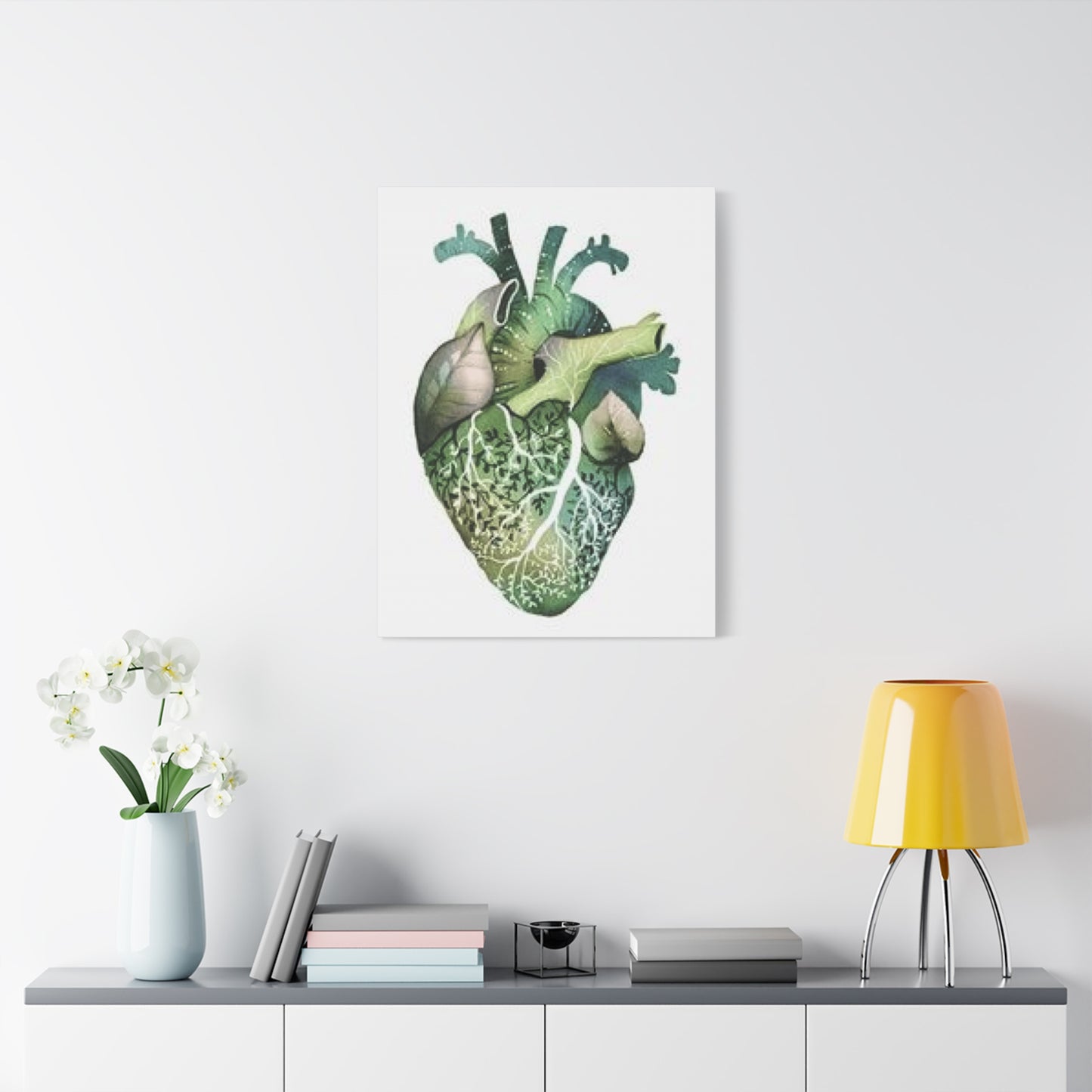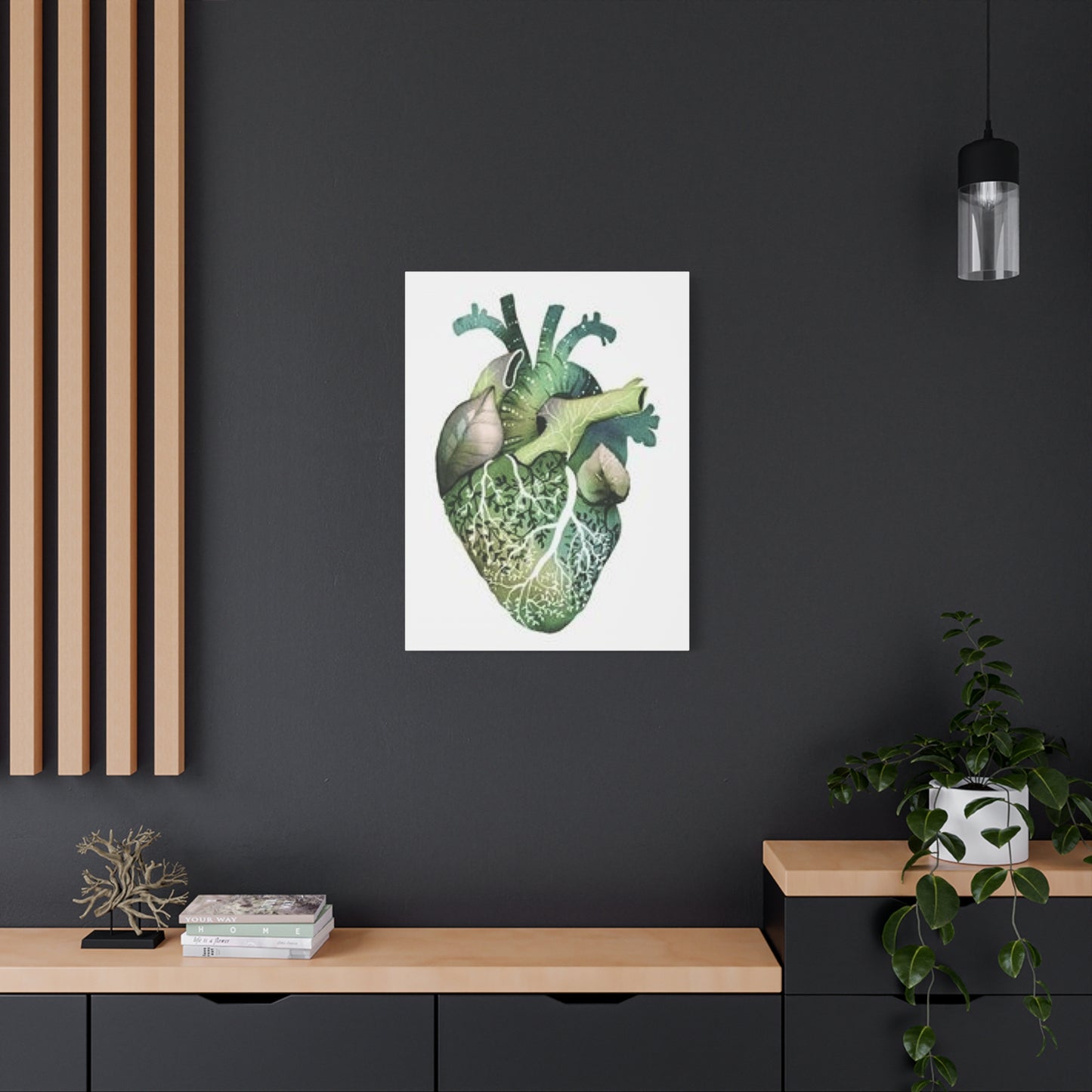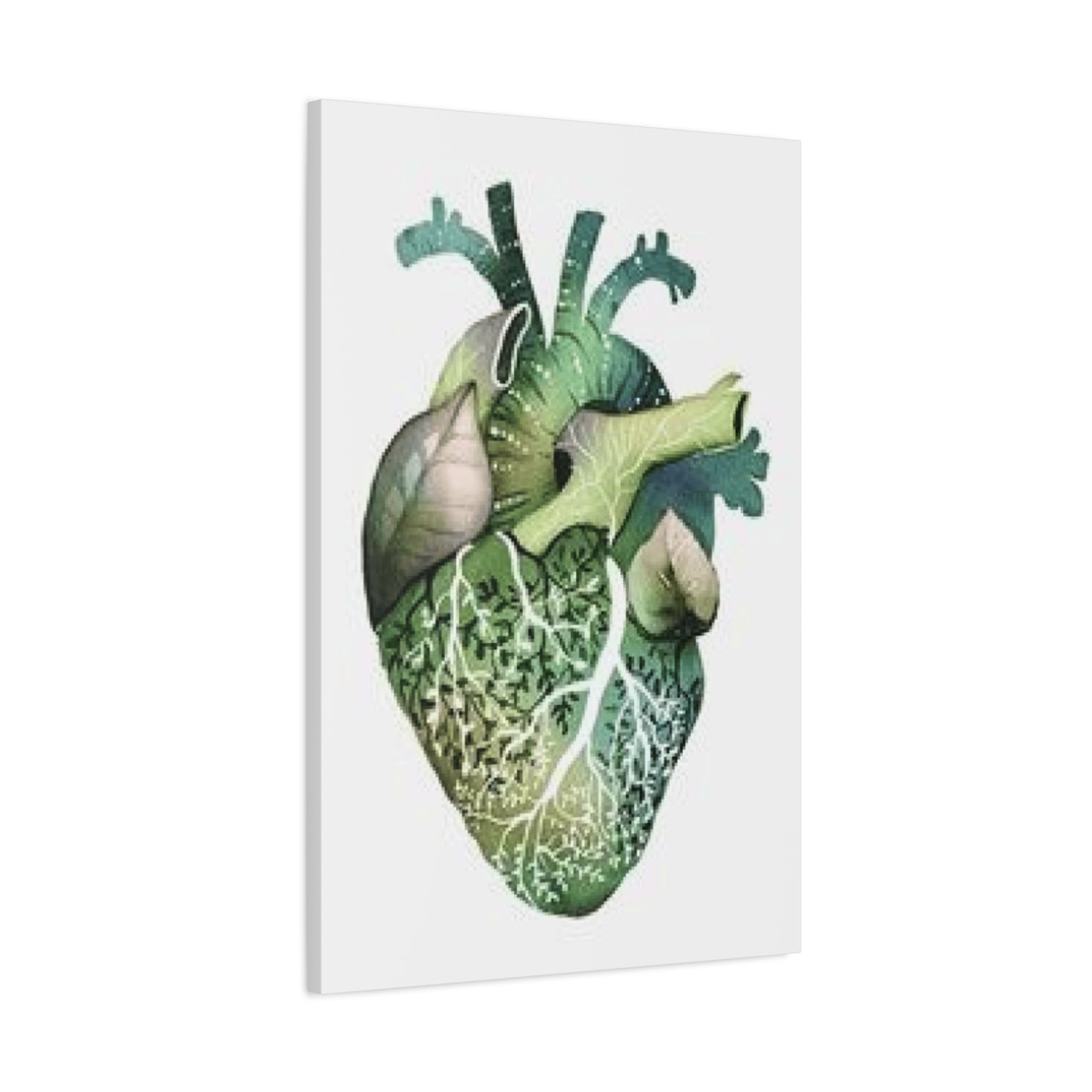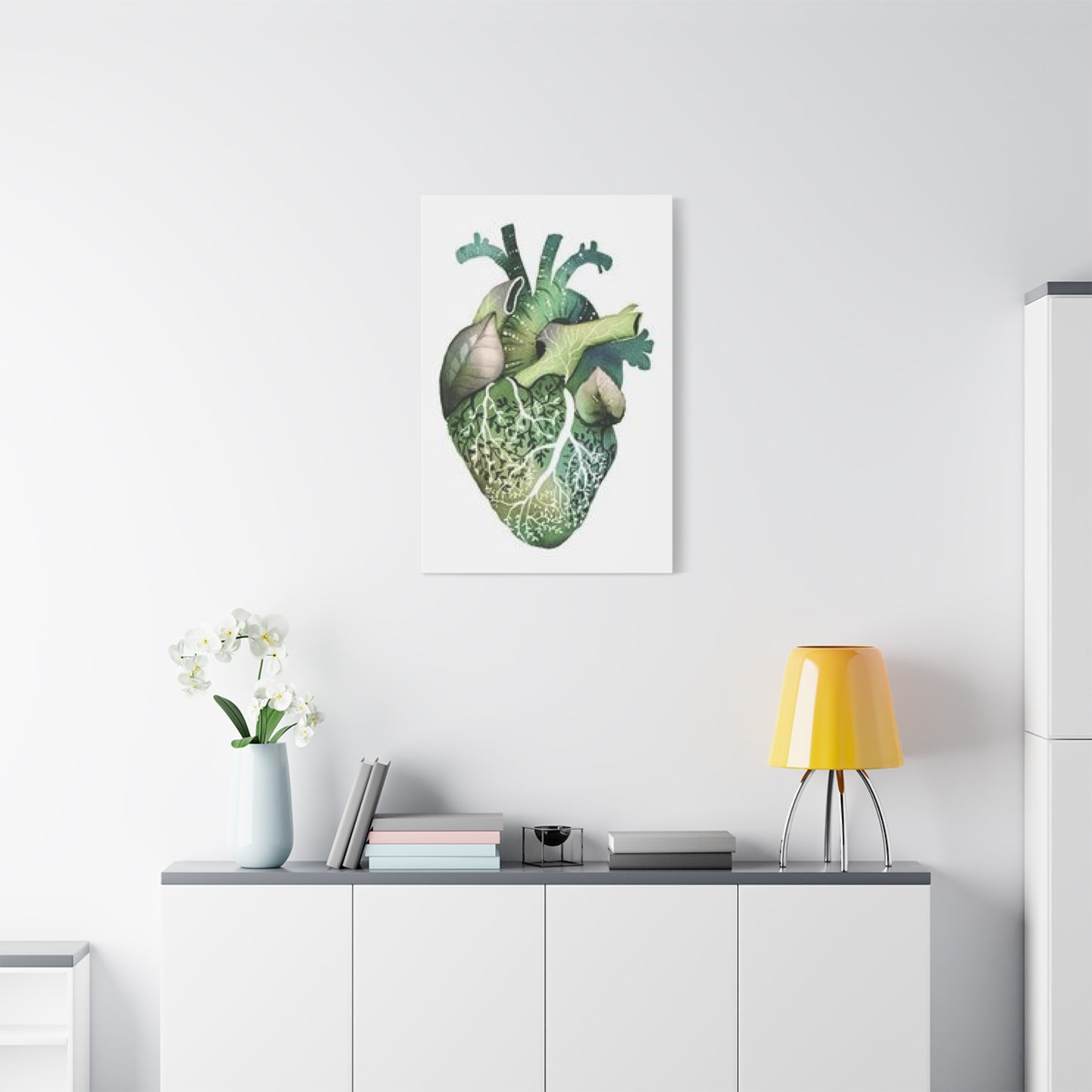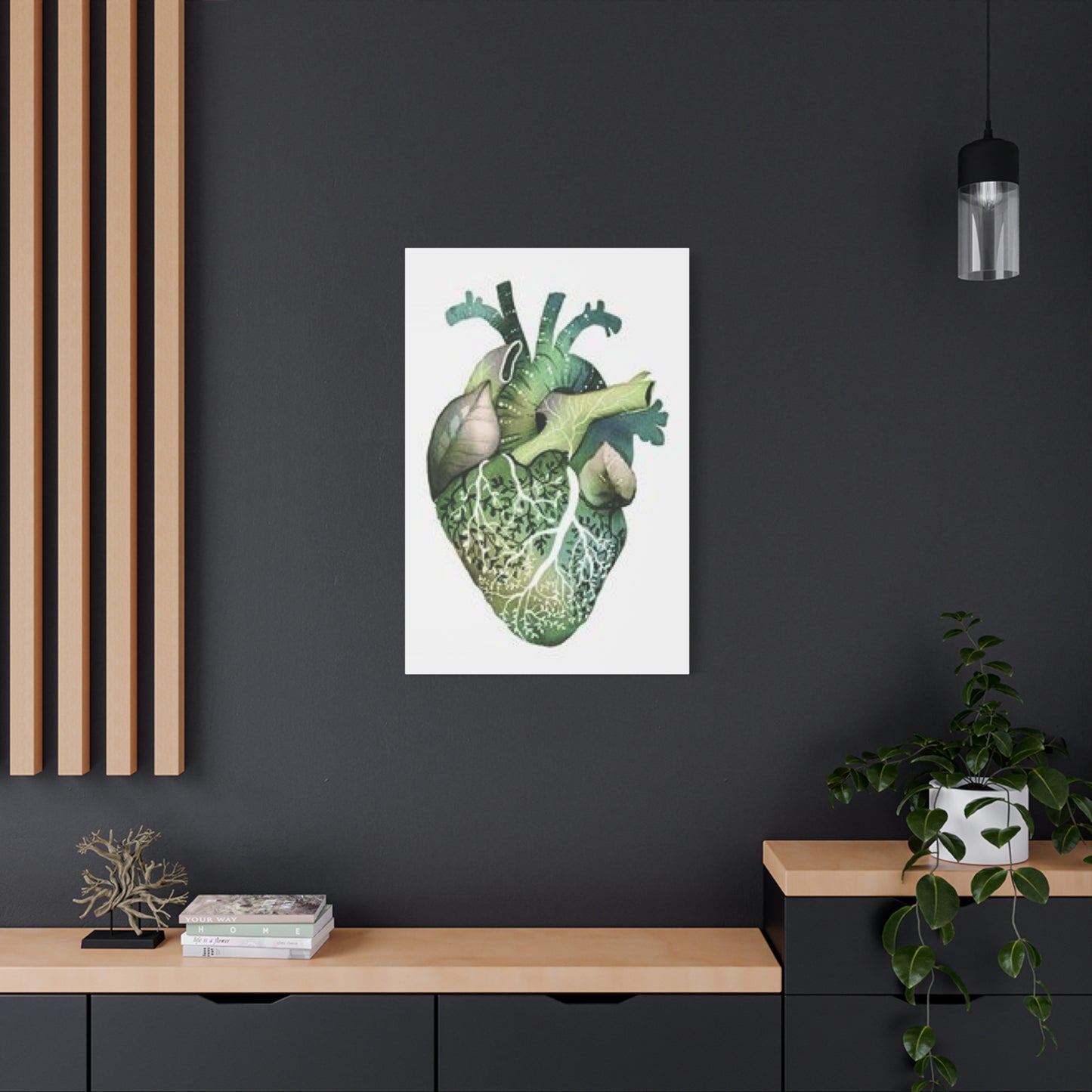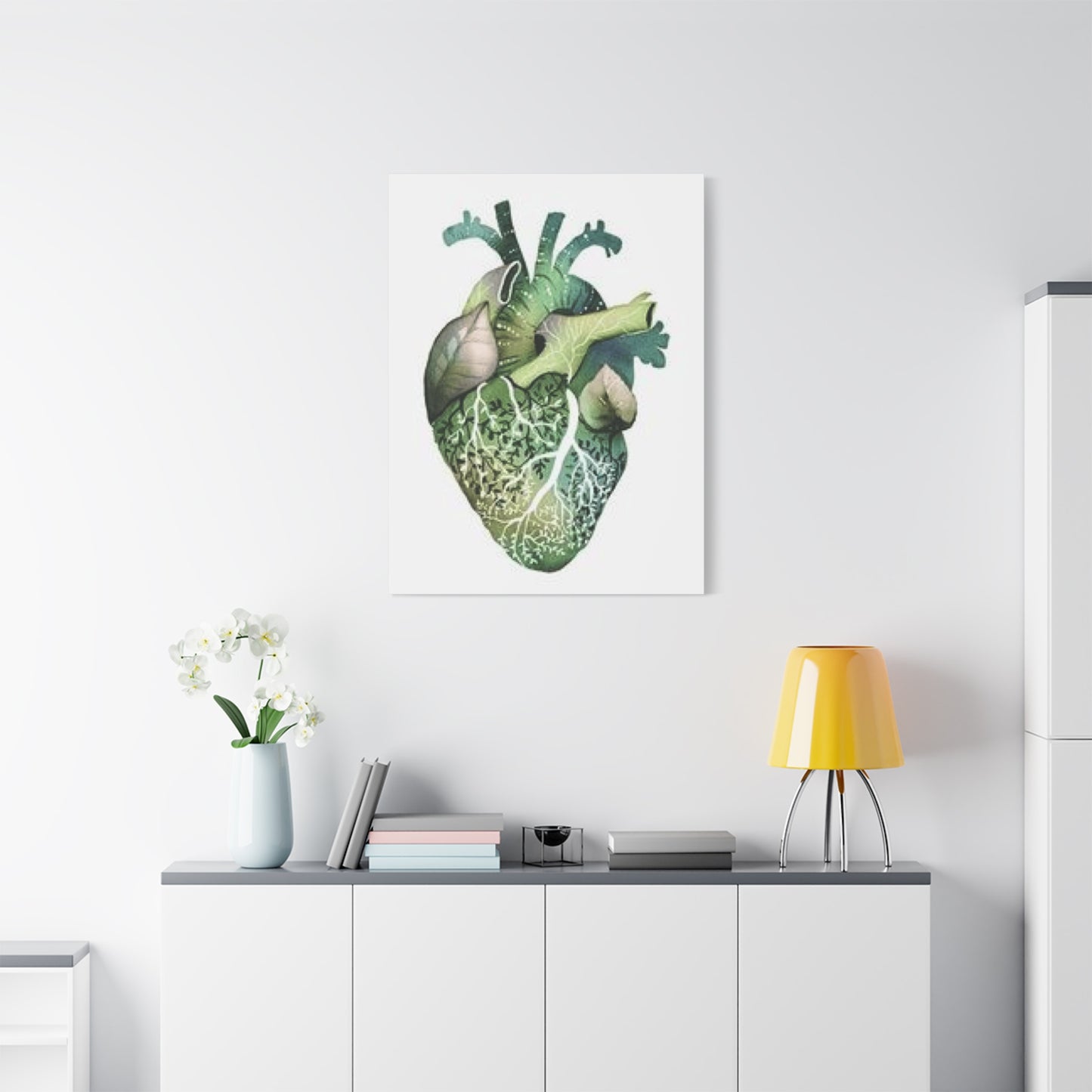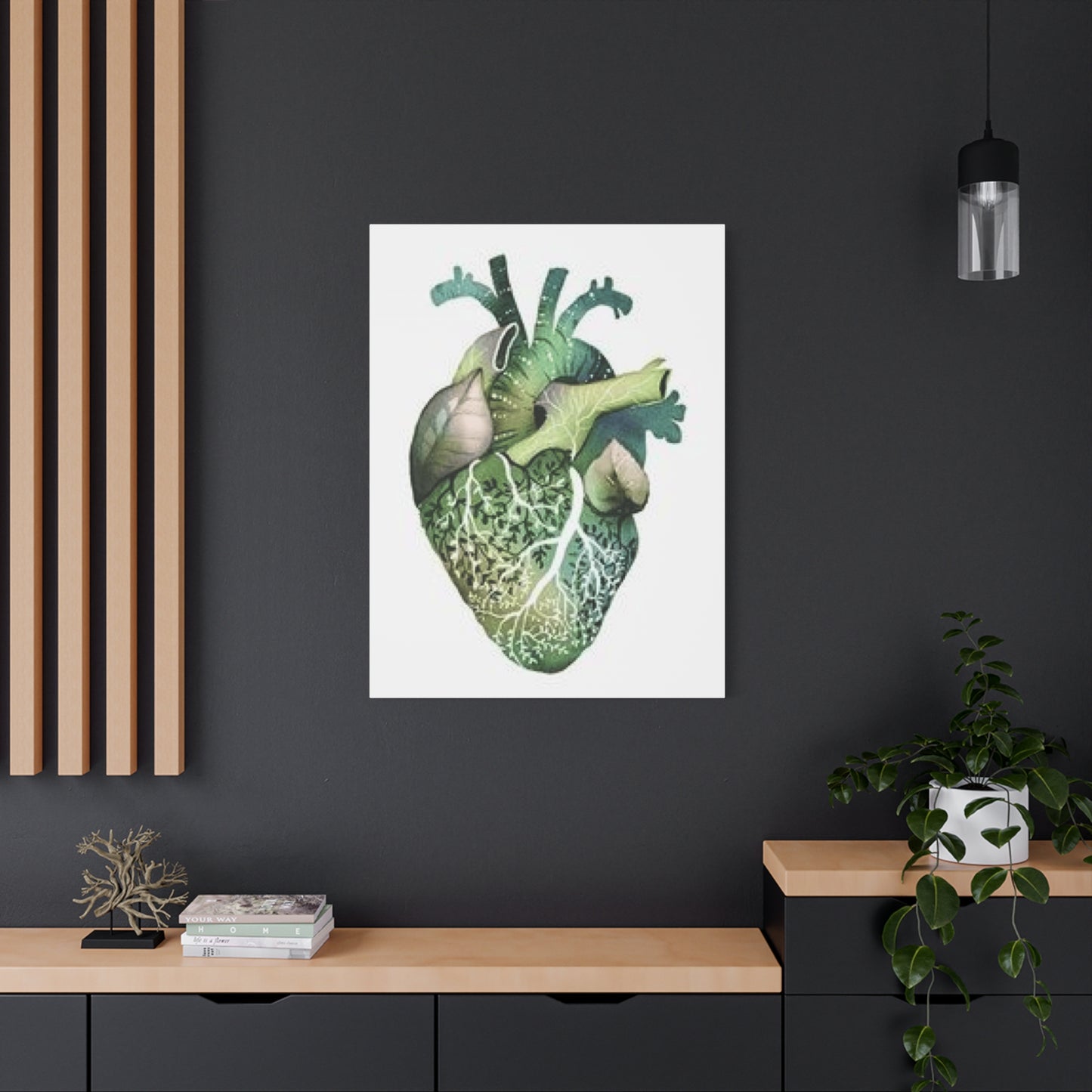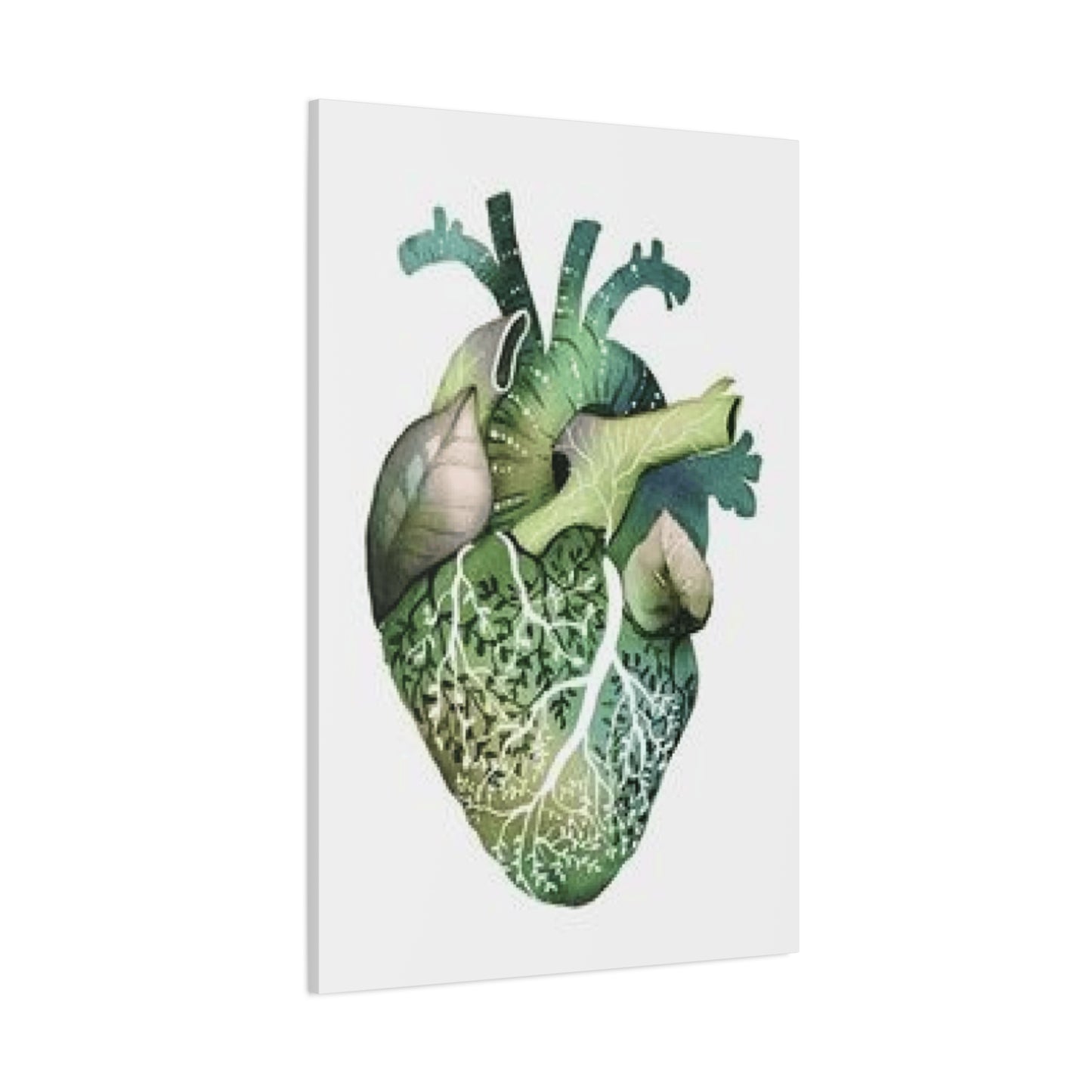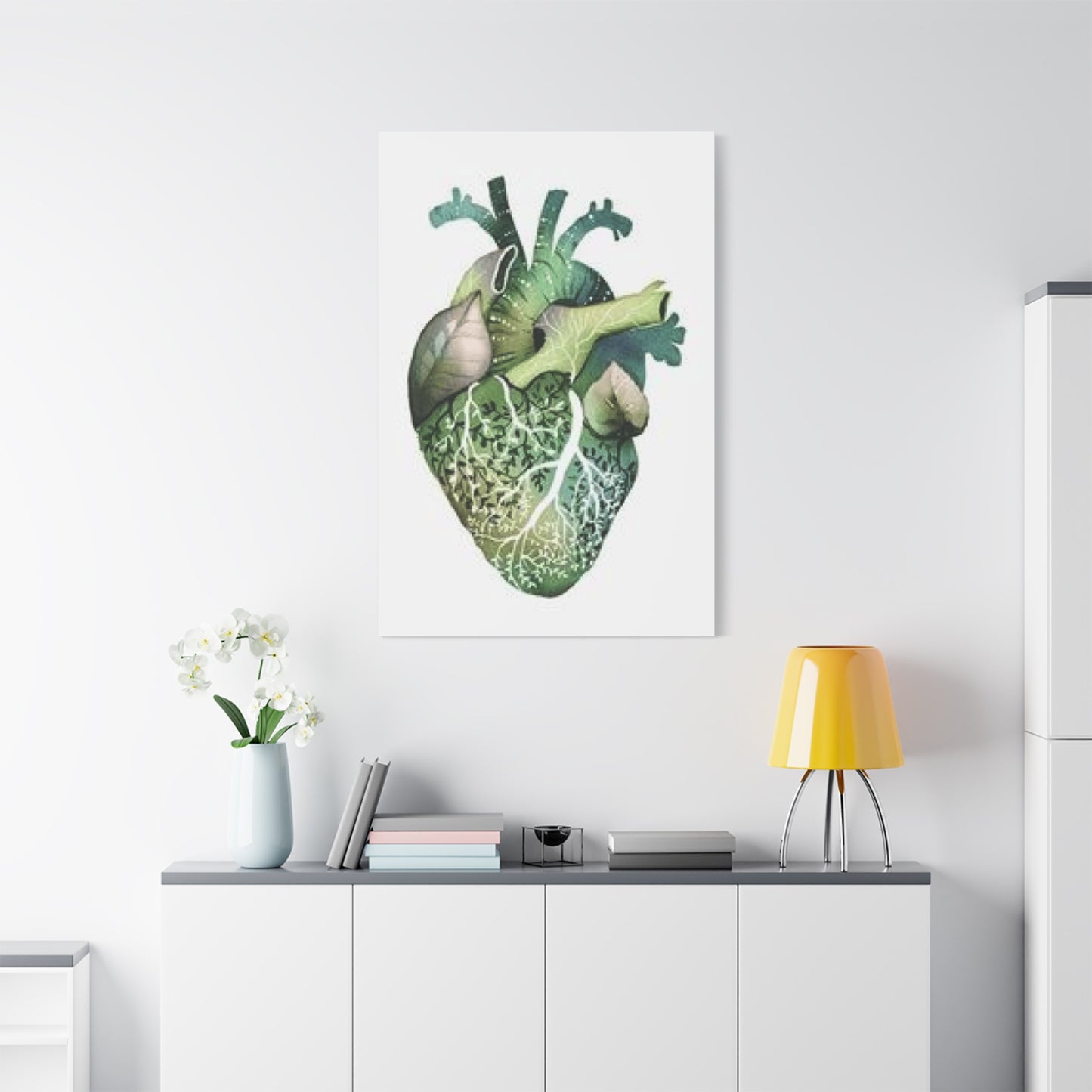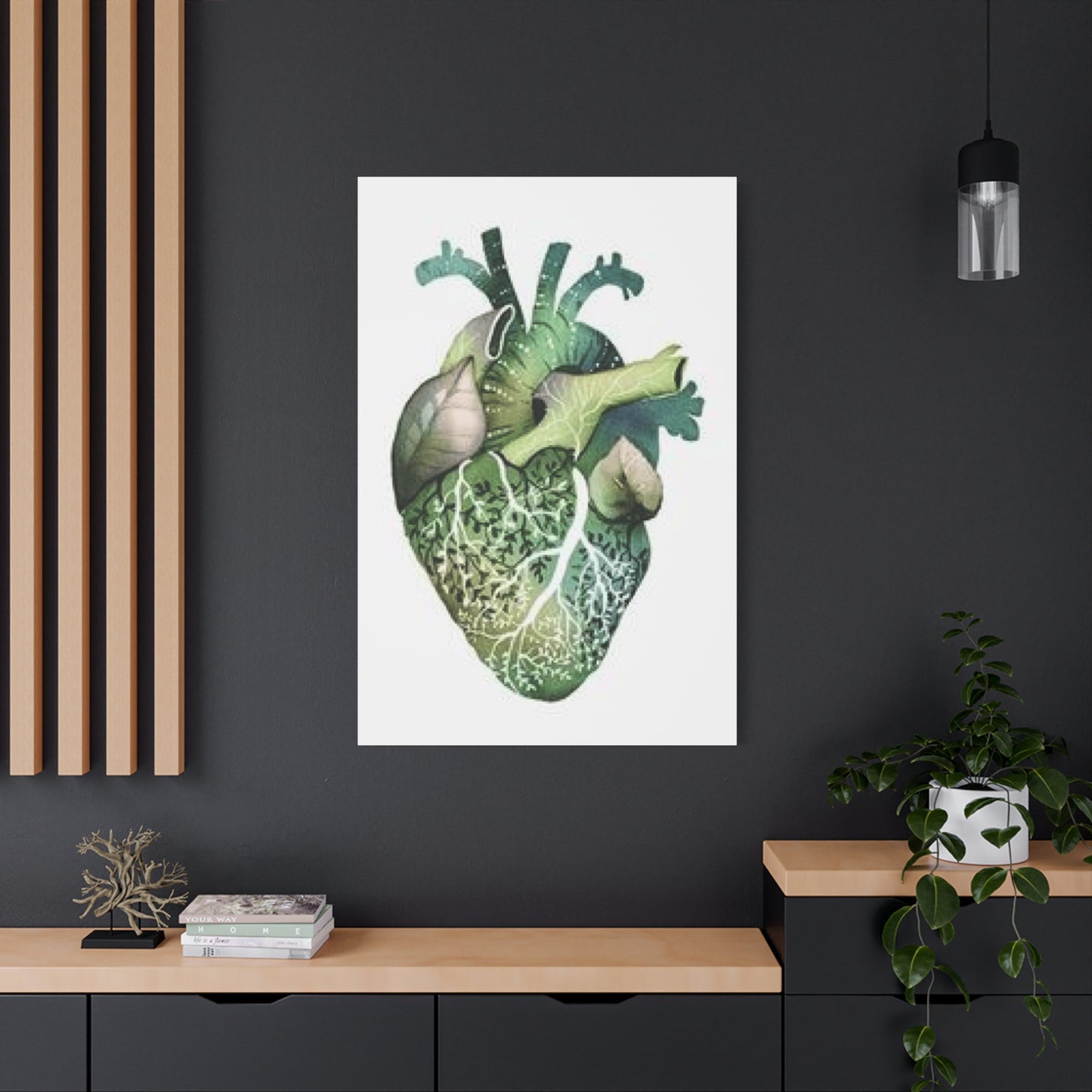


Fauna Heart Wall Art & Canvas Prints
Fauna Heart Wall Art & Canvas Prints
Couldn't load pickup availability
Exploring the Captivating World of Animal-Inspired Decorative Pieces and Fauna Heart Wall Art for Your Living Spaces
The realm of interior design has witnessed a remarkable surge in the popularity of nature-themed decorative elements, particularly those featuring wildlife motifs combined with symbolic representations of love and emotion. Among these trending design choices, fauna heart wall art has emerged as a compelling option for homeowners and design enthusiasts seeking to infuse their living spaces with warmth, character, and a connection to the natural world. This comprehensive exploration delves into the multifaceted dimensions of animal-inspired decorative pieces, examining their aesthetic appeal, cultural significance, and practical considerations for incorporating them into various interior settings.
The Profound Connection Between Nature-Themed Décor and Human Emotional Wellbeing
Throughout human civilization, people have maintained an intrinsic bond with the natural world, seeking ways to bring elements of wilderness and wildlife into their domestic environments. This fundamental desire stems from biophilic tendencies—the innate human inclination to connect with nature and other living organisms. When individuals surround themselves with representations of animals and natural forms, they often experience reduced stress levels, enhanced creativity, and improved mood regulation.
The incorporation of fauna heart wall art into residential or commercial spaces serves multiple purposes beyond mere aesthetics. These decorative pieces act as visual anchors that draw the eye while simultaneously evoking emotional responses tied to specific creatures. A majestic elephant silhouette contained within a heart shape might symbolize wisdom, loyalty, and family bonds, while a delicate hummingbird design could represent joy, resilience, and the appreciation of life's fleeting moments.
Research conducted by environmental psychologists has demonstrated that exposure to nature-themed imagery can produce measurable physiological changes, including lowered blood pressure, decreased cortisol production, and improved cognitive function. When people view artwork depicting animals or natural scenes, their brains activate reward centers associated with pleasure and contentment. This neurological response explains why so many individuals feel drawn to decorative pieces featuring wildlife motifs, particularly when combined with universally recognized symbols like hearts.
Diverse Material Compositions and Craftsmanship Methods for Animal-Inspired Décor
The creation of fauna heart wall art involves numerous material choices and fabrication processes, each contributing unique characteristics to the finished product. Understanding these variations enables consumers to make informed decisions aligned with their aesthetic preferences, budget constraints, and environmental values.
Metal sculptures represent one popular category, with artisans employing techniques such as laser cutting, hand forging, powder coating, and patina application to produce intricate silhouettes of creatures ranging from domestic companions to exotic wildlife. Steel, aluminum, copper, and bronze each offer distinct visual qualities—steel provides industrial strength and modern appeal, aluminum delivers lightweight durability, copper develops beautiful oxidation over time, and bronze exudes timeless elegance. The process of transforming raw metal sheets into detailed animal profiles requires precision equipment and skilled craftsmanship, with laser cutting allowing for incredibly fine details that would be impossible to achieve through traditional hand tools alone.
Wooden variations provide warmth and organic texture that metal cannot replicate. Craftspeople might employ scroll saws, CNC routers, or traditional carving methods to shape various wood species into wildlife representations. Each timber variety brings its own grain patterns, color tones, and durability characteristics. Walnut offers rich chocolate hues with dramatic grain, maple provides light tones with subtle figure, cherry develops deeper red tones as it ages, and reclaimed barn wood contributes rustic character with weathered patina. The selection of wood species significantly impacts the overall aesthetic and longevity of the finished piece.
Canvas prints and painted artwork present another avenue for fauna heart wall art, allowing for photographic realism, abstract interpretations, or stylized illustrations. Digital printing methods have revolutionized this category, enabling artists to reproduce their original works with exceptional color accuracy and detail retention. High-quality canvas materials paired with archival inks ensure that these pieces maintain their vibrancy for decades when properly displayed away from direct sunlight and excessive humidity.
Three-dimensional mixed media creations combine multiple materials to achieve layered visual complexity. An artist might pair laser-cut metal silhouettes with reclaimed wood backgrounds, add LED lighting elements, incorporate natural stone fragments, or integrate preserved botanical specimens. These hybrid pieces blur the boundaries between sculpture, painting, and assemblage art, resulting in conversation-starting focal points that command attention in any setting.
Symbolic Meanings Embedded Within Various Creature Representations
Different animal species carry distinct symbolic associations across cultures, making the selection of fauna heart wall art a deeply personal choice that can reflect individual values, aspirations, or life experiences. Understanding these symbolic dimensions adds depth to the decorative selection process.
Wolves embodied within heart shapes often signify loyalty, family unity, intuition, and fierce protection of loved ones. These canines live in tightly bonded packs with complex social hierarchies, making them powerful emblems for those who prioritize familial connections and community relationships. The wolf's reputation as a pathfinder and survivor in harsh environments also resonates with individuals who have overcome significant challenges or who value independence combined with social bonds.
Elephants rendered in decorative heart formats typically represent wisdom accumulated through long lifespans, powerful memory, gentle strength despite massive size, and matriarchal family structures. In many Asian cultures, these magnificent creatures are associated with good fortune, prosperity, and the removal of obstacles. Their documented mourning behaviors and multi-generational family groups make them particularly poignant symbols of enduring love and remembrance.
Birds occupy a special category within fauna heart wall art, with different species carrying varied connotations. Cardinals frequently symbolize departed loved ones maintaining spiritual connections with the living, making them popular memorial pieces. Owls represent knowledge, intuition, and the ability to perceive what others overlook. Hummingbirds embody joy, adaptability, and the capacity to find sweetness in life despite challenges. Eagles convey freedom, vision, courage, and soaring above limitations.
Marine creatures like dolphins, whales, and sea turtles bring associations with emotional depth, communication, navigation through life's currents, and ancient wisdom. Dolphins are particularly beloved for their playful nature and reputation for assisting humans in distress, making them ideal symbols for healers, counselors, or those who work in helping professions. Sea turtles, with their remarkable navigation abilities and long lifespans, represent patience, endurance, and the journey home.
Domestic animals like cats, dogs, and horses hold special places in many hearts due to direct companionship experiences. A fauna heart wall art piece featuring a beloved pet's breed can serve as a tribute to a cherished companion, whether current or departed. These pieces often carry deeply personal significance that transcends general symbolic associations.
Strategic Placement Considerations for Maximum Visual Impact and Energetic Flow
The effectiveness of fauna heart wall art depends not only on the piece itself but also on thoughtful placement within the interior environment. Several factors merit consideration when determining optimal locations for these decorative elements.
Height positioning significantly affects viewer engagement with the artwork. The general guideline suggests centering pieces at approximately 57 to 60 inches from the floor to the center of the artwork, which corresponds to average eye level in most settings. However, this standard should be adjusted based on ceiling height, furniture arrangements, and viewing perspectives. In spaces where people are typically seated, such as dining areas or living rooms with low-profile furniture, slightly lower placement ensures comfortable viewing angles.
Lighting conditions dramatically alter the appearance and impact of fauna heart wall art. Pieces with metallic finishes may require strategic lighting to highlight dimensional qualities and create interesting shadow play against walls. Natural light streaming through windows can beautifully illuminate certain materials while potentially fading others over extended periods. Dedicated picture lights, track lighting, or strategically placed lamps allow for controlled illumination that enhances specific features while minimizing potential damage from ultraviolet exposure.
Color relationships between the artwork and surrounding décor influence visual harmony within the space. Complementary color schemes create vibrant contrast that makes pieces pop against backgrounds, while analogous palettes produce serene, cohesive environments. Neutral-toned fauna heart wall art offers versatility that adapts to evolving color schemes, while bold, saturated pieces make definitive style statements that anchor entire room designs.
Architectural features like fireplaces, built-in shelving, doorways, and windows create natural focal points that can either compete with or complement wall art placement. Positioning fauna heart wall art above a fireplace mantel establishes it as the room's primary visual attraction, while flanking artwork on either side of a window creates balanced symmetry. Awkward architectural elements like off-center windows or slanted walls can be visually balanced through strategic artwork placement.
Furniture arrangements should inform placement decisions to ensure artwork remains visible and appreciated rather than obscured by tall pieces or lost in cluttered sightlines. Large sectional sofas benefit from substantial artwork mounted above them to maintain proportional relationships, while smaller accent chairs might pair better with gallery wall arrangements incorporating multiple fauna heart wall art pieces in varied sizes.
Diverse Stylistic Approaches From Minimalist Contemporary to Ornate Traditional
Fauna heart wall art manifests across the full spectrum of design aesthetics, allowing integration into virtually any interior style preference. Understanding how different approaches interpret this decorative category helps consumers identify pieces that authentically align with their existing décor or desired design direction.
Minimalist interpretations focus on clean lines, simplified forms, and restrained color palettes. A minimalist fauna heart wall art piece might feature a single continuous line drawing of an animal silhouette within a heart outline, rendered in matte black against white space. These designs embrace negative space as an active design element rather than merely background, creating sophisticated compositions that appeal to those who appreciate understated elegance. The Japanese concept of ma—the intentional use of emptiness—heavily influences this aesthetic approach.
Rustic farmhouse styles embrace weathered textures, natural materials, and nostalgic references to rural living. Fauna heart wall art in this category often incorporates reclaimed wood, distressed finishes, galvanized metal, and earthy color schemes dominated by whites, creams, browns, and muted greens. Designs might feature barnyard animals like roosters, cows, or horses rendered with deliberate imperfections that convey handcrafted authenticity. These pieces pair beautifully with shiplap walls, exposed beams, vintage textiles, and antique accessories.
Industrial aesthetics celebrate raw materials, exposed construction methods, and urban warehouse sensibilities. Metal fauna heart wall art fabricated from raw steel with visible weld marks, deliberate rust patina, or powder-coated finishes in charcoal, copper, or iron exemplify this approach. The emphasis falls on structural honesty and material authenticity rather than concealment or refinement. These pieces complement exposed brick, concrete floors, Edison bulb lighting, and leather furnishings.
Bohemian eclectic styles embrace maximalist layering, global influences, rich colors, and collected-over-time authenticity. Fauna heart wall art within this aesthetic might feature vibrant hand-painted details, mixed material compositions, or intricate patterns inspired by various cultural traditions. These pieces often incorporate unexpected color combinations, metallic accents, and decorative embellishments that create visual richness and complexity. They thrive in environments filled with textiles, plants, vintage finds, and personal treasures from travels.
Scandinavian design principles emphasizing hygge—cozy contentment—inform another popular approach to fauna heart wall art. These pieces typically feature natural wood tones, simple geometric compositions, functional beauty, and connections to nature. A Scandinavian-inspired piece might showcase a deer or fox silhouette in light ash or birch wood with minimal embellishment, allowing material quality and craftsmanship to shine. These designs pair with neutral textiles, abundant natural light, indoor plants, and uncluttered spaces.
Coastal themes bring oceanic influences into fauna heart wall art through marine creature selections, weathered finishes suggesting saltwater exposure, and color palettes dominated by blues, whites, sandy tones, and seafoam greens. Driftwood frames, rope embellishments, or beach glass accents might enhance these pieces. They naturally complement striped textiles, natural fiber rugs, white-washed furniture, and abundant natural light.
Size Scaling Principles and Proportional Relationships Within Interior Spaces
Selecting appropriately scaled fauna heart wall art requires understanding proportional relationships between artwork dimensions, wall expanses, and furniture pieces. Misjudging these relationships results in pieces that appear either lost and insignificant or overwhelming and dominating.
For walls above sofas or beds, a useful guideline suggests artwork spanning approximately two-thirds to three-quarters of the furniture width below. A standard sofa measuring 84 inches wide would pair well with fauna heart wall art ranging from 56 to 63 inches in width, either as a single large piece or a grouped arrangement with that overall dimension. This proportion creates visual balance without the artwork appearing floating or disconnected from the furniture anchoring it.
Vertical spaces like narrow wall sections between windows or flanking doorways benefit from tall, narrow fauna heart wall art pieces that echo and emphasize the vertical dimension rather than fighting against it. Conversely, horizontal expanses above mantels or along hallways welcome wider compositions that complement the space's natural orientation.
Room size influences appropriate artwork scale, with larger rooms accommodating and often requiring more substantial pieces to avoid appearing insignificant within the overall environment. A great room with 12-foot ceilings and 400 square feet of floor space can support fauna heart wall art measuring 48 inches or more in height, while a cozy bedroom of 120 square feet might feel overwhelmed by pieces exceeding 24 inches.
Gallery wall arrangements offer flexibility for incorporating multiple fauna heart wall art pieces in varied sizes while maintaining overall visual cohesion. These compositions work particularly well in spaces where a single large piece might prove impractical due to budget constraints, available inventory, or design preferences favoring collected eclecticism over singular statements. Successful gallery walls typically establish a unifying element—shared color palette, consistent framing style, or thematic connection—while allowing individual pieces to express variety within that framework.
The negative space surrounding fauna heart wall art contributes significantly to its perceived impact and the overall room aesthetic. Artwork requires breathing room to be appreciated; crowding pieces too closely together or filling every available wall surface creates visual chaos rather than curated intention. Japanese aesthetic principles suggest that what is absent matters as much as what is present, allowing individual pieces to command attention and respect.
Sourcing Strategies for Discovering Unique and Meaningful Pieces
The marketplace for fauna heart wall art encompasses diverse channels, each offering distinct advantages, limitations, and shopping experiences. Understanding these options enables consumers to navigate their purchasing journey strategically.
Independent artisan platforms connect consumers directly with makers, fostering personal relationships and supporting small creative businesses. These venues often feature handcrafted pieces with distinctive character that mass-produced alternatives cannot replicate. Purchasing directly from artisans typically allows for customization possibilities, ensuring the finished piece aligns perfectly with specific requirements regarding size, color, material, or depicted creature. Many artisans welcome commission requests for entirely unique creations tailored to individual visions.
Curated online marketplaces aggregate work from multiple makers, providing convenient browsing across diverse styles, price points, and material approaches. These platforms typically implement quality standards and customer protection policies that reduce purchasing risks. Advanced filtering options enable shoppers to narrow selections based on specific criteria like price range, material composition, color palette, or animal species depicted.
Local art galleries and craft fairs offer the irreplaceable advantage of in-person examination before purchase. Viewing fauna heart wall art physically reveals textural qualities, dimensional characteristics, and color accuracy that photographs cannot fully convey. These venues also facilitate conversations with artists about their creative processes, material choices, and conceptual intentions, enriching the overall acquisition experience and strengthening appreciation for the finished piece.
Interior design showrooms and home décor retailers provide curated selections aligned with current trends and established design aesthetics. These venues often employ design consultants who can offer placement advice, coordinate pieces with existing décor, or suggest complementary accessories. The trade-off typically involves higher price points reflecting retail overhead and limited opportunities for customization compared to direct artisan purchases.
Estate sales, antique shops, and vintage markets present opportunities for discovering one-of-a-kind fauna heart wall art pieces with patina and history. These sources appeal particularly to those drawn to sustainable consumption practices, appreciation for craftsmanship from earlier eras, or desire for truly unique items unlikely to appear in other homes. Patience and regular hunting often yield remarkable finds at favorable prices.
Custom fabrication shops equipped with laser cutters, CNC routers, or waterjet cutting capabilities can produce fauna heart wall art based on provided designs or collaborative development processes. This route suits those with specific visions that available inventory cannot satisfy, though it typically requires longer lead times and potentially higher investment compared to ready-made alternatives.
Color Psychology and Palette Selection for Emotional Resonance
The color composition of fauna heart wall art significantly influences the emotional atmosphere within a space and the psychological responses it evokes in occupants and visitors. Thoughtful color selection aligns artwork with desired mood qualities while coordinating with existing interior palettes.
Warm color families including reds, oranges, and yellows generate energetic, stimulating, and welcoming atmospheres. Fauna heart wall art rendered in these hues works particularly well in social spaces like living rooms, dining areas, or kitchens where gatherings occur and conversation flows. Red specifically increases heart rate and creates feelings of passion, urgency, and vitality, though it should be deployed judiciously to avoid overwhelming spaces. Orange combines red's energy with yellow's cheerfulness, promoting enthusiasm and creativity. Yellow evokes sunshine, optimism, and mental stimulation, brightening spaces that receive limited natural light.
Cool color families including blues, greens, and purples produce calming, serene, and contemplative environments. These palettes suit private spaces like bedrooms, home offices, or meditation areas where tranquility and focus are priorities. Blue slows heart rate and promotes relaxation, with deeper navy tones conveying sophistication and lighter sky blues suggesting openness and peace. Green connects to nature, growth, and renewal, offering the unique advantage of being visually restful due to requiring no adjustment for the human eye to process it. Purple combines blue's calming qualities with red's stimulation, historically associated with luxury, spirituality, and creativity.
Neutral palettes including blacks, whites, grays, and natural wood tones provide versatile foundations that adapt to evolving décor preferences and complement virtually any color scheme. Fauna heart wall art in neutral tones offers timeless appeal that transcends trendy color movements, ensuring relevance across decades rather than years. Black creates dramatic contrast and sophisticated edge, white suggests purity and openness while maximizing light reflection, gray provides contemporary restraint that bridges warm and cool palettes, and natural wood introduces organic warmth with infinite grain pattern variation.
Metallic finishes including gold, silver, copper, and bronze add luminosity and luxury while interacting dynamically with changing light conditions throughout the day. Gold evokes warmth, prosperity, and traditional elegance, silver suggests modernity and cool sophistication, copper provides earthy warmth with living patina that evolves over time, and bronze combines gold's warmth with added depth and antiquity associations.
Monochromatic schemes utilizing various tints, tones, and shades of a single hue create cohesive, harmonious environments with sophisticated restraint. Fauna heart wall art within monochromatic palettes relies on form, texture, and dimensional variation rather than color contrast for visual interest.
Complementary color combinations pairing opposites on the color wheel—blue and orange, red and green, yellow and purple—generate vibrant energy and maximum visual impact. These schemes work well in spaces intended for creativity, play, or stimulation.
Analogous color schemes combining adjacent colors on the wheel—blues with greens, reds with oranges—produce harmonious, naturally flowing compositions that feel cohesive and intentional without demanding attention.
Incorporating Personal Narratives and Commemorative Significance
Beyond aesthetic considerations, fauna heart wall art frequently serves commemorative purposes or embodies personal narratives that imbue pieces with profound meaning extending beyond decorative function. These pieces become tangible representations of relationships, experiences, values, or memories.
Memorial pieces honoring departed pets provide tangible focal points for grief processing and continuing bonds with beloved companions. Custom fauna heart wall art featuring a specific breed or individual animal's likeness creates a dedicated space for remembrance within the home. Many individuals find comfort in establishing these visual memorials, reporting that they facilitate healthy grieving while celebrating the joy and love these creatures brought into their lives.
Wildlife encounters that profoundly impacted individuals often inspire fauna heart wall art selections. Someone who experienced a transformative moment observing wild dolphins might choose a marine-themed piece to maintain connection with that experience. Photographers and nature enthusiasts frequently commission artwork based on their own captured images, creating personalized pieces that commemorate specific moments in particular locations.
Cultural heritage connections influence creature selections for those wishing to honor ancestral traditions or maintain ties to geographic origins. Someone with Celtic ancestry might choose fauna heart wall art featuring stags or ravens, creatures significant within those traditions. Indigenous heritage connections might inspire selections of spirit animals or creatures holding special significance within specific tribal traditions.
Relationship commemoration extends fauna heart wall art beyond individual significance to represent partnerships, families, or friend groups. Couples might select pieces featuring animal species known for lifelong pair bonding—swans, penguins, or wolves—as symbols of their commitment. Families might choose artwork depicting multiple creatures representing each family member, creating a visual representation of their unit.
Aspiration and intention-setting employs fauna heart wall art as daily visual reminders of desired qualities or goals. Someone working to develop stronger leadership might select a lion piece to embody courage and authority. Another person focused on finding balance might choose a butterfly to represent transformation and grace.
Practical Mounting Methods and Hardware Considerations for Secure Display
Proper mounting ensures fauna heart wall art remains securely displayed while preserving wall integrity and allowing for future repositioning if desired. Different artwork types and wall compositions require specific hardware approaches.
Drywall mounting presents the most common scenario in residential environments. Standard drywall typically measures half an inch thick and cannot reliably support significant weight without appropriate anchors. For fauna heart wall art weighing under five pounds, simple picture hanging strips with adhesive backing provide adequate support without wall penetration. Pieces ranging from five to fifteen pounds benefit from traditional picture hooks with nails angled into the wall, distributing weight effectively across the hook design. Artwork exceeding fifteen pounds requires wall anchors—either threaded drywall anchors screwed into place or toggle bolts that expand behind the drywall to distribute weight across larger surface areas.
Stud mounting offers maximum security for substantial fauna heart wall art pieces. Wall studs—vertical wooden or metal framing members typically spaced sixteen inches apart—provide solid anchoring points capable of supporting considerable weight. Electronic stud finders locate these structural elements behind drywall surfaces. Screws driven directly into studs hold indefinitely without additional hardware, though they do create permanent holes requiring patching if artwork is later moved.
Masonry walls including brick, concrete, or stone require specialized mounting approaches. These dense materials resist standard nails, necessitating masonry anchors installed into pre-drilled holes. The process involves marking desired locations, drilling with a masonry bit of appropriate diameter, inserting plastic or metal anchors, and securing screws into those anchors. While more labor-intensive than drywall mounting, masonry installations provide exceptional holding strength.
French cleat systems offer professional-grade mounting for substantial fauna heart wall art while facilitating easy removal and leveling. These systems employ matching beveled wooden or metal strips—one affixed to the wall and another to the artwork back—that interlock securely. French cleats distribute weight across the entire cleat length rather than concentrated stress points, supporting considerable weight while allowing simple lifting removal without hardware manipulation.
Wire hanging systems using D-rings, sawtooth hangers, or keyhole slots attached to artwork backs pair with wall-mounted hooks or nails. Wire systems provide some leveling adjustment after hanging but may allow artwork to tilt forward from the wall. Sawtooth hangers work well for lightweight pieces but offer minimal adjustment capability. Keyhole slots provide clean appearances without visible hardware when properly aligned.
Command strips and other damage-free hanging solutions appeal to renters or those hesitant about wall penetration. These products utilize strong adhesives designed for clean removal without surface damage when following manufacturer instructions. However, they carry weight limitations typically not exceeding sixteen pounds and may fail in humid environments or on textured walls.
Professional hanging services offer expertise for valuable, fragile, or exceptionally heavy fauna heart wall art. These specialists possess tools, hardware knowledge, and experience ensuring secure installation while minimizing wall damage and achieving perfect leveling.
Caring for Different Material Types to Ensure Longevity
Proper maintenance preserves fauna heart wall art appearance and structural integrity across years or decades of display. Care requirements vary significantly based on material composition and finish treatments.
Metal pieces generally require minimal maintenance beyond periodic dusting with soft, dry cloths or feather dusters to prevent accumulation buildup. Painted or powder-coated metal should avoid abrasive cleaners or rough materials that might scratch protective finishes. Raw steel intentionally allowed to develop rust patina requires no intervention beyond dust removal. Polished metal finishes benefit from specialized metal cleaners applied according to product instructions to restore shine and remove tarnish or fingerprints.
Wooden fauna heart wall art responds well to regular dusting combined with occasional application of furniture polish appropriate for the specific finish type. Oil-finished wood accepts additional oil application every few years to maintain moisture content and prevent drying cracks. Painted wood should avoid excessive moisture exposure that might compromise paint adhesion. Direct sunlight causes gradual fading and drying of wood materials, suggesting rotation of displayed pieces or strategic placement away from intense natural light sources.
Canvas artwork and prints require gentle care to avoid surface damage or premature fading. Dusting should utilize soft brushes or barely damp cloths, never applying moisture directly to canvas surfaces. Protective glass or acrylic glazing shields canvas from dust, insects, and accidental contact while potentially contributing glare depending on coating options. Museum-quality glass with UV-filtering properties substantially extends canvas lifespan by blocking harmful light wavelengths responsible for fading.
Mixed media fauna heart wall art incorporating multiple materials requires assessing each component's care needs. A piece combining metal and wood should be dusted with soft tools, kept from excessive humidity affecting wooden elements, and protected from conditions that might accelerate metal oxidation if undesired.
Climate control significantly impacts artwork longevity regardless of material composition. Extreme temperature fluctuations cause expansion and contraction cycles that stress materials and connections over time. High humidity encourages wood warping, metal oxidation, and potential mold growth on porous surfaces. Excessive dryness causes wood cracking and makes adhesives brittle. Maintaining relative humidity between 40-60% and temperatures between 65-75°F provides ideal preservation conditions.
Insect prevention matters particularly for wooden fauna heart wall art or pieces incorporating natural fibers. Regular inspection for signs of pest activity including tiny holes, sawdust accumulation, or live insects enables early intervention before significant damage occurs. Professional pest control services can address infestations while art conservation specialists can repair damaged pieces.
Periodic inspection of mounting hardware prevents accidents from loose fasteners, corroded anchors, or failed adhesives. Checking that fauna heart wall art remains secure and level takes moments but prevents potential falls that could damage artwork or surrounding property.
Creating Thematic Collections and Unified Galleries
While single statement pieces certainly command attention, curated collections of fauna heart wall art create narrative complexity and visual richness that individual items cannot achieve alone. Developing cohesive collections requires balancing unity with variety to maintain viewer interest while establishing clear intentional direction.
Species theming organizes collections around particular animal categories—all birds, exclusively marine life, or entirely predatory mammals. This approach creates immediate conceptual clarity while allowing material, size, and stylistic variation within the established parameters. A bird-themed collection might include a large metal heron as anchor piece flanked by smaller wooden songbirds and delicate canvas hummingbird prints, unified by subject matter despite diverse execution methods.
Habitat groupings organize fauna heart wall art around shared environments rather than taxonomic relationships. A woodland collection might combine deer, foxes, owls, and bears despite their biological differences, unified by their forest dwelling. Desert themes could incorporate roadrunners, coyotes, rattlesnakes, and jackrabbits. Ocean collections naturally group whales, dolphins, sea turtles, and tropical fish.
Color story curation emphasizes palette cohesion across varied subjects and materials. A collection unified by blue tones might include a navy metal wolf, cerulean watercolor bluebird, turquoise ceramic sea turtle, and midnight wooden bear, creating visual harmony despite disparate creatures. This approach works particularly well when coordinating fauna heart wall art with existing room color schemes.
Size progression arrangements create dynamic visual flow by organizing pieces from smallest to largest or establishing rhythmic patterns alternating dimensions. Stairway galleries naturally accommodate size progression, with artwork dimensions increasing or decreasing in sync with ascending or descending stairs.
Material exploration collections celebrate diverse fabrication methods and substance qualities by intentionally combining metal, wood, canvas, and mixed media pieces. This approach particularly suits industrial or eclectic aesthetics that embrace material honesty and varied textures.
Seasonal rotation maintains display freshness while protecting artwork from continuous light exposure. Collectors might rotate fauna heart wall art quarterly, storing off-season pieces properly wrapped in acid-free paper within climate-controlled spaces. This practice also allows for evolving aesthetic preferences without permanent commitment to particular pieces.
Environmental and Sustainability Considerations in Purchasing Decisions
Growing consciousness regarding environmental impact influences many purchasing decisions, including fauna heart wall art selections. Several factors enable alignment of decorative choices with sustainability values.
Material sourcing practices significantly affect environmental footprints. Reclaimed wood fauna heart wall art diverts material from landfills while reducing demand for newly harvested timber. Recycled metal pieces transform industrial scrap into beautiful artwork rather than requiring virgin ore extraction and energy-intensive smelting processes. Bamboo alternatives to traditional hardwoods offer rapidly renewable material options, as bamboo reaches harvest maturity in three to five years versus decades for oak or walnut.
Local production reduces transportation emissions while supporting regional economies and artisan communities. Purchasing fauna heart wall art from makers within one's geographic region substantially diminishes carbon footprints compared to items shipped internationally. Local sourcing also facilitates in-person studio visits, enabling direct relationships with creators and firsthand observation of production practices.
Low-emission fabrication methods minimize environmental harm during production. Solar-powered workshops, water-based finishes instead of solvent-based alternatives, and hand tools rather than energy-intensive machinery all reduce manufacturing impacts. Some artisans prioritize these practices and market their sustainability commitments, enabling conscious consumers to identify aligned makers.
Durability and timeless design represent crucial sustainability factors often overlooked in favor of more obvious concerns. Fauna heart wall art constructed from quality materials with classic designs that transcend temporary trends remains relevant and functional for decades, eliminating the waste generated by repeatedly replacing cheaply-made or stylistically dated pieces. Investing in well-crafted artwork that withstands time ultimately proves more sustainable than frequent purchases of disposable décor.
Packaging waste contributes significantly to product environmental impact. Conscientious makers utilize recycled or recyclable packaging materials, minimize excess padding, and avoid styrofoam or other problematic substances. Some artisans invite local customers to collect pieces directly, eliminating packaging entirely.
End-of-life considerations complete the sustainability lifecycle. Quality fauna heart wall art maintains value enabling resale through consignment shops, online marketplaces, or estate sales rather than landfill disposal. Pieces constructed from natural materials like untreated wood or metal without toxic finishes can biodegrade or recycle safely at eventual end-of-life.
Ethical wildlife representation ensures fauna heart wall art celebrates creatures without contributing to their exploitation. Reputable artists avoid promoting ownership of illegal exotic pets, using imagery derived from captive animal suffering, or depicting species in ways that misrepresent their behavior or conservation status. Supporting makers who demonstrate genuine respect for wildlife and conservation aligns purchasing power with protective values.
Coordinating Fauna Heart Wall Art With Complementary Décor Elements
While fauna heart wall art certainly makes statements independently, thoughtful coordination with surrounding décor elements amplifies its impact while creating cohesive, professionally composed environments.
Throw pillows and cushions offer opportunities to echo colors, patterns, or themes from fauna heart wall art. A room featuring metal wolf artwork might incorporate throw pillows in complementary gray tones with geometric patterns suggesting the angular qualities of the metalwork. Alternatively, pillows featuring actual wolf imagery reinforce the thematic connection while introducing textural softness that balances metal's hardness.
Area rugs ground furniture arrangements while providing foundation colors and patterns that either coordinate with or intentionally contrast fauna heart wall art. A neutral jute rug allows vibrant artwork to command full attention, while a patterned rug incorporating artwork colors creates intentional dialogue between floor and wall. Rug selection significantly impacts perceived room temperature—cool blue tones suggested by oceanic fauna heart wall art pair logically with blue-gray rugs, while warm woodland creatures complement earthy browns and forest greens.
Window treatments frame views while controlling light that illuminates fauna heart wall art. Heavy curtains in coordinating colors create dramatic backdrops while offering light control protecting artwork from fading. Sheer panels diffuse harsh sunlight while maintaining brightness. Wooden blinds echo natural material qualities in wooden fauna heart wall art pieces.
Lighting fixtures should be considered as sculptural elements that either harmonize or deliberately contrast with artwork styles. Industrial-style Edison bulb fixtures complement metal fauna heart wall art while reinforcing that aesthetic throughout the space. Natural wood pendant lights create thematic consistency with wooden pieces. Sleek modern fixtures suit minimalist interpretations.
Accessory objects including vases, sculptures, books, and decorative boxes can reinforce fauna heart wall art themes when thoughtfully selected. A room featuring bird-themed artwork might incorporate a vintage bird cage as sculpture, feather collection under glass, or stack of ornithology field guides. However, restraint prevents thematic overload—suggesting rather than saturating maintains sophistication.
Furniture upholstery and wood tones significantly impact how fauna heart wall art reads within space. Dark leather furniture creates dramatic contrast with light-colored artwork while complementing rich wooden pieces. Linen upholstery in natural tones allows artwork full spotlight. Furniture wood finishes should generally coordinate with wooden artwork—mixing cherry, walnut, and oak finishes risks visual confusion unless deliberately pursuing eclectic aesthetics.
Living plants introduce authentic nature that beautifully complements fauna heart wall art's nature themes. Large floor plants like fiddle leaf figs or birds of paradise create vertical interest balancing wall-mounted artwork. Trailing pothos or ivy soften hard edges and architectural lines. Succulent collections echo geometric qualities in some metal fauna heart wall art while requiring minimal maintenance.
Conclusion
Fauna heart wall art draws from diverse cultural traditions that interpret animal symbolism through different lenses, offering rich possibilities for meaningful selections that resonate with particular heritage connections or philosophical alignments.
Native American traditions assign profound spiritual significance to numerous creatures, viewing them as teachers offering specific wisdom and medicine. The bear represents strength, introspection, and healing. The eagle embodies vision, freedom, and divine connection. The buffalo symbolizes abundance, gratitude, and sacred life. The wolf teaches loyalty, communication, and pathfinding. Selecting fauna heart wall art featuring these creatures while researching their specific meanings within various tribal traditions creates opportunities for daily contemplation of associated lessons.
Celtic symbolism emphasizes interconnection between human, animal, and spirit realms, with creatures serving as messengers and guides between worlds. The stag represents independence, purification, and pride. The salmon embodies wisdom, knowledge, and inspiration. The raven symbolizes prophecy, protection, and magic. Celtic knotwork patterns often accompany animal imagery, representing eternal cycles and interconnection of all existence.
Chinese traditions assign zodiac animals to birth years, believing these creatures influence personality traits and destiny patterns. The dragon represents power, excellence, and good fortune. The phoenix symbolizes renewal, transformation, and grace rising from difficulties. The koi fish embodies perseverance, prosperity, and overcoming obstacles. The crane represents longevity, wisdom, and auspiciousness.
African cultural traditions view animals through countless tribal lenses, with the elephant often representing wisdom, strength, and royal power. The lion symbolizes courage, authority, and protection. The giraffe represents grace, intuition, and far-reaching vision. The crocodile embodies primal power, survival, and respect for danger.
Egyptian mythology elevated numerous creatures to divine status, with the cat representing protection, independence, and fertility through the goddess Bastet. The falcon symbolized sky and kingship through Horus. The ibis represented wisdom and writing through Thoth.
Share