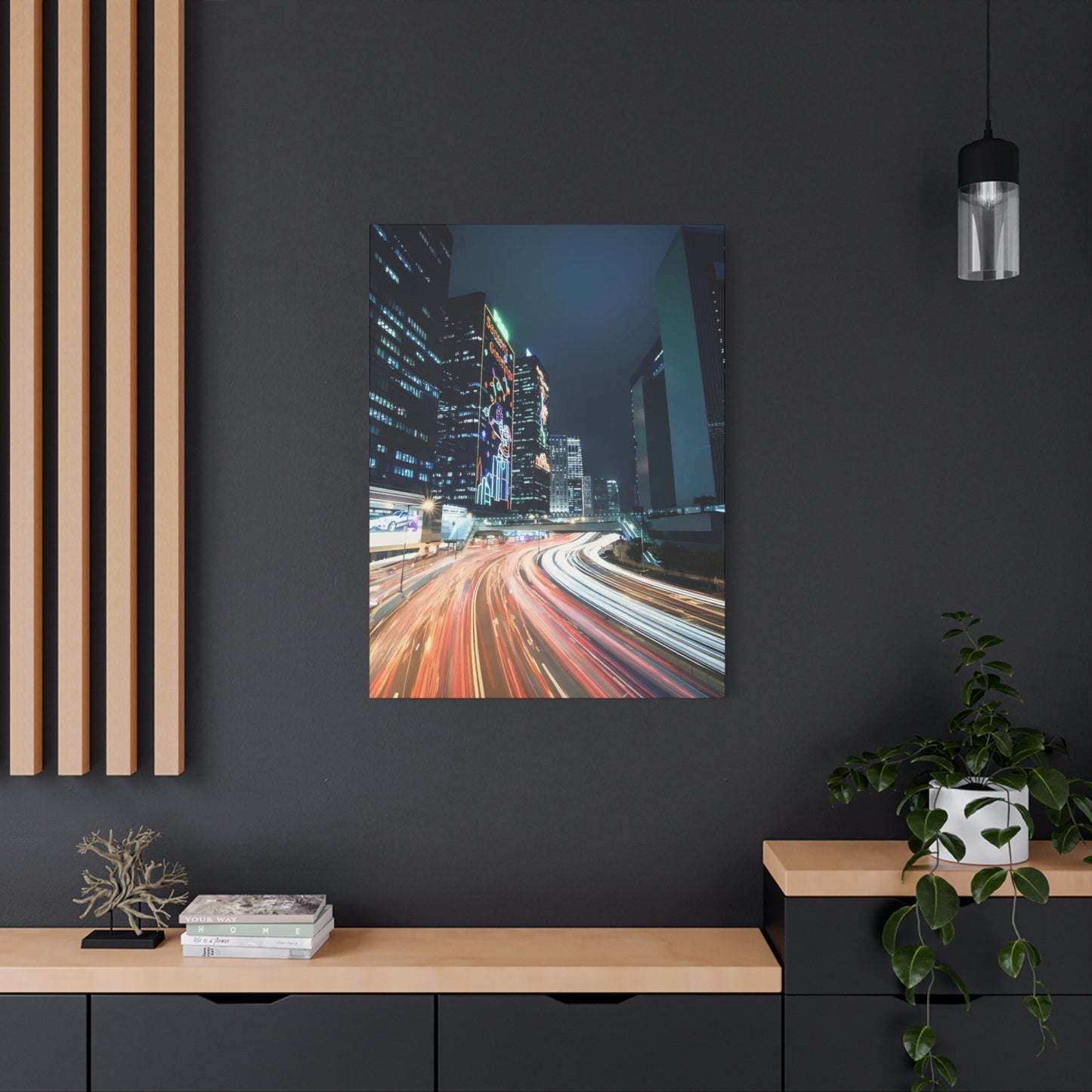
Fast Paced Life Wall Art & Canvas Prints
Fast Paced Life Wall Art & Canvas Prints
Couldn't load pickup availability
Elevate Your Living Space with Fast Paced Life Wall Art: A Comprehensive Exploration of Modern Interior Design Through Dynamic Visual Expression
The contemporary world moves at an unprecedented velocity, characterized by constant motion, perpetual connectivity, and relentless transformation. Our living environments have become sanctuaries where we seek respite from the whirlwind of daily existence, yet they also serve as reflections of our inner vitality and creative spirit. Fast paced life wall art emerges as a powerful medium through which we can capture the essence of this dynamic existence, transforming blank walls into captivating visual narratives that resonate with the rhythm of modern living. This artistic genre transcends mere decoration, offering a profound connection between our external surroundings and internal experiences, creating spaces that pulse with energy while providing aesthetic satisfaction.
The Emergence of Movement and Energy in Contemporary Visual Design
The evolution of artistic expression within residential and commercial spaces has undergone a remarkable metamorphosis over recent decades. Where once traditional landscapes and still portraits dominated interior decoration, contemporary tastes have shifted dramatically toward representations that embody motion, vigor, and the multifaceted nature of present-day existence. Fast paced life wall art encapsulates this transformation, presenting visual compositions that speak directly to the accelerated tempo of our daily routines, the complexity of our social interactions, and the perpetual state of transition that defines contemporary society.
This artistic movement draws inspiration from diverse sources, including urban landscapes teeming with activity, abstract representations of velocity and momentum, photographic captures of metropolitan vitality, and graphic designs that mirror the digital interfaces dominating our visual landscape. The aesthetic language employed within this genre frequently features bold chromatic selections, diagonal compositional elements suggesting directional force, layered imagery creating depth and complexity, and subjects captured mid-motion or arranged to imply progression through space and time.
The philosophical underpinnings of this artistic direction reflect a fundamental shift in how individuals perceive their relationship with time, space, and personal identity. Rather than seeking escape into pastoral serenity or historical nostalgia, many contemporary dwellers embrace visual representations that acknowledge and celebrate the kinetic quality of their lived experiences. This acceptance, rather than rejection, of life's rapid tempo represents a mature reconciliation with modernity's demands and opportunities.
Psychological Resonance of Kinetic Visual Representations in Living Environments
The impact of visual stimuli on human consciousness extends far beyond superficial aesthetic appreciation. Neuroscientific research has illuminated the intricate pathways through which our brains process visual information, revealing that certain compositional elements, color combinations, and representational strategies trigger specific neurological and emotional responses. Fast paced life wall art engages these mechanisms in particularly compelling ways, creating environments that can simultaneously energize, inspire, and provide a sense of contemporary relevance.
When observers encounter imagery suggesting motion and vitality, their visual cortex engages in sophisticated processing that extends to other brain regions responsible for motor planning and spatial navigation. This neurological activation creates a subtle but perceptible sense of engagement, making spaces feel more alive and responsive. For individuals whose daily routines involve considerable mental activity, creative problem-solving, or interpersonal interaction, surrounding oneself with visual representations that mirror this energetic quality can reinforce positive associations with productivity and accomplishment.
Furthermore, the presence of such artwork within personal spaces serves a validating function, acknowledging the legitimate intensity of contemporary existence rather than suggesting that one's hectic schedule represents a personal failing requiring correction. This validation holds particular significance in an era where discussions of work-life balance often carry implicit criticism of those leading demanding lives. By celebrating rather than critiquing the rapid pace of modern living, these visual statements allow residents to feel comfortable with their chosen lifestyles while still maintaining spaces of comfort and beauty.
The chromatic dimensions of fast paced life wall art also contribute significantly to its resonant impact. Bold, saturated colors stimulate neural activity and can elevate mood, particularly when employed in combinations that create visual harmony despite their intensity. Warmer hues such as vibrant reds, oranges, and yellows generate feelings of energy and enthusiasm, while cooler tones like electric blues and deep purples can suggest sophistication and controlled power. Strategic color selection within this artistic genre allows for fine-tuning the emotional atmosphere of a space to align with its intended purpose and the preferences of its inhabitants.
Architectural Considerations for Displaying Dynamic Visual Statements
The successful incorporation of fast paced life wall art into residential or commercial environments requires thoughtful consideration of spatial characteristics, lighting conditions, viewing distances, and the relationship between artwork and surrounding design elements. Unlike more neutral decorative choices that adapt easily to various settings, high-energy visual statements demand careful placement to achieve maximum impact without overwhelming the space or clashing with existing design features.
Ceiling height represents a primary consideration when selecting appropriately scaled pieces. In spaces with standard eight-foot ceilings, oversized horizontal compositions can create visual expansion, drawing the eye laterally and counteracting any sense of vertical compression. Conversely, rooms with generous vertical clearance provide opportunities for dramatic floor-to-ceiling installations or multiple vertically-stacked pieces that create ascending visual movement, emphasizing the impressive dimensions of the space.
Wall dimensions and proportions also influence optimal artwork selection. Long, uninterrupted expanses benefit from either single statement pieces of corresponding scale or carefully arranged collections that distribute visual interest across the available surface. In contrast, walls interrupted by architectural features such as doorways, windows, or built-in elements require more strategic approaches, with artwork sized and positioned to complement rather than compete with these fixed elements.
Natural and artificial illumination dramatically affects how fast paced life wall art appears within a space. Pieces featuring reflective surfaces, metallic accents, or glossy finishes interact dynamically with changing light conditions throughout the day, creating subtly different viewing experiences from morning through evening. Strategic positioning relative to windows can harness natural light to illuminate artwork during peak usage hours, while supplementary gallery lighting or adjustable spot fixtures allow for controlled emphasis during darker periods.
The spatial relationship between artwork and furniture arrangements merits careful planning. Seating configurations should facilitate comfortable viewing at appropriate distances, generally ranging from four to eight feet for medium-sized pieces, with greater distances necessary for larger installations. This positioning ensures that the full composition remains visible without requiring physical movement or uncomfortable neck angles, allowing the artwork to be appreciated during normal use of the space rather than becoming merely peripheral decoration.
Material Diversity and Production Methods in Contemporary Wall Decor
The physical manifestation of fast paced life wall art encompasses an impressive range of materials, production techniques, and finishing options, each offering distinct aesthetic qualities, durability characteristics, and price points. Understanding these variations empowers consumers to make informed selections that align with their practical requirements, design preferences, and budgetary constraints.
Canvas prints represent perhaps the most widely accessible format for reproducing photographic and digital artwork. This method transfers imagery onto cotton or polyester fabric stretched over wooden frames, creating pieces that offer excellent color reproduction, slight textural interest, and relatively lightweight construction facilitating straightforward hanging. Gallery-wrapped canvas, where the image continues around the edges of the frame, eliminates the need for separate framing and creates a modern, finished appearance particularly suited to contemporary design aesthetics.
Acrylic mounting provides an alternative approach that delivers exceptional visual clarity and a distinctly modern appearance. This process bonds imagery to rigid acrylic substrates or sandwiches it between acrylic layers, creating depth and luminosity that enhances color saturation and contrast. The resulting pieces possess a glass-like quality that amplifies the vibrancy particularly important to fast paced life wall art, though they typically command higher prices than canvas equivalents and require more robust hanging systems due to increased weight.
Metal prints offer yet another distinctive option, particularly well-suited to urban and industrial design schemes. This process infuses dyes directly into specially-coated aluminum panels, creating images of remarkable clarity and durability. The inherent properties of metal substrates contribute a subtle sheen that enhances the contemporary feel of kinetic imagery, while the material's durability makes metal prints excellent choices for high-traffic areas or environments where long-term performance justifies premium investment.
Traditional framed prints remain viable options, particularly when seeking to coordinate with existing artwork collections or achieve specific aesthetic effects. Matting and frame selections provide opportunities for customization, allowing pieces to be tailored to existing color schemes and design languages. However, glass or acrylic glazing introduces reflective surfaces that can complicate viewing under certain lighting conditions, requiring careful positioning to minimize distracting glare.
Three-dimensional and sculptural wall installations represent the premium tier of this artistic category, offering tactile interest and dramatic visual impact that flat reproductions cannot match. These pieces might incorporate mixed media elements, layered constructions creating actual depth, or kinetic components that introduce literal movement. While significantly more expensive than printed alternatives, such installations make powerful statements in feature locations where budget allows for investment in truly distinctive focal points.
Curatorial Strategies for Assembling Cohesive Visual Collections
The art of assembling multiple pieces into harmonious arrangements requires both creative vision and methodical planning. While single statement works certainly possess their own merits, thoughtfully curated collections can create visual narratives, establish thematic continuity, and distribute aesthetic interest across larger areas or throughout connected spaces.
Gallery wall compositions represent popular approaches to displaying multiple related pieces, typically combining various sizes and occasionally formats within unified arrangements. Successful gallery walls balance several competing considerations: maintaining sufficient spacing between individual pieces to allow each to be appreciated independently while keeping them close enough to read as a cohesive collection; achieving overall compositional balance despite potentially asymmetrical arrangements; and establishing visual hierarchy that guides viewer attention through the collection in an intentional sequence.
The process typically begins with careful measuring and planning, often using paper templates to visualize arrangements before committing to wall mounting. Horizontal alignment along centerlines or bottom edges helps create visual order even within asymmetrical layouts, while maintaining consistent spacing between pieces (typically two to six inches) provides breathing room without excessive separation. Color distribution across the collection should feel balanced, with bolder or darker pieces strategically positioned to anchor the composition without clustering in ways that create visual dead zones elsewhere.
Triptych and diptych formats offer more structured alternatives, presenting related imagery across two or three panels that together form complete compositions. These arrangements work particularly well for fast paced life wall art, as the multiple panels can suggest sequential motion or present different facets of a unified theme. The spacing between panels significantly affects perception, with tighter arrangements reading more as single unified works, while wider separation emphasizes the individual panels while maintaining their relationship.
Thematic serialization provides another curatorial approach, displaying multiple distinct pieces united by shared subject matter, stylistic treatment, or conceptual underpinnings. This strategy works effectively across rooms within a residence or throughout commercial spaces, creating visual continuity without repetitiveness. Variations in scale, orientation, or specific subject matter maintain interest while the thematic thread provides coherence.
Color Theory Applications for Maximum Visual Impact and Spatial Harmony
The chromatic dimensions of fast paced life wall art demand sophisticated understanding of color relationships, perceptual effects, and coordination with existing interior palettes. While vibrant, energetic colors frequently characterize this genre, successful implementation requires moving beyond simple brightness toward nuanced orchestration of hue, saturation, and value relationships.
The foundational principle of color temperature profoundly influences spatial perception and emotional atmosphere. Warm-toned artwork featuring reds, oranges, and yellows tends to create sensations of energy, intimacy, and approach, making spaces feel more animated and welcoming. These hues work exceptionally well in social areas like living rooms and dining spaces where convivial interaction represents primary activity. Conversely, cool-toned pieces emphasizing blues, greens, and purples generate impressions of calm, spaciousness, and recession, potentially tempering the energetic qualities of kinetic imagery to create more contemplative moods.
Complementary color schemes, pairing hues opposite each other on the color wheel, create maximum chromatic contrast and visual vibration. When employed in fast paced life wall art, these combinations amplify the sense of energy and dynamism, demanding attention and creating memorable focal points. Orange-and-blue pairings prove particularly popular, offering simultaneously warm and cool elements that create balanced yet exciting compositions. Red-and-green combinations deliver similar impact, though they require careful handling to avoid unwanted seasonal associations.
Analogous color schemes utilize adjacent wheel positions, creating harmonious progressions with more subtle sophistication than complementary approaches. These palettes might transition from yellow through orange to red, or from blue through blue-green to green, creating unity through gradual chromatic shift. Such schemes work beautifully when coordinating artwork with existing interior colors, allowing pieces to complement their surroundings while still maintaining sufficient distinction to function as focal points.
Monochromatic approaches explore variations in saturation and value within single hue families, creating cohesion through chromatic restraint. Despite their color-limited nature, these schemes can still convey considerable energy through compositional dynamism, contrast relationships, and value distribution. Black-and-white treatments represent the extreme expression of monochromatic thinking, stripping away color entirely to emphasize form, texture, and tonal relationships. Such approaches work particularly effectively in minimalist interiors where chromatic restraint represents a deliberate design strategy.
The relationship between artwork colors and surrounding wall tones deserves particular attention. Light neutral walls provide maximum flexibility, allowing artwork to stand forth without chromatic competition. Darker wall colors create dramatic contrast with lighter artwork elements while allowing darker compositional areas to recede, creating interesting figure-ground relationships. Colored walls require careful consideration to ensure artwork either coordinates harmoniously with the wall color or provides sufficient contrast to maintain visual distinction.
Subject Matter Variations Within the Kinetic Visual Genre
While the unifying characteristic of fast paced life wall art lies in its energetic quality and contemporary resonance, the specific subject matter encompassed within this category demonstrates considerable diversity, allowing individuals to select pieces that reflect personal interests, professional contexts, or aesthetic preferences.
Urban landscape representations constitute a major subcategory, capturing the kinetic quality of metropolitan environments through various photographic and illustrative approaches. Time-lapse effects blur moving vehicles into light trails against sharp architectural backgrounds, creating striking contrasts between solid permanence and fluid motion. Aerial perspectives reveal the intricate geometries of city grids, while street-level compositions immerse viewers in the pedestrian experience of navigating crowded sidewalks and bustling intersections. These works appeal particularly to city dwellers whose daily experiences involve similar environments, creating recognition and validation of their urban existence.
Abstract expressionist pieces channel energy through non-representational means, employing gestural mark-making, dynamic brushwork, and compositional structures suggesting movement without depicting specific subjects. Sweeping curves, diagonal thrusts, and layered transparent elements create visual flow that guides the eye across the composition. Such works offer maximum interpretive flexibility, allowing viewers to project their own associations while responding to the kinetic qualities conveyed through formal means alone. This approach works particularly well in contemporary interiors where figurative representation might feel too literal or stylistically inconsistent.
Athletic and recreational subjects capture human bodies in dynamic motion, celebrating physical capability and competitive striving. Images might depict runners mid-stride, dancers suspended in dramatic poses, surfers riding towering waves, or climbers scaling sheer faces. These representations resonate with individuals who prioritize physical activity and appreciate visual reminders of human potential and achievement. The dramatic compositional angles and frozen-moment quality frequently employed in such imagery align perfectly with the energetic aesthetic characterizing this artistic genre.
Vehicular subjects ranging from racing automobiles to commercial aircraft embody literal speed and mechanical power. Such imagery appeals to enthusiasts while also serving as metaphors for progress, achievement, and the conquest of distance. Careful treatment distinguishes artistic interpretation from mere documentary recording, with attention to composition, lighting, and post-processing elevating these subjects beyond simple product photography into genuine aesthetic statements.
Natural phenomena captured in dramatic moments offer another compelling category, depicting storms, waves, waterfalls, and other instances where nature displays raw power and constant motion. These subjects provide organic alternatives to human-made environments while maintaining the kinetic quality central to this genre. The primal forces depicted create connections with something larger than human affairs, potentially offering perspective on personal challenges while still acknowledging life's dynamic character.
Digital and cyber aesthetics represent increasingly prominent subject matter, featuring circuit-board patterns, data visualization graphics, streaming particles, and other imagery reflecting our technology-saturated contemporary existence. These pieces speak directly to individuals whose professional lives involve digital realms, creating visual connections between physical living spaces and virtual working environments. The often-abstract nature of such imagery also coordinates well with minimalist contemporary interiors.
Strategic Placement Considerations Across Various Functional Spaces
Different rooms within residential settings serve distinct purposes and create unique design challenges, requiring thoughtful consideration when selecting and positioning fast paced life wall art to enhance rather than conflict with each space's primary functions.
Living room installations typically benefit from bold statement pieces that establish immediate visual impact while reflecting the personalities of residents. As spaces designed for social interaction and relaxation, living rooms can accommodate energetic artwork without risk of overstimulation, since occupants typically engage in varied activities rather than sustained concentration. The sofa wall represents the most common placement location, providing a natural focal point visible from primary seating positions. Scale should be substantial enough to anchor the space without overwhelming it, generally occupying roughly two-thirds to three-quarters of the sofa width for pieces positioned above seating furniture.
Bedroom artwork selections require more nuanced consideration, balancing personal expression with the sleep-promoting atmosphere essential to these spaces. While fast paced life wall art can certainly find appropriate application in bedrooms, particularly for individuals who find energetic imagery inspiring rather than agitating, placement and specific piece selection merit careful thought. The wall opposite the bed provides an ideal location, creating a visual focal point when entering the room and offering something attractive to contemplate before sleep, though it remains outside direct sight lines from sleeping positions. Alternatively, artwork flanking the headboard creates symmetrical framing without dominating the restful atmosphere.
Home office environments represent ideal settings for dynamic, energizing artwork that reinforces professional mindsets and motivates productive work. In these contexts, fast paced life wall art serves both aesthetic and functional purposes, creating visually engaging backgrounds for video calls while providing mental stimulation during long working sessions. Positioning artwork at eye level when seated ensures comfortable viewing during typical work postures, while placement opposite the desk creates visual relief when looking up from screen-focused tasks.
Dining spaces benefit from artwork that sparks conversation and creates festive atmospheres during shared meals. The energetic quality of fast paced life wall art contributes to lively dinner party ambiance, though care should be taken to ensure color selections coordinate with table settings and don't clash with food presentations. The wall behind the table's head position typically receives primary consideration, though open-concept spaces might locate artwork on perpendicular walls to avoid creating busy visual competition with the table setting itself.
Entryways and hallways offer opportunities for impactful first impressions and visual interest in transitional spaces. These areas can accommodate particularly bold selections since occupants pass through rather than lingering, preventing any risk of visual fatigue. Long hallway expanses benefit from gallery wall arrangements or sequential series that create visual journeys accompanying physical movement through the space.
Emerging Artists and Evolving Styles Reshaping Contemporary Wall Decor
The landscape of contemporary visual art continually evolves as emerging creators bring fresh perspectives, innovative techniques, and novel subject matter to the medium. While established artists maintain important positions, new voices increasingly influence popular tastes and expand the boundaries of what fast paced life wall art encompasses.
Street art aesthetics have migrated from urban walls into fine art contexts, bringing bold graphics, social commentary, and irreverent energy into residential and commercial spaces. What began as unauthorized interventions in public space has matured into a recognized artistic movement, with pieces now created specifically for interior display while maintaining the raw vitality characterizing the genre's origins. This evolution makes urban art's aesthetic accessible to enthusiasts who appreciate its energy without necessarily endorsing illegal property alteration.
Digital native artists who developed their skills using electronic tools rather than traditional media bring distinctive sensibilities shaped by screen-based creation and consumption. Their work often features the saturated colors, crisp edges, and layered complexity characteristic of digital production methods, creating imagery perfectly suited to the fast-paced contemporary aesthetic. These creators frequently maintain substantial social media followings, allowing direct connections between artists and collectors that bypass traditional gallery gatekeepers.
Photography has undergone remarkable transformation with digital capture and processing technologies, enabling creative effects previously impossible or prohibitively difficult. High-dynamic-range imaging captures extraordinary tonal ranges that recreate dramatic lighting conditions. Focus stacking allows unprecedented depth of field. Long-exposure techniques create ethereal representations of motion. These technical capabilities expand photographic expression while democratizing access to sophisticated effects.
Mixed media approaches combine multiple materials and techniques within single works, creating textural richness and dimensional complexity. These pieces might incorporate photographic elements with painted additions, digital prints with hand-drawn embellishments, or collaged materials creating layered constructions. The resulting hybrid works bridge traditional and contemporary methodologies, appealing to collectors seeking distinctive pieces that transcend simple categorization.
Generative and algorithmic art created through computational processes represents frontier territory within contemporary visual culture. Artists define parameters and rules that computer systems execute, producing imagery that reflects both human creative intention and machine interpretation. As artificial intelligence capabilities expand, these collaborations between human creativity and computational power generate increasingly sophisticated results, though they also raise provocative questions regarding authorship, originality, and artistic value.
Economic Considerations and Investment Perspectives for Art Collectors
Navigating the financial aspects of acquiring fast paced life wall art requires understanding the various factors influencing pricing, the distinction between decorative purchases and investment acquisitions, and strategies for building collections that deliver both aesthetic satisfaction and potential appreciation.
Original artwork pricing reflects numerous variables including artist reputation, piece scale, medium complexity, and market demand. Works by established artists with exhibition histories and critical recognition command premium prices justified by their artistic significance and limited availability. Emerging creators offer more accessible entry points while carrying speculative potential should their reputations grow. However, purchase decisions should prioritize personal aesthetic connection over investment speculation unless one possesses expertise and willingness to accept considerable financial risk.
Limited edition prints provide middle-ground options between mass-produced reproductions and unique originals. These pieces are produced in predetermined quantities, typically signed and numbered by artists, with production plates or files destroyed after the edition completes. Lower edition numbers and smaller total quantities generally correlate with higher values, though artist reputation remains the dominant pricing factor. Edition size typically ranges from dozens to several hundred, with photographic editions often running larger than traditional printmaking.
Print-on-demand services have democratized access to vast imagery libraries, enabling affordable acquisition of professionally produced pieces without premium gallery pricing. These services maintain no inventory, instead producing orders individually using digital printing technologies. While individual pieces possess no inherent investment value, they deliver aesthetic impact indistinguishable from limited editions to casual observers, making them excellent options for those prioritizing visual effect over collectability.
Rental programs offered by some galleries and art services provide alternatives to outright purchase, particularly appealing for commercial installations or individuals who enjoy regularly refreshing their environments. These arrangements typically involve monthly fees with rotation options, allowing variety without commitment or storage concerns. Some programs credit rental payments toward eventual purchases, facilitating try-before-buy approaches.
Resale market dynamics vary dramatically between fine art and decorative pieces. Works by recognized artists maintain secondary markets where collectors can potentially recoup significant portions of original investments or even realize appreciation. Conversely, mass-produced decorative items typically possess negligible resale values regardless of original cost, functioning as consumption goods rather than investments. Understanding this distinction prevents unrealistic expectations and guides appropriate budget allocations.
Practical Installation Methods and Hanging Hardware Solutions
Secure, properly aligned artwork installation requires appropriate hardware, correct techniques, and attention to wall construction details. While straightforward in principle, successful execution prevents damage to both walls and artwork while ensuring pieces remain safely mounted for years.
Wall composition represents the primary consideration influencing hardware selection and installation approach. Drywall, the most common interior wall surface, provides limited inherent strength, requiring either fasteners that engage wall studs or specialized anchors that distribute weight across larger surface areas. Stud-mounted installations offer maximum security for heavy pieces, though they limit positioning flexibility to stud locations typically spaced sixteen or twenty-four inches apart. Electronic stud finders identify these locations, though manual tapping techniques can work for those developing sensitivity to the subtle acoustic differences between hollow and solid areas.
Drywall anchors provide positioning flexibility by creating secure mounting points in hollow wall sections. Traditional expansion anchors work adequately for lighter pieces but can fail dramatically under excessive load. Toggle-style anchors offer superior strength by distributing force across larger internal surfaces, with some designs rated for substantial weights when properly installed. Self-drilling anchors streamline installation but require correct sizing for wall thickness. Threaded inserts provide the strongest solutions, though they require larger initial holes and more complex installation procedures.
Masonry and concrete walls demand entirely different approaches, requiring hardened drill bits, appropriate anchors, and often hammer drills or rotary hammers to penetrate the hard materials. Plastic expansion anchors sized for masonry applications provide adequate strength for most installations, while mechanical anchors offer enhanced performance for heavy loads. Successful masonry installation requires precise drilling perpendicular to the wall surface at correct depths for anchor types being employed.
Wire hanging systems suspended from picture rails or ceiling-mounted tracks offer flexible alternatives to direct wall mounting, particularly valuable in rental situations or spaces where wall penetration is undesirable. These systems allow easy position adjustments without creating additional holes, though they impose aesthetic considerations and may not suit all design schemes. Professional gallery installations frequently employ such systems for their flexibility and clean appearance.
Adhesive hanging solutions including removable strips and hooks provide damage-free alternatives suitable for lightweight pieces and temporary installations. These products bond to wall surfaces using pressure-sensitive adhesives strong enough to support substantial weights yet removable without surface damage when pulled using specific techniques. However, weight limitations must be strictly observed, and compatibility with specific wall textures should be verified before relying on these approaches for valuable pieces.
Leveling represents a critical concern often underestimated by casual installers. Human vision proves remarkably sensitive to misalignment, with even slight deviations creating subconscious discomfort. Spirit levels ensure accurate horizontal alignment, while laser levels facilitate multi-piece installations requiring precise relationships. The extra minutes invested in careful leveling deliver professional results clearly distinguishable from careless approximation.
Preservation Strategies for Maintaining Visual Quality Over Time
Artwork longevity depends significantly on environmental conditions and handling practices. While fast paced life wall art encompasses various media with different specific vulnerabilities, several general principles apply across formats.
Light exposure represents the primary environmental threat to most artwork, with ultraviolet radiation causing particularly destructive photochemical reactions. Direct sunlight delivers concentrated doses of harmful energy that fade pigments, yellow paper substrates, and degrade canvas fabrics. Even indirect natural light contains substantial UV content that accumulates damage over years. Positioning artwork away from windows mitigates but doesn't eliminate this threat, while UV-filtering glazing, window films, or specialized gallery lighting reduce exposure without completely blocking visible light necessary for viewing.
Temperature and humidity fluctuations stress materials through expansion and contraction cycles, potentially causing canvas loosening, veneer separation, or accelerated chemical degradation. Maintaining stable conditions between 65-75 degrees Fahrenheit and 40-55 percent relative humidity provides ideal preservation environments, though these ranges exceed what most residential settings achieve. Avoiding extreme conditions and rapid changes represents more practical advice, meaning artwork shouldn't be positioned near heating vents, air conditioning outlets, or exterior doors subject to weather exposure.
Physical damage from impact, abrasion, or careless handling threatens all artwork formats. Canvas surfaces prove particularly vulnerable to punctures and tears, while acrylic and glass glazing can shatter if struck sharply. Framed works with glass should be handled by frame edges rather than across glazing surfaces where hand pressure might cause fracture. When moving or cleaning around artwork, conscious awareness of its presence prevents accidental contact that could dislodge pieces or cause direct damage.
Cleaning requires format-appropriate approaches and gentle techniques. Canvas and unglazed prints should receive only light dusting using soft brushes designed for artwork, never moisture-based cleaning that could disturb pigments or cause fiber swelling. Glazed pieces can tolerate careful cleaning with slightly dampened microfiber cloths, though cleaners should be applied to cloths rather than directly to surfaces and harsh chemicals should be strictly avoided. Metal prints generally prove most durable, accepting gentle cleaning with appropriate metal-safe products.
Professional conservation services become necessary when artwork exhibits damage, fading, or degradation beyond simple dust accumulation. Attempting amateur repairs typically exacerbates problems, potentially destroying significant value in original works. Conservators possess specialized training in assessment, treatment planning, and execution using reversible techniques that preserve as much original material as possible while arresting deterioration. While these services command substantial fees, they represent wise investments for valued pieces showing condition concerns.
Seasonal Rotation Strategies and Temporary Display Approaches
Some enthusiasts enjoy varying their visual environments through periodic artwork rotation, refreshing spaces with new pieces while preserving variety in their collections. This practice offers several benefits beyond simple novelty-seeking.
Seasonal rotations align interior aesthetics with changing external conditions and cultural moments throughout the year. Lighter, more vibrant pieces might dominate during spring and summer months, while deeper, more contemplative works could emerge during fall and winter. Holiday-specific artwork can enhance festive periods without requiring year-round display of seasonally specific imagery. This approach requires adequate storage for pieces not currently displayed, with attention to protective wrapping and stable environmental conditions.
Mood-based rotation allows residents to adjust their environments based on changing emotional needs or life circumstances. Particularly energetic fast paced life wall art might feel appropriate during periods of intense professional activity but overwhelming during recovery from illness or stressful life events. Maintaining varied collections enables responsive adjustments that support current emotional states rather than imposing static environments regardless of changing needs.
Rotation strategies can also serve practical functions by distributing light exposure across collections, preventing accelerated aging of continuously displayed pieces while others remain protected in storage. This approach proves particularly valuable for serious collectors building substantial portfolios where preservation concerns warrant systematic care protocols.
Proper storage requires attention to environmental stability, physical protection, and accessibility. Climate-controlled storage maintains consistent temperature and humidity while protecting against extreme conditions. Acid-free materials prevent chemical damage during storage periods. Vertical storage racks allow space-efficient organization while minimizing stress on artwork structures. Clear labeling and inventory systems prevent forgotten pieces from languishing indefinitely in storage when they might otherwise be enjoyed.
Commissioned Work and Custom Creation Possibilities
While selecting from existing artwork provides satisfaction for many collectors, commissioning custom pieces offers opportunities for perfect alignment between artistic vision, spatial requirements, and personal significance. This process transforms collectors from passive consumers into active participants in artistic creation.
Commissioning begins with identifying artists whose existing work demonstrates aesthetic sensibilities compatible with the collector's vision. Research through gallery exhibitions, online portfolios, and social media platforms reveals available creators and their particular strengths. Initial conversations establish mutual understanding regarding project scope, timeline expectations, and budget parameters before formal agreements or deposits exchange hands.
Creative briefs articulate collectors' visions, expectations, and requirements while allowing artists interpretive freedom essential to genuine artistic expression. Effective briefs communicate desired mood, preferred color palettes, subject matter interests, and any constraints imposed by installation locations without prescribing specific compositional solutions. This balance between guidance and freedom typically yields more satisfying results than either completely open-ended commissions or overly restrictive specifications.
Size specifications must account for installation locations with precise measurements including width, height, and depth constraints. Orientation preferences should be communicated, though artists may propose alternatives if their creative vision suggests different approaches. Material and finishing preferences deserve discussion, though collectors should remain open to artists' recommendations based on how different substrates and treatments might best serve the intended imagery.
Budget conversations require candor from both parties, with artists explaining how proposed fees relate to materials costs, time investments, and fair compensation for their creative labor. Collectors should recognize that custom work commands premiums over comparable existing pieces due to the dedicated attention and collaborative process involved. Payment structures typically involve deposits initiating work with remaining balances due upon completion, though milestone-based approaches may suit larger or longer-term projects.
Progress reviews at key developmental stages allow course corrections before extensive time investments in directions misaligned with collectors' expectations. However, excessive oversight or constant revision requests can stifle creative flow and damage working relationships. Successful collaborations balance appropriate oversight with respect for artists' expertise and creative process.
Corporate and Commercial Contexts for Energetic Visual Installations
Fast paced life wall art finds extensive employment beyond residential settings, with businesses recognizing its capacity to shape customer perceptions, reinforce brand identities, and create memorable physical environments.
Hospitality venues including hotels, restaurants, and entertainment spaces utilize dynamic artwork to establish distinctive atmospheres that differentiate them from competitors while creating shareable moments driving social media visibility. Bold statement pieces in lobbies and common areas immediately communicate contemporary sensibilities and attention to design details. Coordinated artwork programs throughout properties create visual continuity while allowing localized variations reflecting specific spaces' distinct functions and moods.
Office environments employ energizing artwork to combat institutional sterility while reflecting corporate cultures and values. Conference rooms benefit from pieces suggesting dynamism and forward momentum, reinforcing messages about innovation and progress. Collaborative workspaces can embrace particularly bold selections that stimulate creative thinking and energetic interaction. Executive offices might feature more refined examples that maintain professional gravitas while avoiding staid traditionalism.
Retail environments leverage artwork to extend brand narratives beyond product displays, creating immersive experiences that transcend mere transactions. Fashion retailers particularly gravitate toward fashion-forward artwork reinforcing their positions as taste leaders. Athletic retailers showcase dynamic sports imagery connecting merchandise with performance aspirations. These installations become integral components of comprehensive brand experiences rather than afterthought decorations.
Healthcare settings face unique challenges balancing energizing artwork with patients' needs for calming environments during stressful experiences. Careful selection and placement can thread this needle, with more dynamic pieces in administrative areas and staff spaces while patient-facing locations receive gentler treatment. Pediatric facilities might embrace particularly playful energetic artwork that distracts young patients from anxiety and discomfort.
Corporate art programs often involve substantial investments requiring careful planning, professional consultation, and systematic implementation. Art advisors specializing in commercial projects guide selections that balance aesthetic merit with practical considerations including durability, maintenance requirements, and replacement cost planning. Documentation systems track pieces across facilities, schedule maintenance, and facilitate insurance coverage for valuable installations.
Conclusion
Electronic display technologies have introduced unprecedented flexibility into wall-mounted visual content, enabling rotation, animation, and even responsive interactivity impossible with static physical media. These systems warrant consideration alongside traditional artwork, particularly in settings where frequent content changes align with functional needs or aesthetic preferences.
Digital picture frames specifically designed for artwork display have evolved dramatically from early crude iterations, now offering high-resolution screens, accurate color reproduction, and sophisticated content management. These devices can store extensive image libraries that rotate on programmed schedules, creating constantly varying visual experiences without physical piece swapping. Some models accept remote content updates, allowing centralized management across multiple frames in different locations.
Large-format display panels originally developed for commercial digital signage have migrated into residential applications as prices have declined and aesthetic refinement has improved. These displays can present static images indistinguishable from prints to casual observers while also supporting video content, animated sequences, and interactive elements when desired. Installation typically requires professional mounting given substantial weights and precise positioning requirements, but results create extraordinary flexibility and visual impact.
Projection technologies offer alternatives to emissive displays, casting images onto walls or specialized screens without requiring integrated display panels. Ultra-short-throw projectors positioned immediately below projection surfaces enable large-scale displays without projector visibility, creating clean appearances approaching actual wall-mounted art. However, ambient light conditions significantly affect image quality, with optimal results requiring controlled lighting environments that may not suit all spaces or usage patterns.
Content sourcing for digital displays draws from various resources including personal photograph collections, licensed artwork databases, and streaming art services offering curated selections updated regularly. Some platforms specialize in contemporary digital art created specifically for screen display, featuring works by artists exploring the unique possibilities of electronic media. Subscription models provide economical access to vast libraries rotated as frequently as users desire.
Technical considerations including resolution, color calibration, brightness settings, and power management affect both image quality and operational costs. Higher resolution displays render fine details more accurately but command premium pricing. Calibration ensures color accuracy comparable to quality prints. Appropriate brightness balances visual impact with eye comfort and energy consumption. Automated power management prolongs component life while reducing electrical costs during periods when displays aren't actively viewed.
Despite their impressive capabilities, digital displays cannot fully replicate certain aesthetic qualities of physical artwork including surface texture, dimensional depth, and the intangible presence of handcrafted objects. This limitation doesn't invalidate their considerable strengths but rather positions them as complementary options rather than universal replacements. Many enthusiasts maintain hybrid approaches, combining physical artwork in primary display locations with digital systems in secondary spaces or situations where rotation benefits justify electronic solutions.
Share