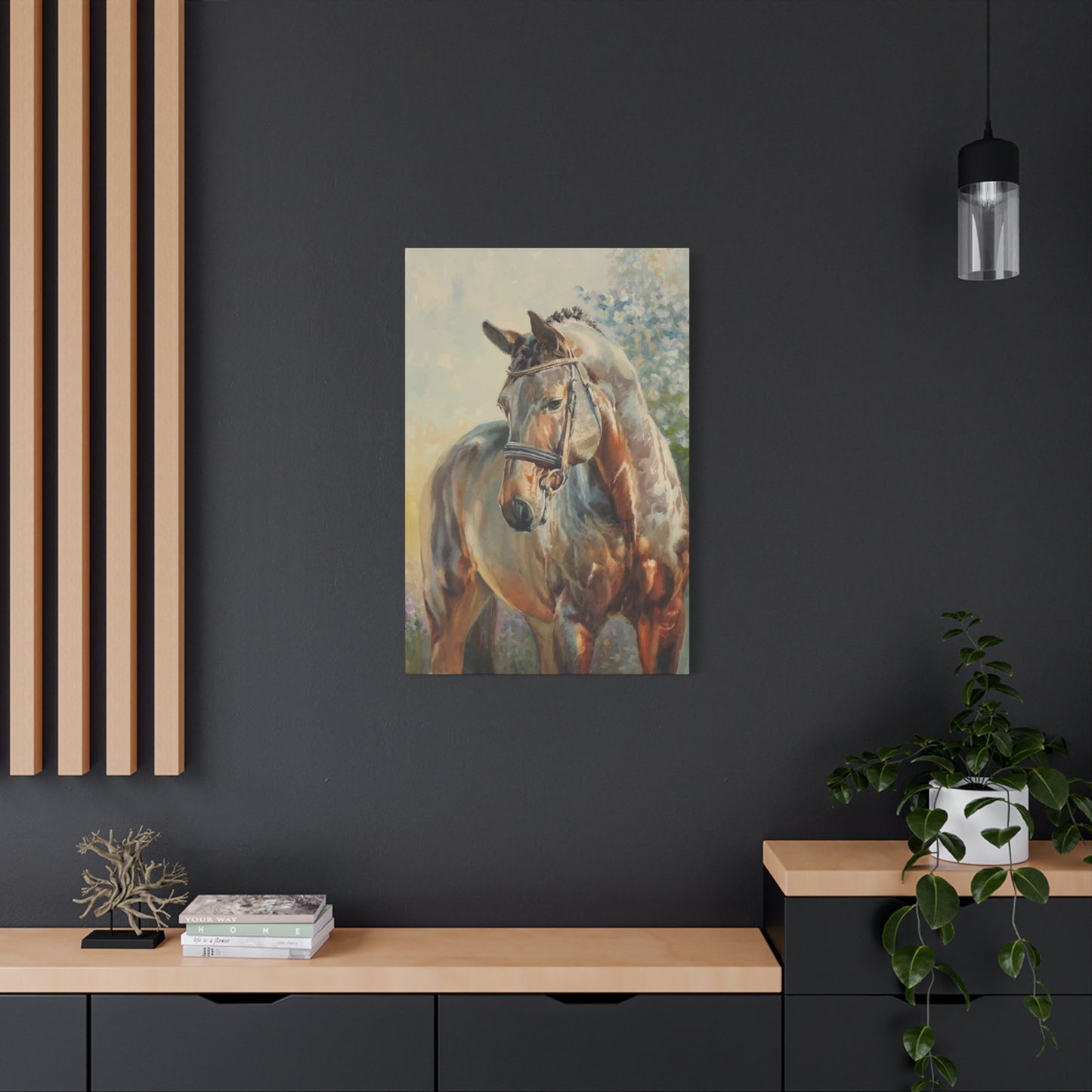


Farmhouse Wall Art & Canvas Prints
Farmhouse Wall Art & Canvas Prints
Couldn't load pickup availability
Rustic Farmhouse Wall Art: Creating Timeless Country Charm Through Decorative Pieces for Your Living Spaces
The world of interior decoration has witnessed a remarkable surge in popularity for country-inspired aesthetics, particularly when it comes to adorning vertical surfaces with carefully curated decorative elements. Farmhouse wall art represents more than mere embellishment; it embodies a lifestyle choice that celebrates simplicity, authenticity, and the timeless appeal of rural living. This comprehensive exploration delves into every aspect of incorporating these charming decorative elements into your home, offering insights that extend far beyond basic placement and selection.
The Enduring Appeal and Cultural Significance Behind Country-Inspired Decorative Elements
The attraction toward rustic decorative pieces stems from a deep-seated human desire to connect with simpler times and authentic living. These decorative elements evoke memories of grandmother's kitchen, sprawling countryside properties, and the unhurried pace of agricultural life. The aesthetic speaks to something fundamental within us—a yearning for authenticity in an increasingly digitized world.
Farmhouse wall art captures the essence of pastoral beauty through various mediums, from weathered wood signs bearing motivational phrases to carefully arranged botanical prints showcasing wildflowers and herbs. The style embraces imperfection as a virtue, celebrating the natural aging process of materials and the handcrafted quality that mass-produced items cannot replicate.
This decorative approach gained momentum as people began seeking refuge from minimalist trends that sometimes felt cold and impersonal. The warmth inherent in country-inspired pieces provides comfort and familiarity, creating spaces that feel lived-in and welcoming rather than sterile and untouchable. Each piece tells a story, whether through reclaimed materials, vintage typography, or imagery that recalls simpler agricultural traditions.
The cultural resonance of these decorative elements extends across generations. Older individuals appreciate the nostalgic connection to their childhood experiences, while younger demographics embrace the aesthetic as a counterbalance to contemporary urban living. This cross-generational appeal ensures the continued relevance of farmhouse-inspired decoration in evolving interior design landscapes.
Diverse Categories and Styles Within Country-Inspired Decorative Pieces for Vertical Surfaces
The realm of rustic decorative elements encompasses an impressive variety of styles and formats, each bringing unique character to residential spaces. Understanding these categories enables homeowners to make informed selections that align with their personal preferences and existing decor schemes.
Wooden signage represents one of the most recognizable elements within this aesthetic. These pieces typically feature painted or stenciled lettering on reclaimed barn wood, distressed planks, or deliberately aged new lumber. The messages range from welcoming phrases to humorous sayings, family mottos, and inspirational quotes. The texture of weathered wood adds dimensional interest that flat prints cannot achieve, while the rustic finish complements various color palettes.
Metal decorative pieces introduce industrial elements that blend surprisingly well with country aesthetics. Galvanized steel, wrought iron, and rusted metal compositions bring durability and visual weight to arrangements. These might include vintage-inspired advertisements recreated on metal sheets, sculptural pieces featuring farm animals or agricultural tools, or decorative windmills and weather vanes adapted for indoor display.
Botanical and agricultural imagery forms another substantial category, encompassing everything from pressed flower arrangements under glass to illustrated prints of garden vegetables, herbs, and grain varieties. These pieces celebrate the connection between farmhouse living and cultivation, bringing organic beauty indoors. Particularly popular are vintage seed packet reproductions, botanical sketches reminiscent of historical field guides, and photographic prints of pastoral landscapes.
Textile-based pieces add softness and tactile variety to country-inspired arrangements. Vintage quilts mounted on rods, macramé hangings, and embroidered samplers contribute handcrafted authenticity. These fabric elements introduce pattern and texture while maintaining the unpretentious character essential to the aesthetic.
Three-dimensional arrangements combine multiple elements to create depth and visual interest. Shadow boxes filled with vintage farm tools, shelving units displaying collections of antique crockery, or window frames repurposed as photo displays exemplify this approach. These installations transform walls into curated vignettes that invite closer inspection and conversation.
Religious and spiritual themes often appear within country-inspired decorative schemes, reflecting the faith traditions prevalent in rural communities. These pieces range from simple cross designs to scriptural passages rendered in elegant typography, always presented with reverence and tasteful simplicity.
Seasonal and holiday-specific pieces allow for rotating displays that keep interiors fresh throughout the year. Harvest-themed arrangements, winter holiday decorations, spring floral compositions, and summer garden imagery enable homeowners to celebrate changing seasons while maintaining cohesive aesthetic principles.
Material Selection and Craftsmanship Considerations for Authentic Country Aesthetics
The materials comprising farmhouse wall art significantly influence both visual impact and longevity. Selecting pieces constructed from quality materials ensures lasting beauty and authentic presentation that cheaper alternatives cannot duplicate.
Reclaimed wood stands as the quintessential material for country-inspired decorative pieces. Genuine barn wood, salvaged from demolished agricultural structures, carries authentic weathering patterns, nail holes, and color variations that tell decades of stories. This material's environmental sustainability appeals to eco-conscious consumers while delivering unmatched character. However, true reclaimed wood commands premium prices due to sourcing difficulties and processing requirements.
New wood treated to resemble aged timber offers an accessible alternative. Various distressing methods create convincing vintage appearances, including wire brushing, chain strikes, vinegar staining, and strategic sanding. While these pieces lack the genuine history of authentic reclaimed materials, skilled artisans can produce remarkably convincing results at significantly reduced costs.
Canvas prints bring fine art reproduction capabilities to country-inspired decoration. Gallery-wrapped canvases provide clean, modern presentation of pastoral imagery, botanical illustrations, or vintage-style designs. The fabric texture adds subtle depth while avoiding the glossy reflection problems associated with standard framed prints. Quality canvas products utilize fade-resistant inks that maintain color vibrancy despite sun exposure.
Metal substrates offer exceptional durability for both indoor and covered outdoor locations. Powder-coated steel resists corrosion while providing smooth surfaces for detailed printing. Rusted or patinated metals deliver authentic aged appearances that complement rustic aesthetics. Laser-cutting capabilities enable intricate designs impossible with traditional fabrication methods, from delicate leaf patterns to elaborate monogram compositions.
Glass and acrylic materials suit specific decorative purposes within country-inspired schemes. Pressed botanical specimens require clear protective covering, while vintage photographs benefit from proper glazing. Non-reflective glass options minimize glare issues in brightly lit spaces, though they typically cost more than standard varieties. Acrylic alternatives weigh less and resist shattering, making them preferable for high-traffic areas or homes with young children.
Finishing treatments dramatically affect both appearance and durability. Natural wood pieces benefit from protective sealants that prevent moisture damage without obscuring grain patterns. Matte finishes typically suit rustic aesthetics better than glossy coatings, which can appear overly refined for country-inspired contexts. Proper finishing extends lifespan while enhancing natural material beauty.
Strategic Placement and Arrangement Principles for Maximum Visual Impact
The effectiveness of farmhouse wall art depends not only on piece selection but also on thoughtful placement and arrangement. Understanding fundamental design principles enables creation of cohesive, visually pleasing displays that enhance rather than overwhelm spaces.
Scale represents the first critical consideration. Oversized pieces make bold statements in spacious rooms with high ceilings, while smaller items risk disappearing in such contexts. Conversely, large decorative elements can overwhelm compact spaces, making modest-sized pieces more appropriate for cozy rooms. A common guideline suggests that individual pieces or arrangements should occupy roughly two-thirds to three-quarters of the furniture width beneath them, creating balanced proportions.
Height placement significantly influences visual comfort and piece visibility. The center of decorative elements should generally hang at eye level, typically around 57 to 60 inches from the floor. This positioning ensures comfortable viewing without neck strain. Exceptions apply in rooms with unusually high or low ceilings, where adjustments maintain proportional relationships with surrounding architectural features.
Gallery wall arrangements enable display of multiple pieces in unified compositions. Successful gallery walls require careful planning to balance varying sizes, shapes, and visual weights. Layout templates placed on floors before installation prevent costly mistakes and excessive wall damage. Maintaining consistent spacing between pieces—typically 2 to 3 inches—creates cohesion while allowing each element to retain individual impact.
Symmetrical arrangements project formality and order, with matching pieces flanking central elements or doorways. This approach suits traditional farmhouse interiors where balance and predictability predominate. Asymmetrical compositions appear more relaxed and contemporary, though they require greater skill to achieve pleasing visual equilibrium. Combining pieces of different sizes and orientations while maintaining unified themes or color palettes characterizes successful asymmetrical displays.
Focal wall designation concentrates decorative impact in specific areas rather than distributing pieces throughout all available surfaces. Living rooms often feature focal walls behind seating arrangements, while dining areas showcase decorative elements opposite entry points for immediate visual impact. Bedrooms typically designate headboard walls as primary decorative focuses, with complementary pieces on adjacent surfaces.
Negative space—the empty wall area surrounding decorative elements—plays crucial roles in composition success. Adequate breathing room prevents cluttered appearances and allows individual pieces to command attention. Overcrowding diminishes impact regardless of piece quality, creating visual chaos rather than curated appeal.
Lighting dramatically affects how decorative pieces appear throughout daily cycles. Natural illumination reveals colors and textures differently than artificial sources, necessitating consideration of window placement and sun exposure. Dedicated picture lighting enhances visibility while adding ambient warmth to evening environments. Positioning pieces away from direct sunlight prevents premature fading of sensitive materials like fabric and paper.
Color Coordination and Palette Selection for Cohesive Country-Inspired Interiors
Color choices profoundly influence the success of farmhouse-inspired decorating schemes. Understanding how to coordinate decorative elements with existing room colors creates harmonious environments that feel intentionally designed rather than haphazardly assembled.
Neutral foundations characterize authentic country aesthetics, with whites, creams, beiges, and various gray tones providing versatile backgrounds. These subdued bases allow decorative pieces to command attention without competing against bold wall colors. Shiplap installations painted in soft white exemplify this approach, offering textured backdrops that enhance rather than overshadow displayed items.
Earth tones drawn from natural landscapes—warm browns, sage greens, dusty blues, and terracotta oranges—inject color while maintaining rustic authenticity. These hues reference agricultural life and pastoral settings, reinforcing thematic coherence. Decorative pieces incorporating these colors blend seamlessly with neutral foundations while preventing monotonous appearances.
Black accents provide dramatic contrast within predominantly light color schemes. Metal elements, bold typography, and frames finished in matte black add visual grounding that prevents overly saccharine presentations. Strategic black placement creates focal points and dimensional depth, though restraint prevents heaviness that contradicts the airy quality essential to successful farmhouse aesthetics.
Weathered finishes intentionally incorporate multiple color layers visible through distressing processes. Chippy paint revealing underlying tones adds authentic aged appearances that mass-produced items cannot replicate. These multi-toned surfaces introduce subtle complexity while avoiding the visual uniformity of single-color pieces.
Accent colors inject personality without abandoning stylistic principles. Muted reds, soft yellows, and gentle lavenders appear in florals, vintage-inspired graphics, and seasonal decorative elements. These colors provide visual interest while maintaining the restrained palette characteristic of authentic country style. Limiting accent colors to two or three prevents chaotic appearances.
Monochromatic schemes utilizing various shades of single colors create sophisticated, gallery-like presentations. Gray-scale arrangements featuring weathered wood, vintage black-and-white photography, and galvanized metal deliver cohesive minimalism with rustic character. This approach suits contemporary farmhouse interpretations that embrace simplicity over abundant ornamentation.
Color temperature awareness prevents clashing between warm and cool tones. Decorative pieces should align with the dominant temperature of surrounding elements—warm woods and golden-toned metals pair with cream walls better than stark white, while cool gray palettes accommodate silvered wood and brushed steel. Mixing temperatures intentionally can succeed but requires careful balancing to avoid discordant results.
Crafting Personalized Country-Inspired Decorative Elements Through DIY Projects
Creating handmade farmhouse wall art offers multiple advantages beyond cost savings, including personalized designs perfectly suited to individual spaces and the satisfaction of displaying self-crafted items. Numerous projects accommodate varying skill levels, from beginner-friendly assemblies to complex constructions requiring specialized tools.
Pallet wood signs represent accessible entry points for DIY enthusiasts. Disassembled shipping pallets provide free or inexpensive wood with authentic weathering. Cleaning, sanding rough edges, and reassembling boards creates blank canvases for stenciled phrases, hand-painted designs, or vinyl lettering applications. Sealing finished products protects against moisture while enhancing wood grain visibility.
Frame repurposing transforms thrift store finds into charming country decorative pieces. Distressing existing finishes through strategic sanding creates aged appearances, while chalk paint applications provide matte surfaces in desired colors. Replacing standard glass with chicken wire, burlap, or vintage window screens creates dimensional backdrops for displaying photos, dried flowers, or small memorabilia collections.
Fabric scrap arrangements showcase textile collections while adding softness to decorative schemes. Vintage feed sacks, flour sacks, or deliberately aged modern fabrics stretched over wooden frames or embroidery hoops create charming circular or rectangular pieces. Combining multiple fabric-covered hoops in varied sizes produces gallery wall installations with handcrafted character.
Botanical pressing enables permanent preservation of garden flowers, leaves, and herbs. Carefully dried specimens arranged on neutral cardstock and protected under glass create scientific-looking displays with natural beauty. Labeling pressed items with handwritten Latin names enhances vintage field guide aesthetics.
Stenciling techniques allow creation of professional-looking designs without artistic drawing skills. Adhesive stencils secure to surfaces while paint application transfers patterns cleanly. Multiple stencil layers build complex images, while single-layer approaches deliver clean, graphic impact. Chalk paint works particularly well for stenciling projects, providing matte finishes with excellent coverage.
Reclaimed window transformations convert architectural salvage into decorative focal points. Old window frames serve as boundaries for photo displays, with pictures attached using clips or clothespins strung on wire or twine. Alternatively, painting inspirational quotes directly onto glass panes creates translucent pieces that interact beautifully with natural light.
Dimensional assemblies combine multiple elements into cohesive compositions. Mounting vintage tools, antique kitchen implements, or collections of aged keys on painted boards creates three-dimensional arrangements with storytelling appeal. Strategic placement and secure mounting ensure safety while highlighting individual item characteristics.
Typography projects utilizing wooden letters or hand-painted scripts create personalized word-based decorative elements. Family names, meaningful dates, or favorite sayings rendered in complementary fonts and finishes become unique focal pieces impossible to purchase commercially. These projects celebrate personal narratives while maintaining stylistic authenticity.
Sourcing Authentic and Affordable Pieces for Budget-Conscious Decorators
Building impressive farmhouse wall art collections need not require substantial financial investments. Strategic sourcing from diverse outlets enables acquisition of quality pieces at various price points, accommodating both generous and restricted budgets.
Antique stores and vintage markets offer genuine aged items with authentic patinas and historical significance. Farm auctions occasionally yield architectural salvage, vintage signage, and agricultural implements suitable for decorative purposes. Developing relationships with antique dealers provides access to newly acquired inventory before public display, increasing chances of securing desirable items. Negotiating prices, particularly for multiple purchases, often yields discounts.
Thrift stores and consignment shops regularly receive donated items with farmhouse appeal. Wooden frames, vintage prints, ceramic pieces, and outdated decor items await creative reimagining. Regular visits increase odds of discovering hidden treasures before other shoppers claim them. Many thrift outlets offer discount days or color-coded tags indicating progressive markdowns, maximizing value for patient shoppers.
Estate sales provide opportunities to acquire complete collections and matched sets. Entire households dispersed through estate liquidations often contain decades-old items with authentic vintage character. Arriving early ensures best selection, though prices typically drop substantially during final hours as organizers prioritize emptying properties over maximizing individual item values.
Online marketplaces expand sourcing possibilities beyond local geographic limitations. Platforms specializing in handmade goods connect buyers with artisans creating farmhouse-inspired pieces nationwide. Price comparison across multiple sellers ensures fair value, while customer reviews indicate quality and reliability. Digital marketplaces focused on vintage items enable targeted searching by style, era, and material type.
Architectural salvage yards stock reclaimed wood, vintage windows, antique doors, and weathered metal elements suitable for decorative projects. These businesses specialize in deconstructing old structures and reselling materials to builders, renovators, and craftspeople. While primarily serving construction purposes, salvage yards contain treasures for creative decorators willing to envision alternative uses for raw materials.
Seasonal clearance sales at home decor retailers offer deep discounts on farmhouse-inspired items. End-of-season markdowns, particularly following autumn and winter holidays, enable acquisition of quality pieces at fractions of original prices. Purchasing neutral items during clearance periods avoids seasonal limitations, as timeless designs suit year-round display.
Craft supply stores sell raw materials and components for DIY projects at wholesale prices. Unfinished wooden pieces, blank canvases, paint supplies, and embellishment materials enable creation of custom designs tailored to specific needs. Coupon usage and sales timing maximize purchasing power, with many craft retailers offering weekly discounts rotating through departments.
Flea markets and swap meets attract vendors selling vintage items, handcrafted goods, and reclaimed materials. These informal settings often enable bargaining and bundle deal negotiations unavailable in traditional retail environments. Arriving early accesses best selections, while end-of-day timing may yield desperate sellers willing to reduce prices rather than transport unsold merchandise.
Seasonal Rotation Strategies for Maintaining Fresh and Relevant Decorative Displays
Refreshing farmhouse wall art seasonally prevents visual stagnation while celebrating annual cycles and holidays. Strategic rotation systems enable efficient transitions without requiring complete decorative overhauls or excessive storage requirements.
Core pieces that transcend seasonal specificity provide year-round foundations, with supplementary items rotated to reflect changing seasons. Neutral botanical prints, weathered wood signs with timeless messages, and vintage-inspired typography remain constant, while seasonal accents surrounding core elements introduce timely variation.
Spring transitions emphasize renewal and growth through fresh floral imagery, pastel accent colors, and garden-themed pieces. Lightweight botanical prints featuring tulips, daffodils, and cherry blossoms replace heavier winter elements. Incorporating nests, eggs, and baby animals references natural cycles of birth and regeneration characteristic of spring seasons.
Summer displays celebrate abundance and outdoor living with vibrant sunflower compositions, farmer's market imagery, and patriotic elements for mid-summer holidays. Lemon and herb prints reference summer harvest and culinary pleasures, while beach-inspired elements suit coastal farmhouse interpretations. Lighter color palettes with increased white space create airy, refreshing aesthetics appropriate to warmer months.
Autumn arrangements introduce harvest themes through pumpkin displays, wheat sheaf imagery, and warm amber tones. Thanksgiving-related pieces featuring gratitude messages and cornucopia illustrations appear in November. Fall foliage prints showcasing colorful leaves and rustic landscapes celebrate seasonal beauty unique to autumn months.
Winter decorations embrace cozy comfort through evergreen imagery, snow scenes, and holiday-specific religious or secular elements. December displays might incorporate nativity scenes, vintage Santa imagery, or simple greenery arrangements. Post-holiday winter pieces featuring snowflakes, winter wildlife, and inspirational messages about new beginnings carry through February.
Storage solutions facilitate efficient seasonal rotations without cluttering living spaces. Dedicated containers labeled by season house off-display items in basements, attics, or closets. Protective wrapping prevents damage during storage periods, while photographic inventories remind owners of available pieces when planning transitions.
Transition timing balances seasonal relevance with practical considerations. Spring changeovers typically occur in late March, summer transitions in late May, autumn arrangements in September, and winter displays immediately following Thanksgiving. Flexibility accommodates regional climate variations and personal preferences regarding seasonal decoration duration.
Partial rotations require less effort than complete overhauls while maintaining freshness. Replacing one-quarter to one-third of displayed pieces each season strikes balances between novelty and stability. Retaining favorite items year-round provides continuity while rotated elements introduce seasonal variation.
Balancing Country Charm with Contemporary Sensibilities in Modern Farmhouse Designs
Contemporary interpretations of farmhouse aesthetics blend traditional rustic elements with modern sensibilities, creating hybrid styles that appeal to diverse preferences. Understanding how to balance vintage charm with current design trends enables creation of spaces feeling both timeless and current.
Modern farmhouse style embraces clean lines and simplified compositions while retaining natural materials and neutral palettes. Decorative pieces feature less ornate detailing than traditional country items, with streamlined shapes and minimal embellishment. Graphic typography replaces elaborate script fonts, while photography supersedes illustrated artwork for cleaner, contemporary presentations.
Industrial farmhouse fusion incorporates metal elements, exposed mechanical components, and urban warehouse aesthetics into rustic frameworks. Galvanized steel, black iron pipe frames, and edison bulb lighting combine with reclaimed wood and vintage textiles. Wall decorations might include metal grid systems for modular displays, wire baskets functioning as shelving, or vintage industrial signage complementing agricultural themes.
Scandinavian influences lighten traditional farmhouse heaviness through increased white space, simplified forms, and functional design principles. This Nordic-farmhouse hybrid emphasizes natural light, pale woods, and restrained ornamentation. Decorative pieces feature geometric patterns, monochromatic palettes, and understated elegance rather than abundant rustic embellishment.
Coastal farmhouse combines beach-inspired elements with country aesthetics, substituting weathered driftwood for barn wood and incorporating nautical references alongside agricultural themes. Color palettes shift toward blues, greens, and sandy neutrals, while decorative imagery features maritime subjects like sailboats, lighthouses, and seashells. This regional variation suits seaside properties while maintaining farmhouse foundational principles.
French country influences introduce European sophistication through toile fabrics, Provencal color palettes, and ornate frames. Decorative pieces might include vintage French advertising posters, romantic pastoral paintings, and delicate botanical illustrations. This interpretation adds refinement while preserving rural aesthetic foundations.
Minimalist farmhouse strips decoration to essential elements, creating serene spaces with carefully curated focal pieces. Rather than abundant collections, single statement items command attention against spare backgrounds. This restrained approach suits smaller spaces and contemporary preferences for uncluttered environments while retaining natural material warmth.
Eclectic mixing intentionally combines farmhouse elements with contrasting styles for personalized, unconventional results. Pairing rustic wood signs with modern abstract art, or positioning vintage farm implements beside contemporary sculpture creates dynamic tension that prevents predictable appearances. This approach requires confident design sensibility but yields uniquely individual spaces.
Preserving and Maintaining Decorative Elements for Long-Lasting Beauty
Proper maintenance extends the lifespan of farmhouse wall art while preserving visual appeal and material integrity. Different materials require specific care approaches, with preventive measures proving more effective than reactive repairs.
Wooden pieces benefit from regular dusting using soft, dry cloths that won't scratch surfaces or snag on rough textures. Microfiber materials effectively capture particles without requiring chemical cleaners. For deeper cleaning, slightly dampened cloths remove accumulated grime, though excessive moisture risks damage to unsealed wood or painted surfaces. Immediate drying prevents water absorption that causes warping or finish deterioration.
Sealed wood requires occasional refinishing as protective coatings degrade over time. Observing for dry, dull appearances or increased susceptibility to staining indicates diminished protection. Reapplication of appropriate sealants—polyurethane for high-durability needs, beeswax for natural finishes—restores protective barriers. Light sanding between coats ensures proper adhesion and smooth final surfaces.
Metal decorative elements resist many environmental factors but remain vulnerable to oxidation in humid conditions. Regular dusting prevents particle accumulation that traps moisture against surfaces. For pieces where patina development is undesirable, protective wax coatings slow oxidation processes. Conversely, intentionally rusted items require no preservation efforts, as continued oxidation enhances authentic aged appearances.
Canvas prints maintain appearance through gentle surface cleaning with soft brushes or vacuum attachments using low suction settings. Avoiding water contact prevents canvas warping and pigment bleeding. Positioning canvas pieces away from direct sunlight significantly extends color vibrancy, as UV exposure causes inevitable fading regardless of ink quality.
Glass-covered items require streak-free cleaning products for clear visibility. Spray cleaners applied to cloths rather than directly onto glass prevent seepage beneath frames that could damage protected contents. Ammonia-free formulas prevent damage to wooden frames and metal components. Regular cleaning maintains clarity while inspection during the process identifies potential moisture infiltration requiring immediate attention.
Fabric-based pieces accumulate dust within textile fibers, necessitating periodic vacuuming with soft brush attachments. Avoiding water exposure prevents color bleeding and fabric distortion. For valuable vintage textiles, professional conservation cleaning may prove worthwhile despite expense, as improper home cleaning risks irreversible damage.
Environmental control significantly impacts preservation. Maintaining consistent indoor temperatures and moderate humidity levels prevents material expansion and contraction that loosens mounting hardware and causes structural stress. Avoiding placement near heating vents, air conditioning outlets, or drafty windows minimizes environmental fluctuations.
Pest prevention protects organic materials from insect damage. Wood-boring beetles and fabric moths threaten untreated natural materials. Regular inspection for damage signs enables early intervention. Cedar blocks, lavender sachets, and similar natural repellents provide non-toxic protection in storage areas.
Creating Thematic Coherence Throughout Multi-Room Decorating Schemes
Extending farmhouse aesthetics throughout entire homes requires strategic planning to maintain cohesion while accommodating functional differences between spaces. Unified decorative approaches create flowing transitions rather than jarring stylistic shifts.
Color palette consistency forms the foundation of multi-room coherence. Selecting three to five core colors used throughout the home creates visual continuity even when individual pieces differ substantially. Varying proportions of these colors between rooms introduces variety while maintaining underlying unity—a living room might emphasize neutrals with green accents, while a kitchen reverses this balance.
Repeating specific materials across rooms reinforces stylistic consistency. If reclaimed wood features prominently in living area decorative pieces, incorporating similar wood tones or textures in bedroom and dining room selections maintains thematic threads. This doesn't require identical pieces but rather family resemblances that signal intentional coordination.
Scale adjustments accommodate different room proportions while maintaining aesthetic continuity. Larger living areas accommodate oversized statement pieces, while intimate bedrooms suit smaller, more personal items. Maintaining similar visual densities—the ratio of decorated wall space to empty areas—creates consistent ambiance despite size variations.
Stylistic variations by function prevent monotonous repetition while respecting overall aesthetic direction. Kitchen decorative elements might emphasize culinary themes through vintage utensil displays and herb prints, while bedroom pieces focus on restful imagery and soothing messages. These functional variations feel intentional rather than disjointed when unified by consistent color palettes and material choices.
Transitional spaces like hallways and entryways benefit from simplified decorative approaches that reference primary room themes without competing for attention. Gallery walls featuring family photographs in complementary frames or single statement pieces previewing decorative directions used in adjacent rooms create smooth transitions between spaces.
Vertical consistency maintains stylistic coherence across multiple floor levels in multi-story homes. Stairway walls present opportunities for unified gallery displays connecting upper and lower levels. Maintaining similar hanging heights and spacing intervals throughout the home subconsciously reinforces design intentionality.
Collecting strategies focused on specific themes or subjects naturally create coherence. Botanical print collections, vintage agricultural advertising, or black-and-white farm photography provide unifying threads when distributed throughout multiple rooms. These collections gain impact through quantity while individual pieces avoid overwhelming single spaces.
Room-Specific Considerations for Optimized Decorative Selection and Placement
Each room within homes presents unique requirements and opportunities for farmhouse wall art display. Understanding these space-specific factors ensures decorative choices enhance rather than conflict with functional purposes.
Living rooms function as primary gathering spaces for families and guests, warranting bold decorative statements that establish overall stylistic directions. Focal walls behind seating arrangements typically accommodate largest pieces or most complex gallery arrangements. Conversational groupings benefit from decorative elements that stimulate discussion—vintage maps, historical agricultural scenes, or provocative textual messages. Durability considerations prove less critical than in high-traffic areas, allowing incorporation of delicate or valuable pieces.
Kitchen decorations embrace culinary themes through vintage utensil displays, herb and vegetable prints, and food-related typography. Practical concerns including grease accumulation, moisture exposure, and cleaning frequency influence material selection—sealed wood and metal resist kitchen environments better than fabric or paper. Positioning pieces away from cooking surfaces minimizes exposure to splatters and steam.
Dining areas benefit from decorative elements encouraging leisurely meals and pleasant conversation. Harvest themes, wine and vineyard imagery, and gratitude-focused messages complement dining functions. Single large pieces or symmetrical arrangements suit formal dining rooms, while casual eating areas accommodate more relaxed gallery walls or eclectic collections.
Bedroom decorations prioritize soothing aesthetics conducive to rest and relaxation. Soft color palettes, gentle imagery, and calming messages replace bold statements appropriate for public spaces. Personal significance outweighs guest appeal, enabling display of meaningful family photographs, sentimental quotes, or favorite pastoral scenes. Headboard walls serve as natural focal points, though avoiding overcrowding prevents visual stimulation that interferes with sleep.
Bathroom decorations withstand high humidity and temperature fluctuations. Sealed or naturally moisture-resistant materials prevent warping and mildew growth. Vintage bathtub advertisements, humorous bathroom-themed signs, and simple botanical prints suit these private spaces. Smaller scale pieces accommodate typically compact bathroom dimensions.
Home office decorations balance professional appearance with personal expression. Motivational messages, organizational systems disguised as decorative elements, and sophisticated landscape photography create productive atmospheres. Neutral, uncluttered presentations prevent visual distraction while maintaining stylistic consistency with residential areas.
Children's spaces accommodate playful interpretations of farmhouse aesthetics through animal themes, alphabet signs, and growth charts with rustic styling. Durable materials withstand inevitable bumps and handling, while non-toxic finishes ensure safety. As children mature, easily updated decorative elements adapt to changing preferences without requiring complete redecoration.
Entryway decorations create first impressions while establishing stylistic expectations for interior spaces. Welcoming messages, family name signs, and seasonal wreaths greet visitors warmly. Functional elements like key holders and mail organizers integrated into decorative frames combine utility with aesthetic appeal.
Incorporating Living Elements and Natural Materials Into Decorative Displays
Blending living plants and organic materials with traditional decorative pieces adds dimensional depth and authentic natural beauty to farmhouse-inspired interiors. Strategic incorporation creates dynamic displays that evolve with plant growth and seasonal changes.
Trailing plants positioned on shelves or in wall-mounted planters soften hard architectural lines while introducing organic movement. Pothos, philodendron, and string-of-pearls varieties thrive in varied light conditions while producing cascading growth that frames surrounding decorative elements. Decorative planters in galvanized metal, distressed ceramic, or natural wood complement rustic aesthetics while supporting healthy plant development.
Herb gardens mounted on kitchen walls combine functional food production with decorative appeal. Mason jars, vintage tins, or purpose-built planter systems hold basil, rosemary, thyme, and other culinary herbs within easy reach of cooking areas. This living decoration provides fresh ingredients while releasing pleasant aromas and maintaining visual interest through ongoing growth.
Preserved botanical elements offer permanent natural beauty without living plant maintenance requirements. Eucalyptus branches, cotton stems, and dried lavender bundles arranged in vintage bottles or metal containers create rustic centerpieces suitable for wall-mounted shelving displays. These preserved materials maintain appearance indefinitely when protected from excessive moisture.
Succulent arrangements in shadow boxes or frame-style planters create living artwork with minimal maintenance demands. These drought-tolerant plants suit vertical installations when properly secured, creating dimensional compositions that blur boundaries between decoration and horticulture. Variety in succulent colors, textures, and growth patterns provides visual complexity within unified presentations.
Seasonal branch arrangements celebrate changing cycles through temporary installations. Pussy willow stems in early spring, flowering dogwood branches in summer, colorful foliage in autumn, and evergreen boughs in winter rotate through dedicated display areas. Large-scale arrangements in floor vessels positioned against walls create significant visual impact without requiring permanent mounting.
Moss and lichen installations bring forest floor aesthetics indoors. Preserved moss panels maintain green coloration and soft texture without ongoing care. Custom creations incorporating moss into wooden frames, surrounding mirrors, or filling dimensional letters introduce organic elements resistant to typical living plant challenges like inadequate light or irregular watering.
Grain and seed head collections showcase agricultural heritage through natural materials. Wheat, oats, barley, and decorative grass varieties bundled and hung create textural interest while referencing farming traditions. These dried elements last indefinitely while providing neutral color palettes that coordinate with varied decorative schemes.
Natural wreath alternatives move beyond traditional circular forms to include linear swags, asymmetrical clusters, and geometric shapes. Grapevine bases adorned with dried flowers, seed pods, and natural fibers create personalized seasonal decorations suitable for year-round display when composed from neutral elements.
Conclusion
Thoughtful illumination dramatically influences how decorative pieces appear and the overall ambiance they create. Strategic lighting design elevates farmhouse wall art from simple decoration to architectural focal points.
Natural light maximization starts with window treatment selection. Sheer curtains, light-filtering shades, and minimal coverings allow daylight penetration that reveals wood grain details, canvas textures, and subtle color variations invisible under artificial light alone. Positioning decorative elements on walls perpendicular to windows creates optimal lighting angles without problematic glare or silhouetting.
Picture lighting provides dedicated illumination highlighting specific pieces while adding sophisticated finishing touches. Brass or bronze fixtures with aged finishes complement rustic aesthetics better than polished chrome or modern designs. LED picture lights offer energy efficiency and minimal heat output that protects sensitive materials from thermal damage.
Track lighting systems enable flexible spotlight positioning adaptable to changing decorative arrangements. Adjustable heads direct illumination precisely where needed, creating dramatic focal points or even gallery-style presentations. Rustic track hardware in oil-rubbed bronze or matte black finishes coordinates with farmhouse aesthetics while providing contemporary functionality.
Sconce placement flanking significant pieces creates symmetrical lighting that emphasizes decorative importance while contributing ambient illumination. Wall sconces with industrial styling, mason jar shades, or vintage reproduction designs reinforce period aesthetics while serving practical purposes. Dimmer switches enable adjustment from bright task lighting to subtle accent illumination.
Backlit panels transform translucent or semi-transparent decorative elements into glowing focal points. This technique works particularly well with vintage window frames, pressed botanical specimens under glass, or canvas prints selected specifically for backlight compatibility. LED strip lighting provides even illumination without visible bulb hotspots.
Uplighting from floor or furniture-mounted sources casts dramatic shadows and highlights dimensional qualities of sculptural pieces. This lighting angle suits metal decorative elements, three-dimensional assemblages, and architectural fragments mounted as artwork. Warm-toned LED bulbs prevent harsh institutional appearances while emphasizing rustic character.
Candlelight introduces romantic ambiance aligned with country aesthetics, though practical considerations limit primary reliance on open flames. Battery-operated LED candles provide flickering flame illusion without fire hazards, heat damage, or soot accumulation. These flameless alternatives suit decorative candle holders, lanterns, and sconces integrated into gallery walls.
Color temperature selection significantly affects decorative piece appearance and room ambiance. Warm white bulbs (2700-3000K) enhance wood tones and create cozy atmospheres characteristic of farmhouse interiors. Cool white sources can make spaces feel sterile, though they suit modern farmhouse interpretations emphasizing clean simplicity over rustic warmth.
Share