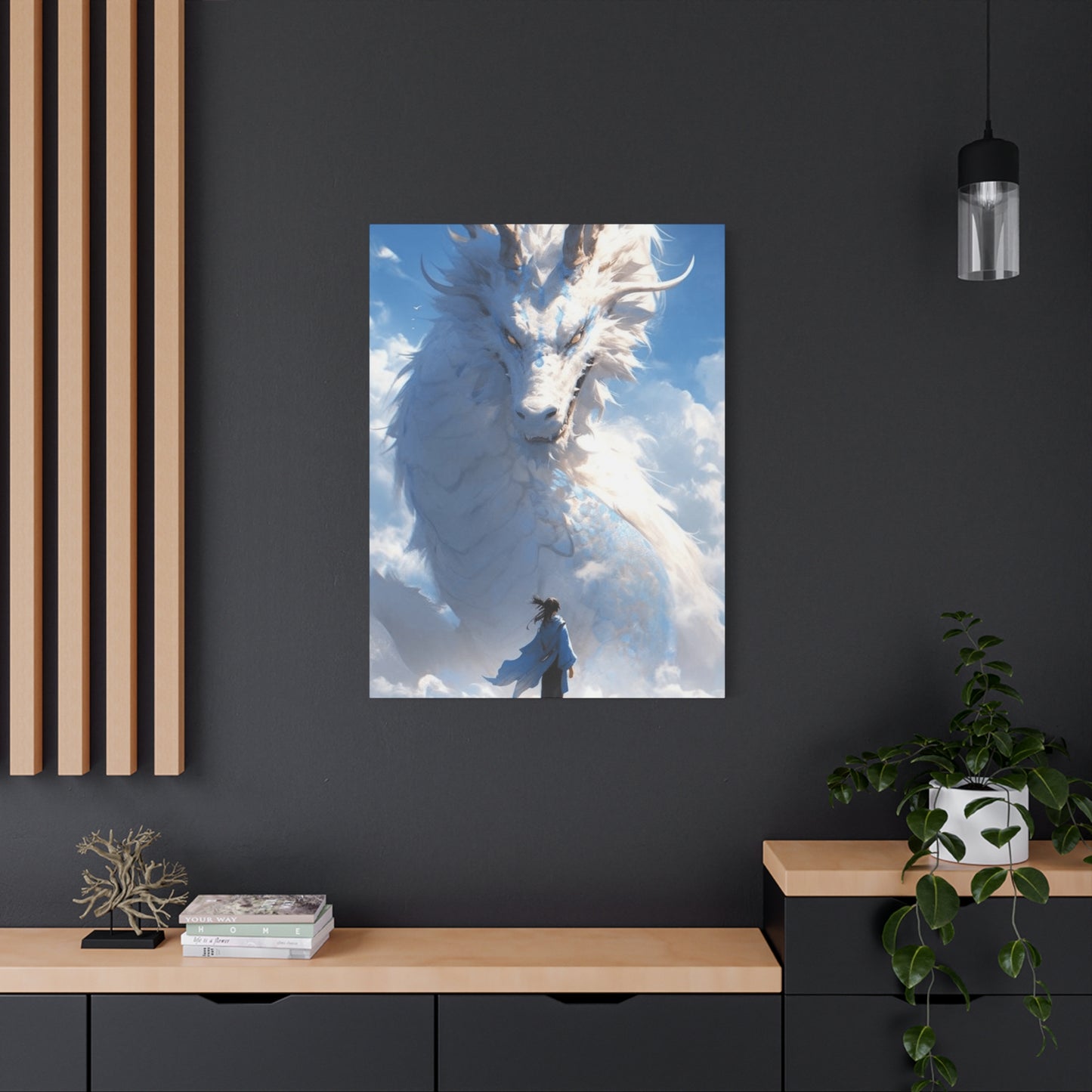
Fantacy Wall Art & Canvas Prints
Fantacy Wall Art & Canvas Prints
Couldn't load pickup availability
Exploring Creative Expression Through Fantacy Wall Art: A Deep Dive Into Modern Interior Design Revolution
The world of interior decoration has undergone a remarkable transformation over recent decades, with homeowners and designers alike seeking ways to infuse personality and character into residential and commercial environments. Fantacy wall art has emerged as a powerful medium for self-expression, allowing individuals to transform blank surfaces into captivating visual narratives that reflect their unique tastes, aspirations, and imaginative visions. This movement represents more than mere decoration; it embodies a cultural shift toward personalized living spaces that serve as extensions of our inner worlds.
The concept of adorning walls with artistic elements dates back millennia, from ancient cave paintings to Renaissance frescoes. However, contemporary fantacy wall art diverges significantly from these historical precedents in both accessibility and diversity. Today's market offers an unprecedented array of options, ranging from hand-painted masterpieces to digitally rendered compositions, each capable of transforming mundane rooms into extraordinary sanctuaries. The democratization of art through modern production methods has enabled people from all socioeconomic backgrounds to curate their environments with pieces that resonate deeply with their individual sensibilities.
What distinguishes fantacy wall art from traditional decorative approaches lies in its boundless imagination and willingness to transcend conventional aesthetic boundaries. Rather than adhering to strict realistic representations or classical themes, this genre embraces the surreal, the mythical, and the entirely invented. Dragons soaring through cosmic nebulae, enchanted forests inhabited by luminescent creatures, and abstract dimensions where physics surrenders to pure creativity—these fantastical elements invite viewers to escape mundane reality and explore realms limited only by human imagination.
Psychological Impact of Surrounding Yourself With Imaginative Visual Elements
The environment we inhabit profoundly influences our mental state, productivity levels, and overall well-being. Research conducted by environmental psychologists has consistently demonstrated that our surroundings significantly affect mood, cognitive function, and emotional resilience. When we incorporate fantacy wall art into our living or working spaces, we're not simply adding decorative elements; we're engineering our psychological landscape in ways that can enhance daily experiences and long-term satisfaction.
Imaginative visual compositions activate different neural pathways compared to mundane or purely functional decor. When our eyes encounter scenes depicting otherworldly landscapes or mythical beings, our brains engage in what cognitive scientists call "constructive simulation"—the process of mentally exploring hypothetical scenarios. This mental exercise provides a form of cognitive rest from practical concerns while simultaneously stimulating creative thinking circuits. For individuals working in problem-solving professions or creative fields, surrounding oneself with fantastical imagery can serve as a constant wellspring of inspiration and innovative thinking patterns.
The emotional resonance of fantacy wall art extends beyond intellectual stimulation. Many people report feeling a sense of wonder, tranquility, or energizing excitement when viewing their chosen pieces. A bedroom adorned with serene depictions of mystical forests might promote restful sleep and peaceful morning awakenings, while a home office featuring dynamic scenes of epic adventures could foster motivation and ambitious thinking. The key lies in selecting imagery that aligns with your desired emotional state for each particular space.
Color schemes within fantastical compositions play a crucial role in their psychological impact. Warm hues like amber, crimson, and golden tones typically evoke feelings of comfort, passion, and energy, making them excellent choices for social spaces or areas where creativity and conversation flourish. Conversely, cooler palettes featuring blues, purples, and silver tones tend to promote calmness, contemplation, and focus—ideal for bedrooms, meditation spaces, or study areas. Understanding these color dynamics enables more intentional selection of fantacy wall art that serves specific emotional and functional purposes.
Diverse Styles Within the Fantastical Visual Arts Spectrum
The realm of fantacy wall art encompasses an extraordinarily diverse range of artistic styles, each offering distinct aesthetic qualities and emotional signatures. Understanding these various approaches helps collectors and decorators make informed decisions that align with their personal preferences and spatial requirements.
Mythological realism represents one popular category, where artists render legendary creatures and deities with meticulous attention to anatomical detail and natural lighting, despite their fantastical subjects. These pieces bridge the gap between reality and imagination, presenting dragons, phoenixes, or ancient gods with such convincing craftsmanship that viewers might momentarily suspend their disbelief. This style particularly appeals to those who appreciate both artistic skill and imaginative subject matter.
Surrealist fantasy takes a more dreamlike approach, combining realistic elements in impossible configurations that challenge logical interpretation. Inspired by masters like Salvador Dalí and René Magritte, contemporary surrealist fantacy wall art might depict floating islands suspended in endless skies, staircases leading to nowhere, or landscapes where different seasons coexist simultaneously. These mind-bending compositions invite prolonged contemplation and multiple interpretations, revealing new details and meanings with repeated viewing.
Abstract fantastical compositions abandon representational forms entirely, instead using color, shape, and texture to evoke otherworldly sensations without depicting specific subjects. Swirling nebulae of vibrant hues, geometric patterns suggesting interdimensional portals, or organic forms that hint at alien lifeforms—these pieces engage viewers on a purely visceral level, allowing each individual to project their own interpretations and emotional responses onto the artwork.
Dark fantasy aesthetics embrace gothic and macabre elements, featuring ominous castles shrouded in mist, skeletal warriors, or beautiful yet dangerous creatures inhabiting shadowy realms. Despite their sometimes foreboding nature, these pieces possess undeniable dramatic power and appeal to those drawn to melancholic beauty or the aesthetic exploration of mortality and mystery. When executed with skill, dark fantasy art achieves a haunting elegance that transforms spaces into atmospheric sanctuaries.
Whimsical illustration-based fantacy wall art adopts a lighter, more playful tone, often incorporating cartoonish elements or storybook qualities. Cheerful dragons befriending woodland animals, friendly witches tending magical gardens, or jovial trolls hosting forest festivities—these approachable pieces work particularly well in children's rooms or spaces intended to evoke joy and lighthearted wonder. The accessibility of this style makes fantastical themes less intimidating for those new to imaginative decor.
Material Considerations for Long-Lasting Visual Appeal
The physical medium through which fantacy wall art manifests significantly impacts both its visual presentation and longevity. Understanding various material options empowers buyers to select pieces that will maintain their beauty while withstanding environmental conditions specific to their placement.
Canvas prints represent perhaps the most popular medium for reproducing fantacy wall art, offering a balance between affordability, aesthetic appeal, and durability. High-quality canvas provides a textured surface that adds dimension to printed images, while modern printing techniques can reproduce colors with remarkable fidelity. Properly stretched canvas wrapped around wooden frames creates a gallery-worthy presentation without requiring additional framing. However, canvas pieces benefit from placement away from direct sunlight and high humidity to prevent fading and material degradation over time.
Metal prints have gained considerable popularity for their contemporary aesthetic and exceptional durability. The process of infusing dyes directly into specially coated aluminum produces images with extraordinary vibrancy, depth, and luminosity. Metal prints resist fading, moisture damage, and physical wear far better than most alternatives, making them ideal for high-traffic areas or spaces with challenging environmental conditions. The reflective surface of metal can add an almost holographic quality to fantastical subjects, enhancing their otherworldly appearance.
Acrylic glass prints provide a premium presentation that creates stunning depth and color saturation. By mounting high-resolution images behind clear acrylic panels, these pieces achieve a luminous quality that makes colors appear to glow from within. The substantial weight and modern appearance of acrylic prints convey sophistication and permanence. They're particularly effective for fantacy wall art featuring bright, saturated colors or scenes with significant depth, as the material enhances these qualities dramatically.
Traditional framed prints under glass remain a classic choice, offering versatility in presentation styles. Matting options allow for customization of visual weight and focus, while various frame materials—from rustic wood to sleek metal—enable coordination with existing decor. Glass protection shields artwork from environmental damage while maintaining visual clarity. For those seeking a more conventional appearance that might appeal to broader tastes, framed prints provide a safe yet attractive option.
Tapestries and textile-based fantacy wall art introduce softness and texture into spaces dominated by hard surfaces. Woven or printed fabric pieces can span large areas economically while adding acoustic dampening properties that improve room acoustics. The bohemian or medieval atmosphere that tapestries naturally convey makes them particularly suitable for fantasy themes. However, textile pieces require more careful placement and occasional cleaning to maintain their appearance.
Original paintings on various surfaces represent the pinnacle of uniqueness and artistic value. Whether executed in oils, acrylics, watercolors, or mixed media, original artworks possess qualities that reproductions cannot replicate—texture, brushwork visibility, and the intangible presence of the artist's hand. Commissioning or purchasing original fantacy wall art involves greater financial commitment but provides unparalleled satisfaction for serious collectors and those seeking truly distinctive pieces.
Strategic Placement Principles for Maximum Visual Impact
The location and arrangement of fantacy wall art dramatically influences both its effectiveness as decor and its ability to transform spatial perception. Thoughtful placement considers viewing angles, lighting conditions, surrounding elements, and the intended emotional atmosphere for each area.
Focal point designation represents the first strategic decision. In most rooms, architectural features or furniture arrangements naturally create primary viewing directions. Placing your most impressive fantacy wall art piece at these focal points ensures it receives appropriate attention and fulfills its potential as a conversation starter and spatial anchor. Above a sofa in living rooms, behind the headboard in bedrooms, or opposite the entrance in hallways—these positions maximize visibility and impact.
Scale relationship between artwork and surrounding space determines whether pieces feel harmonious or awkward. A general guideline suggests that art should occupy roughly two-thirds to three-quarters the width of furniture beneath it, though this rule admits flexibility based on ceiling height and overall room proportions. Oversized fantacy wall art can make bold statements in spacious rooms with high ceilings, while smaller pieces work better in intimate spaces or when grouped in gallery-style arrangements.
Gallery wall configurations allow multiple pieces to create a unified larger composition. When assembling collections of fantacy wall art, establishing visual coherence through complementary color schemes, thematic connections, or consistent framing styles prevents the arrangement from appearing chaotic. Beginning with a central anchor piece and building outward often yields more successful results than attempting to plan entire layouts beforehand. Maintaining consistent spacing between pieces—typically two to three inches—creates professional-looking cohesion.
Lighting considerations profoundly affect how fantacy wall art appears throughout the day. Natural light creates ever-changing visual experiences as sun angles shift, but prolonged direct sunlight can damage certain materials and cause colors to fade. Strategic placement near windows should balance visibility with preservation concerns. Artificial lighting offers more control; picture lights, track lighting, or strategically placed lamps can dramatically enhance artwork after dark while creating ambient atmosphere. Experimenting with light direction and intensity reveals unexpected dimensions within fantastical compositions.
Negative space—the empty area surrounding artwork—serves crucial compositional functions. Overcrowding walls diminishes individual pieces' impact and creates visual confusion. Allowing breathing room around fantacy wall art enables eyes to focus without distraction while emphasizing the artwork's importance. This principle proves especially vital for complex fantastical compositions containing abundant detail, which require visual isolation to be fully appreciated.
Discovering and Acquiring Quality Fantastical Imagery
The proliferation of online marketplaces and specialized galleries has made acquiring fantacy wall art more accessible than ever, yet this abundance presents its own challenges. Navigating the vast selection to identify quality pieces that will provide lasting satisfaction requires discernment and knowledge.
Independent artist platforms connect buyers directly with creators, often offering exclusive designs unavailable elsewhere. These venues provide opportunities to support working artists while acquiring unique pieces. Many artists accept commission requests, allowing complete customization of size, color palette, and specific fantastical elements. This personal connection often results in artwork that precisely matches your vision while fostering meaningful relationships with creative individuals.
Print-on-demand services have revolutionized affordable access to fantacy wall art by eliminating inventory costs and enabling infinite variation. These platforms typically offer multiple material options and sizes from single uploaded designs. Quality varies significantly among providers, making it essential to research printing methods, material specifications, and customer reviews before purchasing. Premium print-on-demand services employ professional-grade equipment and materials that rival traditional reproduction methods.
Specialty fantasy art galleries, both physical and online, curate selections focused specifically on imaginative genres. These venues often feature established artists known for exceptional skill in rendering fantastical subjects. Gallery curation provides quality assurance, though prices typically reflect this selective approach. For serious collectors building cohesive collections, working with knowledgeable gallery representatives provides valuable guidance and access to investment-worthy pieces.
Art fairs and conventions dedicated to fantasy, science fiction, and imaginative arts gather numerous artists in single locations, enabling comparison shopping and direct artist interaction. These events offer opportunities to view artwork in person before purchasing—a significant advantage when assessing colors, textures, and overall impact. Many artists offer show-exclusive discounts or limited editions unavailable elsewhere.
Auction sites and secondary markets occasionally yield remarkable discoveries, from vintage fantasy illustrations to undervalued works by emerging artists. However, these venues require greater caution regarding authenticity, condition, and provenance. Developing knowledge about artist signatures, edition numbering, and quality indicators helps avoid disappointments while occasionally uncovering treasures at favorable prices.
Licensing agreements with entertainment properties enable officially authorized fantacy wall art featuring beloved characters and worlds from books, films, games, and television series. While these pieces may not qualify as fine art, they provide legitimate ways to incorporate established fictional universes into your decor while ensuring creators receive appropriate compensation. Quality and artistic merit vary widely within licensed merchandise, warranting careful selection based on actual appearance rather than brand recognition alone.
Creating Cohesive Thematic Environments Through Coordinated Design
Truly transformative interiors extend beyond individual art pieces to encompass coordinated design schemes where fantacy wall art anchors broader thematic visions. This holistic approach creates immersive environments that transport inhabitants and visitors to carefully crafted atmospheric realms.
Color extraction from artwork guides complementary decor selections. Identifying dominant and accent hues within your chosen fantacy wall art provides a natural palette for paint colors, textiles, and decorative objects. This color continuity creates visual flow that makes spaces feel intentionally designed rather than randomly assembled. Digital tools and color-picking applications simplify extracting specific shades from artwork images for paint matching or shopping reference.
Furniture styles should harmonize with fantastical themes without creating kitsch or thematic overload. For medieval fantasy artwork featuring castles and knights, incorporating furniture with wrought iron elements, rich wood tones, or gothic architectural details reinforces the aesthetic without requiring literal throne chairs or armor displays. Similarly, ethereal fairy-themed fantacy wall art pairs beautifully with light, airy furniture in natural materials and organic shapes. The goal involves suggesting thematic connections through subtle stylistic resonances rather than creating museum exhibits or theme park attractions.
Textile selections offer relatively easy and economical ways to strengthen thematic cohesion. Throw pillows, blankets, curtains, and rugs in colors and patterns that echo your fantacy wall art create layered visual interest while adding comfort and practicality. Texture variety prevents monochromatic schemes from feeling flat; combining smooth silks, nubby linens, plush velvets, and rustic weaves adds tactile dimension that complements visual complexity in fantastical artwork.
Lighting fixtures present opportunities for thematic reinforcement that many overlook. Chandeliers with Gothic cathedral influences, lamps with stained glass shades suggesting fairy tale illustrations, or modern fixtures in colors pulled from your artwork—these functional elements contribute significantly to atmospheric cohesion. Dimmer switches enable lighting adjustment to match the mood of your fantacy wall art, creating dramatically different effects between bright daytime utility and intimate evening ambiance.
Sculptural and three-dimensional decor elements extend fantastical themes into physical space. Small figurines, bookends, vases, or decorative boxes featuring creatures or motifs similar to your artwork create dialogue between wall and room. Restraint remains important here; a few carefully selected pieces prove more effective than cluttered collections that dilute focus and create visual chaos.
Plant selections can subtly support fantastical atmospheres. For enchanted forest themes, incorporating ferns, moss, and trailing ivy evokes woodland magic. Dramatic specimens like staghorn ferns or exotic orchids complement more exotic fantacy wall art featuring alien landscapes or tropical fantasy worlds. Even mundane plants gain mystique when presented in containers that echo artwork themes—weathered stone-look planters for medieval fantasies or sleek metallics for futuristic imaginative scenes.
Commissioning Custom Pieces That Perfectly Match Your Vision
While ready-made fantacy wall art offers abundant options, commissioning custom work provides unparalleled satisfaction for those seeking artwork that precisely reflects their specific visions, incorporates personal elements, or fills unusual spatial requirements.
Artist selection represents the crucial first step. Reviewing portfolios reveals individual styles, skill levels, and typical subject matter. Some artists excel at soft, dreamlike fantasy while others specialize in dynamic action scenes or meticulous creature design. Identifying artists whose existing work resonates aesthetically increases the likelihood of satisfactory commissions. Many artists maintain different commission tiers at various price points, offering flexibility for different budgets while maintaining professional standards.
Clear communication prevents misunderstandings and disappointing results. Providing reference images, detailed written descriptions, color preferences, and mood examples helps artists understand your vision. However, maintaining some flexibility allows artists to apply their expertise and creative problem-solving, often yielding results superior to rigid specifications. Discussing intended display location helps artists consider viewing distance and lighting when making compositional decisions.
Progressive review stages enable course corrections before completion. Most professional artists provide preliminary sketches or digital drafts for approval before investing time in final rendering. This collaborative process ensures alignment between client expectations and artistic execution while respecting the artist's time and expertise. Constructive feedback focusing on specific elements rather than vague dissatisfaction facilitates productive revisions.
Timeline negotiations should establish realistic expectations. Quality fantacy wall art requires substantial time, particularly for detailed original paintings. Rushing artists compromises quality, while indefinite deadlines can lead to project stagnation. Written agreements specifying milestones, deposit schedules, and completion dates protect both parties while maintaining professional standards.
Rights and reproduction discussions clarify ownership parameters. Most commission agreements grant clients ownership of the physical artwork while artists retain reproduction rights for portfolio display and print sales. Clients seeking exclusive rights to prevent any reproduction should negotiate this specifically, understanding such arrangements typically command premium pricing. Clear documentation prevents future disputes and ensures mutual understanding.
Size and format determinations require consideration of both artistic merit and practical constraints. Artists can advise on proportions that complement composition, while clients must communicate spatial limitations and display methods. Oversized pieces often cost proportionally less per square inch than smaller works, though shipping, framing, and hanging logistics increase with scale. Digital delivery for print-on-demand fulfillment offers flexibility but sacrifices the unique qualities of original physical artwork.
Preserving and Protecting Your Fantastical Art Investment
Proper stewardship ensures that fantacy wall art maintains its beauty and value for years or even generations. Understanding potential threats and implementing preventive measures protects both financial investment and emotional attachment to cherished pieces.
Environmental controls address the primary threats to artwork longevity. Temperature fluctuations cause expansion and contraction in various materials, potentially leading to warping, cracking, or adhesive failure. Maintaining relatively stable temperatures between sixty-five and seventy-five degrees Fahrenheit in spaces housing valuable artwork prevents these issues. Humidity control proves equally important; excessive moisture promotes mold growth and material degradation while insufficient humidity causes brittleness. Ideal relative humidity ranges from forty to fifty percent, achievable through dehumidifiers in damp climates or humidifiers in arid regions.
Light exposure represents perhaps the greatest threat to colored artwork. Ultraviolet radiation fades pigments irreversibly, with some colors proving particularly vulnerable. Direct sunlight should never strike valuable fantacy wall art for extended periods. Window treatments, UV-filtering glass, or strategic placement away from windows protects against natural light damage. Even artificial lighting contributes to fading over time; LED bulbs emit negligible UV radiation compared to incandescent or fluorescent alternatives, making them safer for illuminating artwork. Limiting light exposure duration through thoughtful switching habits extends artwork lifespan significantly.
Physical protection prevents accidental damage from impacts, abrasion, or curious hands. Framing behind glass or acrylic provides frontline defense while enabling viewing. Regular dusting using soft, lint-free cloths removes particle accumulation that can scratch surfaces or attract moisture. For unprotected canvas or metal prints, microfiber cloths designed for screen cleaning work effectively. Avoid household cleaners, which may contain chemicals that damage artwork surfaces or printed inks.
Professional assessment identifies developing problems before they become severe. Conservators trained in artwork preservation can evaluate pieces showing signs of deterioration and recommend appropriate interventions. Attempting DIY repairs on valuable pieces often causes irreparable harm; professional restoration, though expensive, preserves integrity and value. Annual or biannual inspections of important pieces enable early detection of issues like loosening frames, developing tears, or suspicious discoloration.
Insurance documentation protects financial investment in valuable fantacy wall art. Photographing pieces from multiple angles, retaining purchase receipts, maintaining artist certificates of authenticity, and creating written inventories with estimated values facilitates insurance claims if theft or damage occurs. Riders on homeowner's or renter's insurance policies specifically covering art collections provide protection often excluded from standard policies. For particularly valuable pieces, professional appraisals establish authoritative valuations accepted by insurance companies.
The Influence of Digital Media on Contemporary Fantastical Visual Culture
The digital revolution has profoundly impacted both creation and consumption of fantacy wall art, democratizing production while simultaneously raising quality standards and expanding imaginative possibilities.
Digital painting tools enable artists to work with unprecedented flexibility and efficiency. Software platforms provide infinite color palettes, endlessly adjustable brushes, non-destructive editing through layers, and experimental freedom impossible with traditional media. Artists can iterate rapidly, exploring compositional variations or color schemes in minutes rather than hours. The resulting artwork achieves precision and complexity that would require years to develop through traditional painting skills alone, though debates continue regarding the relative merits and legitimacy of digital versus traditional artistic processes.
Three-dimensional rendering software creates fantastical scenes with photorealistic lighting, textures, and atmospheric effects. Artists construct entire worlds as digital models, populating them with creatures and architecture before positioning virtual cameras and rendering final images. This approach enables perspectives and consistency difficult to achieve through freehand illustration, particularly for complex architectural fantasies or scenes requiring scientifically plausible lighting. The cinematic quality of 3D-rendered fantacy wall art appeals particularly to those drawn to film and gaming aesthetics.
Artificial intelligence has emerged as both tool and controversy within fantastical art creation. Some artists employ AI as a starting point for compositions, using algorithmically generated images as references or inspiration for original works. Others incorporate AI-generated elements alongside traditional or digital painting. Meanwhile, fully AI-generated images have flooded markets, raising questions about authorship, artistic merit, and fair compensation. Discerning collectors increasingly seek transparency regarding creation methods, valuing human creativity and skill while recognizing AI as a legitimate tool when employed by thoughtful artists rather than as a replacement for artistic vision.
Social media platforms have transformed how fantacy wall art reaches audiences. Artists build followings by sharing works-in-progress, engaging with admirers, and cultivating communities around their creative visions. This direct connection bypasses traditional gatekeepers like galleries and publishers, enabling niche artists to find audiences that conventional channels might overlook. For consumers, social media provides unprecedented access to global artistic talent, inspiration for decoration projects, and communities of fellow enthusiasts.
Print-on-demand fulfillment eliminates traditional barriers between digital artwork and physical decoration. Artists upload designs to platforms that handle printing, framing, shipping, and customer service, receiving commissions without inventory investment or shipping logistics. Consumers benefit from virtually unlimited selection and customization options. This model particularly suits fantacy wall art, where imaginative designs proliferate but physical production costs once limited availability to commercially proven subjects.
Virtual and augmented reality technologies point toward future possibilities for experiencing fantastical imagery. Some artists create environments intended for VR exploration, where viewers can walk through fantastical landscapes rather than merely viewing them. Augmented reality applications enable previewing how specific fantacy wall art pieces would appear in actual rooms before purchasing, reducing uncertainty and returns. As these technologies mature, the boundaries between static artwork, immersive experience, and interactive environment will continue blurring.
Fantastical Imagery Across Different Living Spaces
Different rooms within homes serve distinct functions and create unique opportunities for fantacy wall art that enhances each space's purpose and atmosphere.
Living rooms function as social hubs where families gather and guests receive impressions of household personality. Fantacy wall art in these spaces should spark conversation, convey welcoming energy, and potentially accommodate diverse tastes. Large statement pieces above sofas create natural focal points, while gallery walls displaying varied fantastical themes showcase breadth of interest. Selecting artwork with relatively accessible fantastical elements—beautiful dragons, enchanted forests, or magical cityscapes—ensures broad appeal without sacrificing imaginative impact. The living room permits boldness and scale that might overwhelm more intimate spaces.
Bedrooms demand different considerations, as these personal sanctuaries should promote rest, peace, and emotional comfort. Fantacy wall art for bedrooms typically benefits from softer color palettes, serene compositions, and subjects that evoke tranquility rather than excitement. Mystical moonlit scenes, peaceful underwater fantasy worlds, or gentle dream-inspired surrealism can create atmospheres conducive to relaxation and sleep. Placement directly across from the bed provides something beautiful to contemplate upon waking, while art above the headboard adds interest without competing for attention during pre-sleep relaxation.
Home offices and creative studios gain particular benefit from stimulating fantacy wall art that fuels imagination and combats monotony. Dynamic scenes depicting adventure, exploration, or triumph can provide motivational energy during challenging work periods. Abstract fantastical compositions might stimulate creative problem-solving by modeling non-linear thinking. For video conference backgrounds, carefully positioned artwork adds professional polish while revealing personality, though avoiding potentially controversial themes maintains workplace appropriateness.
Kitchens and dining areas welcome whimsical fantasy elements that don't take themselves too seriously. Cheerful scenes depicting fantastical feasts, magical markets, or jovial mythical creatures gathering around tables create appropriate thematic resonance with eating spaces. These rooms tolerate brighter colors and busier compositions than bedrooms, as energy and sociability suit their functions. Durable materials resistant to moisture and temperature fluctuations prove essential in kitchens where steam, splatter, and heat challenge artwork preservation.
Bathrooms rarely receive the artistic attention they deserve, yet fantacy wall art transforms these utilitarian spaces into surprising delights. Water-themed fantasies featuring mermaids, underwater cities, or mystical ocean creatures establish obvious thematic connections. Alternatively, unexpected contrast—perhaps depicting arid desert fantasy landscapes or celestial scenes—creates memorable juxtaposition. Material selection critically matters in bathrooms; metal or acrylic prints withstand humidity far better than canvas or paper-based options.
Children's rooms present opportunities for fantacy wall art that evolves with developing tastes and interests. Younger children appreciate bright colors, friendly creatures, and storybook illustrations, while older children and teenagers often prefer more sophisticated fantasy with greater drama or darkness. Removable options like peel-and-stick wall decals or frequently rotated framed prints accommodate changing preferences without permanent commitment. Involving children in selection fosters appreciation for art while ensuring the chosen pieces genuinely resonate with the room's occupant.
Hallways and transitional spaces benefit from fantacy wall art that creates journey narratives. Sequential pieces depicting an unfolding story, portals to different fantastical realms positioned at intervals, or a cohesive theme that varies in detail creates visual interest along otherwise mundane passages. These spaces often feature challenging dimensions—narrow widths or awkward heights—that require creative arrangement strategies or specifically proportioned pieces.
The Intersection of Literary Worlds and Visual Interpretation
Fantasy literature has profoundly influenced fantacy wall art, with beloved books inspiring countless visual interpretations that allow readers to see imagined worlds rendered tangibly.
Classic fantasy literature continues generating artistic inspiration decades or centuries after publication. Tolkien's Middle Earth, Lewis's Narnia, and Howard's Hyborian Age have spawned countless artistic interpretations as each generation of artists brings fresh perspectives to established worlds. These literary-inspired pieces appeal particularly to readers who developed powerful mental images while absorbing these stories, offering validation of private imaginings or delightful alternative visions. The enduring popularity of these foundational fantasy worlds ensures continuing market demand for related artwork.
Contemporary fantasy authors often collaborate with visual artists to create definitive imagery for their invented worlds. These officially sanctioned interpretations become canonical references that shape how millions of readers envision characters, creatures, and landscapes. Cover art from popular fantasy series influences broader fantacy wall art trends, as successful visual motifs propagate through artistic communities. Readers seeking to surround themselves with beloved fictional universes naturally gravitate toward artwork depicting recognizable elements from cherished books.
Urban fantasy and paranormal romance literature has introduced gritty, modern-infused fantastical aesthetics that contrast sharply with medieval-inspired fantasy traditions. These stories set in contemporary cities populated with hidden magical societies inspire artwork blending recognizable urban environments with supernatural elements. This genre's visual language—neon-lit vampire districts, werewolves prowling city parks, fae creatures riding subway trains—resonates with audiences seeking fantastical escape without abandoning contemporary relevance.
Young adult fantasy literature drives significant portions of the fantacy wall art market, as passionate young readers enthusiastically embrace visual representations of beloved characters and moments. The distinctive visual styles that emerge from YA fantasy—often romantic, action-oriented, and featuring protagonists in late teens—influence broader artistic trends while creating dedicated subcommunities of artists and collectors focused on these properties.
Fan art occupies complex territory within fantacy wall art markets. Amateur and professional artists create unofficial interpretations of copyrighted characters and worlds, often sold through channels that exist in legal gray areas. While publishers sometimes enforce intellectual property rights against commercial fan art, many tacitly allow small-scale sales recognizing their promotional value. Collectors must navigate ethical considerations regarding supporting unauthorized derivative works versus purchasing officially licensed products that compensate original creators.
Original fantasy concepts unconnected to established literary properties offer artists complete creative freedom while providing collectors with truly unique pieces. These artworks represent pure artistic vision unconstrained by canon consistency or corporate oversight. Building collections around original fantasy art supports independent creative communities while surrounding yourself with imagery unlikely to be duplicated in others' homes.
Cultural Perspectives on Fantastical Imagery Throughout Human Civilization
Fantastic art representing impossible beings and imaginary realms spans all human cultures and historical periods, revealing universal psychological needs that fantacy wall art continues serving.
Ancient mythological traditions established archetypes that resonate through contemporary fantacy wall art. Dragons appear in Chinese, European, Mesoamerican, and Middle Eastern traditions, each culture attributing distinct characteristics and symbolism to these powerful creatures. Phoenix mythology spans Egyptian, Greek, Chinese, and Persian cultures. These recurring motifs suggest something fundamental about human imagination and our need to envision beings transcending ordinary experience. Modern fantacy wall art depicting these classical creatures taps into millennia of accumulated symbolic meaning and cultural resonance.
Medieval illuminated manuscripts demonstrated how fantastical creatures adorned religious and secular texts centuries before modern fantasy genres emerged. Marginalia populated with grotesques, chimeras, and impossible beasts revealed medieval imaginations every bit as wild as contemporary fantasy despite their different cultural contexts. The ornate borders and elaborate illuminations from this era inspire current design aesthetics in fantacy wall art that incorporates decorative framing elements and manuscript-style embellishments.
Renaissance and Baroque artists created fantastical religious imagery depicting angels, demons, apocalyptic visions, and miraculous events with dramatic flair and technical mastery. Hieronymus Bosch's nightmarish hellscapes and visionary gardens demonstrated how fantastical imagery could convey philosophical and spiritual concepts beyond literal representation. These works remind us that fantacy wall art need not be frivolous entertainment but can engage profound themes through imaginative visual language.
Romantic era painters embraced sublime nature and gothic atmospheres that continue influencing contemporary fantasy aesthetics. Caspar David Friedrich's lonely figures before vast mysterious landscapes, John Martin's catastrophic biblical scenes, and the pre-Raphaelite Brotherhood's medieval revivalism established visual templates that persist in current fantacy wall art. The Romantic emphasis on emotion, individual experience, and transcendent nature aligns closely with modern fantasy's concerns.
Art Nouveau's organic flowing lines, nature motifs, and decorative emphasis created a visual vocabulary frequently employed in fairy-tale-inspired fantacy wall art. Alphonse Mucha's ethereal female figures surrounded by elaborate natural ornamentation exemplify an aesthetic that remains popular for fantasy artwork featuring elves, nature spirits, or magical women. The style's emphasis on beauty, craft, and integrated decorative design suits fantastical subject matter particularly well.
Non-Western artistic traditions contribute distinct visual languages to contemporary fantacy wall art. Japanese yokai (supernatural creatures) and their distinctive rendering styles, Indian miniature painting techniques applied to mythological subjects, African mask and sculpture traditions, and Indigenous peoples' visionary art all enrich the global vocabulary available to artists creating fantastical imagery. This cross-cultural pollination produces hybrid aesthetics that transcend any single tradition while drawing strength from multiple sources.
Contemporary fantasy art represents a synthesis of these diverse influences filtered through modern sensibilities, production methods, and market demands. Understanding these historical and cultural roots enriches appreciation for fantacy wall art while revealing how current pieces participate in conversations stretching across centuries and continents.
Color Theory and Emotional Resonance in Fantastical Compositions
Color choices within fantacy wall art profoundly affect emotional impact and spatial perception, making color literacy valuable for both creating harmonious environments and understanding artwork's psychological effects.
Warm color dominance creates energizing, passionate, or comforting atmospheres depending on specific hues and saturation levels. Fantacy wall art heavy with reds, oranges, and yellows evokes fire, sunset, autumn, or desert landscapes—all associations carrying distinct emotional weights. Saturated warm colors advance visually, making artwork feel more prominent and immediate while creating psychological warmth that can make spaces feel cozier or more intimate. Dragon artwork rendered in bronze, amber, and flame tones, for instance, radiates power and ancient mystique quite different from the same creature depicted in cool silvers and blues.
Cool color emphasis promotes calm, contemplation, and spaciousness. Blues, purples, and greens recede visually, creating depth and tranquility. Fantacy wall art dominated by these hues suits spaces intended for rest, focus, or meditation. Underwater fantasy scenes naturally employ cool palettes, as do night settings, winter landscapes, and cosmic space imagery. The psychological association between cool colors and relaxation makes them particularly appropriate for bedrooms and private retreats where decompression from daily stress remains paramount.
Complementary color schemes create vibrant tension and visual excitement by juxtaposing opposite hue wheel positions—orange against blue, purple against yellow, red against green. Fantacy wall art employing complementary contrasts demands attention and radiates energy. This approach suits dramatic scenes depicting conflicts, magical duels, or dynamic action where visual intensity reinforces narrative content. The technique requires skillful handling to avoid garish results; successful complementary schemes typically feature one dominant hue with its complement used as accent rather than equal distribution.
Analogous color harmonies employ adjacent hue wheel positions—blues with purples and greens, or oranges with reds and yellows. These schemes create cohesive, harmonious feelings because colors share underlying pigments. Fantacy wall art using analogous palettes achieves sophisticated subtlety while maintaining visual interest through value and saturation variations within the narrow hue range. Enchanted forest scenes might flow from yellow-greens through true greens to blue-greens, creating natural harmony that feels organically unified.
Monochromatic approaches explore single hues through tints, tones, and shades, creating dramatic focus and cohesion. Black-and-white fantacy wall art represents the extreme expression of this approach, stripping color away entirely to emphasize composition, form, and contrast. Monochromatic pieces work exceptionally well in spaces with established color schemes, as they contribute visual interest without introducing competing hues. A fantasy landscape rendered entirely in various blues, from pale sky tones to deep midnight navy, demonstrates monochromatic sophistication.
Conclusion
In conclusion, exploring creative expression through fantasy wall art offers a transformative opportunity to enhance modern interior design by infusing spaces with imagination, vibrancy, and individuality. Fantasy art, with its rich tapestry of mythical creatures, surreal landscapes, and dreamlike scenarios, represents a powerful form of personal expression. It allows homeowners and designers alike to break free from conventional design limitations and embrace a world where the impossible becomes possible, encouraging creativity and sparking conversation. As interior design continues to evolve, fantasy wall art emerges as a pivotal element in the revolution of modern home aesthetics, offering more than just decoration but an invitation to explore new realms of artistic freedom.
The growing trend of integrating fantasy wall art into interior spaces reflects a broader shift towards more personalized and immersive environments. Traditional home décor, often constrained by established norms, is being pushed aside in favor of bold, expressive choices that reflect the unique tastes and dreams of the individuals who inhabit those spaces. Fantasy art, in this context, becomes a visual manifestation of the desire to create an environment that not only looks beautiful but also tells a compelling story—a place where one can escape, dream, and reconnect with their innermost desires and inspirations.
One of the most exciting aspects of fantasy wall art is its versatility. Whether you're drawn to the majestic beauty of dragons soaring through a fiery sky, the serene tranquility of enchanted forests, or the mystical allure of celestial realms, fantasy art offers endless possibilities. This wide range of styles ensures that there’s something for every type of interior, from whimsical children's rooms to sophisticated, surreal art pieces that make a statement in a modern living room or office. The ability to customize the subject matter and style further empowers individuals to curate their living spaces with art that speaks to their personal sense of wonder and creativity.
Moreover, fantasy wall art serves as a bridge between reality and imagination, inviting viewers to transcend the mundane and explore the extraordinary. In a world where technology, fast-paced lifestyles, and social pressures often dominate, these pieces provide a much-needed escape into realms of beauty and possibility. This escapism is not just about fantasy for the sake of fantasy—it’s about creating an emotional resonance, where each piece of art invites viewers to ponder the meaning of the imaginary world it depicts, offering a temporary reprieve from everyday stress and routine.
Fantasy art’s growing prominence in interior design is also a testament to a collective cultural shift toward more inclusive and diverse forms of artistic expression. No longer confined to the realm of children’s rooms or niche fantasy enthusiasts, fantasy art has expanded to encompass a wide array of genres, including steampunk, cyberpunk, surrealism, and even fantasy realism. This diversity has allowed for greater representation in home décor, where people from all walks of life can find art that resonates with their personal dreams, passions, and cultural backgrounds.
Furthermore, integrating fantasy wall art into interior design promotes a sense of wonder and curiosity, two elements that are increasingly valued in today’s fast-paced world. Walls adorned with fantastical scenes not only enhance the visual appeal of a space but also create a sense of intrigue. They challenge conventional thought, spark imagination, and provide an outlet for creative thought—whether that’s through a minimalist yet mysterious fantasy landscape or a vibrant and fantastical piece brimming with detail.
In essence, fantasy wall art is far more than just a passing trend in interior design. It is a reflection of a deeper shift in how we view and interact with our living spaces—one that encourages individuality, creativity, and personal expression. By embracing this art form, we unlock the potential to transform our homes into places that inspire, provoke thought, and allow us to reconnect with our sense of wonder. As we continue to explore and redefine modern interior design, fantasy wall art will undoubtedly remain a key player in shaping spaces that reflect the evolving desires and imaginations of today’s homeowners. It’s not just about making a space look beautiful—it’s about creating an environment where creativity and expression reign, giving us the freedom to dream and build a world of our own within our walls.
Share