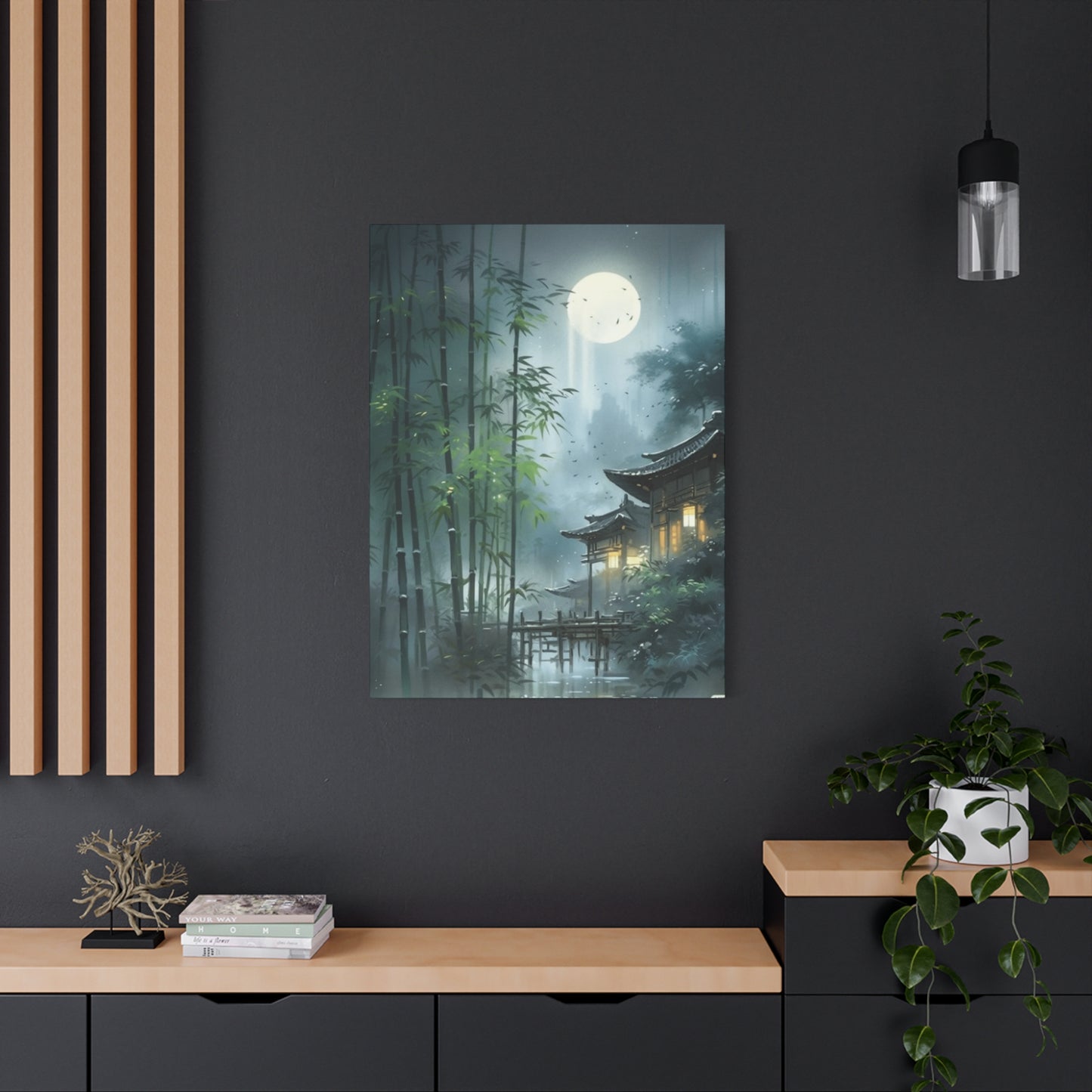


Fankari House Wall Art & Canvas Prints
Fankari House Wall Art & Canvas Prints
Couldn't load pickup availability
Fankari House Wall Art: Revolutionary Ways to Elevate Your Living Spaces with Stunning Visual Masterpieces
The realm of interior decoration has witnessed remarkable transformations over recent decades, with homeowners increasingly seeking distinctive methods to express their personality through their living environments. Among the myriad options available for enhancing residential aesthetics, wall-mounted artistic displays have emerged as particularly compelling choices for those wishing to infuse character and sophistication into their dwellings. The concept of adorning vertical surfaces with carefully selected visual elements represents far more than mere decoration; it embodies a fundamental aspect of creating spaces that genuinely reflect individual tastes, cultural backgrounds, and personal narratives.
When examining the landscape of contemporary home embellishment, one discovers that the selection and arrangement of artistic pieces for vertical surfaces requires thoughtful consideration of numerous factors. The visual impact created by well-chosen artwork can dramatically alter the perception of a room, influencing everything from apparent spatial dimensions to emotional atmosphere. This comprehensive exploration delves into the multifaceted world of residential wall decoration, offering insights into how strategic placement of artistic elements can revolutionize living spaces while maintaining harmony with existing design schemes.
The journey toward creating visually captivating interiors begins with recognizing that every wall presents a blank canvas awaiting transformation. Whether dealing with expansive surfaces in generous living areas or more compact walls in intimate spaces, the principles governing effective decoration remain consistent while allowing for creative interpretation. The growing popularity of distinctive decorative pieces reflects a broader cultural shift toward personalized living environments that serve as extensions of individual identity rather than generic showcases of mass-produced furnishings.
Exploring Different Styles and Genres That Complement Modern Living Environments
The diversity of artistic styles available for residential decoration today exceeds anything previously imaginable, offering homeowners unprecedented freedom in crafting spaces that resonate with their aesthetic sensibilities. From abstract compositions that challenge conventional perception to representational works that capture recognizable subjects with varying degrees of realism, the spectrum of choices accommodates every conceivable preference. Contemporary minimalist designs featuring clean lines and restrained color palettes appeal to those favoring understated elegance, while maximalist approaches incorporating bold patterns, vibrant hues, and complex layering attract individuals who embrace visual abundance.
Traditional genres maintain their relevance alongside modern interpretations, demonstrating the timeless appeal of certain aesthetic approaches. Landscape depictions continue to captivate viewers with their ability to transport consciousness to distant locations, offering psychological respite from urban environments. Portrait studies, whether classical or contemporary in execution, introduce human elements that create immediate emotional connections. Still life compositions provide opportunities for contemplating ordinary objects transformed through artistic interpretation, while abstract works invite subjective interpretation and personal meaning-making.
The emergence of mixed-media creations has expanded possibilities beyond conventional painting and photography, incorporating three-dimensional elements, textural variations, and unconventional materials. These hybrid forms blur boundaries between traditional categories, offering tactile as well as visual interest. Sculptural wall pieces create dramatic shadow plays that change throughout the day as lighting conditions shift, adding temporal dynamism to static displays. Textile-based works introduce warmth and softness, counterbalancing hard architectural surfaces with organic qualities.
Cultural influences from global traditions enrich contemporary decorative options, with motifs drawn from diverse heritages bringing worldly sophistication to domestic spaces. Geometric patterns inspired by Islamic architecture, organic forms derived from Japanese aesthetics, vibrant color combinations characteristic of Latin American folk traditions, and countless other cultural expressions offer pathways for connecting personal living spaces with broader artistic legacies. This cultural cross-pollination reflects increasingly interconnected global society while allowing individuals to honor ancestral roots or express appreciation for traditions beyond their own backgrounds.
Strategic Placement Methods for Maximizing Visual Impact Throughout Your Residence
The effectiveness of decorative elements depends equally upon their intrinsic qualities and their positioning within architectural contexts. Strategic placement transforms individual pieces into cohesive visual narratives that guide movement through spaces while creating focal points that anchor attention. Understanding fundamental principles governing spatial relationships enables homeowners to arrange decorative elements in ways that enhance rather than overwhelm existing architectural features and furnishing arrangements.
Height considerations significantly influence viewer experience, with placement at eye level generally providing optimal visibility and engagement. However, variations from this guideline can create intentional effects, with lower positioning encouraging intimate examination while elevated placement generates grandeur and formality. Grouping multiple pieces requires attention to spacing ratios, with neither excessive distance diminishing cohesion nor insufficient separation creating visual congestion. The mathematical principle known as the golden ratio offers guidance for achieving aesthetically pleasing proportions, though intuitive approaches based on personal preference often yield equally satisfying results.
Architectural features including doorways, windows, fireplaces, and built-in elements provide natural anchoring points for decorative arrangements. Centering artwork above furniture pieces creates visual connections between horizontal and vertical planes, establishing unified compositions. Asymmetrical arrangements can generate dynamic tension that energizes spaces, particularly in contemporary settings where formal symmetry might feel overly rigid. Stairwells present unique opportunities for vertical galleries that unfold progressively as viewers ascend or descend, creating narrative sequences through careful selection and ordering.
Lighting profoundly affects how decorative elements appear, making illumination considerations crucial during placement decisions. Natural light sources create constantly shifting conditions that alter appearance throughout daily cycles, while artificial lighting offers controllable consistency. Dedicated picture lights provide focused illumination that enhances colors and details while creating ambient atmosphere. Avoiding glare through proper angling prevents reflective surfaces from obscuring imagery, ensuring clear visibility from primary viewing positions. Shadow casting becomes deliberate design element when working with dimensional pieces, adding theatrical qualities to static displays.
Color Coordination Strategies That Create Harmonious and Compelling Visual Schemes
Color relationships between decorative elements and surrounding environments determine whether additions feel integrated or jarring, making thoughtful consideration of chromatic interactions essential for successful decoration. The color wheel provides foundational knowledge for understanding complementary, analogous, and triadic relationships that guide harmonious combinations. However, successful color coordination extends beyond theoretical principles to encompass subjective responses, cultural associations, and contextual appropriateness.
Monochromatic schemes employing variations of single hues create sophisticated uniformity while maintaining visual interest through tonal gradations. These approaches work particularly well in minimalist settings where restraint communicates elegance. Analogous color combinations utilizing adjacent wheel positions generate gentle harmony through subtle transitions, creating soothing atmospheres conducive to relaxation. Complementary pairings featuring opposite wheel positions produce vibrant contrast that energizes spaces, though careful balancing prevents overwhelming intensity.
Neutral foundations provide versatile backgrounds that accommodate bold accent colors introduced through decorative pieces. Gray palettes ranging from warm charcoal to cool platinum offer contemporary sophistication while allowing colorful artwork to command attention without competing with walls. Beige and cream tones create warm envelopes that soften spaces while maintaining adaptability across diverse decorating styles. White backgrounds maximize brightness and create gallery-like settings that emphasize artwork while expanding perceived spatial dimensions.
Temperature considerations influence psychological responses, with warm hues including reds, oranges, and yellows generating stimulating, energetic qualities appropriate for social spaces. Cool tones encompassing blues, greens, and purples promote calmness and contemplation, making them suitable for private retreats and sleeping quarters. Balancing warm and cool elements throughout residences creates varied emotional landscapes that support different activities and moods. Seasonal adjustments through changeable decorative pieces allow chromatic environments to evolve alongside external conditions, maintaining freshness and preventing visual stagnation.
Material Selection Considerations for Durability and Aesthetic Appeal in Residential Settings
The substrate and surface materials comprising decorative pieces significantly impact both longevity and visual character, making material selection an important consideration beyond purely aesthetic judgments. Canvas remains ubiquitous for painted works, offering texture that adds dimensional quality while providing stable surfaces for various media. Stretched canvas wrapped around wooden frames creates traditional presentations, while canvas panels mounted on rigid backing offer alternative formats suitable for different display methods.
Paper-based works including prints, drawings, and photographs require protective measures against environmental degradation, with framing behind glass or acrylic providing barriers against moisture, dust, and handling damage. Archival matting creates spacing between surfaces and glazing, preventing adhesion while contributing decorative borders that enhance presentation. Conservation-grade materials ensure long-term preservation by resisting acidification and discoloration that compromise lesser products over time.
Metal surfaces including aluminum, copper, and steel support diverse printing and fabrication methods that yield contemporary aesthetics with exceptional durability. Sublimation processes transfer images directly onto metal, creating vibrant, weather-resistant displays suitable for humid environments including bathrooms and kitchens. Brushed and polished finishes reflect light differently, offering choices between subtle sophistication and dramatic brilliance. Three-dimensional metalwork including welded sculptures and relief panels introduces industrial character that complements modern architectural vocabularies.
Wood substrates provide organic warmth that harmonizes with natural decorating schemes while offering structural stability. Reclaimed lumber introduces rustic character through weathered surfaces bearing historical patina, while freshly milled wood presents clean uniformity suitable for refined presentations. Carved reliefs demonstrate traditional craftsmanship, creating textural complexity through dimensional variation. Wood-burning techniques known as pyrography produce tonal images through controlled scorching, yielding distinctive appearances impossible through other methods.
Dimensional Specifications and Proportional Relationships for Different Room Configurations
Selecting appropriately sized decorative pieces for specific locations requires understanding relationships between artwork dimensions, wall surfaces, and surrounding furnishings. Oversized pieces create dramatic focal points but risk overwhelming small spaces, while undersized selections may appear insignificant against expansive walls. Mathematical formulas offer starting points for determining suitable sizes, with general recommendations suggesting artwork spanning approximately two-thirds to three-quarters the width of furniture pieces positioned below.
Vertical orientations emphasize height, making ceilings appear taller while creating elegant, formal impressions suitable for narrow wall sections. Horizontal formats expand perceived width, generating relaxed, informal qualities appropriate for spaces above sofas and beds. Square configurations offer balanced neutrality that works across diverse contexts without strong directional emphasis. Panoramic proportions extending significantly wider than tall create contemporary cinematic effects that suit modern architecture while accommodating wide wall spans above low furniture arrangements.
Gallery wall assemblages combining multiple pieces require planning to achieve cohesive appearances despite varied dimensions. Maintaining consistent spacing between frames creates visual rhythm that unifies disparate elements. Establishing common alignment points through shared top, bottom, or centerline positioning provides organizational structure that prevents chaotic appearances. Mixing sizes adds dynamic interest while allowing inclusion of favorite pieces regardless of their individual dimensions. Creating paper templates facilitating arrangement experimentation before committing to permanent mounting prevents regrettable placement decisions.
Scale relationships extend beyond absolute measurements to encompass visual weight, with certain subjects commanding attention disproportionate to their physical sizes. Bold colors, high contrast, and complex details increase perceived presence, allowing smaller pieces to balance larger but more subdued companions. Understanding these perceptual qualities enables sophisticated arrangements that achieve equilibrium through careful counterbalancing rather than simplistic matching of dimensions.
Framing Options and Presentation Methods That Enhance Visual Appeal
Frames serve dual purposes, providing structural support while contributing aesthetic elements that dramatically influence overall appearance. The framing selection process balances practical requirements with decorative goals, considering how borders interact with both artwork and surrounding environments. Traditional wood frames offer timeless elegance through natural grain patterns and hand-applied finishes ranging from simple stains highlighting raw beauty to elaborate gilding evoking opulent grandeur.
Metal frames communicate contemporary sensibility through sleek profiles and industrial finishes including brushed aluminum, polished steel, and matte black powder coating. Narrow profiles create minimal visual interruption, allowing artwork to dominate attention, while wider frames establish stronger presence as decorative elements themselves. Floated presentations mounting artwork within frames without touching edges create shadow gaps that enhance dimensional perception while signaling premium quality.
Frameless presentations including canvas gallery wraps and mounted panels offer alternative approaches that eliminate borders entirely. Image continuation around side edges creates seamless appearances from multiple viewing angles, particularly effective for abstract compositions lacking specific orientations. Acrylic face-mounting sandwiches prints between transparent substrates and backing boards, producing glossy, contemporary presentations with exceptional color saturation and apparent depth.
Mat borders introduce transitional zones between artwork and frames, influencing proportional relationships while offering opportunities for subtle color coordination. Wide mats create breathing space around images, generating gallery-quality presentations that emphasize importance, while narrow mats provide economical protection without dominating visual fields. Double matting layers multiple borders in complementary hues, adding dimensional sophistication through revealed underlayers. Specialty cuts including V-grooves and decorative corners introduce craftsmanship details that elevate standard presentations.
Thematic Approaches for Creating Cohesive Narratives Across Multiple Rooms
Developing consistent decorative themes throughout residences creates unified experiences while allowing room-specific variations that prevent monotonous repetition. Thematic coherence emerges through shared elements including color palettes, subject matter, artistic styles, or conceptual approaches that link spaces while respecting their individual functions and characters. This consistency supports intuitive navigation through homes while reinforcing personal aesthetic identities.
Nature-inspired themes incorporating botanical subjects, landscape vistas, and wildlife imagery connect interior spaces with external environments, particularly valuable in urban settings where direct natural contact may be limited. Organic color schemes dominated by greens, browns, and earth tones reinforce these connections while creating calming atmospheres. Water themes featuring oceanic and aquatic subjects introduce cooling qualities particularly suitable for spaces associated with cleansing and renewal.
Cultural themes celebrating specific geographic regions or historical periods create immersive environments that transport inhabitants beyond immediate physical locations. Mediterranean motifs incorporating azure blues, sun-bleached whites, and terracotta accents evoke coastal European atmospheres, while Asian-inspired themes featuring minimalist compositions, natural materials, and contemplative subjects promote tranquility. Industrial themes embracing raw materials, exposed structures, and mechanical subjects complement converted warehouse spaces and loft residences.
Personal narrative themes showcase individual experiences through travel photography, family portraits, and commemorative pieces documenting significant life events. These highly personalized approaches transform residences into biographical galleries that communicate identity to visitors while reinforcing memories for inhabitants. Chronological arrangements tracing life progression create temporal dimensions, while geographic groupings organize experiences according to locations visited.
Abstract conceptual themes built around ideas rather than recognizable subjects allow sophisticated interpretations that engage intellectual curiosity. Geometric explorations investigating pattern, symmetry, and mathematical relationships appeal to analytical sensibilities, while emotional abstractions expressing feelings through color and gesture create visceral responses. Philosophical themes addressing universal questions about existence, consciousness, and meaning invite contemplation and discussion.
Seasonal Rotation Strategies for Maintaining Fresh and Dynamic Interior Environments
Implementing seasonal decorative rotations prevents visual stagnation while allowing living spaces to evolve in harmony with changing external conditions. This practice draws inspiration from traditional customs including Japanese seasonal displays and European holiday decorating while extending concepts beyond specific celebrations to encompass broader cyclical transitions. Regular refreshment maintains engagement with decorative elements that might otherwise fade into unnoticed backgrounds through excessive familiarity.
Spring rotations emphasizing renewal themes feature fresh greens, delicate florals, and light, airy compositions celebrating emergence from winter dormancy. Pastel palettes including soft pinks, gentle yellows, and pale blues create optimistic atmospheres reflecting lengthening days and warming temperatures. Botanical subjects showcasing blossoms and young growth reinforce seasonal connections while bringing outdoor vibrancy indoors during periods when gardens transition from barren to abundant.
Summer displays embrace bold colors, energetic compositions, and subjects evoking leisure activities and natural abundance. Saturated hues including deep blues, vibrant reds, and sunny yellows reflect season's intensity, while beach scenes, tropical subjects, and outdoor recreation imagery connect with summer lifestyles. Lighter frames and minimal presentations reduce visual weight, creating breezy qualities appropriate for warmer months when heavyweight decorating feels oppressive.
Autumn transitions introduce warm, rich color schemes dominated by oranges, reds, browns, and golds that mirror foliage changes and harvest themes. Rustic subjects including rural landscapes, agricultural scenes, and natural textures create cozy atmospheres as outdoor temperatures decline and indoor time increases. Deeper, more complex compositions replace summer's simplicity, preparing psychological transitions toward winter introspection.
Winter displays emphasize drama through high contrast, deep colors, and contemplative subjects suited to season's darker days and longer nights. Monochromatic schemes, particularly blacks, whites, and grays, create sophisticated starkness echoing snow-covered landscapes, while jewel tones including emerald, sapphire, and ruby introduce warming richness. Abstract works encouraging interior contemplation replace outward-focused seasonal imagery, supporting reflective moods characteristic of year's end.
Budget-Conscious Acquisition Methods for Building Impressive Collections Over Time
Creating compelling decorative displays need not require substantial financial investment, with numerous strategies enabling impressive results within modest budgets. Prioritizing quality over quantity builds collections gradually while ensuring each addition meets personal standards rather than filling spaces with mediocre compromises. Patient, deliberate acquisition allows discovery of pieces genuinely resonating with individual tastes rather than settling for convenient but unsatisfying options.
Emerging creators offer exceptional value, with early-career individuals producing remarkable works at accessible prices while building reputations. Supporting these practitioners provides dual benefits of acquiring quality pieces affordably while contributing to creative careers. Online platforms connecting creators directly with buyers eliminate gallery markups, passing savings to purchasers. Local shows, studio tours, and cooperative galleries offer opportunities for discovering regional talent while supporting community cultural ecosystems.
Print reproductions make celebrated works accessible at fractions of original costs, with modern printing delivering remarkable fidelity. Limited editions featuring artist signatures and numbering combine affordability with collectibility, while open editions maximize accessibility. Purchasing directly from photographers and illustrators ensures creator compensation while obtaining quality controlled by original vision rather than third-party reproduction standards.
Do-it-yourself creation represents ultimate budget approach, with personal production eliminating acquisition costs entirely while generating unique pieces impossible to find elsewhere. Photography requires minimal equipment investment with smartphones offering remarkable image quality sufficient for decorative purposes. Painting, drawing, and mixed-media experimentation need only basic materials to begin, with skills developing through practice. Digital creation tools including free software enable graphic design and digital painting without material costs.
Secondhand sources including thrift stores, estate sales, and online marketplaces yield treasures at minimal expense for those willing to hunt. Vintage pieces offer character unavailable in contemporary mass production, while discarded frames provide materials for reuse after refinishing. Strategic timing around college semester endings and residential moving seasons increases availability as individuals downsize belongings. Negotiation skills and patience in waiting for ideal pieces rather than settling immediately maximize value.
Lighting Techniques That Highlight Decorative Elements While Creating Atmospheric Effects
Proper illumination transforms decorative pieces from passive objects into dynamic focal points while contributing significantly to overall room ambiance. Lighting design balances practical visibility requirements with aesthetic goals, ensuring artwork appears as intended while supporting broader environmental objectives. Layered lighting approaches combining ambient, task, and accent sources provide flexibility for adjusting conditions according to time, activities, and desired moods.
Picture lights mounted directly above or below frames deliver focused illumination that enhances colors and details while creating dramatic emphasis. LED technology enables slim profiles that minimize visual intrusion while providing energy efficiency and longevity. Adjustable arms allow precise positioning for optimal light angles that eliminate glare while ensuring even coverage across entire surfaces. Warm color temperatures enhance traditional works, while cooler tones suit contemporary pieces.
Track lighting systems offer versatile solutions for illuminating multiple pieces with independently adjustable fixtures. This approach suits gallery wall arrangements and spaces where decorative displays change periodically, as tracks accommodate repositioning without electrical modifications. Narrow beam angles create distinct pools highlighting individual pieces, while wider floods wash larger areas with softer light. Dimming capabilities enable adjustments from bright examination conditions to subtle ambient glowing.
Recessed ceiling fixtures provide architectural integration that disappears from conscious awareness while delivering effective illumination. Directional trims allow aiming toward specific targets despite fixed ceiling positions. Wall-washing techniques using fixtures positioned away from walls create even illumination across entire surfaces, suitable for comprehensive coverage of large or numerous pieces. This approach minimizes individual shadows while generating uniform brightness.
Natural light presents both opportunities and challenges, with sunlight enhancing vibrancy while risking fade damage to sensitive materials. Strategic positioning away from direct solar exposure while maintaining proximity to windows balances benefits and risks. UV-filtering glazing protects vulnerable works while allowing natural illumination. Seasonal and daily variations create ever-changing appearances that maintain visual interest through natural dynamism, though this variability may prove undesirable when consistent appearance matters.
Protective Measures for Preserving Decorative Investments Against Environmental Damage
Safeguarding decorative pieces from degradation extends their lifespan while maintaining appearance quality, protecting both financial investments and sentimental attachments. Environmental factors including light exposure, humidity fluctuations, temperature extremes, and atmospheric pollutants gradually compromise materials despite their apparent durability. Implementing preventive measures proves far more effective and economical than attempting restoration after damage occurs.
Ultraviolet radiation causes photochemical reactions that fade pigments, yellow papers, and degrade organic materials including canvas and wood. UV-filtering glazing blocks harmful wavelengths while remaining transparent to visible light, significantly reducing exposure without altering appearance. Museum-quality conservation glass offers premium protection, while acrylic alternatives provide impact resistance with comparable filtering performance at lower costs. Positioning away from direct sunlight minimizes exposure duration even when filtered protection exists.
Humidity control prevents moisture-related damage including mold growth, paper cockling, canvas loosening, and metal corrosion. Maintaining relative humidity between forty and sixty percent creates stable conditions suitable for most materials. Dehumidifiers remove excess moisture in damp climates, while humidifiers add moisture in arid environments. Avoid hanging in bathrooms or kitchens where steam and cooking vapors create extreme localized humidity, or ensure these spaces have adequate ventilation.
Temperature stability prevents expansion and contraction cycles that stress materials and loosen adhesives. Avoid locations near heating vents, radiators, fireplaces, and air conditioning outlets where extreme temperatures and rapid fluctuations occur. Maintain consistent moderate temperatures rather than allowing wide swings between heating and cooling seasons. Insulation improvements benefiting overall home comfort simultaneously protect decorative elements.
Regular gentle cleaning removes accumulated dust and grime before buildup causes permanent staining or abrasion. Soft brushes and microfiber cloths lifted dust without grinding particles into surfaces. Frame cleaning maintains appearance while checking for developing issues including loose corners, damaged backing, and insect activity. Professional conservation cleaning addresses valuable or fragile pieces requiring specialized knowledge and materials beyond homeowner capabilities.
Curatorial Practices for Organizing and Documenting Personal Collections
Systematic organization transforms random accumulations into curated collections, enhancing appreciation while facilitating rotation and lending. Documentation creates inventories supporting insurance claims while providing historical records for future reference. These practices mirror museum protocols adapted to residential scales, bringing professional rigor to personal collecting without requiring specialized training or equipment.
Cataloging basic information including creator names, titles, dates, dimensions, materials, and acquisition details establishes foundational records. Photographs capturing overall appearance and signature details support identification if pieces become separated or stolen. Digital files organized in folders by room, theme, or chronological acquisition create searchable archives accessible across devices. Backup copies protect against data loss from device failures or accidental deletion.
Provenance documentation tracing ownership history adds value while satisfying intellectual curiosity about pieces' journeys before current possession. Purchase receipts, correspondence with creators, exhibition records, and previous owner information contribute to comprehensive histories. Inherited pieces benefit particularly from recording oral histories from family members possessing knowledge about circumstances surrounding original acquisitions.
Condition documentation through detailed written descriptions and photographs establishes baselines for monitoring changes over time. Noting existing flaws prevents later confusion about whether damage occurred during current ownership or existed previously. Periodic reassessments detect emerging issues early when intervention remains simple and inexpensive rather than waiting until major restoration becomes necessary.
Insurance documentation ensures adequate coverage replacing pieces if loss or damage occurs. Appraisals by qualified professionals establish values for significant pieces exceeding personal estimates. Itemized listings specifying individual pieces rather than blanket coverage amounts facilitate claims processing. Regular updates reflecting acquisitions, disposals, and value changes maintain accuracy as collections evolve.
Creative Grouping Methods for Displaying Diverse Pieces as Unified Compositions
Arranging multiple decorative elements into cohesive groupings creates visual impact exceeding the sum of individual components while solving challenges posed by awkward spaces. Gallery wall compositions accommodate numerous pieces of varying sizes, subjects, and formats within unified presentations. Success requires balancing diversity maintaining interest with consistency preventing chaos, achieved through shared elements that link disparate pieces.
Grid arrangements position pieces in regular rows and columns, creating ordered appearances communicating intentionality and careful curation. This approach suits modern aesthetics valuing geometry and structure, while accommodating size variations through thoughtful positioning. Maintaining equal spacing between all pieces establishes rhythmic repetition, while frame consistency reinforces uniformity. Grid layouts scale infinitely, adapting to available wall dimensions by adjusting constituent quantities.
Salon-style arrangements pack pieces densely in organic configurations without rigid geometric organization. This maximalist approach originated in nineteenth-century exhibition practices and continues offering dynamic solutions for displaying numerous pieces. Visual chaos resolves through shared framing colors, mat treatments, or subject matter providing unifying threads. Asymmetrical balance distributes visual weight evenly without mirror-image symmetry, requiring intuitive adjustments guided by observing overall effects rather than following formulas.
Horizontal linear arrangements position pieces in single rows spanning wall lengths, creating streamlined presentations suitable for narrow spaces including hallways and above furniture. This format emphasizes lateral movement, guiding eyes along arrangements and suggesting narrative sequences. Maintaining consistent top or bottom alignment creates clean edges, while varying piece heights introduces textural variation within overall horizontal thrust.
Vertical stacking arranges pieces in columns rising from floor level or furniture tops, emphasizing height while occupying minimal horizontal space. This approach suits narrow wall sections flanking doorways, windows, or built-in features. Descending size sequences from large at bottom to small at top create stable appearances suggesting foundations, while reversing this order generates precarious tension through defied expectations.
Shaped arrangements create recognizable forms including hearts, circles, and initials through careful positioning. These playful approaches inject personality while demonstrating creative thoughtfulness. Tape floor layouts enable experimentation before wall mounting, preventing trial-and-error damage to walls. Photographing attempted arrangements facilitates comparison between options when decisions prove difficult.
Regional Influences and Cultural Expressions Reflected Through Decorative Choices
Geographic origins and cultural backgrounds significantly influence aesthetic preferences, with decorative selections often reflecting connections to specific regions or heritages. These influences operate both consciously through deliberate choices celebrating ancestral traditions and unconsciously through culturally conditioned perceptions of beauty, harmony, and meaning. Understanding these connections enriches appreciation while enabling informed choices about embracing or departing from cultural templates.
Mediterranean influences emphasizing azure blues, crisp whites, and sun-washed warmth evoke coastal European regions where intense sunlight and proximity to sea shape built environments and decorative sensibilities. Subjects including olive groves, vineyard landscapes, and harbor scenes reinforce geographic connections, while abstract works employing characteristic color palettes subtly reference regions without explicit representation. Textured surfaces mimicking aged plaster and weathered stone add tactile dimensions reinforcing aesthetic connections.
Scandinavian influences prioritizing simplicity, functionality, and natural materials reflect northern European sensibilities shaped by long dark winters and brief intense summers. Minimal color palettes dominated by whites, grays, and natural wood tones create serene environments maximizing precious natural light. Subjects emphasizing nature including forest scenes and botanical studies maintain connections with landscapes central to regional identity, while abstract compositions exploring subtle tonal variations demonstrate restrained sophistication.
Asian influences encompassing diverse regional traditions share emphases on harmony, balance, and natural elements despite significant stylistic variations. Japanese aesthetics valuing minimalism, asymmetry, and empty space influence contemporary design globally, while Chinese traditions incorporating symbolic imagery and bold colors offer alternative approaches. Calligraphic elements introduce cultural specificity while demonstrating artistic virtuosity transcending language barriers through pure visual impact.
Latin American influences celebrating vibrant colors, bold patterns, and expressive figurative traditions reflect cultural values emphasizing community, celebration, and emotional openness. Folk traditions informing contemporary practices demonstrate cultural continuity while adapting to modern contexts. Subjects including local landscapes, cultural celebrations, and daily life scenes document unique experiences while asserting cultural pride and identity.
African influences encompassing continental diversity demonstrate rich artistic heritages increasingly influencing global design conversations. Geometric patterns based on traditional textile designs translate effectively to contemporary decorative pieces, while sculptural approaches emphasizing dimensional form and textural complexity offer alternatives to flat pictorial traditions. Subjects addressing cultural histories, contemporary experiences, and universal themes through distinctive visual vocabularies expand representational possibilities beyond Eurocentric norms.
Psychological Impacts of Visual Environments on Mood and Mental Wellbeing
Living environments profoundly affect emotional states, stress levels, and overall mental wellness, with visual components including decorative elements playing significant roles in shaping psychological experiences. Color psychology examines relationships between hues and emotional responses, while spatial perception theories address how visual organization influences feelings of comfort, security, and stimulation. Applying these insights enables creation of environments supporting desired mental states and activities.
Biophilic design principles recognize innate human connections with natural world, demonstrating that visual representations of nature provide measurable stress reduction and mood enhancement. Landscape imagery reduces cortisol levels, lowers blood pressure, and accelerates recovery from mental fatigue. Even abstract works incorporating organic forms, natural colors, and growth patterns trigger similar responses, suggesting underlying mechanisms respond to fundamental visual characteristics rather than specific representational content.
Personal significance trumps objective aesthetic quality in determining emotional impacts, with pieces evoking positive memories or representing meaningful relationships providing psychological benefits regardless of artistic merit. Family photographs, travel souvenirs, and inherited items connect inhabitants with loved ones, formative experiences, and personal histories. These connections transform decorative pieces into therapeutic talismans supporting identity, belonging, and continuity amid life changes.
Visual complexity affects arousal levels, with simple compositions promoting relaxation while intricate works increase alertness and engagement. Strategic deployment throughout homes creates functional zones supporting varied activities and energy requirements. Complex, stimulating works suit social spaces and work areas requiring concentration, while simple, calming pieces benefit sleeping quarters and meditation spaces requiring mental quieting.
Color temperature influences psychological experiences, with warm hues including reds, oranges, and yellows increasing energy and social engagement while cool tones encompassing blues, greens, and purples promote calm introspection. Bedrooms benefit from cooling palettes supporting sleep onset, while kitchens and gathering spaces thrive with warming tones encouraging appetite and conversation. Neutral foundations allow temporary color introduction through changeable decorative pieces, enabling adjustments as needs evolve.
Architectural Considerations for Different Housing Styles and Structural Characteristics
Architectural contexts significantly influence appropriate decorative approaches, with successful integration respecting existing design vocabularies while introducing complementary elements. Housing styles ranging from historical revivals to contemporary constructions present distinct aesthetic frameworks suggesting certain decorative directions while constraining others. Understanding architectural languages enables informed choices producing harmonious results rather than discordant clashes.
Traditional residences featuring classical architectural elements including crown moldings, wainscoting, and decorative plasterwork benefit from framed pieces respecting formal character. Ornate gilded frames harmonize with elaborate architectural details, while simpler wood frames suit less decorated traditional spaces. Subject matter leaning toward representational rather than abstract aligns with historical precedents, though rules permit breaking when contrast becomes intentional design statement rather than ignorant mismatch.
Modern residences emphasizing clean lines, open planning, and minimal ornamentation require decorative approaches respecting architectural restraint. Frameless presentations or slim metal frames complement minimalist vocabularies without introducing visual competition. Large-scale pieces filling substantial wall sections suit generous proportions characteristic of modern design, while small clustered arrangements might appear fussy and incongruous. Abstract subjects align philosophically with modern aesthetic values prioritizing innovation over tradition.
Transitional residences blending traditional and contemporary elements offer decorative flexibility accommodating diverse approaches. This stylistic middle ground permits mixing framed and frameless pieces, combining representational and abstract subjects, and integrating various periods without appearing confused. Success requires maintaining coherent vision preventing random assemblages lacking intentional design logic, achieved through identifying unifying themes linking seemingly disparate elements.
Rustic residences featuring exposed structural elements, natural materials, and informal character benefit from decorative pieces emphasizing organic qualities and handcrafted authenticity. Reclaimed wood frames, nature subjects, and works incorporating natural materials reinforce architectural themes. Oversized pieces creating bold statements suit casual environments without appearing pretentious, while delicate refined works might seem precious and inappropriate amid rough-hewn surroundings.
Industrial residences occupying converted commercial structures with exposed brick, visible ductwork, and concrete floors call for decorative approaches embracing raw aesthetic qualities. Metal frames and contemporary subject matter harmonize with industrial vocabulary, while traditional ornate approaches clash with architectural character. Large dramatic pieces scale appropriately against tall ceilings and expansive walls characteristic of converted spaces, while small delicate works disappear amid overwhelming architectural presence.
Sustainable Practices for Environmentally Conscious Decorating Decisions
Environmental considerations increasingly influence purchasing decisions across consumer categories, with conscious individuals seeking decorative options minimizing ecological impacts. Sustainable practices encompass material sourcing, production methods, transportation distances, and end-of-life disposal, with comprehensive approaches considering entire product lifecycles rather than isolated factors. Implementing sustainable decorating strategies aligns personal spaces with environmental values while supporting industries prioritizing ecological responsibility.
Locally sourced pieces minimize transportation emissions while supporting regional creative economies. Purchasing directly from nearby creators eliminates shipping entirely, while choosing domestically produced items over international imports reduces associated carbon footprints. Regional materials including local wood species and native plant-based dyes further decrease environmental impacts while creating authentic connections between decorative pieces and surrounding landscapes.
Reclaimed and recycled materials divert waste from landfills while reducing demand for virgin resource extraction. Reclaimed wood salvaged from demolished structures provides frames with character and history, while recycled metal eliminates mining impacts. Papers manufactured from post-consumer recycled content reduce forestry pressure, while reclaimed canvas from discarded items awaits creative repurposing. These approaches transform potential waste into valued resources, embodying circular economy principles.
Non-toxic materials protect indoor air quality while reducing environmental contamination during production and disposal. Water-based paints, natural dyes, and formaldehyde-free adhesives eliminate volatile organic compound emissions that compromise health. Sustainably harvested wood certified by responsible forestry organizations ensures materials originate from well-managed forests maintaining ecological integrity. Natural fibers including cotton, linen, and hemp grown without synthetic pesticides prevent chemical contamination.
Longevity considerations favor quality construction ensuring extended lifespans over disposable items requiring frequent replacement. Well-made pieces withstanding physical wear and stylistic changes ultimately consume fewer resources than cheap alternatives repeatedly replaced. Classic designs transcending temporary trends maintain relevance across decades, while timeless subjects avoid dated associations with specific periods. Repair and restoration extend functional lives, keeping items in service rather than prematurely discarding repairable goods.
Digital printing reduces waste associated with traditional photographic development, eliminating chemical processing and paper spoilage from test prints. Print-on-demand models produce items only after purchase confirmation, preventing overproduction and unsold inventory waste. However, energy consumption powering digital devices and manufacturing electronic equipment introduces different environmental considerations requiring balanced assessment.
Conclusion
Installing decorative pieces requires balancing desires for professional results with budget considerations and personal capability assessments. Professional services offer expertise, specialized tools, and liability insurance protecting against damage during processes, while DIY approaches save money and provide satisfaction from personal accomplishment. Understanding involved steps, required tools, and potential challenges enables informed decisions about which approach suits specific situations.
Professional installers bring experience with diverse wall types, hanging systems, and weight distributions that prevent common mistakes compromising security and aesthetics. Complex arrangements including large heavy pieces, gallery walls with numerous components, and installations on challenging surfaces including brick, concrete, and plaster benefit particularly from professional expertise. Services typically include consultation on placement options, level alignment ensuring perfectly horizontal hanging, and secure mounting using appropriate hardware for wall types and piece weights.
DIY mounting requires several basic tools including levels ensuring horizontal alignment, measuring tapes for positioning accuracy, and stud finders locating solid mounting points within hollow walls. Picture hanging kits containing assorted hooks, hangers, and fasteners accommodate various weights and wall types. Power drills facilitate anchor installation in masonry, while hammer and nails suffice for simple hanging on standard walls. Laser levels project perfectly horizontal lines simplifying alignment for multi-piece arrangements.
Wall type knowledge determines appropriate mounting methods, with standard drywall accepting picture hooks directly into surface for lightweight items while requiring screws into studs or wall anchors for heavier pieces. Plaster walls, common in older homes, require careful drilling preventing cracking, with anchors providing secure hold in brittle material. Brick and concrete walls necessitate masonry bits and specialized anchors, while tile surfaces require extreme care preventing crack propagation from drilling pressure.
Share