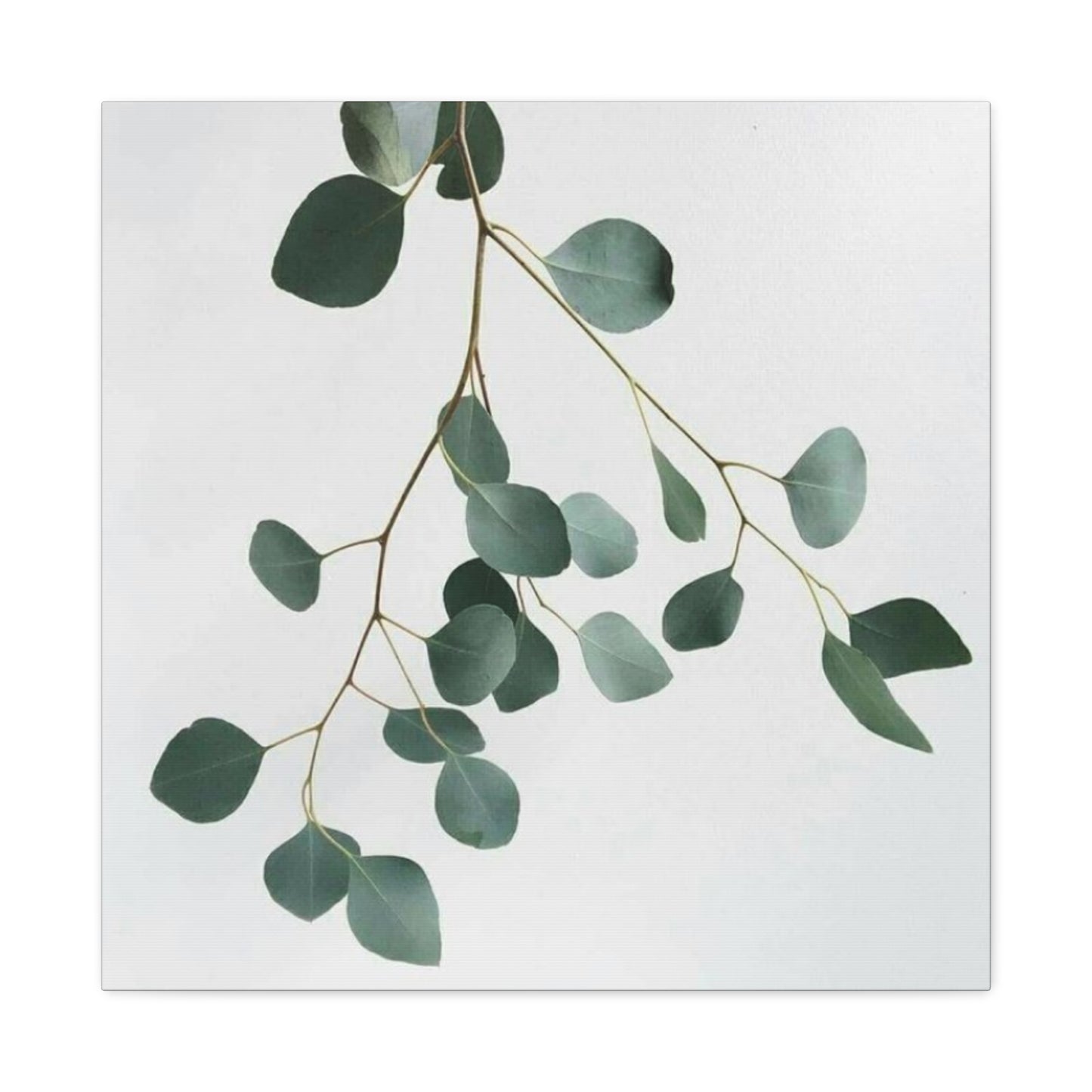
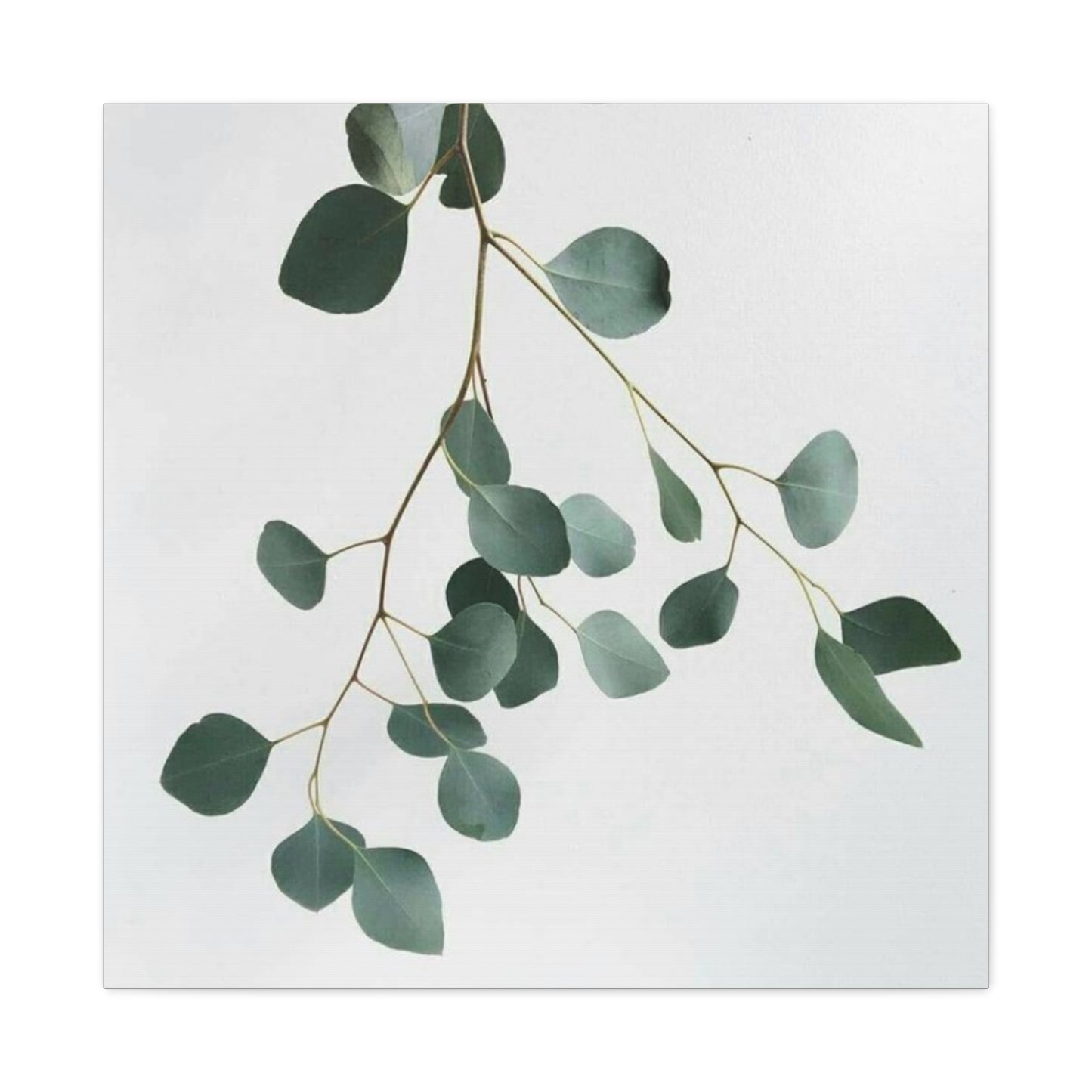
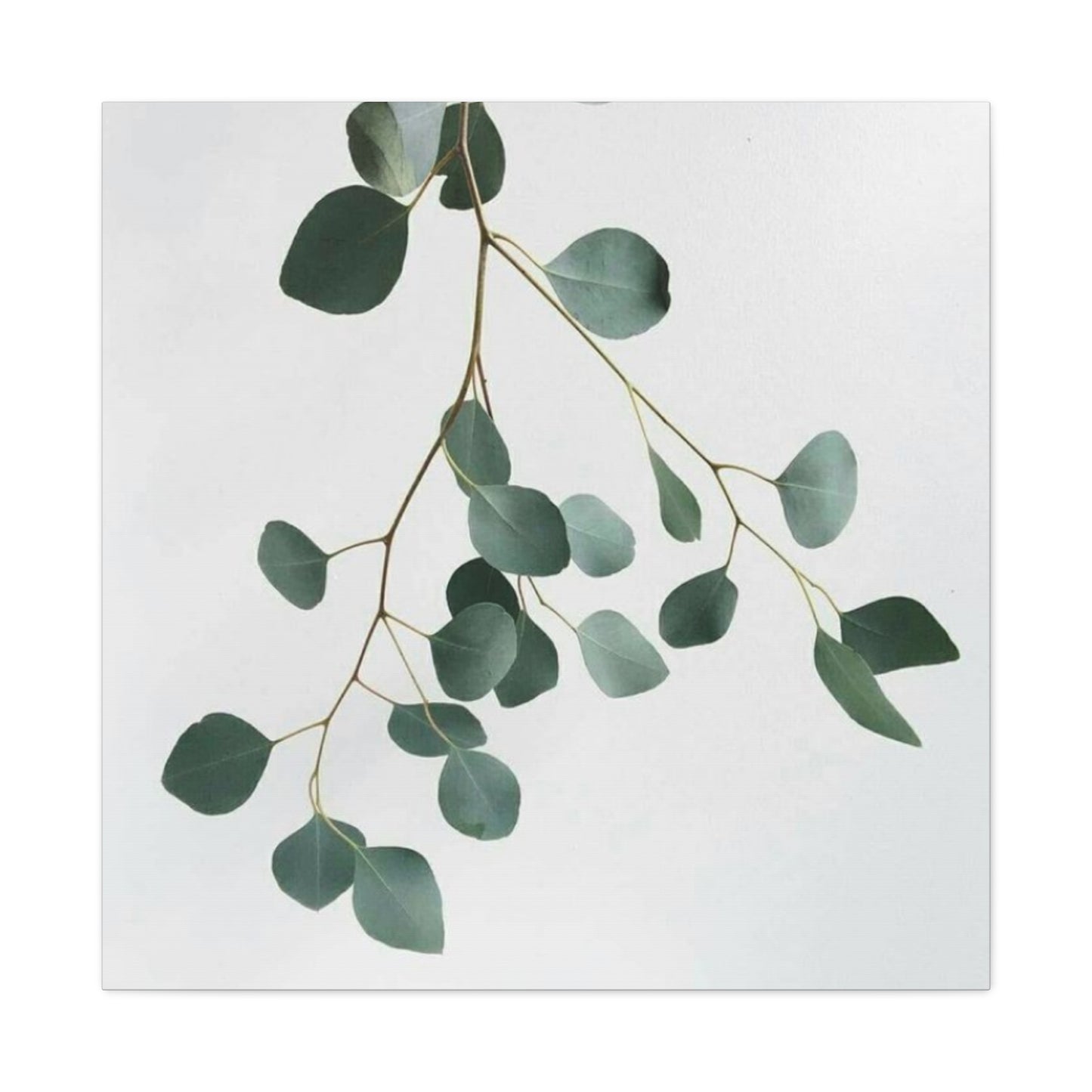
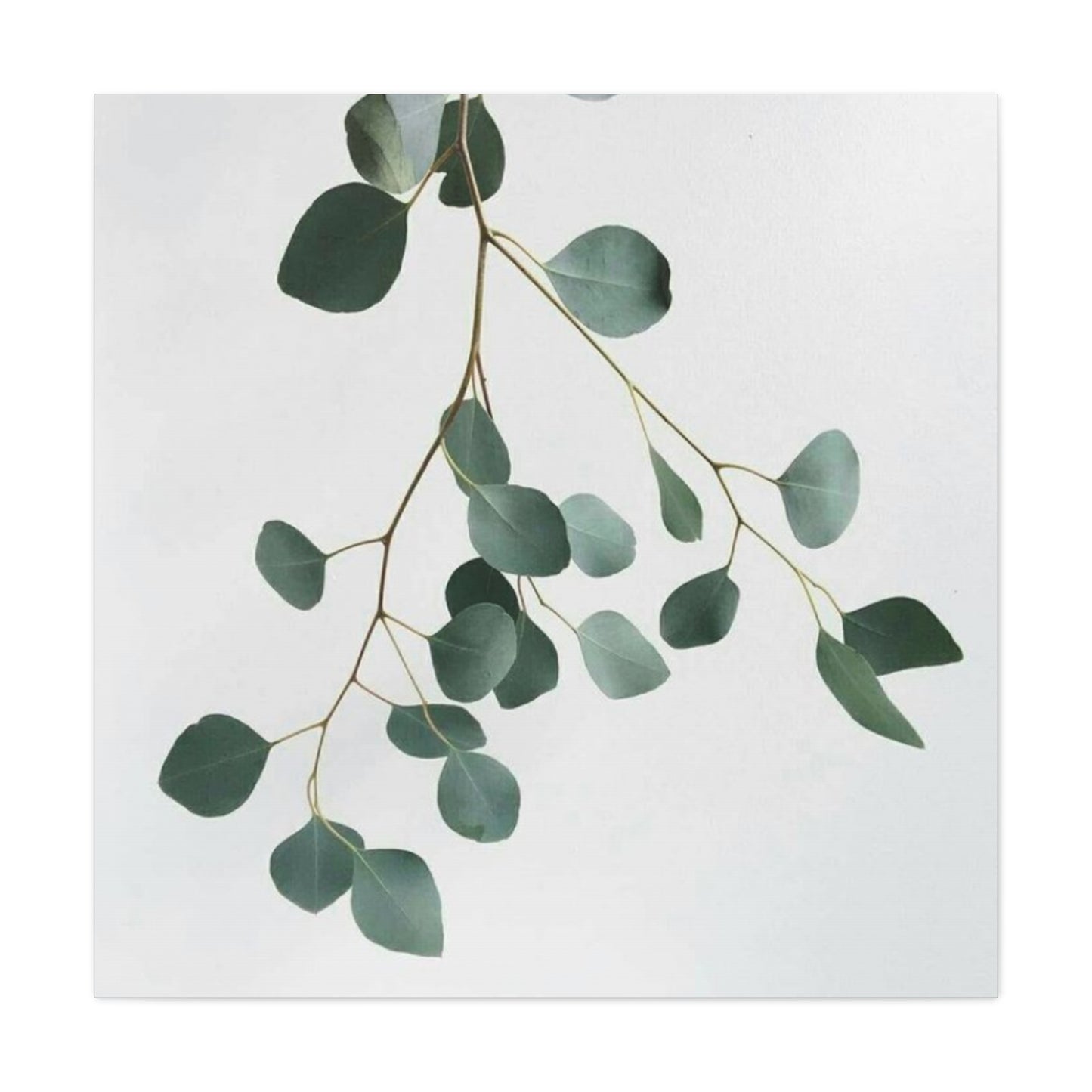
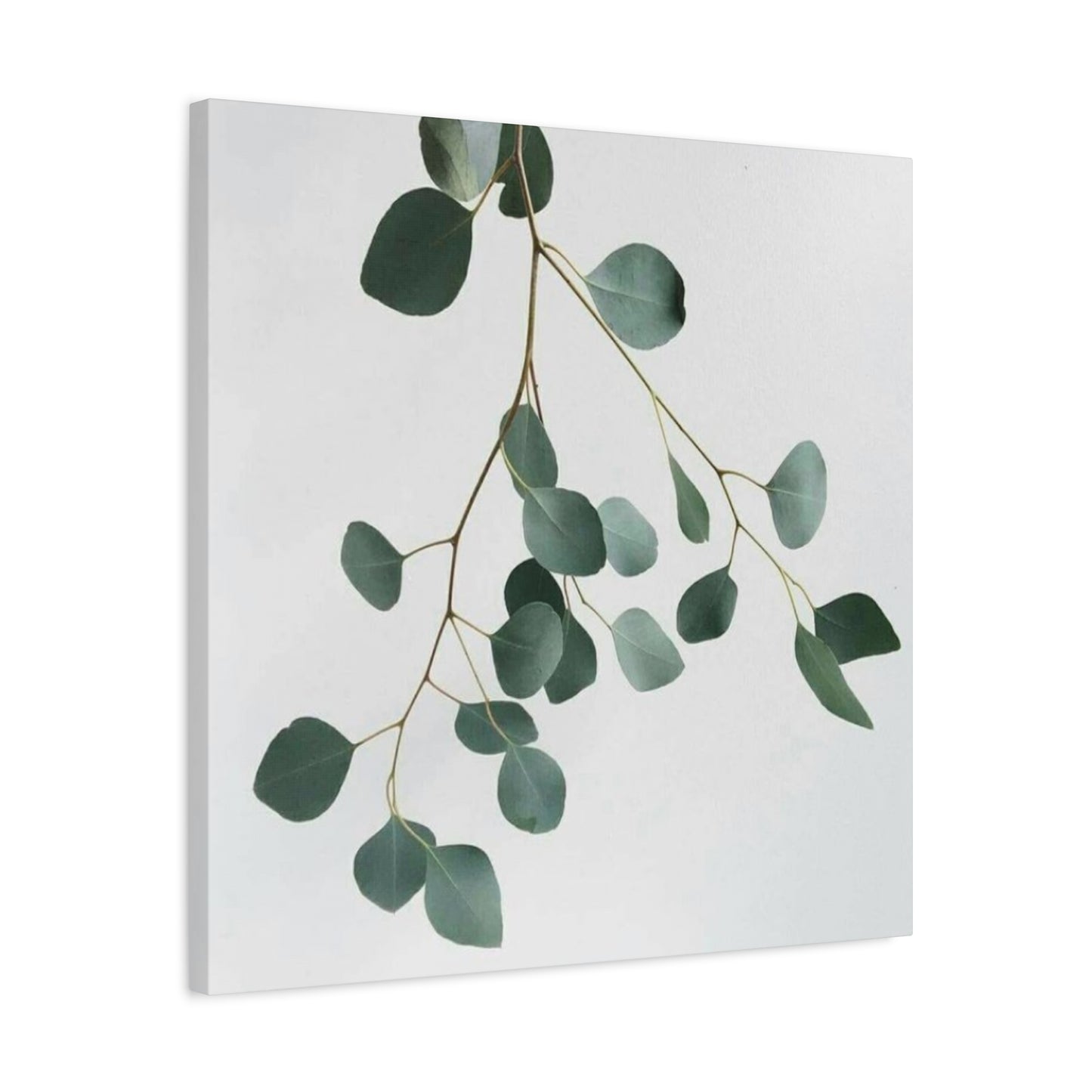
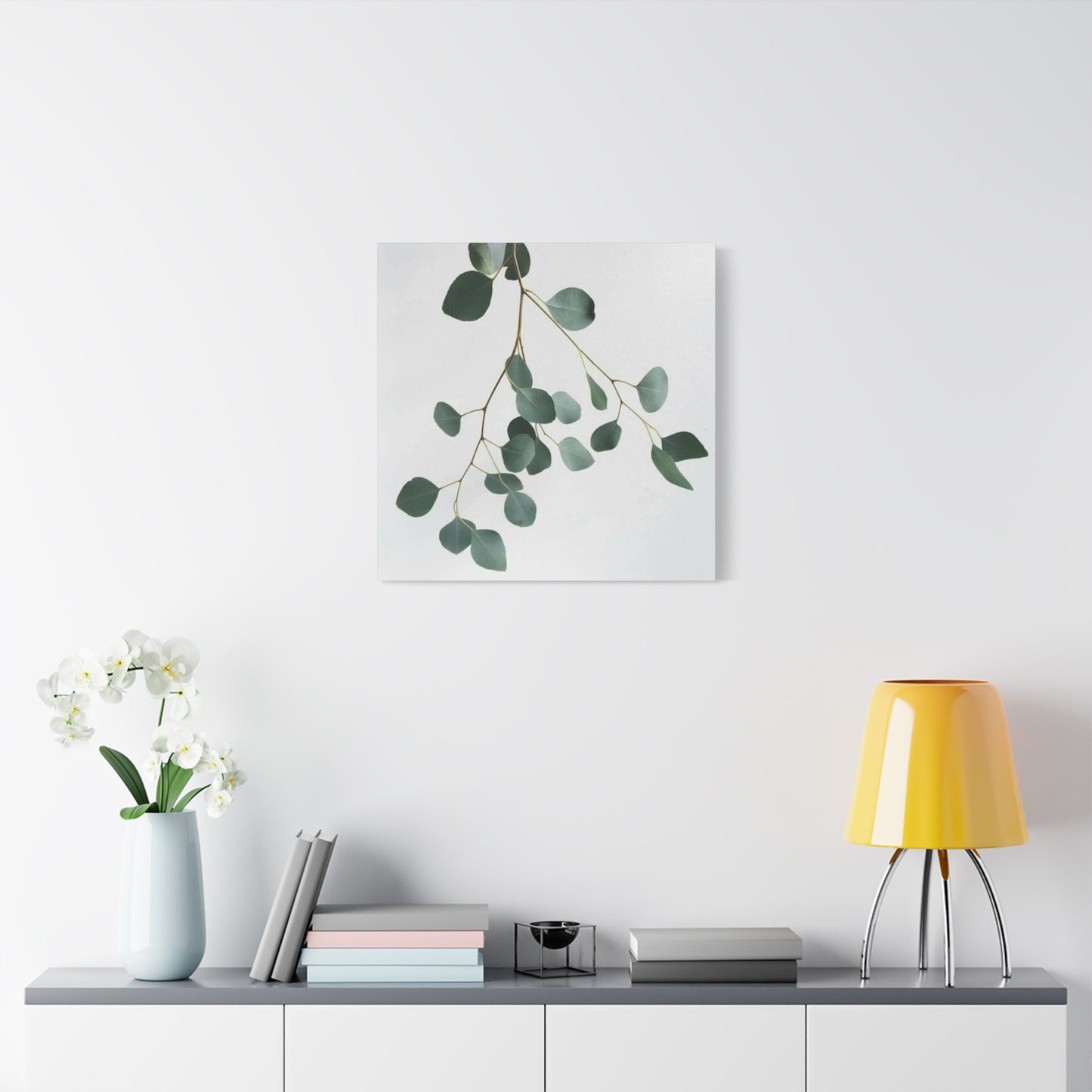
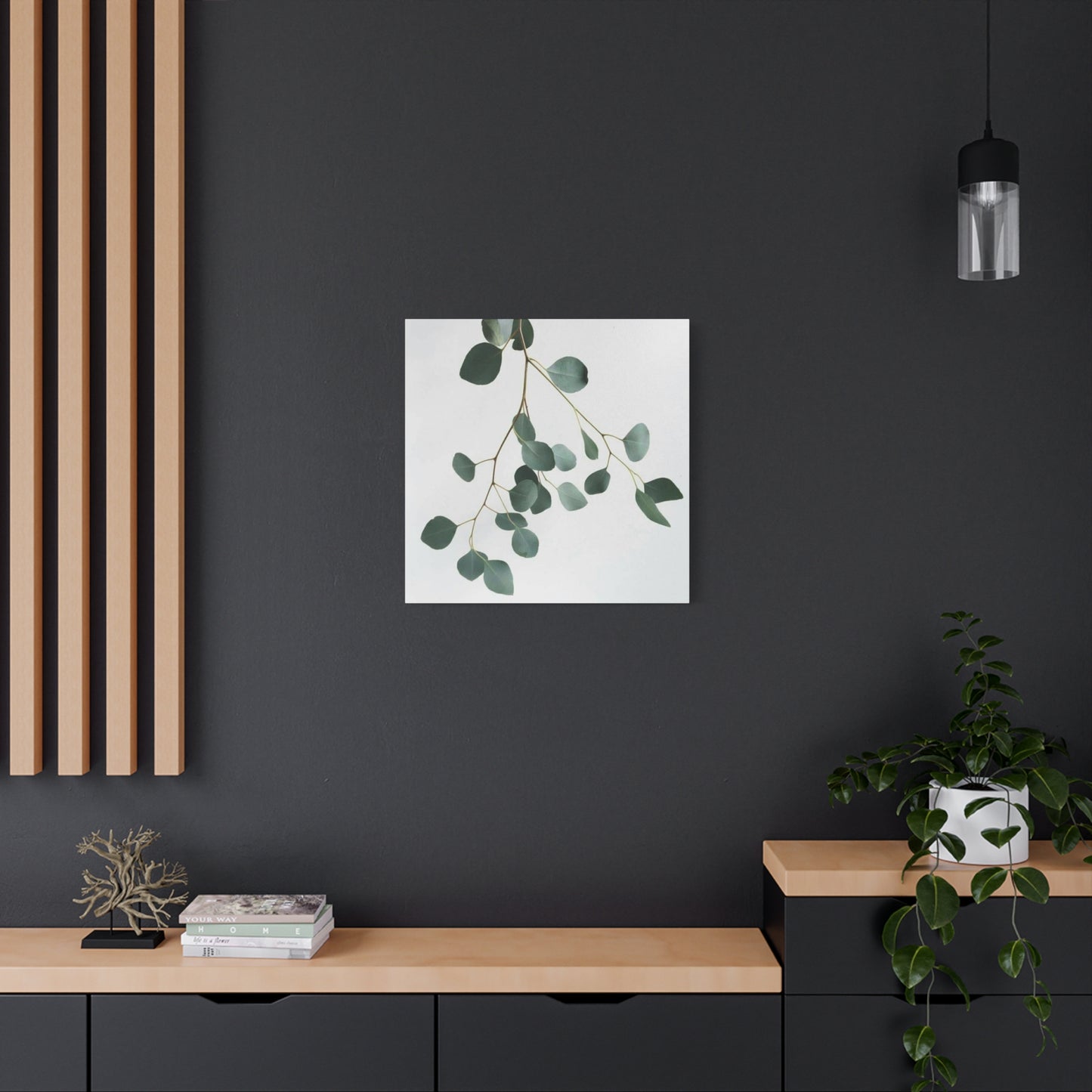
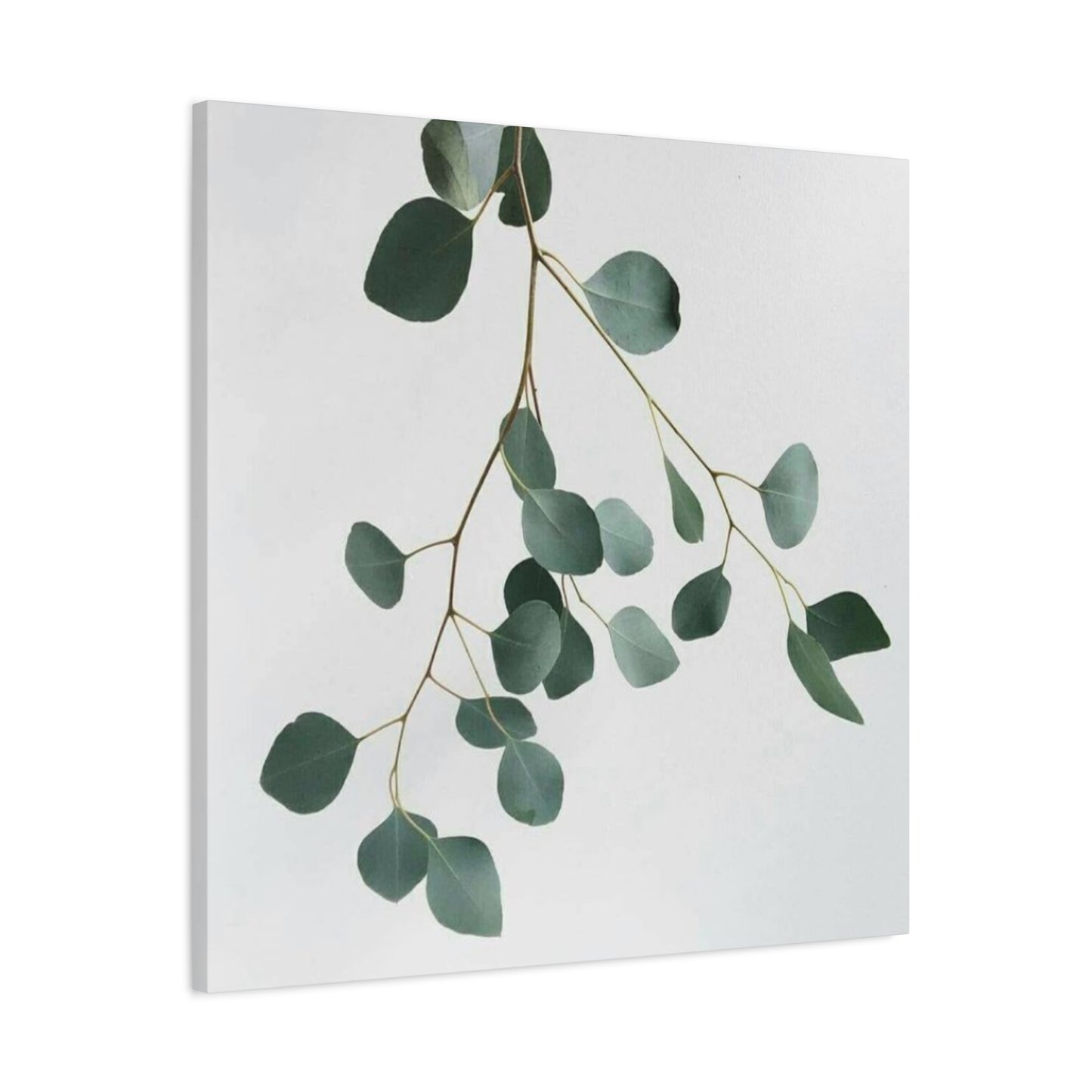
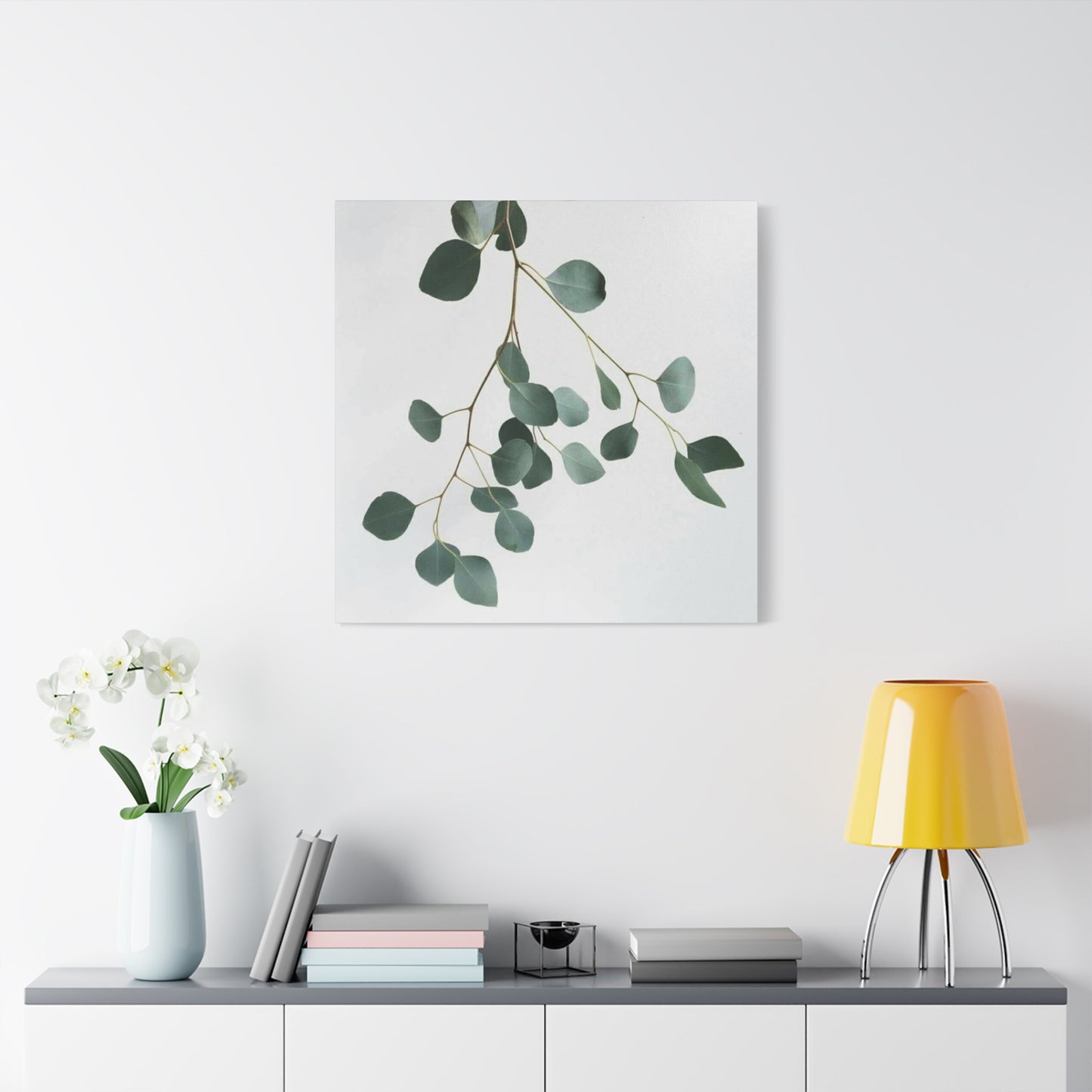
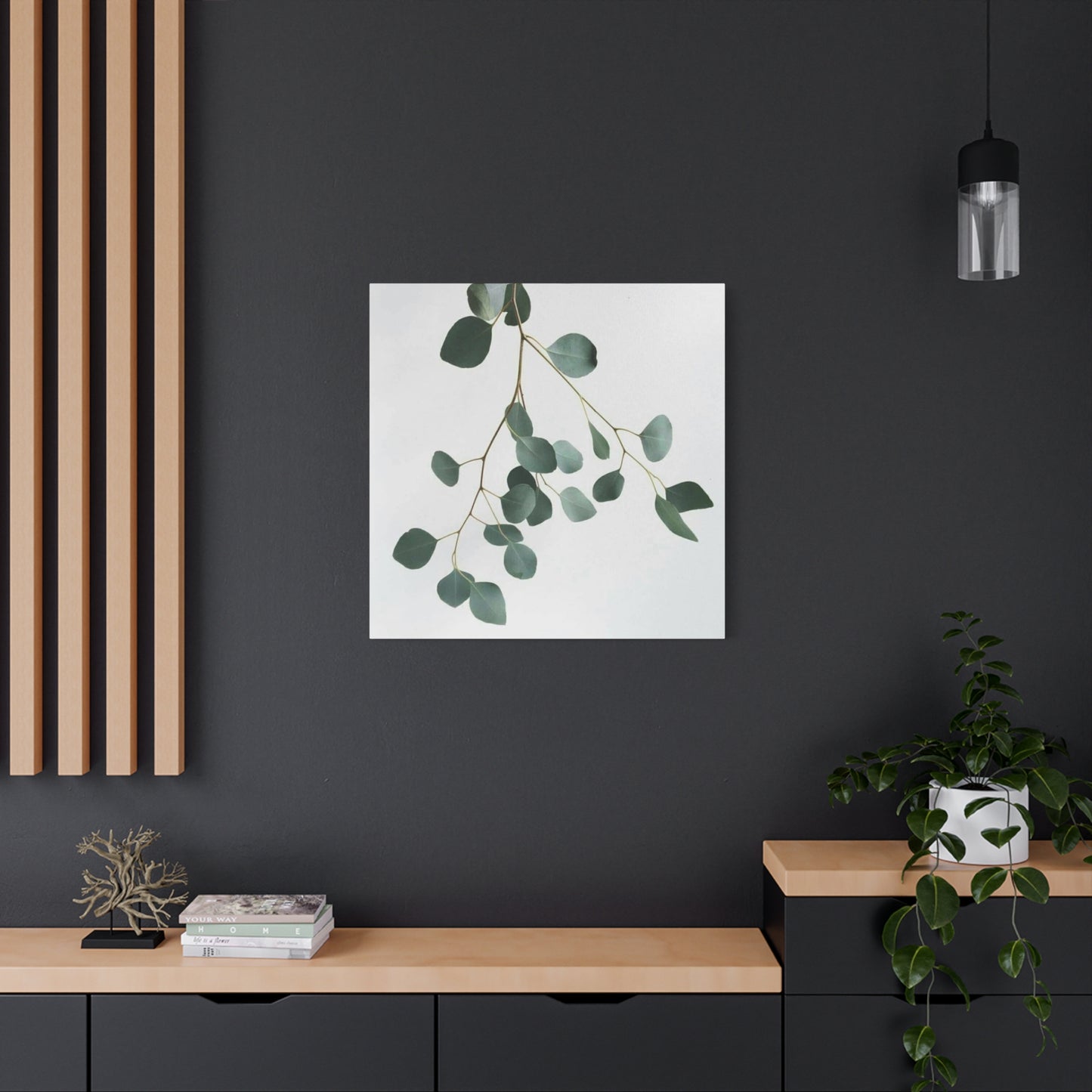
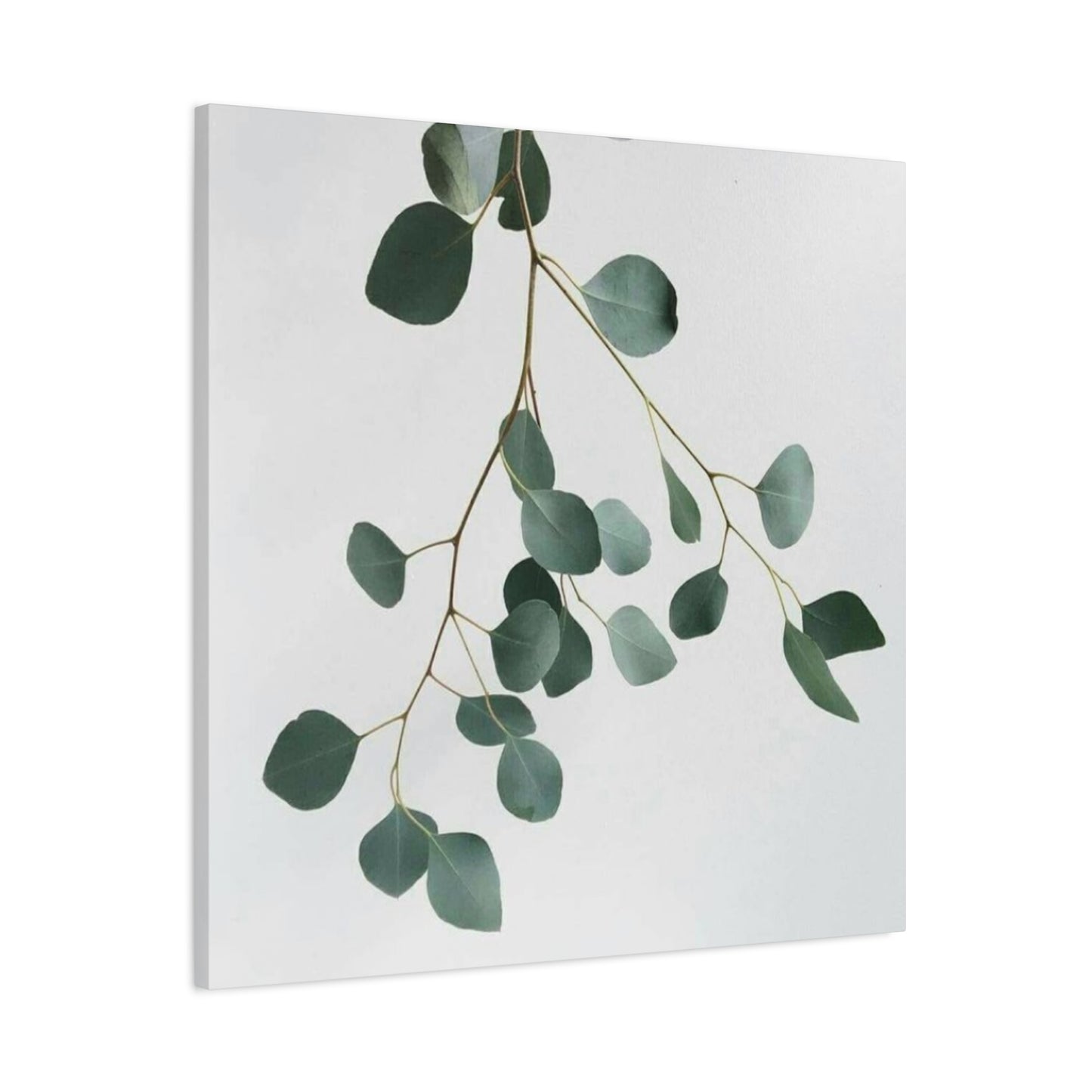
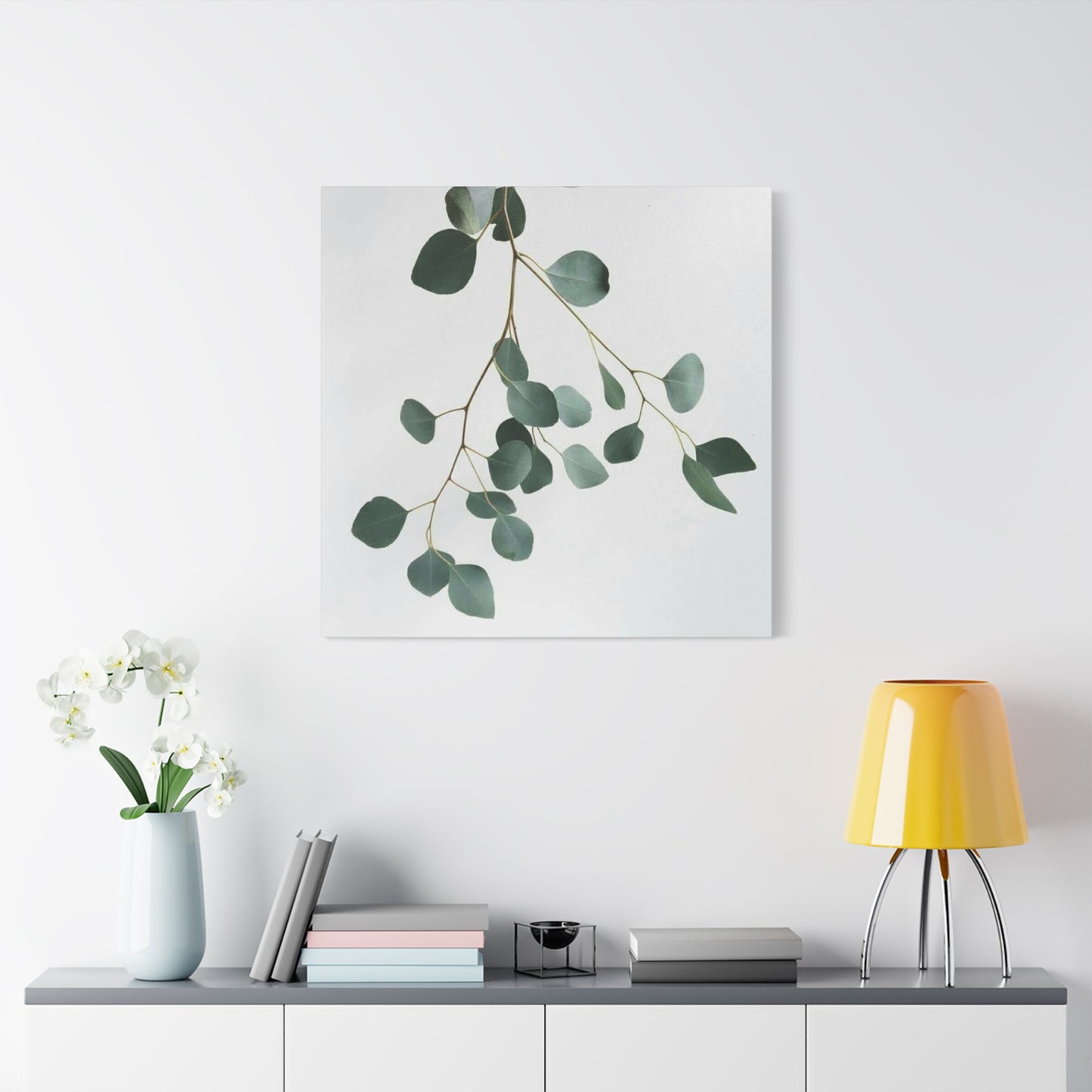
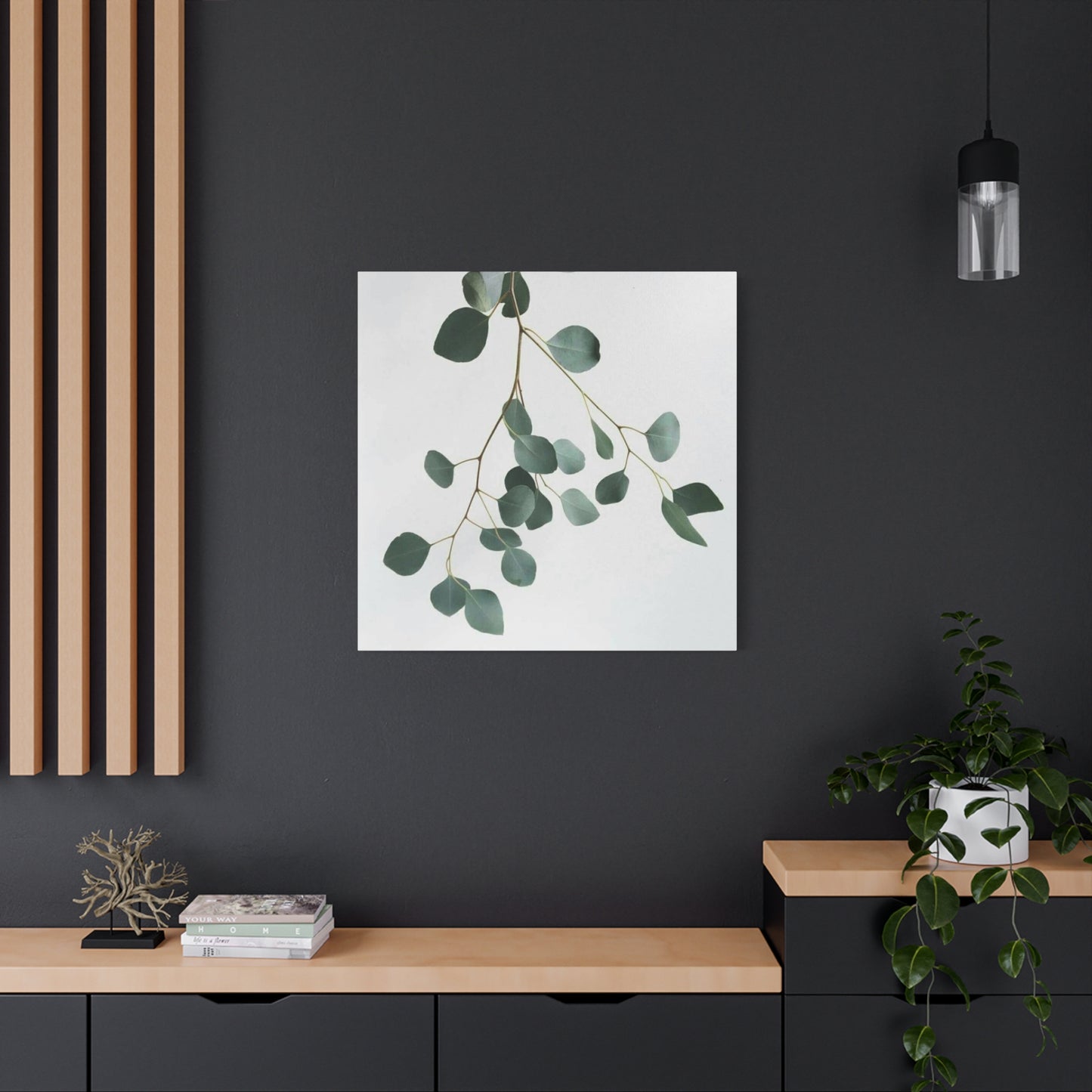
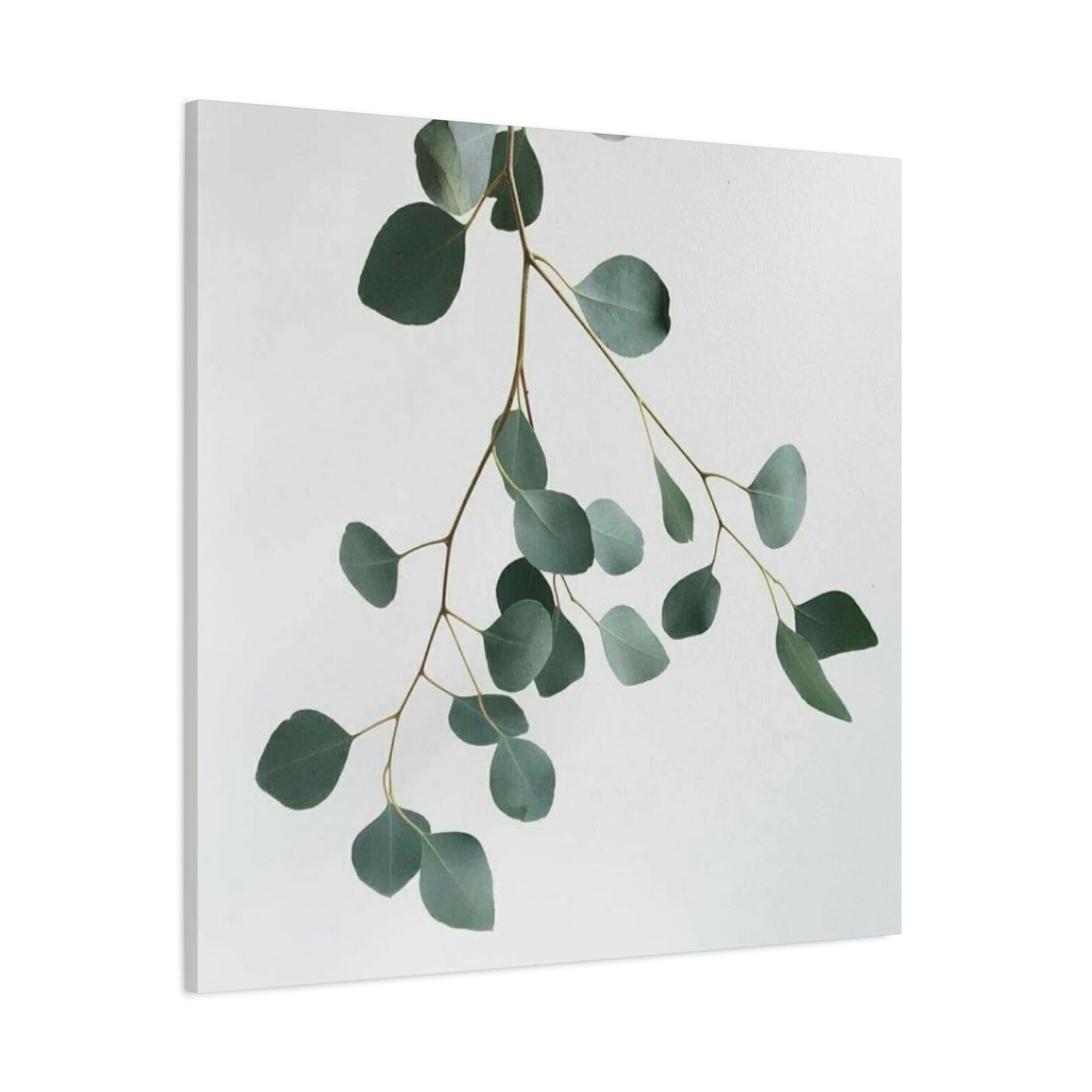
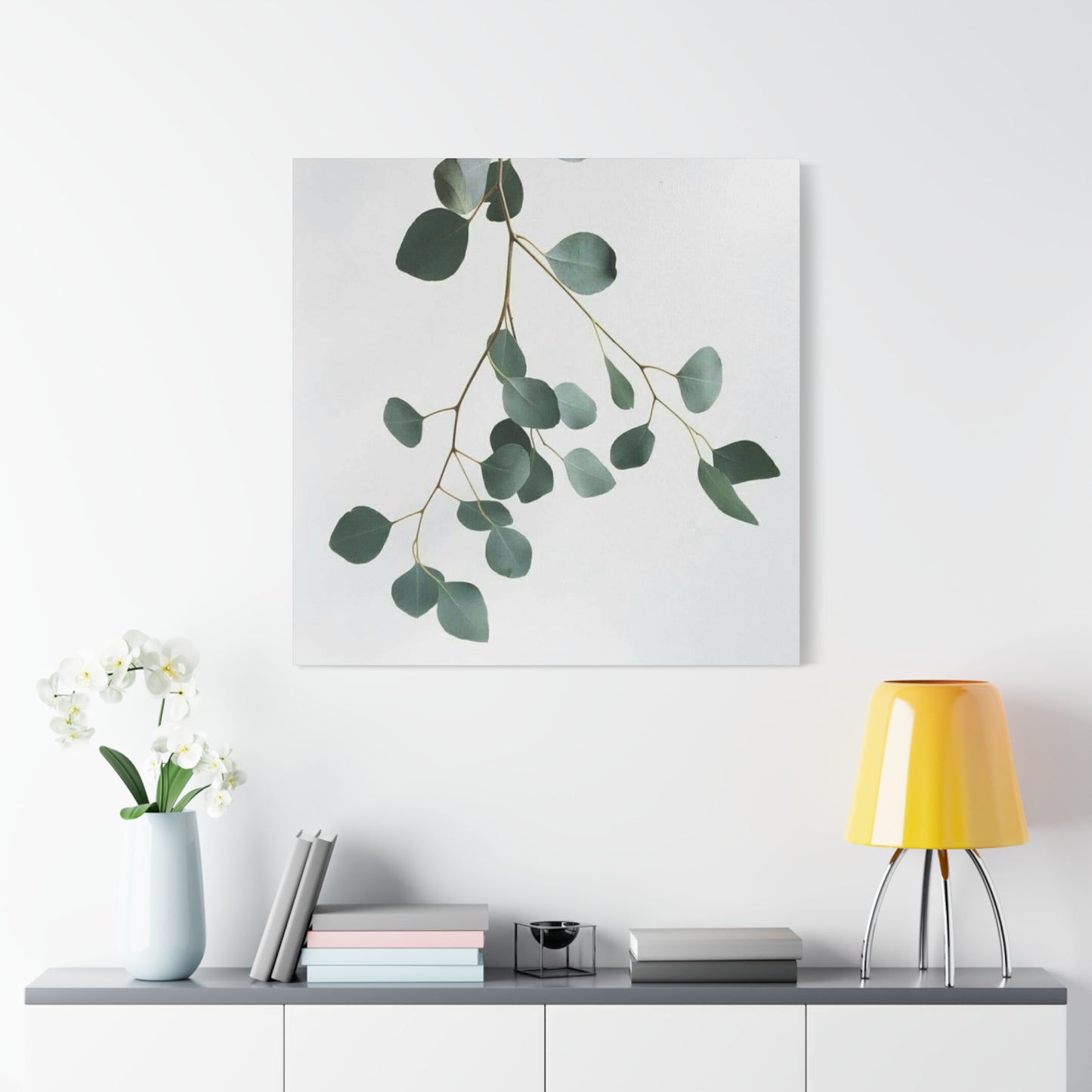
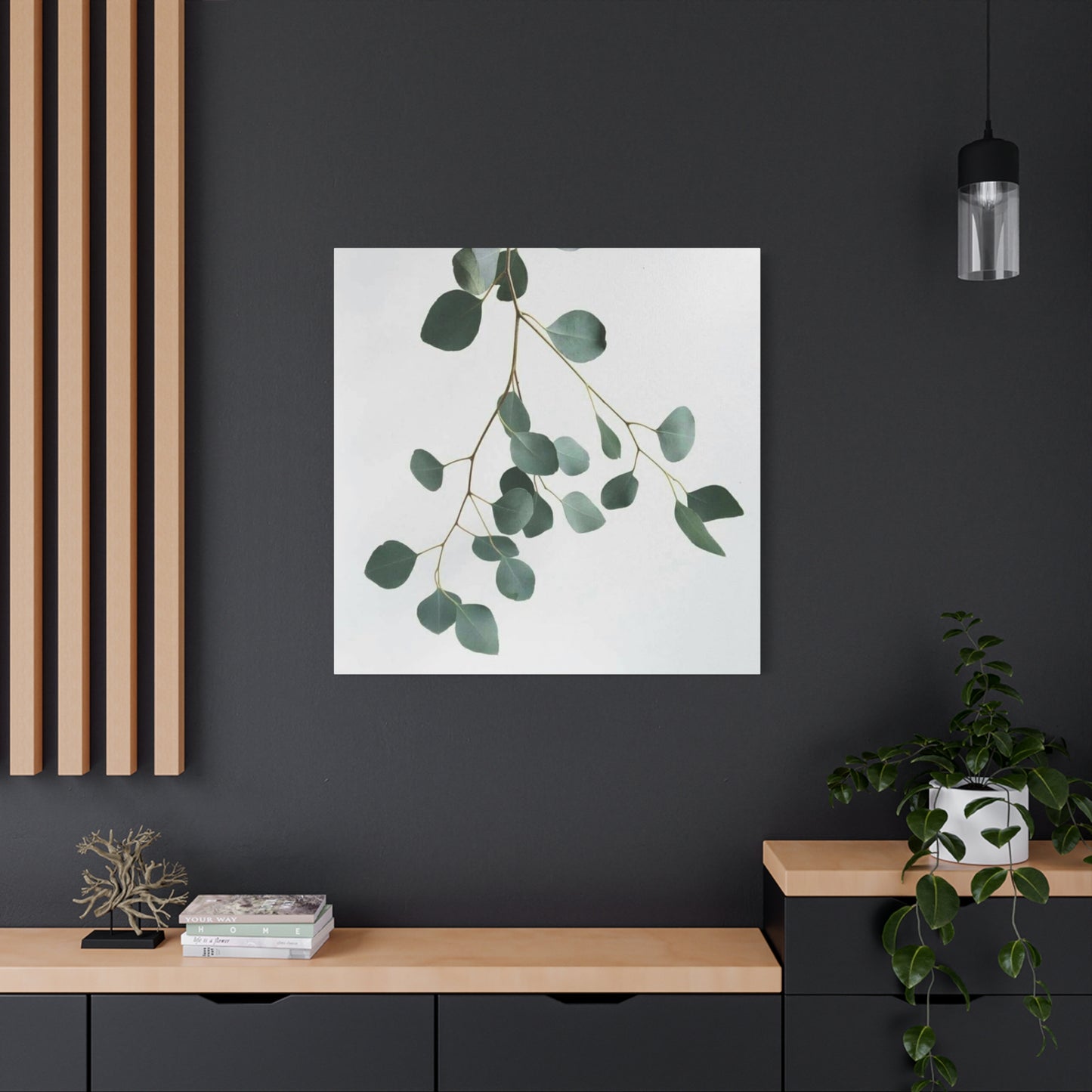
Falling Eucalyptus Plant Wall Art & Canvas Prints
Falling Eucalyptus Plant Wall Art & Canvas Prints
Couldn't load pickup availability
Finding the Enchanting Beauty of Falling Eucalyptus Plant Wall Art: A Comprehensive Journey Through Natural Decor Excellence
The world of interior design has witnessed a remarkable transformation in recent years, with homeowners and decorators increasingly gravitating toward nature-inspired elements that breathe life into otherwise mundane spaces. Among these captivating trends, falling eucalyptus plant wall art has emerged as a particularly compelling choice that combines aesthetic sophistication with organic charm. This botanical marvel has transcended conventional decoration boundaries, establishing itself as a versatile medium that speaks to both minimalist sensibilities and maximalist aspirations.
The allure of eucalyptus stems from its distinctive silvery-green foliage, which possesses an almost ethereal quality when arranged in cascading formations. Unlike traditional artwork that remains static and unchanging, botanical decorations featuring eucalyptus create dynamic visual interest through subtle variations in color, texture, and form. The drooping branches and teardrop-shaped leaves generate a sense of movement and vitality that conventional wall hangings simply cannot replicate. This organic dynamism transforms walls from mere structural elements into living canvases that engage viewers on multiple sensory levels.
Contemporary living environments often suffer from sterility, particularly in urban settings where concrete and steel dominate the landscape. Falling eucalyptus plant wall art addresses this deficiency by introducing natural elements that soften harsh architectural lines and infuse spaces with warmth and character. The cascading nature of eucalyptus arrangements draws the eye downward in graceful arcs, creating visual pathways that enhance spatial perception and generate feelings of tranquility. This downward movement mimics natural waterfalls and willow branches, triggering subconscious associations with peaceful outdoor environments.
The versatility of eucalyptus as a decorative medium extends across numerous design philosophies and aesthetic preferences. Scandinavian-inspired interiors benefit from the eucalyptus's muted color palette and organic forms, which complement the Nordic emphasis on natural materials and understated elegance. Bohemian spaces embrace the wild, untamed quality of cascading eucalyptus branches, allowing them to intermingle with textiles, crystals, and other eclectic elements. Even industrial lofts find common ground with eucalyptus decorations, as the contrast between rugged metal surfaces and delicate botanical elements creates compelling visual tension.
The aromatherapeutic properties of eucalyptus add another dimension to its appeal as wall decoration. Fresh eucalyptus releases natural essential oils that possess clarifying and refreshing qualities, transforming decorated spaces into multi-sensory experiences. The subtle, camphoraceous scent promotes mental clarity and respiratory wellness while simultaneously creating olfactory memories that associate specific spaces with relaxation and rejuvenation. This dual functionality—serving both aesthetic and atmospheric purposes—distinguishes eucalyptus from purely visual decoration options.
Exploring the Diverse Varieties of Eucalyptus Species Perfect for Vertical Display
The eucalyptus genus encompasses over seven hundred distinct species, each possessing unique characteristics that influence their suitability for wall decoration purposes. Eucalyptus cinerea, commonly known as silver dollar eucalyptus or argyle apple, stands out as perhaps the most popular choice for falling arrangements. This species produces round, silvery-blue leaves that maintain their color remarkably well even after drying, creating enduring decorative displays that require minimal intervention. The circular leaf shape generates pleasing geometric patterns when multiple branches cascade together, establishing visual rhythm and repetition.
Baby blue eucalyptus, scientifically designated as Eucalyptus pulverulenta, offers a more delicate appearance characterized by smaller leaves and slender stems. The powder-blue coating on both stems and foliage creates a frosted appearance that particularly suits romantic and vintage-inspired interior schemes. When arranged in falling compositions, baby blue eucalyptus generates a lighter, more ethereal effect compared to its larger-leafed cousins. The fine texture of this variety allows it to blend seamlessly with other botanical elements without overwhelming companion plants or creating visual heaviness.
Seeded eucalyptus varieties introduce additional textural interest through their distinctive seed pod formations. These rounded capsules develop along the stems, creating three-dimensional elements that cast intriguing shadows and catch light in unexpected ways. The architectural quality of seeded eucalyptus makes it particularly well-suited for modern and contemporary settings where sculptural forms receive emphasis. As arrangements age and dry, the seed pods often remain intact, contributing to the long-term visual interest of preserved displays.
Spiral eucalyptus, characterized by its corkscrew-like growth pattern, brings kinetic energy to wall arrangements through its twisted stems and leaves. This variety creates exceptional visual drama when allowed to cascade from elevated mounting points, as the spiraling forms appear to dance and twirl along the wall surface. The unusual growth habit of spiral eucalyptus ensures that each branch possesses unique character, preventing the monotony that sometimes afflicts more uniform botanical displays. Interior designers favor this variety for statement installations where bold visual impact takes precedence over subtle elegance.
Willow eucalyptus distinguishes itself through remarkably elongated leaves that drape downward with exceptional grace. The narrow, lance-shaped foliage creates vertical emphasis even when branches hang horizontally, generating visual movement that guides the eye along the wall surface. This variety proves particularly effective in spaces with high ceilings, where its length can be fully appreciated and utilized. The slender profile of willow eucalyptus allows for dense arrangements without appearing cluttered or overwhelming, making it ideal for smaller spaces that nonetheless desire dramatic botanical impact.
Nicholii eucalyptus, sometimes called narrow-leaved black peppermint, produces extremely fine, willowy foliage that creates almost lace-like effects when arranged in layers. The delicate appearance belies remarkable durability, as this species tolerates drying exceptionally well while maintaining structural integrity. The feathery quality of Nicholii eucalyptus makes it superb for romantic and feminine interior schemes, where softness and delicacy receive emphasis. When backlit by natural window light or artificial sources, the thin leaves create beautiful silhouettes and shadow patterns that enhance wall surfaces beyond the physical arrangement itself.
Crafting Stunning Falling Eucalyptus Plant Wall Art Arrangements with Precision and Creativity
Creating visually compelling falling eucalyptus plant wall art requires thoughtful consideration of numerous factors including proportion, balance, color harmony, and spatial relationships. The foundation of successful arrangements begins with selecting appropriate eucalyptus branches that possess sufficient length and fullness to generate impact without appearing sparse or inadequate. Branches measuring between eighteen and thirty-six inches typically provide optimal versatility, allowing decorators to create cascading effects that extend meaningfully down wall surfaces without overwhelming surrounding elements.
The mounting point selection significantly influences the overall character and impact of falling arrangements. Elevated mounting positions near ceiling height maximize the dramatic potential of cascading eucalyptus, allowing gravity to fully express the natural drooping tendency of branches. This approach proves particularly effective in rooms with standard ceiling heights, where vertical space otherwise goes unutilized. Conversely, mid-wall mounting creates more intimate arrangements that interact more directly with viewers at eye level, fostering closer examination and appreciation of individual leaves and stems.
Achieving visual balance within falling eucalyptus arrangements demands attention to both symmetry and asymmetry principles. Perfectly symmetrical arrangements generate formal, traditional impressions suitable for classic interior styles and conventional spaces. However, asymmetrical compositions often prove more dynamic and contemporary, creating visual interest through intentional imbalance that encourages eye movement across the arrangement. The Japanese concept of wabi-sabi, which finds beauty in imperfection and asymmetry, provides philosophical grounding for arrangements that embrace natural irregularity rather than imposing artificial uniformity.
Layering techniques enhance the dimensional quality of falling eucalyptus plant wall art by creating depth perception that extends beyond the flat wall surface. Arranging branches at varying distances from the wall generates shadows and spatial complexity that engage viewers from multiple angles. Front layers can feature lighter eucalyptus varieties or sparse branches that allow glimpses of fuller arrangements behind, creating visual intrigue through partial revelation. This layering approach transforms simple wall decorations into complex installations that reward prolonged observation with continuously revealed details.
Color coordination between eucalyptus varieties and surrounding interior elements ensures cohesive design that feels intentional rather than haphazard. While eucalyptus typically presents in blue-green to silver-gray ranges, subtle variations exist that can either complement or contrast with wall colors, furniture finishes, and textile selections. Warm-toned interiors benefit from eucalyptus varieties with slight olive or green undertones, which establish harmonious relationships with wood finishes and earth-toned palettes. Cool-toned spaces accommodate silver-blue eucalyptus varieties that reinforce icy, sophisticated atmospheres associated with contemporary minimalism.
Incorporating companion botanicals alongside eucalyptus creates richer, more complex falling arrangements that tell more elaborate design stories. Delicate baby's breath introduces cloud-like softness that tempers eucalyptus's more structured appearance, while preserved ferns add darker green notes that enhance color contrast. Dried grasses contribute textural variety through their fine, hair-like strands that move differently than eucalyptus leaves, generating subtle animation in climate-controlled indoor environments. When selecting companion plants, maintaining scale consistency prevents smaller elements from disappearing or larger additions from overwhelming the primary eucalyptus components.
Preservation Methods That Extend the Lifespan of Your Eucalyptus Wall Displays
Fresh eucalyptus naturally transitions into preserved states through desiccation, making it remarkably well-suited for long-term display purposes. Understanding and facilitating this preservation process ensures that falling eucalyptus plant wall art maintains aesthetic appeal for months or even years following initial installation. The key to successful preservation lies in managing the drying process to prevent leaf drop, color loss, and structural deterioration that can transform beautiful arrangements into unsightly messes.
Air-drying represents the most straightforward preservation method, requiring nothing more than time and appropriate environmental conditions. When eucalyptus branches hang vertically or at angles in falling arrangements, gravity assists the drying process by drawing moisture downward and out through cut stem ends. Ideal drying environments feature low humidity, moderate temperatures, and adequate air circulation without direct exposure to heating vents or air conditioning ducts. Under these conditions, eucalyptus typically achieves stable dryness within two to four weeks, though individual variation depends on initial moisture content and environmental factors.
Glycerin preservation offers an alternative approach that maintains greater flexibility and color vibrancy compared to air-drying alone. This method involves placing fresh eucalyptus stems in a solution combining one part glycerin with two parts water, allowing the branches to absorb the preservative through natural transpiration processes. As glycerin replaces moisture within plant tissues, leaves and stems retain pliability rather than becoming brittle, reducing the likelihood of breakage and leaf loss. Glycerin-preserved eucalyptus typically displays slightly darker coloration than air-dried specimens, developing rich olive-green or bronze tones that suit certain aesthetic preferences.
Silica gel desiccation provides rapid preservation for eucalyptus branches while maintaining exceptional color retention. This method involves burying eucalyptus in food-grade silica gel crystals, which aggressively absorb moisture over several days to a week. The speed of silica gel preservation minimizes color degradation that sometimes occurs during slower air-drying processes, resulting in specimens that closely match their fresh appearance. However, this method requires more preparation and material investment compared to simple air-drying, making it most appropriate for particularly valued or significant arrangements.
Microwave-assisted drying represents an unconventional but effective preservation method for smaller eucalyptus segments or individual leaves intended for mosaic-style wall art. This technique involves sandwiching eucalyptus between absorbent paper and applying brief microwave bursts that rapidly evaporate moisture without scorching plant material. While unsuitable for large, intact branches, microwave preservation proves valuable for creating pressed eucalyptus elements that can be arranged in frames or applied directly to wall surfaces using adhesives.
Preventative measures extend preservation success beyond initial drying processes. Positioning falling eucalyptus plant wall art away from high-humidity environments like bathrooms or kitchens prevents moisture reabsorption that can trigger mold growth and accelerate deterioration. Similarly, avoiding direct sunlight exposure protects against UV-induced fading that gradually bleaches preserved eucalyptus from its characteristic blue-green hues to pale straw colors. Periodic gentle dusting with soft brushes or compressed air removes accumulated particles that can dull leaf surfaces and create unkempt appearances, maintaining display quality over extended periods.
Strategic Placement Considerations for Maximum Visual Impact Throughout Your Home
The placement of falling eucalyptus plant wall art dramatically influences both its aesthetic effectiveness and the overall atmosphere of inhabited spaces. Strategic positioning considers factors including natural light availability, traffic patterns, viewing angles, and relationships with existing furnishings and architectural features. Thoughtful placement transforms eucalyptus from mere decoration into meaningful design elements that actively shape how spaces feel and function.
Entryways and foyers benefit tremendously from falling eucalyptus installations that establish immediate impressions for arriving guests and residents. The cascading nature of eucalyptus arrangements draws eyes upward toward ceiling heights before guiding them downward along the wall, creating welcoming vertical movement that enhances perceived spatial volume. This upward-downward visual journey generates subliminal feelings of openness and grandeur even in modestly sized entry spaces. Positioning eucalyptus near doorways frames entrances with natural beauty that softens transitions between exterior and interior environments.
Living rooms accommodate falling eucalyptus plant wall art particularly effectively above seating areas, where arrangements can be appreciated during relaxation and conversation. Mounting eucalyptus above sofas or sectionals creates focal points that anchor seating arrangements while adding vertical interest to otherwise horizontal furniture lines. The organic forms and muted colors of eucalyptus complement rather than compete with upholstery fabrics and throw pillows, allowing for flexible furniture updates without requiring decoration changes. When positioned above conversation areas, eucalyptus also provides subtle visual interest that prevents awkward silences from becoming uncomfortable through offering alternative focal points for wandering gazes.
Bedroom installations of falling eucalyptus contribute to serene, spa-like atmospheres conducive to rest and rejuvenation. The calming color palette and natural associations of eucalyptus promote relaxation responses that facilitate sleep preparation and quality. Positioning arrangements above headboards creates subtle canopies that psychologically enhance feelings of shelter and protection without physical enclosure. The gentle aromatherapeutic properties of eucalyptus further enhance bedroom environments by clearing airways and promoting easier breathing throughout the night, particularly beneficial for individuals with respiratory sensitivities.
Dining spaces gain sophistication and organic warmth through strategically placed eucalyptus arrangements that soften formal dining atmospheres. Wall-mounted falling installations positioned opposite dining tables create pleasing views for seated guests without interfering with table-level sightlines necessary for conversation. The neutral coloration of eucalyptus complements diverse table settings and seasonal decorations without clashing or requiring coordination, offering permanent decoration that works year-round. Additionally, the natural antimicrobial properties of eucalyptus subtly contribute to cleaner dining environments by reducing airborne bacteria concentrations.
Bathroom settings, though seemingly problematic due to moisture concerns, can successfully accommodate dried eucalyptus when properly positioned away from direct shower spray and steam concentrations. The spa-like associations of eucalyptus enhance bathroom environments that aspire to resort-quality aesthetics. Positioning falling arrangements near bathtubs rather than showers minimizes moisture exposure while maximizing visual impact during relaxation-focused bathing experiences. The respiratory benefits of eucalyptus prove particularly valuable in bathroom environments where steamy conditions can trigger congestion, offering natural relief without pharmaceutical intervention.
Home offices and workspaces benefit from eucalyptus installations that introduce biophilic elements proven to enhance focus, creativity, and productivity. The presence of natural elements within work environments reduces stress, lowers blood pressure, and improves cognitive function according to extensive research. Falling eucalyptus arrangements positioned within peripheral vision rather than direct sightlines provide subconscious natural stimulation without creating visual distractions that impede concentration. The subtle movement of eucalyptus leaves in response to air currents generates gentle animation that prevents workspace monotony without demanding attention.
Color Palette Coordination That Enhances Eucalyptus Wall Art Effectiveness
The inherent color characteristics of eucalyptus—ranging from silvery sage to dusty blue-green—position it as a remarkably versatile element within diverse color schemes. However, maximizing the visual impact of falling eucalyptus plant wall art requires thoughtful consideration of surrounding colors and intentional coordination that either amplifies natural eucalyptus tones through harmony or creates dynamic contrast through complementary relationships. Understanding color theory principles enables decorators to leverage eucalyptus's neutral-yet-distinctive coloration for optimal aesthetic results.
Monochromatic schemes built around eucalyptus's blue-green base create sophisticated, cohesive environments that feel intentionally designed and professionally executed. Varying the saturation and value of teal, sage, and seafoam tones throughout a space establishes visual continuity while preventing monotony through subtle differentiation. Within monochromatic contexts, eucalyptus arrangements become integrated design elements rather than obvious additions, creating seamless transitions between walls, furnishings, and decorative accents. This approach proves particularly effective in smaller spaces where excessive color variation can create visual chaos and diminish perceived square footage.
Analogous color relationships pairing eucalyptus with neighboring hues on the color wheel—such as soft aquas, muted teals, and gentle blues—generate harmonious environments characterized by tranquility and visual flow. These neighboring colors share underlying pigments with eucalyptus's natural coloration, creating resonance that feels instinctively pleasing and restful. Analogous schemes prove ideal for bedrooms, meditation spaces, and other environments where psychological calm takes precedence over visual stimulation. The gentle color transitions within analogous palettes mimic natural landscape gradients, triggering subconscious associations with serene outdoor settings.
Complementary color strategies position eucalyptus against warm terracotta, rust, and coral tones that sit opposite on the color wheel, generating vibrant visual excitement through maximum contrast. This approach creates energetic, bohemian atmospheres where each color intensifies the perception of its complement. The cool, recessive nature of eucalyptus's blue-green tones gains visual prominence when surrounded by advancing warm colors, ensuring arrangements command attention despite their inherently subtle coloration. Complementary schemes suit creative spaces, social areas, and environments where visual dynamism and personality expression receive priority.
Neutral backdrops including whites, creams, grays, and beiges provide versatile foundations that allow eucalyptus to shine as featured color elements without competition. Pure white walls create maximum contrast that emphasizes eucalyptus's distinctive coloration while maintaining clean, contemporary aesthetics. Warm cream backgrounds enhance the olive undertones within some eucalyptus varieties, generating cozy, inviting atmospheres. Gray walls ranging from pale dove to deep charcoal create sophisticated backdrops that amplify eucalyptus's inherent elegance, particularly effective in urban and industrial-inspired interiors.
Unexpected color pairings challenge conventional coordination rules by positioning eucalyptus against unconventional backgrounds including deep navy, rich plum, or warm mustard. These bold combinations create memorable, distinctive interiors that reflect confident design sensibilities and willingness to embrace risk. Navy backgrounds transform eucalyptus into luminous accents that appear to glow against dark surroundings, while plum creates luxurious, jewel-toned environments where botanical elements provide necessary visual relief. Mustard yellow generates retro-inspired aesthetics that celebrate mid-century color preferences while maintaining contemporary relevance through botanical additions.
Seasonal color adjustments allow falling eucalyptus plant wall art to remain relevant throughout the year despite its fixed coloration. Surrounding decorative elements can shift seasonally while eucalyptus provides constant natural grounding. Spring and summer accessories in bright whites, sunny yellows, and coral pinks create fresh, energetic contrasts with eucalyptus's cooler tones. Autumn and winter introductions of burgundy, rust, and chocolate brown generate warm, cozy environments where eucalyptus provides cooling visual balance. This approach maximizes decoration investment by allowing permanent eucalyptus installations to adapt through changeable accessory elements rather than requiring complete replacement.
Illumination Strategies That Showcase Your Eucalyptus Arrangements Most Effectively
Lighting dramatically influences how falling eucalyptus plant wall art appears and functions within spaces, with different illumination approaches creating vastly different visual effects and atmospheric qualities. Natural daylight, artificial ambient lighting, and targeted accent illumination each contribute unique characteristics that can either enhance or diminish eucalyptus displays depending on intensity, direction, and color temperature. Mastering lighting strategies ensures eucalyptus arrangements achieve their full aesthetic potential throughout daily light cycle variations.
Natural window light creates the most authentic and pleasing illumination for eucalyptus, revealing subtle color variations and textural details that artificial sources sometimes flatten. North-facing windows provide consistent, indirect light throughout the day that prevents harsh shadows while maintaining color accuracy. East-facing exposure bathes morning eucalyptus displays in warm, golden light that enhances any olive undertones within foliage, creating inviting atmospheres that energize early hours. West-facing windows generate dramatic late-afternoon illumination that backlights eucalyptus arrangements, creating glowing silhouettes that emphasize form over detail.
Backlighting techniques position light sources behind eucalyptus arrangements, transforming them into luminous focal points that appear to radiate light rather than merely reflect it. This approach proves particularly effective with dried eucalyptus, whose translucent leaves allow light transmission that reveals internal vein structures and creates ethereal, almost stained-glass-like effects. LED strip lighting concealed behind mounting points provides consistent backlighting without visible fixtures, maintaining clean aesthetic presentations. The intensity of backlighting requires careful calibration to prevent excessive brightness that overwhelms rather than enhances, with dimmer controls allowing adjustment based on time of day and desired atmosphere.
Accent spotlights direct concentrated beams onto eucalyptus arrangements from offset angles, creating dramatic shadows and emphasizing three-dimensional qualities. This theatrical lighting approach suits contemporary and gallery-like interiors where artwork receives similar treatment. Adjustable track lighting provides flexibility for precise beam positioning that evolves as arrangements age and potentially shift. The color temperature of accent lighting significantly impacts perceived eucalyptus coloration, with warm bulbs enhancing green tones while cool bulbs emphasize blue and silver qualities. Experimentation with various color temperatures allows customization that aligns with broader interior color schemes and personal preferences.
Ambient room lighting from overhead fixtures, table lamps, and floor lamps creates baseline illumination that affects eucalyptus visibility throughout evening hours. Adequate ambient light ensures arrangements remain visible and appreciated after dark, preventing them from disappearing into shadowy insignificance. However, excessive overhead lighting can create flat, lifeless appearances that diminish the dimensional qualities that make falling arrangements compelling. Layered lighting schemes combining ambient sources with accent illumination provide optimal results by ensuring visibility while maintaining visual interest through contrast and shadow play.
Candle illumination introduces romantic, flickering light quality that animates eucalyptus arrangements through continuously shifting shadows and highlights. While candles cannot serve as primary lighting sources, their supplemental presence during evening entertaining or relaxation enhances atmospheric qualities that static lighting cannot replicate. Positioning candles at various heights near eucalyptus installations creates dynamic shadow patterns that dance across walls, generating almost cinematic effects that captivate attention. Safety considerations require maintaining adequate separation between open flames and dry botanical materials, with flameless LED candles offering risk-free alternatives that replicate flickering effects.
Smart lighting systems incorporating color-changing capabilities and programmable schedules allow unprecedented customization of eucalyptus display illumination. These systems can shift color temperatures throughout the day to mimic natural light progressions, energizing morning displays with bright, cool light before transitioning to warm, relaxing tones during evening hours. Colored accent lighting offers experimental possibilities for special occasions, with soft lavender or pink washes creating romantic atmospheres while maintaining eucalyptus visibility. Voice control and smartphone applications make lighting adjustments convenient and accessible, encouraging regular optimization rather than static settings that may not serve all situations equally well.
Seasonal Styling Approaches That Keep Eucalyptus Displays Fresh and Relevant Year-Round
The evergreen quality of eucalyptus—both literally as a plant and figuratively as a design element—allows falling arrangements to maintain relevance across all seasons when supported by thoughtful complementary styling. Rather than replacing eucalyptus installations with each seasonal transition, strategic additions and modifications refresh displays while preserving core eucalyptus foundations. This approach maximizes decoration investment while preventing the visual fatigue that can accompany permanent, unchanging installations.
Spring styling incorporates fresh, optimistic elements that celebrate renewal and growth after winter dormancy. Intertwining pastel ribbons through eucalyptus branches introduces soft pink, mint, and butter yellow accents that signal seasonal change without overwhelming botanical foundations. Small bird nest decorations positioned within eucalyptus foliage create whimsical focal points that reference natural springtime phenomena. Faux or preserved tulips, daffodils, and cherry blossoms can be strategically inserted among eucalyptus branches, creating mixed arrangements that feel more abundant and celebratory than winter displays while maintaining eucalyptus as the primary structural element.
Summer transformations embrace vibrant energy and outdoor living through additions that reference coastal and garden themes. Incorporating preserved or dried hydrangeas in white, blue, or soft green introduces fuller, more exuberant forms while maintaining color harmony with eucalyptus foundations. Seashells suspended from fishing line at varying heights among eucalyptus branches create beach-inspired installations appropriate for summer vacation mindsets. Raffia or jute accents add natural texture that feels appropriate to warm-weather aesthetics without introducing overwhelming color. These summer additions maintain the organic, nature-focused character of eucalyptus displays while shifting toward lighter, breezier presentations.
Autumn styling leans into harvest themes and richer color palettes that reflect changing foliage and approaching holidays. Incorporating preserved oak leaves, wheat stalks, and cattails among eucalyptus introduces warm amber and bronze tones that complement rather than compete with eucalyptus's cooler coloration. Small artificial pumpkins or gourds positioned at the base of falling arrangements where they meet walls or surfaces create seasonal grounding without requiring branch modifications. Cinnamon sticks bundled and incorporated within displays add both visual interest and aromatic layering that enhances eucalyptus's natural scent profile with warm, spicy notes.
Winter presentations embrace elegance and sophistication appropriate to holiday seasons and cold-weather interior lifestyles. Metallic spray techniques applied to select eucalyptus leaves and tips introduce glimmering accents that catch light from holiday illumination and candlelight. Incorporating preserved white or silver-painted pine branches creates contrasting textures while maintaining winter color palettes. Frosted artificial berry sprigs in white, silver, or soft gold blend seamlessly with eucalyptus while adding dimensional interest. These additions transform eucalyptus from everyday decoration into special-occasion installations appropriate for entertaining and celebration while remaining understated enough to work throughout entire winter seasons rather than just specific holidays.
Holiday-specific adaptations allow eucalyptus foundations to participate in festive decoration schemes without compromising their essential character. Valentine's Day additions might include subtle pink ranunculus or roses positioned at arrangement origins where they meet mounting points. Easter styling could incorporate small decorated eggs suspended among branches using invisible thread. Independence Day presentations might feature minimal red and white accents that avoid overwhelming eucalyptus's intrinsic colors while acknowledging the holiday. Halloween styling embraces eucalyptus's naturally ghostly silver-green tones, requiring only minimal black ribbon or small artificial bat additions to complete thematic presentations.
Mounting Systems and Securing Methods for Safe, Long-Lasting Installations
Proper mounting techniques ensure falling eucalyptus plant wall art remains securely attached throughout its display lifespan while minimizing wall damage and allowing for eventual removal or repositioning. The weight of eucalyptus arrangements varies considerably based on branch quantity, size, and moisture content, requiring mounting systems matched to specific installation demands. Understanding available mounting approaches and selecting appropriate methods for particular situations prevents disappointing failures and protects both decorations and wall surfaces.
Command strips and adhesive hooks represent the least invasive mounting options, requiring no holes or hardware installation. These products utilize advanced adhesive technologies that bond firmly to wall surfaces while remaining removable without paint damage when proper removal procedures are followed. Weight ratings vary across product lines, with some heavy-duty versions supporting up to five pounds or more—adequate for modest eucalyptus arrangements. However, adhesive mounting proves less reliable on textured walls, in humid environments, or for particularly heavy installations. Ensuring clean, dry wall surfaces before application and allowing recommended curing time before adding weight maximizes adhesive mounting success.
Traditional picture hanging hardware including nails, screws, and picture hooks provides robust mounting for heavier eucalyptus installations where adhesive options prove inadequate. Wall anchors inserted into drywall significantly increase holding capacity by distributing weight across larger areas rather than relying solely on drywall integrity. For substantial arrangements, locating wall studs with electronic finders and driving screws directly into solid wood framing ensures maximum security. Toggle bolts provide exceptional holding strength in hollow walls where stud locations prove inconvenient, spreading load across wide drywall areas behind finished surfaces.
French cleat systems offer professional-grade mounting that facilitates easy eucalyptus arrangement removal for cleaning, seasonal adjustments, or relocation without requiring complete remounting. This approach involves attaching one beveled cleat to the wall and a corresponding cleat to a backing board supporting the eucalyptus arrangement. The interlocking design provides exceptional strength while allowing simple vertical lifting for detachment. French cleats prove particularly valuable for large or heavy installations and situations where frequent arrangement adjustments are anticipated. The system's visual profile remains minimal, with only the wall-mounted cleat visible when arrangements are removed.
Tension rods installed between walls in alcoves, between door frames, or in other confined spaces provide hardware-free mounting for lighter eucalyptus arrangements. This approach works particularly well for creating eucalyptus "curtains" that hang freely from suspended rods, allowing movement and rotation. Tension mounting avoids permanent wall alterations while providing strength adequate for moderately sized displays. The method requires parallel surfaces separated by distances within rod adjustment ranges, limiting application to specific architectural situations. Decorative rod finials and coordinated finish selections integrate tension mounting into overall design schemes rather than appearing as utilitarian afterthoughts.
Grid systems and pegboards mounted to walls create flexible frameworks that accommodate changing eucalyptus arrangements without requiring new mounting hardware for each modification. S-hooks, clips, and ties attach to grid openings, providing infinitely adjustable mounting points that encourage experimentation and seasonal refreshment. While grid systems themselves require permanent mounting, their utility extends beyond eucalyptus to general wall organization, making the installation investment worthwhile for multiple purposes. Painted or finished grids can become attractive design elements rather than purely functional hardware, particularly in industrial or modern interiors where exposed systems align with aesthetic preferences.
Wiring techniques secure individual eucalyptus branches to mounting points using nearly invisible monofilament line, floral wire, or decorative cord depending on desired aesthetic outcomes. Transparent monofilament creates seemingly magical floating effects where suspension methods disappear entirely, allowing eucalyptus to take full visual focus. Floral wire provides stronger support with controlled visibility—green or brown coatings blend with natural eucalyptus tones while metallic copper or gold wire becomes decorative accent. Macramé cord and jute twine introduce bohemian character that complements eucalyptus's organic nature while providing substantial strength for heavier branches.
Combining Eucalyptus With Complementary Materials for Enhanced Visual Interest
While eucalyptus possesses sufficient beauty to stand alone as wall decoration, combining it with complementary materials creates richer, more complex installations that tell more elaborate design stories. Thoughtful material selection ensures additions enhance rather than overwhelm eucalyptus's natural elegance while introducing textural variety, color contrast, or thematic elements that align with broader interior design visions. The key to successful mixed-media eucalyptus installations lies in maintaining botanical elements as primary features while allowing supporting materials to occupy supporting rather than competing roles.
Driftwood pieces introduce organic sculptural elements that share eucalyptus's natural origins while offering contrasting color and texture. The weathered silver-gray patina of sun-bleached driftwood harmonizes with eucalyptus's muted color palette while its solid, substantial form provides visual weight that anchors lighter, airier eucalyptus foliage. Mounting driftwood as a horizontal element from which eucalyptus branches cascade creates clear compositional structure while suggesting coastal and nautical themes appropriate for beach houses and maritime-inspired interiors. The irregular, asymmetrical quality of driftwood prevents installations from appearing overly manicured or artificial, maintaining organic authenticity that resonates with nature-focused design philosophies.
Macramé backdrops and hangers combine beautifully with falling eucalyptus plant wall art through shared emphasis on natural fibers and handcrafted qualities. The knotted cord patterns of macramé introduce geometric regularity that contrasts effectively with eucalyptus's organic randomness while creamy cotton tones provide neutral backgrounds that showcase botanical color. Macramé can serve as mounting structure with eucalyptus branches woven through cord patterns, creating fully integrated pieces where plant and craft become inseparable. This combination particularly suits bohemian and eclectic interiors where layered textures and artisanal elements receive celebration rather than minimization.
Metal elements including copper pipes, brass rings, and iron hoops provide industrial contrast that prevents eucalyptus installations from appearing overly precious or delicate. The rigid geometry of metal forms creates clear compositional frameworks within which organic eucalyptus can flow and sprawl. Geometric wreaths combining metal frames with eucalyptus filling bridge modern and natural aesthetics, appealing to design sensibilities that appreciate both clean lines and organic elements. Metal finishes should coordinate with existing interior hardware including light fixtures, cabinet pulls, and faucets to ensure cohesive presentation rather than introducing jarring material inconsistencies.
Fabric elements including ribbons, burlap, and linen strips introduce softness and moveable texture that complements eucalyptus's stationary botanical presence. Sheer ribbons woven through eucalyptus branches catch light and generate subtle movement in response to air currents, creating animation that brings installations to life. Burlap and other coarse fabrics add rustic character appropriate for farmhouse and country-inspired interiors, their rough weaves contrasting effectively with eucalyptus's smooth leaf surfaces. Color selection for fabric additions should remain subdued to avoid overwhelming eucalyptus—whites, creams, and soft earth tones typically work best, though strategic color pops can inject personality when intentionally deployed.
Preserved moss and lichen introduce textural variety while maintaining natural material consistency across installations. Sheet moss attached to backing boards or wall surfaces creates living-carpet effects from which eucalyptus appears to grow, suggesting forest floors and woodland environments. Reindeer moss adds three-dimensional softness in colors ranging from natural gray-green to dyed pastels or vibrant hues, allowing color customization that complements specific interior palettes. These additions prove particularly effective in biophilic design contexts where maximum natural material presence supports wellness and environmental connection goals.
Lighting elements including fairy lights and LED strands transform eucalyptus arrangements into illuminated art pieces that function as both decoration and light source. Tiny lights woven throughout eucalyptus branches create magical, starlit effects particularly enchanting during evening hours. Warm white bulbs enhance eucalyptus's organic warmth while cool white or colored lights create contemporary, unexpected presentations. Battery-operated and USB-powered options eliminate cord management challenges associated with traditional plug-in lights, allowing more flexible placement away from electrical outlets. Timer functions automatically activate lighting during evening hours, ensuring installations remain appreciated throughout daily cycles without requiring manual intervention.
Addressing Common Challenges and Troubleshooting Eucalyptus Display Issues
Despite eucalyptus's reputation for durability and low-maintenance requirements, falling eucalyptus plant wall art installations occasionally present challenges that diminish aesthetic appeal or threaten display longevity. Recognizing potential problems and understanding remediation strategies enables proactive prevention and effective response when issues arise. Most eucalyptus difficulties stem from environmental factors, improper preservation, or mounting failures—all addressable through appropriate intervention.
Excessive leaf drop represents the most common frustration with eucalyptus displays, transforming beautiful arrangements into messy disappointments requiring constant cleanup.
Conclusion
In conclusion, discovering the enchanting beauty of falling eucalyptus plant wall art offers a transformative way to bring the serene elegance of nature into your home. The eucalyptus plant, with its graceful branches and delicate, silvery leaves, has long been associated with tranquility, healing, and rejuvenation. Its depiction in wall art captures these very qualities, turning your living space into a calming sanctuary that reflects the natural world’s inherent beauty and simplicity. The soft, flowing imagery of eucalyptus creates a sense of peacefulness and balance, making it a perfect choice for those seeking a harmonious and nature-inspired environment.
Eucalyptus leaves are known for their subtle elegance and versatile aesthetic. When incorporated into wall art, they provide a soft, organic texture that complements a wide range of interior design styles. Whether you're embracing a minimalist, bohemian, or contemporary decor theme, the natural tones of eucalyptus—ranging from silvery greens to deep, earthy hues—easily blend into any room. The gentle cascade of falling eucalyptus leaves evokes a sense of effortless beauty and calm, transforming your walls into a living piece of nature’s art.
This style of wall art offers more than just visual appeal. The eucalyptus plant is often linked to cleansing, healing, and renewal, carrying a deep symbolic meaning. Its presence in your home can serve as a reminder of the restorative powers of nature, evoking feelings of rejuvenation and serenity. By introducing eucalyptus plant wall art, you are not only enhancing the aesthetic of your space but also inviting the soothing energy of the natural world into your everyday life. This symbolic connection with nature can help foster a sense of well-being and calm, perfect for creating a relaxing retreat in your home.
The versatility of falling eucalyptus plant wall art makes it suitable for a wide array of settings. In bedrooms, it can add a soft, restful touch, contributing to a peaceful atmosphere ideal for unwinding after a long day. In living rooms, it brings a fresh, airy vibe that can energize the space without overwhelming the senses. Even in more formal settings, such as dining areas or home offices, eucalyptus art provides a sophisticated yet natural focal point that complements the surrounding décor.
Moreover, the timeless appeal of eucalyptus art means it works in both traditional and modern spaces. Its understated elegance transcends trends, making it an enduring choice that will continue to enhance your living environment for years to come. The subtle beauty of eucalyptus allows it to remain relevant and stylish through changing seasons and evolving tastes, ensuring it remains a cherished addition to your decor.
In addition to its aesthetic and symbolic benefits, eucalyptus plant wall art can also encourage a deeper connection to the environment. The rise of eco-conscious living has prompted many to seek out decor that celebrates the natural world, and eucalyptus, as a symbol of sustainability and nature, aligns perfectly with this movement. Displaying this type of wall art serves as an expression of respect for nature’s wisdom and a celebration of the world’s botanical beauty.
Ultimately, the discovery of falling eucalyptus plant wall art offers more than just a way to decorate your space—it provides an opportunity to enrich your environment with the calming, refreshing essence of nature. The delicate beauty of eucalyptus brings a sense of balance, tranquility, and connection to the earth, making it an excellent choice for anyone looking to infuse their home with a touch of natural elegance. By choosing this style of wall art, you're not only enhancing the visual appeal of your home but also embracing the timeless allure of nature’s finest creations. Whether you're looking to create a peaceful retreat or a stylish, nature-inspired atmosphere, falling eucalyptus plant wall art can help bring your vision to life.
Share