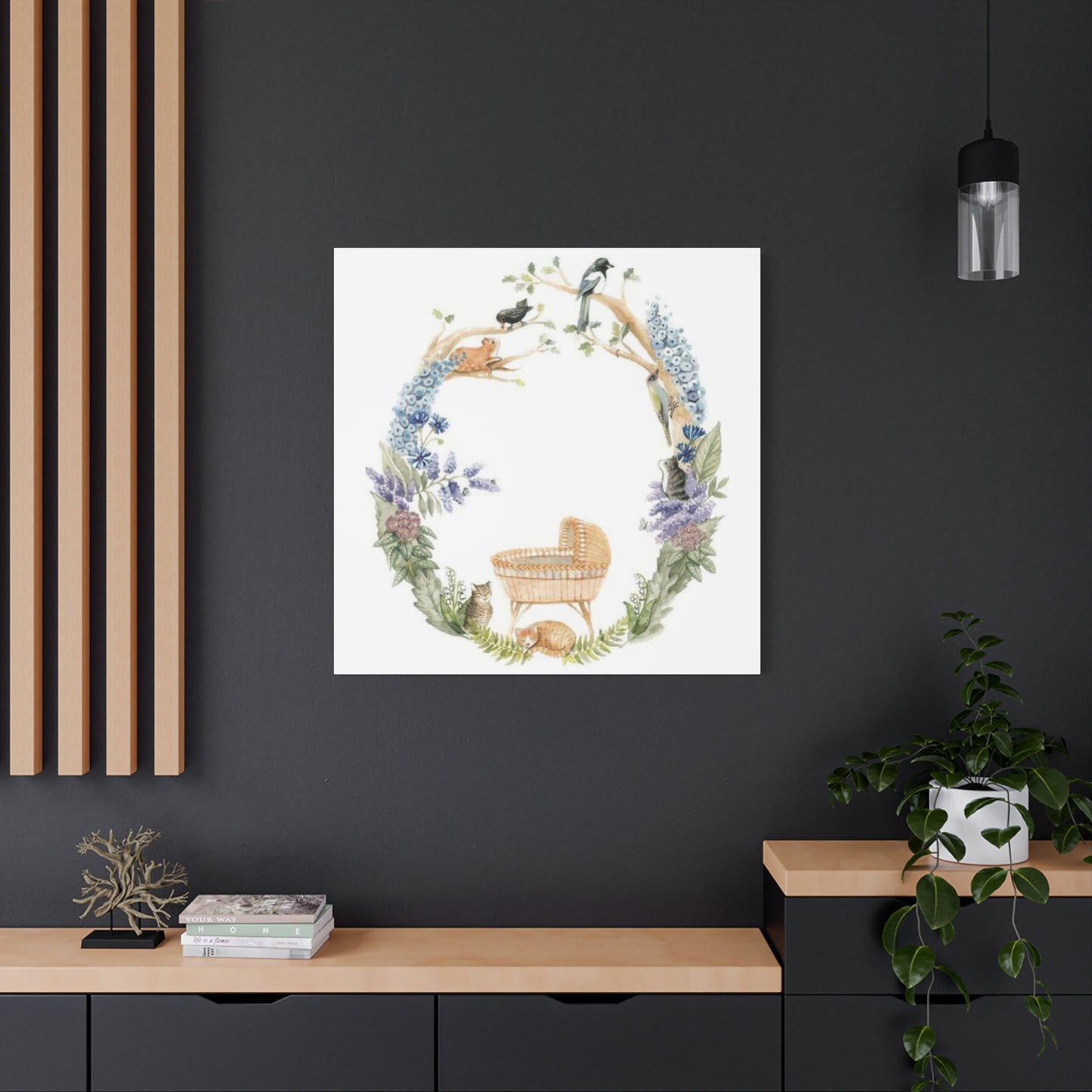


Fairy Animals Wall Art & Canvas Prints
Fairy Animals Wall Art & Canvas Prints
Couldn't load pickup availability
Stunning Woodland Creatures and Magical Forest Companions: Creating Dreamy Spaces with Fairy Animals Wall Art
The realm of interior design has witnessed a remarkable surge in the popularity of whimsical décor elements that transport viewers into mystical worlds filled with wonder and imagination. Among these captivating design choices, fairy animals wall art stands as a particularly enchanting option that brings together the ethereal beauty of mythical creatures with the innocent charm of woodland inhabitants. This comprehensive exploration delves into the multifaceted world of decorative pieces featuring magical creatures, examining their impact on living spaces, the psychology behind their appeal, and practical considerations for incorporating them into various environments.
The Enduring Fascination with Mythical Woodland Beings in Contemporary Décor
Throughout human civilization, stories of magical creatures dwelling in forests have captivated hearts and minds across cultures. These narratives have evolved from ancient folklore into contemporary design elements that continue to resonate with people of all ages. The modern interpretation of these mystical beings in decorative pieces represents a bridge between ancestral storytelling traditions and current aesthetic preferences.
The visual representation of enchanted forest dwellers in wall décor serves multiple purposes beyond mere ornamentation. These pieces function as portals to imaginative realms, offering viewers a momentary escape from the mundane aspects of daily existence. Whether depicting rabbits with gossamer wings, deer adorned with ethereal crowns, or foxes surrounded by luminous particles, each artwork tells a silent story that invites contemplation and wonder.
The contemporary marketplace offers an astounding variety of styles, from watercolor interpretations featuring soft pastel hues to bold digital renderings with vibrant colors that command attention. Artists specializing in this genre often blend realistic animal anatomy with fantastical elements, creating hybrid creatures that feel simultaneously familiar and otherworldly. This delicate balance appeals to collectors who appreciate both naturalistic accuracy and imaginative embellishment.
Interior designers have increasingly recognized the versatility of fairy animals wall art as a design element capable of transforming spaces without overwhelming them. Unlike more imposing décor choices, these pieces often possess a gentle quality that complements rather than dominates a room's aesthetic. The subtle magic inherent in these artworks makes them particularly suitable for creating environments that feel both sophisticated and approachable.
Discovering the Perfect Enchanted Creature Imagery for Different Living Spaces
Selecting appropriate wall décor requires careful consideration of multiple factors, including room dimensions, existing color schemes, lighting conditions, and the intended emotional atmosphere. When choosing pieces featuring mystical woodland creatures, these considerations become even more nuanced due to the inherent whimsy and fantasy elements involved.
For nurseries and children's bedrooms, softer interpretations featuring gentle colors and friendly-faced creatures prove most suitable. These spaces benefit from artwork that stimulates imagination while maintaining a calming influence conducive to rest. Pieces depicting bunnies with delicate wings nestled among flowers or fawns surrounded by twinkling stars create an environment that feels safe and magical simultaneously.
Living rooms and common areas can accommodate bolder interpretations of enchanted animal imagery. Larger canvases featuring majestic stags with antlers adorned with crystalline formations or wise owls perched among moonlit branches serve as conversation starters while adding visual interest to expansive walls. The scale of these pieces should correspond to the room's proportions, ensuring they enhance rather than overpower the space.
Home offices and creative studios benefit from inspirational imagery that sparks imagination without causing distraction. Medium-sized pieces featuring industrious squirrels with shimmering tails or thoughtful hedgehogs surrounded by magical tomes can provide visual breaks during work sessions while reinforcing a sense of wonder that fuels creativity.
Bathrooms and powder rooms, often overlooked in decorating schemes, present unique opportunities for incorporating whimsical elements. Smaller pieces featuring aquatic-adjacent magical creatures such as otters with iridescent fur or frogs wearing tiny crowns add unexpected delight to these functional spaces. The moisture-resistant qualities of certain printing methods make this placement practical as well as charming.
Guest bedrooms should feature universally appealing imagery that welcomes visitors without imposing specific taste preferences. Subtle compositions featuring single enchanted creatures against neutral backgrounds strike an appropriate balance between personality and flexibility. These pieces demonstrate thoughtful attention to décor while respecting diverse aesthetic sensibilities.
Color Schemes and Artistic Styles in Magical Creature Portraiture
The palette selection in fairy animals wall art significantly influences its impact on surrounding environments. Understanding color psychology helps in choosing pieces that achieve desired emotional effects while harmonizing with existing décor elements.
Pastel palettes dominated by soft pinks, lavenders, mint greens, and powder blues create serene atmospheres ideal for relaxation spaces. These gentle hues evoke the tender moments of dawn in enchanted forests, bringing a sense of peace and tranquility. Artwork featuring baby animals in these color schemes particularly appeals to those seeking to establish calm, nurturing environments.
Earth tone collections incorporating warm browns, deep greens, terracotta oranges, and golden yellows ground spaces with natural warmth. These palettes reference the actual forest environments where these creatures might dwell, creating connections to nature even in urban settings. The richness of these colors adds depth and sophistication, making them suitable for more mature decorating schemes.
Jewel tone interpretations featuring sapphire blues, emerald greens, ruby reds, and amethyst purples introduce drama and luxury. These vibrant choices work particularly well in spaces designed to make bold statements. When magical creatures are rendered in these intense colors, they take on an almost regal quality, suggesting enchanted kingdoms and mystical nobility.
Monochromatic and neutral schemes shouldn't be overlooked when considering magical creature artwork. Black and white illustrations with careful attention to line work and shading offer timeless elegance. These pieces allow the subject's form and composition to take center stage without competing with surrounding colors. They integrate seamlessly into minimalist designs while maintaining their whimsical subject matter.
Metallic accents within fairy animals wall art add another dimension of visual interest. Gold leafing on antlers, silver highlights on wings, or copper tones in fur details catch light dynamically throughout the day. These luminous touches enhance the magical quality of subjects while adding luxury to compositions.
Material Considerations and Printing Methods for Long-Lasting Enchantment
The physical medium through which magical creature imagery manifests significantly affects both appearance and longevity. Understanding various printing methods and material substrates helps collectors make informed decisions that balance aesthetic preferences with practical considerations.
Canvas prints remain perpetually popular due to their painterly appearance and substantial presence. The texture of canvas lends itself particularly well to certain artistic styles, especially those mimicking traditional painting techniques. Gallery-wrapped canvases that continue the image around frame edges create polished, ready-to-hang presentations without requiring additional framing. The durability of quality canvas prints ensures years of enjoyment without fading or deterioration when produced with archival inks.
Paper prints offer versatility and affordability while accommodating diverse framing options. Fine art papers with textured surfaces can enhance the handcrafted quality of illustrations, while smooth papers suit crisp digital renderings. The framing choices for paper prints range from simple black frames for contemporary looks to ornate gilded frames for vintage-inspired presentations. Behind glass or acrylic, properly stored paper prints maintain their vibrancy indefinitely.
Metal prints represent a modern option delivering striking vibrancy and unusual visual impact. The printing process infuses inks directly into specially coated aluminum sheets, resulting in images with exceptional depth and luminosity. For fairy animals wall art, this medium makes colors appear almost illuminated from within, enhancing the magical quality of subjects. The sleek, contemporary presentation suits modern interiors particularly well.
Wood panel prints combine rustic charm with artistic imagery, creating unique hybrid pieces. The natural grain pattern visible through semi-transparent printing adds organic texture that complements the nature-based subjects. These pieces work beautifully in spaces incorporating other natural materials like exposed beams, stone features, or abundant plants.
Acrylic face-mounting creates gallery-quality presentations with museum-level impact. This process bonds prints to clear acrylic sheets, resulting in remarkable depth and color saturation. Light passes through the acrylic before reflecting off the print, creating an almost three-dimensional effect. While representing a higher investment, these pieces make stunning focal points in prominent locations.
Fabric wall hangings including tapestries offer textile warmth and acoustic benefits beyond visual appeal. Woven or printed fabric pieces featuring enchanted creatures bring softness to spaces dominated by hard surfaces. These work particularly well in bohemian, eclectic, or globally inspired decorating schemes. Their lightweight nature facilitates frequent rearrangement and seasonal rotation.
Creating Cohesive Gallery Walls with Mixed Magical Themes
Gallery walls featuring multiple pieces of fairy animals wall art create dramatic focal points while allowing for creative expression through curation and arrangement. Successfully executing these displays requires thoughtful planning regarding theme consistency, spacing, and compositional balance.
Thematic coherence can be achieved through various unifying elements beyond subject matter alone. Restricting the collection to a specific color palette creates visual harmony even when individual pieces vary in style or depict different creatures. Alternatively, maintaining consistent artistic style across varied subjects and colors produces unified impact. Some collectors prefer single-creature themes featuring various interpretations of foxes, owls, or rabbits across multiple pieces.
Arrangement patterns significantly influence gallery wall impact. Symmetrical grids create orderly, predictable presentations suited to formal spaces or minimalist aesthetics. Asymmetrical organic arrangements feel more dynamic and contemporary, mimicking the irregular patterns found in nature itself. The salon-style approach, with varied frame sizes and tight spacing, creates dense visual interest appropriate for maximalist designs.
Spacing between pieces affects readability and overall impression. Closer spacing creates unified impact, making the collection feel like a single installation rather than separate pieces. Wider spacing allows each work to stand alone while maintaining collective relationship. Standard spacing ranges from two to four inches between frames, though personal preference and available wall space should guide final decisions.
Anchoring gallery walls with a central focal piece provides organizational structure. This dominant work, typically larger or more visually commanding, serves as the arrangement's heart around which other pieces orbit. In fairy animals wall art collections, this might be an elaborate scene depicting multiple creatures in a detailed forest setting, with smaller individual creature portraits surrounding it.
Incorporating varying frame depths adds dimensional interest to otherwise flat displays. Floating some pieces slightly forward of others creates shadow play and emphasizes particular works. This layering effect suits contemporary spaces and prevents gallery walls from appearing too uniform or predictable.
Testing arrangements before committing to nail placement prevents frustration and wall damage. Creating paper templates matching frame dimensions allows experimenting with configurations on the floor before transferring the successful arrangement to the wall. Alternatively, hanging pieces using easily adjustable systems facilitates ongoing refinement until the ideal configuration emerges.
The Influence of Enchanted Creature Imagery on Mood and Atmosphere
Environmental psychology research demonstrates that visual surroundings significantly impact emotional states, cognitive function, and overall wellbeing. Understanding how fairy animals wall art influences these factors helps in strategically placing pieces to achieve desired atmospheric effects.
Imagery featuring gentle, approachable creatures with soft features activates nurturing instincts and promotes feelings of safety and comfort. These responses occur subconsciously, influencing mood without requiring conscious recognition. Spaces decorated with sweet-faced woodland animals often feel more welcoming and less intimidating, making them ideal for areas where relaxation or vulnerability occurs.
The fantasy elements inherent in magical creature depictions stimulate imagination and creative thinking. Exposure to whimsical imagery can temporarily shift mental states away from rigid, logical thinking patterns toward more fluid, associative thought processes. This makes such artwork valuable in creative workspaces, playrooms, and anywhere innovative thinking should be encouraged.
Nature-based imagery, even when fantastical, provides documented psychological benefits associated with biophilic design principles. Visual connection to natural elements, including animals and forests, reduces stress markers, lowers blood pressure, and improves concentration. The magical embellishments in fairy animals wall art don't diminish these benefits; they may actually enhance engagement by making nature imagery more intriguing and worthy of sustained attention.
Color psychology plays a crucial role in how these pieces affect mood. Cool-toned artworks featuring blues and greens promote calmness and mental clarity, while warm-toned pieces with reds and oranges energize and invigorate. The specific hues within fairy animals wall art should align with intended room functions and desired emotional atmospheres.
Nostalgic elements in enchanted creature imagery can evoke positive memories of childhood, bedtime stories, and simpler times. This nostalgic connection provides comfort and emotional grounding, particularly valuable in increasingly complex modern lives. For adults, these pieces offer permission to maintain connection with childhood wonder without appearing immature.
Commissioning Custom Pieces Featuring Personal Visions of Magical Creatures
While mass-produced fairy animals wall art offers convenience and affordability, commissioning original artwork provides opportunities for truly personalized pieces reflecting specific visions, memories, or symbolic meanings. Understanding the commissioning process helps ensure satisfactory outcomes.
Identifying the right artist begins with exploring portfolios to find stylistic matches with personal aesthetic preferences. Some artists specialize in realistic renderings with subtle magical touches, while others create highly stylized, illustrative interpretations. The chosen artist's existing body of work should demonstrate both skill level and artistic sensibility aligned with the envisioned piece.
Communication clarity proves essential during initial consultations. Providing reference images, color palette preferences, size specifications, and detailed subject descriptions helps artists understand expectations. Discussing symbolic meanings or emotional intentions behind the commission ensures the final piece carries desired significance beyond mere visual appeal.
Budget transparency from the outset prevents misunderstandings and disappointment. Custom artwork pricing reflects factors including piece size, medium complexity, artist reputation, and project timeline. Reputable artists provide detailed quotes explaining cost breakdowns and payment schedules. While custom pieces represent greater investment than prints, the resulting unique artworks often become cherished heirlooms with personal significance transcending monetary value.
Timeline expectations should be established during initial agreements. Custom creation requires substantial time for conceptualization, execution, revisions, and drying or finishing processes. Rushing artists typically compromises quality, so patience during the creation process yields superior results. Most artists provide progress updates at key milestones, allowing clients to feel involved without interfering with creative flow.
Revision policies require upfront clarification. Most artists include a specified number of revision rounds within base pricing, with additional changes incurring extra fees. Understanding these parameters before project commencement prevents disputes during creation. Providing comprehensive initial direction minimizes revision necessity while respecting artistic expertise regarding compositional and technical decisions.
Seasonal Rotation and Thematic Flexibility in Enchanted Décor
Rotating decorative elements seasonally keeps living spaces feeling fresh and responsive to changing moods throughout the year. Fairy animals wall art lends itself particularly well to this practice due to the variety of seasonal interpretations available.
Spring collections might feature baby animals with delicate wings emerging from flower blossoms, representing renewal and new beginnings. Pastel palettes dominated by soft pinks, yellows, and greens complement seasonal floral arrangements and lighter textiles. Creatures associated with spring rebirth, such as rabbits, lambs, and birds, carry particularly appropriate symbolism during these months.
Summer selections could emphasize vibrant colors, energetic compositions, and sun-drenched forest scenes. Magical creatures depicted in lush, fully-leaved environments reflect the season's abundance. Warmer color palettes featuring golden yellows, bright greens, and sky blues mirror longer days and outdoor activities. More playful, active creature poses suit summer's energetic atmosphere.
Autumn displays might incorporate rich jewel tones, harvest gold accents, and creatures surrounded by falling leaves or harvest elements. Foxes, owls, and squirrels feel particularly seasonally appropriate during these months. The inherent coziness of autumn aligns beautifully with the comforting quality of enchanted woodland imagery. Incorporating metallic copper and bronze tones enhances autumnal warmth.
Winter collections can embrace cool palettes featuring icy blues, silvers, and whites, depicting creatures in snow-dusted forests or surrounded by crystalline elements. Deer with frosted antlers, arctic foxes with shimmering coats, or owls perched among snow-laden branches capture winter's quiet magic. These pieces complement holiday decorations while maintaining appeal throughout the entire season.
Storage solutions for off-season pieces protect investments while facilitating easy rotation. Acid-free tissue paper, climate-controlled spaces, and proper stacking prevent damage during storage periods. Labeling storage containers by season streamlines the rotation process, making it a simple pleasure rather than a burdensome chore.
Incorporating Enchanted Creature Imagery in Commercial Spaces
Businesses increasingly recognize the value of thoughtful décor in creating welcoming environments that align with brand identities. Fairy animals wall art offers unique advantages in commercial settings ranging from retail stores to professional offices.
Pediatric medical facilities benefit enormously from whimsical, comforting imagery that reduces anxiety in young patients. Waiting rooms decorated with friendly magical creatures create less intimidating atmospheres, potentially improving cooperation during examinations. The gentle fantasy elements provide welcome distraction from medical concerns while avoiding overstimulation that might heighten anxiety.
Boutique retail environments selling children's merchandise, metaphysical supplies, or eco-friendly products find fairy animals wall art reinforces brand messaging while creating memorable shopping experiences. These pieces contribute to distinctive store identities that differentiate businesses from generic competitors. Customers often remember unique décor elements, improving brand recall and encouraging return visits.
Hospitality venues including bed and breakfasts, boutique hotels, and themed restaurants utilize enchanted creature imagery to establish distinctive atmospheres that enhance guest experiences. These pieces contribute to the storytelling aspects of hospitality design, creating environments that feel thoughtfully curated rather than generically decorated. Social media-worthy décor elements encourage organic marketing through guest photography and sharing.
Creative industry offices housing design firms, advertising agencies, or publishing companies benefit from inspirational imagery that stimulates imagination. Fairy animals wall art in collaborative spaces can spark creative discussions and signal company cultures valuing innovation and outside-the-box thinking. The playful yet sophisticated nature of quality pieces strikes appropriate balances for professional yet creative environments.
Wellness centers, yoga studios, and holistic therapy practices find mystical nature imagery aligns with their philosophical approaches. These pieces support the mind-body-spirit connections central to wellness philosophies while creating visually peaceful environments conducive to healing and self-reflection. The nature-based subjects reinforce connections between human wellbeing and natural world harmony.
Pairing Enchanted Artwork with Complementary Décor Elements
Maximizing the impact of fairy animals wall art involves thoughtfully coordinating surrounding décor elements that enhance rather than compete with featured pieces. Strategic pairing creates cohesive environments where individual elements combine into harmonious wholes.
Textile selections including throw pillows, blankets, and curtains can echo colors, textures, or themes present in wall art. A piece featuring a rabbit with lavender-tinted wings might be complemented by velvet pillows in coordinating purple hues. Similarly, artwork depicting forest scenes pairs beautifully with linen textiles in natural earth tones, reinforcing nature-inspired themes.
Lighting choices dramatically affect how artwork appears and how effectively it sets room moods. Picture lights mounted above pieces draw attention while allowing color and detail appreciation even in dimly lit spaces. Alternatively, strategic placement of floor or table lamps creates ambient lighting that flatters both artwork and surrounding spaces. Fairy lights or string lights can create literal magical ambiance that echoes the enchanted quality of featured creatures.
Furniture placement should consider artwork visibility and compositional balance. Centering wall art above sofas, beds, or consoles creates intentional focal points that anchor furniture arrangements. Alternatively, asymmetrical placements can balance visual weight from large furniture pieces on opposite walls. The scale relationship between furniture and artwork requires attention; oversized pieces above delicate furniture can feel top-heavy, while tiny artworks above substantial pieces may appear insignificant.
Accessory collections displayed on shelves or mantels can extend themes introduced by wall art without literal repetition. A piece featuring an owl with mystical qualities might be complemented by a shelf display including vintage books, crystal formations, and dried botanicals rather than obvious owl figurines. This subtle thematic reinforcement feels sophisticated and curated.
Plant selections bring living natural elements that harmonize with nature-based wall art subjects. Trailing pothos, delicate ferns, or flowering plants create dimensional connections between two-dimensional artwork and three-dimensional living spaces. The organic forms of plants naturally complement illustrated flora in enchanted forest scenes.
Rug selections ground spaces while offering additional opportunities for color coordination and textural interest. A plush, high-pile rug in a neutral tone allows artwork to command attention, while a patterned rug incorporating similar hues to the artwork creates visual dialogue between floor and wall. The textural softness of rugs complements the gentle qualities often present in magical creature imagery.
Preserving and Protecting Fairy Animals Wall Art from Environmental Damage
Proper care ensures that treasured pieces maintain their beauty and value over time. Understanding potential threats and implementing protective measures prevents premature deterioration and damage.
Light exposure represents the most significant threat to artwork longevity. Both natural sunlight and certain artificial lighting contain ultraviolet rays that fade pigments and degrade materials over time. Positioning pieces away from direct sunlight prevents this damage, while UV-filtering glass in frames provides additional protection. LED lighting produces minimal UV radiation compared to incandescent or fluorescent bulbs, making it preferable for illuminating artwork.
Humidity fluctuations cause materials to expand and contract, potentially leading to warping, cracking, or delamination. Maintaining consistent humidity levels between forty and sixty percent protects most artworks effectively. In particularly dry or humid climates, whole-house humidification or dehumidification systems may be necessary. Avoiding placement in bathrooms without proper ventilation prevents moisture-related damage.
Temperature stability matters nearly as much as humidity control. Dramatic temperature swings stress materials and accelerate deterioration. Avoiding placement near heating vents, fireplaces, or exterior walls subject to temperature transfer helps maintain stable conditions. Storage spaces for rotated pieces should also maintain moderate, stable temperatures.
Dust accumulation dulls colors and can cause abrasion during cleaning if particles are rubbed across surfaces. Regular gentle dusting using soft, clean microfiber cloths prevents buildup. For glass-covered pieces, appropriate glass cleaner applied to the cloth rather than directly on the frame prevents liquid damage. Canvas and other unprotected surfaces require even gentler approaches, such as soft artist brushes that lift rather than drag dust.
Smoke exposure from cigarettes, candles, or fireplaces deposits residues that yellow and dull artwork over time. Keeping pieces away from smoke sources preserves their original appearance. In homes where these elements are present, enhanced ventilation and air filtration help protect collections.
Pest prevention protects paper-based artworks from insect damage. Regular inspection for signs of infestation allows early intervention before significant damage occurs. Maintaining clean environments and addressing moisture issues that attract pests provides primary prevention. For valuable pieces, professional conservation assessment may be warranted.
Understanding Symbolism and Meaning in Magical Creature Depictions
The creatures chosen for enchanted artwork often carry symbolic significance beyond their visual appeal. Recognizing these meanings adds depth to artwork selection and placement decisions.
Rabbits and hares appear frequently in mystical traditions representing fertility, abundance, intuition, and cycles of renewal. Their association with the moon connects them to feminine energy, emotional wisdom, and the subconscious realm. Artwork featuring magical rabbits might be particularly meaningful in spaces dedicated to creativity, meditation, or new beginnings.
Deer and stags symbolize gentleness, grace, spiritual awareness, and connection to natural cycles. Their antlers represent branches reaching toward higher consciousness and divine connection. Enchanted deer imagery brings peaceful, contemplative energy appropriate for meditation spaces or bedrooms where tranquility is valued.
Owls have long represented wisdom, intuition, the ability to see what others miss, and comfort with the mysterious unknown. Their nocturnal nature connects them to moon energy, dreams, and shadow work. Mystical owl artwork suits study areas, libraries, or spaces where deep thinking and learning occur.
Foxes symbolize cleverness, adaptability, observation skills, and the ability to navigate between worlds. Their liminal nature as creatures of dawn and dusk connects them to threshold spaces and transition periods. Magical fox imagery might appeal to those navigating life changes or seeking to develop strategic thinking abilities.
Squirrels represent preparation, resourcefulness, playfulness, and trust in abundance. Their gathering behavior symbolizes planning and foresight balanced with living in the present moment. Enchanted squirrel artwork brings lighthearted energy while subtly encouraging practical wisdom and joyful industry.
Bears embody strength, introspection, grounding, and the wisdom found in solitude and rest. Their hibernation cycle connects them to renewal through withdrawal and the courage to emerge transformed. Magical bear imagery suits spaces for rest, reflection, or accessing inner strength.
Birds of various species carry diverse symbolic meanings. Cardinals represent vitality and life force, bluebirds symbolize happiness and contentment, ravens connect to magic and transformation, and hummingbirds embody joy and adaptability. The specific bird depicted in fairy animals wall art adds particular energetic qualities to spaces.
Exploring Cultural Variations in Enchanted Woodland Creature Traditions
Different cultural traditions offer varied interpretations of magical forest dwellers, enriching the diversity available in contemporary fairy animals wall art. Understanding these variations allows for more culturally informed collecting and appreciation.
European folklore traditions feature heavily in modern interpretations, with Germanic and Celtic influences particularly prominent. The Scandinavian aesthetic of hygge has influenced softer, cozier renderings of enchanted creatures in muted palettes. British traditions contribute formal garden fairy imagery, while Scottish and Irish legends offer mystical creatures with stronger ties to untamed wilderness.
Native American traditions honor animals as spiritual guides and teachers, each carrying specific medicine and wisdom. While authentic indigenous artwork should be sourced directly from native artists within their cultural contexts, the reverence for animal spirits influences broader contemporary interpretations. Understanding the respectful boundaries around cultural appropriation versus cultural appreciation remains important in this realm.
Asian artistic traditions contribute distinctive aesthetics including Japanese kawaii cute culture, which influences illustrative styles featuring wide-eyed creatures with exaggerated adorable features. Chinese artistic traditions bring symbolic associations and compositional principles that influence contemporary mystical animal portraiture. The concept of chi or life force energy informs depictions emphasizing flowing movement and harmonious balance.
Latin American magical realism influences art that blends natural and supernatural elements seamlessly, without clear boundaries between ordinary and enchanted. The vibrant color palettes traditional in these cultures bring particular energy to mystical creature depictions. Folk art traditions featuring stylized, decorative animal representations offer distinctive aesthetic alternatives to European-influenced illustration styles.
African artistic traditions emphasizing geometric patterns, bold colors, and stylization influence contemporary interpretations that move away from strictly realistic rendering toward more decorative, patterned approaches. The rich storytelling traditions featuring animal characters with human qualities inform narrative aspects of enchanted creature depictions.
Digital Versus Traditional Media in Creating Enchanted Creature Artwork
The tools and methods artists employ significantly influence the final appearance and qualities of fairy animals wall art. Understanding differences between digital and traditional media helps collectors appreciate the distinct characteristics each approach offers.
Traditional media including watercolors, oils, acrylics, colored pencils, and pastels each impart unique textural qualities impossible to perfectly replicate digitally. Watercolors create soft, flowing effects with characteristic granulation and bleeding that suit ethereal subjects. The transparency and luminosity of watercolor perfectly captures the delicate, otherworldly quality of magical creatures. Original watercolor pieces or high-quality reproductions retaining visible paper texture offer particular charm.
Oil painting provides rich color saturation, subtle blending capabilities, and visible brushwork that adds tactile interest. The traditional fine art association of oil paintings lends gravitas to fantastical subjects, elevating them from illustration to fine art. The longer working time oils allow enables detailed rendering and complex layering that creates depth and luminosity.
Acrylic painting offers versatility, vibrant colors, and the ability to achieve both transparent watercolor effects and opaque oil-painting qualities. The faster drying time compared to oils enables quicker completion while maintaining painting's tactile, handcrafted appearance. Many contemporary artists working in fantasy genres favor acrylics for their flexibility and brilliant color intensity.
Colored pencil work enables extraordinary detail and control, perfect for rendering fine fur texture, delicate wing patterns, and intricate forest settings. The time-intensive nature of colored pencil art results in pieces with meticulous attention to detail that rewards close viewing. The slight texture from pencil strokes adds to the handcrafted quality that distinguishes original or traditionally created art.
Digital illustration tools offer unprecedented flexibility, limitless color options, perfect symmetry capabilities, and easy revision processes. Artists can experiment endlessly without material waste, facilitating creative exploration. The precision possible in digital work enables crisp details and flawless gradients. Modern printing technology reproduces digital art with remarkable fidelity, making it practically indistinguishable from traditional media in final printed form.
Hybrid approaches combining traditional and digital methods leverage the strengths of each. Artists might create initial drawings traditionally, then scan and color digitally, or begin compositions digitally before adding traditional media for final touches. These mixed-method pieces bridge the handmade and contemporary, appealing to collectors valuing both traditional artistry and modern innovation.
The original versus reproduction consideration matters to some collectors while remaining irrelevant to others. Original traditional media pieces carry unique value as one-of-a-kind creations, with subtle variations and visible artist's hand. Digital art exists originally as data files, making every print equally "original" in one sense, yet none carrying the uniqueness of a singular painted piece. Understanding personal priorities regarding originality informs collecting decisions.
Price Points and Value Considerations Across the Enchanted Art Market
The fairy animals wall art market encompasses extraordinary range in both pricing and value propositions. Understanding factors influencing cost helps collectors make informed purchasing decisions aligned with budgets and priorities.
Mass-produced prints represent the most affordable entry point, with pieces available from minimal investment upward. These reproductions of existing artwork offer accessibility to beautiful imagery without significant financial commitment. The trade-off involves owning something duplicated thousands of times rather than something unique or limited. For decorating rental spaces, children's rooms likely to see rough treatment, or those building initial collections, affordable prints provide excellent value.
Limited edition prints occupy a middle ground between mass production and original art. Artists create specified numbers of prints, often hand-signing and numbering each. Once the edition sells out, no additional prints are produced, creating scarcity that maintains value. Collectors seeking investment potential alongside aesthetic appeal often favor limited editions from established or emerging artists showing promise.
Original artwork represents the highest investment but offers unique ownership of singular pieces. Factors influencing original art pricing include artist reputation and career stage, piece size and medium complexity, subject matter detail, and current market demand. Emerging artists offer more accessible original work pricing, while established names command premium prices. Original pieces often appreciate over time, particularly from artists whose careers continue ascending.
Artist reputation significantly influences pricing across all categories. Unknown or emerging artists price work lower to attract buyers and build followings. Mid-career artists with established but not celebrity status offer quality at moderate prices. Famous artists command premium pricing, with costs reflecting brand recognition as much as artistic merit. Determining which tier aligns with budget and collecting goals guides purchasing decisions.
Size considerations affect both pricing and visual impact. Small pieces suit tight spaces and budgets but may lack commanding presence in larger rooms. Medium pieces offer versatility and reasonable pricing for good visual impact. Large statement pieces command attention and higher prices but transform spaces dramatically. Collectors should consider both spatial requirements and budget when sizing selections.
Medium and printing method influence both appearance and cost. Canvas prints typically cost more than paper due to material expenses and gallery-wrap finishing. Metal and acrylic prints command premium prices reflecting specialized production processes. Original traditional media pieces vary widely based on materials used and time invested. Understanding why prices vary helps assess value relative to alternatives.
Framing represents additional investment often overlooked in budget planning. Quality framing significantly impacts presentation and can cost as much or more than affordable prints themselves. Custom framing for non-standard sizes increases expenses further. Some collectors initially purchase unframed pieces, adding frames gradually as budgets allow, while others prioritize complete presentation from the start.
Licensing and copyright considerations affect prices and legal use rights. Some affordable prints are produced without proper licensing, potentially exposing buyers to legal issues while depriving artists of rightful income. Purchasing from reputable sources ensuring artists receive fair compensation costs slightly more but provides ethical assurance and legal protection.
Discovering and Supporting Independent Artists in the Enchanted Genre
The proliferation of online platforms has democratized art distribution, allowing independent creators to reach global audiences without traditional gallery representation. This shift benefits both artists and collectors, creating direct relationships and more equitable value exchange.
Online marketplaces specializing in independent art provide curated collections from emerging and established artists working in fantasy genres. These platforms handle transactions, production, and shipping while promoting artists through their marketing efforts. Collectors benefit from vetted quality and purchase protection, while artists access audiences they couldn't reach independently. Commission structures vary, affecting final prices and artist compensation.
Social media platforms function as portfolio spaces where artists build followings and sell work directly. Following artists whose aesthetic resonates provides regular exposure to new work and opportunities to purchase originals or limited prints directly. The personal connection possible through social media adds meaning to acquisitions, as collectors often feel invested in artists' journeys and successes.
Online art communities and forums dedicated to fantasy and fantastical art facilitate discovery and connection. Members share favorite artists, discuss trends, and sometimes organize group exhibitions or charity projects. Participating in these communities deepens appreciation while supporting the broader creative ecosystem.
Local art fairs, craft markets, and comic conventions often feature artists creating work in genres including magical creatures and fantasy subjects. Purchasing at these venues supports local creative economies while allowing direct interaction with creators. The ability to see work in person before purchasing provides quality assurance impossible through screen viewing.
Artist cooperative galleries operated by member artists rather than commercial owners offer alternative exhibition and sales venues. These democratic organizations provide lower overhead than traditional galleries, potentially offering better artist compensation and collector pricing. Supporting cooperatives strengthens community-based creative infrastructure.
Crowdfunding and patronage platforms enable collectors to directly support artists through subscriptions or project-based funding. These models provide artists with stable income enabling continued creation while giving supporters exclusive content, early access, or commissioned work opportunities. This relationship model builds meaningful connections transcending simple buyer-seller transactions.
Authenticity verification becomes important when collecting work by specific artists, particularly as reputations and values increase. Understanding hallmarks of genuine pieces versus reproductions or forgeries protects collectors from fraud. Certificates of authenticity, artist signatures, and purchasing from verified sources provide assurance. For valuable pieces, professional appraisal may be warranted.
Conclusion
Paradoxically, fantastical depictions of nature and wildlife can deepen appreciation for actual ecosystems and inspire conservation consciousness. Understanding this connection reveals deeper purposes fairy animals wall art might serve beyond decoration.
Visual engagement with nature-based imagery, even fantastical, activates the same neurological responses and emotional connections as real nature exposure. This phenomenon explains why nature scenes in windowless spaces reduce stress despite viewers' awareness they're viewing representations. Magical creature art intensifies engagement through novelty and imagination, potentially strengthening rather than diminishing nature connection.
Childhood exposure to enchanted woodland creatures through stories and imagery often plants seeds of environmental consciousness that flourish in adulthood. The emotional attachment developed to fictional forest dwellers transfers to concern for real habitats and animals. Adults who treasured enchanted animal stories in youth often demonstrate strong environmental values, suggesting these early influences have lasting impact.
The anthropomorphized qualities often present in magical creature depictions foster empathy by presenting animals as subjects with emotional lives rather than objects. This empathetic connection can expand to include real wildlife, increasing support for conservation efforts and reducing tolerance for environmental destruction. Artwork that captures personality and emotion in animal subjects particularly succeeds in building these empathetic bridges.
Messaging opportunities exist within enchanted creature art to explicitly support environmental causes. Artists increasingly create pieces where proceeds benefit conservation organizations, or that include symbolic elements referencing threatened species or endangered habitats. Collectors can seek out work where aesthetic values align with ethical commitments to environmental protection.
Educational extensions from decorative pieces can deepen nature connections. Parents might use magical creature artwork as starting points for discussions about real animals, their habitats, and conservation challenges. A piece featuring an enchanted owl could launch conversations about actual owl species, their ecological roles, and threats they face. This approach makes environmental education feel organic rather than didactic.
Share