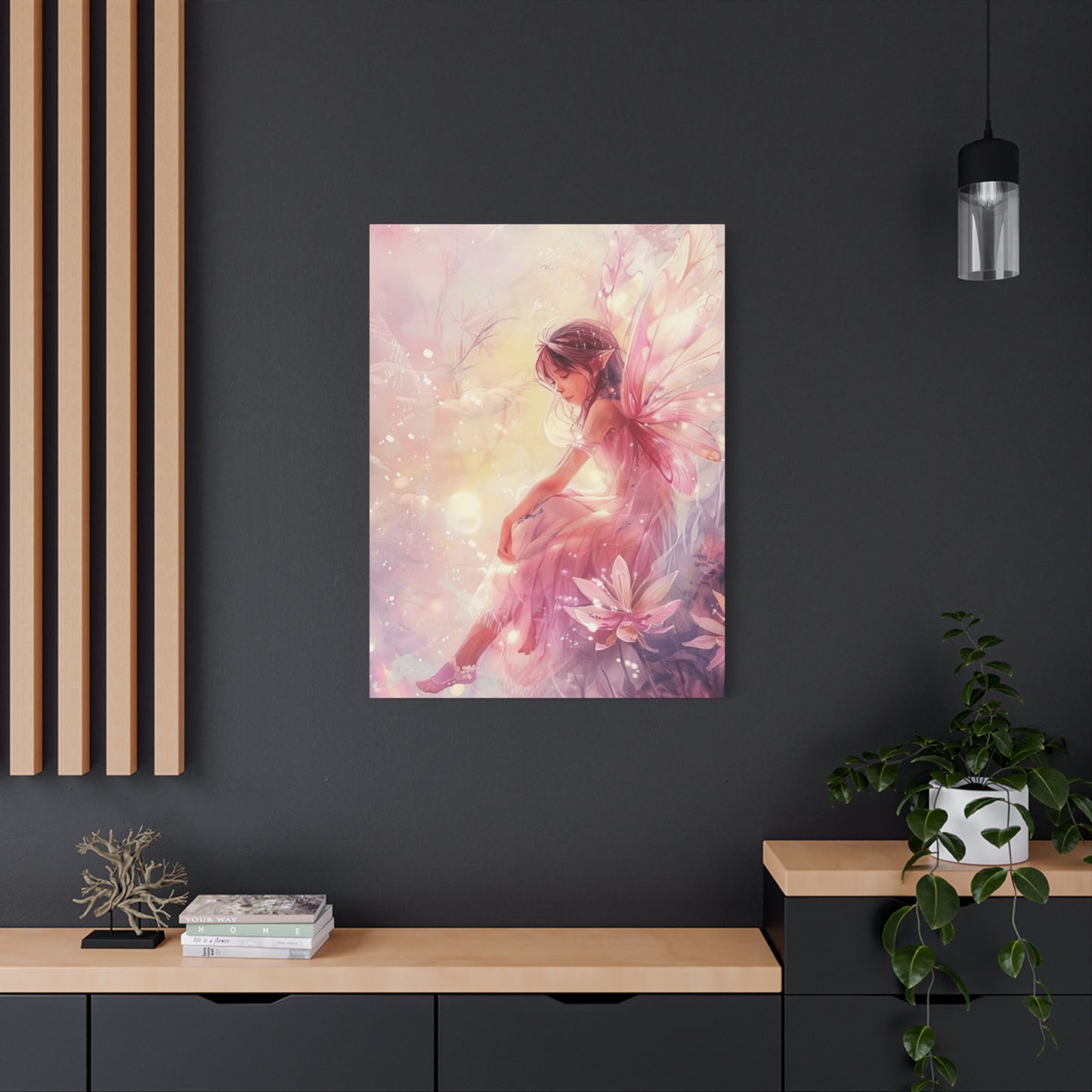


Fairies Wall Art & Canvas Prints
Fairies Wall Art & Canvas Prints
Couldn't load pickup availability
Enchanting Fairies Wall Art: Discover the Magic of Ethereal Decor for Every Living Space
The realm of mystical creatures has captivated human imagination for centuries, and among these enchanting beings, winged sprites hold a special place in our hearts and homes. When you incorporate fairies wall art into your living spaces, you're not merely adding decorative elements; you're inviting an atmosphere of wonder, whimsy, and timeless enchantment that transforms ordinary rooms into magical sanctuaries. These delicate representations of otherworldly beings bring a sense of lightness, grace, and supernatural beauty that resonates with both children and adults alike, creating an ambiance that transcends the mundane aspects of everyday life.
The allure of these ethereal decorations lies in their ability to transport viewers to realms beyond our physical reality, where imagination reigns supreme and possibilities become limitless. Whether you're decorating a nursery, a child's bedroom, a meditation space, or even a sophisticated living area, the right piece featuring these mythical creatures can serve as a focal point that sparks conversation, inspires creativity, and brings a touch of the extraordinary to your environment. The versatility of this decorative genre allows it to complement various interior design schemes, from vintage cottagecore aesthetics to modern minimalist approaches, proving that the appeal of these magical beings transcends stylistic boundaries.
Throughout this comprehensive exploration, we'll delve into the multifaceted world of these enchanting decorations, examining everything from their cultural significance and symbolic meanings to practical considerations for selecting, displaying, and caring for these treasured pieces. You'll discover how different artistic interpretations can evoke distinct emotional responses, learn about the various mediums and formats available, and gain insights into creating cohesive decorative schemes that celebrate the mystical while maintaining aesthetic harmony. By understanding the deeper dimensions of these artistic representations, you'll be better equipped to make informed choices that reflect your personal style and enhance the energy of your living spaces.
Unveiling the Mystical Origins and Cultural Significance Behind Winged Sprite Imagery
The fascination with diminutive winged beings extends far beyond contemporary decorating trends, reaching deep into the folklore and mythology of numerous cultures across the globe. These ethereal entities have populated human storytelling for millennia, appearing in the legends of Celtic tribes, the folklore of Germanic peoples, the tales of Slavic communities, and even in the mythologies of Middle Eastern and Asian civilizations. Each cultural tradition has contributed unique characteristics and narratives to our collective understanding of these beings, creating a rich tapestry of symbolism and meaning that continues to inform artistic representations today.
In Celtic mythology, the realm of the Sidhe represented a parallel dimension inhabited by supernatural beings who possessed powers beyond mortal comprehension. These entities were often depicted as guardians of natural spaces, protectors of sacred groves, and intermediaries between the human world and the divine. Their connection to nature, particularly to flowers, forests, and waterways, established associations that persist in contemporary artistic interpretations. The Celtic tradition emphasized the dual nature of these beings—capable of both benevolence and mischief—a complexity that adds depth to their representation in visual formats.
The Victorian era witnessed an unprecedented surge in the popularity of these mythical creatures, particularly in British society where they became central figures in literature, theater, and visual arts. Writers like William Shakespeare had already immortalized them in works such as "A Midsummer Night's Dream," but Victorian artists and illustrators took this fascination to new heights. Painters like Richard Dadd, John Anster Fitzgerald, and Arthur Rackham created intricate, detailed works that established visual conventions still influential today. These artists portrayed the beings with delicate wings reminiscent of insects, surrounded by botanical elements, and often engaged in mysterious nocturnal activities that suggested a secret world operating just beyond human perception.
The Victorian fascination wasn't merely aesthetic; it reflected deeper cultural currents including romanticism, spiritualism, and a desire to reconnect with nature during an era of rapid industrialization. These creatures represented an escape from the harsh realities of urban life, offering a glimpse into a more harmonious, magical existence. This same appeal continues to resonate in contemporary society, where stress and disconnection from nature remain prevalent concerns. When you choose fairies wall art for your home, you're participating in this long tradition of seeking enchantment and natural connection through artistic representation.
Different cultures have attributed varying symbolic meanings to these beings. In Irish folklore, they were associated with both blessing and warning, requiring respectful treatment to avoid their displeasure. Japanese mythology includes similar creatures called "yōsei," often associated with nature spirits and elemental forces. Scandinavian traditions speak of "huldra" and other forest spirits with characteristics overlapping with the common conception of these beings. This cross-cultural presence suggests that the archetype addresses universal human needs and experiences, making these decorative pieces meaningful across diverse backgrounds and belief systems.
The symbolic resonance of these creatures in modern contexts extends beyond their folkloric origins. They represent innocence, wonder, imagination, transformation, and the persistence of magic in a rationalized world. For children, they embody the possibility of extraordinary happenings in ordinary places, encouraging creativity and imaginative play. For adults, they may serve as reminders to maintain a sense of wonder, to notice the small beautiful details in life, or to believe in possibilities beyond the immediately visible. This multilayered symbolism makes fairies wall art particularly powerful as a decorative choice, capable of conveying meaning beyond mere aesthetic appeal.
Exploring the Diverse Artistic Styles and Visual Interpretations of Enchanted Beings
The world of artistic representations featuring these mystical creatures encompasses an extraordinary range of styles, each offering distinct aesthetic qualities and emotional resonances. Understanding these stylistic variations helps you select pieces that align with your personal preferences and complement your existing décor scheme. From classical Victorian-inspired illustrations to contemporary abstract interpretations, the spectrum of artistic approaches ensures that every enthusiast can find representations that speak to their individual sensibilities.
Traditional illustrative styles draw heavily from the Victorian era's romanticized depictions, characterized by meticulous detail, botanical accuracy, and a sense of narrative complexity. These pieces often feature the beings surrounded by recognizable flowers, mushrooms, and woodland creatures, creating intricate compositions that reward close examination. The color palettes tend toward muted earth tones punctuated by occasional jewel-like accents, evoking the ambiance of twilight forests and secret gardens. Artists working in this tradition frequently employ techniques reminiscent of classical watercolor painting or pen-and-ink illustration, creating works with a timeless quality that transcends passing trends.
Contemporary realism offers a different approach, applying modern artistic techniques to create representations that blend fantastical subjects with photorealistic execution. These pieces might depict the winged beings with such convincing detail that viewers momentarily question whether they might actually exist. This style often incorporates dramatic lighting, sophisticated color gradations, and careful attention to anatomical plausibility, creating a sense of presence and immediacy. Such works appeal to those who appreciate technical mastery and who desire representations that feel tangible despite their impossible subject matter.
Fantasy art styles embrace the overtly magical nature of these subjects, often featuring dramatic poses, vibrant color schemes, and elements drawn from gaming, literature, or cinematic influences. These interpretations might depict the beings in action—wielding magical powers, interacting with other mythical creatures, or engaged in epic narratives. The aesthetic tends toward the spectacular and emotionally charged, with heightened contrast, bold compositional choices, and an emphasis on visual impact. This approach resonates particularly well with those who enjoy immersive fantasy worlds and appreciate art that tells stories.
Minimalist and abstract interpretations strip away narrative complexity to focus on essential forms, colors, and compositional elements. These pieces might represent the creatures through simplified silhouettes, geometric shapes, or impressionistic suggestions of wings and movement. The color palettes in minimalist works often feature restrained selections that create sophisticated, modern impressions. Such pieces integrate seamlessly into contemporary interior design schemes where visual restraint and clean lines predominate. They offer the symbolic presence of these mythical beings without the visual complexity that might conflict with minimalist aesthetic principles.
Whimsical and illustrative styles emphasize charm, personality, and emotional accessibility, often with slightly exaggerated features, expressive faces, and endearing characteristics. These representations tend toward the friendly and approachable rather than the mysterious or ethereal, making them particularly suitable for children's spaces or environments where lightheartedness is desired. The color palettes are often bright and cheerful, with clear, uncomplicated compositions that communicate joy and playfulness. Artists working in this mode frequently draw inspiration from children's book illustration, animation, and folk art traditions.
Gothic and dark fantasy interpretations explore the mysterious, sometimes unsettling aspects of these beings, drawing from folklore traditions that emphasized their unpredictable or dangerous qualities. These pieces might feature muted color schemes, dramatic shadows, and compositional elements that create tension or unease. Rather than depicting innocent woodland sprites, these representations acknowledge the ancient belief in powerful supernatural beings who operated according to their own inscrutable rules. Such works appeal to those with darker aesthetic preferences or those interested in the fuller folkloric tradition beyond sanitized children's versions.
Art nouveau and art deco styles apply the distinctive visual languages of these historical movements to the subject matter, creating pieces with characteristic flowing lines, stylized organic forms, and decorative emphasis. Art nouveau interpretations particularly suit the subject matter, given that movement's emphasis on natural forms and graceful curves. These pieces often feature the beings integrated into elaborate border designs, surrounded by sinuous plant forms, and rendered with an emphasis on pattern and ornament. The resulting works possess vintage charm while maintaining strong graphic impact, making them versatile decorative elements.
The choice of artistic style for your fairies wall art significantly impacts the overall feeling it creates in your space. A Victorian-inspired piece might evoke nostalgia and romance, while a minimalist interpretation creates a modern, sophisticated impression. Consider not only your aesthetic preferences but also the emotional atmosphere you wish to cultivate when selecting among these diverse stylistic approaches.
Understanding the Various Mediums and Formats for Displaying Ethereal Creature Artwork
The medium through which these mystical beings are represented significantly affects both the visual impact and practical considerations of displaying such artwork in your home. Each format offers distinct advantages and presents unique considerations regarding placement, maintenance, and integration with existing décor elements. By understanding these differences, you can make informed choices that maximize both aesthetic satisfaction and practical functionality.
Canvas prints represent one of the most popular formats for displaying this type of artwork, offering a gallery-quality appearance with relatively modest investment. The texture of canvas lends itself particularly well to paintings and painterly images, creating depth and visual interest that flat prints cannot match. Canvas pieces typically arrive stretched over wooden frames, ready to hang without additional framing, which simplifies installation and reduces overall cost. The wrapped edges of gallery-wrapped canvas can either continue the image or feature solid colors, with the former creating a more finished appearance from all viewing angles. Canvas also offers excellent durability, resisting fading when produced with quality inks and maintaining structural integrity for years with minimal care.
Framed prints behind glass provide another classic presentation method, offering protection from dust, moisture, and physical damage while allowing for customized framing choices that complement your décor. This format works particularly well for watercolor-style images, detailed illustrations, and works where fine details deserve emphasis. The framing itself becomes part of the overall aesthetic statement, with options ranging from simple modern frames that recede visually to ornate vintage-style frames that enhance the artwork's presence. Matting within the frame creates visual breathing room around the image, preventing it from appearing cramped or overwhelming. The glass surface does require periodic cleaning to maintain clarity, but this protective barrier ensures the print itself remains pristine.
Metal prints have emerged as a striking contemporary option, featuring images printed directly onto aluminum sheets that create luminous, vibrant appearances with exceptional durability. The smooth, reflective surface of metal intensifies colors and creates a sense of depth that differs distinctly from canvas or paper. This format particularly suits contemporary or minimalist interiors where sleek, modern presentations are desired. Metal prints resist moisture, making them suitable for spaces where traditional prints might be vulnerable, such as bathrooms or areas with humidity concerns. The mounting systems for metal prints often create a floating appearance against walls, adding to their contemporary aesthetic impact.
Wooden wall art offers a rustic, textural alternative where images of these mystical creatures are printed or transferred onto wooden planks, creating a cottage or farmhouse aesthetic. The visible wood grain becomes part of the overall composition, adding warmth and organic quality that resonates with the natural associations of the subject matter. This format works beautifully in spaces embracing rustic, bohemian, or cottagecore design philosophies. The dimensional quality of wooden planks creates subtle shadows and depth that flat surfaces cannot achieve, making these pieces particularly interesting when viewed at different times of day as lighting conditions change.
Tapestries and fabric wall hangings provide a soft, textural alternative to rigid prints and paintings, creating a bohemian or medieval ambiance that suits the folkloric nature of the subject matter. These pieces can cover substantial wall areas, making them ideal for large spaces that require significant visual impact. Tapestries also offer acoustic benefits, absorbing sound and creating more pleasant auditory environments in rooms with hard surfaces. The fabric format allows for easy removal and transport, making tapestries practical for those who move frequently or enjoy changing their décor seasonally. However, fabric pieces do require more careful maintenance to prevent dust accumulation and may need occasional cleaning according to the material composition.
Acrylic prints feature images printed on or behind clear acrylic sheets, creating glossy, vibrant appearances with impressive depth and luminosity. The acrylic surface intensifies colors and adds a jewel-like quality that makes images appear almost three-dimensional. This format suits modern, sophisticated spaces where high-end presentation is desired. The durable acrylic surface resists scratches and cleans easily with simple glass cleaner, making maintenance straightforward. The weight of acrylic does require secure mounting, but the resulting visual impact justifies the additional installation consideration.
Three-dimensional pieces including sculptures, relief carvings, and layered shadowbox constructions add literal depth to representations of these beings. These formats create dramatic shadows and viewing angle variations that flat pieces cannot achieve, making them compelling focal points in any space. Relief carvings in wood or plaster offer a classical, artisanal quality that speaks to traditional craftsmanship. Shadowbox arrangements combine multiple layers—perhaps including botanical specimens, found objects, and printed images—to create complex, museum-like presentations that invite extended examination.
Removable wall decals offer a non-permanent solution particularly valuable for renters or those who enjoy frequently updating their décor. These adhesive designs apply directly to wall surfaces and remove cleanly without damaging paint when proper products are chosen. Decals work especially well in children's spaces where changing interests and evolving tastes make permanent installations impractical. The format allows for creative arrangement, with multiple decals combined to create custom compositions. While lacking the artistic depth of permanent pieces, quality decals still provide visual interest and thematic coherence at accessible price points.
When selecting among these formats for your fairies wall art, consider factors including your space's existing aesthetic, the permanence of the installation, maintenance preferences, and budget constraints. A formal living room might call for elegant framed prints behind museum glass, while a child's bedroom could benefit from the warmth of wooden wall art or the flexibility of decals. Understanding format options empowers you to make choices that satisfy both aesthetic desires and practical requirements.
Selecting the Perfect Color Palettes and Compositional Elements for Enchanted Décor
The colors featured in artwork depicting these mystical beings significantly influence the emotional atmosphere they create and their compatibility with existing interior design schemes. Understanding color psychology and compositional principles helps you select pieces that not only appeal aesthetically but also contribute meaningfully to the desired ambiance of your spaces. The interplay between colors, values, and compositional arrangements determines whether a piece energizes, soothes, intrigues, or comforts those who encounter it.
Soft pastel palettes dominated by gentle pinks, lavenders, mint greens, and powder blues create soothing, dreamlike atmospheres particularly suited to nurseries, young children's rooms, and spaces intended for relaxation and gentle contemplation. These colors evoke springtime meadows, dawn skies, and delicate flower petals—all natural associations that resonate with common conceptions of these beings' habitats. Pastel compositions tend toward the ethereal and romantic, creating impressions of lightness and airiness that can make spaces feel larger and more serene. When selecting fairies wall art in pastel tones, consider existing textiles, wall colors, and furnishings to ensure harmonious integration rather than clashing or disappearing against similarly-toned backgrounds.
Rich jewel tones including deep emeralds, sapphire blues, amethyst purples, and ruby reds create dramatic, sophisticated impressions suitable for more formal spaces or adult-oriented rooms. These saturated colors convey luxury, mystery, and depth, suggesting the magical powers and otherworldly nature of the subjects. Jewel-toned pieces create strong focal points that command attention and can anchor entire room designs. Such color schemes work particularly well in spaces with neutral walls where the artwork can stand as a bold accent, or in rooms already featuring rich color treatments where the piece contributes to an overall luxurious aesthetic.
Earthy natural palettes featuring forest greens, warm browns, terracotta, and golden ochres emphasize the connection between these beings and the natural world. These colors ground fantastical subjects in organic reality, creating compositions that feel both magical and believable. Earth-toned pieces integrate beautifully with natural materials including wood furniture, stone elements, and woven textiles, making them ideal for cottagecore, rustic, or nature-inspired interior schemes. The warmth of these palettes creates inviting, cozy atmospheres while maintaining the enchanted quality central to the subject matter.
Monochromatic and neutral schemes featuring blacks, whites, grays, and sepia tones offer sophisticated, gallery-like presentations that suit contemporary minimalist interiors or spaces where visual restraint is desired. These approaches emphasize form, composition, and line quality rather than color impact, creating intellectually engaging pieces that reward contemplative viewing. Black and white representations can appear dramatic and striking, while sepia tones evoke vintage photographs and classical illustrations. Monochromatic fairies wall art integrates seamlessly into nearly any color scheme, making it a safe choice for those uncertain about color coordination or those who prefer flexibility in decorating.
Vibrant rainbow palettes featuring multiple bright, saturated colors create joyful, energetic impressions particularly appropriate for children's spaces or areas where playfulness and creativity are encouraged. These compositions celebrate color itself, often featuring magical elements like rainbows, sparkles, and glowing effects that emphasize the fantastical nature of the subjects. While potentially overwhelming in large doses or small spaces, rainbow-colored pieces can inject vital energy into neutral rooms or serve as cheerful focal points that lift spirits and inspire imagination.
Metallic accents including gold, silver, copper, and iridescent elements add luminosity and magical quality to representations of these beings. Metallic highlights catch and reflect light, creating dynamic viewing experiences that change with ambient lighting conditions. Gold accents convey warmth and regality, silver suggests moonlight and magic, while copper tones offer vintage charm. Some pieces incorporate actual metallic leaf or foil, creating authentic shimmer that printed metallics cannot fully replicate. When selecting works with metallic elements, consider how they'll interact with your room's lighting—natural light creates different effects than warm artificial illumination.
Compositional elements beyond color also deserve consideration when selecting pieces. Symmetrical compositions create formal, balanced impressions that convey stability and harmony, while asymmetrical arrangements generate more dynamic, interesting visual tension. Centered subjects produce different effects than off-center placements, with the latter generally creating more sophisticated, artistically complex impressions. The amount of negative space—empty areas surrounding the main subject—affects whether pieces feel expansive and serene or densely packed and intricate.
Consideration of scale within compositions helps determine appropriate viewing distances and installation locations. Highly detailed pieces with intricate elements reward close examination, making them suitable for areas where viewers will be near—above desks, beside reading chairs, or in hallways where people pass slowly. Bold, simplified compositions with strong graphic impact work better from distance, making them appropriate for focal walls viewed from across rooms or pieces hung in large, open spaces.
The background treatment in representations of these beings ranges from detailed environmental settings to abstract washes to pure negative space. Detailed backgrounds create narrative context and immersive worlds, inviting viewers to explore the entire composition. Abstract backgrounds emphasize the subjects themselves while maintaining visual interest through color and texture. Minimal or absent backgrounds create clean, modern impressions that focus attention entirely on the figures. Your preference among these approaches should align with your space's overall aesthetic and the viewing experience you wish to create.
When selecting fairies wall art based on color and composition, consider creating visual relationships between multiple pieces if you plan to display several works together. Pieces sharing color families, stylistic approaches, or compositional principles create cohesive groupings that appear intentional rather than random. Alternatively, deliberate contrasts can create dynamic, interesting arrangements that celebrate diversity while maintaining thematic unity through subject matter.
Discovering the Ideal Placement and Display Strategies for Mystical Artwork Throughout Your Home
The location where you display artwork featuring these enchanted beings significantly affects both its visual impact and the atmosphere it creates within your living spaces. Thoughtful placement considers viewing angles, lighting conditions, thematic appropriateness, and relationships to other decorative elements, transforming individual pieces into integrated components of cohesive interior environments. Strategic display decisions ensure your investment in these magical decorations achieves maximum aesthetic and emotional effect.
Children's bedrooms represent the most traditional location for fairies wall art, where the whimsical subject matter supports imaginative play and creates enchanting environments conducive to pleasant dreams. In these spaces, consider positioning pieces at child-appropriate heights where young eyes can easily examine details and where the artwork becomes part of the room's overall narrative rather than distant decoration viewed only by adults. Above beds, pieces create focal points visible when lying down, potentially incorporating dreamy, peaceful imagery that encourages relaxation at bedtime. Alternatively, positioning works near play areas or reading nooks associates the magical beings with specific activities, creating thematic zones within the room.
Nurseries benefit from soothing representations featuring gentle colors and peaceful compositions that create calming atmospheres for both infants and caregivers. In these spaces, avoid overly stimulating colors or complex compositions that might hinder relaxation. Position pieces where caregivers can view them during feeding or rocking sessions, providing visual interest during long nighttime vigils. Ensure secure mounting with appropriate hardware, keeping safety paramount in spaces occupied by vulnerable infants. The choice to include these mystical subjects in nurseries establishes associations with wonder and imagination from the earliest moments of life, potentially influencing developing aesthetic preferences and imaginations.
Living rooms and common areas offer opportunities to showcase more sophisticated or dramatic pieces that serve as conversation starters and establish the household's aesthetic sensibility. In these spaces, fairies wall art creates unexpected whimsy within otherwise conventional environments, suggesting the residents' willingness to embrace imagination and playfulness. Position significant pieces as focal points on featured walls, ensuring adequate surrounding space prevents visual crowding. Consider the viewing distance from primary seating areas, selecting pieces with appropriate scale and detail levels for comfortable viewing from those positions. Living room placements also benefit from thoughtful lighting, with picture lights, adjustable track lighting, or strategically positioned lamps enhancing the artwork's visibility and impact.
Home offices and creative workspaces gain inspiration from representations of these imaginative beings, with their presence serving as prompts for creative thinking and reminders that wonder can coexist with productivity. Position pieces within your line of sight when seated at your work area, allowing occasional glances to refresh your perspective during challenging tasks. The specific imagery selected for workspace display might emphasize more sophisticated, artistic interpretations rather than childlike versions, maintaining professional credibility while still incorporating magical elements. Workspaces particularly benefit from pieces that include natural elements, as research suggests nature imagery reduces stress and enhances cognitive function even in fantastical contexts.
Reading nooks and meditation spaces naturally accommodate representations of these mystical beings, whose folkloric associations with liminal spaces and quiet natural places resonate with contemplative activities. In these intimate areas, smaller-scale pieces with intricate details reward extended examination during reading breaks or meditative pauses. Position works at eye level when seated in your reading chair, creating visual anchors that define the space as dedicated to specific activities. The selection of peaceful, harmonious imagery supports the tranquil atmosphere these spaces require, with dramatic or busy compositions potentially disrupting the desired serenity.
Stairways and hallways, often neglected in decorating schemes, provide excellent opportunities for creating gallery-like installations featuring multiple pieces. These transitional spaces allow for creative arrangements that unfold as viewers move through them, telling visual stories or creating thematic progressions. The vertical space of stairway walls particularly suits portrait-oriented pieces or vertical arrangements of multiple works. Hallway displays benefit from consistent spacing and alignment, creating rhythmic visual experiences that guide movement through the space. Consider lighting carefully in these areas, as many hallways lack natural light and require artificial illumination to properly showcase the artwork.
Bathrooms represent unconventional but potentially charming locations for representations of these beings, particularly versions emphasizing water associations or featuring muted, spa-like color palettes. In these private, personal spaces, the artwork contributes to relaxing atmospheres conducive to self-care rituals. Practical considerations including moisture and temperature fluctuations require selecting appropriate formats—metal prints or well-sealed canvas pieces withstand bathroom conditions better than paper prints behind glass, which may experience condensation issues. Smaller-scale pieces work well in most bathrooms' limited wall space, positioned to be visible from the bathtub or vanity area.
Dining areas gain whimsy and conversation-generating interest from unexpected decorative choices including mystical creature artwork. These pieces create talking points during meals and establish informal, comfortable atmospheres where imagination and playfulness are welcome. Consider the specific imagery carefully for dining spaces, perhaps avoiding overly dark or unsettling interpretations that might prove unappetizing. Pieces emphasizing natural abundance, gatherings, or celebration themes resonate particularly well in spaces dedicated to communal nourishment. Scale selections to the room's proportions and viewing distances from the table, ensuring guests can appreciate the work without it overwhelming the space.
Bedroom suites for adults can incorporate more sophisticated or romantic interpretations of fairies wall art, particularly in spaces embracing bohemian, vintage, or romantic design philosophies. These pieces contribute to dreamy, escapist atmospheres conducive to relaxation and restoration. Position works where they're visible from the bed, creating pleasant focal points for early morning and bedtime viewing. Consider how pieces interact with other bedroom textiles and furnishings, ensuring color harmonies and stylistic consistencies. Bedroom displays also benefit from adjustable lighting that allows you to modify the artwork's visibility and impact according to mood and time of day.
When planning placement for multiple pieces, consider creating thematic groupings that tell stories or establish visual relationships. Salon-style arrangements of various-sized pieces create dynamic, collected-over-time impressions full of personality and visual interest. Grid arrangements of uniformly-sized works establish order and intentionality, working well in modern interiors. Linear arrangements of three or five pieces (odd numbers generally create more pleasing visual rhythms) suit walls above sofas or beds, while vertical stacks work in narrow spaces. The spacing between multiple pieces significantly affects the overall impression, with tighter spacing creating unified groupings while generous spacing emphasizes individual works.
Lighting deserves particular attention when displaying any artwork, with fairies wall art benefiting from illumination that enhances colors and reveals details without creating glare or damaging the pieces. Natural light creates beautiful effects but requires consideration of fading potential, with UV-filtering window treatments or frame glazing protecting valuable pieces. Artificial lighting options include picture lights mounted directly above frames, adjustable track or rail systems that allow customized positioning, or strategically placed floor and table lamps. Avoid positioning pieces where direct sunlight falls on them for extended periods, as even quality materials eventually show sun damage.
The relationship between your fairies wall art and surrounding furnishings and decorations affects overall cohesiveness. Consider creating visual connections through repeated colors, complementary styles, or thematic relationships. A piece featuring purple and green tones might coordinate with throw pillows in those colors, while rustic wooden wall art resonates with natural wood furniture. Avoid positioning pieces where they'll compete visually with very busy wallpapers, heavily patterned textiles, or numerous competing decorative elements. Sometimes the most effective strategy involves simplifying surrounding areas to let featured artwork truly shine.
Maintaining and Preserving the Beauty of Your Ethereal Creature Decorations Over Time
Proper care and maintenance ensure your investment in mystical creature artwork maintains its beauty and integrity for years or even generations, with relatively simple practices protecting pieces from common causes of deterioration. Different formats require specific care approaches, but general principles of protection from light damage, dust accumulation, moisture exposure, and physical damage apply universally. Understanding these fundamentals helps you preserve the enchanting quality of your fairies wall art while minimizing the effort required for ongoing maintenance.
Light exposure represents one of the most significant threats to artwork longevity, with ultraviolet radiation causing fading, discoloration, and material breakdown over time. Direct sunlight proves particularly damaging, but even indirect natural light and certain artificial sources emit UV rays that gradually degrade colors and materials. When positioning pieces, prefer locations away from windows or implement UV-filtering window treatments that block harmful rays while maintaining visibility. UV-protective frame glazing offers another defensive layer for works behind glass, filtering damaging wavelengths without noticeably affecting color appearance. Canvas and other unprotected formats benefit from periodic rotation out of high-light locations, allowing recovery time between exposure periods.
Artificial lighting choices also affect preservation, with incandescent and halogen bulbs generating heat that can damage artwork over time, particularly when fixtures mount very close to pieces. LED lighting represents the safest modern option, emitting minimal heat and no UV radiation while providing excellent color rendering and energy efficiency. When using picture lights or track systems, maintain adequate distance between bulbs and artwork surfaces, checking periodically for heat accumulation. Consider lighting duration as well, using timers or smart switches to ensure illumination only during viewing hours rather than continuously, reducing cumulative exposure.
Dust accumulation affects all formats of displayed artwork, creating dingy appearances while potentially causing subtle surface scratching during removal if improper techniques are employed. For canvas pieces, gentle dusting with soft, clean paintbrushes or microfiber cloths removes surface particles without applying pressure that might disturb the canvas weave or printed surface. Work from top to bottom in light, sweeping motions rather than vigorous rubbing. Framed pieces behind glass require cleaning the glass surface periodically using appropriate glass cleaner sprayed onto cloths rather than directly onto glass, preventing liquid from seeping behind glazing. Avoid ammonia-based cleaners near wooden frames, as the chemical can damage finishes over time.
Metal prints maintain easily through occasional wiping with slightly dampened microfiber cloths, with their durable surfaces resisting scratching and moisture damage that would harm other formats. The smooth surface prevents dust adhesion better than textured formats, requiring less frequent cleaning. Avoid abrasive cleaners or rough cloths that might scratch the finish, maintaining the luminous appearance that makes metal prints distinctive. Most marks and fingerprints remove with simple water dampening, though stubborn spots may require mild, non-abrasive cleaners specifically formulated for metal surfaces.
Wooden wall art requires special consideration given wood's organic nature and sensitivity to environmental conditions. Avoid displaying wooden pieces in areas with high humidity fluctuations, extreme temperatures, or direct moisture exposure, as these conditions cause warping, cracking, or splitting over time. Dust wooden surfaces gently, using soft cloths that won't catch on any raised grain. Depending on the finish applied to the wood, periodic conditioning with appropriate wood care products may help maintain moisture balance and prevent drying and cracking, though you should research specific products compatible with your piece's particular finish before applying anything.
Tapestries and fabric hangings accumulate dust within their fibers and may eventually require deeper cleaning beyond surface dusting. Regular vacuuming with upholstery attachments set to low suction removes accumulated particles, working gently to avoid distorting the fabric. Most fabric pieces can be taken down and shaken outdoors periodically to release trapped dust. Stain treatment requires immediate attention, gently blotting rather than rubbing, using water or mild cleaners appropriate for the fabric type. Some tapestries may tolerate gentle hand washing or professional cleaning, but always verify care instructions before attempting wet cleaning, as some dyes and materials prove water-sensitive.
Acrylic prints clean similarly to glass surfaces, using appropriate cleaners and soft cloths to maintain their glossy, reflective finishes. The material's durability resists scratching better than glass, but abrasive cleaners or rough cloths should still be avoided. Anti-static cleaners specifically formulated for acrylic help prevent dust attraction, potentially extending intervals between cleaning sessions.
Environmental control contributes significantly to preservation, with stable temperature and humidity levels preventing numerous deterioration mechanisms. Dramatic fluctuations cause materials to expand and contract, creating stress that eventually manifests as warping, cracking, or delamination. Maintaining relative humidity between forty and sixty percent proves ideal for most artwork formats, with dehumidifiers or humidifiers helping achieve stability in challenging climates. Avoid positioning pieces near heating vents, air conditioning registers, radiators, or anywhere else experiencing temperature extremes or rapid changes.
Moisture exposure damages most artwork formats, with water causing staining, warping, mold growth, and material breakdown. Bathrooms and kitchens present particular challenges given inherent moisture generation, requiring format choices resistant to these conditions and careful monitoring for any signs of moisture damage. Address any household leaks immediately, and consider moving valuable pieces away from potential water sources during extended absences when undetected leaks might cause substantial damage before discovery.
Physical protection involves securing pieces against accidental impact, particularly in high-traffic areas or homes with active children or pets. Ensure mounting hardware appropriate for the weight and format of each piece, using proper wall anchors in drywall or locating studs for heavier items. Check mounting security periodically, tightening any loosened hardware before pieces become unstable. In households with young children, positioning breakable or heavy pieces beyond reach prevents both artwork damage and child injury. Consider protective measures like corner guards on frames or preferring lighter-weight formats in particularly active spaces.
Storage of pieces not currently displayed requires climate-controlled environments free from pests, moisture, and dramatic temperature fluctuations. Store flat when possible, separated by acid-free tissue or clean cloth to prevent surface contact and potential transfer of materials between pieces. Avoid storing in attics, basements, or garages where environmental conditions typically fluctuate dramatically and where pests may gain access. If pieces must be stored vertically, ensure adequate support prevents warping or bending, and wrap appropriately to exclude dust and pests while allowing some air circulation to prevent condensation.
Professional conservation services prove valuable for particularly important, valuable, or damaged pieces, with trained conservators possessing knowledge and materials unavailable to casual collectors. Seek conservation assistance if you notice deterioration including flaking paint, cracking canvas, staining, discoloration, structural instability, or any other concerning changes. Early professional intervention often prevents minor issues from progressing to irreparable damage, making the investment worthwhile for treasured pieces.
Insurance documentation provides financial protection for valuable artwork, with photographs, appraisals, and purchase documentation establishing provenance and value. Update documentation periodically as collections grow or piece values appreciate. Some homeowners or renters insurance policies include coverage for artwork, while particularly valuable collections may warrant specialized insurance riders providing comprehensive protection including restoration costs following damage.
By implementing these preservation practices, your fairies wall art maintains its enchanting beauty throughout years of display, continuing to inspire wonder and enhance your living spaces without the disappointing deterioration that affects neglected pieces. The minimal effort required for proper maintenance proves a worthwhile investment in protecting both the financial and emotional value these pieces represent.
Creating Cohesive Thematic Environments Through Complementary Decorative Elements
Transforming individual pieces of artwork into fully realized thematic environments requires thoughtful coordination of complementary decorative elements that reinforce and expand upon the magical atmosphere the pieces establish. When you incorporate fairies wall art as part of a broader decorating scheme rather than isolated additions, the cumulative effect creates immersive spaces that truly transport inhabitants and visitors into enchanted realms. This holistic approach to decorating considers textiles, furnishings, accessories, lighting, and even scent to craft multisensory experiences that celebrate the mystical.
Conclusion
In conclusion, enchanting fairies wall art offers an enchanting way to transform your living space into a whimsical, magical realm. These ethereal designs, often featuring delicate, winged beings surrounded by nature’s beauty, evoke a sense of wonder and mystery, providing not just decoration but an invitation to dream. The timeless allure of fairies, with their connection to nature, fantasy, and folklore, taps into a deep-seated fascination with the unseen and the mystical, making them a perfect choice for infusing any room with charm and tranquility.
Fairies have long been symbols of grace, light, and magical possibility. Whether depicted as ethereal beings flitting through gardens, resting in moonlit forests, or flying above enchanted landscapes, they bring a sense of serenity and beauty to the spaces they inhabit. When displayed in your home, they can turn ordinary walls into portals to otherworldly realms. These images not only add a touch of fantasy but also create an atmosphere of calm and positivity, enhancing the ambiance of any room they grace.
The versatility of enchanting fairies wall art allows it to complement a variety of interior design styles. In a children’s room, they can spark imagination and creativity, turning the space into a fantasy wonderland. In living rooms, bedrooms, or even office spaces, fairy-themed art can serve as a gentle escape from the stresses of everyday life, offering moments of calm and inspiration. The soft, pastel hues often associated with fairy imagery work well in both minimalist and bohemian spaces, while bolder, more vibrant pieces can add a pop of color to more neutral rooms. Whatever your style, there’s a fairy-themed piece that can seamlessly integrate into your decor.
Moreover, fairy wall art invites viewers to reconnect with nature and the magical forces of the universe. These ethereal beings often represent themes of growth, transformation, and the power of the natural world. Whether you’re drawn to fairies that represent hope and renewal or those that embody mystery and imagination, the artwork can serve as a reminder of the beauty in the world around us and the magic that exists in even the smallest moments of our lives.
For those who are enchanted by mythology, folklore, and the supernatural, fairy wall art offers a unique way to celebrate these traditions. Many of these designs draw inspiration from various cultures, portraying fairies as guardians of nature, protectors of dreams, and messengers of the spirit world. Whether your fairy art is inspired by Celtic, Norse, or Victorian interpretations, it connects your space to centuries of storytelling and imagination.
Ultimately, choosing enchanting fairies wall art for your home goes beyond simply adding a decorative element; it’s about creating an atmosphere that feels alive with magic and possibility. It’s about inviting whimsy and wonder into your daily life, offering a visual escape into a world where the boundaries between reality and fantasy blur. Whether you want to cultivate a calm, peaceful retreat or a vibrant, imaginative atmosphere, fairy art allows you to infuse your home with beauty, mystery, and enchantment.
In a world that often feels fast-paced and predictable, these magical creatures remind us to pause, dream, and embrace the beauty of the unknown. So, if you're looking to elevate your living space and add a touch of enchantment to your home, enchanting fairies wall art might just be the perfect way to unlock a world of imagination, beauty, and wonder.
Share