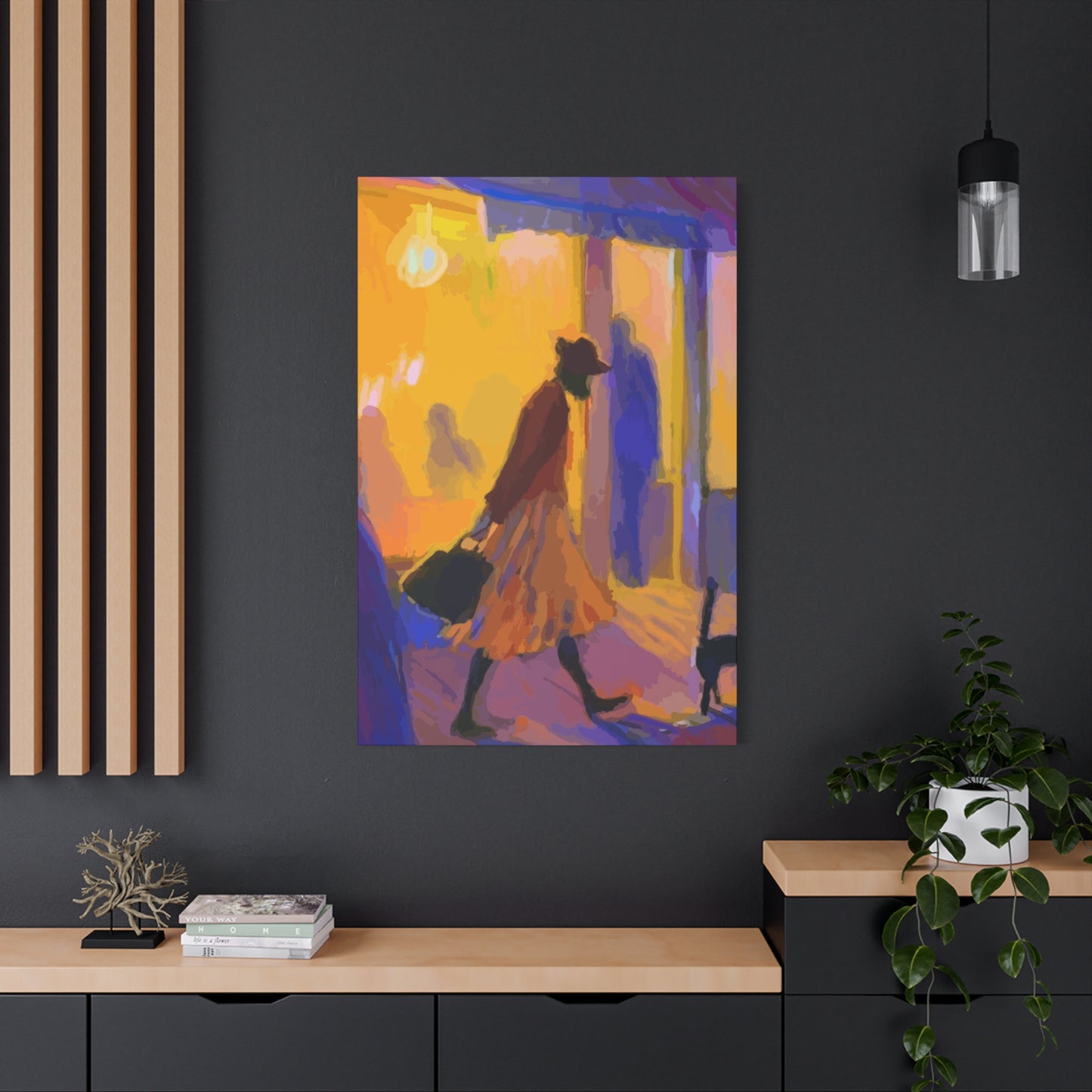


Expressionism Wall Art & Canvas Prints
Expressionism Wall Art & Canvas Prints
Couldn't load pickup availability
Expressionism Wall Art: Bringing Raw Emotion and Vibrant Energy Into Your Living Spaces Through Bold Visual Statements
The world of interior design has witnessed a remarkable shift toward incorporating powerful artistic movements that speak directly to human emotions and experiences. Among these movements, expressionist visual pieces have emerged as commanding focal points that transform ordinary rooms into spaces filled with dynamic energy and profound emotional resonance. These bold artworks, characterized by their intense colors, distorted forms, and raw emotional power, offer homeowners and design enthusiasts an opportunity to create environments that truly reflect their inner world and personal aesthetic vision.
Discovering the Profound Impact of Emotionally Charged Visual Pieces on Modern Interior Spaces
The incorporation of emotionally charged artworks into contemporary living environments represents more than just decorative choices—it embodies a philosophical approach to creating spaces that nurture the human spirit. These powerful visual statements serve as daily reminders of the depth and complexity of human experience, inviting viewers to engage with art on a visceral level rather than merely appreciating it from an intellectual distance.
When selecting pieces that carry such emotional weight, individuals embark on a journey of self-discovery and personal expression. The colors that dominate these works—vibrant yellows suggesting joy and anxiety, deep blues conveying melancholy and contemplation, fiery reds expressing passion and turmoil—create atmospheric conditions within rooms that can dramatically influence mood and perception. The distorted forms and exaggerated features characteristic of this artistic approach challenge conventional beauty standards and invite viewers to see the world through a lens of emotional honesty rather than photographic accuracy.
The transformative power of these artworks extends beyond mere aesthetic enhancement. They create conversation spaces where guests naturally gather, drawn by the magnetic pull of colors and forms that demand attention and interpretation. Each viewer brings their own experiences and emotions to the encounter, resulting in deeply personal connections that vary from person to person. This subjective engagement makes such pieces particularly valuable in creating living spaces that feel authentically connected to the occupants rather than merely styled according to trending design magazines.
Exploring the Revolutionary Movement That Changed How Artists Represented Human Experience
The early twentieth century witnessed a seismic shift in how creators approached visual representation. Rejecting the objective realism that had dominated Western art for centuries, a group of German and Austrian artists began prioritizing subjective emotional experience over accurate depiction of external reality. This radical departure from tradition emerged in response to the rapid industrialization, urbanization, and social upheaval that characterized the era, reflecting the anxiety, alienation, and spiritual crisis many individuals experienced during this tumultuous period.
The movement gained momentum in cities like Dresden, Munich, and Berlin, where artists formed collectives dedicated to expressing inner emotional states through bold color choices, dramatic brushwork, and distorted forms. These creators believed that art should function as a direct transmission of feeling from artist to viewer, bypassing intellectual interpretation to create immediate emotional impact. They drew inspiration from sources as diverse as African masks, medieval woodcuts, and the work of post-impressionist pioneers who had already begun loosening the constraints of realistic representation.
Key figures in this movement developed distinctive personal styles while sharing common commitments to emotional authenticity and visual intensity. Their works often depicted subjects experiencing extreme emotional states—anxiety, ecstasy, despair, spiritual longing—rendered through color combinations and compositional choices that amplified rather than merely illustrated these feelings. Urban landscapes became nightmarish visions of alienation, portraits transformed into psychological studies revealing inner turmoil, and natural scenes evolved into projections of the artist's emotional state onto the external world.
The movement spread rapidly across Europe and eventually reached America, influencing countless creators and fundamentally altering the trajectory of modern art. Its emphasis on subjective experience and emotional authenticity opened doors for subsequent movements that would further explore the relationship between art and psychology, paving the way for abstract expressionism and other twentieth-century innovations. Today, the visual language developed during this period continues to resonate with contemporary audiences, offering a powerful vocabulary for expressing the complexities of human emotional life.
Understanding Why These Powerful Visual Statements Resonate So Deeply in Contemporary Home Environments
The enduring appeal of emotionally charged artworks in modern residential settings stems from multiple factors that align with contemporary lifestyle needs and aesthetic sensibilities. In an era dominated by digital screens, minimalist design trends, and increasing standardization of living spaces, these bold visual statements offer a refreshing counterpoint—injecting personality, warmth, and human emotion into environments that might otherwise feel sterile or impersonal.
One primary reason for their continued relevance lies in their ability to serve as emotional anchors within the home. After spending days navigating the demands of work, social obligations, and digital connectivity, individuals crave spaces that acknowledge and validate the full spectrum of human emotion. Unlike more decorative or purely aesthetic artworks, these pieces don't shy away from difficult feelings or uncomfortable truths. They embrace complexity, contradiction, and emotional intensity, creating permission for occupants to experience and express their own complex emotional states.
The visual boldness of these works also addresses a practical need in contemporary interior design. As open-plan living becomes increasingly common, homeowners face the challenge of creating defined spaces within flowing environments. A large, vibrant piece can establish a room's focal point, anchor a seating area, or create visual separation between functional zones without requiring physical walls or barriers. The intense colors and dynamic compositions naturally draw the eye, creating hierarchies of attention that help organize otherwise undifferentiated space.
Additionally, the movement's emphasis on individual expression and rejection of conventional standards resonates strongly with contemporary values around authenticity and personal identity. In contrast to mass-produced decorative items that offer superficial prettiness without depth or meaning, these artworks represent genuine human expression and emotional truth. They signal to visitors that the occupants value substance over surface, prioritizing meaningful engagement with art over simple coordination with furniture and accessories.
The psychological impact of color—a central concern of the movement's pioneers—has gained increasing recognition in recent years through color psychology research and wellness-oriented design approaches. The bold, saturated hues characteristic of this style can energize spaces, stimulate creativity, and influence mood in measurable ways. Strategic placement of works featuring particular color palettes can help create desired atmospheric effects, whether calming bedroom retreats or energizing workspaces.
Selecting the Perfect Emotionally Resonant Pieces for Different Rooms Throughout Your Home
Choosing appropriate artworks for various spaces requires careful consideration of both the room's function and the emotional atmosphere you wish to create. Each room in a home serves different purposes and hosts different activities, suggesting particular types of visual experiences that will enhance rather than conflict with those functions.
For living rooms and primary gathering spaces, consider large-scale pieces that can command attention and anchor the room's design scheme. These social spaces benefit from works that invite contemplation and conversation, perhaps featuring multiple figures, complex compositions, or color combinations that generate energy and engagement. Portrait-style pieces depicting human subjects in states of emotional intensity can create powerful focal points that humanize the space and encourage empathy and connection among those who gather there.
Dining areas offer opportunities for works that stimulate appetite and conversation without overwhelming the sensory experience of sharing meals. Pieces featuring warm color palettes—oranges, reds, and yellows—can enhance the conviviality of dining, while compositions that balance energy with harmony prevent visual competition with the social interactions that define these spaces. Consider works with rhythmic elements or repeated forms that echo the communal, ritualistic aspects of shared meals.
Bedroom spaces call for more introspective pieces that support rest, reflection, and intimate connection. While the movement is known for emotional intensity, many works explore quieter, more contemplative emotional states—melancholy, longing, introspection—that can create appropriate atmospheres for private spaces. Cooler color palettes featuring blues, purples, and greens tend to promote relaxation, while less agitated brushwork and more harmonious compositions support the room's restful function.
Home offices and creative workspaces benefit from pieces that stimulate mental energy and creative thinking without becoming distracting. Abstract works that suggest rather than depict specific subjects allow for open-ended interpretation that can fuel creative problem-solving. Bold color contrasts and dynamic compositions can energize these spaces, helping combat the mental fatigue that often accompanies focused work.
Entryways and corridors present opportunities for creating dramatic first impressions and maintaining visual interest in transitional spaces. These areas can accommodate more challenging or experimental works that guests encounter briefly rather than spending extended time with. Consider pieces with strong vertical orientations that complement the architectural proportions of hallways, or works featuring perspective and movement that enhance the sense of passage through space.
Bathrooms and powder rooms, often overlooked in decorating schemes, can become surprising showcases for smaller works that create intimate, personal experiences. The private nature of these spaces allows for more unconventional choices that might overwhelm public areas, while the typically limited viewing time makes intense emotional content more manageable.
Mastering Color Relationships to Create Harmonious Yet Dynamic Interior Design Schemes
Successfully incorporating bold, emotionally charged artworks into existing interior design schemes requires understanding fundamental principles of color theory and spatial composition. While these pieces are known for their intense hues and dramatic contrasts, integrating them into living spaces needn't result in visual chaos or sensory overload. Instead, thoughtful attention to color relationships can create environments that feel both cohesive and energizing.
Begin by identifying the dominant and accent colors within your chosen artwork. Most pieces will feature one or two primary hues that establish the overall color impression, supplemented by supporting colors that create depth, contrast, and visual interest. These dominant colors provide the foundation for developing a room's overall color scheme, suggesting complementary wall colors, furniture selections, and accent pieces that harmonize with rather than compete against the artwork.
The principle of color temperature—the distinction between warm and cool hues—offers a useful framework for building cohesive schemes around emotionally charged pieces. Warm colors (reds, oranges, yellows) tend to advance visually and create feelings of energy and intimacy, while cool colors (blues, greens, purples) recede and promote calm and spaciousness. Rooms featuring warm-toned artworks benefit from cooler wall colors that provide visual rest and allow the piece to dominate, while cool-toned works can be enhanced by warmer environmental colors that prevent the space from feeling cold or unwelcoming.
Contrast management represents another crucial consideration when integrating bold visual pieces. While the artwork itself likely contains dramatic color contrasts that create its emotional impact, surrounding it with equally intense colors or patterns can result in visual competition that diminishes the piece's power. Instead, consider using neutral backgrounds—sophisticated grays, warm whites, or muted earth tones—that provide visual calm and allow the artwork's colors to sing. These neutral foundations needn't be boring; textured fabrics, varied materials, and subtle tonal variations can add depth and interest without creating color chaos.
The 60-30-10 rule, a classic interior design principle, offers guidance for distributing color throughout a room. This approach suggests using a dominant neutral color for approximately 60% of the space (typically walls and large furniture pieces), a secondary color for about 30% (upholstery, curtains, rugs), and an accent color for the remaining 10% (accessories, pillows, decorative objects). When working with powerful artworks, allow the piece itself to supply some or all of the accent color, then echo those hues in carefully selected accessories that create visual connections between the artwork and the broader room.
Color repetition creates cohesion without requiring exact matches. Rather than trying to perfectly coordinate every element with colors in the artwork, select items that echo the general hue family—various shades, tints, and tones of the same color—creating a sense of relationship while maintaining visual variety. A painting featuring vivid crimson might be complemented by pillows in coral, burgundy, or rose, creating a color family that ties the scheme together without appearing overly matched or contrived.
Consider the psychological and physiological effects of color when planning room schemes. Colors influence not only aesthetic preferences but also emotional states, energy levels, and even physical sensations of temperature. Spaces intended for relaxation benefit from cooler, less saturated hues, while areas meant for socializing or creative work can handle more stimulating color combinations. The artwork you select will establish much of the room's color impact, so choose pieces whose emotional energy aligns with the space's intended function.
Examining the Core Visual Characteristics That Define This Powerful Artistic Movement
Several distinctive visual features characterize works from this influential movement, creating the immediate emotional impact and lasting power that make these pieces so effective in residential settings. Understanding these characteristics helps in selecting authentic pieces and creating environments that properly showcase their unique qualities.
Distortion of form stands as perhaps the most immediately recognizable characteristic. Unlike realistic styles that strive to accurately depict subjects as they appear to the eye, these works deliberately exaggerate, elongate, compress, or otherwise alter proportions and shapes to emphasize emotional content. Faces may feature enlarged eyes that convey vulnerability or anxiety, bodies might stretch impossibly tall to suggest spiritual yearning, or landscapes could be compressed and tilted to create feelings of instability or unease. These distortions serve expressive rather than descriptive purposes, prioritizing emotional truth over visual accuracy.
Intense, non-naturalistic color represents another defining feature. Rather than selecting hues based on objective observation of reality, artists chose colors for their emotional and symbolic resonance. Skin might appear green to suggest sickness or alienation, skies could burn red to express anxiety or apocalyptic dread, and shadows often manifest as vivid purples or blues rather than neutral browns or grays. These color choices create immediate emotional reactions in viewers, bypassing intellectual analysis to trigger visceral responses.
Bold, visible brushwork distinguishes these pieces from more refined painting styles. Rather than hiding the artist's hand through smooth blending and careful technique, works in this style celebrate the physical act of painting itself. Thick applications of paint, aggressive brushstrokes, rough textures, and visible tool marks all contribute to a sense of immediacy and emotional urgency. This visible process creates a palpable connection between viewer and creator, making the artwork feel like a direct transmission of feeling rather than a carefully constructed object.
Simplified forms and reduced detail shift attention from descriptive accuracy to expressive gesture. Rather than rendering subjects with photographic precision, artists often reduced forms to their essential outlines or simplified them into geometric or organic shapes. This economy of means intensifies emotional impact by eliminating distracting details and focusing viewer attention on the elements that carry expressive weight. A face might be reduced to a few decisive lines that somehow convey more psychological depth than a meticulously rendered portrait.
Dramatic contrasts—of color, value, form, and composition—create visual tension that mirrors emotional intensity. Works in this style rarely feature subtle gradations or peaceful harmonies. Instead, they juxtapose light and dark, warm and cool, smooth and textured in ways that create visual discomfort or excitement. These contrasts prevent viewers from relaxing into passive appreciation, demanding active engagement with the work's emotional content.
Expressive line quality carries significant emotional weight. Lines may be jagged and aggressive, suggesting anxiety or violence, or flowing and sinuous, conveying sensuality or spiritual transcendence. The quality of line—thick or thin, continuous or broken, smooth or rough—communicates feeling as powerfully as color or composition. In many works, the act of mark-making itself becomes a form of emotional expression, with the character of each line revealing something about the artist's state of mind during creation.
Navigating the Marketplace to Find Authentic and High-Quality Pieces for Your Collection
Building a collection of emotionally resonant artworks requires knowledge of the marketplace, awareness of value factors, and clarity about your own aesthetic preferences and budget constraints. Whether you're seeking original works by recognized masters, contemporary pieces by emerging artists working in related styles, or high-quality reproductions, understanding the landscape helps ensure satisfying acquisitions.
Original works by recognized artists from the early twentieth-century movement command substantial prices that place them beyond most individual collectors' budgets. Major paintings by leading figures routinely sell for millions at auction, making them acquisitions for serious collectors and institutions rather than typical homeowners. However, works on paper—drawings, prints, and watercolors—by these same artists may be more accessible, offering opportunities to own authentic pieces from the period without investment-grade prices. These smaller works can create powerful impacts in intimate settings while providing the satisfaction of owning genuine artistic artifacts.
Contemporary artists working in styles influenced by the movement offer another avenue for collecting original works. Numerous painters, printmakers, and mixed-media artists today create pieces that channel the emotional intensity and visual boldness of their artistic ancestors while addressing contemporary subjects and concerns. Seeking out these artists through galleries, art fairs, and online platforms provides opportunities to acquire original works at moderate prices while supporting living creators and building collections that may appreciate over time.
Limited edition prints represent a middle ground between original works and mass-produced reproductions. Many contemporary artists create signed, numbered editions of their works using various printing processes—lithography, screenprinting, giclée printing—that allow them to produce multiples while maintaining quality control and artistic integrity. These editions, typically ranging from 25 to 500 pieces depending on the process and artist, offer accessibility while preserving some of the exclusivity and investment potential of original works.
High-quality reproductions serve important functions in bringing powerful imagery into homes when originals are unattainable. Modern printing methods can capture remarkable detail and color fidelity, creating pieces that effectively convey the emotional impact of original works even when lacking the texture and physical presence of hand-painted surfaces. When selecting reproductions, prioritize those printed on archival papers or canvases using pigment-based inks that resist fading, ensuring your investment will maintain its visual power over time.
Online marketplaces have democratized access to art, connecting buyers directly with artists and sellers worldwide. However, this accessibility comes with risks, as quality and authenticity vary dramatically. When purchasing online, carefully examine condition reports, request additional photographs, research seller reputations, and understand return policies before committing. For higher-value purchases, consider requesting certificates of authenticity or consulting with appraisers to verify attributions and condition.
Local galleries and art consultants offer expertise and curation that can significantly streamline the selection process. Gallery owners typically develop specialized knowledge about particular periods, styles, or artists, helping clients navigate options and make informed decisions. While gallery prices include markups that reflect these services, the guidance, authentication, and after-sale support they provide often justify the additional cost, particularly for less experienced collectors.
Estate sales, auctions, and antique dealers occasionally yield unexpected discoveries—original works or period pieces that have passed through family collections without full awareness of their significance or value. Developing relationships with local dealers and regularly attending sales in your area can uncover opportunities, though success requires patience, knowledge, and willingness to act quickly when promising pieces appear.
Creating Museum-Quality Presentation Through Proper Framing and Display Choices
The manner in which you present artworks dramatically influences their visual impact and longevity. Proper framing and display protect your investments from environmental damage while enhancing their aesthetic presence and integration into your interior design scheme.
Frame selection should complement rather than compete with the artwork itself. The frame functions as a transition between the piece and its environment, creating a boundary that separates the artwork from surrounding elements while connecting it to the room's overall design. For emotionally charged pieces characterized by bold colors and dramatic compositions, frames that provide visual calm often work best. Simple profiles in neutral colors—black, white, natural wood, or metallic finishes—allow the artwork to dominate while providing necessary structure and definition.
The relationship between frame size and artwork dimensions affects visual impact significantly. Wider frames create more substantial presence and can make smaller pieces feel more important, while narrower frames minimize the boundary and allow the image to connect more directly with its surroundings. Very large works often require more substantial frames to support their physical weight and visual importance, while delicate works on paper benefit from frames that provide protection without overwhelming their subtle qualities.
Matting decisions for works on paper involve both aesthetic and preservation considerations. Acid-free mats prevent chemical damage to the artwork while creating visual space that separates the image from the frame's edge. Mat colors should enhance rather than distract from the artwork, with neutral tones typically working best. The width of matting affects the piece's overall proportions and presence—wider mats create more formal, gallery-like presentations, while narrower mats produce more intimate, immediate encounters.
Glazing choices protect artworks from environmental hazards while affecting how they're viewed. Standard glass provides basic protection at minimal cost but produces reflections that can interfere with viewing, particularly when works are displayed opposite windows or under direct lighting. Museum-quality glazing with ultraviolet filtering and anti-reflective coatings protects against light damage while minimizing visual interference, making it worth the additional investment for valuable pieces or those displayed in challenging lighting conditions. Acrylic glazing offers a lighter alternative that's safer for large pieces or locations where breakage poses risks, though it scratches more easily than glass and may create static that attracts dust.
Hanging height significantly impacts viewing experience and room integration. The standard gallery practice of positioning artworks with their centers at approximately 57-60 inches from the floor—average human eye height—creates comfortable viewing angles for most situations. However, this guideline may require adjustment based on ceiling heights, furniture placement, and viewing angles. Pieces meant to be viewed primarily from seated positions should hang lower, while those in entryways or corridors where people stand can be positioned higher.
Lighting dramatically affects how artworks are perceived and preserved. Natural daylight provides the most accurate color rendition but includes ultraviolet radiation that can fade pigments and deteriorate materials over time. Position valuable pieces away from direct sunlight, and consider using UV-filtering window treatments in rooms with significant sun exposure. Artificial lighting offers more control—picture lights mounted directly to frames create dramatic presentations and allow focused illumination, while adjustable track lighting or recessed spots provide flexibility for changing displays. LED lighting produces minimal heat and ultraviolet radiation, making it ideal for art lighting while offering energy efficiency and long bulb life.
Spacing between multiple works affects both individual pieces and overall compositions. When creating gallery walls or multi-piece arrangements, maintain consistent spacing—typically 2-6 inches depending on frame sizes and room scale—to create visual cohesion without overcrowding. Consider the relationships between adjacent pieces, grouping works that share colors, themes, or compositional qualities to create intentional connections.
Preserving Your Artworks Through Proper Environmental Control and Handling Practices
Protecting your collection from deterioration requires attention to environmental factors and handling procedures that may not be immediately obvious but significantly affect long-term preservation.
Temperature and humidity control represent the most critical environmental factors for artwork longevity. Fluctuations in temperature cause materials to expand and contract, potentially leading to cracking, warping, or delamination. Humidity extremes create even more significant risks—excessive moisture promotes mold growth, causes paper to cockle, and can dissolve water-soluble media, while insufficient humidity makes materials brittle and prone to cracking. Maintain living spaces at moderate temperatures (65-75°F) and relative humidity levels between 40-50% for optimal preservation. Avoid hanging artworks near heating vents, radiators, air conditioners, or exterior walls where temperature and humidity fluctuations are most extreme.
Light exposure causes irreversible damage to virtually all art materials, with photochemical reactions breaking down pigments, fading colors, and weakening support materials. Both natural and artificial light contribute to this deterioration, with ultraviolet wavelengths causing the most rapid damage. Limit light exposure by using UV-filtering glazing, positioning works away from direct sunlight, using window treatments during peak sun hours, and keeping artificial lighting as dim as practical for comfortable viewing. Consider rotating displays periodically, giving particularly light-sensitive pieces periods of storage in dark environments.
Air quality affects artwork preservation in ways often overlooked. Pollutants including ozone, sulfur dioxide, and nitrogen oxides—common in urban environments and homes with gas appliances—can discolor papers, tarnish metal leaf, and degrade organic materials. Dust accumulation creates mechanical damage through abrasion and provides nutrients for biological growth. Maintain good ventilation, use air filtration systems when possible, and regularly dust frames and glazing with soft, lint-free cloths, taking care not to touch artwork surfaces directly.
Proper handling prevents the majority of physical damage that occurs to artworks. Always wash and dry hands thoroughly before handling pieces, or wear clean cotton gloves to prevent transferring oils and acids from skin to artworks. Support works from beneath rather than grasping edges or frames, distributing weight across the entire structure. When moving framed pieces, carry them vertically rather than horizontally to minimize stress on joints and hanging hardware. Never touch artwork surfaces directly—even seemingly harmless contact can deposit oils that attract dirt or cause staining over time.
Regular inspection allows early detection of problems before they become severe. Examine your collection periodically for signs of damage including: discoloration suggesting light damage or pollutant exposure, spots or patches indicating mold growth, warping or rippling pointing to humidity problems, insect damage evidenced by tiny holes or powdery debris, or loose frames and hanging hardware requiring tightening or repair. Address issues promptly, consulting professional conservators for problems beyond basic maintenance.
Professional conservation becomes necessary when artworks suffer damage or deterioration beyond simple cleaning and minor repairs. Conservators possess specialized training in reversing damage and stabilizing artworks using materials and methods that maintain as much original material as possible while ensuring long-term preservation. While conservation services involve significant expense, they're worthwhile investments for valuable or emotionally significant pieces. Many conservators offer consultations where they can assess condition, recommend preservation strategies, and provide estimates for restoration work if needed.
Documentation protects both the monetary and historical value of your collection. Photograph each piece thoroughly, capturing overall views and detail shots that show condition and any significant features. Record provenance information including purchase dates, sources, prices, and any known exhibition or publication history. Maintain copies of certificates of authenticity, appraisals, and condition reports. Store this documentation separately from the artworks themselves—in fireproof safes or digital cloud storage—ensuring it survives even if pieces are damaged or stolen.
Drawing Creative Inspiration From Bold Visual Statements to Transform Your Living Environments
Beyond simply hanging finished artworks, the visual language and emotional intensity of this artistic movement can inspire broader interior design decisions that create cohesive, emotionally resonant environments. By understanding and applying core principles that animate these works, you can develop spaces that embody similar expressive power across all design elements.
Embrace color boldness throughout your space, moving beyond safe neutral palettes to incorporate saturated, emotionally charged hues. While restraint prevents spaces from becoming overwhelming, strategic use of vibrant colors—an accent wall in a rich jewel tone, upholstered furniture in unexpected hues, colorful textiles and accessories—can energize environments and create the emotional intensity characteristic of the movement. Don't fear unconventional combinations; some of the most striking interiors pair colors that conventional wisdom suggests shouldn't work together, creating dynamic tensions that keep spaces visually interesting.
Incorporate expressive gestures through fluid, organic forms that contrast with the angular precision of most contemporary furniture and architecture. Sculptural lighting fixtures with flowing lines, furniture featuring curved rather than straight edges, organic accessories like driftwood or natural stone—these elements introduce visual spontaneity that echoes the gestural freedom of expressive brushwork. The contrast between ordered architectural elements and more spontaneous organic forms creates visual interest while suggesting the tension between structure and expression that characterizes the artistic movement.
Texture variation creates sensory richness that parallels the visual complexity of impasto paintings and visible brushwork. Combine smooth and rough, soft and hard, matte and glossy surfaces throughout your space. Chunky knit textiles, rough natural fibers, weathered wood, hammered metals, and other tactile materials add dimensional interest that engages senses beyond vision. This multisensory approach creates environments that feel alive and responsive rather than static and purely visual.
Embrace imperfection and evidence of human craft, rejecting the machine-made perfection that characterizes much contemporary design. Handmade ceramics with visible fingerprints and glaze variations, furniture showing tool marks and wood grain, textiles with irregular weaving—these elements celebrate human making in ways that echo the visible process in emotionally charged paintings. This appreciation for the handmade creates warmth and authenticity that perfectly complements artworks emphasizing emotional truth over technical perfection.
Create dramatic focal points that anchor spaces and command attention, much as powerful artworks dominate gallery walls. This might involve a statement piece of furniture in an unexpected color, an oversized light fixture with sculptural presence, or an architectural feature painted in a bold contrasting hue. These focal points create hierarchy and visual interest while demonstrating the same willingness to make bold statements that characterizes the artistic movement.
Lighting design offers opportunities for creating atmospheric effects that enhance emotional resonance. Rather than relying exclusively on uniform ambient lighting, layer multiple light sources at different heights and intensities. Incorporate dramatic accent lighting that creates pools of light and shadow, echoing the strong value contrasts in expressionist works. Use colored lighting sparingly for special effects—uplighting plants to cast dramatic shadows, installing colored LED strips in hidden locations, selecting lampshades that tint the light they emit. These lighting strategies create moods and atmospheres that transform spaces throughout the day.
Personal meaning should guide selection of all elements, not just artwork. Just as the movement prioritized subjective emotional truth over objective representation, your spaces should reflect your genuine experiences, memories, and values rather than attempting to recreate images from design magazines. Display items with personal significance even if they don't fit conventional decorating wisdom, incorporate colors and forms that resonate with your emotional landscape, and trust your instinctive responses rather than deferring entirely to professional opinions or trending styles.
Discovering Contemporary Creators Who Channel Emotional Intensity in Their Visual Works
While the early twentieth-century movement holds historical significance, numerous contemporary artists continue exploring emotional expression through bold color, distorted form, and gestural mark-making. Discovering these creators offers opportunities to engage with living artistic practice while building collections of original works that may appreciate over time.
Neo-expressionist painters emerged in the late twentieth century, reviving interest in emotionally charged, figurative painting after decades when abstract and conceptual approaches dominated contemporary art. These artists reintroduced narrative content, recognizable imagery, and expressive brushwork, often addressing political and social themes through symbolically loaded imagery. Their works demonstrate how the expressive visual language developed a century ago remains vital for addressing contemporary concerns.
Street art and graffiti-influenced painters bring raw energy and urban sensibility to gallery contexts, often working on massive scales with spray paint, house paint, and mixed media. Their works channel emotional intensity through aggressive mark-making, vivid color, and imagery drawn from popular culture and street life. These artists democratize the expressive visual language, making it relevant to contemporary urban experience and accessible to audiences who might find traditional art world contexts intimidating.
Figurative painters working in emotive styles continue exploring human psychology and experience through distorted, psychologically charged representations. Contemporary portraiture influenced by the movement often addresses themes of identity, alienation, and social pressure, using distortion and color symbolism to reveal inner emotional states. These works speak powerfully to contemporary anxieties while demonstrating the enduring relevance of expressive approaches to representation.
Abstract painters influenced by the movement's emphasis on emotional authenticity create works where color, gesture, and mark-making themselves become carriers of feeling, independent of recognizable imagery. These artists extend the movement's core insight—that visual elements possess inherent emotional content—into fully non-representational territory. Their works prove that expressive power doesn't require identifiable subjects, as pure color and form can communicate feeling as powerfully as distorted representations.
Women artists working in expressive modes bring perspectives often marginalized in art historical narratives, addressing themes of embodiment, domesticity, and psychological complexity through bold, emotionally charged imagery. Contemporary feminist painters often employ distortion and exaggeration to critique conventional beauty standards or explore the psychological dimensions of women's experience. Their works expand the movement's traditional concerns to encompass gender politics and contemporary social issues.
Emerging artists discoverable through social media platforms, online galleries, and virtual exhibitions demonstrate how digital connectivity has transformed the art marketplace. Many young creators working in emotionally expressive styles build followings and sell works directly to collectors without traditional gallery representation. This democratization allows collectors to discover artists whose work resonates personally, often at accessible price points, while supporting creators at early career stages.
Building Curated Collections That Reflect Personal Vision and Aesthetic Coherence
Developing an art collection represents an ongoing journey of discovery, refinement, and personal growth. Moving beyond random acquisitions to create a cohesive collection requires intention, knowledge, and willingness to trust your evolving aesthetic sensibilities.
Begin with self-knowledge about what genuinely moves you emotionally and aesthetically. Before making purchases, spend time viewing artworks in various contexts—galleries, museums, art fairs, online platforms—noting which pieces capture your attention and create emotional responses. Don't rush to acquire pieces; allow your preferences to clarify through repeated exposure and reflection. The most satisfying collections reflect genuine passion rather than attempts to follow trends or make safe investments.
Develop a collecting focus that provides direction without becoming overly restrictive. This might involve concentrating on particular subjects, color palettes, emotional tones, or periods. Some collectors focus on works by artists from specific regions or cultural backgrounds, others on particular mediums or techniques. Having a focus helps guide decisions and creates collections with internal coherence, while allowing flexibility prevents missing opportunities that fall outside defined parameters but deeply resonate personally.
Balance investment considerations with emotional connection. While understanding market values, artist reputations, and potential appreciation helps make informed decisions, collecting solely for financial returns often produces unsatisfying collections of works that fail to engage personally. The most rewarding approach combines awareness of value factors with primary emphasis on acquiring pieces you genuinely love and want to live with. Remember that artworks purchased primarily for aesthetic and emotional reasons often prove to be sound investments precisely because the same qualities that attracted you appeal to other collectors.
Build relationships with galleries, dealers, and fellow collectors whose knowledge and aesthetic sensibilities you respect. These relationships provide access to works before they reach public markets, insider knowledge about emerging artists and market trends, and opportunities to view works under consideration in various contexts. Many dealers allow clients to take pieces home on approval, ensuring compatibility with your space and collection before finalizing purchases.
Document your collection comprehensively, creating records that preserve provenance and provide essential information for insurance, estate planning, and eventual sale or donation. Photograph pieces thoroughly, maintain purchase records, file certificates of authenticity, and record exhibition histories when applicable. This documentation protects both monetary and historical value while creating a personal archive that tells the story of your collecting journey.
Consider the physical constraints of your living spaces when building collections. Account for available wall space, ceiling heights, lighting conditions, and how frequently you may want to rotate displays. Some collectors intentionally acquire more pieces than they can display simultaneously, allowing regular rotation that keeps their environment fresh. Storage solutions for works not currently displayed protect investments while providing flexibility in what you choose to live with at different times.
Plan for long-term collection care, including conservation needs and eventual disposition. Budget for professional cleaning, restoration when needed, and periodic condition assessments. Consider how you want the collection to evolve—whether you envision passing works to family members, making charitable donations, or eventually selling pieces. These long-term considerations inform acquisition decisions and help ensure your collection remains a source of satisfaction throughout your life.
Conclusion
The artworks we choose to live with exert subtle but significant influences on our psychological states, thought patterns, and daily experiences. Understanding these effects helps in selecting pieces that support wellbeing and personal growth while enriching living environments.
Color psychology research demonstrates that hues affect mood, energy levels, and even physical sensations. The bold, saturated colors characteristic of emotionally charged works create particularly strong impacts. Warm colors tend to energize and stimulate, potentially increasing heart rate and creating sensations of warmth, making them appropriate for social spaces and areas where activity and engagement are desired. Cool colors generally calm and soothe, lowering blood pressure and promoting relaxation, making them suited to private spaces intended for rest and contemplation.
Visual complexity affects cognitive processing and attention. Artworks featuring intricate compositions, multiple focal points, and rich detail engage sustained attention and reward repeated viewing as viewers continue discovering new elements and relationships. This sustained engagement can stimulate creative thinking and prevent mental stagnation, making visually complex pieces valuable in workspaces and areas where you spend significant time. However, excessive complexity in spaces meant for relaxation may prevent mental rest, suggesting simpler compositions for bedrooms and relaxation areas.
Emotional content in representational works creates empathetic responses that can validate and normalize viewers' own emotional experiences. Seeing difficult emotions—anxiety, sadness, anger, alienation—acknowledged and expressed in artworks can provide relief and permission to experience and express these feelings yourself. This validation proves particularly valuable in contemporary culture that often pressures individuals to maintain constant positivity and productivity, providing space for the full spectrum of human emotional experience.
Share