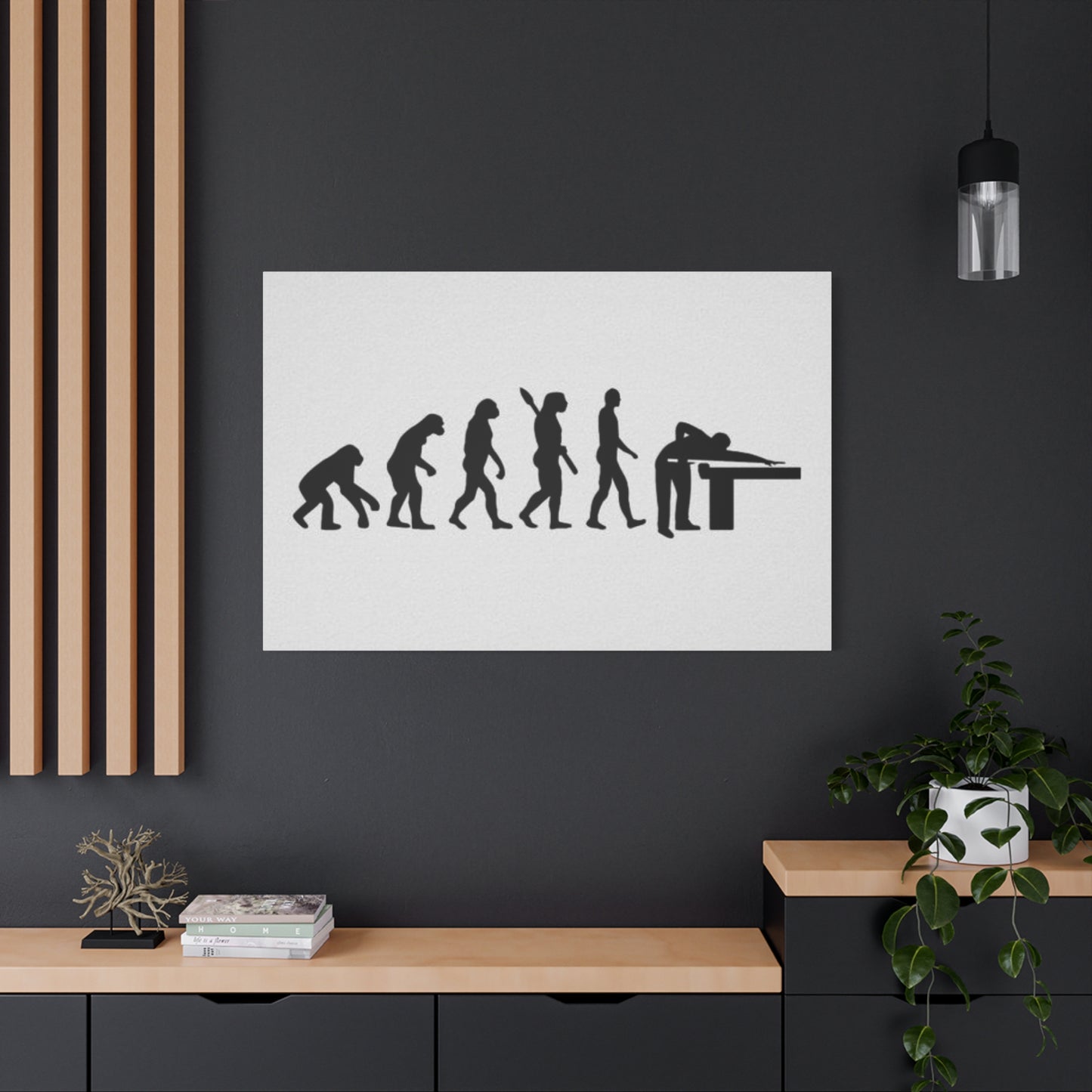


Evolution to Playing Pool Wall Art & Canvas Prints
Evolution to Playing Pool Wall Art & Canvas Prints
Couldn't load pickup availability
The Revolutionary Journey of Evolution to Playing Pool Wall Art: A Comprehensive Exploration of Billiard-Themed Décor
The world of interior decoration has witnessed a remarkable transformation in recent decades, particularly in how enthusiasts celebrate their passion for cue sports through artistic expression. The journey from simple game rooms to sophisticated spaces adorned with carefully curated billiard-themed artwork represents a significant shift in how we perceive recreational spaces. This evolution to playing pool wall art has become more than mere decoration; it embodies a lifestyle, a passion, and a connection to centuries of sporting heritage.
Billiards, as a sport, carries with it an extensive legacy that stretches back several centuries. The game's aristocratic roots in European courts gradually transformed into a beloved pastime across all social strata. This democratization of the sport naturally led to its celebration through various artistic mediums. Early enthusiasts would commission paintings depicting famous matches or legendary players, creating what we now recognize as the foundational elements of pool-themed décor.
The cultural resonance of billiards extends far beyond the baize-covered tables themselves. It represents camaraderie, strategic thinking, precision, and the perfect blend of physical skill and mental acuity. When individuals choose to incorporate billiard-themed artwork into their living spaces, they're not simply filling empty walls; they're making a statement about their appreciation for a game that has captivated millions across generations. The artwork serves as a constant reminder of the joy experienced during intense matches, the friendships forged over friendly competitions, and the satisfaction of executing a perfect bank shot.
Throughout the twentieth century, pool halls became cultural landmarks in communities worldwide. These establishments weren't merely places to play; they were social hubs where people from diverse backgrounds converged. The smoky ambiance, the distinctive click of colliding balls, and the green glow of overhead lamps created an atmosphere that many sought to recreate in their personal spaces. This desire gave birth to an entire industry dedicated to capturing the essence of pool halls through decorative elements.
The aesthetic appeal of billiard-themed artwork lies in its versatility. Whether someone prefers vintage illustrations reminiscent of early twentieth-century pool halls, contemporary abstract representations of the game, or photorealistic depictions of professional tournaments, there exists a style to match every taste. The color palette alone offers incredible flexibility – the rich greens of the table felt, the warm wooden tones of cues and racks, the vibrant hues of numbered balls, and the dramatic lighting that characterizes competitive play all contribute to visually striking compositions.
Tracing the Remarkable Progression of Billiard-Themed Decorative Art Through Different Eras
The evolution to playing pool wall art mirrors broader trends in both the sporting world and artistic movements. During the Victorian era, when billiards enjoyed tremendous popularity among the upper classes, artwork depicting the game took on a formal, dignified character. Oil paintings from this period often portrayed elegantly dressed gentlemen engaged in matches within opulent settings, complete with ornate furnishings and elaborate décor. These pieces served dual purposes: they documented social activities of the elite while simultaneously celebrating the game's sophistication.
As the twentieth century progressed, particularly during the post-war boom years, billiards underwent a significant transformation. The game shed much of its exclusive association with upper-class establishments and became accessible to broader audiences. This shift coincided with changes in how the sport was represented artistically. Mid-century modern aesthetics influenced pool-themed artwork, introducing cleaner lines, bolder colors, and more stylized representations. Artists began experimenting with different perspectives, capturing the geometric beauty inherent in the game's equipment and playing surfaces.
The 1960s and 1970s witnessed an explosion of pop art and psychedelic influences that inevitably impacted pool-themed décor. Artists reimagined billiard balls, cues, and tables through vibrant color schemes and surrealistic compositions. This era produced some of the most visually striking pieces, many of which remain highly sought after by collectors today. The counterculture movement of this period embraced pool halls as democratic spaces where societal hierarchies dissolved, and this egalitarian spirit manifested in artwork that portrayed the game with a sense of freedom and rebellion.
The 1980s brought another significant shift as commercial printing processes became more sophisticated and affordable. This democratization of art production meant that quality reproductions of famous pool-themed paintings and photographs became accessible to average consumers. Suddenly, anyone could adorn their game room with impressive imagery without commissioning original works or purchasing expensive pieces. This accessibility sparked renewed interest in billiard-themed décor and encouraged more people to create dedicated spaces for their tables.
Digital art and photography revolutionized the field during the late twentieth and early twenty-first centuries. Photographers captured stunning close-ups of racked balls, the chalk dust rising from cue tips, and the intense concentration on players' faces during crucial shots. Digital artists created fantastical scenes combining realistic elements with imaginative settings. The possibilities became virtually limitless, allowing for unprecedented creativity in representing this beloved game through visual media.
Contemporary trends in the evolution to playing pool wall art reflect our current cultural moment. Minimalist designs appeal to those who prefer subtle nods to their passion rather than overt displays. Industrial aesthetics incorporate exposed brick, metal fixtures, and vintage signage to create authentic pool hall atmospheres. Rustic farmhouse styles blend weathered wood with nostalgic imagery. Each trend offers distinct approaches to celebrating billiards through décor, ensuring that every enthusiast can find representations that resonate with their personal aesthetic preferences.
Exploring the Diverse Categories and Styles of Billiard-Inspired Decorative Elements
The marketplace for pool-themed decorative pieces has expanded exponentially, offering consumers an overwhelming array of choices across multiple categories. Understanding these different types helps enthusiasts make informed decisions when curating their spaces. Canvas prints represent one of the most popular options, offering durability, variety, and the appearance of original paintings at accessible price points. Modern printing processes produce such high-quality reproductions that distinguishing them from hand-painted works often requires close inspection.
Metal wall art has emerged as a particularly striking option for those seeking contemporary or industrial aesthetics. Artisans craft intricate designs by cutting and shaping metal sheets into billiard-themed silhouettes, three-dimensional compositions, or mixed-media pieces incorporating actual cues, balls, or other equipment. The dimensional quality of metal art creates dynamic interplay with lighting, casting interesting shadows and adding depth to walls. These pieces often become conversation starters, drawing attention and admiration from visitors.
Vintage posters and advertisements constitute another beloved category. Collectors prize original promotional materials from defunct pool halls, billiard equipment manufacturers, and tournament events. These authentic pieces carry historical significance and offer glimpses into how the game was marketed and perceived during different eras. Reproductions of classic posters provide more affordable alternatives while still capturing the nostalgic charm. The typography, color schemes, and imagery from mid-century advertisements possess a timeless appeal that complements various decorating styles.
Photographic art captures billiards in its purest form. Professional photographers spend countless hours in pool halls and tournament venues, waiting for perfect moments – the split-second when a player's concentration peaks, the geometric perfection of a freshly racked set of balls, or the atmospheric quality of light filtering through cigarette smoke in a dimly lit establishment. Black and white photography, in particular, emphasizes the game's dramatic elements while lending a classic, sophisticated air to spaces. Color photography, conversely, celebrates the vibrant hues that make billiards visually distinctive.
Custom commissioned artwork represents the pinnacle of personalization in the evolution to playing pool wall art. Skilled artists work directly with clients to create unique pieces reflecting individual preferences, memorable moments, or specific design requirements. Some enthusiasts commission portraits of themselves or loved ones engaged in play. Others request imaginative compositions featuring unusual perspectives or fantastical elements. The investment in custom artwork pays dividends through truly one-of-a-kind pieces that hold personal significance while enhancing aesthetic appeal.
Neon and LED light art brings dynamic energy to pool-themed spaces. These illuminated pieces range from simple outlines of billiard balls or cues to elaborate compositions featuring multiple colors and effects. The nostalgic association between neon lighting and classic pool halls makes these pieces particularly evocative. Modern LED technology offers enhanced durability and energy efficiency while maintaining the visual impact of traditional neon. Programmable options even allow color changes and animations, adding interactive elements to decorative schemes.
Three-dimensional installations push the boundaries of conventional wall art. These pieces might incorporate actual billiard equipment – vintage cues mounted as sculptural elements, frames constructed from repurposed table rails, or shadowboxes displaying collections of balls from different eras. Creative minds have fashioned clocks, shelving units, and functional items that simultaneously serve decorative purposes while celebrating billiard themes. This category particularly appeals to those seeking unique statement pieces that defy traditional categorization.
Selecting the Perfect Billiard-Themed Artwork for Your Specific Space and Style Preferences
Choosing appropriate decorative elements for pool-themed spaces requires careful consideration of multiple factors. The physical dimensions of available wall space obviously play a crucial role. Oversized pieces create dramatic focal points in spacious rooms but overwhelm smaller areas. Conversely, modestly sized artwork can appear insignificant on expansive walls. Measuring accurately and visualizing scale before purchasing prevents disappointing results. Many retailers provide templates or augmented reality apps allowing customers to preview how pieces will appear in their actual spaces.
Color coordination significantly impacts overall aesthetic success. While billiard tables traditionally feature green felt, limiting décor to this single hue creates monotonous environments. Successful spaces incorporate complementary colors that enhance rather than compete with existing elements. The warm tones of wooden cues and table frames suggest natural color palettes incorporating browns, ambers, and creams. The vibrant balls introduce opportunities for bolder accents – crimson reds, sunny yellows, or deep blues can energize spaces when used judiciously. Black and white schemes offer timeless sophistication, particularly effective in contemporary settings.
Stylistic consistency matters tremendously in creating cohesive environments. Mixing drastically different aesthetic approaches often produces jarring results. A room decorated primarily in shabby chic style benefits from vintage-inspired pool artwork rather than sleek modern pieces. Industrial spaces pair beautifully with metal art and urban photography. Traditional settings accommodate classic oil painting reproductions and formal compositions. This doesn't mean every element must match perfectly – intentional contrast adds interest – but maintaining an overarching vision prevents spaces from appearing haphazard.
The room's purpose influences appropriate selections. Dedicated game rooms tolerate more exuberant, playful designs than multipurpose living areas. Man caves and entertainment spaces embrace bold statements, dramatic compositions, and extensive collections of memorabilia. Conversely, pool tables positioned in dining rooms, living rooms, or open-concept spaces require more restrained décor that harmonizes with the broader home aesthetic. The evolution to playing pool wall art encompasses options suitable for any context, from subtle to spectacular.
Lighting considerations profoundly affect how artwork appears and impacts spaces. Natural daylight reveals colors and details differently than artificial illumination. The direction, intensity, and color temperature of light sources alter perception. Artwork positioned opposite windows may suffer from glare at certain times of day. Conversely, strategically placed accent lighting can dramatically enhance pieces, creating gallery-quality presentations. LED spotlights, track lighting, or picture lights allow precise control over illumination, ensuring artwork receives appropriate emphasis regardless of ambient conditions.
Personal connection to artwork matters more than adhering rigidly to design principles. Spaces that reflect genuine passions and interests always feel more authentic than those decorated purely according to trends or rules. If a particular piece resonates emotionally – perhaps depicting a favorite player, commemorating a memorable match, or simply capturing the essence of why you love the game – its presence will enhance your enjoyment of the space regardless of whether it checks every design box. The evolution to playing pool wall art succeeds best when selections reflect authentic enthusiasm rather than obligation.
Budget considerations inevitably influence purchasing decisions. The market offers options across an extraordinary price spectrum, from affordable prints to investment-quality original artwork. Establishing realistic budgets prevents disappointment while encouraging creativity in finding suitable pieces. Remember that expensive doesn't automatically mean better; many affordable options possess tremendous aesthetic appeal and quality construction. Conversely, allocating funds for a single exceptional piece often proves more satisfying than purchasing multiple mediocre items. Prioritizing quality over quantity generally yields superior long-term results.
Discovering Remarkable Sources for Acquiring Billiard-Themed Decorative Pieces
The search for perfect pool-themed artwork can lead down numerous paths, each offering distinct advantages. Local art galleries occasionally feature work by regional artists who specialize in sporting themes or have created relevant pieces. These venues provide opportunities to view artwork in person before purchasing, assess quality directly, and often establish relationships with artists for potential future commissions. Gallery exhibitions sometimes coincide with local tournaments or billiard-related events, creating ideal timing for acquisitions.
Online marketplaces have democratized access to pool-themed décor, offering staggering selections from vendors worldwide. Major e-commerce platforms aggregate offerings from thousands of sellers, allowing comparison shopping and access to customer reviews. Specialized websites focusing exclusively on sports décor or game room furnishings curate selections specifically for enthusiasts. These platforms often provide superior customer service, expert advice, and guarantees ensuring satisfaction. The convenience of browsing extensive inventories from home, coupled with direct-to-door delivery, has made online shopping the preferred method for many consumers.
Antique stores and vintage markets represent treasure troves for those seeking authentic period pieces. Original pool hall signage, tournament posters, equipment advertisements, and other memorabilia surface regularly in these venues. The thrill of discovery – stumbling upon unexpected gems while browsing dusty shelves – appeals to many collectors. Prices for genuine vintage items vary wildly depending on condition, rarity, and market demand. Knowledgeable dealers can provide provenance and historical context, adding depth to acquisitions. However, authentication requires caution; reproductions and fraudulent items do circulate, making expertise or guarantees valuable.
Billiard equipment retailers sometimes stock decorative items alongside tables, cues, and accessories. These establishments understand their customer base and typically offer carefully selected merchandise appealing to enthusiasts. Staff members often play themselves and can provide firsthand recommendations based on personal experience. Supporting these specialty retailers helps maintain local businesses catering specifically to the billiards community. Many offer customization services, allowing personalization of standard items or creation of bespoke pieces incorporating specific requirements.
Art fairs and craft markets provide direct access to independent artists and craftspeople. These events showcase diverse styles and mediums, often featuring unique pieces unavailable through commercial channels. Interacting directly with creators offers insights into their processes, inspirations, and artistic visions. Many artists accept commissions for custom work, opening possibilities for truly personalized creations. The supportive atmosphere of these gatherings fosters appreciation for handmade goods and helps sustain local artistic communities.
Estate sales occasionally yield exceptional finds, particularly in areas with strong billiard traditions. Deceased enthusiasts' collections sometimes include remarkable artwork, vintage posters, or unusual decorative pieces. Arriving early provides best selection, though prices at estate sales can be remarkably reasonable compared to retail. These events require patience and diligence, as relevant items might be scattered among household belongings. The potential rewards – acquiring unique pieces with interesting backstories – make the effort worthwhile for dedicated seekers.
Social media platforms have emerged as unexpected sources for discovering artists and acquiring artwork. Creators showcase portfolios, announce new pieces, and interact directly with potential customers through various channels. Hashtags related to pool, billiards, and game room décor connect enthusiasts with relevant content. Some artists exclusively market through social media, offering pieces unavailable elsewhere. The informal nature of these platforms often allows negotiation and facilitates custom requests. Building relationships with artists through regular engagement sometimes results in early access to new work or special pricing for loyal followers.
Understanding the Practical Aspects of Displaying Billiard-Themed Artwork Effectively
Proper mounting and hanging significantly impact both aesthetic presentation and longevity of decorative pieces. Wall composition determines appropriate hanging methods. Drywall requires different hardware than plaster, brick, or concrete. Weight considerations become paramount – lightweight canvas prints might need only simple hooks, while heavy metal sculptures or framed pieces demand substantial anchors capable of supporting considerable mass. Following manufacturer recommendations and using appropriate hardware prevents accidents and damage.
Positioning artwork at appropriate heights ensures comfortable viewing and maintains visual balance within spaces. General guidelines suggest centering pieces approximately sixty inches from floor level, roughly average eye height. However, context modifies this rule. In rooms where people primarily sit, lowering artwork maintains comfortable sight lines. Conversely, pieces intended primarily as architectural elements might hang higher to create different effects. Considering furniture placement prevents artwork from appearing awkwardly positioned relative to tables, seating, or other room elements.
Creating gallery walls or curated collections requires planning to achieve cohesive presentations. Arranging multiple pieces demands attention to spacing, alignment, and overall composition. Some prefer symmetrical arrangements with uniform spacing and alignment, creating orderly, traditional presentations. Others embrace asymmetrical layouts that feel more dynamic and contemporary. Laying out arrangements on the floor before hanging allows experimentation without creating unnecessary wall damage. Paper templates taped to walls provide full-scale previews of proposed arrangements.
Protecting artwork from environmental damage preserves its appearance and extends its lifespan. Direct sunlight fades colors over time, particularly in prints and photographs. Positioning pieces away from windows or using UV-protective glass for framed works mitigates sun damage. Humidity affects certain materials, causing warping, mold growth, or deterioration. Maintaining consistent climate control in game rooms prevents these issues. Keeping artwork away from direct exposure to moisture – near bathrooms, exterior doors, or leaky windows – proves essential for preservation.
Cleaning and maintaining decorative pieces requires appropriate methods for different materials. Canvas prints typically need only occasional dusting with soft, dry cloths. Excessive moisture damages canvas, so avoiding wet cleaning preserves integrity. Glass-covered frames tolerate gentle cleaning with appropriate solutions but require careful technique preventing liquid from seeping behind glass. Metal art benefits from periodic dusting and occasional application of protective coatings preventing oxidation. Wood elements appreciate conditioning products that prevent drying and cracking. Always researching proper care methods for specific materials prevents inadvertent damage.
Accent lighting transforms good presentations into spectacular displays. Dedicated picture lights mounted directly on frames provide focused illumination highlighting details and creating dramatic effects. Track lighting offers flexibility, allowing adjustment of direction and intensity to emphasize particular pieces. Recessed ceiling lights create ambient illumination while spotlights draw attention to focal points. Color temperature matters – warm lighting complements traditional and rustic décors, while cooler tones suit contemporary settings. Dimmer switches allow adjustment matching different moods and occasions.
Regularly reassessing arrangements keeps spaces feeling fresh and prevents visual stagnation. Rotating pieces between storage and display allows enjoying extensive collections without overwhelming spaces. Seasonal changes provide natural opportunities for refreshing décor. Swapping artwork coordinates with repainting, furniture rearrangement, or other home improvements. The evolution to playing pool wall art need not remain static; evolving displays maintain interest and reflect changing tastes or acquired pieces.
Examining the Cultural Impact of Billiards Through Artistic Representation
The artistic celebration of billiards extends beyond mere decoration, serving as cultural documentation preserving the game's heritage for future generations. Early paintings depicting aristocratic matches provide invaluable insights into period clothing, social customs, and recreational practices among upper classes. These works function as historical records, capturing moments that written accounts might overlook or describe inadequately. Museums worldwide maintain collections including billiard-themed artwork, recognizing its significance in understanding social histories.
Film and popular media have profoundly influenced public perception of billiards, subsequently impacting decorative trends. Classic movies featuring memorable pool scenes created iconic imagery that artists have reinterpreted countless times. The smoky, noir atmosphere of certain films established aesthetic associations that persist in contemporary décor. Celebrity players and their distinctive styles inspired artwork celebrating their achievements and personalities. This interplay between media representation and artistic expression demonstrates how popular culture shapes decorative preferences.
Regional variations in billiard traditions manifest in corresponding artistic styles. English pub culture celebrates snooker and billiards through imagery emphasizing social camaraderie and traditional settings. American artwork often portrays pool with an edge of rebellion or working-class authenticity. Asian representations might incorporate elements from carom billiards or local variations, reflecting different equipment and playing styles. These regional distinctions enrich the global tapestry of pool-themed art, offering diverse perspectives on fundamentally similar games.
Gender representations in billiard-themed artwork have evolved considerably over time. Early depictions overwhelmingly featured male players, reflecting the sport's male-dominated history. Contemporary art increasingly portrays women players, acknowledging their growing presence in competitive billiards and challenging outdated stereotypes. Some artists specifically focus on female players, celebrating their skills and contributions to the sport. This evolution mirrors broader social changes and contributes to more inclusive representations of who participates in and enjoys billiards.
The symbolism embedded in billiard imagery extends beyond literal representation. The game serves as metaphor for life's complexities – the need for strategic thinking, the importance of positioning, the role of luck alongside skill. Artists exploit these symbolic dimensions, creating works that comment on human nature, competition, chance, and consequence. Abstract representations might reduce the game to its geometric essentials, exploring mathematical beauty inherent in angles, trajectories, and spatial relationships. These deeper layers of meaning elevate pool-themed art beyond simple decoration into genuine artistic expression.
Social commentary occasionally manifests through billiard-themed artwork. The pool hall has historically functioned as a democratic space where social hierarchies temporarily dissolve and diverse populations intermingle. Artists aware of this history create works highlighting these egalitarian qualities or contrasting them with external societal divisions. Some pieces celebrate the community-building aspects of shared recreational spaces, while others critique the seedier stereotypes sometimes associated with pool halls. This range of perspectives demonstrates the richness available within seemingly straightforward sporting imagery.
The psychology of why people connect deeply with billiard-themed décor deserves consideration. For many, these pieces evoke powerful nostalgia – memories of youth spent in pool halls, bonding with family members over friendly games, or significant life moments connected to the sport. The artwork serves as tangible connection to cherished experiences, providing comfort and continuity. Others appreciate the aspirational quality, representing skills they admire or achievements they pursue. Understanding these emotional dimensions explains why pool-themed décor resonates so profoundly with enthusiasts.
Maximizing the Visual Impact of Your Billiard-Themed Decorative Scheme
Creating truly memorable spaces decorated around billiard themes requires thoughtful planning extending beyond simply hanging artwork. Cohesive design considers how all elements interact – wall colors, flooring, furniture, lighting, and accessories should harmonize rather than compete. Neutral wall colors often provide ideal backdrops allowing artwork to command attention without clashing. Conversely, bold wall colors can create dramatic effects when carefully coordinated with complementary artwork. Testing paint samples in actual room conditions prevents disappointments from colors appearing different than anticipated.
Furniture selections significantly influence overall ambiance. Seating should be comfortable and appropriately positioned for both playing and spectating. Bar stools along walls or in corners provide casual seating without interfering with gameplay. More substantial seating areas accommodate longer visits and create conversation zones. Furniture styles should complement rather than clash with décor – sleek modern pieces suit contemporary spaces, while leather wingback chairs enhance traditional settings. Multipurpose furniture maximizes functionality in smaller rooms, with storage ottomans or convertible pieces offering flexibility.
Flooring choices impact both aesthetics and practicality. Hardwood floors complement nearly any decorative style while providing durability and ease of maintenance. Area rugs define spaces, add warmth and sound absorption, and introduce additional colors or patterns. Selecting rugs that coordinate with wall art creates visual continuity. However, practical considerations matter – rugs near tables should lay flat to prevent tripping, and materials should tolerate occasional spills or dropped chalk. Carpet offers comfort but shows wear in high-traffic areas and can complicate table leveling.
Accessorizing completes decorative schemes, transforming adequate spaces into exceptional environments. Cue racks serve functional purposes while contributing to visual appeal – wall-mounted racks conserve floor space and can be quite decorative, while freestanding models make architectural statements. Ball displays, whether showcasing vintage sets or arranging contemporary balls in creative patterns, add color and interest. Vintage equipment, properly displayed, becomes sculptural art. Trophy cases celebrate personal achievements while demonstrating commitment to the sport. Each accessory should enhance rather than clutter spaces.
Themed groupings create focal points and tell visual stories. Displaying multiple pieces related to specific tournaments, players, or eras concentrates impact and demonstrates curatorial thoughtfulness. A wall dedicated to vintage equipment advertisements might include period-appropriate furniture and accessories, creating immersive vignettes. Collections of different artistic interpretations of similar subjects demonstrate the range of creative approaches while maintaining thematic unity. These curated presentations appear more intentional and sophisticated than random assortments of unrelated pieces.
Balancing billiard themes with broader décor prevents spaces from feeling one-dimensional or overwhelming. While dedicated game rooms tolerate more extensive themed decoration, incorporating other interests and design elements creates more engaging environments. Family photographs, artwork unrelated to billiards, plants, and other personal touches humanize spaces and prevent them from feeling like commercial establishments. The goal typically involves creating inviting environments where billiards represents an important but not exclusive focus.
Seasonal variations keep spaces feeling current and prevent visual fatigue. While core decorative elements might remain constant, rotating smaller pieces, changing textiles, or introducing seasonal colors refreshes appearances without requiring complete redesigns. Holiday-themed accessories briefly transform spaces for special occasions. These temporary modifications maintain interest and demonstrate that spaces remain active, evolving environments rather than static displays. The evolution to playing pool wall art naturally accommodates these cyclical changes, offering flexibility matching various needs and moods.
Discovering Inspiration from Remarkable Examples of Billiard-Themed Spaces
Examining exceptional examples of pool-themed spaces provides valuable insights and inspiration for personal projects. Legendary pool halls worldwide have cultivated distinctive aesthetics that enthusiasts attempt to recreate. The classic American pool hall aesthetic features dark wood paneling, vintage pendant lights with green shades, exposed brick, and extensive memorabilia covering walls. This timeless look evokes nostalgia while providing atmospheric ambiance conducive to serious play and social interaction. Recreating elements of this style in personal spaces channels this beloved tradition.
Modern sports bars have elevated billiard aesthetics, incorporating sophisticated design elements alongside recreational facilities. These establishments demonstrate how pool tables integrate successfully into contemporary spaces through careful attention to lighting, materials, and décor. Large-scale photography, commissioned murals, and custom metalwork create visually striking environments that feel fresh and current rather than dated. Studying these commercial examples reveals techniques applicable to residential settings, scaled appropriately for smaller dimensions and budgets.
Celebrity game rooms occasionally appear in media, showcasing how affluent enthusiasts celebrate their passion for billiards. These aspirational spaces often feature remarkable artwork, custom tables, and luxurious finishes. While most people cannot replicate these environments exactly, extracting key principles – quality over quantity, cohesive design visions, strategic lighting – proves valuable. Observing how professionals balance opulence with functionality offers lessons applicable across budget ranges. Even modest spaces benefit from thoughtful planning and selective investments in impactful elements.
Home design programs and magazines regularly feature billiard rooms among their content. These professionally designed and photographed spaces showcase current trends and demonstrate successful execution of various aesthetic approaches. Analyzing these examples develops critical eye for what works – effective color combinations, successful furniture arrangements, innovative storage solutions, and creative decorative applications. Collecting images of appealing spaces creates reference libraries inspiring personal projects and helping communicate visions to contractors, designers, or family members involved in planning.
Online communities dedicated to billiards and game room design provide platforms for enthusiasts to share their spaces, exchange ideas, and offer feedback. These forums contain thousands of examples across all budget ranges, skill levels, and aesthetic preferences. The diversity of approaches represented demonstrates that no single correct method exists; rather, successful spaces reflect authentic personal vision and careful execution. Engaging with these communities provides encouragement, practical advice, and connection with others sharing similar interests.
Professional athletes and tournament venues showcase how serious players approach their environments. Championship rooms balance aesthetics with optimal playing conditions, demonstrating that beautiful spaces need not sacrifice functionality. The precise lighting, uncluttered surroundings, and professional-grade equipment in these settings provide models for enthusiasts serious about their game. While most home spaces accommodate more casual play, incorporating elements ensuring proper conditions elevates both gameplay and enjoyment.
Unexpected applications of billiard themes in diverse settings spark creative thinking. Restaurants, offices, hotels, and even retail establishments occasionally incorporate pool-themed elements into their décor. Observing how designers adapt billiard imagery for contexts beyond traditional game rooms expands understanding of possibilities. A sophisticated restaurant might feature subtle nods to billiards through carefully selected artwork that complements rather than dominates its overall aesthetic. These examples demonstrate that pool themes need not appear heavy-handed or limited to dedicated recreational spaces.
Exploring Creative Ways to Personalize Billiard-Themed Decorative Elements
Personalization transforms generic décor into meaningful expressions of individual identity and passion. Custom artwork commissioned to reflect personal preferences, memorable moments, or specific aesthetic requirements creates truly unique pieces unavailable through mass production. Working directly with artists throughout creative processes ensures final products precisely match visions. Some enthusiasts commission portraits of themselves or family members engaged in play, creating cherished keepsakes that combine artistic quality with personal significance.
Incorporating personal memorabilia into decorative schemes adds layers of meaning and authenticity. Framing score sheets from significant matches, tournament brackets from competitions entered, or photographs documenting memorable games creates personal galleries celebrating individual journeys within the sport. Displaying cues received as gifts, inherited from family members, or used to achieve notable accomplishments transforms equipment into storytelling devices. These personal touches distinguish spaces as genuine reflections of owners' experiences rather than generic attempts at thematic decoration.
DIY projects offer opportunities for creative expression while potentially reducing costs. Crafty enthusiasts create custom pieces using salvaged materials, repurposed equipment, or innovative techniques. Wooden pallets transform into rustic signs or display racks. Old cues become unique furniture legs or are arranged into geometric wall installations. Billiard balls find new life as drawer pulls, lamp bases, or garden ornaments. While not every DIY project succeeds spectacularly, the creative process itself provides satisfaction, and successful ventures yield distinctive pieces carrying additional pride of creation.
Photo collections documenting personal billiard experiences create compelling displays. Whether capturing casual games with friends, competition participation, or visits to historic pool halls, photographs preserve memories while serving decorative purposes. Creating collages or gallery walls from these images personalizes spaces in ways purchased artwork cannot. Modern printing services produce high-quality enlargements and custom layouts transforming smartphone snapshots into professional-appearing displays. Regular additions to photo collections create evolving narratives documenting ongoing relationships with the game.
Customizing purchased artwork through framing choices, matting selections, or arrangement strategies allows personalization without commissioning original pieces. An inexpensive print can appear substantially more impressive with quality framing and professional mounting. Unusual frame materials or colors distinguish common pieces from identical versions hanging elsewhere. Creative matting incorporating colors matching existing décor integrates artwork more seamlessly into overall schemes. These enhancement strategies maximize impact of modest investments while exercising personal aesthetic judgment.
Incorporating family heritage connected to billiards adds profound personal dimensions. Equipment or memorabilia inherited from relatives who shared passion for the game carries emotional weight beyond monetary value. Displaying these items honors family traditions while maintaining tangible connections to loved ones. Researching family members' involvement with billiards sometimes uncovers surprising stories or accomplishments worthy of celebration. These discoveries might inspire artwork or displays documenting family legacies within the sport.
Milestone celebrations and gift-giving occasions present opportunities for acquiring personalized billiard-themed items. Commemorating tournament victories, perfect games, or significant birthdays through custom artwork, engraved equipment, or personalized accessories marks these achievements memorably. Friends and family members seeking meaningful gifts for enthusiasts find ample options in personalized pool-themed items. These pieces carry additional sentimental value through their associations with important life moments and relationships with givers.
Recognizing the Value Proposition of Investing in Quality Billiard-Themed Artwork
Understanding value in decorative purchases extends beyond simple price considerations. Quality materials, construction methods, and artistic merit significantly impact both immediate satisfaction and long-term durability. Inexpensive pieces using inferior materials often disappoint quickly through fading, warping, or damage. While higher-quality items require larger initial investments, their superior appearance and longevity often prove more economical over time. Evaluating total cost of ownership rather than merely purchase price provides more accurate value assessments.
Original artwork, while expensive, offers unique qualities justifying premiums for serious collectors or those able to invest substantially. Owning authentic, one-of-a-kind pieces provides satisfaction unavailable through reproductions. Original works potentially appreciate over time, functioning as investments beyond mere decoration. Supporting living artists through purchasing original work contributes to creative communities and enables artists to continue producing. For those passionate about both billiards and art collecting, original pool-themed pieces represent ideal intersections of interests.
Limited edition prints occupy middle ground between mass-produced reproductions and original works. Numbered, signed prints from respected artists maintain collectibility while remaining more accessible than originals. Limited availability creates scarcity potentially supporting value retention. Certificates of authenticity document edition sizes and artist attribution, protecting buyers from counterfeits. Collectors appreciate these pieces as affordable entry points into art collecting within specific niches like billiard-themed work.
Evaluating artistic merit requires developing critical perspectives beyond personal preferences. Composition quality, color harmony, technical execution, and originality all contribute to artistic value. Pieces demonstrating exceptional skill, unique vision, or innovative approaches transcend mere decoration, functioning as legitimate art deserving appreciation on those merits. While personal taste ultimately determines individual satisfaction, recognizing objective quality helps identify truly worthwhile acquisitions versus mediocre options regardless of subject matter.
Investment potential occasionally factors into purchasing decisions, particularly for serious collectors. Researching artists' reputations, tracking auction results, and understanding market dynamics helps identify pieces likely to retain or increase value. However, speculating on decorative art involves considerable uncertainty, and most purchasers should prioritize personal enjoyment over financial returns. Authentic passion for both the artwork and subject matter typically proves more satisfying than purely investment-motivated collecting.
Balancing aesthetics with budgetary realities challenges many enthusiasts. Fortunately, the evolution to playing pool wall art encompasses options across all price points. Strategic purchasing maximizes impact within constraints – investing more in prominent focal pieces while economizing on secondary elements, waiting for sales or discount opportunities, or gradually building collections over time rather than completing spaces immediately. Patient, deliberate curation often produces superior results compared to hasty, budget-strained attempts at instant completion.
Considering lifecycle costs includes potential expenses beyond initial purchases. Custom framing substantially increases total costs for prints and posters. Installation fees for heavy or complicated pieces add to budgets. Insurance for valuable collections protects investments against theft or damage. Conservation treatments for deteriorating vintage pieces can prove expensive. Accounting for these additional costs during planning prevents unpleasant surprises and ensures more accurate budgeting for complete projects.
Conclusion
The surroundings significantly influence playing experiences and performance. Well-designed spaces enhance concentration, reduce distractions, and create atmospheres conducive to both serious practice and enjoyable casual play. Thoughtful decoration contributes to these qualities rather than merely serving aesthetic purposes. Understanding this relationship helps prioritize elements that simultaneously enhance beauty and functionality.
Lighting represents the most critical environmental factor affecting play quality. Proper illumination prevents shadows on playing surfaces, enables accurate ball visibility, and reduces eye strain during extended sessions. Specialized pool table lights provide focused illumination while contributing decoratively. Their classic designs complement traditional aesthetics, while contemporary models suit modern spaces. Ensuring adequate, properly directed lighting should precede purely decorative considerations, though fortunately many lighting solutions beautifully fulfill both requirements.
Color psychology suggests that environmental hues influence mood and performance. The traditional green felt supposedly promotes calm focus while remaining visually restful during long playing periods. Wall colors similarly impact atmospheres – cool tones create calming effects, warm colors stimulate energy, neutrals provide versatile backdrops. While personal preferences vary, considering psychological effects of color choices when planning decorative schemes potentially enhances subjective playing experiences through subtle environmental influences.
Acoustic properties merit consideration in game room design. Hard surfaces common in billiard spaces – wood floors, plaster walls, glass-fronted artwork – reflect sound, potentially creating echoes or amplifying noise.
Share