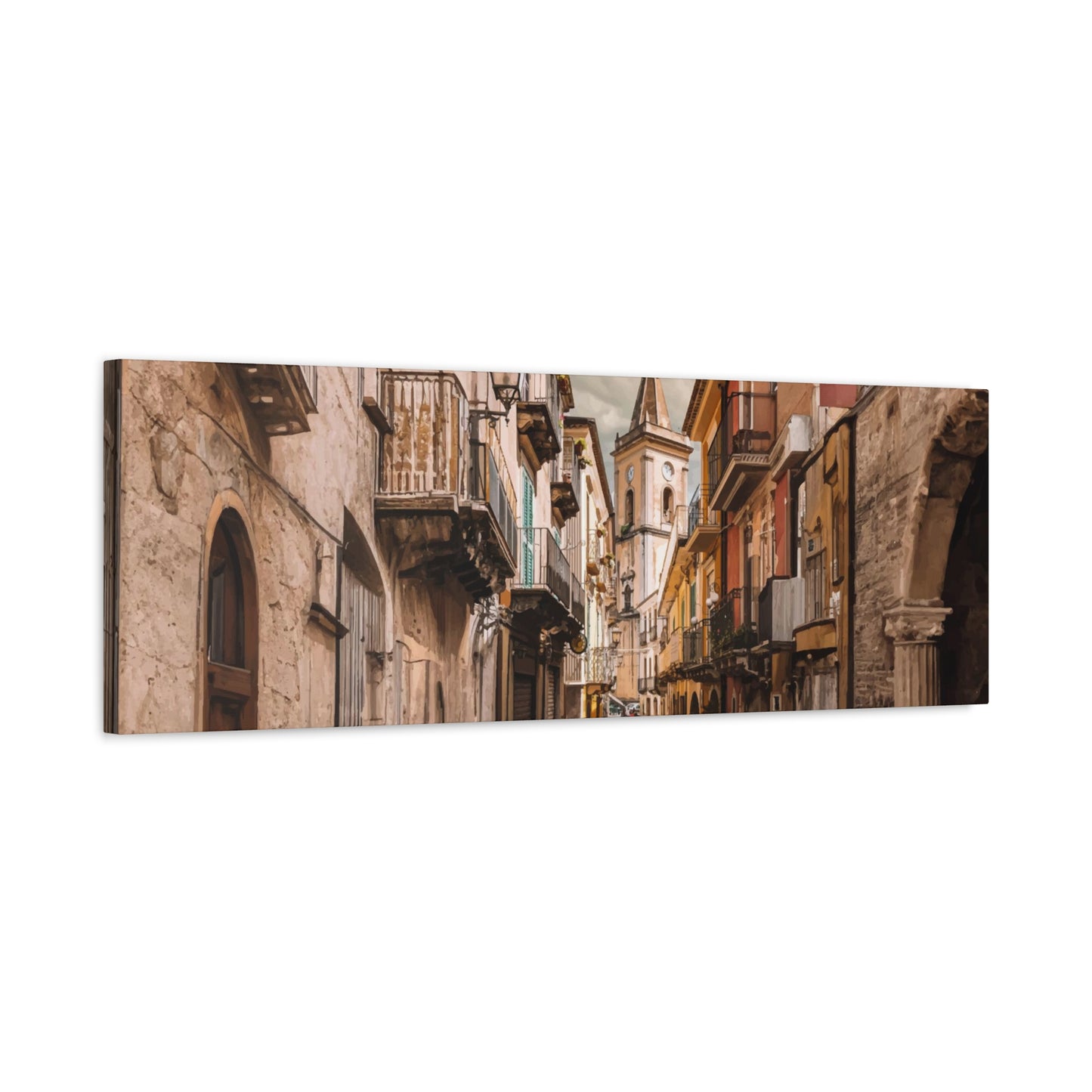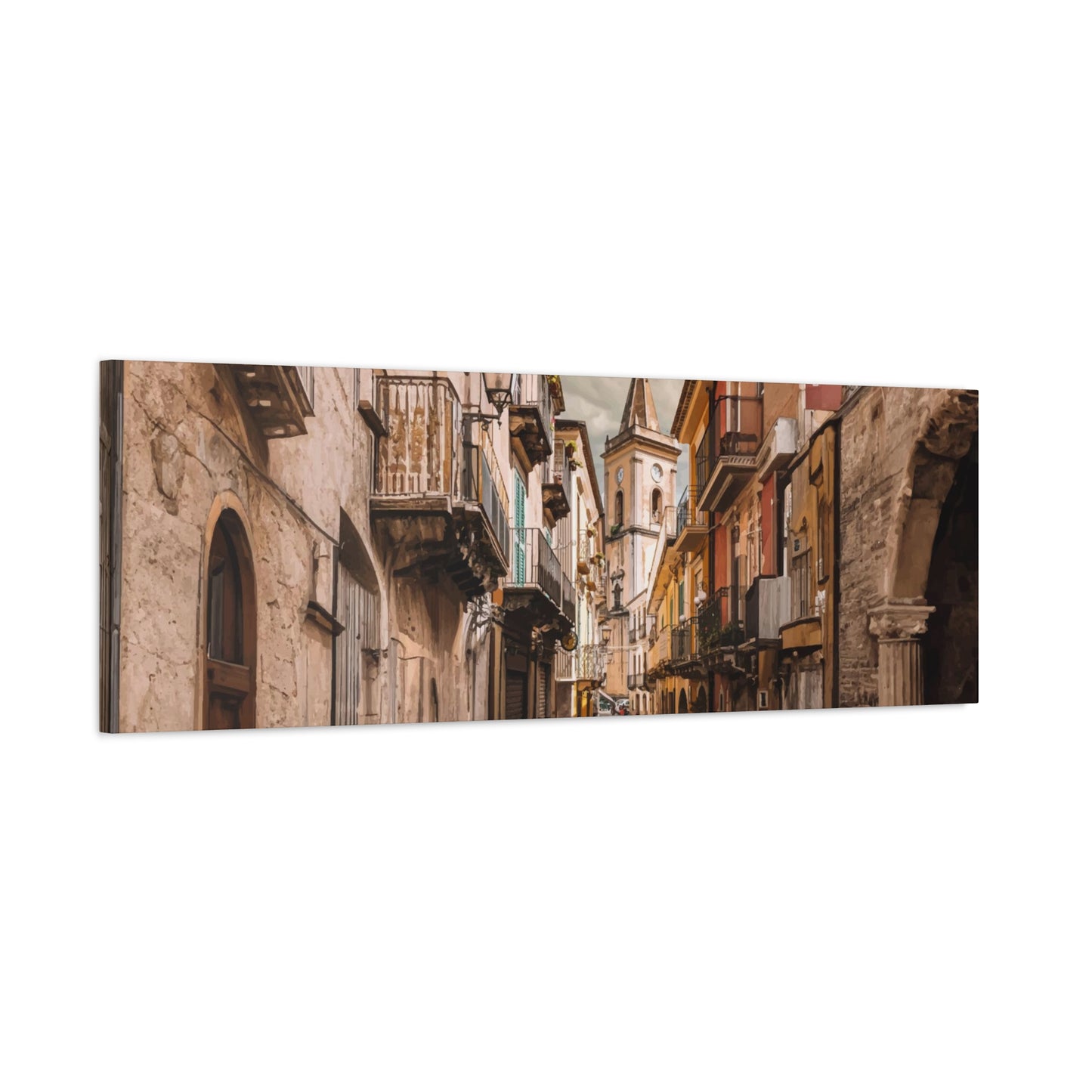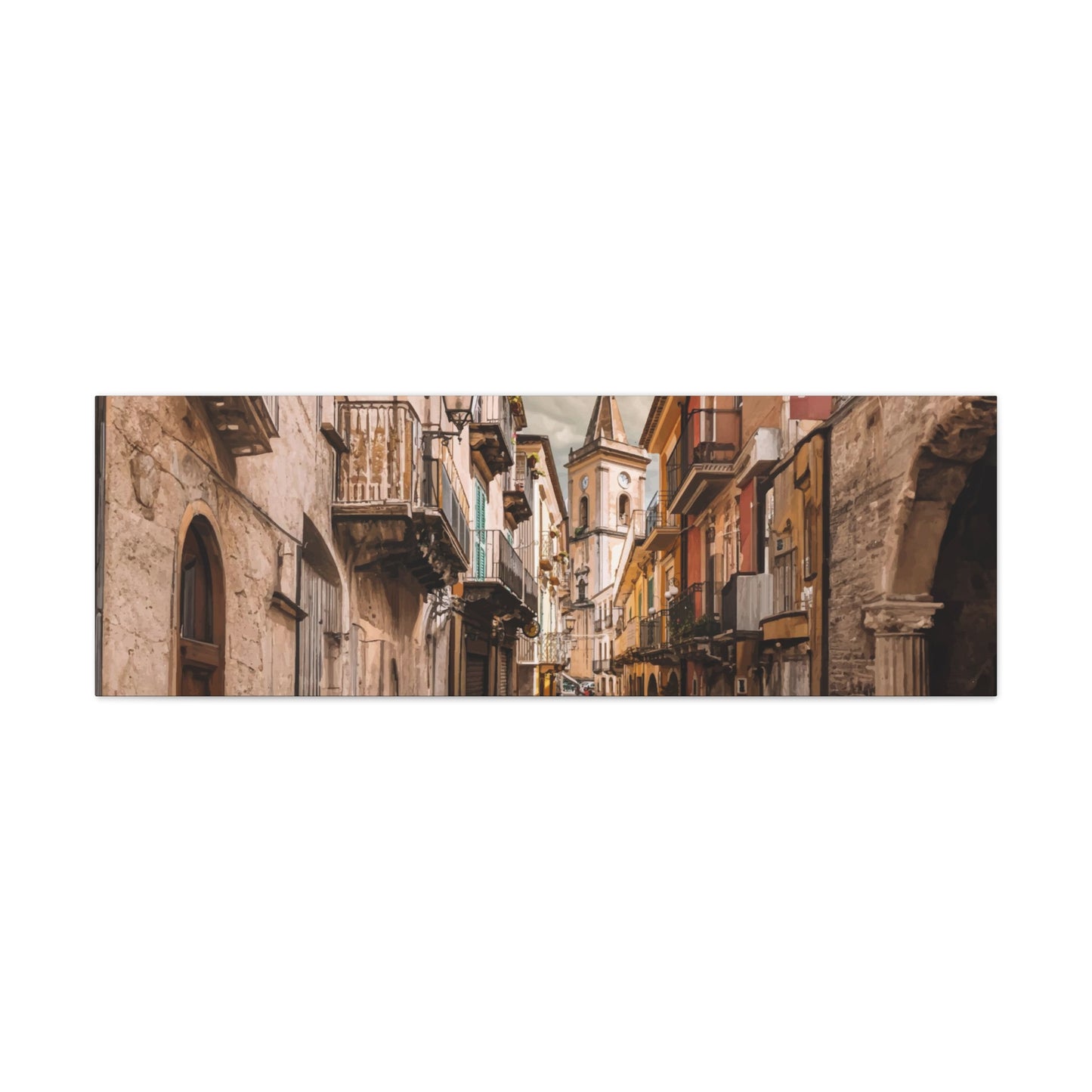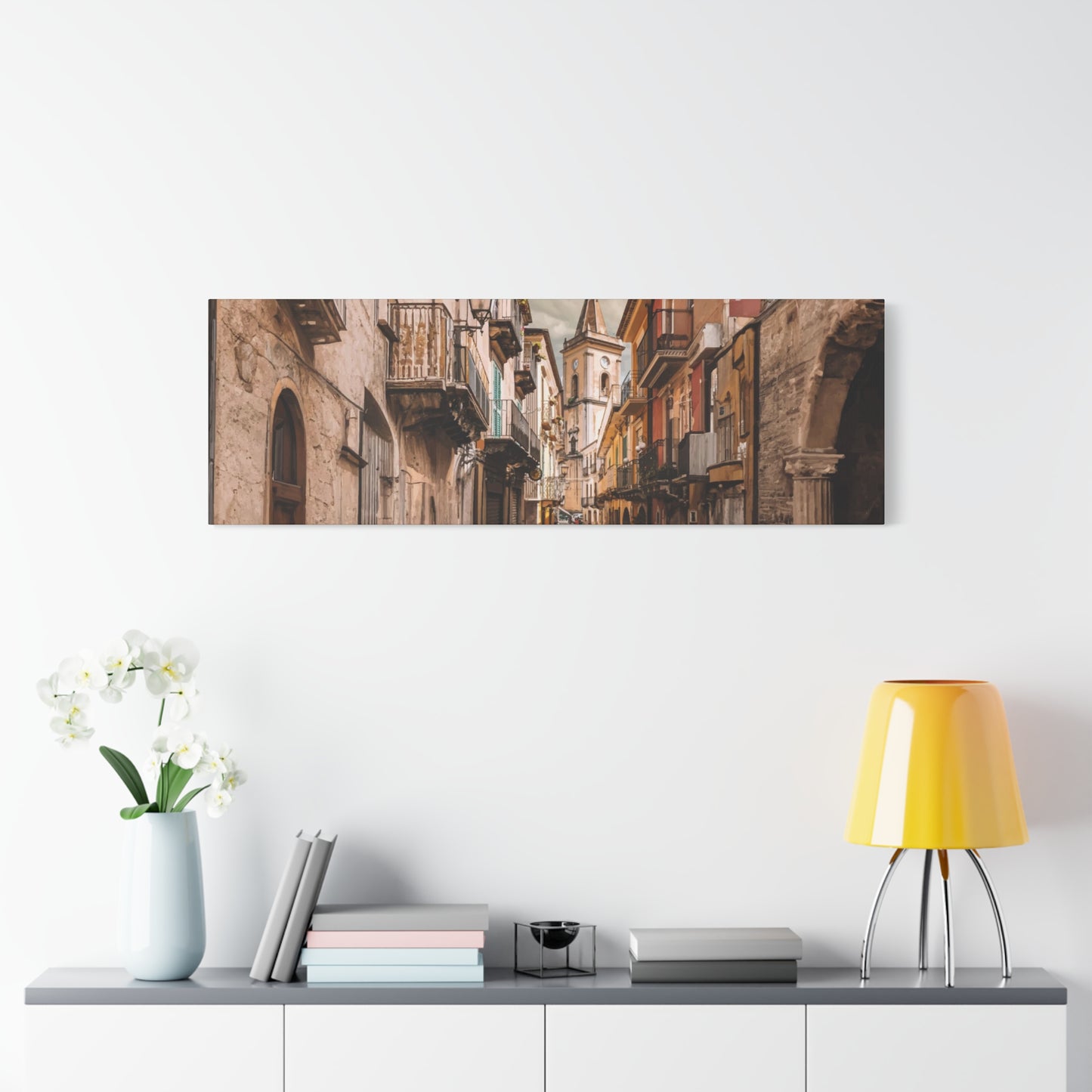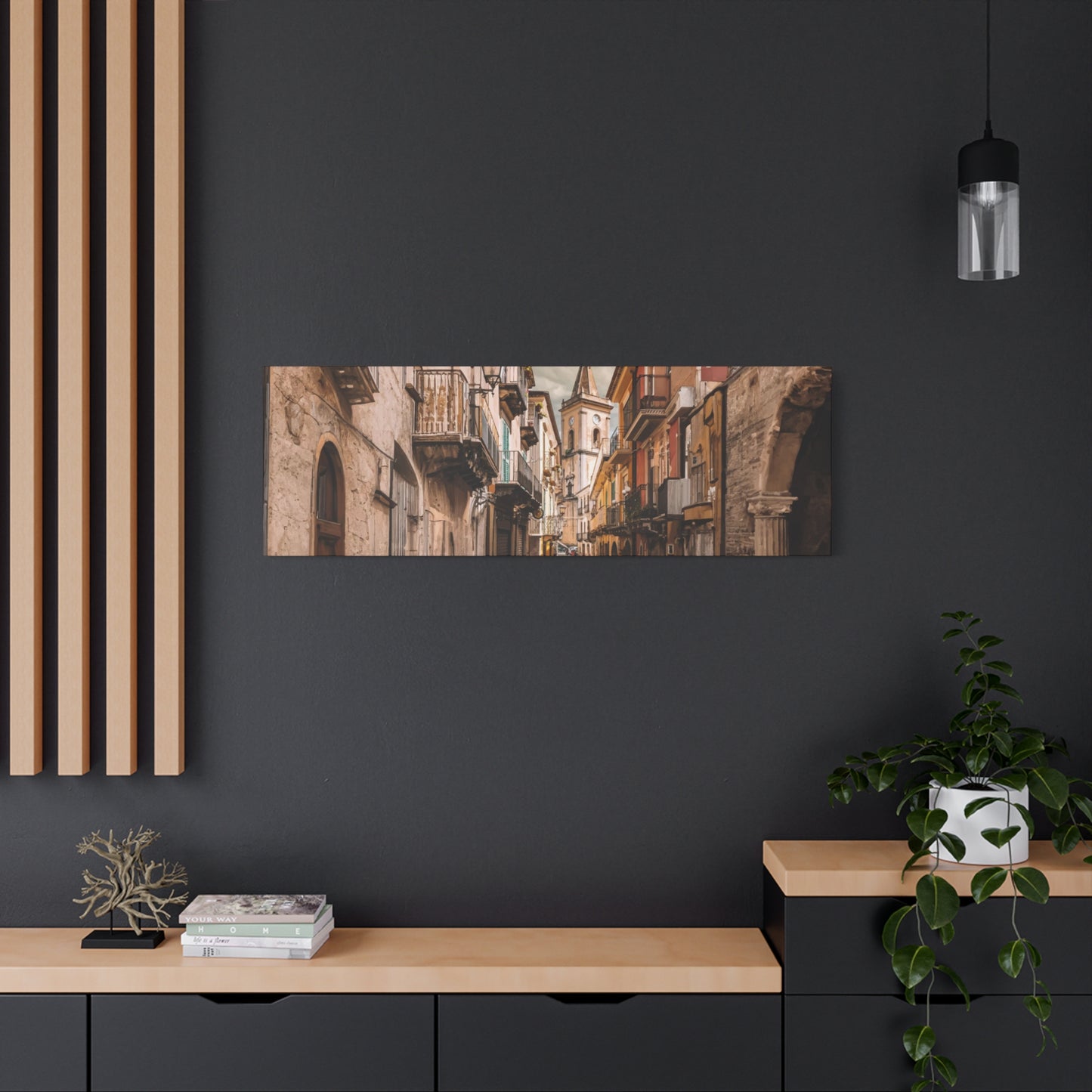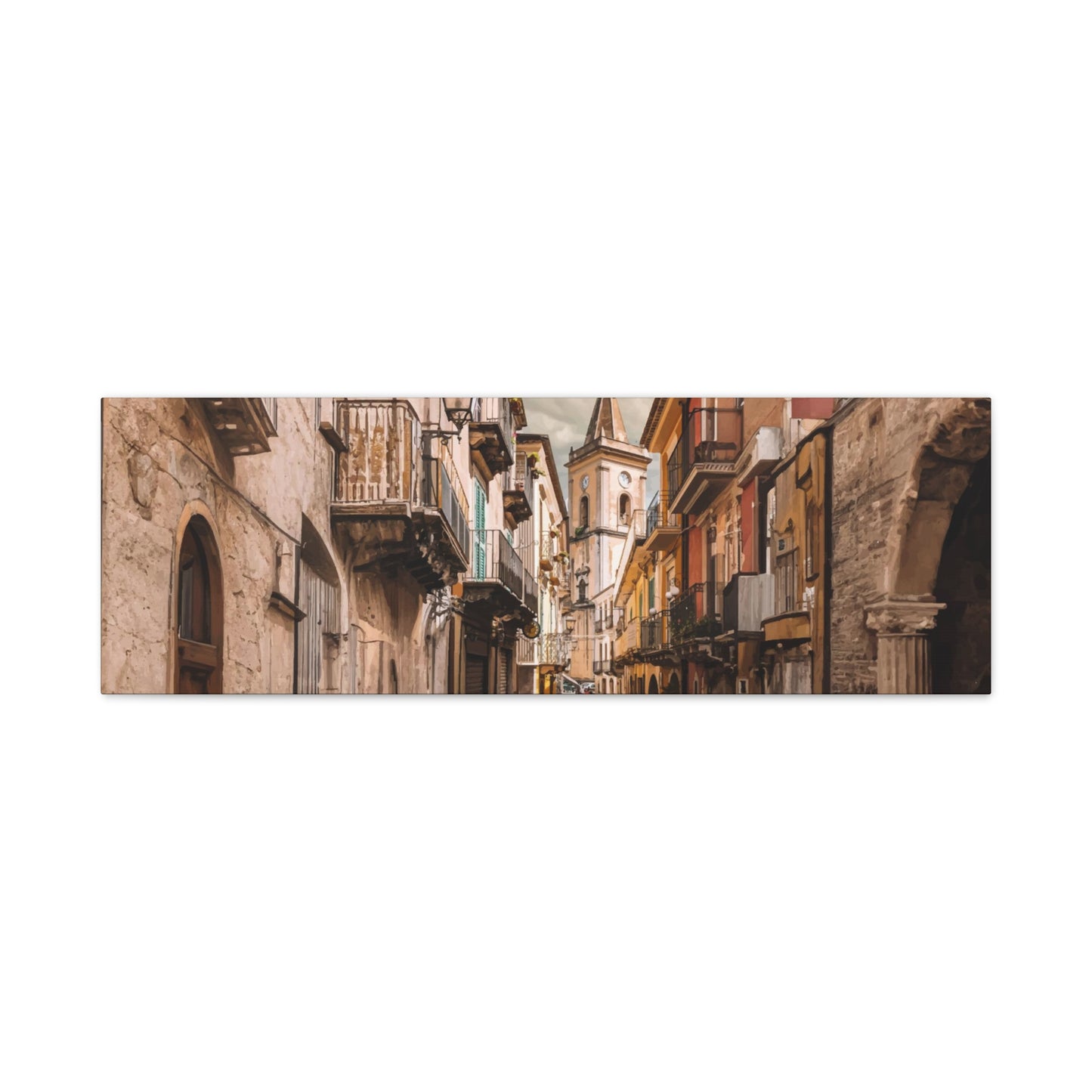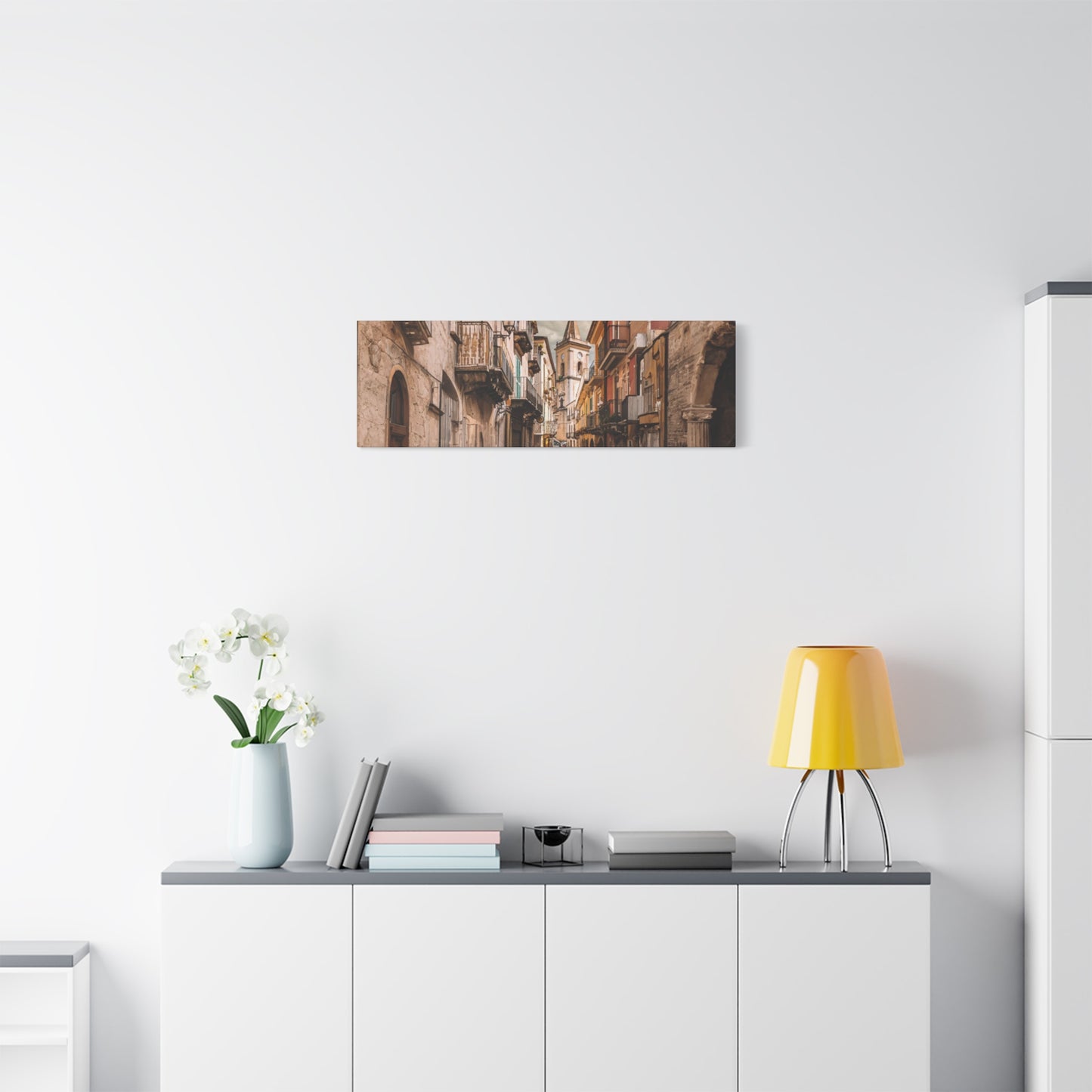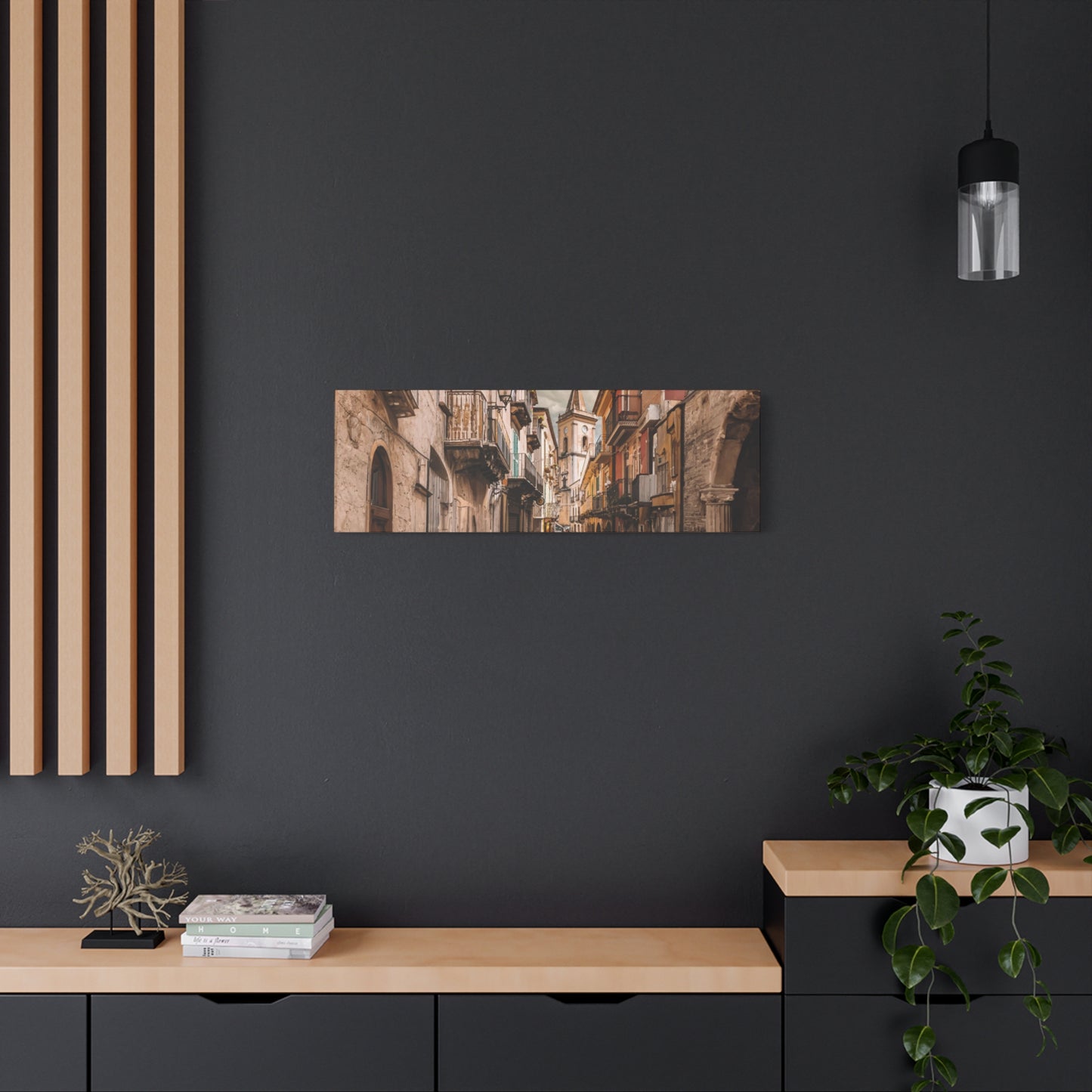


European Buildings Wall Art & Canvas Prints
European Buildings Wall Art & Canvas Prints
Couldn't load pickup availability
Discovering Timeless Elegance Through European Buildings Wall Art for Your Living Spaces
The allure of continental architecture has captivated admirers for centuries, with its magnificent structures standing as testaments to human creativity and craftsmanship. When you bring these iconic landmarks into your home through carefully selected wall decorations, you create an atmosphere that transcends ordinary interior design. The practice of adorning living spaces with imagery depicting grand cathedrals, historic palaces, and charming cobblestone streets has evolved into a sophisticated method of personal expression that connects modern dwellers with the rich cultural heritage of distant lands.
The Enduring Appeal of Continental Architectural Imagery in Modern Interior Decoration
The fascination with Old World structures manifests itself in countless ways throughout contemporary design trends. Homeowners, decorators, and art enthusiasts increasingly seek connections to places they've visited or dream of exploring. This phenomenon extends beyond mere nostalgia; it represents a deeper yearning for beauty, history, and meaning in our immediate surroundings.
When selecting pieces that showcase magnificent edifices from across the Atlantic, you're not simply purchasing decorative items. You're inviting stories, memories, and cultural significance into your personal environment. Each bridge, tower, or facade carries with it generations of human experience, artistic movements, and architectural evolution. The visual representation of these structures serves multiple purposes: aesthetic enhancement, conversation starters, and windows into different eras and societies.
The versatility of such decorative pieces allows them to complement various design philosophies. Whether your home embraces minimalist Scandinavian principles, rustic farmhouse charm, industrial loft aesthetics, or classical elegance, carefully chosen architectural imagery can harmonize with existing elements while adding depth and character. The neutral tones often found in stone facades, the warm hues of terracotta roofing, or the cool grays of Gothic spires provide color palettes that work seamlessly across diverse decorating schemes.
Exploring the Vast Diversity of Architectural Styles Represented in Wall Decorations
Continental architecture encompasses an extraordinary range of styles, each reflecting particular periods, cultural influences, and regional characteristics. Understanding these distinctions enhances your appreciation and helps you make informed choices when selecting pieces for your spaces.
Gothic structures, with their pointed arches, flying buttresses, and intricate tracery, emerged during the medieval period and continue to inspire awe. The soaring heights of cathedrals like Notre-Dame or Cologne Cathedral represent humanity's aspirations toward the divine. Reproductions of these magnificent buildings bring drama and verticality to interior spaces, drawing the eye upward and creating a sense of grandeur even in modest rooms.
Renaissance architecture marked a return to classical proportions and symmetry, emphasizing harmony and mathematical precision. The domed structures, columned facades, and balanced compositions characteristic of this period convey sophistication and intellectual refinement. Images capturing Florentine palazzos or Venetian churches introduce Renaissance ideals into contemporary living environments.
Baroque style emerged as a more dramatic, ornate evolution, featuring curved forms, gilded details, and theatrical effects. The opulence of Versailles or the dynamism of Roman churches exemplifies this movement. Representations of Baroque buildings add richness and movement to wall spaces, particularly effective in formal dining areas or entrance halls where first impressions matter.
Neoclassical architecture revived ancient Greek and Roman principles, creating structures of dignity and restraint. The colonnade facades, triangular pediments, and symmetrical layouts communicate stability and timelessness. Such imagery works beautifully in professional settings or home offices where you wish to project authority and taste.
Art Nouveau introduced organic forms, flowing lines, and natural motifs into architectural design. The whimsical curves and decorative elements seen in buildings by Gaudí or the Parisian Metro entrances bring playfulness and creativity to interior walls, particularly suitable for artistic studios or eclectic living rooms.
Modernist structures stripped away ornamentation in favor of functional simplicity, clean lines, and innovative materials. While seemingly at odds with traditional aesthetics, images of Bauhaus buildings or Le Corbusier's works can create striking contrasts in vintage-themed spaces or complement ultra-contemporary interiors.
Selecting the Perfect Pieces to Complement Your Personal Living Environment
Choosing the right architectural imagery requires consideration of multiple factors beyond personal preference. The dimensions of your wall space, existing color schemes, lighting conditions, and the atmosphere you wish to create all play crucial roles in this decision-making process.
Begin by assessing the physical characteristics of your intended display area. Large, unbroken wall expanses provide opportunities for substantial statement pieces that can serve as focal points within rooms. The grandeur of a panoramic Parisian streetscape or a detailed rendering of Prague's Charles Bridge demands sufficient space to be properly appreciated. Conversely, smaller walls or those interrupted by furniture, windows, or doorways benefit from more modest compositions or carefully arranged groupings of related images.
The existing color palette within your room should guide your selections. Architectural imagery typically features earth tones, stone grays, and muted hues that work harmoniously with many color schemes. However, specific elements within images—such as the azure waters of Venetian canals, the terracotta rooftops of Tuscan villages, or the verdant ivy climbing ancient walls—can either complement or clash with your current palette. Examine not just the dominant colors but also the subtle accents that might interact with your furnishings and accessories.
Lighting considerations significantly impact how architectural imagery appears in your space. Natural light changes throughout the day, potentially altering the mood and visibility of details within your chosen pieces. North-facing rooms receive cooler, more consistent light that preserves true colors but may feel dim. South-facing spaces enjoy warm, abundant illumination that can wash out subtle details but creates inviting atmospheres. Artificial lighting—whether ambient, accent, or task-oriented—adds another layer of complexity. Consider how your pieces will appear under various lighting conditions before making final decisions.
The emotional tone you wish to establish within a room should inform your choices. Majestic cathedrals and imposing castles convey grandeur and formality, suitable for reception areas or formal living rooms. Charming village scenes and intimate courtyards create warmth and approachability, perfect for bedrooms or family gathering spaces. Urban landscapes with bustling squares and commercial districts inject energy and vitality, working well in home offices or creative studios.
Consider the narrative or theme you're developing throughout your home. Some homeowners prefer creating cohesive stories by focusing on single cities, countries, or architectural periods. Others embrace eclecticism, mixing Roman ruins with Parisian boulevards and Amsterdam canals. Neither approach is inherently superior; the key lies in maintaining enough visual harmony to prevent spaces from feeling chaotic or disjointed.
The perspective and composition of architectural imagery also merit attention. Straight-on elevations showcase structural details and symmetry, creating formal, balanced compositions. Angled views introduce dynamism and depth, guiding viewers' eyes through three-dimensional space. Aerial perspectives offer unique vantage points that can make small rooms feel more expansive. Consider how different compositional approaches align with your spatial needs and aesthetic preferences.
Understanding Various Materials and Formats Available for Architectural Wall Displays
The physical form your chosen imagery takes significantly influences its visual impact, longevity, and compatibility with your environment. Modern production capabilities offer an impressive array of options, each with distinct characteristics and advantages.
Canvas prints remain among the most popular choices for architectural imagery. The texture of canvas adds depth and artistic quality to images, softening photographic precision into something resembling painted artwork. Stretched canvas creates a gallery-wrapped effect where the image continues around the edges, eliminating the need for frames and creating a contemporary, streamlined appearance. The slight flexibility of canvas makes it forgiving during shipping and handling, reducing damage risks compared to rigid materials.
However, canvas prints require careful consideration regarding exposure to direct sunlight and humidity. Over time, intense UV radiation can fade colors, while excessive moisture may cause warping or mold growth. Modern UV-resistant coatings and moisture barriers mitigate these concerns, but canvas remains best suited to climate-controlled interior environments rather than bathrooms or sun-drenched conservatories.
Framed photographic prints offer crisp detail and accurate color reproduction that showcases architectural elements with precision. The choice of frame style dramatically affects the overall presentation. Traditional wooden frames with ornate moldings complement classical architectural subjects, while sleek metal frames suit modernist imagery. Mat boards create breathing room between image and frame, drawing attention inward while preventing direct contact that could damage prints over time.
Glass or acrylic glazing protects prints from dust, moisture, and handling, but introduces considerations regarding glare and reflections. Standard glass offers clarity at reasonable cost but can reflect light sources and windows, potentially obscuring portions of your image. Non-reflective glass minimizes this issue through special coatings but typically costs more. Acrylic weighs less than glass and resists shattering, making it preferable for large pieces or homes with children, though it scratches more easily and may develop static that attracts dust.
Metal prints represent a contemporary option that infuses architectural images with striking vibrancy and a luminous quality. The dye-sublimation process bonds inks directly to aluminum surfaces, creating waterproof, scratch-resistant displays suitable for virtually any environment. The slight sheen of metal enhances contrast and makes colors appear more saturated, particularly effective for nighttime cityscapes or dramatic storm clouds over historic buildings. The modern aesthetic of metal prints complements industrial or minimalist interiors beautifully.
Wood prints offer rustic charm by transferring images onto natural wood surfaces. The grain patterns show through the imagery, creating unique pieces where no two are identical. This format works exceptionally well for imagery of countryside estates, village churches, or rustic farmhouses where the organic quality of wood enhances the subject matter. The textural interest adds warmth and authenticity that resonates with farmhouse or cottage design philosophies.
Tapestries and textile wall hangings provide softness and acoustic benefits that hard surfaces cannot match. Woven representations of architectural subjects introduce textile arts into your decorative scheme, creating visual interest through the interplay of threads and fibers. These pieces work particularly well in bedrooms where softness contributes to restful atmospheres, or in rooms with excessive echo where sound absorption improves comfort.
Removable wall decals and adhesive murals have revolutionized possibilities for renters and those who frequently refresh their surroundings. These products allow for dramatic transformations without permanent alterations to wall surfaces. A entire wall can become the facade of a Parisian apartment building or the interior of a Gothic cathedral, creating immersive environments. The temporary nature means you can experiment with bold choices without long-term commitment, and updates require no special tools or skills.
Creating Harmonious Arrangements with Multiple Pieces for Maximum Visual Impact
While single, substantial pieces can certainly make statements, thoughtfully arranged groupings of multiple items create dynamic, layered displays that reward extended viewing. The art of composition extends beyond individual pieces to encompass how they interact within broader spatial contexts.
Gallery wall arrangements have gained popularity as methods for showcasing collections of related imagery. When assembling architectural displays, consider whether you're developing thematic connections or prioritizing visual cohesion. Thematic approaches might focus on single cities, showing various landmarks from Paris, Rome, or Prague. Alternatively, you might trace architectural evolution through different periods, displaying Gothic, Renaissance, Baroque, and Modern structures in sequence.
Visual cohesion relies on shared elements that unify disparate images. Consistent color palettes create harmony even when depicting different subjects. Monochromatic collections using black-and-white or sepia-toned images possess inherent unity that allows for mixing diverse architectural styles and locations. Similarly, pieces sharing similar tonalities—perhaps all featuring warm, golden-hour lighting—work together regardless of specific content.
Frame consistency or intentional variety affects the overall impression. Identical frames create formal, organized displays with museum-like qualities, while mixed frames introduce eclecticism and personality. If choosing the latter approach, ensure some unifying element—perhaps similar wood tones, comparable proportions, or coordinated mat colors—prevents the arrangement from appearing random or chaotic.
The geometry of wall arrangements deserves careful planning. Grid formations create orderly, balanced displays suitable for formal spaces. Pieces hang in precise rows and columns with uniform spacing, projecting organization and intentionality. This approach works best when all frames share identical dimensions or when using mathematical proportions that create harmonious relationships between different sizes.
Asymmetrical arrangements offer more organic, relaxed aesthetics. The key to successful asymmetry lies in achieving visual balance despite irregular placement. Larger pieces carry more visual weight and typically anchor arrangements, often positioned at eye level. Smaller pieces cluster around these anchors, filling space without overwhelming the composition. Imaginary lines connecting elements should create pleasing patterns rather than confusing jumbles.
Salon-style hanging embraces density, covering walls nearly edge to edge with multiple pieces of varying sizes. This approach suits spaces where abundance and visual richness align with your goals, such as cozy libraries, artist studios, or maximalist living rooms. When depicting architectural subjects, salon walls might showcase an extensive collection documenting travels, favorite cities, or comprehensive surveys of particular architectural movements.
Linear horizontal arrangements work beautifully above furniture pieces like sofas, sideboards, or beds. Three to five pieces hung in a single horizontal line create clean, contemporary displays that complement rather than compete with furniture below. Maintain consistent spacing between pieces—typically two to four inches—and align either the top edges, bottom edges, or centers depending on whether heights vary.
Vertical arrangements suit narrow wall spaces beside doorways, in hallways, or flanking windows. Stacking architectural images vertically draws eyes upward, emphasizing ceiling height and creating elegant columns of interest. This format works particularly well for imagery of towers, spires, or other vertical architectural elements where subject matter mirrors the arrangement orientation.
Corner installations transform often-neglected transitional spaces into engaging displays. Wrapping imagery around corners creates continuous visual flow between adjoining walls, particularly effective when depicting streetscapes or building exteriors where the corner break mimics real architectural angles.
Three-dimensional arrangements extend displays beyond flat walls using shelves, ledges, or picture rails. Layering pieces at varying depths creates shadow lines and dimensional interest impossible with flush-mounted works alone. This approach allows for easy rotation of seasonal favorites or recent acquisitions without repeatedly putting holes in walls.
Matching Architectural Imagery to Specific Rooms Throughout Your Home
Different rooms serve distinct purposes and benefit from tailored approaches to architectural decoration. Understanding how spaces function helps you select imagery that enhances rather than undermines each room's primary role.
Living rooms typically serve as primary gathering spaces where families relax and guests are entertained. The architectural pieces you select for these areas should reflect the atmosphere you wish to cultivate. Grand, impressive structures like Westminster Abbey or the Colosseum make bold statements suitable for formal living rooms designed to impress. Conversely, charming village squares or intimate courtyard gardens create welcoming, comfortable environments where guests feel at ease. Consider positioning major architectural pieces above sofas or fireplaces where they naturally become conversation focal points.
Dining rooms benefit from architectural imagery that stimulates conversation without distracting from meals and companionship. Cityscapes showing outdoor cafes, market squares, or restaurant-lined streets create thematic connections to dining and communal gathering. The formality of palace dining halls or grand hotel interiors can elevate everyday meals into more special occasions. Avoid overly busy compositions that create visual chaos during meals; instead, seek balanced, contemplative images that reward casual glances without demanding constant attention.
Bedrooms require careful consideration since you'll encounter your chosen imagery both upon waking and before sleep. Peaceful village scenes, serene monastery cloisters, or tranquil garden courtyards promote restful atmospheres conducive to relaxation and sleep. Positions above headboards create natural focal points while keeping imagery within easy view from beds. Some individuals find that images of places they've visited evoke pleasant memories that ease them into sleep, while others prefer aspirational imagery of destinations they hope to explore, keeping dreams and goals literally in sight.
Home offices and studies benefit from architectural imagery that inspires focus, creativity, or intellectual engagement. Grand libraries like Trinity College Dublin or Vienna's Prunksaal remind us of accumulated human knowledge and scholarship. Modernist structures emphasizing clean lines and geometric precision can reinforce organizational thinking and systematic approaches to work. Alternatively, whimsical Art Nouveau buildings might stimulate creative thinking and innovative problem-solving. Position pieces within your natural sight line when looking up from work, providing visual breaks that refresh attention without requiring physical movement.
Entryways and foyers serve as transitional spaces that establish first impressions for visitors while welcoming residents home. Impressive architectural landmarks immediately signal your aesthetic sensibilities and cultural interests. Gateway structures—literal arches, bridges, or entrance facades—carry symbolic resonance for threshold spaces. These areas typically accommodate viewing from various angles as people enter, pass through, and depart, making compositional choices that remain engaging from multiple perspectives particularly valuable.
Hallways present unique challenges and opportunities for architectural displays. These transitional spaces often suffer from neglect, becoming mere circulation routes rather than intentional design elements. Gallery-style arrangements transform corridors into curated experiences, with sequential images creating narrative progression as visitors move through space. Long, horizontal architectural subjects—bridges, building facades, or streetscapes—naturally complement hallway proportions.
Bathrooms rarely receive serious consideration for artwork, yet we spend considerable time in these spaces during daily routines. European Buildings Wall Art depicting bathhouses, fountains, or waterfront architecture creates thematic coherence. The moisture and temperature fluctuations in bathrooms require materials that withstand these conditions; metal prints or sealed canvas work better than paper-based options.
Staircases offer dramatic display opportunities where vertical architectural subjects truly shine. Images of towers, spires, or tall building facades emphasize ascension, complementing the upward movement of stairs. The changing viewpoints as you climb or descend stairs mean that artwork appears different from various positions, allowing for complex compositions that reveal new details at different levels.
Kitchen spaces increasingly embrace decorative elements beyond purely functional considerations. Architectural imagery showing markets, street cafes, or village bakeries creates thematic connections to cooking and gathering. The warm, communal aspects of such scenes enhance kitchen atmospheres where families naturally congregate. Consider practical placement away from cooking surfaces where grease and heat might damage pieces.
Children's spaces provide opportunities to introduce young people to cultural heritage and architectural beauty. Whimsical castles, fairy-tale cottages, or colorful village scenes capture imaginations while subtly exposing developing minds to architectural concepts. As children mature, the imagery can evolve to reflect growing sophistication and emerging personal interests.
Examining Color Schemes and How They Influence Architectural Displays
Color psychology and theory play crucial roles in how architectural imagery affects your spaces and emotional responses. Understanding these relationships helps you make selections that achieve desired atmospheric effects.
Monochromatic architectural images—particularly black-and-white photographs—possess timeless elegance that transcends trend cycles. The absence of color information forces viewers to appreciate form, texture, light, and shadow as pure compositional elements. Gothic cathedrals rendered in grayscale emphasize their dramatic verticality and structural complexity. Cobblestone streets become studies in texture and pattern. Classical facades showcase mathematical proportions and decorative details without colorful distractions.
Black-and-white imagery offers practical advantages beyond aesthetics. These pieces coordinate effortlessly with virtually any color scheme since they introduce no competing hues. Whether your room features bold jewel tones, soft pastels, or neutral earth colors, monochromatic architectural pieces integrate seamlessly. This versatility proves particularly valuable in spaces that undergo seasonal refreshes or frequent accessory changes.
Sepia and warm-toned imagery evokes nostalgia and historical connection. The brownish coloration associated with aged photographs suggests the passage of time, making even relatively recent structures appear venerable and storied. Warm sepia tones coordinate beautifully with wood furniture, leather upholstery, and earth-tone textiles common in traditional or rustic design schemes.
Cool-toned imagery featuring blues, grays, and silver creates calming, sophisticated atmospheres. Morning or twilight scenes where cool light bathes stone facades project serenity and tranquility. These cooler palettes work exceptionally well in bedrooms where restful environments support quality sleep, or in bathrooms where spa-like atmospheres promote relaxation.
Golden-hour imagery captured during the magical moments shortly after sunrise or before sunset bathes architecture in warm, honeyed light that elevates even ordinary structures into extraordinary subjects. The long shadows and directional lighting during these times emphasize architectural details and create dramatic depth. The warm color temperatures evoke comfort, luxury, and natural beauty, making such pieces highly versatile across various design schemes.
Vibrant, saturated colors depicting flower markets, colorful building facades, or festival decorations inject energy and vitality into spaces. The painted buildings of Burano, the flower markets of Amsterdam, or autumn foliage surrounding chateaux introduce bold color statements that can either anchor entire color schemes or provide accent colors echoed in accessories and furnishings.
Muted, desaturated color palettes create subtle sophistication suitable for minimalist or contemporary spaces. Foggy mornings shrouding architecture in mist, overcast days producing even illumination, or deliberately faded color treatments produce quiet, contemplative pieces that add interest without demanding attention.
Coordinating your architectural imagery with existing room colors requires examining both dominant hues and accent tones. A room primarily decorated in neutrals gains character when architectural pieces introduce controlled color through specific elements—perhaps the blue doors of Santorini buildings, the red rooftops of Prague, or the green shutters typical of French country houses. Alternatively, if your space already features strong colors, selecting imagery that complements rather than competes ensures visual harmony. A room decorated in blues might feature Venetian canal scenes where water reflects sky, or Santorini's iconic blue-domed churches.
Contrast creates visual interest and can be strategically employed for emphasis. Dark, dramatic architectural subjects stand out powerfully against light walls, while light-toned subjects glow against darker backgrounds. This principle applies equally to color contrasts; warm-toned imagery pops against cool-colored walls and vice versa.
Exploring the Cultural and Historical Significance Behind Iconic Structures
When you display architectural imagery, you're not merely decorating walls; you're connecting with centuries of human achievement, cultural expression, and historical narrative. Understanding the stories behind structures enriches your appreciation and creates opportunities for meaningful engagement with your chosen pieces.
Gothic cathedrals represent some of humanity's most ambitious architectural undertakings. Construction often spanned generations, with craftsmen, architects, and laborers dedicating entire lifetimes to creating spaces that would glorify the divine and inspire the faithful. The technical innovations required to achieve soaring heights and expansive windows—pointed arches, ribbed vaults, and flying buttresses—demonstrate remarkable engineering insight achieved without modern calculation tools. When you display images of Notre-Dame, Chartres, or Cologne Cathedral, you're acknowledging this extraordinary human dedication and ingenuity.
Renaissance palaces and civic buildings emerged during periods of tremendous intellectual and artistic flowering. The wealth of merchant families and papal courts funded architectural experiments that revived classical principles while incorporating contemporary innovations. Florentine palazzos like the Palazzo Medici became templates for urban residences that balanced defensive requirements with aspirations toward beauty and cultural sophistication. These structures housed some of history's greatest thinkers, artists, and political figures, serving as backdrops for events that shaped Western civilization.
Baroque churches and palaces emerged from Counter-Reformation efforts to create emotionally engaging religious experiences that would compete with Protestant simplicity. The theatrical use of light, the dynamic interplay of concave and convex surfaces, and the sumptuous decoration aimed to overwhelm viewers with divine majesty. When displaying imagery of churches like San Carlo alle Quattro Fontane or palaces like Versailles, you're referencing this calculated use of architecture as persuasive, emotionally charged communication.
Neoclassical structures arose during Enlightenment periods when reason, democracy, and classical learning gained renewed prominence. Buildings like the Pantheon in Paris or the British Museum consciously referenced ancient Greek and Roman precedents to suggest continuity with classical virtues and democratic ideals. These structures housed nascent public institutions—museums, libraries, legislative bodies—that embodied emerging concepts about public education, governance, and cultural access.
The industrial revolution spawned entirely new building types—railway stations, exhibition halls, department stores—that accommodated modern commerce and mobility. Structures like London's St. Pancras Station or Paris's Grand Palais pioneered large-span construction using iron and glass, creating bright, expansive interiors previously impossible. These buildings represent humanity's transition into modernity and remain powerful symbols of nineteenth-century optimism and ingenuity.
Art Nouveau emerged as a reaction against industrial standardization, seeking to reintroduce handcraft, natural forms, and artistic beauty into daily life. The organic curves and decorative elements of Gaudí's Casa Batlló or Horta's Hôtel Tassel rejected right angles and mass production in favor of unique, artistically considered designs. Displaying such imagery connects you to movements that prioritized beauty, craftsmanship, and human creativity over efficiency and standardization.
Modernist structures stripped away historical references and ornament, embracing new materials and construction methods to create buildings suited to contemporary life. The glass curtain walls of Bauhaus buildings or the pilotis of Le Corbusier's villas represented radical rethinking of what buildings could be. These structures remain controversial—some celebrate their honesty and functionality while others lament the loss of decorative richness—making them particularly interesting subjects for discussion and contemplation.
Vernacular architecture—the modest houses, shops, and civic buildings of ordinary communities—deserves equal consideration alongside famous landmarks. The characteristic forms of Tuscan farmhouses, Alpine chalets, or Dutch canal houses evolved over centuries in response to local materials, climate, and cultural practices. These traditional forms represent collective wisdom about living well in particular environments, and their imagery often resonates more immediately with viewers than grandiose monuments.
Understanding the specific histories of individual buildings adds layers of meaning to your displays. Research the structures you've chosen to feature. When were they built? Who designed them? What purposes did they serve? What historical events transpired there? What restoration or preservation efforts have protected them? These narratives transform decorative objects into conversation pieces and educational opportunities, particularly valuable when sharing your spaces with curious guests or children.
Addressing Practical Considerations Including Sizing, Placement, and Mounting Solutions
Successfully displaying architectural imagery requires attention to practical details that affect both visual presentation and long-term preservation. Thoughtful planning regarding these logistical aspects ensures your pieces look their best while remaining secure and properly maintained.
Determining appropriate sizing begins with accurate wall measurements. Before purchasing pieces, measure your available space carefully, accounting for furniture, architectural features, and surrounding elements. A common guideline suggests that artwork should occupy roughly two-thirds to three-quarters of the width of furniture it hangs above, creating visual balance without overwhelming or underwhelming the space. However, this rule flexibly adapts to your specific situation and aesthetic preferences.
Vertical placement significantly affects viewer engagement and room proportions. The standard recommendation positions artwork centers at eye level, typically 57-60 inches from floor to center—the average height used in galleries and museums. This placement ensures comfortable viewing without straining up or down. However, context matters; in dining rooms where people primarily sit, lowering pieces slightly improves visibility from seated positions. Conversely, in hallways where people stand and move, standard eye level works well.
When arranging multiple pieces, plan layouts carefully before installing hardware. Create paper templates matching your pieces' dimensions and use removable adhesive to temporarily position them on walls. This allows experimentation with various arrangements without creating unnecessary holes. Step back frequently to assess how arrangements appear from different positions and distances throughout rooms.
Weight considerations affect mounting hardware selection. Lightweight pieces may hang securely from simple picture hooks or adhesive strips. Heavier items require substantial support—wall anchors, toggle bolts, or anchoring into studs—to prevent accidents. Never underestimate weight or rely on inadequate hardware; the consequences of fallen artwork include not only damaged pieces but also potential injury and wall damage.
Different wall materials require specific mounting approaches. Drywall offers straightforward installation with appropriate anchors, while plaster walls may require different techniques due to their brittleness and tendency to crumble. Brick, concrete, or stone walls need masonry bits and anchors designed for these denser materials. Before drilling, always check for electrical wiring, plumbing, or ductwork hidden within walls using electronic stud finders or voltage detectors.
Professional picture-hanging wire provides flexible, secure suspension when properly installed. Thread wire through frame D-rings or eye hooks positioned one-third down from frame tops, leaving slight slack so wire hides behind frames when hung. This positioning prevents frames from tilting outward away from walls—a common issue when attachment points sit too high.
French cleats offer exceptional stability for heavier pieces while allowing easy repositioning. This two-part system uses interlocking beveled wood or metal strips, with one piece mounted to walls and the corresponding piece attached to frames. French cleats distribute weight across wider areas and hold securely while permitting simple removal without tools—valuable for seasonal rotations or cleaning.
Picture rail systems once common in older homes allow hanging without wall penetration, using decorative molding near ceiling lines with hooks and wires suspended from rails. Modern versions of these systems offer similar benefits, particularly appealing to renters or those who frequently rearrange displays. The downside involves visible wires unless carefully integrated into design schemes.
Lighting dramatically affects how architectural imagery appears. While natural light remains free and constantly changing, it introduces UV radiation that gradually fades colors and deteriorates materials. Position pieces receiving direct sunlight carefully, considering whether protective glazing includes UV filtering. Alternatively, embrace natural light while planning to eventually replace pieces showing fading, accepting this as part of their lifecycle.
Artificial lighting provides control impossible with daylight. Picture lights mounted directly above or below frames create dramatic illumination that emphasizes artwork while adding ambient room lighting. Track lighting offers flexible positioning and directionality, allowing you to highlight specific pieces or create even illumination across gallery walls. LED technology provides energy-efficient, low-heat options that won't damage artwork while offering various color temperatures to complement different times of day or moods.
Avoid placing architectural imagery in locations subject to extreme conditions. Bathrooms, kitchens near cooking surfaces, or exterior walls prone to condensation expose pieces to moisture that encourages mold growth and material degradation. Direct heating vents or air conditioning returns create temperature fluctuations and blow dust onto surfaces. Fireplaces produce smoke and particulates that gradually dull and damage artwork. Recognizing these hazards helps you position pieces where they'll endure rather than deteriorate prematurely.
Maintaining and Preserving Your Architectural Displays for Lasting Beauty
Proper maintenance extends the lifespan of your architectural imagery, preserving its beauty and protecting your investment. Different materials require specific approaches, but general principles apply across formats.
Regular dusting prevents particle accumulation that dulls surfaces and works into crevices. Use soft, clean microfiber cloths or artist brushes specifically designated for this purpose. For unglazed canvas or textile pieces, gentle vacuuming with brush attachments removes dust without direct contact that might abrade surfaces. Always work from top to bottom, allowing dislodged particles to fall away rather than spreading them across cleaned areas.
Glazed frames under glass or acrylic require different cleaning approaches. Glass tolerates standard glass cleaners applied to cleaning cloths rather than directly onto surfaces, preventing liquids from seeping behind glazing or into frame joints. Acrylic scratches more easily than glass, demanding gentler treatment—use cleaners specifically formulated for acrylic, and avoid paper products that may contain abrasive particles. Microfiber cloths designed for eyeglasses or electronics work well for acrylic surfaces.
Frame maintenance preserves both aesthetic appeal and structural integrity. Wood frames benefit from occasional treatment with appropriate wood care products—paste wax for finished frames or lemon oil for raw wood. Metal frames require little beyond dust removal, though occasionally checking for tarnish or corrosion prevents deterioration. Gilded or decorative frames need gentle handling; ornate details trap dust requiring soft brushes and patience to clean without damaging delicate elements.
Inspect hanging hardware periodically, ensuring wires remain intact without fraying, hooks stay firmly attached to frames, and wall anchors remain secure. Weight gradually stresses materials; what mounted securely years ago may have loosened, creating safety hazards. Tighten any loose components and replace questionable hardware proactively rather than waiting for failures.
Environmental monitoring prevents damage from controllable factors. Maintain relatively stable temperature and humidity levels; significant fluctuations stress materials, causing expansion and contraction that warps frames, cracks glazing, or damages artwork itself. Ideal conditions typically fall between 65-75°F with 40-60% relative humidity, though exact requirements vary by material. Hygrometers inexpensively monitor humidity, alerting you to problematic conditions requiring intervention.
If pieces require significant cleaning beyond routine dusting—perhaps due to smoke exposure, spills, or neglect—consider professional services rather than attempting aggressive cleaning yourself. Professional conservators understand material properties and possess specialized tools and products that clean effectively without causing damage. While this represents additional expense, it's far less costly than replacing damaged irreplaceable pieces.
When rotating seasonal displays or redecorating, store removed pieces properly to prevent damage during dormancy. Wrap frames in clean, acid-free paper or cloth; avoid plastic directly against artwork since trapped moisture encourages mold. Store flat or upright in stable environments away from temperature extremes, moisture, and pests. Leaning frames against each other risks scratches; if space constraints require this, separate pieces with padding.
Document your collection photographically, creating visual records of each piece's condition, details, and placement. These images serve multiple purposes: insurance documentation, purchase records, rotation planning, and maintenance references showing how pieces originally appeared. Include close-ups of signatures, labels, or unique features, along with overall views showing context and condition.
Sourcing Authentic and High-Quality Pieces from Reputable Providers
The source of your architectural imagery significantly impacts its quality, authenticity, and longevity. Understanding how to identify reputable providers and evaluate offerings helps ensure satisfaction with your purchases.
Specialized art retailers focusing on architectural photography or travel imagery typically curate selections emphasizing quality and aesthetic merit. These vendors often work directly with photographers, ensuring proper licensing and fair artist compensation. Staff knowledge allows them to provide information about specific locations, photographic techniques, and material options, helping you make informed selections.
Online marketplaces offer vast selections and competitive pricing but require more careful evaluation. Read seller reviews thoroughly, looking for patterns in feedback regarding quality, accuracy of descriptions, shipping practices, and customer service. Examine product images critically—do they show actual products or idealized renderings? Can you see details clearly? Are dimensions, materials, and production methods clearly specified? Ambiguity often signals problems.
Print-on-demand services allow you to select images and specify sizes, materials, and framing options. Quality varies dramatically among providers, with differences in printer technology, material sourcing, and quality control producing substantially different results despite similar prices. Request samples if possible before committing to expensive large-format pieces. Review return policies carefully; reputable providers stand behind their products and accommodate dissatisfaction.
Local artisan markets, gallery shows, and craft fairs provide opportunities to see pieces in person before purchasing. The tactile experience reveals details invisible in photographs—actual colors, material textures, frame quality, and construction standards. Direct artist interactions provide insights into creative processes and allow commission discussions for custom work perfectly tailored to your needs.
When evaluating specific pieces, examine several quality indicators. Image resolution should appear sharp with clean edges and clear details; blurriness, pixelation, or soft focus suggests low-quality source files or inadequate printing processes. Color reproduction should look natural and balanced; oversaturated, muddy, or incorrectly tinted colors indicate poor color management. Material quality varies; compare paper weights, canvas textures, or metal thicknesses when possible. Substantial materials signal quality and longevity.
Framing quality dramatically affects perceived value and actual durability. Joints should fit tightly without gaps; mitered corners should align precisely. Glazing should be clear, clean, and correctly sized. Hardware should be appropriate for weight and securely attached. Pre-framed pieces at suspiciously low prices often use cheap materials and poor construction that won't endure.
Licensing and copyright merit consideration beyond legal compliance; they reflect ethical practice. Artists deserve compensation for their work. Vendors offering suspiciously cheap prints of recognizable famous images may use unlicensed reproductions that violate intellectual property rights. Supporting legitimate vendors ensures artists receive fair payment while protecting you from potential legal issues.
Conclusion
In conclusion, incorporating European buildings wall art into your living spaces can transform a room, infusing it with timeless elegance and a sense of cultural sophistication. From the intricate architectural details of Parisian facades to the towering grandeur of Roman columns, these artworks encapsulate the history, artistry, and unique charm of Europe’s most iconic structures. Whether you're drawn to the classic beauty of neoclassical architecture, the romanticism of medieval castles, or the clean, modern lines of contemporary European designs, there’s something inherently captivating about these buildings that speaks to our collective appreciation of history and beauty.
European architecture is more than just a physical structure; it represents a fusion of artistry, engineering, and human aspiration. By choosing wall art that showcases these masterpieces, you're not simply decorating a space but inviting a story into your home. These artworks serve as visual time capsules that remind us of the achievements of past civilizations, offering a window into different eras, cultures, and places. The appeal of European architecture, with its diverse styles and influences, offers endless possibilities to complement any interior design aesthetic, from classical to modern, minimalistic to eclectic.
Furthermore, the versatility of European buildings wall art makes it suitable for a wide range of settings, whether you're redecorating a cozy apartment, designing a sprawling open-plan space, or curating an atmosphere for a boutique hotel or office. The grandeur of European cathedrals, the symmetry of Italian villas, or the romantic allure of French châteaux can bring depth and personality to your walls, creating an ambiance that invites conversation and admiration.
As with all great art, the choice of which European building to feature in your home depends on personal taste and the emotional connection you wish to create. Some might be drawn to the soft elegance of Venice's canals reflected in Renaissance architecture, while others may prefer the striking modernity of a Berlin building with sharp geometric lines. Regardless of your choice, these pieces will act as a focal point for the room, adding character and a sense of history that transcends trends.
Additionally, the global influence of European architecture means that these images can evoke a sense of wanderlust and exploration. Many of us associate European cities with travel, adventure, and discovery, and having these iconic buildings on display serves as a reminder of the beauty and diversity the world has to offer. It can inspire future travels or rekindle fond memories of past trips, making it not just an aesthetic choice, but a deeply personal one.
Ultimately, integrating European buildings wall art into your living spaces is an invitation to celebrate timeless beauty and craftsmanship. These pieces hold the power to elevate the mood of a room, enhance the overall design, and infuse your home with an elegant touch that reflects your appreciation for history, art, and culture. So, whether you’re an avid traveler, a lover of art, or simply someone who appreciates the exquisite nature of European architecture, adding these artistic representations to your home can create a lasting impression that brings elegance, style, and an enriched atmosphere to your everyday life.
Share