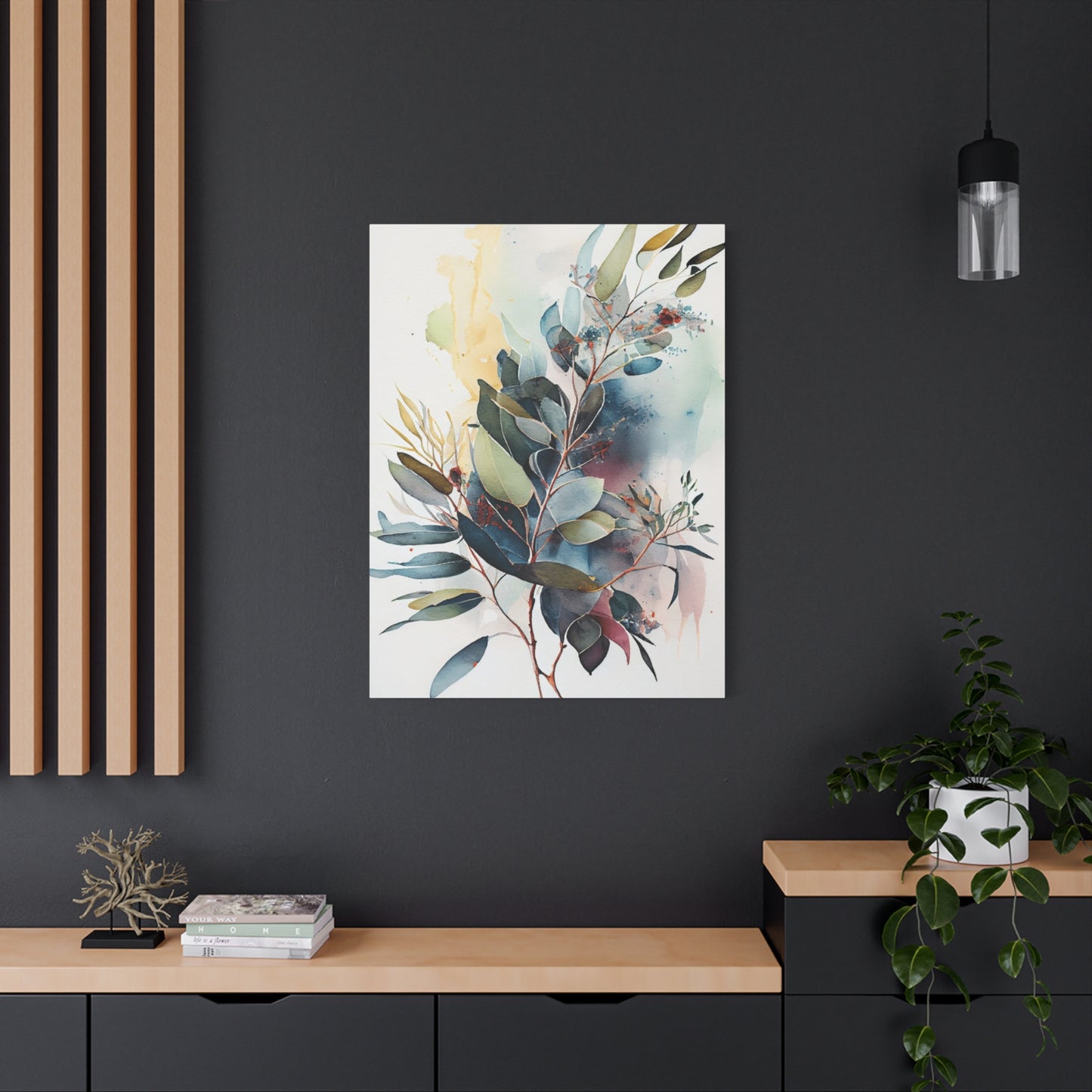


Eucalyptus Wall Art & Canvas Prints
Eucalyptus Wall Art & Canvas Prints
Couldn't load pickup availability
Enhance Your Home’s Aesthetic with Eucalyptus Wall Art: Stunning Botanical Designs for Contemporary Spaces
Bringing nature indoors has become more than just a passing trend in contemporary home design. The desire to connect with organic elements while maintaining sophisticated aesthetics has led many homeowners and interior designers to explore botanical decoration options. Among the most captivating choices available today, eucalyptus branches and foliage have emerged as premier selections for creating striking visual statements on walls throughout residential and commercial environments.
The silvery-green leaves and graceful stems of eucalyptus possess an inherent elegance that transcends seasonal changes and design movements. When arranged thoughtfully and displayed prominently, these botanical specimens transform ordinary walls into living galleries that celebrate the remarkable beauty found in the natural world. The aromatic qualities, varied textures, and subtle color palettes of different eucalyptus varieties offer endless possibilities for creative expression.
Why Eucalyptus Branches Have Captivated Interior Designers and Homeowners Worldwide
The worldwide fascination with eucalyptus as a decorative element stems from multiple compelling attributes that distinguish it from conventional botanical choices. These characteristics combine to create an unparalleled medium for artistic expression within interior environments.
The visual appeal of eucalyptus lies primarily in its distinctive foliage structure. The rounded or elongated leaves, depending on the specific variety, present a refined silhouette that reads clearly against wall surfaces. The natural color spectrum ranges from deep forest greens to powder blues and silvery grays, providing versatility for various color schemes and design philosophies. This chromatic diversity enables seamless coordination with existing decor while introducing subtle contrast that enlivens spaces without overwhelming them.
Beyond mere aesthetics, eucalyptus carries aromatic properties that distinguish it from purely visual decorative elements. The essential oils contained within the leaves release gentle fragrances that promote relaxation and mental clarity. This olfactory dimension transforms visual decoration into a multisensory experience, creating environments that engage multiple perceptual channels simultaneously. The scent remains present but never overpowering, offering a sophisticated alternative to artificial air fresheners or heavy potpourris.
The structural characteristics of eucalyptus branches facilitate artistic manipulation. The stems possess sufficient flexibility for creative shaping while maintaining enough rigidity to hold desired forms. This balance enables designers to create everything from minimalist single-stem displays to elaborate compositions featuring multiple branches arranged in complex patterns. The natural variation in stem thickness, leaf density, and growth patterns ensures that each piece becomes inherently unique.
Eucalyptus demonstrates remarkable longevity compared to many other botanical materials. While fresh-cut flowers typically survive only days before wilting, properly prepared eucalyptus maintains its structure and much of its visual appeal for weeks or even months. When dried correctly, these botanical specimens can endure for years, offering sustained decorative value that justifies the initial investment of time and resources.
The sustainable nature of eucalyptus cultivation appeals to environmentally conscious consumers. Many eucalyptus varieties grow rapidly and regenerate quickly after harvesting, making them renewable resources. This ecological advantage aligns with contemporary values prioritizing responsible consumption and minimal environmental impact. Choosing eucalyptus over less sustainable materials represents a small but meaningful step toward more mindful decoration practices.
Exploring the Diverse Varieties of Eucalyptus Suitable for Wall Displays
The eucalyptus genus encompasses hundreds of distinct species, each offering unique visual characteristics and practical considerations for decorative use. Understanding these differences empowers informed selection that aligns with specific aesthetic goals and environmental conditions.
Silver dollar eucalyptus, scientifically known as Eucalyptus cinerea, ranks among the most popular choices for interior decoration. This variety features nearly circular leaves arranged in opposing pairs along the stems. The foliage displays a distinctive blue-gray coloration that photographs beautifully and complements both warm and cool color palettes. The compact growth habit and moderate stem length make silver dollar eucalyptus particularly suitable for smaller arrangements or spaces where a delicate touch is preferred over bold statements.
Seeded eucalyptus, primarily comprising Eucalyptus polyanthemos varieties, offers a different aesthetic altogether. This type produces smaller, more elongated leaves clustered densely along branches that often display appealing curves and bends. The seeds that give this variety its common name appear as small berries interspersed among the foliage, adding textural interest and visual complexity. The overall effect reads slightly more rustic than silver dollar types, making seeded eucalyptus excellent for farmhouse-inspired or casual design schemes.
Willow eucalyptus, or Eucalyptus nicholii, distinguishes itself through dramatically different foliage characteristics. The narrow, linear leaves resemble those of willow trees, creating a feathery appearance quite unlike the broader-leafed varieties. This delicate aesthetic suits spaces seeking softness and movement, as the slender leaves appear to float and dance even in minimal air currents. The color tends toward deeper greens with bronze undertones, offering warmth that contrasts beautifully with cooler furnishing tones.
Baby blue eucalyptus represents another beloved option, featuring smaller leaves than standard silver dollar varieties but maintaining similar coloration. The diminutive scale creates an airy, ethereal quality particularly effective in minimalist or Scandinavian-inspired interiors. The petite proportions also facilitate intricate arrangements where larger leaves might overwhelm delicate compositions.
Spiral eucalyptus, scientifically termed Eucalyptus perriniana, presents perhaps the most distinctive appearance of commonly available varieties. The leaves grow in a spiral pattern around the central stem, creating geometric interest that appeals to contemporary design sensibilities. The unique growth habit ensures visual impact even in simple arrangements, as the natural form itself becomes the primary decorative element.
Gunnii eucalyptus, or Eucalyptus gunnii, offers exceptional cold hardiness along with attractive blue-green foliage. The rounded juvenile leaves transition to more elongated adult forms on mature plants, sometimes presenting both leaf types on harvested branches. This variation within individual specimens adds depth and interest to arrangements. The robust nature of this variety translates to excellent longevity when properly prepared for display.
Strategic Planning and Design Considerations Before Creating Your Botanical Wall Display
Successful eucalyptus wall art begins long before stems are cut or hung. Thoughtful planning ensures outcomes that satisfy aesthetic aspirations while proving practical for long-term enjoyment.
Wall selection represents the first critical decision. Not all wall surfaces accommodate botanical displays equally well. Smooth, painted walls accept most hanging methods without difficulty, while textured surfaces or specialty finishes may require specific attachment approaches. Consider also the wall's location relative to environmental factors like sunlight, humidity, and air circulation. Eucalyptus generally tolerates various conditions, but extreme environments may accelerate deterioration or necessitate more frequent replacement.
Color coordination demands careful attention to ensure harmonious integration with existing decor. While eucalyptus's natural palette proves remarkably versatile, certain combinations create more striking effects than others. Silvery-blue varieties stand out dramatically against deep charcoal or navy walls, while softer greens complement warm neutrals and earth tones. Consider not only wall color but also the hues of nearby furnishings, artwork, and accessories. The goal is creating cohesive environments where botanical elements enhance rather than compete with surrounding features.
Scale and proportion govern the visual success of any decorative element. Eucalyptus arrangements must suit both the wall dimensions and the overall room size to achieve balanced aesthetics. Oversized displays can overwhelm small spaces, making them feel cluttered and claustrophobic. Conversely, modest arrangements may disappear in expansive rooms, failing to make meaningful visual impact. As a general guideline, arrangements should occupy roughly one-third to two-thirds of the intended wall section, leaving negative space that allows the eye to rest and prevents visual chaos.
Lighting conditions significantly influence how eucalyptus displays appear and how long they maintain their appeal. Natural light generally proves most flattering, highlighting the subtle color variations and textural qualities of the foliage. However, intense direct sunlight may cause premature fading or drying. Artificial lighting requires equal consideration, as different light sources render colors differently. Warm incandescent or LED lighting enhances the natural tones of eucalyptus, while cool fluorescent lighting may create less appealing blue or gray casts.
Traffic patterns and functional requirements of spaces merit evaluation. Entryways and hallways experience frequent passage, making fragile or protruding arrangements impractical. Conversely, focal walls in living rooms or bedrooms offer more flexibility for elaborate designs. Consider also ceiling height, as this factor influences both how arrangements are viewed and what installation methods prove feasible.
Budget constraints shape project scope and material selection. While eucalyptus generally proves more economical than many cut flowers, costs accumulate when creating large displays or selecting premium varieties. Balancing aesthetic ambitions with financial realities ensures satisfying outcomes without regrettable overspending. Consider also the costs of necessary supplies like vases, hanging mechanisms, and preservation materials.
Sourcing Premium Eucalyptus Branches for Your Decorative Projects
Obtaining high-quality eucalyptus forms the foundation of successful wall art. Multiple sourcing channels exist, each offering distinct advantages and potential drawbacks.
Local florists represent perhaps the most accessible source for many consumers. Established florists typically stock several eucalyptus varieties and can often special-order less common types. The ability to personally inspect materials before purchase proves invaluable, allowing assessment of freshness, color, and overall quality. Florists can also provide guidance on selection and care based on professional expertise. However, prices at retail florists generally exceed other sources, and inventory may be limited compared to specialized suppliers.
Farmers markets and flower markets offer alternatives combining reasonable prices with direct-from-grower freshness. Many eucalyptus growers sell directly at these venues, eliminating intermediary markups. The informal atmosphere encourages conversation with growers, who often share cultivation insights and preparation tips gleaned from years of experience. Market availability varies seasonally and geographically, potentially limiting this option for some consumers.
Online retailers have dramatically expanded access to eucalyptus varieties and quantities. Specialized botanical suppliers ship nationwide, offering selections impossible to find locally. Competitive pricing and bulk discounts make online sourcing attractive for large projects. However, purchasing sight-unseen carries inherent risks, as quality may not match expectations. Shipping stress can also damage delicate branches, particularly during temperature extremes. Researching supplier reputations through reviews and recommendations mitigates but doesn't eliminate these concerns.
Wholesale flower markets serve consumers willing to purchase larger quantities at significantly reduced per-stem costs. These markets typically require early-morning visits and cash transactions, operating somewhat differently from conventional retail environments. The wholesale approach suits those creating extensive displays or maintaining ongoing decorative programs. Minimum purchase requirements may exceed individual project needs, though splitting orders with friends or neighbors resolves this limitation.
Garden centers occasionally stock eucalyptus, particularly during peak wedding and holiday seasons when demand increases. While not comprehensive suppliers, garden centers may offer convenience for consumers already patronizing these businesses for other horticultural needs. Quality varies considerably depending on the center's commitment to floral offerings versus primary focus on live plants and gardening supplies.
Cultivating personal eucalyptus sources offers the ultimate in freshness and cost-effectiveness for those with appropriate climates and growing space. Many eucalyptus species adapt well to landscape use in temperate and Mediterranean climate zones. Established plants provide ongoing harvests for years with minimal maintenance. Even in less favorable climates, container cultivation of dwarf varieties proves feasible, though yields naturally remain modest compared to landscape specimens.
Preparing and Treating Eucalyptus Branches for Long-Lasting Wall Displays
Raw eucalyptus requires preparation to maximize its decorative lifespan and visual appeal. Proper treatment distinguishes short-lived arrangements from displays that maintain beauty for extended periods.
Initial processing begins immediately upon acquiring fresh-cut stems. Removing the branches from any packaging allows them to breathe and prevents moisture accumulation that encourages mold growth. Inspect stems carefully, removing any damaged or discolored foliage. This grooming improves overall appearance while eliminating potential decay points that could spread to healthy portions.
Stem trimming optimizes water uptake for arrangements maintained in water or promotes even drying for preserved displays. Using sharp, clean pruning shears or floral snips, remove one to two inches from the base of each stem at a forty-five-degree angle. This angled cut increases surface area exposed to water while creating a fresh opening free of sealed or damaged tissue that impedes fluid absorption. For branches intended for drying, the angled cut proves less critical but still recommended for aesthetic consistency.
Foliage removal along lower stem portions serves multiple purposes. Stripping leaves from sections that will rest below water prevents submerged decay that clouds water and produces unpleasant odors. For arrangements not using water, removing lower foliage creates clean stems that facilitate handling and attachment to display structures. Generally, removing foliage from the bottom third to half of stems proves appropriate, though specific arrangements may require more or less clearing.
Water-based preservation suits eucalyptus intended for temporary display or gradual transition from fresh to dried states. Placing prepared stems in clean vases filled with fresh water immediately after trimming prevents stress that shortens lifespan. Changing water every few days and re-trimming stems maintains optimal absorption. Some practitioners add floral preservatives to extend freshness, though eucalyptus proves less dependent on these additives than more delicate flowers. The water method allows enjoying eucalyptus at peak freshness before it naturally transitions to an attractive dried state over several weeks.
Glycerin preservation creates supple, long-lasting dried eucalyptus with maintained color and flexibility superior to air-drying alone. This method involves replacing the plant's natural moisture with a glycerin solution that keeps leaves pliable while preventing brittleness. To implement this preservation technique, mix one part glycerin with two parts water, heating the solution slightly to ensure thorough blending. Place stem ends in the warm solution and allow absorption for one to three weeks in a cool, dark location. As glycerin replaces water throughout the plant tissue, leaves darken slightly but retain flexibility and don't shatter with handling. This preserved eucalyptus proves ideal for long-term displays or arrangements requiring manipulation into specific shapes.
Air-drying represents the simplest preservation approach, requiring no special materials or solutions. Bundle small groups of stems with twine or rubber bands, hanging them upside down in a dark, well-ventilated space. Darkness preserves color better than light-exposed drying, which tends to fade foliage more rapidly. Adequate ventilation prevents mold growth while promoting even moisture loss. Depending on humidity levels and stem thickness, complete drying typically requires two to four weeks. Air-dried eucalyptus becomes more brittle than glycerin-preserved material but still handles reasonably well with care. The natural color shift toward muted tones appeals to those seeking vintage or rustic aesthetics.
Pressing provides another preservation option, creating flat specimens suitable for framed arrangements or herbarium-style displays. Place individual stems or sprigs between sheets of absorbent paper, then stack heavy books or use a plant press to apply consistent pressure. Change the paper every few days to remove absorbed moisture. Complete pressing typically requires two to three weeks. Pressed eucalyptus works beautifully in shadow boxes or framed compositions where dimensional depth matters less than silhouette clarity.
Crafting Stunning Single-Stem Eucalyptus Wall Art for Minimalist Spaces
Simplicity often speaks most eloquently, and single-stem eucalyptus displays embody this principle perfectly. These understated arrangements suit minimalist aesthetics while providing organic warmth that prevents spaces from feeling sterile or cold.
Stem selection for single-piece displays demands heightened attention to individual specimen quality. Without multiple stems to create visual interest through quantity, each element must justify its presence through inherent beauty. Seek branches with pleasing natural curves, balanced foliage distribution, and exceptional color. Even minor imperfections become conspicuous in minimal compositions, so rigorous selection proves essential.
Vessel choice significantly impacts the overall aesthetic of stem displays. For arrangements featuring stems in water, select containers that complement rather than compete with the botanical element. Simple glass cylinders showcase stems clearly, creating an honest presentation that honors the natural material. Ceramic vessels in neutral tones provide understated support, directing attention to the eucalyptus itself. Avoid overly ornate or colorful containers that distract from the botanical star. Container proportion matters equally, as vessels should neither dwarf small stems nor appear overwhelmed by large branches.
Wall-mounted single stems create striking statements without requiring floor space for vases. This approach proves particularly effective for stems with dramatic curves or unusual shapes. Various mounting methods accommodate different preferences and wall types. Simple hooks support stems hung by natural curves or added loops of twine. Magnetic strips hold eucalyptus secured with floral wire, allowing easy rearrangement. Small clips or clamps grasp stems directly, creating invisible support that lets foliage appear to float against walls.
Positioning determines how effectively single stems capture attention and complement surrounding elements. Hanging stems at eye level ensures maximum visibility and impact. Consider architectural features like windows, doors, or built-in shelving when determining placement, as these reference points help establish visual relationships that feel intentional rather than arbitrary. Negative space surrounding single stems proves as important as the stems themselves, providing visual breathing room that prevents claustrophobic feelings.
Lighting dramatically influences how single-stem displays register visually. Positioning arrangements where natural light backlit them creates luminous effects that emphasize leaf translucency and subtle color variations. Alternatively, placing directional artificial lights to cast gentle shadows adds depth and drama to simple compositions. Experiment with different lighting angles to discover the most flattering presentation.
Rotation and refresh strategies maintain interest in single-stem displays over time. Swapping stems seasonally introduces variety without requiring wholesale redesign. Even simply rotating stems to display different angles provides novelty that keeps displays feeling fresh rather than stale. When stems naturally transition from fresh to dried states, embrace the evolving aesthetic rather than viewing it as deterioration requiring immediate replacement.
Designing Elaborate Multi-Stem Eucalyptus Arrangements for Maximum Visual Impact
Complex arrangements featuring multiple eucalyptus stems offer opportunities for dramatic statements that dominate walls and define spaces. These layered compositions reward careful planning and skillful execution.
Compositional structure provides the invisible framework that transforms random collections of stems into cohesive artistic statements. Classical compositional principles like triangular arrangements, asymmetric balance, and rule-of-thirds placement create stability and visual interest. Consider how viewers' eyes will travel across arrangements, using stem placement to guide visual flow from entry points through the composition and back again in continuous loops that hold attention.
Variety within unity represents a core design principle for multi-stem arrangements. Incorporating different eucalyptus varieties introduces textural and chromatic variation that prevents monotony. However, excessive diversity creates chaos rather than interest. Limiting palettes to two or three complementary varieties typically produces more successful outcomes than attempting to showcase every available option simultaneously. This restrained diversity provides richness without confusion.
Layering creates depth that distinguishes exceptional arrangements from merely adequate ones. Position some stems to project forward from walls while others rest closer to surfaces, establishing dimensional variation that engages viewers as they move past displays from different angles. This three-dimensional quality transforms flat walls into sculptural experiences that reveal new aspects from various viewpoints.
Rhythm and repetition establish visual connections that unify complex arrangements. Repeating certain eucalyptus varieties at regular intervals creates patterns that organize compositions and provide reference points that help viewers make sense of abundance. This repetition needn't be rigidly uniform; subtle variations in spacing or exact positioning maintain organic character while still providing organizational structure.
Focal points concentrate visual interest and provide anchors that prevent arrangements from reading as undifferentiated masses. Create focal areas through concentrations of particularly attractive stems, intersections of multiple branches, or introduction of contrasting elements. These focal points should feel integral to overall compositions rather than appearing arbitrarily attached or forcefully inserted.
Balance considerations ensure arrangements feel stable and intentional rather than awkwardly weighted to one side or appearing on the verge of collapse. Symmetrical balance creates formal, traditional aesthetics suited to corresponding interior styles. Asymmetric balance proves more challenging but rewards efforts with dynamic, contemporary results. Achieving asymmetric balance requires offsetting visual weights so different sides feel equivalent even though they don't mirror each other.
Color distribution requires attention to prevent unintentional concentrations that create distracting "hot spots" or leave areas feeling washed out and neglected. Distributing colors evenly throughout arrangements generally produces harmonious results, though intentional gradations from light to dark or warm to cool can create dramatic effects when executed skillfully.
Attachment methods for large arrangements require more robust solutions than single stems. Wire grids or frameworks provide support structures that hold multiple stems while remaining largely invisible behind foliage. Strong adhesive hooks bearing appropriate weight ratings anchor heavy arrangements securely. For rental properties or situations requiring non-permanent attachment, tension rods between walls or floor-to-ceiling poles provide damage-free alternatives.
Creating Framed Eucalyptus Shadow Boxes for Permanent Botanical Artwork
Shadow boxes transform preserved eucalyptus into permanent art pieces combining botanical elements with framing traditions. These contained displays offer particular appeal for those seeking finished, polished presentations.
Frame selection establishes the aesthetic foundation for shadow box projects. Simple frames with clean lines suit modern interiors, allowing eucalyptus to remain the primary focus. Ornate vintage frames complement cottage or traditional decor styles, though matching elaborate frames with relatively delicate botanical materials requires care to prevent overwhelming imbalance. Frame depth must accommodate not just eucalyptus thickness but also any mounting substrates and backing materials. Standard frames prove too shallow for dimensional stems, necessitating genuine shadow boxes or custom-built alternatives.
Background selection dramatically impacts how eucalyptus reads visually within frames. Neutral backgrounds in white, cream, or light gray create clean, airy presentations that work universally. Darker backgrounds in charcoal, navy, or black produce dramatic contrast that makes silvery eucalyptus appear to glow. Textured backgrounds like linen or watercolor paper add subtle interest without competing for attention. Consider how background colors and textures interact with both eucalyptus and frame finishes to create cohesive overall impressions.
Eucalyptus preparation for framed displays typically involves pressing or careful drying to minimize dimensional thickness. While some depth proves desirable for shadow box appeal, excessively bulky stems prevent frames from closing properly or create unstable arrangements. Selecting thinner stems or carefully removing some foliage to reduce thickness resolves this challenge while maintaining visual appeal.
Mounting methods secure eucalyptus within frames permanently. Strong craft glue or hot glue affixes stems directly to backing materials for simple arrangements. Thin wire or transparent thread provides invisible support when threaded through small holes in backing boards and wrapped around stems. This latter approach requires planning hole placements before inserting backings into frames. Some practitioners sandwich stems between backing boards and clear acrylic sheets, eliminating need for adhesives while protecting displays from dust and damage.
Compositional approaches for framed eucalyptus range from minimalist single-stem presentations to complex arrangements featuring multiple varieties. Symmetrical arrangements create formal, traditional impressions suited to classic decor. Asymmetric compositions feel contemporary and dynamic, though achieving successful balance requires more careful planning. Consider how eucalyptus placement relates to frame edges and overall proportions, ensuring arrangements feel integrated with their containments rather than arbitrarily inserted.
Preservation considerations prove critical for framed displays intended for long-term enjoyment. Sealing frames completely protects eucalyptus from humidity and dust that accelerate deterioration. However, ensure stems are thoroughly dried before sealing to prevent trapped moisture from encouraging mold growth. Some practitioners include small silica gel packets within frames to absorb any residual moisture, providing insurance against spoilage.
Glass versus acrylic glazing presents trade-offs in weight, cost, and optical clarity. Glass provides superior clarity and scratch resistance but increases weight considerably, particularly for large frames. Acrylic weighs significantly less and won't shatter if dropped, but scratches more easily and may develop static that attracts dust. For most framed eucalyptus displays, either material proves acceptable, with choice depending primarily on personal priorities and specific circumstances.
Incorporating Eucalyptus Into Bohemian Macramé Wall Hangings for Textured Depth
Macramé wall hangings have experienced remarkable resurgence in recent years, and thoughtfully incorporated eucalyptus enhances these fiber art pieces beautifully. The combination of woven textures with organic botanical elements creates layered visual interest that epitomizes contemporary bohemian aesthetics.
Macramé basics provide the structural foundation supporting botanical additions. Those unfamiliar with macramé techniques might begin with simple patterns featuring square knots and half-hitch sequences before attempting elaborate designs. Numerous learning resources exist online and in print, offering guidance for all skill levels. For those preferring to focus solely on botanical aspects, purchasing pre-made macramé pieces and customizing them with eucalyptus represents a viable alternative to creating complete pieces from scratch.
Cord selection influences both the practical workability and aesthetic character of macramé pieces. Cotton cord remains the most popular choice, offering soft texture, easy handling, and broad availability in various thicknesses. Natural cotton's cream color complements eucalyptus beautifully while accepting dyes well for those desiring colored elements. Jute provides rustic appeal with coarser texture suited to casual or farmhouse aesthetics. Synthetic cords offer enhanced durability and weather resistance for outdoor or high-humidity environments.
Design planning determines how eucalyptus will interact with macramé elements. Simple approaches involve hanging small eucalyptus bundles from completed macramé pieces using additional cord or wire. This additive method allows experimentation with placement before permanent attachment and facilitates eucalyptus replacement when stems eventually require refreshing. More involved techniques weave eucalyptus directly into macramé patterns during construction, creating seamless blends where botanical and fiber elements appear inseparable. This latter approach demands more skill but produces sophisticated results.
Eucalyptus preparation for macramé incorporation differs slightly from standalone displays. Stems should be thoroughly dried to minimize weight and prevent moisture from damaging fiber elements. Removing excess foliage from stem ends creates clean sections for binding or insertion into macramé knots. Some practitioners wire multiple small stems into bundles before incorporating them, providing fuller appearance and easier handling than individual stems.
Attachment methods vary depending on design specifics and desired permanence. Wrapping thin floral wire around both stems and macramé cord creates secure bonds while remaining relatively invisible. Strong craft glue affixes stems directly to cords, though this permanent approach eliminates future replacement possibilities. Weaving stem ends directly through macramé knots integrates them structurally, though this proves feasible only during initial construction rather than as additions to completed pieces.
Placement considerations ensure botanical additions enhance rather than overwhelm macramé pieces. Asymmetric positioning typically proves more successful than centered arrangements, creating dynamic balance that draws the eye through compositions. Consider scale carefully, as oversized eucalyptus bundles can dominate modest macramé pieces, while tiny sprigs disappear against substantial hangings. Generally, botanical elements should occupy roughly one-fifth to one-third of overall composition dimensions.
Color coordination between natural fiber tones and eucalyptus varieties creates harmonious or deliberately contrasting effects depending on goals. Natural cotton's cream tones complement all eucalyptus varieties beautifully, creating subtle, cohesive presentations. Dyed cords in soft greens, blues, or grays echo eucalyptus colors for tone-on-tone sophistication. Contrasting warm corals, rusts, or golds against cool eucalyptus tones produces vibrant, energetic effects suited to eclectic or maximalist spaces.
Crafting Eucalyptus Wreaths for Year-Round Wall Decoration Beyond Holiday Seasons
While wreaths traditionally associate with specific holidays, eucalyptus wreaths transcend seasonal limitations, offering elegant wall decoration appropriate for continuous display. The enduring nature of preserved eucalyptus makes these circular compositions practical long-term investments.
Wreath bases provide structural foundations for eucalyptus attachment. Wire frames offer sturdy support and open construction that accommodates various arrangement styles. Foam bases wrapped in floral tape present solid surfaces ideal for inserting stem ends, though they produce fuller, more uniform appearances some find less organic. Grapevine wreaths combine natural aesthetics with structural integrity, their rustic character complementing eucalyptus beautifully. Base size should reflect intended display locations, with diameters ranging from modest twelve-inch circles suitable for small wall sections up to substantial thirty-inch or larger wreaths for expansive areas.
Eucalyptus selection for wreaths benefits from variety that creates textural interest. Combining silver dollar eucalyptus with seeded varieties, for instance, produces dimensional complexity more engaging than single-variety wreaths. However, maintaining overall color harmony prevents disjointed appearances that undermine visual impact. Selecting varieties within similar color families while varying leaf sizes and shapes provides diversity within cohesion.
Wreath construction techniques range from simple to complex depending on desired results and crafter skill levels. Basic approaches involve attaching small eucalyptus bundles to bases using floral wire, working around forms directionally until complete coverage occurs. This bundling method creates full, lush wreaths with relatively quick assembly. More involved techniques position individual stems strategically, layering them to achieve specific visual effects and varied depths. This stem-by-stem approach demands more time but enables precise control over final appearances.
Attachment security proves critical for wreaths intended for vertical hanging rather than horizontal table display. Floral wire wrapped tightly around both stems and base frames provides reliable bonds that withstand gravity and handling. Hot glue supplements wire for extra security, particularly for stems positioned at wreath bottoms where gravity places maximum stress on attachments. Testing wreaths by hanging and gently shaking them before final completion identifies weak attachments requiring reinforcement.
Directional flow creates visual movement that guides viewers' eyes around wreaths in continuous loops. Positioning all eucalyptus stems flowing in the same circular direction establishes strong directionality that emphasizes round forms. Alternatively, arranging stems radiating outward from centers creates sunburst effects with different but equally compelling visual motion. Avoiding random, directionless placement ensures wreaths read as intentional compositions rather than haphazard collections.
Focal point additions transform basic eucalyptus wreaths into distinctive statements. Small clusters of dried flowers, seed pods, or decorative ribbons create visual anchors that draw attention without overwhelming botanical elements. Positioning focal points asymmetrically at roughly four or eight o'clock positions often proves more dynamic than centered top or bottom placements. However, maintaining restraint prevents focal additions from dominating wreaths and defeating the purpose of showcasing eucalyptus itself.
Hanging considerations ensure wreaths display securely and attractively. Sturdy wire loops or ribbons attached to wreath tops provide hanging mechanisms. Wire proves more durable while remaining invisible, whereas ribbons add decorative elements while serving practical purposes. Position hanging points to ensure wreaths hang level, adjusting as needed to compensate for uneven weight distribution from asymmetric arrangements or focal point additions.
Developing Eucalyptus Garlands for Dramatic Horizontal Wall Statements
Garlands translate wreath concepts into linear forms, creating sweeping horizontal statements ideal for positioning above furniture, along architectural features, or framing doorways. These flowing arrangements introduce movement and organic beauty to spaces in unique ways.
Length planning precedes garland construction, as final dimensions determine necessary materials and influence design decisions. Measure intended display locations carefully, accounting for desired draping effects. Garlands hung tautly read more formal and structured, while those with gentle swoops between support points feel relaxed and casual. Generally, planning garlands ten to twenty percent longer than straight-line measurements accommodates desired swooping without excessive sagging.
Base construction for garlands differs from wreaths due to linear rather than circular forms. Rope or thick twine provides flexible bases that drape naturally while supporting eucalyptus weight. Wire, either plain or wrapped in floral tape, offers more rigid bases that hold specific shapes better than rope alternatives. Some crafters skip distinct bases entirely, wiring eucalyptus stems directly to each other to form self-supporting chains. This baseless approach creates organic, flowing garlands but requires more stems to achieve full appearances.
Eucalyptus attachment follows similar principles to wreath construction but must account for garlands' directional nature. Bundles or individual stems should angle consistently along garlands' lengths, typically flowing from centers toward ends. This directional consistency creates visual unity and emphasizes horizontal movement. Wrapping attachment wire tightly enough to secure stems without crushing delicate foliage requires practice but becomes intuitive with experience.
Fullness variation creates visual interest along garlands' lengths. Rather than maintaining uniform density throughout, consider creating fuller clusters interspersed with slightly sparser sections. These rhythm variations prevent monotonous uniformity while maintaining overall cohesion. Fuller sections positioned at garland centers with gradual thinning toward ends creates classical proportions flattering to many spaces.
Garland hanging requires multiple support points to prevent excessive sagging or uneven weight distribution. Adhesive hooks, small nails, or existing architectural features provide anchor points. Spacing supports every three to four feet works for most garlands, though heavier or longer pieces may require closer intervals. Adjusting garland positioning at each support point ensures even swooping between anchors rather than irregular sagging that appears unintentional.
End treatments finish garlands with polished details that prevent abrupt terminations. Allowing eucalyptus to extend naturally beyond base materials creates soft, organic endings. Alternatively, binding garland ends with decorative ribbon or twine provides neat, controlled conclusions. Some practitioners incorporate other botanical elements like dried flowers or branches at garland ends for emphasis, though this requires careful selection to complement rather than clash with eucalyptus.
Garland versatility extends beyond simple horizontal applications. Draping garlands vertically along doorframes or window edges creates botanical borders that soften architectural severity. Swooping garlands in dramatic curves across large wall expanses produces dynamic statements suited to spacious environments. Layering multiple shorter garlands creates dimensional effects more complex than single-strand installations.
Building Eucalyptus Letter Monograms for Personalized Botanical Wall Features
Letter monograms constructed from eucalyptus offer personalized decoration that celebrates individuals or families while maintaining sophisticated botanical aesthetics. These customized pieces work beautifully in entryways, bedrooms, or nurseries.
Base selection determines monogram construction ease and structural integrity. Wooden letter cutouts provide solid foundations readily available from craft suppliers in various sizes and fonts. These bases accept adhesives well and offer sufficient thickness for substantial eucalyptus coverage. Cardboard letters present budget-friendly alternatives suitable for temporary displays or those wishing to experiment before committing to permanent installations. Wire frames bent into letter shapes create delicate, open monograms with distinctly different aesthetics than solid bases. Foam board offers lightweight, easily worked material that bridges the gap between wood's solidity and cardboard's economy.
Font choice significantly impacts overall aesthetic and construction difficulty. Simple sans-serif typefaces with consistent stroke widths prove easiest to cover evenly and read most clearly from distances. Elaborate script fonts create elegant effects but present challenges in covering intricate curves and maintaining letter legibility beneath botanical coverage. Generally, larger, bolder letterforms work better for eucalyptus monograms than delicate, thin fonts that disappear beneath foliage.
Eucalyptus preparation for monogram coverage involves creating small bundles or selecting individual stems of appropriate sizes. Covering large areas requires numerous small pieces rather than fewer large stems, as smaller elements conform to letter shapes more easily and create more uniform coverage. Trimming stems to relatively short lengths, typically two to four inches, facilitates handling and attachment while ensuring all foliage angles in intended directions.
Coverage techniques determine final appearances and required time investments. Completely covering letter surfaces creates lush, dimensional results where bases disappear entirely beneath eucalyptus. This full-coverage approach requires substantial materials but produces impressive results. Partial coverage revealing underlying bases in strategic areas reduces material needs while creating lighter, more delicate impressions. Outlining letter perimeters with eucalyptus while leaving centers open presents another option combining visual interest with material economy.
Attachment methods mirror those used for wreaths and other eucalyptus projects. Hot glue provides quick, permanent bonds particularly suitable for wooden or foam bases. Floral wire works better for cardboard or wire frames where glue might not adhere reliably. Some practitioners use combination approaches, beginning with wire for initial placement then reinforcing with glue for permanent security.
Directional considerations ensure eucalyptus flows naturally around letter shapes rather than appearing randomly applied.
Final Thoughts
Eucalyptus wall art has become one of the most sought-after design elements in modern interiors, captivating homeowners with its timeless beauty and serene, organic charm. The delicate shapes and muted tones of eucalyptus leaves bring a refreshing touch of nature into any room, offering a perfect balance of elegance and tranquility. Whether you’re looking to add a subtle botanical element to a minimalist space, create a calming atmosphere in your bedroom, or bring the outdoors inside in your living room, eucalyptus wall art offers a versatile and sophisticated solution for elevating your home décor.
One of the most appealing aspects of eucalyptus wall art is its remarkable versatility. Its soft, natural color palette, which ranges from rich greens to silvery blues and grays, makes it an ideal complement to a wide range of interior styles. For modern, minimalist spaces, a simple eucalyptus print or a set of framed eucalyptus leaves can serve as a stunning focal point without overwhelming the design. In rustic, farmhouse, or country-inspired interiors, eucalyptus wall art adds an earthy, natural element that feels warm and grounded. Meanwhile, for bohemian or eclectic rooms, eucalyptus art can be paired with other botanical prints, textured fabrics, and natural materials to create a lush, inviting atmosphere.
Eucalyptus wall art also offers an opportunity to embrace the beauty of nature in a way that feels effortless and soothing. The graceful lines and rounded shapes of eucalyptus leaves create a sense of harmony and balance, bringing a feeling of calm into your living spaces. Whether you prefer a large, dramatic statement piece or a series of smaller prints arranged in a gallery wall, eucalyptus art can transform a room into a peaceful sanctuary. The natural elegance of eucalyptus invites a connection to the outdoors, creating an environment that promotes relaxation, mental clarity, and well-being. It’s an ideal addition to spaces where you seek tranquility—whether it's a quiet reading nook, a peaceful bedroom, or a serene living room for unwinding after a busy day.
Another key benefit of eucalyptus wall art is its ability to blend seamlessly with other design elements. Its understated beauty means that it doesn’t compete with other colors or textures in the room, allowing you to layer it with other artwork, textiles, or furniture. The subtle greens, grays, and blues of eucalyptus create a neutral backdrop that pairs beautifully with everything from bold accent walls and vibrant textiles to natural wood finishes and stone accents. Whether you want to emphasize the natural world or add a sophisticated contrast to a more dramatic design, eucalyptus wall art provides the perfect balance.
Eucalyptus art’s soft color palette and natural textures also help enhance the feeling of lightness and spaciousness in a room. In smaller spaces or rooms with limited natural light, eucalyptus art can introduce a fresh, airy quality that makes the space feel brighter and more open. It’s the perfect way to bring a sense of nature into urban apartments or rooms without sacrificing style or sophistication. The organic beauty of eucalyptus adds a sense of depth and warmth to any room, creating a welcoming atmosphere that feels both chic and comfortable.
Beyond its aesthetic appeal, eucalyptus wall art also carries symbolic meaning that enhances its emotional impact. Throughout history, eucalyptus has been associated with healing, protection, and rejuvenation. Its calming properties, especially in aromatherapy, are well-known for promoting mental clarity and relaxation. In visual form, eucalyptus has the power to create a healing, restorative environment within your home, making it ideal for spaces meant for rest, reflection, or rejuvenation. By incorporating eucalyptus art into your space, you are not just decorating a wall—you are creating a sanctuary that supports emotional well-being and promotes a sense of inner peace.
For eco-conscious homeowners, eucalyptus wall art offers an opportunity to embrace sustainable living. Many artists and designers today are using environmentally friendly materials, such as recycled paper, canvas, and non-toxic inks, to create botanical prints. Choosing eucalyptus wall art made with sustainable practices aligns with a growing desire to live more responsibly while still enjoying beautiful and meaningful décor. The use of eco-conscious materials reflects a commitment to preserving the environment while enhancing the beauty and serenity of your living space. With its natural inspiration and sustainable production methods, eucalyptus art stands as a thoughtful and eco-friendly addition to your home.
The timeless appeal of eucalyptus wall art also makes it a long-lasting investment. Unlike trends that come and go, the quiet beauty of eucalyptus remains relevant and stylish year after year. Its gentle presence adds a touch of nature and sophistication to your décor, ensuring that your home remains both fresh and grounded. Whether you choose a vintage botanical print or a modern abstract interpretation, eucalyptus art adds a lasting sense of elegance and natural charm that transcends seasons and design trends.
Furthermore, eucalyptus wall art can be a great way to add dimension and texture to your walls. Whether you select a richly detailed print, a watercolor design, or a more minimalist, line-drawn representation, eucalyptus can be rendered in a variety of artistic styles that suit your personal taste. Watercolor prints offer a soft, ethereal feel, while bold, graphic illustrations can create a more striking visual impact. The flexibility in artistic expression allows you to select pieces that reflect your individual style while still enjoying the beauty and calm that eucalyptus brings.
One of the unique qualities of eucalyptus wall art is its ability to evoke a sense of connection with the natural world. As urbanization continues to grow and people spend more time indoors, the desire to bring elements of nature into the home has increased. Eucalyptus, with its gentle forms and muted tones, provides a subtle yet effective way to incorporate nature into your daily life. Just as plants themselves contribute to better indoor air quality and a sense of well-being, eucalyptus wall art can serve as a visual reminder of the restorative power of the natural world. Whether displayed in a living room, dining area, or hallway, eucalyptus prints offer a calming touch that transports the viewer to a quiet grove or peaceful landscape.
For those who love personalized and curated home décor, eucalyptus art offers a wide range of options. From simple monochromatic designs to more detailed, vibrant depictions, eucalyptus prints can be found in a variety of mediums and artistic styles. Whether you prefer large, statement-making pieces or smaller works arranged in a gallery wall, eucalyptus offers endless possibilities for customization. By choosing pieces that align with your taste and the specific vibe you want to create, you can curate a home that feels uniquely yours, reflecting both your personality and your appreciation for nature’s beauty.
In conclusion, eucalyptus wall art is a timeless and versatile design element that can transform any living space into a serene, nature-inspired sanctuary. Its elegant, calming beauty adds a touch of botanical sophistication to modern interiors, while its symbolic associations with healing and rejuvenation make it a meaningful addition to any home. Whether you’re drawn to the soft, muted colors, the simple elegance of the leaves, or the natural connection it brings, eucalyptus wall art provides a subtle yet powerful way to enhance your space. With its ability to seamlessly complement a variety of décor styles, its eco-friendly appeal, and its lasting charm, eucalyptus wall art is a perfect choice for anyone seeking to bring natural beauty, serenity, and timeless elegance into their living spaces.
Share