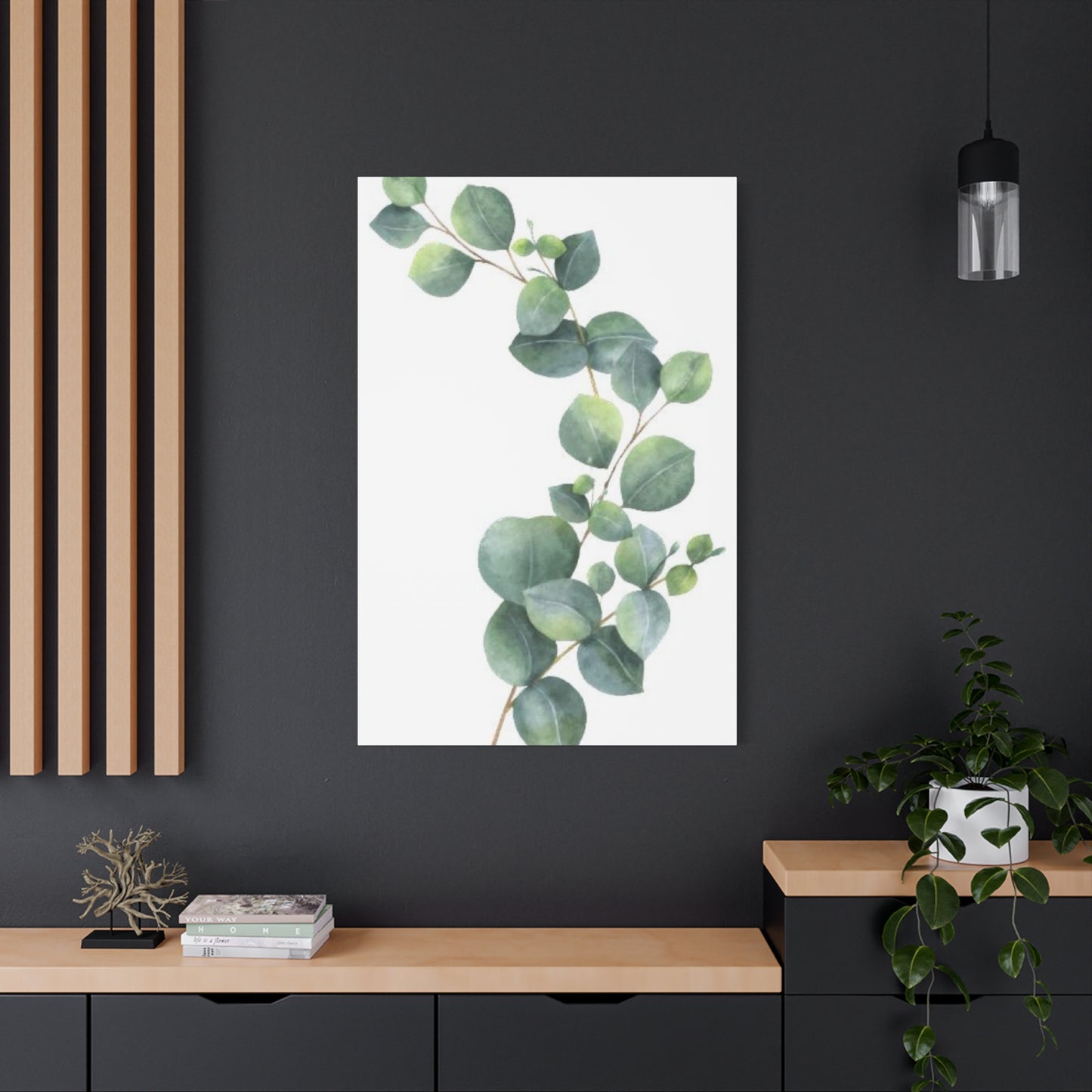


Eucalyptus Stem Wall Art & Canvas Prints
Eucalyptus Stem Wall Art & Canvas Prints
Couldn't load pickup availability
Bring Botanical Calm into Your Home with Eucalyptus Stem Wall Art, Creating Natural Displays of Serenity
The growing fascination with bringing natural elements indoors has revolutionized interior design, and eucalyptus stem wall art stands at the forefront of this botanical movement. This remarkable form of decoration merges the calming properties of nature with sophisticated aesthetic sensibilities, creating spaces that feel both refreshed and thoughtfully curated. The silvery-green foliage of eucalyptus, with its distinctive aromatic qualities and graceful appearance, has captivated homeowners, designers, and wellness enthusiasts who seek to establish environments that promote tranquility while maintaining visual appeal.
Eucalyptus stem wall art represents more than mere decoration—it embodies a philosophy of living that prioritizes connection with the natural world. Whether displayed in minimalist arrangements or elaborate compositions, these botanical pieces transform ordinary walls into breathing galleries that evolve with time. The versatility of eucalyptus allows creators to experiment with various styles, from rustic farmhouse charm to contemporary urban sophistication, making this art form accessible to diverse tastes and preferences.
The journey of incorporating eucalyptus into your home begins with understanding its unique characteristics and learning how to preserve, arrange, and showcase these magnificent stems in ways that maximize their beauty and longevity. This comprehensive exploration delves into every aspect of eucalyptus stem wall art, providing you with the knowledge and inspiration needed to create breathtaking displays that will elevate your interior spaces.
Discovering the Botanical Magnificence Behind Eucalyptus Varieties for Artistic Display
Eucalyptus encompasses over 700 distinct species, each offering unique visual characteristics that make them suitable for different artistic applications. The silver dollar eucalyptus, scientifically known as Eucalyptus cinerea, features round, coin-shaped leaves that create stunning geometric patterns when arranged on walls. These silvery-blue leaves possess a powdery coating that reflects light beautifully, adding dimension and movement to static displays. The seeded variety presents additional textural interest with seed pods that provide contrast against the smooth foliage.
Baby blue eucalyptus, another popular choice, showcases smaller, more delicate leaves arranged in opposite pairs along slender stems. This variety works exceptionally well in layered arrangements where its fine texture complements bolder foliage types. The color palette ranges from pale silver to deep teal, allowing artists to create monochromatic or gradient effects within their compositions. When dried, baby blue eucalyptus maintains its color remarkably well, making it ideal for permanent installations.
Willow eucalyptus stands out with its elongated, drooping leaves that cascade gracefully when hung. This variety introduces movement and fluidity to rigid wall displays, softening sharp angles and creating visual flow between different elements. The narrow leaves taper to delicate points, and their arrangement along arching stems produces an organic, naturalistic appearance that contrasts beautifully with geometric frames or structured backgrounds.
Spiral eucalyptus presents one of the most distinctive profiles, with leaves that twist around the stem in a helical pattern. This architectural quality makes it particularly valuable for contemporary designs where form and structure take precedence. The compact growth habit and dense foliage coverage allow creators to build substantial visual presence without requiring numerous stems, making it economically efficient while delivering dramatic results.
Gunnii eucalyptus, also called cider gum, offers juvenile foliage that presents as perfectly circular leaves clasping the stem in an alternating pattern. As the plant matures, leaves become more elongated and pointed, providing opportunities to incorporate stages of growth within single arrangements. The waxy coating on these leaves creates a subtle sheen that catches light throughout the day, adding dynamic visual interest as natural illumination changes.
Parvifolia eucalyptus features small, rounded leaves densely packed along thin branches, creating a cloud-like appearance when massed together. This variety excels in filling negative space and building volume within larger compositions. Its delicate scale makes it suitable for smaller wall spaces where larger varieties might overwhelm, yet it possesses sufficient presence to make impact when used thoughtfully.
Silver drop eucalyptus displays heart-shaped leaves with pronounced silvery tones that seem to glow in low light conditions. The substantial size of individual leaves makes this variety ideal for creating focal points or anchoring arrangements. When preserved properly, silver drop eucalyptus maintains structural integrity better than many varieties, reducing the likelihood of leaf drop or degradation over time.
Understanding these botanical distinctions empowers artists to select appropriate varieties for specific design goals. Combining multiple eucalyptus types within single installations creates depth, texture, and visual complexity that single-variety displays cannot achieve. The interplay between different leaf shapes, sizes, and color tones transforms simple wall hangings into sophisticated botanical compositions worthy of gallery display.
Harvesting and Selecting Premium Stems for Long-Lasting Artistic Creations
The quality of your eucalyptus stem wall art depends fundamentally on selecting excellent source material. When harvesting or purchasing eucalyptus, timing significantly impacts the longevity and appearance of your final display. Harvest during mid-morning hours after dew has evaporated but before intense afternoon heat stresses the plant. This window ensures maximum moisture content in stems while avoiding the wilting that occurs during peak temperature periods.
Examine stems carefully for signs of disease, pest damage, or environmental stress. Healthy eucalyptus displays uniform coloration across leaves, with no brown spots, yellowing edges, or curled foliage. The stems should feel firm and snap cleanly when bent rather than crushing or folding. Avoid woody stems that have fully hardened, as these lack flexibility for arrangement and may not absorb preservation treatments effectively.
Select stems with varying lengths to create depth and dimension in your wall art. Shorter pieces work well for layering in foreground positions, while longer stems establish structure and define the overall composition scale. Look for natural curves and bends rather than perfectly straight stems, as these organic forms create more visually interesting arrangements that feel alive and dynamic.
Fresh eucalyptus should release its characteristic aromatic oils when leaves are gently crushed between fingers. This indicates vitality and proper moisture levels essential for successful preservation. Stems that lack fragrance or emit musty odors may have begun deteriorating and will not preserve well, resulting in premature leaf drop and discoloration.
When purchasing from vendors, inspect the cut ends of stems for freshness. Recently cut eucalyptus shows bright, moist tissue without browning or shriveling. Stems stored for extended periods develop darkened, dried ends that indicate declining viability. Request information about harvest dates and storage conditions to ensure you're acquiring the freshest possible material.
Consider the ratio of foliage to stem when selecting pieces. Stems with dense leaf coverage along their entire length provide maximum visual impact and versatility for arrangement. Sparse stems may require more material to achieve desired fullness, increasing cost and complication during assembly. However, intentionally selecting some stripped or partially leafed stems can create interesting sculptural elements within compositions.
Seasonal variations affect eucalyptus characteristics, with spring growth producing the most vibrant colors and tender textures. Fall-harvested eucalyptus often displays deeper tones and more substantial leaves that withstand preservation processes better. Summer material risks heat stress that can compromise preservation success, while winter harvests in frost-prone regions may show cold damage that affects appearance.
Transport eucalyptus carefully to prevent bruising or crushing, which damages cellular structures and compromises preservation. Wrap stems loosely in paper or cloth rather than plastic, which traps moisture and encourages mold development. Keep material cool during transport and begin preservation processes as quickly as possible to maintain peak condition.
Preservation Methods That Maintain Color Vibrancy and Structural Integrity
Air drying represents the most accessible preservation method, requiring no specialized equipment or chemicals. Bundle eucalyptus stems in small groups of 5-7 pieces, securing with rubber bands that contract as stems shrink during drying. Hang bundles upside down in dark, well-ventilated spaces away from direct sunlight and moisture. Darkness prevents color fading, while airflow discourages mold growth and ensures even drying throughout the bundle.
The air-drying process typically requires two to three weeks depending on humidity levels and stem thickness. Check progress weekly by testing leaf brittleness—properly dried eucalyptus feels papery and crisp without being so fragile that it shatters when handled. Stems should bend slightly rather than snapping immediately, indicating retained flexibility that facilitates arrangement.
Glycerin preservation produces supple, pliable stems that maintain natural movement and resist shattering. Mix one part glycerin with two parts water, heating the solution until fully combined. Cut stem ends at a 45-degree angle and place in the solution, ensuring at least three inches of stem remain submerged. Over two to four weeks, plants absorb the glycerin mixture, replacing water in plant tissues with preservative that maintains flexibility.
Monitor glycerin absorption by observing color changes in leaves—successful preservation produces deeper, more muted tones as glycerin replaces water. Some varieties darken significantly, creating rich bronze or brown shades that offer different aesthetic possibilities than fresh green foliage. Once preservation completes, remove stems from solution and wipe away any sticky residue before arranging.
Silica gel desiccant drying preserves three-dimensional flower or seed pod structures better than air drying while maintaining brighter colors. Bury eucalyptus elements completely in silica gel crystals within airtight containers, ensuring no plant parts touch each other. The desiccant absorbs moisture rapidly, typically completing preservation within one week. This method works best for individual sprigs or accent pieces rather than long stems intended for large installations.
Pressing eucalyptus between heavy books or in dedicated plant presses creates flat specimens suitable for framed displays or incorporation into mixed-media projects. Layer eucalyptus between sheets of absorbent paper, changing paper every few days as moisture transfers from plant material. Pressing requires two to three weeks and produces completely flat foliage that can be glued or sewn onto backing materials.
Microwave-assisted drying accelerates the preservation process for small quantities. Place eucalyptus between paper towels and microwave in 30-second intervals at medium power, checking frequently to prevent scorching. This method suits urgent projects or situations where environmental conditions don't favor air drying, though results may show more color variation than slower methods.
Freeze-drying delivers the most faithful preservation of original color and form but requires specialized equipment or commercial services. The process removes moisture while maintaining cellular structure, resulting in preserved plants nearly indistinguishable from fresh specimens. While cost-prohibitive for casual crafters, serious artists creating high-value pieces may find freeze-drying worth the investment.
Chemical preservatives designed specifically for botanical materials offer convenient alternatives to traditional methods. These solutions work similarly to glycerin but often include color stabilizers and antimicrobial agents that extend preservation success rates. Follow manufacturer instructions carefully, as improper dilution or treatment duration can compromise results.
Design Principles for Arranging Eucalyptus Stems Into Cohesive Visual Compositions
Balance forms the foundation of successful eucalyptus stem wall art, whether achieved through symmetrical or asymmetrical arrangements. Symmetrical designs create formal, orderly impressions suitable for traditional interiors, with identical elements mirrored on either side of a central axis. Asymmetrical compositions feel more dynamic and contemporary, distributing visual weight unevenly while maintaining overall equilibrium through careful placement of contrasting elements.
Consider the rule of thirds when positioning focal points within your composition. Divide the display area into a 3×3 grid and place key elements along these lines or at their intersections rather than centering everything. This approach creates more engaging, professional-looking arrangements that draw viewers into the piece rather than allowing their gaze to settle immediately.
Rhythm and repetition establish visual flow that guides eyes through your arrangement. Repeat similar elements—leaf shapes, color tones, or directional movements—at intervals throughout the composition. This repetition creates coherence while variation in spacing and scale prevents monotony. Alternating between dense clusters and open spaces provides breathing room that makes individual elements more appreciable.
Proportion addresses the relationship between your eucalyptus arrangement and its display context. Oversized installations overwhelm small rooms, while diminutive pieces disappear on expansive walls. Measure your intended location carefully and plan compositions that occupy 50-75% of the available space for balanced presence. Leave surrounding areas clear to frame your botanical art and prevent visual crowding.
Color harmony within eucalyptus arrangements may seem straightforward given the limited natural palette, but subtle variations between varieties offer significant creative possibilities. Monochromatic schemes using single eucalyptus types create serene, cohesive displays. Analogous color combinations blend similar blue-green tones for gentle variation. Complementary approaches might incorporate warm-toned preserved materials alongside silvery eucalyptus for dramatic contrast.
Texture variation prevents visual flatness in arrangements. Combine smooth, waxy leaves with matte, powdery varieties. Introduce seed pods, dried flowers, or other botanical elements with rough or fuzzy textures that contrast against eucalyptus's typical smoothness. Layer materials at different depths rather than arranging everything in a single plane, creating dimensional compositions that cast interesting shadows.
Directional movement leads viewers' eyes through your composition along intentional paths. Angle stems to create sweeping curves or radiating patterns that originate from focal points. Avoid random positioning that produces chaotic, directionless arrangements. Establish primary movement directions and support them with secondary elements that reinforce rather than contradict your intended visual flow.
Negative space—the empty areas surrounding and between elements—proves just as important as the eucalyptus itself. Resist the temptation to fill every available space, which produces cluttered, overwhelming results. Strategic emptiness provides visual rest and emphasizes the beauty of individual components. Use negative space to create shapes and patterns that complement your botanical elements.
Scale variation within single compositions adds visual interest and depth. Combine dramatically different stem lengths and leaf sizes, positioning larger elements toward the bottom or back to establish stability while lighter materials float above or in front. This mimics natural growth patterns and creates believable, organic-feeling arrangements even in stylized presentations.
Frame Selection and Background Materials That Enhance Botanical Displays
The frame you select profoundly impacts how viewers perceive your eucalyptus stem wall art. Minimalist frames in natural wood tones complement rustic and farmhouse aesthetics, allowing the botanical elements to dominate attention. The grain and color of wood frames should either match or deliberately contrast with your interior finishes—light woods brighten spaces while dark frames add gravitas and definition.
Metal frames in matte black, brushed gold, or industrial steel suit contemporary and modern interiors. These provide clean lines and structural definition without competing visually with organic eucalyptus forms. Consider the weight of metal frames carefully, especially for large installations, ensuring proper wall anchoring to support the combined weight of frame, backing, and botanical materials.
Shadow box frames create depth by positioning eucalyptus several inches in front of the backing material. This dimensional approach allows stems to cast shadows that change throughout the day as light angles shift, introducing dynamic qualities to static displays. Shadow boxes accommodate thicker stem arrangements and three-dimensional compositions impossible in flat frames.
Floating frames, which sandwich preserved eucalyptus between glass panels without visible borders, create sleek, gallery-quality presentations. The transparency eliminates visual barriers between artwork and environment, making pieces feel integrated into rather than placed upon walls. This approach works particularly well for pressed eucalyptus or arrangements featuring negative space as a design element.
Vintage and distressed frames introduce character and history to eucalyptus displays. Ornate gilded frames create elegant, formal presentations suitable for traditional interiors, while weathered barnwood frames reinforce casual, lived-in aesthetics. Mixing frame styles across multiple pieces creates eclectic gallery walls that feel collected over time rather than purchased as matched sets.
Background materials dramatically influence the overall impression of your eucalyptus stem wall art. Natural linen fabric provides neutral, textured surfaces that complement botanical elements without competing for attention. The subtle weave adds visual interest while the muted tones—cream, beige, or soft gray—allow silvery eucalyptus to pop against the background.
Cork backing offers both practical and aesthetic benefits. Its natural brown tones harmonize with preserved botanical materials while providing easy pinning surfaces for securing stems. Cork's slight texture and organic appearance feel appropriate paired with natural elements, and its lightness keeps overall piece weight manageable.
Reclaimed wood planks create rustic, substantial backings that work beautifully in farmhouse and country-inspired spaces. The weathered appearance and natural imperfections of old wood add authenticity and character. Arrange planks vertically, horizontally, or in herringbone patterns to introduce additional visual interest beyond the eucalyptus itself.
Painted canvas or wood panels offer opportunities to introduce color into your compositions. Muted sage, dusty blue, or warm taupe tones complement eucalyptus coloration while adding subtle variation. Bold blacks or deep navy backgrounds create dramatic contrast that makes silvery foliage appear luminous and three-dimensional.
Metal sheets in copper, brass, or galvanized steel provide industrial-chic backings for contemporary installations. The metallic surfaces reflect light in ways that wooden or fabric backings cannot, adding shimmer and movement. Patinated or oxidized finishes introduce age and complexity that prevents overly slick, commercial appearances.
Handmade paper in natural, deckle-edged sheets brings artisanal quality to eucalyptus displays. The irregular texture and visible fibers create tactile interest that invites closer inspection. Paper's lightness makes it practical for large-scale pieces where weight considerations matter, and its availability in various natural tones provides subtle color variation.
Hanging Methods and Mounting Solutions for Secure, Professional-Looking Installations
Proper hanging hardware ensures your eucalyptus stem wall art remains safely secured while presenting professionally. D-rings attached to frame backs one-third down from the top provide stable, level hanging when paired with appropriate wall hardware. Position D-rings symmetrically and attach with screws long enough to penetrate frame depth without protruding through the front.
Picture wire strung between D-rings allows for minor leveling adjustments after hanging and distributes weight across two points rather than concentrating stress on single fasteners. Use braided steel wire rated for at least triple your artwork's weight, allowing safety margin for long-term reliability. Wrap wire ends securely through D-rings and back upon themselves, creating loops without sharp ends that might damage walls or fingers.
French cleats provide museum-quality hanging solutions for substantial pieces. These interlocking beveled strips—one mounted to the wall, the other to the artwork—create secure connections that prevent tipping while allowing easy removal for cleaning or rearrangement. French cleats distribute weight across entire mounting lengths, making them suitable for heavy shadow boxes or large-format installations.
Adhesive picture-hanging strips offer damage-free solutions for renters or those reluctant to create wall holes. Select products rated for your artwork's weight and follow manufacturer instructions precisely regarding surface preparation, application pressure, and curing time. These work best for lighter pieces on smooth wall surfaces and may not suit textured walls or high-humidity environments.
Sawtooth hangers integrated into frame backs provide low-profile solutions for lightweight pieces. These serrated metal strips catch on nails or screws, allowing artwork to hang flush against walls. Center sawtooth hangers carefully and ensure wall fasteners engage properly with the teeth—improper alignment causes tilting and unstable hanging.
Traditional picture hooks with angled nails remain reliable choices for most frame weights. Select hook sizes appropriate for your artwork's weight, following package guidelines. Drive nails at proper angles to maximize holding strength, and in older plaster walls, consider using wall anchors to prevent crumbling around nail holes.
Wall anchors prove essential when studs aren't positioned conveniently relative to desired hanging locations. Threaded drywall anchors, toggle bolts, or expansion anchors provide secure fastening in hollow walls. Match anchor type and size to both wall composition and artwork weight, erring toward heavier-duty solutions when uncertain.
Invisible mounting systems using keyhole slots or Z-clips create seamless appearances where hardware remains hidden. These require precise positioning during installation but reward careful work with clean, professional results. Mark mounting positions accurately using levels and measuring tools before creating any permanent holes.
Command strips designed specifically for frames offer adjustable solutions that hold firmly yet remove cleanly. Layer multiple strips for heavier pieces, positioning them according to manufacturer recommendations. These work particularly well for seasonal displays or evolving gallery walls where frequent rearrangement is desired.
Rail systems provide flexible gallery-style hanging where multiple pieces can be adjusted easily without new holes. Wall-mounted tracks accept cables or rods from which artwork suspends, allowing vertical and horizontal positioning changes. While requiring significant initial installation, rail systems offer unmatched versatility for dynamic displays.
Seasonal Variations and Themed Arrangements Throughout the Calendar Year
Spring-themed eucalyptus stem wall art incorporates fresh, vibrant specimens celebrating renewal and growth. Pair eucalyptus with delicate wildflowers, pussy willows, or budding branches that evoke the season's awakening energy. Choose lighter, brighter eucalyptus varieties like baby blue or silver dollar, arranging them in airy, open compositions that feel fresh and unconfined.
Summer arrangements embrace abundance and lushness through full, generous displays. Combine eucalyptus with dried lavender, wheat stalks, or preserved garden flowers in warm, saturated colors. Create sun-bleached effects by allowing some eucalyptus to fade naturally, mixing these paler specimens with freshly preserved stems for subtle gradation that mimics summer's progression.
Autumn installations celebrate harvest and transformation through rich, warm color palettes. Pair eucalyptus with dried leaves, seed heads, berries, and grasses in burnt orange, deep red, and golden tones. Select eucalyptus varieties that have oxidized to bronze or brown through preservation, or intentionally age specimens to achieve these seasonal hues.
Winter displays emphasize structure and restraint, showcasing eucalyptus's architectural qualities through sparse, elegant arrangements. Incorporate frosted or glittered elements sparingly for subtle festive touches without overwhelming botanical beauty. Silver-toned eucalyptus varieties shine in winter contexts, their cool coloration harmonizing with the season's crystalline aesthetic.
Holiday-specific adaptations transform eucalyptus wall art into festive focal points without abandoning natural elegance. For Christmas, intersperse preserved eucalyptus with pine cones, cinnamon sticks, and dried orange slices. Add minimal metallic accents through copper wire or antique gold ribbons rather than glossy commercial decorations that clash with organic materials.
Valentine's Day arrangements might incorporate dried roses, dusty pink accents, or heart-shaped floral elements alongside eucalyptus's silvery foliage. Keep romantic interpretations sophisticated by avoiding juvenile symbols, instead suggesting emotion through color harmony and graceful composition.
Thanksgiving displays emphasize gratitude and abundance through generous, overflowing arrangements. Combine eucalyptus with preserved wheat, dried corn husks, and autumn leaves. Use warm-toned frames and rustic backings that enhance the harvest theme while maintaining visual cohesion with year-round interior design.
Easter presentations might feature eucalyptus arranged with spring blossoms, pussy willow branches, or delicate bird nests. Soft pastel ribbons or painted quail eggs add seasonal specificity while preserved eucalyptus provides lasting structure that survives weeks of display without degradation.
Fourth of July arrangements offer opportunities for patriotic interpretations through color selection rather than obvious symbols. Combine silvery-blue eucalyptus with preserved white flowers and dried red elements like sumac or berries. This creates subtle national color references that feel sophisticated rather than campy.
New Year's displays embrace fresh starts through minimal, refined compositions that clear away previous year's clutter. Strip arrangements to essential elements, using pristine preserved eucalyptus in clean, geometric arrangements. Metallics in champagne gold or silver introduce celebratory touches without excessive ornamentation.
Room-Specific Styling Approaches for Different Living Spaces and Functional Areas
Living room eucalyptus displays often serve as central focal points, anchoring conversational areas and establishing room character. Scale these pieces generously to command appropriate attention in these typically larger spaces. Position eucalyptus wall art above sofas, mantels, or console tables where it can be appreciated from multiple seating positions. Coordinate color palettes with existing textiles, ensuring botanical elements enhance rather than clash with upholstery and window treatments.
Bedroom installations prioritize calming, restorative aesthetics that support relaxation and sleep. Select muted eucalyptus varieties in soft silver-greens, arranging them in gentle, flowing compositions without sharp angles or jarring contrasts. Position pieces where they're visible from bed but won't dominate the space, creating subtle focal points that soothe rather than stimulate. The natural aromatherapy properties of eucalyptus—though diminished in preserved specimens—still contribute to bedroom ambiance.
Kitchen eucalyptus arrangements embrace casual, approachable styling appropriate for family gathering spaces. Mount pieces near dining areas or breakfast nooks where they add warmth without interfering with food preparation. Consider more rustic framing and mounting solutions that withstand higher humidity and temperature fluctuations common in kitchens. Smaller-scale arrangements work well on open shelving alongside dishes and cookware.
Bathroom eucalyptus stem wall art benefits from the space's naturally elevated humidity, which can help preserved specimens retain some suppleness. However, avoid positioning pieces directly above showers or tubs where excessive moisture causes mold. Frame bathroom pieces in moisture-resistant materials and ensure adequate ventilation. The aromatherapy associations of eucalyptus make bathroom placement particularly appropriate, evoking spa-like serenity.
Home office installations should inspire without distracting, providing visual interest during work breaks without pulling attention from tasks. Position eucalyptus displays on walls perpendicular to work surfaces rather than directly behind monitors where they create visual competition. Select cooler eucalyptus tones that promote focus and productivity rather than warm, relaxing colors that might encourage daydreaming.
Entryway pieces make powerful first impressions, establishing home character immediately upon entry. Create welcoming arrangements that feel generous and abundant without overwhelming typically compact entry spaces. Consider diptych or triptych arrangements that distribute visual impact across multiple smaller pieces rather than single large installations that might crowd narrow entry walls.
Dining room eucalyptus wall art contributes to meal experiences through carefully considered placement and style. Position pieces where they're visible from the dining table, creating pleasant focal points during meals without dominating sightlines between diners. Coordinate with table linens, dinnerware, and centerpieces for cohesive aesthetic experiences that make everyday meals feel special.
Nursery installations demand non-toxic materials and secure mounting, keeping child safety paramount. Position eucalyptus art beyond reach of curious toddlers who might pull on accessible stems. Select frames with shatter-resistant glazing or forgo glass entirely, using open arrangements on cork or fabric backings. The gentle colors and organic forms of eucalyptus create soothing environments conducive to infant sleep and calm.
Stairwell galleries benefit from eucalyptus wall art's vertical orientations, which complement ascending architecture. Create series of related pieces that progress up stairways, maintaining consistent styles while varying sizes to accommodate changing wall dimensions. Ensure all pieces hang securely, as stairwell vibrations from foot traffic can loosen inadequate hanging hardware over time.
Outdoor covered spaces like screened porches or covered patios can accommodate eucalyptus displays during mild weather. Protect pieces from direct rain and intense sun, which accelerates fading and deterioration. Consider these installations temporary, bringing pieces indoors during harsh weather or at season's end. The natural setting enhances eucalyptus's botanical character, creating seamless transitions between indoor and outdoor environments.
Color Coordination Strategies That Harmonize With Existing Interior Design Schemes
Neutral interior palettes—whites, grays, beiges, and taupes—provide perfect canvases for eucalyptus stem wall art. The silvery-green foliage introduces subtle color without overwhelming monochromatic schemes. In these contexts, eucalyptus serves as the primary color element, its muted tones adding interest while maintaining spaces' calm, uncluttered atmospheres. Select frames in natural woods or matte metals that enhance rather than compete with botanical elements.
Bold, colorful interiors require thoughtful eucalyptus integration to prevent clashing or visual confusion. Identify undertones in existing colors—warm versus cool, saturated versus muted—and select eucalyptus varieties accordingly. Blue-toned eucalyptus harmonizes with cool purple, blue, or teal color schemes, while varieties with warmer green or bronze tones better complement orange, rust, or warm red palettes.
Monochromatic rooms benefit from eucalyptus's textural variation even when color contributions remain subtle. In spaces dominated by single color families, preserved botanical elements introduce organic texture and form that prevent sterile, flat appearances. The dimensional quality of arranged stems creates shadows and depth that flat-painted surfaces cannot achieve.
Analogous color schemes using adjacent hues on the color wheel naturally accommodate eucalyptus. Spaces featuring blues, greens, and teals embrace eucalyptus's inherent coloration without modification. Enhance harmony by selecting backing materials and frames in complementary analogous shades, creating seamless color progressions across walls.
Complementary color approaches pair eucalyptus's cool greens with warm opposites like coral, peach, or terracotta. This creates visual vibration and energy appropriate for active spaces like kitchens or family rooms. Balance the intensity by using desaturated warm tones rather than brilliant oranges that might overwhelm eucalyptus's subtle coloring.
Triadic color schemes incorporating three evenly spaced hues challenge eucalyptus integration but reward successful execution with sophisticated, dynamic results. Identify the scheme's green component and match eucalyptus precisely to that hue. Allow the other two colors to dominate textile, furniture, and accessory selections while eucalyptus provides the green element through wall art.
Accent color strategies position eucalyptus as the room's primary accent, repeated throughout the space in varying forms. Coordinate eucalyptus wall art with throw pillows, vases, or other accessories in similar tones, creating cohesive design threads that tie disparate elements together. This repetition strengthens eucalyptus's decorative impact beyond single installations.
Seasonal color rotations allow eucalyptus displays to evolve with changing interior moods. Create multiple arrangements using different preservation techniques or eucalyptus varieties that produce varying final colors. Swap pieces seasonally—brighter specimens in spring and summer, deeper bronze tones in fall, silvery varieties in winter—keeping interiors fresh without requiring complete redesigns.
Metallic accents in brass, copper, or silver can either complement or contrast with eucalyptus depending on undertones. Cool silver metallics harmonize naturally with eucalyptus's blue-greens, creating cohesive, sophisticated presentations. Warm brass or copper creates pleasing contrast, especially effective in spaces mixing natural and industrial elements.
Pattern integration requires ensuring eucalyptus arrangements don't compete visually with busy wallpapers, textiles, or rugs. In pattern-heavy spaces, simplify eucalyptus compositions, using clean-lined arrangements with generous negative space. Alternatively, embrace maximalism by layering eucalyptus over patterned walls, ensuring sufficient tonal contrast for botanical elements to remain distinguishable.
Combining Eucalyptus With Complementary Botanical and Decorative Elements
Dried florals expand eucalyptus arrangements' color and textural range while maintaining natural, organic aesthetics. Roses, peonies, and dahlias in muted, preserved tones add softness and romantic appeal. Select flowers proportional to eucalyptus stem scale—oversized blooms overwhelm delicate eucalyptus varieties, while tiny flowers disappear among substantial foliage. Distribute floral elements as deliberate focal points rather than scattering randomly throughout compositions.
Grasses and grain stems introduce linear elements and harvest associations that enhance rustic and farmhouse presentations. Wheat, oats, rye, and ornamental grasses contribute neutral tones and distinct textures. Their vertical orientations provide architectural structure, while seed heads add punctuation marks that draw eyes through arrangements. Bundle grasses in small groups for maximum impact rather than inserting individual stems that may appear sparse.
Seed pods and berries contribute three-dimensional interest and unusual forms. Lotus pods, poppy heads, and eucalyptus's own seed structures provide sculptural elements that break up foliage monotony. Preserved berries in deep reds, purples, or orange tones inject color while maintaining natural character. Position these elements strategically as accent points that support but don't overwhelm primary eucalyptus components.
Cotton stems have surged in popularity, their soft white bolls creating pleasing contrast against eucalyptus's smooth leaves. The textural difference between fluffy cotton and crisp foliage adds dimensional interest. Cotton's neutral white tone works universally across color schemes and seasons, though it particularly suits winter and farmhouse aesthetics.
Feathers introduce ethereal qualities and movement suggestions to otherwise static arrangements. Natural brown, white, or gray feathers harmonize with botanical elements while peacock or pheasant feathers add unexpected color. Secure feathers carefully to prevent shedding, and consider ethical sourcing from naturally molted specimens rather than farmed sources.
Driftwood and natural wood elements ground eucalyptus arrangements literally and visually. Twisted branches, interesting bark textures, or smooth stones gathered from natural environments reinforce connections to the outdoors. These substantial elements provide structural foundations around which more delicate eucalyptus can be arranged.
Preserved mosses offer textural variety and color range from vivid greens to silvery grays. Sheet moss creates unified backgrounds or ground covers within shadow box arrangements, while reindeer moss adds sculptural, almost coral-like forms. Mosses bridge visual gaps between disparate elements and soften transitions between arrangements and backing materials.
Ribbons and fabric elements should be used sparingly to avoid overpowering natural materials. Natural fiber ribbons in linen, burlap, or raw silk harmonize better than synthetic satins. Use ribbons as structural elements—binding bundles, creating hanging mechanisms, or defining sections within larger compositions—rather than decorative flourishes.
Metal accents in wire, mesh, or sculptural forms introduce industrial contrast to organic botanicals. Copper wire can outline shapes, secure elements, or create geometric patterns within arrangements. Metal mesh provides interesting backing alternatives to fabric or wood. Keep metal elements minimal and purposeful rather than ornamental.
Antique and vintage items like keys, hinges, or small tools tell stories when incorporated thoughtfully. These objects add historical depth and conversation-starting interest. Select items with natural patinas rather than shiny, obviously new reproductions. Consider the narrative relationships between vintage objects and botanical elements, creating meaningful rather than arbitrary pairings.
Lighting Considerations That Enhance Depth, Texture, and Visual Drama
Natural daylight reveals eucalyptus's true colors and subtle variations throughout the day. Position pieces to receive indirect sunlight that illuminates without fading. Northern exposure provides consistent, cool light ideal for showcasing eucalyptus's silver tones, while southern exposure offers warmth that may enhance bronze or brown varieties. Avoid direct sun, which accelerates fading and makes colors appear washed out.
Artificial lighting requires careful planning to complement rather than distort eucalyptus colors. Warm-toned bulbs (2700-3000K) enhance brown and bronze specimens while making silvery varieties appear yellowish. Cool daylight bulbs (5000-6500K) accurately render blues and greens but may make warm-toned eucalyptus appear dull. Select bulbs whose color temperature aligns with your eucalyptus variety's predominant tones.
Picture lights mounted above or below frames create gallery-quality illumination that enhances dimensionality. Adjustable LED strips allow customization of light intensity and direction, emphasizing specific composition elements. Position lights to cast shadows that reveal depth within arrangements, avoiding flat, direct illumination that flattens dimensional work.
Ambient room lighting affects how eucalyptus wall art integrates into overall spaces. In dimly lit rooms, ensure arrangements receive supplemental lighting to remain visible and impactful. Overly bright spaces may require muting background lighting near eucalyptus installations to prevent washout. Consider layered lighting approaches with ambient, task, and accent lighting working together.
Final Thoughts
Eucalyptus stem wall art has become a go-to choice for homeowners and interior designers alike, bringing the understated elegance of nature into living spaces with a perfect balance of beauty and serenity. The simplicity of the eucalyptus stem—whether in its delicate form or more robust, sprawling branches—creates an organic, tranquil aesthetic that suits a variety of décor styles. Whether you’re looking to infuse a sense of calm into your bedroom, living room, or home office, eucalyptus stem wall art offers a natural way to transform your space, creating a sense of harmony and connection to the outdoors.
One of the key reasons eucalyptus stem wall art is so popular is its versatility. Eucalyptus stems, with their simple, elongated shapes and muted tones, can be adapted to a wide range of interior design styles. In contemporary spaces, a minimalist eucalyptus stem print can provide a subtle yet impactful focal point. For more rustic or farmhouse-style interiors, the addition of eucalyptus stems—especially when paired with wooden frames or natural textures—can enhance the earthy, grounded vibe. In more eclectic or bohemian settings, eucalyptus stems work beautifully alongside a variety of other botanical prints and natural materials, creating a lush, layered atmosphere that feels fresh and alive.
Eucalyptus stems also pair perfectly with a variety of other design elements, allowing for endless customization of your décor. Their soft, muted hues of green, gray, and silver are neutral enough to complement any color palette. Whether your walls are painted in bold hues or more subdued tones, eucalyptus art effortlessly blends in, offering an organic visual respite. When layered with other textures, such as woven textiles, natural woods, or stone accents, eucalyptus stem art can add a touch of natural elegance without overwhelming the space.
One of the most compelling reasons to incorporate eucalyptus stem wall art into your home is the sense of calm it evokes. Known for its therapeutic properties in aromatherapy, eucalyptus has long been associated with healing, clarity, and relaxation. Even in visual form, the depiction of eucalyptus stems brings a sense of peace and balance to a room. The long, slender lines of the stems and the soft curves of their leaves create a visual flow that is easy on the eyes and inherently calming. For spaces designed for rest or reflection, such as bedrooms, reading nooks, or meditation corners, eucalyptus art can enhance the overall atmosphere, creating a serene environment conducive to relaxation and mental clarity.
Beyond their calming influence, eucalyptus stems also carry deep symbolic meaning. The plant itself is often linked to renewal, strength, and resilience. In many cultures, eucalyptus is seen as a symbol of healing and protection, with its medicinal properties celebrated for their ability to refresh and rejuvenate. By bringing eucalyptus stem wall art into your home, you are infusing your space with these positive qualities, transforming your environment into a sanctuary that fosters emotional and mental well-being. It’s an invitation to embrace change, personal growth, and rejuvenation, making eucalyptus art not just an aesthetic choice but a meaningful one.
Another appealing aspect of eucalyptus stem wall art is its ability to serve as a visual anchor for the room. Unlike more busy, detailed artwork, eucalyptus stems often feature clean, simple lines that create a sense of structure and balance in the space. Whether a single large piece or a series of smaller framed stems, the subtle elegance of eucalyptus artwork adds a touch of nature without detracting from the overall décor. The natural, flowing lines of the stems can guide the eye through the space, creating a harmonious, well-composed look. This makes eucalyptus stem wall art ideal for minimalist interiors, where less is more, but it also complements more ornate or maximalist spaces by providing contrast and relief from heavier design elements.
The neutral yet dynamic color palette of eucalyptus—ranging from soft greens to rich, silvery grays—adds a level of sophistication that makes it a timeless addition to your home décor. Unlike floral prints, which may feel more seasonal or trendy, eucalyptus stems have a versatility that transcends seasons and interior design trends. Their understated beauty ensures that they remain relevant year after year, adding an air of sophistication and elegance that is never overbearing. Because of their timeless appeal, eucalyptus stem wall art is an investment that can grow with your home, seamlessly transitioning through different styles or seasons without ever losing its charm.
For eco-conscious design enthusiasts, eucalyptus stem wall art is also a great choice. As the world becomes more attuned to sustainable living, more artists are using eco-friendly materials, non-toxic inks, and sustainable production practices when creating eucalyptus art. Whether the piece is printed on recycled paper, canvas, or bamboo, or whether it features digital prints that reduce waste, eucalyptus art aligns with the growing demand for sustainable and environmentally responsible products. Choosing such artwork helps support environmentally conscious practices, making eucalyptus stem wall art not only an aesthetic choice but also one that reflects a commitment to sustainability.
Additionally, eucalyptus stem wall art serves as an excellent way to bring the outdoors inside. In a world where urban living often leaves us disconnected from nature, bringing botanical elements into the home provides a grounding, restorative effect. The presence of eucalyptus, in particular, reminds us of nature’s beauty and its calming influence. Whether in the form of a single stem or a large collection, eucalyptus leaf and stem art bridges the gap between the indoors and the natural world. Its organic shapes and subtle colors evoke the feeling of walking through a eucalyptus grove or sitting under a shaded tree, making it the perfect way to create a natural sanctuary within your own home.
For those who love the look of gallery walls, eucalyptus stem art also lends itself beautifully to this approach. You can combine eucalyptus pieces with other botanical prints, abstract art, or even photographs to create a layered, personal display. The monochromatic nature of eucalyptus stems means they can easily be mixed and matched with other artworks without competing for attention, offering a harmonious, balanced aesthetic. This flexibility allows you to experiment with different arrangements and create a gallery wall that reflects your unique style and taste.
In smaller or more intimate spaces, a piece of eucalyptus stem wall art can have a profound impact on the mood of the room. In entryways or hallways, where space is often limited, a single eucalyptus stem print can introduce a calming, nature-inspired touch that welcomes guests in a subtle but elegant way. In bathrooms, eucalyptus art can contribute to a spa-like ambiance, creating a soothing atmosphere that helps you unwind after a long day. The simplicity of eucalyptus art, combined with its inherent beauty, makes it a perfect addition to any corner of your home, no matter how big or small.
In conclusion, eucalyptus stem wall art is a stunning way to bring the beauty of nature into your home while creating a sense of calm, elegance, and balance. Its versatility, timeless appeal, and symbolic meanings make it an ideal choice for a variety of living spaces, from modern, minimalist designs to rustic, bohemian interiors. Whether you choose a single, large statement piece or a curated set of smaller works, eucalyptus stem wall art enhances your home with an organic, tranquil energy that promotes peace, healing, and connection to nature. By incorporating eucalyptus stems into your décor, you create a space that not only looks beautiful but feels harmonious and rejuvenating—a true sanctuary where the simplicity of nature meets the elegance of interior design.
Share