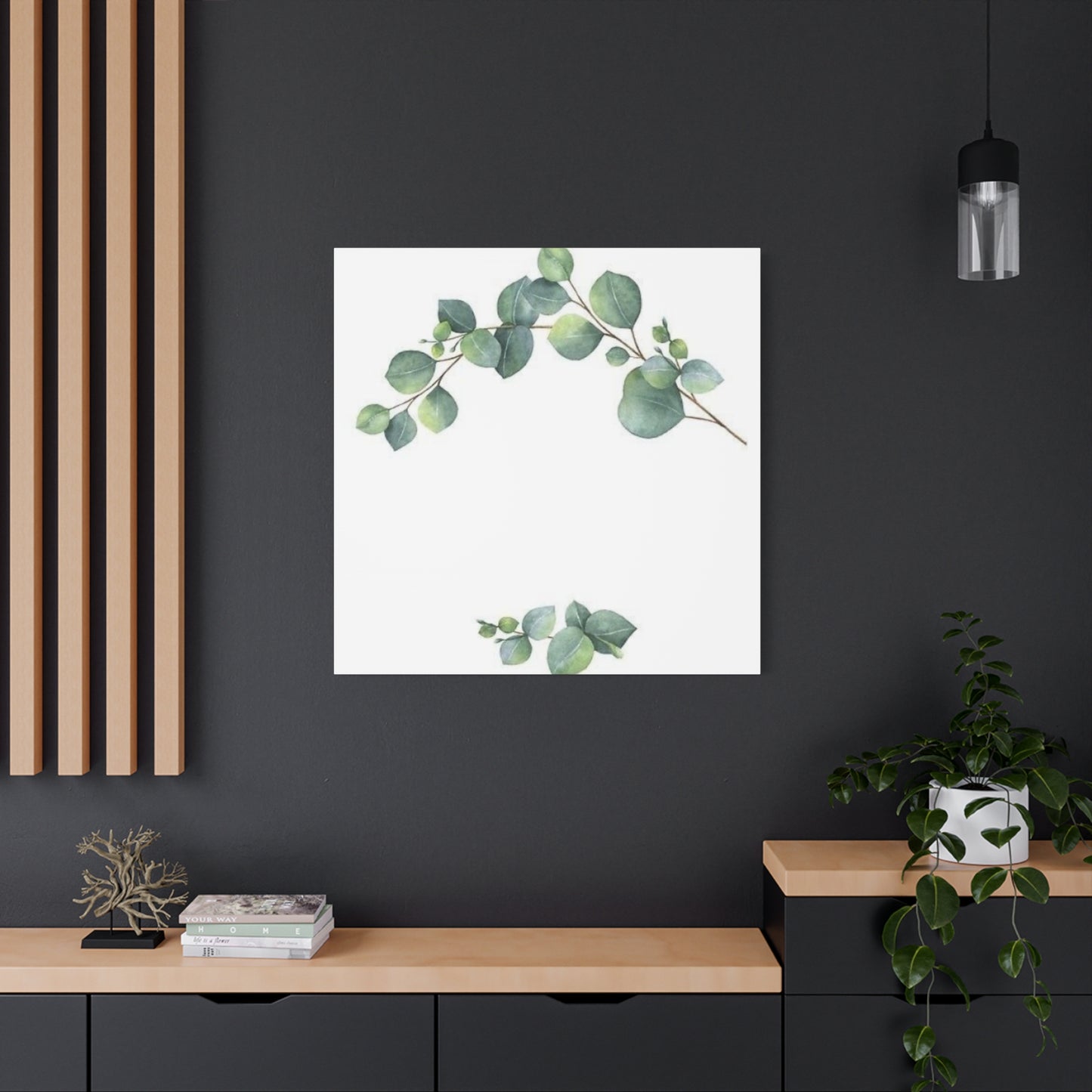
Eucalyptus Plant Wall Art & Canvas Prints
Eucalyptus Plant Wall Art & Canvas Prints
Couldn't load pickup availability
Decorative Eucalyptus Plant Wall Art: Creating Stunning Natural Botanical Displays for Modern Living Spaces
The allure of bringing nature indoors has captivated homeowners and interior designers for generations. Among the countless botanical options available, eucalyptus stands as a remarkable choice for creating breathtaking wall displays that transform ordinary rooms into serene sanctuaries. This silvery-green foliage, with its distinctive aroma and elegant appearance, offers unparalleled versatility for those seeking to elevate their interior aesthetics through natural elements.
Eucalyptus plant wall art represents more than mere decoration; it embodies a lifestyle choice that harmonizes contemporary living with the organic beauty of the natural world. Whether you're contemplating preserved branches artfully arranged in shadow boxes, living vertical gardens featuring fresh eucalyptus varieties, or meticulously crafted pressed botanical displays, the possibilities for incorporating this remarkable plant into your wall decor are virtually limitless. The subtle beauty of eucalyptus leaves, combined with their aromatic properties, creates multisensory experiences that engage sight, smell, and even touch.
Understanding why eucalyptus has become such a coveted element in interior design requires examining its unique characteristics. The plant's naturally muted color palette complements virtually any design scheme, from minimalist Scandinavian aesthetics to rustic farmhouse charm. Its architectural quality lends itself beautifully to both formal and casual arrangements, while its durability ensures that displays maintain their visual appeal for extended periods. Furthermore, the various species of eucalyptus offer diverse leaf shapes, sizes, and color variations, providing designers and homeowners with abundant creative possibilities.
The journey of transforming eucalyptus into wall art involves numerous considerations, from selecting appropriate species and preservation methods to choosing complementary framing materials and determining optimal placement within your home. Each decision contributes to the final aesthetic impact and longevity of your botanical display. This comprehensive exploration delves into every aspect of eucalyptus plant wall art, providing insights that enable you to create stunning displays that reflect your personal style while bringing the tranquil essence of nature into your daily environment.
Exploring the Natural Characteristics That Make Eucalyptus Exceptional for Decorative Wall Displays
Eucalyptus possesses inherent qualities that distinguish it from other botanical options for wall-based decor. The plant's distinctive silvery-blue foliage creates visual interest without overwhelming surrounding design elements. This subtle coloration serves as a neutral backdrop that enhances rather than competes with other decorative features in a room. The leaves typically display a waxy coating that reflects light beautifully, adding dimension and movement to static wall displays.
The structural integrity of eucalyptus branches and stems makes them particularly suitable for artistic arrangements. Unlike delicate florals that wilt quickly or become brittle when dried, eucalyptus maintains its shape and flexibility throughout the preservation process. This resilience allows for creative positioning and arrangement without the constant fear of breakage. The stems' natural curves and angles create organic lines that guide the eye through the composition, establishing visual flow that feels both intentional and effortless.
Aromatic properties represent another distinguishing feature of eucalyptus. The essential oils contained within the leaves release a fresh, invigorating scent that can persist for months, even after preservation. This olfactory dimension transforms wall art from a purely visual experience into something more engaging and memorable. The scent profile typically features camphoraceous, slightly medicinal notes with hints of mint and honey, creating an atmosphere of cleanliness and vitality.
Different eucalyptus species offer varied aesthetic possibilities. Silver dollar eucalyptus, scientifically known as Eucalyptus cinerea, features round, coin-shaped leaves that create a distinctive appearance. Seeded eucalyptus displays clusters of small seed pods that add textural interest and architectural detail. Baby blue eucalyptus presents smaller, more delicate foliage ideal for intricate arrangements. Willow eucalyptus showcases elongated leaves that introduce graceful, flowing lines into compositions. Spiral eucalyptus creates dramatic focal points with its twisted stem formations.
The versatility of eucalyptus extends to its compatibility with various artistic mediums and framing styles. The foliage pairs beautifully with natural wood frames that emphasize rustic qualities, sleek metal frames that highlight contemporary aesthetics, or ornate gilded frames that create sophisticated, gallery-worthy presentations. The neutral tones of eucalyptus harmonize with virtually any color scheme, from monochromatic palettes to vibrant, eclectic combinations.
Sustainability considerations also make eucalyptus an attractive choice for environmentally conscious decorators. Many eucalyptus varieties grow rapidly and regenerate quickly after harvesting, making them a renewable resource. When sourced responsibly from managed plantations, eucalyptus represents an eco-friendly decorating option that minimizes environmental impact. This sustainability factor aligns with contemporary values emphasizing responsible consumption and natural living.
The textural qualities of eucalyptus leaves add tactile dimension to wall displays. The smooth, slightly waxy surface of fresh leaves contrasts beautifully with the more papery texture of preserved specimens. This textural variation creates visual interest that changes depending on lighting conditions and viewing angles. The slight curl that naturally develops in drying leaves adds organic movement that prevents displays from appearing stiff or artificial.
Eucalyptus's natural resistance to common household pests represents a practical advantage for long-term displays. Unlike some botanical materials that attract insects or develop mold in humid conditions, properly preserved eucalyptus remains relatively stable in typical indoor environments. This durability translates to displays that maintain their appearance and integrity over extended periods, providing lasting value for your decorative investment.
Discovering Various Preservation Methods for Creating Long-Lasting Eucalyptus Wall Art Pieces
Preservation techniques determine the longevity, appearance, and maintenance requirements of eucalyptus wall art. Understanding various methods allows you to select the approach that best aligns with your aesthetic preferences and practical needs. Each preservation technique produces distinct visual characteristics and requires different levels of skill and equipment.
Air drying represents the most accessible preservation method for eucalyptus. This process involves bundling fresh eucalyptus stems together and hanging them upside down in a dry, well-ventilated location away from direct sunlight. The inverted position ensures stems remain straight while moisture gradually evaporates from the leaves. This method typically requires two to four weeks for complete desiccation, depending on initial moisture content and environmental conditions.
During air drying, eucalyptus undergoes subtle color changes that many find aesthetically pleasing. The silvery-green hues typically shift toward sage or olive tones, creating an antiqued appearance that complements vintage and rustic design schemes. The leaves may curl slightly at the edges, adding organic character to the finished pieces. Air-dried eucalyptus maintains much of its aromatic quality initially, though the scent gradually fades over several months.
Glycerin preservation offers an alternative that maintains greater flexibility and color vibrancy. This method involves placing freshly cut eucalyptus stems in a solution of glycerin and water, typically mixed in a two-to-one ratio. The plant naturally draws the glycerin solution upward through its vascular system, replacing the water in the cells. This process usually requires one to three weeks, depending on the stem thickness and leaf density.
Glycerin-preserved eucalyptus retains a more supple texture compared to air-dried specimens. The leaves remain pliable and less prone to shattering if accidentally touched or bumped. Colors often deepen during glycerin preservation, creating rich, saturated tones that appear more vivid than air-dried alternatives. The glycerin coating on leaves creates a subtle sheen that catches light beautifully, adding visual dimension to wall displays.
Pressing represents the ideal preservation method for creating flat botanical art pieces. Fresh eucalyptus sprigs are positioned between absorbent paper, such as newspaper or blotting paper, then weighted with heavy books or placed in a flower press. The pressure and gradual moisture absorption flatten the leaves and stems while preserving their natural shapes. Complete pressing typically requires two to four weeks in a dry environment.
Pressed eucalyptus develops a delicate, two-dimensional quality perfect for framed compositions, herbarium-style displays, and botanical collages. The flattening process accentuates the natural venation patterns in leaves, creating intricate details that might go unnoticed in three-dimensional specimens. Colors generally remain truer to the original plant when pressed compared to air drying, though some fading occurs naturally over time.
Silica gel desiccation provides rapid preservation with excellent color retention. This method involves burying eucalyptus specimens in silica gel crystals, which actively absorb moisture from plant tissues. The process typically completes within three to seven days, making it the fastest preservation option. Silica-preserved eucalyptus maintains vibrant colors and detailed leaf structures, though specimens remain more fragile than those preserved through other methods.
Microwave drying combined with silica gel offers even faster results for small specimens. Eucalyptus pieces are buried in silica gel within microwave-safe containers and heated in short intervals, with resting periods between to allow heat distribution. This method can preserve specimens in mere minutes rather than days, though it requires careful monitoring to prevent scorching. The resulting pieces display excellent color retention and dimensional stability.
Wax dipping creates unique artistic effects while sealing and preserving eucalyptus. Specimens are briefly submerged in melted paraffin or beeswax, which coats the leaves and stems, creating a protective barrier against moisture and decay. Wax-preserved eucalyptus develops a translucent quality that becomes particularly striking when backlit. The wax coating also intensifies colors and creates a smooth, unified surface texture.
Freeze-drying represents the premium preservation method, though it requires specialized equipment typically available only through professional services. This process involves freezing specimens, then placing them in a vacuum chamber where ice sublimates directly from solid to vapor. Freeze-dried eucalyptus maintains exceptional color fidelity, dimensional accuracy, and structural integrity. The resulting specimens appear remarkably lifelike and resist deterioration for many years when properly displayed.
Chemical preservatives offer another option, particularly for large-scale or commercial projects. These solutions, available from floral supply companies, contain proprietary blends of compounds that stabilize plant tissues while maintaining flexibility and color. Chemical preservation typically involves soaking eucalyptus stems in the solution for several days to weeks. The results combine benefits of multiple methods, offering both durability and aesthetic appeal.
Resin embedding creates permanent, completely sealed displays ideal for modern or contemporary settings. Eucalyptus specimens are arranged within molds, then covered with clear epoxy resin that hardens into a solid, transparent block. This method completely protects preserved botanicals from environmental factors while creating stunning three-dimensional displays. Resin-embedded eucalyptus develops a glossy, polished appearance that works beautifully in minimalist or industrial design contexts.
Selecting the Perfect Eucalyptus Species and Stem Quality for Your Artistic Vision
Choosing appropriate eucalyptus varieties and quality stems forms the foundation of successful wall art projects. Different species offer distinct visual characteristics, growth patterns, and preservation behaviors that significantly impact final results. Understanding these differences enables informed selections that align with your creative vision and practical requirements.
Silver dollar eucalyptus, among the most popular varieties for decorative purposes, features round, coin-shaped leaves arranged oppositely along sturdy stems. This species creates bold visual statements with its distinctive geometry and substantial presence. The leaves typically measure one to two inches in diameter, providing sufficient scale to remain visible from across a room. Silver dollar eucalyptus preserves exceptionally well through various methods, maintaining its shape and structure throughout the drying process.
Seeded eucalyptus offers unique textural interest through its clusters of small seed pods that develop along the stems. These pods add dimensional complexity and create focal points within arrangements. The seeds themselves present muted green or brown tones that complement the foliage while introducing subtle color variation. Seeded varieties work particularly well in autumn-themed displays or arrangements emphasizing natural life cycles and botanical diversity.
Baby blue eucalyptus presents a more delicate aesthetic with smaller leaves and finer stems. This variety creates airy, ethereal compositions that feel light and graceful. The diminutive scale makes baby blue eucalyptus ideal for intricate arrangements, layered compositions, and displays where subtle sophistication takes precedence over bold statements. The smaller leaves also facilitate pressing projects, as they require less flattening and dry more uniformly.
Willow eucalyptus, characterized by elongated, lance-shaped leaves, introduces flowing, linear elements into compositions. The leaves typically measure three to five inches in length, creating graceful curves and sweeping lines. This variety adds movement and directionality to arrangements, guiding the viewer's eye through the composition. Willow eucalyptus works beautifully in cascading designs and arrangements emphasizing vertical or horizontal orientation.
Spiral eucalyptus creates dramatic focal points with its naturally twisted stem formations. The corkscrew-like stems add architectural interest and three-dimensional complexity to displays. This variety works particularly well in contemporary or artistic contexts where sculptural qualities take precedence over traditional botanical presentation. Spiral eucalyptus can be challenging to preserve due to its structural complexity, but the striking results justify the additional effort.
Gunni eucalyptus, also called cider gum, features rounded juvenile leaves that transition to more elongated adult foliage. This species offers opportunities to showcase botanical development and diversity within single specimens. The color variations between juvenile and mature leaves create natural gradients that add visual interest without requiring multiple species. Gunni eucalyptus adapts well to various preservation methods and maintains good color stability.
Parvifolia eucalyptus displays small, closely-spaced leaves that create dense, textured foliage clusters. This variety works excellently as filler material in complex arrangements or as a textural backdrop for larger focal elements. The compact growth habit produces full, lush-looking specimens even from relatively short stem cuttings. Parvifolia preserves well and maintains its density throughout the drying process.
When selecting eucalyptus for wall art projects, stem quality significantly impacts both the creation process and final results
Fresh, recently harvested stems offer maximum flexibility for arrangement and best preservation outcomes. Look for stems with firm, intact leaves showing no signs of browning, wilting, or pest damage. The stems themselves should be pliable but not limp, indicating proper hydration without excessive moisture.
Foliage density represents another important consideration. Stems with full, evenly distributed leaves create more visually satisfying displays than sparse specimens with gaps or irregular growth patterns. Examine stems from multiple angles to ensure leaves cover all visible surfaces and don't cluster predominantly on one side. Balanced growth patterns facilitate arrangement and produce more polished final presentations.
Color consistency within selected stems contributes to cohesive displays. While some natural variation adds interest, dramatic differences in coloration can appear disjointed rather than intentionally diverse. Select stems displaying similar tones and saturation levels unless creating a design specifically emphasizing color gradation. Consider how preservation methods may alter colors and choose initial specimens accordingly.
Stem length and branching patterns influence arrangement possibilities and framing options. Longer stems provide greater flexibility for creating various compositions but may require trimming to fit desired display dimensions. Branched specimens offer natural structural interest and can create more complex, layered arrangements. Straight, single-stem specimens work better for minimalist or geometric designs emphasizing clean lines and simplicity.
Seasonal timing affects eucalyptus quality and availability. Eucalyptus harvested during active growing periods typically displays brighter colors and more pliable stems. Winter-harvested specimens may appear slightly duller but often preserve with better color retention due to lower initial moisture content. Consider seasonal factors when planning projects and sourcing materials.
Crafting Stunning Framed Eucalyptus Botanical Displays with Professional Finishing Touches
Creating framed eucalyptus art requires careful attention to composition, materials selection, and construction methods. The framing process transforms preserved botanical specimens into polished, gallery-worthy displays suitable for prominent placement throughout your home. Understanding design principles and practical techniques ensures professional-looking results that showcase the natural beauty of eucalyptus.
Composition planning begins with considering the relationship between the eucalyptus specimens and the frame dimensions. Asymmetrical arrangements often create more dynamic, visually interesting displays than perfectly centered, symmetrical placements. Consider the rule of thirds, positioning major elements at intersecting points rather than dead center. This approach creates movement and visual tension that engages viewers more effectively than static symmetry.
Layering techniques add depth and dimension to framed eucalyptus displays. Position some stems closer to the background while others rest nearer the glass, creating spatial separation that prevents flat, one-dimensional appearances. This three-dimensional quality becomes particularly apparent when natural or artificial light creates shadows and highlights. Vary leaf orientations to maximize visual interest, displaying both frontal and profile views within single compositions.
Background selection significantly influences the overall aesthetic impact of framed eucalyptus art. Natural linen or cotton fabrics create sophisticated, gallery-style presentations with subtle texture that complements botanical subjects. Handmade papers introduce additional organic qualities and artisanal character. Solid-colored matboards provide clean, modern backdrops that allow eucalyptus to become the undisputed focal point. Consider how background colors interact with eucalyptus tones—neutral whites, creams, and grays typically work universally, while colored backgrounds require careful coordination.
Securing eucalyptus within frames demands methods that hold specimens firmly without causing damage or appearing obvious. Clear fishing line creates invisible support when wrapped around stems and secured to backing materials. Thin floral wire, especially in coordinating colors, provides secure attachment while remaining visually subtle. Double-sided tape works for pressed specimens, offering strong adhesion without visibility from the front. Fabric glue creates permanent bonds for specimens attached to textile backgrounds.
Mat boards elevate the presentation quality of framed eucalyptus while creating visual separation between specimens and frame edges
Single mats provide clean, classic framing, while double or triple mats add sophistication and dimensional interest. Consider mat colors that either complement or contrast with eucalyptus tones—sage green mats enhance the natural colors, while crisp white mats create striking contrast. Mat width significantly affects the overall aesthetic; wider mats create breathing room and elegance, while narrower mats feel more contemporary and direct.
Frame selection influences both aesthetic appeal and preservation quality. Wood frames emphasize the natural, organic qualities of eucalyptus and work beautifully in farmhouse, rustic, or traditional settings. Metal frames create contemporary, streamlined presentations ideal for modern or industrial spaces. Ornate, detailed frames suit formal or eclectic environments, while simple, minimalist frames allow eucalyptus to dominate visually. Consider frame depth, particularly for dimensional arrangements requiring space between specimens and glazing.
Glazing options protect eucalyptus displays while affecting their appearance. Regular glass provides clear views and adequate protection at reasonable cost. UV-filtering glass prevents color fading and deterioration from sunlight exposure, significantly extending display longevity. Non-glare glass eliminates reflections that can obscure specimens, particularly important in brightly lit spaces. Acrylic glazing offers shatter-resistance and lighter weight, though it scratches more easily than glass.
Shadow boxes accommodate three-dimensional eucalyptus arrangements that don't lie flat against backing surfaces
These deeper frames prevent specimens from pressing against glazing while allowing creative, sculptural compositions. Shadow boxes work particularly well for displaying bundles, wreaths, or arrangements featuring multiple overlapping layers. The additional depth creates dramatic shadows and highlights that change throughout the day as lighting conditions shift.
Multiple specimen arrangements within single frames create impressive focal points and allow exploration of variety. Combine different eucalyptus species to showcase diverse forms, colors, and textures within unified presentations. Arrange specimens in grid patterns for orderly, scientific displays, or create organic, flowing compositions that feel more artistic and expressive. Label specimens with handwritten or printed tags to add educational elements and herbarium-style character.
Triptych and diptych formats divide botanical displays across multiple connected frames, creating impactful wall installations with dramatic presence. These multi-panel presentations work beautifully above furniture pieces or in prominent wall spaces. Maintain visual continuity across panels through consistent backgrounds, framing materials, and compositional approaches while varying the specific arrangements within each frame.
Corner and edge treatments influence the overall polish of framed displays. Mitered corners create seamless, professional appearances on frames and mats. Clean, straight cuts along specimen stems produce neater presentations than ragged or uneven edges. Concealing attachment points and adhesives behind leaves or strategic placements maintains the illusion of specimens floating naturally within frames.
Hanging hardware and placement considerations ensure secure mounting and optimal display. D-rings or sawtooth hangers on frame backs facilitate easy hanging on walls. Wire strung between attachment points allows minor adjustments to level frames perfectly. Consider the weight of finished pieces when selecting wall anchors and hanging methods. Position framed eucalyptus displays at eye level for comfortable viewing, typically sixty to sixty-five inches from floor to center.
Designing Living Eucalyptus Vertical Gardens for Dynamic Wall Features
Living eucalyptus vertical gardens create dynamic wall features that evolve and grow over time. These installations bring authentic botanical vitality into interior spaces while providing all the aesthetic benefits of preserved displays. Designing and maintaining living eucalyptus walls requires understanding plant care requirements, structural considerations, and design principles specific to vertical growing systems.
Selecting appropriate eucalyptus varieties for indoor vertical gardens requires considering light requirements, growth rates, and mature sizes. Compact varieties like Eucalyptus gunnii 'Azura' remain manageable in indoor conditions while providing attractive foliage. Eucalyptus archeri tolerates lower light levels better than many species, making it suitable for spaces without abundant natural illumination. Eucalyptus pulverulenta 'Baby Blue' maintains smaller proportions while offering distinctive silvery-blue foliage.
Vertical garden structures provide the physical framework supporting living eucalyptus displays. Modular panel systems with pockets or compartments allow individual plant placement and easy maintenance access. These panels typically mount directly to walls or hang from secure brackets. Trellis systems with integrated planters accommodate climbing or trailing growth habits while providing vertical support. Freestanding living walls offer flexibility in placement and can be relocated as needed.
Growing medium selection significantly impacts plant health and maintenance requirements in vertical gardens. Lightweight soilless mixes containing peat moss, coconut coir, perlite, and vermiculite provide adequate moisture retention without excessive weight. These mixes drain well, preventing root rot while ensuring sufficient water availability between irrigations. Some vertical systems utilize hydroponic or aeroponic methods, delivering nutrients directly to roots without traditional growing media.
Irrigation systems for living eucalyptus walls range from manual watering to automated drip systems. Manual watering provides complete control but requires regular attention and careful technique to prevent overwatering or uneven moisture distribution. Drip irrigation systems with timers automate watering, delivering consistent moisture levels while reducing maintenance demands. These systems typically include tubing that delivers water to individual plant locations, often with adjustable emitters controlling flow rates.
Lighting requirements for indoor eucalyptus walls often necessitate supplemental illumination beyond ambient room light
LED grow lights provide energy-efficient, full-spectrum illumination supporting healthy growth. Position lights to ensure even coverage across entire vertical displays, preventing leggy growth in shaded areas. Consider lights with adjustable intensity and spectrum to accommodate different growth stages and species requirements.
Drainage management prevents water damage to walls and floors beneath living displays. Collection trays positioned at vertical garden bases capture excess water draining from growing media. These trays require regular emptying unless connected to drain systems removing water automatically. Waterproof barriers between vertical gardens and walls protect against moisture infiltration that could damage building materials or promote mold growth.
Plant spacing within vertical arrangements affects both aesthetics and plant health. Sufficient separation prevents overcrowding that could restrict airflow and increase disease susceptibility. However, spacing plants too far apart creates sparse appearances lacking visual impact. Generally, position plants close enough that mature foliage creates full, lush coverage without stems or growing media remaining visible between specimens.
Companion planting enhances living eucalyptus walls through complementary species with similar care requirements. Ferns add textural contrast with their feathery fronds while tolerating similar moisture and light conditions. Trailing pothos or philodendrons create cascading elements softening vertical garden edges. Herbs like rosemary or lavender contribute additional aromatic qualities while thriving in conditions suitable for eucalyptus.
Maintenance routines keep living eucalyptus walls healthy and attractive over extended periods. Regular pruning maintains desired shapes and sizes while preventing excessive growth that could overwhelm displays. Remove dead or damaged foliage promptly to maintain appearances and prevent potential disease spread. Monitor plants for signs of pests or nutrient deficiencies, addressing issues quickly before they compromise entire displays.
Fertilization schedules support consistent growth and vibrant foliage in living walls. Diluted liquid fertilizers applied with irrigation water provide steady nutrient availability without excessive salt buildup. Slow-release granular fertilizers offer convenient alternatives requiring less frequent application. Adjust fertilization rates based on growth rates and seasonal variations, reducing feeding during dormant periods.
Seasonal adjustments to care routines accommodate changing environmental conditions and plant needs. Increase watering frequency during warm months when evaporation rates rise. Reduce watering during cooler periods when growth slows and moisture requirements decrease. Adjust supplemental lighting duration to compensate for seasonal changes in natural daylight availability.
Eucalyptus growth patterns in vertical arrangements may require periodic training or repositioning to maintain desired appearances. Gently bend flexible young stems to redirect growth in preferred directions. Secure stems to support structures using soft ties that won't damage plant tissues. Rotate individual plants periodically if growth becomes uneven due to differential light exposure across vertical displays.
Climate control within interior spaces affects living eucalyptus wall health. Maintain temperatures between sixty and seventy-five degrees Fahrenheit for optimal growth. Provide adequate humidity, particularly in climate-controlled environments where air conditioning or heating creates dry conditions. Humidifiers or regular misting can supplement ambient humidity levels. Ensure adequate air circulation around vertical gardens to prevent stagnant conditions promoting fungal diseases.
Long-term considerations for living eucalyptus walls include eventual plant replacement as specimens outgrow spaces or decline with age. Plan for this inevitability by maintaining backup plants or knowing reliable plant sources. Design vertical garden systems with accessibility allowing straightforward plant removal and replacement without dismantling entire displays. Keep records of species used and care regimens to ensure consistency across replacements.
Incorporating Eucalyptus Plant Wall Art Throughout Various Rooms and Design Styles
Successfully incorporating eucalyptus plant wall art throughout your home requires understanding how different spaces and design styles influence display choices. Eucalyptus's versatility allows it to enhance virtually any room, though specific considerations optimize its impact in each setting. Adapting displays to match existing decor styles ensures cohesive, intentional appearances rather than disjointed additions.
Living room displays often serve as focal points commanding attention and establishing aesthetic tones. Large-scale eucalyptus arrangements positioned above sofas or fireplaces create dramatic statements anchoring conversational areas. Gallery wall configurations incorporating multiple smaller eucalyptus pieces alongside complementary artwork add eclectic interest while maintaining botanical themes. Eucalyptus plant wall art in living spaces benefits from substantial scale matching the room's proportions and prominent placement ensuring visibility.
Bedroom eucalyptus displays contribute to serene, restful atmospheres conducive to relaxation. Position framed specimens above headboards to create visually pleasing focal points visible upon entering rooms. Smaller pieces on bedside walls add subtle botanical interest without overwhelming intimate spaces. The calming qualities of eucalyptus—both visual and aromatic—make it particularly appropriate for sleeping areas. Choose preservation methods retaining gentle scents to enhance the sensory experience.
Kitchen and dining area eucalyptus displays require considerations regarding moisture, temperature fluctuations, and practical placement. Position displays away from direct heat sources like stoves or ovens that could accelerate deterioration. Select locations offering protection from cooking splatters or excessive humidity from dishwashing areas. Eucalyptus's fresh, clean aesthetic complements kitchen environments while the subtle aromatic qualities blend naturally with culinary spaces.
Bathroom eucalyptus displays harness the plant's traditional association with spa-like environments. The steam and moisture in bathrooms can actually benefit some eucalyptus displays, releasing aromatic compounds and temporarily reviving slightly dried specimens. However, excessive humidity may cause mold or deterioration in poorly ventilated spaces. Select preservation methods offering moisture resistance and ensure adequate ventilation prevents condensation buildup on frames.
Entryway displays create immediate impressions on arriving guests while setting aesthetic tones for entire homes. Substantial eucalyptus arrangements in foyers announce your commitment to natural beauty and thoughtful design. Consider seasonal rotations in entry displays, incorporating eucalyptus into different thematic arrangements throughout the year. The welcoming, fresh qualities of eucalyptus make it ideal for these transitional spaces.
Home office eucalyptus displays promote focused, productive atmospheres while reducing stress. Position pieces within view from your desk, allowing brief visual breaks that rest eyes and refresh concentration. The natural elements provide psychological benefits associated with biophilic design, connecting indoor workspaces with natural environments. Choose displays complementing your office style, whether traditional, contemporary, or eclectic.
Hallway and stairwell locations offer often-overlooked opportunities for eucalyptus displays. Gallery-style arrangements along hallway walls create engaging visual journeys between rooms. Stairwell displays benefit from arrangements visible from multiple angles and levels, creating interest throughout vertical space. These transitional areas allow experimentation with displays that might seem too bold in primary living spaces.
Minimalist design styles benefit from eucalyptus's clean lines and neutral tones. Single-stem displays in simple frames create statements emphasizing negative space and refined simplicity. Choose preservation methods maintaining natural colors without excessive aging or discoloration. Limit additional decorative elements, allowing eucalyptus to provide organic interest without competing distractions.
Scandinavian aesthetics naturally incorporate eucalyptus through their emphasis on natural materials and neutral palettes. Combine eucalyptus displays with light woods, white walls, and simple textiles for cohesive Nordic-inspired spaces. Select frames in natural wood tones or pure white finishes. Embrace the slightly weathered appearance of air-dried eucalyptus, which aligns with Scandinavian acceptance of natural aging and patina.
Farmhouse and rustic styles showcase eucalyptus through arrangements emphasizing organic, unpolished qualities. Combine eucalyptus with weathered wood frames, vintage botanical prints, and reclaimed architectural elements. Create displays incorporating multiple botanical specimens, mason jars, or repurposed containers reinforcing rustic themes. Embrace imperfections and asymmetry reflecting authentic, lived-in farmhouse character.
Contemporary design incorporates eucalyptus through streamlined presentations and unexpected materials. Combine botanical specimens with acrylic frames, metal accents, or geometric mounting systems. Create installations exploring negative space and architectural qualities rather than traditional floral arrangements. Consider larger-scale installations making bold statements appropriate for contemporary spaces' typically generous proportions.
Bohemian interiors welcome abundant eucalyptus displays layered with eclectic collections and diverse cultural influences. Combine multiple eucalyptus pieces with macramé, woven textiles, and globally inspired artifacts. Create relaxed, organic arrangements without rigid structures or perfect symmetry. Embrace color variations and combine eucalyptus with other botanical specimens reflecting bohemian abundance and free-spirited aesthetics.
Traditional formal spaces incorporate eucalyptus through refined presentations in quality frames with sophisticated matting. Select ornate frames in classic finishes like gold leaf or deep mahogany. Create symmetrical pairings flanking doorways or windows for balanced, formal compositions. Combine eucalyptus with other traditional decorating elements like damask wallpapers, antique furniture, and classic artwork.
Industrial spaces contrast eucalyptus's organic qualities against raw materials like exposed brick, concrete, and metal. Mount eucalyptus displays on industrial-style brackets or in metal frames with visible hardware. The juxtaposition between delicate botanical specimens and hard industrial elements creates compelling visual tension. Position displays against brick walls where the textural contrast becomes particularly striking.
Coastal and beach-inspired spaces incorporate eucalyptus through its airy, relaxed qualities. Combine silvery-blue eucalyptus with weathered driftwood frames, sea glass colors, and natural fibers. The eucalyptus tones complement coastal palettes of blues, whites, and sandy neutrals. Create arrangements feeling light and breezy, evoking seaside environments' relaxed atmospheres.
Conclusion
Eucalyptus wreaths and circular arrangements offer distinctive alternatives to traditional framed displays, creating dimensional wall features with year-round appeal. These rounded forms evoke continuity and natural cycles while providing opportunities for creative expression through varied construction methods and decorative embellishments. Mastering wreath-making techniques enables creation of custom pieces perfectly suited to your spaces and aesthetic preferences.
Base selection establishes the foundation for eucalyptus wreaths, influencing both construction methods and final appearances. Wire wreath frames provide sturdy, lightweight structures ideal for wrapped or wired eucalyptus attachments. These frames come in various diameters, allowing selection matching desired finished sizes. Grapevine wreaths offer rustic, organic bases with natural texture complementing eucalyptus's botanical qualities. Foam wreath forms facilitate easier stem insertion for certain construction methods, though they typically require complete coverage to prevent visible base material.
Eucalyptus preparation for wreath construction involves trimming stems to appropriate lengths and removing excess foliage from stem bottoms. Cut stems in varying lengths to create depth and dimensional interest rather than flat, uniform surfaces. Strip lower leaves to expose clean stem ends facilitating easier attachment to bases. Consider how preservation methods affect workability; fresh eucalyptus bends and shapes more easily, while dried stems may resist manipulation.
Wrapping methods create full, lush wreaths with complete coverage and professional appearances. Begin securing eucalyptus stems to wreath bases using floral wire, positioning stems at consistent angles following the circular form. Overlap subsequent stems to conceal previous attachment points, creating continuous coverage without visible gaps or wire. Maintain consistent density throughout entire wreaths, avoiding sparse areas that disrupt visual flow.
Layering techniques add dimension and visual complexity to eucalyptus wreaths. Create base layers establishing overall shapes and coverage, then add accent layers featuring choice specimens or complementary botanicals. Vary the angle and direction of layered stems to prevent flat, one-dimensional appearances. Incorporate different eucalyptus varieties within layers, showcasing diverse textures and tones throughout single wreaths.
Asymmetrical designs create contemporary, artistic wreaths departing from traditional full-circle coverage. Concentrate eucalyptus on specific areas, leaving portions of wreath bases exposed for modern, minimalist effects. Create crescents or partial circles placing emphasis on selected sections while maintaining circular base forms. These designs work particularly well in contemporary or transitional spaces where traditional symmetry might feel outdated.
Embellishment additions transform simple eucalyptus wreaths into more elaborate, personalized displays. Incorporate dried flowers, seed pods, or berries adding color and textural variation. Attach ribbons or fabric elements introducing softness and movement. Add natural elements like feathers, pine cones, or wheat stems reinforcing organic themes. Consider seasonal embellishments allowing wreaths to evolve throughout the year while maintaining eucalyptus bases.
Ribbon and bow additions provide elegant finishing touches softening eucalyptus wreaths' appearances. Select ribbons in colors complementing or contrasting with eucalyptus tones—natural burlaps, soft whites, or muted sage greens typically harmonize beautifully. Position bows at wreath tops for traditional presentations or along lower portions for unexpected, contemporary placements. Use wired ribbon maintaining shapes and positions over time without drooping.
Monogram and letter embellishments personalize eucalyptus wreaths for entryways or significant spaces. Attach wooden, metal, or fabric letters to wreath fronts using wire or adhesive. Position letters centrally for direct, straightforward presentations or offset for more dynamic compositions. These personalized elements transform wreaths into custom statements reflecting household identity while maintaining botanical beauty.
Securing completed wreaths to walls requires methods supporting their weight without causing damage. Over-door wreath hangers provide convenient hanging solutions for wreaths displayed on doors without permanent wall mounting. Adhesive hooks rated for appropriate weights offer removable hanging options for walls.
Share