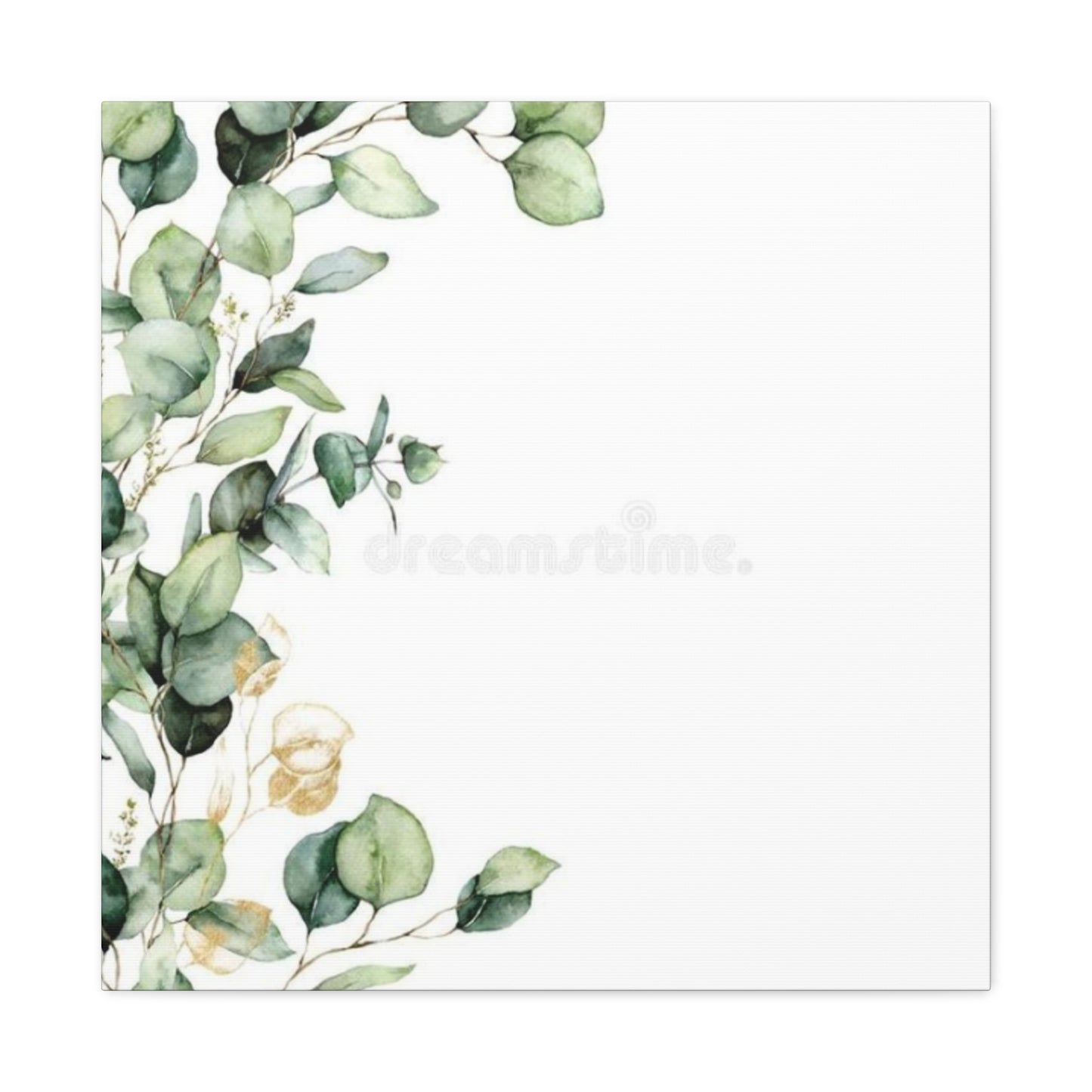
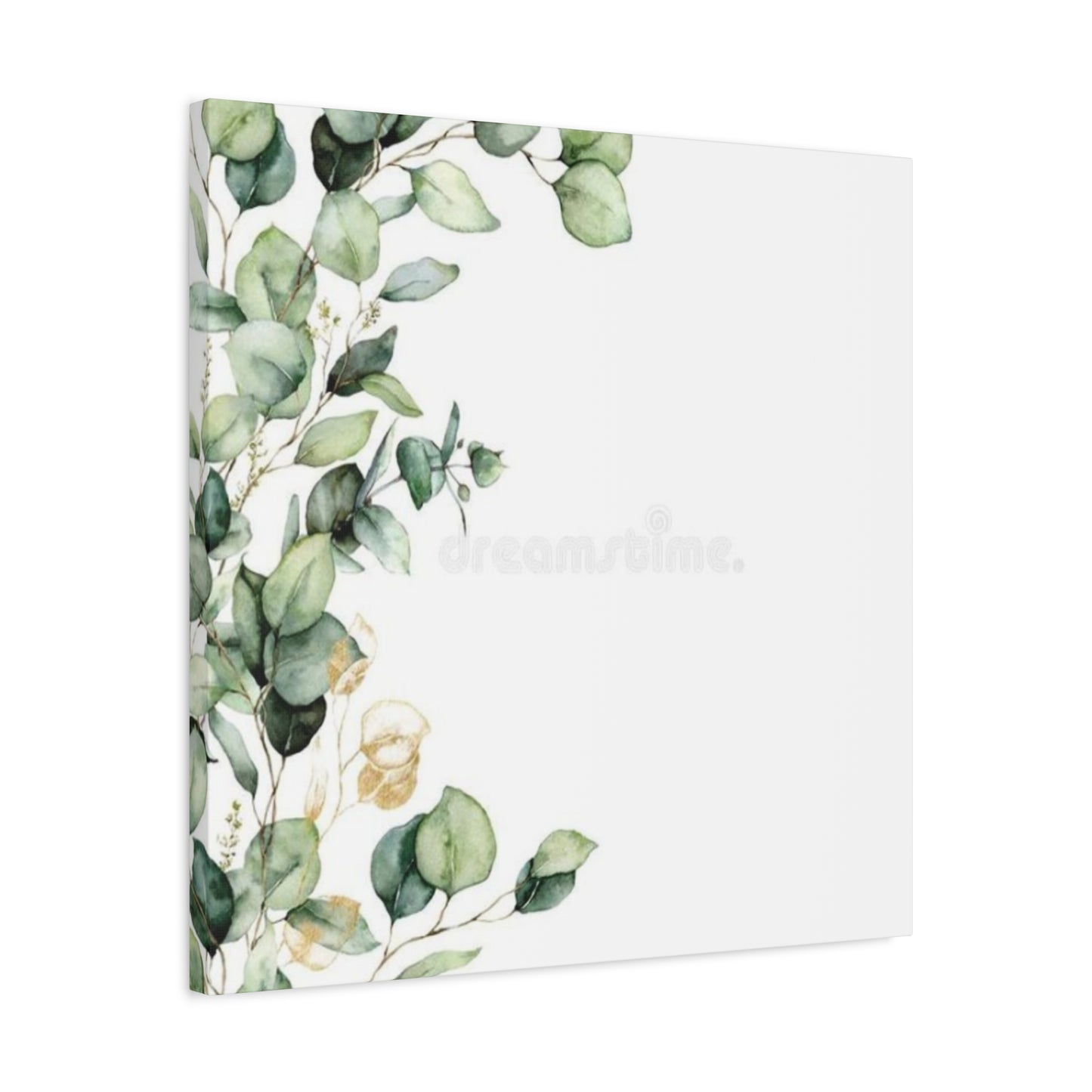
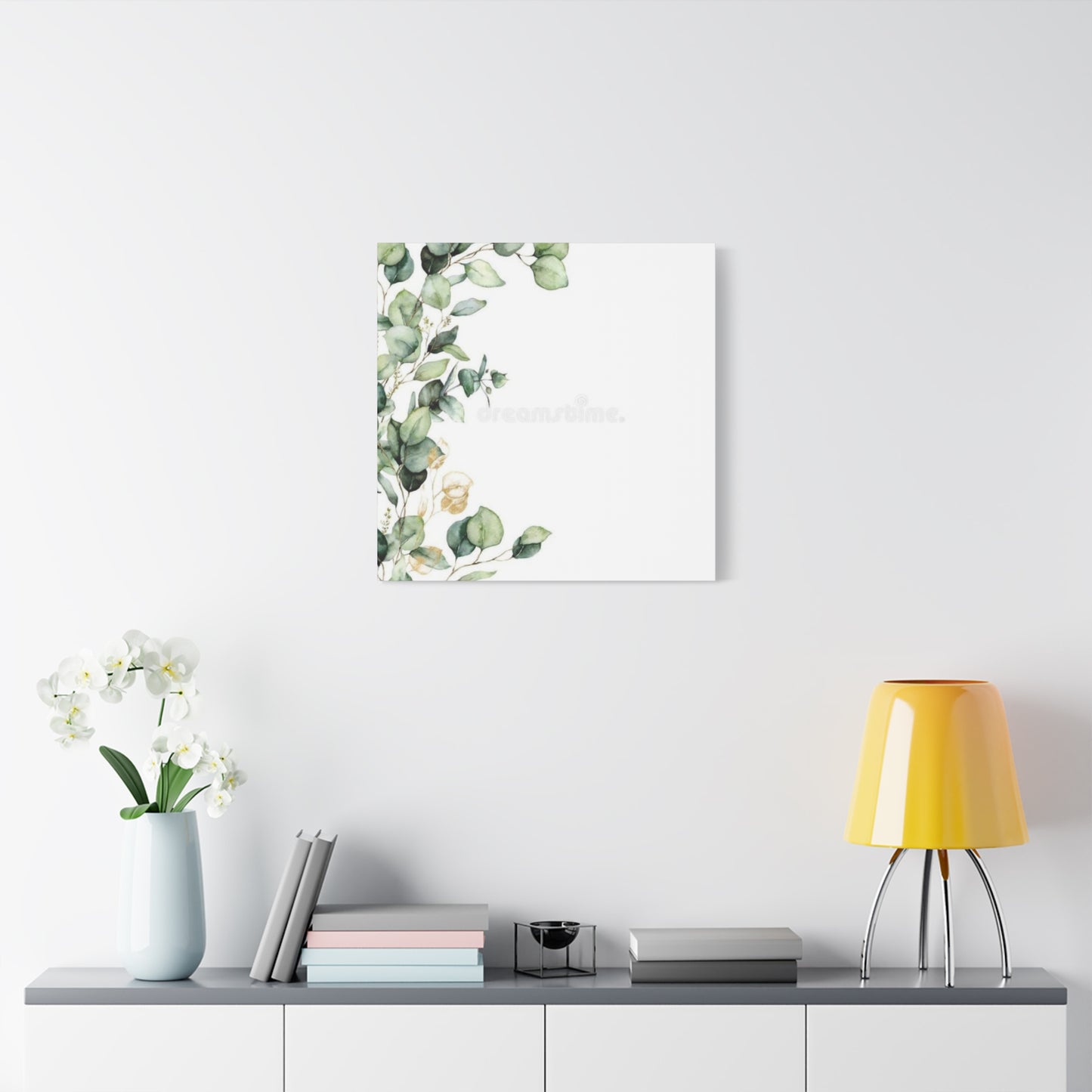
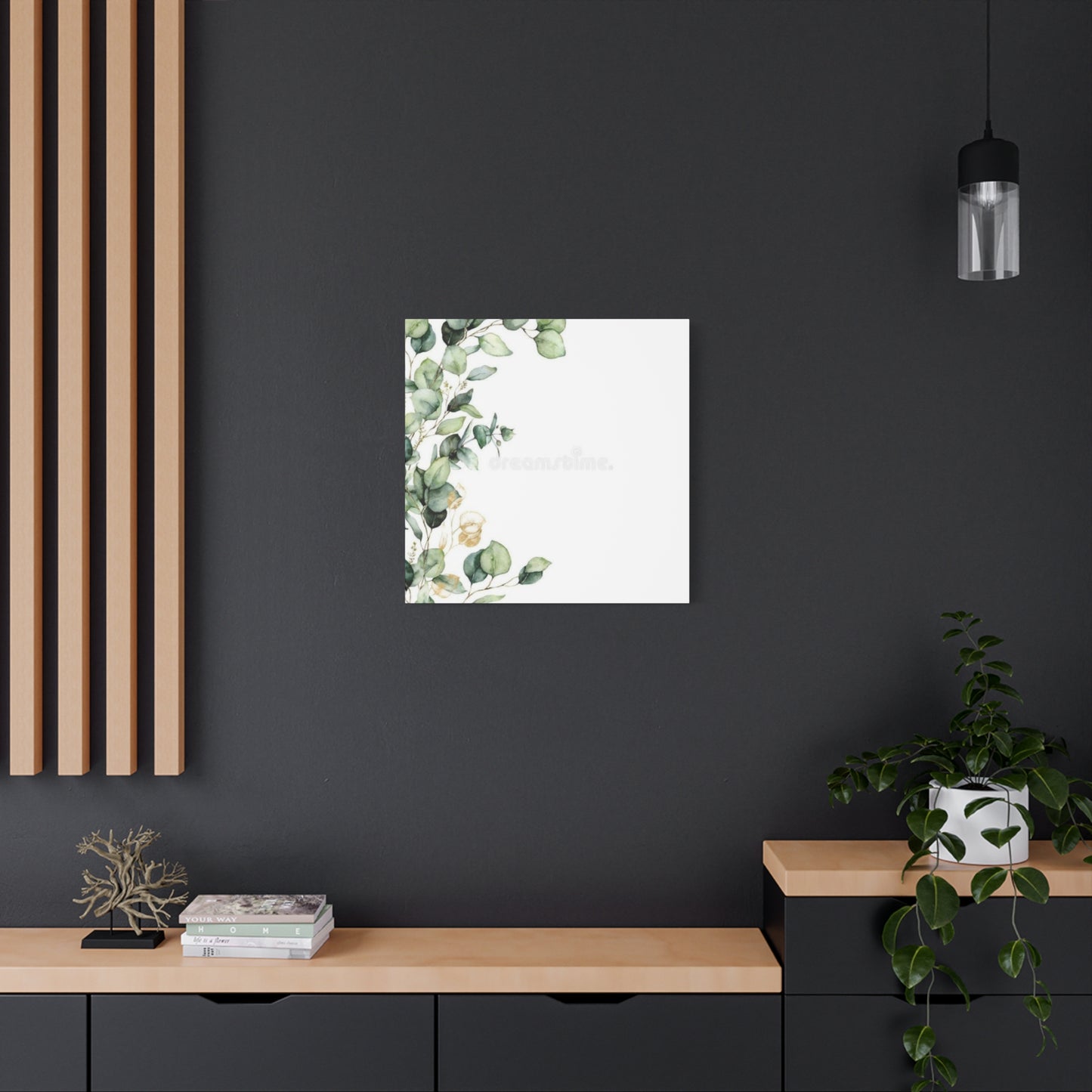
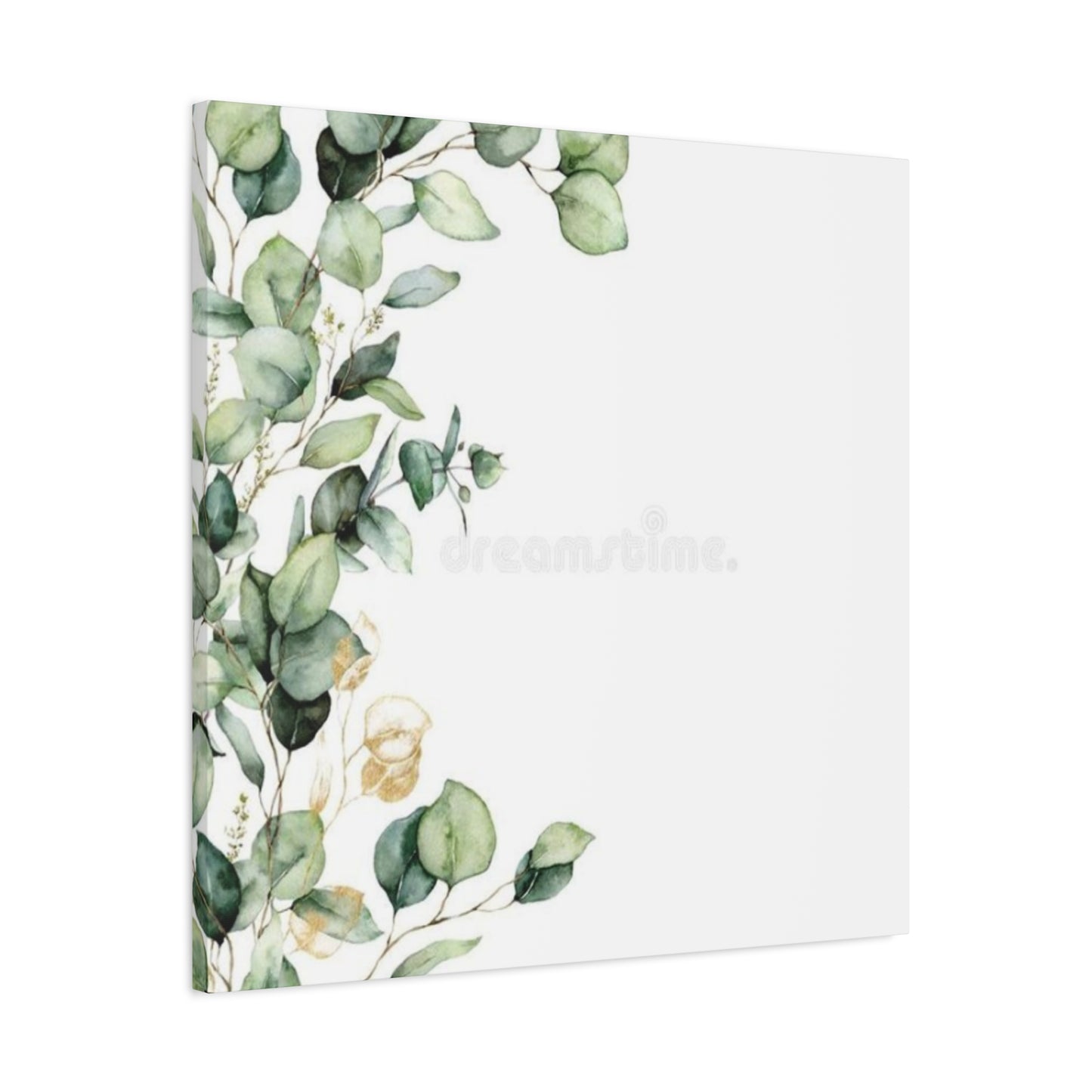
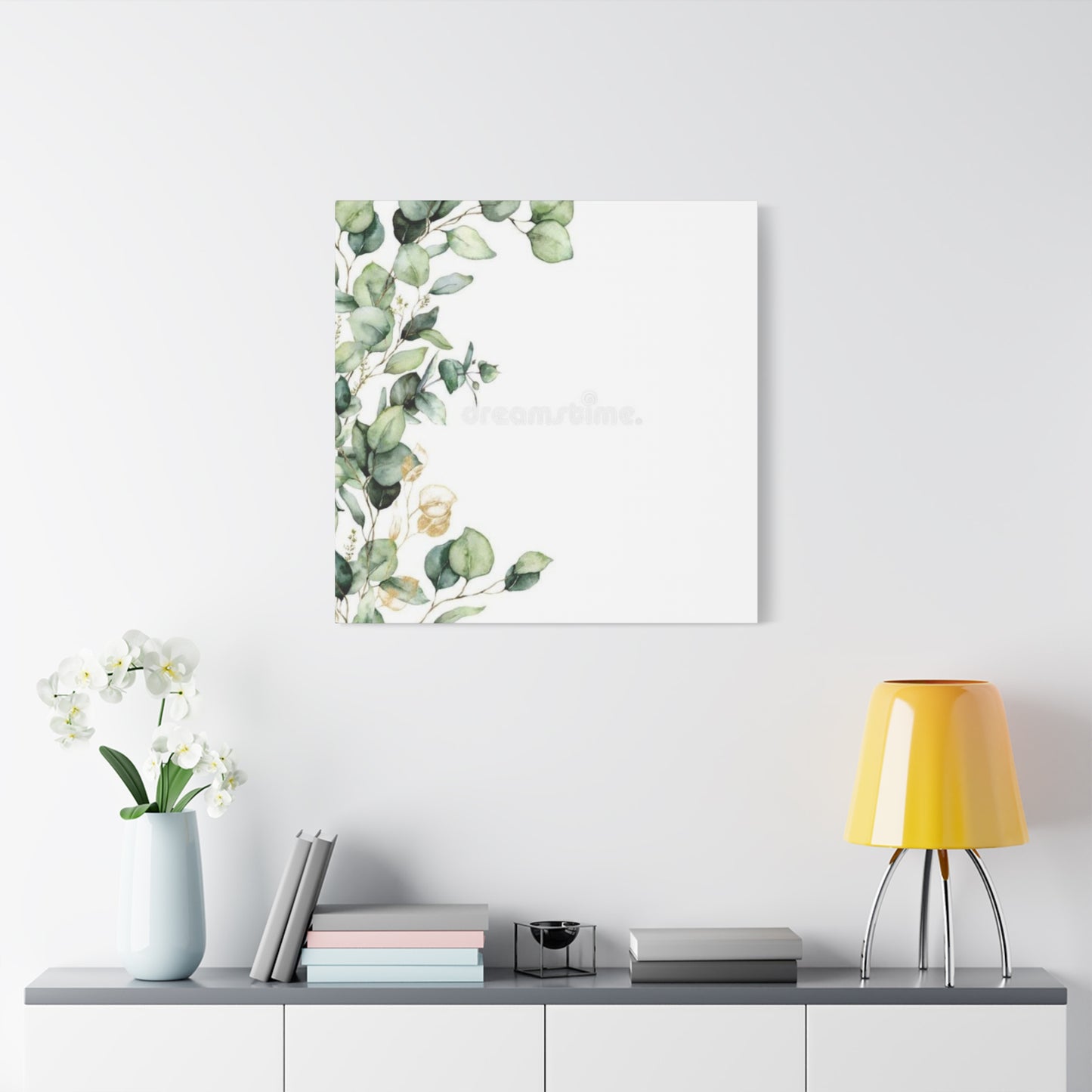
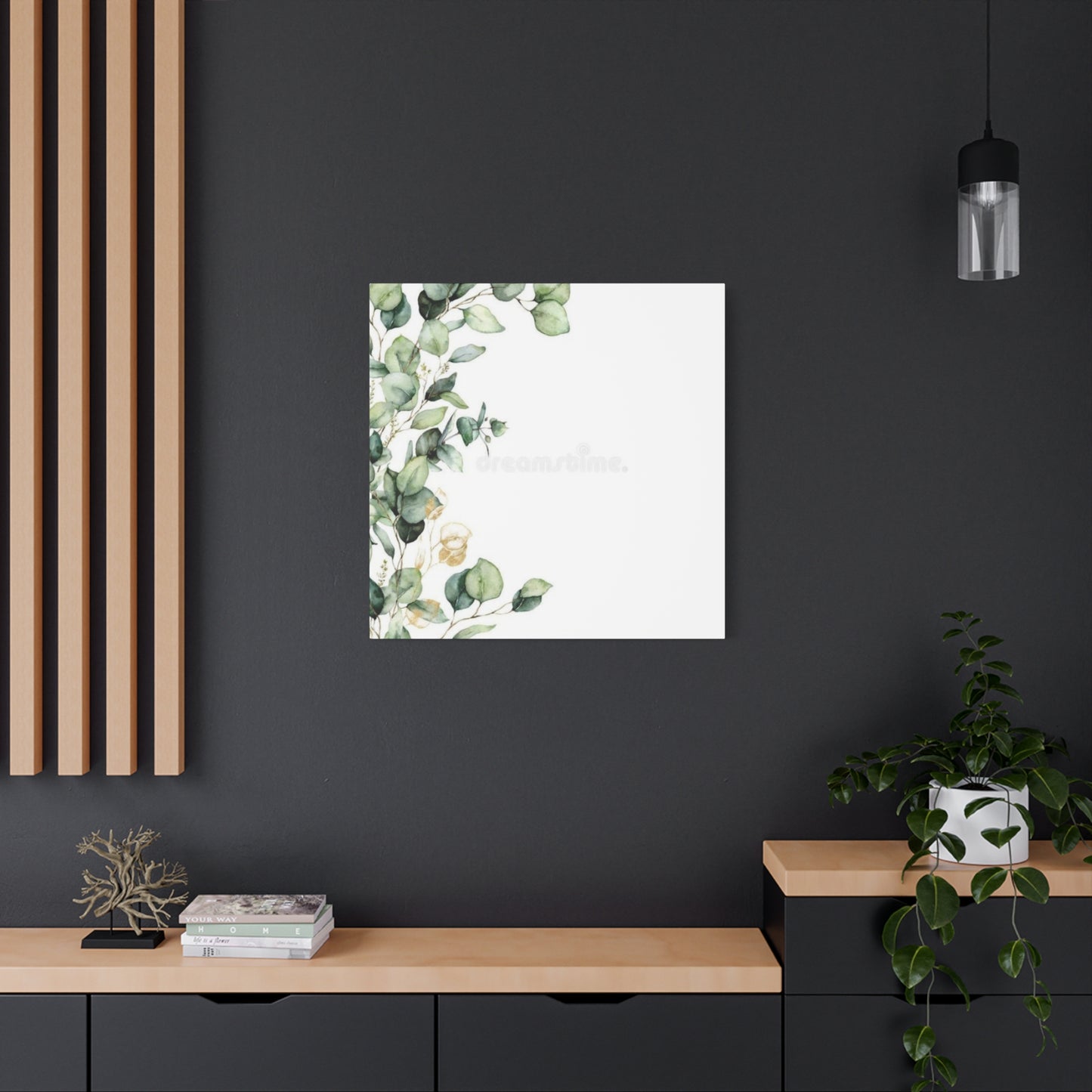
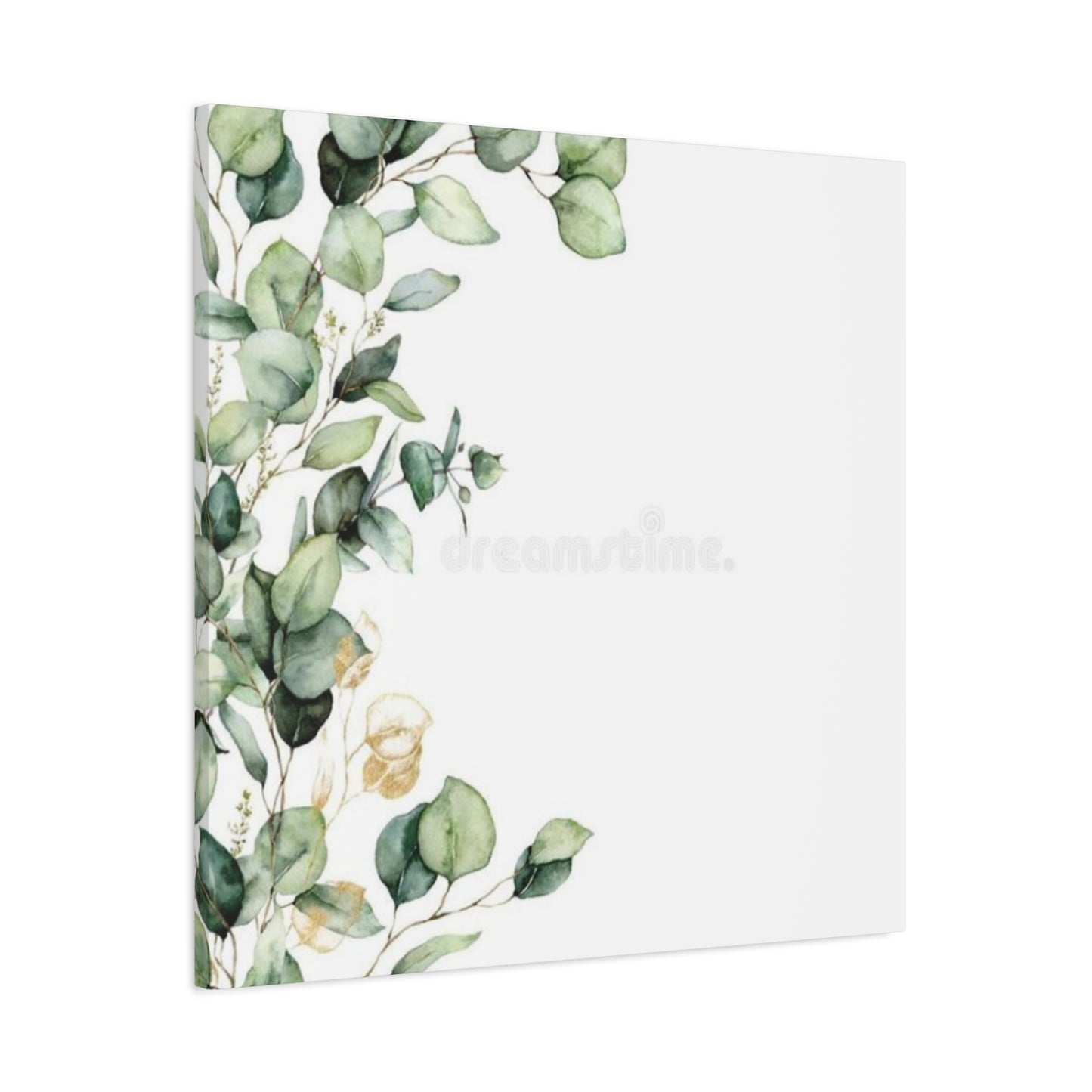
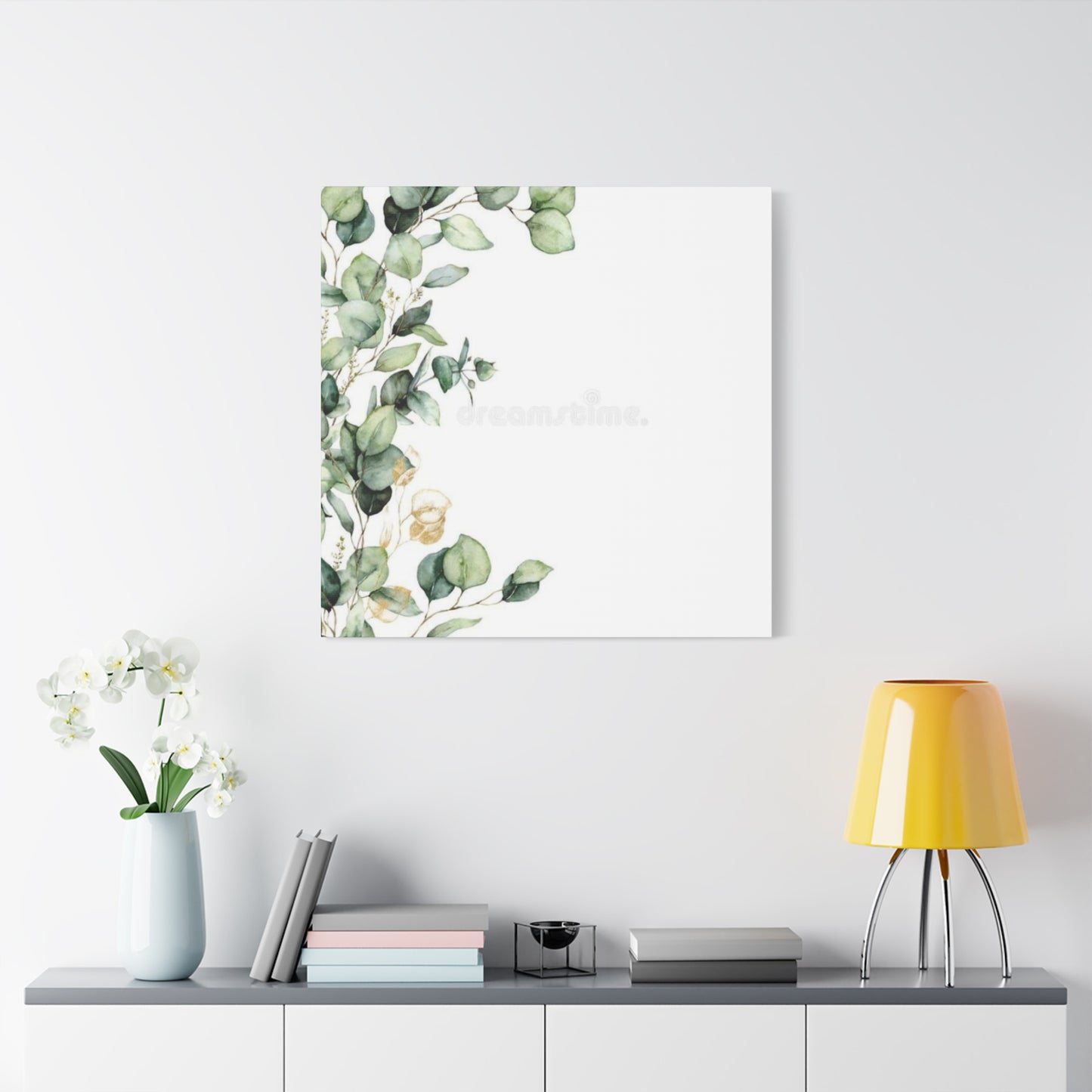
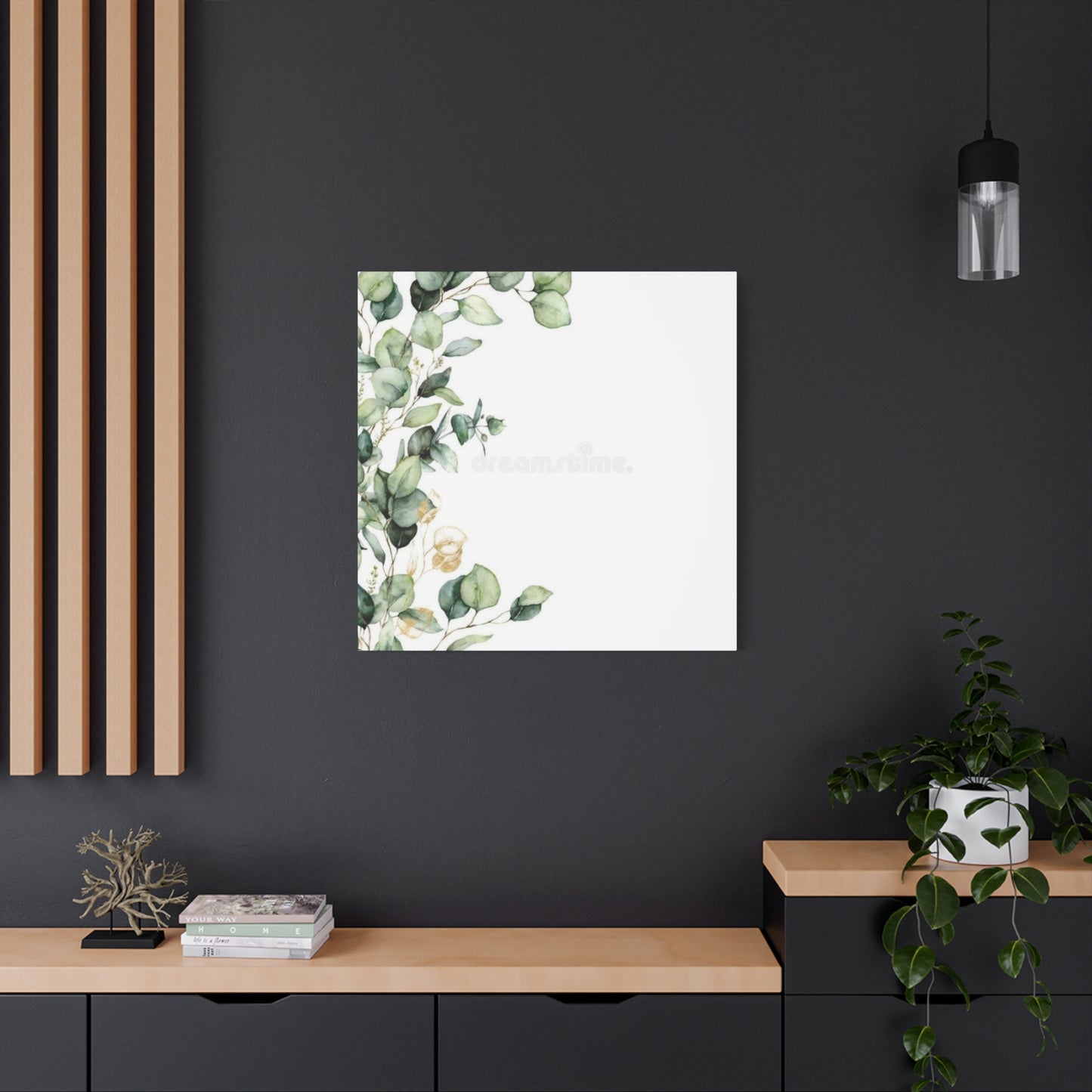
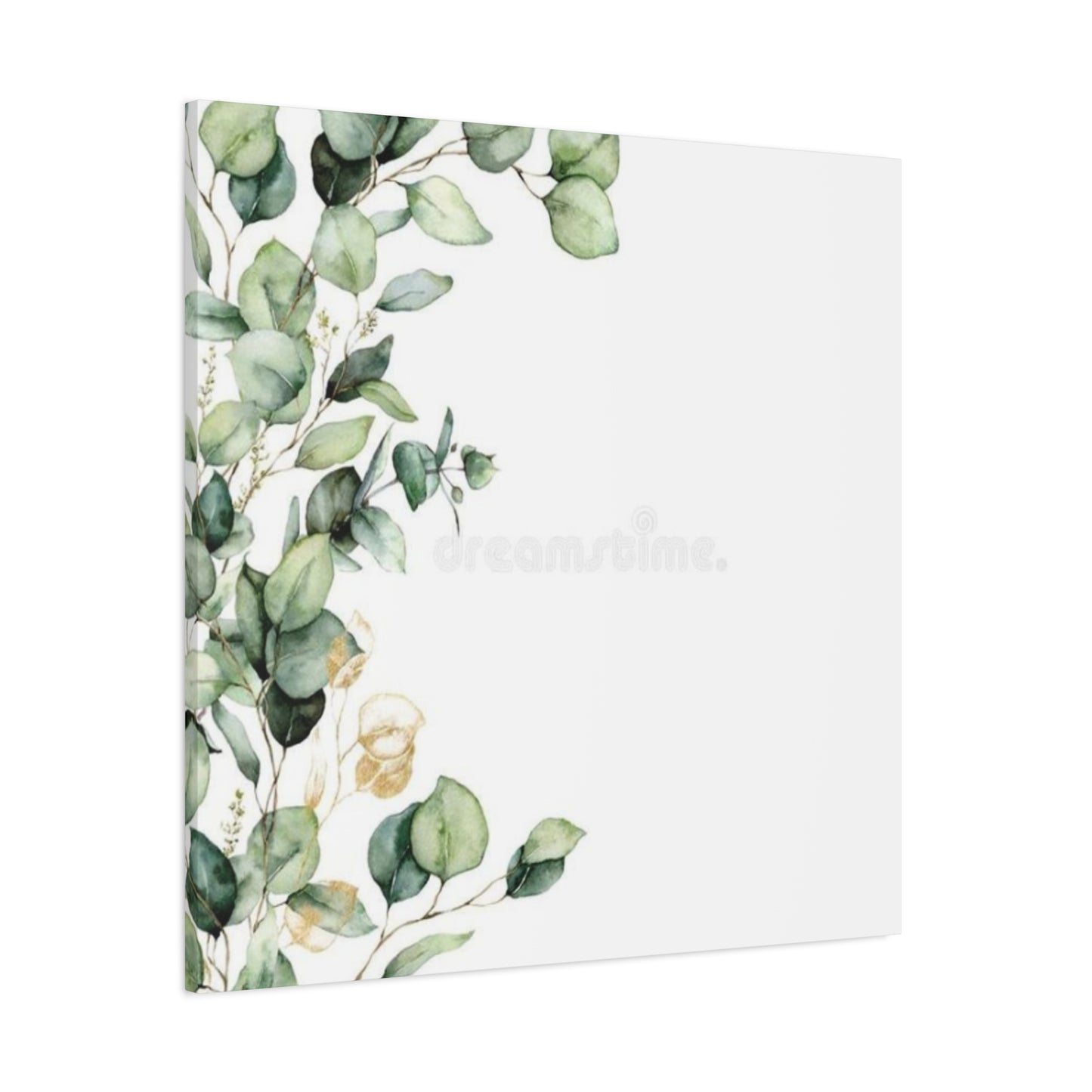
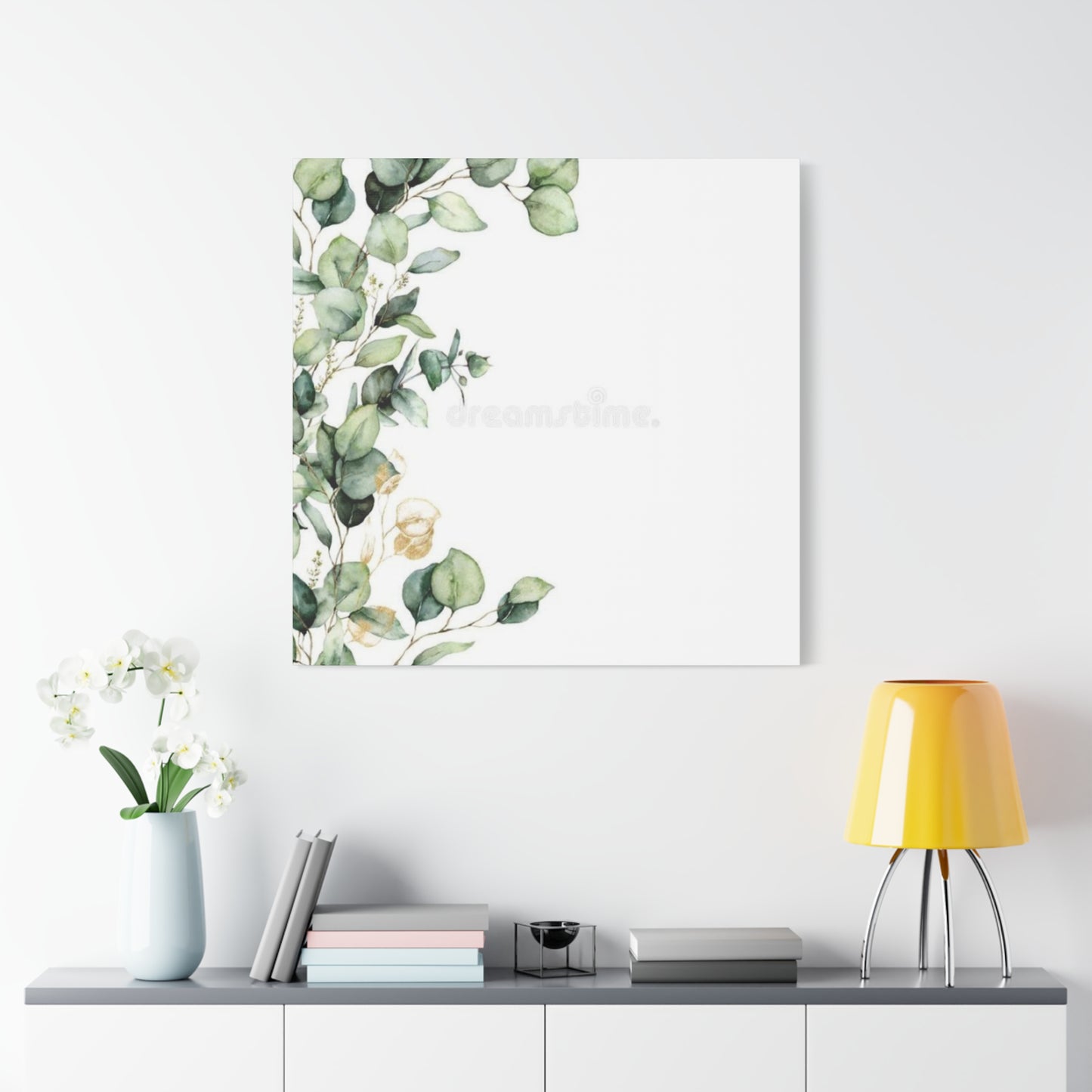
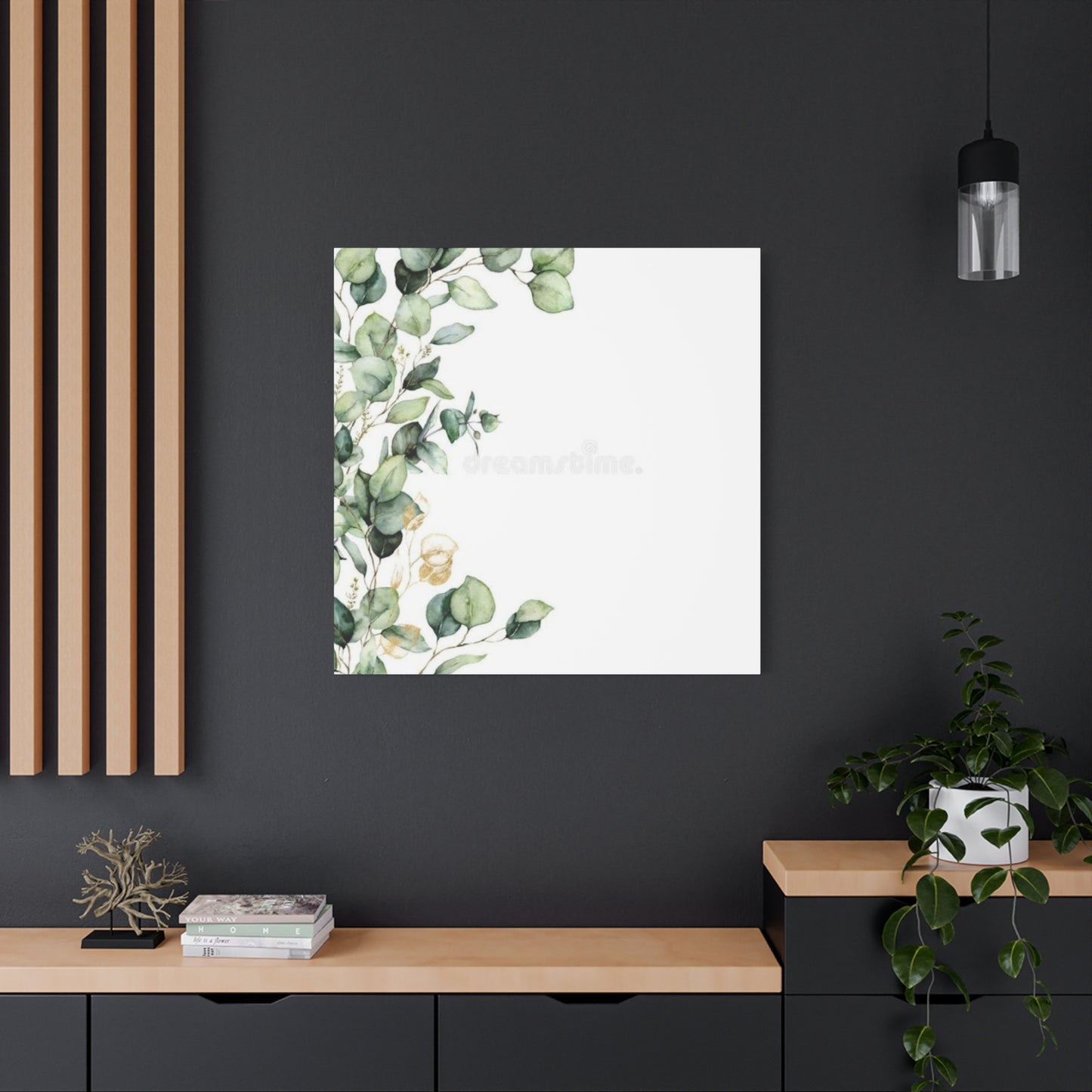
Eucalyptus Leaf Wall Art & Canvas Prints
Eucalyptus Leaf Wall Art & Canvas Prints
Couldn't load pickup availability
Create a Fresh, Natural Atmosphere with Eucalyptus Leaf Wall Art, Perfect for Botanical Interior Excellence
Bringing nature indoors has become more than just a passing trend in contemporary home styling. The incorporation of botanical elements, particularly eucalyptus foliage displays, represents a profound shift in how we perceive and interact with our living spaces. These aromatic leaves, native to Australia, have transcended their medicinal origins to become coveted decorative elements that transform ordinary walls into extraordinary focal points.
The allure of eucalyptus stems from its distinctive silvery-green hue and graceful, elongated structure. Unlike conventional artwork that relies on pigments and canvas, eucalyptus leaf wall art harnesses the inherent elegance of organic forms. Each leaf possesses unique characteristics—subtle variations in color, texture, and shape—that contribute to a one-of-a-kind aesthetic impossible to replicate through manufactured means.
Interior designers and homeowners alike gravitate toward eucalyptus displays because they bridge multiple design philosophies simultaneously. Whether your space embraces minimalist Scandinavian principles, rustic farmhouse charm, or contemporary urban sophistication, eucalyptus arrangements adapt seamlessly. The neutral color palette of eucalyptus varieties—ranging from sage to silver-blue—complements virtually any existing color scheme without overwhelming the visual landscape.
Beyond mere aesthetics, eucalyptus brings multisensory enrichment to interior environments. The leaves release a subtle, refreshing aroma that purifies the air while creating an atmosphere of tranquility. This olfactory dimension elevates eucalyptus beyond purely visual decoration, engaging multiple senses to cultivate a more immersive living experience. The therapeutic properties associated with eucalyptus compounds add another layer of value, potentially contributing to improved respiratory function and mental clarity within your home.
The versatility of eucalyptus leaf arrangements extends to their presentation methods. From pressed specimens enclosed in elegant frames to three-dimensional wreaths and garlands, the creative possibilities remain virtually limitless. Artists and crafters have developed innovative techniques for preserving eucalyptus in various states—dried, glycerin-treated, or even resin-encased—each method yielding distinct visual effects and longevity characteristics.
Sustainability considerations further enhance the appeal of eucalyptus botanical displays. Eucalyptus trees grow rapidly and regenerate efficiently, making them an environmentally responsible choice compared to many conventional decorative materials. When sourced ethically and harvested thoughtfully, eucalyptus represents a renewable resource that aligns with increasingly important ecological values. This environmental consciousness resonates particularly with younger generations seeking to minimize their decorative footprint while maximizing aesthetic impact.
The cultural significance of eucalyptus adds depth to its decorative value. Indigenous Australian communities have revered these trees for millennia, incorporating them into healing practices, ceremonial rituals, and daily life. By displaying eucalyptus in your home, you participate in a continuum of human appreciation for this remarkable plant, connecting contemporary interior design with ancient botanical wisdom.
Market trends indicate sustained and growing interest in botanical wall decorations, with eucalyptus consistently ranking among the most sought-after species. This popularity stems partly from social media influence, where eucalyptus arrangements frequently appear in aspirational lifestyle imagery. However, the enduring appeal transcends fleeting internet trends, rooted instead in fundamental human responses to natural beauty and biophilic design principles.
Creating eucalyptus leaf wall art offers opportunities for personal expression and creative exploration. Unlike mass-produced artwork that countless others may own, your eucalyptus arrangement becomes a unique reflection of your aesthetic sensibilities and creative vision. The process of selecting, arranging, and displaying eucalyptus foliage can itself become a meditative practice, fostering mindfulness and intentionality in home decoration.
Exploring Different Eucalyptus Species Perfect for Decorative Displays
The genus Eucalyptus encompasses over seven hundred species, each with distinctive characteristics that influence its suitability for decorative purposes. Understanding these variations empowers you to select the ideal eucalyptus type for your specific aesthetic goals and environmental conditions.
Silver dollar eucalyptus, scientifically known as Eucalyptus cinerea, stands as perhaps the most recognizable variety in decorative contexts. Its round, coin-shaped leaves emanate a striking blue-silver coloration that photographs beautifully and complements virtually any interior palette. The robust nature of silver dollar eucalyptus makes it particularly well-suited for preservation, maintaining its visual appeal for extended periods when properly treated. The structural integrity of these circular leaves allows them to withstand handling during arrangement creation without excessive fragility.
Seeded eucalyptus, or Eucalyptus polyanthemos, offers a distinctly different aesthetic with its smaller, more delicate leaves clustered along graceful stems. The presence of decorative seed pods adds textural interest and dimensional complexity to arrangements. These seeds transition through various stages of development, each presenting unique visual characteristics—from green nascent pods to mature brown capsules—allowing for diverse creative interpretations within a single species.
Baby blue eucalyptus, another cultivar of Eucalyptus pulverulenta, features juvenile foliage that maintains a softer, more powder-blue hue compared to its silver counterparts. The leaves grow in opposite pairs along the stem, creating a symmetrical pattern that appeals to those favoring orderly, balanced compositions. This variety responds exceptionally well to glycerin preservation methods, retaining its flexibility and color saturation longer than many alternatives.
Spiral eucalyptus, derived from Eucalyptus species that naturally twist as they grow, introduces dynamic movement into static displays. The corkscrew-like stems create visual rhythm and flow, guiding the viewer's eye through the composition in unexpected ways. This variety particularly suits contemporary and modern interiors where sculptural elements enhance minimalist aesthetics.
Gunnii eucalyptus, commonly called cider gum, presents smaller, more tightly clustered foliage with a pronounced aromatic profile. The leaves transition from blue-green in youth to deeper green at maturity, offering opportunities to incorporate color gradation within arrangements. This species demonstrates remarkable cold tolerance, making it viable for those wishing to cultivate their own eucalyptus sources in temperate climates.
Willow eucalyptus, or Eucalyptus nicholii, earns its name from the narrow, elongated leaves that resemble traditional willow foliage. This species creates ethereal, flowing compositions with a delicate appearance despite considerable durability. The feathery texture of willow eucalyptus softens harder architectural elements in interior spaces, introducing organic irregularity that counterbalances rigid lines.
Parvifolia eucalyptus features diminutive leaves densely packed along its branches, creating a lush, full appearance ideal for wreaths and larger installations. The compact growth habit produces abundant foliage per stem, making this variety economically efficient for substantial decorative projects. The rich green coloration of parvifolia provides excellent contrast when paired with silver-toned eucalyptus varieties in mixed arrangements.
Moon lagoon eucalyptus, a hybrid cultivar, showcases particularly intense silver-white foliage that appears almost luminescent in certain lighting conditions. This dramatic coloration makes it a statement piece in monochromatic or high-contrast design schemes. The larger leaf size of moon lagoon varieties creates bold visual impact, suitable for spaces requiring commanding focal points.
Neglecta eucalyptus, or Omeo gum, presents elongated leaves with a subtle blue-green cast and distinctive red stems that add unexpected color variation. This species thrives in cooler environments and exhibits excellent post-harvest longevity. The stem coloration intensifies as the foliage dries, creating evolving visual interest throughout the display's lifespan.
Ginkgo-leaf eucalyptus, though less common in commercial channels, features uniquely shaped foliage reminiscent of the ancient ginkgo tree. This rare variety appeals to collectors and those seeking truly distinctive botanical specimens. The unconventional leaf shape sparks conversation and distinguishes spaces from more conventional eucalyptus displays.
When selecting eucalyptus species for your wall art project, consider factors beyond mere appearance. Aromatic intensity varies significantly between species—some emit powerful, camphoraceous scents while others maintain subtler olfactory profiles. Preservation characteristics differ as well; certain varieties maintain their structure and color more reliably through drying processes, while others may require glycerin treatment or other preservation methods to achieve optimal results.
Geographic availability influences species selection, as some eucalyptus varieties thrive only in specific climate zones. Those purchasing from commercial sources benefit from broader selection, while individuals cultivating their own eucalyptus must choose species appropriate to their regional growing conditions. Hardiness zones, precipitation requirements, and temperature tolerances all factor into cultivation decisions.
Seasonal variations affect eucalyptus characteristics, with some species producing their most aesthetically pleasing foliage during particular times of year. Understanding these cyclical patterns enables strategic harvesting or purchasing to capture eucalyptus at its peak visual appeal. New growth typically exhibits more vibrant coloration and supple texture compared to mature foliage, though older leaves often demonstrate superior preservation qualities.
Creative Methods for Preserving Eucalyptus Foliage to Maintain Long-Lasting Beauty
Preservation stands as the cornerstone of successful eucalyptus leaf wall art, determining both the longevity and visual quality of your botanical display. Multiple preservation methods exist, each offering distinct advantages and producing unique aesthetic effects. Mastering these techniques empowers you to extend the lifespan of eucalyptus arrangements far beyond the natural deterioration timeline of fresh foliage.
Air drying represents the most straightforward preservation approach, requiring minimal equipment or specialized knowledge. This method involves hanging eucalyptus stems upside down in a dark, dry, well-ventilated location for approximately two to three weeks. The inverted position allows gravity to maintain straight stems while moisture gradually evaporates from the leaves. Darkness prevents photodegradation that can fade the characteristic blue-green coloration, while air circulation prevents mold or mildew development during the drying process.
The primary advantage of air drying lies in its simplicity and accessibility—anyone can implement this method using only string and a suitable hanging location. However, air-dried eucalyptus undergoes significant color transformation, typically shifting from vibrant blue-green to muted olive or brown tones. The leaves become brittle and fragile, requiring gentle handling to prevent breakage. Despite these limitations, air-dried eucalyptus possesses rustic charm that suits farmhouse, bohemian, and naturalistic design aesthetics.
Glycerin preservation offers superior color retention and maintains leaf flexibility, producing eucalyptus that looks and feels closer to its fresh state. This method involves replacing the water content within eucalyptus stems with a glycerin solution, essentially embalming the plant tissue. To execute this technique, cut fresh eucalyptus stems at an angle and immediately place them in a container filled with a mixture of one part glycerin to two parts water. The stems absorb this solution over approximately two to six weeks, depending on stem thickness and environmental conditions.
During glycerin preservation, monitor the liquid level regularly and replenish as needed to ensure stems remain submerged. You'll know the process is complete when the leaves feel supple rather than crisp and may display slightly deepened coloration. Glycerin-preserved eucalyptus maintains flexibility indefinitely, allowing for more intricate arrangements and reducing breakage risk during handling. The preserved foliage retains a subtle sheen that enhances its visual appeal under various lighting conditions.
Silica gel desiccation provides another preservation avenue, particularly effective for individual leaves destined for pressed arrangements or framed displays. This method employs moisture-absorbing silica crystals to rapidly remove water from plant material while maintaining structural integrity. To preserve eucalyptus with silica gel, layer the crystals in an airtight container, nestle eucalyptus leaves or small sprigs among the crystals, and seal the container for five to seven days.
Silica gel preservation works exceptionally quickly compared to air drying or glycerin methods, making it ideal for time-sensitive projects. The rapid moisture removal helps preserve more vibrant coloration than slower drying methods. However, silica gel can be relatively expensive for large-scale preservation efforts, and the crystals require periodic reactivation through heating to restore their moisture-absorbing capabilities.
Pressing represents a classic preservation technique ideal for creating flat, two-dimensional eucalyptus displays. Traditional pressing involves placing eucalyptus leaves between absorbent paper sheets weighted with heavy books or specialized botanical presses. The pressure and absorbent material work together to gradually remove moisture while flattening the specimens. Complete pressing typically requires two to four weeks, with paper changes every few days to prevent mold growth.
Modern variations on traditional pressing include microwave pressing, which dramatically accelerates the timeline. By sandwiching eucalyptus between ceramic tiles surrounded by paper towels and microwaving in short bursts, you can achieve pressed specimens in mere minutes. This rapid method suits those needing preserved eucalyptus quickly, though it requires careful monitoring to prevent scorching or over-drying.
Wax preservation creates waterproof, semi-permanent eucalyptus specimens with a distinctive aesthetic. This method involves melting paraffin or beeswax and carefully dipping eucalyptus stems to coat the foliage in a thin wax layer. The wax seals the plant tissue, preventing moisture loss while creating a subtle sheen. Wax-preserved eucalyptus works particularly well for decorative pieces that may encounter moisture or humidity, such as bathroom displays or outdoor-protected arrangements.
Resin encapsulation represents the most permanent preservation method, eternally suspending eucalyptus within crystal-clear epoxy resin. This technique creates dramatic artistic pieces where eucalyptus appears frozen in time, protected from all environmental degradation. Creating resin pieces requires more specialized materials and skills, including understanding proper resin mixing ratios, working with molds, and managing the curing process to prevent bubbles or cloudiness.
Freeze-drying, though typically requiring professional equipment, produces unparalleled preservation results with exceptional color retention and structural integrity. This laboratory-grade method removes moisture through sublimation in a vacuum chamber, preserving eucalyptus in a state nearly identical to its fresh condition. While home freeze-dryers exist, their cost makes them prohibitive for most hobbyists. However, commercial preservation services offer freeze-drying for those seeking premium results.
Alcohol preservation provides an alternative liquid-based method using high-proof alcohol rather than glycerin. Submerging eucalyptus in vodka, gin, or isopropyl alcohol draws out water content while the alcohol evaporates more readily than water, resulting in preserved specimens. This method proves less effective than glycerin for maintaining color and flexibility but offers a middle ground between air drying and more intensive preservation techniques.
Microwave drying accelerates the desiccation process by using electromagnetic radiation to rapidly evaporate moisture from plant tissue. Place eucalyptus between paper towels on a microwave-safe plate and heat in thirty-second intervals until thoroughly dried. This quick method suits those needing preserved eucalyptus urgently but can produce uneven results if not monitored carefully. The leaves may become more brittle compared to slower drying methods.
Innovative Framing Concepts to Showcase Eucalyptus Botanical Specimens
Framing elevates eucalyptus from simple dried foliage to gallery-worthy botanical art, transforming raw natural materials into polished decorative statements. The framing approach you select dramatically influences the final aesthetic impact and determines how effectively the eucalyptus integrates with surrounding decor elements.
Shadow box frames create dimensional depth that showcases the three-dimensional structure of eucalyptus stems. Unlike traditional flat frames, shadow boxes feature significant spacing between the glass front and backing board, accommodating thicker specimens without crushing delicate foliage. This depth allows for more natural positioning of eucalyptus, maintaining the organic curves and branching patterns that make the plant visually compelling. The dimensional quality creates dynamic shadows that shift with changing light throughout the day, introducing subtle movement to static displays.
When constructing shadow box eucalyptus displays, consider the internal background color carefully. Neutral whites and creams create clean, contemporary presentations that allow the eucalyptus coloration to dominate. Deeper backgrounds—charcoal, navy, or forest green—generate dramatic contrast that makes silver-toned eucalyptus varieties appear luminous. Textured backgrounds such as linen, burlap, or handmade paper add subtle visual interest without competing with the primary botanical specimen.
Double-sided glass frames offer an innovative twist on conventional framing, suspending pressed eucalyptus between two glass panes without backing material. This approach creates ethereal, floating presentations where light passes through the translucent leaves, illuminating their intricate vein structures and subtle color variations. Double-sided frames work particularly effectively near windows or in spaces with strong backlighting, transforming eucalyptus into living stained glass-like installations.
Floating frames create the illusion that eucalyptus specimens hover within the frame boundaries without visible attachment points. This minimalist presentation method emphasizes the natural form of the eucalyptus itself, eliminating visual competition from mounting materials or conspicuous backing boards. Achieving this effect requires careful planning—specimens may be subtly adhered to a clear acrylic backing or suspended using nearly invisible fishing line attached to the frame interior.
Vintage botanical print styling mimics the aesthetic of nineteenth-century herbarium specimens, complete with handwritten labels and classification information. This approach appeals to those appreciating historical scientific aesthetics and works particularly well in libraries, studies, or spaces decorated with antique or vintage elements. Creating authentic-looking labels requires research into proper botanical nomenclature and calligraphic or typewriter-style labeling that evokes historical documentation practices.
Grid arrangements organize multiple smaller eucalyptus frames into cohesive wall installations that create impact through repetition and variation. Rather than displaying a single large eucalyptus piece, this approach uses numerous smaller frames arranged in geometric patterns. Each frame might contain different eucalyptus species, varied leaf stages, or alternative positioning—collectively telling a more comprehensive botanical story than isolated specimens could achieve alone.
Circular and oval frames introduce softer geometry that complements the organic curves of eucalyptus stems. These non-rectangular formats feel inherently more botanical and less architectural, creating harmony between the natural specimen and its presentation vessel. Round frames particularly suit eucalyptus arrangements positioned on stem curves that naturally follow circular patterns.
Mixed media frames combine eucalyptus with complementary materials like dried flowers, grasses, ferns, or even non-botanical elements such as handwritten text, fabric, or decorative papers. These composite presentations tell richer visual stories and allow for greater creative expression. The key to successful mixed media frames lies in maintaining visual balance—ensuring the eucalyptus remains a focal point rather than getting lost among competing elements.
Minimalist metal frames with narrow profiles direct maximum attention to the eucalyptus itself rather than the framing apparatus. Thin brass, copper, or black metal frames provide just enough structural support while maintaining visual transparency. This approach suits contemporary and modern interiors where clean lines and restrained decoration dominate.
Ornate carved wood frames create striking juxtaposition when paired with simple eucalyptus specimens. The elaborate frame becomes part of the artistic statement, positioning the natural eucalyptus within a context of human craftsmanship and decorative tradition. This approach works particularly well in more maximalist or eclectic interiors where layered visual complexity is desirable.
Frameless mounting presents the most radical departure from conventional framing, eliminating the frame entirely. Eucalyptus specimens may be mounted directly to wood backing, attached to canvas, or even suspended from walls using invisible hanging systems. This approach feels fresh and unexpected, challenging conventional expectations about how botanical specimens should be displayed.
Layered frames create depth by positioning multiple frames or elements at different distances from the wall. A primary eucalyptus display might be flanked by smaller complementary pieces set slightly forward or back, creating a sculptural installation rather than a flat wall hanging. This three-dimensional approach transforms wall space into architectural features that project into the room.
Arranging Eucalyptus Branches Into Stunning Wreath Formations
Wreaths represent one of the most popular and versatile forms of eucalyptus wall art, offering circular compositions that symbolize continuity, wholeness, and the cyclical nature of seasons and life. Creating eucalyptus wreaths allows for substantial creative expression while producing substantial visual impact suitable for focal wall positions.
Selecting an appropriate base forms the foundation of successful wreath construction. Wire wreath frames come in numerous sizes, from petite ten-inch diameters suitable for intimate spaces to substantial thirty-inch circles that command attention in larger rooms. The wire structure provides secure attachment points for eucalyptus stems while remaining nearly invisible once foliage is applied. Grapevine wreath bases offer rustic, organic foundations that contribute their own textural interest. The twisted vines create dimensional depth and work particularly well for casual, farmhouse-inspired eucalyptus wreaths.
Foam wreath forms, wrapped in green or brown tape, provide the most forgiving base for beginners. These solid foundations accept floral pins or hot glue easily, allowing for error correction without the gaps and spaces inherent in wire or vine bases. Straw wreath bases bring natural materials and traditional craft aesthetics, though they can be messy to work with and may shed during construction.
When attaching eucalyptus to wreath bases, consider the directional flow that guides the viewer's eye around the circular form. Most effective wreaths employ consistent directional orientation, with all stems angled in one direction—typically clockwise or counterclockwise. This creates visual rhythm and movement that makes the wreath feel dynamic despite being stationary. Overlapping each subsequent stem with the previous one disguises attachment points and creates lush, full coverage.
Securing methods vary based on the wreath base selected
Floral wire works universally, wrapping around both the eucalyptus stem and the base structure to create firm attachment. This method allows for later adjustments if positioning isn't quite right. Hot glue provides faster attachment but permits no repositioning once set—commit fully to each placement decision. Floral pins, resembling small U-shaped staples, work excellently with foam or straw bases, quickly securing stems without fumbling with wire or waiting for glue to cool.
Density decisions dramatically affect the final appearance of eucalyptus wreaths. Sparse wreaths with visible gaps and spaces create airy, minimalist presentations that showcase individual stem architecture. These lighter wreaths suit modern aesthetics and spaces where visual restraint is valued. Dense, abundant wreaths with no visible base create lush, full presentations that feel opulent and generous. These fuller styles work beautifully in spaces embracing maximalist or traditional design philosophies.
Eucalyptus variety mixing within wreaths adds visual complexity and textural variation. Combining silver dollar eucalyptus with seeded varieties, for instance, creates interplay between the round leaves and delicate seed clusters. Adding willow eucalyptus introduces flowing, linear elements that contrast with more compact foliage types. When mixing varieties, aim for balanced distribution throughout the wreath rather than clustering each type in separate sections.
Accent additions transform simple eucalyptus wreaths into more elaborate compositions. Dried floral elements like lavender, statice, or baby's breath introduce color notes that complement eucalyptus's neutral palette. Cotton bolls add white textural pops and enhance farmhouse aesthetics. Preserved ferns or other greenery expand the botanical diversity while maintaining the natural, foraged feel. When incorporating accents, follow the principle of odd numbers—groups of three, five, or seven accent clusters feel more visually balanced than even-numbered groupings.
Ribbon incorporation adds color, pattern, and often seasonal specificity to eucalyptus wreaths. Flowing ribbon tails create movement and draw the eye downward from the circular form. Bows positioned at the bottom or top of wreaths become focal points that can coordinate with other room textiles. When selecting ribbons, consider both color and texture—wired ribbons hold shaped bows more reliably, while natural fiber ribbons like cotton or linen enhance organic aesthetics.
Seasonal adaptation allows a single eucalyptus wreath base to transform throughout the year with simple accent swaps. A basic eucalyptus wreath might receive pinecones and evergreen sprigs during winter months, transitioning to pastel florals for spring, remaining simply eucalyptus through summer, and welcoming wheat stems or autumn leaves for fall. This adaptable approach maximizes the value of your eucalyptus investment while keeping displays feeling fresh and timely.
Asymmetrical wreaths challenge the traditional circular symmetry by concentrating decorative elements in specific sections rather than distributing them evenly. A eucalyptus wreath might feature dense foliage covering two-thirds of the circle with the remaining third relatively sparse, creating dynamic tension and visual interest. Asymmetrical designs feel contemporary and unexpected, distinguishing spaces from more conventional wreath presentations.
Size scaling creates impact through either intimate delicacy or commanding presence. Multiple small eucalyptus wreaths—perhaps six to eight inches in diameter—can be clustered on a wall in organic groupings, collectively creating a large installation from multiple small components. Conversely, a single oversized wreath measuring thirty inches or more makes an unmistakable statement, anchoring an entire wall and establishing itself as the room's focal point.
Constructing Impressive Eucalyptus Garlands for Linear Wall Displays
Garlands offer linear compositional possibilities that complement architectural features like mantels, doorways, stair railings, and horizontally oriented wall spaces. Creating eucalyptus garlands involves different considerations than wreaths, with greater emphasis on movement, flow, and integration with architectural elements.
Base construction begins with selecting the spine that will support your eucalyptus arrangement. Heavy-gauge floral wire, twisted into a cable-like strand, provides flexible yet sturdy foundation that can be shaped to follow curved surfaces or draped naturally between hanging points. Jute rope or natural twine creates rustic bases that contribute visible texture and earthy aesthetics to the final garland. These natural fiber bases work particularly well for casual, organic presentations.
Pre-wired artificial garland bases, though seemingly contradictory for natural eucalyptus displays, actually provide excellent foundations. The artificial foliage can be completely covered with fresh or preserved eucalyptus, leaving only the structural benefits of the manufactured base—built-in fullness, pre-wired stems, and flexible shaping. This approach combines natural aesthetics with structural advantages that make installation and shaping considerably easier.
Length determination depends entirely on the intended installation location. Mantel garlands typically measure one and a half to two times the mantel length, allowing for graceful draping at the ends. Doorway garlands should account for the vertical door height plus desired extensions on either side. Stair railing garlands must span the entire length with extra allowance for the descending diagonal and any swooping between balusters.
Eucalyptus attachment follows similar principles to wreath construction but emphasizes directional flow even more strongly. The linear nature of garlands means viewers naturally follow the length from end to end, making consistent stem orientation crucial for cohesive appearance. Starting from one end, attach eucalyptus stems so each successive addition continues the directional flow, creating a river-like progression along the garland length.
Securing stems to garland bases can be accomplished through wrapping with thin floral wire, binding with floral tape that blends with stem colors, or using zip ties for particularly heavy or substantial garlands. The attachment method should remain virtually invisible in the finished product, hidden beneath subsequent layers of foliage. Working in small sections—roughly twelve to eighteen inches at a time—prevents confusion and allows you to assess coverage and density progressively.
Density variation along the garland length creates visual interest superior to uniform fullness throughout. Consider making the central section of a mantel garland fuller and more abundant, with density gradually decreasing toward the ends for lighter, airier terminals. This technique draws attention to the center while maintaining visual interest across the entire length. Conversely, heavier ends with lighter central sections work well for garlands flanking artwork or mirrors, framing the central element without overwhelming it.
Curves and swoops transform straight garlands into dynamic
Rather than pulling garlands taut between hanging points, allow them to curve naturally under their own weight. For more pronounced swoops, create additional attachment points that pull the garland into desired curves. Doorway garlands, for instance, might swoop down in the center rather than forming a rigid arch, creating a more romantic, flowing silhouette.
Mixed material integration works particularly well in garlands where the extended length provides ample space for varied elements. Eucalyptus might alternate with preserved magnolia leaves, fern fronds, or olive branches to create sophisticated, multi-botanical compositions. Dried floral accents can be distributed evenly along the length or clustered at specific focal points. Incorporate unexpected elements like feathers, fabric strips, or even dried fruit slices for truly unique presentations.
Lighting integration elevates eucalyptus garlands into illuminated features that glow with warmth and ambiance. Battery-operated LED string lights can be woven through garland construction, with light points emerging between eucalyptus stems to create twinkling effects. The warm glow highlights the silvery eucalyptus foliage beautifully, creating evening ambiance that transforms the garland from daytime decoration to nighttime focal point. When incorporating lights, choose warm white or amber tones rather than cool white, which can appear harsh against natural botanicals.
Garland thickness affects both visual impact and practical considerations like weight and fullness. Thin garlands measuring only a few inches in width create delicate, refined presentations suitable for smaller spaces or more minimalist aesthetics. Thick, abundant garlands reaching six to eight inches in depth create lush, generous presentations with substantial visual presence. Consider your space scale when determining thickness—oversized garlands can overwhelm small rooms while thin garlands may appear insignificant in expansive spaces.
End treatment provides finishing details that polish the overall presentation. Garland ends can taper naturally to delicate points, trail dramatically downward in loose cascades, or terminate in fuller clusters that create visual weight. Ribbon bows, larger accent elements, or even small wreaths can be attached at garland ends for more elaborate presentations. The end treatment should feel intentional rather than appearing as if the garland simply ran out of materials.
Seasonal refreshing extends garland longevity and keeps presentations feeling current throughout the year. A permanent eucalyptus garland base can receive temporary additions that reflect changing seasons—spring flowers, summer berries, autumn leaves, winter pinecones—without completely reconstructing the entire piece. This modular approach reduces effort while maintaining visual freshness.
Designing Contemporary Eucalyptus Installations for Modern Spaces
Contemporary interior design embraces clean lines, neutral color palettes, and restrained decoration—characteristics that make eucalyptus an ideal botanical choice for modern spaces. Creating eucalyptus installations that feel authentically contemporary rather than traditionally decorative requires thoughtful consideration of proportion, negative space, and presentation methods.
Minimalist single-stem displays demonstrate that less truly can be more when working with exceptional specimens. One or two perfectly selected eucalyptus stems in a sleek, understated vessel create refined focal points that embody contemporary restraint. The key lies in selecting stems with compelling architecture—interesting curves, exceptional foliage density, or particularly beautiful coloration—that justify being showcased in isolation. Placement matters immensely in single-stem displays; the surrounding negative space becomes as important as the eucalyptus itself, creating breathing room that allows full appreciation of the specimen's form.
Geometric arrangements organize eucalyptus within strict structural frameworks that emphasize order and intentionality. Stems might be trimmed to identical lengths and arranged in perfect grids, creating pattern and repetition that feels mathematical and precise. Alternatively, eucalyptus could fill geometric shapes—triangles, squares, hexagons—formed by wooden frames or metal armatures. These controlled presentations contrast with eucalyptus's organic nature, creating tension between natural and constructed elements that defines much contemporary design.
Monochromatic installations embrace the limited color range of eucalyptus varieties
By selecting only silver-toned eucalyptus species and pairing them with white, cream, or pale gray backgrounds and vessels, you create cohesive presentations that emphasize form and texture rather than color variation. This restrained palette feels inherently modern and allows subtle differences in leaf shape, size, and arrangement to become the visual narrative.
Oversized statement pieces make bold declarations in contemporary spaces that often feature substantial wall expanses and high ceilings. A single massive eucalyptus installation—perhaps spanning four to six feet—creates dramatic impact without cluttering spaces with multiple smaller elements. These commanding pieces work particularly well in lobbies, spacious living areas, or above significant furniture pieces like sectional sofas or king beds. The scale itself becomes part of the artistic statement, demonstrating confidence and intentionality.
Linear progression arrangements organize eucalyptus in sequential patterns that create rhythm and movement across wall surfaces. Multiple frames or vessels might be mounted in perfectly aligned rows or gradual progressions from small to large. The eucalyptus within each element remains similar, making the arrangement pattern itself the primary design feature. This systematic approach appeals to the organizational principles underlying contemporary design philosophies.
Suspended installations free eucalyptus from traditional wall-mounting, hanging arrangements from ceilings or mounting them on stands that project into room spaces. These three-dimensional presentations transform eucalyptus from wall art into sculptural room elements. Suspended pieces work particularly well in spaces with interesting architecture—exposed beams, vaulted ceilings, or mezzanine overlooks—where the installation can be appreciated from multiple angles and elevations.
Mixed material compositions combine eucalyptus with distinctly modern materials like concrete, metal, acrylic, or glass. A eucalyptus arrangement might emerge from a concrete block vessel, combining industrial rawness with organic delicacy. Metal frames in matte black or brushed brass can hold pressed eucalyptus specimens, their clean lines enhancing the botanical subject. These material juxtapositions create dialogue between natural and manufactured, softening contemporary spaces' harder edges while maintaining overall aesthetic consistency.
Asymmetrical balance creates dynamic compositions that feel modern and unexpected without descending into chaos
Rather than centering eucalyptus arrangements or creating mirror-image symmetry, contemporary installations might position the primary element off-center, balanced by negative space or smaller complementary elements positioned asymmetrically. This approach creates visual interest while maintaining the careful intentionality that characterizes successful contemporary design.
Modular systems allow for configuration flexibility, enabling eucalyptus displays to be rearranged or reconfigured based on mood or seasonal preferences. Individual eucalyptus frames or panels mounted on rail systems can be moved, swapped, or rotated without new wall mounting. This adaptability appeals to contemporary sensibilities valuing flexibility and personalization over static, permanent arrangements.
Backlit presentations incorporate lighting directly into eucalyptus displays, creating glowing features that serve dual purposes as both art and light sources. LED panels positioned behind pressed eucalyptus specimens illuminate the translucent leaves, highlighting their intricate vein structures and creating ambient lighting. These functional art pieces exemplify contemporary design's preference for multi-purpose elements that combine aesthetic and practical value.
Crafting Rustic Farmhouse Eucalyptus Displays with Vintage Character
Farmhouse aesthetics embrace natural materials, vintage inspiration, and comfortable imperfection—qualities that make eucalyptus an ideal botanical element for this popular design style. Creating eucalyptus displays that feel authentically rustic requires incorporating weathered textures, nostalgic elements, and casual arrangements that appear effortlessly gathered rather than meticulously designed.
Reclaimed wood backgrounds provide ideal canvases for farmhouse eucalyptus presentations. Weathered barn wood, with its silvered patina and visible grain patterns, creates textural interest that complements dried eucalyptus beautifully. Pallet wood, cut and sanded smooth on one side while leaving the opposite side rough, offers accessible reclaimed material for budget-conscious projects. The imperfections in reclaimed wood—knots, nail holes, slight warping—contribute authentic character that manufactured materials cannot replicate.
Mason jar presentations embody farmhouse simplicity while providing functional vessels for eucalyptus display. Clear glass jars showcase stem structures and can be grouped in clusters of varying sizes for visual interest. Vintage blue or green glass jars introduce subtle color notes that enhance without overwhelming.
Final Thoughts
Eucalyptus leaf wall art offers a graceful and timeless way to introduce natural beauty into your home, elevating your interior design with its subtle elegance and calming presence. The soft, muted tones of eucalyptus leaves bring a sense of tranquility and serenity to any space, making it the perfect addition to modern, minimalist, or nature-inspired interiors. With its organic forms and soothing color palette, eucalyptus leaf art serves not only as a decoration but also as a connection to nature—inviting a refreshing, peaceful energy into your living environment.
One of the key reasons eucalyptus leaf wall art has gained so much popularity is its versatility. The delicate, rounded leaves of the eucalyptus plant can be interpreted in many different ways, from realistic botanical illustrations to abstract representations. This allows the artwork to complement various interior styles, whether you prefer a minimalist Scandinavian aesthetic, a warm and rustic farmhouse look, or a more eclectic bohemian vibe. The subtle greens and silvery tones of eucalyptus are neutral enough to blend seamlessly with almost any color palette, while still providing enough character to stand out as a beautiful focal point.
The beauty of eucalyptus leaf wall art lies in its simplicity. Unlike more bold or colorful botanical prints, eucalyptus designs embrace understated elegance. The soft curves and gentle lines of the eucalyptus leaves create a feeling of quiet sophistication, offering a refreshing contrast to the chaos of busy, urban life. Whether in the form of a single branch or a more expansive display of intertwined leaves, eucalyptus art has a calming effect that can instantly transform a room. Its presence creates an atmosphere of relaxation and balance, perfect for spaces where you seek peace and rejuvenation, such as bedrooms, living rooms, or meditation corners.
Another reason eucalyptus leaf wall art has become a favorite is its ability to convey a sense of connection to the natural world. Many people today are seeking to bring more nature into their homes, especially as urban living continues to feel more disconnected from the outdoors. Eucalyptus, with its fresh, earthy vibe and natural beauty, provides a simple yet effective way to accomplish this. Just as plants themselves bring life and freshness to a space, eucalyptus leaf art does the same by filling your walls with the spirit of the outdoors. It serves as a visual reminder of nature’s beauty and its restorative power, making it ideal for anyone looking to reconnect with the environment and invite a bit of the natural world indoors.
In addition to being a soothing visual element, eucalyptus leaf art is also symbolic. Throughout history, eucalyptus has been seen as a symbol of healing, protection, and strength. The plant is widely recognized for its medicinal properties and has been used in traditional remedies for centuries. When you display eucalyptus leaf wall art in your home, you invite these positive associations into your space. It can serve as a reminder of resilience and vitality, inspiring a sense of well-being. The leaves’ gentle movement and graceful shape further emphasize these qualities, making eucalyptus leaf art not only a beautiful decoration but also a source of personal inspiration and emotional balance.
For those seeking eco-conscious design choices, eucalyptus leaf wall art is an excellent option. Many artists and designers today are creating sustainable, nature-inspired artwork, using eco-friendly materials and methods. Whether printed on recycled paper, made with non-toxic inks, or designed with energy-efficient processes, these pieces reflect a growing commitment to sustainability. By choosing eucalyptus leaf art, you align your home with environmentally mindful choices that not only beautify your space but also support eco-friendly practices. This makes eucalyptus art not just a piece of décor, but a statement about your values and respect for the planet.
Eucalyptus leaf wall art can also be a conversation starter. Guests who visit your home may be intrigued by the subtle beauty and symbolism behind the piece. It can spark discussions about nature, botanical art, or even the environmental benefits of choosing eco-conscious décor. The universal appeal of eucalyptus, combined with its elegant yet unassuming nature, makes it a subject that many people can appreciate, regardless of their design preferences. Whether you choose a large, statement-making piece or a series of smaller prints to create a gallery wall, eucalyptus art is sure to capture attention and add depth to your space.
For those looking to enhance their homes with botanical elements, eucalyptus leaf wall art offers a sophisticated alternative to more traditional floral or tropical designs. The shape and texture of the leaves offer a refreshing twist on the usual greenery, while still retaining that deep connection to nature. Its delicate, muted tones blend seamlessly with a variety of other plants, making it easy to mix and match with other botanical pieces. Whether you have an array of indoor plants or simply want to bring the outdoors in with art, eucalyptus leaf prints create a harmonious, nature-filled ambiance.
Additionally, eucalyptus leaf art provides a timeless quality that never goes out of style. Unlike trends that may fade over time, the natural beauty of eucalyptus leaves remains evergreen, retaining its appeal across changing design trends. Whether you purchase a vintage botanical print or opt for a modern interpretation, eucalyptus leaf wall art will continue to enhance your space for years to come. Its understated beauty is truly timeless, making it an investment in décor that will always feel relevant and stylish.
From a practical perspective, eucalyptus leaf wall art is also easy to incorporate into any room. Its neutral tones mean it works equally well in bright, open spaces as it does in more intimate, cozy rooms. In living rooms, eucalyptus art can add a touch of elegance and serenity, creating a calm backdrop for gatherings and relaxation. In bedrooms, it can promote peaceful rest and quiet contemplation, enhancing the tranquil atmosphere of the space. In kitchens or dining areas, eucalyptus art can introduce an earthy, fresh feel, complementing natural wood finishes and green plants. No matter where you choose to place it, eucalyptus leaf art effortlessly fits into any room, creating a peaceful oasis that reflects your personal style and love of nature.
For those with a particular love of botanical design, eucalyptus leaf art also offers a great opportunity for creativity. Many artists and photographers experiment with various techniques to portray eucalyptus in unique and engaging ways. Whether through minimalist line drawings, watercolor interpretations, or rich, photographic captures of the leaves in their natural environment, there are endless possibilities for expressing the beauty of eucalyptus. These varied styles allow you to find the perfect piece that speaks to your personal tastes, making eucalyptus leaf wall art as individual as the person who chooses it.
In conclusion, eucalyptus leaf wall art offers an elegant, versatile, and meaningful way to enhance your home with the beauty of nature. Its soft, soothing colors and graceful shapes add an element of tranquility to any space, creating a calm, peaceful environment that promotes relaxation and well-being. With its timeless appeal and deep connection to nature, eucalyptus leaf art is the perfect choice for anyone looking to bring botanical elegance into their home. Whether you are drawn to its symbolic significance, its understated beauty, or simply the way it transforms a room, eucalyptus wall art is a sophisticated and lasting addition to any interior. By embracing this natural beauty, you not only improve your space but also create an atmosphere of harmony, renewal, and a deeper connection to the world around you.
Share