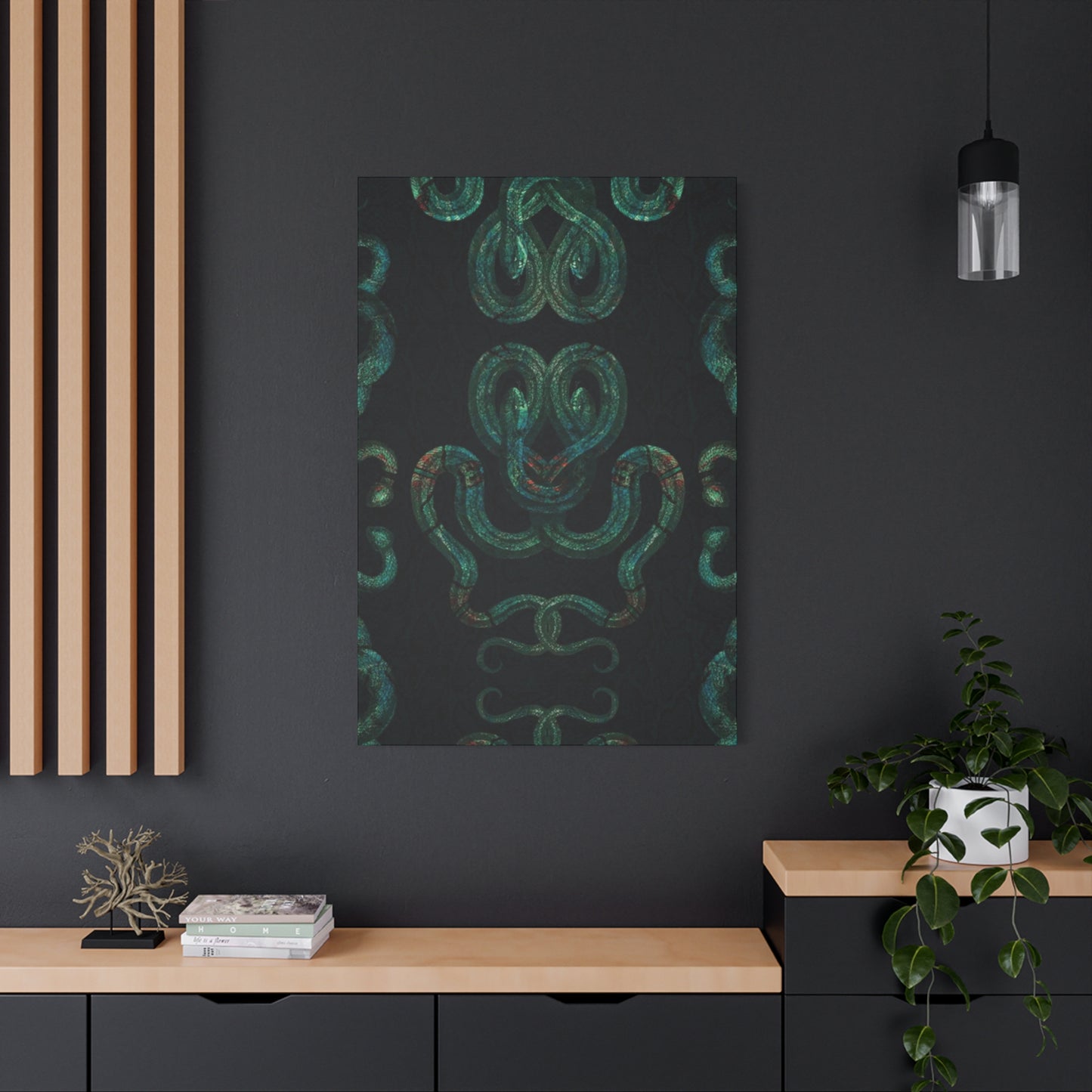


Entangled Snakes Wall Art & Canvas Prints
Entangled Snakes Wall Art & Canvas Prints
Couldn't load pickup availability
Bring Bold, Intricate Charm to Your Home with Entangled Snakes Wall Art Featuring Stunning Serpent Imagery
The world of decorative serpent imagery has experienced remarkable growth, with entangled snakes wall art emerging as a sophisticated choice for interior enthusiasts seeking to infuse their living spaces with mystique and visual intrigue. This ancient motif, rooted in mythological symbolism and natural wonder, transcends conventional decoration to become a statement piece that commands attention and sparks conversation. From minimalist line drawings to elaborate sculptural renderings, the intertwining serpent design offers endless possibilities for those who appreciate art that carries both aesthetic appeal and deeper significance.
Discovering the Allure Behind Intertwined Serpent Designs for Interior Spaces
Serpentine artwork has captivated human imagination since prehistoric times, appearing in cave paintings, temple walls, and ceremonial objects across diverse civilizations. The visual representation of snakes coiled around one another creates a mesmerizing pattern that naturally draws the eye through its rhythmic curves and dynamic composition. This particular artistic expression appeals to contemporary sensibilities because it balances organic forms with geometric precision, creating harmony between chaos and order.
The popularity of entangled snakes wall art stems from its remarkable versatility in complementing various design philosophies. Whether adorning a modern loft with industrial elements or enhancing a bohemian sanctuary filled with eclectic treasures, serpent-themed decorations adapt seamlessly to their surroundings. The sinuous forms create movement within static spaces, preventing visual stagnation while maintaining a sense of grounded energy that anchors the room's aesthetic identity.
Collectors and interior design professionals recognize these pieces as investment-worthy additions that rarely fall victim to fleeting trends. Unlike seasonal decorative fads that quickly lose their appeal, serpent imagery maintains its relevance through cultural permanence and symbolic depth. The timeless quality ensures that such artwork continues to resonate with viewers long after initial acquisition, making it a prudent choice for those building lasting collections.
Symbolic Meanings Embedded Within Serpentine Artistic Expressions
Throughout human civilization, serpents have represented transformation, renewal, and cyclical existence due to their remarkable ability to shed skin and emerge renewed. When depicted in entangled formations, these creatures symbolize duality, balance between opposing forces, and the interconnectedness of seemingly separate entities. Ancient cultures revered snakes as guardians of sacred knowledge, intermediaries between earthly and spiritual realms, and embodiments of primal life force energy.
The caduceus, featuring two snakes entwined around a staff, has served as a symbol of commerce, negotiation, and healing for millennia. This iconic image demonstrates how intertwined serpents can represent harmony achieved through the union of complementary opposites. In Eastern philosophies, the kundalini energy is visualized as a coiled serpent resting at the base of the spine, awaiting awakening to ascend through energy centers and bring enlightenment.
For modern homeowners, incorporating serpent imagery might reflect personal affinity with themes of perpetual growth, adaptability, and resilience. The visual metaphor of snakes intertwining suggests relationships, partnerships, or the complex interconnections within one's own psyche. Some individuals select this motif as a reminder of their capacity for self-renewal, while others appreciate the raw power and primal beauty these creatures embody in natural ecosystems.
Material Choices That Bring Serpent Artwork to Life on Your Walls
Canvas prints remain among the most accessible options for those seeking entangled snakes wall art, offering vibrant color reproduction and easy mounting solutions. High-quality canvas materials provide texture that enhances the tactile dimension of serpent scales and skin patterns, creating depth that flat prints cannot achieve. Gallery-wrapped canvases eliminate the need for framing, presenting a contemporary aesthetic that suits minimalist environments while protecting edges from wear.
Metal prints introduce an industrial elegance to serpent designs, with aluminum surfaces creating luminous effects that make scales appear to shimmer under changing light conditions. The durability of metal substrates ensures longevity even in high-humidity environments like bathrooms, where traditional paper-based art might deteriorate. Sublimation printing techniques fuse inks directly into metal surfaces, producing scratch-resistant finishes that maintain their vibrancy for decades without fading.
Wooden panels carved with serpentine relief patterns offer three-dimensional interpretations that cast intriguing shadows throughout the day as sunlight angles shift. Artisans working with reclaimed timber create pieces with inherent character, where wood grain patterns complement the organic curves of intertwined snake bodies. These substantial pieces carry physical weight that conveys permanence and craftsmanship, appealing to collectors who value handmade artistry over mass-produced alternatives.
Textile wall hangings featuring serpent motifs bring softness to spaces while maintaining visual impact through embroidery, tapestry weaving, or fabric printing methods. Macramé interpretations incorporate rope twisted into serpentine forms, adding textural dimension that invites closer inspection. Leather panels tooled with snake designs introduce luxurious tactile experiences, particularly effective in studies, libraries, or masculine-themed spaces where rich materials establish sophistication.
Color Palettes That Enhance Serpentine Design Impact
Monochromatic schemes emphasizing blacks, grays, and whites allow the intricate forms of entangled snakes to become the focal point without competing color elements causing distraction. These neutral approaches work exceptionally well in contemporary settings where clean lines and uncluttered visual fields dominate. The absence of chromatic complexity directs attention to line quality, compositional balance, and the mesmerizing patterns created by intertwining bodies.
Jewel tones including emerald greens, sapphire blues, and ruby reds evoke the iridescent qualities found in actual snake scales, particularly species like the green tree python or rainbow boa. These saturated hues inject vitality into spaces while maintaining sophistication through their richness. When rendered with metallic accents in gold or copper, jewel-toned serpent art achieves regal presence suitable for formal dining rooms or statement entryways that require memorable visual anchors.
Earth-toned palettes featuring ochres, siennas, and umbers ground serpent imagery in natural contexts, reminding viewers of these creatures' connections to soil, stone, and forest floor habitats. These organic color families integrate seamlessly with biophilic design principles that seek to reconnect indoor environments with natural world elements. Terracotta hues particularly complement serpent forms, evoking ancient pottery and archaeological artifacts that featured snake motifs across numerous cultures.
Contrasting color strategies employ complementary pairs like violet against yellow-green or orange opposing teal blue to maximize visual vibration and energy. These bold approaches suit eclectic or maximalist spaces where multiple patterns and saturated colors coexist harmoniously. The dynamic tension created by contrasting hues mirrors the writhing energy suggested by entangled serpent forms, amplifying the artwork's inherent movement and vitality.
Scale Considerations for Maximum Visual Impact in Different Room Types
Living room installations benefit from larger-scale pieces that command attention without overwhelming seating arrangements or conversation areas. Dimensions ranging from 40 to 60 inches in width create sufficient presence above sofas or mantels while maintaining proportional relationships with surrounding furniture. Multi-panel arrangements can extend serpent designs across expansive walls, creating immersive environments that wrap viewers in the artwork's narrative.
Bedroom spaces often accommodate more intimate-scaled serpent art, with pieces measuring 24 to 36 inches providing contemplative focal points without disrupting the room's restful atmosphere. Positioning artwork at eye level when seated in bed ensures comfortable viewing during quiet morning or evening hours. Vertical orientations work particularly well in bedrooms with limited wall space, drawing the gaze upward and creating the illusion of increased ceiling height.
Narrow hallways and corridors present opportunities for elongated horizontal compositions featuring serpents stretching across available space. These transitional areas benefit from artwork that guides movement through the home while transforming often-overlooked passages into gallery-like experiences. Vertically oriented serpent designs can emphasize ceiling height in narrow spaces, counteracting potential feelings of confinement through upward visual momentum.
Bathroom environments, frequently neglected in decorative schemes, become sanctuaries when adorned with appropriately scaled serpent imagery. Smaller pieces ranging from 16 to 24 inches suit powder rooms and compact bathrooms, while larger installations transform master bath spaces into spa-like retreats. Moisture-resistant materials become essential in these applications, with metal prints and sealed wood panels offering practical solutions that withstand humid conditions.
Artistic Styles That Reinterpret Serpentine Forms
Realistic renderings capture anatomical precision and natural coloration, appealing to wildlife enthusiasts and those who appreciate scientific accuracy in artistic representation. These detailed interpretations showcase scale patterns, musculature definition, and the characteristic serpentine movement frozen in a moment of dynamic entanglement. Photographic quality in painted or printed works creates trompe-l'oeil effects that momentarily confuse viewers about whether they're observing art or actual specimens.
Abstract interpretations distill serpent forms to essential curvilinear elements, creating compositions that suggest rather than explicitly depict their reptilian subjects. These stylized approaches allow broader interpretation and emotional response, as viewers project their own associations onto simplified shapes. Geometric abstractions might reduce snakes to interlocking spirals or wave patterns, maintaining the essential energy of entanglement while departing from literal representation.
Tribal and indigenous art styles draw from cultural traditions where serpents held sacred significance, incorporating symbolic patterns, ritualistic colors, and stylized proportions that reflect specific worldviews. These pieces carry ethnographic interest beyond their decorative function, connecting modern spaces with ancestral wisdom and artistic heritage. Authenticity becomes important when sourcing such works, with respect for cultural origins guiding ethical acquisition practices.
Contemporary minimalist approaches employ clean lines and negative space to evoke serpent forms through implication rather than detailed rendering. These sophisticated interpretations suit modern environments where less-is-more philosophies prevail. Single continuous lines might trace the path of two snakes weaving together, creating meditative simplicity that rewards sustained contemplation with gradually revealed complexity.
Placement Strategies That Maximize Serpent Artwork Effectiveness
Creating focal points requires positioning entangled snakes wall art where natural sight lines direct attention upon entering a room. Above fireplaces, centered on feature walls, or behind statement furniture pieces, these strategic placements ensure the artwork receives proper visual prominence. Adequate surrounding space prevents cluttered appearances, allowing the serpentine forms sufficient breathing room to maintain their dynamic energy without competition from adjacent elements.
Gallery wall arrangements incorporate serpent-themed pieces within curated collections that explore complementary themes or maintain cohesive aesthetic principles. Mixing serpent imagery with botanical prints, geological specimens, or abstract compositions creates narrative layers that engage viewers through juxtaposition and relationship-building between different visual elements. Varying frame styles and sizes within galleries adds dynamic interest while maintaining unity through subject matter or color palette connections.
Unexpected placement locations surprise and delight visitors by presenting art in non-traditional contexts. Serpent designs above doorways evoke ancient protective symbolism while creating visual interest in often-overlooked transitional spaces. Stairwell walls offer vertical expanses perfect for serpentine compositions that ascend alongside climbing viewers, transforming functional areas into experiential journeys through the home.
Lighting considerations dramatically affect how serpent artwork appears throughout different times of day and under various illumination conditions. Picture lights mounted above or below pieces create dramatic shadowing that emphasizes texture and dimensionality in relief works. Track lighting allows adjustable spotlighting that can be modified seasonally or for special occasions, while natural light positioning requires attention to fading prevention through UV-protective glazing or strategic placement away from direct sun exposure.
Pairing Serpent Imagery With Complementary Decorative Elements
Botanical companions including ferns, philodendrons, and trailing pothos create visual connections between serpent art and living plants, establishing biophilic resonance that brings vitality to interior spaces. The organic curves of plant tendrils echo serpentine forms, while the contrast between animated artwork and actual living organisms creates layered naturalistic environments. Terrariums positioned near serpent art strengthen these connections, particularly when housing plants native to habitats where featured snake species naturally occur.
Mineral specimens and geologic formations provide textural and thematic harmony with serpent imagery, as many snake species shelter among rocks or display scale patterns reminiscent of stone surfaces. Amethyst geodes, pyrite clusters, or polished agate slices introduce crystalline geometry that contrasts beautifully with fluid serpentine curves. Display shelving incorporating both art and mineral collections creates curiosity cabinet aesthetics that appeal to collectors and natural world enthusiasts.
Textile selections in throws, pillows, and upholstery can either complement or contrast serpent wall art depending on desired effects. Snake-skin pattern fabrics create obvious thematic connections, though subtler approaches using colors extracted from the artwork often prove more sophisticated. Velvet and leather textures introduce luxury that elevates serpent imagery from casual decoration to refined statement, while natural linens and cottons maintain relaxed, approachable atmospheres.
Sculptural objects including candleholders, bookends, or decorative vessels featuring serpentine motifs extend the theme three-dimensionally throughout the space. Bronze serpent sculptures positioned on coffee tables or mantels create dialogue with wall-mounted pieces, establishing visual conversations across the room. Vintage brass cobras, carved wooden snakes, or contemporary metal serpent forms add layers of interest that reward exploration and discovery.
Commissioning Custom Serpent Artworks for Personalized Spaces
Working directly with artists allows precise customization of size, color palette, and compositional elements to perfectly suit specific spaces and personal preferences. This collaborative process begins with conveying desired mood, symbolic meanings, and practical requirements including dimensions and material constraints. Artists specializing in wildlife representation bring anatomical expertise ensuring scientific accuracy, while those focused on symbolic or abstract work offer interpretive freedom that explores conceptual territories beyond literal depiction.
Selecting artist partners requires researching portfolios to identify aesthetic alignment and proven capability with serpentine subjects. Social media platforms, online galleries, and art fair participation provide insight into artistic approaches, pricing structures, and previous client satisfaction. Commission agreements should clearly outline timelines, revision allowances, and payment schedules to prevent misunderstandings during the creative process.
Reference material gathering assists artists in understanding your vision, with inspiration images, color swatches, and even photographs of the intended installation space providing valuable context. Specifying particular snake species, whether venomous pit vipers or elegant constrictors, influences the final piece's energy and visual character. Discussions about symbolic intentions inform artistic choices, ensuring the finished work resonates on multiple levels beyond surface aesthetics.
Progress updates throughout creation maintain engagement and allow course corrections before completion. Artists may share preliminary sketches, color studies, or process photographs that invite feedback and collaborative refinement. This participatory approach results in truly personalized pieces that reflect both artistic vision and client aspirations, creating artworks with deeper personal significance than off-the-shelf alternatives.
Caring for Your Serpent-Themed Artwork to Ensure Lasting Beauty
Canvas pieces benefit from regular dusting using soft, dry microfiber cloths that lift particulates without abrading printed or painted surfaces. Avoiding liquid cleaners prevents moisture damage and color bleeding, particularly with water-based inks or paints. Proper mounting at appropriate distance from walls allows air circulation that prevents mold development in humid climates, while keeping canvases away from heating vents prevents accelerated drying and cracking of materials.
Metal prints require minimal care beyond occasional wiping with slightly dampened cloths to remove fingerprints or surface dust accumulation. The non-porous surfaces resist moisture and environmental contaminants that might damage other substrates. However, abrasive cleaning materials should be avoided despite metal's durability, as scratching can compromise the sublimated image layer and create permanent damage visible under certain lighting conditions.
Wooden serpent reliefs and carved panels benefit from periodic conditioning with appropriate wood care products that prevent drying and cracking while enhancing natural grain patterns. Beeswax-based polishes provide protection without leaving residues that attract dust or appear artificially glossy. Avoiding direct sunlight exposure prevents uneven fading and degradation of wood fibers, particularly important for pieces featuring stains or natural finishes rather than protective painted surfaces.
Textile wall hangings accumulate dust within their fibers, necessitating gentle vacuuming with upholstery attachments or outdoor shaking to release trapped particles. Some fabrics tolerate professional cleaning, though many decorative textiles require specialized conservation approaches to prevent shrinkage, color loss, or structural damage. Rotating textiles seasonally prevents continuous light exposure that causes fading, while proper storage in acid-free materials protects pieces during dormant periods.
Exploring Cultural Variations in Serpent Artistic Traditions
Asian serpent iconography encompasses dragons in Chinese and Japanese traditions, nagas in Hindu and Buddhist contexts, and the Ouroboros symbol appearing across multiple cultures. These representations often emphasize serpents as wisdom keepers, rain bringers, and protectors of sacred spaces. Artistic renderings feature elaborate scale patterns, flowing manes, and dynamic poses that convey power tempered with benevolence, contrasting with Western traditions that sometimes cast serpents in adversarial roles.
Pre-Columbian American cultures created remarkable serpent imagery in Aztec, Maya, and Inca artistic traditions, where feathered serpents like Quetzalcoatl held supreme importance. These pieces incorporate bright pigments, geometric patterns, and symbolic elements that communicate complex cosmological concepts. Contemporary artists drawing from these traditions create works that honor ancestral knowledge while speaking to modern sensibilities, bridging temporal and cultural distances through visual continuity.
African artistic traditions feature serpents prominently in creation myths, royal symbolism, and spiritual practices across diverse cultural groups. Bronze Benin serpents, carved Yoruba staffs, and painted Ethiopian church murals demonstrate the breadth of serpentine representation throughout the continent. These works often emphasize the serpent's role as mediator between worlds, its association with water and fertility, and its embodiment of lineage and continuity across generations.
Mediterranean and Middle Eastern civilizations produced serpent art in ancient Minoan frescoes, Greek pottery, and Egyptian temple reliefs where cobra goddesses protected pharaohs. The rod of Asclepius, featuring a single serpent, became synonymous with healing and medical practice. These classical representations influence contemporary serpent art through their emphasis on balance, proportion, and the integration of symbolic meaning with aesthetic beauty.
Combining Multiple Serpent Pieces to Create Cohesive Visual Narratives
Series installations featuring different serpent species or varying entanglement compositions create visual progression across wall space, encouraging viewers to move along the display and discover subtle variations between pieces. This approach works particularly well in corridors, stairwells, or open-concept living areas where continuous wall surfaces provide gallery-like presentation opportunities. Maintaining consistent framing styles or material choices unifies disparate images into cohesive collections.
Triptych arrangements present serpent narratives across three panels, with compositional elements flowing from one section to the next while allowing each piece to stand independently. The traditional format carries artistic credibility while offering installation flexibility through various hanging configurations. Serpents might appear coiled in the central panel with bodies extending into side sections, or three separate entangled pairs might represent different stages of symbolic transformation.
Vertical stacking of smaller serpent images creates totem-like arrangements that draw the eye upward while conserving horizontal wall space. This approach suits narrow areas between windows or doorways where traditional horizontal arrangements wouldn't fit. Graduating sizes from largest at bottom to smallest at top creates stable visual weight distribution, while reverse arrangements emphasize ascension and upward energy flow.
Asymmetrical groupings reject rigid geometric organization in favor of organic placement that mirrors the natural randomness found in actual snake habitats. This casual yet considered approach appears effortless while requiring careful planning to achieve balance through visual weight distribution rather than symmetrical positioning. Odd-numbered groupings typically create more dynamic interest than even-numbered arrangements, with three, five, or seven pieces offering natural focal hierarchies.
Seasonal Rotations That Keep Serpent Displays Fresh and Engaging
Spring selections might emphasize emergence themes with serpents depicted leaving hibernation burrows, their colors bright and bodies coiled with renewed energy. Pale greens, soft yellows, and delicate blues reflect seasonal rebirth, while compositions featuring snakes among flowering plants or rain-drenched environments celebrate renewal. These lighter, optimistic interpretations suit the season's hopeful energy as nature awakens from winter dormancy.
Summer displays embrace bold colors and dynamic compositions showing serpents at peak activity, hunting, or basking in dappled sunlight filtering through forest canopies. Vibrant oranges, deep greens, and golden yellows capture the season's intensity and abundance. Larger-scaled pieces with energetic movement reflect summer's expansive quality, while tropical species representations transport viewers to warm, lush environments even in climate-controlled interior spaces.
Autumn rotations introduce warmer earth tones as serpents prepare for winter, depicted seeking shelter or coiled in contemplative poses. Burnt oranges, deep browns, and muted golds mirror fall foliage while maintaining serpentine themes. Compositions showing snakes among fallen leaves or beside harvest imagery connect reptilian life cycles with seasonal transitions, creating thoughtful atmosphere appropriate to autumn's reflective character.
Winter installations might feature dormancy themes or mythological serpents that transcend seasonal limitations through their supernatural qualities. Cool color palettes in silvers, deep blues, and crystalline whites suit the season while maintaining visual interest during months when natural world colors fade. Alternatively, some collectors maintain year-round serpent displays, treating them as permanent fixtures rather than seasonal rotations, which validates the timeless quality of entangled snakes wall art.
Budget-Conscious Approaches to Acquiring Quality Serpent Artwork
Print-on-demand services offer affordable access to professional serpent artwork through digital reproduction methods that maintain image quality while reducing costs through elimination of inventory overhead. These platforms feature extensive artist networks, allowing customers to select designs that resonate personally while supporting creative professionals through licensing arrangements. Customization options including size selection and material choice provide personalization within accessible price ranges.
Independent artist markets including online marketplaces and local art fairs present opportunities to acquire original serpent artwork directly from creators, often at lower prices than gallery representation commands. Building relationships with emerging artists whose styles appeal personally may result in collecting works that appreciate significantly as the artist's reputation grows. These purchases support artistic communities while providing unique pieces unavailable through commercial channels.
DIY creation through painting, drawing, or mixed media experimentation allows personal artistic expression while generating truly unique serpent wall art. Tutorials, workshops, and instructional content provide skill-building pathways for beginners, while experienced artists enjoy creative freedom in interpreting serpentine forms according to personal vision. The emotional investment in self-created artwork often exceeds that attached to purchased pieces, creating deeper satisfaction and connection.
Secondhand sources including estate sales, thrift stores, and online marketplaces occasionally yield remarkable serpent artwork at fraction of original costs. Patience and regular searching reward collectors with unexpected discoveries, though authentication and condition assessment become important considerations with vintage or antique pieces. Restoration services can revive damaged works, though associated costs should be factored into overall acquisition budgets.
Incorporating Serpent Imagery Within Specific Design Styles
Industrial aesthetics embrace raw materials and exposed structural elements that pair naturally with metal serpent prints or weathered wooden pieces featuring carved serpentine designs. The contrast between refined artwork and rough-hewn surroundings creates visual tension that energizes spaces while maintaining cohesive masculine energy. Distressed frames, reclaimed materials, and monochromatic color schemes complement industrial environments without softening their deliberate edginess.
Bohemian interiors characterized by global influences, rich textiles, and eclectic collections welcome serpent imagery as another layer in their complex visual narratives. Colorful serpent textiles, carved wooden panels from various cultural traditions, and mixed-media pieces incorporating feathers, beads, or found objects align with boho aesthetics. The symbolic depth of serpent imagery resonates with bohemian philosophies that embrace mysticism, nature connection, and alternative perspectives.
Scandinavian minimalism's emphasis on simplicity, functionality, and natural materials accommodates serpent art through restrained compositions and neutral color palettes. Single-line drawings, pale wood carvings, or monochromatic prints maintain the style's uncluttered aesthetic while introducing organic curves that soften angular furniture and architectural elements. The key lies in selecting pieces that enhance rather than overwhelm the deliberate spaciousness characteristic of Nordic design.
Traditional interiors featuring classic furniture, rich wood tones, and formal arrangements incorporate serpent imagery through oil paintings in ornate frames, bronze sculptures, or antique prints that carry period-appropriate presentation. These pieces should reflect the refinement and established sensibility of traditional spaces, avoiding overtly modern interpretations that would create stylistic discord. Darker color palettes and realistic rendering approaches typically suit traditional environments better than abstract or contemporary treatments.
Understanding Frame Selection for Serpent Artwork Presentation
Gallery wraps eliminate framing entirely by extending canvas prints around wooden stretcher bars, creating seamless edges that suit modern sensibilities. This frameless approach emphasizes the artwork itself without decorative distraction, allowing serpentine forms to command full attention. However, canvas edges remain vulnerable to damage, making this option better suited to protected wall areas away from high-traffic zones or furniture contact points.
Floating frames create space between artwork and frame border, producing shadow effects that add dimensional interest while maintaining contemporary aesthetics. This style works particularly well with metal prints, acrylic pieces, or canvas art, creating the illusion that the image hovers within its frame. The gap prevents direct contact between artwork and frame, reducing abrasion risks while allowing air circulation that prevents moisture accumulation.
Traditional wooden frames in natural finishes complement serpent imagery by reinforcing connections to natural environments where these creatures dwell. Oak, walnut, or reclaimed barnwood frames add warmth and texture that enhances rather than competes with the artwork. Carved details in frame corners or along borders can echo the organic curves of serpentine forms, creating visual dialogue between presentation and content.
Metal frames in black, bronze, or pewter finishes introduce industrial elegance suitable for contemporary serpent art, particularly abstract or minimalist interpretations. The clean lines and reflective surfaces of metal framing create crisp boundaries that focus attention on artwork while contributing architectural presence to the overall composition. Narrow profile frames maintain subtlety, while wider metal frames make bold statements appropriate for larger pieces or prominent placement locations.
Lighting Techniques That Enhance Serpent Artwork Drama
Accent lighting through dedicated picture lights mounted above or below artwork creates focused illumination that draws attention to serpent pieces even in dimly lit rooms. Adjustable fixtures allow customization of beam spread and intensity, accommodating different artwork sizes and desired dramatic effects. LED picture lights offer energy efficiency and minimal heat generation, preventing artwork damage while providing consistent color temperature that accurately represents original hues.
Track lighting systems provide flexibility in directing multiple light sources toward serpent art from various angles, creating layered illumination that emphasizes texture and dimensionality. This approach works particularly well with relief carvings or sculptural serpent pieces where shadows enhance three-dimensional qualities. Dimmer controls allow mood adjustment throughout the day, shifting from bright task lighting to subtle ambient illumination as activities and atmospheres change.
Natural light positioning requires careful consideration of sun paths throughout the day and across seasons to prevent fading while capitalizing on dynamic illumination changes. East-facing walls receive gentle morning light that gradually intensifies, creating ever-changing interactions with serpent artwork. UV-filtering window films or protective glazing prevent damage without sacrificing natural illumination benefits that bring artwork alive through authentic sunlight.
Backlighting techniques create dramatic silhouette effects by positioning light sources behind translucent or semi-transparent serpent art, transforming pieces into glowing focal points particularly effective in evening hours. This approach works with specialized materials like backlit fabrics, translucent resins, or carefully constructed layered compositions designed specifically for this lighting method. The ethereal quality achieved through backlighting adds mystical dimension appropriate to serpents' symbolic associations with transformation and hidden knowledge.
Addressing Common Concerns About Displaying Serpent Imagery
Guests uncomfortable with reptilian imagery might initially react negatively to prominent serpent displays, though thoughtful presentation and educational context often overcome initial hesitation. Selecting artistic interpretations that emphasize beauty and symbolic meaning rather than threatening postures helps mitigate discomfort. Placement in personal spaces like bedrooms or studies rather than high-traffic common areas allows homeowners to enjoy their chosen art while accommodating diverse visitor comfort levels.
Children's reactions to serpent artwork vary widely based on individual temperaments, previous experiences, and parental framing of the imagery. Some youngsters find serpents fascinating and beautiful, requesting their own snake-themed room decorations, while others may express fear requiring gentle exposure and education. Age-appropriate discussions about art appreciation, natural world diversity, and symbolic meanings help children develop nuanced relationships with imagery they might initially find challenging.
Religious or spiritual concerns occasionally arise regarding serpent symbolism due to negative associations in certain traditions, particularly those emphasizing biblical narratives where serpents represent temptation or evil. However, many spiritual paths view serpents positively as wisdom symbols, healing emblems, or representations of divine energy. Awareness of personal belief systems and respectful consideration of household members' spiritual perspectives ensures decorative choices align with deeply held values rather than creating internal conflict.
Feng shui practitioners hold varied opinions about serpent imagery, with some traditions viewing snake symbols as activating powerful chi energy while others counsel caution regarding placement and orientation. Consulting with experienced feng shui advisors helps navigate these considerations, potentially positioning serpent art in sectors aligned with transformation, knowledge, or protection. Balancing personal aesthetic preferences with spatial energy principles creates harmonious environments that feel both beautiful and energetically supportive.
Discovering Emerging Artists Specializing in Serpent Subjects
Social media platforms provide direct access to contemporary artists exploring serpentine themes through diverse media and conceptual approaches. Hashtag searches, artist collective accounts, and recommendation algorithms surface talent that might otherwise remain undiscovered. Following artists through their creative journeys allows collectors to acquire works before widespread recognition drives prices beyond accessible ranges while supporting careers at crucial development stages.
University and art school exhibitions showcase student and recent graduate work that often demonstrates fresh perspectives and experimental approaches to traditional subjects like serpent imagery. These venues provide opportunities to meet emerging artists personally, discuss their creative processes, and acquire pieces at student-friendly prices. Academic settings foster innovation, resulting in serpent art that pushes boundaries and challenges conventional representations.
Regional art associations and guilds connect collectors with local talent specializing in wildlife art, symbolic imagery, or specific media particularly suited to serpentine subjects. These organizations often maintain directories, host exhibitions, and facilitate artist-collector interactions that build community while supporting creative economies. Purchasing locally created serpent artwork reduces environmental impact associated with shipping while strengthening regional cultural vitality.
Open studio events and artist residency programs offer behind-the-scenes access to creative processes, allowing potential collectors to observe serpent artwork development from conception through completion. These immersive experiences deepen appreciation for artistic labor and decision-making while providing conversation opportunities that illuminate symbolic intentions and aesthetic choices. Relationships formed during studio visits often result in commissioned works tailored precisely to collector specifications.
Exploring Alternative Presentation Methods Beyond Traditional Wall Mounting
Leaning large-scale serpent artwork against walls rather than hanging creates casual sophistication particularly effective in contemporary and industrial spaces. This floor-based presentation allows easy repositioning for cleaning or decorative refreshing while protecting walls from mounting hardware damage. Substantial frames or rigid substrates necessary for leaning approaches add physical presence that enhances the artwork's grounding effect within the room.
Easel display traditionally reserved for working artists adapts beautifully for presenting moderately sized serpent pieces as changeable focal points that can rotate seasonally or according to mood. Decorative easels in wood, metal, or combination materials become sculptural elements themselves, contributing to overall aesthetic while providing functional support. This approach particularly suits collectors with multiple pieces who enjoy frequent rotation but prefer avoiding repeated wall mounting.
Suspended hanging using cables, chains, or transparent fishing line creates floating effects where serpent artwork appears weightless and unanchored. This dramatic presentation draws attention to pieces through unconventional positioning while solving challenges presented by difficult wall surfaces like brick, concrete, or tile where traditional mounting proves problematic. Industrial-style cable systems with adjustable heights offer flexibility while contributing to overall design schemes.
Shelf incorporation positions smaller serpent pieces among books, collected objects, and other decorative elements, creating curated vignettes that tell visual stories through juxtaposition and relationship. This approach works particularly well with three-dimensional serpent art including carved panels, metal reliefs, or ceramic pieces that function equally as sculpture and wall art. Layering different depths creates dimensional interest that invites close examination and discovery.
Matching Serpent Art to Personality Types and Individual Expression
Bold personalities drawn to dramatic gestures and attention-commanding choices gravitate toward large-scale serpent compositions featuring intense colors, dynamic movement, and undeniable presence. These individuals use art as external reflection of internal vitality, selecting pieces that announce confidence and fearlessness. Multi-panel installations, oversized canvases, or striking sculptural elements satisfy their appetite for memorable visual impact.
Contemplative individuals preferring quiet sophistication select serpent artwork emphasizing subtlety through restrained color palettes, refined compositions, and philosophical symbolic content. These collectors appreciate art that rewards sustained attention with gradually revealed complexity rather than immediate overwhelming impact. Single-line drawings, monochromatic prints, or small-scale detailed works suit their preference for understated elegance and thoughtful consideration.
Adventurous spirits with wanderlust inclinations connect with serpent imagery depicting exotic species from distant ecosystems, satisfying their curiosity about unfamiliar places and creatures. Vibrant tropical serpents, desert-dwelling species, or rare venomous snakes represent the excitement and discovery these personalities seek. Travel-themed gallery walls incorporating serpent art alongside maps, cultural artifacts, and destination photographs create cohesive expressions of their exploratory nature.
Spiritual seekers drawn to mystical symbolism and esoteric knowledge embrace serpent art for its rich associations with transformation, hidden wisdom, and energetic awakening. These individuals often research symbolic meanings extensively, selecting pieces that align with personal spiritual paths or represent specific concepts within their practice. Sacred geometry incorporated into serpentine designs, kundalini representations, or ouroboros imagery particularly resonates with their philosophical inclinations.
Protecting Serpent Artwork During Household Transitions and Moves
Professional packing services specializing in art handling provide expertise and materials necessary for safely transporting serpent artwork between residences. Custom crating for valuable or fragile pieces ensures maximum protection against impacts, temperature fluctuations, and environmental hazards during transit. While representing additional expense, professional services offer peace of mind and insurance coverage that protect financial and sentimental investments.
DIY packing approaches require careful material selection including acid-free tissue paper, bubble wrap, corner protectors, and sturdy boxes appropriately sized for individual pieces. Framed serpent art benefits from glass protection through specialized tape applications that prevent shattering from spreading should breakage occur. Clear labeling indicating fragile contents, orientation requirements, and destination room streamlines unpacking while alerting handlers to exercise appropriate caution.
Climate control during transportation prevents damage from extreme temperatures or humidity fluctuations that can warp substrates, crack paint, or encourage mold growth. Avoiding storage in non-climate-controlled vehicles during hot summer months or freezing winter conditions protects artwork from preventable deterioration. If climate-controlled transport isn't available, timing moves during moderate weather seasons reduces environmental stress on pieces.
Insurance documentation through photographs, appraisals, and detailed inventories establishes artwork value and condition prior to moves, facilitating claims should damage or loss occur. Comprehensive homeowner's or renter's insurance policies may provide coverage, though high-value pieces often require separate fine art policies with agreed-value provisions. Documentation also aids in proper unpacking and hanging by providing reference images showing original installation configurations.
Creating Dialogue Between Serpent Art and Architectural Features
Fireplace mantels provide natural platforms for serpent artwork, with the horizontal surface offering display space while the vertical wall above accommodates hanging pieces. The hearth's traditional role as gathering space makes it ideal for conversation-starting art that guests naturally encounter. Scale considerations ensure serpent pieces neither disappear against large stone surrounds nor overwhelm modest mantels in proportion-appropriate installations.
Built-in shelving and bookcases frame serpent artwork when pieces are sized to fit within sections, creating intentional curation that integrates art with everyday objects. This approach particularly suits smaller serpent pieces that might appear lost on expansive blank walls but achieve perfect scale when contained within architectural divisions. Backlighting shelves containing serpent art adds dramatic emphasis while solving illumination challenges in recessed spaces.
Final Thoughts
Entangled snakes wall art offers a striking and captivating way to add both intrigue and elegance to your living spaces. The imagery of snakes, especially when depicted in an intricate, entangled form, brings a unique blend of mystery, symbolism, and beauty to any room. Snakes have been revered and feared across cultures for centuries, and their depiction in art carries deep meaning, whether representing transformation, rebirth, wisdom, or danger. By incorporating this powerful and dynamic symbol into your home décor, you invite a sense of ancient power, sophistication, and raw energy into your surroundings.
One of the most compelling qualities of entangled snakes wall art is its ability to grab attention and create a dramatic focal point. The winding curves of the serpents, their interlocking bodies, and their intense gaze can infuse any room with a sense of energy and movement. Whether you opt for a large, bold piece or a more subtle, minimalist design, the image of snakes winding through one another creates visual complexity that sparks curiosity and invites conversation. The interwoven shapes provide both depth and dimension to the artwork, making it a three-dimensional experience that is constantly changing depending on the viewer's angle.
The symbolism of snakes is rich and multifaceted, which is part of what makes entangled snakes wall art so intriguing. In many ancient cultures, snakes are seen as symbols of wisdom, renewal, and transformation. The shedding of their skin represents the concept of rebirth and personal growth, which adds an element of empowerment to the artwork. In Greek mythology, the serpent was associated with healing and medicine, often represented by the Rod of Asclepius, while in other cultures, snakes are linked to fertility, sexuality, and protection. By displaying snakes in your home, you invite these powerful themes into your environment. Whether you are looking for a visual representation of strength and resilience or seeking a reminder of the potential for transformation, snake imagery delivers these messages in a bold, visual way.
Entangled snake art also brings an element of balance and contrast to your space. Snakes are creatures of fluid motion, their sleek and sinuous bodies weaving together in harmonious complexity. This intertwining effect can symbolize duality or balance—where opposing forces, such as light and dark or life and death, coexist in perfect harmony. This symbolism can resonate deeply in living spaces, particularly in areas where you wish to create a sense of equilibrium and serenity. The snake’s ability to move between different realms, from land to water, also imbues the artwork with a sense of adaptability and fluidity, qualities that make it a perfect addition to modern, eclectic, or even minimalist interiors.
From a design perspective, entangled snakes wall art has the ability to complement a variety of interior styles. In contemporary spaces, this type of art can be rendered in sleek, geometric forms, or even in metallic finishes, such as gold or silver, making it fit perfectly in modern, urban environments. In more bohemian or eclectic interiors, the use of bold colors, natural textures, and mixed media can make snake art feel even more alive and vibrant, enhancing the atmosphere with energy and movement. For rustic or traditional settings, snake art can be crafted from wood or stone, adding texture and an earthy feel, while maintaining the symbolic significance of the imagery.
Additionally, the visual depth created by entangled snake designs can add a striking layer of texture to a room. This makes the artwork not just a flat image but a piece that interacts with light, creating shadows and reflections that evolve throughout the day. The curvature and twisting patterns of the snakes create an organic, almost sculptural effect, adding visual interest and complexity to your walls. Whether you choose to feature the art as a centerpiece or as part of a gallery wall, the presence of entangled snakes introduces an unexpected yet alluring element that feels both contemporary and timeless.
Beyond its visual allure, entangled snakes wall art also carries a certain edge—an intensity that elevates the overall tone of a room. It’s bold, it’s fearless, and it’s undeniably captivating. This makes snake imagery particularly fitting for spaces designed to make a statement, like a home office, study, or private library, where the art serves as a constant reminder of transformation, strength, and intelligence. The intertwining serpents can inspire creativity and innovation while simultaneously providing an atmospheric touch of mystery and drama. This is perfect for areas where you want to encourage intellectual activity or introspection, offering a visual cue to dig deeper and explore new ideas.
Furthermore, entangled snakes wall art can act as a metaphor for relationships and interconnectedness. The snakes’ bodies coiling around each other symbolize unity, interdependence, and the delicate balance that exists in nature and in life. This could be particularly meaningful for shared spaces, like a living room or dining area, where family and friends come together to connect. The entwining serpents could symbolize the bonds that hold us together, whether in friendship, family, or romantic relationships. This visual metaphor makes it more than just a decorative piece; it becomes a reflection of the connections that shape our lives.
For those who are drawn to the more mystical and esoteric aspects of art, entangled snakes also hold significance in the realm of spirituality. In many traditions, snakes are seen as carriers of hidden knowledge or wisdom, and their twisting forms can represent the winding path to enlightenment. In Hinduism, the serpent or “naga” is revered as a divine creature associated with spiritual awakening, while in alchemy, the ouroboros—the image of a snake eating its own tail—is a powerful symbol of eternity and the cyclical nature of life. These layers of meaning make snake-themed art perfect for those who appreciate the spiritual or philosophical messages hidden within art, providing both beauty and depth in one compelling package.
Entangled snakes wall art also works well as a gift for those who appreciate symbolism, nature, or the beauty of wildlife. For someone with a love for snakes or a keen interest in ancient mythology, this type of art makes a thoughtful and unique gift. It’s a great way to celebrate someone’s love of wildlife, their spiritual journey, or simply to add a bit of flair and personality to their living space. As a gift, it’s not just a decorative piece, but a powerful symbol that can carry personal significance, making it a meaningful gesture that goes beyond the usual artwork.
In conclusion, entangled snakes wall art is more than just a decorative element—it’s a visual and symbolic masterpiece that brings depth, energy, and meaning into your living spaces. Whether it’s the mysterious allure of the serpent or its rich symbolic significance, snake art creates a powerful focal point in any room, enriching the space with stories of transformation, strength, and interconnectedness. From contemporary, minimalist interpretations to more detailed and intricate designs, entangled snakes art offers something for every interior style. By choosing this type of wall art, you invite both beauty and meaning into your home, transforming your space into a place of intrigue, power, and inspiration.
Share