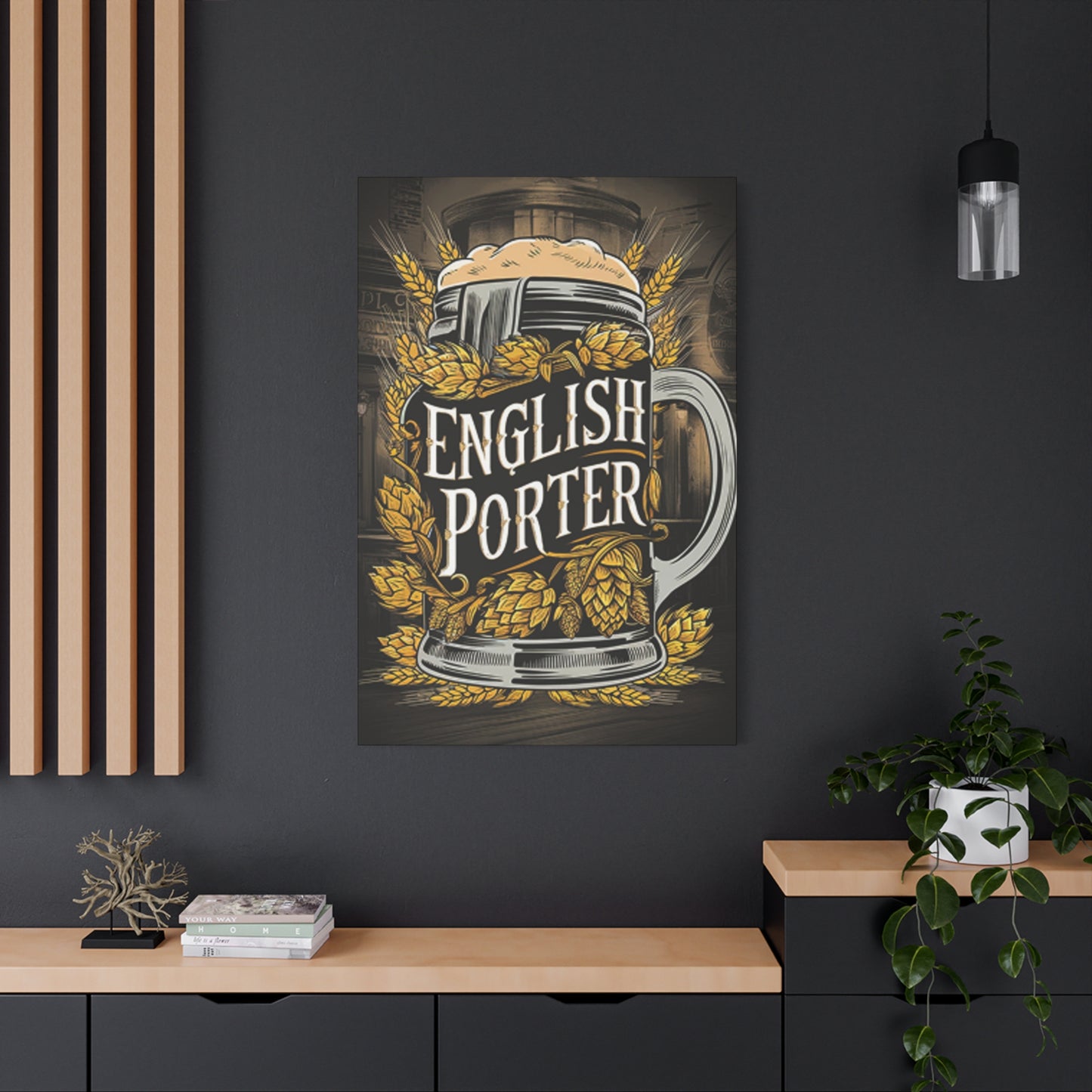
English Porter Whiskey Wall Art & Canvas Prints
English Porter Whiskey Wall Art & Canvas Prints
Couldn't load pickup availability
Add a Touch of Class to Your Home with the Artistry of English Porter Whiskey Wall Art
The world of interior decoration has witnessed a remarkable surge in thematic artwork that celebrates beloved beverages, particularly those rooted in rich cultural traditions. Among these decorative treasures, English Porter Whiskey Wall Art stands out as a sophisticated choice for enthusiasts who appreciate the marriage of craftsmanship and aesthetic appeal. This form of artistic expression brings together the heritage of fine spirits with visual storytelling, creating conversation pieces that elevate any room's atmosphere while paying homage to centuries-old brewing and distilling traditions.
Tracing the Origins and Cultural Significance Behind Spirit-Themed Decorative Pieces
The relationship between alcoholic beverages and artistic representation stretches back through numerous generations, with taverns, public houses, and distilleries commissioning works to advertise their wares and celebrate their craft. English Porter Whiskey Wall Art emerges from this venerable tradition, drawing inspiration from the golden age of British brewing when porter beer and whiskey production reached unprecedented heights of popularity and refinement. These decorative pieces often incorporate vintage advertising aesthetics, authentic label reproductions, and nostalgic imagery that transports viewers to an era when craftsmanship and quality reigned supreme.
During the Victorian and Edwardian periods, British establishments took immense pride in their beverage offerings, commissioning elaborate signage and decorative elements that showcased their products with artistic flair. Skilled craftsmen would create ornate mirrors, painted signs, and etched glass panels featuring brewing and distilling motifs. This artistic heritage continues to influence contemporary wall art, with modern creators drawing upon these time-honored design principles while incorporating fresh perspectives and innovative materials.
The cultural resonance of porter beer deserves particular attention when exploring this artistic niche. Originating in London during the early eighteenth century, porter became the beverage of choice for working-class laborers, market porters, and street hawkers who appreciated its robust flavor and nourishing qualities. The drink's popularity spread throughout England and eventually crossed international borders, becoming synonymous with British brewing excellence. Similarly, whiskey production in England, though often overshadowed by Scottish and Irish counterparts, maintained its own distinctive character and loyal following.
Exploring Various Styles and Design Approaches Within Spirit-Focused Artwork
English Porter Whiskey Wall Art manifests in numerous stylistic interpretations, each offering unique visual characteristics and emotional resonance. Vintage reproduction prints capture the essence of authentic period advertising, faithfully recreating the typography, color palettes, and compositional elements that defined Victorian and Edwardian promotional materials. These pieces often feature ornate borders, elaborate lettering, and imagery depicting barrels, hop flowers, grain sheaves, and distillery equipment rendered in the chromolithographic style popular during that era.
Contemporary minimalist interpretations take a strikingly different approach, distilling the essence of brewing and distilling culture into clean lines, geometric shapes, and restrained color schemes. These modern pieces might feature silhouettes of whiskey glasses, simplified barrel forms, or abstract representations of fermentation processes rendered in monochromatic or limited palettes. Such artwork appeals to collectors who appreciate spirit culture but prefer understated elegance over ornate embellishment.
Rustic industrial designs embrace the raw materials and weathered textures associated with distillery environments. These pieces often incorporate distressed wood, corrugated metal, exposed rivets, and aged patinas that evoke the atmospheric quality of working production facilities. Typography in these works typically employs bold, sans-serif letterforms or hand-painted script that suggests authenticity and handcrafted character. The color palette gravitates toward earth tones, oxidized metals, and the rich amber hues associated with aged spirits.
Photographic artwork offers yet another avenue for expressing appreciation for English porter and whiskey culture. High-quality prints might capture the golden glow of backlit glasses, the intricate details of copper stills, the geometric patterns created by barrel storage warehouses, or atmospheric shots of traditional public houses. These pieces appeal to viewers who favor realistic representation and appreciate the documentary qualities that photography provides.
Abstract interpretations allow artists to explore the emotional and sensory dimensions of spirit appreciation through non-representational means. Flowing forms might suggest liquid movement, color fields could evoke flavor profiles, and textural elements might reference the tactile qualities of aged wood or polished copper. Such pieces create ambiance without literal depiction, allowing viewers to project their own associations and memories onto the work.
Examining Materials and Construction Methods Used in Creating These Decorative Elements
The physical construction of English Porter Whiskey Wall Art varies considerably depending on artistic intent, budget considerations, and desired durability. Canvas prints remain among the most popular formats, offering excellent color reproduction, reasonable pricing, and versatile sizing options. High-quality canvas receives professional stretching over wooden frames, with edges either wrapped with continued imagery or finished in complementary colors. Gallery-wrapped canvases create a polished, frameless presentation suitable for contemporary interiors, while traditionally framed canvas prints accommodate more formal decorating schemes.
Metal prints have gained substantial popularity for spirit-themed artwork, particularly pieces with industrial or contemporary aesthetics. The printing process infuses dyes directly into specially coated aluminum sheets, creating vibrant, durable images resistant to fading, moisture, and physical damage. The metallic substrate adds luminosity and depth to imagery, particularly effective for highlighting the amber tones of whiskey or the dramatic lighting found in atmospheric distillery photography. Metal prints typically feature float-mounting systems that create dimensional separation from walls, enhancing their sculptural presence.
Wooden signs and panels offer authenticity and textural richness that resonates with the craft heritage of brewing and distilling. Artists may work on reclaimed barn wood, weathered pallet boards, or purpose-milled planks chosen for their grain patterns and color variation. Imagery might be applied through direct painting, screen printing, vinyl transfer, or specialized sublimation processes. Some craftspeople employ woodburning techniques to create permanent, deeply embedded designs that highlight natural wood characteristics while eliminating concerns about surface wear.
Framed paper prints maintain their position as classic presentation formats, particularly for reproductions of vintage advertising materials and fine art interpretations. Museum-quality archival paper ensures longevity, while acid-free matting and UV-protective glazing shield artwork from environmental degradation. Frame selection dramatically influences overall presentation, with options ranging from simple black profiles to ornate gilded moldings that reference Victorian decorative traditions.
Mixed media constructions incorporate multiple materials and techniques, creating dimensional pieces that transcend simple wall hangings. Artists might combine painted backgrounds with applied metal elements, incorporate actual vintage labels or advertising ephemera, add three-dimensional barrel hoops or tap handles, or integrate LED lighting for dramatic effect. These elaborate pieces function as sculptural focal points rather than mere decorative accents.
Selecting Complementary Color Schemes and Visual Elements for Maximum Impact
The color palette chosen for English Porter Whiskey Wall Art significantly influences its emotional resonance and compatibility with existing interior design schemes. Rich amber tones naturally dominate spirit-themed artwork, ranging from pale golden hues suggesting younger whiskeys to deep mahogany shades associated with extensively aged expressions. These warm colors create inviting, sophisticated atmospheres while directly referencing the beverages themselves.
Deep burgundy and oxblood reds frequently appear in porter-themed pieces, evoking the dark, ruby-tinged appearance of properly poured porter beer. These colors contribute gravitas and traditional sensibility, working particularly well in spaces furnished with leather upholstery, dark wood cabinetry, and other elements associated with classic British pub aesthetics. When combined with cream or ivory accents, these deep reds create striking contrast that draws viewer attention while maintaining overall harmony.
Forest green and hunter green shades connect to both the natural ingredients used in brewing and the painted woodwork typical of traditional public houses. These colors provide visual weight without the heaviness of black, offering sophisticated masculinity that suits studies, home bars, and gentleman's spaces. Pairing green tones with brass or copper metallic accents reinforces distillery imagery while adding luminous highlights.
Black and charcoal grays serve multiple functions within spirit-themed artwork, providing grounding elements, creating dramatic contrast, and suggesting the charred interior of bourbon barrels. Contemporary pieces may employ these dark neutrals as primary background colors, allowing lighter text and imagery to achieve maximum legibility and impact. The sobriety and elegance of black-dominant compositions suit modern interior styles while maintaining connection to spirit culture.
Cream, parchment, and aged paper tones reference vintage advertising materials and historical documents, lending authenticity to reproduction pieces while creating softer, less aggressive presentations. These lighter backgrounds work particularly well in spaces with limited natural light or when seeking to maintain visual openness rather than creating dramatic focal points.
Metallic accents in copper, brass, and bronze hues directly reference distillery equipment while adding luxurious shimmer that catches ambient lighting. These elements might appear as printed highlights, actual metal leaf applications, or incorporated metal components in mixed media pieces. Strategic placement of metallic elements guides viewer attention and creates visual hierarchy within compositions.
Understanding Size Considerations and Spatial Planning for Optimal Display
Proper sizing ensures English Porter Whiskey Wall Art achieves appropriate visual weight within its designated space without overwhelming surrounding elements or appearing insignificant. For focal wall treatments above bars, sofas, or fireplace mantels, substantial pieces measuring forty-eight to seventy-two inches in width create commanding presence that anchors the entire wall. These large-scale works justify their prominence through detailed imagery, complex compositions, or impressive craftsmanship that rewards extended viewing.
Medium-sized pieces ranging from twenty-four to forty inches across offer versatility for various room configurations and design intentions. These dimensions work exceptionally well for creating gallery wall arrangements, flanking doorways or windows, or establishing visual interest in secondary spaces like hallways, staircases, and transitional areas. Multiple medium-sized pieces sharing thematic or stylistic coherence can be arranged in balanced groupings that create more visual interest than single large works.
Smaller accent pieces measuring twelve to twenty-four inches serve specific decorative functions without dominating their surroundings. These compact works excel when displayed on bookshelves, mantels, side tables, or incorporated into larger gallery walls alongside photographs, mirrors, and other decorative objects. Their modest scale makes them suitable for spaces where larger pieces would overwhelm, such as powder rooms, closets, or cozy reading nooks.
Vertical versus horizontal orientation significantly impacts visual dynamics and spatial compatibility. Horizontal compositions naturally complement furniture arrangements, television installations, and architectural features like windows and doorways. Vertical orientations suit narrow wall sections, spaces between furniture pieces, and situations requiring upward visual movement to balance room proportions.
Multi-panel installations, often called triptychs when comprising three sections or polyptychs for larger configurations, create expansive visual narratives while maintaining manageable individual component sizes. These segmented presentations work particularly well for extremely large walls where single pieces might appear inadequately scaled. The negative space between panels contributes to overall composition while preventing visual heaviness.
Identifying Ideal Placement Locations Throughout Various Room Environments
Home bars and beverage stations represent the most obvious locations for displaying English Porter Whiskey Wall Art, where thematic appropriateness reaches its apex. Artwork positioned behind bar counters creates immersive environments that enhance the experience of preparing and enjoying drinks. Consider pieces that complement bottle displays, barware collections, and architectural features like brick backsplashes or wood paneling. Proper lighting accentuates artwork while creating ambiance conducive to relaxation and socializing.
Living rooms and family gathering spaces benefit from spirit-themed artwork that sparks conversation and expresses host personality without appearing overly commercial or theme-heavy. Position pieces above seating arrangements where guests naturally focus attention during conversations. Balance the presence of beverage-themed art with complementary elements like books, musical instruments, or travel souvenirs that collectively communicate cultivated interests rather than singular obsession.
Dining rooms naturally accommodate artwork celebrating food and beverage culture, with English Porter Whiskey Wall Art contributing sophistication and historical depth. Consider how pieces interact with dining furniture, lighting fixtures, and table settings during actual meal service. Artwork should enhance rather than distract from dining experiences, with subject matter and color schemes complementing both everyday meals and special occasion gatherings.
Private studies and home offices suit spirit-themed artwork particularly well, as these personal retreats allow fuller expression of individual interests without concern for universal appeal. Position pieces where they provide visual interest during work sessions without creating distracting focal points. Consider how artwork appears during video calls if the space serves professional functions, ensuring backgrounds convey appropriate professionalism.
Man caves and dedicated entertainment spaces embrace thematic decor with greater abandon, allowing collections of related artwork, memorabilia, and functional elements to create immersive environments. English Porter Whiskey Wall Art serves as foundational elements within these spaces, establishing aesthetic direction for furniture selection, color schemes, and accessory choices. Combine various sizes, styles, and formats to create visually rich environments that reward exploration.
Guest bedrooms and spare rooms offer opportunities for displaying artwork that might prove too specific for main living areas. Spirit-themed pieces contribute character and personality to otherwise generic spaces, providing talking points and visual interest for visitors while expressing host enthusiasm for particular cultural traditions.
Crafting Cohesive Gallery Wall Arrangements with Spirit-Themed Focal Points
Gallery walls transform individual artworks into unified installations that command attention and create visual complexity beyond what single pieces achieve. When featuring English Porter Whiskey Wall Art as primary elements, carefully balance thematic focus with visual variety to avoid monotony. Incorporate complementary pieces such as vintage bottle labels, antique corkscrews, historical brewing photographs, or abstract works in coordinating color schemes.
Symmetrical arrangements project formality and intentionality, with pieces positioned in balanced configurations radiating from central focal points. This approach suits traditional interior styles and spaces with strong architectural symmetry. Plan layouts by determining the central anchor piece first, then surrounding it with progressively smaller works in balanced positions. Maintain consistent spacing between pieces, typically two to three inches, for cohesive appearance.
Asymmetrical salon-style arrangements create dynamic, collected-over-time aesthetics that suit eclectic and contemporary spaces. Mix frame styles, artwork sizes, and subject matter within defined color palettes or thematic parameters. Start by positioning the largest piece slightly off-center, then build outward with medium and smaller works that create visual balance through careful weight distribution rather than mirror symmetry. Allow organic spacing variation while maintaining overall density that reads as intentional rather than haphazard.
Grid layouts impose order on multiple similar-sized pieces, creating contemporary, gallery-like presentations. This format works particularly well with series of prints, photographic collections, or thematically related works intended for comparison and contrast. Precise alignment and uniform spacing prove critical for successful grid arrangements, with even slight irregularities undermining the format's inherent orderliness.
Linear arrangements position pieces in horizontal or vertical sequences, creating rhythmic progressions suitable for hallways, staircases, and narrow wall sections. Vary piece sizes and orientations within the linear format to create visual interest while maintaining directional flow. Consider how viewers experience the sequence when approaching from different directions, ensuring satisfying viewing experiences regardless of entry point.
Addressing Lighting Considerations for Enhancing Artwork Visibility and Atmosphere
Proper illumination dramatically influences how viewers experience English Porter Whiskey Wall Art, affecting color perception, textural appreciation, and overall spatial ambiance. Natural daylight provides excellent color rendering but varies significantly based on time, season, and weather conditions. Position artwork where it receives indirect natural light rather than direct sun exposure, which causes fading, color shifts, and material degradation over time. South-facing walls receive the most intense sunlight in northern hemisphere locations, making them less suitable for valuable pieces without UV-protective glazing or window treatments.
Picture lights mounted directly on frames or walls above artwork provide focused illumination that highlights specific pieces while creating dramatic visual hierarchy. LED picture lights offer energy efficiency, minimal heat generation, and color temperatures appropriate for viewing artwork. Position lights so they illuminate artwork surfaces evenly without creating glare, hot spots, or harsh shadows. Adjustable arms allow precise positioning as needed.
Track lighting systems deliver flexibility for illuminating multiple pieces or adjusting focus as collections evolve. Install tracks parallel to walls at distances that allow forty-five to sixty-degree light angles, which minimize glare while providing even coverage. Use adjustable fixtures that can be repositioned without requiring new installations. Select bulbs with high color rendering index ratings above ninety for accurate color reproduction.
Recessed ceiling fixtures work well for general ambient lighting but require careful positioning to effectively highlight wall art. Calculate placement so light falls on artwork surfaces rather than creating shadows from frame protrusions. Angled recessed fixtures direct light more effectively than basic downlights for wall art illumination.
Wall sconces positioned flanking artwork create balanced illumination while contributing decorative interest. This traditional approach suits formal spaces and works well with symmetrical arrangements. Ensure sconce styles complement both artwork aesthetics and overall interior design schemes.
Ambient room lighting from table lamps, floor lamps, and overhead fixtures contributes to overall viewing conditions even when not specifically directed at artwork. Layer multiple light sources at different levels and intensities to create flexible lighting schemes suitable for various activities and moods. Dimmer controls allow adjustments based on time of day, gathering purposes, and personal preferences.
Color temperature selection significantly impacts artwork appearance and room atmosphere. Warm white bulbs ranging from 2700K to 3000K create cozy, inviting environments that enhance amber and brown tones prevalent in spirit-themed artwork. Neutral white options around 3500K to 4000K provide balanced illumination suitable for accurate color appreciation. Cool white bulbs above 5000K suit contemporary spaces but may diminish the warmth typically desired in settings featuring English Porter Whiskey Wall Art.
Maintaining and Preserving Artwork to Ensure Longevity and Continued Beauty
Canvas prints require minimal but consistent maintenance to preserve their appearance. Dust accumulation dulls colors and creates dingy appearances, so regularly remove surface dust using soft, dry cloths, feather dusters, or vacuum attachments with soft brush heads. Avoid applying pressure that could damage canvas surfaces or underlying stretcher bars. Never use water or cleaning solutions on canvas prints unless specifically recommended by manufacturers, as moisture can cause warping, color bleeding, or separation from mounting substrates.
Metal prints resist many environmental hazards but benefit from occasional cleaning to maintain their luminous surfaces. Wipe metal prints with soft, slightly damp microfiber cloths to remove dust, fingerprints, and accumulated grime. Dry immediately with clean, soft cloths to prevent water spotting. Avoid abrasive cleaners, rough cloths, or excessive scrubbing that could scratch protective coatings or printed surfaces.
Framed pieces behind glass require careful cleaning to maintain clarity without damaging frames or artwork. Use glass cleaners specifically formulated for use near artwork, or simply employ diluted vinegar solutions or plain water. Apply cleaning solutions to cloths rather than directly on glass to prevent liquids from seeping behind glazing and damaging artwork. Clean frames separately using appropriate materials for their specific compositions, whether wood, metal, or synthetic materials.
Wooden signs and panels benefit from occasional treatments that preserve wood integrity and enhance natural beauty. Apply furniture wax or specialized wood conditioners to unfinished or lightly sealed pieces, following product directions regarding application methods and drying times. Avoid treatments on surfaces with printed or painted artwork unless confirmed compatible by manufacturers. Monitor wooden pieces for signs of splitting, warping, or insect damage, addressing issues promptly to prevent further deterioration.
Environmental controls prove critical for long-term preservation, particularly for valuable or irreplaceable pieces. Maintain consistent temperature and humidity levels, avoiding extreme fluctuations that cause expansion and contraction leading to material damage. Ideal conditions generally range from 65 to 75 degrees Fahrenheit with relative humidity between 40 and 55 percent. Use dehumidifiers in damp environments and humidifiers in extremely dry conditions to maintain appropriate levels.
Rotation strategies extend artwork lifespan while refreshing interior aesthetics. Periodically moving pieces to different locations distributes light exposure, reduces viewer fatigue, and allows seasonal or mood-based decorating adjustments. Store rotated pieces in climate-controlled environments, wrapped in acid-free tissue or bubble wrap, and positioned upright rather than stacked flat to prevent warping and pressure damage.
Sourcing Authentic and High-Quality Pieces from Reputable Creators
Local artisan markets and craft fairs provide opportunities to acquire unique, handcrafted English Porter Whiskey Wall Art while directly supporting independent creators. These venues allow personal interaction with artists, providing insights into their processes, inspirations, and customization capabilities. Examine pieces closely for construction quality, material integrity, and finishing details before purchasing. Request information about materials used, expected longevity, and care requirements.
Online marketplaces specializing in handmade goods connect collectors with artists worldwide, dramatically expanding available styles and price points. Search platforms using specific keywords related to desired aesthetics, filtering results by factors including size, price, materials, and shipping locations. Carefully review seller ratings, customer reviews, and return policies before committing to purchases. Examine all available photographs closely, requesting additional images if needed to assess quality and accuracy of representations.
Gallery exhibitions and art shows occasionally feature spirit-themed works, particularly shows focusing on food and beverage culture, industrial aesthetics, or Anglophile themes. Attending openings provides networking opportunities with artists and fellow collectors while allowing firsthand examination of pieces before purchase. Gallery-represented artists typically charge premium prices reflecting their established reputations and the gallery's promotional efforts and overhead costs.
Commissioned works offer ultimate personalization, allowing collectors to specify exact dimensions, color schemes, text elements, and stylistic approaches. Contact artists whose existing portfolios demonstrate capability and aesthetic alignment with your vision. Clearly communicate requirements, budget parameters, and timeline expectations. Request preliminary sketches or digital mockups before authorizing full production. Understand that commissioned pieces typically require deposits and longer production times than ready-made purchases.
Antique shops and vintage dealers occasionally stock authentic period advertising pieces, brewery mirrors, and pub signs that transcend reproduction status to become genuine historical artifacts. These items command premium prices but offer unmatched authenticity and provenance. Verify authenticity when possible through expert consultation or research into manufacturer marks, printing methods, and materials consistent with claimed periods. Accept that genuine antiques typically show age-appropriate wear, patina, and imperfections that contribute to their character and value.
Reproductions of vintage advertising offer period aesthetics at accessible prices, though they lack historical authenticity. Many companies specialize in faithfully recreating classic designs using modern printing methods and materials. Quality varies significantly between producers, so examine samples when possible or purchase from sources with generous return policies allowing evaluation before final commitment.
Evaluating Pricing Factors and Establishing Reasonable Budget Expectations
Size represents the most obvious pricing determinant, with larger pieces requiring more materials, greater production time, and higher shipping costs. Small accent pieces measuring twelve by sixteen inches might retail for twenty-five to seventy-five dollars for basic prints, while substantial statement pieces exceeding forty-eight inches in width commonly command several hundred to over one thousand dollars depending on other factors.
Material composition dramatically influences pricing structures. Basic paper prints represent the most economical format, with unframed poster-quality prints available from ten to fifty dollars depending on size and printing quality. Canvas prints typically start around thirty to sixty dollars for small sizes, escalating to two hundred to four hundred dollars for large gallery-wrapped pieces. Metal prints command premium prices reflecting specialized printing processes and materials, generally ranging from sixty to three hundred dollars depending on dimensions. Hand-painted wooden signs represent significant labor investments, with prices beginning around one hundred dollars for modest pieces and exceeding five hundred dollars for elaborate custom works.
Artist reputation and experience level significantly impact pricing, with established creators commanding premiums reflecting their refined skills, unique styles, and market demand. Emerging artists often price competitively to build clientele and portfolios, offering opportunities to acquire quality works at accessible prices. Consider balancing collection building between established names and promising newcomers.
Production methods influence both pricing and perceived value. Mass-produced prints achieve economy through scale but lack uniqueness and exclusivity. Limited edition runs numbered and signed by artists offer middle ground between mass production and one-of-a-kind works. Unique original pieces, whether hand-painted signs or mixed media constructions, command highest prices reflecting singular nature and direct artistic labor.
Framing substantially increases costs, with quality custom framing often equaling or exceeding artwork prices. Simple ready-made frames provide economical solutions for standard sizes, while custom framing accommodates unusual dimensions and allows exact aesthetic matching to interior designs. Museum-quality framing with archival matting, UV-protective glazing, and premium moldings represents significant investment justified for valuable or irreplaceable pieces.
Provenance and authenticity command premiums for genuine vintage advertising pieces and historical artifacts. Documented origins, manufacturer information, and verifiable age histories increase values. Conversely, reproduction pieces offer similar aesthetics at fractions of antique prices, making them sensible choices for decorative purposes when historical authenticity holds less importance than visual impact.
Personalizing Spaces Through Custom Text, Imagery, and Design Elements
Custom text incorporation transforms generic spirit-themed artwork into deeply personal statements reflecting individual preferences, memorable dates, family names, or meaningful phrases. Many artists offer customization services allowing clients to specify text elements including names, dates, quotes, or geographical locations incorporated into design compositions. Consider adding establishment dates for home bars, family surnames in vintage typography, or favorite drinking toasts rendered in period-appropriate lettering styles.
Personal photography integration creates unique hybrid pieces combining individual experiences with artistic enhancement. Provide artists with high-resolution images from distillery tours, favorite pub visits, or special occasions involving particular beverages. Skilled designers can incorporate these photographs into larger compositions featuring vintage elements, graphic treatments, and complementary imagery that elevates personal snapshots into polished artwork worthy of prominent display.
Color scheme adjustments ensure perfect harmony with existing interior designs. Request modifications to standard color palettes, replacing elements to match specific paint colors, upholstery fabrics, or accent pieces within intended display locations. Provide paint chips, fabric swatches, or digital photographs showing actual environments to facilitate accurate color matching.
Size specifications accommodate precise spatial requirements and architectural features. Custom dimensions ensure pieces fit perfectly within available wall sections, align with furniture proportions, or create desired visual relationships with surrounding elements. Provide exact measurements and consider providing photographs showing intended placement locations to help artists envision final installations.
Personalized labels and bottle designs reference specific favorite spirits, allowing artwork to celebrate particular brands, distilleries, or expressions holding personal significance. Whether replicating actual label designs or creating imagined vintage versions of contemporary favorites, these customizations deepen emotional connections between collectors and displayed pieces.
Family crest incorporation adds aristocratic touches to spirit-themed artwork, particularly appropriate given British traditions of heraldry and noble patronage of brewing and distilling enterprises. Provide detailed information about authentic family crests or work with artists to design original emblems incorporating relevant symbolism, mottos, and design elements.
Gifting Considerations for Spirit Enthusiasts and Discerning Collectors
English Porter Whiskey Wall Art makes exceptional gifts for numerous occasions, combining aesthetic appeal with thoughtful recognition of recipient interests. Housewarming presents help new homeowners establish their decorating schemes while acknowledging their beverage preferences. Select pieces complementing described interior styles or opt for versatile designs suitable for various aesthetic approaches.
Retirement gifts celebrate career conclusions and newfound leisure time for pursuing hobbies and interests. Spirit-themed artwork acknowledges passions that may have taken secondary roles during working years, now able to receive proper attention and celebration. Consider pieces referencing recipient career fields when selecting imagery and text elements.
Wedding and anniversary presents contribute to couple home environments while recognizing shared interests. Personalized pieces incorporating names, wedding dates, or meaningful locations create lasting mementos celebrating relationship milestones. Consider commissioning custom works incorporating elements from wedding venues, honeymoon destinations, or favorite date night locations.
Birthday presents suit milestone celebrations, particularly significant ages like forty, fifty, or sixty when sophistication and refined tastes become more pronounced. Select pieces matching recipient aesthetic preferences while perhaps introducing them to new artistic styles or periods they haven't previously explored.
Holiday gifts avoid the disposability of consumable presents while aligning with festive beverage traditions. Spirit-themed artwork remains relevant beyond single season use, providing year-round enjoyment and daily reminders of giver thoughtfulness.
Groomsmen and best man gifts honor wedding party participants with personalized pieces acknowledging their roles and friendship. Customize individual pieces for each recipient or create coordinated series sharing design elements but incorporating individual names or distinctive details.
Father's Day presents celebrate paternal figures while avoiding cliché tie-and-tool patterns. Quality artwork demonstrates thoughtfulness and consideration of actual interests rather than defaulting to generic masculine stereotypes.
Corporate gifts for clients, colleagues, or employees convey sophistication and cultural appreciation. Select pieces with refined aesthetics avoiding anything overly casual or potentially controversial. Consider commissioning pieces incorporating company elements or achievement dates for particularly significant recognitions.
Combining Spirit-Themed Artwork with Complementary Decorative Elements
Bottle displays create natural partnerships with English Porter Whiskey Wall Art, establishing comprehensive beverage-focused vignettes. Arrange collections on open shelving, bar carts, or dedicated display cabinets positioned near related artwork. Consider lighting solutions that illuminate both bottles and artwork, creating cohesive presentations. Coordinate label colors and bottle shapes with artwork color schemes and design elements for harmonious relationships.
Barware collections including vintage glassware, cocktail shakers, decanters, and serving implements extend thematic consistency while adding functional elements to decorative arrangements. Display pieces on shelves, in glass-front cabinets, or atop bars and sideboards where they remain accessible for use while contributing visual interest. Group items by material, era, or function, creating organized collections rather than haphazard assortments.
Leather furniture and accessories reinforce British pub aesthetics while providing luxurious textures and rich colors complementing spirit-themed artwork. Club chairs, chesterfield sofas, and tufted ottomans upholstered in cognac, chestnut, or oxblood leathers create inviting seating areas perfect for enjoying beverages while contemplating related artwork. Coordinate leather tones with dominant colors in displayed pieces.
Wood elements including paneling, exposed beams, and furniture pieces establish warm, traditional atmospheres consonant with brewing and distilling heritage. Dark woods like walnut, mahogany, and cherry create sophisticated backdrops for artwork while lighter woods like oak and pine contribute rustic character. Consider coordinating wood tones throughout spaces for cohesive aesthetics.
Metal accents in copper, brass, and bronze reference distillery equipment while adding luminous highlights that catch and reflect light. Incorporate these materials through lighting fixtures, hardware, accessories, and decorative objects positioned throughout spaces. Polish levels ranging from bright shine to aged patina should align with overall aesthetic intentions, whether traditional elegance or industrial authenticity.
Textile elements including area rugs, throw pillows, and window treatments provide opportunities to reinforce color schemes and add textural variety. Select patterns and materials appropriate to overall style directions, whether formal traditional designs, rugged industrial weaves, or contemporary geometric patterns. Repeat accent colors from artwork throughout textile selections for unified color stories.
Exploring Regional Variations and International Spirit Traditions in Artistic Representation
While English Porter Whiskey Wall Art celebrates British brewing and distilling traditions, exploring related international spirits and brewing cultures provides opportunities for collecting thematically related pieces that collectively illustrate global beverage heritage. Scottish whisky artwork emphasizes single malt traditions, Highland landscapes, and distillery architecture distinctive to Scotland's whisky regions. Irish whiskey themes highlight triple distillation methods, historic Dublin distilleries, and Celtic design motifs. American bourbon art celebrates Kentucky traditions, charred barrel aging, and frontier heritage informing bourbon culture.
Japanese whisky artwork reflects that nation's meticulous craftsmanship and aesthetic refinement, often incorporating design elements from traditional Japanese art forms. German beer culture provides rich artistic traditions celebrating brewing heritage, beer gardens, and Reinheitsgebot purity laws. Belgian brewing traditions offer opportunities for artwork celebrating Trappist monasteries, complex ale styles, and distinctive glassware.
French wine culture, while distinct from spirits, shares common ground regarding beverage appreciation and cultural significance. Wine-themed artwork can complement spirit-focused pieces within comprehensive beverage celebration collections. Italian aperitivo culture similarly provides related themes suitable for coordinated collecting.
Creating internationally themed collections allows exploration of multiple cultural traditions while maintaining beverage appreciation as unifying focus. Arrange pieces geographically, creating visual tours of global drinking cultures. Alternatively, organize by beverage type, comparing how different cultures approach similar spirit categories. Consider how architectural styles, color palettes, and design aesthetics vary across cultures, creating visually diverse collections united by common subject matter.
Investigating Period-Specific Design Aesthetics and Their Contemporary Interpretations
Victorian era design (1837-1901) introduced ornate embellishment, rich colors, and elaborate typography that continue influencing spirit-themed artwork. Characteristic elements include decorative borders, flourished lettering, detailed illustrations, and comprehensive text describing product attributes. Modern interpretations can faithfully reproduce period styles or selectively incorporate signature elements within simplified contemporary compositions.
Edwardian aesthetics (1901-1910) maintained Victorian elaboration while introducing lighter colors, more delicate ornamentation, and Art Nouveau influences. Flowing organic forms, stylized natural motifs, and elegant lettering characterize this transitional period. Contemporary artists mine this era for sophisticated elegance that bridges Victorian opulence and modern simplicity.
Art Deco movements (1920s-1930s) brought geometric precision, streamlined forms, bold contrasts, and machine-age influences to commercial art including beverage advertising. Strong vertical and horizontal elements, sunburst motifs, and stylized typography created dynamic, forward-looking aesthetics. Modern interpretations emphasize Deco geometry and bold graphic impact while updating color schemes and compositional approaches.
Mid-century modern design (1945-1969) introduced unprecedented simplicity, emphasizing clean lines, organic forms, and honest materials. While less common in traditional spirit advertising, mid-century aesthetics offer fresh approaches to beverage-themed artwork through minimalist compositions, limited color palettes, and focus on essential elements.
Contemporary design approaches embrace diverse influences, combining historical references with current trends including hand-lettering, distressed textures, authentic typography, and nostalgic color palettes. Current movements emphasizing craft, authenticity, and heritage align perfectly with brewing and distilling themes, creating natural synergies between subject matter and aesthetic treatments.
Addressing Common Decorating Challenges and Finding Creative Solutions
Limited wall space presents challenges when enthusiasm for collecting exceeds available display area. Rotating displays allow enjoying entire collections over time while preventing visual clutter. Create organized storage for rotated pieces, maintaining inventory lists facilitating regular changes. Consider seasonal rotations, holiday-specific displays, or thematic groupings changed quarterly.
Rental restrictions limiting hanging methods require creative solutions. Command strips and similar removable hanging systems accommodate lightweight pieces without damaging walls. Leaning pieces on mantels, shelves, and furniture tops creates casual displays requiring no wall penetration. Freestanding easels support artwork while maintaining complete portability.
Conflicting spousal or partner preferences regarding decorating themes necessitate compromise and creativity. Designate specific spaces for spirit-themed displays, creating dedicated areas satisfying personal interests without overwhelming shared living spaces. Select pieces with broader aesthetic appeal beyond pure beverage focus, emphasizing artistic merit, color coordination, or design sophistication. Involve partners in selection processes, soliciting input regarding colors, styles, and placement locations.
Mismatched collection pieces accumulated over time create visual disharmony. Unify disparate pieces through consistent framing, coordinated matting, or strategic arrangement emphasizing relationships between works. Alternatively, embrace eclectic presentations celebrating collecting journeys rather than fighting against stylistic diversity.
Budget constraints limiting acquisition of desired pieces require strategic collecting approaches. Prioritize purchases, beginning with key focal pieces establishing overall direction before filling supporting roles. Watch for sales, discontinued items, and seasonal promotions. Consider purchasing unframed prints for immediate display, adding quality framing later as budgets permit.
Inadequate lighting diminishes artwork impact and viewing pleasure. Supplement existing lighting with dedicated picture lights, adjustable track systems, or additional ambient sources. Battery-operated picture lights avoid wiring complications while providing targeted illumination. Position furniture lamps and floor lamps considering how their light falls on displayed artwork.
Final Thoughts
English Porter whiskey wall art is an exceptional way to bring a touch of refinement, history, and artistry into your living space, while celebrating one of England’s most beloved beverages. Known for its rich, malty flavors and deep history, English Porter whiskey is a drink that has captivated enthusiasts for centuries. By incorporating whiskey-themed wall art into your home, you not only showcase your love for this classic drink but also add an element of sophistication and character to your décor. This unique form of art offers a perfect fusion of culture, style, and passion—making it a standout feature in any room.
One of the most enchanting aspects of English Porter whiskey wall art is its ability to tell a story. Each piece, whether it’s a vintage label print, an abstract interpretation of whiskey barrels, or a classic portrait of an English pub, evokes a sense of nostalgia and a celebration of heritage. English Porter whiskey, with its roots deeply planted in the brewing traditions of London, brings a historical and artisanal quality to your home. When you adorn your walls with this art, you create a visual connection to a time-honored tradition, honoring both the craftsmanship that goes into the making of whiskey and the culture that surrounds it.
The aesthetic appeal of English Porter whiskey wall art is undeniable. The dark, rich tones of whiskey, the elegant bottles, and the rustic, often weathered labels, can add warmth and texture to any room. These pieces, often designed with intricate details and muted hues, evoke the feeling of a traditional English pub, a cozy retreat, or a stately gentleman's club. The amber and brown tones of whiskey-themed artwork blend seamlessly with a variety of interior design styles, from rustic farmhouse to sleek modern décor. Whether you choose a large canvas featuring a whiskey bottle in the glow of candlelight or a more minimalist print of a whiskey barrel, English Porter whiskey art can enhance the overall ambiance of a space by adding a sense of timeless elegance and comfort.
Whiskey-themed wall art also brings an element of personality and individuality to your living spaces. For aficionados of English Porter whiskey, having this type of art on display serves as a visual representation of your passion and appreciation for the drink. These pieces can become a conversation starter when guests come over, opening up discussions about the history of whiskey, its production process, or favorite distilleries. Beyond simply serving as décor, the art reflects your lifestyle and interests, becoming a distinctive feature that elevates the room’s atmosphere.
The charm of English Porter whiskey wall art extends beyond its beauty and significance; it can also inspire a sense of relaxation and enjoyment in the spaces where it’s displayed. The visual connection to the drink itself can evoke the feeling of unwinding after a long day, sipping a glass of whiskey in a quiet corner, or enjoying a conversation with friends in a warm, welcoming environment. This type of artwork creates a cozy, inviting mood—perfect for areas such as a home bar, study, or even the living room. In these settings, the art becomes more than just decoration; it enhances the experience of the space, making it feel more lived-in, comfortable, and full of character.
Moreover, English Porter whiskey wall art can be a great addition to spaces designed for entertaining. Whether in a home bar or dining area, whiskey-themed art adds an element of sophistication and class, creating an ambiance that encourages conversation, relaxation, and enjoyment. The art elevates the mood of the room, setting a tone of celebration and good times. The visual connection to the drink can help enhance the overall experience, making it feel like you’re stepping into a stylish lounge or a classic pub.
If you’re seeking a unique and thoughtful gift for a whiskey enthusiast, English Porter whiskey wall art is an ideal choice. For those who have a love for fine spirits, this type of art is both personal and meaningful. Whether it's a vintage advertisement for the drink, a beautifully framed portrait of a distillery, or an abstract depiction of whiskey in motion, such a gift will resonate deeply with its recipient. It’s a perfect way to celebrate a special occasion—be it a birthday, anniversary, or milestone in a whiskey lover's life—and it adds a touch of class and personality to their home.
Another significant benefit of English Porter whiskey wall art is its timeless quality. As with whiskey itself, the art only grows in character over time. Whether it's a vintage piece or a modern design, English Porter whiskey art doesn’t just remain relevant; it often gains more depth and beauty as it ages. The history and craftsmanship associated with whiskey are reflected in the art, giving it an enduring appeal. Over time, your collection of whiskey-themed art can take on a story of its own—becoming more than just decoration, but an heirloom that speaks to your personal style and love for the drink.
The craftsmanship behind English Porter whiskey wall art is another notable aspect that adds to its allure. Artists who create these pieces often draw from rich traditions and historical references, using a variety of techniques to capture the essence of the drink. Whether it’s a painted canvas, a detailed illustration, or a photographic print, these artworks often showcase fine attention to detail. The artist may emphasize the swirling amber tones of the whiskey, the gleam of a glass bottle, or the textures of wooden barrels—each contributing to the art's depth and visual interest. This level of detail makes the artwork feel authentic and relatable, creating a sense of connection to the drink itself.
For those who prefer a more modern take on their décor, there are plenty of contemporary interpretations of English Porter whiskey available as wall art. Bold geometric designs, minimalistic sketches, or abstract representations of whiskey in motion can provide a sleek and contemporary twist on this timeless subject. This style is particularly fitting for those who enjoy modern aesthetics but still want to incorporate the charm of whiskey culture into their home. The modern style of these pieces is perfect for clean, minimalist interiors, while still adding a layer of sophistication and a nod to tradition.
In conclusion, English Porter whiskey wall art offers a unique way to enhance your living space while celebrating the artistry, culture, and history behind one of England’s finest beverages. Whether you are a whiskey connoisseur, a lover of fine art, or simply someone who appreciates the timeless elegance of this drink, this type of wall art is sure to elevate your space. It invites you into a world of tradition, craftsmanship, and sophistication, creating an atmosphere that is both warm and refined. By incorporating this art into your home, you’re not just decorating a wall—you’re embracing a lifestyle, a story, and a piece of living history that will enrich your home for years to come.
Share