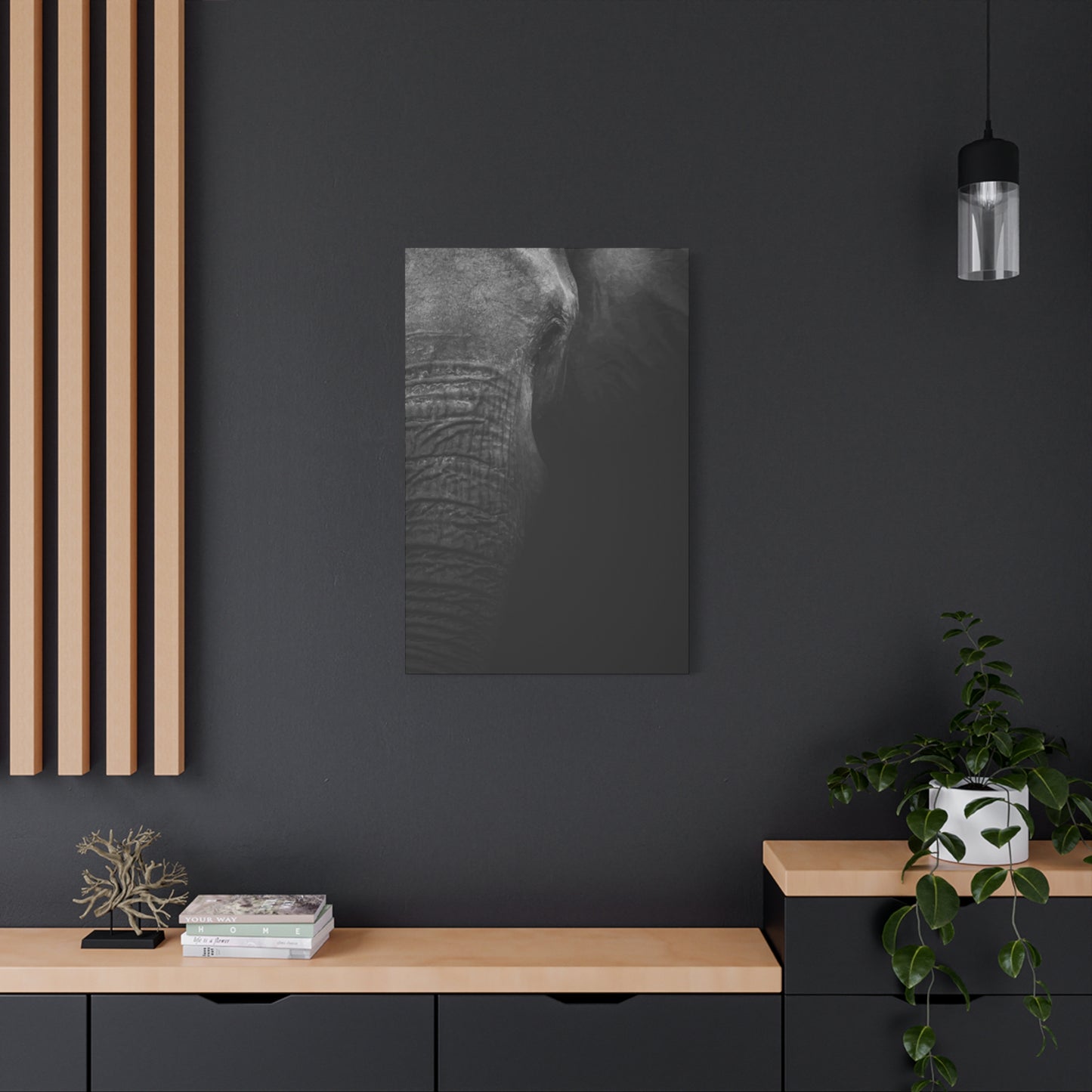
Elephant Wall Art & Canvas Prints
Elephant Wall Art & Canvas Prints
Couldn't load pickup availability
Creative Ways to Decorate Your Living Space with Stunning Elephant Wall Art That Brings Character and Warmth
Decorating your home with meaningful pieces creates an atmosphere that reflects your personality and taste. Among the countless options available for transforming bare walls into captivating focal points, elephant wall art stands out as a choice that combines elegance, cultural richness, and timeless appeal. These majestic creatures have captivated human imagination for centuries, and incorporating their imagery into your interior design brings depth, sophistication, and a touch of the exotic to any room.
When you choose to adorn your walls with depictions of these magnificent animals, you're not just filling empty space. You're making a statement about your appreciation for nature, wisdom, and strength. The elephant has long been revered across various cultures as a symbol of good fortune, loyalty, family bonds, and memory. Whether rendered in abstract forms, realistic photography, or traditional artistic styles, these pieces serve as conversation starters and sources of daily inspiration.
Discovering the Perfect Placement Strategy for Your Elephant-Themed Decorative Pieces Throughout Different Rooms
The placement of your chosen pieces plays a crucial role in maximizing their visual impact and creating harmonious spaces throughout your residence. Living rooms typically serve as the heart of the home, making them ideal locations for larger, statement-making pieces that immediately capture attention when guests enter. A substantial canvas featuring a family of elephants in their natural habitat can serve as the centerpiece above your sofa, drawing the eye upward and creating a sense of grandeur.
Bedrooms offer opportunities for more intimate, calming imagery. Consider positioning a serene depiction of a solitary elephant at sunset above your headboard to create a tranquil atmosphere conducive to rest and reflection. The gentle presence of these peaceful giants can contribute to a soothing environment that helps you unwind after demanding days.
Hallways and entryways frequently become neglected spaces, yet they present excellent opportunities for creating memorable first impressions. A series of smaller pieces arranged in a gallery wall formation can transform a narrow corridor into an artistic journey, guiding visitors through your home while showcasing your refined taste.
Dining areas benefit from artwork that stimulates conversation without overwhelming the space. A single, well-chosen piece positioned where it can be easily viewed from the table encourages discussion about travels, wildlife conservation, or artistic preferences during meals with family and friends.
Home offices require careful consideration, as the artwork should inspire productivity while maintaining a professional atmosphere. Abstract representations or monochromatic depictions work particularly well in these settings, providing visual interest without becoming distracting during work hours.
Children's rooms welcome more playful, colorful interpretations that spark imagination and introduce youngsters to the wonders of the animal kingdom. Whimsical illustrations or cartoon-style renderings can make these spaces feel magical while subtly educating children about these remarkable creatures.
Exploring Diverse Artistic Styles and Mediums That Showcase These Magnificent Creatures in Unique Ways
The variety of artistic approaches available when selecting pieces featuring these animals ensures that every aesthetic preference and interior design scheme can be accommodated. Traditional oil paintings bring a classic, museum-quality feel to formal spaces, with their rich textures and layered brushstrokes creating depth and dimension that photographs cannot replicate. These works often require significant investment but become treasured heirlooms passed down through generations.
Watercolor renderings offer a softer, more ethereal quality that works beautifully in spaces designed for relaxation and contemplation. The translucent layers and fluid transitions characteristic of this medium create gentle, dreamlike images that soothe the viewer and add a touch of delicacy to any room.
Photography presents these animals in their authentic glory, capturing moments of behavior, emotion, and environmental context that resonate with wildlife enthusiasts and conservation-minded individuals. Black and white photography particularly excels at highlighting the textural details of elephant skin, the intelligence evident in their eyes, and the dramatic interplay of light and shadow.
Metal sculptures and three-dimensional wall hangings add tactile interest and create dramatic shadow effects as light changes throughout the day. These pieces work exceptionally well in contemporary spaces where clean lines and industrial elements predominate, offering contrast through organic forms.
Wood-carved representations connect viewers to artisanal traditions while bringing natural materials into interior environments. The grain patterns and warm tones of wood complement various color schemes, from neutral palettes to bold, vibrant designs.
Digital art and printed reproductions make acquiring stunning imagery accessible to broader audiences, allowing appreciation of works by talented artists from around the globe without the prohibitive costs associated with original pieces. Modern printing methods on canvas, metal, or acrylic produce stunning results that rival traditional mediums in visual impact.
Mixed media creations combine multiple materials and techniques to produce truly unique pieces that blur the boundaries between painting, sculpture, and installation art. These innovative works often incorporate unexpected elements like fabric, paper, metal leaf, or found objects to create textures and dimensions that challenge conventional notions of wall decoration.
Understanding the Cultural Significance and Symbolic Meanings Associated with Elephant Imagery Across Different Societies
Throughout human civilization, elephants have occupied prominent positions in mythology, religion, and cultural practices across continents. In Asian traditions, these animals represent wisdom, strength, and auspiciousness, frequently appearing in religious ceremonies and festivals. The Hindu deity Ganesha, depicted with an elephant head, serves as the remover of obstacles and the patron of arts and sciences, making elephant imagery particularly meaningful for those facing new beginnings or seeking creative inspiration.
African cultures have equally rich traditions surrounding these animals, viewing them as chiefs of the animal kingdom and symbols of leadership, power, and family unity. The matriarchal structure of elephant herds mirrors human social organizations, highlighting themes of female strength, communal care, and intergenerational knowledge transfer.
In Western contexts, elephants have come to symbolize memory and intelligence, giving rise to expressions like "an elephant never forgets." This association makes elephant wall art particularly appropriate for libraries, study areas, or spaces dedicated to learning and intellectual pursuits.
The concept of the white elephant holds special significance in Southeast Asian cultures, representing rare, valuable, and sacred entities. Depictions of these revered animals carry connotations of purity and divine blessing, making them thoughtful choices for meditation spaces or areas designated for spiritual practices.
Contemporary environmental movements have adopted elephants as emblems of wildlife conservation, endangered species protection, and the broader struggle to preserve natural habitats. Displaying elephant wall art can serve as a personal statement of commitment to these causes, reminding viewers daily of their responsibility toward the natural world.
Selecting Color Schemes and Tones That Complement Your Existing Interior Design While Enhancing Visual Appeal
The color palette of your chosen pieces significantly influences how they integrate with surrounding decor and the overall mood they create. Neutral tones including grays, beiges, taupes, and soft whites offer versatility and sophistication, blending seamlessly with minimalist, Scandinavian, or contemporary design schemes. These subdued colors allow the form and composition of the imagery to take center stage without competing with other decorative elements.
Earth tones such as terracotta, ochre, burnt sienna, and olive green evoke the natural habitats of these animals, creating connections to African savannas or Asian forests. These warm, organic colors work beautifully in spaces decorated with natural materials like wood, stone, and woven textiles, reinforcing themes of nature and environmental consciousness.
Bold, vibrant colors including turquoise, coral, emerald, and sapphire make dramatic statements in rooms that embrace maximalist aesthetics or eclectic design philosophies. These eye-catching hues draw immediate attention and infuse spaces with energy and personality, particularly effective in areas designated for entertaining or creative activities.
Monochromatic schemes using variations of a single color create sophisticated, cohesive looks that demonstrate refined taste. Deep charcoals, rich navies, or warm sepias each produce distinct atmospheres while maintaining elegant simplicity that never feels dated or overwhelming.
Metallic accents incorporating gold, silver, copper, or bronze add luxury and glamour to elephant imagery. These reflective elements catch and play with light, creating dynamic visual experiences that change with viewing angles and times of day. Metallic touches work particularly well in formal spaces or rooms with metallic fixtures and hardware.
Pastel interpretations featuring soft pinks, lavenders, mint greens, or powder blues bring whimsy and lightness to spaces, making them ideal choices for nurseries, guest rooms, or areas where gentle, calming atmospheres are desired. These softer colors can make elephant imagery feel less imposing while retaining its symbolic significance.
Combining Multiple Pieces to Create Cohesive Gallery Walls That Tell Visual Stories
Arranging several related pieces together creates visual impact far exceeding that of individual items displayed in isolation. The key to successful gallery walls lies in balancing unity with variety, ensuring that pieces relate to one another while maintaining sufficient diversity to keep the arrangement interesting.
Begin by selecting a unifying theme or element that ties your collection together. This might be a consistent color palette, similar framing styles, a shared artistic medium, or a common subject matter like elephants in different poses or life stages. This thread of continuity prevents the arrangement from appearing random or chaotic.
Vary the sizes of your pieces to create visual rhythm and prevent monotony. Combining one or two larger statement pieces with several smaller supporting works establishes hierarchy and guides the viewer's eye through the composition. The largest piece typically serves as the anchor, positioned at eye level in a central location, with smaller pieces arranged around it in balanced configurations.
Consider incorporating different formats beyond traditional rectangular frames. Circular, hexagonal, or irregularly shaped pieces add unexpected elements that break up predictable patterns and inject personality into the display. Three-dimensional elements like small sculptures or shadow boxes introduce depth variation that enhances visual interest.
The spacing between pieces requires careful attention, as gaps that are too wide create disconnection while insufficient spacing makes the arrangement feel cramped and cluttered. Generally, maintaining consistent gaps of two to three inches between frames creates pleasing coherence without rigidity.
Before committing to nail holes, experiment with arrangements by creating templates from paper or cardboard and temporarily attaching them to the wall with removable tape. This allows you to adjust and refine the layout until achieving the perfect balance. Photographing various arrangements helps you compare options and make informed decisions.
Grid patterns work beautifully with pieces of uniform size, creating orderly, museum-like displays that suit formal spaces and minimalist aesthetics. Salon-style arrangements embracing asymmetry and varied sizes produce more casual, collected-over-time appearances that add warmth and personality to living spaces.
Incorporating Three-Dimensional Sculptures and Relief Art for Added Depth and Textural Interest
Moving beyond flat, two-dimensional pieces opens up exciting possibilities for creating truly dynamic wall displays. Three-dimensional works cast shadows, catch light, and change appearance based on viewing angles, offering visual complexity that engages viewers more actively than flat images.
Metal sculptures featuring elephants in various poses range from minimalist line drawings to fully detailed representations. The inherent strength and durability of metal allows for dramatic cantilevered elements that appear to project significantly from the wall, creating bold statements in contemporary or industrial-styled spaces.
Wood-carved relief panels showcase artisanal skill while bringing organic warmth to interiors. Hand-carved pieces often feature intricate details that reward close examination, revealing the grain patterns of the wood and the marks of the carver's tools. These works connect viewers to long-standing craft traditions and celebrate human creativity and patience.
Ceramic and pottery pieces molded into elephant forms or decorated with elephant motifs can be wall-mounted using specialized hanging systems. The glazed surfaces of these works reflect light beautifully and introduce the satisfying tactile quality of pottery into wall displays.
Woven fiber art incorporating elephant imagery combines textile traditions with contemporary design sensibilities. Techniques like macramé, weaving, or needle felting produce soft, textured works that add warmth and coziness to spaces while demonstrating the versatility of fiber as an artistic medium.
Paper-based relief sculptures achieve remarkable depth and intricacy through layering, folding, and cutting techniques. These delicate works often feature white or neutral tones that create subtle, elegant displays relying on shadow and dimension rather than color for their impact.
Assemblage pieces incorporating found objects, vintage elements, or repurposed materials create eclectic, story-rich displays. An elephant silhouette constructed from reclaimed wood, vintage book pages, or collected natural materials becomes a unique focal point that reflects the creator's vision and resourcefulness.
Balancing Size and Scale to Ensure Proportional Harmony Between Artwork and Wall Space
Achieving proper proportions between your chosen pieces and the walls they occupy prevents common decorating pitfalls like overwhelming small spaces with oversized works or underwhelming large expanses with tiny pieces that get lost.
For walls above furniture like sofas, beds, or consoles, the artwork should span approximately two-thirds to three-quarters of the furniture's width. This proportion creates visual connection between the pieces while leaving appropriate negative space that prevents the arrangement from feeling cramped. A piece that's too narrow appears tentative and fails to anchor the furniture, while oversized works can make the furniture seem insignificant.
Vertical spaces like tall, narrow walls flanking windows or in stairwells call for vertically oriented pieces or stacked arrangements that draw the eye upward and emphasize ceiling height. These placements take advantage of the architecture rather than fighting against it.
Large, open walls in spacious rooms can accommodate oversized statement pieces that might overwhelm smaller areas. In these contexts, bold, large-scale works prevent the room from feeling empty or underfurnished while establishing clear focal points in otherwise undefined spaces.
Small walls or wall segments between architectural features work best with appropriately scaled smaller pieces or tight groupings that respect the boundaries without spilling over into adjacent areas. These contained displays feel intentional rather than constrained when properly sized.
Consider viewing distances when selecting sizes. Walls in wide-open great rooms or across from seating areas require larger, bolder works that remain visually impactful from considerable distances, whereas pieces in narrow hallways or intimate reading nooks can be smaller and more detailed since viewers will observe them from close range.
Create visual weight balance throughout rooms by distributing similarly sized or visually heavy pieces across different walls rather than concentrating all large works on a single surface. This prevents rooms from feeling lopsided and creates more dynamic, interesting spaces.
Choosing Frames and Mounting Options That Enhance Rather Than Distract From the Artwork Itself
The presentation of your pieces through framing and mounting decisions significantly affects their overall impact and how successfully they integrate into your decor. Frames serve both protective and aesthetic functions, defining boundaries while complementing or contrasting with the imagery they contain.
Simple, streamlined frames in black, white, or natural wood suit most contemporary and minimalist interiors, allowing the artwork to remain the focus without visual competition from elaborate borders. These understated frames virtually disappear, creating clean, modern presentations that feel current and uncluttered.
Ornate, decorative frames featuring carved details, gilding, or antiqued finishes bring classical elegance to spaces decorated in traditional, vintage, or maximalist styles. These substantial frames make statements in their own right, adding perceived value and gravitas to the pieces they surround.
Floating frames create the illusion that artwork hovers within the frame, separated by a small gap that adds dimension and sophistication. This mounting style works particularly well with canvas prints and photographs, providing protection while maintaining contemporary aesthetics.
Gallery wraps, where canvas extends around the sides of the stretcher bars without framing, offer clean, modern presentations that work beautifully in casual, contemporary spaces. The printed image continues around the edges, creating a finished look that requires no additional framing.
Shadow box frames accommodate three-dimensional elements, relief sculptures, or pieces with significant texture, providing necessary depth while protecting delicate works behind glass or acrylic. These frames add architectural interest to walls while showcasing pieces that wouldn't work with standard flat framing.
Frameless mounting systems using standoffs, clips, or adhesive methods create ultra-modern, gallery-style presentations that emphasize the artwork itself. Acrylic face mounting, where images are bonded directly to clear acrylic panels, produces stunning depth and color saturation with a high-gloss, contemporary finish.
Mat selection influences the visual breathing room around images and can dramatically affect how colors are perceived. Wide mats create spacious, museum-quality presentations that work in formal settings, while thin mats or no mats produce more casual, intimate feels. Mat colors should complement rather than compete with the artwork, with neutral whites, creams, and grays proving most versatile.
Illuminating Your Display with Proper Lighting That Enhances Colors and Creates Dramatic Effects
Lighting transforms how artwork appears, revealing details, enhancing colors, and creating ambiance that changes throughout the day. Thoughtful illumination elevates ordinary displays into gallery-worthy presentations that command attention and appreciation.
Picture lights mounted directly to frames or walls above them direct focused beams precisely onto the artwork, creating professional museum-quality lighting that eliminates glare and shadows. These dedicated fixtures come in various finishes and styles to match different decor aesthetics, from traditional brass to modern matte black.
Track lighting offers flexibility, allowing you to adjust beam angles and positions as you rearrange displays or acquire new pieces. This adaptable system works particularly well in rooms with multiple artworks or changing exhibitions, providing customizable illumination without permanent commitments.
Recessed ceiling spotlights create clean, architectural lighting solutions that don't intrude visually into the space. Properly aimed spots highlight artwork dramatically while keeping the fixtures themselves nearly invisible, maintaining minimalist aesthetics.
Wall washers produce even, diffused light across entire wall surfaces, creating soft, uniform illumination that works beautifully for gallery walls or multiple pieces arranged together. This gentle lighting prevents harsh shadows and creates cohesive visual fields.
Ambient room lighting affects how artwork appears throughout different times of day. Natural light from windows changes color temperature and intensity as the sun moves, creating dynamic viewing experiences. However, direct sunlight can fade colors over time, so consider UV-filtering window treatments or positioning pieces away from harsh direct rays during peak sun hours.
LED lighting offers energy efficiency and reduced heat output compared to traditional bulbs, making it ideal for illuminating artwork without risk of heat damage. Modern LEDs come in various color temperatures, allowing you to select warm, neutral, or cool tones that complement your specific pieces and overall room atmospheres.
Dimmable lighting systems provide control over intensity, allowing you to adjust illumination for different occasions, times of day, or moods. Bright lighting showcases details during daytime gatherings, while dimmed lights create intimate, cozy atmospheres for evening relaxation.
Mixing Elephant Wall Art with Other Decorative Elements to Create Layered, Interesting Spaces
Successful interior design relies on layering multiple elements that work together harmoniously while maintaining individual character. Your elephant-themed pieces should interact with other decorative components to create rich, cohesive environments.
Textiles including throw pillows, blankets, and curtains offer opportunities to echo colors, patterns, or themes present in your wall displays. A throw pillow featuring complementary colors or similar motifs reinforces the visual connections throughout the space, tying disparate elements into unified schemes.
Sculptural objects placed on shelves, mantels, or tables create dialogues with wall pieces, establishing thematic consistency that feels intentional rather than coincidental. Small elephant figurines in materials like brass, stone, or wood complement wall art while adding three-dimensional interest at different heights throughout rooms.
Plants and greenery bring life and movement into spaces, softening hard edges and introducing organic elements that pair beautifully with nature-inspired artwork. Large floor plants positioned near elephant wall art create miniature landscapes that evoke the natural habitats of these animals, enhancing thematic connections.
Books displayed on coffee tables or shelves with covers featuring elephants or related subjects reinforce your chosen theme through multiple sensory channels. Stacking several relevant titles creates accessible conversation pieces while demonstrating depth of interest beyond superficial decoration.
Rugs anchor seating areas while providing another surface for introducing colors, patterns, and textures that complement wall displays. A rug featuring geometric patterns in colors drawn from your artwork creates cohesion between floor and walls, unifying the entire vertical space.
Furniture selection influences how well artwork integrates into overall room designs. Pieces in complementary styles and finishes create harmony, while intentional contrasts add visual interest and prevent spaces from becoming too matchy or predictable. A sleek, modern sofa beneath traditional elephant art creates intriguing juxtaposition, while vintage furniture beneath contemporary abstract pieces produces similar engaging tension.
Mirrors strategically placed can reflect and multiply your artwork, creating interesting visual effects while enhancing light and perceived space. Position mirrors to capture reflections of favorite pieces, effectively doubling their presence and impact.
Sourcing Unique and Ethically Produced Pieces from Artisans and Conscious Creators
The origin and production methods of your chosen pieces matter, both for quality and ethical considerations. Supporting conscious creators ensures your purchases align with your values while often resulting in higher quality, more meaningful acquisitions.
Local artists and craftspeople offer unique, one-of-a-kind pieces unavailable through mass-market channels. Commissioning custom works allows you to specify sizes, colors, and styles that perfectly suit your needs while supporting creative professionals in your community. These relationships often lead to lasting connections and opportunities to watch your commissioned piece come to life.
Artisan cooperatives and fair trade organizations connect consumers with skilled creators in developing regions, ensuring that artists receive equitable compensation for their work. Purchasing through these channels supports sustainable livelihoods while preserving traditional craft methods that might otherwise disappear.
Online marketplaces specializing in handmade goods provide access to global communities of independent artists. These platforms typically allow direct communication with creators, enabling you to learn about their processes, request modifications, and ensure that your purchase meets expectations before committing.
Gallery representations offer curated selections from established artists, providing quality assurances and often including certificates of authenticity. While typically more expensive than direct purchases, gallery pieces sometimes appreciate in value and carry the prestige of association with respected artistic institutions.
Reproductions of works by renowned artists make acclaimed pieces accessible to broader audiences. High-quality prints on archival materials can beautifully capture the essence of celebrated originals, allowing appreciation of masterworks without prohibitive costs. Ensure reproductions are legally licensed and artists or estates receive appropriate compensation.
Vintage and antique pieces from estate sales, auctions, or specialty dealers bring historical character and often superior craftsmanship to modern interiors. These pre-owned treasures reduce environmental impact through reuse while adding authentic aged patina impossible to replicate in new productions.
Conservation-focused sellers donate portions of proceeds to wildlife protection organizations, allowing your purchase to directly support elephant conservation efforts. These partnerships create meaningful connections between your decor choices and positive real-world impacts on the animals you're celebrating.
Maintaining and Preserving Your Collection to Ensure Longevity and Continued Beauty
Proper care extends the life and appearance of your pieces, protecting your investments and maintaining their visual impact for years or generations to come. Different materials require specific attention and handling to prevent damage and deterioration.
Regular dusting prevents accumulation that can grind into surfaces or attract moisture. Use soft, lint-free cloths or specialized dusters designed for artwork, avoiding harsh chemicals or abrasive materials that might scratch or damage finishes. For glass-covered pieces, glass cleaner applied to the cloth rather than directly to the glass prevents liquid from seeping behind frames.
Climate control maintains stable temperature and humidity levels that prevent warping, cracking, or mold growth. Extreme fluctuations cause materials to expand and contract, leading to structural damage over time. Avoid hanging artwork above heating vents, radiators, or fireplaces where heat exposure accelerates deterioration.
UV protection prevents fading, yellowing, and brittleness caused by prolonged light exposure. UV-filtering glass or acrylic in frames, window treatments that block harmful rays, or simply positioning pieces away from direct sunlight all help preserve original colors and materials. Even indoor lighting contains UV radiation, so consider UV-filtering bulbs in picture lights.
Professional cleaning and restoration services address issues beyond simple dusting. Original paintings, particularly oils, require specialized cleaning methods to remove grime without damaging paint layers. Conservators can repair tears, stabilize flaking paint, and address other damages that compromise integrity or appearance.
Proper hanging hardware prevents accidents and damage. Use appropriate hangers rated for the weight of your pieces, and ensure anchors or wall studs provide adequate support. Check hardware periodically for signs of loosening or weakness, tightening or replacing components as needed.
Insurance documentation through photographs, receipts, and appraisals protects your investments in case of damage, theft, or loss. Maintain records including purchase details, dimensions, and condition reports, updating periodically to reflect current values and states.
Rotating displays gives featured pieces rest periods away from light and environmental exposure while refreshing your spaces with different looks. Storing artwork properly during rotation prevents damage, requiring acid-free materials, stable climate conditions, and careful handling.
Creating Themed Vignettes That Tell Cohesive Visual Stories Throughout Your Living Areas
Themed arrangements create focused visual narratives that engage viewers and reflect specific aspects of your personality or interests. These curated displays feel intentional and sophisticated rather than randomly assembled.
Travel-inspired vignettes combine elephant wall art with souvenirs, maps, and photographs from journeys to regions where these animals live. Displaying items collected during African safaris or Asian adventures alongside related artwork creates personal storytelling elements that spark memories and conversations.
Wildlife conservation themes pair elephant imagery with informational elements, nature photography featuring other endangered species, and objects that demonstrate commitment to environmental protection. These arrangements educate while decorating, turning living spaces into gentle advocacy for causes you support.
Cultural celebration displays showcase elephant art alongside textiles, pottery, or artifacts from specific regions, honoring the rich traditions and artistic heritages of elephant-revering societies. These collections demonstrate respect and appreciation for diverse cultures while creating visually rich, educational environments.
Family and ancestry themes use elephant imagery symbolizing family bonds, memory, and generational wisdom alongside family photographs, heirloom objects, and genealogical documents. These deeply personal arrangements honor connections between past and present while celebrating family values.
Meditative and spiritual arrangements combine elephant wall art with elements supporting contemplation and mindfulness practices. Candles, crystals, meditation cushions, and spiritual texts arranged near serene elephant imagery create dedicated spaces for reflection and inner work.
Color story vignettes organize displays around specific color palettes, selecting elephant art and accompanying objects in harmonious or intentionally contrasting hues. These visually striking arrangements demonstrate sophisticated color theory understanding while creating dramatic focal points.
Seasonal rotations keep spaces feeling fresh and current by swapping complementary decorative elements around core elephant pieces that remain constant. Seasonal textiles, flowers, and accessories transform the mood and atmosphere while maintaining thematic consistency through the permanent artwork.
Incorporating Modern Design Principles to Achieve Contemporary Sophistication in Your Displays
Current design trends emphasize clean lines, curated collections, and intentional negative space that allows each element to breathe and be appreciated individually. Applying these principles to elephant-themed displays ensures they feel current rather than dated.
Minimalism prioritizes quality over quantity, featuring fewer, more impactful pieces rather than cluttered arrangements. A single, perfectly chosen elephant artwork commands attention and creates serene, uncluttered environments that feel spacious and calm. This approach requires careful selection of truly exceptional pieces that can carry the visual weight of standing alone.
Monochromatic schemes using variations of single colors create sophisticated, cohesive looks that never feel busy or overwhelming. Black and white elephant photography or charcoal drawings produce elegant, timeless displays that complement virtually any decorative style without clashing or competing with other elements.
Geometric patterns and abstract interpretations bring contemporary sensibilities to traditional subject matter. Stylized elephant forms reduced to essential shapes and lines create modern, graphic impacts that work beautifully in minimalist or Scandinavian-inspired interiors.
Industrial elements including exposed metals, concrete-look finishes, and raw wood complement elephant imagery rendered in similarly edgy, contemporary styles. Metal sculptures or photographs with industrial processing create urban, loft-like atmospheres.
Biophilic design principles that connect interior spaces with nature make elephant artwork particularly relevant and meaningful. These nature-inspired elements satisfy human needs for natural connection while supporting wellbeing, stress reduction, and cognitive function.
Japandi aesthetics blending Japanese minimalism with Scandinavian functionality create serene, balanced spaces where carefully selected elephant art serves as contemplative focal points. Natural materials, neutral colors, and clean lines characterize this approach that emphasizes harmony and simplicity.
Maximalism embraces abundance, pattern, and bold color, creating rich, layered environments where elephant art mingles with numerous other decorative elements. This approach requires confidence and skill to prevent chaos, but when executed successfully, produces dynamic, personality-filled spaces.
Personalizing Your Selection to Reflect Individual Tastes, Experiences, and Values
Your home should tell your unique story rather than simply following trends or replicating showroom displays. Personalizing elephant art selections ensures your spaces authentically represent who you are and what matters to you.
Memorial tributes honor beloved elephants encountered during travels or beloved pets, creating meaningful connections between artwork and personal experiences. Commissioning pieces based on photographs you captured or selecting works by artists from places you've visited adds layers of personal significance.
Hobby and interest connections link elephant art to other passions like photography, painting, travel, or wildlife conservation. Surrounding yourself with imagery related to multiple interests creates cohesive personal brands within your living spaces.
Cultural heritage celebrations honor your ancestry or adopted cultural connections through art styles, motifs, and materials traditional to specific regions. These selections demonstrate pride in cultural identity while educating visitors about rich artistic traditions.
Philosophical alignments with elephant symbolism including wisdom, family loyalty, strength, or memory make these images personally meaningful beyond mere decoration. Selecting pieces that resonate with core values creates daily visual reminders of what matters most.
Emotional responses guide selections based on how pieces make you feel rather than objective aesthetic criteria. If an image produces joy, calm, inspiration, or other positive emotions, it belongs in your space regardless of whether it perfectly matches existing decor or follows design rules.
Children's input creates shared ownership of family spaces while teaching youngsters about decoration, art appreciation, and personal expression. Involving kids in selection processes empowers them and increases their investment in caring for shared environments.
Gift selections from loved ones carry emotional weight beyond their artistic or monetary value, becoming treasured reminders of relationships and special occasions. Displaying these meaningful gifts honors the givers while surrounding yourself with love and connection.
Adapting Your Displays to Accommodate Changing Tastes and Life Circumstances Over Time
Interior design preferences evolve as we grow, change, and experience new influences. Creating flexible displays that can adapt prevents constant costly overhauls while keeping spaces feeling current and relevant.
Modular arrangements using interchangeable pieces allow frequent refreshing without purchasing entirely new collections. Building displays around core anchor pieces that remain constant while rotating smaller complementary works keeps the look fresh and responsive to your evolving tastes.
Neutral foundations provide versatile backdrops that accommodate changing accent pieces. Selecting primary elephant artworks in neutral tones allows you to dramatically shift room moods by swapping colorful textiles, accessories, and smaller decorative elements without replacing major pieces.
Investment pieces in classic styles transcend temporary trends, remaining relevant and attractive regardless of shifting fashion. High-quality works in timeless styles represent sound financial investments that maintain or increase value while providing lasting enjoyment.
Rental-friendly hanging methods including command strips, tension rods, or leaning rather than wall-mounting protect security deposits while allowing renters to personalize temporary spaces. These removable solutions provide flexibility for those who move frequently.
Multi-room rotation gives favorite pieces second lives in different contexts. An elephant artwork that no longer works in your living room might perfectly suit a bedroom, office, or guest room, extending its usefulness without requiring disposal or storage.
Seasonal transitions refresh spaces by swapping complementary decorative elements while maintaining consistent core artwork. The same elephant piece feels entirely different when surrounded by autumn leaves versus tropical flowers, winter evergreens, or spring blossoms.
Life stage transitions including marriages, births, empty nests, or retirement prompt reassessment of how spaces serve your current needs. Elephant art selected for a formal dining room might better suit a grandchild's nursery or home office as priorities shift.
Exploring DIY Projects and Craft Ideas for Creating Personalized Elephant-Themed Decorations
Handmade pieces carry special significance while allowing complete creative control over designs, colors, and sizes. DIY projects also provide satisfying creative outlets and opportunities for family bonding through collaborative creation.
Painted canvases require minimal supplies including canvas panels, acrylic paints, and brushes. Even those without formal artistic abilities can create beautiful abstract or silhouette designs. Use stencils or tracing for more precise shapes, or embrace loose, expressive painting styles that celebrate imperfection.
String art projects transform nails and thread into geometric or detailed elephant silhouettes. These dimensional pieces cast interesting shadows and create striking visual impacts with simple, inexpensive materials. Numerous patterns and tutorials guide crafters through the process step-by-step.
Paper cutting and layering produces intricate, delicate designs resembling shadow boxes. Cutting multiple layers of colored paper and stacking them with spacers between creates dimensional artworks with depth and complexity. Frame the finished pieces behind glass for polished presentations.
Fabric art including embroidery, appliqué, and quilting produces textured, tactile pieces with traditional craft appeal. These works add warmth and softness to spaces dominated by hard surfaces while showcasing needlework skills and patience.
Photo transfers move personal photographs onto canvas, wood, or fabric, creating unique mixed media pieces. Images from travels or wildlife photography become custom artwork that no one else possesses, guaranteeing absolute uniqueness.
Stenciling and stamping allow repeating motifs across large surfaces or creating precise shapes on various materials. These approaches work beautifully for creating coordinated sets or filling large spaces economically with consistent designs.
Upcycling projects repurpose existing materials into new artwork, supporting environmental consciousness while providing creative challenges. Old wood pallets, reclaimed barn boards, vintage textiles, or discarded materials become unique substrates for elephant-themed creations.
Conclusion
Ancient Chinese spatial arrangement philosophy offers guidance for positioning objects to enhance positive energy and harmony. While not essential, incorporating these principles can add meaningful dimensions to decorating choices.
Entrance placements near front doors or foyers welcome positive energy into homes. Elephants facing inward symbolically bring good fortune inside, while those facing outward protect residents from negative influences. These protective guardians set positive tones for entire dwellings.
Bedroom positioning requires consideration of recommended and discouraged placements. Generally, calming imagery above headboards supports restful sleep, but overly energetic or large pieces might disrupt rest. Gentle, peaceful elephant depictions work better than dramatic action scenes in these intimate spaces.
Wealth corners located diagonally opposite from entrance doors benefit from elephant imagery symbolizing abundance and prosperity. Positioning relevant artwork in these areas aligns with practices intended to attract financial success and opportunities.
Family and relationship areas in living rooms and gathering spaces welcome elephant imagery representing loyalty, strong bonds, and multigenerational connections. These placements reinforce values of family unity and support.
Career and life path areas in home offices or study spaces benefit from elephant symbolism around wisdom, memory, and steady progress toward goals. These inspirational reminders support professional growth and personal development.
Pairing principles suggest placing elephants with complementary symbols like dragons, phoenixes, or specific plants to enhance particular types of energy. Researching traditional combinations adds layers of intentional meaning to decorative schemes.
Elemental balance considers how elephant imagery relates to five elements of wood, fire, earth, metal, and water. Ensuring balanced representation of all elements throughout spaces promotes harmony and wellbeing according to these traditional principles.
Ethical consumption requires awareness of how purchasing choices affect the subjects depicted in our chosen artwork. Ensuring that decorating decisions support rather than harm elephant populations demonstrates authentic appreciation.
Ivory alternatives made from resin, bone, tagua nuts, or synthetic materials provide the appearance of ivory without contributing to elephant poaching. Never purchase genuine ivory regardless of claims about antique status or legal sourcing, as markets for ivory endanger elephant survival.
Sustainable materials in frames, canvases, and production processes reduce environmental impacts. Choosing pieces created from reclaimed wood, recycled metals, organic fabrics, and non-toxic paints supports broader environmental health including elephant habitats.
Conservation contributions through purchases from artists or companies donating proceeds to wildlife protection directly benefit elephant populations. These conscious purchasing decisions transform decorating expenditures into conservation funding.
Share