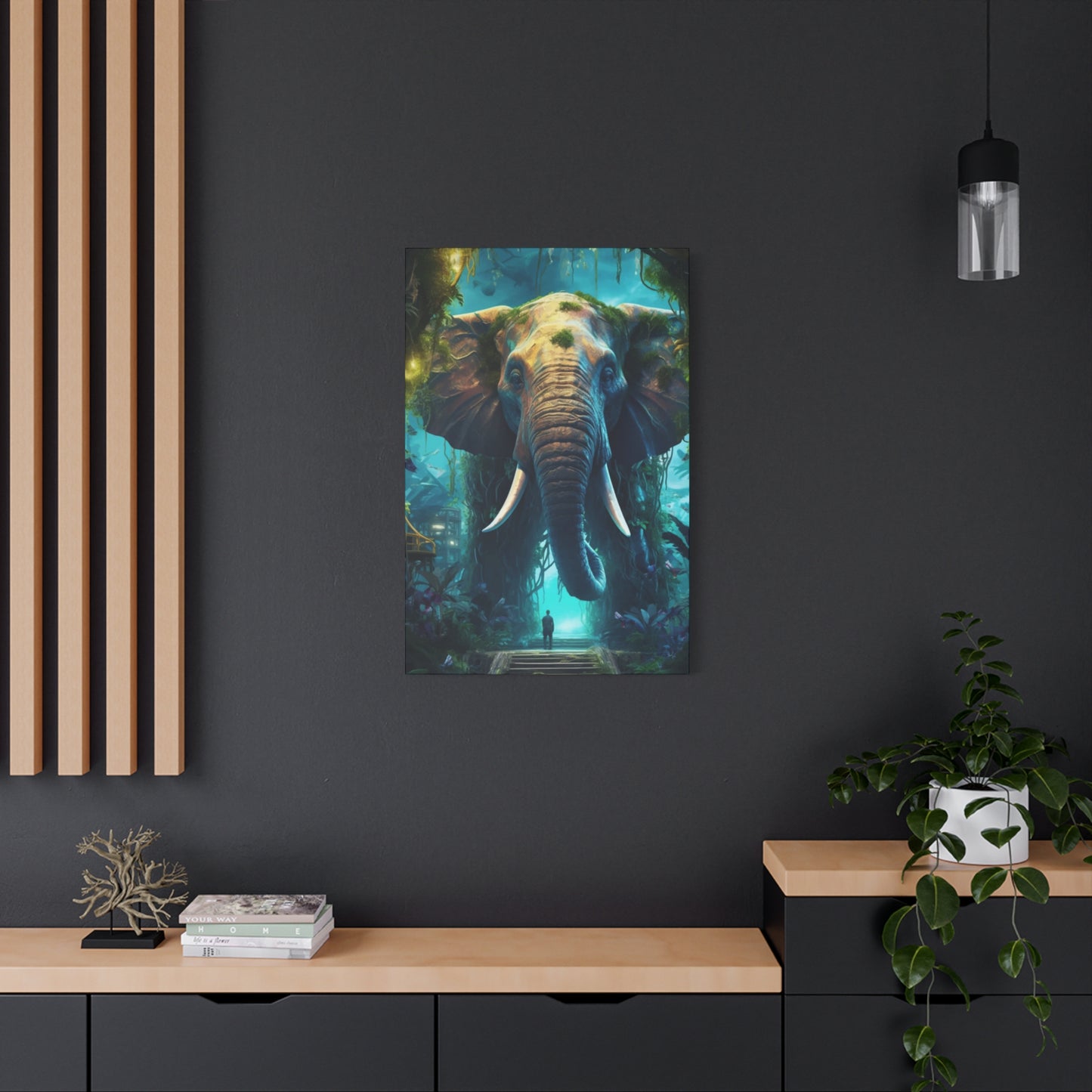


Elephant Statue Wall Art & Canvas Prints
Elephant Statue Wall Art & Canvas Prints
Couldn't load pickup availability
Enhance Your Home’s Aesthetic with Majestic Elephant Statue Wall Art and Beautiful Sculptural Accents
The world of interior design has witnessed a remarkable surge in the popularity of animal-inspired decorative pieces, with elephant-themed sculptural elements emerging as timeless favorites among homeowners, designers, and art collectors. These magnificent creatures, revered across cultures for their wisdom, strength, and gentle nature, have become powerful symbols that transform ordinary living spaces into extraordinary sanctuaries of style and meaning.
Elephant statue wall art represents more than mere decoration; it embodies a profound connection between human appreciation for nature's grandeur and the desire to bring that majesty into our personal environments. From ancient civilizations that carved these gentle giants into temple walls to contemporary artisans who craft stunning three-dimensional pieces, the elephant has maintained its position as one of the most sought-after subjects in decorative arts.
The Cultural Significance and Symbolic Power Behind Elephant-Inspired Decorative Pieces
Throughout human civilization, elephants have occupied a special place in cultural narratives, religious practices, and artistic expressions. In Hindu traditions, Lord Ganesha, the elephant-headed deity, represents wisdom, prosperity, and the removal of obstacles. This divine association has made elephant imagery particularly auspicious in homes, where these sculptures are believed to attract positive energy and good fortune.
African cultures view elephants as symbols of strength, honor, stability, and patience. The matriarchal structure of elephant herds has also made them powerful representations of feminine energy, family bonds, and protective instincts. When incorporated into home decor, these meanings extend beyond aesthetics, creating spaces that resonate with deeper significance.
In Chinese feng shui practices, the elephant holds tremendous importance as a creature that brings protection, wisdom, and successful endeavors. Positioning these sculptures at entrances or in specific areas of the home is thought to channel beneficial energies, creating harmonious environments that support the inhabitants' wellbeing and aspirations.
The trunk position of elephant sculptures carries particular significance in various belief systems. An upward-facing trunk symbolizes good luck, prosperity, and the showering of positive energy upon the household. A downward trunk represents stored wisdom and accumulated blessings, while a trunk directed toward the ground signifies longevity and the ability to overcome challenges.
Exploring the Vast Array of Materials Used in Sculptural Elephant Decorations
The material composition of elephant statue wall art significantly impacts its aesthetic appeal, durability, and suitability for different environments. Each material brings unique characteristics that influence how the piece interacts with light, complements surrounding decor, and withstands environmental factors.
Metalwork has emerged as one of the most popular choices for creating elephant sculptures, with artisans employing various metals to achieve different effects. Wrought iron pieces offer industrial charm and rustic appeal, their dark finishes creating dramatic contrast against lighter walls. These sculptures often feature intricate cutwork patterns that cast fascinating shadows, adding depth and movement to static walls.
Bronze elephant sculptures exude timeless elegance and classical beauty. The metal's natural patina develops over time, adding character and authenticity to the piece. Bronze's weight and density convey substance and permanence, making these sculptures ideal for creating focal points in formal living spaces, studies, or entranceways.
Brass sculptures present a warmer metallic option, their golden tones bringing luminosity and richness to interior spaces. Traditional craftspeople in regions like India have perfected brass casting methods passed down through generations, creating pieces that blend cultural authenticity with artistic excellence. The metal's malleability allows for intricate detailing, from the delicate wrinkles of elephant skin to the fine features of ornamental decorations.
Aluminum offers a lightweight alternative that facilitates easier mounting while still providing metallic aesthetics. Modern manufacturers often treat aluminum with various finishes, from brushed surfaces to powder-coated colors, expanding the design possibilities for contemporary spaces.
Wood carving represents one of humanity's oldest artistic traditions, and elephant sculptures crafted from timber carry warmth and organic beauty that metal cannot replicate. Different wood species offer varying grain patterns, colors, and textures. Teak, renowned for its durability and rich brown tones, creates sculptures that develop deeper character over decades. Mahogany provides reddish hues and fine grain that polishes beautifully, while lighter woods like maple or birch suit modern, minimalist aesthetics.
Hand-carved wooden elephants showcase the artisan's skill through detailed trunk textures, expressive eyes, and realistic proportions. Some craftspeople incorporate mixed woods, creating contrast through different natural tones rather than relying on paints or stains. These pieces celebrate the natural beauty of timber while demonstrating human craftsmanship at its finest.
Resin has revolutionized decorative sculpture production, offering affordability without sacrificing artistic quality. Modern molding processes allow manufacturers to reproduce intricate designs with remarkable precision and consistency. Resin's versatility enables artists to achieve effects difficult or impossible with traditional materials, including translucent sections, embedded elements, or complex color gradations.
High-quality resin sculptures can convincingly mimic stone, metal, or wood textures while remaining significantly lighter and more affordable. This accessibility has democratized art ownership, allowing more people to incorporate sophisticated decorative pieces into their homes regardless of budget constraints.
Stone carving represents the pinnacle of permanence and natural beauty in sculptural arts. Marble elephant reliefs bring classical elegance reminiscent of ancient temples and palaces. The stone's crystalline structure creates subtle translucency that seems to glow when properly lit, adding ethereal quality to these already majestic creatures.
Granite offers dramatic coloring and exceptional durability, its speckled patterns adding visual interest to simplified forms. Sandstone provides earthy warmth and accepts fine detailing well, making it suitable for intricate relief work. Soapstone's softness facilitates carving while its smooth finish appeals to tactile appreciation.
Ceramic and porcelain elephants bridge decorative sculpture and pottery traditions. Glazing possibilities range from matte earthiness to glossy brilliance, with colors limited only by the artist's imagination. Hand-painted ceramic pieces become unique artworks, while mass-produced versions offer consistency for coordinated decorating schemes.
Design Styles That Transform Spaces Through Elephant Sculptural Elements
The stylistic approach of elephant statue wall art dramatically influences how these pieces integrate into existing decor schemes and contribute to overall spatial aesthetics. Understanding different design philosophies helps in selecting sculptures that enhance rather than clash with established interior environments.
Traditional designs draw inspiration from centuries-old artistic conventions, particularly from cultures where elephants hold special significance. Indian temple-style sculptures feature elaborate ornamentation, with elephants adorned in ceremonial trappings, jeweled headdresses, and decorative blankets. These pieces often incorporate bright colors, intricate patterns, and religious symbolism that reflect their cultural origins.
African tribal styles emphasize the elephant's power and nobility through bold, simplified forms and earth-tone palettes. These sculptures capture the essence of the creature rather than photorealistic details, using stylized proportions and abstract elements that connect to indigenous artistic traditions. Natural materials like wood, stone, and bone remain prominent in authentic tribal-inspired pieces.
Contemporary designs reimagine elephants through modern artistic lenses, often emphasizing clean lines, geometric abstraction, or unexpected material combinations. Minimalist interpretations might reduce the elephant to its most essential silhouette, creating sophisticated pieces that complement streamlined interiors. Other contemporary approaches fragment or deconstruct the elephant form, creating conversation pieces that challenge conventional representation.
Industrial-style elephant sculptures embrace raw materials and unfinished aesthetics. Exposed welds, rough textures, and utilitarian forms characterize these pieces, which often incorporate recycled metals or reclaimed materials. The intentional imperfection and honest materiality appeal to those who appreciate authenticity and sustainability in their decor choices.
Art deco influences bring symmetry, streamlined forms, and luxurious materials to elephant sculptures. These pieces often feature stylized proportions, geometric patterning, and metallic finishes that recall the glamorous aesthetics of the 1920s and 1930s. Chrome, mirror finishes, and bold contrasts characterize this sophisticated approach.
Rustic and farmhouse styles present elephants in weathered, distressed finishes that suggest age and history. These pieces complement country aesthetics, shabby chic interiors, and spaces that emphasize comfort over formality. Whitewashed wood, weathered metals, and intentionally aged patinas create the desired vintage appearance.
Bohemian approaches embrace eclecticism, mixing cultural influences, vibrant colors, and unconventional combinations. Elephant sculptures in this style might feature mosaic tile work, mixed media construction, or globally-inspired embellishments that reflect the free-spirited, well-traveled aesthetic associated with boho design philosophies.
Sizing Considerations for Achieving Proper Visual Balance in Interior Spaces
The dimensions of elephant statue wall art critically affect its impact and appropriateness for specific locations. Understanding scale relationships between sculptures and their surroundings prevents decorating mistakes and ensures pieces enhance rather than overwhelm or disappear within spaces.
Small-scale pieces measuring under twelve inches work beautifully as part of gallery walls or grouped arrangements. These compact sculptures add detail and interest without dominating attention, making them suitable for creating visual rhythm among multiple decorative elements. Their modest size allows for frequent rearrangement, enabling seasonal refreshes or mood-based changes without significant effort.
Medium-sized sculptures ranging from twelve to twenty-four inches serve as effective accent pieces that draw attention without overwhelming spaces. These proportions work well above console tables, on mantels, or as focal points in smaller rooms like bathrooms or home offices. Their substantial presence creates impact while remaining manageable for installation and maintenance.
Large-scale pieces exceeding twenty-four inches make bold statements and function as primary focal points in spacious rooms. These commanding sculptures require careful placement consideration, as their size demands adequate surrounding space to prevent cramped appearances. High ceilings and open floor plans provide ideal settings for showcasing oversized elephant art.
Vertical versus horizontal orientation affects how sculptures interact with architectural elements and furniture arrangements. Tall, vertically-oriented pieces draw eyes upward, emphasizing ceiling height and creating elegant vertical lines that counterbalance low, horizontal furniture. Horizontally-arranged sculptures or relief panels complement long walls, mantels, or spaces above sofas and beds.
Depth and projection from walls influence practical considerations like clearance for doors, traffic flow, and potential impacts from passing household members. Deeply three-dimensional sculptures create dramatic shadows and dimensional interest but require sufficient space to avoid accidents. Shallow relief work provides visual interest while maintaining minimal spatial intrusion.
Grouping multiple smaller pieces allows for creative arrangements that collectively create impact comparable to single large sculptures. Clustering three elephants in varying sizes creates dynamic compositions with implied movement and relationship. Arranging similar pieces at different heights adds vertical interest and visual complexity to otherwise plain walls.
Strategic Placement That Maximizes Visual Impact and Spatial Harmony
Where you position elephant statue wall art significantly influences its effectiveness as a decorative element and its interaction with the room's overall energy and flow. Thoughtful placement considers both aesthetic principles and practical realities of daily life.
Entryways and foyers benefit tremendously from elephant sculptures, which create immediate impressions on visitors while welcoming residents home. The symbolism of elephants as protectors and fortune-bringers makes them particularly appropriate for these transitional spaces. Positioning sculptures at eye level ensures maximum visibility and impact, while adequate lighting prevents these important pieces from disappearing into shadowy corners.
Living rooms offer numerous placement opportunities depending on furniture arrangements and architectural features. Above sofas, elephant wall art creates focal points that anchor seating areas and provide visual interest for conversation spaces. Fireplace mantels provide natural display platforms where sculptures catch attention without competing with the fire's movement. Corner installations transform underutilized spaces into interesting vignettes that reward closer examination.
Dining areas present opportunities to incorporate elephant sculptures that enhance the social atmosphere of shared meals. Positioning pieces where they're visible from the table allows guests to appreciate the artwork while maintaining comfortable conversation distances. The elephant's association with family and community makes these creatures particularly appropriate for gathering spaces.
Bedrooms become personal sanctuaries when decorated with meaningful artwork. Elephant sculptures above beds create calming focal points visible upon waking, setting positive tones for each day. Alternative placements opposite beds provide restful focal points for pre-sleep contemplation. The gentle nature associated with elephants contributes to peaceful bedroom atmospheres conducive to rest and relaxation.
Home offices and study spaces benefit from elephant symbolism related to wisdom, memory, and focused determination. Positioning sculptures within the visual field while working serves as subtle inspiration during challenging tasks. The elephant's reputation for never forgetting aligns perfectly with spaces dedicated to learning and intellectual pursuits.
Outdoor spaces increasingly incorporate weather-resistant elephant sculptures that bring artistic elements to gardens, patios, and porches. These placements require materials specifically suited to environmental exposure, but successfully implemented pieces create seamless transitions between interior and exterior living areas. Garden elephants partially obscured by foliage create delightful discovery moments for visitors exploring outdoor spaces.
Hallways and corridors transform from mere passages into gallery-like experiences when adorned with appropriately scaled elephant art. These often-overlooked spaces benefit from decorative attention that rewards movement through the home. Proper spacing between multiple pieces creates rhythm and prevents cluttered appearances in these typically narrow areas.
Bathroom spaces might seem unconventional for substantial artwork, but appropriately sized elephant sculptures add personality to rooms often treated as purely functional. Water-resistant materials and proper ventilation prevent moisture damage while these unexpected placements become conversation pieces that demonstrate decorating confidence.
Color Palette Selection for Harmonizing Sculptures With Existing Interior Design Schemes
The color treatment of elephant statue wall art profoundly affects how pieces integrate with surrounding decor and contribute to overall color schemes. Understanding color relationships and psychological effects guides selection processes toward choices that enhance intended atmospheres.
Metallic finishes bring inherent elegance and versatility to elephant sculptures. Silver and chrome tones project cool sophistication that complements modern, minimalist, and contemporary interiors. These reflective surfaces interact dynamically with changing light conditions throughout the day, creating visual interest through shifting highlights and reflections. Metallic elephants pair beautifully with monochromatic color schemes, providing texture and dimension without introducing additional hues.
Gold and brass tones radiate warmth and luxury, their rich appearance elevating spaces toward more formal, opulent aesthetics. These warm metallics complement traditional decor, bohemian styles, and spaces incorporating jewel-tone accent colors. The timeless appeal of golden elephants ensures they remain stylish across changing trends while their association with prosperity amplifies the positive symbolism already inherent in elephant imagery.
Copper and bronze finishes occupy middle ground between gold's warmth and silver's coolness, offering unique reddish-brown tones that develop natural patinas over time. These living finishes change gradually, adding character and history to sculptures while maintaining their essential beauty. Copper elephants particularly suit rustic, industrial, and southwestern design schemes.
Natural wood tones provide organic warmth that softens spaces and connects interiors with nature. Light woods like pine, birch, or maple brighten rooms and complement Scandinavian, modern farmhouse, and coastal design styles. Medium woods including oak, walnut, and teak offer versatile brown tones that coordinate with numerous color schemes while providing substantial visual presence. Dark woods like ebony, mahogany, and stained finishes create dramatic contrast and formal elegance suitable for traditional and transitional interiors.
White and cream elephants project purity, simplicity, and serenity. These light-colored sculptures brighten spaces, reflect light effectively, and create airy feelings in rooms regardless of actual square footage. White elephants hold special cultural significance in Southeast Asian traditions, representing rarity, preciousness, and royal connections. These pale sculptures particularly suit coastal, shabby chic, and French country design aesthetics.
Black and charcoal elephants make bold statements through dramatic contrast, especially when positioned against lighter walls. These dark sculptures anchor spaces visually and provide grounding elements in predominantly light color schemes. The sophistication of black elephants complements modern, industrial, and masculine-leaning interiors while their dramatic presence ensures they command attention.
Earth tones including browns, tans, terra cotta, and ochre create natural, grounded feelings that connect spaces with organic beauty. These warm, neutral colors coordinate effortlessly with numerous design styles and existing color schemes, making earth-toned elephants safe yet interesting choices for uncertain decorators. The natural association between elephants and earth enhances the authenticity of these color selections.
Vibrant colors transform elephant sculptures into statement pieces that inject personality and energy into spaces. Turquoise elephants bring bohemian flair and tropical vibrancy. Red sculptures introduce passion and vitality while honoring color symbolism from Asian cultures where red represents luck and celebration. Multi-colored or painted elephants showcase artistic creativity and work beautifully in eclectic, maximalist, or globally-inspired interiors.
Patinated and weathered finishes create appearances of age and history, suggesting sculptures have witnessed decades or centuries of life. These treatments particularly suit vintage, shabby chic, and rustic design schemes where imperfection and wear contribute to authenticity and character. Verdigris copper, rusted iron, and whitewashed wood exemplify popular weathered treatments.
Craftsmanship Levels That Distinguish Mass-Produced Pieces From Artisan Creations
The quality and method of production significantly affect elephant statue wall art's appearance, durability, value, and emotional impact. Understanding craftsmanship differences helps consumers make informed purchasing decisions aligned with their priorities, budgets, and values.
Handcrafted artisan pieces represent the pinnacle of personalized creativity and skilled execution. Individual artists bring unique perspectives, personal styles, and years of practiced expertise to each creation. No two truly handmade pieces are identical; subtle variations in proportions, surface textures, and finishing details make each sculpture genuinely one-of-a-kind. This uniqueness appeals to collectors and decorators seeking distinctive pieces that reflect individual taste rather than mass-market trends.
Traditional carving methods passed through generations maintain cultural continuity and preserve ancestral techniques. Artisans trained in these time-honored approaches create sculptures that connect contemporary homes with historical artistic traditions. Whether woodcarvers in Bali, stone sculptors in India, or metalworkers in Africa, these craftspeople produce works carrying cultural authenticity that factory production cannot replicate.
The investment of time distinguishes handcrafted work from manufactured alternatives. A single wooden elephant might require dozens of hours to carve, sand, and finish. This temporal investment translates to higher costs but also superior quality, thoughtful execution, and emotional value. Knowing that a human artist devoted substantial time and skill to creating a piece adds intangible worth beyond mere physical attributes.
Limited production runs and small-batch manufacturing occupy middle ground between unique artisan works and mass production. Studios and workshops producing multiple copies of designs achieve consistency while maintaining quality control and some handcrafted elements. These pieces offer more affordability than one-of-a-kind works while preserving artistic merit and superior quality compared to fully automated manufacturing.
Factory-manufactured sculptures utilize molds, machines, and assembly-line processes to produce identical pieces in large quantities. This efficiency dramatically reduces costs, making elephant wall art accessible to broader audiences with limited budgets. Modern manufacturing capabilities produce remarkably detailed results, with high-quality examples rivaling handmade appearance at fractions of costs. However, mass production eliminates uniqueness and the personal connection between creator and creation.
Material quality varies significantly across production levels. Artisan pieces typically employ superior materials selected for inherent beauty and durability. Factory production often prioritizes cost-effectiveness, potentially using thinner metals, composite woods, or lower-grade resins that compromise longevity and appearance. Examining material specifications and construction methods helps assess value and expected lifespan.
Surface finishing and detailing reveal craftsmanship quality upon close inspection. Hand-applied patinas create nuanced color variations and authentic aging effects. Machine-applied finishes may appear more uniform but lack depth and character. Fine details like realistic skin texturing, expressive eyes, and accurate anatomical proportions distinguish superior sculptures from simplified mass-market versions.
Artist signatures, edition numbers, and provenance documentation authenticate handcrafted pieces and provide information supporting value assessment. These markers indicate pieces worthy of consideration as collectible art rather than disposable decor. Even when purchasing reproductions or manufactured pieces, selecting companies with reputations for quality and fair practices ensures satisfaction and ethical consumption.
Secure Mounting Methods That Protect Both Walls and Valuable Sculptures
Proper hanging systems ensure elephant statue wall art remains safely positioned while preventing damage to walls or the sculptures themselves. Understanding various mounting approaches and selecting appropriate methods for specific pieces prevents accidents and preserves both artwork and architectural surfaces.
Weight considerations dictate mounting method selection. Lightweight pieces under five pounds safely hang from standard picture hooks with nails driven into wall studs or drywall anchors. Medium-weight sculptures between five and twenty pounds require more substantial support, typically involving wall anchors rated for appropriate loads or mounting directly into studs. Heavy pieces exceeding twenty pounds demand professional-grade mounting systems including substantial anchors, French cleats, or even steel brackets secured to structural elements.
Wall composition affects anchor selection and installation techniques. Drywall, the most common interior wall surface, requires proper anchoring to prevent pullout under sculpture weight. Toggle bolts, molly bolts, and threaded drywall anchors provide secure holds when stud mounting isn't possible. Plaster walls demand specialized anchors designed for brittle materials, while brick and concrete require masonry-specific anchors and appropriate drill bits.
Built-in hanging hardware on sculptures varies tremendously in quality and suitability. Inexpensive pieces often feature minimal hanging provisions that compromise security and limit positioning options. Superior sculptures incorporate robust mounting systems designed by creators who understand structural requirements. Assessing provided hardware before hanging prevents disappointments and potential accidents. Replacing inadequate factory hardware with appropriate alternatives requires modest skill but significantly improves outcomes.
D-rings and sawtooth hangers represent common hanging hardware types, each with advantages and limitations. D-rings attached to sculpture backs allow flexibility in positioning while distributing weight across two mounting points. Sawtooth hangers work well for lightweight pieces but concentrate stress on single points. Evaluating which hardware type suits specific sculptures and wall conditions guides successful mounting.
French cleats provide exceptional security for heavier sculptures through interlocking beveled pieces. One component attaches to the wall, typically anchored into multiple studs, while its mate affixes to the sculpture back. When hung, these interlocking pieces create extremely stable connections capable of supporting substantial weight. The system allows easy removal for cleaning or rearrangement while maintaining security during display.
Standoff mounting creates floating appearances with sculptures projecting from walls without visible support hardware. This contemporary approach requires concealed mounting systems behind sculptures, typically involving threaded rods anchored securely into walls. The resulting visual effect appears gravity-defying, adding drama and modernity to traditional elephant subjects. However, this mounting style demands precise measurement, level placement, and substantial structural support.
Professional installers bring expertise valuable for particularly heavy, expensive, or complex mounting situations. Their experience identifies potential problems before they occur, ensures structural integrity, and typically includes insurance coverage protecting against damages during installation. While adding expense, professional mounting provides peace of mind for significant investments.
Wall preparation before mounting prevents subsequent problems. Locating studs with electronic finders or traditional knocking methods ensures access to solid mounting points. Marking desired positions with light pencil allows positioning assessment before committing to permanent holes. Using levels guarantees sculptures hang straight, preventing crooked appearances that distract from artistic merit.
Creating Cohesive Visual Narratives Through Complementary Decor Elements
Elephant statue wall art achieves maximum impact when thoughtfully integrated within broader decorating schemes that support and enhance sculptural elements rather than competing for attention. Building cohesive visual environments requires considering relationships between sculptures and surrounding furnishings, colors, textures, and accessories.
Furniture selection and arrangement significantly affect how elephant sculptures interact with rooms. Positioning pieces above furniture establishes clear visual relationships between sculptural art and functional elements. Scale relationships matter tremendously; massive sculptures above delicate furniture create jarring disconnects, while tiny pieces above substantial furniture disappear. Maintaining appropriate proportional relationships ensures harmonious integration.
Complementary artwork and decorative accessories should enhance rather than overwhelm elephant sculptures. Gallery wall arrangements incorporating elephant pieces alongside other artwork create eclectic, collected appearances that demonstrate sophisticated curatorial judgment. However, maintaining cohesive themes, color palettes, or stylistic approaches prevents chaotic, disorganized appearances. Alternative approaches position elephant sculptures as standalone focal points surrounded by negative space that emphasizes their importance.
Textile selections including pillows, throws, rugs, and window treatments provide opportunities to echo colors, textures, or themes present in elephant sculptures. Picking up metallic finishes from bronze elephants in pillow fabrics creates subtle visual connections that unify spaces. Animal print textiles or globally-inspired patterns complement elephant themes without literally repeating elephant imagery.
Plant selections and placement create natural partnerships with elephant sculptures, particularly given these creatures' strong associations with natural environments. Positioning sculptures near substantial potted plants or botanical arrangements suggests the creatures' native habitats while adding organic softness to potentially hard sculptural materials. Trailing vines, tropical foliage, or architectural plants like fiddle leaf figs work particularly well with elephant themes.
Lighting dramatically affects how elephant sculptures appear and interact with spaces. Directed accent lighting highlights dimensional details, emphasizes textures, and creates dramatic shadows that enhance visual interest. Picture lights mounted above sculptures provide museum-quality illumination that signals artistic importance. Ambient lighting from nearby lamps or natural window light creates softer effects appropriate for casual, comfortable environments.
Sculptural forms in other room elements can echo shapes, curves, or visual weight present in elephant art. Rounded furniture edges, organic forms in accessories, or curved architectural elements create visual conversations with elephants' rounded bodies and curved trunks. These subtle repetitions unify spaces through design principles rather than literal matching.
Cultural consistency strengthens thematic coherence when desired. Pairing elephant sculptures with other globally-inspired elements like Moroccan lanterns, Indian textiles, or African baskets creates internationally-influenced interiors that tell cohesive stories. However, eclecticism remains equally valid, with elephant sculptures bridging diverse influences through their universal appeal and adaptability.
Negative space surrounding elephant sculptures provides visual breathing room that prevents cluttered appearances. Restraint in accessorizing allows sculptures to command attention without competition. This minimalist approach emphasizes quality over quantity, permitting fewer, better pieces to create stronger impacts than numerous mediocre items competing for notice.
Preserving Beauty Through Proper Cleaning and Environmental Protection
Maintaining elephant statue wall art in pristine condition requires understanding material-specific care requirements and implementing appropriate cleaning routines that preserve appearance without causing damage. Different materials demand distinct approaches, but all benefit from regular attention preventing deterioration and dirt accumulation.
Metal sculptures including iron, bronze, brass, and aluminum require cleaning methods appropriate to their specific compositions and finishes. Dusting represents the most fundamental maintenance task, with soft cloths or feather dusters removing surface dirt before it accumulates and bonds to finishes. Microfiber cloths work exceptionally well, capturing particles without scratching surfaces.
Polished metals benefit from occasional deeper cleaning using products specifically formulated for particular metal types. Brass and copper polishes restore shine to tarnished surfaces while removing oxidation that dulls appearances. However, some owners prefer allowing natural patinas to develop, viewing these changes as enhancements rather than deterioration. Understanding personal preferences guides whether to maintain original finishes or embrace aging.
Painted or coated metal surfaces require gentler approaches avoiding abrasive materials or harsh chemicals that damage protective layers. Damp cloths with mild soap solutions remove accumulated grime without compromising paint or powder coat finishes. Thorough drying prevents water spots and moisture-related damage.
Wooden elephant sculptures demand careful moisture management. Excessive humidity causes swelling and potential cracking, while overly dry conditions lead to shrinkage and splitting. Maintaining stable indoor humidity levels between forty and sixty percent preserves wood integrity. Dusting with soft, dry cloths removes surface dirt, while occasional treatment with appropriate wood oils or polishes nourishes timber and enhances natural beauty.
Avoiding direct sunlight exposure protects wood from fading and prevents UV damage that degrades finish integrity over time. Positioning wooden sculptures away from windows or using window treatments to filter harsh light extends their pristine appearance across decades. Similarly, maintaining distance from heating vents or radiators prevents localized drying that promotes cracking.
Resin and polymer sculptures offer easier maintenance than natural materials, typically requiring only periodic cleaning with damp cloths and mild detergents. These synthetic materials resist moisture damage, won't warp or crack from environmental changes, and maintain colors without fading concerns. However, avoiding abrasive scrubbing prevents surface scratching that dulls finishes.
Stone sculptures display remarkable durability but benefit from appropriate care preserving their appearance. Dusting prevents dirt accumulation in textured surfaces where grime becomes difficult to remove once embedded. Periodic washing with water and gentle brushes removes deeper soil without harming stone. Avoiding acidic cleaners protects against etching, particularly important for marble and limestone vulnerable to acid damage.
Sealing porous stones like sandstone and limestone protects against staining and moisture penetration. Specialized stone sealers create protective barriers without altering appearance, extending the life of outdoor pieces or sculptures in high-humidity environments like bathrooms. Reapplication every few years maintains protection as initial applications gradually wear.
Ceramic and porcelain elephants tolerate more aggressive cleaning than most materials, with glazed surfaces resisting stains and moisture damage. However, unglazed or partially glazed pieces require more careful handling. Hand washing fragile ceramic sculptures prevents dishwasher damage, while careful handling prevents chips and cracks from impacts.
Environmental hazards including smoke, cooking grease, and airborne pollutants gradually soil all sculptures regardless of material. Regular dusting and periodic deeper cleaning prevent buildup that becomes increasingly difficult to remove over time. Homes with heavy cooking, smoking, or air quality issues require more frequent cleaning to maintain sculpture appearance.
Seasonal Styling That Refreshes Spaces Throughout the Year
Elephant statue wall art provides year-round visual interest, but creative seasonal styling keeps interiors feeling fresh and responsive to changing seasons without requiring permanent changes or major redecorating efforts. Strategic accessorizing around stable sculptural elements offers flexibility while maintaining core design elements.
Spring rejuvenation emphasizes renewal, growth, and fresh beginnings. Surrounding elephant sculptures with flowering branches, pastel accent colors, or light, airy textiles celebrates seasonal themes while maintaining the sculpture as a constant presence. Swapping heavy winter textiles for lighter fabrics refreshes rooms without displacing permanent decorative elements.
Summer styling embraces vibrant colors, tropical influences, and relaxed indoor-outdoor living. Positioning potted palms, ferns, or tropical flowers near elephant sculptures enhances the creatures' associations with exotic environments. Bright accent pillows, lightweight throws, and breezy window treatments create seasonal atmospheres while sculptures remain focal points.
Autumn decoration incorporates rich, warm colors reflecting changing foliage and harvest abundance. Golden and bronze elephant sculptures particularly shine during fall months when their metallic tones harmonize with seasonal color palettes. Surrounding sculptures with seasonal elements like gourds, dried grasses, or autumn foliage creates temporary vignettes celebrating seasonal transitions.
Winter styling might incorporate metallics, crystalline elements, or jewel tones that create cozy, luxurious atmospheres during cold months. Heavier textiles, layered throws, and deeper color saturations make rooms feel warm and inviting while elephant sculptures maintain consistent presence through seasonal changes. Positioning sculptures near fireplaces or sources of warm light emphasizes cozy feelings.
Holiday decoration presents opportunities for creative, temporary styling around permanent sculptural elements. Rather than displacing elephant art during festive seasons, incorporating sculptures into holiday displays demonstrates decorating sophistication and prevents rooms from appearing exclusively themed. Subtle additions like garlands, seasonal flowers, or complementary decorations near sculptures maintain year-round design continuity while acknowledging celebrations.
Shopping Strategies for Discovering Exceptional Elephant Sculptural Pieces
Finding elephant statue wall art that perfectly suits specific spaces, budgets, and aesthetic preferences requires strategic shopping approaches that balance quality, authenticity, value, and personal connection. Understanding where and how to shop optimizes chances of discovering ideal pieces while avoiding disappointments.
Local artisan markets and craft fairs provide opportunities to meet creators, examine pieces personally, and purchase unique handmade works. These venues support local artists while enabling detailed inspections impossible through online shopping. Conversations with makers provide insights into creative processes, material selections, and care requirements while establishing personal connections that enhance ownership satisfaction.
Gallery and boutique shopping offers curated selections and expert guidance from knowledgeable staff. These specialized retailers typically maintain quality standards, authenticate pieces, and provide information about artists and origins. While prices reflect overhead costs and curation expertise, the shopping experience and assurance of quality justify premiums for many buyers.
Antique shops and vintage markets yield unique finds with history and character impossible to replicate in new production. Vintage elephant sculptures carry stories from previous eras, offering distinctive styles reflecting past design trends. Patient shoppers discover treasures at reasonable prices, though condition assessment skills prove valuable for evaluating restoration needs and structural integrity.
Import stores specializing in globally-sourced goods provide access to culturally authentic pieces produced in regions where elephants hold special significance. These retailers typically work directly with international artisans, ensuring fair compensation while offering prices lower than pieces passing through multiple intermediaries. Authenticity and cultural appropriateness make these sources particularly appealing for decorators seeking genuine expressions from elephant-revering cultures.
Online marketplaces expand options beyond local availability, connecting buyers with global sellers offering virtually unlimited selection. However, inability to physically inspect pieces before purchase introduces risks. Carefully reading descriptions, examining multiple photos, checking seller ratings, and understanding return policies minimize disappointments. Established platforms with buyer protection programs reduce transaction risks.
Artist websites and online galleries enable direct purchases from creators, eliminating middlemen while ensuring artists receive fair compensation. Many sculptors maintain online portfolios showcasing available works and accepting commissions for custom pieces. Direct relationships with artists provide opportunities for personalization impossible with mass-produced alternatives.
Home decor retailers and furniture stores increasingly incorporate sculptural artwork into their offerings, providing convenient one-stop shopping for furnishing entire rooms. While selections emphasize mass-market appeal over uniqueness, quality varies substantially across retailers. Examining construction quality, finish details, and material specifications helps identify superior options among manufactured choices.
Auction houses and estate sales occasionally feature exceptional sculptural pieces at potentially favorable prices. Knowledgeable bidders discover undervalued treasures, but competition can drive prices beyond reasonable levels. Understanding personal maximum prices before bidding prevents emotionally-driven overspending.
Commission opportunities allow patrons to collaborate with artists creating custom pieces precisely tailored to specific requirements regarding size, style, materials, and design elements. While requiring patience during creation periods and typically commanding premium prices, commissioned works achieve perfect fit for particular spaces and personal preferences.
Size, Scope, and Scaling Within Different Room Dimensions
Matching elephant statue wall art proportions to room sizes and architectural scales ensures harmonious integration that enhances rather than overwhelms or underwhelms spaces. Understanding spatial relationships guides selection processes toward appropriate choices for specific environments.
Compact rooms including powder rooms, small home offices, and cozy reading nooks accommodate smaller sculptures that create interest without dominating limited square footage. Pieces ranging from six to fifteen inches provide sufficient visual interest while maintaining proportional appropriateness. Positioning these modestly sized sculptures at eye level maximizes visibility despite their compact dimensions.
Medium-sized spaces like standard bedrooms, dining rooms, and studies accommodate more substantial sculptures that create meaningful focal points without overwhelming available wall space. Pieces ranging from fifteen to thirty inches achieve significant presence while leaving adequate negative space preventing cramped appearances. These intermediate sizes offer versatility for various placements including above furniture, centered on feature walls, or flanking architectural elements.
Large, open-plan living areas with high ceilings demand substantial sculptures that hold visual weight proportional to generous dimensions. Pieces exceeding thirty inches, including multi-panel installations or large relief sculptures, appropriately fill expansive walls without appearing inadequate. Dramatic scale creates impact matching architectural grandeur while anchoring furniture arrangements in oversized spaces.
Ceiling height significantly affects perceived sculpture proportions. Eight-foot standard ceilings limit maximum practical sculpture sizes, while nine-foot or higher ceilings accommodate larger pieces without appearing top-heavy or overwhelming. Vaulted or cathedral ceilings in great rooms demand particularly substantial sculptures properly scaled to dramatic vertical dimensions.
Wall length influences whether single large pieces or multiple smaller elements better serve design goals. Long, unbroken walls particularly benefit from horizontal arrangements of multiple pieces creating visual interest across expansive surfaces. Shorter walls typically accommodate individual sculptures more successfully than multiple competing elements.
Furniture placement affects practical sculpture size limits. Pieces positioned above sofas should align approximately with furniture width, typically ranging from two-thirds to three-quarters sofa length.
Final Thoughts
Elephant statue wall art offers a stunning way to infuse your living spaces with both grandeur and tranquility, transforming any room into a majestic, nature-inspired sanctuary. The elephant, a symbol of strength, wisdom, and resilience across various cultures, brings an undeniable presence to your home, especially when captured in the form of a sculptural piece. Its majestic form and deeply symbolic meanings elevate a space, creating an atmosphere of elegance, dignity, and grounding energy. By incorporating elephant wall sculptures, you not only enhance your room's visual appeal but also introduce a meaningful element that adds depth, richness, and character to your décor.
One of the most striking qualities of elephant statue wall art is its ability to create an instant focal point. The elephant, with its iconic, powerful silhouette, draws attention and commands admiration. Whether it's a full-body sculpture of an elephant standing proudly, a delicate portrayal of its head with intricately carved details, or an abstract interpretation that highlights the elegance of its trunk and tusks, the artwork introduces a sense of awe and reverence. This natural power and grace can elevate any room, making it feel grander and more distinguished. It's the kind of art that doesn’t just decorate a wall but transforms the entire ambiance of the room, inviting curiosity and conversation.
The elephant, in many cultures, is not just a majestic animal—it is also rich in symbolism. In Hindu culture, the elephant is revered as a symbol of wisdom, good fortune, and protection, with Ganesha, the elephant-headed god, being one of the most beloved deities. In African culture, elephants represent strength, family, and a deep connection to the earth. For many, the elephant also stands for resilience, as it is an animal known for its long memory and ability to overcome challenges. By incorporating elephant statue wall art into your home, you invite these powerful meanings into your environment. Whether you're seeking protection, wisdom, or simply an uplifting reminder of strength, the elephant offers a profound and positive influence.
Another aspect of elephant statue wall art is its versatility in complementing a wide range of interior styles. Whether your home has a traditional, modern, bohemian, or eclectic aesthetic, the elephant can seamlessly fit into various design schemes. For more contemporary spaces, sleek, minimalist elephant sculptures with smooth, geometric shapes or metallic finishes can add a touch of sophistication and elegance. In a more traditional or rustic setting, a handcrafted elephant wall sculpture made from wood, stone, or other natural materials can bring an earthy, grounded element that enhances the warmth and charm of the space. In bohemian or eclectic designs, colorful or abstract elephant wall art can add personality, life, and energy to the room. This adaptability makes the elephant statue wall art a timeless choice that can grow with your design preferences.
Elephant wall art, particularly in sculptural form, also introduces texture and dimension into your space. The tactile nature of a 3D sculpture adds an element of depth that flat artwork simply can’t achieve. The intricacy of the details—such as the folds of the elephant's skin, the curves of its trunk, and the graceful sweep of its tusks—creates a visual richness that captures attention from every angle. When the light hits the sculpture, it can cast intriguing shadows that further emphasize the art’s depth and form. This dimensional quality adds an extra layer of sophistication to your home, making the art piece not just something to look at, but something to experience.
Beyond aesthetics, elephant statue wall art also works to bring a calming, grounding energy into your space. Elephants, known for their gentle and calm demeanor, are often associated with tranquility and emotional balance. Placing an elephant sculpture in your home can create a serene environment that fosters relaxation and inner peace. This is particularly valuable in areas where you seek to unwind and rejuvenate, such as your living room or bedroom. The presence of the elephant, with its calm yet powerful energy, helps to center the space, making it feel more balanced and harmonious. It becomes a reminder of the importance of stillness and introspection, inviting a sense of calm into your daily life.
In addition to the sense of peace it brings, elephant wall art can also reflect your values and interests. For nature lovers or those who feel a deep connection to animals, an elephant sculpture is a powerful way to celebrate the beauty of wildlife and the majesty of these incredible creatures. It can also be a conversation starter, sparking discussions about the animal kingdom, conservation, and the cultural significance of elephants across the world. If you're passionate about supporting animal rights or wildlife preservation, choosing elephant art from sustainable and ethically sourced materials adds even more meaning to the piece. This makes the sculpture not only a beautiful piece of art but also a personal statement about your love for nature and commitment to preserving it.
Furthermore, elephant statue wall art can inspire a sense of personal growth and strength. Elephants are symbols of overcoming obstacles, and they carry with them an aura of persistence and endurance. In times of struggle, having this majestic animal represented in your space can serve as a visual reminder to remain strong, patient, and determined. It acts as a motivational piece in your home, offering strength during challenging times and grounding energy when you need it most. This is particularly impactful in spaces like a home office, study, or workspace, where it can encourage focus, resilience, and a positive mindset.
Elephant wall art also makes for a wonderful gift. Whether for a new homeowner, someone celebrating a milestone, or a nature enthusiast, an elephant sculpture carries a deep, thoughtful meaning that makes it an exceptional gift choice. Its universal symbolism of wisdom, protection, and strength resonates with people of all ages and backgrounds, making it a meaningful gesture that will be appreciated for years to come. In addition, the sheer beauty and uniqueness of sculptural art ensure that the recipient will cherish it as both a decorative and sentimental piece.
Finally, like all meaningful artwork, elephant statue wall art offers longevity. The timeless nature of this subject, paired with its cultural and symbolic significance, ensures that it will continue to resonate with you for years to come. Whether you’re displaying it as a personal symbol of strength, a tribute to wildlife, or simply as an elegant piece of décor, an elephant wall sculpture can become a cherished part of your home for generations.
In conclusion, elephant statue wall art is more than just a decorative element—it is a powerful statement piece that brings beauty, wisdom, and tranquility to any space. Whether you choose a sleek, modern design or a more intricate, rustic piece, an elephant sculpture introduces depth, symbolism, and a sense of majesty into your home. The elephant, with its strength and gentle spirit, serves as a reminder of resilience, wisdom, and connection to the natural world. By incorporating elephant art into your living space, you create a room that is not only visually stunning but also filled with positive energy, making it a place of inspiration, balance, and lasting beauty.
Share