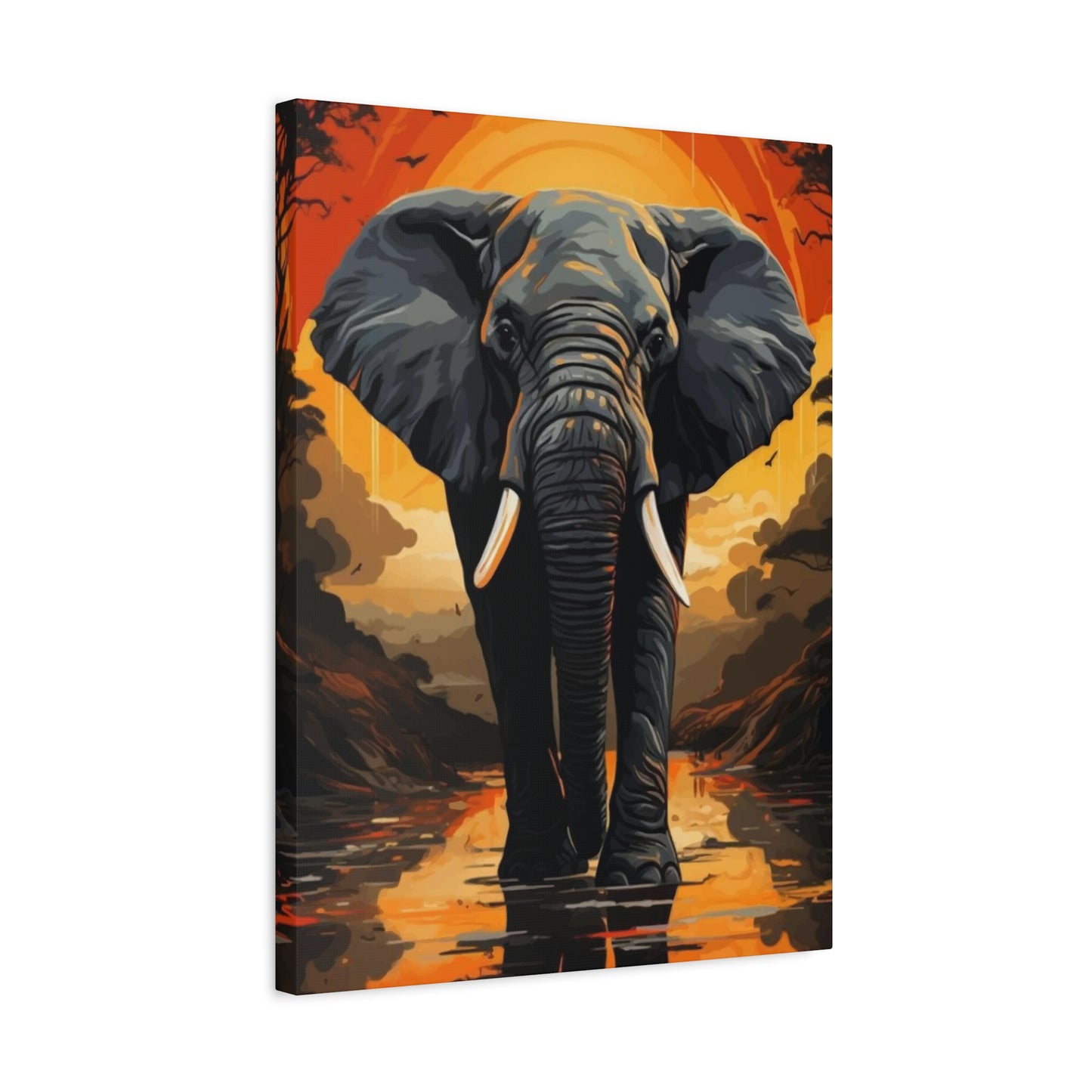
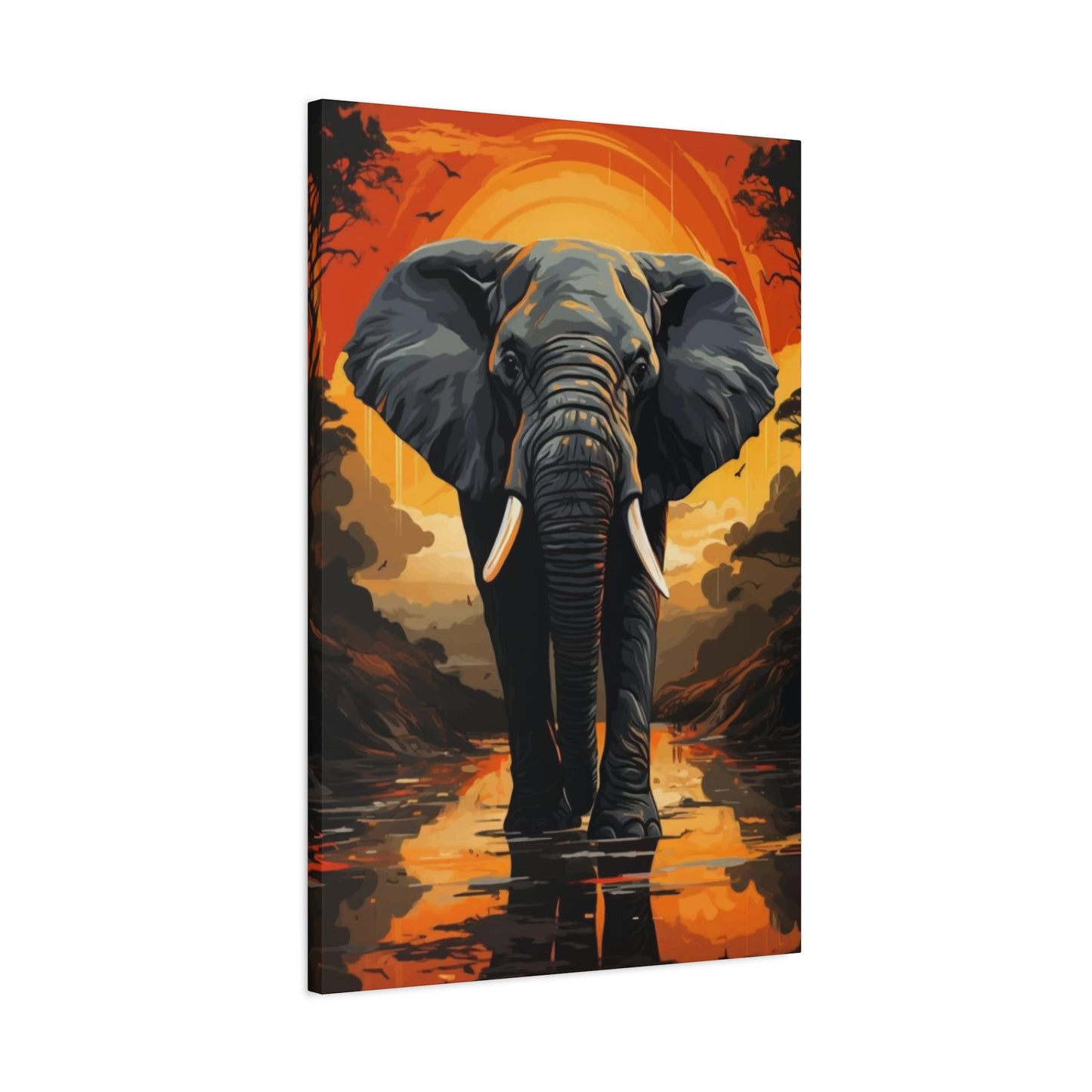
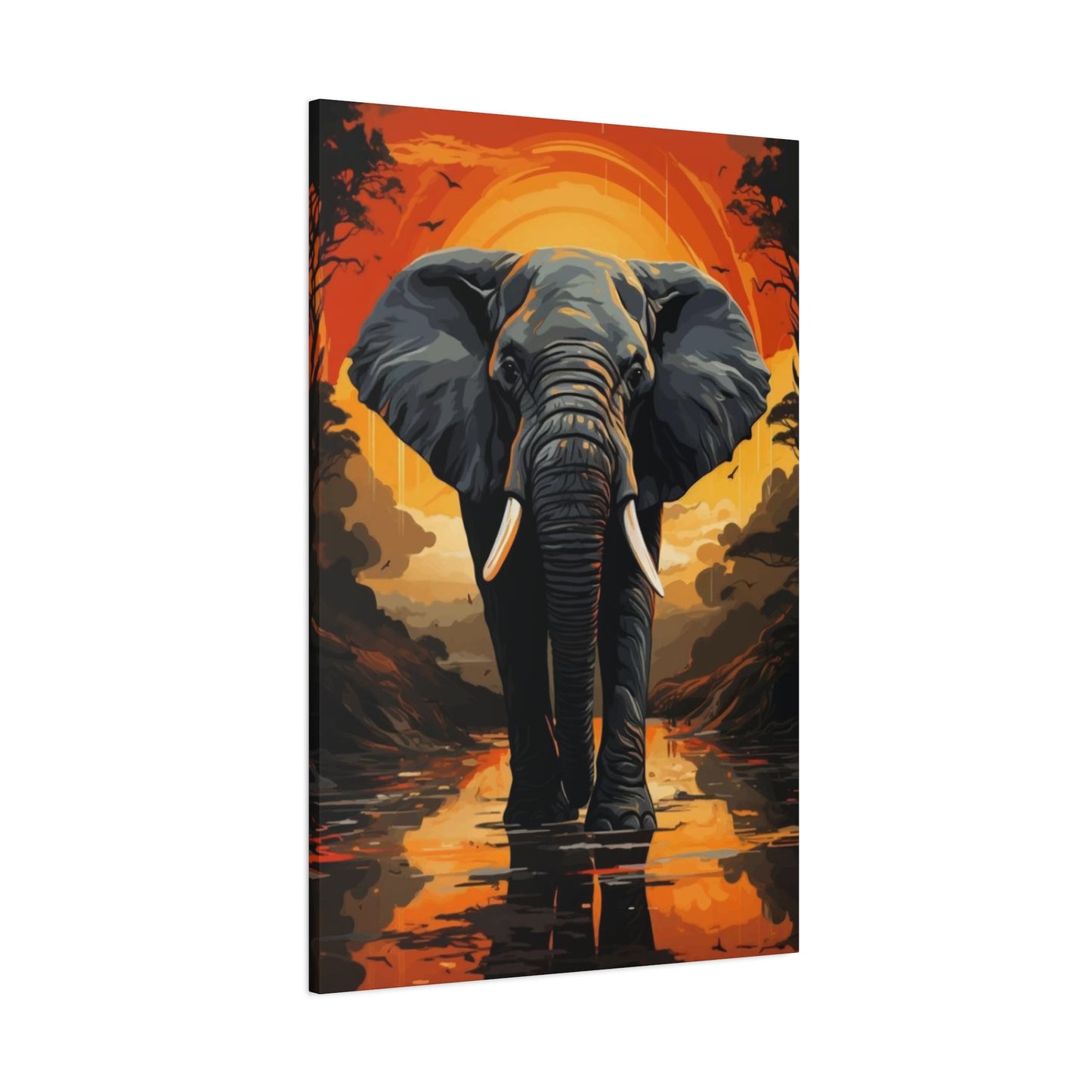
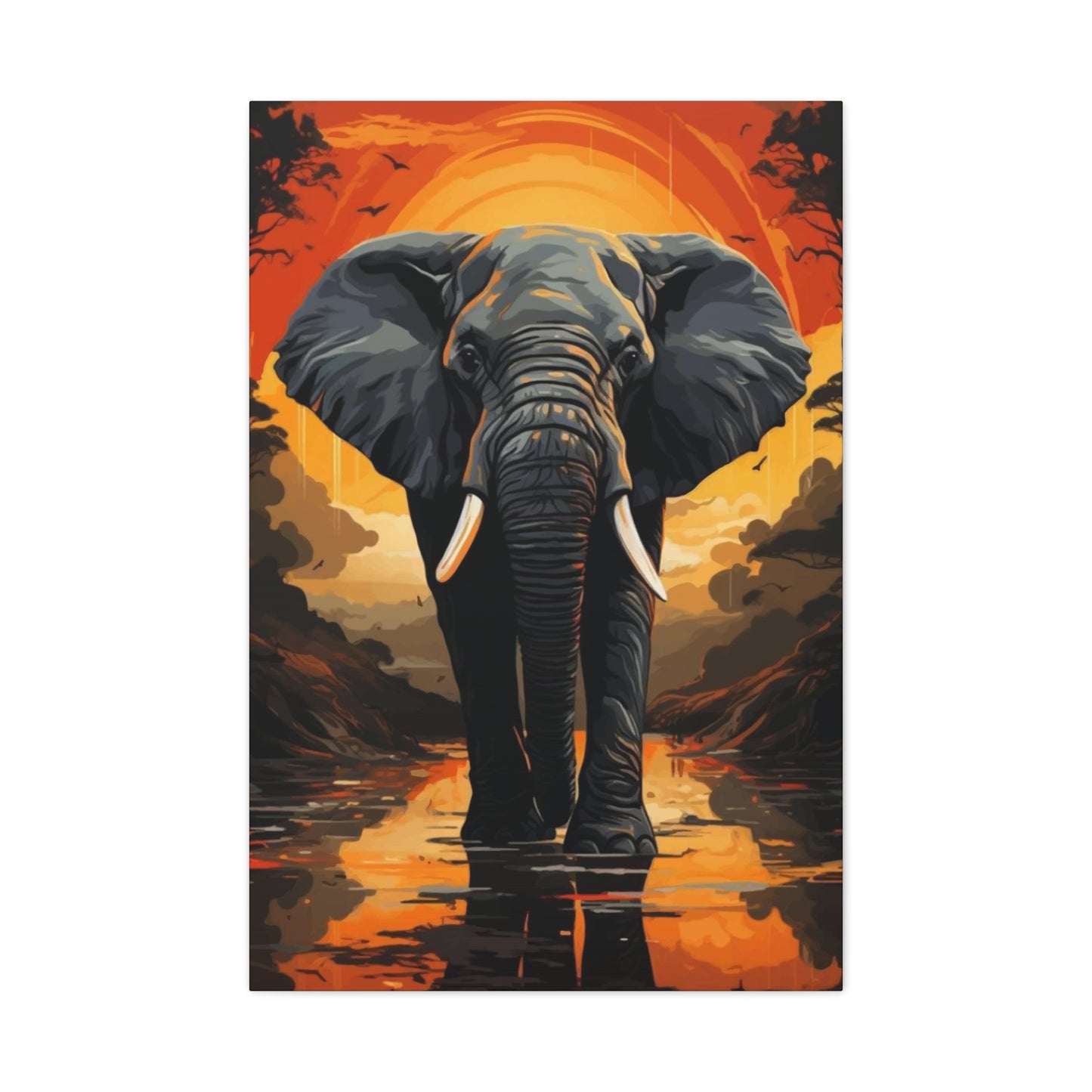
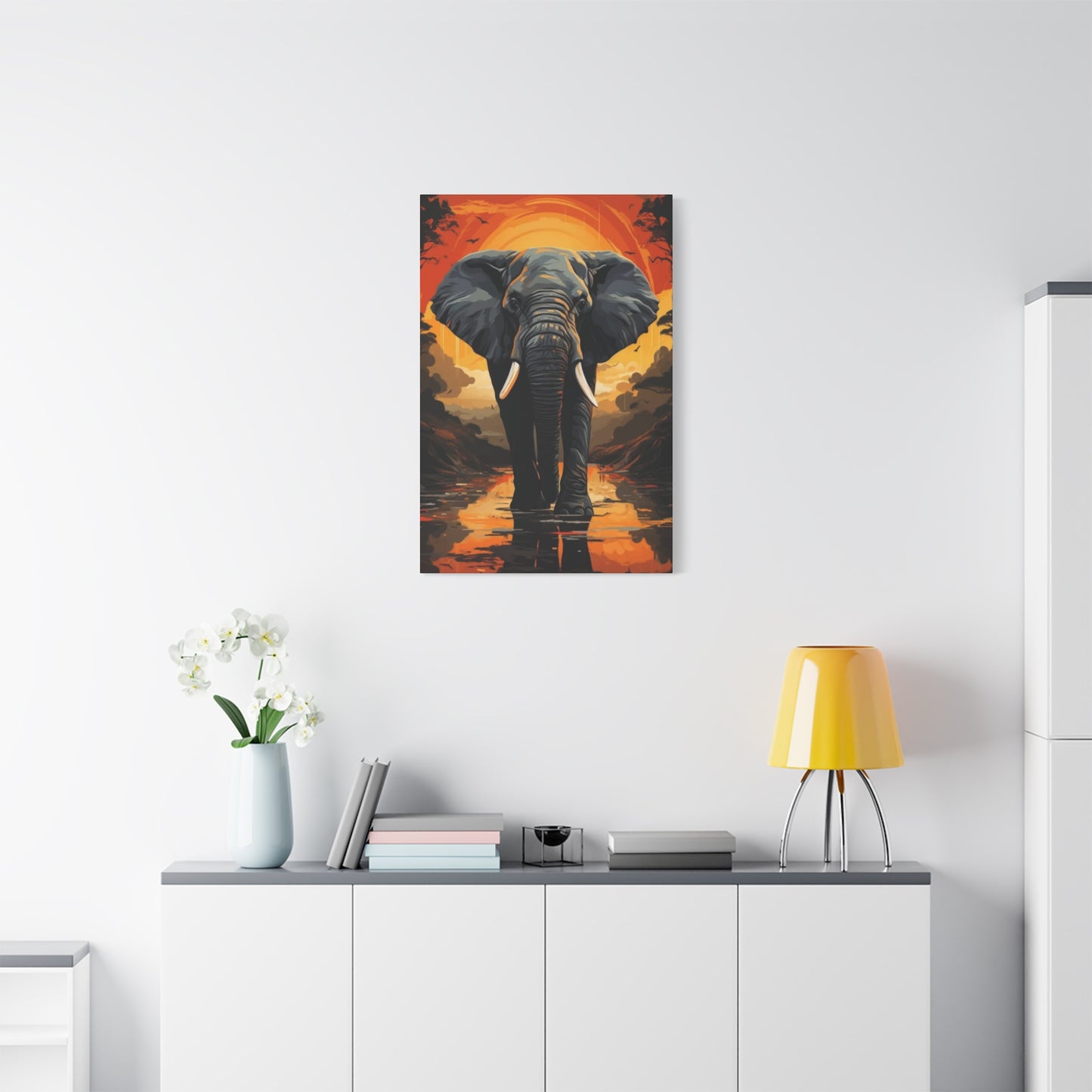
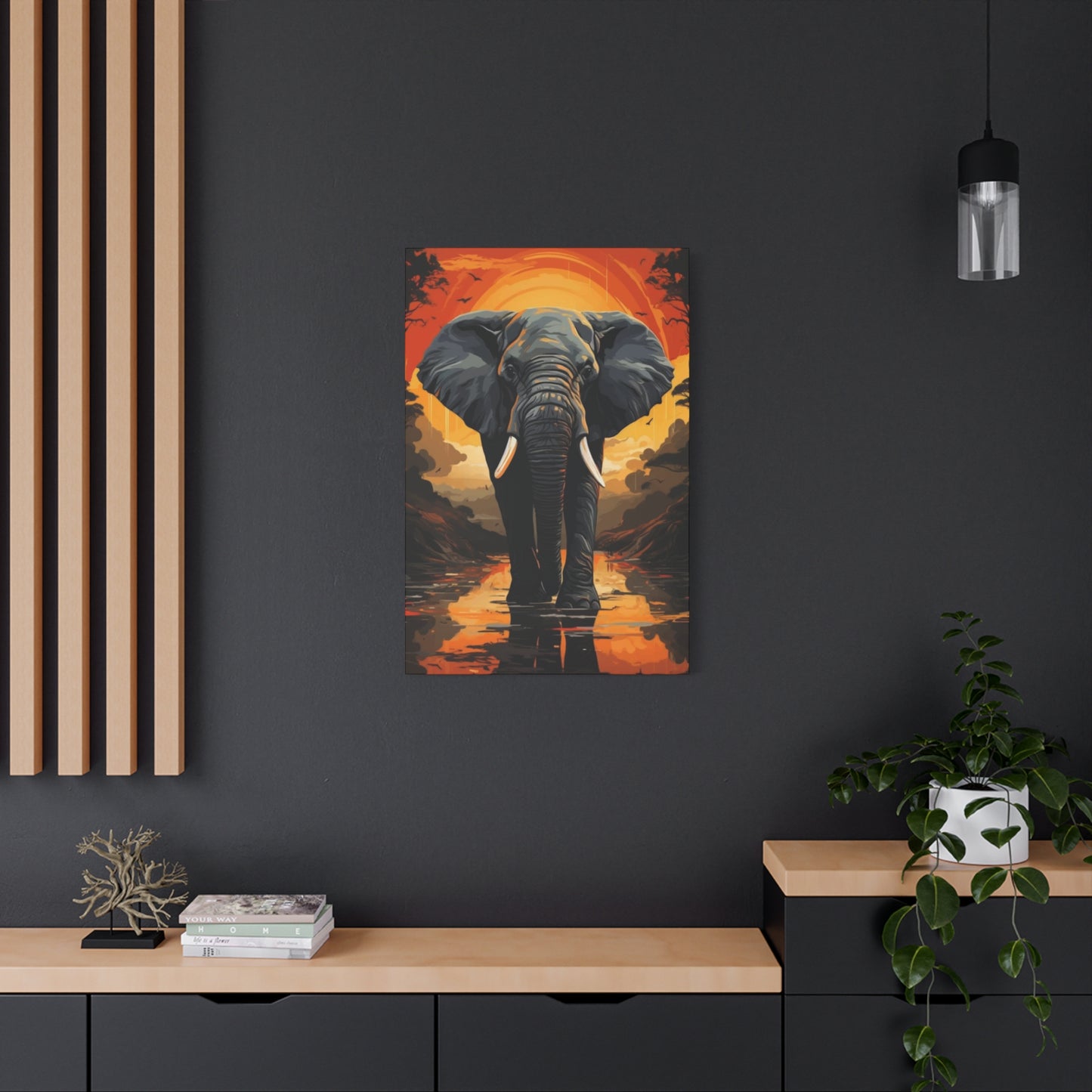
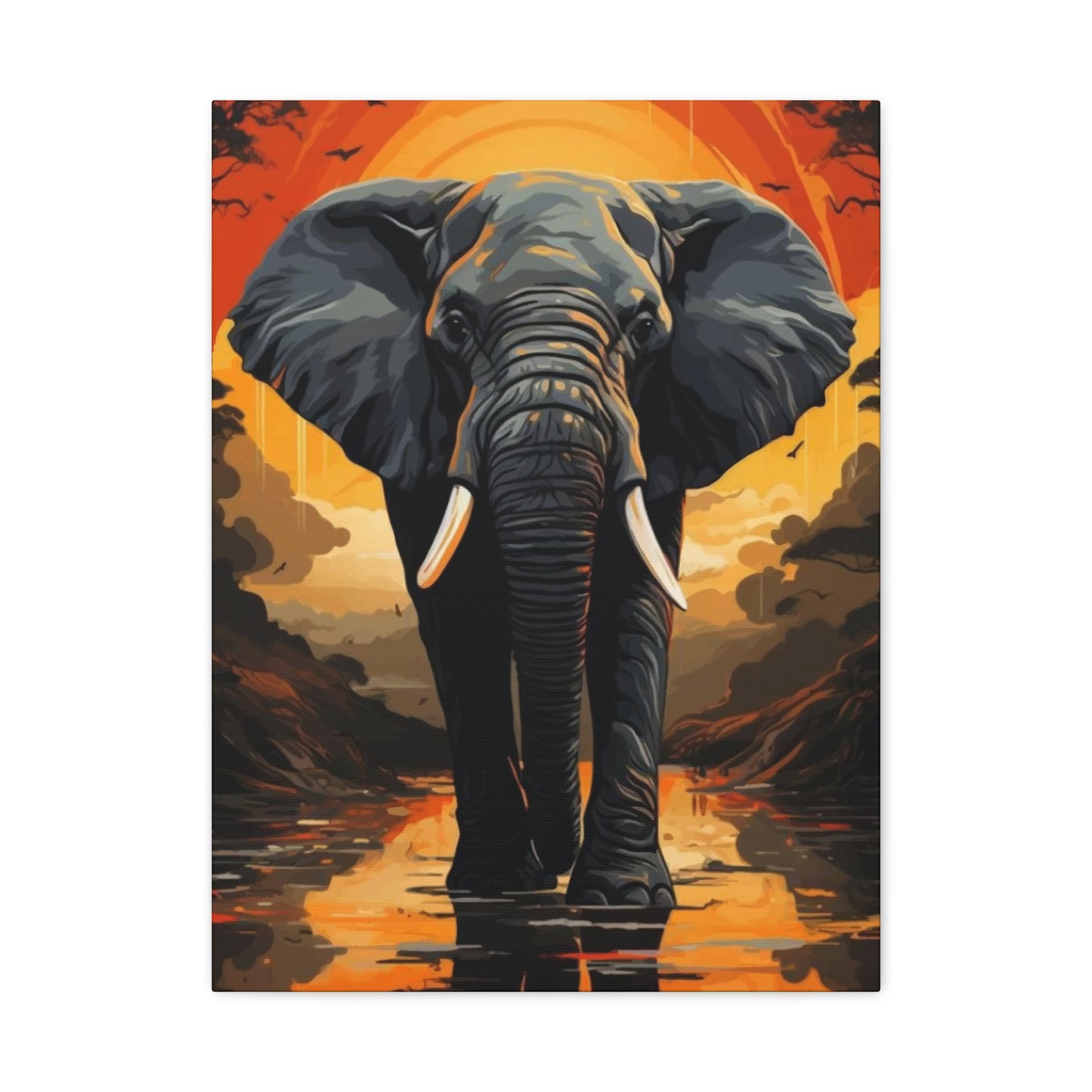
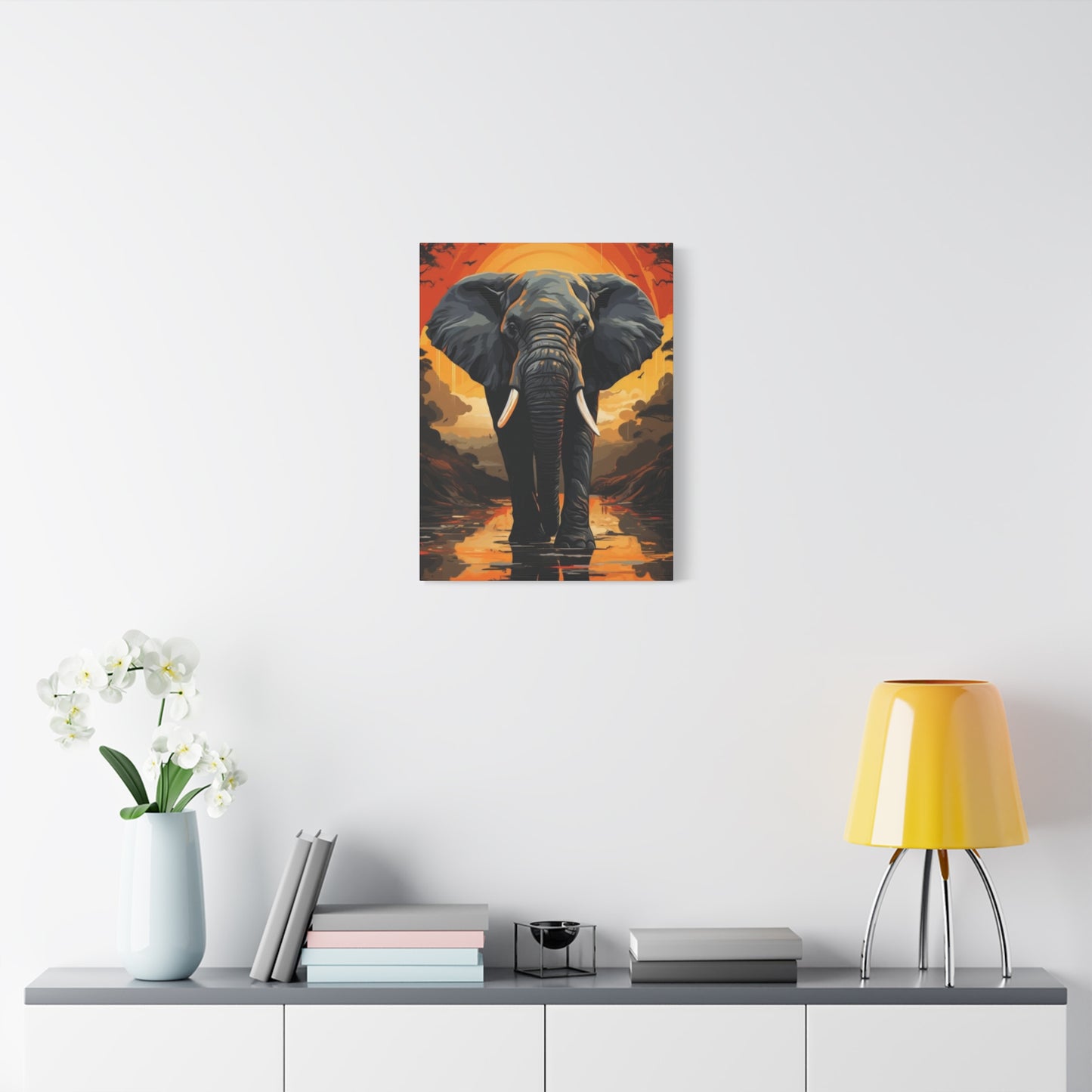
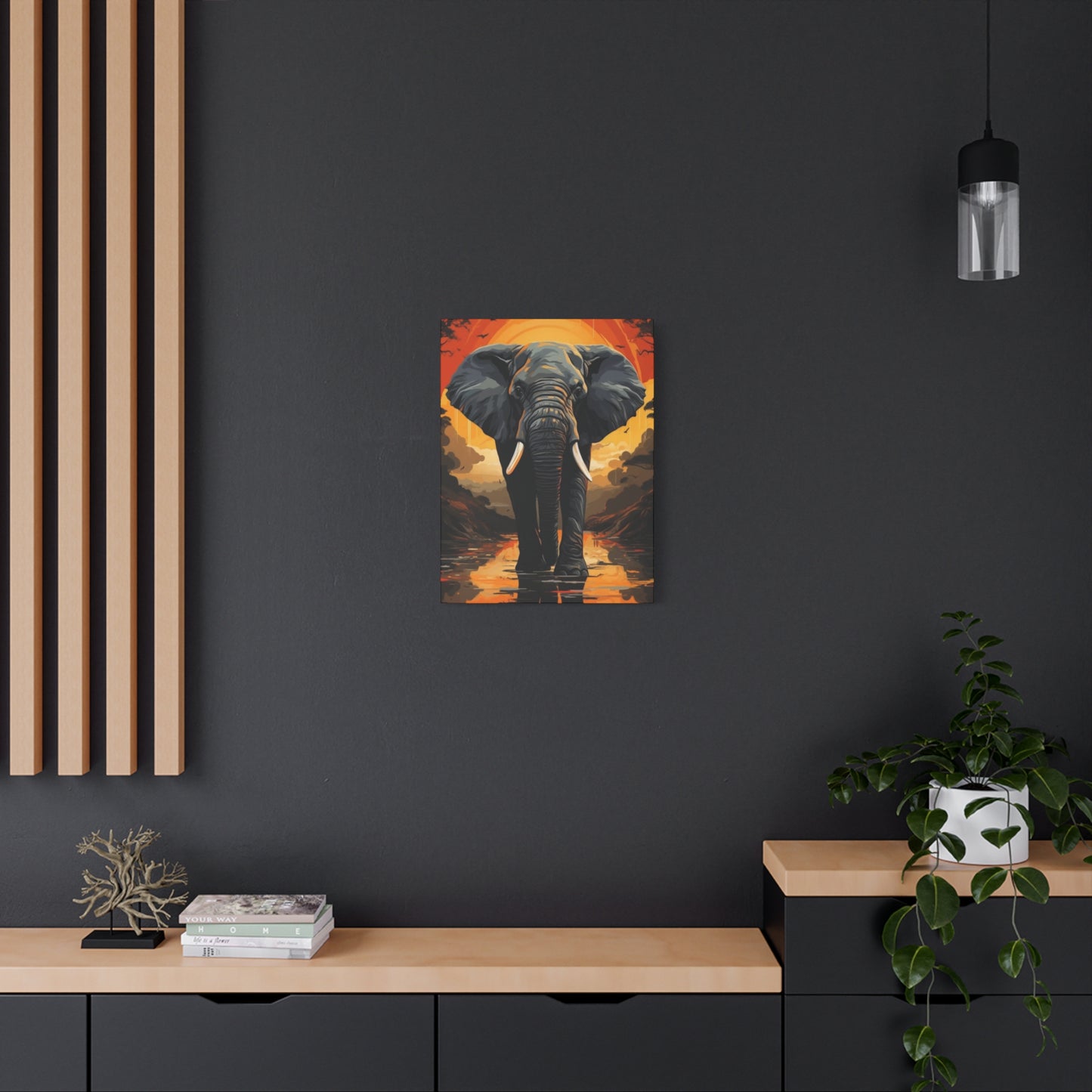
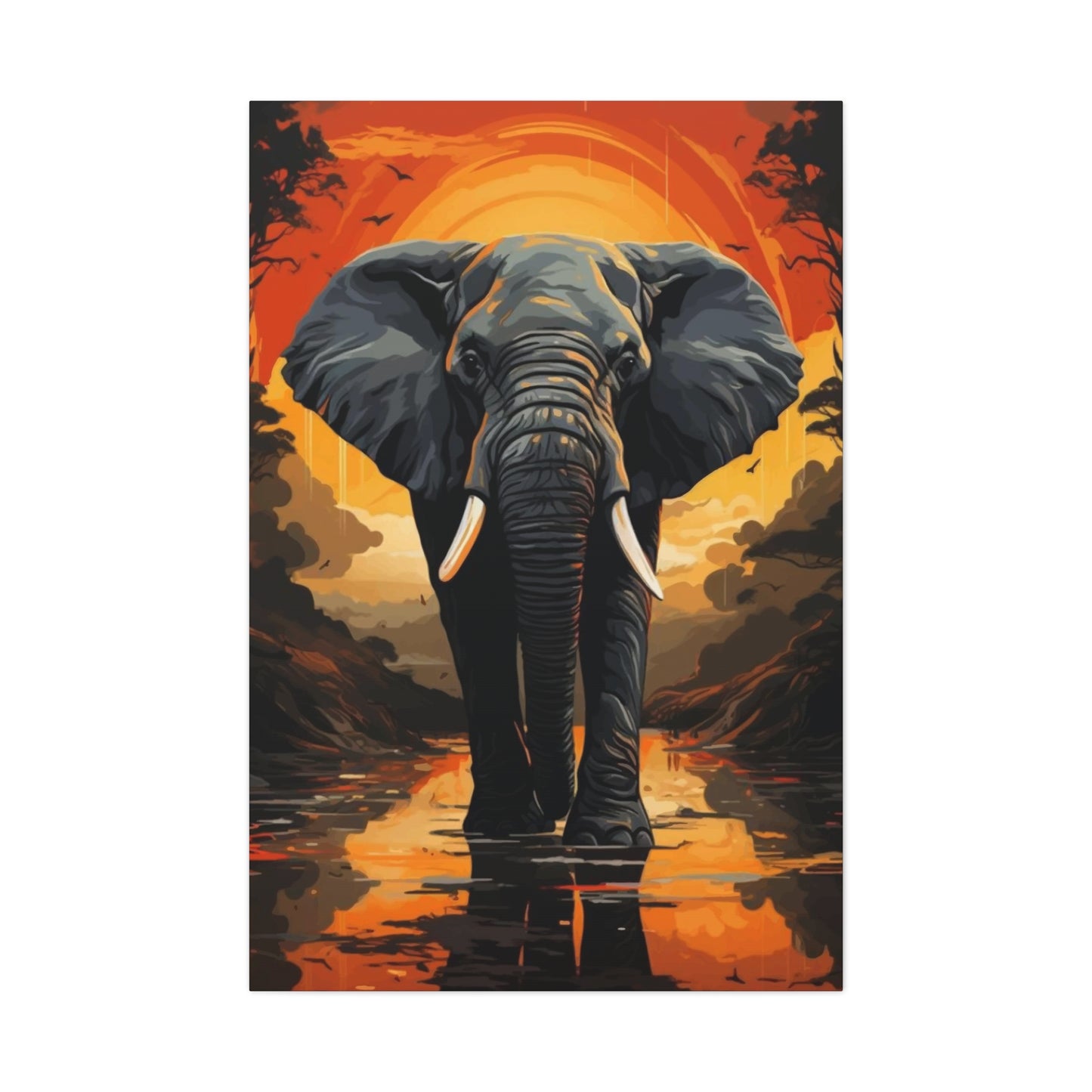
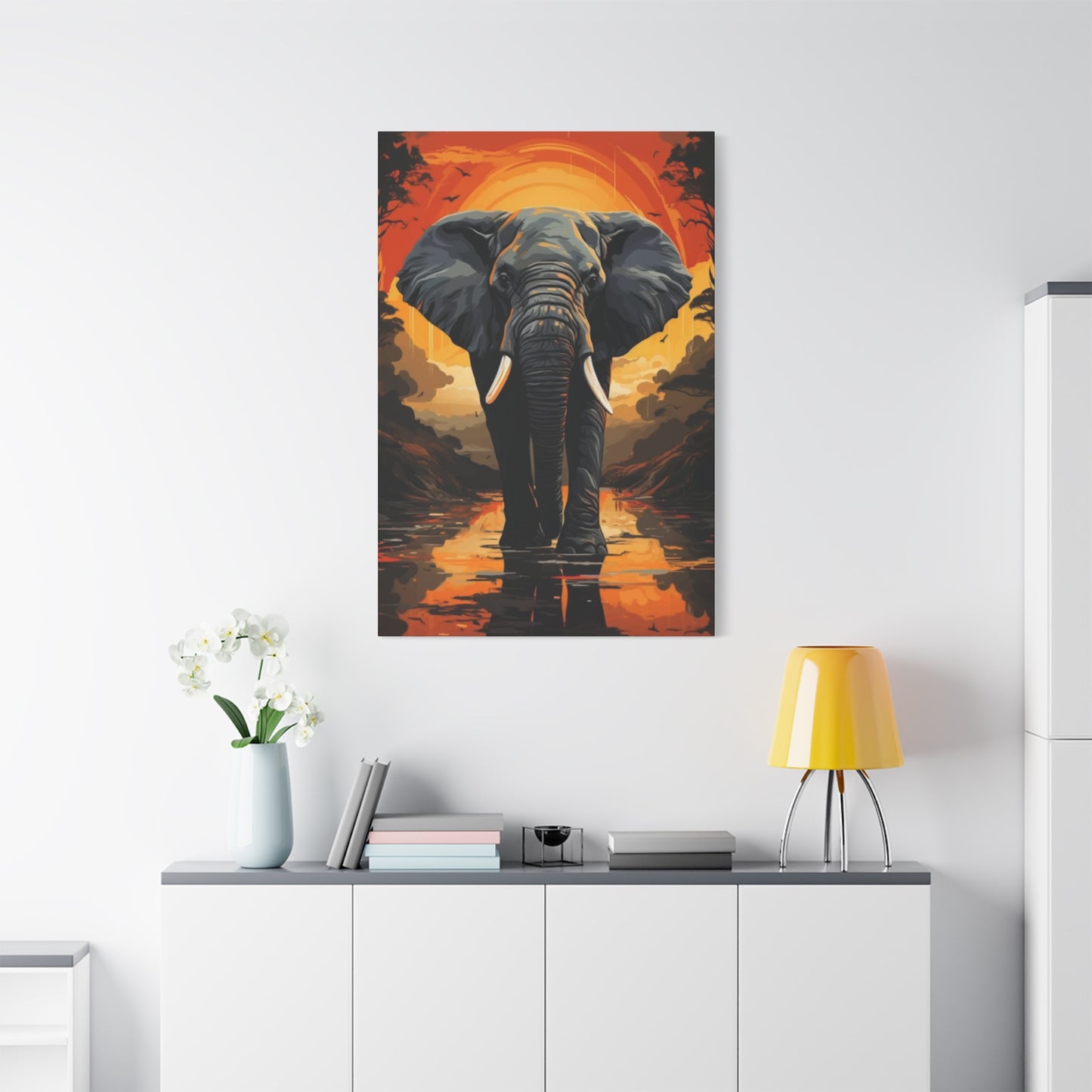
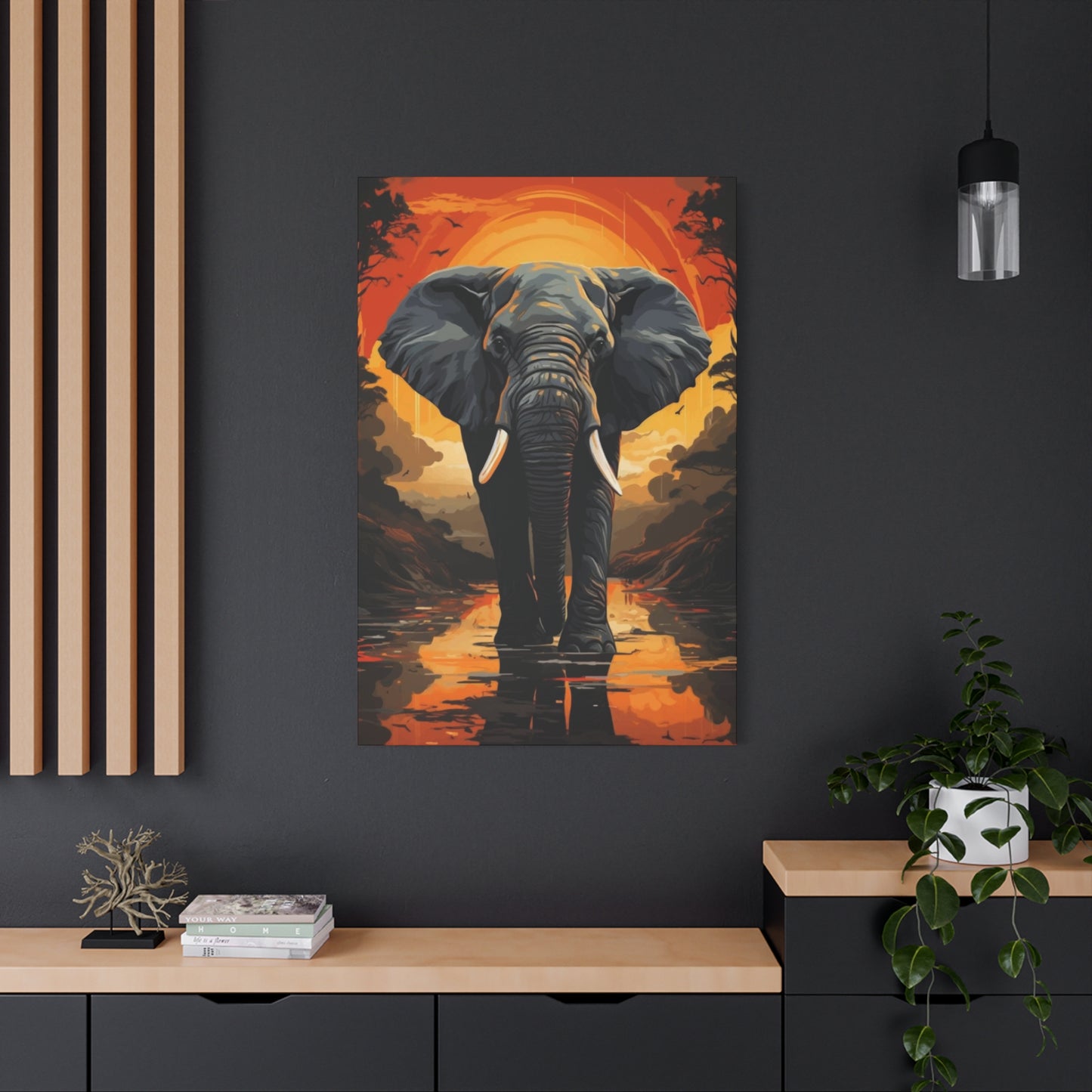
Elephant Portrait Wall Art & Canvas Prints
Elephant Portrait Wall Art & Canvas Prints
Couldn't load pickup availability
Stunning Elephant Portrait Wall Art: Creating Stunning Visual Statements in Modern Living Spaces
The world of interior design has witnessed a remarkable surge in the popularity of wildlife-themed decorative pieces, with elephant portrait wall art emerging as a particularly captivating choice for homeowners and design enthusiasts. These magnificent creatures, revered across cultures for their wisdom, strength, and gentle nature, bring an unparalleled sense of grandeur and sophistication to any living environment. The artistic representation of elephants on canvas, metal, or other mediums transcends mere decoration, offering a profound connection to nature while elevating the aesthetic appeal of residential and commercial spaces alike.
Why Elephant Imagery Resonates So Deeply With Contemporary Interior Design Enthusiasts
The intrinsic appeal of elephant portrait wall art stems from multiple dimensions that speak to both our emotional and aesthetic sensibilities. These gentle giants possess an almost mystical quality that translates beautifully into visual representations. Their imposing yet graceful forms provide artists with rich subject matter that can be interpreted in countless ways, from photorealistic depictions to abstract interpretations that capture their essence rather than their exact likeness.
Throughout human civilization, elephants have symbolized various profound concepts across different societies. In Asian cultures, particularly within Indian traditions, these magnificent mammals represent prosperity, wisdom, and the removal of obstacles. African traditions honor elephants as symbols of strength, loyalty, and family bonds. Western interpretations often emphasize their intelligence, memory, and the urgent need for conservation. When you incorporate elephant portrait wall art into your living space, you're not simply adding a decorative element; you're introducing a meaningful symbol that carries weight and significance.
The versatility of elephant imagery makes it suitable for virtually any interior design scheme. Whether your aesthetic leans toward minimalist modernism, rustic farmhouse charm, bohemian eclecticism, or traditional elegance, there exists an elephant portrait style that will harmonize beautifully with your existing decor. This adaptability has contributed significantly to the widespread adoption of elephant-themed artwork in contemporary homes.
Exploring Various Artistic Styles and Rendering Methods for Elephant Portraits
The diversity of artistic approaches available in elephant portrait wall art ensures that every individual can find pieces that resonate with their personal taste and complement their spatial requirements. Photographic portraits capture these creatures in their natural habitats, offering breathtaking realism that brings the wild directly into your home. These pieces often showcase the intricate textures of elephant skin, the wisdom reflected in their eyes, and the majesty of their presence in their native environments.
Watercolor renditions provide a softer, more ethereal quality to elephant portraits. The fluid nature of this medium allows artists to create dreamy interpretations where colors blend seamlessly, creating gentle transitions that evoke emotional responses. These pieces work exceptionally well in spaces designed for relaxation and contemplation, such as bedrooms or meditation areas.
Oil paintings offer rich, lustrous depictions with depth and dimension that can only be achieved through layered brushwork. The texture created by oil paint adds a tactile quality to elephant portraits, making them fascinating to observe from different angles and lighting conditions. These substantial pieces often serve as focal points in formal living rooms or executive offices.
Abstract and geometric interpretations of elephants have gained tremendous popularity among those seeking contemporary or avant-garde aesthetics. These stylized representations reduce the elephant form to its essential elements, sometimes using bold color palettes that deviate entirely from natural coloration. Such pieces appeal to collectors who appreciate modern art movements and wish to make bold statements through their decorating choices.
Mixed media creations combine various materials and methods to produce truly unique elephant portraits. Artists might incorporate metallic elements, fabric textures, found objects, or digital components alongside traditional painting or drawing methods. These innovative pieces blur the boundaries between different art forms and create conversation-starting focal points.
Selecting the Perfect Size and Scale for Your Available Wall Space
Determining the appropriate dimensions for your elephant portrait wall art requires careful consideration of multiple factors. The size of your wall space naturally imposes certain constraints, but equally important are the room's proportions, ceiling height, and the arrangement of furniture and other decorative elements.
For expansive walls in spacious rooms, large-scale elephant portraits measuring six feet or more in width create dramatic impact. These substantial pieces command attention and establish themselves as the undisputed focal points of their environments. Living rooms with high ceilings, master bedrooms with generous wall space above the headboard, or entryways designed to make memorable first impressions all benefit from oversized elephant artwork.
Medium-sized pieces, typically ranging from three to five feet in width, offer versatility for various placements throughout your home. These dimensions work beautifully above sofas, in dining areas, or as centerpieces in bedroom arrangements. They provide sufficient presence to anchor a space without overwhelming other design elements or making rooms feel cramped.
Smaller elephant portraits, while more modest in scale, possess their own charm and utility. These compact pieces excel in creating gallery walls where multiple artworks combine to form cohesive displays. They also suit tight spaces like hallways, bathrooms, home offices, or reading nooks where larger pieces would feel disproportionate.
The gallery wall approach deserves special mention as it relates to elephant portrait wall art. By combining multiple elephant images of varying sizes, styles, and perspectives, you create a dynamic visual narrative that tells a story. This arrangement method allows you to showcase different artistic interpretations while maintaining thematic consistency. Some enthusiasts mix elephant portraits with complementary wildlife imagery, botanical prints, or abstract pieces in coordinating color palettes.
Understanding Color Palettes and Their Influence on Spatial Atmosphere
The chromatic choices within elephant portrait wall art dramatically affect how the piece interacts with its surroundings and influences the mood of your space. Neutral tones—blacks, whites, grays, and earth tones—provide timeless elegance that integrates seamlessly with diverse decorating schemes. These subdued palettes allow the elephant's form and presence to take precedence without competing with other colorful elements in your room.
Monochromatic schemes, particularly black and white elephant portraits, exude sophistication and classic appeal. These high-contrast pieces create striking visual statements that work exceptionally well in minimalist interiors or spaces featuring predominantly neutral color schemes. The absence of color directs attention to form, texture, and composition, allowing viewers to appreciate the artist's skill in rendering light, shadow, and detail.
Warm color palettes incorporating oranges, reds, yellows, and golden tones infuse spaces with energy, warmth, and vibrancy. Elephant portraits rendered in these hues evoke African sunsets, arid savannas, and the primal beauty of wilderness areas. These pieces suit spaces where you wish to create inviting, energetic, or passionate atmospheres.
Cool color schemes featuring blues, greens, purples, and silver tones produce calming, contemplative environments. Elephant artwork in these palettes often suggests misty forests, tranquil water sources, or moonlit encounters. They excel in bedrooms, bathrooms, or any space designed for relaxation and stress reduction.
Bold, unconventional color choices have emerged as increasingly popular among contemporary collectors. Elephant portraits rendered in vibrant pinks, electric blues, neon greens, or unexpected color combinations make audacious statements. These pieces appeal to those who embrace maximalist aesthetics, eclectic design philosophies, or simply wish to inject personality and whimsy into their environments.
Material Considerations That Affect Both Aesthetics and Longevity
The substrate upon which your elephant portrait wall art is created or printed significantly influences its appearance, durability, and maintenance requirements. Canvas remains the most popular choice for both original paintings and high-quality reproductions. Canvas offers a classic gallery aesthetic with subtle texture that adds depth to images. Gallery-wrapped canvases, where the image continues around the edges, eliminate the need for additional framing and create clean, contemporary presentations.
Metal prints have revolutionized how we display photographic and digital elephant artwork. The process of infusing dyes directly into specially coated aluminum sheets produces luminous colors with exceptional vibrancy and sharpness. The result appears almost three-dimensional, with highlights that seem to glow and shadows that possess remarkable depth. Metal prints resist fading, moisture, and scratching far better than many traditional mediums, making them ideal for high-humidity environments or spaces receiving significant natural light.
Acrylic glass prints offer another modern alternative that creates stunning visual impact. These pieces sandwich the printed image between layers of clear acrylic, producing extraordinary color saturation and a glossy, gallery-quality appearance. The depth created by the acrylic layers gives elephant portraits an almost holographic quality that changes subtly as viewing angles shift.
Wood panel prints appeal to those seeking organic, rustic presentations. The natural grain of the wood becomes part of the artwork itself, creating unique character that differs from piece to piece. These substrate choices particularly suit farmhouse-style interiors, cabins, or any space emphasizing natural materials.
Framed paper prints remain a traditional and economical choice for elephant portrait wall art. High-quality archival papers paired with professional framing create elegant presentations suitable for formal settings. The frame selection itself becomes an extension of the artwork, with options ranging from sleek modern profiles to ornate traditional moldings.
Strategic Placement Methods That Maximize Visual Impact Throughout Your Home
The location where you display your elephant portrait wall art dramatically affects how it's perceived and appreciated. The living room, as the primary gathering space in most homes, presents ideal opportunities for showcasing substantial elephant pieces. Positioning artwork above the sofa creates a natural focal point that anchors the seating arrangement. Ensure the piece width measures approximately two-thirds to three-quarters of the sofa length for proper proportionality.
Bedroom placements offer opportunities for more personal, contemplative elephant imagery. Above the headboard represents the most common location, creating a visual centerpiece visible upon entering the room. Some prefer placing elephant portraits on walls perpendicular to the bed, allowing them to be viewed while lying down—a consideration for those who appreciate visual contemplation before sleep or upon waking.
Entryways and foyers benefit enormously from striking elephant artwork that sets the tone for your entire home. First impressions matter, and a magnificent elephant portrait immediately communicates your appreciation for nature, art, and thoughtful design. These transitional spaces can accommodate bold, conversation-starting pieces that might feel overwhelming in smaller, more intimate rooms.
Dining areas present interesting possibilities for elephant portrait wall art. The connection between elephants' communal nature and the gathering aspect of dining creates thematic resonance. Artwork in dining spaces should complement the mood you wish to establish—elegant and sophisticated for formal dining rooms, or more casual and playful for eat-in kitchens and breakfast nooks.
Home offices increasingly incorporate elephant imagery, partly due to the symbolic associations with wisdom, memory, and steadfast determination—qualities beneficial in professional settings. Positioning elephant portraits within your sightline as you work can provide inspirational focal points during challenging tasks.
Unconventional placements like bathrooms, walk-in closets, or laundry rooms shouldn't be overlooked. These functional spaces benefit from artistic touches that transform mundane areas into more pleasant environments. Smaller elephant portraits suit these locations perfectly, adding personality without overwhelming limited square footage.
Lighting Strategies That Enhance Artwork Visibility and Dramatic Effect
Proper illumination transforms good elephant portrait wall art into spectacular visual experiences. The interplay between light and artwork reveals details, enhances colors, and creates the shadows and highlights that give two-dimensional pieces depth and dimension. Natural lighting from windows provides beautiful illumination during daylight hours, though it requires careful management to prevent sun damage to sensitive materials.
When relying on natural light, consider the sun's path throughout the day and across seasons. North-facing walls in the Northern Hemisphere receive consistent, indirect sunlight that minimizes fading risks while providing excellent viewing conditions. South-facing placements receive intense direct sunlight that can damage artwork over time unless properly filtered through curtains, blinds, or UV-protective window films.
Artificial lighting gives you complete control over how your elephant portraits appear regardless of time or weather conditions. Picture lights mounted directly above or below artwork create focused illumination that draws attention specifically to the piece. These fixtures come in various styles from traditional brass arms to sleek LED strips that virtually disappear while providing excellent visibility.
Track lighting systems offer flexibility to illuminate multiple artworks or adjust spotlight positions as you rearrange your space. By directing adjustable heads toward your elephant portrait, you create museum-quality presentation within your home. The ability to control intensity through dimmer switches allows you to modify the mood and emphasis throughout different times and occasions.
Recessed ceiling fixtures, when properly positioned, can provide excellent ambient lighting that washes walls with even illumination. Strategically placed recessed lights create subtle highlighting that doesn't call obvious attention to the lighting apparatus itself. This approach suits minimalist aesthetics where visible fixtures might disrupt clean lines and uncluttered appearances.
Accent lighting from floor lamps, table lamps, or wall sconces contributes layered illumination that prevents harsh shadows while adding depth to rooms. While these light sources may not directly illuminate your elephant artwork, they contribute to overall ambiance that affects how the piece integrates into its environment.
Framing Choices That Complement Rather Than Compete With Elephant Imagery
When your elephant portrait wall art requires framing, the selection process demands thoughtful consideration of how frames interact with both the artwork itself and surrounding decor. The frame should enhance and protect the piece without drawing undue attention away from the elephant imagery.
For contemporary and minimalist interiors, sleek frames with thin profiles in black, white, or metallic finishes maintain clean aesthetics. These understated borders define artwork boundaries without imposing strong stylistic statements. Floating frames, which create small gaps between the image and frame edges, add modern sophistication while allowing artwork to appear suspended within the border.
Traditional settings often call for more substantial frames with decorative moldings, ornate corners, or classical profiles. Gold and silver leaf finishes bring formal elegance appropriate for realistic or classical elephant renderings. These substantial frames communicate importance and permanence, treating the artwork as a valuable possession worthy of protection and presentation.
Rustic and farmhouse aesthetics benefit from wooden frames showcasing natural grain, distressed finishes, or weathered appearances. Barn wood, reclaimed timber, or frames with deliberate imperfections create casual charm that complements nature-inspired elephant portraits. These organic presentations emphasize the connection between the subject matter and natural world.
The decision between framed and frameless presentations deserves careful thought. Gallery-wrapped canvases where images extend around sides create contemporary, frameless presentations that feel less formal and more accessible. These pieces integrate seamlessly into modern, casual, or eclectic environments where traditional framing might feel unnecessarily stuffy.
Matting adds another layer of presentation consideration. Mats create breathing room between artwork and frame while protecting the piece from direct contact with glass. Neutral mats in white, cream, or gray maintain focus on the elephant imagery, while colored mats can either complement dominant hues within the piece or provide contrasting accents that make specific colors pop.
Creating Cohesive Design Narratives Through Complementary Decor Elements
Your elephant portrait wall art should function as part of a larger design conversation rather than existing in isolation. Thoughtful coordination with surrounding elements creates harmonious environments where everything feels intentional and interconnected.
Textile choices provide natural opportunities for creating visual relationships with your artwork. Throw pillows, area rugs, curtains, and upholstery in colors drawn from your elephant portrait establish cohesion throughout the space. You needn't match colors exactly—in fact, slight variations create more sophisticated, layered appearances than perfect matches. Extract two or three accent colors from your artwork and incorporate them in varying proportions throughout the room.
Sculptural objects and decorative accessories offer another avenue for building thematic connections. Small elephant figurines, though you should avoid creating overly literal or kitschy arrangements, can provide subtle reinforcement of your chosen theme when displayed with restraint. Other wildlife representations, natural elements like driftwood or stones, and organic materials create broader nature-inspired narratives that feel curated rather than contrived.
Furniture selection and arrangement should acknowledge your elephant artwork's presence. In rooms where the portrait serves as the focal point, orient seating to allow comfortable viewing. Coffee tables, consoles, or mantels positioned below artwork become natural spaces for complementary decorative items that bridge the gap between wall and floor.
Additional artwork and wall decor should be chosen with your elephant portrait in mind. Create intentional relationships through shared color palettes, complementary subject matter, or cohesive framing choices. Avoid hanging competing focal points on the same wall or in direct sightlines where they battle for attention.
Plant life introduces organic elements that resonate beautifully with wildlife imagery. Large leafy plants like monstera, fiddle leaf figs, or palms create jungle-like atmospheres that amplify the natural world associations inherent in elephant portraits. Smaller succulents and air plants offer subtler connections for those preferring less dramatic botanical statements.
Exploring Cultural Significance and Symbolic Meanings Across Global Traditions
The profound cultural resonance of elephants adds layers of meaning to your wall art choices that transcend purely aesthetic considerations. Understanding these symbolic dimensions allows you to select pieces that align with your values, beliefs, or desired energy within specific spaces.
Within Hindu traditions, the elephant-headed deity Ganesha represents wisdom, prosperity, and the removal of obstacles. Many believers position elephant imagery near entrances to homes or offices, invoking protective and welcoming energies for all who enter. While Ganesha artwork specifically depicts the deity form, elephant portraits more generally carry associations with these same beneficial qualities.
Buddhist philosophy often incorporates elephant symbolism related to mental strength, patience, and the journey toward enlightenment. White elephants hold particular significance in several Southeast Asian Buddhist cultures, representing purity, rare wisdom, and auspicious fortune. Artwork featuring white elephants can serve as contemplative focal points in meditation spaces or areas dedicated to spiritual practices.
African cultural perspectives emphasize elephants' roles as clan leaders, community builders, and symbols of strength tempered with gentleness. The matriarchal structure of elephant herds, where experienced females guide and protect entire communities, resonates with themes of feminine wisdom, nurturing leadership, and family bonds. Portraits emphasizing elephant families or close interactions between individuals express these relational values.
Chinese symbolism connects elephants with strength, intelligence, and power, with particular emphasis on these creatures' renowned memories. In Feng Shui practice, elephant figurines and imagery are strategically positioned to attract good fortune, protect homes, and promote harmony. Placement considerations often involve positioning elephants facing specific directions to maximize beneficial energy flow.
Contemporary Western conservation consciousness has added environmental protection and endangered species awareness to elephant symbolism. For many modern collectors, elephant portrait wall art represents commitment to wildlife preservation and ecological responsibility. This association has driven demand for artwork created by ethical artists who donate portions of proceeds to elephant conservation efforts.
Caring for and Preserving Your Elephant Artwork Investment Over Decades
Proper maintenance ensures your elephant portrait wall art remains vibrant and structurally sound for generations. Different materials require specific care approaches, though some universal principles apply across all artwork types.
Dust accumulation represents the most common ongoing concern for displayed artwork. Regular gentle cleaning prevents buildup that can dull colors and create filmy appearances. For canvases and unglazed artwork, use soft, lint-free cloths or specialized art dusters with gentle motions. Avoid applying pressure or rubbing vigorously, as this can damage delicate surface textures or remove paint layers.
Framed pieces behind glass require careful cleaning of protective surfaces without allowing moisture to seep behind glass where it might damage the artwork itself. Spray cleaning solutions onto cloths rather than directly onto glass to prevent liquid from migrating under frame edges. Microfiber cloths eliminate streaking while picking up dust effectively.
Environmental control significantly impacts artwork longevity. Relative humidity between 40-60% prevents both excessive dryness that causes cracking and high moisture that promotes mold growth. Consistent temperatures, avoiding extreme fluctuations and direct heat sources, protect against warping, fading, and material deterioration. Climate-controlled homes naturally provide better preservation conditions than spaces subject to wild seasonal swings.
Direct sunlight exposure represents one of the most destructive forces affecting displayed artwork. Ultraviolet radiation fades colors, yellows protective varnishes, and degrades substrate materials over time. If your elephant portrait must hang where it receives natural light, consider UV-filtering glass in the framing, window films that block harmful rays, or protective coatings applied to the artwork itself.
Professional cleaning and restoration become necessary when artwork suffers damage or deterioration beyond simple dust accumulation. Reputable art conservators possess the specialized knowledge required to address issues like smoke damage, water exposure, physical tears, or significant fading. Never attempt DIY repairs on valuable pieces, as improper methods can cause irreversible harm that professionals cannot later correct.
Budget-Conscious Approaches to Acquiring Stunning Elephant Wall Decor
Building an impressive art collection doesn't necessarily require unlimited financial resources. Strategic shopping and creative thinking allow design enthusiasts at any price point to incorporate beautiful elephant portrait wall art into their homes.
Original artwork from emerging or local artists often comes at much lower price points than pieces from established names, while still offering unique, quality pieces. Many talented artists sell through local galleries, art fairs, or online platforms at very reasonable rates before gaining recognition that drives prices upward. Purchasing from these creators supports working artists while building your collection affordably.
Limited edition prints offer middle-ground options between unique originals and mass-produced reproductions. These numbered prints, typically produced in runs of several hundred or fewer, maintain some exclusivity while remaining far more affordable than one-of-a-kind pieces. Many respected wildlife photographers and painters release limited editions that become collectible over time while remaining accessible to average collectors.
Print-on-demand services have democratized access to high-quality elephant portrait wall art. These platforms allow you to select from vast libraries of images and have them professionally printed on your choice of substrates and sizes. While these lack exclusivity, they provide affordable access to beautiful imagery from talented creators who earn royalties from each sale.
DIY framing substantially reduces overall artwork costs compared to custom professional framing. Ready-made frames from home goods retailers, carefully selected to complement your piece, create perfectly acceptable presentations at fraction of custom framing expenses. Many framing retailers offer regular sales and coupons that further reduce costs for those willing to wait for deals.
Phased collecting allows you to build impressive displays over time rather than attempting to complete entire arrangements immediately. Start with one or two key pieces, then gradually add complementary elements as budget permits. This approach also provides time to live with initial selections and ensure subsequent additions truly enhance the overall composition.
Discovering Reliable Sources for High-Quality Elephant Portrait Artwork
Finding reputable vendors ensures you receive artwork that meets quality standards and accurately represents what you expected when making purchasing decisions. The proliferation of online shopping has expanded access while simultaneously creating challenges in assessing quality before items arrive.
Established online art marketplaces provide platforms where artists and galleries list inventory for sale directly to consumers. These curated platforms typically implement quality standards and authenticity verifications that reduce risks of receiving inferior products. Many offer detailed zoom functionality allowing close examination of brushwork, colors, and textures before committing to purchases.
Local galleries and art shows provide irreplaceable opportunities to view elephant portraits in person before buying. The ability to assess size, colors, and quality directly eliminates guesswork and potential disappointment. Building relationships with local gallery owners often yields benefits like first access to new arrivals, notifications when pieces matching your interests become available, and potential negotiation flexibility on pricing.
Artist studios and direct artist purchases eliminate intermediary markups while ensuring creators receive full proceeds from sales. Many artists maintain websites or social media presences where they share available works and accept commissions for custom pieces. Direct relationships with artists also enable discussions about specific preferences, size requirements, or color customizations.
Interior design services sometimes maintain relationships with art suppliers and can source specific pieces on clients' behalf. While this adds design fees, the expertise designers bring in selecting artwork that perfectly complements overall room schemes may justify the expense, particularly for high-budget projects where artwork investment is substantial.
Conservation nonprofit partnerships have emerged as meaningful sources for elephant artwork, where proceeds support protection efforts for these endangered creatures. Several organizations commission artists to create exclusive pieces or license wildlife photography taken during research efforts. Purchasing through these channels allows collectors to support conservation while acquiring meaningful artwork.
Commissioning Custom Elephant Portraits Tailored to Your Exact Specifications
Custom commissioned artwork offers the ultimate personalization, allowing you to collaborate with artists in creating pieces that perfectly match your vision, space requirements, and color preferences. This process, while more involved than purchasing existing pieces, yields truly unique results impossible to replicate.
Identifying artists whose existing style resonates with your aesthetic preferences provides the foundation for successful commissions. Review portfolios carefully, noting not just technical skill but also whether the artist's interpretative approach aligns with what you envision. Some artists work in photorealistic styles, others prefer impressionistic or abstract interpretations. Selecting an artist whose natural inclinations match your preferences reduces the likelihood of disappointing outcomes.
Clear communication about expectations prevents misunderstandings and ensures satisfactory results. Provide specific details about dimensions, color palettes, desired mood or atmosphere, and any particular elephant characteristics you want emphasized. Reference images, though you shouldn't expect exact replication of photographs, help artists understand your vision. Discuss whether you want single elephant portraits or family groupings, profile or frontal views, close-ups or full-body depictions.
The commission process typically involves multiple stages with opportunities for input and adjustment. Most artists provide preliminary sketches or digital mockups showing composition and basic color blocking. This approval stage allows you to request modifications before the artist invests significant time in detailed execution. Some artists provide progress photos throughout creation, particularly for large pieces requiring extensive work.
Timeline expectations should be established upfront and understood realistically. Custom artwork cannot be rushed without sacrificing quality. Depending on size, complexity, and the artist's current workload, commissions may require weeks or even months for completion. Patient collectors understand that exceptional results justify reasonable waiting periods.
Pricing for commissioned elephant portrait wall art varies enormously based on artist reputation, piece size, medium complexity, and time requirements. Emerging artists may accept commissions for several hundred dollars, while established creators command thousands or tens of thousands for major pieces. Obtain detailed quotes covering all aspects including materials, shipping, insurance, and any potential rush fees if you have specific deadline requirements.
Seasonal Rotation Strategies for Maintaining Fresh Visual Interest
Some design enthusiasts embrace the concept of rotating displayed artwork seasonally or periodically to maintain visual freshness and prevent becoming desensitized to pieces through constant exposure. This approach requires planning and storage solutions but offers several benefits.
Building a rotation collection of elephant portraits in different styles, color palettes, or moods allows you to modify your space's atmosphere throughout the year. Warm-toned elephant artwork during autumn and winter months creates cozy, inviting environments, while cooler palettes during spring and summer provide refreshing, airy feelings. This practice also allows you to acquire more artwork than you have permanent display space for, since pieces spend part of their time in storage rather than competing for limited wall space.
Proper storage between display periods protects artwork from damage. Climate-controlled storage areas prevent humidity fluctuations and temperature extremes. Covering pieces with acid-free tissue or breathable fabric protects from dust while allowing air circulation. Never store artwork directly on concrete floors where moisture can wick upward, or in attics where temperature extremes occur. Leaning storage against walls should include soft material preventing frame corners from gouging walls or other artwork.
Documentation of your rotating collection helps track what pieces you own, where they're stored, and when they were last displayed. Photographs and simple spreadsheets prevent accidentally forgetting about pieces tucked away in storage. This organization also proves invaluable for insurance purposes should loss or damage occur.
The actual rotation process provides opportunities to assess and clean both artwork and the spaces where they hang. Wall repairs, repainting, or adjustments to lighting become easier when artwork temporarily comes down. Similarly, artwork receives inspection and cleaning while off the wall, allowing you to address any emerging issues before they become serious problems.
Incorporating Elephant Portraits Within Gallery Wall Compositions
Gallery walls represent dynamic approaches to displaying multiple artworks in cohesive arrangements that create greater visual impact than isolated pieces. Successfully incorporating elephant portrait wall art into these assemblages requires planning and careful execution.
Thematic cohesion helps gallery walls feel intentional rather than randomly assembled. An all-elephant gallery featuring various artistic interpretations, perspectives, and styles creates strong thematic consistency while showcasing diversity within the subject matter. Alternatively, mixing elephant portraits with complementary wildlife, landscapes, or abstract pieces united by color palette or framing creates more eclectic collections.
Layout planning should occur before hammering any nails. Create paper templates matching each piece's dimensions and experiment with arrangements on the floor or use painter's tape to map positions on walls. Common approaches include symmetrical grids for formal, organized appearances; salon-style asymmetrical arrangements for eclectic, collected-over-time aesthetics; or horizontal rows creating streamlined contemporary looks.
Spacing between pieces affects overall impact and perception. Tighter spacing, with just 2-3 inches between frames, creates unified collections that read as single design elements. Wider spacing of 4-6 inches maintains individual piece identities while still forming cohesive groups. Extremely tight spacing below 2 inches risks creating cluttered appearances where individual works cannot be appreciated.
Anchor pieces, typically the largest or most visually striking elephant portraits, should be positioned first. These anchors establish reference points from which remaining pieces radiate. Common strategies place anchors at center, upper corners, or along imaginary central axes depending on the gallery wall's overall shape and layout approach.
Height consistency aids cohesion in gallery walls spanning significant horizontal distances. Aligning all bottom edges, all centers, or all top edges creates structured appearances even when piece sizes vary considerably. Less structured arrangements deliberately vary heights for more dynamic, energetic presentations.
Addressing Common Installation Challenges and Solutions
Properly hanging elephant portrait wall art ensures both aesthetic satisfaction and physical safety. Various obstacles commonly arise during installation, but solutions exist for virtually all situations.
Locating wall studs for secure anchoring represents the ideal scenario for heavy pieces. Stud finders help identify these structural supports behind drywall where screws can be driven for maximum holding strength. For elephant portraits weighing over 20 pounds, stud mounting provides essential security preventing catastrophic failures.
When studs don't align with desired artwork placement, wall anchors provide alternatives for drywall mounting. Various anchor types offer different weight capacities. Plastic expansion anchors suit lightweight pieces; toggle bolts provide stronger support by spreading weight across larger drywall areas; threaded drywall anchors simplify installation for medium-weight pieces. Always select anchors rated for significantly more weight than your artwork to ensure safety margins.
Plaster walls present different challenges than drywall. Traditional methods using picture hooks and nails may cause significant cracking or crumbling in old plaster. Drilling pilot holes slightly smaller than fastener diameters reduces cracking risks. Some installers prefer adhesive hooks for lighter pieces, avoiding wall penetration entirely while providing adequate support.
Brick and concrete walls require masonry bits and appropriate anchors designed for these dense materials. Pre-drilling becomes absolutely essential to prevent bit breakage and ensure proper anchor seating. Masonry projects demand patience and proper tools but yield extremely secure mountings for even the heaviest elephant artwork.
Picture rail systems offer elegant solutions for homes with existing rails or for those willing to install them. These systems allow hanging artwork from adjustable cables or rods without any wall penetration below the rail itself. Pieces can be easily repositioned without creating new holes, and the visible cables sometimes add industrial or gallery-style aesthetics.
Damage-free hanging systems using adhesive strips have improved dramatically, now supporting surprisingly substantial weights when properly applied. These systems particularly suit rental situations where wall damage must be minimized. Following manufacturer instructions precisely regarding wall cleaning, strip quantity, and cure times before hanging ensures maximum performance.
Leveraging Elephant Artwork to Support Wildlife Conservation Movements
The choice to display elephant portrait wall art can extend beyond personal aesthetics to become statements of environmental commitment and contributions to preservation efforts. Several pathways allow conscientious collectors to ensure their decorating choices support broader conservation goals.
Artists who donate portions of sales proceeds to elephant conservation organizations create direct financial connections between art purchases and protection efforts. Many wildlife photographers and painters maintain relationships with specific nonprofits, clearly stating what percentage of revenues go toward these causes. Researching artists before purchasing allows you to identify and support these partnerships.
Limited edition prints created specifically as fundraising tools represent another avenue where art acquisition directly benefits elephants. Conservation organizations occasionally commission exclusive artwork or license images for fundraising campaigns. These special releases often come with certificates of authenticity and documentation of how proceeds support specific projects like habitat protection, anti-poaching patrols, or elephant orphanage operations.
Licensing fees from artwork reproduction can be structured to benefit conservation when original photographers or artists negotiate these terms with organizations. Some creators assign licensing rights entirely to nonprofits, allowing them to sell reproductions while retaining 100% of proceeds. Purchasing prints through these official channels ensures your money reaches intended conservation programs.
Educational elements incorporated into artwork, such as descriptions of elephant endangered status, conservation challenges, or specific preservation success stories, transform decorative pieces into awareness tools. When guests inquire about your elephant portrait wall art, these informational components provide natural opportunities to discuss conservation needs and ways people can contribute to solutions.
Supporting ethical tourism operations that fund elephant sanctuaries and rehabilitation facilities through responsible visitor programs creates indirect connections between your appreciation for elephant imagery and real-world protection. Many sanctuaries sell artwork created by resident elephants or featuring sanctuary inhabitants, with all proceeds supporting care operations.
Examining How Elephant Portraits Influence Room Psychology and Mood
The psychological impact of displayed artwork on room atmosphere and occupant wellbeing deserves consideration when selecting elephant portraits. Colors, compositions, and the inherent qualities associated with elephants all contribute to how spaces feel and how we respond to them emotionally.
Images evoking calm and serenity through muted colors, peaceful compositions, or elephants engaged in gentle activities like bathing or caring for young create soothing environments. These pieces suit bedrooms, bathrooms, or meditation spaces where relaxation remains the primary goal. The gentle giant nature of elephants translates beautifully into artwork that makes spaces feel safe, protected, and tranquil.
Powerful, dynamic elephant portraits featuring dramatic lighting, bold colors, or elephants in action create energizing effects that stimulate and invigorate. These commanding pieces work well in exercise spaces, home offices, or areas where you want to feel motivated and empowered. The strength and determination inherent in elephant symbolism transfers to occupants, potentially influencing mindset and energy levels.
Social and communal themes depicted through elephant families, herds, or interactions emphasize connection and togetherness. Dining rooms, family rooms, and gathering spaces benefit from artwork reinforcing these relational values. The strong family bonds elephants maintain throughout lifetimes create symbolic reminders of what matters most in our own lives.
Wisdom and contemplation associations with elephants make their portraits particularly suitable for libraries, studies, and spaces dedicated to learning or intellectual pursuits. The elephant's remarkable memory and problem-solving capabilities create metaphorical connections to human cognitive endeavors. Surrounding yourself with imagery evoking intelligence and wisdom may subtly influence your own mental approach to challenging tasks.
The mere presence of nature imagery, including elephant portraits, has been demonstrated to reduce stress markers and improve emotional states in multiple research contexts. Bringing representations of natural world into built environments where we spend most of our time partially compensates for disconnection from outdoor environments that characterized most of human evolutionary existence.
Conclusion
When purchasing reproductions rather than original elephant portrait wall art, understanding quality differentiators ensures you receive pieces that will satisfy your expectations and maintain appearance over time. Significant variations exist between economy prints and premium reproductions.
Printing method fundamentally affects quality outcomes. Giclée printing, utilizing specialized inkjet printers with wider color gamuts and finer resolution than standard consumer printers, produces superior reproductions that rival original artwork quality. The term "giclée" specifically denotes fine art printing using archival inks and substrates, though marketing sometimes applies it inappropriately to lesser quality prints.
Ink quality determines color accuracy, vibrancy, and longevity. Pigment-based inks resist fading far better than dye-based inks, maintaining color integrity for decades or even centuries under proper display conditions. Manufacturer specifications should indicate fade resistance ratings, often expressed as years until noticeable fading under specific lighting conditions. Premium reproductions use inks guaranteed fade-resistant for 100+ years.
Resolution affects sharpness and detail visibility, particularly in larger prints. Higher resolution source files contain more information, allowing larger print sizes without visible pixelation or loss of fine details. Reputable sellers specify resolution capabilities and recommend maximum sizes for each image to ensure optimal quality.
Share