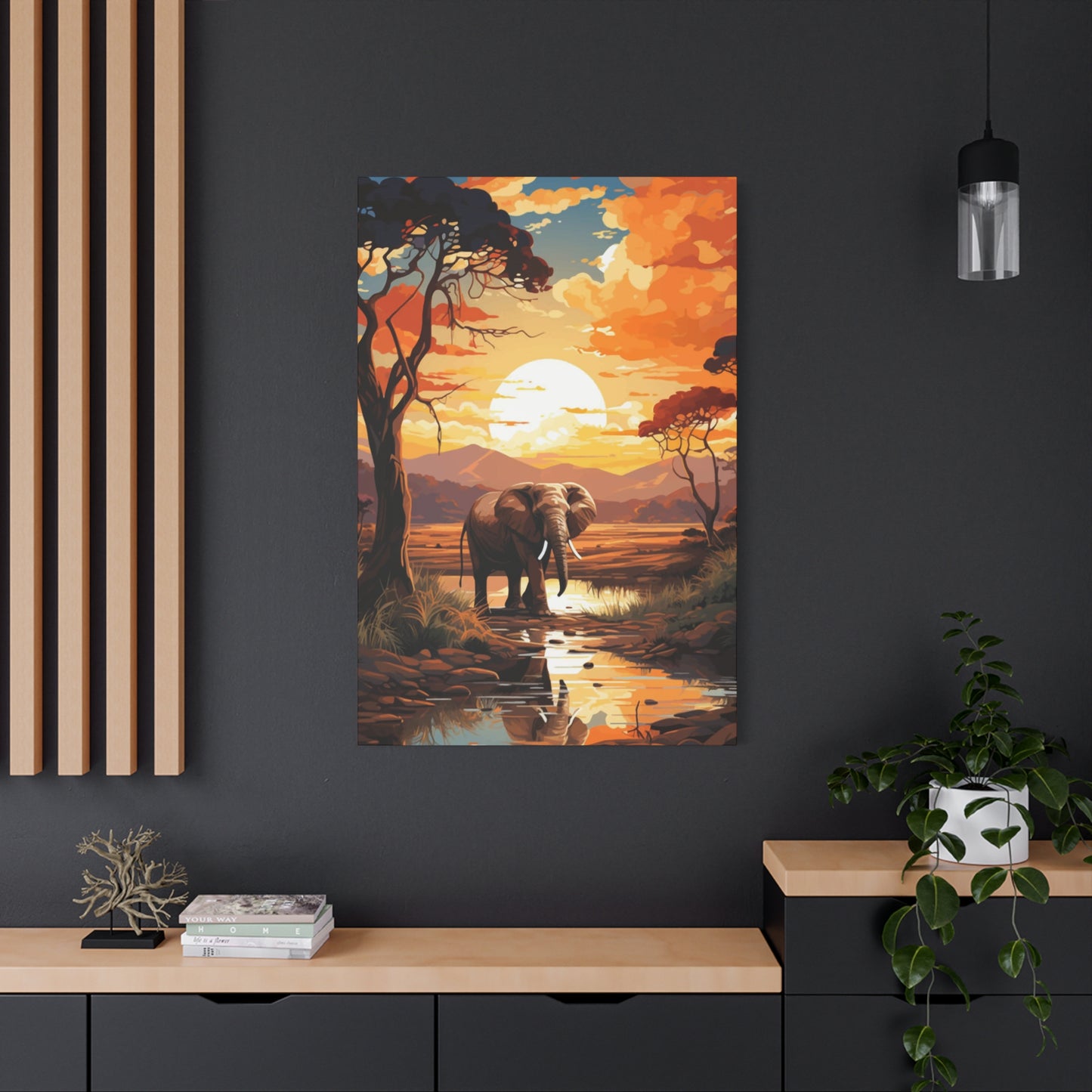
Elephant in Africa Wall Art & Canvas Prints
Elephant in Africa Wall Art & Canvas Prints
Couldn't load pickup availability
Majestic Giants: How Elephant in Africa Wall Art Brings the Savanna's Soul Into Your Living Space
The African elephant stands as one of nature's most magnificent creatures, embodying strength, wisdom, and the untamed spirit of the wild continent. When these remarkable beings are captured through artistic expression and transformed into wall decorations, they carry with them stories of vast savannas, golden sunsets, and the eternal rhythm of wilderness life. Elephant in Africa wall art has emerged as a powerful medium for bringing the essence of these gentle giants into homes, offices, and personal sanctuaries around the world.
Why the African Elephant Continues to Captivate Artists and Decorators Worldwide
The African elephant possesses an inherent majesty that transcends cultural boundaries and geographical distances. These colossal mammals, weighing up to six tons and standing as tall as thirteen feet, command respect and admiration wherever they roam. Their presence in artistic representations carries profound symbolic weight, representing memory, loyalty, family bonds, and ancient wisdom passed down through generations.
Artists throughout centuries have been drawn to capturing the elephant's essence, from prehistoric cave paintings to contemporary digital illustrations. The creature's distinctive features offer endless creative possibilities: the sweeping curves of massive ears, the intricate texture of weathered skin marked by sun and dust, the gentle yet powerful trunk capable of both delicate manipulation and tremendous force, and the ivory tusks that curve gracefully like natural sculptures.
When considering elephant in Africa wall art for interior spaces, one encounters a remarkable diversity of styles, mediums, and interpretational approaches. Some artists favor photorealistic portrayals that document every wrinkle and detail with scientific precision, while others embrace abstract interpretations that capture the animal's emotional essence through bold strokes and unconventional color palettes. The range extends from minimalist line drawings that suggest form with elegant economy to elaborate mixed-media compositions incorporating various materials and textures.
The geographical context of African elephants adds another dimension to artistic representations. These creatures inhabit diverse ecosystems across the continent, from the arid landscapes of Namibia's desert-adapted populations to the lush wetlands of Botswana's Okavango Delta, the golden grasslands of Kenya's Masai Mara, and the dense forests of Central Africa. Each environment offers distinct visual characteristics that artists can incorporate into their work, creating pieces that not only showcase the elephant but also celebrate the remarkable landscapes these animals call home.
The Profound Symbolism Behind Elephant Imagery in Different Cultures and Belief Systems
Elephants occupy special places in numerous cultural traditions and spiritual practices across the globe. In many African societies, elephants symbolize leadership, power, and the connection between earthly existence and ancestral spirits. The matriarch-led family structure of elephant herds parallels human social organizations, making these animals powerful metaphors for community, cooperation, and the transmission of knowledge across generations.
Asian cultures have long revered elephants, particularly in Hindu and Buddhist traditions where they represent wisdom, prosperity, and the removal of obstacles. The deity Ganesha, depicted with an elephant head, serves as one of the most recognized symbols in Hindu iconography. While Asian and African elephants differ in physical characteristics, the symbolic resonance of elephant imagery transcends these distinctions, creating universal themes that resonate across cultural contexts.
In Western interpretations, elephants have come to symbolize memory and remembrance, stemming from the popular expression about elephants never forgetting. This association has made elephant imagery particularly meaningful for those seeking to honor memories, commemorate important relationships, or create visual reminders of personal values and commitments. The animal's reputation for emotional intelligence and complex social behaviors has further enhanced its symbolic significance in contemporary contexts.
Environmental conservation movements have adopted the elephant as an emblematic species representing broader efforts to protect wilderness areas and maintain ecological balance. The plight of African elephants facing habitat loss and poaching has transformed these animals into powerful symbols of conservation consciousness. Displaying elephant in Africa wall art can serve as a personal statement of environmental values and a reminder of the interconnectedness between human societies and natural ecosystems.
Exploring Various Artistic Styles That Bring African Elephants to Life on Canvas and Beyond
The world of elephant-themed wall decorations encompasses an extraordinary spectrum of artistic approaches, each offering unique aesthetic experiences and emotional resonances. Photographic art captures elephants in their natural habitats with stunning clarity, preserving moments of authentic behavior and environmental interaction. These images might showcase a solitary bull elephant silhouetted against a dramatic sunset, a protective mother guiding her calf through shallow waters, or an entire herd engaged in the social rituals that define their community life.
Wildlife photographers spend countless hours in the field, waiting for perfect lighting conditions and meaningful moments that reveal the personality and presence of their subjects. The resulting photographs carry an authenticity and immediacy that other artistic forms cannot replicate. When transformed into large-format prints suitable for wall display, these photographs become windows into wild spaces that most viewers will never personally visit, offering virtual access to experiences that would otherwise remain beyond reach.
Painting traditions offer different possibilities for elephant representation. Realistic oil paintings can capture the play of light across an elephant's textured skin with remarkable subtlety, while watercolor techniques might emphasize the fluid grace of these massive creatures moving through their environments. Acrylic paintings can achieve bold, contemporary effects that transform elephant imagery into striking focal points for modern interior spaces.
Abstract interpretations liberate artists from representational constraints, allowing them to explore the emotional and spiritual essence of elephants through non-literal means. These works might use geometric forms to suggest elephant shapes, employ color symbolism to convey mood and meaning, or fragment and reconstruct elephant imagery in ways that challenge conventional perception. Such pieces often provoke deeper contemplation and personal interpretation, making them particularly suitable for spaces dedicated to reflection and creativity.
Illustrative styles ranging from detailed pen-and-ink drawings to simplified graphic designs offer yet another category of elephant art. These approaches can achieve effects ranging from scientific precision to playful whimsy, depending on the artist's intentions and the intended context for display. Line art featuring elephants can bring elegant simplicity to minimalist interiors, while more elaborate illustrations can serve as conversation-starting centerpieces in eclectic environments.
Mixed-media compositions expand possibilities even further by incorporating multiple materials and techniques within single artworks. An artist might combine painting with collage elements, integrate natural materials like bark or sand from African landscapes, or layer photographic elements with painted or drawn components. These complex works offer visual richness and textural interest that reward extended viewing and discovery.
Choosing the Perfect Elephant in Africa Wall Art to Complement Your Interior Design Vision
Selecting appropriate wall decorations requires thoughtful consideration of multiple factors that influence how artwork interacts with living spaces. The size of available wall space establishes primary parameters for artwork dimensions. A massive canvas featuring a life-sized elephant head might overwhelm a small bedroom but create dramatic impact in a spacious living room with high ceilings. Conversely, smaller elephant prints can be arranged in gallery-wall configurations that tell visual stories through multiple related images.
Color schemes form another crucial consideration when choosing elephant artwork. The natural palette of African landscapes tends toward earth tones: ochres, siennas, umbers, and the muted greens of savanna vegetation. These colors harmonize naturally with many interior design schemes, particularly those emphasizing natural materials and organic aesthetics. However, artists also create elephant art in unconventional color palettes, from vibrant sunset oranges and purples to cool blues and grays that evoke nighttime scenes or abstract interpretations.
The existing style of interior furnishings should inform artwork selection to create cohesive visual environments. Traditional or classical interiors might pair well with formal wildlife paintings featuring realistic elephant portrayals in ornate frames. Contemporary spaces often benefit from more minimalist or abstract elephant representations that emphasize clean lines and simplified forms. Eclectic interiors can accommodate diverse artistic styles, potentially mixing different elephant art pieces across various rooms or even within single spaces.
Emotional atmosphere represents another important selection criterion. Some elephant artworks convey tranquility and calm through composed compositions and gentle color palettes, making them suitable for bedrooms, meditation spaces, or areas designated for relaxation. Others project energy and drama through dynamic poses, bold contrasts, or vivid colors, making them better suited for social spaces where they can stimulate conversation and engagement.
Personal connection to the artwork matters tremendously. The most successful art selections resonate on emotional or intellectual levels beyond mere aesthetic coordination with existing decor. Someone who has traveled to Africa and encountered wild elephants firsthand might choose artwork that evokes those personal memories. Others might connect with elephant symbolism related to family values, environmental consciousness, or spiritual beliefs. The strongest interior spaces reflect genuine aspects of inhabitants' identities and values rather than merely following decorating trends.
Various Material Options and Printing Methods for Elephant Wall Decorations
The physical form of elephant artwork significantly influences its visual impact, durability, and suitability for different environments. Canvas prints remain among the most popular choices for large-format wall art. Modern printing methods can reproduce photographs, paintings, and digital artwork on canvas with remarkable fidelity, creating pieces that resemble traditional paintings when stretched over wooden frames. Canvas offers texture and depth that enhance visual interest while remaining relatively lightweight and easy to hang.
Metal prints represent a more contemporary option that brings unique qualities to photographic elephant imagery. The printing process infuses dyes directly into specially coated aluminum sheets, creating artwork with exceptional vibrancy, sharpness, and durability. Metal prints work particularly well for dramatic wildlife photography with high contrast and vivid colors. The reflective surface adds luminosity that changes subtly with ambient lighting conditions, creating dynamic visual experiences that evolve throughout the day.
Acrylic glass prints sandwich images between clear acrylic sheets or mount them behind acrylic panels, producing artwork with tremendous depth and a glossy, sophisticated appearance. This mounting method protects images while enhancing colors and creating an almost three-dimensional viewing experience. Acrylic prints work exceptionally well in modern, minimalist interiors where their sleek presentation complements contemporary aesthetics.
Traditional framed prints under glass remain timeless choices that work across various interior styles. This approach allows for endless customization through frame selection, matting options, and glazing choices. Museum-quality conservation framing protects valuable prints while presenting them with formal elegance suitable for sophisticated spaces. More casual frame selections can make the same print feel approachable and relaxed rather than precious.
Wood panels offer rustic alternatives that complement natural, organic interior themes. Printing elephant imagery directly onto wood surfaces or mounting prints on wood backing creates pieces that emphasize natural materials and textures. The wood grain can show through images, adding unique character that makes each piece slightly different. This approach works particularly well for cabin aesthetics, biophilic design schemes, or spaces that celebrate handcrafted qualities.
Tapestries and textile art provide soft alternatives to rigid wall decorations. Woven or printed fabric featuring elephant designs can soften hard architectural surfaces while introducing texture and warmth. These pieces often work well in spaces where acoustic softening is beneficial or where softer, more intimate aesthetics are desired compared to framed works.
Three-dimensional wall sculptures move beyond flat representations to create depth and shadow play. Metal sculptures might silhouette elephant forms against walls, while carved wood reliefs add tactile interest. These sculptural approaches transform elephant imagery into architectural elements that interact with light and space in unique ways.
How to Properly Display and Hang Your Elephant Artwork for Maximum Visual Impact
Artwork placement dramatically influences how pieces are perceived and experienced within living spaces. Height considerations form the foundation of proper hanging practices. The general guideline suggests positioning artwork so that its center aligns with average eye level, typically between fifty-seven and sixty inches from the floor. However, context matters significantly. In spaces where people primarily sit, such as dining rooms or conversation areas, slightly lower placement allows comfortable viewing from seated positions.
Lighting represents one of the most important yet frequently overlooked aspects of art display. Natural light creates beautiful illumination but carries risks of fading over time, particularly for works on paper or with fugitive pigments. Positioning elephant artwork away from direct sunlight or using UV-protective glazing helps preserve pieces for generations. Artificial lighting offers more control, with options ranging from track lighting to picture lights designed specifically for artwork illumination. LED technology now provides energy-efficient lighting that generates minimal heat and UV radiation, protecting artwork while highlighting its visual qualities.
Gallery walls assembling multiple elephant-themed pieces or combining elephant art with complementary images require careful planning to achieve balanced, cohesive results. Starting with a dominant anchor piece and building around it helps create visual hierarchy. Maintaining consistent spacing between frames, typically two to three inches, creates organized appearances even when frames differ in size and style. Laying out arrangements on the floor before hammering nails allows experimentation without leaving unnecessary wall damage.
Creating visual balance within rooms involves considering furniture arrangements and architectural features. Large elephant artwork naturally draws attention and can serve as focal points that anchor furniture groupings. Positioning a substantial elephant canvas above a sofa creates natural visual relationships between furniture and art. Placing elephant art opposite entryways ensures it makes immediate impressions on anyone entering the space.
Scale relationships between artwork and furniture matter tremendously. Oversized pieces floating above undersized furniture create awkward, unbalanced compositions. As a general guideline, artwork should span roughly two-thirds to three-quarters the width of furniture pieces beneath it. When hanging elephant art above consoles or credenzas, ensuring adequate visual weight prevents the artwork from appearing to float disconnectedly.
Grouping strategies can enhance impact when working with multiple smaller pieces. Triptychs showing elephant herds across three panels create expansive panoramic effects that work beautifully in wide spaces. Vertical stacking of horizontal elephant prints can fill tall, narrow wall sections. Creating thematic collections that include elephant art alongside related African wildlife or landscape imagery tells richer visual stories than single isolated pieces.
Color Psychology and How Elephant Art Influences Mood and Atmosphere in Living Spaces
Colors within elephant artwork profoundly affect the emotional atmospheres of spaces they inhabit. Understanding basic color psychology helps in selecting pieces that support desired environmental qualities. Warm colors including reds, oranges, and yellows convey energy, warmth, and sociability. Elephant art featuring golden sunset skies, warm earth tones, or the reddish dust of certain African soils brings inviting warmth to spaces while stimulating conversation and social interaction.
Cool colors such as blues, greens, and purples project calm, contemplation, and serenity. Elephant imagery featuring twilight scenes, moonlit landscapes, or the cool shadows of forest environments creates soothing atmospheres conducive to relaxation and reflection. These pieces work particularly well in bedrooms, home offices where focus is needed, or any space designated for decompression and stress relief.
Neutral palettes dominated by blacks, whites, grays, and earth tones offer versatility and timeless appeal. Black-and-white elephant photography creates dramatic, sophisticated effects that work across diverse interior styles. The absence of color shifts focus to composition, form, texture, and the inherent drama of subject matter. Sepia-toned elephant images evoke nostalgia and classical elegance, while pure grayscale photography emphasizes the play of light and shadow across elephant anatomy and African landscapes.
The intensity or saturation of colors also influences emotional impact. Highly saturated, vivid colors create energetic, attention-grabbing effects suitable for making bold statements in contemporary spaces. More muted, desaturated colors feel quieter and more refined, allowing elephant imagery to enhance environments without dominating them. This subtlety works well in spaces with already complex color schemes or where visual restraint is valued.
Contrast levels within elephant artwork affect visual dynamics and emotional tone. High-contrast images with deep blacks and bright highlights create drama and tension that energizes spaces. Lower contrast with gentle tonal transitions feels softer and more harmonious, supporting peaceful, contemplative atmospheres. Understanding these effects allows strategic selection of elephant art that reinforces desired environmental qualities.
Color symbolism varies across cultures, adding layers of meaning to artwork choices. In many African cultures, red symbolizes vitality and life force, while white represents purity and spiritual connection. Yellow often signifies wealth and fertility. Understanding these cultural color associations adds depth to elephant art selections, particularly when honoring African cultural perspectives or creating spaces with intentional symbolic resonance.
Discovering Unique and Authentic Elephant Art from Talented Creators Around the World
The search for meaningful elephant artwork often leads to exploring diverse sources that range from local galleries to international online marketplaces. Each avenue offers distinct advantages and considerations for collectors and decorators seeking pieces that resonate personally while supporting artists and ethical practices.
Local art galleries and exhibitions provide opportunities to view elephant art in person before purchasing, allowing assessment of colors, textures, and scale that photographs cannot fully convey. Gallery professionals can offer insights into artists' backgrounds, creative processes, and the stories behind specific works. Purchasing from local galleries supports community arts infrastructure and creates connections with regional creative communities.
Online marketplaces have democratized art access, connecting creators directly with audiences worldwide. These platforms showcase extraordinary diversity, from emerging artists experimenting with novel approaches to established wildlife artists with decades of field experience. The challenge lies in evaluating quality, authenticity, and artist legitimacy through digital interfaces. Reading detailed descriptions, examining multiple photographs, and reviewing artist biographies and customer feedback helps inform confident purchase decisions.
Directly purchasing from artists establishes personal connections and ensures that financial support reaches creators without intermediary percentages. Many wildlife photographers and painters maintain websites showcasing their portfolios and offering prints or original works for sale. Social media platforms have enabled artists to build followings and conduct sales directly, often sharing behind-the-scenes content about their creative processes and conservation efforts.
Art fairs and festivals dedicated to wildlife or African-themed art bring together numerous creators in single locations, facilitating comparison shopping and direct artist interactions. These events often include demonstrations, talks, and opportunities to discuss customization options for commissioned works. The temporal nature of such events creates urgency but also excitement and the potential for discovering exceptional pieces.
Conservation organizations sometimes partner with artists to produce limited-edition prints or collections, with proceeds supporting elephant protection programs. These collaborations allow art collectors to directly contribute to causes they care about while acquiring meaningful pieces. The provenance connecting artwork to conservation missions adds layers of significance beyond purely aesthetic considerations.
Fair-trade principles and ethical sourcing deserve attention when purchasing elephant art, particularly pieces created by African artists or incorporating materials from the continent. Ensuring that artists receive fair compensation for their work and that no materials derive from elephant exploitation or environmental harm aligns purchase decisions with conservation values. Certificates of authenticity, artist statements about materials and methods, and transparent supply chain information help verify ethical standards.
Combining Elephant Art with Additional African Wildlife and Landscape Imagery
Elephant in Africa wall art often works beautifully as part of broader thematic collections celebrating the continent's extraordinary natural heritage. Creating cohesive visual narratives through multiple related pieces can transform walls into immersive experiences that transport viewers to distant landscapes and ecosystems.
Pairing elephant art with images of other iconic African megafauna creates dynamic wildlife galleries. Lions representing feline power and predatory grace contrast beautifully with elephants' herbivorous gentleness and family-oriented social structures. Giraffes add vertical elegance to compositions dominated by elephants' horizontal mass. Rhinoceros imagery introduces another endangered giant facing similar conservation challenges. Creating walls that showcase the diversity of African wildlife educates while entertaining, particularly in family homes where children's curiosity about animals can be nurtured.
Landscape imagery without animal subjects provides complementary context for elephant art. Vast savanna panoramas stretching to distant horizons establish the scale and openness of elephant habitats. Dramatic acacia trees silhouetted against sunset skies create iconic African scenes that pair naturally with elephant imagery. Closeup studies of savanna grasses, baobab trees, or water holes add textural variety while maintaining thematic consistency.
Cultural imagery representing African peoples, traditions, and artistic heritage can enrich collections that include elephant art, creating more comprehensive celebrations of the continent. However, this approach requires cultural sensitivity and awareness to avoid appropriation or misrepresentation. Authentic work by African artists, whether contemporary or traditional, honors cultural perspectives rather than exoticizing or romanticizing them. When done thoughtfully, combining wildlife and cultural imagery acknowledges the inseparable relationship between African peoples and the landscapes they inhabit.
Abstract or conceptual pieces inspired by African themes can bridge elephant art with more contemporary or minimalist interior aesthetics. Geometric patterns derived from traditional African textiles and crafts, color fields inspired by African landscapes, or sculptural elements suggesting organic forms create visual connections without literal representation. These pieces allow collections to feel cohesive while introducing stylistic variety.
Vintage maps of African exploration, botanical prints of African flora, or ethnographic photographs from various time periods add historical dimensions to collections featuring elephant art. These pieces acknowledge the complex histories of Western engagement with Africa while celebrating the continent's enduring natural and cultural richness. Careful curation ensures that historical materials are presented with appropriate context rather than perpetuating colonial perspectives.
Seasonal rotation of artwork keeps interior spaces feeling fresh and allows collectors to enjoy larger collections without overwhelming available wall space. Elephant art might anchor permanent displays while surrounding pieces change periodically, creating evolving narratives that reflect seasonal themes, personal interests, or newly acquired works.
Creating Dedicated Spaces That Showcase Your Elephant Art Collection with Purpose
For serious collectors or those particularly passionate about elephant imagery and African wildlife, creating dedicated display spaces elevates artwork from decorative elements to central environmental features. These spaces might range from gallery walls in main living areas to entire rooms designated for collections.
Designing gallery walls requires balancing unity with variety. While all pieces might relate thematically to elephants or African wildlife, introducing variation in scale, framing styles, artistic mediums, and perspectives prevents monotony. Starting with a central anchor piece, typically the largest or most visually striking work, provides a focal point around which other pieces can be arranged. Stepping back frequently during arrangement helps assess overall balance and flow.
Creating narrative sequences through thoughtful arrangement adds conceptual depth to collections. A series of elephant images might progress from dawn to dusk lighting, follow the journey of a herd across landscapes, or trace the life stages from calves to matriarchs. These visual stories engage viewers more deeply than random assemblages, encouraging extended viewing and contemplation.
Incorporating three-dimensional elements adds depth and tactile interest to elephant-themed spaces. Carved wooden elephants from African artisans, bronze sculptures, or ceramic pieces complement flat wall art while introducing new textures and forms. Displaying these objects on console tables, shelving, or pedestals near related wall art creates layered, immersive environments.
Lighting design becomes crucial in dedicated art spaces. Track lighting with adjustable heads allows precise illumination of individual pieces, while ambient lighting prevents harsh contrasts that strain eyes. Dimmer switches enable adjustment of lighting intensity to match different times of day and various activities. In spaces where artwork viewing is the primary purpose, lighting should prioritize art illumination without creating uncomfortable glare or harsh shadows.
Seating arranged to face elephant art transforms viewing from passing glances to intentional experiences. A comfortable chair positioned to contemplate a favorite piece creates opportunities for meditation, reflection, or simply savoring artistic beauty. In social spaces, seating arrangements that include artwork within comfortable sightlines encourage conversations about pieces and the stories they represent.
Color schemes throughout rooms housing elephant art should complement rather than compete with artwork. Neutral wall colors provide clean backgrounds that allow art to command attention. However, accent walls in colors drawn from prominent artwork can create harmonious relationships between art and architecture. Furniture and textile colors might echo palette elements from elephant pieces, creating subtle connections throughout spaces.
Storage and rotation systems allow collectors to enjoy larger collections than can be simultaneously displayed. Proper storage protects artwork from damage while making rotation practical. Museum-quality storage materials prevent acid transfer, while climate-controlled environments protect against humidity fluctuations and temperature extremes that can damage various media over time.
Caring for and Preserving Your Elephant Artwork Through Proper Environmental Control
Artworks of all kinds remain vulnerable to environmental factors that can cause gradual degradation over time. Understanding these threats and implementing protective measures ensures that elephant art remains vibrant and intact for decades or generations.
Light exposure represents one of the most significant preservation challenges, particularly for works on paper, photographs, and pieces with fugitive pigments. Ultraviolet radiation causes fading and discoloration that accumulates incrementally, often becoming noticeable only after substantial damage has occurred. Positioning artwork away from direct sunlight provides basic protection, while UV-filtering glass or acrylic glazing blocks harmful wavelengths while maintaining visual clarity. LED lighting for artwork illumination minimizes UV exposure compared to traditional incandescent or fluorescent sources.
Humidity fluctuations cause expansion and contraction of various art materials, potentially leading to warping, cracking, or delamination. Canvas can sag or tighten dramatically with humidity changes, while paper becomes vulnerable to mold growth in excessively humid conditions or brittleness in overly dry environments. Maintaining relative humidity between forty and sixty percent protects most artwork types. In climates with extreme humidity variations, dehumidifiers or humidifiers help maintain stable conditions.
Temperature stability complements humidity control in creating favorable preservation environments. Moderate, consistent temperatures prevent thermal stress on artwork materials. Avoiding placement near heating vents, radiators, fireplaces, or air conditioning outlets protects pieces from temperature extremes and direct air flow that carries dust and debris.
Dust accumulation dulls artwork appearance and can cause abrasion damage over time. Regular, gentle dusting using soft, clean cloths or specialized art-cleaning tools maintains appearance without causing harm. Framed works with glass or acrylic glazing require only surface cleaning, while unglazed works demand more cautious approaches. Compressed air can dislodge dust from textured surfaces, though care must be taken to avoid blowing debris into crevices where removal becomes difficult.
Professional cleaning and conservation services address issues beyond routine care capabilities. Conservators possess specialized knowledge and equipment for treating damaged artwork, from repairing torn canvas to removing discoloration from aged paper. Consulting conservation professionals before attempting repairs prevents well-intentioned efforts from causing additional damage. Many conservators offer assessment services that identify condition issues and recommend preventive measures.
Insurance considerations become important for valuable collections. Documenting artwork through detailed photographs, maintaining purchase receipts, and obtaining appraisals establishes provenance and value for insurance purposes. Specialized fine arts insurance policies offer broader coverage than standard homeowners policies, protecting against wider ranges of damage and loss scenarios.
Gifting Elephant Art: Meaningful Presents That Carry Symbolic Weight and Lasting Beauty
Elephant artwork makes profoundly meaningful gifts for numerous occasions and recipients. The symbolic associations with memory, family, wisdom, and strength allow elephant art to commemorate significant life events while serving as lasting reminders of important relationships and shared values.
Wedding gifts traditionally symbolize good wishes for couples embarking on shared lives. Elephant imagery emphasizing family bonds, partnership, or the interconnected journeys of elephant herds resonates with marriage themes. The symbolism of elephants' lifelong pair bonds and protective family structures makes these images particularly appropriate for celebrating marital commitments. Selecting elephant art in colors coordinating with couples' home decor or in styles matching their aesthetic preferences shows thoughtfulness beyond generic gift choices.
Birth celebrations and nurseries benefit from elephant imagery's gentle associations with family, protection, and nurturing. Softer artistic styles featuring mother elephants with calves create warm, comforting environments for infants. Elephant art for children's spaces might incorporate whimsical elements or brighter colors while maintaining the underlying symbolic richness. As children grow, these pieces can transition from nursery decorations to meaningful reminders of childhood.
Milestone birthdays mark significant life transitions that elephant symbolism addresses beautifully. The associations with longevity, accumulated wisdom, and respected elder status make elephant art appropriate for celebrating advancing age. For those entering retirement, images of elephants in peaceful, contemplative poses might represent earned rest and the freedom to pursue personal interests. For younger milestone birthdays, dynamic elephant imagery might symbolize strength and potential.
Sympathy gifts require special sensitivity, and elephant art can serve as gentle memorials honoring lost loved ones. The cultural associations between elephants and memory make these images particularly meaningful in contexts of remembrance. Elephant imagery suggesting continuity, spiritual connection, or the enduring bonds of family can provide comfort during grief. Selecting subdued, contemplative pieces respects the solemnity of loss while offering beauty and symbolic meaning.
Graduation gifts mark transitions from one life phase to another, and elephant imagery can symbolize the wisdom gained through effort and the strength needed for future challenges. For students heading to college or beginning careers, elephant art serves as visual reminders of resilience, intelligence, and the importance of community support represented by elephant herds.
Housewarming presents help friends or family members establish new living spaces as homes. Elephant art brings symbolic blessings of stability, prosperity, and protection to new residences. The enduring nature of these symbols contrasts with consumable or disposable gifts, making elephant artwork something that might remain meaningful throughout recipients' lives.
Customization options allow elephant art gifts to feel uniquely personal. Some artists accept commissions for pieces incorporating specific elements meaningful to recipients, from particular African landscapes to color schemes matching home decor. Adding personal inscriptions or presenting artwork with written explanations of elephant symbolism in relation to specific recipients and occasions enhances meaning.
Presentation matters significantly for art gifts. Professional framing shows care and allows immediate display without requiring additional effort from recipients. Gift certificates to select their own elephant art respects personal taste while maintaining thematic gifting intentions. Including information about artists, conservation connections, or the stories behind specific pieces adds context that enriches gifts beyond their visual qualities.
Supporting Conservation Efforts Through Thoughtful Art Purchases and Ethical Collecting
The relationship between elephant art and conservation represents more than symbolic connection. Many opportunities exist for collectors to directly support protection efforts through purchase decisions and collecting practices.
Numerous wildlife photographers and artists donate portions of proceeds from specific prints or collections to conservation organizations working to protect African elephants and their habitats. These arrangements create direct financial pipelines from art sales to field conservation programs. Researching artists' conservation affiliations and supporting those who actively contribute to protection efforts aligns aesthetic appreciation with practical conservation support.
Some conservation organizations produce their own art collections, commissioning works from talented creators or licensing images from wildlife photographers. These programs generate funding while raising awareness about conservation challenges and the organizations addressing them. Purchasing from these sources ensures that substantial percentages of prices support conservation missions directly.
Ethical considerations extend to materials used in artwork production. Traditional ivory carving obviously conflicts with elephant conservation, but other materials also deserve scrutiny. Ensuring that wooden frames come from sustainably managed forests rather than contributing to deforestation that threatens elephant habitat demonstrates comprehensive environmental consciousness. Seeking out artists who prioritize sustainable materials and practices aligns collecting habits with conservation values.
African artists and craft cooperatives often create elephant-themed artwork as part of community-based conservation programs. These initiatives provide alternative livelihoods for people living near elephant populations, reducing human-wildlife conflict by creating economic incentives for coexistence rather than viewing elephants as threats or resources to exploit. Fair-trade purchases from these programs support both individual artists and broader conservation social structures.
Awareness-raising through art display extends conservation impact beyond financial contributions. When guests in homes admire elephant artwork, opportunities arise for conversations about conservation challenges, the remarkable nature of elephant intelligence and social behavior, and actions individuals can take to support protection efforts. Art becomes a educational tool that spreads conservation consciousness through social networks.
Volunteering or visiting conservation projects in Africa creates personal connections that inform and deepen relationships with elephant art. Some wildlife photography tours and conservation volunteer programs allow participants to contribute to research and protection efforts while gaining intimate wildlife encounters. These experiences transform relationships with elephant artwork from aesthetic appreciation to personal testimony of the realities these pieces represent.
Educational programs about elephant conservation, African ecosystems, and the interconnections between human communities and wildlife benefit from visual materials including artwork. Donating prints to schools, libraries, community centers, or conservation organizations for educational use extends the impact of elephant art beyond private enjoyment to serve broader social purposes.
Incorporating Elephant Art into Various Interior Design Styles and Decorating Schemes
Elephant imagery's versatility allows successful incorporation into diverse aesthetic contexts, from traditional to contemporary, rustic to refined. Understanding how different design approaches can accommodate elephant art helps collectors make selections that enhance existing spaces while remaining true to personal aesthetic values.
Contemporary minimalist interiors emphasize clean lines, uncluttered spaces, and restrained color palettes. Elephant art succeeds in these contexts through careful selection of simplified, graphic representations rather than busy, complex compositions. Black-and-white photography focusing on form and negative space, line drawings that suggest elephant presence through economical mark-making, or abstract interpretations that capture essence without literal detail all work beautifully in minimalist settings. Large-scale pieces create dramatic focal points without visual clutter, while floating frames or frameless mounting maintains clean aesthetics.
Traditional or classical interior styles characterized by formal symmetry, rich materials, and ornate details can accommodate realistic elephant paintings in substantial frames. Oil paintings with romantic lighting and detailed rendering of elephant anatomy and African landscapes echo the wildlife art traditions that decorated European estates during colonial periods. However, contemporary collectors should engage these traditions with awareness of their problematic historical contexts while appreciating the artistic craftsmanship they represent.
Rustic or natural design schemes emphasizing organic materials, earth tones, and casual comfort provide ideal contexts for elephant art celebrating the animals' natural environments. Photography showcasing elephants in wilderness settings, pieces emphasizing the textures of elephant skin and African landscapes, or artwork mounted on reclaimed wood all reinforce rustic aesthetic values. The natural color palette of elephant imagery harmonizes effortlessly with wood, stone, leather, and other materials common in rustic interiors.
Bohemian or eclectic styles celebrating pattern, color, and the unexpected mixing of diverse elements offer tremendous freedom for elephant art incorporation. Vibrant interpretations featuring unconventional color palettes, mixed-media pieces combining various materials and techniques, or collections mixing elephant art with diverse imagery all thrive in bohemian contexts. The key lies in ensuring that despite variety, underlying connections create cohesion rather than chaos.
Industrial aesthetics featuring exposed brick, metal elements, and raw materials might seem unlikely contexts for wildlife art, yet elephant imagery can create intriguing contrasts that humanize stark industrial spaces. Metal prints of elephant photographs, pieces with heavy metal frames, or artwork emphasizing the graphic qualities of elephant forms can bridge wildlife subjects with industrial design vocabularies.
Scandinavian design principles emphasizing functionality, simplicity, natural light, and connection to nature align beautifully with certain elephant art approaches. Minimalist black-and-white elephant photography, simple line drawings, or muted watercolors all complement Scandinavian aesthetics. The symbolic association between elephants and natural wisdom resonates with Scandinavian values of sustainability and environmental stewardship.
Tropical or safari-themed interiors obviously welcome elephant imagery as key decorative elements. However, these themes risk becoming clichéd or veering into problematic territory if not handled thoughtfully. Authentic elephant art by African photographers and artists, sophisticated wildlife photography avoiding cartoon-like representations, and careful curation that respects African cultures rather than exoticizing them allow safari themes to feel grown-up and respectful.
Conclusion
High-quality original artwork and limited-edition prints can involve substantial investment, but numerous options exist for incorporating elephant in Africa wall art into spaces regardless of budget constraints. Digital artwork markets and print-on-demand services have democratized art access, making it possible to enjoy beautiful elephant imagery at various price points.
Digital art marketplaces connect artists with consumers through downloadable files that purchasers can print independently. This model reduces costs by eliminating physical production, shipping, and intermediary expenses. Buyers receive high-resolution digital files that can be printed at desired sizes through local print shops or online printing services. This flexibility allows experimentation with different sizes and materials without committing to expensive custom framing and professional printing.
When purchasing digital elephant art, ensuring adequate resolution for intended print sizes remains crucial. Low-resolution files appear pixelated or blurry when enlarged, undermining visual impact. Reputable digital art sellers specify resolution information, typically measured in dots per inch, and maximum recommended print dimensions for each file. Following these guidelines ensures professional-looking results despite budget-friendly approaches.
Print-on-demand services offer alternatives to downloading and independently printing digital files. These platforms allow selection from vast libraries of elephant imagery uploaded by contributing artists, with prints produced and shipped after orders are placed. This model eliminates upfront inventory costs for artists while providing consumers with professional-quality prints without managing printing processes themselves. Many services offer various substrates including paper, canvas, and metal, with multiple size options and sometimes framing services.
Free or low-cost framing solutions help budget-conscious decorators present elephant prints attractively without expensive custom framing. Ready-made frames from home goods retailers provide affordable options in standard sizes. Thrift stores and salvage shops sometimes offer unique vintage frames at minimal cost, though verifying that glass is intact and backing is functional remains important. Simple clip frames eliminate traditional framing altogether while offering clean, modern presentations.
Share