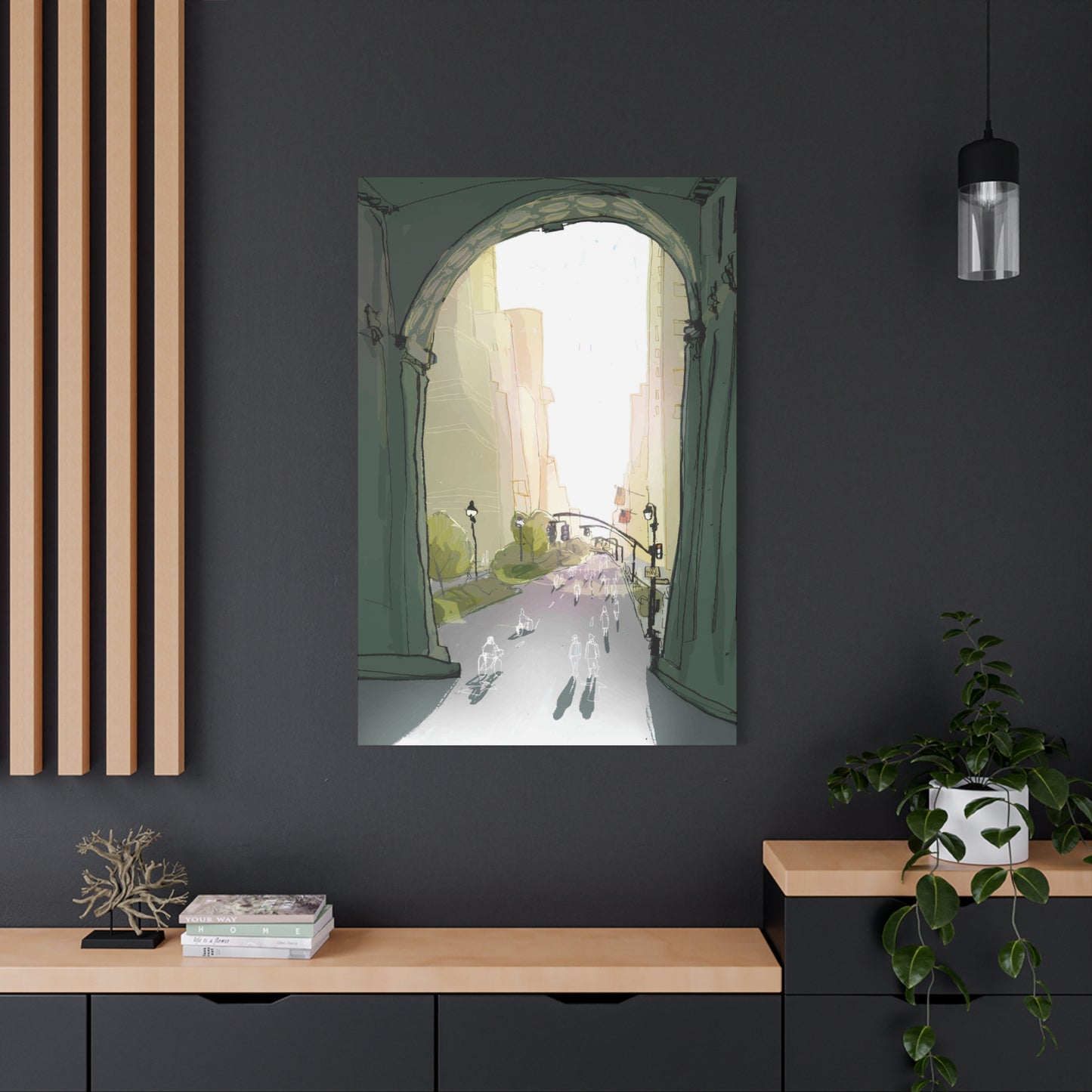
Eleanor Doughty Wall Art & Canvas Prints
Eleanor Doughty Wall Art & Canvas Prints
Couldn't load pickup availability
Discovering the Captivating World of Contemporary Visual Expression Through Curated Design Elements With Eleanor Doughty Wall Art
Eleanor Doughty wall art represents a fascinating convergence of modern aesthetic sensibilities and timeless design principles that have captivated collectors and interior enthusiasts worldwide. The creative force behind these remarkable pieces emerged from a rich background steeped in artistic exploration and visual storytelling. Her work transcends conventional boundaries, offering viewers an immersive experience that combines color theory, compositional mastery, and emotional resonance.
The genesis of this artistic journey began in the heart of England's countryside, where natural landscapes and architectural heritage provided endless inspiration. From an early age, the artist demonstrated an uncanny ability to perceive subtle nuances in light, shadow, and form that most observers might overlook. This heightened sensitivity to visual elements would later become the cornerstone of her signature style, which seamlessly blends contemporary minimalism with organic motifs.
Throughout her formative years, extensive travel across European capitals exposed her to diverse artistic movements and cultural expressions. Museums in Paris, galleries in Amsterdam, and street art in Barcelona all contributed to her evolving aesthetic vocabulary. These experiences crystallized into a unique visual language that speaks to universal human experiences while maintaining distinctive personal characteristics.
The philosophical underpinnings of Eleanor Doughty wall art emphasize the transformative power of visual elements within living spaces. Each creation serves as more than mere decoration; it functions as a catalyst for emotional engagement and contemplative reflection. The artist believes that surrounding oneself with thoughtfully crafted imagery can profoundly influence mood, creativity, and overall wellbeing.
Her approach to composition draws heavily from principles observed in nature's inherent geometry. The golden ratio appears repeatedly throughout her portfolio, creating harmonious proportions that feel instinctively pleasing to the human eye. This mathematical precision combines with intuitive color selection to produce works that balance intellectual rigor with emotional authenticity.
Exploring the Diverse Range of Styles and Motifs That Define This Compelling Artistic Collection
The breadth of Eleanor Doughty wall art encompasses numerous stylistic categories, each offering distinct visual experiences suited to different aesthetic preferences and environmental contexts. Abstract expressionism features prominently in many pieces, where bold gestural marks and spontaneous color applications create dynamic compositions full of movement and energy. These works often evoke powerful emotional responses, inviting viewers to project their own interpretations onto the canvas.
Botanical illustrations represent another significant category within the collection, showcasing meticulous attention to detail and scientific accuracy combined with artistic flair. These pieces celebrate the intricate beauty of plant life, from delicate fern fronds to dramatic tropical foliage. The rendering technique employed in these works demonstrates exceptional skill in capturing texture, translucency, and organic growth patterns.
Geometric abstraction provides a counterpoint to more organic forms, featuring crisp lines, precise angles, and carefully calibrated spatial relationships. These compositions appeal to lovers of minimalist aesthetics and modern design sensibilities. The interplay between positive and negative space in these works creates visual tension that engages viewers on both conscious and subconscious levels.
Landscape-inspired pieces draw from the artist's deep connection to natural environments, translating atmospheric conditions and topographical features into evocative imagery. Rather than photographic realism, these works capture the essence and emotional quality of places through simplified forms and expressive color palettes. Coastal scenes, mountainous terrain, and rolling agricultural fields all appear throughout this category.
Portraiture within the collection takes on an experimental quality, moving beyond traditional representational approaches to explore identity, personality, and human connection through unconventional means. Fragmented faces, overlapping profiles, and abstracted features invite contemplation about the nature of self-perception and how we recognize others.
Mixed media experimentation pushes boundaries by incorporating diverse materials and techniques into single compositions. Collage elements, textural additives, and layered applications create multidimensional surfaces that reward close examination. These pieces demonstrate the artist's willingness to explore new methodologies and challenge conventional categorizations.
Comprehensive Analysis of Materials, Methods, and Creative Processes Behind Each Stunning Piece
The creation of Eleanor Doughty wall art involves carefully selected materials chosen for their archival properties, visual characteristics, and environmental sustainability. Premium cotton canvas serves as the primary substrate for many pieces, offering ideal tooth for paint adhesion while maintaining structural stability over time. The weave density and surface preparation receive meticulous attention to ensure optimal results.
Pigment selection represents a crucial aspect of the creative process, with preference given to lightfast, non-toxic formulations that maintain color vibrancy for decades. Professional-grade acrylics feature prominently due to their versatility, quick-drying properties, and brilliant chromatic intensity. Certain pieces incorporate watercolor techniques for their characteristic translucency and atmospheric effects.
The preparatory phase begins with extensive sketching and compositional planning, though the final execution often deviates from initial concepts as intuitive responses guide the work's evolution. Multiple thumbnail studies help establish value relationships and spatial arrangements before committing to full-scale production. This balance between planning and spontaneity creates works that feel both intentional and alive.
Layering techniques build depth and complexity through sequential paint applications, allowing underlying colors to influence subsequent layers and create optical mixing effects. Glazing methods borrowed from classical painting traditions add luminosity and dimensional quality. Strategic areas of thick impasto contrast with smooth, evenly applied sections to create tactile interest.
Mark-making tools extend beyond conventional brushes to include palette knives, sponges, squeegees, and found objects that create distinctive surface textures. Each implement leaves characteristic traces that contribute to the overall visual vocabulary of the piece. Experimentation with unconventional application methods keeps the creative process fresh and generates unexpected discoveries.
Drying time between layers receives careful consideration, as premature overpainting can compromise color clarity and physical integrity. Conversely, strategic wet-on-wet techniques produce beautiful blending effects and soft transitions. This mastery of paint behavior at various stages of drying demonstrates deep material understanding.
Final finishing treatments protect the completed work while enhancing visual presentation. Varnish applications provide ultraviolet protection and unify surface sheen across the composition. The choice between matte, satin, and gloss finishes depends on the specific character of each piece and how it will interact with ambient lighting conditions.
Decoding the Symbolic Language and Deeper Meanings Embedded Within Visual Narratives
Eleanor Doughty wall art frequently incorporates symbolic elements that operate on multiple interpretive levels, rewarding sustained engagement and contemplation. Color symbolism plays a fundamental role, with hues carefully selected to evoke specific psychological responses and cultural associations. Azure blues might represent tranquility and expansiveness, while ochre yellows convey warmth and optimism. These chromatic choices transcend arbitrary preference to tap into shared human responses.
Recurring motifs throughout the body of work establish thematic continuity while allowing for infinite variation. Circular forms appear repeatedly, suggesting concepts of wholeness, cyclical processes, and eternal return. Linear elements imply direction, progress, and the passage of time. The interplay between these fundamental shapes creates visual metaphors for life's dualities and complementary opposites.
Natural imagery functions simultaneously as literal representation and metaphorical expression. A depicted tree might reference actual botanical specimens while also symbolizing growth, resilience, and interconnectedness. This multilayered approach allows viewers with different backgrounds and perspectives to find personal relevance within the same composition.
Scale relationships within compositions often carry metaphorical weight, with oversized elements suggesting importance or dominance while diminished forms might indicate distance or subordination. These spatial hierarchies guide viewer attention while subtly communicating relationships between depicted subjects.
Textural contrasts between smooth and rough passages create visual tension that mirrors emotional experiences of comfort and challenge. Areas of calm simplicity provide respite from regions of complex detail, mirroring the rhythms of human consciousness between focus and diffusion.
The presence or absence of recognizable imagery speaks to different modes of perception and understanding. Abstract passages engage the intuitive, emotional mind, while representational elements satisfy our pattern-recognition capabilities and desire for narrative structure. This interplay between abstraction and representation creates rich viewing experiences that satisfy multiple cognitive processes.
Temporal ambiguity in many pieces allows them to exist outside specific historical moments, creating timeless quality that remains relevant across changing trends and cultural contexts. This universality contributes to the enduring appeal of Eleanor Doughty wall art across diverse demographics and geographic regions.
Practical Considerations for Selecting the Perfect Piece to Complement Your Personal Environment
Choosing appropriate Eleanor Doughty wall art for your space requires thoughtful consideration of multiple factors that influence both aesthetic harmony and practical functionality. Room dimensions and ceiling height fundamentally affect suitable artwork scale, with larger spaces generally accommodating more substantial pieces without overwhelming the environment. Conversely, intimate rooms benefit from appropriately proportioned works that enhance rather than dominate.
Existing color schemes within your interior establish parameters for harmonious selection, though successful choices need not exactly match current palettes. Complementary colors create vibrant, energetic interactions, while analogous schemes produce serene, cohesive environments. Neutral-toned artwork provides versatility and longevity as surrounding decor evolves over time.
Lighting conditions dramatically affect how artwork appears and should guide selection decisions. Natural daylight reveals subtle color variations and surface textures beautifully but changes throughout the day and across seasons. Artificial lighting sources vary in color temperature and intensity, potentially altering perceived hues. Considering primary lighting situations ensures your selected piece appears as intended.
Architectural features within the space influence ideal placement and artwork characteristics. High ceilings accommodate vertically oriented pieces that draw the eye upward and emphasize spatial volume. Horizontal formats complement wide wall expanses and low furniture profiles. Alcoves and recessed areas create natural gallery-like settings for smaller focal pieces.
Furniture arrangements and traffic patterns determine practical viewing distances and angles. Artwork positioned above seating areas receives extended contemplation from stationary viewers, warranting complex compositions that reward sustained attention. Pieces in transitional spaces like hallways and entryways benefit from bold, immediately striking imagery that registers quickly.
Personal aesthetic preferences and emotional responses should ultimately guide selection, as you'll interact with your chosen piece daily for years to come. Spend time with potential selections, noting your instinctive reactions and how your perception evolves with repeated viewing. Artwork that continues revealing new aspects over time provides lasting value beyond initial impressions.
Room function influences appropriate imagery and mood. Bedrooms benefit from calming, contemplative pieces that promote relaxation and restful sleep. Home offices might feature energizing compositions that stimulate creativity and focus. Social spaces like living rooms and dining areas accommodate bold, conversation-starting works that reflect personality and values.
Strategic Placement Principles That Maximize Visual Impact and Environmental Harmony
The positioning of Eleanor Doughty wall art significantly influences its perceived impact and contribution to overall spatial quality. Eye-level placement represents the standard approach, typically centering artwork approximately sixty inches from the floor to align with average human sight lines. This universal guideline ensures comfortable viewing without neck strain while creating balanced visual relationships with surrounding elements.
Gallery wall arrangements allow multiple pieces to function as unified compositions while maintaining individual integrity. Successful configurations balance varying sizes, orientations, and visual weights to create cohesive yet dynamic installations. Planning layouts on the floor before hanging prevents errors and allows experimentation with different arrangements.
Focal point creation through strategic artwork placement draws attention to desired architectural features or defines conversation areas within open-plan spaces. Positioning a significant piece above a fireplace mantel or behind a dining table anchors the room and establishes spatial hierarchy. These deliberate focal points provide visual anchors that organize the entire environment.
Symmetrical arrangements convey formality, order, and classical elegance. Matching pairs flanking architectural features like doorways or windows create balanced, harmonious compositions. This approach suits traditionally styled interiors and formal entertaining spaces where structure and predictability feel appropriate.
Asymmetrical configurations generate dynamic energy and contemporary character. Off-center placements, varied heights, and unexpected juxtapositions create visual interest and suggest spontaneity. This approach aligns with casual, eclectic interiors and reflects modern sensibilities about controlled randomness.
Negative space surrounding artwork requires careful consideration, as adequate breathing room prevents visual crowding and allows pieces to command attention. The general guideline suggests leaving several inches between multiple works and avoiding placement too close to room corners or ceiling lines. Ample space creates elegant presentation and emphasizes the artwork's importance.
Relationship to furniture establishes visual connections between art and functional elements. Artwork width should typically span two-thirds to three-quarters of the furniture piece below it, creating proportional harmony. This principle applies to pieces above sofas, buffets, beds, and console tables, ensuring furniture and art feel intentionally related.
Vertical arrangements in narrow spaces like hallways and stairwells maximize limited wall real estate while creating upward visual movement. Carefully spaced works ascending a staircase wall create rhythm and guide movement through transitional areas. This approach transforms potentially overlooked spaces into compelling galleries.
Preservation Strategies That Safeguard Your Investment and Maintain Visual Brilliance
Protecting Eleanor Doughty wall art ensures its beauty endures for generations while maintaining monetary and sentimental value. Environmental controls represent the first line of defense against deterioration, with stable temperature and humidity levels preventing physical stress to materials. Ideally, maintain temperatures between sixty-five and seventy-five degrees Fahrenheit with relative humidity around fifty percent. Extreme fluctuations cause expansion and contraction that compromise structural integrity over time.
Direct sunlight exposure poses the most significant threat to artwork longevity, as ultraviolet radiation degrades pigments and substrates through photochemical reactions. Even lightfast materials eventually fade under sustained exposure. Position pieces away from windows receiving direct sun, or employ UV-filtering glazing and window treatments to mitigate damage. Rotating artwork between displayed and stored positions distributes exposure and extends overall lifespan.
Appropriate lighting illuminates artwork without causing harm, balancing visibility with conservation. LED fixtures produce minimal heat and ultraviolet output compared to incandescent and fluorescent sources, making them ideal for art lighting. Position lights to avoid creating glare or hotspots that obscure surface details. Dimmer controls allow intensity adjustment to suit various viewing situations and times of day.
Dust accumulation dulls surfaces and can attract moisture that encourages mold growth. Regular gentle cleaning using soft, dry brushes or microfiber cloths removes particulate matter without abrading surfaces. Avoid feather dusters that can catch on textured areas and potentially damage delicate elements. For varnished pieces, slightly damp cloths may be used occasionally, but never apply moisture to unprotected surfaces.
Handling practices prevent accidental damage during moving or storage. Always support artwork from beneath rather than grasping frames or edges. Wear clean cotton gloves when handling unframed pieces to prevent oil transfer from skin. Clear pathways before transport and ensure adequate clearance through doorways to avoid collisions.
Framing provides physical protection while enhancing presentation. Quality framing materials meet archival standards, avoiding acidic components that cause discoloration and embrittlement. Acid-free mats create barriers between artwork and glazing, preventing condensation contact. Proper mounting techniques secure pieces without using adhesives that might cause permanent damage.
Storage conditions for artwork not currently displayed require equal attention to environmental factors. Vertical storage prevents warping and reduces pressure on surfaces. Interleaving with acid-free tissue or glassine sheets prevents surface contact between stacked pieces. Climate-controlled storage areas maintain stable conditions year-round.
Professional conservation assessment every few years identifies emerging issues before they become serious problems. Trained conservators detect subtle condition changes invisible to casual observers and recommend preventive interventions. This proactive approach costs far less than emergency restoration while preserving original materials and artist intent.
Investment Perspectives: Understanding Value Factors in Contemporary Art Collecting
Acquiring Eleanor Doughty wall art represents both aesthetic enrichment and potential financial investment, with value determined by multiple intersecting factors. Artist recognition and career trajectory significantly influence market valuations, as established reputations command higher prices than emerging talents. Critical reception, exhibition history, and institutional collections all contribute to perceived importance within the broader art world.
Provenance documentation establishes ownership history and authenticity, directly impacting value and marketability. Comprehensive records tracing artwork from studio to current owner provide assurance and transparency that collectors demand. Certificates of authenticity signed by the artist constitute essential documentation for valuable pieces.
Edition size affects scarcity and corresponding value in print and reproduction markets. Limited editions numbered and signed by the artist maintain exclusivity while making artwork accessible at lower price points than unique originals. Open editions without quantity restrictions typically command lower prices due to unlimited availability.
Physical condition critically influences value, with pristine examples commanding premiums over damaged or heavily restored pieces. Professional conservation using reversible methods preserves value better than amateur repairs that might compromise integrity. Original frames and presentation materials contribute to completeness and historical authenticity.
Subject matter and stylistic characteristics affect market demand, with certain motifs and approaches enjoying greater popularity. Works exemplifying an artist's signature style or representing important career periods typically achieve stronger prices than atypical outliers. Size considerations also factor in, as very large pieces face limitations in residential display while extremely small works might seem insubstantial.
Market timing influences both buying and selling opportunities, as art markets fluctuate with broader economic conditions. Purchasing during market downturns or before widespread recognition offers greatest appreciation potential. Conversely, selling during peak demand maximizes returns. Long-term holding generally yields better results than short-term speculation.
Diversification across artists, styles, and price points reduces portfolio risk while exposing collectors to various market segments. Balancing established names with promising emerging talents creates opportunities for both stable value retention and significant appreciation. Personal enjoyment should remain central to acquisition decisions, as purely financial motivations often prove disappointing.
Navigating Acquisition Channels: From Galleries to Online Platforms and Direct Artist Relationships
Multiple pathways exist for acquiring Eleanor Doughty wall art, each offering distinct advantages, challenges, and experiences. Traditional gallery representation provides curated selection, expert guidance, and established infrastructure for viewing and purchasing. Gallery professionals offer contextual information about individual pieces, comparative works, and artist background that enriches understanding and appreciation. The physical gallery experience allows direct engagement with actual artwork under proper lighting conditions, revealing surface qualities and scale relationships that digital reproductions cannot convey.
Gallery commissions incorporated into pricing structure compensate for expertise, space overhead, and promotional efforts that benefit artists and collectors alike. These intermediary services provide value through authentication guarantees, return policies, and ongoing client relationships that support collecting journeys. Established galleries also facilitate resale opportunities through secondary markets and collector networks.
Online platforms expand access beyond geographic limitations, presenting extensive inventories viewable from anywhere with internet connectivity. Digital catalogs include detailed images, dimensions, and descriptions that facilitate preliminary selection. However, color accuracy and surface texture remain challenging to convey through screens, necessitating acceptance of some uncertainty until physical delivery. Reputable online vendors provide generous return periods to accommodate this limitation.
Virtual viewing rooms have emerged as sophisticated middle ground, offering immersive digital experiences that simulate gallery environments. High-resolution imaging, augmented reality preview tools, and video documentation provide comprehensive remote viewing options. These innovations democratize access while maintaining many benefits of traditional gallery experiences.
Art fairs and exhibitions offer concentrated opportunities to view numerous works simultaneously, comparing styles, prices, and quality across various vendors. These temporary events create unique browsing environments and often feature exclusive offerings unavailable elsewhere. Direct interaction with gallery representatives and occasionally artists themselves enriches the acquisition experience.
Studio visits and direct artist relationships provide unparalleled insight into creative processes and philosophy. Purchasing directly from creators eliminates intermediary costs while establishing personal connections that deepen appreciation. Many artists welcome studio visitors by appointment, discussing specific pieces, customization possibilities, and commission opportunities.
Auction houses handle both primary and secondary market sales, with high-profile events generating publicity and competitive bidding that can drive prices beyond estimates. However, auction purchases carry risks including condition uncertainties, authentication questions, and buyer's premiums that increase total costs beyond hammer prices. Thorough preview attendance and condition review minimize these risks.
Print-on-demand services offer affordable access to reproductions of original works, though quality varies dramatically between vendors. Premium providers use archival inks and substrates comparable to original printing methods, while budget options produce inferior results unsuitable for serious collectors. Careful vendor research ensures satisfactory outcomes.
Curatorial Approaches for Building Cohesive Collections That Reflect Personal Narratives
Developing a meaningful Eleanor Doughty wall art collection extends beyond accumulating individual favorites to creating dialogue between pieces that express coherent personal narratives. Thematic collecting establishes conceptual frameworks organizing acquisitions around shared subjects, moods, or visual characteristics. A collection focused on botanical imagery might span various styles and scales while maintaining consistent subject matter that creates unity amid diversity.
Color palette consistency provides another organizing principle, with selected pieces sharing dominant hues or tonal relationships. This approach allows stylistic variety while maintaining visual harmony when works are displayed together. Limiting color schemes to analogous or complementary ranges creates sophisticated, intentional impressions.
Stylistic evolution documentation traces an artist's development over time, capturing distinct creative periods and methodology shifts. Collections spanning entire careers provide comprehensive overviews while potentially appreciating significantly as historical records of artistic journey. This approach requires patience and long-term commitment but yields deeply satisfying results.
Size graduation creates dynamic display possibilities, with varied dimensions preventing visual monotony while accommodating different spatial requirements. Mixing substantial statement pieces with smaller supporting works builds layered, gallery-worthy presentations. Strategic groupings can then organize pieces by size relationships that guide viewer attention.
Emotional resonance collection building prioritizes personal psychological responses over objective criteria or market considerations. Works that evoke powerful feelings or meaningful memories create deeply personal collections reflecting individual experiences and values. This subjective approach produces unique assemblages unlike anyone else's holdings.
Period piece acquisition focuses on specific career phases or limited timeframes, creating focused collections with historical coherence. Early career works might show different characteristics than mature period pieces, offering fascinating comparisons. This approach requires staying informed about artist career developments and market availability.
Complementary artist inclusion expands collections beyond single creators while maintaining aesthetic consistency. Selecting works by artists with similar sensibilities or who influenced Eleanor Doughty's development creates rich contextual relationships. This comparative approach deepens understanding of individual pieces while building more diverse, interesting collections.
Commissioning Original Works: Collaborative Processes That Yield Personalized Masterpieces
Custom commissions offer unique opportunities to collaborate with creators on Eleanor Doughty wall art tailored to specific visions, spaces, and requirements. The commission process typically begins with initial consultations discussing preferences, constraints, and expectations. Clear communication about desired subjects, color schemes, dimensions, and stylistic approaches establishes shared understanding and realistic goals.
Space assessment examines architectural context, existing decor, lighting conditions, and viewing distances that influence appropriate solutions. Providing photographs, room dimensions, and color samples helps artists envision optimal approaches. Site visits for significant commissions allow firsthand spatial understanding that informs recommendations.
Preliminary sketches and concept presentations offer opportunities to review proposed approaches before production begins. Multiple options might be presented, exploring different compositional strategies and stylistic interpretations. This iterative refinement stage ensures alignment before substantial time investment occurs.
Timeline establishment sets realistic expectations for completion, considering artwork complexity, artist schedule, and any deadline requirements. Custom pieces necessarily take longer than purchasing existing inventory, with months sometimes required for ambitious projects. Patience during this period yields artwork precisely suited to requirements.
Material selection discussions determine substrates, mediums, and finishing treatments appropriate to artistic vision and practical needs. Decisions about stretched canvas versus panel supports, acrylic versus oil paint, and matte versus glossy varnish all impact final appearance and longevity. Artist expertise guides these choices while incorporating client preferences.
Progress updates during creation maintain engagement and allow course corrections if execution diverges from expectations. Photographs of work-in-progress stages reassure clients while documenting creative evolution. Some artists welcome mid-process feedback, while others prefer minimal interference until completion.
Final approval before delivery ensures satisfaction before installation occurs. Viewing completed work in person allows assessment of color accuracy, surface quality, and overall impact. Most commission agreements include revision rounds for minor adjustments if needed.
Pricing structures for commissions typically reflect material costs, time investment, and artist experience. Larger dimensions, complex compositions, and tight deadlines increase costs. Deposit requirements secure artist schedules and cover initial material expenses, with balance due upon completion. Clear written agreements prevent misunderstandings and establish professional parameters.
Restoration Practices That Revive Damaged or Deteriorated Artwork to Original Splendor
Professional restoration of Eleanor Doughty wall art addresses condition issues that compromise appearance or structural stability. Qualified conservators possess specialized training in materials science, art history, and reversible treatment methods that respect original artist intent. Selecting appropriately credentialed professionals ensures ethical, effective interventions.
Condition assessment documentation establishes baseline states before treatment begins, photographically recording all damage and deterioration. Detailed examination under various lighting conditions reveals issues invisible to casual observation. Ultraviolet illumination detects previous restoration attempts and material inconsistencies.
Treatment proposals outline recommended interventions, expected outcomes, and associated costs. Detailed descriptions explain procedures and materials to be used, allowing informed decision-making. Conservators discuss benefits and limitations of various approaches, acknowledging that perfect restoration rarely achieves invisibility.
Surface cleaning removes accumulated grime that obscures original appearance without damaging underlying paint layers. Conservators employ carefully tested solvents and mechanical methods appropriate to specific materials and conditions. Overzealous cleaning risks abrading original surfaces, requiring experienced judgment about appropriate stopping points.
Tear repair for damaged canvas supports involves careful realignment and stabilization using reversible adhesives and patch materials. Skilled conservators match original weave patterns and minimize visual disruption. Proper support restoration prevents further damage while maintaining structural integrity.
Paint loss compensation fills lacunae where original material has been lost, using reversible conservation paints matched to surrounding areas. Various inpainting philosophies range from invisible retouching to clearly distinguishable fills. Discussions with artwork owners determine preferred approaches balancing aesthetics with historical integrity.
Varnish removal and replacement addresses discolored or damaged protective coatings that yellow and crack over time. Selective varnish removal requires great skill to avoid disturbing original paint layers. New varnish application restores optical clarity and provides renewed protection.
Stretcher replacement addresses warped or damaged support structures that compromise canvas tension and stability. New stretchers are constructed to archival standards with expansion allowances and proper corner joinery. Careful restretching ensures even tension without distorting the painted surface.
Display Innovations That Transform How We Experience Art in Residential Settings
Contemporary Eleanor Doughty wall art presentation embraces innovative approaches beyond traditional hanging methods, creating dynamic, flexible display solutions. Track lighting systems provide directional illumination that highlights individual pieces while allowing easy adjustment as collections evolve. Dimmer controls enable mood variation and reduce light exposure during daytime hours when natural illumination suffices.
Picture rail systems installed at ceiling height accommodate suspended artwork using nearly invisible cables and adjustable hooks. This approach eliminates wall penetrations while providing effortless height adjustment and repositioning. Traditional molding profiles complement period architecture while contemporary minimal tracks suit modern interiors.
Gallery ledges create shelf-like displays perfect for frequently rotating smaller pieces without repeated nail holes. Leaning artwork against walls on these ledges produces casual, collected-over-time aesthetics while protecting surfaces. Layering multiple pieces at varied depths adds dimensional interest.
Easel presentation elevates individual works to object status, creating sculpture-like presences within rooms. Floor-standing easels accommodate large pieces while adding architectural interest through their own forms. This approach works particularly well in studio spaces and casual environments.
Floating frame systems suspend artwork between clear acrylic panels, creating shadowbox effects with dimensional depth. These contemporary presentations suit modern interiors while providing excellent protection. The floating appearance generates lightness and visual intrigue.
Modular grid systems allow reconfigurable arrangements that adapt to changing collections and aesthetic preferences. Uniform spacing between grid points ensures balanced compositions regardless of specific piece selection. This systematic approach produces cohesive gallery walls from diverse individual works.
Projection mapping technology enables temporary digital presentation of artwork collections without physical installation. High-resolution projectors display images at appropriate scales on blank walls, allowing experimental arrangements before commitment. This innovation particularly suits renters and commitment-averse decorators.
Rotating display mechanisms automatically change visible artwork at programmed intervals, essentially creating digital frames for multiple pieces. This maximizes enjoyment of extensive collections within limited display space. Gentle rotation prevents light damage concentration while maintaining fresh visual experiences.
Cultural Contexts That Inform Contemporary Visual Art Practice and Reception
Eleanor Doughty wall art emerges from rich cultural traditions while responding to contemporary circumstances and concerns. Modernist legacies emphasizing individual expression, formal experimentation, and conceptual depth provide foundational frameworks. Pioneers like Kandinsky, Rothko, and Frankenthaler established abstraction as legitimate artistic language capable of profound communication without representational imagery.
Postmodern questioning of universal truths and grand narratives encouraged pluralistic approaches embracing diverse voices, styles, and meanings. This cultural shift legitimized personal, subjective expression over academic conformity. Contemporary artists inherit freedom to draw from multiple traditions without hierarchy or shame.
Environmental consciousness increasingly influences subject matter and methodology as climate crisis urgency permeates collective awareness. Botanical imagery takes on new significance as visual celebration and subtle advocacy for preservation. Material choices reflect ecological values, with sustainable substrates and non-toxic pigments gaining favor.
Digital culture profoundly shapes how people discover, experience, and share visual art. Social media platforms enable unprecedented direct artist-audience connections while creating new promotional pathways bypassing traditional gatekeepers. However, screen viewing fundamentally differs from physical artwork encounter, potentially devaluing material presence.
Globalization exposes artists to worldwide influences while potentially homogenizing regional distinctiveness. Unprecedented access to diverse traditions enriches creative vocabularies but risks appropriation and superficial borrowing. Thoughtful engagement with cross-cultural influences requires respect and depth beyond mere aesthetic mining.
Gender discourse examines historical exclusion of women from artistic canons and markets, working toward equity while celebrating specifically feminine perspectives and experiences. Women artists increasingly receive deserved recognition while navigating ongoing systemic challenges. This cultural reckoning reshapes narratives about who creates valuable art.
Wellness movements emphasize art's therapeutic potential and contribution to healthy living environments. Growing recognition of aesthetic surroundings' impact on mental health positions artwork as wellness investment rather than mere luxury. This perspective democratizes art collecting beyond elite circles.
Interior Design Philosophies That Harmonize Art with Architectural Environments
Successful Eleanor Doughty wall art incorporation depends on understanding fundamental design principles governing spatial composition and aesthetic harmony. Scale relationships between artwork and surrounding elements establish visual hierarchies that guide attention and create balanced environments. Oversized pieces command presence and establish focal points, while smaller works provide supporting interest without overwhelming.
Color theory applications extend beyond artwork itself to encompass relationships with wall colors, furniture upholstery, and decorative accessories. Monochromatic schemes using varied shades of single hues create sophisticated, serene environments. Complementary color pairings generate vibrant energy through opposing wheel positions. Analogous combinations produce harmonious flows using adjacent hues.
Textural variety prevents monotony while engaging multiple senses simultaneously. Smooth painted walls contrast beautifully with textured canvas surfaces and woven fabrics. Glossy and matte finishes reflect light differently, creating depth through surface quality variation. Incorporating diverse textures throughout spaces produces rich, layered environments.
Stylistic coherence unifies diverse elements through consistent aesthetic approaches. Mid-century modern interiors naturally complement minimalist abstract artwork, while traditional spaces suit classical subjects and techniques. However, unexpected combinations often produce dynamic tension that elevates both environment and artwork beyond predictable results.
Rhythm establishment through repeated elements creates visual flow guiding movement through spaces. Artwork spaced at regular intervals along corridors establishes processional progression. Color repetitions between artworks and textiles unite disparate elements. These rhythmic patterns satisfy innate human preference for order and pattern.
Emphasis creation directs attention to important features and desired focal points. Dramatic artwork positioned prominently immediately captures entering visitors' attention. Subtler placements in intimate areas reward sustained engagement from regular inhabitants. Strategic emphasis guides experiential narratives through environments.
Balance achievement prevents spaces from feeling lopsided or uncomfortable. Symmetrical arrangements around central axes create formal, stable impressions. Asymmetrical balance uses varied elements of equivalent visual weight distributed to achieve equilibrium. Understanding these principles enables intentional balance or productive tension.
Proportion considerations relate element sizes to human scale and architectural dimensions. Artworks proportioned to surrounding architecture feel integrated rather than arbitrarily placed. Classical proportional systems like golden rectangles produce inherently pleasing relationships. Attention to proportion elevates amateur arrangements to professional presentation quality.
Market Dynamics: Current Trends Shaping Contemporary Art Collecting Behaviors
The Eleanor Doughty wall art market reflects broader shifts transforming how collectors discover, evaluate, and acquire works. Digital-first purchasing has normalized online transactions for significant investments previously requiring physical inspection. High-resolution imaging, detailed condition reports, and generous return policies mitigate risks while expanding access beyond major metropolitan gallery districts.
Millennial and Generation Z collectors demonstrate different priorities than preceding generations, emphasizing personal connection over investment potential and preferring emerging artists to established names. Social media influence shapes tastes, with Instagram aesthetics favoring bold graphics and photogenic qualities. These demographic shifts reshape market dynamics as younger collectors gain purchasing power.
Transparency demands challenge traditional gallery opaqueness about pricing and provenance. Online platforms displaying clear prices democratize information previously available only through dealer relationships. This shift empowers collectors while creating pressure on galleries to justify pricing and demonstrate value-added services.
Sustainability considerations increasingly influence purchasing decisions as environmentally conscious collectors demand ethical practices. Questions about material sourcing, studio waste management, and shipping impacts inform choices. Artists demonstrating ecological responsibility attract values-aligned buyers willing to pay premiums.
Inclusivity movements push for diverse representation across artists, subjects, and collecting communities. Growing recognition of systemic exclusions prompts active efforts elevating marginalized voices. Collectors increasingly seek works by women, people of color, and LGBTQ+ artists both for social justice reasons and recognition of previously undervalued talent.
Experiential collecting prioritizes meaningful artist relationships and studio access over purely transactional exchanges. Collectors seek personal connections and deeper understanding of creative processes. This relationship-driven approach fosters community while supporting artists through stable patronage beyond individual sales.
Edition prints democratize access to artwork by established artists at accessible price points. Advances in printing technology produce exceptionally high-quality reproductions that capture original character. This market segment grows rapidly as quality improves and younger collectors embrace prints as legitimate collecting category.
Virtual and augmented reality technologies enable immersive preview experiences, addressing online purchasing limitations. Seeing artworks virtually placed in actual spaces at accurate scale reduces uncertainty. These innovations bridge physical-digital divides while expanding practical shopping capabilities.
Conclusion
Eleanor Doughty wall art contributes to environmental psychology through visual stimulation that affects mood, cognition, and behavior. Color psychology research demonstrates measurable physiological and emotional responses to different hues. Warm colors like red and orange increase heart rate and stimulate appetite, while cool blues and greens produce calming effects that lower blood pressure.
Biophilia hypothesis suggests innate human affinity for natural imagery due to evolutionary heritage. Artwork depicting plants, landscapes, and organic forms satisfies deep psychological needs for nature connection. Urban dwellers particularly benefit from nature-themed art that provides symbolic wilderness access within built environments.
Attention restoration theory explains how certain visual environments replenish cognitive resources depleted by sustained focus. Art featuring soft fascinations through gentle complexity allows restful engagement without demanding concentration. This restorative quality makes particular artworks valuable in high-stress environments like offices and medical facilities.
Personal identity expression through aesthetic choices fulfills fundamental needs for self-definition and social signaling. Displayed artwork communicates values, sophistication, and personality to visitors while reinforcing self-concept to inhabitants. These identity functions make art selection deeply meaningful beyond surface decoration.
Emotional regulation benefits from strategic environmental design incorporating artwork that supports desired psychological states. Calming pieces in bedrooms facilitate sleep preparation, while energizing works in exercise spaces motivate activity. Thoughtful curation creates emotionally supportive environments throughout homes.
Cognitive stimulation from engaging artwork prevents environmental monotony that dulls awareness and satisfaction. Complex, layered compositions reward repeated viewing as new details emerge over time. This sustained interest maintains environmental freshness despite unchanging physical spaces.
Social connection facilitation occurs when displayed artwork prompts conversations and shared experiences among household members and guests. Discussing aesthetic responses, interpretations, and preferences builds relationships through vulnerability and common interest. Art thus functions as social lubricant beyond mere decoration.
Memory anchoring associates specific artworks with meaningful life periods, relationships, and experiences. These emotional associations transform pieces into cherished mementos that gain sentimental value beyond aesthetic or financial worth.
Share