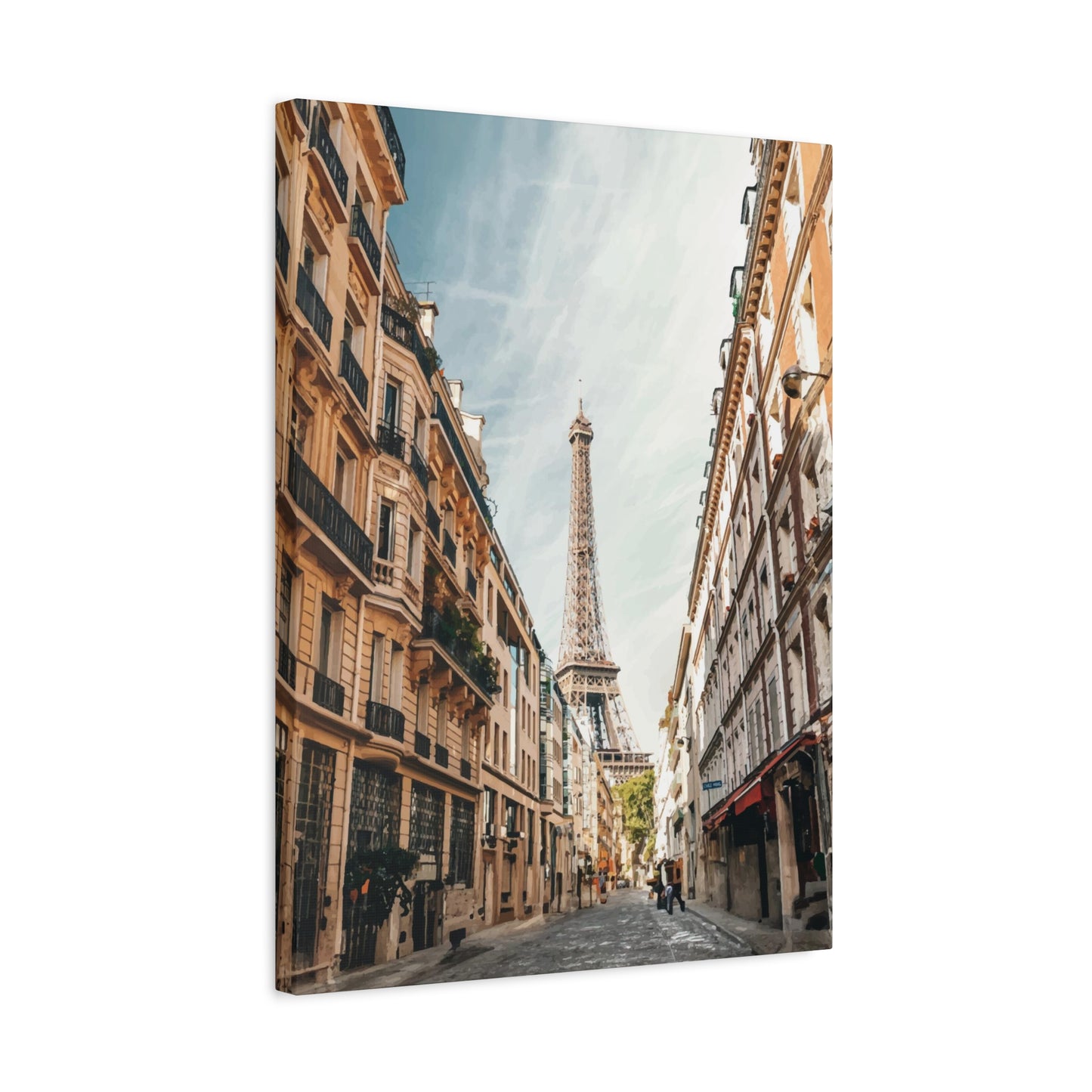
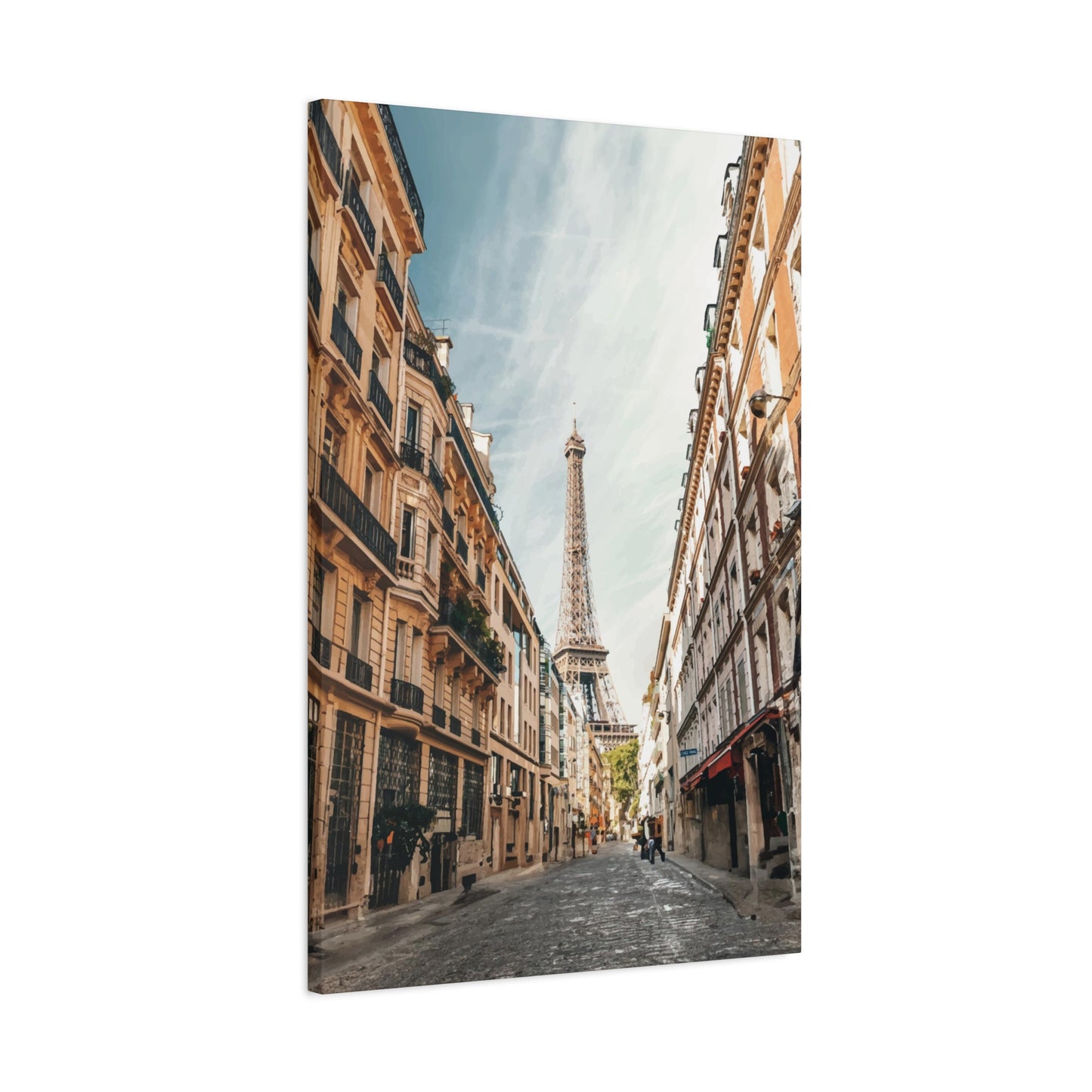
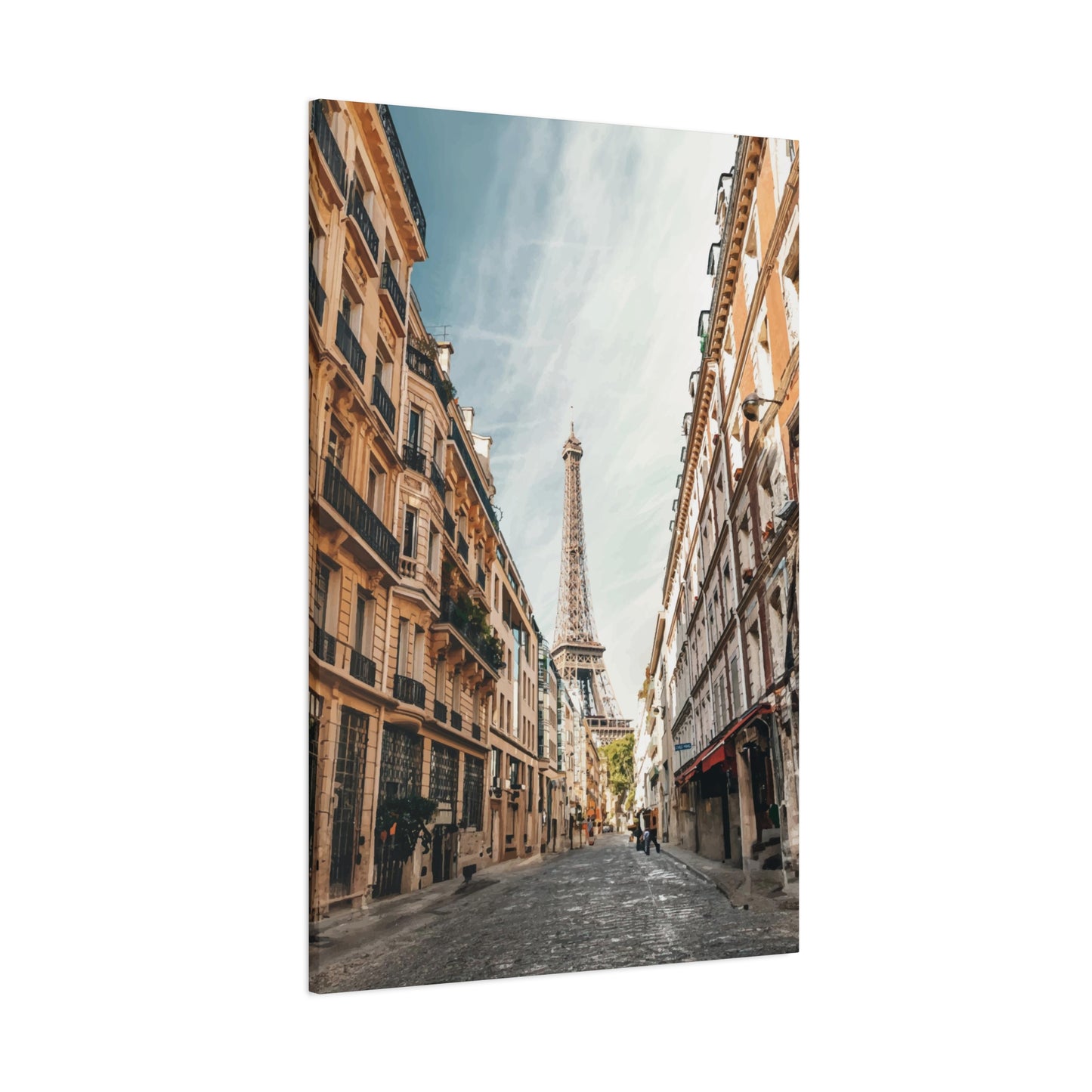
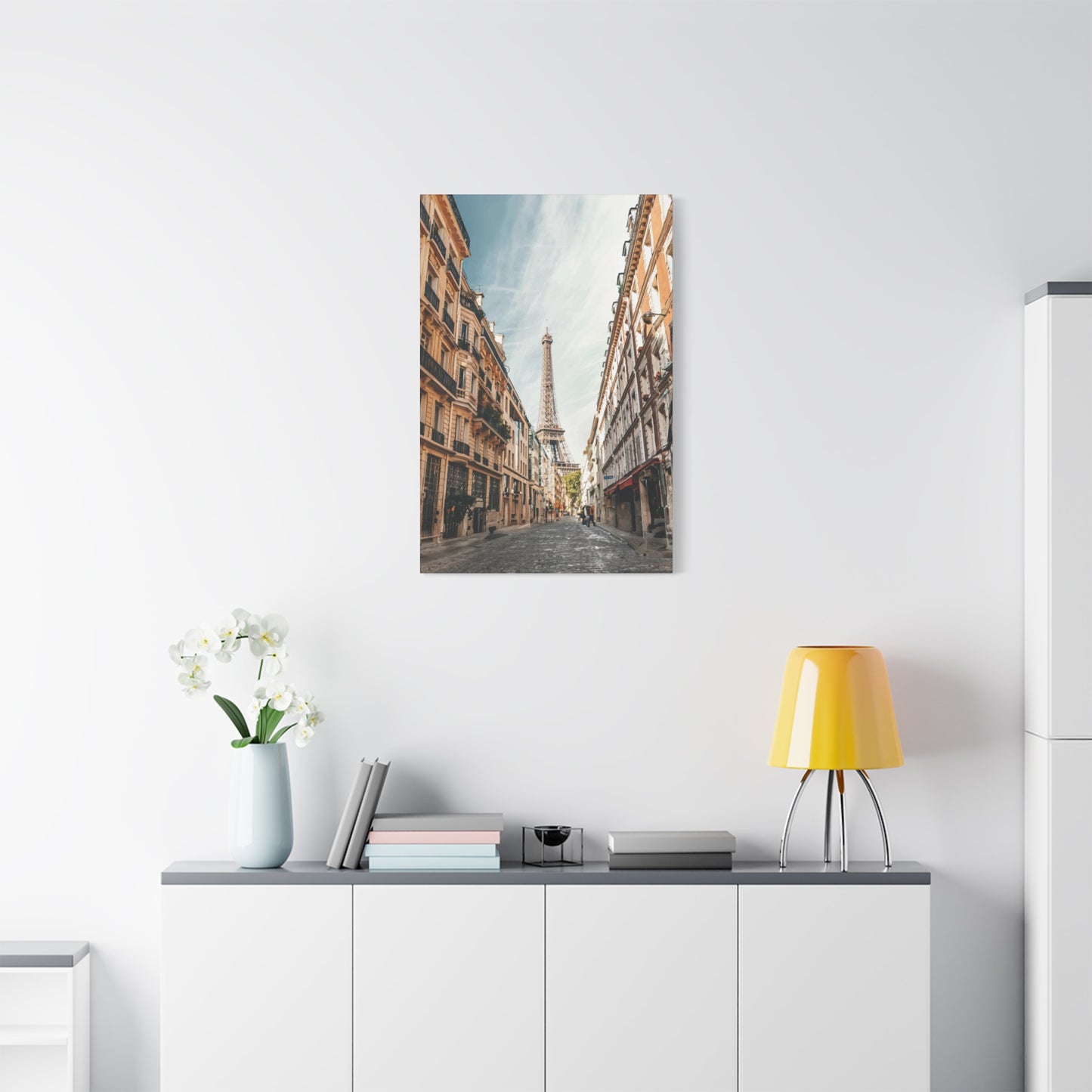
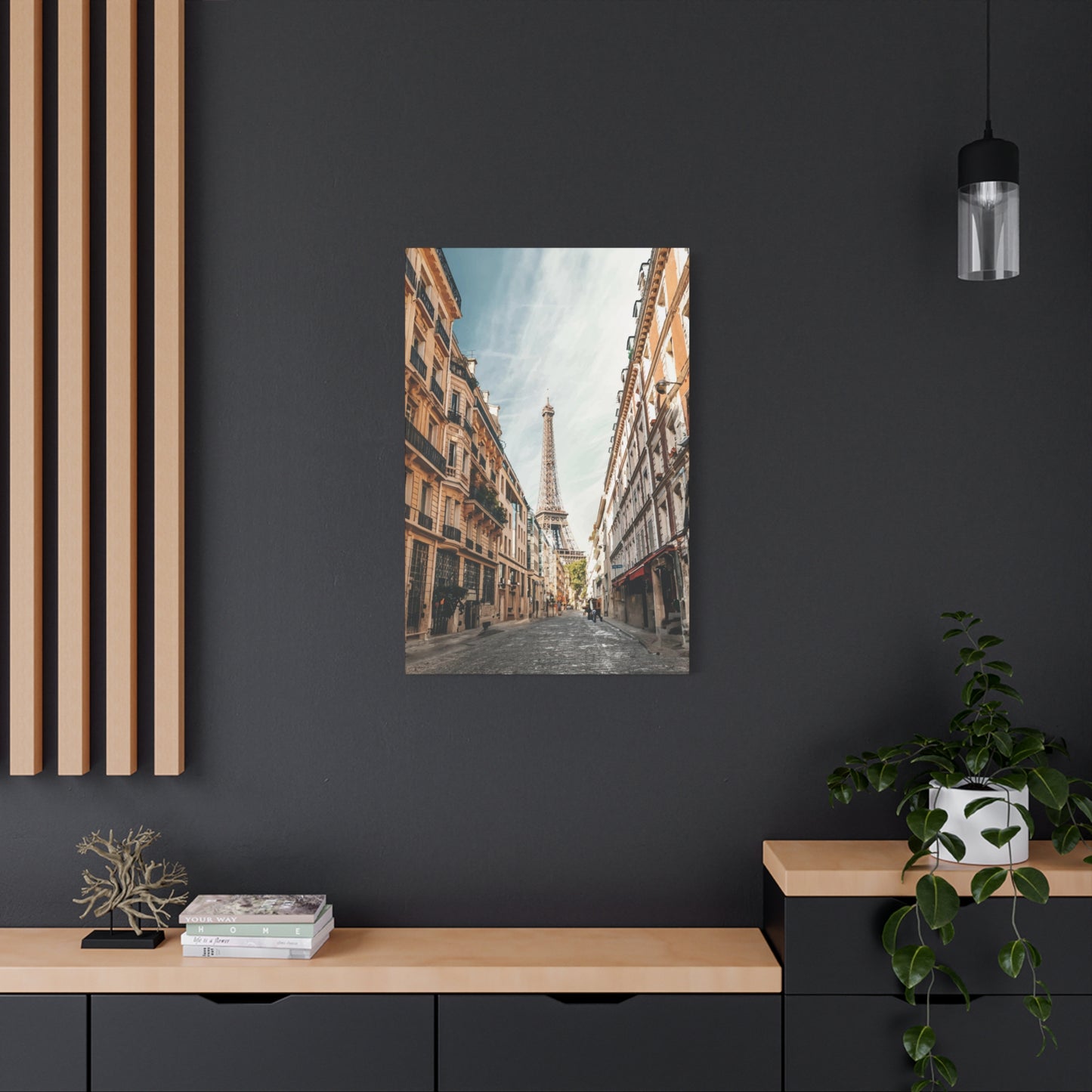
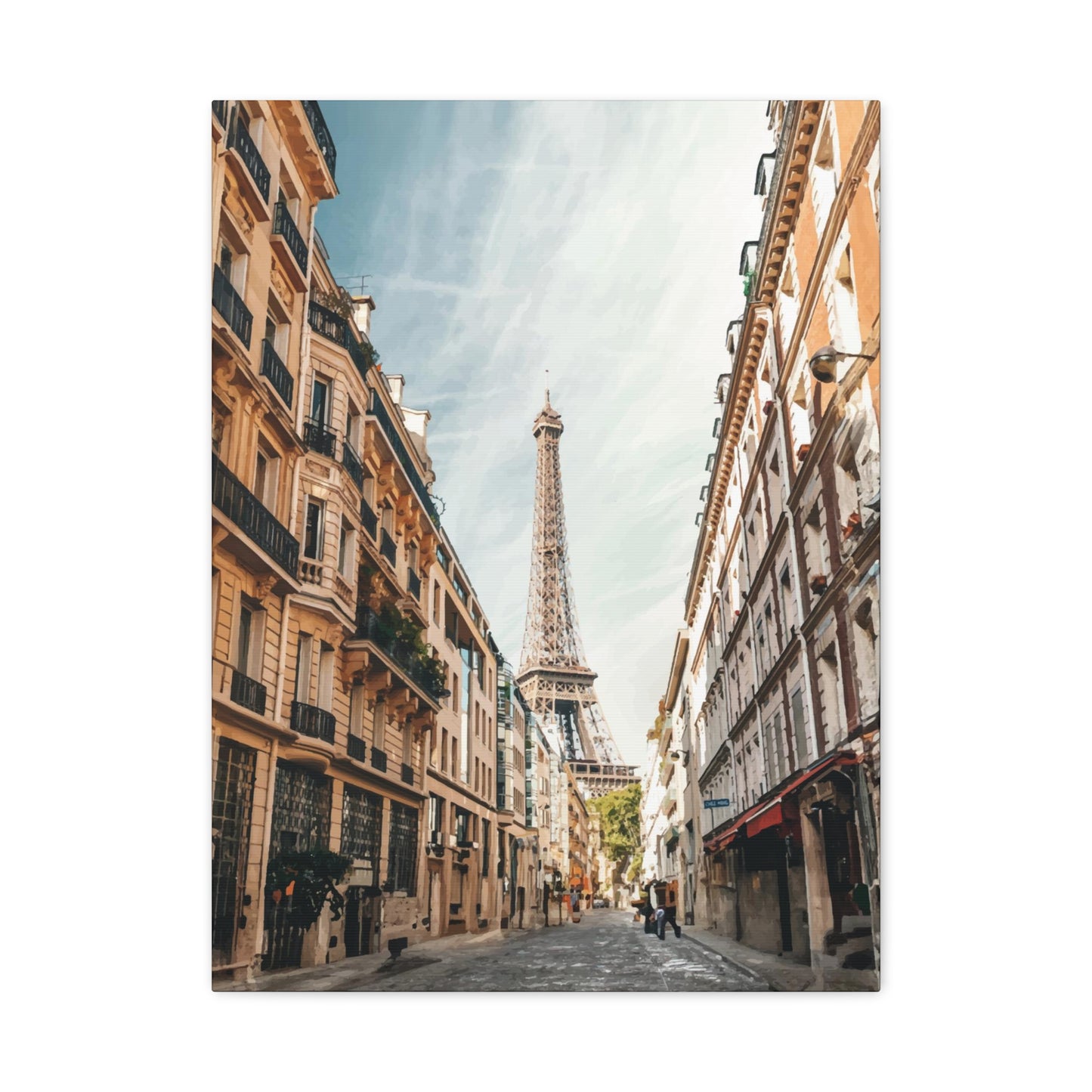
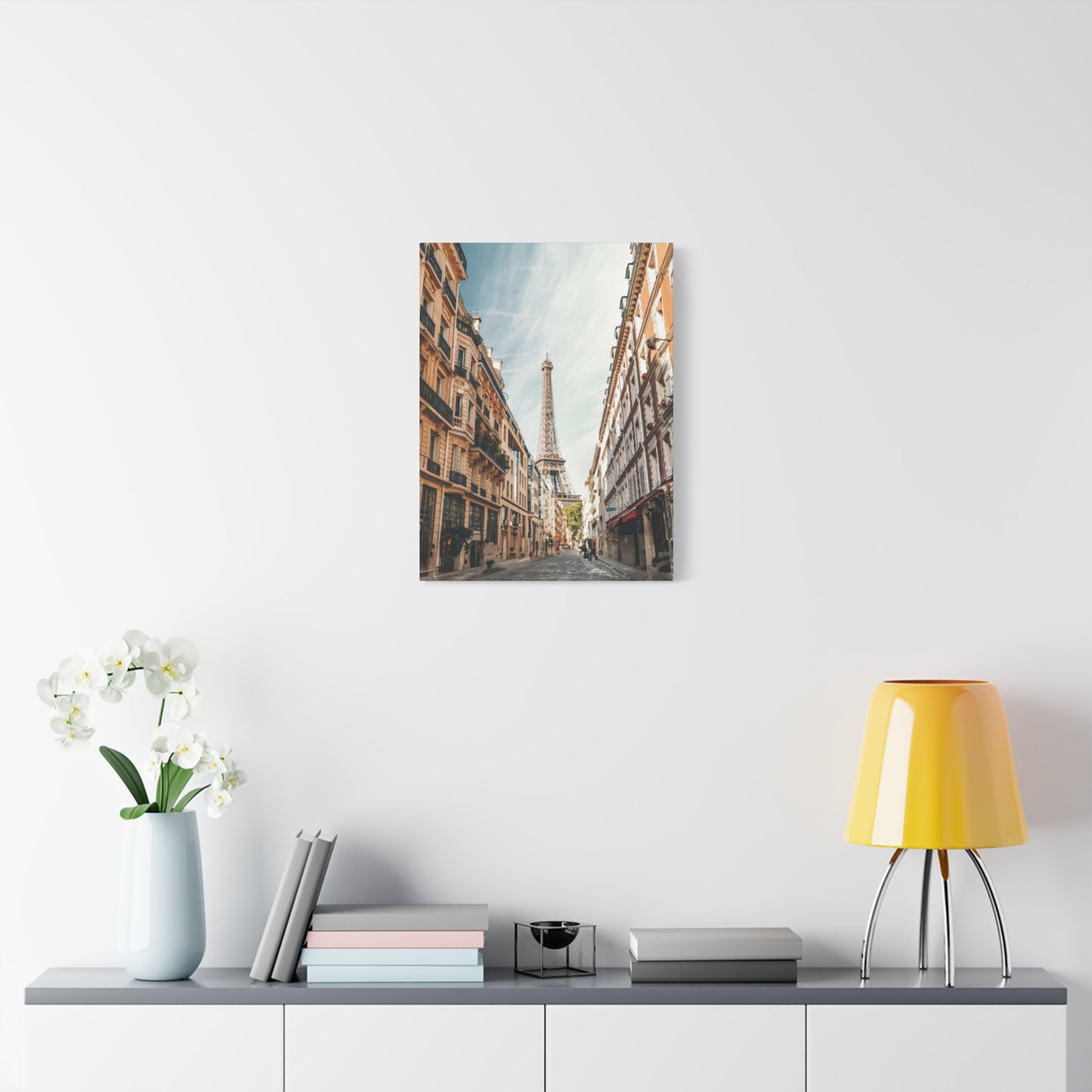
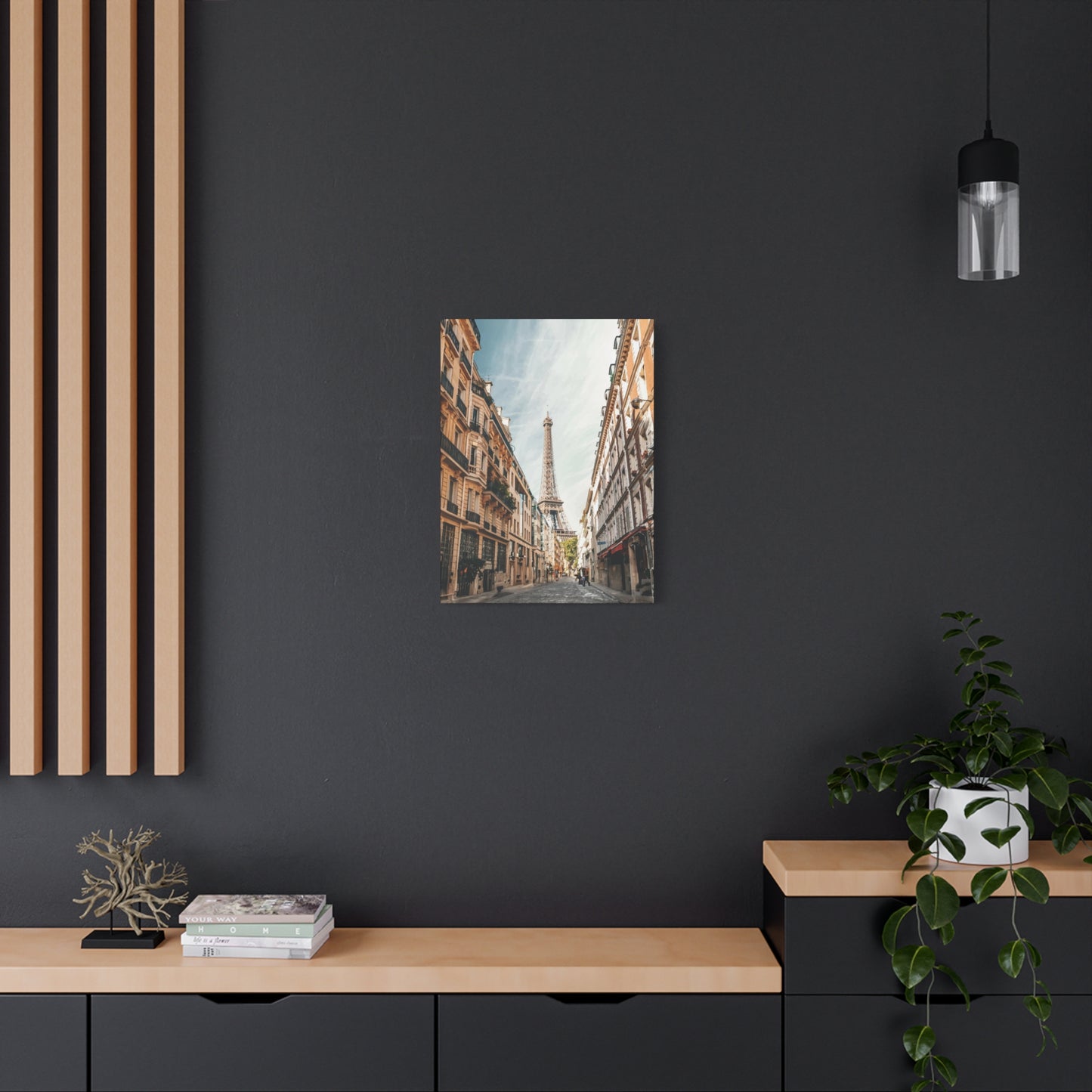
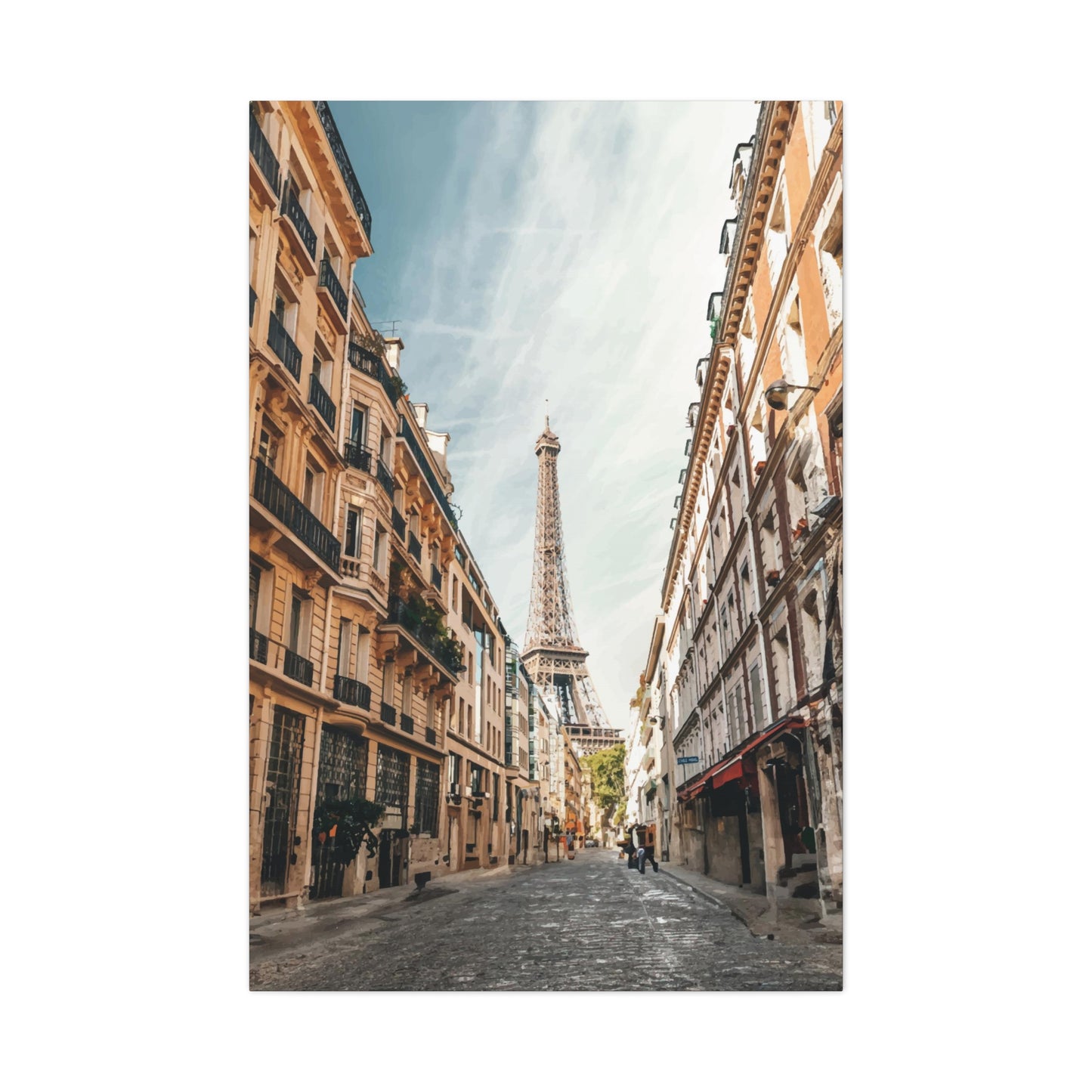
Eiffel Tower Wall Art & Canvas Prints
Eiffel Tower Wall Art & Canvas Prints
Couldn't load pickup availability
Add Parisian Elegance to Your Space with Eiffel Tower Wall Art: A Perfect Artistic Statement for Any Room
The iconic iron lattice structure standing tall in Paris has captivated hearts worldwide for over a century. When it comes to bringing this magnificent monument into your home, selecting the right piece becomes an artistic journey that transforms ordinary walls into extraordinary showcases of European elegance. The phenomenon of decorating interiors with representations of this French landmark has evolved from simple postcards to sophisticated artistic expressions that command attention and admiration.
Why Parisian Monument Artwork Continues to Dominate Interior Design Trends
The enduring fascination with this wrought iron marvel extends far beyond geographical boundaries. Homeowners across continents seek to capture the essence of French sophistication through carefully curated pieces that celebrate this architectural wonder. The allure stems from multiple dimensions: romantic associations, cultural significance, architectural brilliance, and timeless aesthetic appeal that transcends fleeting design fads.
When examining why representations of this particular structure maintain such popularity, we discover layers of meaning woven into every brushstroke and photographic capture. The monument symbolizes human ingenuity, artistic vision, and the romantic spirit that continues to draw millions of visitors annually to the City of Light. This universal recognition makes artwork featuring this landmark an accessible conversation starter while simultaneously serving as a sophisticated design element.
The psychological impact of incorporating such imagery into living spaces cannot be understated. Studies in environmental psychology suggest that surrounding ourselves with imagery of places we admire or aspire to visit creates positive associations within our daily environment. The mere presence of these visual reminders can elevate mood, inspire wanderlust, and provide a sense of connection to broader cultural experiences.
Furthermore, the versatility of this subject matter allows for endless interpretations. From vintage sepia photographs capturing early twentieth-century Paris to contemporary abstract renditions featuring bold colors and geometric patterns, the range of available styles ensures compatibility with virtually any interior design scheme. Whether your aesthetic leans toward minimalist modernism, rustic farmhouse charm, industrial chic, or classic elegance, there exists a representation that harmonizes perfectly with your vision.
Exploring Various Artistic Mediums for French Landmark Decorations
The diversity of materials and methods used to create these decorative pieces offers consumers an impressive selection. Canvas prints remain the most popular choice, providing depth and texture that mimics original paintings while maintaining affordability. The woven surface of canvas lends itself beautifully to both photographic reproductions and painted works, creating a gallery-quality appearance that elevates any room.
Metal artwork has emerged as a particularly striking option for those seeking dimensional pieces. Skilled artisans craft intricate silhouettes and layered compositions from steel, copper, or aluminum, often incorporating oxidized finishes or painted details. These sculptures cast fascinating shadows and interact dynamically with lighting throughout the day, creating an ever-changing visual experience that static prints cannot replicate.
Wooden pieces offer warmth and organic texture that resonates with nature-inspired design philosophies. Craftspeople employ various techniques including laser engraving, hand carving, and wood burning to create stunning representations. Reclaimed barn wood adds rustic character, while smooth birch provides contemporary sophistication. The natural grain patterns inherent in wood ensure that each piece possesses unique characteristics.
Acrylic and glass mediums provide sleek, modern alternatives that work exceptionally well in contemporary spaces. The transparent or translucent qualities of these materials create ethereal effects, particularly when backlit. High-definition printing directly onto acrylic produces vibrant colors with remarkable clarity and depth. The glossy finish enhances contrast and makes colors appear more saturated than traditional paper or canvas prints.
Textile artwork, including tapestries and fabric panels, introduces softness and acoustic benefits to spaces. These pieces work particularly well in bedrooms and reading nooks where creating a cozy atmosphere takes precedence. The tactile quality invites interaction and adds another sensory dimension to the viewing experience. Embroidered or woven representations showcase exceptional craftsmanship and often become treasured heirlooms.
Mixed media compositions combine multiple materials to create truly unique statements. Artists might incorporate paint, fabric, metal, wood, and found objects into single pieces that tell complex visual stories. These one-of-a-kind creations appeal to collectors and those seeking artwork that stands apart from mass-produced offerings.
Selecting Appropriate Dimensions and Scale for Maximum Visual Impact
Determining the correct size for your chosen piece requires careful consideration of both the wall space available and the statement you wish to make. A common mistake involves selecting artwork that appears lost on expansive walls or overwhelms intimate spaces. Professional interior designers employ several guidelines to achieve harmonious proportions.
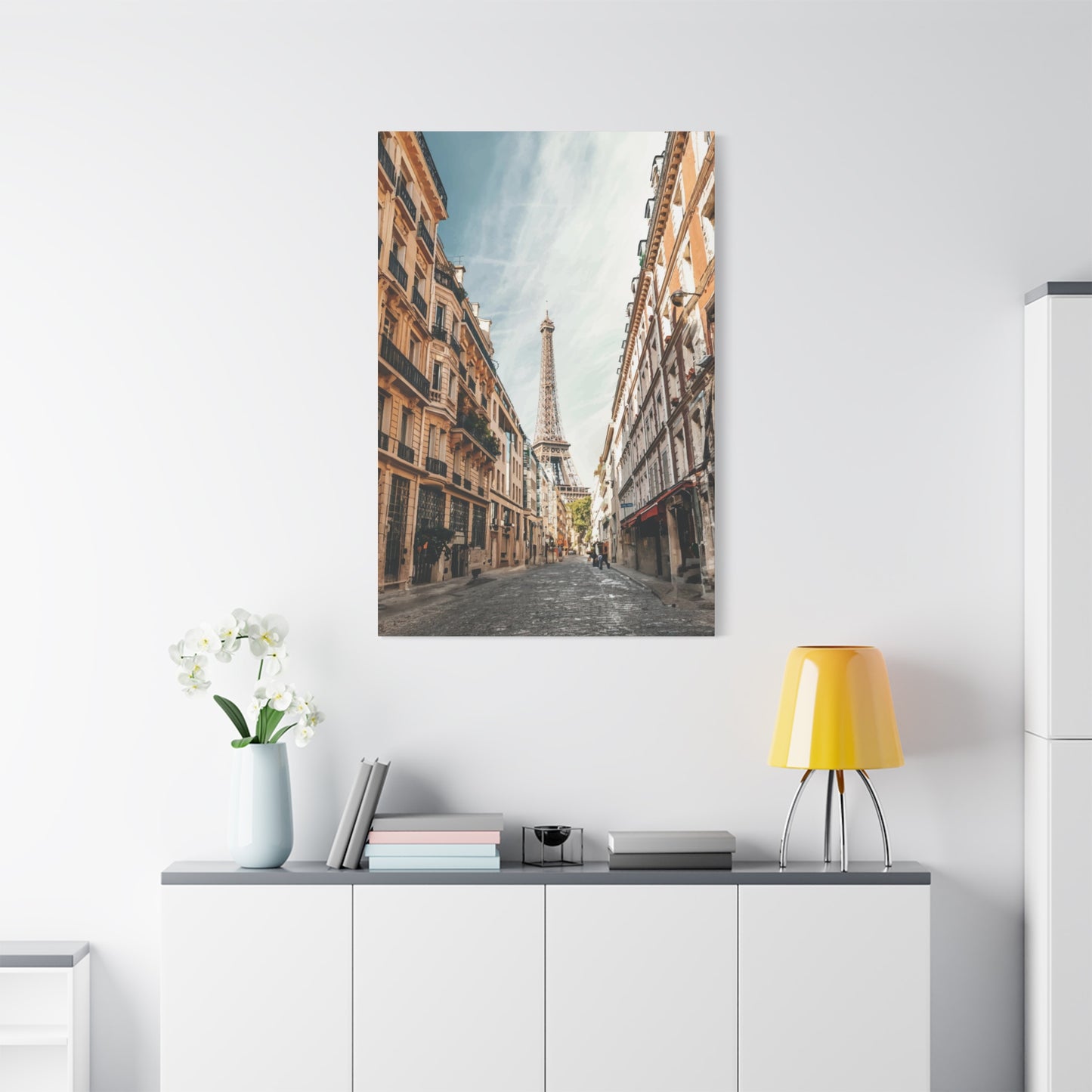
For walls above sofas or beds, the artwork should ideally span between two-thirds and three-quarters of the furniture's width. This proportion creates visual balance without appearing cramped or sparse. When hanging pieces above consoles or sideboards, slightly smaller proportions work effectively, typically covering half to two-thirds of the furniture width.
In rooms with high ceilings, vertical pieces draw the eye upward and emphasize architectural height. Conversely, horizontal compositions can make narrow rooms appear wider and more spacious. Consider the overall room dimensions and traffic flow patterns when deciding on orientation and size.
Gallery walls featuring multiple smaller pieces offer flexibility and visual interest. When creating such arrangements with various representations of the Parisian monument, mixing sizes creates dynamic rhythm. Start with the largest piece as an anchor, then arrange smaller works around it, maintaining consistent spacing between frames. Most designers recommend keeping gaps between two and three inches for cohesive appearance.
Statement pieces exceeding sixty inches in width command attention and work beautifully in spacious living rooms, dining areas, or foyers where they can be appreciated from appropriate viewing distances. These large-scale works eliminate the need for additional decorative elements and create instant focal points that define the character of entire rooms.
Conversely, smaller pieces measuring twelve to twenty-four inches work wonderfully in compact spaces, hallways, bathrooms, and as part of larger curated collections. Don't underestimate the impact of perfectly placed smaller artwork; intimacy and detail often resonate more powerfully in scaled-down presentations.
Color Palette Considerations for Harmonious Room Coordination
The colors present in your chosen artwork significantly influence the overall atmosphere of your space. Monochromatic pieces featuring black, white, and gray tones offer versatility and sophistication that complements virtually any color scheme. These neutral presentations allow surrounding elements to shine while providing elegant visual anchors.
Sepia-toned and vintage-style prints evoke nostalgia and pair beautifully with warm color palettes featuring browns, creams, and soft golds. These pieces work particularly well in traditional, transitional, and farmhouse-inspired interiors where creating a sense of history and timelessness enhances the overall design narrative.
Bold, colorful interpretations featuring vibrant blues, reds, yellows, or purples inject energy and personality into spaces. When selecting such pieces, ensure that accent colors from the artwork appear elsewhere in the room through throw pillows, rugs, or decorative accessories. This repetition creates cohesion and intentionality rather than appearing random or disconnected.
Sunset and sunrise scenes captured with the iconic structure silhouetted against colorful skies provide natural color palettes that inspire entire room schemes. The warm oranges and pinks of sunset imagery create inviting, comfortable atmospheres ideal for bedrooms and living rooms, while cool blue twilight scenes offer tranquility perfect for meditation spaces or home offices.
Abstract representations that reimagine the monument through unexpected color combinations allow for creative freedom in design choices. These contemporary interpretations work splendidly in modern and eclectic spaces where pushing boundaries and celebrating individuality takes precedence over traditional rules.
When working with existing room colors, employ the sixty-thirty-ten rule: sixty percent dominant color, thirty percent secondary color, and ten percent accent color. Your artwork can serve any of these roles depending on its prominence and color intensity. Large, colorful pieces might provide the accent pop, while subtle neutral works could reinforce the dominant palette.
Frame Selection Strategies That Enhance Rather Than Distract
The frame surrounding your artwork plays a crucial role in its presentation and integration with existing decor. The right frame enhances and protects your investment while the wrong choice can diminish even the most beautiful piece. Several factors warrant consideration when selecting frames.
Material choice significantly impacts the overall aesthetic. Wood frames offer warmth and classic appeal, with finishes ranging from natural oak and walnut to painted options in any conceivable color. Ornate carved wooden frames suit traditional and Victorian-inspired spaces, while simple, clean-lined wooden frames work well in contemporary and transitional settings.
Metal frames provide sleek, modern alternatives that pair exceptionally well with minimalist and industrial design schemes. Black metal frames create striking contrast and definition, while brushed silver or gold finishes add subtle elegance. The thin profile of metal frames allows maximum visibility of the artwork itself, making them ideal for pieces where you want minimal distraction.
Floating frames create the illusion that artwork hovers slightly above the wall surface, adding dimension and contemporary flair. These work particularly well with canvas prints and can be found in both wood and metal constructions. The shadow gap between the artwork and frame edge creates sophisticated visual interest.
Frameless mounting options, including gallery wraps where the image extends around canvas edges, offer clean, modern presentations that eliminate visual barriers between artwork and viewer. This approach works beautifully with photographic prints and contemporary interpretations where traditional framing might feel unnecessarily formal.
Color coordination between frame and room elements creates cohesion. Matching frame finishes to other wood tones present in furniture, flooring, or trim establishes visual continuity. Alternatively, coordinating frame colors with accent hues from textiles or accessories ties the piece into the broader design scheme.
Matting adds another layer of sophistication and protection. White and cream mats provide classic, clean presentations that work with nearly any style. Colored mats offer opportunities to emphasize specific hues within the artwork or coordinate with room colors. Multiple mat layers in complementary or contrasting colors create depth and formality appropriate for traditional spaces.
Placement Positions That Maximize Aesthetic Appeal and Functionality
Where you hang your chosen piece matters as much as the piece itself. Proper placement considers viewing angles, lighting conditions, traffic patterns, and relationships with surrounding furniture and architectural elements. Following established guidelines while remaining open to creative solutions yields the most satisfying results.
The standard hanging height positions the center of artwork at approximately fifty-seven to sixty inches from the floor, corresponding to average eye level. However, this guideline requires adjustment based on ceiling height and viewer positioning. In rooms where people predominantly sit, lowering artwork slightly ensures comfortable viewing from seated positions.
Above furniture, maintain six to twelve inches of space between the furniture top and artwork bottom. This gap visually connects the pieces while preventing the artwork from appearing to float aimlessly on the wall. Exceptionally tall furniture may require slightly larger gaps to maintain proper proportions.
In entryways and foyers, artwork should be positioned where it captures attention upon entry without interfering with door swings or traffic flow. These spaces offer excellent opportunities for making strong first impressions that set the tone for the entire home. Consider sightlines from multiple angles to ensure the piece remains visible and impactful.
Staircases present unique hanging challenges and opportunities. When arranging pieces along stairway walls, maintain consistent spacing from the stair treads rather than keeping artwork at uniform heights. This creates a visually pleasing ascent that follows the staircase angle. Alternatively, creating a gallery wall arrangement that fills the angled space can produce stunning effects.
Corners often go underutilized in room design, yet they offer prime real estate for artwork placement. Corner arrangements can define zones within open-concept spaces or add visual interest to otherwise awkward areas. When hanging pieces near corners, ensure adequate breathing room on both sides to prevent the artwork from appearing cramped.
Above beds, artwork should be centered on the wall width rather than the mattress width, accounting for nightstands and lamps in the overall composition. The piece should feel like an integral part of the bedroom furniture grouping rather than an afterthought. Ensure secure mounting since bedroom artwork hangs above sleeping areas where safety takes precedence.
Lighting Strategies That Bring Your Monument Artwork to Life
Proper illumination transforms good artwork into spectacular focal points. Natural and artificial lighting interact differently with various mediums and surface treatments, requiring thoughtful consideration during placement and supplementary lighting selection.
Natural light offers free, dynamic illumination that changes throughout the day and across seasons. However, direct sunlight can damage artwork over time, causing fading and deterioration. When utilizing natural light, position pieces away from direct sun exposure or use UV-protective glass and window treatments that filter harmful rays while allowing light to enter.
North-facing walls receive consistent, indirect natural light throughout the day, making them ideal locations for pieces you wish to showcase without risking sun damage. East and west-facing walls experience more dramatic lighting changes between morning and afternoon, which can create interesting effects but require careful monitoring for protection.
Picture lights mounted directly above or below artwork provide focused illumination that highlights details and creates gallery-quality presentation. LED picture lights offer energy efficiency and minimal heat output, protecting artwork from thermal damage while providing excellent color rendering. Adjustable picture lights allow you to modify beam angles to eliminate glare and achieve optimal highlighting.
Track lighting and directional spotlights offer flexibility in illuminating multiple pieces or creating emphasis on specific works. These systems allow repositioning as your collection grows or changes. When using spotlights, aim for a thirty-degree angle from the artwork surface to minimize glare while providing adequate illumination.
Ambient room lighting contributes to overall artwork visibility and should be considered part of the comprehensive lighting plan. Recessed ceiling lights, chandeliers, and floor lamps all influence how artwork appears. Dimmer switches provide control over lighting intensity, allowing you to adjust the mood while maintaining proper artwork visibility.
Backlighting creates dramatic effects, particularly with translucent materials like acrylic or glass. LED strip lights mounted behind artwork create halos of light that draw attention and add dimensional depth. This technique works exceptionally well in contemporary spaces where creating visual drama enhances the overall design narrative.
Color temperature affects how artwork colors appear. Warm white lights (2700-3000K) enhance reds, oranges, and yellows while softening blues. Cool white lights (4000-5000K) render blues and greens more vibrantly but can make warm tones appear washed out. Neutral white (3500K) provides balanced color rendering suitable for most artwork. Consider the dominant colors in your piece when selecting bulb temperatures.
Creating Cohesive Gallery Wall Arrangements with Parisian Themes
Gallery walls offer opportunities to showcase multiple pieces in curated collections that tell visual stories. When creating arrangements featuring the iconic French monument, several approaches yield professional-looking results that elevate your entire space.
Symmetrical arrangements create formal, orderly presentations ideal for traditional and transitional spaces. These layouts typically feature a central anchor piece surrounded by smaller works in balanced configurations. Grid patterns with uniform frames and spacing produce clean, contemporary aesthetics that work beautifully in modern homes.
Asymmetrical organic arrangements feel more casual and collected, as though assembled over time. These layouts allow mixing various frame sizes, styles, and orientations while maintaining visual balance through careful attention to weight distribution. Heavier, darker pieces balance lighter works; large pieces anchor compositions while smaller works fill gaps.
Thematic cohesion can be achieved through various approaches: limiting color palettes, using consistent frame styles, or focusing on specific artistic mediums. When showcasing the Parisian landmark, you might include various perspectives, time periods, or artistic interpretations while maintaining visual harmony through thoughtful curation.
Before committing to wall placement, lay arrangements on the floor and photograph from above. This allows experimentation without creating unnecessary nail holes. Alternatively, trace frame outlines onto kraft paper, tape templates to walls, and adjust until achieving the desired composition. This planning phase prevents costly mistakes and ensures satisfaction with the final result.
Spacing consistency matters significantly in gallery wall success. Most designers recommend maintaining two to three inches between frames throughout the arrangement. Wider spacing creates more casual, breathing room, while tighter spacing intensifies visual impact and creates cohesive single-statement effects.
When incorporating the monument imagery with other subjects, ensure visual relationships make sense. Pairing with other Parisian scenes, European landmarks, vintage maps, or abstract pieces in complementary colors creates cohesion. Avoid random mixing of unrelated subjects that might create visual confusion rather than intentional curation.
Seasonal and Holiday Decorating Ideas Featuring Monument Imagery
The versatility of Parisian landmark artwork allows for creative seasonal adaptations that keep your decor fresh and engaging throughout the year. Rather than storing pieces during different seasons, consider ways to enhance and complement them with temporary decorative elements.
During spring, surround your artwork with fresh or silk floral arrangements in soft pastels. Cherry blossom branches in vases placed near the piece create connections to Paris's famous springtime blooms. Light, airy curtains and pastel throw pillows throughout the room enhance the seasonal transformation while allowing your artwork to remain the focal point.
Summer decorating embraces vibrant colors and outdoor entertaining themes. Blue and white striped textiles reference Parisian cafe culture, while bistro-inspired accessories like wine bottles, fresh baguettes, or fruit arrangements positioned near your artwork create thematic continuity. Consider temporarily swapping frames to lighter finishes that feel more summery and refreshed.
Autumn brings opportunities for rich, warm color palettes that complement sepia and vintage-toned pieces beautifully. Copper and bronze accents, whether in candlesticks, vases, or decorative objects, echo the monument's iron construction while embracing seasonal warmth. Deep burgundy, burnt orange, and golden yellow textiles coordinate with fall themes while enhancing your existing artwork.
During winter holidays, incorporate subtle Parisian references into seasonal decorating. Miniature monuments as tree ornaments, silver and gold accents that evoke the structure's evening illumination, or French-inspired holiday cards displayed nearby create cohesive seasonal narratives. Avoid overwhelming your year-round artwork with excessive holiday decorations; instead, use restraint that allows both elements to shine.
Valentine's Day presents perfect opportunities to emphasize the romantic associations with Paris. Surround your artwork with roses, vintage love letters, or romantic French phrases on decorative signs. Soft pink and red accents throughout the room enhance the loving atmosphere while celebrating the City of Love connection.
Incorporating Monument Artwork in Various Room Settings Throughout Your Home
Each room in your home presents unique opportunities and challenges for incorporating Parisian landmark imagery. Understanding the specific considerations for different spaces ensures that your chosen pieces enhance rather than clash with each room's purpose and character.
Living rooms serve as primary gathering spaces where artwork often becomes the dominant focal point. Large-scale pieces above sofas or fireplaces command attention and set the tone for the entire room. Consider the viewing distance and seating arrangements when selecting size and detail level. Pieces with fine details work well in intimate conversation areas where guests can appreciate nuances, while bold, graphic representations suit larger rooms viewed from greater distances.
Bedrooms benefit from calming, romantic interpretations that create serene atmospheres conducive to rest and relaxation. Positioning artwork as the headboard focal point establishes visual interest without requiring excessive decorative elements. Dreamy, soft-focus photographs or watercolor paintings work particularly well in these private retreats, creating aspirational environments that inspire peaceful sleep and pleasant dreams.
Dining rooms offer opportunities for sophisticated, conversation-starting pieces that guests can appreciate during meals. The monument's architectural elegance complements formal dining settings beautifully. Consider pieces that incorporate dining themes, such as Parisian cafe scenes featuring the landmark in the background, or elegant black and white photography that maintains sophistication appropriate for entertaining.
Home offices and studies benefit from inspiring imagery that encourages creativity and productivity. The monument represents human achievement and engineering excellence, making it motivational subject matter for work environments. Black and white or monochromatic pieces tend to minimize distraction while maintaining visual interest. Position artwork within easy viewing range to provide brief mental breaks that refresh focus.
Bathrooms and powder rooms, often overlooked in decorating schemes, provide excellent opportunities for smaller pieces that create cohesive design narratives throughout your home. Moisture-resistant frames and materials ensure longevity in these humid environments. Vintage Parisian postcards or small prints add unexpected charm to utilitarian spaces.
Children's rooms and nurseries can incorporate playful, colorful interpretations that introduce young ones to world landmarks and cultural appreciation. Whimsical illustrations or cartoon-style representations make the subject matter accessible and age-appropriate. These pieces can grow with children, maintaining relevance as their tastes mature and develop.
Hallways and corridors, sometimes called galleries in larger homes, provide perfect venues for curated collections. The narrower viewing distances in these spaces work well with smaller pieces or series of related works that create visual journeys as you move through the space. Uniform framing and spacing create cohesive presentations that guide movement through your home.
Understanding Different Artistic Styles and Their Interior Design Compatibility
The artistic interpretation style significantly influences how monument artwork integrates with your existing decor. Recognizing these stylistic categories helps identify pieces that harmonize with your aesthetic preferences and overall design vision.
Photographic realism captures the structure in documentary style, showcasing architectural details with clarity and precision. These pieces appeal to modernists and those appreciating authentic representations. Black and white photography emphasizes form and structure, creating timeless pieces that transcend trends. Color photography captures the monument within seasonal and environmental contexts, providing more narrative complexity.
Impressionist interpretations, whether original paintings or high-quality reproductions, bring softness and artistic sensibility to spaces. The slightly blurred, atmospheric quality creates romantic ambiance particularly suited to traditional and shabby chic interiors. The visible brushstrokes and color variations add textural interest that flat prints cannot replicate.
Abstract and contemporary reimaginings deconstruct the familiar form into geometric shapes, unexpected colors, or minimalist line drawings. These pieces work brilliantly in modern and eclectic spaces where pushing boundaries and celebrating individual perspective takes precedence. The familiar subject matter rendered unfamiliarly creates cognitive interest that engages viewers and sparks conversation.
Vintage and retro styles reference specific historical periods through color palettes, printing techniques, and compositional choices. Mid-century modern interpretations featuring bold graphics and limited color palettes suit atomic age and retro-inspired interiors. Victorian-era inspired pieces with ornate frames and sepia tones complement antique furnishings and traditional decor.
Minimalist line drawings reduce the structure to essential contours, creating sophisticated pieces that work beautifully in Scandinavian-inspired and contemporary spaces. These simplified representations provide visual interest without overwhelming sparse, intentionally understated design schemes. The negative space becomes as important as the lines themselves.
Mixed media and collage approaches combine photography, painting, text, and various materials into layered compositions. These pieces suit eclectic and bohemian spaces where celebrating creativity and individuality matters more than adherence to design rules. The complexity rewards repeated viewing as new details emerge over time.
Street art and graffiti-inspired pieces bring urban edge and contemporary relevance to the classic subject. These interpretations appeal to younger demographics and those embracing industrial and loft-style living. The juxtaposition of cultured landmark with rebellious artistic medium creates compelling tension that energizes spaces.
Budget-Conscious Strategies for Acquiring Quality Monument Artwork
Building an impressive collection needn't require substantial financial investment. Numerous strategies allow you to acquire beautiful pieces that enhance your home while respecting budget constraints and fiscal responsibility.
Print-on-demand services offer affordable access to vast digital libraries of images. These platforms allow you to select your preferred size, material, and framing options, often at significantly lower prices than purchasing pre-made pieces. Quality varies among providers, so research reviews and order samples when possible before committing to larger purchases.
Discount retailers and home goods stores regularly stock Parisian-themed artwork at accessible price points. While these mass-produced pieces lack uniqueness, they provide budget-friendly options for those prioritizing affordability over exclusivity. Shopping clearance sections and end-of-season sales yields additional savings without compromising quality.
Thrift stores, estate sales, and antique markets occasionally offer hidden treasures at fraction-of-retail prices. The hunt itself becomes enjoyable recreation while potentially uncovering unique vintage pieces with character and history that new purchases cannot replicate. Patience and regular shopping trips increase your chances of discovering perfect pieces.
DIY approaches allow creative individuals to produce custom artwork tailored precisely to their specifications. High-resolution images available through creative commons licenses or purchased stock photos can be printed at local copy shops or online services. Pairing with thrifted frames creates custom pieces at minimal cost. Those with artistic abilities might paint or draw their own interpretations, creating truly one-of-a-kind works.
Swapping arrangements with friends or family allows refreshing your decor without spending money. What feels stale in your home might excite someone else, and vice versa. These exchanges provide variety while strengthening relationships and community connections.
Student artists and emerging talent often sell works at lower prices than established artists while delivering quality that rivals more expensive options. College art shows, community galleries, and online marketplaces connecting buyers with emerging creators provide access to affordable original works while supporting artistic development.
Prioritizing unframed pieces reduces costs substantially. Purchasing artwork without frames allows you to shop frames separately, often finding better deals through discount retailers or secondhand sources. This approach also ensures frames match your decor perfectly rather than accepting whatever comes standard.
Caring for and Preserving Your Parisian Monument Artwork
Proper maintenance extends the life and beauty of your pieces while protecting your investment. Different materials require specific care approaches, but several universal principles apply across mediums.
Dust accumulation dulls artwork and can scratch surfaces over time. Regular gentle dusting using microfiber cloths or soft brushes prevents buildup. For framed pieces behind glass, standard glass cleaners work well, though avoid spraying directly onto frames which might damage finishes. Instead, spray cleaner onto the cloth first, then wipe glass surfaces.
Canvas prints require extra care as the textured surface traps dust more readily than smooth surfaces. Soft brushes specifically designed for artwork gently remove dust without damaging the canvas weave. Avoid touching canvas surfaces with fingers as oils from skin can cause discoloration over time.
Metal artwork benefits from occasional cleaning with appropriate metal polishes that prevent oxidation and maintain luster. However, some metal pieces feature intentional patinas or oxidized finishes that should not be polished away. Understand the intended finish before applying cleaning products.
Environmental control prevents damage from humidity, temperature fluctuations, and light exposure. Maintain consistent humidity levels between forty and fifty percent to prevent canvas warping or paper deterioration. Avoid hanging artwork above heat sources like radiators or fireplaces where temperature variations accelerate deterioration.
UV protection, whether through specialized glass, acrylic glazing, or window films, prevents fading from sunlight exposure. While UV-protective materials add upfront costs, they prove worthwhile investments for valuable or irreplaceable pieces. Even artwork not directly exposed to sunlight benefits from UV protection as ambient light contains damaging rays.
Regular inspections identify problems before they become severe. Check for signs of pest infestation, particularly in wooden frames or canvas edges. Look for discoloration, warping, or separation of materials that might indicate moisture problems. Addressing issues promptly prevents minor problems from becoming major restoration projects.
When moving or storing artwork, use appropriate protective materials. Acid-free tissue paper, bubble wrap, and sturdy boxes prevent damage during transport. Never store artwork in damp basements or hot attics where environmental extremes cause deterioration. Climate-controlled storage maintains stable conditions that preserve artwork integrity.
Professional cleaning and restoration services address problems beyond routine maintenance capabilities. Valuable or damaged pieces warrant expert attention that might seem costly initially but protects long-term value and appearance. Establishing relationships with reputable art conservators provides resources when specialized care becomes necessary.
Exploring the Cultural Significance Behind Monument Imagery in Home Decor
Understanding the deeper meanings and associations connected with this iconic structure enriches appreciation for its representation in your home. The monument carries layers of symbolism that extend beyond its physical presence, influencing how these pieces resonate with viewers on conscious and subconscious levels.
The structure originally faced significant opposition during its construction, with critics deriding it as an eyesore that would mar the Parisian skyline. Today, this once-controversial edifice stands as perhaps the world's most recognizable landmark, representing redemption, perseverance, and the eventual triumph of visionary thinking over conservative resistance. Displaying its image celebrates these values and the courage required to pursue bold visions despite criticism.
As an engineering marvel of its era, the monument represents human innovation and the relentless pursuit of pushing boundaries. Its groundbreaking construction methods and unprecedented height symbolize our species' drive to achieve the seemingly impossible. Surrounding ourselves with representations of such achievements can inspire similar ambition in our own endeavors.
The romantic associations stemming from countless proposals, honeymoons, and love stories connected to this landmark make its imagery particularly meaningful in domestic spaces. Displaying these pieces in bedrooms or shared living areas subconsciously reinforces romantic bonds and positive relationship associations, potentially strengthening connections between partners sharing the space.
For those who have visited Paris, artwork featuring the monument serves as tangible connection to cherished memories. The pieces become anchors for reminiscence, allowing us to revisit experiences and emotions associated with our travels. Even those who haven't yet visited Paris use such imagery to maintain aspirational goals, keeping dreams of future travels alive through daily visual reminders.
The monument's presence in countless films, literature, and popular culture creates shared cultural reference points that transcend individual experience. Displaying universally recognized imagery facilitates connection with guests and visitors who bring their own associations and memories to their viewing experience, enriching social interactions within your home.
As a symbol of France itself, the structure represents broader appreciation for French culture, cuisine, fashion, and artistic contributions to human civilization. Incorporating such imagery signals cultural sophistication and worldly perspective, communicating values and interests to those entering your space.
Examining How Monument Artwork Affects Mood and Spatial Perception
The artwork we choose for our environments profoundly impacts our psychological state and how we perceive and interact with spaces. Understanding these effects allows for more intentional decoration that supports wellbeing and desired atmospheric qualities.
Color psychology plays significant roles in how artwork influences mood. Black and white pieces create sophisticated, calming environments that minimize visual stimulation. These work particularly well in spaces where focus and concentration matter, such as home offices or study areas. The absence of color eliminates potential psychological effects of specific hues, creating neutral foundations.
Warm-toned pieces featuring oranges, reds, and yellows energize spaces and stimulate social interaction. These work beautifully in gathering areas like living rooms, dining rooms, and kitchens where encouraging conversation and activity enhances the room's purpose. However, excessive warm tones in bedrooms might interfere with restful sleep.
Cool blues and greens create tranquil, relaxing atmospheres ideal for bedrooms, bathrooms, and meditation spaces. These colors psychologically connect to nature and water, triggering innate calming responses. Artwork featuring twilight or nighttime scenes with the illuminated monument against blue skies leverages these calming color associations.
The compositional perspective affects spatial perception significantly. Upward-angled shots emphasizing the structure's height can make rooms feel taller and more expansive. Horizontal compositions featuring the monument from distance create sense of openness and breadth. Strategic selection based on your room's proportions and desired effects allows artwork to visually reshape spaces.
Detailed, busy compositions command attention and stimulate mental engagement, working well in areas where active thought is desired. Simpler, minimalist representations allow minds to rest and wander, better suited for relaxation spaces. Matching complexity levels to room purposes creates harmonious relationships between space and psychological needs.
The familiarity of the subject matter provides comfort and security. Unlike abstract or challenging artwork that might create cognitive dissonance or confusion, representations of recognizable landmarks offer reassuring references that ground us. This can be particularly valuable in children's rooms or spaces occupied by those experiencing anxiety or cognitive challenges.
Aspirational imagery, including depictions of places we long to visit, maintains forward-looking optimism and goal orientation. Studies suggest that surrounding ourselves with visual representations of aspirations increases likelihood of working toward those goals, making monument artwork potentially motivating for those dreaming of Parisian adventures.
Comparing Original Artwork versus Prints and Reproductions
The decision between investing in original pieces or selecting high-quality reproductions involves weighing numerous factors including budget, authenticity preferences, and practical considerations. Each option offers distinct advantages worth examining.
Original paintings and drawings carry inherent uniqueness that reproductions cannot replicate. The artist's hand, visible brushstrokes, texture variations, and knowing that you possess the singular creation imbue pieces with special significance. For collectors and those valuing authenticity above all else, only originals satisfy. These pieces also represent investments that may appreciate over time, particularly works by emerging artists who later gain recognition.
However, original artwork commands premium prices that place it beyond reach for many budgets. The cost difference between originals and prints can span thousands of dollars, making reproductions the pragmatic choice for most homeowners. This financial accessibility allows building impressive collections that would be impossible if limited to originals.
High-quality reproductions using giclée printing processes on archival materials produce results virtually indistinguishable from originals to untrained eyes. Modern printing reproduces subtle color variations, textural elements, and fine details with remarkable fidelity. Museum-quality reproductions allow average collectors to enjoy masterworks typically confined to major institutions.
Limited edition prints offer middle ground between unique originals and mass-produced reproductions. Numbered prints with certificates of authenticity, particularly those signed by artists, hold greater value than unlimited runs while remaining more affordable than originals. These appeal to those wanting something special without original artwork price tags.
The emotional and psychological differences between originals and reproductions largely depend on individual perspectives. Some people feel profound connections knowing they possess unique creations, while others experience identical pleasure from beautiful reproductions regardless of originality. Neither viewpoint is superior; what matters is understanding your own preferences and values.
Practical considerations sometimes favor reproductions over originals. Reproductions can be replaced if damaged, making them suitable for homes with children or pets where accidents occur. Valuable originals require insurance, specialized care, and security considerations that add complexity and expense beyond initial purchase prices.
Discovering Emerging Artists Creating Fresh Monument Interpretations
While classic and vintage representations maintain enduring appeal, contemporary artists continually reimagine this iconic subject through innovative lenses that bring fresh perspectives to familiar imagery. Seeking out these emerging voices supports artistic communities while acquiring pieces that stand apart from ubiquitous mass-market offerings.
Online artist marketplaces and platforms connecting creators directly with consumers have democratized art sales, providing emerging artists with global audiences previously accessible only through traditional gallery representation. These platforms allow browsing thousands of artists, filtering by style preferences, price ranges, and specific subjects, making discovery of perfect pieces easier than ever before.
Social media platforms serve as virtual galleries where artists showcase portfolios and connect with potential buyers. Following hashtags related to Parisian artwork or monument imagery reveals talented creators whose work might otherwise remain undiscovered. Engaging with artists directly through these platforms often allows discussing custom commissions or purchasing pieces before they reach broader markets.
Local art fairs and community shows provide opportunities to meet artists personally, discuss their creative processes, and purchase works while supporting local economies. These events often feature emerging talent at early career stages when prices remain accessible. The face-to-face interactions add personal dimensions to purchases, knowing the creator and their story behind each piece.
University and college art departments host student exhibitions showcasing exceptional talent at the beginning of artistic journeys. These venues offer opportunities to acquire original works at minimal cost while potentially discovering artists who later achieve significant recognition. Supporting student artists contributes to arts funding and encourages continued creative development.
International online communities focused on specific artistic mediums or subjects curate collections of member works, providing exposure for artists while offering consumers pre-vetted quality selections. Joining these communities connects you with passionate creators and fellow collectors who share your interests and aesthetic preferences.
Art subscription services curate monthly or quarterly selections of emerging artist works delivered to your door. These services handle discovery, quality vetting, and logistics while exposing you to diverse styles and voices you might not encounter otherwise. The subscription model makes art collecting accessible and removes intimidation factors that prevent some people from engaging with art markets.
Final Thoughts
Eiffel Tower wall art brings the magic and romance of Paris into your living space, offering a striking focal point that celebrates one of the world’s most iconic landmarks. This timeless symbol of elegance, beauty, and artistic innovation carries with it a sense of grandeur and sophistication that can elevate any room. Whether you’re a Parisian enthusiast, a lover of travel, or simply drawn to the artistic allure of the Eiffel Tower, incorporating this artwork into your home transforms your living space into a refined, cultural haven that exudes timeless charm.
One of the most compelling aspects of Eiffel Tower wall art is its ability to infuse a sense of romance and grandeur into a room. The iconic structure, with its delicate iron latticework and commanding presence, evokes the elegance and allure of Paris. A well-chosen piece of Eiffel Tower art can instantly transport you to the heart of the French capital, creating a connection to the city’s rich history, culture, and sophistication. Whether the art depicts a classic, black-and-white photograph, a colorful, abstract rendering, or a contemporary interpretation, the Eiffel Tower's symbolic significance as a representation of art, culture, and timeless beauty never fails to capture attention.
Eiffel Tower wall art is incredibly versatile and can enhance various interior styles. For modern spaces, a sleek, minimalist rendition of the Eiffel Tower in metallic tones or a geometric abstraction can complement the clean lines and simplicity of contemporary design. In more traditional or vintage-inspired settings, a sepia-toned photograph or painting of the Eiffel Tower with a Parisian street scene can create a nostalgic and cozy atmosphere. Whether you choose to hang a dramatic oversized piece or a small, delicate framed print, this artwork adapts beautifully to any room, from your living room and bedroom to your hallway or dining area. It also works wonderfully in themed rooms, such as a Parisian-inspired home office or a travel-themed guest room, where it can serve as both a focal point and a reminder of adventure and exploration.
Incorporating Eiffel Tower wall art into your home can also serve as a form of personal expression. Paris has long been regarded as the “City of Love,” and its cultural and artistic significance makes the Eiffel Tower an excellent choice for anyone wishing to create a space that is both romantic and refined. The art piece becomes more than just a decorative addition; it becomes a reflection of your interests, passions, and memories. Whether you’ve visited Paris and want to commemorate your trip, dream of one day exploring the city, or simply appreciate the architectural wonder that the Eiffel Tower represents, this artwork allows you to weave those stories into the fabric of your home. It can serve as a personal reminder of your love for travel, your connection to the city, or your appreciation for its cultural and artistic heritage.
The Eiffel Tower’s universal appeal means that it speaks to a wide range of people, regardless of background or interests. As a global symbol of culture, history, and elegance, the Eiffel Tower is a point of connection for people all over the world. Displaying this artwork in your home can spark conversation and encourage guests to share their own thoughts or experiences related to Paris, travel, and art. It’s a great way to create a warm and engaging atmosphere, where the artwork serves as a bridge between cultures and a source of shared inspiration.
In addition to its aesthetic and cultural value, Eiffel Tower wall art is a fantastic way to bring sophistication and timelessness into your space. The structure itself, which was originally constructed for the 1889 World’s Fair, has become a symbol of both innovation and enduring beauty. Displaying a piece of art that features the Eiffel Tower conveys a sense of appreciation for both artistic excellence and the passage of time. It reminds us of the power of design and architecture to withstand the test of time and continue to inspire generations long after its creation.
Another beautiful element of Eiffel Tower wall art is its ability to set the mood of a room. The soft, metallic glint of the Eiffel Tower against the backdrop of the Parisian skyline can create a sense of warmth and romance, ideal for a cozy bedroom or a welcoming living room. On the other hand, a bold, modern depiction of the Eiffel Tower can bring energy and a cosmopolitan flair to your space, infusing it with an urban, vibrant feel. Depending on the color palette, style, and size of the piece, Eiffel Tower wall art can evoke a variety of emotions, from a sense of calm and nostalgia to excitement and adventure.
Eiffel Tower wall art also lends itself beautifully to being paired with other elements of Parisian décor. Think vintage French posters, architectural sketches, or chic, minimalist furniture. Combining these pieces with your Eiffel Tower artwork creates a cohesive, sophisticated atmosphere that speaks to the beauty of Parisian design. The versatility of Eiffel Tower art makes it equally at home in a cozy Parisian-inspired corner or as the centerpiece of a larger space, drawing the eye and setting the tone for the entire room. The colors, textures, and styles in the artwork can be coordinated with the rest of the room’s décor to create a harmonious, well-thought-out space.
Moreover, Eiffel Tower wall art can be a wonderful way to honor your love for travel and adventure. If you’re someone who has a passion for exploring new places, the Eiffel Tower serves as a constant reminder of the joys of discovery. Even if you can’t physically travel to Paris every year, having this artwork in your home allows you to keep the spirit of travel alive. It evokes the excitement of past trips, the dreams of future adventures, and the beauty of connecting with different cultures and landscapes. For those with wanderlust, this type of wall art becomes a cherished piece of inspiration, encouraging future journeys while keeping past memories close.
Finally, the investment in Eiffel Tower wall art is an investment in lasting beauty. The Eiffel Tower’s timeless appeal ensures that your art piece will remain relevant and meaningful for years to come. Unlike trends that may fade, the elegance and cultural significance of the Eiffel Tower never lose their charm. This makes it a timeless piece of décor that continues to add value to your home for generations. Whether it’s passed down as an heirloom or simply continues to grace your walls for years, Eiffel Tower wall art is a classic that never goes out of style.
In conclusion, Eiffel Tower wall art is an exceptional way to add a touch of Parisian elegance, romance, and cultural depth to your home. With its timeless appeal and universal significance, it transcends décor trends and becomes a lasting statement of sophistication. Whether it’s a minimalist design, a vibrant depiction, or a classic photograph, Eiffel Tower art serves as a beautiful reminder of the allure of Paris and the enduring power of architectural beauty. By bringing this iconic symbol into your living space, you invite a sense of adventure, romance, and timeless charm that will continue to inspire and captivate for years to come.
Share