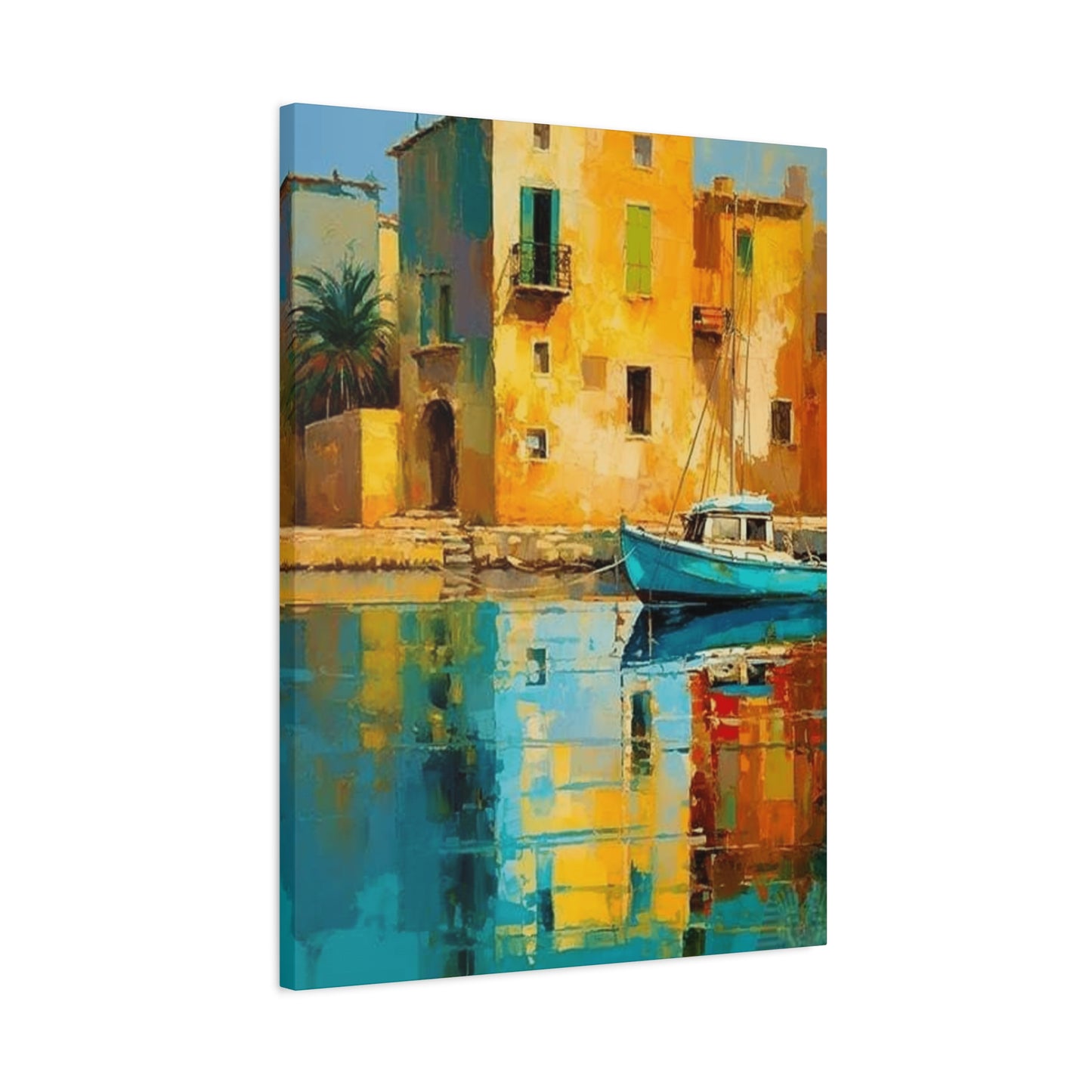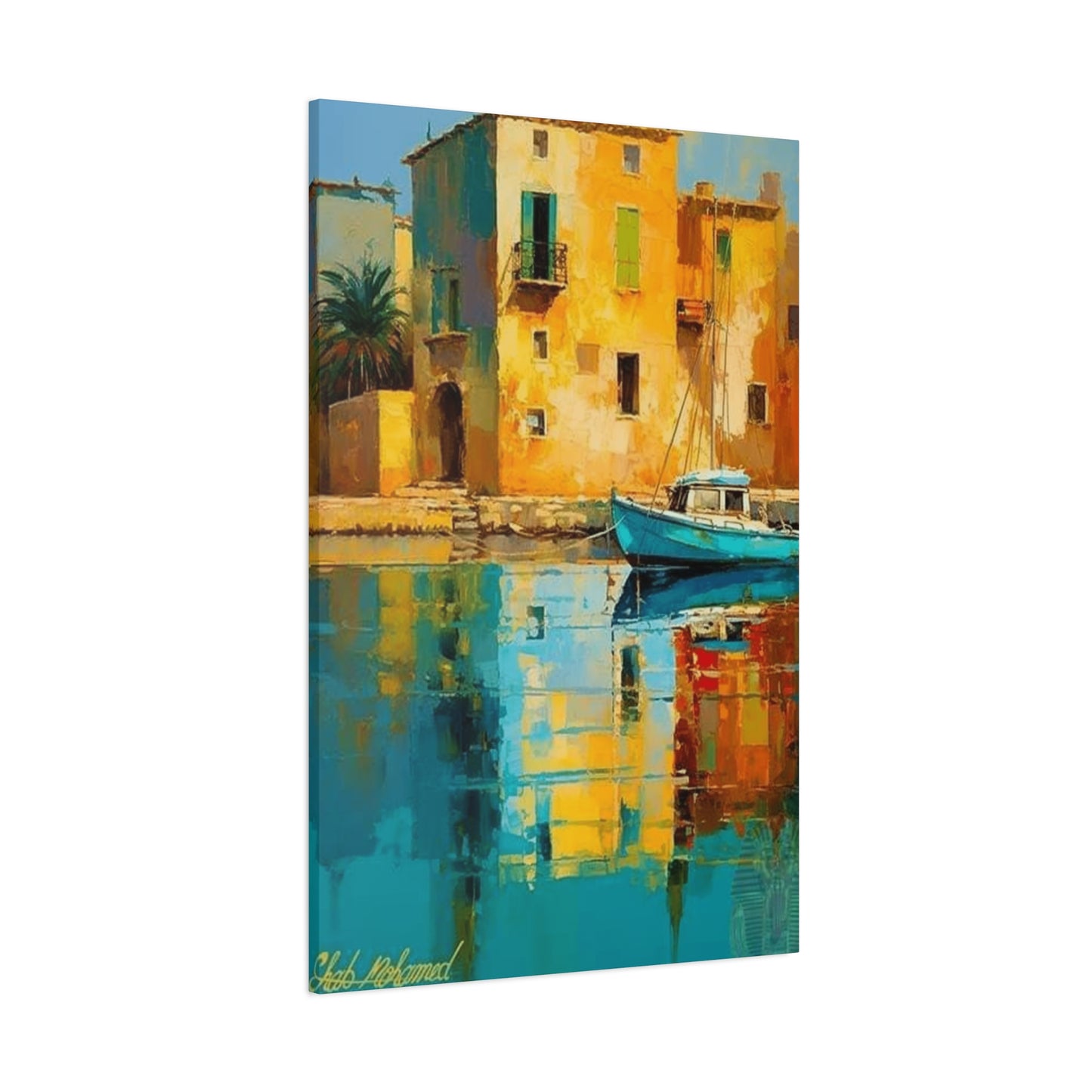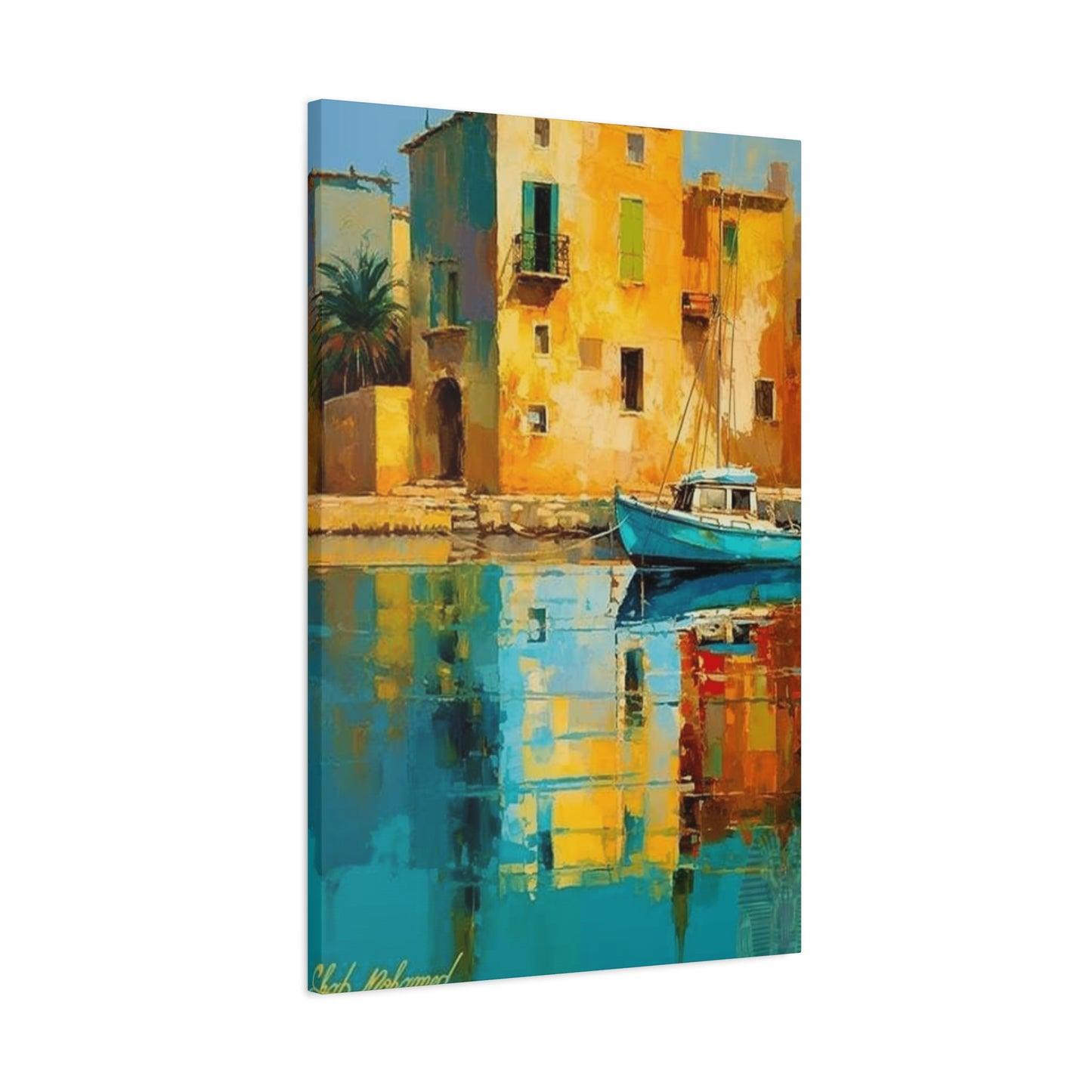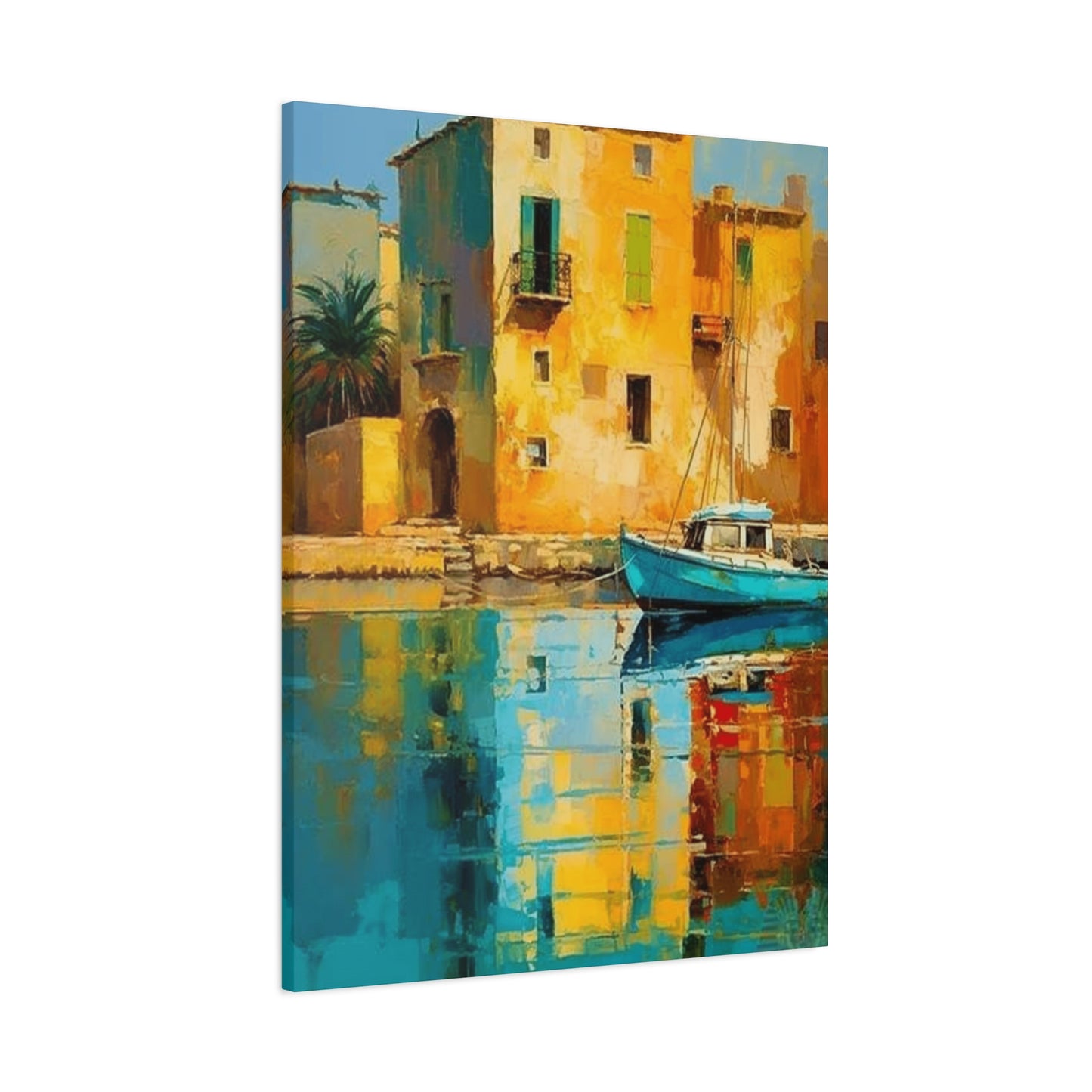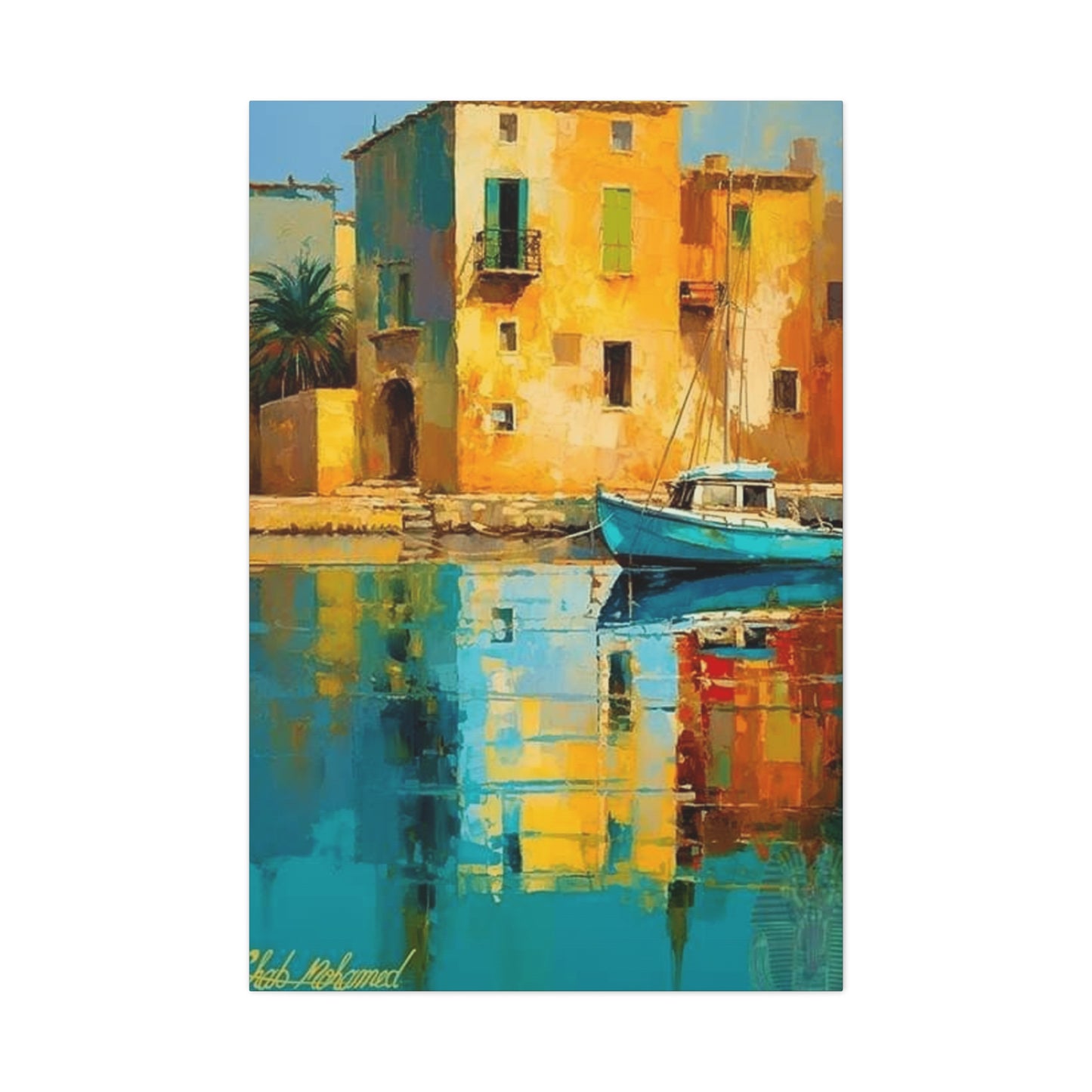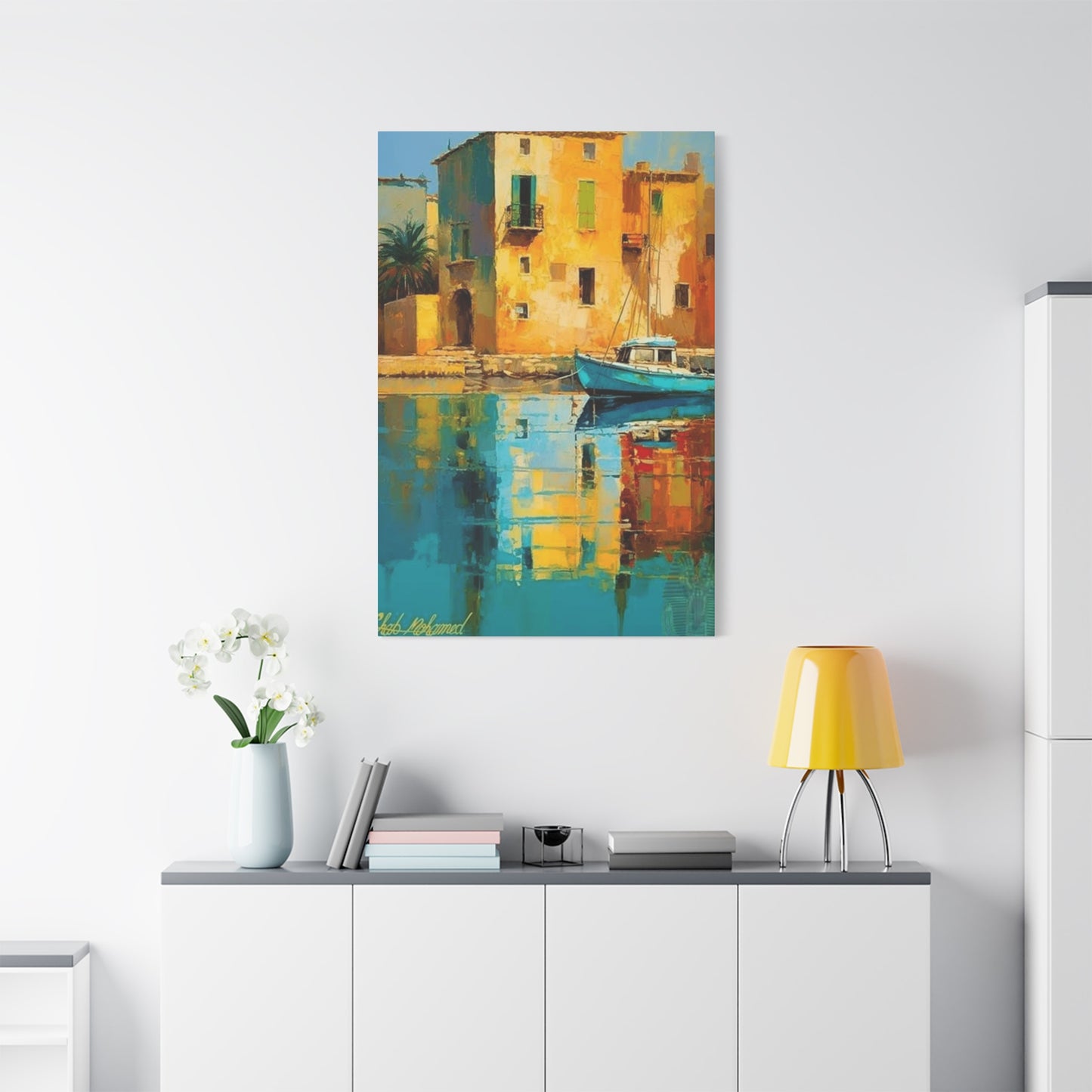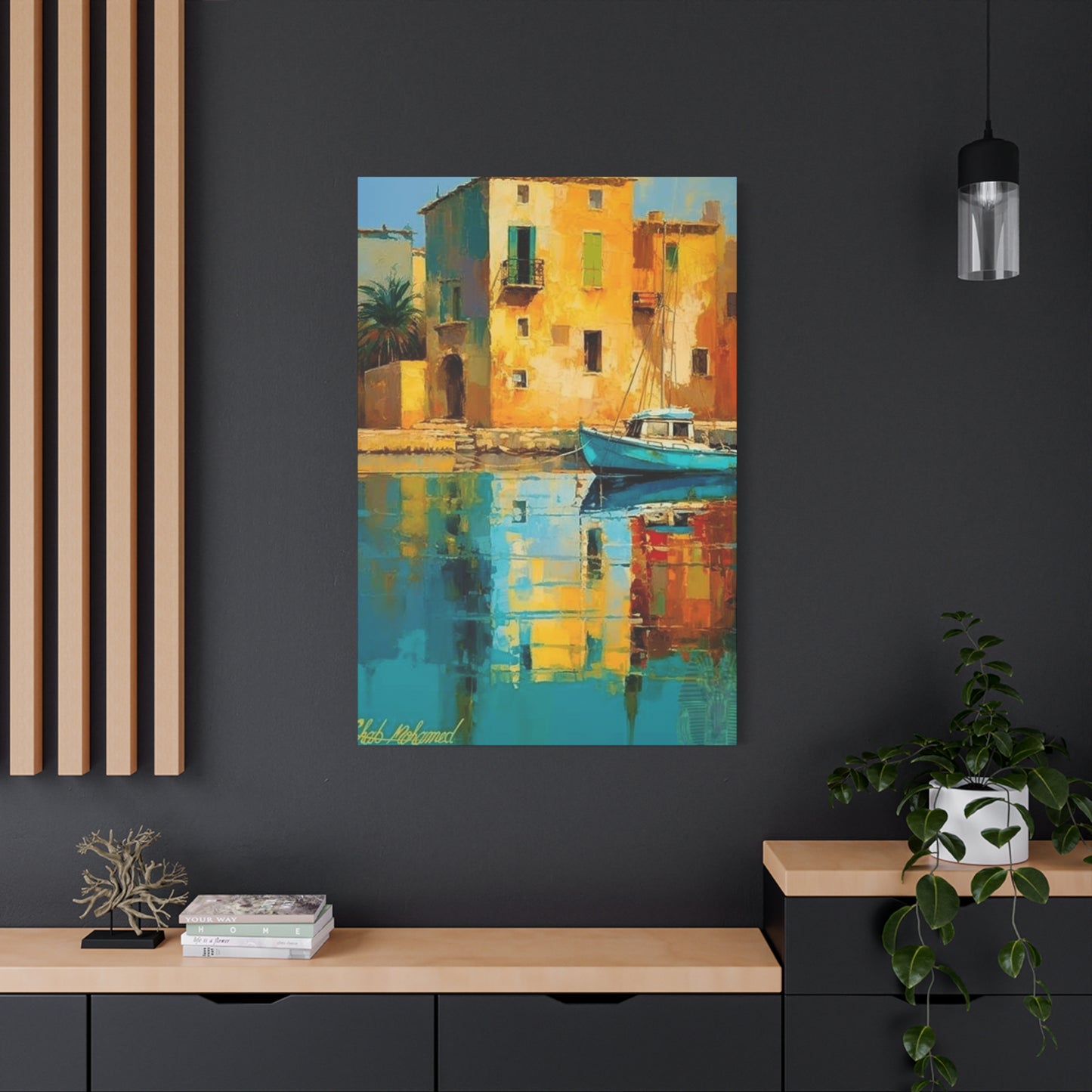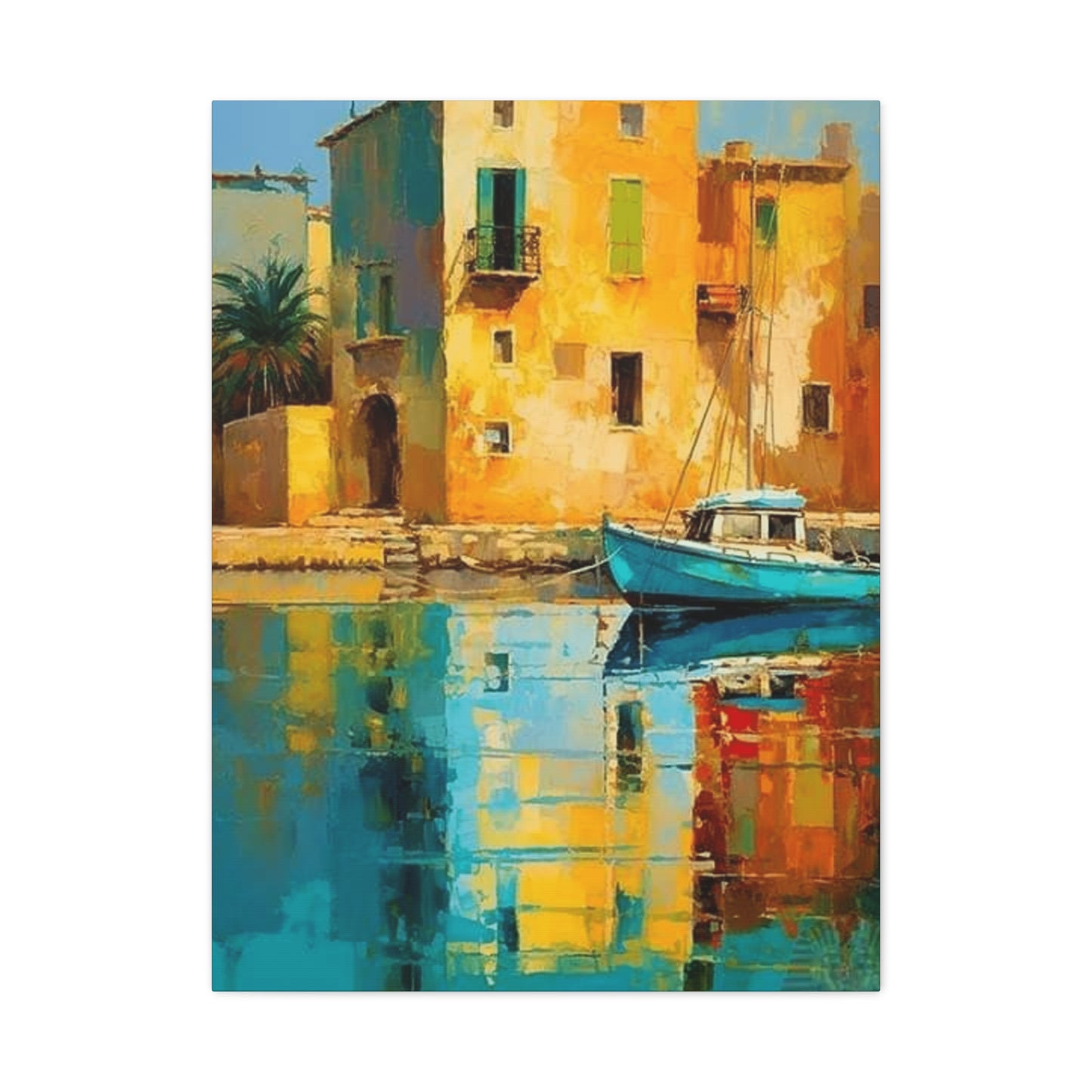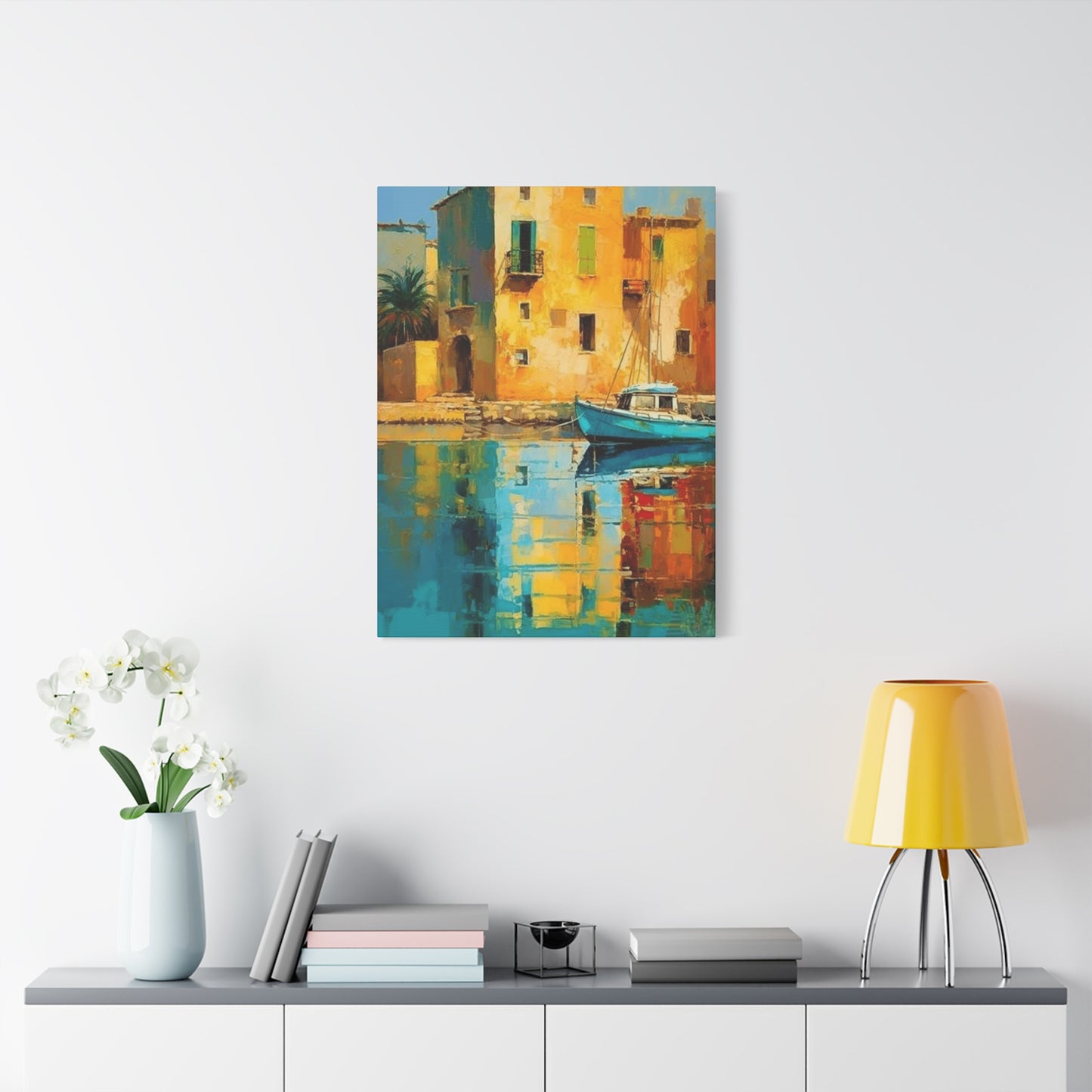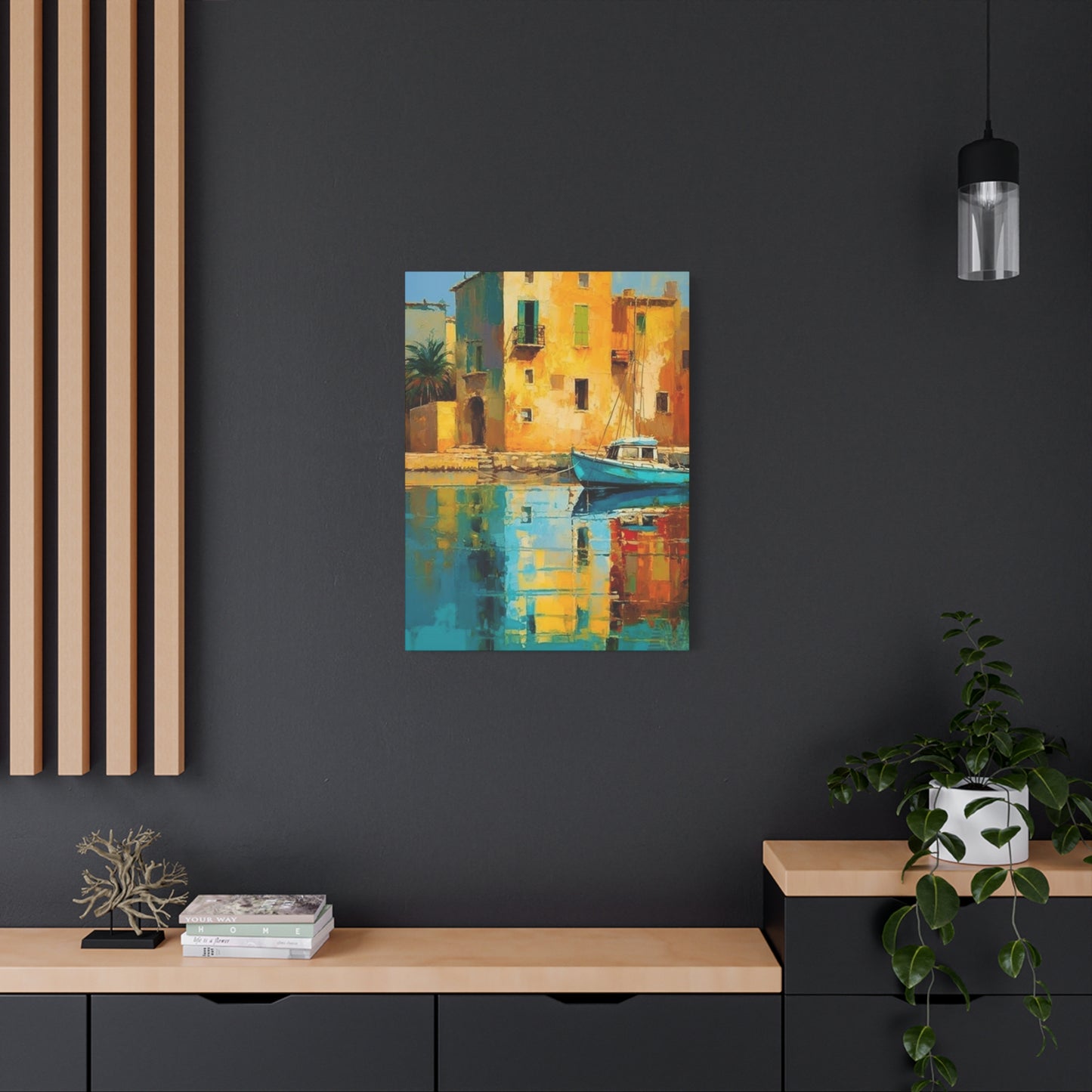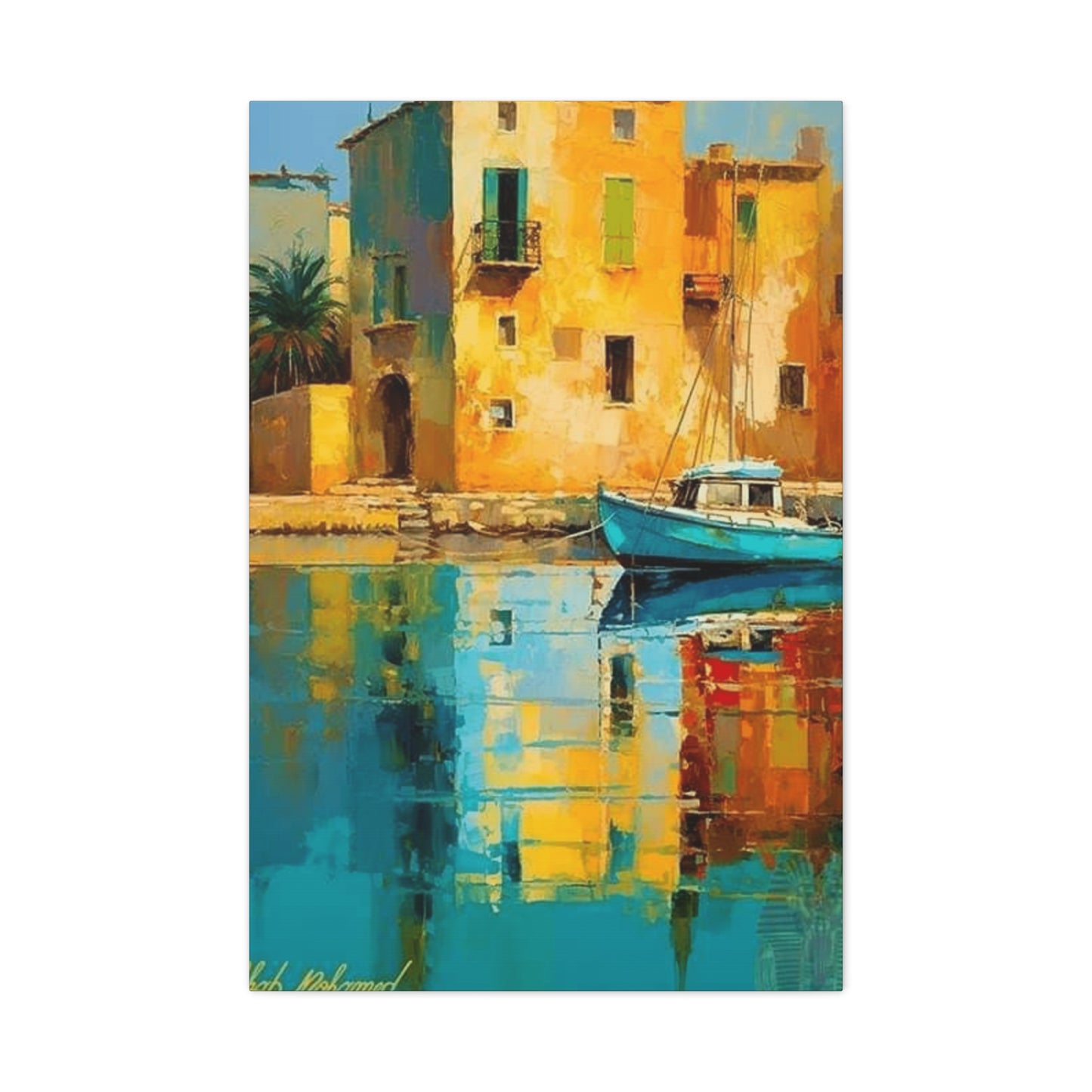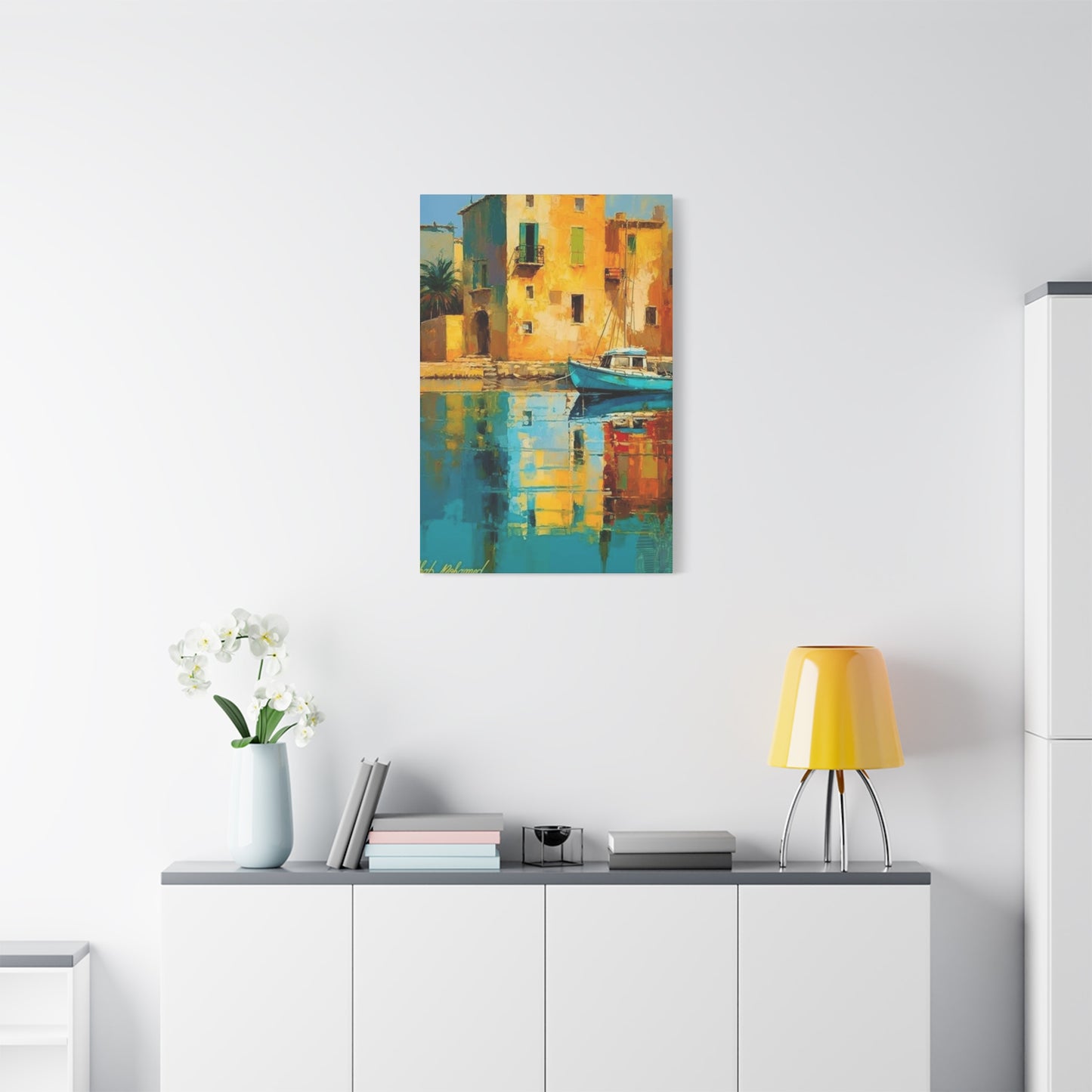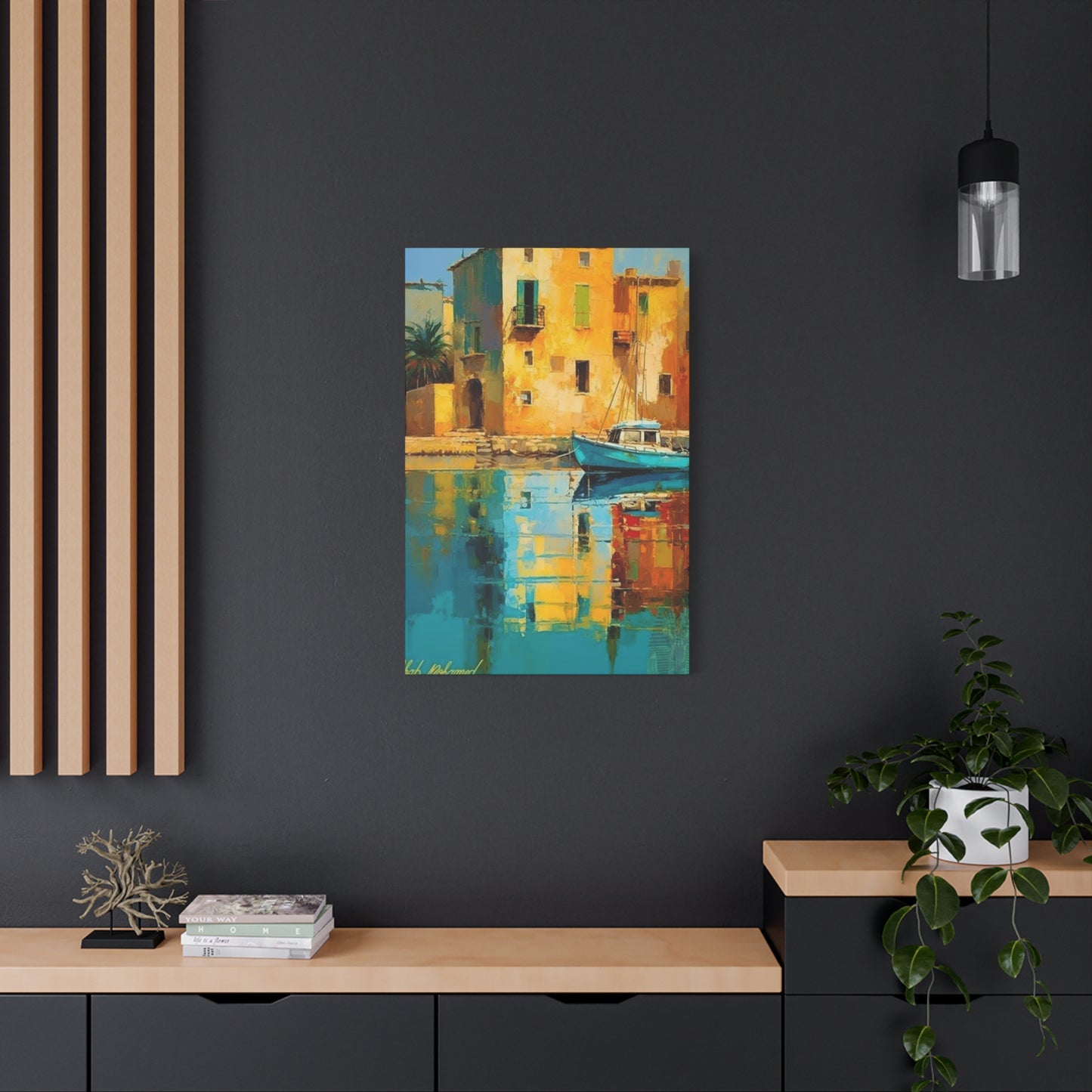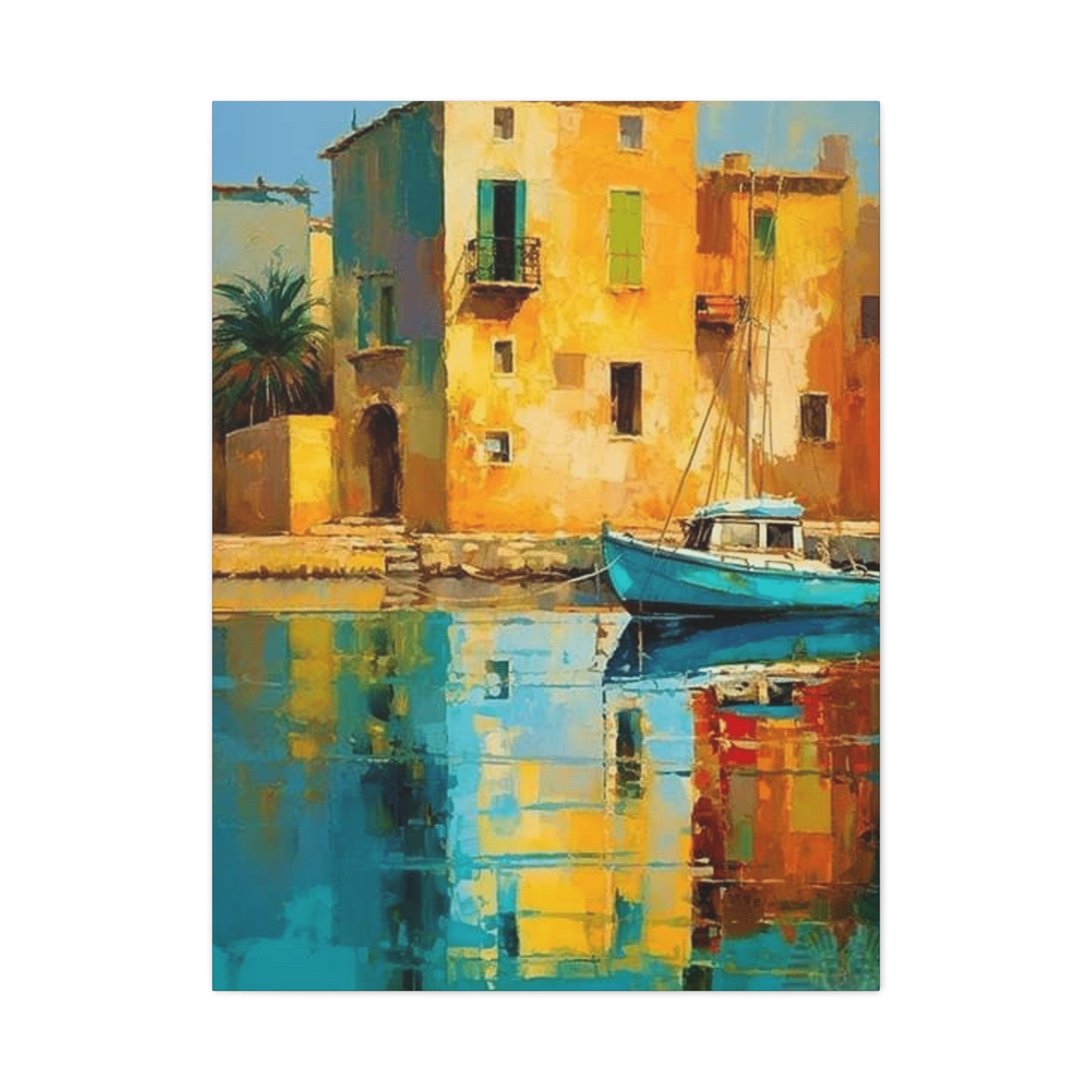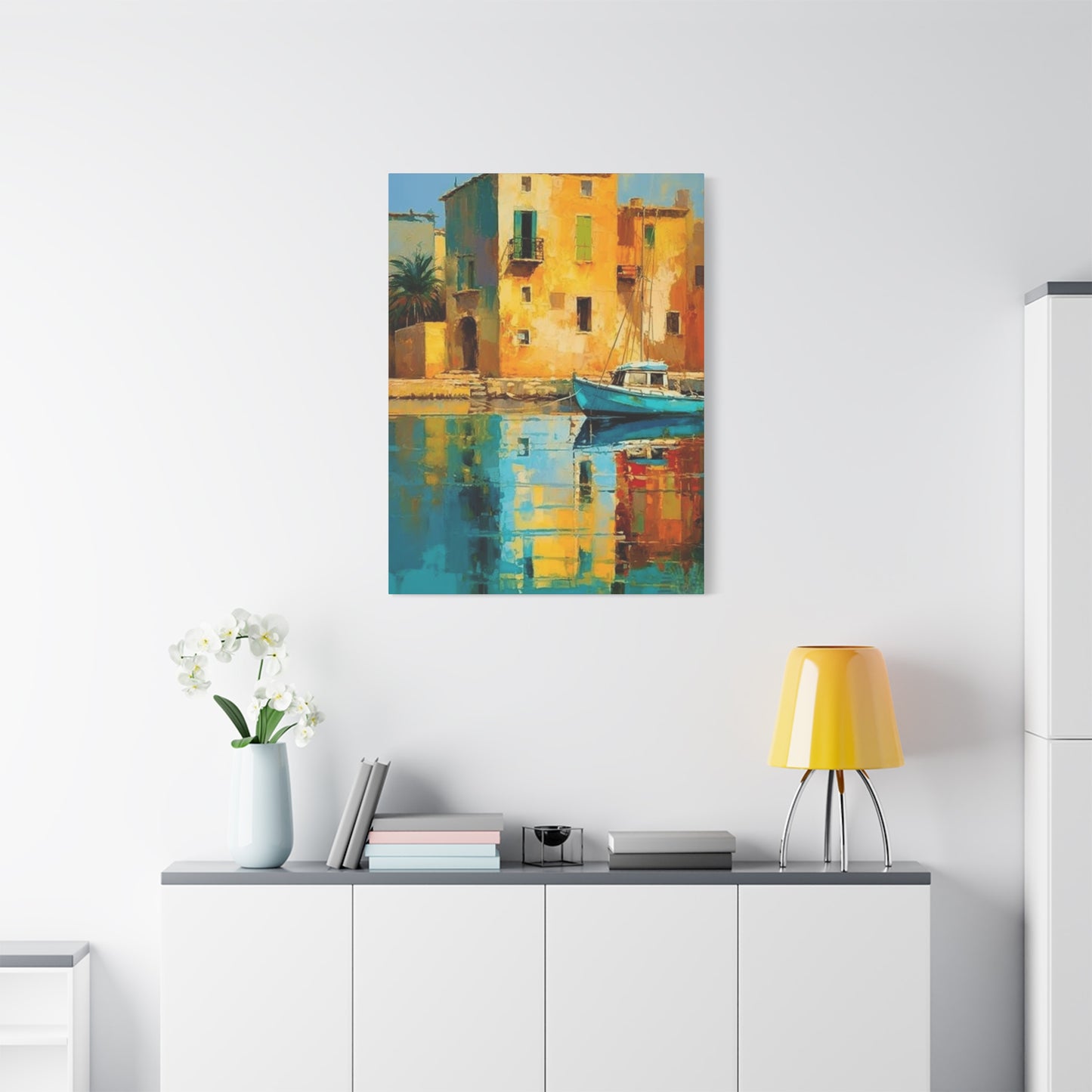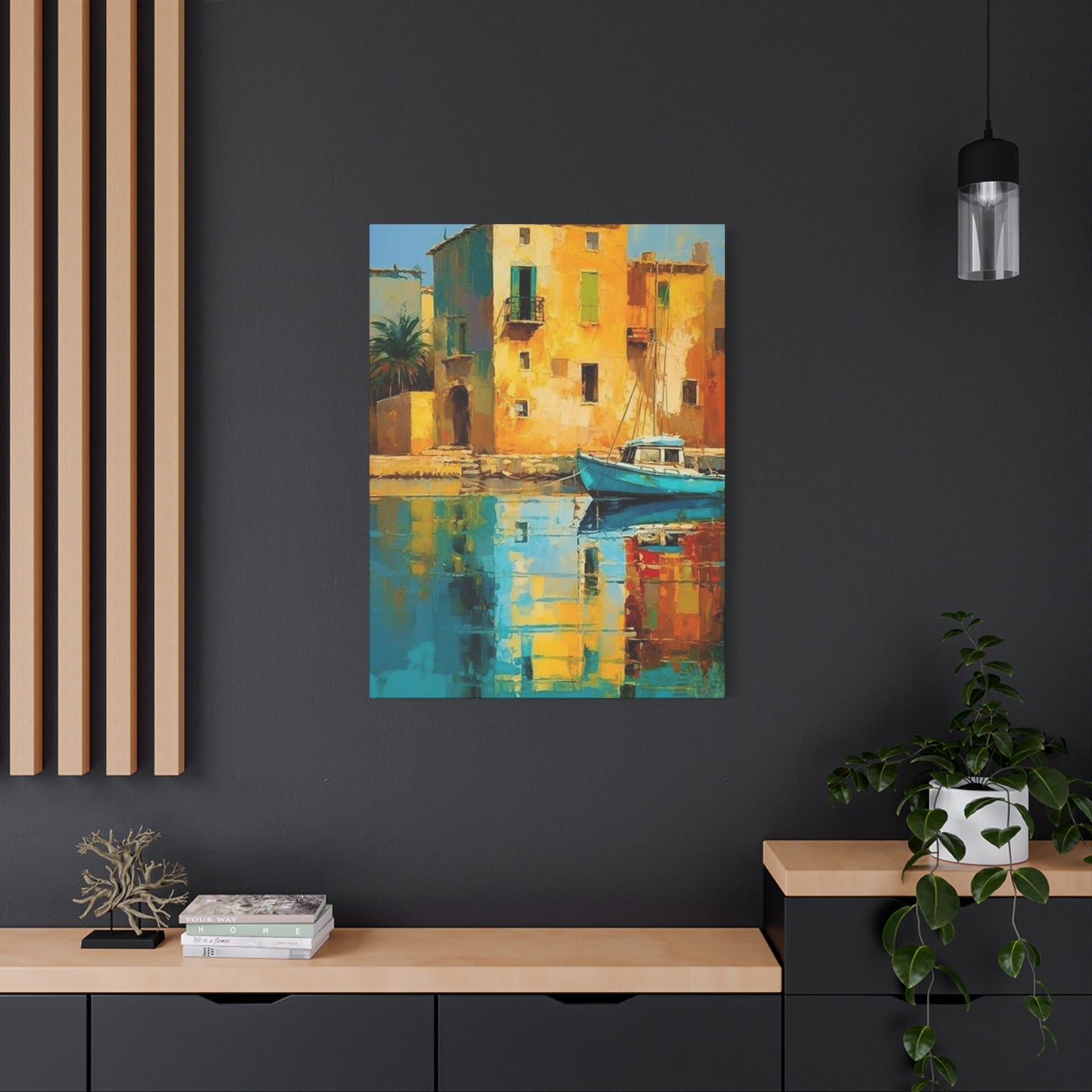


Ehab Mohamed Painting Wall Art & Canvas Prints
Ehab Mohamed Painting Wall Art & Canvas Prints
Couldn't load pickup availability
Ehab Mohamed Painting Wall Art: Discovering the Masterful Blend of Cultural Heritage and Contemporary Visual Expression
The realm of visual arts has witnessed countless transformations throughout centuries, with each era bringing forth distinctive voices that reshape our perception of aesthetic beauty. Among the contemporary artists who have carved a unique niche in the modern art landscape, Ehab Mohamed stands as a prominent figure whose painting wall art captivates audiences with its profound depth and cultural richness. His creations represent more than mere decorative pieces; they embody narratives that bridge traditional Middle Eastern artistic sensibilities with modern conceptual frameworks, creating a dialogue between past and present.
The significance of wall art in contemporary living spaces cannot be overstated. It serves as a powerful medium for personal expression, cultural identity, and aesthetic enhancement. When we examine the works associated with Ehab Mohamed painting wall art, we encounter a sophisticated amalgamation of colors, textures, and symbolic elements that transcend conventional boundaries. These pieces function as visual anchors within interior environments, transforming ordinary walls into canvases of storytelling and emotional resonance.
The Artistic Journey Behind Ehab Mohamed's Creative Vision and Stylistic Evolution
Every artist's journey begins with a spark of inspiration, often rooted in their cultural background, personal experiences, and exposure to various artistic traditions. Ehab Mohamed's path in the visual arts reflects a deep engagement with both classical and contemporary influences. His formative years likely involved immersion in the rich tapestry of Middle Eastern visual culture, where geometric patterns, calligraphic elements, and vibrant color palettes have dominated artistic expression for millennia.
The evolution of an artist's style rarely follows a linear trajectory. Instead, it unfolds through periods of experimentation, reflection, and refinement. In examining the body of work that constitutes Ehab Mohamed painting wall art, we can trace a deliberate progression from earlier explorations to more mature, confident expressions. This evolution demonstrates an artist's growing mastery over medium, technique, and conceptual depth.
What distinguishes exceptional wall art from merely competent work is the artist's ability to infuse each piece with layers of meaning that reveal themselves gradually to attentive viewers. The paintings carry within them subtle references to cultural heritage, philosophical inquiries, and universal human experiences. This multidimensional quality ensures that the artwork maintains its relevance and intrigue long after initial viewing, making it a worthwhile investment for collectors and art enthusiasts alike.
The influences that shape an artist's vision come from diverse sources. Traditional Islamic art, with its emphasis on geometric precision and intricate patterns, provides one foundation. Contemporary movements in abstract expressionism, color field painting, and mixed media experimentation offer additional frameworks. The synthesis of these varied influences results in a distinctive aesthetic signature that makes Ehab Mohamed painting wall art immediately recognizable to those familiar with his oeuvre.
Exploring the Distinctive Visual Language and Thematic Concerns in Wall Painting Compositions
The visual language employed in Ehab Mohamed painting wall art speaks to viewers through carefully orchestrated elements that work in harmony to create cohesive compositions. Color selection forms the foundation of this visual communication. Unlike arbitrary color choices, the palettes utilized in these works often carry symbolic weight, drawing from traditional associations while simultaneously subverting expectations to create fresh interpretations.
Warm earth tones frequently appear in these compositions, evoking the desert landscapes and ancient architectural heritage of the Middle East. Ochres, siennas, and burnt umbers ground the compositions in a sense of place and history. These hues are often juxtaposed with cooler blues and greens, creating dynamic tension that energizes the visual field. The interplay between warm and cool tones generates spatial depth and emotional complexity.
Compositional structure in Ehab Mohamed painting wall art demonstrates sophisticated understanding of visual balance and movement. Rather than static arrangements, these works often employ dynamic diagonals, spiraling forms, or rhythmic repetitions that guide the viewer's eye through the pictorial space. This sense of movement prevents the artwork from becoming merely decorative, instead engaging viewers in an active process of visual exploration.
Textural variation adds another dimension to these wall paintings. Smooth, flowing passages contrast with areas of built-up pigment or gestural marks that reveal the artist's hand. This textural diversity creates tactile interest that invites closer inspection. The physicality of paint application becomes part of the artwork's expressive vocabulary, communicating energy, restraint, spontaneity, or deliberation depending on the specific passage.
Symbolic elements woven throughout the compositions add layers of meaning for those versed in cultural iconography. Calligraphic flourishes may appear as abstract marks to some viewers while carrying specific linguistic or spiritual significance for others. Geometric patterns reference traditional architectural ornament while functioning as formal elements within contemporary compositional frameworks. This dual functionality allows the artwork to communicate across cultural boundaries while maintaining deep roots in specific traditions.
The Material Foundations and Craft Considerations in Creating Enduring Wall Paintings
The physical realization of artistic vision requires careful consideration of materials and methods. The substrates chosen for Ehab Mohamed painting wall art play a crucial role in the final appearance and longevity of the pieces. Canvas remains a popular choice for its flexibility, portability, and receptive surface qualities. Different canvas weaves—fine, medium, or coarse—affect the final texture and how paint interacts with the surface.
Wood panels offer an alternative substrate with distinct advantages. Their rigid surface prevents the slight movement inherent in stretched canvas, making them ideal for detailed work or techniques involving layered glazes. The smooth surface of prepared wood panels allows for refined brushwork and subtle color transitions. Additionally, wood panels carry historical resonance, connecting contemporary practice to centuries of panel painting tradition.
Paint selection constitutes another critical decision in the creation process. Acrylics offer versatility, quick drying times, and excellent color stability. Their water-based formulation makes them more environmentally friendly than solvent-based alternatives. Oil paints provide unmatched richness, luminosity, and working time, allowing for sophisticated blending and glazing techniques. Some artists employ mixed media approaches, combining various paint types with collage elements, metallic leaf, or unconventional materials to achieve specific effects.
The preparation of surfaces before paint application significantly impacts the final result. Proper priming creates a receptive ground that enhances paint adhesion and affects color appearance. Gesso, the traditional primer, can be applied smoothly for a refined surface or textured for added visual interest. Toned grounds—surfaces tinted with color before painting begins—establish an overall color harmony and eliminate the stark white of untreated surfaces.
Brushwork and application methods vary dramatically depending on the desired effect. Broad, sweeping strokes create expansive areas of color and convey energy. Fine detail work with small brushes allows for intricate pattern work or representational elements. Palette knife application builds up thick impasto passages that catch light and create dramatic shadows. Scraping, sanding, or washing back paint layers reveals underlying colors and creates complex spatial relationships.
The curing and finishing processes determine the artwork's long-term preservation. Proper drying time ensures chemical stability of paint films. Varnishing provides a protective layer against environmental factors while unifying surface sheen. The choice between matte, satin, or glossy varnish affects how light interacts with the painting surface and influences the viewer's perception of colors and details.
Positioning Ehab Mohamed Painting Wall Art Within Contemporary Interior Design Paradigms
The relationship between art and interior space has evolved considerably in recent decades. No longer viewed as mere decoration applied after all other design decisions have been made, artwork now often serves as the conceptual starting point around which entire rooms are conceived. This shift acknowledges the powerful influence that visual art exerts on the character and atmosphere of living environments.
When considering the placement of Ehab Mohamed painting wall art within residential or commercial spaces, scale relationships become paramount. An appropriately sized piece commands attention without overwhelming the surrounding architecture. Too small a painting on an expansive wall appears timid and fails to anchor the space visually. Conversely, an oversized work in a confined area can feel oppressive. The ideal sizing creates a balanced relationship between artwork and environment.
Color harmonies between the painting and surrounding decor require thoughtful consideration. A complementary approach might draw accent colors from the artwork to inform textile choices, accessories, or even wall paint in adjacent rooms. This creates visual continuity throughout a space. Alternatively, a contrasting strategy might position a vibrantly colored painting against neutral surroundings, allowing the artwork to function as a bold focal point that energizes the entire room.
Lighting design profoundly affects how wall paintings are perceived. Natural light changes throughout the day, causing colors to shift and details to emerge or recede depending on the angle and intensity of illumination. Artificial lighting offers more control but requires careful planning. Track lighting, picture lights, or recessed fixtures can be positioned to eliminate glare while highlighting the artwork's best features. Proper lighting transforms good art into a captivating centerpiece.
The architectural context influences artwork presentation. In contemporary spaces with clean lines and minimal ornamentation, a bold, gestural painting provides welcome visual complexity and human warmth. In traditional interiors with elaborate moldings and rich materials, artwork that bridges classical and contemporary sensibilities maintains coherence while introducing fresh energy. Understanding these contextual relationships ensures that the artwork enhances rather than conflicts with its surroundings.
Grouping strategies offer alternatives to single statement pieces. A collection of smaller works arranged in a carefully considered configuration can create impact equal to or exceeding that of a large single painting. The relationships between individual pieces—whether unified by palette, theme, or formal qualities—generate additional layers of meaning. The negative space between works becomes an active compositional element in its own right.
The Cultural Resonance and Symbolic Dimensions Embedded in Middle Eastern Artistic Traditions
To fully appreciate Ehab Mohamed painting wall art requires understanding the broader cultural context from which it emerges. Middle Eastern artistic traditions stretch back millennia, encompassing diverse civilizations, religions, and aesthetic philosophies. These traditions have contributed fundamental concepts to global art history, including sophisticated geometric systems, revolutionary approaches to spatial representation, and profound philosophical inquiries into the nature of beauty and divine order.
Islamic art, a major strand within Middle Eastern visual culture, developed distinctive characteristics that continue to influence contemporary artists. The emphasis on abstract pattern over representational imagery stems from religious perspectives on image-making. This focus on geometric and vegetal ornamentation led to extraordinary sophistication in these modes of expression. The mathematical precision underlying complex geometric patterns reflects beliefs about underlying order in creation and the unity of divine truth.
Calligraphy holds special significance within Middle Eastern artistic traditions. As the visual form of sacred texts, beautiful writing achieves spiritual as well as aesthetic purpose. The letterforms themselves become vehicles of meaning beyond their linguistic content. When contemporary artists incorporate calligraphic elements into their compositions, they tap into this rich heritage while potentially transforming or recontextualizing the meaning.
Color symbolism in Middle Eastern art carries associations shaped by climate, materials, and cultural beliefs. Blue evokes water, sky, and spiritual transcendence—precious qualities in desert regions. Gold represents divine light and celestial realms. Green symbolizes paradise, life, and prophetic lineage. Contemporary artists working within or responding to these traditions can employ these color associations knowingly, creating works that resonate on multiple levels for viewers familiar with the symbolic language.
The concept of unity in multiplicity pervades Middle Eastern artistic philosophy. Complex patterns composed of repeated motifs suggest infinite extension beyond the physical boundaries of the artwork. This points toward concepts of divine infinitude and the interconnection of all creation. Contemporary interpretations of these principles in Ehab Mohamed painting wall art might employ repetition, variation, and rhythm to create similar effects within modern compositional frameworks.
The tension between representation and abstraction has been navigated differently across various Middle Eastern cultures and periods. While some traditions emphasized figurative work, others moved toward complete abstraction. This historical dialogue informs contemporary practice, allowing artists to position their work along this spectrum according to their conceptual interests and personal inclinations.
Collecting Contemporary Wall Art as Cultural Investment and Aesthetic Enhancement
The decision to acquire significant artwork involves multiple considerations beyond immediate aesthetic appeal. For many collectors, understanding the artist's position within contemporary art discourse informs purchasing decisions. Artists who demonstrate sustained creative development, critical recognition, and engagement with meaningful cultural conversations tend to create work with lasting value—both aesthetic and financial.
Provenance and authenticity constitute essential concerns when acquiring artwork. Documentation that traces the work's history from studio to current ownership provides assurance of authenticity and can significantly affect value. Certificates of authenticity, particularly those including detailed descriptions, photographs, and the artist's signature, offer crucial verification. For emerging artists, establishing clear provenance early in their careers benefits both artists and collectors as reputations develop over time.
The physical condition of artwork dramatically impacts its desirability and longevity. When considering the acquisition of Ehab Mohamed painting wall art, careful examination reveals important information. Surface irregularities, cracking, or previous damage might indicate improper storage or handling. Conversely, minor imperfections may be inherent to the artist's process and add character rather than diminishing value. Understanding the difference requires experience or consultation with knowledgeable professionals.
Framing and presentation choices affect both the artwork's preservation and its visual impact. Museum-quality framing employs acid-free materials, UV-protective glazing when appropriate, and proper spacing between artwork and glass to prevent moisture damage. The frame style itself represents a significant aesthetic decision. A simple, refined frame might allow the artwork to command full attention, while an elaborate frame could complement ornate compositions or suit traditional interior settings.
The practical aspects of ownership extend to insurance, conservation, and eventual disposition. Proper insurance coverage protects against loss, damage, or theft. Regular consultation with conservators ensures that minor issues are addressed before they become major problems. Considering long-term plans for the collection—whether keeping works within the family, eventually donating to institutions, or selling—shapes current decisions about documentation and preservation.
Building relationships within the art community enriches the collecting experience beyond the transactional. Connections with artists, galleries, other collectors, and scholars provide deeper understanding of the work and its context. Attending exhibitions, studio visits, and art fairs offers opportunities to see new developments and refine personal taste. These relationships transform collecting from simple acquisition into meaningful cultural participation.
The Philosophical Dimensions of Artistic Creation and Visual Communication
Underlying the physical processes of painting lie profound philosophical questions about the nature of representation, meaning, and human expression. When an artist creates wall art, they engage with ancient debates about mimesis—the relationship between art and reality. Does art copy nature, improve upon it, or create entirely new realities? Different philosophical positions on these questions lead to radically different artistic approaches.
The phenomenology of visual perception plays a crucial role in how artwork communicates. We do not passively receive visual information; instead, we actively construct meaning from sensory input based on prior experience, cultural conditioning, and immediate context. An artist working thoughtfully considers how viewers will perceive their work, manipulating elements to guide interpretation while leaving room for individual response.
The concept of aesthetic experience itself merits examination. What distinguishes aesthetic pleasure from other types of satisfaction? Philosophers have proposed various answers: the perception of harmony and proportion, the recognition of skillful execution, the emotional resonance of content, or the intellectual stimulation of novel ideas. Exceptional artwork typically operates on multiple levels simultaneously, providing immediate sensory pleasure while rewarding sustained contemplation with deeper insights.
Questions of authenticity and originality have preoccupied artists and critics for centuries. In an era of mechanical reproduction and digital manipulation, what constitutes genuine artistic creation? The physical presence of an original painting—the actual surface that the artist touched, the unique qualities of materials aging together over time—retains special significance. Ehab Mohamed painting wall art exists as singular physical objects that cannot be perfectly replicated, bearing the trace of their creation process.
The social dimensions of art extend its significance beyond individual aesthetic experience. Artwork functions as cultural communication, transmitting ideas, values, and perspectives across time and space. It can challenge prevailing assumptions, give form to emerging consciousness, or preserve disappearing traditions. Understanding the social role of art enriches both creation and appreciation, positioning individual works within larger cultural narratives.
The economics of art presents its own philosophical puzzles. How do we assign monetary value to aesthetic creation? Market forces certainly play a role, but they interact with critical consensus, institutional validation, and cultural prestige in complex ways. The question of whether artistic and commercial value necessarily align has no simple answer. Many great artists achieved recognition only posthumously, while others commanded high prices during their lifetimes but faded from cultural memory.
Examining the Relationship Between Scale, Proportion, and Visual Impact in Large Format Works
The physical dimensions of wall art fundamentally alter the viewing experience and the relationship between viewer and artwork. Monumental paintings envelop viewers in their visual field, creating immersive environments rather than discrete objects for contemplation at a distance. This shift in scale transforms how we perceive and emotionally respond to the work.
When creating large-scale pieces, artists must consider how the human body moves through space. A painting spanning ten or fifteen feet across cannot be comprehended in a single glance from typical viewing distances. Instead, viewers must move laterally to take in the entire composition, experiencing different sections sequentially before synthesizing them into a whole. This temporal dimension adds cinematic qualities to the viewing experience.
Proportional relationships within large compositions require careful calibration. Elements that appear balanced in a small sketch may feel disconnected when scaled up dramatically. The artist must adjust not only sizes but also the relative weight of different areas, the thickness of lines, and the intensity of colors to maintain visual coherence at monumental scale. This scaling process involves both mathematical calculation and intuitive adjustment.
The technical challenges of working large include physical stamina, spatial organization, and practical logistics. Creating Ehab Mohamed painting wall art at significant scale requires adequate studio space, specialized equipment for reaching all areas of the canvas, and systems for stepping back to evaluate the overall effect. The physical demands of large-scale painting affect the gestural quality of brushwork, often resulting in more energetic, confident marks.
Transportation, storage, and display of oversized artwork present practical considerations for both artists and collectors. These works may require custom crating, climate-controlled transport, and professional installers for proper hanging. Buildings must have adequate access points to accommodate large pieces. Despite these complications, the dramatic impact of successful large-scale work often justifies the additional effort and expense.
The psychological impact of scale relates to our evolutionary responses to visual stimuli. Large forms in our environment typically signal importance and demand attention. Monumental artwork taps into these instinctive responses, commanding presence in ways that smaller works cannot match. This visceral reaction operates beneath conscious analysis, contributing to the emotional power of large paintings.
The Role of Color Theory in Creating Harmonious and Emotionally Resonant Compositions
Color constitutes one of the most direct and powerful tools available to visual artists. Its effects operate simultaneously on multiple levels: optical phenomena based in physics and biology, psychological associations rooted in experience and culture, and symbolic meanings established through tradition. Masterful color usage in Ehab Mohamed painting wall art demonstrates sophisticated understanding of these various dimensions.
The basic color relationships identified by traditional color theory—complementary, analogous, triadic, and others—provide starting points for palette development. Complementary colors, positioned opposite each other on the color wheel, create maximum contrast and vibration when juxtaposed. This dynamic interaction energizes compositions and draws attention. Analogous colors, adjacent on the wheel, produce harmony and cohesion through their close relationships.
Color temperature affects spatial perception and emotional tone. Warm colors—reds, oranges, yellows—appear to advance toward the viewer and convey energy, passion, or warmth. Cool colors—blues, greens, purples—recede spatially and suggest calm, distance, or introspection. Strategic use of temperature creates depth illusions and guides viewers' attention to focal areas.
Value relationships—the relative lightness or darkness of colors—often prove more important to compositional success than hue selection. High contrast between light and dark creates drama and clear focal points. Low contrast produces subtle, atmospheric effects that require sustained attention to appreciate. The value structure underlying a composition provides its basic legibility and visual hierarchy.
Saturation levels contribute significantly to mood and style. Highly saturated, intense colors project boldness and contemporary sensibility. Desaturated, muted colors evoke sophistication, age, or melancholy. Varying saturation across a composition creates rhythm and emphasis, with areas of high chroma attracting attention against more neutral surroundings.
Color interaction—how hues affect each other when placed in proximity—adds complexity to color mixing and application. A gray appears warm when surrounded by cool colors but cool against warm neighbors. Colors at boundaries influence each other through optical mixing, creating subtle transitions not physically present in the paint. Understanding these interactions allows artists to create sophisticated color effects that reward close observation.
Cultural and personal associations with specific colors add another layer of meaning. While some responses may be universal or biologically based, many color associations are culturally determined. Red might signal danger or passion in some contexts, good fortune or celebration in others. Artists working across cultures must navigate these varying associations thoughtfully.
Methods for Preserving and Caring for Valuable Wall Art Across Decades
Investment in significant artwork carries with it the responsibility of proper stewardship to ensure the piece's preservation for current enjoyment and eventual transmission to future generations. The materials comprising paintings, though relatively stable compared to some media, remain vulnerable to various environmental and handling risks.
Light exposure represents one of the most insidious threats to painted surfaces. Ultraviolet radiation causes pigments to fade and binders to deteriorate over time. Even visible light gradually affects sensitive colors. Positioning Ehab Mohamed painting wall art away from direct sunlight provides the first line of defense. UV-filtering glass in framing or window treatments offers additional protection. Monitoring light exposure through careful placement and lighting choices extends the life of cherished pieces.
Temperature and humidity fluctuations stress painted surfaces and their supports. Extreme heat or cold can cause physical expansion and contraction, leading to cracking or separation of paint layers. High humidity promotes mold growth and can cause canvas to slacken or wood panels to warp. Low humidity makes materials brittle and prone to cracking. Maintaining stable conditions within recommended ranges—typically 65-70°F and 45-55% relative humidity—minimizes these risks.
Air quality affects artwork preservation. Airborne pollutants, including acids from industrial emissions, ozone, and particulates, gradually degrade painting surfaces. Tobacco smoke leaves residues that discolor and corrode materials. Controlling air quality through filtration, avoiding smoking near artwork, and ensuring adequate ventilation protects paintings from atmospheric damage.
Physical handling requires careful protocols to prevent accidental damage. Always lift framed pieces by the frame rather than the top edge, supporting the weight from beneath. Never touch painted surfaces directly; oils and acids from skin can cause permanent damage. When moving unframed canvases, handle only the stretcher edges. Professional art handlers employ specialized techniques and equipment to minimize handling risks during transport and installation.
Regular inspection catches developing problems before they become serious. Periodically examine paintings under good lighting, looking for any changes in surface appearance, paint lifting, canvas loosening, or frame damage. Early detection allows for timely intervention while problems remain minor and more easily addressed.
Professional conservation provides expertise beyond typical owner capabilities. Conservators possess specialized training in materials science, art history, and practical treatment methods. For valuable pieces, periodic consultation with qualified conservators ensures that any necessary interventions employ proper materials and reversible techniques that preserve the artwork's integrity and value.
Documentation serves multiple preservation functions. Detailed photographs showing the artwork's condition at various points provide comparison references for tracking changes over time. These records also prove invaluable for insurance claims, authenticity verification, and scholarly research. Maintaining organized files with acquisition documents, exhibition history, conservation reports, and provenance information adds value and protects investment.
Understanding the Market Dynamics and Valuation Factors in Contemporary Art Collecting
The contemporary art market operates according to complex dynamics that blend aesthetic judgment, cultural trends, economic forces, and social factors. For those acquiring Ehab Mohamed painting wall art as both aesthetic enhancement and potential investment, understanding these market mechanisms provides valuable context for decision-making.
Primary market transactions occur when artwork first leaves the artist's studio, typically through gallery representation. Galleries perform crucial functions including promotion, exhibition organization, collector relationship management, and often financial support allowing artists to focus on creation. The pricing in primary markets reflects the artist's career stage, similar works' recent sales, production costs, and the gallery's position within the art world hierarchy.
Secondary market sales involve previously owned artwork changing hands through auction houses, dealers, or private transactions. Secondary market prices can exceed or fall short of primary market levels depending on numerous factors. Strong secondary market performance validates an artist's work and can drive primary market prices higher. Conversely, weak secondary results may signal oversupply or declining interest.
Critical reception significantly influences market dynamics. Reviews in respected publications, inclusion in prestigious exhibitions, and scholarly attention all contribute to an artist's reputation and market position. Museum acquisitions provide especially strong validation, as curators' selections carry weight with collectors. Awards and grants similarly enhance an artist's profile and market standing.
Provenance affects artwork value, particularly as pieces pass through multiple owners. Works previously owned by prominent collectors, major institutions, or significant figures in the art world carry enhanced prestige and value. Complete, well-documented ownership histories inspire greater confidence in authenticity and justify premium pricing.
Rarity and availability influence pricing dynamics. Artists producing limited quantities of work naturally command higher prices than those flooding the market. However, excessive scarcity can also limit market development by preventing new collectors from acquiring work. The optimal balance maintains sufficient availability for market development while preserving exclusivity.
Condition impacts value significantly, with pristine examples commanding premiums over damaged or restored works. However, the relationship between condition and value varies by context. For older works, some signs of age may be expected and even valued as evidence of authenticity. For contemporary pieces, collectors typically expect excellent condition.
Cultural and demographic trends shape collecting patterns and influence which artists and styles gain prominence. Increased global connectivity exposes collectors to artists from diverse backgrounds. Growing wealth in emerging economies creates new collector bases with different cultural references and aesthetic preferences. These shifts can rapidly alter market dynamics and create opportunities for prescient collectors.
Exploring Diverse Approaches to Abstract Expression in Contemporary Painting Practice
Abstraction in visual art represents a relatively recent development in the long history of image-making, yet it has become one of the dominant modes of contemporary expression. Rather than depicting recognizable subjects from the visible world, abstract art explores color, form, line, texture, and composition as meaningful in themselves. Ehab Mohamed painting wall art engages with abstraction in ways that demonstrate the mode's continuing vitality and expressive range.
Geometric abstraction emphasizes precise forms, clean edges, and mathematical relationships. This approach connects to long traditions of pattern-making and architectural ornament while also engaging with modernist concerns about purity and reduction. Geometric work often appears intellectual and controlled, privileging planning over spontaneity.
Gestural abstraction privileges expressive mark-making, visible brushwork, and dynamic compositions that convey energy and emotion. This approach emphasizes the physical act of painting and the artist's bodily engagement with materials. The resulting works often appear spontaneous and emotionally immediate, though they may in fact involve considerable planning and revision.
Color field painting explores relationships between large areas of color, often with subtle variations and soft transitions. This meditative approach invites sustained contemplation and can produce powerful emotional effects through color relationships alone. The apparent simplicity of color field work often masks sophisticated color sensibility and technical skill.
Lyrical abstraction combines gestural freedom with attention to harmonious composition and refined color relationships. This approach seeks to balance spontaneity with aesthetic coherence, creating works that feel both emotionally authentic and visually satisfying. The term suggests musical analogies, with visual rhythms and harmonies creating aesthetic experiences similar to musical compositions.
Mixed media approaches combine painting with collage, assemblage, or other materials and techniques. This expansive approach allows artists to incorporate diverse textures, patterns, and references within single compositions. The resulting works often possess rich surface interest and conceptual complexity that rewards close examination.
The degree of referentiality in abstract work varies considerably. Some abstraction remains purely non-objective, referring to nothing beyond itself. Other abstract work maintains loose connections to observed reality, with forms suggesting landscape, figure, or other recognizable elements without explicitly depicting them. This ambiguity between abstraction and representation creates productive tension that engages viewers actively in meaning-making.
Investigating the Psychological Effects of Living with Significant Visual Art
The presence of meaningful artwork in daily living environments extends beyond aesthetic enhancement to affect residents' emotional states, mental processes, and overall wellbeing. Research in environmental psychology and neuroscience increasingly documents how visual surroundings impact human cognition and feeling, validating the intuition that thoughtfully chosen artwork contributes meaningfully to quality of life.
Repeated exposure to artwork creates familiarity that does not necessarily breed contempt. Unlike purely decorative items that may fade into invisibility as we grow accustomed to their presence, compelling artwork reveals new aspects over time. Details previously overlooked suddenly appear. Relationships between elements become clearer. Meaning deepens through sustained engagement. This quality of inexhaustibility makes living with Ehab Mohamed painting wall art a source of ongoing discovery rather than static decoration.
The emotional resonance of specific artworks varies among individuals based on personal history, cultural background, and temperament. A composition that one person finds energizing and uplifting might strike another as chaotic or overwhelming. These subjective responses remind us that no artwork succeeds universally, making personal response an essential consideration when selecting pieces for living spaces.
Color psychology research documents consistent tendencies in how different hues affect mood and behavior. Cool blues and greens generally promote calm and concentration, making them suitable for spaces dedicated to rest or focused work. Warm reds and yellows tend to energize and stimulate, appropriate for social areas or creative workspaces. The specific colors dominating a piece of wall art thus contribute to the overall atmosphere of rooms where they hang.
Visual complexity offers its own psychological benefits and challenges. Moderate complexity tends to maintain interest without causing stress, providing optimal stimulation for many viewers. Excessive simplicity may bore quickly, while overwhelming complexity can fatigue or stress viewers. The most successful artwork for long-term living typically balances complexity with coherence, offering richness without chaos.
The symbolic content of artwork, whether explicit or subtle, affects how we relate to it over time. Personally meaningful symbols or references create deeper connections than purely formal qualities alone. For some viewers, Ehab Mohamed painting wall art may resonate through cultural references, spiritual associations, or aesthetic qualities that align with personal values and identity.
Social dimensions of artwork ownership contribute to psychological satisfaction. Sharing responses to artwork with household members, guests, or online communities extends the experience beyond private contemplation. Discussing interpretations, learning about the artist's background, or researching similar work enriches understanding and deepens appreciation.
Examining the Influence of Architectural Context on Art Presentation and Perception
Architecture and art maintain intimate relationships, with each influencing how we experience the other. The specific architectural character of a space—its proportions, lighting, materials, and style—creates a context that either harmonizes with or contrasts against artwork displayed within it. Understanding these relationships allows for more effective presentation of Ehab Mohamed painting wall art.
Ceiling height dramatically affects how we perceive wall-mounted artwork. In rooms with standard eight-foot ceilings, hanging large paintings high on the wall can make the space feel cramped, as if the ceiling presses down. Lower placement creates better proportional relationships and comfortable viewing. In rooms with soaring ceilings exceeding ten or twelve feet, hanging artwork at standard heights may cause it to disappear into the lower portion of tall walls. Higher placement or larger works maintain proper scale relationships in these grand spaces.
Wall proportions influence optimal artwork sizing and orientation. Vertical paintings complement narrow wall sections, while horizontal orientations suit wider expanses. Paying attention to these proportional relationships creates visual harmony between architecture and artwork. Square canvases offer versatility, working effectively in various architectural contexts.
Architectural detailing affects art presentation strategies. In spaces with elaborate crown moldings, wainscoting, or decorative elements, simple, refined framing often works best, avoiding competition between ornate architecture and ornate frames. In minimal contemporary spaces with clean walls and simple trim, more elaborate framing might add welcome visual richness.
The color and texture of wall surfaces interact with artwork in significant ways. Neutral wall colors—whites, grays, tans—provide versatile backgrounds that allow artwork to command attention. Colored walls create color relationships that can either enhance or conflict with painting hues. Textured walls add visual interest but can compete with artwork or make certain framing approaches less effective.
Lighting conditions, determined partly by architectural features like window placement and size, affect artwork appearance dramatically. Rooms with abundant natural light from large windows create bright, changing conditions that reveal colors accurately during daylight hours but may cause accelerated fading. Spaces with limited natural light depend on artificial illumination, offering more control but requiring thoughtful fixture selection and placement.
Adjacent architectural elements influence artwork perception through proximity effects. Doorways, windows, fireplaces, or built-in furniture all attract visual attention and must be considered when planning artwork placement. Strategic positioning uses these architectural features to frame or complement artwork rather than competing with it.
Circulation patterns through spaces affect viewing opportunities and ideal artwork placement. Walls visible from primary seating areas, facing entries, or along main circulation routes offer premium locations for important pieces. Artwork in these positions receives maximum exposure and contributes significantly to the room's character. Conversely, pieces positioned in less trafficked areas may go largely unnoticed despite their quality.
Conclusion
Contemporary painting practice exists in complex relationship with historical traditions of craftsmanship. While some artists fully embrace traditional materials and methods, others deliberately reject convention in favor of experimental approaches. Most occupy middle positions, selectively adopting certain traditional practices while innovating in others. Ehab Mohamed painting wall art likely reflects this negotiation between honoring craft traditions and pursuing contemporary expression.
The concept of craftsmanship itself carries multiple meanings. At its most basic, it refers to skilled execution—the ability to realize artistic intentions through proficient handling of materials. Beyond technical competence, craftsmanship implies care, attention to detail, and respect for materials. These qualities distinguish works marked by thoughtful execution from those appearing careless or slapdash.
Traditional painting methods developed over centuries solve practical and aesthetic problems effectively. The classical approach of working from dark underlayers to lighter upper layers, for example, creates luminous color and clear spatial relationships. Contemporary artists who understand these traditional approaches can choose to employ them when appropriate rather than unknowingly recreating solutions already developed generations ago.
Material knowledge constitutes a crucial aspect of craftsmanship. Understanding how different pigments behave—which are transparent or opaque, which dry quickly or slowly, which prove lightfast or fugitive—allows artists to make informed choices that affect both immediate results and long-term durability. Similarly, knowledge of supports, grounds, binders, and varnishes enables selection of materials best suited to particular artistic goals.
The tension between spontaneity and control reflects different values regarding craft. Highly controlled, technically refined work demonstrates one set of skills and appeals to certain audiences. Loose, gestural work that appears spontaneous may actually require different but equally sophisticated skills: the ability to work quickly and decisively, maintaining overall coherence while allowing for accident and improvisation.
Contemporary material experimentation extends painting possibilities beyond traditional boundaries. Artists now incorporate industrial materials, found objects, digital elements, and unconventional substrates into painting practice. This expansion challenges conventional definitions of painting while opening new expressive possibilities. The question of where painting ends and other media begin becomes increasingly fluid.
The relationship between process and product raises philosophical questions about artistic value. Should we value artwork primarily for its final appearance, or does the process of creation matter equally? Work demonstrating tremendous technical skill may leave some viewers cold if they find the concept uninteresting. Conversely, conceptually engaging work with rough execution may alienate those who value craftsmanship highly. Exceptional work typically succeeds on multiple levels simultaneously.
Creating convincing spatial effects on flat surfaces has preoccupied artists across cultures for millennia. Various solutions have emerged, each reflecting different cultural values and philosophical perspectives regarding representation. Contemporary painting, including Ehab Mohamed painting wall art, can employ, combine, or reject these historical approaches according to specific artistic intentions.
Linear perspective, developed during the Renaissance, creates spatial illusion through systematic convergence of parallel lines toward vanishing points. This mathematical system generates convincing depictions of three-dimensional space on two-dimensional surfaces. While linear perspective dominates Western representational tradition, many contemporary artists find its rationalism limiting and explore alternative spatial systems.
Atmospheric perspective employs color and value shifts to suggest depth. Distant elements appear cooler, lighter, and less detailed than foreground features, mimicking atmospheric effects observed in nature. Even in abstract work, these principles can create spatial layering and depth without depicting recognizable subjects.
Share