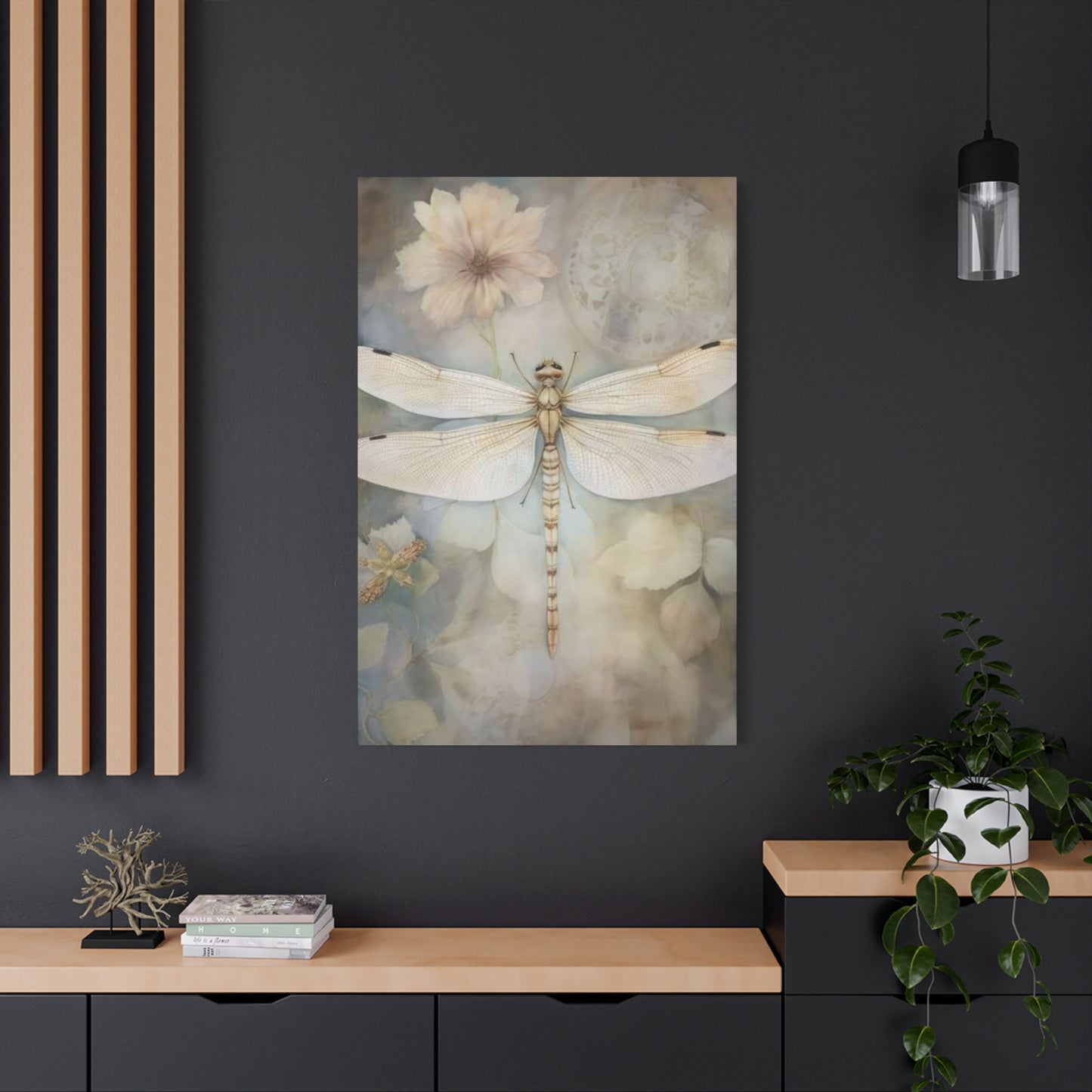


Earthy Creamy Dragonfly Wall Art & Canvas Prints
Earthy Creamy Dragonfly Wall Art & Canvas Prints
Couldn't load pickup availability
Transform Your Living Spaces with the Natural Grace of Earthy Creamy Dragonfly Wall Art
The world of interior decoration has witnessed a remarkable shift towards embracing natural elements that bring tranquility and organic sophistication into our homes. Among the most captivating trends emerging in contemporary home styling stands the enchanting presence of dragonfly-themed decorative pieces, particularly those rendered in soothing earthy and creamy tones. These delicate winged creatures, celebrated across cultures for their symbolic significance and aesthetic grace, have become central to creating spaces that resonate with nature's inherent beauty.
Earthy creamy dragonfly wall art represents far more than mere decoration; it embodies a philosophy of living that harmonizes modern sensibilities with timeless natural inspiration. The gentle color palette of earth-inspired hues combined with creamy undertones creates visual compositions that speak to both the heart and the aesthetic sensibilities of those who appreciate refined yet grounded design choices. This particular style of decorative artwork has captured the imagination of homeowners, interior stylists, and design enthusiasts who seek to infuse their environments with elements that reflect both elegance and the raw beauty found in nature.
The Profound Symbolism Behind Dragonfly Imagery in Decorative Artwork
Dragonflies have captivated human imagination for millennia, appearing in mythology, folklore, and artistic expressions across virtually every continent. These remarkable insects, with their iridescent wings and agile flight patterns, carry profound symbolic meanings that transcend cultural boundaries. In Japanese tradition, dragonflies represent strength, courage, and happiness, often associated with the season of autumn and the warrior spirit. Native American cultures view these creatures as symbols of renewal, positive transformation, and adaptability—qualities that resonate deeply with those undergoing personal growth or life transitions.
The spiritual significance of dragonflies extends to their representation of living in the moment and appreciating the present. Their brief adult lifespan, combined with their spectacular aerial displays, reminds observers to embrace joy and lightness in their daily existence. When you incorporate earthy creamy dragonfly wall art into your living environment, you're not simply adding visual interest; you're inviting these powerful symbolic meanings into your personal space. The earthy tones ground these ethereal creatures, creating a perfect balance between the spiritual and the tangible.
In Eastern philosophy, dragonflies symbolize water and air elements, representing emotional depth and mental clarity respectively. This dual nature makes them particularly powerful symbols for spaces dedicated to contemplation, creativity, or personal reflection. The creamy color palette softens the imagery, making it accessible and comforting rather than overwhelming, while the earthy undertones connect the artwork to fundamental natural elements that humans instinctively find reassuring and centering.
How Earthy and Creamy Color Schemes Create Harmonious Living Environments
The deliberate selection of earthy and creamy tones in dragonfly-themed artwork reflects a sophisticated understanding of color psychology and its impact on human emotional states. Earthy colors—including various shades of brown, terracotta, ochre, sage green, and muted olive—draw direct inspiration from the natural landscape. These hues evoke feelings of stability, groundedness, and connection to the physical world. They create environments that feel safe, nurturing, and fundamentally welcoming.
Creamy tones, ranging from soft ivory to warm beige and gentle taupe, introduce an element of refinement and tranquility to any space. These subtle shades possess the remarkable ability to reflect light gently, creating atmospheres that feel open and airy without the starkness sometimes associated with pure white. When combined with earthy tones, creamy colors provide visual relief and create sophisticated contrasts that prevent spaces from feeling heavy or overly rustic.
The marriage of earthy and creamy palettes in dragonfly wall art creates what designers call "accessible neutral" schemes—color combinations that work beautifully across diverse decorating styles while maintaining their own distinct character. This versatility makes such artwork an invaluable investment for homeowners who may wish to refresh their interior schemes over time without replacing major decorative elements. The colors naturally complement both warm and cool undertones in furniture, textiles, and architectural features, making them exceptionally adaptable to various design contexts.
Research in environmental psychology has demonstrated that color choices significantly impact mood, productivity, and overall wellbeing. Earthy tones have been shown to reduce stress responses and promote feelings of security, while cream colors create perceptions of cleanliness, simplicity, and calm. Together, these color families create what researchers call "restorative environments"—spaces that help inhabitants recover from mental fatigue and emotional strain. By choosing earthy creamy dragonfly wall art, you're making a conscious decision to support your psychological wellbeing through thoughtful environmental design.
Exploring Various Artistic Styles in Dragonfly-Themed Decorative Pieces
The realm of dragonfly wall art encompasses an extraordinary range of artistic interpretations, each offering unique visual qualities and emotional resonances. Realistic renderings capture the intricate detail of dragonfly anatomy—the delicate venation of wings, the segmented body structure, the compound eyes that shimmer with reflected light. These scientifically accurate depictions appeal to nature enthusiasts and those who appreciate the meticulous craftsmanship required to replicate natural forms faithfully. When executed in earthy creamy tones, realistic dragonfly art gains a softened, almost dreamy quality that distinguishes it from stark photographic reproductions.
Abstract interpretations of dragonfly forms offer entirely different aesthetic experiences. These pieces might reduce the insect to its essential geometric shapes—elongated ovals for bodies, delicate triangles for wings—creating minimalist compositions that suggest rather than explicitly depict their subjects. Abstract earthy creamy dragonfly wall art works particularly well in contemporary and modern settings where clean lines and simplified forms dominate the design vocabulary. The suggested presence of the dragonfly invites viewer interpretation and imagination, creating art that reveals new aspects upon repeated viewing.
Impressionistic approaches to dragonfly imagery blend representational and abstract elements, capturing the essence and movement of these creatures through gestural marks and atmospheric color work. Such pieces might show dragonflies in flight, their forms partially dissolved into backgrounds of marsh grasses or pond surfaces, creating compositions that emphasize mood and feeling over precise detail. The earthy creamy palette lends itself beautifully to impressionistic treatment, with colors bleeding into one another in ways that mirror the soft focus and atmospheric quality characteristic of this artistic style.
Vintage or retro-styled dragonfly art draws inspiration from botanical illustrations, Art Nouveau designs, or mid-century decorative motifs. These pieces often feature dragonflies alongside other natural elements—cattails, water lilies, or ferns—arranged in compositionally balanced arrangements that nod to classical design principles. The earthy creamy color palette can evoke different eras depending on specific shade selections: warmer ochres and burnt siennas suggest Victorian natural history illustrations, while cooler taupes and sage greens reference mid-century modern aesthetics.
Materials and Mediums That Bring Dragonfly Artwork to Life
The physical materials chosen for creating and presenting dragonfly wall art significantly impact both the visual appearance and the longevity of these decorative pieces. Canvas prints remain among the most popular options, offering excellent color reproduction, texture variation, and a finished appearance that works across diverse interior styles. Gallery-wrapped canvas—where the printed image extends around the frame edges—creates a contemporary look that requires no additional framing, while traditionally mounted canvas can be enhanced with complementary frames that reinforce the earthy creamy aesthetic.
Metal prints represent a more contemporary approach to wall art presentation, with images transferred onto aluminum surfaces through dye sublimation processes. The resulting pieces possess exceptional clarity, vibrant color rendering, and remarkable durability. When featuring earthy creamy dragonfly designs, metal prints create interesting juxtapositions between the industrial material and the natural subject matter. The slight sheen of metal surfaces can enhance the ethereal quality of dragonfly wings, creating subtle light-catching effects that change throughout the day as natural lighting shifts.
Wood panel art offers perhaps the most organic presentation option for earthy creamy dragonfly imagery. When dragonfly designs are printed or painted directly onto wood surfaces—whether reclaimed barn wood, birch panels, or sustainably harvested hardwoods—the natural grain and texture of the wood becomes part of the artwork itself. This creates depth and visual interest that flat surfaces cannot replicate. The inherent warmth of wood materials reinforces the earthy aspects of the color palette while adding tactile dimension that invites closer inspection.
Textile-based dragonfly wall art, including woven tapestries and embroidered pieces, introduces texture and softness into spaces in ways that rigid materials cannot match. These textile works often incorporate natural fibers like cotton, linen, or wool, materials whose own earthy qualities complement the color schemes and subject matter. The dimensional quality of textile art—the raised threads of embroidery or the varying textures of woven work—creates shadow and light play that changes the artwork's appearance throughout the day, making it a dynamic rather than static decorative element.
Mixed media approaches combine multiple materials and techniques within single compositions, creating richly layered works with exceptional visual depth. A mixed media dragonfly piece might incorporate painted elements, natural materials like pressed grasses or feathers, metallic accents, and three-dimensional components that extend beyond the flat picture plane. These complex works become focal points within rooms, commanding attention through their intricate detail and multifaceted construction. The earthy creamy palette helps unify diverse materials into cohesive wholes, preventing visual chaos despite the complexity of components.
Sizing Considerations for Maximum Visual Impact in Various Spaces
The dimensions of your earthy creamy dragonfly wall art significantly influence its presence and impact within a room. Understanding scale relationships between artwork and surrounding elements represents a crucial aspect of creating visually balanced, professionally designed spaces. Statement pieces—large-scale works measuring three feet or more in any dimension—function as room anchors, establishing design themes and color palettes that other elements echo. These substantial pieces work exceptionally well above major furniture items like sofas, beds, or dining buffets, where their size creates appropriate visual weight.
Medium-sized pieces, typically ranging from eighteen inches to three feet in their longest dimension, offer versatility in placement and grouping options. These works can stand alone on smaller walls, be combined into gallery arrangements with other pieces, or serve as secondary focal points that support larger decorative statements elsewhere in the room. The moderate scale of medium pieces makes them ideal for spaces like hallways, bathrooms, or home offices where wall space may be limited but visual interest remains desirable.
Small-scale dragonfly art, measuring under eighteen inches, excels in creating intimate visual moments and filling specific decorative needs. These petite pieces work beautifully in grouped arrangements, where multiple small works combine to create collective impact exceeding what any single piece could achieve. Small works also suit spaces where larger pieces would overwhelm—powder rooms, narrow hallway sections, or wall areas fragmented by architectural features like windows, doors, or built-in cabinetry.
When selecting sizes, consider the viewing distance from which the artwork will typically be observed. Pieces viewed from across rooms benefit from larger scales and bolder compositions, while artwork in spaces where viewers will be in close proximity—like above a desk or bedside table—can feature finer detail and more subtle compositional elements that reward close inspection. The earthy creamy palette works across all scales, though smaller pieces may benefit from slightly stronger contrasts to maintain visibility and impact.
Creating Gallery Walls with Dragonfly-Themed Artwork
Gallery walls—curated collections of multiple artworks arranged in deliberate compositions—offer exciting possibilities for displaying earthy creamy dragonfly pieces alongside complementary works. Successful gallery walls balance consistency with variety, creating cohesive visual statements while maintaining enough diversity to sustain viewer interest. When building a gallery wall around dragonfly themes, consider including pieces that vary in size, artistic style, or specific dragonfly species depicted while maintaining the unifying earthy creamy color palette.
Grid arrangements provide the most structured approach to gallery wall composition, with pieces of identical or very similar sizes hung in precise rows and columns. This formal arrangement style works particularly well in contemporary or transitional spaces where clean lines and geometric order dominate. A grid of earthy creamy dragonfly prints creates powerful visual impact through repetition while allowing subtle variations between individual pieces to reward closer examination.
Salon-style arrangements embrace a more organic, collected-over-time aesthetic, with artworks of varying sizes and shapes arranged to fill wall space in visually balanced but asymmetrical compositions. This arrangement style originated in European art salons where works were hung frame-to-frame from floor to ceiling, though contemporary interpretations typically allow more breathing room between pieces. Salon walls communicate personality and eclecticism, suggesting the collection has grown organically rather than being purchased as a matched set.
Linear arrangements place artworks in single horizontal rows, creating streamlined compositions that work exceptionally well in spaces with architectural constraints like chair rails, wainscoting, or low ceilings. A linear gallery of earthy creamy dragonfly art might stretch along a hallway, above a sofa, or across a dining room wall, creating visual rhythm through the repetition of similar elements at consistent intervals. Varying frame styles or mat treatments while maintaining color palette consistency creates subtle interest within the linear format.
When planning gallery wall compositions, create paper templates matching your artwork dimensions and experiment with arrangements before committing to nail holes. Most designers recommend starting with the central or largest piece and building outward, maintaining consistent spacing between works—typically two to four inches—to create visual cohesion. The earthy creamy palette provides inherent unity to gallery collections, allowing greater freedom in mixing artistic styles or incorporating non-dragonfly pieces that share the same color family.
Complementary Design Elements That Enhance Dragonfly Artwork
Earthy creamy dragonfly wall art achieves its full potential when thoughtfully integrated into broader decorating schemes through complementary furniture, textiles, and accessories. Natural wood furniture in medium to darker tones provides beautiful contrast to creamy elements while echoing the earthy aspects of the palette. Consider pieces crafted from walnut, oak, cherry, or reclaimed woods whose grain patterns and organic variations mirror the natural themes embodied in the dragonfly imagery.
Textile selections offer opportunities to reinforce color connections and thematic elements. Consider incorporating fabrics in complementary earthy shades—throw pillows in terracotta linen, curtains in sage green cotton, area rugs featuring natural jute or wool in cream and taupe tones. Patterns might include organic motifs like botanical prints, abstract representations of water or sky, or subtle geometric designs that reference natural forms without literal depiction. The key lies in creating layers of visual interest while maintaining overall cohesion through consistent color relationships.
Lighting choices dramatically affect how earthy creamy dragonfly art appears and how effectively it contributes to room atmosphere. Natural daylight reveals the subtle color variations and tonal nuances that give this palette its depth and sophistication. For spaces lacking abundant natural light, consider warm-toned artificial lighting that enhances the cozy, welcoming qualities of earthy colors rather than cool-toned bulbs that might make creams appear dingy or flat. Picture lights, track lighting, or strategically placed accent lamps can highlight wall art specifically, creating focal points even in otherwise evenly lit rooms.
Decorative accessories provide final layers of cohesion and personality. Consider natural elements like smooth river stones in bowls, branches arranged in ceramic vases, or potted plants that echo the organic themes of dragonfly art. Ceramic or pottery pieces in complementary earthy glazes, woven baskets, and natural fiber textiles all reinforce the nature-inspired aesthetic. Metal accents in bronze, copper, or aged brass add warmth and visual interest without conflicting with the earthy creamy palette.
Room-by-Room Placement Strategies for Dragonfly Decorative Pieces
Living rooms and family gathering spaces benefit enormously from the calming presence of earthy creamy dragonfly wall art. These high-traffic areas, where households spend substantial time relaxing and entertaining, require decorative schemes that feel welcoming without becoming visually tiresome. Large-scale dragonfly pieces above seating arrangements create natural focal points that anchor furniture groupings and establish room character. The neutral-leaning palette ensures the artwork enhances rather than dominates, leaving room for colorful accessories or seasonal decorative changes.
Bedrooms represent ideal locations for the tranquil aesthetic qualities of earthy creamy dragonfly art. The symbolic associations of dragonflies with transformation and renewal make them particularly appropriate for personal spaces dedicated to rest and rejuvenation. Above the headboard represents the traditional placement choice, creating visual balance and completing the bed as the room's central element. However, consider alternative placements—opposite the bed where it becomes the first thing seen upon waking, or flanking windows to frame views of the outdoors.
Bathrooms and powder rooms, often overlooked in decorating plans, transform into spa-like sanctuaries with carefully chosen artwork. Dragonflies' natural association with water makes them thematically perfect for bathroom spaces, while the earthy creamy palette creates soothing environments conducive to relaxation. Ensure any bathroom artwork is properly sealed or protected from moisture exposure, particularly in full bathrooms with showers or tubs. Small to medium-sized pieces work best in these typically compact spaces.
Home offices and creative workspaces gain both aesthetic appeal and symbolic support from dragonfly imagery. The creatures' associations with mental clarity, agility, and seeing beyond surface appearances make them meaningful companions during focused work. The neutral earthy creamy tones won't create visual distraction during tasks requiring concentration, while the nature-inspired imagery provides restful focal points during breaks from screen-focused activities. Consider positioning artwork at eye level when seated at your desk, creating an easy visual escape during moments of contemplation.
Dining spaces benefit from artwork that creates pleasant atmospheres for gathering without overwhelming conversation or competing with table settings. Medium-sized earthy creamy dragonfly pieces on walls perpendicular to the table provide visual interest without demanding constant attention. The palette works beautifully with both formal dining settings—complementing fine china and crystal—and casual family meals, demonstrating the versatility that makes this artwork style so appealing.
Entryways and hallways present unique challenges and opportunities for displaying wall art. These transitional spaces typically feature limited wall space interrupted by doors, openings, and traffic flow, yet they create crucial first impressions for guests. A statement piece of earthy creamy dragonfly art in an entry establishes the home's aesthetic tone immediately, while hallway galleries transform potentially overlooked spaces into deliberate design elements. The neutral palette ensures guests feel welcomed rather than overwhelmed upon entering.
Seasonal Styling with Nature-Inspired Dragonfly Decorations
One of the remarkable qualities of earthy creamy dragonfly wall art lies in its adaptability across seasons, serving as a constant decorative element while supporting changing seasonal accents. During spring months, when nature awakens and renewal becomes the dominant theme, dragonfly imagery naturally aligns with the season's spirit. Enhance your permanent wall art with temporary accents in fresh greens, soft yellows, and delicate pinks—colors of new growth and spring blooms. Fresh flowering branches in vases, pastel throw pillows, or lightweight curtains in spring colors complement the artwork while clearly marking the seasonal transition.
Summer styling embraces the dragonfly's most active season, when these creatures dart across warm-weather ponds and streams. Lighten surrounding elements to echo summer's bright, open feeling—swap heavier textiles for linen and cotton in whites and light naturals, introduce touches of sky blue or sunny yellow in accessories, and maximize natural light by keeping window treatments minimal. The earthy creamy dragonfly art provides grounding weight that prevents summer schemes from feeling too airy or insubstantial.
Autumn represents the richest opportunity for complementing earthy creamy dragonfly art, as the season's characteristic colors align perfectly with the artwork's palette. Deepen surrounding tones with burnt orange, deep gold, and russet red accents that mirror fall foliage. Incorporate natural autumn elements like small gourds, branches with colorful leaves, or wheat stalks that echo the organic themes without requiring permanent changes. The dragonfly imagery transitions seamlessly into autumn decor, with the earthy tones feeling particularly appropriate as nature prepares for dormancy.
Winter styling might seem challenging given dragonflies' warm-weather associations, but the earthy creamy palette actually provides beautiful contrast to winter's stark aesthetic. Rather than fighting the seasonal disconnect, embrace it by allowing the dragonfly art to serve as a reminder of warmer times ahead. Surround the pieces with cozy winter textures—chunky knit throws, faux fur pillows, heavy curtains in deep neutrals—that make spaces feel warm and protected. The cream tones in the artwork prevent winter rooms from feeling too dark or enclosed.
Caring for and Preserving Your Dragonfly Wall Artwork
Proper maintenance ensures your earthy creamy dragonfly wall art maintains its beauty and visual impact for years or even decades. The specific care requirements vary depending on the materials and construction of your pieces, but several general principles apply across most artwork types. Regular dusting represents the most fundamental maintenance task—accumulated dust dulls colors, obscures details, and can eventually cause deterioration of certain materials. Use soft, clean cloths or purpose-made dusting tools, working gently to avoid disturbing frames or hanging hardware.
For canvas prints, avoid touching the printed surface directly as oils from skin can cause discoloration over time. If cleaning beyond dusting becomes necessary, use barely damp cloths with distilled water, working from the center outward and blotting rather than rubbing. Never spray cleaners directly onto canvas surfaces. For framed pieces under glass or acrylic, standard glass cleaner can be used on the protective surface, though take care to prevent liquid from seeping behind the protective covering and contacting the artwork itself.
Metal print artwork requires different care approaches than porous materials. The non-porous metal surface can be wiped clean with slightly damp microfiber cloths, and fingerprints or smudges that inevitably accumulate can be gently buffed away. Avoid abrasive cleaners or rough cloths that might scratch the metal surface or damage the image coating. Metal prints are generally more durable than canvas or paper works, though they remain susceptible to damage from impacts or sharp objects.
Wood panel artwork demands particular attention to environmental conditions, as wood naturally expands and contracts with humidity fluctuations. Maintain relatively stable humidity levels in rooms housing wood art—ideally between 40-55% relative humidity—to minimize dimensional changes that can cause warping or cracking. Dust wooden pieces regularly with soft cloths, and periodically treat unsealed wood with appropriate wood conditioners to prevent drying and cracking. Be mindful that the natural aging of wood—slight color changes, subtle grain enhancement—represents normal processes rather than damage requiring intervention.
Light exposure represents perhaps the most significant long-term threat to artwork preservation. While earthy creamy colors show fading less dramatically than bright or saturated hues, ultraviolet light gradually degrades pigments and substrates over years of exposure. Position artwork away from direct sunlight when possible, or use UV-filtering window treatments, glass, or acrylic glazing to minimize damage. For particularly valued pieces, consider rotating artwork seasonally, giving pieces periods of "rest" in storage away from light exposure.
Sourcing Quality Dragonfly Wall Art from Various Venues
Finding exceptional earthy creamy dragonfly wall art requires knowing where to look and how to evaluate quality across different purchasing venues. Local art galleries and artist studios offer opportunities to view works in person before purchase, assess quality directly, and often meet the creators themselves. These venues typically feature original works or limited edition pieces rather than mass-produced prints, resulting in higher price points but also greater uniqueness. Gallery staff can provide valuable information about artists, materials, and proper care, serving as educational resources beyond simple retail transactions.
Online marketplaces have democratized access to artwork from creators worldwide, offering virtually limitless selection across all price points and styles. Sites dedicated to handmade or independent art feature works from individual artists, often including customizable options where you can request specific sizes, color adjustments, or framing choices. When purchasing online, pay careful attention to product descriptions regarding materials, dimensions, and production methods. Read customer reviews to assess quality, shipping experiences, and how accurately photos represent actual products.
Home decor retailers, both physical stores and online operations, offer curated selections of wall art chosen to align with current design trends. These venues provide convenient one-stop shopping where you can coordinate dragonfly art with furniture, textiles, and accessories in complementary styles. The artwork available through major retailers typically represents reproduction prints rather than original works, resulting in accessible pricing but less uniqueness. Quality varies significantly between retailers, making it important to examine pieces carefully or research specific product lines before purchasing.
Direct artist relationships, established through art fairs, open studio events, or social media connections, provide the most personal purchasing experiences. Commissioning original work allows you to specify exact dimensions, color preferences, and stylistic approaches, resulting in truly custom pieces perfectly suited to your space. While custom work requires longer timeframes and higher investments than ready-made pieces, the result is artwork created specifically for your home that exists nowhere else.
Estate sales, antique shops, and vintage markets offer possibilities for finding unique older pieces with character and history. Vintage dragonfly artwork might include botanical illustrations, Art Nouveau prints, or mid-century decorative pieces whose earthy creamy tones have developed additional patina with age. These secondhand sources require more patience and persistent searching than retail purchases, but successful finds often possess charm and distinction that new works cannot replicate.
Understanding Framing Choices That Complement Earthy Aesthetics
Framing decisions significantly impact how earthy creamy dragonfly wall art appears and integrates into surrounding decor. The frame serves multiple functions simultaneously—protecting the artwork, providing finished edges that complete the composition, and creating transitions between the piece and its environment. For earthy creamy palettes, frame selections should either harmonize with the artwork's colors or provide deliberate contrast that enhances the overall presentation.
Natural wood frames in medium to dark tones complement earthy creamy dragonfly art beautifully, reinforcing the nature-inspired themes while adding warmth and depth. Consider frames crafted from walnut, oak, mahogany, or bamboo, selecting grain patterns and finishes that enhance rather than compete with the artwork. Distressed or weathered wood frames introduce casual, collected character appropriate for rustic or farmhouse-inspired spaces, while smooth, precisely finished wood frames suit contemporary or transitional settings.
Painted frames offer alternatives when natural wood feels too heavy or rustic for your space. Cream, ivory, or soft taupe frames create seamless extensions of the artwork's palette, allowing the dragonfly imagery to dominate visually while the frame recedes. This approach works particularly well for pieces with cream-dominant coloring. Conversely, painting frames in colors drawn from the earthier end of the spectrum—sage green, soft gray-brown, or muted olive—creates subtle definition between art and frame while maintaining overall color harmony.
Metal frames in bronze, copper, brass, or pewter finishes introduce different aesthetic qualities while still complementing earthy creamy palettes. The slight sheen of metal adds understated elegance without the showiness of bright silver or gold. Metal frames work particularly well in contemporary settings where mixing materials creates visual interest, and they pair beautifully with metal print substrates, creating coherent presentations where frame and artwork substrate share material qualities.
Matting—the paper or board border between artwork and frame—provides additional design opportunities. For earthy creamy dragonfly pieces, consider mats in complementary neutral tones that create breathing room around the image. Cream or natural white mats provide classic presentations that never feel dated, while colored mats in taupe, soft gray, or muted green can enhance specific color aspects of the artwork. Double matting, with an inner mat in a contrasting color visible as a narrow border around the artwork, adds dimension and sophistication to framed presentations.
Incorporating Dragonfly Themes Beyond Wall Art Pieces
While wall art serves as the focus of this exploration, truly cohesive design schemes often benefit from thematic reinforcement through multiple elements. Once you've established earthy creamy dragonfly wall art as a central decorative element, consider subtle ways to echo dragonfly motifs throughout the space without creating overwhelming repetition. Textile patterns offer one avenue—throw pillows, curtains, or upholstery featuring delicate dragonfly prints or embroidery complement wall art while adding different textures and scales.
Sculptural elements provide three-dimensional alternatives to flat wall art. Small dragonfly sculptures in metal, ceramic, or wood placed on shelves, mantels, or side tables create visual connections to wall pieces while introducing varied heights and forms into room compositions. These dimensional pieces can be more literal or more abstract than wall art, providing opportunities to mix realistic and stylized interpretations within cohesive schemes.
Lighting fixtures occasionally incorporate dragonfly motifs, particularly in styles drawing inspiration from Art Nouveau or nature-themed design movements. A table lamp with a dragonfly-decorated base or shade, positioned near earthy creamy dragonfly wall art, creates a deliberately curated corner that feels collected and intentional. Exercise restraint with multiple dragonfly-themed elements in single spaces—the goal is cohesion and subtle reinforcement rather than overwhelming repetition.
Functional items provide unexpected opportunities for thematic continuity. Decorative boxes, picture frames, bookends, or drawer pulls featuring dragonfly details integrate the theme into daily life while maintaining utility. These small touches demonstrate attention to detail that distinguishes thoughtfully designed spaces from simply decorated ones. The earthy creamy color palette should extend to these accessories, ensuring they harmonize with rather than clash against your primary wall art.
Living plants introduce organic elements that complement dragonfly themes naturally, as these insects inhabit environments rich with vegetation. Consider plants with delicate, airy foliage that echoes the lightweight quality of dragonfly wings, or varieties with strappy leaves reminiscent of the marsh grasses where dragonflies hunt. Select planters in earthy ceramics or creamy neutrals that reinforce your color scheme, creating holistic environments where natural and natural-inspired elements work together seamlessly.
Color Psychology Principles in Nature-Inspired Interior Design
The profound impact of color on human psychology and behavior has been extensively documented through decades of research in environmental psychology and interior design. The earthy creamy palette central to the dragonfly wall art under discussion operates on multiple psychological levels, creating environments that support wellbeing in measurable ways. Understanding these color psychology principles helps explain why spaces featuring these hues feel particularly comfortable and restorative.
Earthy colors—browns, tans, terracottas, and muted greens—connect directly to natural landscapes and outdoor environments that humans find inherently appealing. Biophilia hypothesis suggests humans possess innate tendencies to seek connections with nature and other life forms, explaining why natural colors evoke positive psychological responses. These earth-derived hues signal safety and security at primal levels, as they represent the stable ground beneath our feet and the protective shelter of natural materials. Spaces incorporating earthy colors tend to feel grounded and secure, reducing anxiety and promoting relaxation.
Cream and neutral tones function as psychological mediators, providing visual rest and openness while maintaining warmth that pure white lacks. Research indicates that neutral environments support concentration and mental clarity by minimizing visual stimulation that could prove distracting during focused tasks. Simultaneously, neutral backgrounds allow the human presence—people, their activities, and their personal belongings—to take center stage rather than competing with overwhelming environmental decoration. This quality makes cream-heavy color schemes particularly appropriate for homes, where human connection and activity should dominate over design elements.
The combination of earthy and creamy tones creates what color theorists call "chromatic comfort zones"—color environments that feel neither too stimulating nor too bland, striking balances that support diverse activities and emotional states. These balanced schemes work equally well for energetic daytime activities and evening relaxation, maintaining psychological appropriateness across different times and uses. This adaptability explains why earthy creamy palettes maintain popularity across decades while more extreme color trends come and go.
Saturation levels—the intensity or purity of colors—significantly impact psychological responses. The muted, low-saturation character of earthy creamy palettes prevents visual fatigue that highly saturated colors can cause over time. While bright, intense colors create excitement and energy appropriate for short-term exposure, sustained time in highly saturated environments can prove mentally exhausting. The subtle, softened colors in quality earthy creamy dragonfly wall art provide sufficient visual interest to prevent boring monotony while avoiding overstimulation, creating sustainable long-term color environments.
The Role of Natural Motifs in Contemporary Home Design
Contemporary interior design has experienced a significant shift toward embracing natural motifs, materials, and color palettes, reflecting broader cultural movements toward environmental consciousness and wellness-focused living. Earthy creamy dragonfly wall art participates in this larger design movement, embodying principles that resonate with current sensibilities about how domestic spaces should look and feel. Understanding this broader context helps appreciate why these particular decorative choices feel so current and relevant.
The biophilic design movement explicitly seeks to incorporate natural elements into built environments, recognizing that humans thrive when surrounded by nature-inspired elements. While actual plants, natural materials, and outdoor views represent direct biophilic strategies, nature-depicting artwork serves as indirect biophilic design, bringing natural imagery into spaces where direct natural elements prove impractical. Dragonfly art represents particularly effective biophilic imagery because dragonflies embody motion, life, and the dynamic qualities of natural ecosystems rather than static natural objects.
Minimalism's continuing influence on contemporary design has paradoxically increased appreciation for carefully chosen decorative elements that earn their presence through meaning and beauty rather than merely filling space. In minimalist or minimalist-adjacent spaces, every item must justify its existence, making artwork selection particularly important. Earthy creamy dragonfly pieces satisfy minimalist principles through their restrained color palettes and often clean compositions while providing the visual warmth and personality that prevent minimalist spaces from feeling cold or sterile.
Wellness-focused design recognizes that home environments significantly impact physical health, mental wellbeing, and overall life satisfaction. This movement prioritizes creating spaces that reduce stress, promote relaxation, support healthy routines, and enhance quality of life. Color choices, natural imagery, and sensory experiences all contribute to wellness-supporting environments. Dragonfly art in earthy creamy tones addresses multiple wellness design principles simultaneously—calming colors, nature connections, meaningful symbolism, and aesthetically pleasing compositions that provide visual nourishment without sensory overwhelm.
Sustainable and conscious consumption values increasingly influence purchasing decisions across all consumer categories, including home decor. Many consumers now prefer fewer, higher-quality items that provide lasting satisfaction over trendy pieces requiring frequent replacement. The timeless quality of earthy creamy dragonfly art aligns with sustainable consumption principles—these are pieces intended to remain relevant and beloved for years or decades rather than following fleeting trends. Additionally, many creators of this art type prioritize sustainable materials and production methods, allowing conscious consumers to align their purchases with their values.
Designing Around Architectural Features with Strategic Art Placement
Architectural features within homes present both challenges and opportunities for displaying wall art effectively. Understanding how to work with structural elements rather than against them allows you to maximize the impact of earthy creamy dragonfly wall art while creating visually coherent spaces that feel professionally designed. Windows represent one of the most common architectural considerations when planning art placement. While conventional wisdom suggests avoiding walls with windows, strategic placement around or between windows can actually enhance both the artwork and the architectural features.
Consider flanking windows with matching or complementary dragonfly pieces, creating balanced compositions that frame views while integrating the window into the overall wall design. This approach works particularly well with windows offering attractive views, as the nature-inspired artwork creates visual conversations with outdoor landscapes visible through the glass. For less appealing views, artwork can provide visual competition that draws attention inward rather than outward. Ensure sufficient space—at least six inches—between frame edges and window trim to prevent crowded appearances.
Doorways and other wall openings interrupt potential art display areas but also create opportunities for creative solutions. In rooms with multiple doorways fragmenting wall space, consider embracing the architectural reality by treating each wall section as an individual display area rather than trying to create continuous compositions across openings. A single statement piece of earthy creamy dragonfly art between two doorways can transform an awkward architectural feature into a deliberate focal point. Alternatively, run a series of smaller pieces at consistent heights across all available wall sections, creating visual rhythm that unifies fragmented spaces.
Final Thoughts
Earthy creamy dragonfly wall art brings an exquisite touch of nature’s grace and elegance into your home, transforming any living space into a serene, nature-inspired sanctuary. With its soft, organic tones and delicate design, dragonfly art crafted in earthy creams adds warmth, sophistication, and a sense of tranquility to your interiors. Whether you choose a subtle, minimalist design or a more detailed, intricate depiction of this enchanting insect, creamy dragonfly art is a beautiful way to incorporate both the elegance of nature and the symbolism of transformation into your home décor.
The creamy tones in this form of wall art have a subtle, timeless appeal. They exude a calmness and warmth that can soften the atmosphere of any room, making it feel inviting and peaceful. The delicate shades of beige, ivory, and soft gold not only evoke the colors of nature but also blend seamlessly with a wide range of color palettes and décor styles. This earthy, neutral aesthetic ensures that the artwork can easily complement various interior designs, from contemporary and minimalist to rustic and bohemian. In living rooms, bedrooms, or even more intimate spaces like a reading nook or hallway, creamy dragonfly wall art infuses the area with a sense of lightness and harmony.
One of the most compelling aspects of earthy creamy dragonfly wall art is its ability to bring a sense of balance to your living space. Dragonflies are often regarded as symbols of transformation, adaptability, and personal growth. They are also associated with lightness and joy, soaring effortlessly through the air. By incorporating dragonfly imagery into your home, you invite these powerful symbols into your environment, encouraging a mindset of resilience and optimism. The fluidity of the dragonfly’s wings, often depicted in soft, earthy tones, reflects this sense of freedom and change, making it the perfect reminder to embrace life’s transitions with grace.
Dragonfly art is particularly powerful because of its intricate and detailed nature. Whether it’s a finely painted piece capturing the delicate textures of the dragonfly’s wings or an abstract interpretation of its form, the artwork is designed to engage the viewer and spark curiosity. These pieces often feature a combination of subtle gradients and refined line work that evoke both the fragility and strength of the insect. In this way, earthy creamy dragonfly wall art serves as a dynamic focal point that invites contemplation, offering something new to discover each time you gaze upon it.
In addition to its symbolic meaning and visual beauty, earthy creamy dragonfly wall art also enhances the sense of connection to nature. The natural world is full of hidden wonders, and the dragonfly, with its delicate, shimmering wings, serves as a reminder of the small but powerful moments of beauty that exist all around us. By bringing these images into your home, you create an atmosphere that celebrates the elegance and intricacy of the natural world. This connection to nature not only enriches the décor but also promotes a deeper sense of mindfulness and appreciation for the environment.
The gentle color palette of earthy creams works wonderfully in spaces where you want to create a peaceful, calming atmosphere. For bedrooms or bathrooms, where relaxation is key, this form of art can help establish a soothing vibe that encourages rest and introspection. In living areas or kitchens, where more energy is often needed, creamy dragonfly art can still provide a grounding, serene element that balances the overall tone of the room. The softness of the cream tones allows for flexibility, complementing both neutral and bolder accent colors without overwhelming the space.
Another benefit of this style of wall art is its versatility. While it works beautifully in rustic, country, or cottage-inspired interiors, it can also lend an unexpected touch of elegance to modern or contemporary spaces. The natural beauty of dragonfly art made with creamy tones can add sophistication and lightness to minimalist interiors, where the simplicity of the design enhances the clean lines and uncluttered aesthetic. Similarly, in more eclectic or boho-style rooms, the earthy hues and organic feel of dragonfly art can act as a grounding element, harmonizing with other vibrant textures, patterns, and colors.
In addition, the timeless appeal of dragonfly wall art ensures that it will never go out of style. The graceful beauty and symbolic meaning of the dragonfly have resonated with cultures across the globe for centuries, making it an enduring and meaningful subject for art. Its symbolism of transformation, change, and lightness makes it a perfect piece for individuals or families going through a period of transition, offering gentle encouragement and hope. The earthy creamy tones of the artwork make it equally timeless, allowing it to remain relevant in your home for years to come, even as your interior design evolves.
The earthy, creamy dragonfly wall art also provides an opportunity for personal expression. Each piece, whether hand-painted, printed, or crafted using mixed media techniques, can reflect your unique taste and style. From subtle, minimalistic designs that evoke a quiet sense of elegance to larger, more dramatic portrayals that become a focal point in the room, the variety of dragonfly art ensures that there is something for every taste. The art can be framed in wood, metal, or even driftwood-style frames, further enhancing its natural and rustic appeal.
Additionally, dragonfly wall art can serve as a wonderful conversation starter. When guests enter your home, the intricacy and beauty of the piece will naturally draw attention and spark discussion. As you share the meaning behind the artwork—whether it’s about the dragonfly’s symbolism of change and personal growth, or simply its role in nature—these conversations can deepen your connection with others and offer insight into the thoughtful details of your home’s décor. The art becomes more than just a visual statement; it becomes a reflection of your values, experiences, and personal journey.
In conclusion, earthy creamy dragonfly wall art offers an elegant and transformative way to enhance your living spaces. With its soft, soothing color palette, intricate design, and powerful symbolism, it introduces a sense of harmony, mindfulness, and beauty into your home. Whether you’re drawn to its calming tones, its connection to nature, or its invitation to embrace change and growth, creamy dragonfly wall art is a timeless addition to any room. It not only enhances the aesthetic of your space but also creates an environment filled with warmth, serenity, and inspiration. By choosing dragonfly art for your home, you’re not just adding decoration—you’re creating a space that reflects your journey, celebrates nature, and invites peaceful transformation.
Share