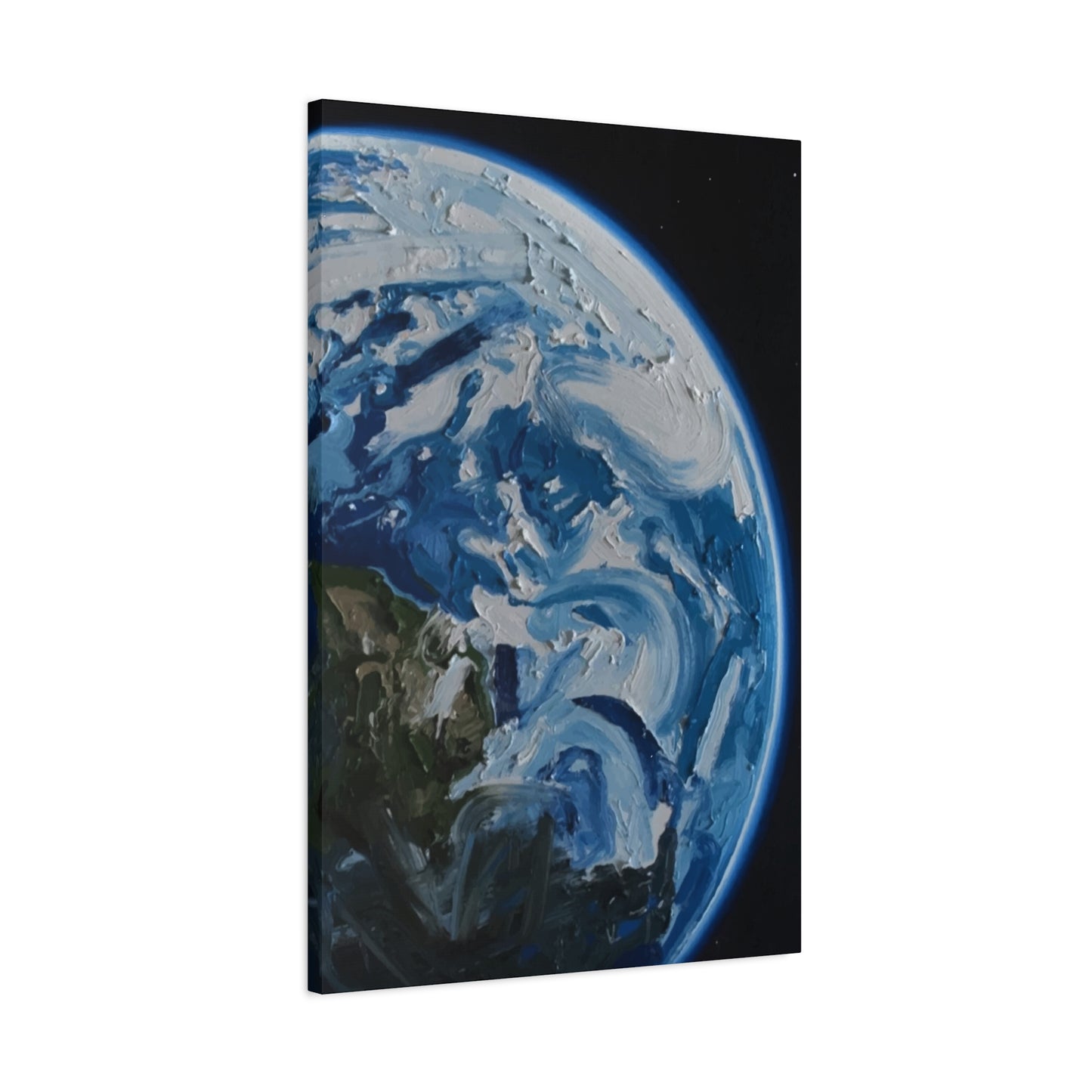
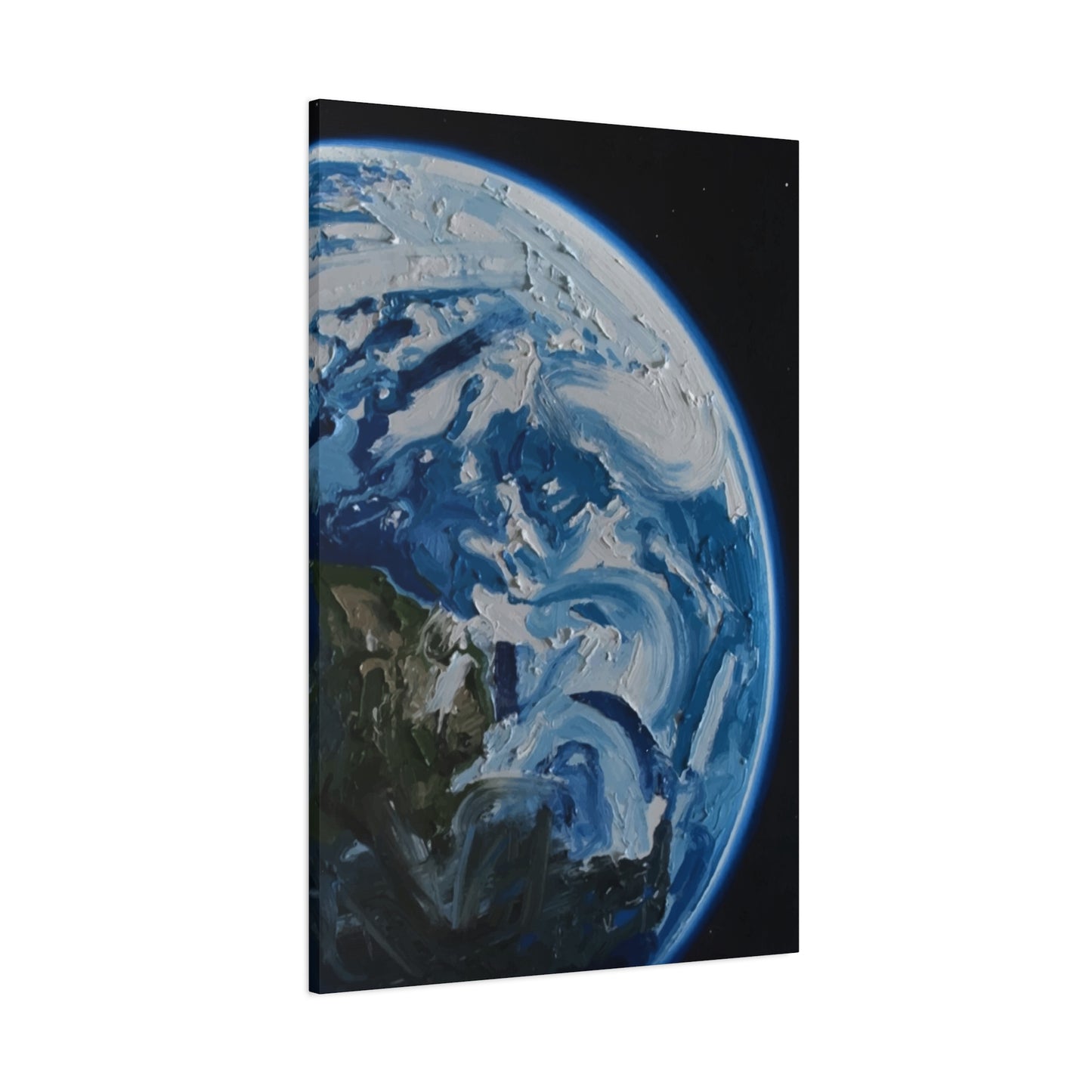
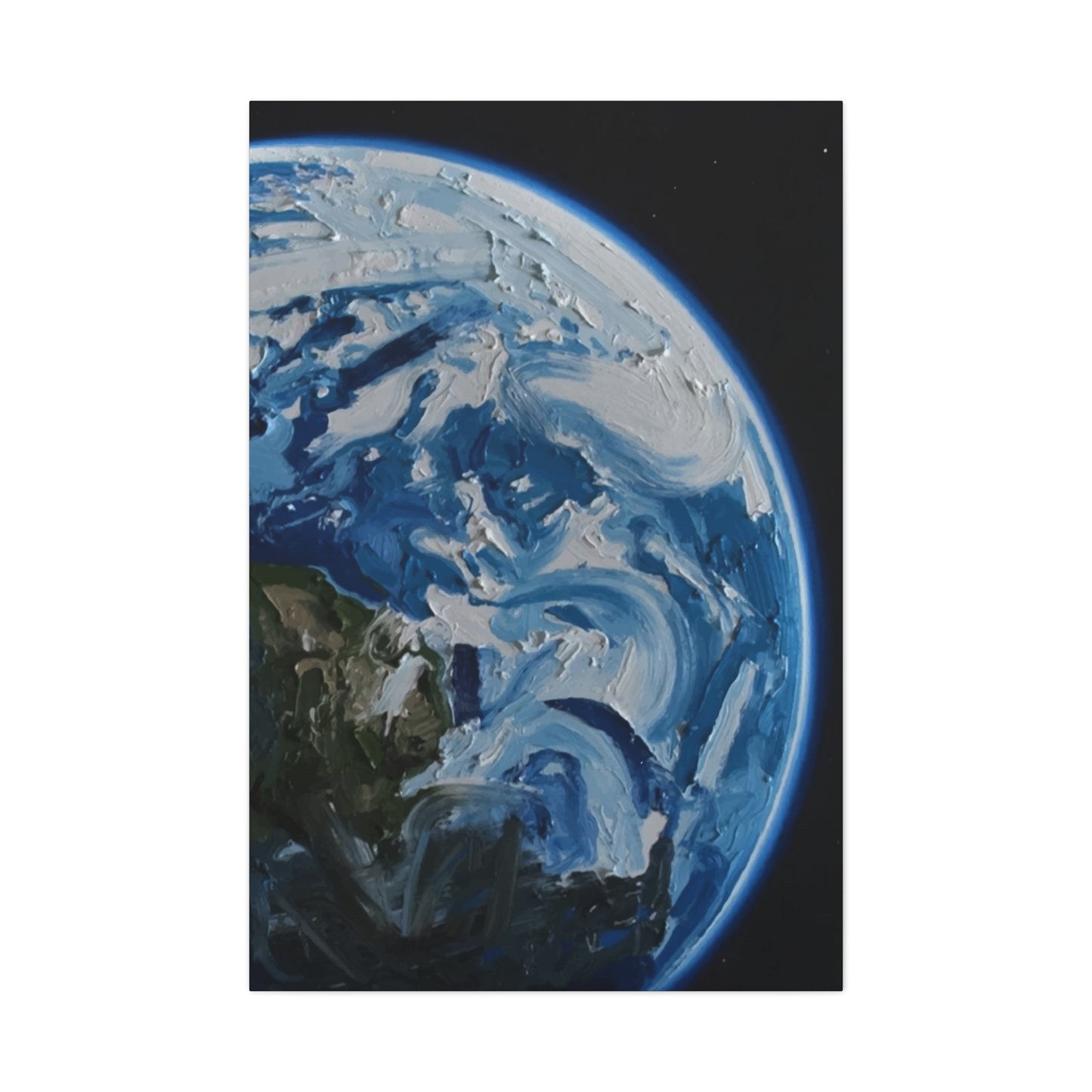
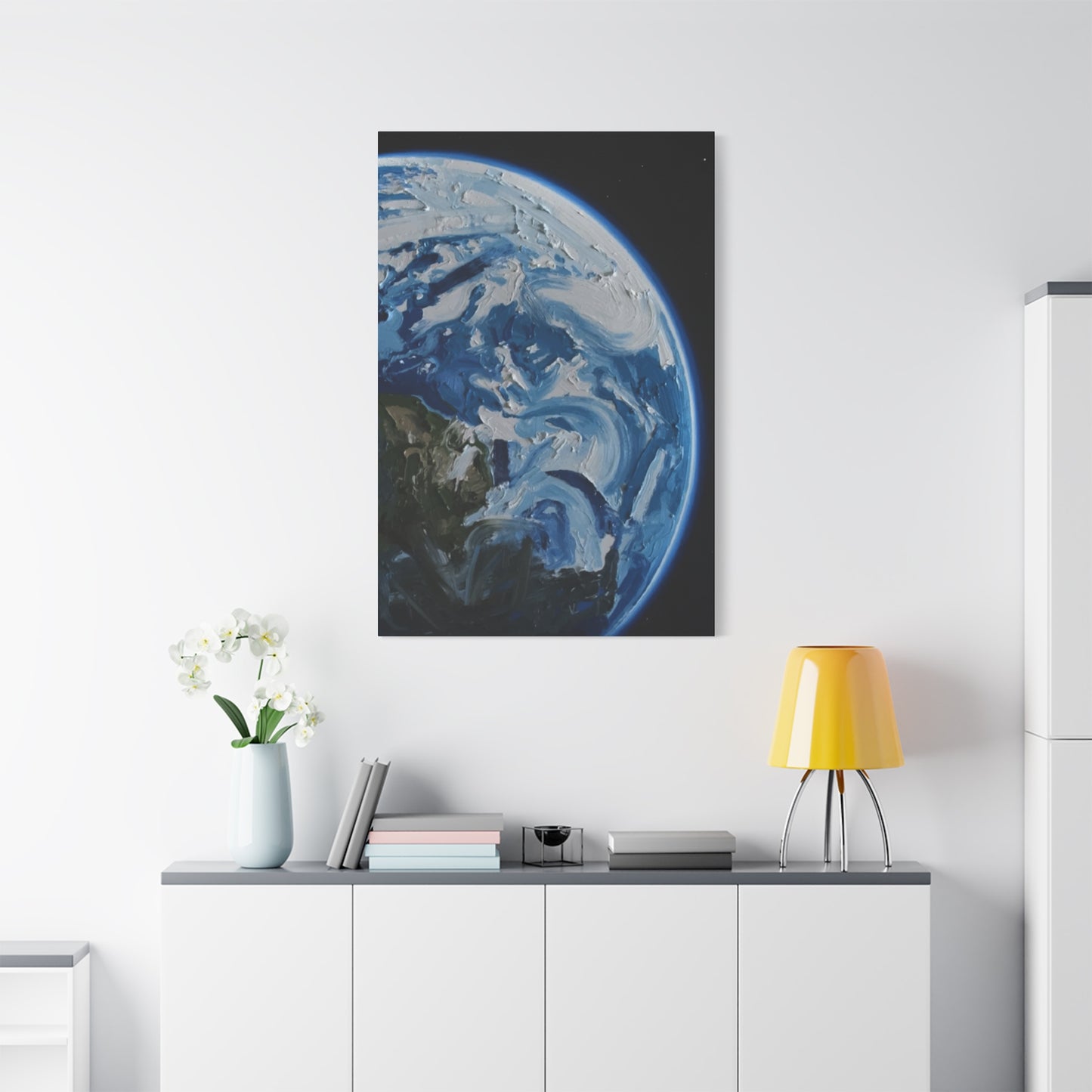
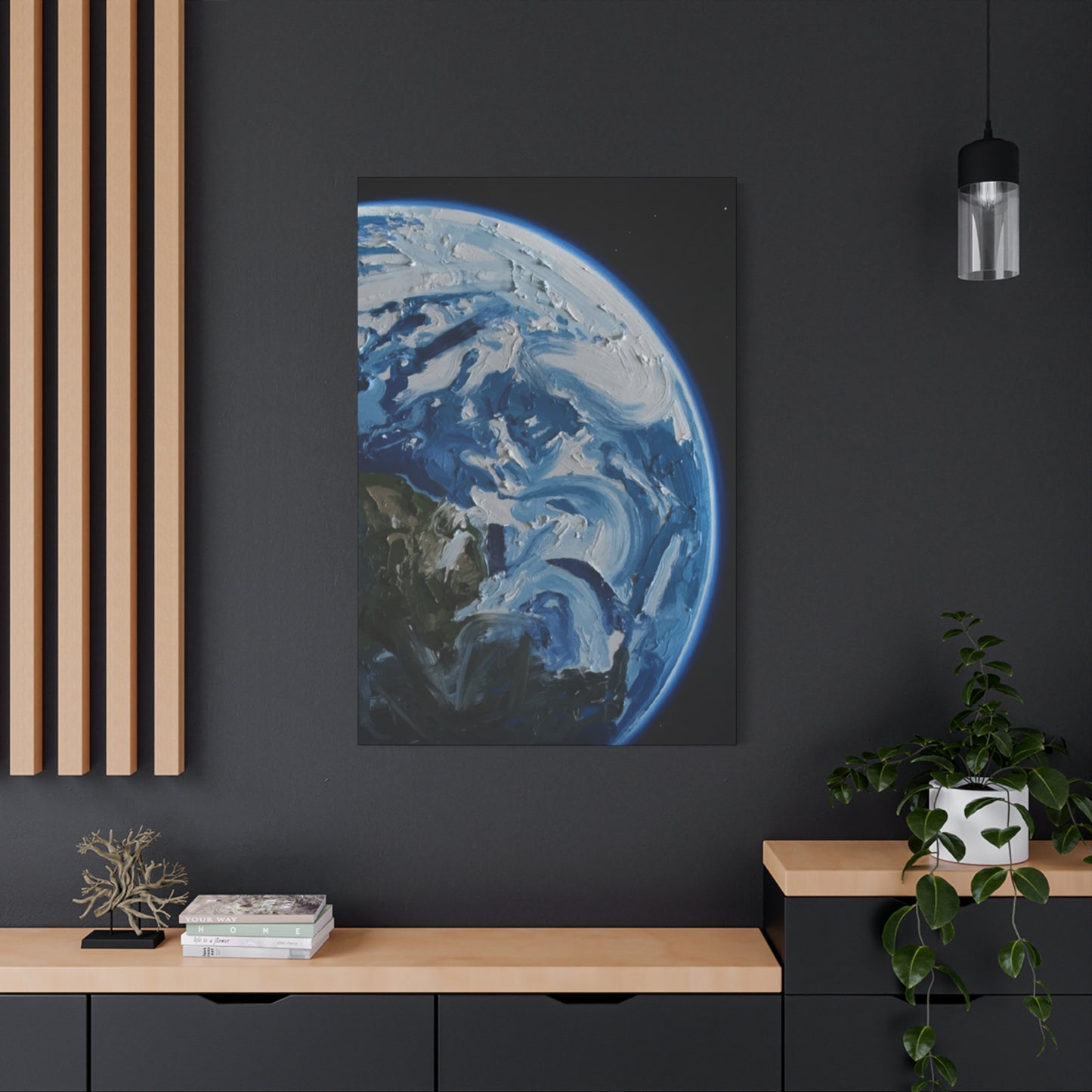
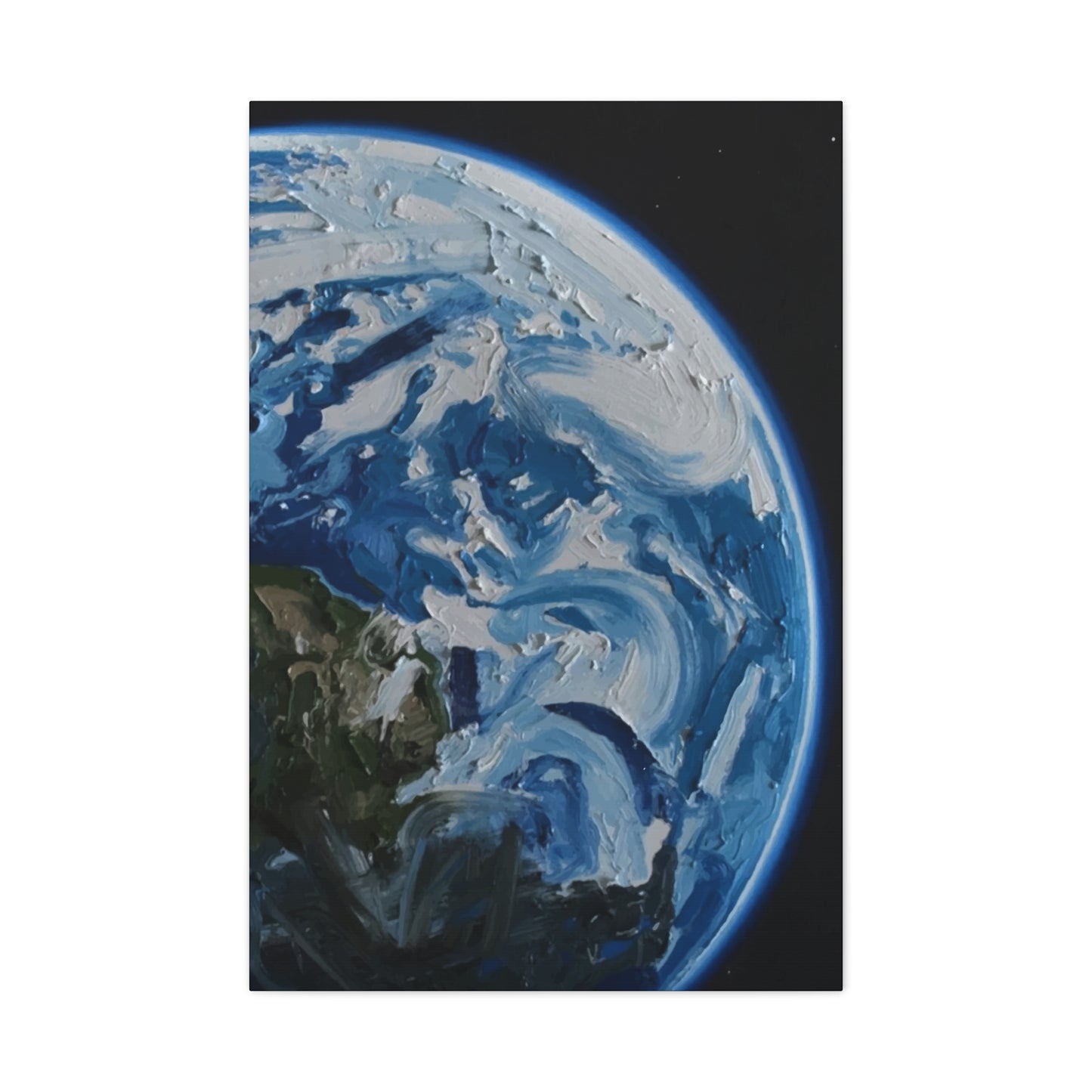
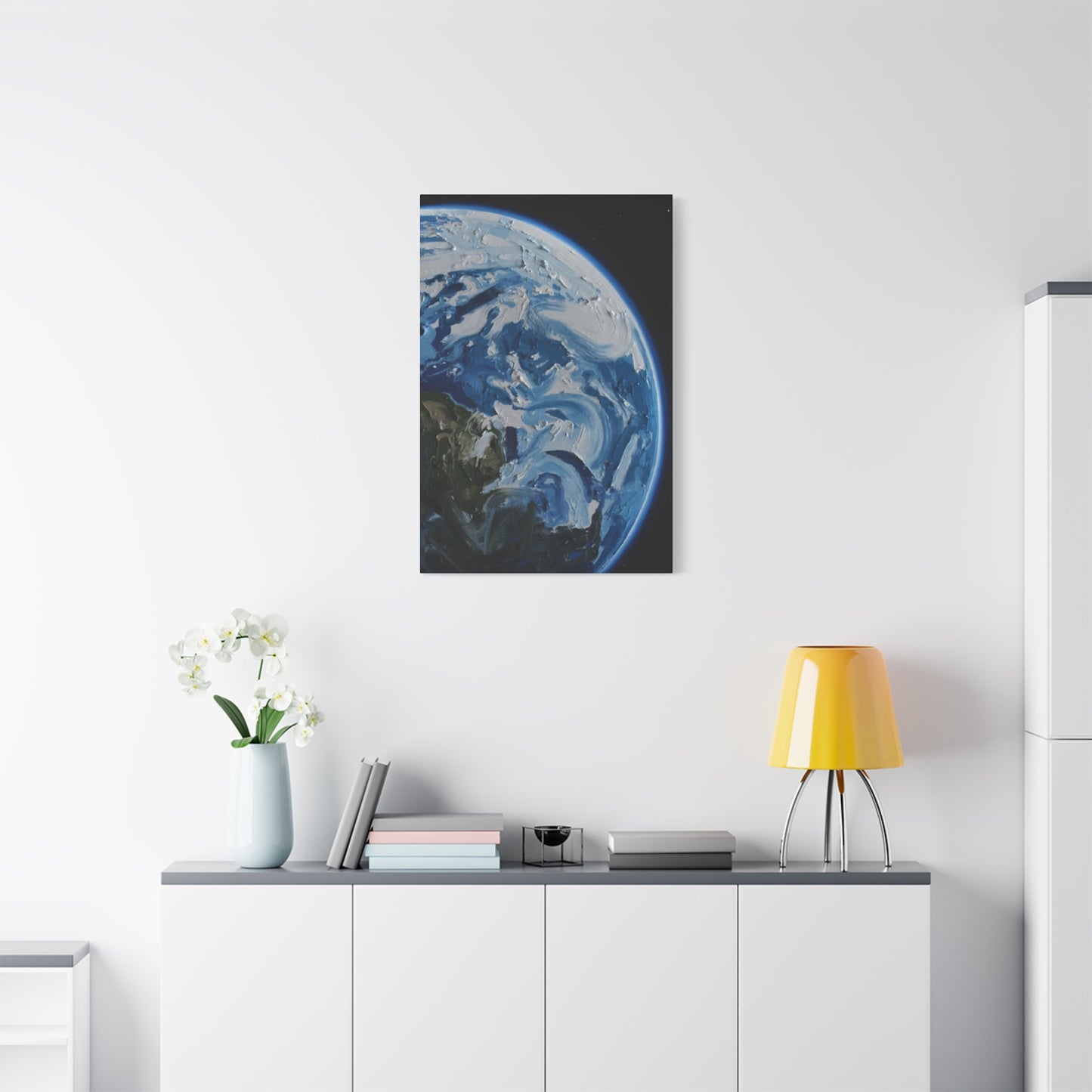
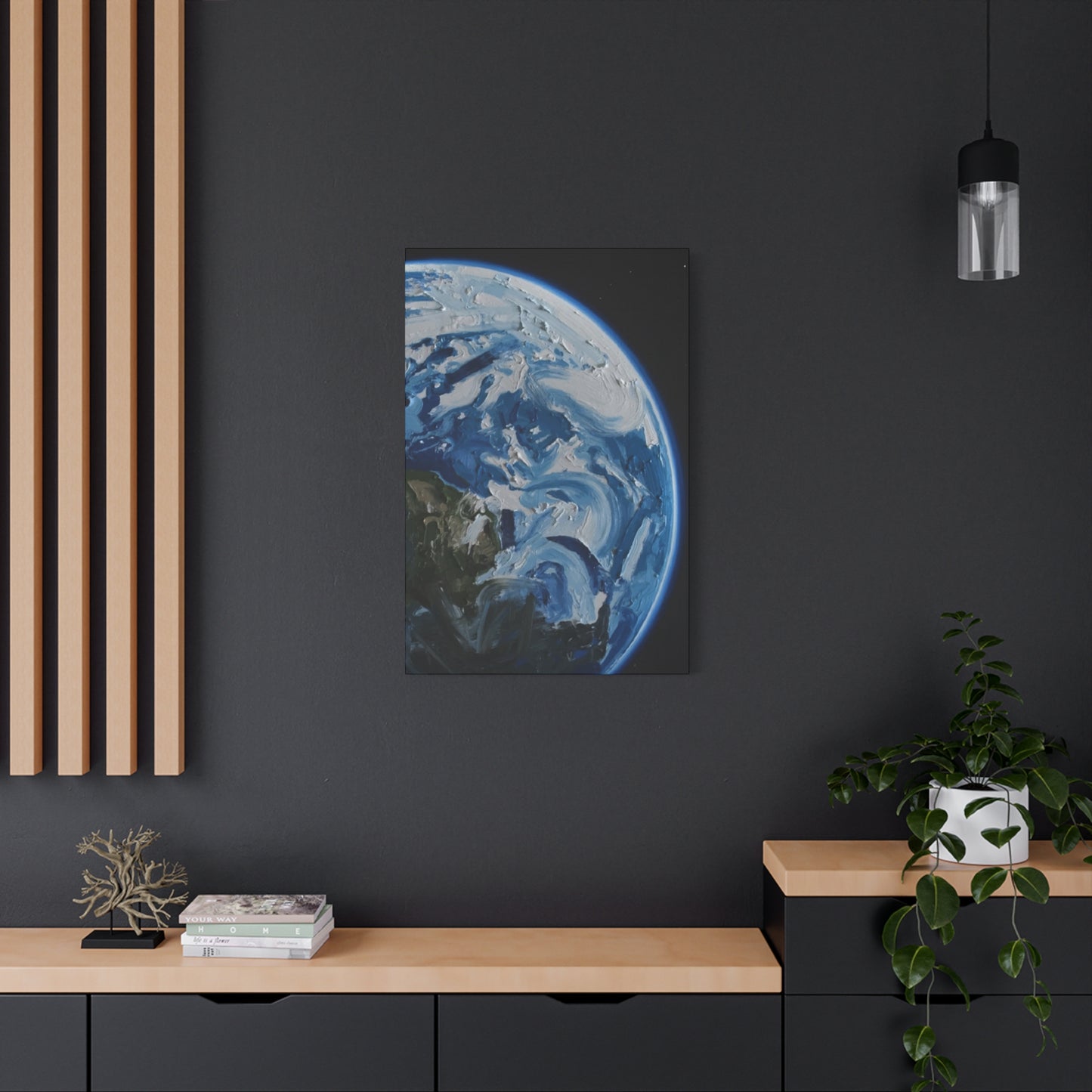
Earth 3d View Wall Art & Canvas Prints
Earth 3d View Wall Art & Canvas Prints
Couldn't load pickup availability
Discover the Mesmerizing Beauty of Earth 3D View Wall Art for Your Living Spaces
The concept of bringing our planet's magnificence into interior spaces has evolved remarkably over recent years. Earth 3D view wall art represents a stunning fusion of scientific accuracy, artistic expression, and modern design sensibilities that transforms ordinary walls into captivating visual experiences. This decorative medium captures the breathtaking beauty of our world from perspectives that were once accessible only to astronauts and satellites, now available for anyone to appreciate within their homes, offices, or commercial establishments.
The allure of these three-dimensional representations extends far beyond mere decoration. They serve as constant reminders of our planet's fragility, diversity, and spectacular natural phenomena. From swirling cloud formations over vast oceans to the intricate patterns of continental landmasses, these artistic pieces bring a sense of wonder and cosmic perspective into everyday environments. The depth and dimensionality achieved through various manufacturing processes create an immersive viewing experience that flat prints or paintings simply cannot match.
The Captivating Appeal Behind Three-Dimensional Planetary Representations on Your Walls
Three-dimensional wall decorations depicting our planet carry an inherent fascination that resonates with viewers on multiple levels. The human psyche naturally gravitates toward representations of celestial bodies, particularly our own world, as they evoke feelings of connection, curiosity, and contemplation about our place in the universe. When rendered in three dimensions, these pieces transcend traditional artwork by offering tactile depth and visual complexity that engages observers from various angles and lighting conditions.
The appeal stems partly from the remarkable perspective shift these artworks provide. Most people spend their entire lives experiencing Earth from ground level, with their view limited to immediate surroundings. Satellite imagery and space photography have granted humanity the privilege of seeing our planet as a unified sphere floating in space, revealing weather systems, geographical features, and the delicate blue atmosphere that sustains all life. Earth 3D view wall art captures this extraordinary vantage point, allowing individuals to contemplate the planet's grandeur daily.
Beyond aesthetic considerations, these dimensional pieces spark conversations and inspire reflection. Guests and family members find themselves drawn to examine the intricate details, identifying continents, discussing geography, or simply marveling at the artistic craftsmanship. The interplay of light and shadow across the textured surface creates dynamic visual effects that change throughout the day as natural or artificial lighting shifts, ensuring the artwork never appears static or monotonous.
The scientific accuracy often incorporated into these designs adds another layer of appreciation. Many pieces are based on actual satellite data and topographical information, faithfully representing mountain ranges, ocean trenches, and continental formations. This authenticity appeals to those with interests in astronomy, meteorology, geography, or environmental sciences, making these decorations both beautiful and intellectually stimulating.
Exploring the Diverse Varieties of Three-Dimensional Earth Artwork Available Today
The market for dimensional planetary wall decorations has expanded considerably, offering consumers an impressive array of styles, materials, and design approaches. Understanding these variations helps potential buyers select pieces that align with their aesthetic preferences, spatial requirements, and budget constraints.
Relief sculptures represent one prominent category, featuring raised surfaces that create depth through varying elevations. These pieces might showcase mountain ranges that physically protrude from the surface, ocean basins that recede inward, and continental shelves rendered with geographic accuracy. Artists crafting these works often employ multiple layers of materials, carefully assembled to create authentic topographical representations that viewers can actually feel when touching the surface.
Illuminated globe projections constitute another fascinating variant, incorporating LED lighting systems behind translucent materials to create glowing representations of our planet. These sophisticated pieces can display different aspects of Earth depending on lighting configurations—showing city lights visible from space during nighttime, displaying ocean currents and temperature variations, or highlighting vegetation coverage across different seasons. The luminescent quality adds dramatic impact, particularly effective in dimly lit environments where the glow creates ambient lighting while serving decorative purposes.
Layered acrylic constructions employ transparent sheets positioned at varying distances from the wall to generate depth perception through parallax effects. Each layer might contain different elements—one showing cloud formations, another depicting landmasses, and a background layer representing oceans—creating a sophisticated dimensional effect as viewers move past the artwork. The separation between layers allows light to penetrate and reflect in complex ways, producing subtle color shifts and highlights that enhance the three-dimensional illusion.
Metal sculptures crafted from steel, aluminum, or copper offer entirely different aesthetic qualities, with some artists creating abstract interpretations rather than photorealistic renditions. These pieces might emphasize certain geographical features, use negative space creatively, or incorporate patinas and finishes that evoke oceanic blues and terrestrial greens through oxidation processes. The industrial character of metalwork appeals to those favoring contemporary or minimalist interior schemes.
Wooden relief carvings provide warmth and organic texture, with artisans routing or sculpting timber to represent planetary features. These pieces often emphasize natural grain patterns that complement the Earth motif, sometimes incorporating different wood species to distinguish between water bodies and land formations through natural color variations. The tactile quality and craftsmanship evident in hand-carved pieces add artisanal value appreciated by collectors.
Composite constructions combining multiple materials—perhaps resin oceans with stone continents, or fabric elements representing cloud cover over painted surfaces—offer creative flexibility and unique visual signatures. Artists working in mixed media can achieve effects impossible with single-material approaches, creating pieces that reward close examination with surprising textural contrasts and material interactions.
Materials and Manufacturing Processes Used in Creating Dimensional Earth Artwork
The creation of earth 3D view wall art involves diverse materials and fabrication methods, each contributing distinct characteristics to the finished product. Understanding these processes illuminates the craftsmanship involved and helps buyers appreciate the value proposition of different offerings.
Resin casting has become increasingly popular for producing highly detailed relief surfaces. Artists create master molds based on topographical data, into which colored resins are poured in multiple stages to build up layers representing different elevation levels and surface features. Pigments mixed into the resin create realistic coloration for oceans, continents, and polar ice caps. The translucent properties of certain resins allow light to penetrate slightly into the material, creating depth and luminosity similar to actual water and atmosphere. Once cured, these pieces can be sanded, polished, and finished to achieve either glossy surfaces resembling wet conditions or matte finishes suggesting arid landscapes.
Additive manufacturing, commonly known as three-dimensional printing, has revolutionized production possibilities. Printers can build up material layer by microscopic layer based on digital topographical datasets, achieving detail levels impossible through manual sculpting. Various printing materials offer different properties—some flexible and impact-resistant, others rigid and capable of fine detail. Post-processing often involves painting, sealing, or coating the printed structure to achieve desired color schemes and surface qualities. The precision of this manufacturing method enables accurate reproduction of geographical features at scales ranging from intimate desktop displays to massive installations.
Traditional sculpting remains relevant, particularly for limited-edition or commissioned pieces. Artists working in clay, plaster, or wood employ hand tools and carving implements to shape representations based on reference imagery. These handcrafted works carry the distinctive marks of their makers—subtle irregularities, tool marks, and interpretive choices that distinguish them from mass-produced items. The time investment required for manual fabrication typically results in higher price points but delivers singular pieces with artistic provenance.
Metal fabrication techniques include laser cutting, plasma cutting, water jet cutting, and traditional metalworking approaches like hammering and welding. Flat sheets might be cut into continental shapes and mounted at various distances from a background plane to create layered effects. Alternatively, metal can be heated and formed into curved surfaces approximating the sphere's geometry. Finishing processes such as powder coating, anodizing, or patination achieve desired colors while protecting against corrosion.
Photographic printing onto dimensional substrates represents a hybrid approach combining imagery with physical structure. High-resolution satellite photographs or artistically enhanced images are printed onto materials like foam board, corrugated substrates, or textured panels that add physical depth. Additional hand-painted details or applied elements might supplement the printed base, creating richness beyond pure photography.
Fiber artists and textile craftspeople contribute unique interpretations using fabric, yarn, thread, and similar materials. Quilted representations might use different fabrics for various geographical regions, with batting underneath creating gentle topographical relief. Embroidered pieces can achieve remarkable detail through carefully placed stitches in varied colors. Woven textiles might incorporate traditional techniques from cultures worldwide, connecting contemporary art with historical craft traditions.
Strategic Placement Considerations for Maximum Visual Impact in Your Environment
Positioning dimensional earth artwork requires thoughtful consideration of numerous factors that influence both aesthetic impact and practical functionality. The interplay between the piece itself, surrounding architectural elements, lighting conditions, and viewing distances determines how effectively the artwork achieves its decorative and inspirational potential.
Wall selection forms the foundational decision. Primary focal walls—those immediately visible upon entering a space or positioned opposite main seating areas—offer maximum visibility, ensuring the artwork receives attention from inhabitants and visitors. These prominent locations suit statement pieces with substantial dimensions and bold presence. Conversely, more intimate spaces like reading nooks, hallways, or bedroom walls accommodate contemplative viewing where observers might spend extended periods examining details from close proximity.
Lighting dramatically affects three-dimensional artwork, perhaps more so than flat pieces. Natural light from windows creates constantly shifting shadows and highlights that animate textured surfaces throughout the day. Morning sunlight might graze across the piece from one angle, emphasizing certain topographical features, while afternoon rays from different directions reveal alternative details. This natural variation keeps the artwork visually fresh, though potential concerns about UV exposure damaging certain materials or causing fading must be considered when positioning near windows.
Artificial lighting offers controllable options for highlighting dimensional elements. Track lighting, picture lights, or adjustable spotlights can be positioned to cast shadows that enhance depth perception and emphasize relief features. Grazing light directed across the surface from the side produces maximum textural definition, while frontal illumination minimizes shadows for a flatter appearance. Experimenting with lighting angles before permanent installation helps identify optimal configurations. Some homeowners install dimmable or color-adjustable fixtures that allow mood changes depending on time of day or occasion.
Height placement follows general art hanging principles with modifications for dimensional pieces. The traditional guideline suggests center positioning at approximately fifty-seven to sixty inches from the floor, corresponding to average eye level. However, substantial three-dimensional works often benefit from slightly lower positioning that facilitates viewing the textured surface from above, particularly when the piece features significant topographical relief best appreciated from an elevated viewing angle. Conversely, illuminated pieces might be positioned higher if their glow is intended to provide ambient lighting rather than close examination.
Spacing from surrounding elements requires careful attention. Unlike flat artwork that sits flush against walls, dimensional pieces project outward, requiring clearance for furniture arrangements, door swings, and traffic patterns. Corner placements might restrict viewing angles, while excessive empty space around smaller pieces can make them appear lost or insignificant. Visual balance with nearby furniture, architectural features, and other decorative elements creates cohesive interior design rather than isolated focal points.
Room function influences appropriate placement strategies. Living rooms and common areas benefit from conversation-starting pieces that engage groups and withstand frequent viewing without becoming tiresome. Private spaces like bedrooms or studies might feature more contemplative representations that support reflection and relaxation. Office environments can benefit from inspirational planetary imagery that provides mental breaks from work-related focus while maintaining professional aesthetics appropriate for client or colleague visits.
Environmental conditions deserve consideration for preservation purposes. High-humidity areas like bathrooms might accelerate degradation of certain materials unless pieces are specifically manufactured for such conditions with moisture-resistant coatings and materials. Kitchens expose artwork to grease-laden air that accumulates on surfaces, requiring more frequent cleaning. Avoid positioning valuable pieces near heating vents, radiators, or air conditioning units where temperature fluctuations and air currents might cause material expansion, contraction, or dust accumulation.
Color Schemes and Their Influence on Interior Design Harmony
The chromatic choices embodied in earth 3D view wall art significantly impact how these pieces integrate with existing interior design schemes. Understanding color relationships, psychological effects, and coordination strategies helps ensure new artwork enhances rather than disrupts established aesthetic frameworks.
Natural color palettes dominate authentic representations, featuring the blues of oceans and atmosphere, greens and browns of terrestrial landmasses, whites of polar regions and cloud formations, and occasional yellows or oranges in desert regions. These earth tones naturally complement a wide range of interior color schemes, particularly those incorporating neutral foundations or nature-inspired palettes. Rooms decorated with beiges, tans, grays, or whites provide versatile backgrounds that allow planetary artwork's colors to stand out without chromatic clashing.
Monochromatic interpretations offer alternative approaches, rendering the planet in single-color families with varied tones, shades, and saturations. A blue monochromatic piece might represent oceans in navy depth, continents in lighter azure tones, and atmosphere in pale sky blue, creating subtle gradations rather than contrasting colors. These sophisticated treatments suit contemporary or minimalist interiors where color restraint maintains clean, uncluttered aesthetics. Silver or gold monochromatic versions add metallic glamour appropriate for luxurious design schemes.
Complementary color strategies intentionally pair the artwork with surrounding elements using opposite positions on the color wheel to create vibrant contrast. If the piece prominently features blue oceans, orange or rust-colored accent pillows, upholstery, or wall colors create energetic visual tension. Green continental representations might be paired with reddish or magenta elements for bold statements in contemporary spaces that embrace saturated color.
Analogous color harmonies employ colors adjacent on the color wheel for gentler, more relaxed atmospheres. A piece emphasizing blue oceans and green landmasses naturally contains analogous colors that can be echoed in room furnishings through additional greens in plants, blue textiles, or aqua accessories. These harmonious relationships create cohesive environments that feel naturally balanced rather than deliberately designed.
Neutral integration strategies position colorful artwork against deliberately muted backgrounds, allowing the piece to command attention as the primary color source in otherwise restrained spaces. This approach particularly suits dramatic or vivid representations that might overwhelm if surrounded by competing colors. White walls, gray furnishings, and black accents provide sophisticated frameworks that spotlight the artwork while maintaining modern, gallery-like presentation.
Emotional impacts of color choices extend beyond aesthetic considerations. Blues associated with water and sky typically evoke calmness, tranquility, and contemplation—desirable qualities for relaxation spaces. Greens suggest growth, renewal, and natural vitality, energizing without overstimulation. Earth tones create grounding, stable feelings that foster comfort and security. Understanding these associations helps select pieces appropriate for intended room moods and functions.
Lighting conditions significantly alter perceived colors in dimensional artwork. Natural daylight reveals colors most accurately, while incandescent lighting adds warmth that emphasizes reds and yellows while diminishing blues. LED lighting varies by color temperature, with cooler LEDs maintaining color accuracy and warmer versions creating ambiance at the expense of chromatic precision. Testing artwork under actual installation lighting conditions before purchase prevents disappointment from unexpected color shifts.
Finish surfaces—glossy, matte, or satin—affect color perception and light reflection. Glossy surfaces create vibrant, saturated appearances with reflective highlights but may produce glare under certain lighting. Matte finishes absorb light for subtler, more subdued coloration that reduces visual competition with other room elements. Satin finishes offer middle-ground compromises, providing some reflective interest without excessive shininess.
Size Selection Guidelines for Different Spaces and Viewing Contexts
Dimensional proportions profoundly influence how earth 3D view wall art functions within various environments. Selecting appropriately sized pieces requires balancing multiple factors including wall dimensions, room volume, viewing distances, and desired visual impact.
Monumental installations spanning six feet or more in any dimension create commanding focal points suitable for expansive spaces like open-concept living areas, commercial lobbies, or institutional settings. These substantial works demand significant wall space with adequate clearance from furniture and architectural elements. Their impressive scale makes them conversation centerpieces while requiring substantial investment and potentially complex installation procedures involving structural considerations for weight support.
Large-format pieces measuring four to six feet suit standard residential spaces with typical ceiling heights between eight and ten feet. These dimensions provide substantial presence without overwhelming rooms of moderate size. A five-foot diameter spherical representation becomes the dominant visual element in most living rooms, establishing clear focal points around which other design elements organize. The scale allows detailed examination from normal conversational distances while maintaining visible impact from across rooms.
Medium-sized artwork ranging from two to four feet offers versatility for various applications. These dimensions work well in dining rooms, bedrooms, home offices, or as components of gallery wall arrangements where multiple pieces of varying sizes create collected displays. Medium formats provide sufficient size for appreciating dimensional details without monopolizing wall space, allowing coordination with other decorative elements, photographs, or complementary artwork.
Compact pieces under two feet serve specialized purposes including desk decorations, shelf displays, or intimate spaces like powder rooms or entryway niches. While limited in scale, quality compact pieces can deliver surprising impact through exceptional craftsmanship, intricate detail, or innovative design approaches. Multiple small pieces arranged in groups create dynamic compositions that offer flexibility for rearrangement and personalized curation over time.
Viewing distance relationships follow general principles suggesting artwork should occupy specific proportions of viewers' visual fields for optimal impact. Pieces intended for viewing from eight to twelve feet away—typical living room arrangements—should measure large enough to register as significant elements without requiring approach for basic appreciation. Artwork for closer examination in studies or hallways can be proportionately smaller while maintaining satisfying detail levels.
Aspect ratio considerations influence how pieces relate to surrounding architecture. Square formats create balanced, stable compositions suitable for centered placement on symmetrical walls. Horizontal rectangles complement typical wall proportions and furniture arrangements, particularly above sofas or buffets where width exceeds height. Vertical orientations suit narrow wall segments between windows, flanking doorways, or in spaces with limited horizontal clearance but substantial vertical availability.
Ceiling height constraints become particularly relevant for three-dimensional pieces that project outward from walls. Low ceilings combined with large, deep-relief sculptures might create oppressive feelings or appear cramped. Higher ceilings accommodate substantial dimensional projection without spatial crowding, potentially even encouraging selection of pieces with dramatic depth that would overwhelm standard rooms.
Proportional relationships with furniture deserve attention for visual harmony. Artwork spanning significantly wider than underlying furniture pieces appears unanchored and disproportionate. General guidelines suggest artwork width should range from two-thirds to three-quarters of the furniture width below, though dimensional pieces sometimes warrant adjusted ratios depending on their projection depth and visual weight.
Room function influences size appropriateness. Active spaces with frequent movement and multiple simultaneous activities might benefit from larger pieces that maintain presence despite distractions. Quiet, contemplative spaces allow smaller works that reward focused attention during extended viewing sessions. High-traffic areas require adequate clearance around dimensional projections to prevent accidental contact.
Curatorial Approaches for Creating Cohesive Wall Galleries Featuring Earth Imagery
Arranging multiple pieces of earth 3D view wall art or combining planetary imagery with complementary artworks requires thoughtful curatorial planning that creates visual interest while maintaining coherent narratives or aesthetic themes. Gallery wall strategies adapt traditional two-dimensional arrangements for dimensional pieces while introducing additional considerations related to depth, shadow play, and viewing angles.
Thematic unity provides conceptual frameworks for grouped displays. Collections might focus exclusively on different perspectives of Earth—views from various altitudes, seasonal variations, historical imagery compared with contemporary satellite data, or comparisons between photographic accuracy and artistic interpretation. Alternatively, planetary themes might expand beyond Earth to include moon phases, other planets, or cosmic phenomena, positioning our world within broader astronomical contexts.
Scale variation creates dynamic visual rhythm through deliberate size contrasts. A dominant large central piece flanked by smaller complementary works establishes clear hierarchy while maintaining interest through dimensional variety. Alternatively, multiple medium-sized pieces arranged in grid patterns create balanced, ordered presentations suited to formal spaces or contemporary aesthetics favoring geometric organization.
Symmetrical arrangements reflect traditional gallery approaches, positioning pieces with mathematical precision to create balanced compositions. Central axis symmetry places primary works along vertical centerlines with mirrored elements on either side. This formal approach suits traditional interiors, institutional settings, or spaces where architectural symmetry already establishes organized frameworks.
Asymmetrical compositions embrace irregular spacing, varied sizes, and intuitive rather than geometric relationships between elements. These organic arrangements often feel more casual, collected, and personal compared to rigid symmetrical layouts. The challenge involves achieving visual balance despite irregular placement—distributing visual weight through careful consideration of size, color intensity, and dimensional projection to prevent compositions from appearing heavily weighted toward one side or another.
Vertical stacking creates columnar arrangements particularly suited to narrow wall segments or spaces adjacent to tall architectural features. Graduated sizing with largest pieces at bottom and progressively smaller works ascending creates stable appearances following natural principles where heavier objects rest below lighter ones. Inverted arrangements with largest pieces elevated can create unexpected visual interest though risk appearing top-heavy if not carefully balanced.
Horizontal progressions spread across walls like timelines or panoramas, particularly effective for showing geographical progressions, temporal sequences, or thematic developments. These linear arrangements guide viewers' eyes along intentional paths, telling visual stories or creating rhythmic patterns through repetition and variation.
Clustered groupings mass multiple smaller pieces in concentrated areas with tight spacing, creating collective impact exceeding individual components. This approach works well when individual pieces might appear insignificant alone but gain strength through proximity. Varied frame styles, materials, or subject matter within clusters prevent monotony while maintaining unified impression through spatial grouping.
Spacing considerations between dimensional pieces require greater clearance than flat artwork to prevent visual crowding and allow individual works to express their three-dimensional character. Overly tight spacing causes shadows and projections to interfere, diminishing rather than enhancing collective impact. General guidelines suggest spacing between dimensional pieces should equal or exceed the projection depth of the deepest element.
Lighting coordination becomes exponentially complex with multiple dimensional pieces requiring individual consideration. Overlapping shadow patterns from poorly positioned lights create visual confusion. Successful multi-piece illumination might employ track systems with independently adjustable fixtures, allowing precise light direction for each component while preventing unwanted shadow interference between pieces.
Color coordination strategies ensure grouped pieces harmonize rather than clash. Limiting palettes to analogous color families maintains cohesion, while deliberately introducing complementary contrasts creates energetic tension in contemporary schemes. Neutral buffer zones using white or gray walls between colorfully diverse pieces prevent chromatic conflicts that might arise from direct adjacency.
Matting and framing considerations for dimensional pieces differ from flat art. Deep shadow boxes accommodate projection depth while creating contained, finished presentations that distinguish artwork from surrounding walls. Floating mounts that suspend pieces slightly forward from walls enhance dimensionality and create consistent shadow gaps around perimeters. Frameless installations allow pieces to merge more directly with architectural surfaces for contemporary, minimalist aesthetics.
Preservation Strategies for Long-Term Enjoyment and Material Integrity
Maintaining earth 3D view wall art requires understanding material-specific vulnerabilities and implementing appropriate protective measures that preserve both aesthetic appearance and structural integrity across years or decades of display.
Dust accumulation represents the most common maintenance challenge for textured surfaces. Unlike smooth paintings easily wiped clean, dimensional reliefs with intricate topographical details trap particles in crevices and recessed areas. Regular gentle dusting using soft microfiber cloths, feather dusters, or specialized art cleaning brushes prevents buildup that dulls colors and obscures details. For stubborn accumulation in deep recesses, compressed air in brief, controlled bursts dislodges particles without physical contact that might damage delicate features. Vacuum cleaners with soft brush attachments on lowest suction settings provide alternatives for larger pieces.
Cleaning approaches vary by material composition. Resin surfaces generally tolerate damp cleaning with water and mild, non-abrasive soap, though excessive moisture should be avoided particularly around seams or unpainted areas where water might penetrate. Metal pieces accept similar treatments with attention to avoiding abrasive materials that scratch protective coatings. Wood requires greater caution, with damp cleaning limited to sealed surfaces and avoided entirely on unfinished or wax-treated wood that might absorb moisture and swell or discolor.
Ultraviolet protection prevents color fading and material degradation in pieces exposed to direct sunlight or bright artificial lighting. UV-filtering glazing or coatings applied during manufacturing provide built-in protection, while UV-filtering window films on nearby windows shield entire rooms. Periodic rotation of pieces between high-exposure and protected locations distributes UV damage across multiple items rather than concentrating deterioration on favored display pieces. Some collectors implement seasonal display rotations that refresh interior aesthetics while extending individual piece longevity.
Temperature and humidity control maintains material stability, particularly for organic substances like wood or natural fibers susceptible to expansion, contraction, warping, or mold growth. Maintaining consistent environments between sixty and seventy-five degrees Fahrenheit with relative humidity between forty and sixty percent prevents most climate-related damage. Sudden fluctuations prove more harmful than consistently imperfect conditions, making gradual seasonal transitions preferable to dramatic thermostat adjustments.
Structural inspection should occur periodically, checking mounting hardware, frame integrity, and material condition. Wall anchors supporting heavy pieces require verification that they remain secure in wall materials that might deteriorate over time. Frames or backing boards might develop looseness as adhesives age or wood dries and shrinks. Catching minor issues early prevents catastrophic failures where pieces fall, sustaining damage themselves while potentially injuring inhabitants or damaging furnishings below.
Touch minimization protects surfaces from oils, acids, and contaminants present on human skin. Even careful handling transfers microscopic residues that accumulate over time, creating visible fingerprints, dull areas, or localized discoloration. When handling is necessary during cleaning or relocation, clean cotton gloves provide barriers between skin and artwork. Educating household members, particularly children, about appropriate interaction with decorative pieces prevents well-intentioned but damaging touching during admiration.
Smoking residues and kitchen grease create insidious deterioration through airborne particle deposition that bonds with surfaces and resists simple dusting. These contaminants often require solvent-based cleaning approaches beyond routine maintenance, potentially necessitating professional conservation services for valuable pieces. Prevention through air quality management and strategic placement away from contamination sources proves far easier than remediation after damage occurs.
Impact protection addresses accidental collisions during daily activities, furniture rearrangement, or enthusiastic celebrations. Adequate clearance around dimensional projections reduces collision probability. Wall-mounted pieces benefit from positioning above likely impact zones created by chair backs, door swings, or thrown objects. Floor-standing or shelf-mounted pieces require stable foundations that resist tipping from bumps or vibrations.
Insurance documentation provides financial protection against theft, accidental damage, or loss during disasters. Photographing pieces from multiple angles, recording dimensions and materials, maintaining purchase receipts, and documenting appraised values creates records supporting insurance claims. Some specialized art insurance policies cover restoration costs, depreciation, and market value fluctuations beyond standard homeowner coverage limitations.
Cultural Symbolism and Philosophical Meanings Associated with Earth Imagery
Earth representations carry profound symbolic weight across diverse human cultures, spiritual traditions, and philosophical frameworks. Understanding these meanings enriches appreciation for earth 3D view wall art beyond mere aesthetic enjoyment, connecting viewers with deeper human experiences and existential contemplations.
Unity symbolism emphasizes our shared planetary home that transcends political boundaries, cultural differences, and individual identities. Viewing Earth from space reveals no borders, only continuous landscapes and oceans that connect rather than divide. This perspective inspired environmental movements emphasizing global cooperation, common humanity, and collective responsibility for planetary stewardship. Displaying Earth imagery in homes or offices can serve as daily reminders of these connective principles, encouraging broader perspectives beyond immediate personal concerns.
Fragility and vulnerability emerge strikingly when viewing our planet suspended in the vast emptiness of space, protected only by a thin atmospheric layer visible as a delicate blue halo. This perspective inspires protective instincts and awareness of environmental threats—climate change, pollution, habitat destruction—that endanger the only known harbor of life in an otherwise hostile universe. The "Pale Blue Dot" concept popularized by astronomer Carl Sagan emphasizes Earth's cosmic insignificance alongside the profound importance of preserving this rare oasis.
Home and belonging resonate emotionally when contemplating planetary imagery. Despite Earth's vastness containing billions of individuals and countless species across diverse ecosystems, it remains humanity's singular home—the only environment to which we're perfectly adapted through millions of years of evolution. This recognition can foster appreciation, gratitude, and custodial responsibility toward the natural systems sustaining existence.
Perspective shifts occur when contemplating Earth from cosmic vantage points, shrinking daily concerns and conflicts to appropriate proportions. Problems appearing overwhelming from ground-level perspectives diminish when viewed against planetary scales spanning millennia. This philosophical stance doesn't trivialize genuine difficulties but contextualizes them within broader frameworks that can reduce anxiety and inspire resilience.
Interconnectedness becomes visually apparent in planetary imagery showing atmospheric circulation patterns, ocean currents, and ecosystem distributions that transcend geographic boundaries. Actions in one region create consequences elsewhere—industrial pollution crosses continents, deforestation affects global climate, and plastic waste accumulates in distant oceans. These connections visible from space illustrate ecological principles emphasizing relationships between components within complex systems.
Spiritual associations appear across religious and philosophical traditions. Some Indigenous cultures recognize Earth as a living entity deserving reverence similar to divine beings. Gaia hypothesis proposes the planet functions as a self-regulating organism maintaining conditions suitable for life. Eastern philosophical traditions emphasizing harmony with nature find visual expression in Earth imagery showcasing the intricate balance between elemental forces—water, land, air, and energy from the sun.
Scientific wonder inspires awe when considering the astronomical improbabilities enabling Earth's habitability. The specific distance from our star providing temperate conditions, the particular atmospheric composition maintaining breathable air, the presence of liquid water, and protective magnetic fields deflecting harmful solar radiation—these factors combine in rare configurations that make life possible. Appreciating this cosmic fortune can inspire gratitude and curiosity about our place in the universe.
Temporal dimensions embedded in planetary imagery connect present moments with deep history and distant futures. The landforms visible today represent billions of years of geological processes—mountain building, erosion, volcanic activity, continental drift. Simultaneously, current configurations remain temporary way stations in ongoing transformations that will continue long after individual human lifespans. This temporal breadth can inspire humility and long-term thinking.
Custom Commissioning Processes for Personalized Earth Representations
While ready-made earth 3D view wall art offers convenience and immediate availability, commissioned custom pieces provide opportunities for personalized expressions reflecting individual preferences, specific geographic interests, or unique design requirements that mass-produced items cannot accommodate.
Initial consultation establishes project parameters including desired dimensions, preferred materials, stylistic approach, specific geographical emphasis, color palette preferences, and functional requirements like lighting integration or modular construction. Detailed discussions about intended display locations help artists understand architectural contexts, existing design schemes, and viewing conditions that influence creative decisions. Budget parameters receive frank discussion since custom fabrication costs typically exceed mass-produced alternatives, with pricing reflecting materials, time investment, artist reputation, and project complexity.
Design development translates conversations into preliminary sketches, digital renderings, or small-scale models illustrating proposed approaches. These visualizations enable client feedback before significant fabrication begins, allowing refinements to proportions, color schemes, specific geographic features, or stylistic elements. Iterative design processes might involve multiple revision rounds as clients and artists collaborate toward shared visions. Experienced artists guide clients through technical possibilities and limitations inherent in chosen materials and methods, preventing unrealistic expectations.
Material selection considers aesthetic qualities, durability requirements, maintenance tolerance, environmental conditions, and budget constraints. Artists typically present samples showing material options, finishes, and color possibilities. Discussions might reveal unexpected alternatives clients hadn't considered—perhaps wood species from meaningful locations, metals sourced sustainably, or recycled materials adding conceptual depth through environmental consciousness.
Geographic customization allows emphasizing specific regions holding personal significance. A family might commission a piece highlighting their ancestral homeland, travelers might feature destinations holding cherished memories, or individuals might emphasize locations where significant life events occurred. These personalizations transform generic Earth representations into intimate narratives connecting art with biography.
Scale variations accommodate unusual spatial requirements beyond standard product dimensions. Extremely large installations for commercial lobbies or institutional settings require specialized fabrication approaches and installation planning. Conversely, miniature pieces for specific niches or intimate spaces demand precision work at reduced scales where maintaining detail becomes more challenging.
Lighting integration can be designed from project inception rather than retrofitted later. Embedded LEDs might highlight specific features, color-changing systems could display different aspects of Earth through programmable sequences, or fiber optics might create starfield backgrounds surrounding planetary representations. Electrical engineering expertise supplements artistic skills for complex illuminated pieces.
Timeline negotiations establish realistic production schedules accounting for design development, material acquisition, fabrication complexity, and artist availability. Custom pieces typically require weeks or months from commission to delivery, with complex projects extending timelines further. Rush fees might apply if clients require expedited completion, though quality typically benefits from unhurried execution allowing careful attention to details.
Documentation throughout production provides transparency and excitement as clients witness their commissioned pieces taking form. Progress photographs, video updates, or studio visits maintain engagement while allowing final opportunities for minor adjustments before completion. This documentation also creates valuable records of artistic processes and provenance information increasing pieces' historical interest.
Installation services ensure proper mounting that displays artwork optimally while guaranteeing secure attachment capable of supporting weight safely. Professional installers understand load distribution, appropriate hardware for different wall constructions, and leveling techniques critical for dimensional pieces where even slight tilts create noticeable appearance problems. Complex installations might require electricians for integrated lighting, structural engineers for heavy pieces, or specialized rigging equipment for monumental works.
Warranties and maintenance guidance protect investments while establishing artist-client relationships extending beyond initial transactions. Clear understandings about care requirements, cleaning approaches, and environmental limitations prevent inadvertent damage from well-intentioned but inappropriate maintenance. Some artists offer periodic inspection or refreshing services maintaining pieces' appearance across years of display.
Conclusion
Growing environmental awareness influences earth 3D view wall art production through conscious material selections, sustainable manufacturing processes, and ethical business practices that align decorative arts with ecological values—particularly appropriate for artwork celebrating our planet.
Reclaimed and recycled materials reduce environmental impacts by diverting waste from landfills while decreasing demand for virgin resource extraction. Metal artists might source copper, aluminum, or steel from architectural salvage, industrial surplus, or recycling centers rather than newly mined materials. Wood artisans utilize reclaimed timber from demolished buildings, fallen trees, or certified sustainable forestry operations managing forests for long-term productivity rather than destructive clear-cutting. Plastics and resins derived from post-consumer waste transform discarded materials into new artistic expressions, creating tangible examples of circular economy principles.
Low-impact manufacturing processes minimize energy consumption, chemical pollutants, and carbon emissions associated with production. Artists might select hand fabrication techniques over energy-intensive machine processes when practical, utilize renewable energy sources powering studios and workshops, or optimize production sequences reducing waste. Water-based finishes, natural pigments, and non-toxic adhesives replace solvent-based alternatives that release volatile organic compounds contributing to air pollution and health hazards.
Local sourcing reduces transportation emissions while supporting regional economies. Artists acquiring materials from nearby suppliers rather than distant sources minimize fuel consumption and packaging waste associated with long-distance shipping. Some creators emphasize geographic connections by sourcing materials from specific locations relevant to their artwork—perhaps using earth pigments from various continents for coloring corresponding landmasses in planetary representations.
Durability considerations recognize that long-lasting products requiring infrequent replacement ultimately prove more sustainable than disposable items needing constant renewal despite potentially lower initial costs. Quality materials, expert craftsmanship, and timeless designs create heirlooms passing between generations rather than trendy items discarded when fashions change. This longevity perspective shifts emphasis from purchase price to lifetime value calculations including replacement frequency and disposal impacts.
Packaging reduction and innovation minimize materials protecting artwork during shipping without creating excessive waste. Biodegradable packing materials, reusable shipping containers, or clever structural designs eliminating packaging requirements demonstrate commitment extending beyond products themselves to encompass entire supply chains. Some artists encourage customers to return packaging for reuse with subsequent shipments, creating closed-loop systems.
Carbon offset programs allow businesses compensating for unavoidable emissions by funding reforestation, renewable energy projects, or carbon capture initiatives equivalent to their calculated environmental footprints. While not eliminating impacts, offsets demonstrate accountability for environmental consequences and financial contributions toward mitigation efforts.
Transparency regarding sourcing and practices builds consumer trust while enabling informed purchasing decisions aligned with personal values. Artists and manufacturers disclosing material origins, production methods, and environmental policies allow customers evaluating whether products meet their ethical standards. Third-party certifications from organizations verifying sustainable practices provide independent confirmation of environmental claims.
Share