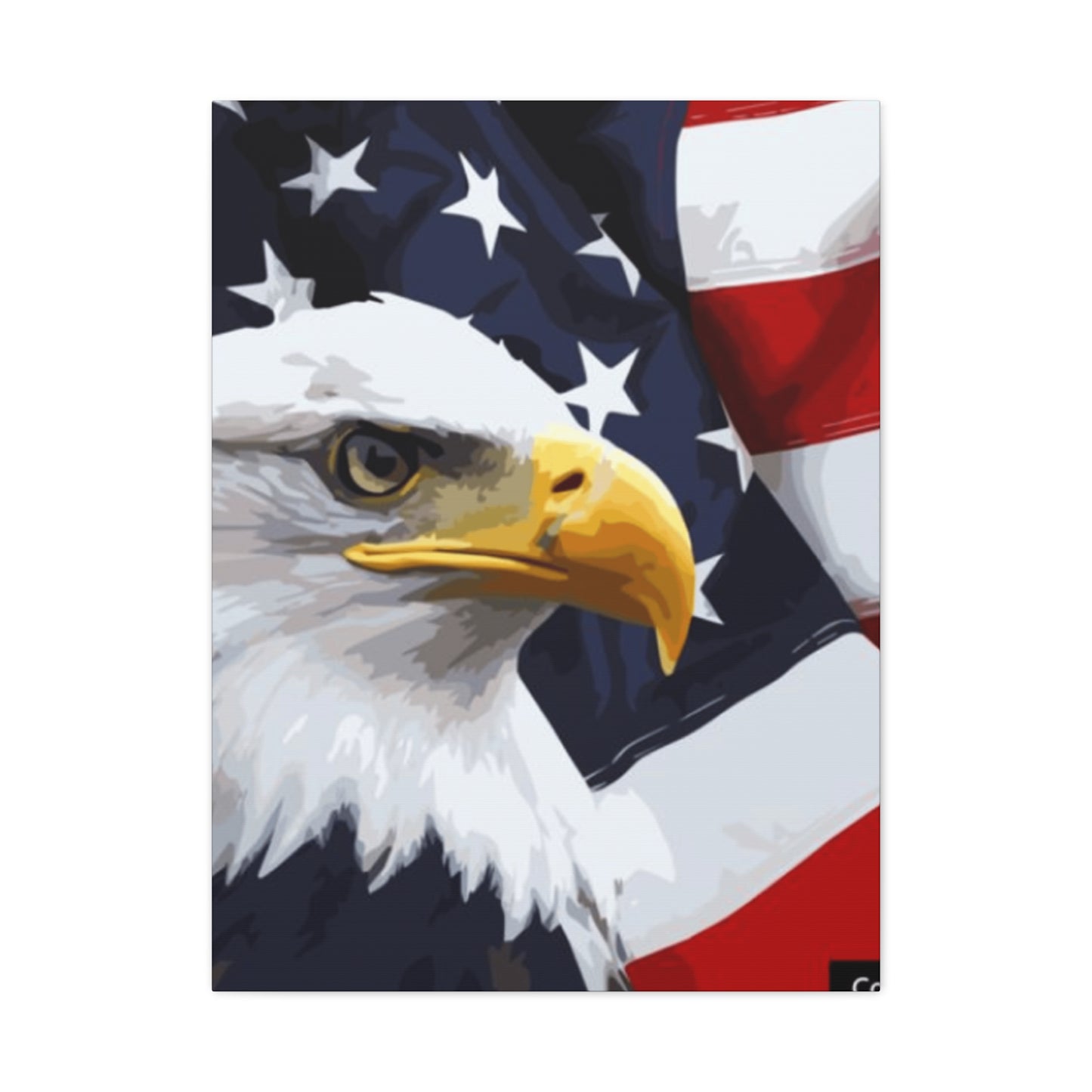
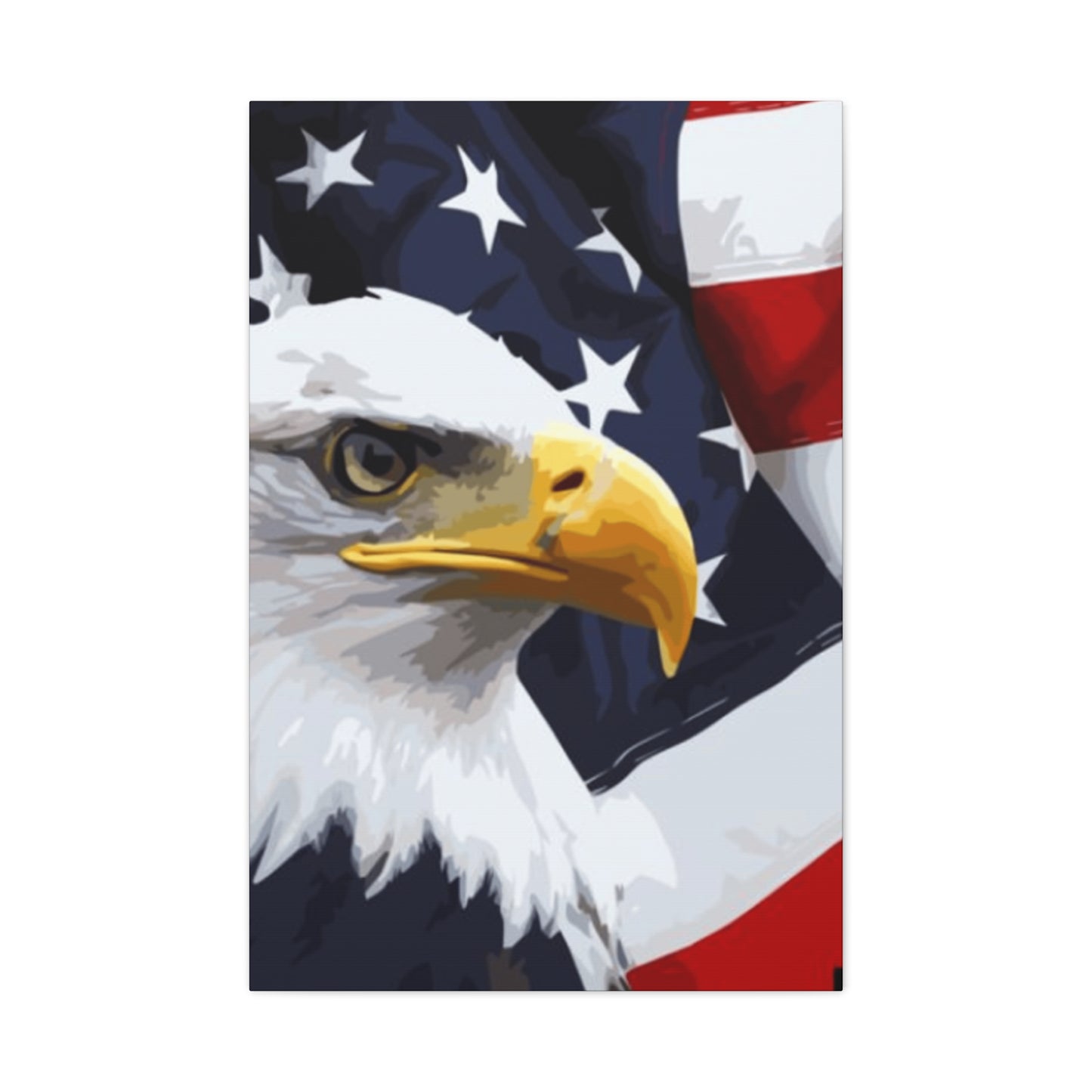
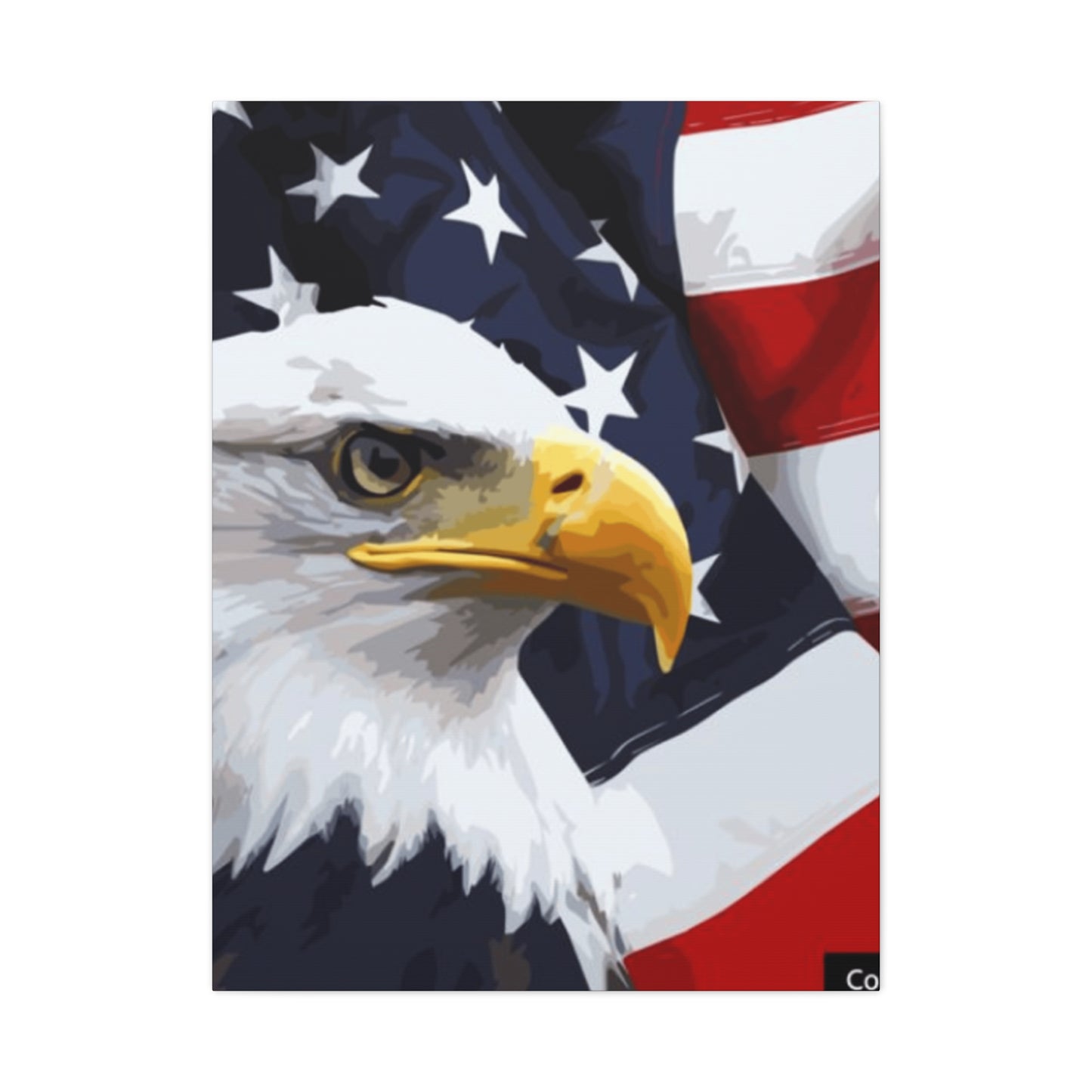
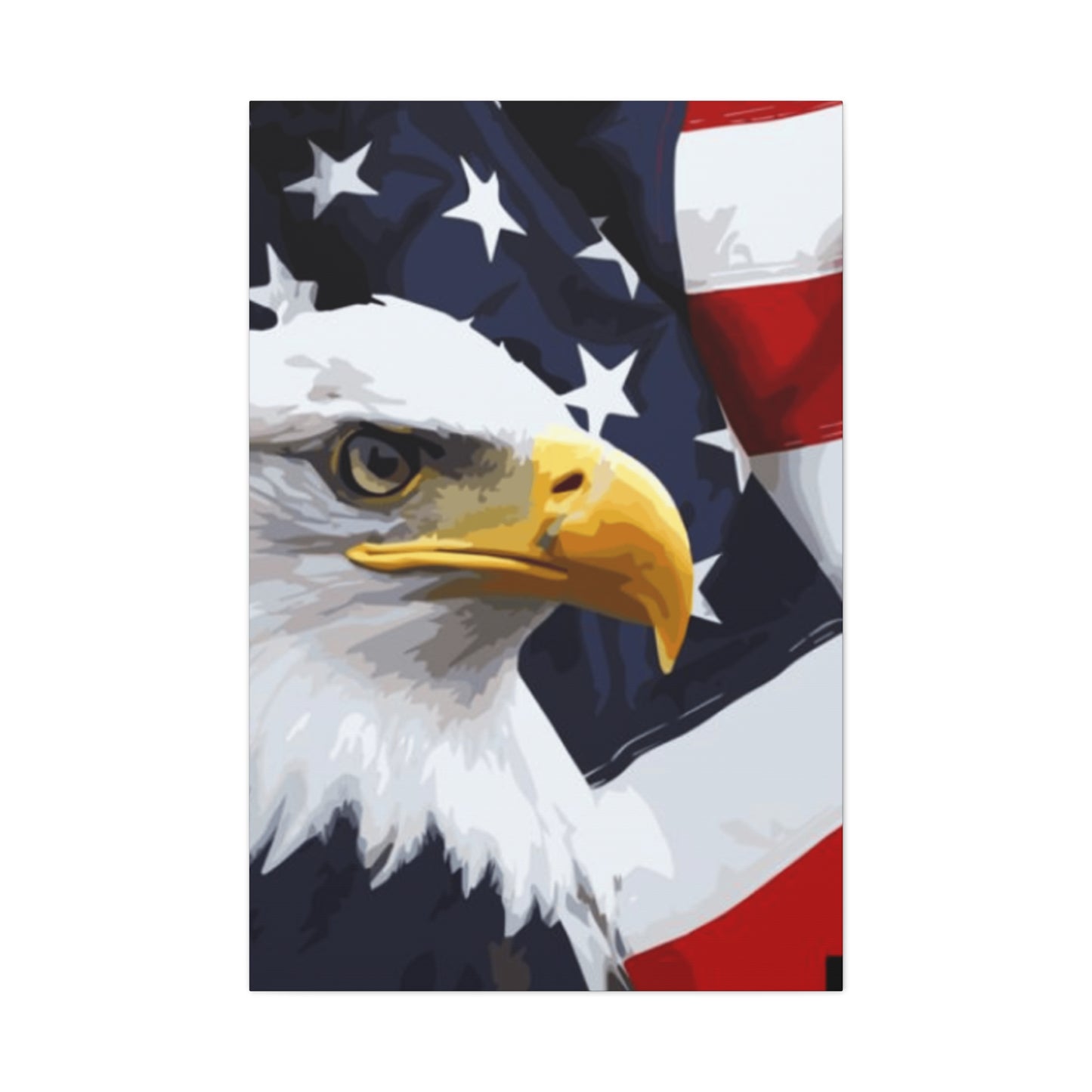
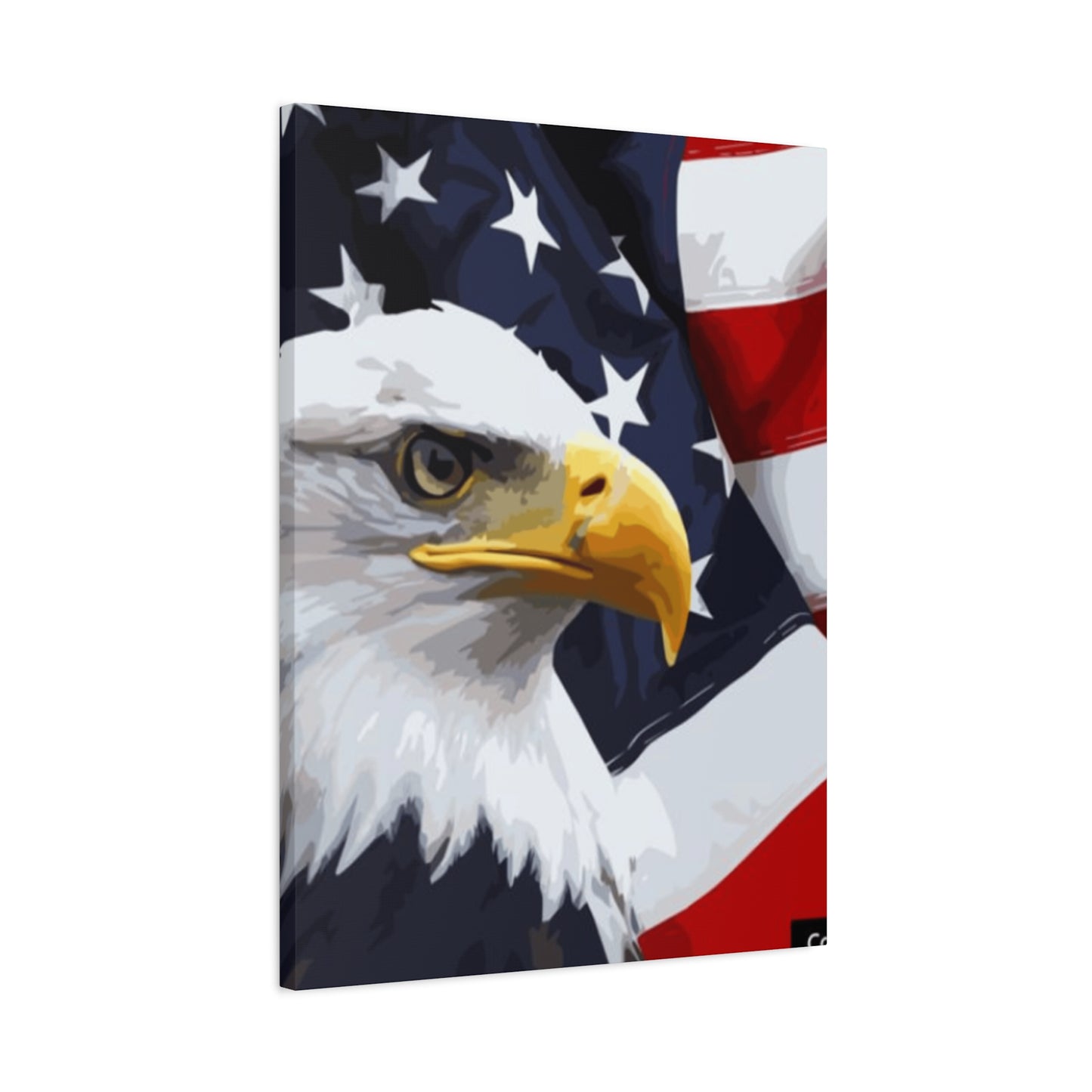
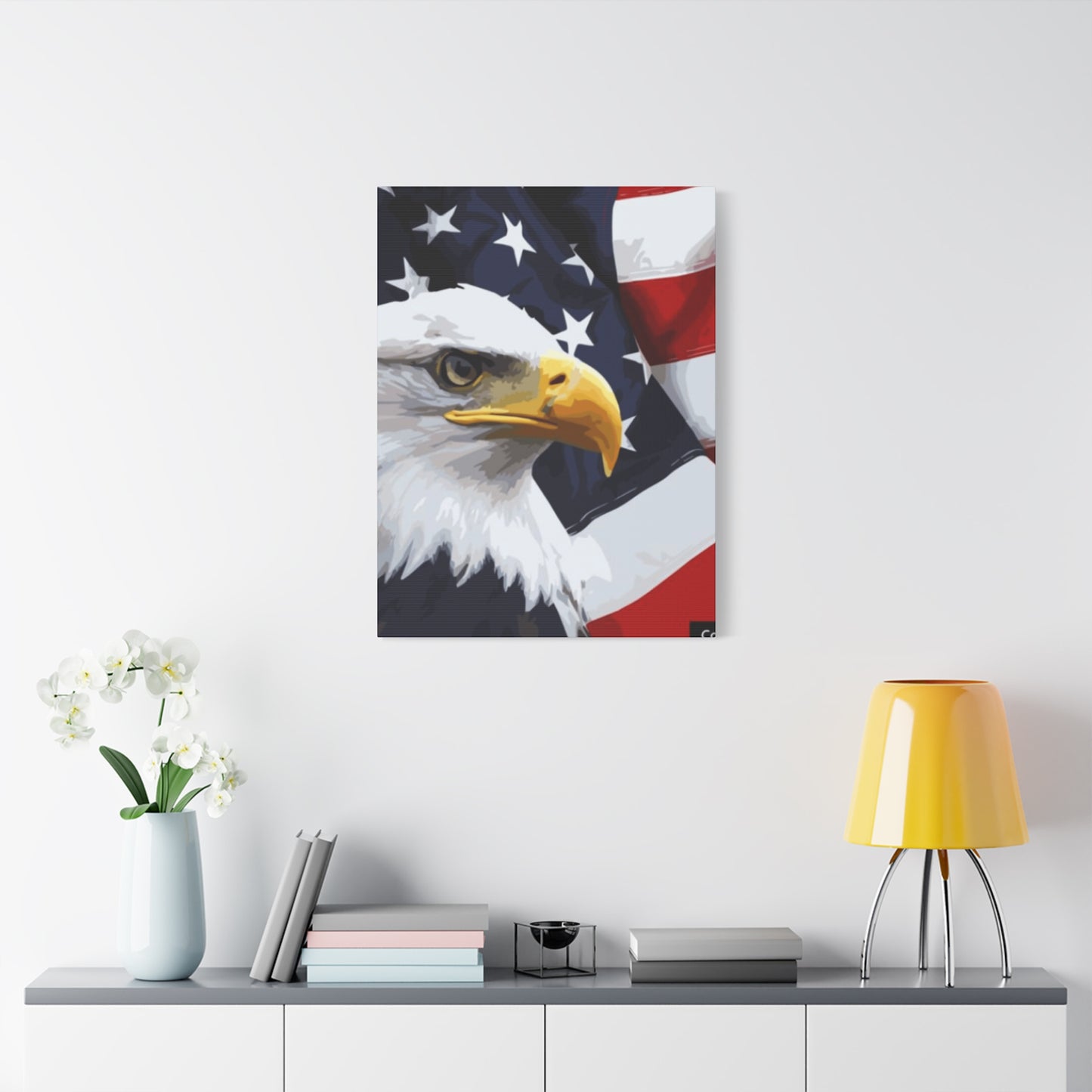
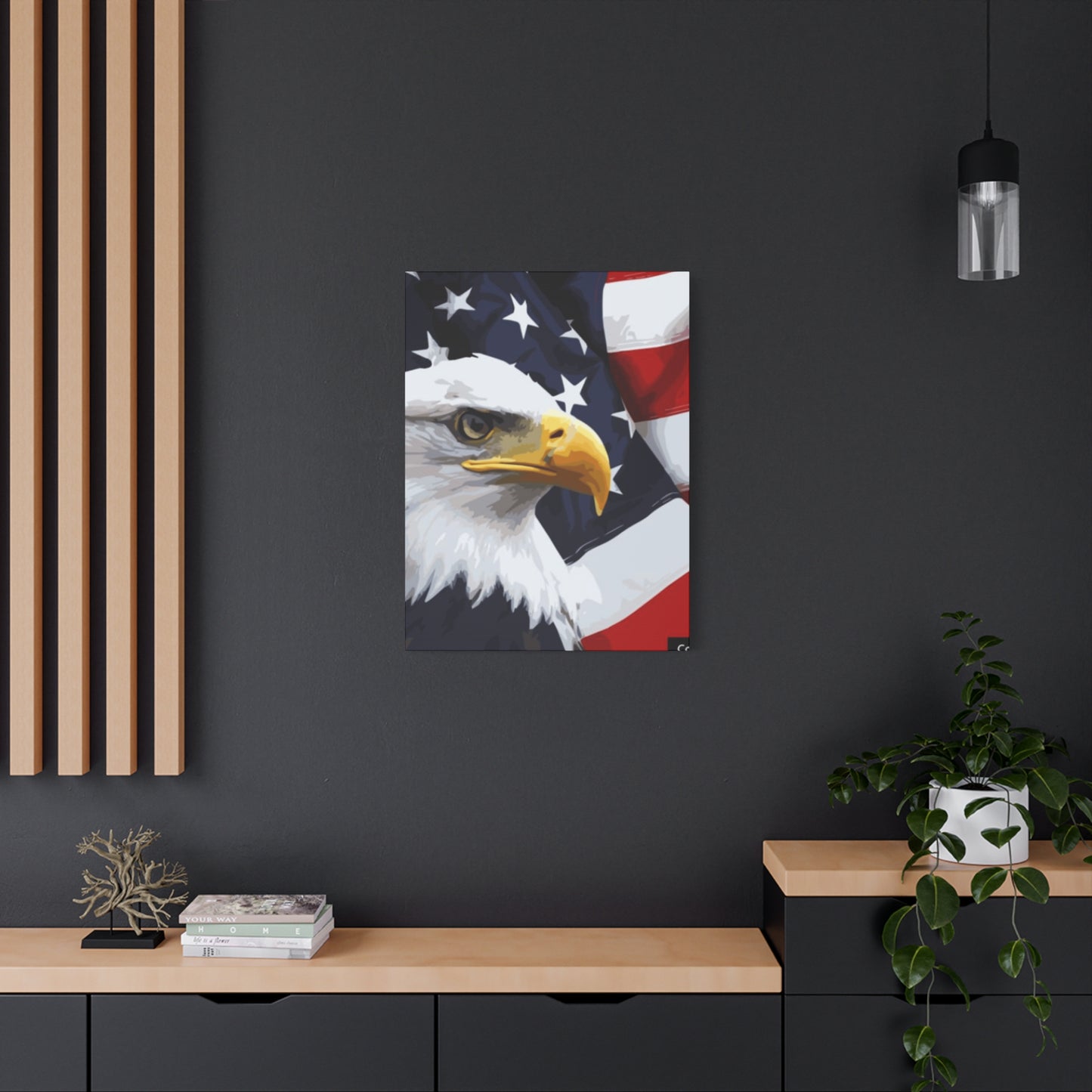
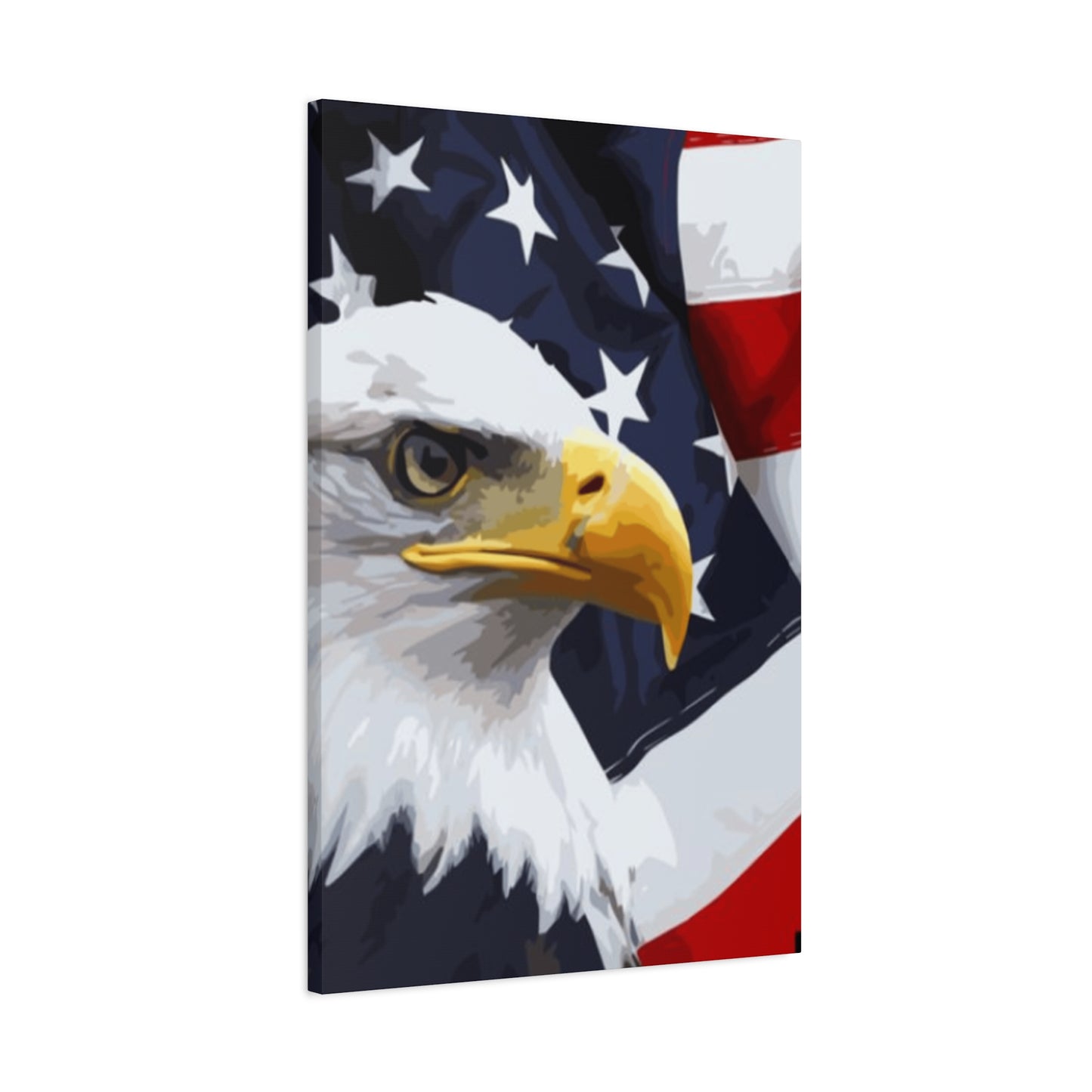
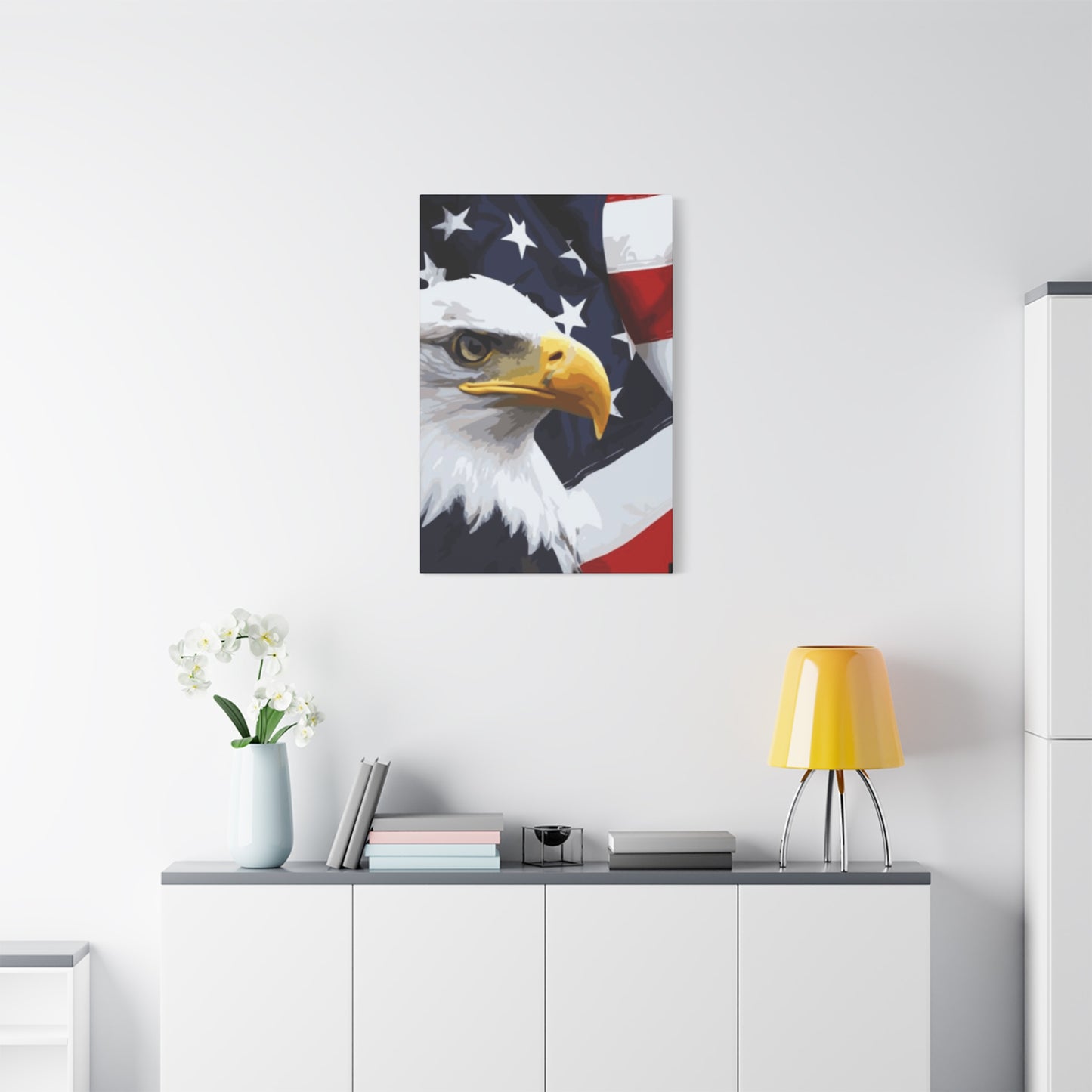
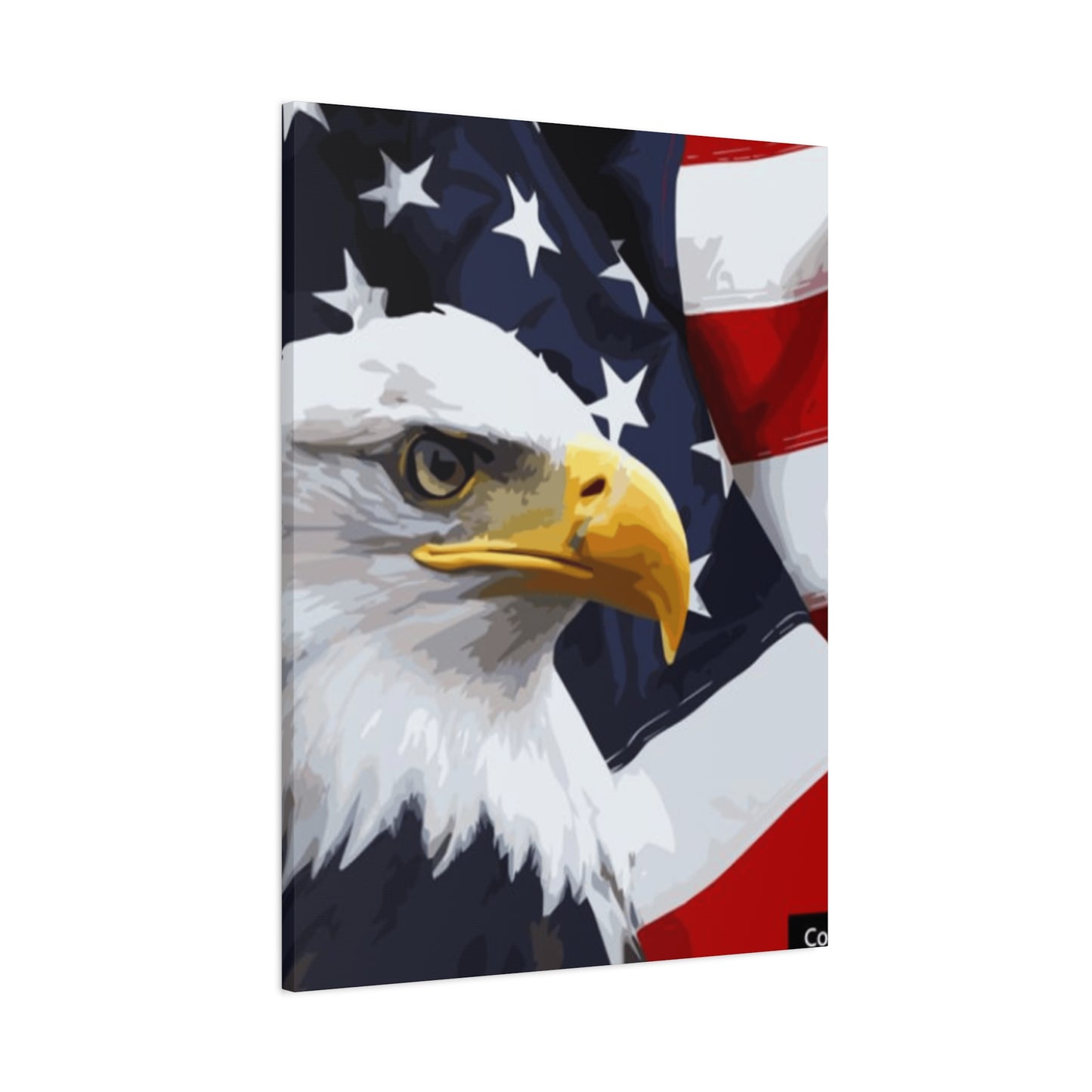
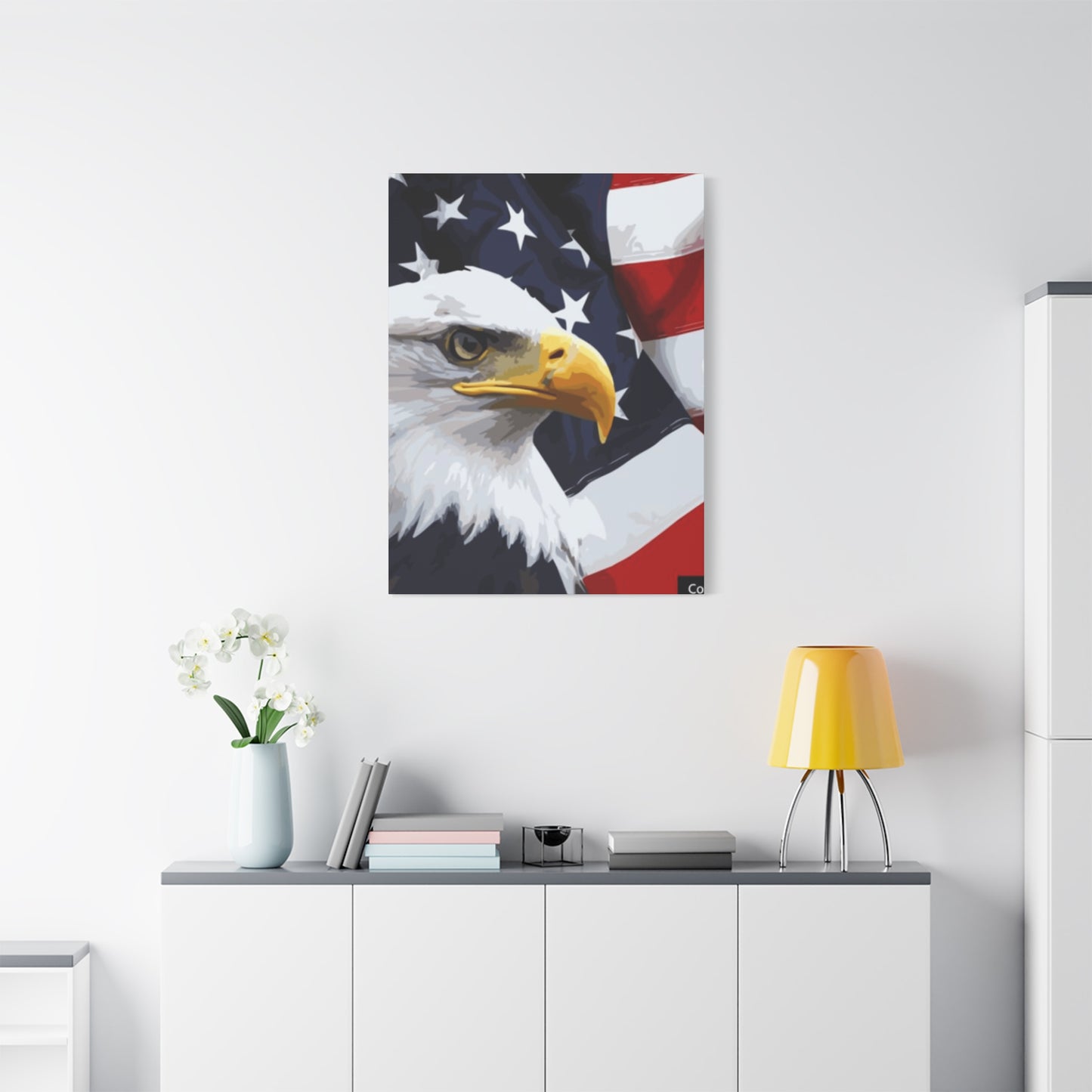
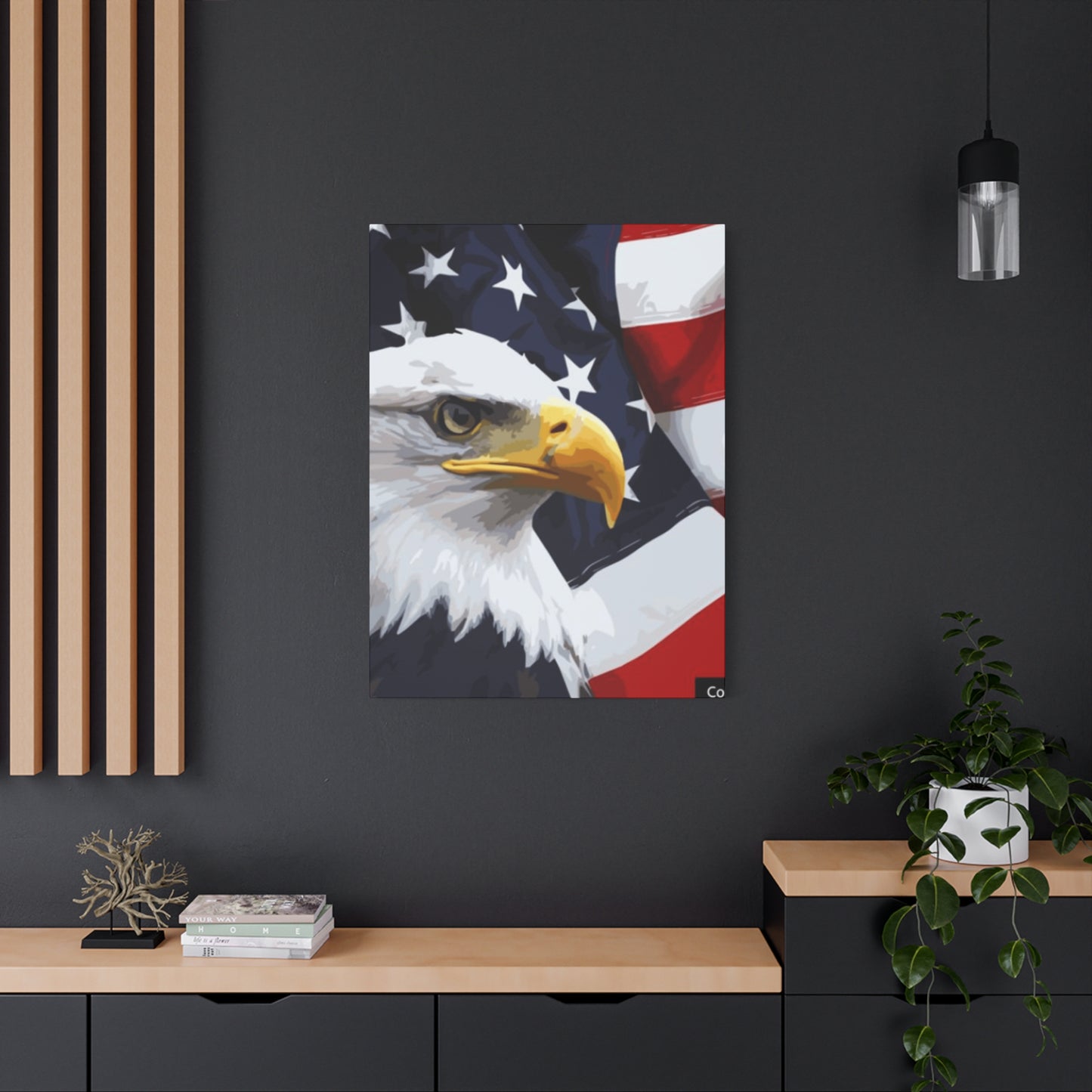
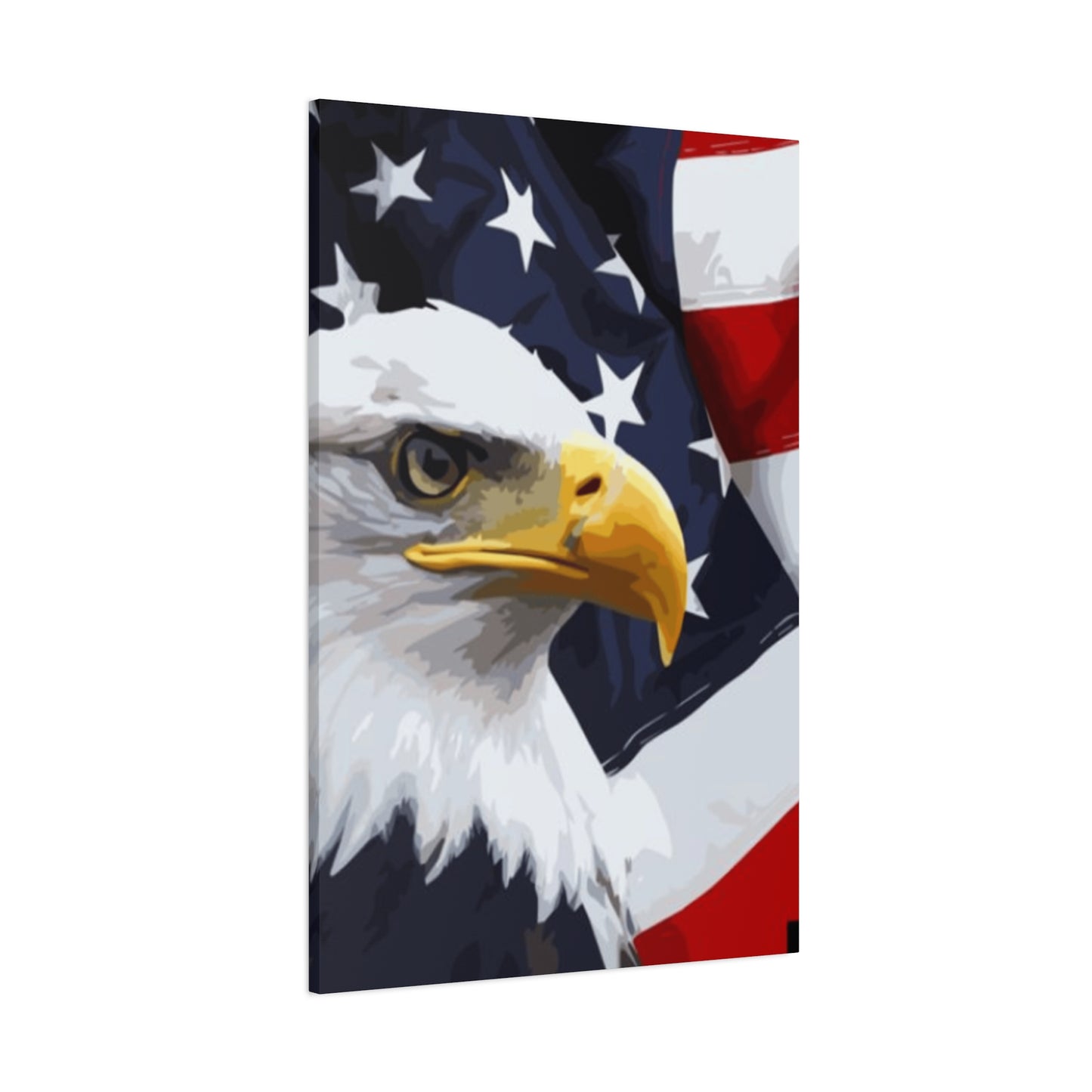
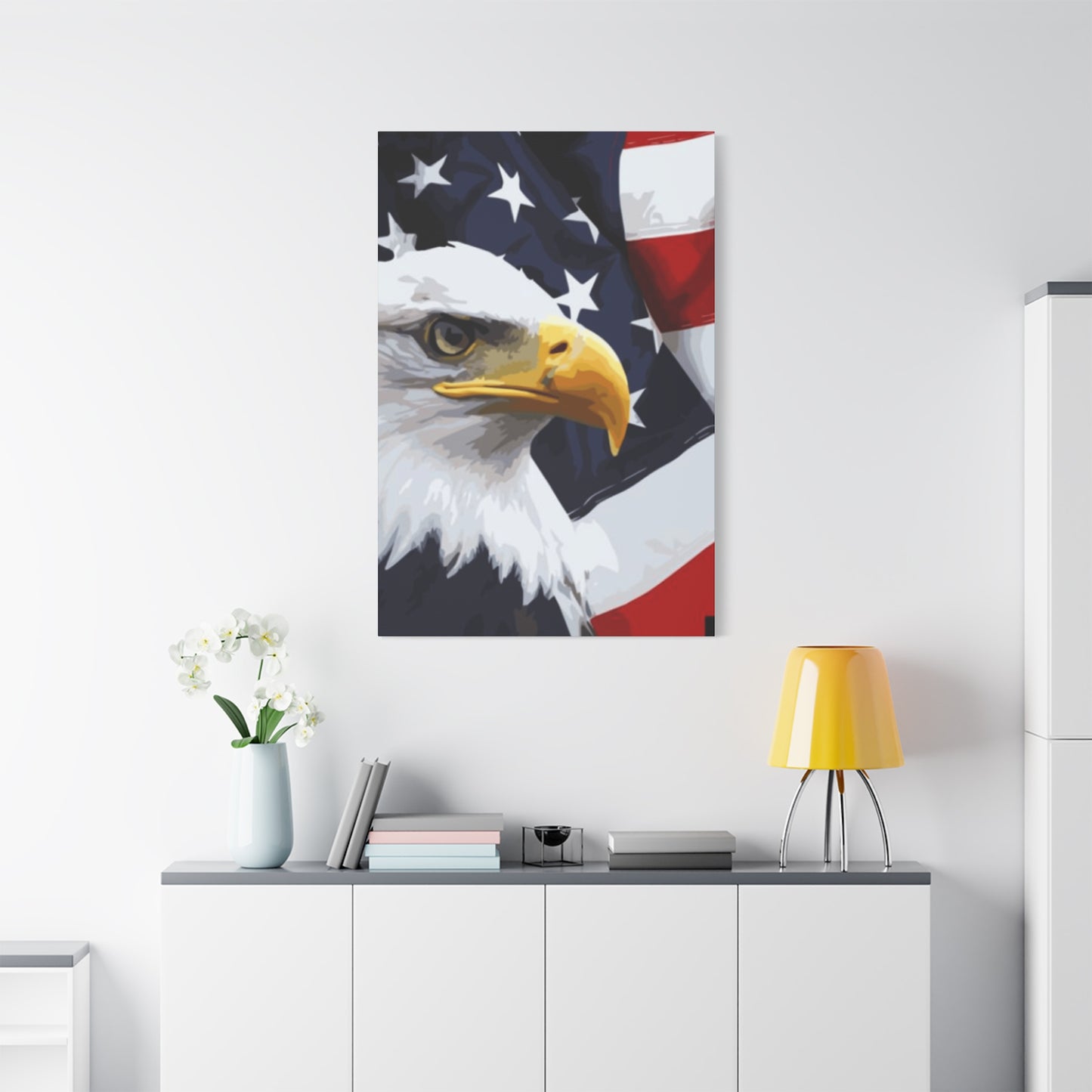
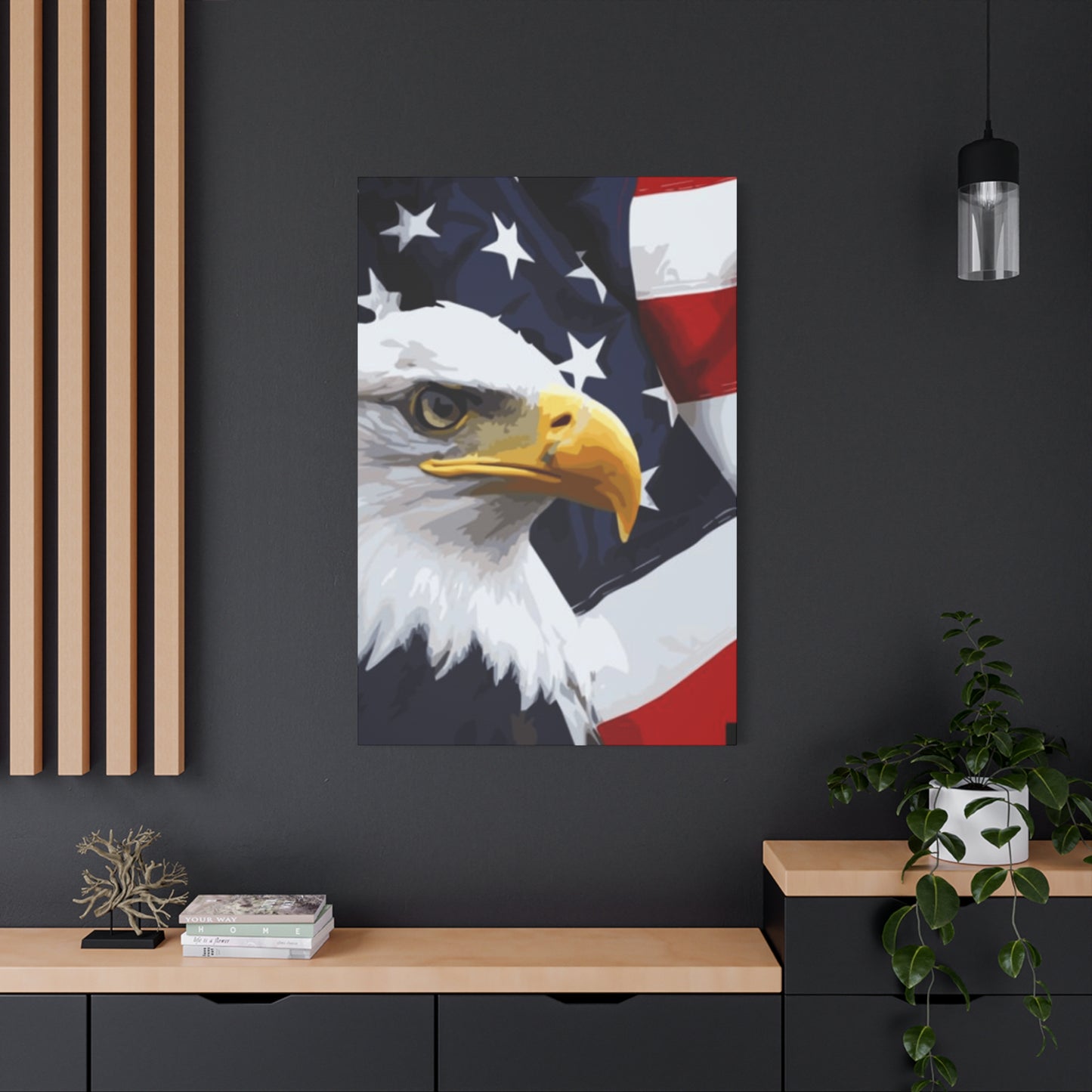
Eagle and American Flag Wall Art & Canvas Prints
Eagle and American Flag Wall Art & Canvas Prints
Couldn't load pickup availability
Majestic Patriotic Décor: How Eagle and American Flag Wall Art Transforms Your Living Space Into a Symbol of National Pride
When it comes to decorating homes with meaningful symbols that represent freedom, strength, and patriotic devotion, few combinations capture the essence of American spirit quite like eagle and American flag wall art. This powerful pairing has become increasingly popular among homeowners, veterans, collectors, and anyone who wishes to display their love for the nation through striking visual statements. The magnificent bald eagle, combined with the iconic stars and stripes, creates artwork that resonates deeply with those who value liberty, courage, and national heritage.
Exploring the Profound Symbolism Behind Eagles and National Banners in Decorative Pieces
The bald eagle holds tremendous significance as the national bird of the United States, representing qualities that Americans have cherished since the founding of the republic. This remarkable bird of prey embodies strength, freedom, independence, and unwavering determination. When depicted alongside the American flag in wall art, these symbols merge to create a powerful visual narrative that speaks to the core values upon which the nation was built.
Throughout centuries, the eagle has been revered across numerous cultures as a creature of power and vision. Its ability to soar to great heights while maintaining keen eyesight symbolizes the capacity to rise above challenges while keeping focus on important goals. The American flag, with its thirteen stripes representing the original colonies and fifty stars symbolizing the current states, tells the story of a nation's growth and resilience. When these elements combine in artistic representations, they create pieces that carry deep emotional and cultural weight.
Many homeowners choose eagle and American flag wall art because it allows them to express their patriotic feelings in a visually striking manner. Veterans particularly connect with these images, as they remind them of their service and the values they defended. Families with members in military service often display such artwork as a way to honor their loved ones and show support for those who protect the nation's freedoms.
The symbolism extends beyond mere decoration. These artistic pieces serve as conversation starters, reminders of sacrifices made by previous generations, and tangible expressions of gratitude for the freedoms enjoyed today. They can inspire younger generations to learn about their country's heritage and understand the importance of the principles represented by these powerful symbols.
Discovering Various Artistic Styles That Bring Eagles and Flags to Life on Your Walls
The market offers an extraordinary variety of styles when it comes to eagle and American flag wall art, ensuring that every taste and interior design preference can be accommodated. From realistic portrayals to abstract interpretations, the range of artistic expressions available makes it possible to find pieces that perfectly complement any décor scheme while maintaining the powerful impact of these patriotic symbols.
Realistic depictions showcase the bald eagle in stunning detail, often capturing the bird mid-flight with wings spread majestically against a backdrop of the American flag. These pieces typically feature photographic quality or highly skilled paintings that emphasize the eagle's piercing gaze, distinctive white head feathers, and powerful talons. The flag might appear as a flowing banner behind the eagle or as a subtle element woven into the background, creating depth and context for the primary subject.
Contemporary abstract styles offer a different approach, using bold geometric shapes, unconventional color palettes, and modern design elements to reinterpret these classic symbols. These pieces might fragment the eagle's form into angular sections or use distressed flag imagery to create a weathered, vintage appearance. Abstract representations appeal to those who appreciate modern aesthetics while still wanting to honor traditional symbols.
Rustic and vintage-inspired artwork has gained considerable popularity, particularly among those who favor farmhouse or cottage-style interiors. These pieces often feature distressed finishes, weathered wood backgrounds, and muted color schemes that give the impression of aged Americana. The eagle and flag imagery might appear painted on reclaimed barn wood or printed on canvas with intentional imperfections that add character and charm.
Metal art sculptures and wall hangings provide a three-dimensional option that adds texture and depth to any space. Crafted from steel, aluminum, or copper, these pieces often feature cutout designs where the eagle and flag elements are shaped from the metal itself. The dimensional quality creates interesting shadow effects and allows light to interact with the artwork in dynamic ways throughout the day.
Digital art and printed canvas options have expanded accessibility to high-quality eagle and American flag wall art. Modern printing methods can reproduce intricate details with remarkable clarity on various materials including canvas, metal, acrylic, and wood. These affordable alternatives make it possible for more people to enjoy museum-quality imagery in their homes without the expense of original paintings or handcrafted pieces.
Selecting the Perfect Size and Placement Strategy for Maximum Visual Impact in Your Home
Choosing the appropriate dimensions and location for eagle and American flag wall art requires thoughtful consideration of multiple factors including room size, wall space, existing décor, and the statement you wish to make. The right piece in the perfect location can become the focal point of a room, while poor placement or sizing can diminish even the most beautiful artwork.
Large statement pieces work exceptionally well in spacious living rooms, family rooms, or offices where they can command attention without overwhelming the space. A substantial canvas measuring four to six feet in width can anchor an entire wall and set the tone for the room's patriotic theme. These grand pieces work best on walls with minimal competing elements, allowing the powerful imagery to take center stage.
Medium-sized artwork offers versatility for various spaces including bedrooms, dens, studies, and hallways. Pieces ranging from two to four feet in width provide significant visual interest without dominating smaller rooms. These dimensions work particularly well above furniture such as sofas, beds, or consoles where they can create a cohesive vignette with complementary decorative objects.
Smaller pieces and collections allow for creative arrangements and gallery wall displays. Multiple smaller artworks featuring eagles and flags can be grouped together to create a patriotic tableau that tells a broader story. This approach works well in narrow hallways, staircases, or sections of larger walls where a single large piece might feel disproportionate.
Placement height significantly affects how artwork is perceived and appreciated. The general guideline suggests hanging artwork so the center sits at eye level, typically around 57 to 60 inches from the floor. However, this standard should be adjusted based on ceiling height, furniture placement, and viewing angles. In spaces where people are typically seated, such as dining rooms or sitting areas, hanging artwork slightly lower ensures comfortable viewing.
Consider the relationship between the artwork and surrounding furnishings. When hanging eagle and American flag wall art above a sofa, the piece should span roughly two-thirds to three-quarters of the furniture's width. This proportion creates visual balance and prevents the artwork from appearing either lost above large furniture or overwhelming smaller pieces.
Lighting plays a crucial role in showcasing patriotic wall art effectively. Natural light can beautifully illuminate these pieces during daytime hours, though care should be taken to avoid direct sunlight that might cause fading over time. Accent lighting such as picture lights or track lighting can highlight the artwork during evening hours, creating dramatic effects that emphasize the powerful imagery.
Understanding Different Material Options and Their Unique Characteristics for Displaying Patriotic Artwork
The substrate or material upon which eagle and American flag wall art is created or printed significantly impacts the piece's appearance, durability, and suitability for different environments. Each material offers distinct advantages and aesthetic qualities that appeal to different preferences and practical requirements.
Canvas remains one of the most popular choices for reproducing artwork due to its classic appearance and versatility. Gallery-wrapped canvas, where the image continues around the sides of the frame, creates a clean, frameless look that suits contemporary interiors. Canvas prints typically receive a protective coating that guards against moisture and fading, making them suitable for most indoor environments. The slight texture of canvas adds depth and dimension to images, particularly enhancing paintings and artistic renderings.
Metal prints have emerged as a stunning option for modern spaces, offering vibrant colors and exceptional durability. The process of dye-sublimation printing infuses images directly into specially coated aluminum panels, resulting in artwork that resists fading, scratching, and moisture damage. The glossy or matte finish options allow customization based on personal preference, with glossy surfaces providing intense color saturation and matte finishes reducing glare. Metal prints work exceptionally well for photographic eagle images where detail and color accuracy are paramount.
Wood panels and pallet-style artwork provide rustic charm that complements farmhouse, cabin, and cottage aesthetics. Real wood grain visible through or around the imagery adds organic warmth and character. These pieces might feature printed images adhered to wood surfaces or hand-painted designs applied directly to the wood. The natural variations in wood grain ensure that each piece possesses unique characteristics, making them truly one-of-a-kind additions to home décor.
Acrylic art offers a sleek, contemporary presentation with remarkable depth and luminosity. When images are printed on acrylic or mounted behind acrylic panels, light passes through the material, creating a glowing effect that makes colors appear more vibrant. The smooth, glass-like surface adds sophistication and works particularly well in modern or minimalist settings. Acrylic pieces typically include mounting hardware that creates a floating effect, adding to their contemporary appeal.
Framed prints under glass provide a traditional, formal presentation that suits classic interior styles. Quality framing with acid-free matting protects artwork while allowing for customization through frame selection. The glass covering shields the print from dust, moisture, and physical damage, making these pieces suitable for high-traffic areas or spaces where cleanliness is essential. Non-glare glass options reduce reflections that might obscure the image.
Fabric tapestries and woven textiles offer a softer alternative to rigid artwork, introducing texture and tactile interest to walls. These pieces might feature woven images of eagles and flags or printed designs on fabric backgrounds. Tapestries work well for creating cozy atmospheres in bedrooms and informal spaces, and their lightweight nature makes them easy to hang and relocate as desired.
Examining Color Schemes That Enhance the Patriotic Theme While Complementing Your Interior Design
The color palette of eagle and American flag wall art naturally centers around red, white, and blue, but the specific shades, intensities, and additional accent colors can dramatically affect how these pieces interact with surrounding décor. Understanding color theory and how different variations work within various design schemes helps ensure that patriotic artwork enhances rather than clashes with existing interior colors.
Traditional red, white, and blue combinations remain the most recognizable and impactful for conveying patriotic themes. Deep navy blues paired with crisp whites and rich crimson reds create bold, eye-catching displays that leave no doubt about the artwork's message. These classic color combinations work beautifully in rooms with neutral backgrounds where the vivid hues can stand out dramatically, or in spaces already incorporating similar color schemes where the artwork reinforces the existing palette.
Muted and vintage-inspired color palettes offer a softer, more subtle approach that appeals to those preferring understated elegance. Dusty blues, faded reds, and cream or beige tones create a weathered, antique appearance that suggests heritage and history. These subdued colors integrate seamlessly into neutral interiors, farmhouse designs, and shabby chic spaces without overwhelming the senses. The softer tones also work well in bedrooms and intimate spaces where calming rather than energizing effects are desired.
Monochromatic treatments focus on a single color family, often using various shades of blue or sepia tones to create sophisticated, cohesive looks. Black and white or grayscale interpretations of eagle and flag imagery offer dramatic contrast and work exceptionally well in modern or minimalist interiors where color might distract from clean lines and simple forms. These simplified color schemes allow the shapes and forms within the artwork to take precedence over chromatic impact.
Complementary accent colors can enhance patriotic artwork when thoughtfully incorporated. Earth tones such as browns, tans, and greens often appear in eagle imagery as part of the natural environment, helping to ground the composition and create connections to outdoor themes. Gold and bronze accents add richness and elegance, particularly in pieces featuring eagles with metallic highlights that suggest nobility and strength.
The finish and sheen of colors also influence the overall appearance and mood of eagle and American flag wall art. Glossy, saturated colors create energetic, dynamic pieces that demand attention and work well as focal points in active spaces like living rooms and game rooms. Matte finishes and less saturated colors produce calmer effects suitable for bedrooms, offices, and spaces intended for relaxation and contemplation.
Consider how lighting conditions affect color perception when selecting artwork. Natural daylight reveals colors most accurately but changes throughout the day as the sun's position shifts. Warm incandescent lighting enhances reds and yellows while diminishing blues, whereas cooler LED lighting maintains color accuracy across the spectrum. Evaluating artwork under the lighting conditions where it will be displayed helps ensure satisfaction with how colors appear in their intended location.
Identifying Quality Indicators That Distinguish Exceptional Artwork from Mass-Produced Mediocrity
With the vast array of eagle and American flag wall art available through various channels, understanding how to assess quality becomes essential for making informed purchasing decisions. Several factors distinguish superior craftsmanship and materials from inferior products, and recognizing these differences helps ensure that investments in decorative artwork yield lasting satisfaction.
Print resolution and clarity serve as primary indicators of quality in reproduced artwork. High-quality pieces feature sharp details, smooth color gradients, and crisp edges without visible pixelation or blurriness. When examining eagles, individual feathers should appear distinct, and the bird's eye should show clear detail. Flag stripes should have clean boundaries, and stars should possess well-defined points. Lower-quality prints often exhibit fuzzy edges, color banding, and loss of detail in darker or lighter areas.
Color accuracy and vibrancy reflect both the quality of the original image and the printing process used to reproduce it. Premium artwork displays rich, true-to-life colors with appropriate depth and saturation. Reds should appear genuinely red rather than orange or pink, blues should possess proper depth rather than appearing washed out or overly bright, and whites should be clean without grayish or yellowish casts. Color consistency across the entire piece indicates careful production and quality control.
Material quality significantly impacts both appearance and longevity. Canvas should feel substantial with a tight weave rather than thin and loose. Wood should be properly sealed and finished to prevent warping or splitting. Metal should have smooth edges and even coating without scratches or imperfections. Acrylic panels should be clear and uniform without bubbles or distortions. Examining the physical characteristics of materials provides immediate insight into the quality of construction.
Finishing details often separate superior products from basic offerings. Gallery-wrapped canvas should have neatly folded corners without visible staples on the front edges. Framed pieces should feature secure backing, properly cut matting, and frames with tight mitered corners. Metal prints should have clean edges and mounting hardware that doesn't detract from the presentation. Attention to these finishing touches indicates pride in craftsmanship and commitment to delivering refined products.
The reputation and practices of the creator or seller provide additional quality indicators. Artisans and companies with established track records, positive customer reviews, and transparent information about materials and processes typically deliver superior products. Detailed product descriptions that specify dimensions, materials, manufacturing methods, and care instructions suggest professionalism and confidence in quality. Conversely, vague descriptions or reluctance to provide information may signal inferior products.
Warranty and return policies reflect the seller's confidence in their products. Reputable sources typically offer satisfaction guarantees, reasonable return windows, and willingness to address quality concerns. These policies protect buyers and indicate that the seller stands behind their offerings. Artwork that lacks any form of buyer protection or comes from sources with restrictive policies warrants additional scrutiny before purchase.
Discovering Where to Find Authentic and Striking Pieces That Match Your Vision and Budget
The marketplace for eagle and American flag wall art encompasses numerous channels, each offering distinct advantages regarding selection, pricing, quality, and purchasing experience. Understanding where to look and what each source typically provides helps shoppers find pieces that meet their specific requirements while staying within budget constraints.
Local art galleries and studios provide opportunities to view artwork in person before purchasing, allowing direct assessment of size, colors, and quality. Many galleries feature works by regional artists who create unique, often handcrafted pieces that cannot be found elsewhere. This exclusivity appeals to collectors and those seeking truly distinctive items. Gallery purchases also support local artists and contribute to community cultural life. However, gallery pieces typically command premium prices reflecting their uniqueness and the overhead costs of gallery operations.
Home décor retailers both online and physical locations stock a wide range of eagle and American flag wall art at various price points. Large chains offer consistent availability, standardized quality, and buyer-friendly return policies. The selection tends toward popular styles and mass-produced pieces, which may lack the uniqueness of artisan-created works but provides reliable options at accessible prices. Shopping at established retailers offers convenience and the assurance of working with reputable businesses.
Online marketplaces featuring independent sellers and artisans provide access to vast selections from creators worldwide. These platforms allow direct interaction with artists, often enabling custom requests or modifications to standard designs. Prices vary widely depending on whether pieces are original creations, limited editions, or print-on-demand items. The ability to read reviews from previous customers helps assess both product quality and seller reliability. However, the inability to see pieces in person before purchase requires careful examination of product descriptions and images.
Specialty patriotic retailers focus exclusively on American-themed décor and gifts, offering curated selections of eagle and flag artwork alongside related items. These focused inventories make it easy to find pieces that authentically capture patriotic themes without sifting through unrelated products. Staff at these specialized stores often possess deep knowledge about the symbolism and quality of their offerings, providing valuable guidance to customers. The specialized nature of these retailers may limit their geographic availability, though many maintain robust online presences.
Custom artists and commissioned works offer the ultimate in personalization, allowing complete control over size, colors, style, and specific elements included in the artwork. Working directly with an artist enables creation of pieces perfectly tailored to individual spaces and preferences. This option suits those with specific visions, unusual space requirements, or desire for truly one-of-a-kind pieces. Commissioned artwork requires greater time and financial investment but yields results that cannot be duplicated.
Antique shops and vintage markets occasionally feature older eagle and flag artwork with historical significance and authentic aged characteristics. These pieces carry the patina of time and may possess historical value beyond their decorative appeal. Collectors particularly appreciate genuine vintage items that represent specific periods in American history. However, availability is unpredictable, condition varies, and authentication may be necessary to verify age and provenance.
Estate sales and auctions sometimes yield surprising finds at favorable prices. These venues offer possibilities for acquiring quality artwork at below-retail costs, particularly when items come from collections being dispersed. The unpredictable nature of these sources means shoppers cannot rely on finding specific items, but patient hunters may discover exceptional pieces at bargain prices.
Caring for Your Patriotic Artwork to Ensure Decades of Lasting Beauty and Vibrancy
Proper care and preservation of eagle and American flag wall art protects your investment and ensures that these meaningful pieces continue to inspire and beautify your space for years to come. Different materials require specific care approaches, and understanding these requirements prevents damage and deterioration.
Protecting artwork from direct sunlight ranks among the most critical preservation measures. Ultraviolet rays cause fading, discoloration, and deterioration of materials over time. Even pieces marketed as fade-resistant gradually degrade under constant sun exposure. Positioning artwork away from windows that receive direct sunlight or using window treatments to filter UV rays significantly extends the life and vibrancy of colors. UV-protective glass or acrylic in framed pieces provides additional protection for particularly valuable or sensitive artwork.
Controlling environmental conditions helps preserve various materials used in wall art. Excessive humidity can cause canvas to sag, wood to warp, and metal to corrode, while extremely dry conditions may cause materials to crack or become brittle. Maintaining indoor humidity levels between 40 and 60 percent creates favorable conditions for artwork preservation. Temperature extremes and rapid fluctuations also stress materials, so avoiding placement near heating vents, fireplaces, or air conditioning units protects pieces from environmental damage.
Regular dusting and gentle cleaning prevent accumulation of dirt and grime that can dull appearance and potentially damage surfaces. Canvas and fabric pieces benefit from light dusting with soft, dry cloths or gentle vacuuming with brush attachments held slightly away from surfaces. Metal and acrylic pieces can be wiped with slightly damp microfiber cloths, ensuring complete drying afterward. Framed pieces under glass simply require periodic glass cleaning with appropriate cleaners, being careful to keep moisture away from frame joints and backing materials.
Secure mounting prevents accidents and damage from falls. Use appropriate hanging hardware rated for the weight of the piece, and ensure proper installation into wall studs or using suitable wall anchors for hollow walls. Checking hanging hardware periodically ensures that screws haven't loosened and that wire or mounting systems remain secure. Heavy pieces benefit from multiple mounting points to distribute weight evenly and provide stability.
Avoiding placement in high-traffic areas where artwork might be bumped or touched reduces risk of physical damage. While eagle and American flag wall art certainly deserves prominent display, positioning pieces where they won't be struck by opening doors, brushed by passing bodies, or reached by curious young children protects them from accidental harm.
Professional cleaning and restoration services can address significant dirt accumulation, damage, or fading that simple home care cannot resolve. For valuable or irreplaceable pieces, consulting conservation specialists ensures that cleaning and repair methods don't cause additional harm. Professional assessment may reveal issues not obvious to untrained eyes, allowing preventive action before minor problems become major damage.
Documenting artwork through photographs and maintaining purchase records aids in insurance claims if damage or theft occurs. Recording details including dimensions, materials, artist names, purchase dates, and prices creates valuable documentation. For particularly significant pieces, obtaining professional appraisals establishes value for insurance purposes and estate planning.
Creating Cohesive Patriotic Themes Throughout Your Home with Complementary Decorative Elements
While eagle and American flag wall art serves as a powerful focal point, incorporating complementary decorative elements throughout your space creates cohesive, harmonious environments that fully express patriotic themes. Thoughtful coordination of furnishings, accessories, and additional artwork amplifies the impact of primary pieces while avoiding overwhelming spaces with excessive themeing.
Textiles provide excellent opportunities for reinforcing patriotic colors and motifs. Throw pillows featuring stars, stripes, or eagle imagery complement wall art while adding comfort and color to seating areas. Area rugs incorporating red, white, and blue elements ground spaces and visually connect different areas of rooms. Window treatments in coordinating colors frame views while controlling light that might affect artwork. These textile elements introduce patriotic themes in softer, more subtle ways than bold wall pieces.
Furniture selection and arrangement can enhance or detract from patriotic wall art displays. Classic American furniture styles including colonial, shaker, and mission designs harmonize naturally with eagle and flag imagery. Wood furniture in natural finishes or painted in complementary colors provides appropriate backdrops for artwork while avoiding visual competition. Leather seating in brown or distressed finishes evokes traditional American aesthetics. Arranging furniture to face or orient toward patriotic artwork creates viewing opportunities and establishes the pieces as room focal points.
Decorative accessories extend themes without overwhelming spaces. Items such as vintage American flags displayed in shadow boxes, antique patriotic posters, historical military memorabilia, and collectibles featuring eagles or national symbols reinforce themes established by primary wall art. However, restraint prevents spaces from becoming overly themed or cluttered. Carefully curated accessories that complement rather than compete with major pieces maintain visual balance and sophistication.
Lighting fixtures contribute to overall ambiance while serving practical purposes. Options such as industrial-style pendants, rustic chandeliers, or traditional lamps with bronze or copper finishes complement patriotic décor. Lighting that highlights wall art while providing ambient illumination creates dramatic effects during evening hours. Consider lantern-style fixtures or those incorporating star motifs to subtly reinforce themes without obvious costume-like effects.
Additional artwork beyond the primary eagle and flag pieces adds depth and interest to patriotic displays. Historical American scenes, landscapes depicting iconic national landmarks, vintage maps, or portraits of significant historical figures create gallery-wall arrangements that tell broader stories. Black and white photography of American life or documentary images from significant historical periods provide context and narrative depth. Mixing various artistic mediums and styles while maintaining cohesive themes creates sophisticated, layered environments.
Color balance remains crucial when developing comprehensive patriotic themes. While red, white, and blue naturally dominate, incorporating neutral tones and natural materials prevents spaces from appearing cartoonish or overwhelming. Cream, beige, gray, and natural wood tones provide visual rest between bolder colored elements. This balance allows patriotic pieces to stand out as special focal points rather than disappearing into seas of competing colors.
Seasonal decorating offers opportunities to refresh patriotic themes throughout the year. During summer months leading to Independence Day, more overt displays might be appropriate, while during other seasons, subtle nods to patriotic themes maintain year-round interest without appearing seasonally misplaced. Rotating accessories and decorative elements keeps spaces feeling fresh while allowing treasured artwork to remain constantly on display.
Drawing Inspiration from Various Interior Design Styles That Showcase Patriotic Artwork Effectively
Eagle and American flag wall art adapts remarkably well to numerous interior design styles, each offering unique approaches to incorporating these powerful symbols. Understanding how different aesthetic movements treat patriotic themes helps homeowners integrate meaningful artwork into existing décor or develop new design directions that honor both personal style preferences and patriotic sentiments.
Traditional American interiors provide natural homes for eagle and flag artwork, as these styles already emphasize classic elements, historical references, and time-honored craftsmanship. Colonial, federal, and Georgian revival styles feature formal symmetry, rich wood furnishings, and dignified color palettes that complement realistic or classical artistic interpretations of patriotic symbols. In these settings, framed prints or paintings with substantial frames create appropriate formality and gravitas matching the overall aesthetic.
Rustic and lodge styles embrace patriotic artwork with particular enthusiasm, as these approaches already celebrate American wilderness, frontier spirit, and outdoor heritage. Natural materials including wood, stone, and leather dominate these interiors, providing ideal backdrops for eagle imagery that emphasizes the bird's role as a wilderness predator. Rough-hewn wood panels bearing flag imagery or metal sculptures combining both elements suit the textured, substantial character of rustic spaces.
Farmhouse and cottage styles have surged in popularity, bringing with them renewed interest in vintage Americana and folk art traditions. Distressed finishes, weathered materials, and collections of nostalgic objects characterize these approachable, comfortable spaces. Eagle and American flag wall art with aged appearances, muted colors, and handcrafted qualities fit seamlessly into farmhouse interiors. Grouping patriotic pieces with antique tools, vintage signs, and repurposed architectural elements creates charming vignettes full of character and history.
Contemporary and modern interiors might seem unlikely settings for traditional patriotic symbols, yet these styles can showcase eagle and flag artwork in striking ways. Clean lines, minimalist approaches, and emphasis on form allow bold patriotic pieces to serve as dramatic focal points against neutral backgrounds. Abstract or geometric interpretations of eagles and flags align with modern aesthetic principles while maintaining symbolic power. Metal art with sleek finishes or high-contrast black and white compositions suit modern sensibilities.
Industrial loft spaces with exposed brick, metal fixtures, and open floor plans provide dramatic settings for large-scale patriotic artwork. The raw, unfinished character of industrial design complements weathered flag imagery or metal sculptures. The substantial scale of many loft spaces accommodates oversized pieces that would overwhelm smaller rooms, allowing truly impressive displays of patriotic symbolism.
Eclectic interiors that mix multiple styles and periods can incorporate eagle and American flag wall art as signature pieces around which diverse elements coalesce. The strong visual identity of patriotic artwork provides cohesion in spaces that might otherwise lack clear direction. Mixing vintage and contemporary pieces, various color schemes, and disparate furniture styles becomes easier when unified by consistent patriotic themes expressed through carefully selected artwork.
Transitional design, which bridges traditional and contemporary aesthetics, offers flexible frameworks for displaying patriotic artwork. These balanced approaches accommodate both classical and modern interpretations of eagles and flags, allowing homeowners to select pieces matching their specific preferences along the traditional-contemporary spectrum. The inherent versatility of transitional design makes it an excellent choice for those wanting to incorporate meaningful patriotic symbols without committing to highly specific style directions.
Recognizing the Emotional Impact and Personal Meaning Behind Displaying Patriotic Symbols
Beyond aesthetic considerations, eagle and American flag wall art carries profound emotional and personal significance for many who choose to display these powerful symbols in their homes. Understanding the deeper motivations and feelings connected to patriotic artwork illuminates why these pieces resonate so strongly and occupy treasured positions in countless households.
For military veterans, patriotic artwork serves as tangible connection to service experiences and the values they defended. The eagle and flag imagery reminds them of oaths taken, comrades who served alongside them, and sacrifices made in defense of freedom. Displaying these symbols maintains links to military identity even after returning to civilian life. Many veterans report that patriotic artwork provides comfort during difficult transitions and serves as source of pride in their service.
Families with members currently serving in armed forces often display eagle and American flag wall art as expressions of support and solidarity. These pieces remind them of loved ones far from home and the principles for which they risk their safety. Patriotic artwork creates focal points for thoughts and prayers, serving almost as shrines honoring those who serve. The visual reminder of national symbols connects families to something larger than themselves during anxious times.
Immigrants and naturalized citizens frequently embrace patriotic artwork with particular enthusiasm, as these symbols represent opportunities, freedoms, and new lives found in America. For those who chose to become Americans, the flag and eagle carry special meaning as emblems of belonging and achievement. Displaying these symbols expresses gratitude for their adopted homeland and pride in their decisions to become part of American society.
Descendants of veterans or historically significant figures may display patriotic artwork to honor their ancestors and maintain connections to family heritage. These pieces serve as conversation starters that allow stories to be shared across generations, ensuring that sacrifices and contributions of previous family members are not forgotten. Patriotic artwork becomes part of family legacy, passing from generation to generation along with the stories it represents.
Educators and students of American history often appreciate eagle and flag artwork as representations of principles and events they study. These visual symbols reinforce lessons about founding principles, struggles for freedom and equality, and ongoing evolution of American democracy. In educational contexts or homes of history enthusiasts, patriotic artwork serves as perpetual reminder of past events and their continuing relevance.
First responders including firefighters, police officers, and emergency medical personnel identify with the protective and service-oriented symbolism of the eagle and flag. These professionals who dedicate themselves to protecting and serving their communities connect with imagery representing duty, courage, and sacrifice. Patriotic artwork in their homes or workplaces reinforces their sense of mission and connection to broader traditions of service.
During times of national crisis or tragedy, patriotic symbols provide rallying points and sources of comfort. Eagle and American flag wall art displayed in homes across the nation following events such as September 11 attacks demonstrated collective grief, determination, and unity. These symbols reminded Americans of shared values and resilience during dark times, providing visual anchors for difficult emotions.
Personal experiences with American freedoms and opportunities often inspire displays of patriotic artwork. Those who have experienced suppression elsewhere or lived under authoritarian regimes particularly appreciate the freedoms symbolized by the eagle and flag. For them, these images represent not abstract concepts but lived realities of liberty, free speech, and opportunity that might have been impossible in their countries of origin.
Examining How Eagles and Flags Appear in Popular Culture and Media Representations
The prevalence of eagle and American flag imagery extends far beyond home décor, permeating popular culture, media, and public spaces in ways that reinforce their significance and influence how they are perceived in artistic representations. Understanding these broader cultural contexts enriches appreciation for patriotic wall art and reveals how deeply these symbols are woven into American consciousness.
Film and television productions regularly employ eagle and flag imagery to establish settings, characters, or themes. Government and military dramas feature these symbols prominently in offices, briefing rooms, and public buildings, creating authenticity and reinforcing institutional authority. Character homes decorated with patriotic artwork immediately communicate information about those individuals' values, backgrounds, and worldviews. Directors use these visual shorthand elements knowing audiences instantly understand their significance.
Sports venues from high school gymnasiums to professional stadiums display eagles and flags during competitions, ceremonies, and patriotic observances. The bald eagle appears as a mascot for numerous teams across various sports, embodying competitive spirit and physical prowess. Pre-game flag ceremonies and renditions of the national anthem accompanied by flag displays have become standard rituals connecting athletics to patriotic expression. These associations between sports and patriotism influence how people perceive and value eagle and flag imagery.
Political campaigns and government communications extensively employ eagle and flag symbolism to convey authority, legitimacy, and connection to national values. Campaign materials, official seals, and podium decorations regularly feature these elements. While specific political messaging varies across ideological spectrum, the underlying symbols themselves transcend partisan divisions, representing the nation itself rather than particular parties or policies. This political usage keeps eagle and flag imagery constantly visible in public discourse.
Commercial advertising frequently incorporates patriotic symbols to associate products and brands with American identity, quality, and values. Automotive manufacturers, particularly domestic brands, often use eagles and flags in marketing to emphasize their American heritage. Products marketed as American-made prominently feature these symbols to distinguish themselves from foreign competitors. This commercial usage makes eagle and flag imagery ubiquitous across consumer landscape.
Social media platforms showcase countless personal expressions through eagle and flag imagery, from profile pictures to shared artwork to patriotic memes. Users employ these symbols to signal political affiliation, express support for military or first responders, commemorate holidays, or simply demonstrate love of country. The ease of digital sharing means eagle and flag images circulate constantly through online networks, maintaining high visibility and cultural relevance.
Public art installations and monuments frequently incorporate eagles and flags as central elements. From the Iwo Jima Memorial depicting Marines raising the flag to countless municipal monuments honoring local veterans, these symbols appear in communal spaces where they serve as focal points for remembrance and civic pride. Exposure to these public displays influences how people perceive and value similar imagery in private settings.
Music, from patriotic anthems to contemporary popular songs, references eagles and flags in lyrics that celebrate or critically examine American identity. These musical references create associations between the symbols and particular emotions, memories, or messages. Hearing songs that mention these elements can trigger desire to display corresponding visual representations.
Video games with military themes or American settings naturally incorporate eagle and flag imagery in environmental design, user interface elements, and faction insignia. Players who spend considerable time in these virtual environments develop familiarity and possibly attachment to these symbols, potentially influencing their appreciation for physical artwork featuring similar imagery.
Conclusion
While the American bald eagle holds specific significance in United States contexts, eagle symbolism possesses deep roots extending across human cultures and millennia. Understanding these broader symbolic traditions enriches appreciation for how eagles function in patriotic artwork and reveals universal qualities that transcend national boundaries.
Ancient civilizations revered eagles as divine or royal symbols. Roman legions carried eagle standards into battle, and the bird represented Jupiter, king of the gods. The association between eagles and supreme authority established patterns that continued through subsequent empires and nations. Byzantine, Austrian, Russian, and German empires all adopted eagles as heraldic symbols, recognizing qualities of power, dominance, and sovereignty that these birds embodied.
Native American cultures held eagles in highest spiritual regard, viewing them as sacred beings connected to the Creator. Eagle feathers earned through acts of bravery or bestowed by elders carried profound significance in ceremonies and regalia. The spiritual importance of eagles in indigenous traditions predated European colonization by thousands of years, representing a distinctly American relationship with these birds that was later incorporated into national symbolism.
Greek and Roman mythology featured eagles as attributes of Zeus and Jupiter, serving as messengers of the supreme deities. The bird's ability to soar near the sun and gaze directly at its brilliance marked eagles as creatures that could transcend earthly limitations and approach divine realms. This mythological heritage influenced how subsequent cultures, including American founders, perceived eagle symbolism.
Medieval heraldry extensively employed eagle imagery in coats of arms, banners, and seals. Noble families displayed eagles to claim connection to imperial authority or demonstrate martial prowess. The specific positioning, coloring, and attributes of heraldic eagles conveyed detailed information about lineage and achievements. This heraldic tradition directly influenced American adoption of the eagle for official seals and symbols.
Share