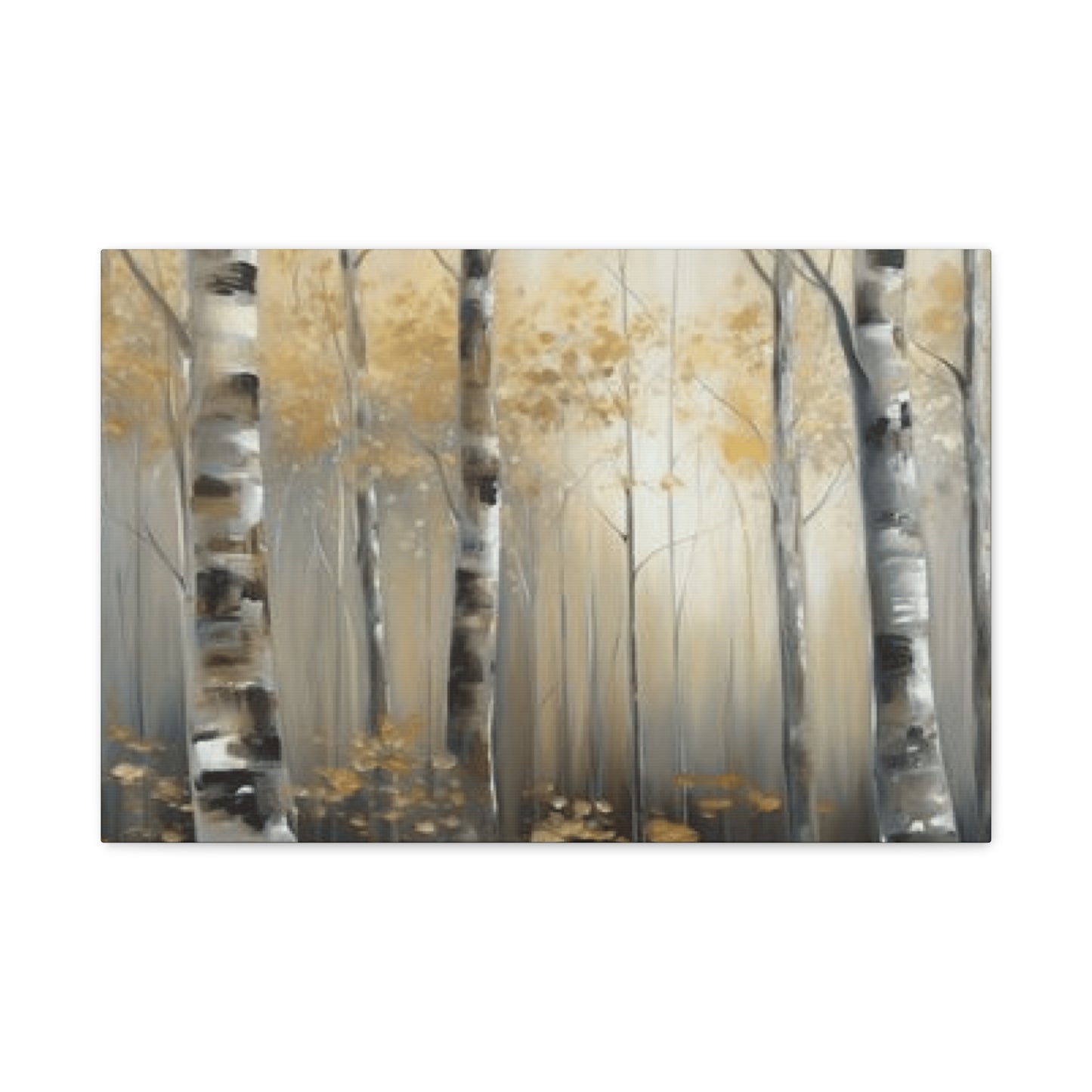
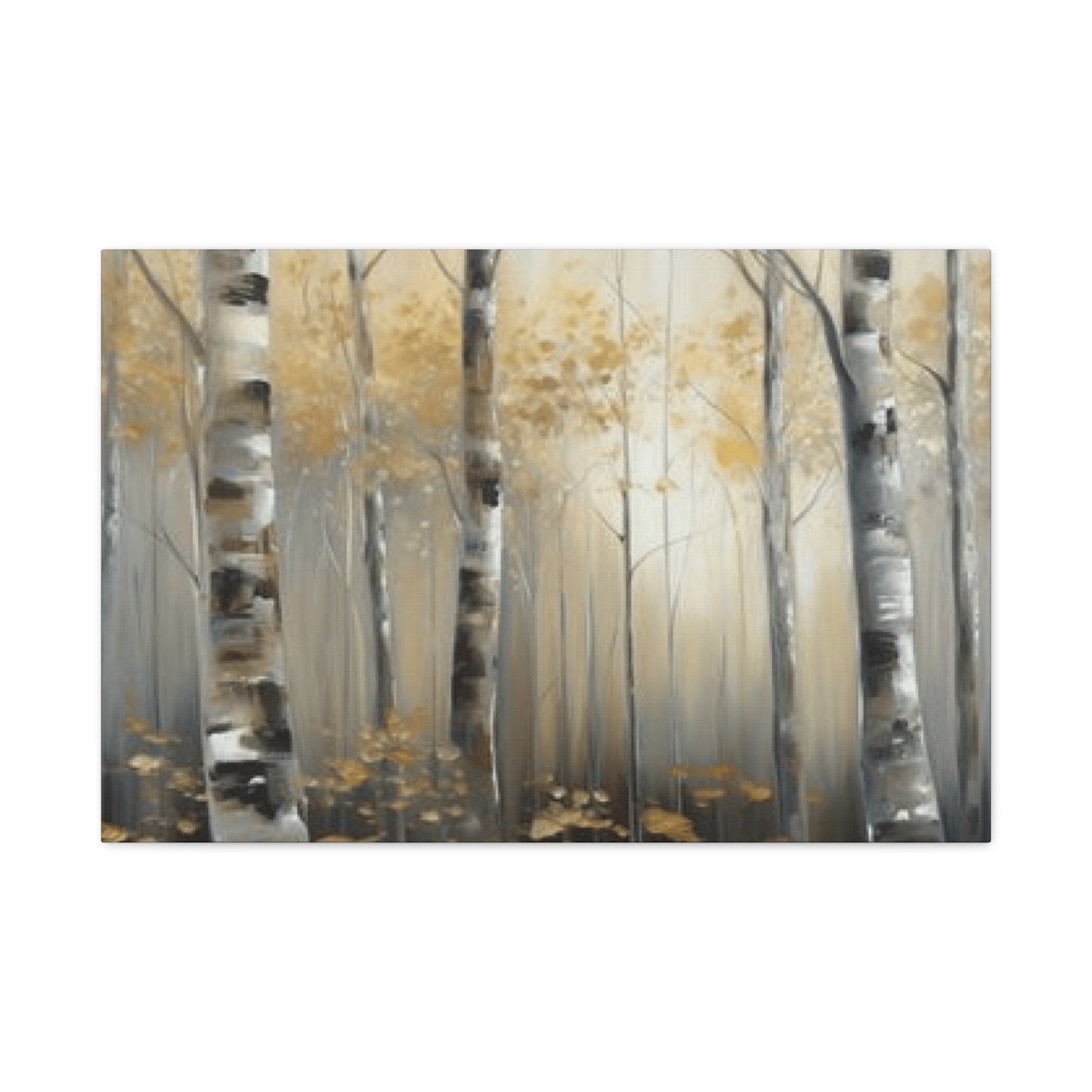
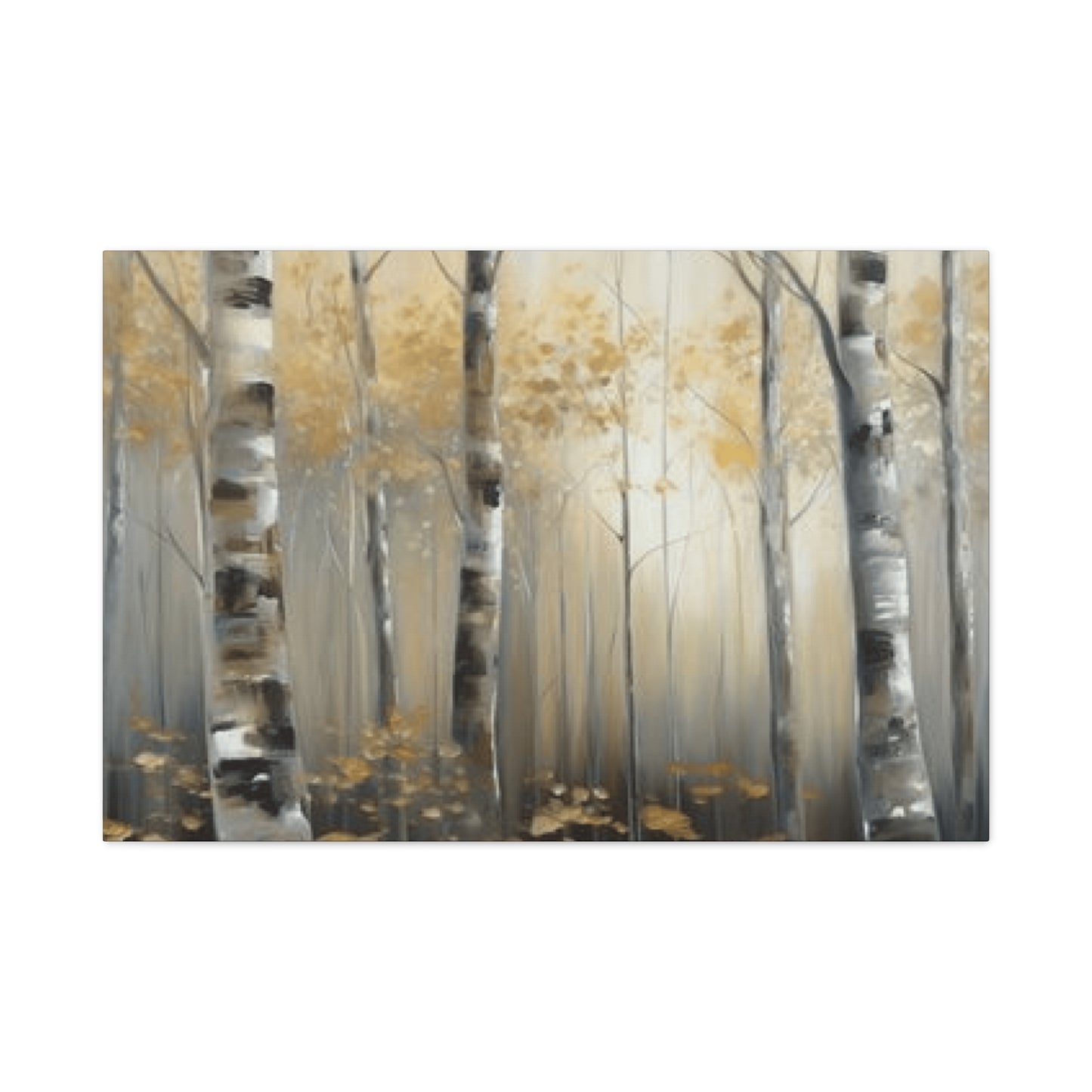
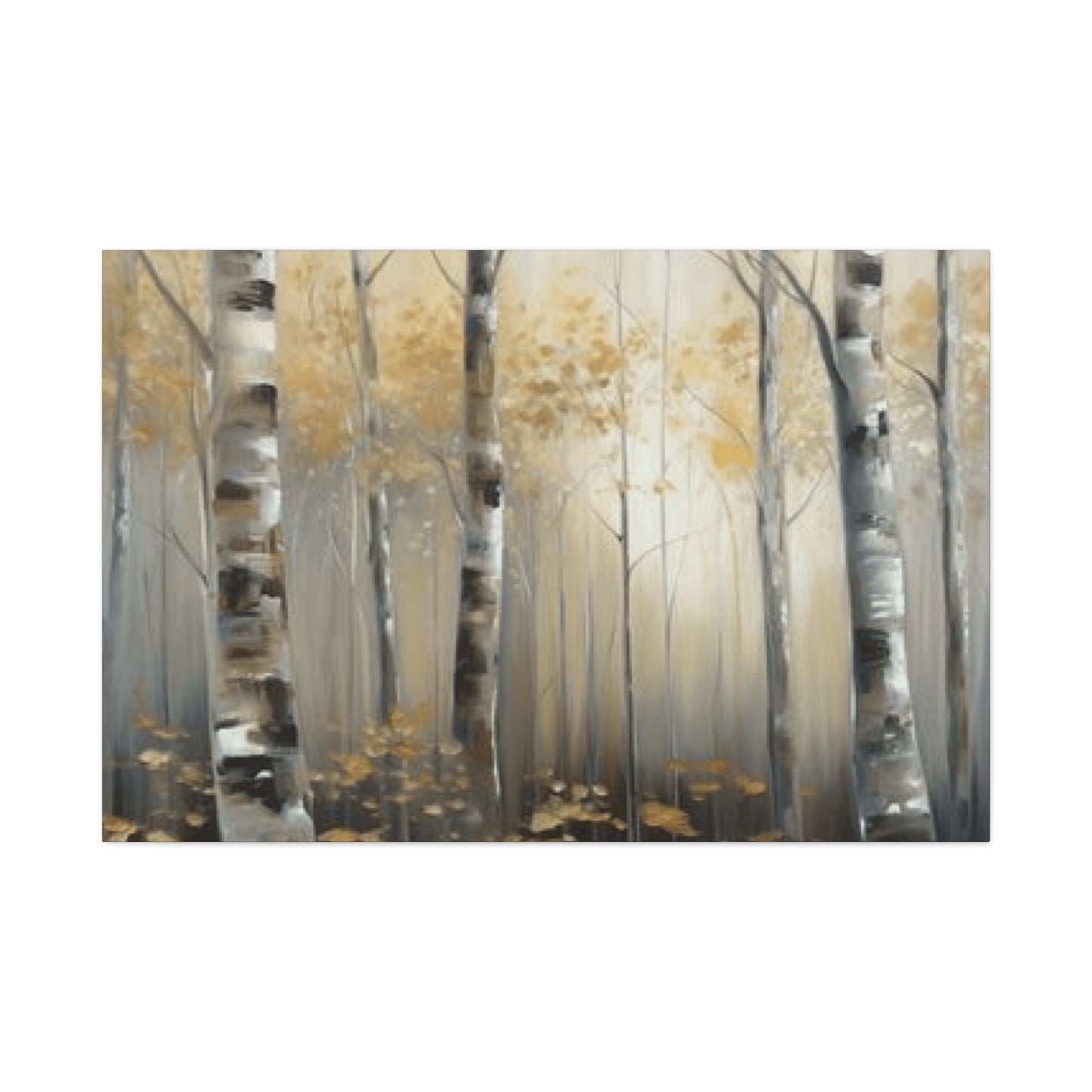
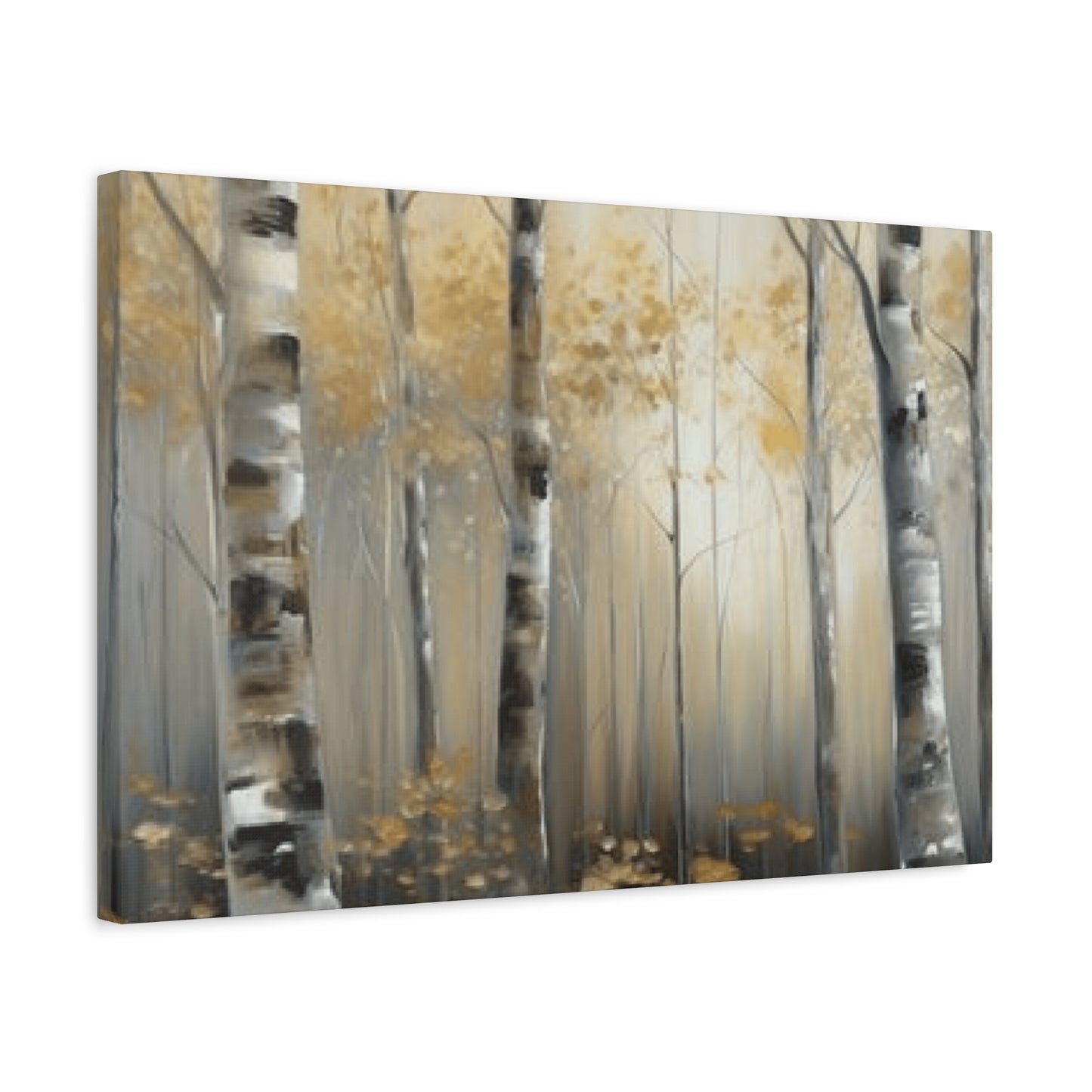
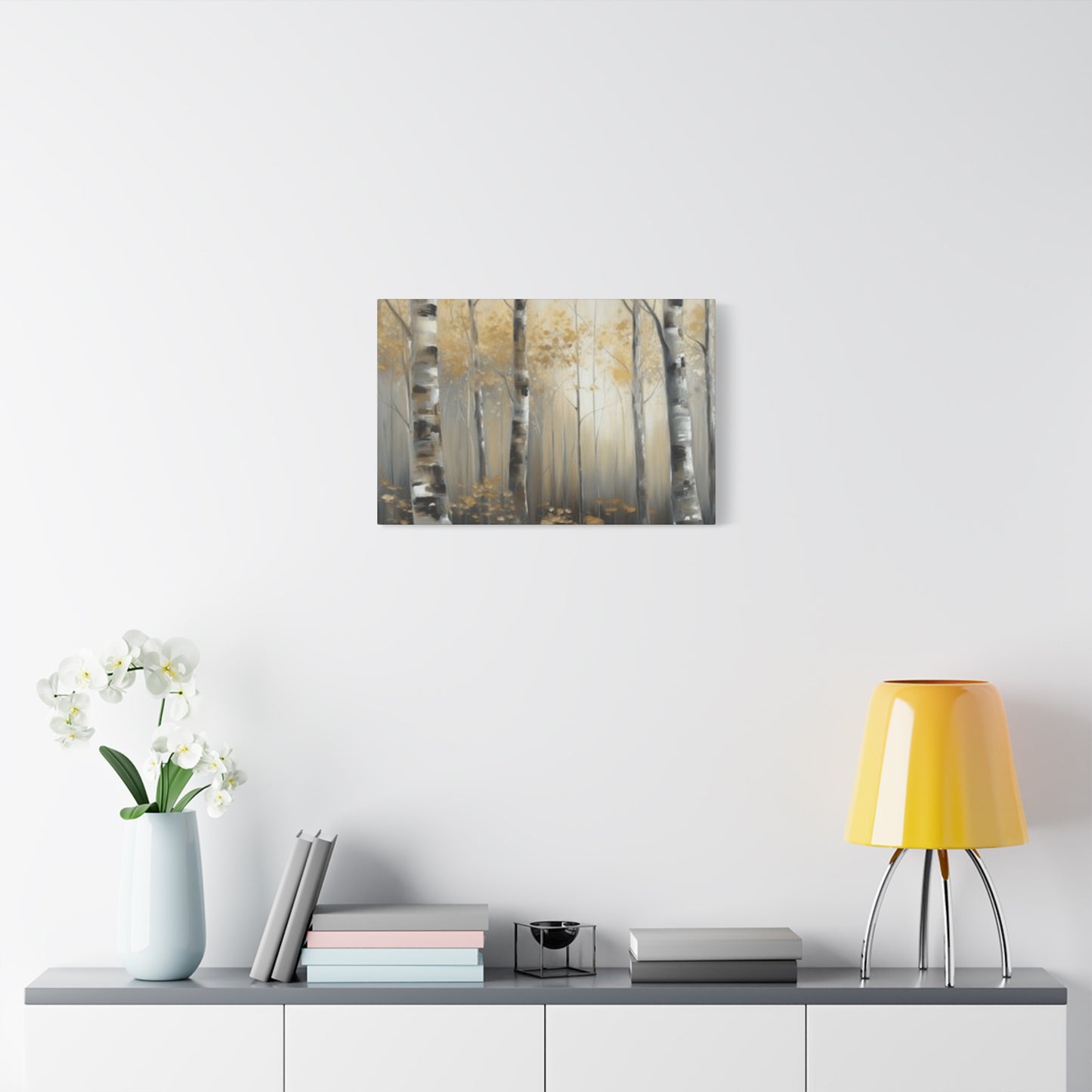
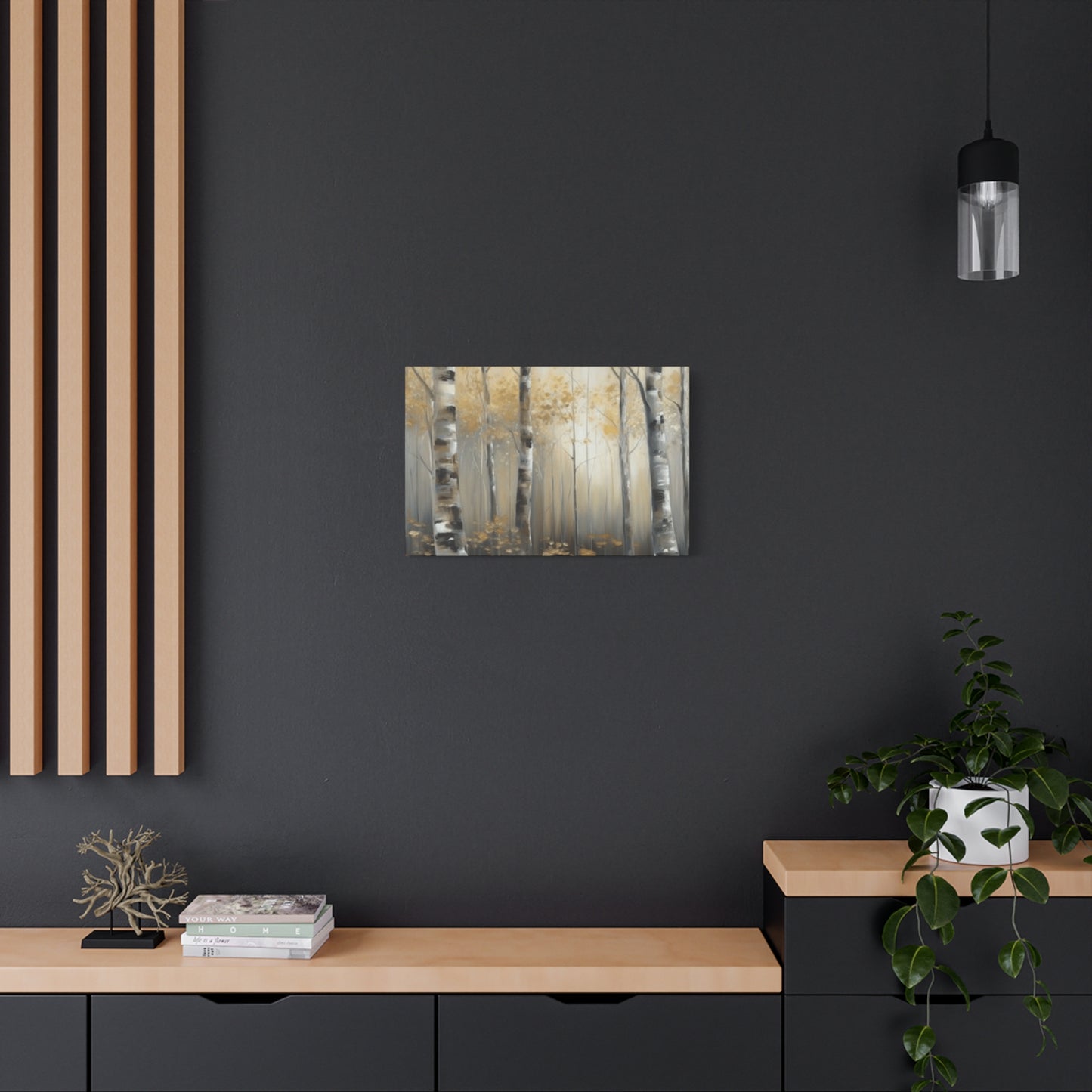
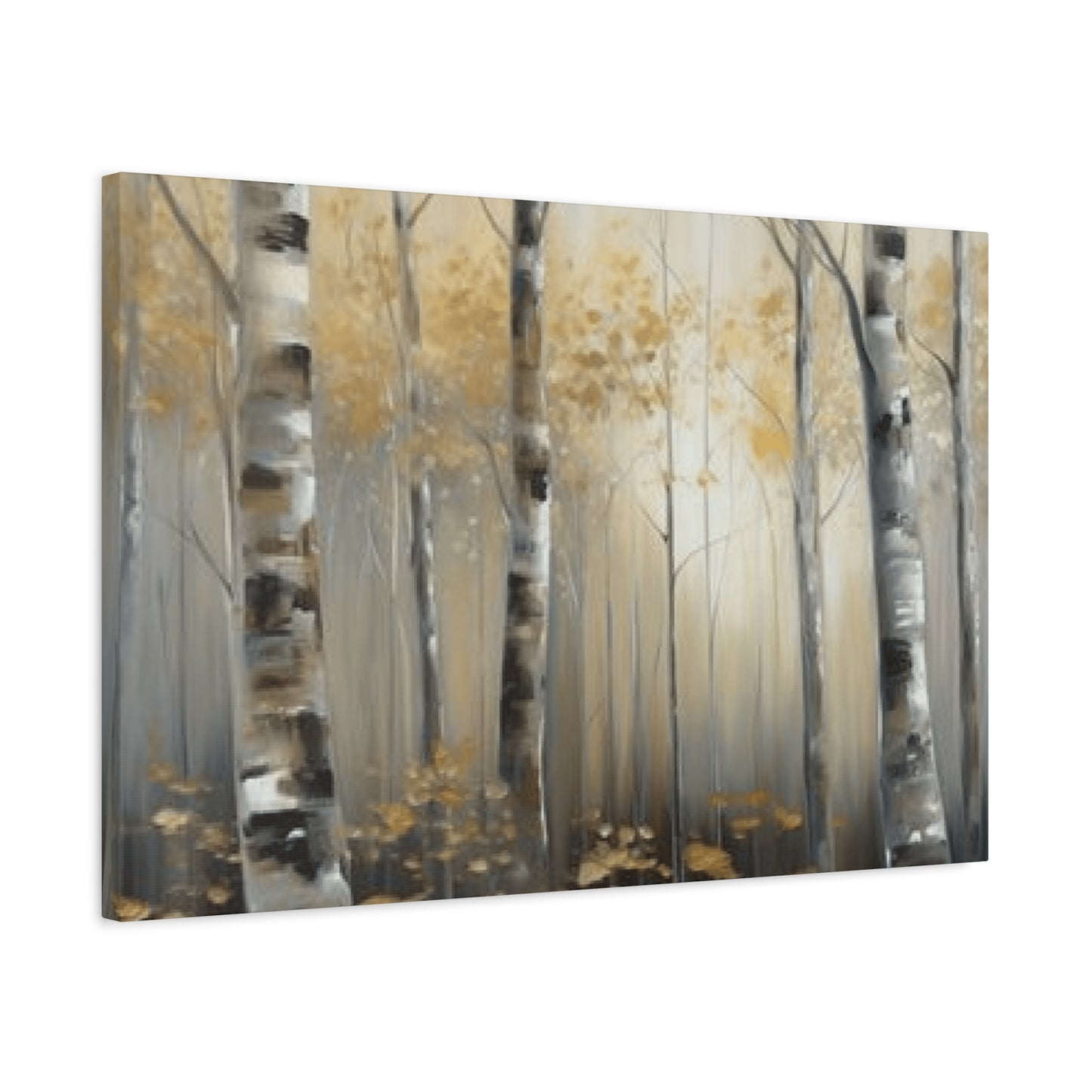
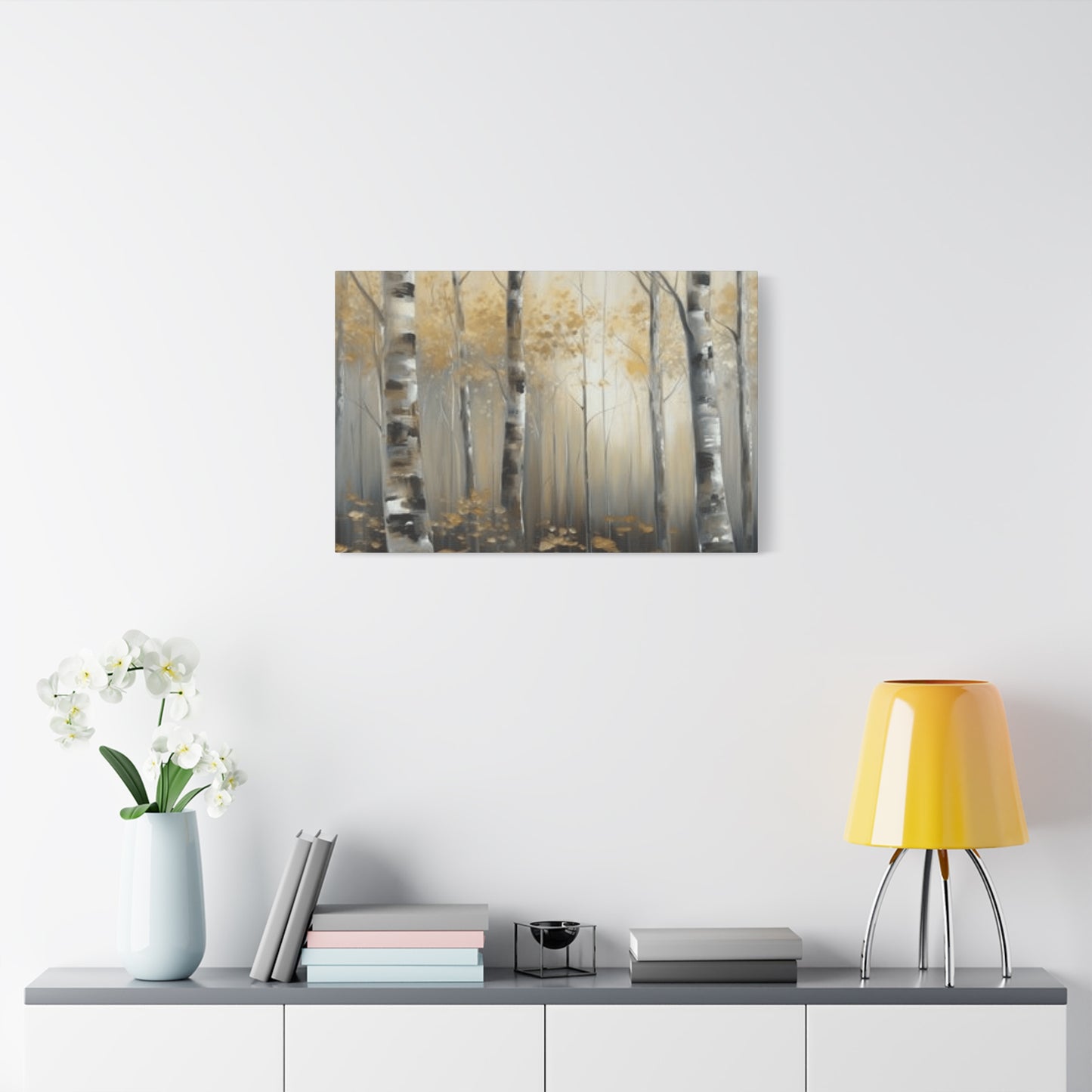
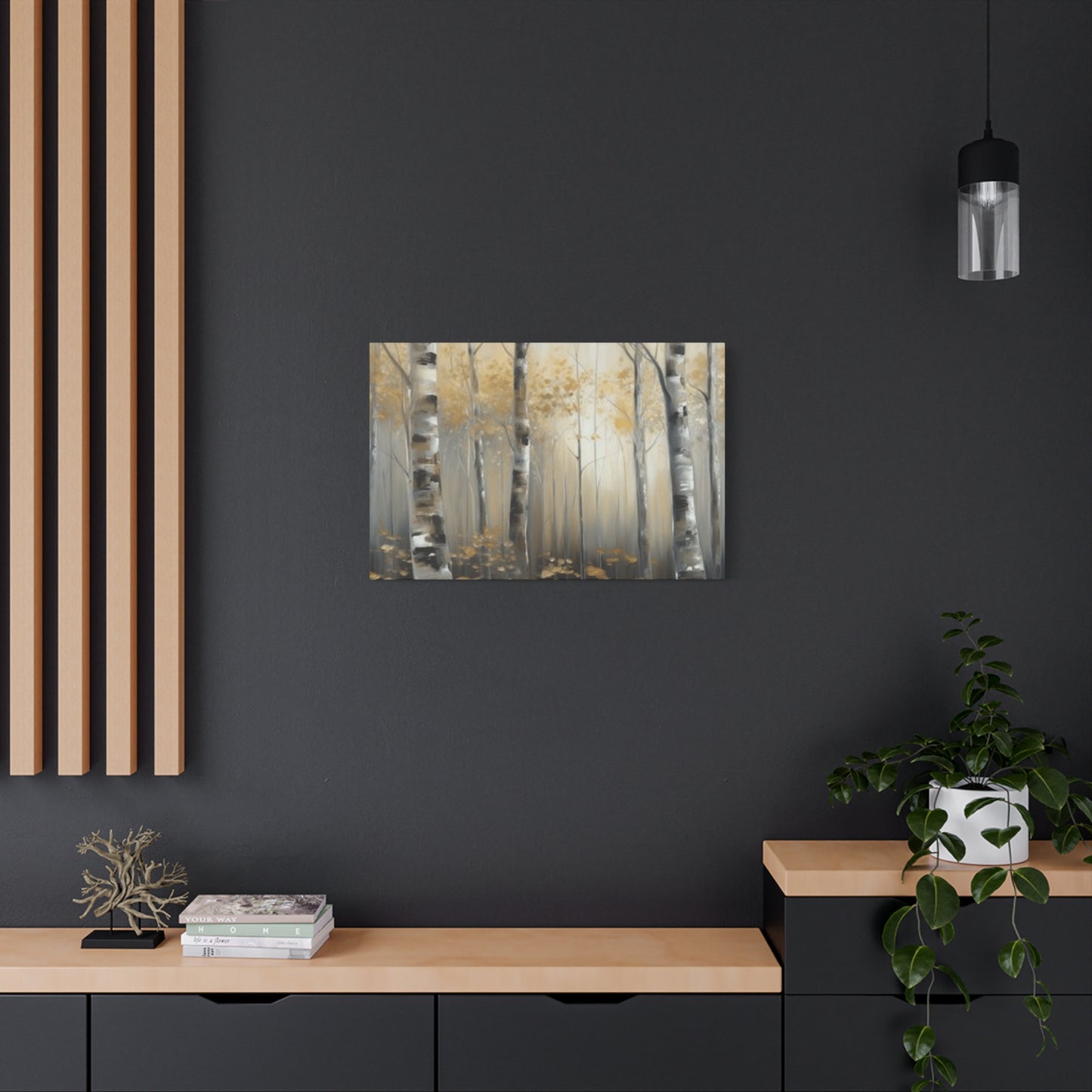
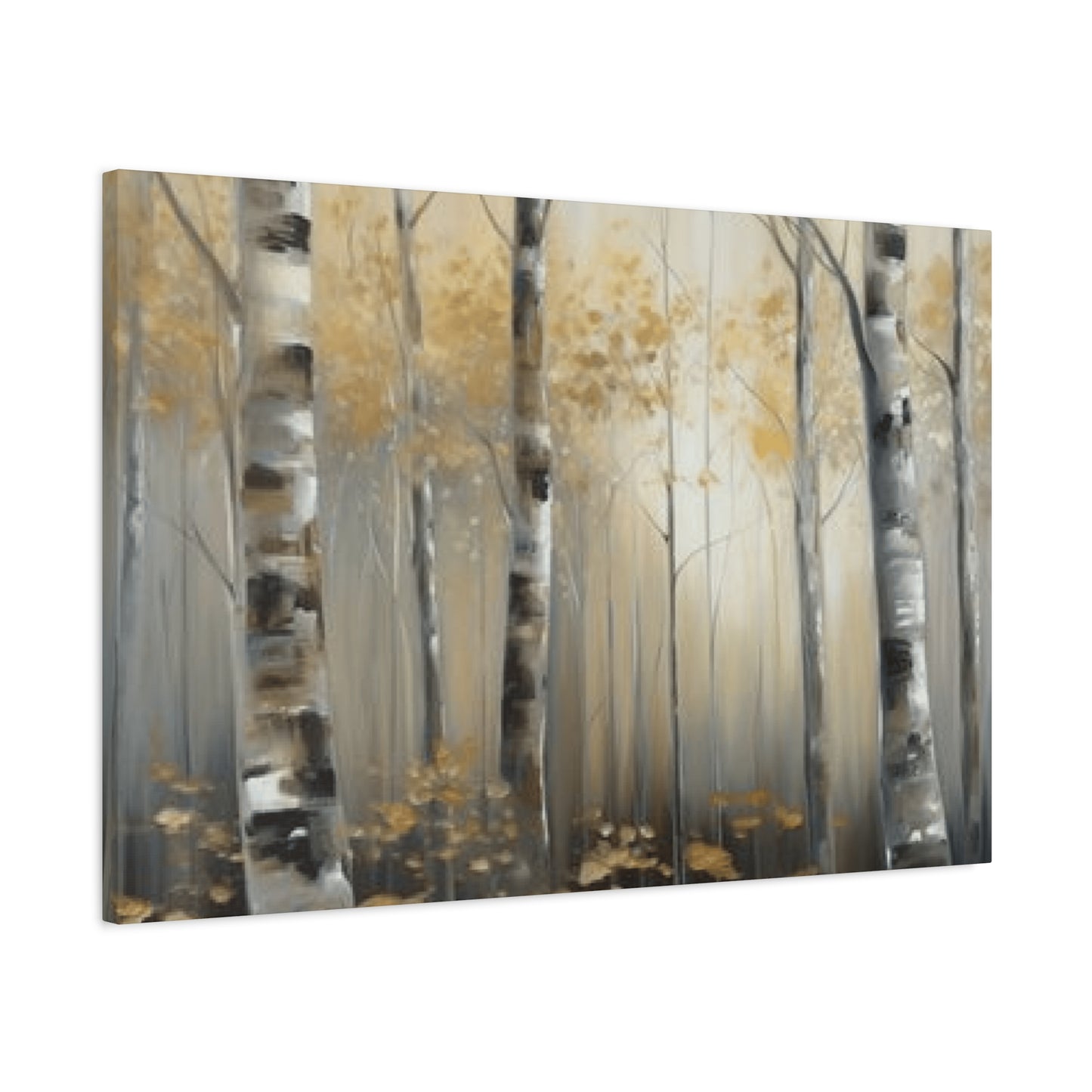
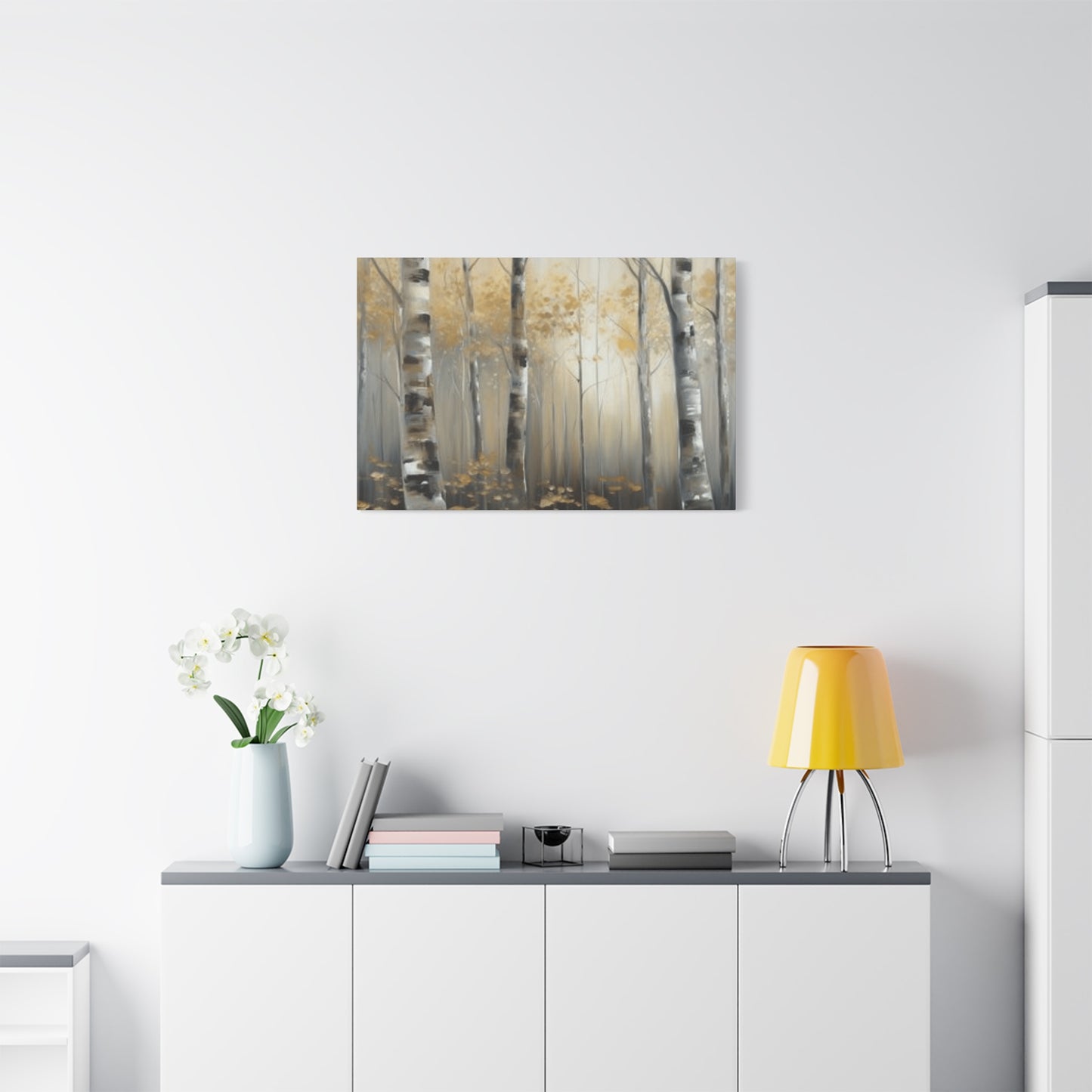
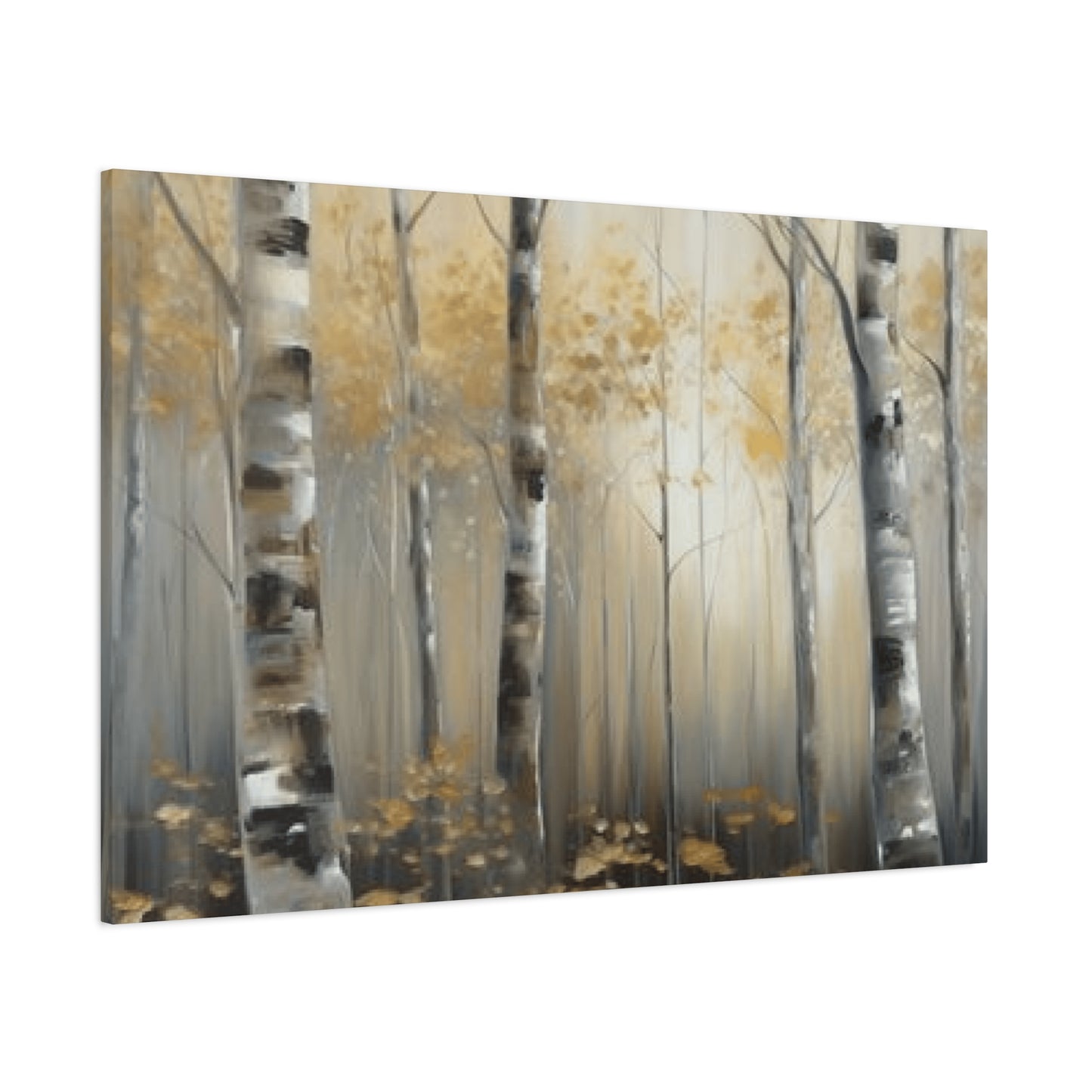
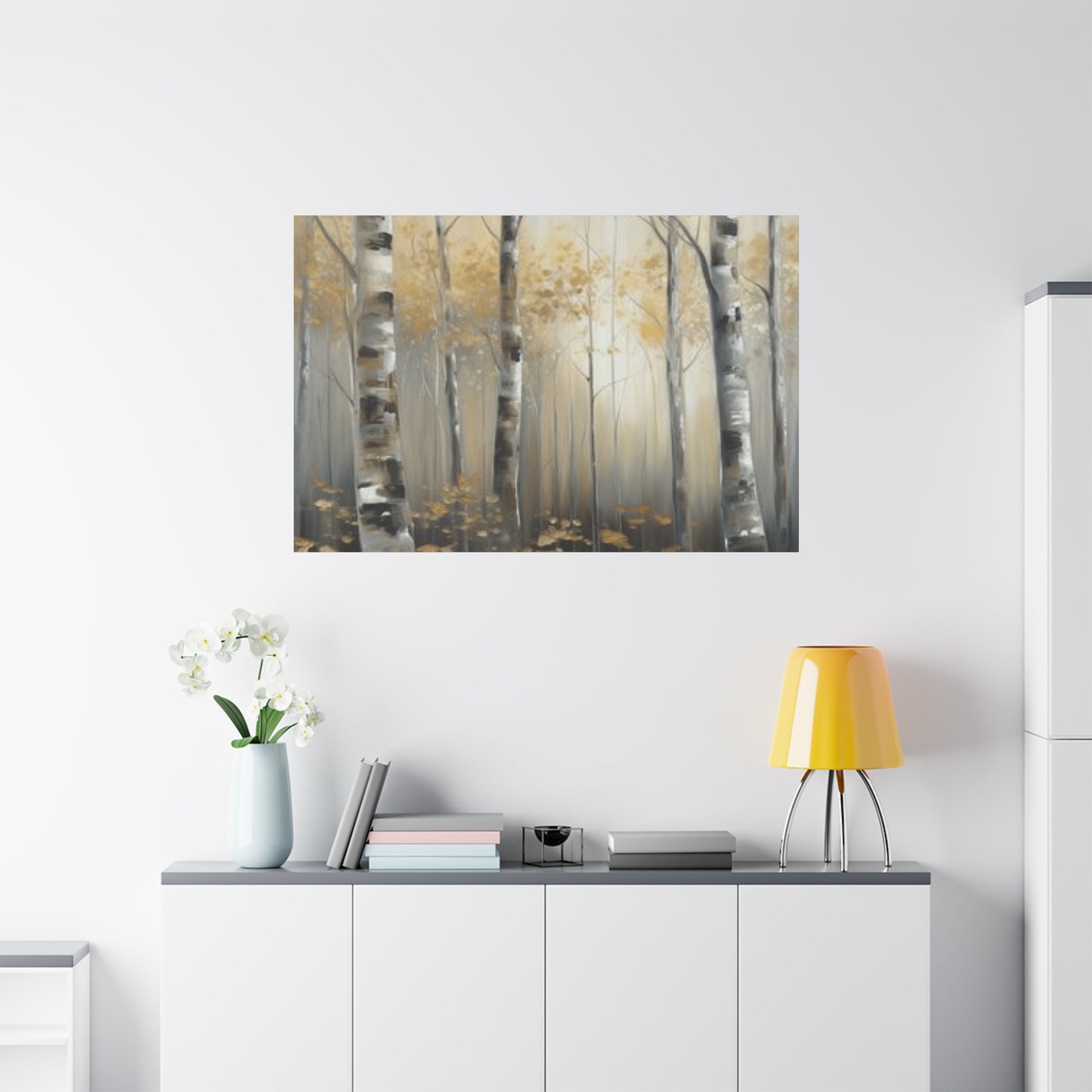
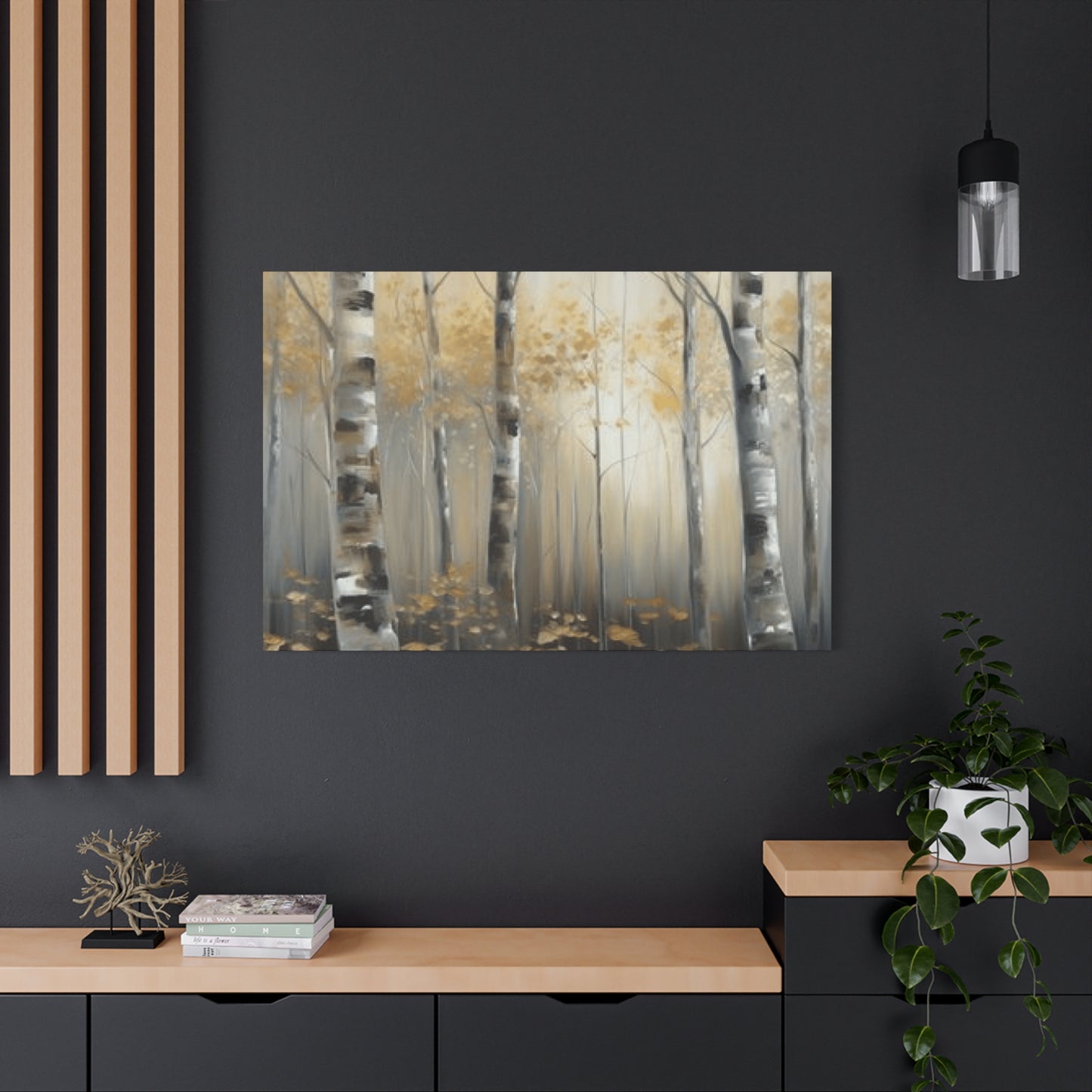
Dusky Birch Trees Painting Wall Art & Canvas Prints
Dusky Birch Trees Painting Wall Art & Canvas Prints
Couldn't load pickup availability
Infuse Your Living Space with Nature’s Peaceful Essence Through Dusky Birch Trees Painting Wall Art
The allure of dusky birch trees painting wall art transcends mere decoration, offering a profound connection to nature's tranquil beauty within indoor environments. These captivating artworks capture the ethereal essence of birch forests during twilight hours, when shadows lengthen and the distinctive white bark takes on mysterious, dusky hues. The artistic representation of these slender, elegant trees has become increasingly sought after by homeowners, interior designers, and art collectors who recognize the transformative power of nature-inspired artwork.
Birch trees possess an unmistakable aesthetic quality that sets them apart from other woodland subjects. Their papery, peeling bark creates natural patterns and textures that artists find endlessly fascinating to render. When portrayed during dusky conditions, these trees acquire an almost mystical quality, their pale trunks contrasting dramatically against deepening backgrounds. This interplay of light and shadow, combined with the inherent grace of birch tree forms, creates compositions that resonate deeply with viewers seeking peaceful, contemplative artwork for their spaces.
The popularity of dusky birch trees painting wall art stems from multiple factors that align perfectly with contemporary interior design preferences. Modern homeowners increasingly seek artwork that brings natural elements indoors, creating sanctuaries from hectic urban life. The neutral color palette typically associated with birch tree paintings—whites, grays, blacks, and muted earth tones—complements virtually any decorating scheme while adding organic visual interest. These pieces serve as focal points that draw the eye without overwhelming adjacent furnishings or architectural features.
Exploring the Visual Characteristics That Define Dusky Birch Trees Painting Wall Art Masterpieces
The distinctive visual language of dusky birch trees painting wall art relies heavily on specific compositional elements that artists manipulate to create mood and atmosphere. The vertical thrust of birch trunks naturally leads the viewer's gaze upward, creating a sense of aspiration and growth. Artists often cluster multiple trunks together, varying their thicknesses and spacing to establish rhythm and movement within the composition. The characteristic horizontal lenticels—those dark, dash-like markings on birch bark—provide natural detail points that break up expanses of pale bark and add authentic texture.
During dusky hours, lighting conditions dramatically alter the appearance of birch forests. Artists capturing this temporal quality must carefully balance warm and cool tones, often introducing subtle lavenders, deep blues, and muted oranges into their palettes. The background typically recedes into atmospheric perspective, with distant trees becoming progressively hazier and less distinct. This technique, borrowed from classical landscape traditions, creates depth and spatial complexity even within relatively simple compositions.
Foreground elements in dusky birch trees painting wall art receive more detailed treatment, with artists rendering individual bark textures, moss patches, and surrounding vegetation with greater clarity. The ground plane might feature fallen leaves, forest undergrowth, or snow, depending on the seasonal interpretation. These details anchor the composition and provide scale reference, helping viewers understand the size relationships between elements. The interplay between detailed foreground and atmospheric background creates visual tension that keeps the eye engaged and exploring.
Contemporary artists working with this subject matter often employ various stylistic approaches, from photorealistic rendering to loose, impressionistic interpretation. Some creators emphasize the graphic quality of birch patterns, reducing compositions to bold black-and-white contrasts that border on abstract. Others embrace softer, more naturalistic approaches that capture the subtle gradations of dusky light filtering through forest canopies. This stylistic diversity ensures that collectors can find dusky birch trees painting wall art that aligns perfectly with their aesthetic preferences and existing decor.
The emotional resonance of dusky birch trees painting wall art derives partly from the universal human attraction to forest environments. Psychological research has demonstrated that views of natural scenes, even artistic representations, can reduce stress levels and promote mental wellbeing. Birch forests carry particular symbolic weight across numerous cultures, often representing renewal, protection, and new beginnings. When these associations combine with the contemplative mood of twilight hours, the resulting artwork offers viewers a powerful tool for creating peaceful, restorative interior environments.
Selecting the Perfect Dusky Birch Trees Painting Wall Art for Different Residential Spaces
Choosing appropriate dusky birch trees painting wall art requires careful consideration of multiple factors including room size, existing color schemes, lighting conditions, and functional requirements. Living rooms typically benefit from larger statement pieces that serve as conversation starters and establish the overall aesthetic tone. In these spaces, artwork measuring between 36 to 60 inches in width creates sufficient visual impact without overwhelming adjacent furniture. The dusky color palette of birch tree paintings naturally complements neutral sectionals, leather seating, and wood furniture pieces commonly found in living areas.
Bedroom environments demand different considerations when selecting dusky birch trees painting wall art. The calming, meditative qualities inherent in these compositions make them ideal for spaces dedicated to rest and rejuvenation. Horizontal orientations work particularly well above headboards, visually widening the space and creating a sense of expansiveness. The muted tones typical of dusky birch paintings promote relaxation without stimulating the visual system excessively, supporting better sleep quality. Multiple smaller panels arranged in triptych or diptych formats can create gallery walls that add visual interest without requiring a single massive canvas.
Dining areas present unique opportunities for showcasing dusky birch trees painting wall art in ways that enhance the gathering experience. These spaces benefit from artwork that sparks conversation while remaining subtle enough not to distract from meals and social interaction. Vertical compositions featuring tall birch trunks can emphasize ceiling height in dining rooms, making spaces feel more generous and airy. The neutral palette ensures the artwork won't clash with table settings, whether you prefer casual farmhouse aesthetics or formal dining presentations.
Home offices and study spaces increasingly incorporate dusky birch trees painting wall art as remote work arrangements become more permanent. These environments require artwork that maintains visual interest during long hours while supporting concentration and productivity. Birch tree paintings offer sufficient complexity to prevent monotony without becoming visually chaotic or distracting. The connection to nature provided by these artworks can help combat the isolation and confinement sometimes associated with working from home, creating psychological links to outdoor environments even while indoors.
Entryways and hallways often get overlooked during decorating processes, yet these transitional spaces benefit enormously from carefully selected artwork. Dusky birch trees painting wall art excels in these locations, creating immediate visual impact for arriving guests while establishing the home's overall aesthetic sensibility. Narrow hallways particularly benefit from vertical birch compositions that draw the eye upward and create an illusion of greater width. The sophisticated, nature-inspired aesthetic signals to visitors that they're entering a thoughtfully curated environment.
Bathroom spaces, though frequently neglected in artwork selection, can become luxurious sanctuaries through strategic art placement. Dusky birch trees painting wall art brings spa-like tranquility to these private spaces, transforming daily routines into more mindful experiences. Smaller format pieces work well in powder rooms, while master bathrooms can accommodate larger statements above soaking tubs or opposite vanity areas. Proper framing and glazing protect artwork from moisture damage while maintaining the peaceful forest atmosphere.
Understanding the Diverse Artistic Styles Available in Dusky Birch Trees Painting Wall Art Collections
The realm of dusky birch trees painting wall art encompasses remarkable stylistic diversity, ranging from hyperrealistic renderings to bold abstract interpretations. Photorealistic approaches capture every nuance of bark texture, creating illusions so convincing viewers might momentarily forget they're observing painted surfaces. These works require extraordinary skill and patience, with artists spending hundreds of hours perfecting details like peeling bark fragments, lichen growth patterns, and the subtle color variations across individual trunks. Collectors drawn to technical mastery and naturalistic representation find these pieces particularly compelling.
Impressionistic interpretations of dusky birch forests prioritize emotional impact and atmospheric quality over precise detail. These paintings capture the fleeting, ephemeral nature of twilight moments through loose brushwork and color harmonies that suggest rather than define forms. Artists working in this mode often employ visible brushstrokes that create surface texture and movement, inviting viewers to engage with both the subject matter and the physical act of painting itself. The resulting works possess an immediacy and spontaneity that contrasts with more controlled, realistic approaches.
Abstract expressionist takes on birch tree subjects push representational boundaries, extracting essential forms and patterns while eliminating extraneous details. These compositions might reduce birch trunks to vertical bars of contrasting value, creating rhythmic patterns that border on pure design. Color palettes expand beyond naturalistic constraints, introducing unexpected hues that heighten emotional intensity. Such pieces appeal to collectors seeking artwork that functions as both nature reference and pure visual composition, offering multiple interpretive possibilities.
Contemporary minimalist approaches to dusky birch trees painting wall art embrace simplicity and restraint, often featuring sparse compositions with extensive negative space. A single birch trunk might occupy one edge of the canvas, with the remainder devoted to atmospheric color fields. These works require sophisticated compositional understanding, as artists must balance minimal elements to create visual tension and interest. The resulting pieces offer quiet, contemplative presences that suit modern interiors characterized by clean lines and uncluttered surfaces.
Mixed media approaches combine painting with other materials and techniques, creating richly textured surfaces that engage multiple senses. Artists might incorporate collaged elements, metal leaf, textured mediums, or encaustic wax to build complex surfaces that reward close inspection. These works often emphasize the physicality of birch bark through dimensional elements that protrude from the picture plane. The interplay between painted areas and applied materials creates visual complexity and depth that purely painted surfaces cannot achieve.
Traditional realist styles, influenced by classical landscape painting conventions, bring centuries of artistic wisdom to birch tree subjects. These works demonstrate careful attention to atmospheric perspective, accurate light behavior, and naturalistic color relationships. Artists working in this mode often study historical masters while applying traditional techniques to contemporary subjects. The resulting paintings possess timeless quality that transcends momentary trends, offering enduring aesthetic value that justifies their place in serious collections.
Discovering How Color Palettes in Dusky Birch Trees Painting Wall Art Influence Interior Atmospheres
The color palettes employed in dusky birch trees painting wall art exert profound influence on interior atmospheres, subtly shaping emotional responses and spatial perceptions. Cooler palettes dominated by blues, grays, and violets create calm, introspective environments that promote relaxation and contemplation. These color schemes work exceptionally well in bedrooms, meditation spaces, and reading nooks where peaceful ambiance enhances the room's function. The receding quality of cool colors can make walls appear farther away, visually expanding compact spaces through optical illusion.
Warmer interpretations of dusky birch scenes incorporate amber, ochre, and rust tones that suggest late afternoon or early evening light. These palettes introduce gentle energy and warmth without the aggressive intensity of purely hot colors. Living rooms and gathering spaces benefit from these warmer approaches, as they create welcoming environments that encourage social interaction. The psychological associations with sunset and evening comfort make warm-toned birch paintings particularly effective in spaces designed for unwinding after demanding days.
Monochromatic treatments reduce color complexity to variations within a single hue family, creating sophisticated, cohesive compositions. Black and white interpretations emphasize graphic qualities, transforming birch forests into striking pattern studies. These high-contrast pieces command attention and work beautifully in modern, minimalist interiors where bold statements balance spare furnishings. Grayscale palettes also photograph exceptionally well, making them popular choices for design-conscious individuals who share their living spaces through social media platforms.
Analogous color schemes utilize adjacent hues on the color wheel, creating harmonious, naturally cohesive palettes. A dusky birch painting might transition from deep purple through various blues to blue-green, maintaining color temperature consistency while introducing subtle variety. These approaches feel inherently balanced and restful, as the colors relate closely enough to avoid jarring contrasts. Interior spaces featuring analogous-palette artwork often feel more unified and professionally designed, even when other elements vary considerably.
Split-complementary schemes introduce calculated tension through strategic color opposition while maintaining overall harmony. An artist might combine the cool blues and purples of twilight birch scenes with small accents of warm orange or rust, creating focal points that activate the composition. These color relationships prevent artwork from becoming too passive or monotonous, maintaining visual interest over extended viewing periods. The strategic use of complementary accents guides viewer attention and creates dynamic energy within otherwise calm compositions.
Neutral-dominated palettes featuring whites, grays, taupes, and blacks offer maximum versatility for interior coordination. These dusky birch trees painting wall art pieces function as chameleons, adapting to surrounding color schemes while maintaining strong aesthetic presence. The neutrality allows homeowners to redecorate around the artwork without worrying about color clashes, providing long-term flexibility. Despite their restraint, well-executed neutral palettes avoid blandness through careful value manipulation and textural variety that creates visual interest through tonal relationships rather than chromatic contrast.
Examining the Various Mediums and Materials Used in Creating Dusky Birch Trees Painting Wall Art
Traditional oil painting remains among the most prestigious mediums for creating dusky birch trees painting wall art, prized for its rich colors, blendability, and archival longevity. Oil paints allow artists to build complex layers through glazing techniques, creating luminous depths that capture the subtle atmospheric qualities of dusky forest scenes. The slow drying time enables extensive manipulation and blending, producing smooth gradations and soft edges essential for rendering misty, twilight conditions. Properly executed oil paintings on quality supports can maintain their beauty for centuries, making them valuable investments for serious collectors.
Acrylic paints offer versatility and convenience that appeal to many contemporary artists working with birch tree subjects. These water-based mediums dry rapidly, allowing faster completion times and layering possibilities. Modern acrylic formulations achieve opacity and color intensity rivaling oils while remaining flexible and resistant to cracking. Artists appreciate acrylics for their ease of cleanup and reduced toxicity compared to traditional oil painting. The quick drying time, while sometimes limiting blending opportunities, enables artists to build complex surfaces through multiple transparent and opaque layers.
Watercolor creates ethereal, atmospheric effects particularly suited to capturing the delicate, misty qualities of dusky forest scenes. The transparent nature of watercolor allows light to reflect from the white paper surface through color layers, producing a luminosity impossible with opaque mediums. Skilled watercolorists exploit the medium's fluidity and unpredictability, allowing pigments to flow and blend in ways that suggest atmospheric moisture and soft focus. The spontaneous qualities of watercolor painting align beautifully with the transient nature of twilight moments, creating artwork that feels fresh and immediate.
Mixed media approaches combine multiple materials to create richly textured dusky birch trees painting wall art that engages viewers on multiple sensory levels. Artists might begin with acrylic or oil paint, then incorporate charcoal, pastel, ink, or collaged elements to build complex surfaces. Texture mediums, modeling paste, and gels add dimensional qualities that emphasize the rough, peeling character of birch bark. Metal leaf applications can highlight specific areas, creating luminous accents that catch changing light throughout the day. These layered approaches reward close inspection while maintaining overall compositional integrity from viewing distances.
Digital painting represents an increasingly legitimate medium for creating dusky birch trees painting wall art, with artists using tablets and styluses to paint directly in software programs. These tools offer unlimited color choices, easy revision capabilities, and the ability to work at any scale without physical space constraints. Digital paintings can be printed on various substrates including canvas, paper, metal, and acrylic, offering presentation flexibility. While some traditionalists question digital works' artistic legitimacy, the skill required to create compelling digital paintings equals that demanded by conventional mediums. High-quality giclée printing processes produce archival reproductions that maintain color fidelity and detail for decades.
Encaustic painting, an ancient technique using heated beeswax mixed with pigments, creates distinctive surfaces perfect for rendering birch bark textures. The translucent quality of wax layers produces depth and luminosity while the medium's sculptural possibilities allow artists to build dimensional surfaces. Encaustic paintings possess unique visual qualities—subtle gloss, visible brushwork, and color depth—that distinguish them immediately from works in other mediums. The archival stability of properly executed encaustic paintings equals or exceeds that of oils, with examples surviving from ancient times demonstrating the medium's longevity.
Uncovering the Symbolic Meanings and Cultural Significance Behind Birch Tree Imagery in Art
Birch trees carry profound symbolic weight across numerous cultural traditions, enriching dusky birch trees painting wall art with layers of meaning beyond mere aesthetic appeal. In Norse mythology, birch trees represented renewal and purification, associated with the goddess Frigg and used in cleansing rituals. This connection to fresh starts and spiritual cleansing resonates with contemporary viewers seeking artwork that embodies positive transformation. The peeling, constantly renewing bark provides physical manifestation of regeneration metaphors, making birch imagery particularly meaningful for people navigating life transitions.
Celtic traditions honored birch as the tree of new beginnings, placing it first in the Ogham tree alphabet. Druids viewed birch as protective, capable of driving out evil spirits and negative energies. These associations with protection and fresh starts explain why many homeowners instinctively gravitate toward birch tree artwork when establishing new households or reimagining existing spaces. The white bark symbolized purity and clarity, qualities that translate into the clean, uncluttered aesthetic that birch paintings bring to interior environments.
Native American cultures across northern regions utilized birch extensively for practical purposes while according it spiritual respect. The bark's waterproof qualities made it invaluable for constructing canoes, containers, and shelter materials. Many tribes viewed birch trees as gifts from the creator, embodying qualities of flexibility, usefulness, and generosity. This practical reverence adds depth to contemporary birch artwork, connecting modern viewers with ancient relationships between humans and forest resources. The tree's ability to thrive in challenging climates symbolized resilience and adaptability.
Russian folklore and literature frequently feature birch trees as quintessential symbols of the homeland, representing Russian identity and natural beauty. Poets and artists have celebrated the birch's graceful form and distinctive appearance for centuries, embedding it deeply within national consciousness. This cultural association explains the popularity of birch imagery in Russian decorative arts and why diaspora communities often seek such artwork to maintain connections with ancestral landscapes. The melancholic beauty of birch forests aligns with certain strains of Russian artistic sensibility emphasizing bittersweet emotions and profound feeling.
In various shamanic traditions, birch trees served as cosmic axes connecting earthly and spiritual realms. Shamans climbed birch poles during trance journeys, using the tree as a ladder between worlds. This cosmological significance adds mystical dimensions to dusky birch trees painting wall art, suggesting these works offer portals to contemplative states and expanded awareness. The vertical thrust of birch trunks naturally evokes this ascending symbolism, creating subtle spiritual resonance even for viewers unaware of specific shamanic traditions.
Contemporary environmental consciousness adds modern symbolic layers to birch tree imagery. These trees often serve as indicator species for forest ecosystem health, their presence signaling specific environmental conditions. Artwork featuring birch forests can represent ecological awareness and commitment to environmental stewardship. For increasingly urbanized populations experiencing nature deficit, such imagery serves as reminder and connection to threatened natural systems. The dusky, twilight quality often depicted suggests the precarious, transitional state of natural environments facing human pressure.
Investigating How Size and Scale Considerations Affect Dusky Birch Trees Painting Wall Art Impact
The physical dimensions of dusky birch trees painting wall art dramatically influence its visual impact and spatial relationships within rooms. Oversized statement pieces measuring 60 inches or larger create commanding focal points that anchor entire rooms, establishing hierarchical relationships between furnishings and artwork. These substantial works suit spacious living areas, master bedrooms, and formal dining rooms where they can be appreciated from appropriate viewing distances. The scale creates immersive quality, allowing viewers to feel enveloped by the depicted forest scene rather than simply observing it from outside.
Medium-sized pieces ranging from 24 to 48 inches offer versatility and approachability while maintaining significant visual presence. These dimensions work across various room types and complement different furniture scales without overwhelming smaller spaces. A 36-inch square canvas, for instance, provides substantial impact above a console table or within a gallery wall arrangement while remaining manageable for installation and potential relocation. Medium formats also prove more affordable than oversized works, making quality artwork accessible to broader collector bases.
Small-scale birch paintings, typically under 24 inches in dimension, serve specific decorating functions that larger works cannot fulfill. These intimate pieces work beautifully in tight spaces like powder rooms, hallway niches, or small wall sections between windows. Their modest scale invites closer inspection, revealing details and techniques that might go unnoticed in larger compositions viewed from distance. Collections of small birch paintings can be arranged in salon-style groupings that create complex, personalized displays reflecting individual taste more completely than single large pieces.
Vertical orientations emphasizing the upward reach of birch trunks create dramatically different spatial effects than horizontal formats. Tall, narrow canvases emphasize ceiling height and create visual lift, making rooms feel more spacious and airy. These formats suit architectural features like tall narrow wall sections flanking fireplaces or windows. The vertical emphasis aligns with natural growth directions, creating compositions that feel inherently dynamic and aspirational. Conversely, horizontal formats emphasize width, creating calming, stable compositions that complement furniture arrangements and ground viewing experiences.
Panoramic formats, with extreme horizontal aspect ratios, capture the sweeping breadth of birch forests in ways that standard rectangular canvases cannot. These elongated compositions work magnificently above sofas, beds, and buffets where their extended format complements the furniture footprint. The panoramic view mimics human peripheral vision, creating immersive experiences that envelope viewers within the depicted scene. Such formats particularly suit contemporary interiors where horizontal emphasis complements clean, modern lines and open floor plans.
The concept of appropriately scaled artwork relative to furniture dimensions ensures harmonious visual relationships within rooms. General design guidelines suggest artwork should occupy roughly two-thirds to three-quarters of the furniture width it hangs above. A sofa measuring 84 inches wide, for instance, pairs well with artwork between 56 to 63 inches wide. However, these guidelines serve as starting points rather than rigid rules, and contemporary design increasingly embraces unexpected scale relationships that create tension and visual interest. An oversized birch painting extending beyond furniture boundaries makes bold statement that subverts conventional expectations.
Analyzing How Framing Choices Enhance and Complement Dusky Birch Trees Painting Wall Art
Frame selection profoundly influences how dusky birch trees painting wall art integrates with surrounding décor and how viewers perceive the artwork itself. Traditional wood frames in natural finishes create organic continuity between the depicted forest subject and its presentation. Oak, walnut, cherry, and maple frames echo the natural materials within the painting while adding warmth and textural interest. The wood grain patterns complement the bark textures in birch paintings, creating harmonious relationships between artwork and presentation. These frames suit traditional, transitional, and rustic interiors where natural materials dominate decorating schemes.
Painted wood frames offer opportunities to coordinate artwork with existing color schemes or create deliberate contrasts that activate visual interest. White or cream frames create clean, contemporary presentations that allow the artwork to dominate attention while providing necessary borders that separate art from surrounding walls. Black frames create dramatic contrast, particularly effective with lighter birch paintings, adding graphic punch that suits modern and minimalist interiors. Gray frames split the difference, offering neutral presentation that coordinates with cool-toned birch paintings while maintaining sophisticated subtlety.
Metal frames in various finishes provide sleek, contemporary alternatives to traditional wood framing. Brushed aluminum, stainless steel, and powder-coated options create minimal visual weight, emphasizing the artwork rather than its frame. The thin profiles typical of metal framing suit oversized pieces where bulky wood frames might become visually heavy and overwhelming. Silver and pewter metal finishes complement the cool tones common in dusky birch paintings, while warm metallics like bronze and champagne gold coordinate with warmer interpretations featuring sunset lighting effects.
Floating frames, which create visible gaps between artwork and frame molding, add contemporary sophistication to dusky birch trees painting wall art. These presentations create shadow lines that emphasize depth and dimensionality, making the artwork appear to hover within its frame. Canvas paintings particularly benefit from floating presentations, as the visible edge treatments become part of the overall aesthetic. The air space surrounding the art creates breathing room that prevents claustrophobic feelings sometimes produced by traditional tight framing. Floating frames work exceptionally well in modern interiors where clean lines and uncluttered presentations dominate.
Gallery wrap presentations eliminate frames entirely, with canvas stretched around thick wooden stretcher bars and image extending around all edges. The sides become part of the artwork rather than empty canvas edges, creating three-dimensional objects rather than purely frontal presentations. This approach suits contemporary spaces and reduces overall costs since no frame purchase becomes necessary. However, gallery-wrapped canvases require careful consideration of wall color, as they lack the protective buffer that frames provide. The sides must either continue the image naturally or receive coordinating paint treatments.
Shadow box frames add significant depth, creating substantial space between artwork and glazing. These deep frames suit textured paintings or mixed media pieces where dimensional elements require protection without crushing. The depth creates dramatic shadow effects that change with ambient lighting conditions, adding subtle animation to static artwork. Shadow boxes work particularly well with encaustic birch paintings or heavily textured acrylic works where surface complexity deserves emphasis. The substantial profile makes bold architectural statement that suits formal interior treatments.
Exploring the Various Surface Textures and Painting Techniques Found in Dusky Birch Trees Wall Art
Surface texture constitutes a crucial element distinguishing compelling dusky birch trees painting wall art from flat, lifeless renderings. Impasto techniques, where paint is applied thickly enough to retain visible brushstrokes and palette knife marks, create dynamic surfaces that catch light and cast subtle shadows. Artists might build up heavy paint layers in foreground bark areas while keeping backgrounds relatively flat, establishing spatial depth through textural variation. The dimensional quality of impasto creates haptic visual experiences—viewers perceive texture so clearly they imagine feeling the rough bark and peeling layers.
Glazing techniques create luminous depths through multiple transparent or semi-transparent paint layers applied over dried underlayers. Each successive glaze modifies colors beneath while allowing them to show through, producing complex color interactions impossible through direct mixing. Artists rendering twilight atmospheric effects rely heavily on glazing to capture the subtle color shifts and glowing quality characteristic of dusky light. The technique requires patience as each layer must dry completely before subsequent applications, but the resulting depth and luminosity justify the time investment.
Scumbling involves dragging relatively dry, opaque paint lightly across textured surfaces, depositing color on raised areas while allowing underlayers to show through in recesses. This technique beautifully captures the peeling, papery quality of birch bark, where upper layers flake away revealing different colors beneath. The broken color effects created through scumbling add visual complexity and suggest natural weathering and age. Artists can build multiple scumbled layers, creating richly varied surfaces that reward sustained viewing and close inspection.
Sgraffito techniques involve scratching through wet paint layers to reveal underlayers or substrate beneath, creating linear details and textures impossible through brushwork alone. Artists might scratch through dark glazes over lighter grounds to delineate individual bark lenticels or create fine branch details. The resulting lines possess crispness and precision contrasting with softer painted areas, adding variety to surface treatments. Sgraffito works particularly well in mixed media pieces where multiple materials create layered substrates waiting to be revealed through selective removal.
Dry brushing deposits small amounts of paint onto textured surfaces using brushes with minimal moisture, creating broken, streaky effects perfect for rendering rough bark textures. The technique requires confident, quick strokes and understanding of how paint quantity affects coverage. Too much paint eliminates the broken quality, while too little produces no visible marks. Skilled artists use dry brushing to suggest texture and detail without laborious rendering of every surface variation. The spontaneous quality of dry brush marks adds liveliness and gestural energy to paintings.
Blending and soft edge techniques create atmospheric effects essential for dusky birch trees painting wall art, where twilight conditions soften forms and reduce contrast. Artists working wet-into-wet might blend adjacent colors directly on the canvas, creating seamless gradations suggesting misty atmospheric conditions. Soft edges separate foreground elements from backgrounds without harsh linear boundaries, creating spatial ambiguity that enhances mysterious, contemplative moods. The technique requires understanding of color mixing and value relationships, as poorly executed blending produces muddy, indistinct results rather than atmospheric subtlety.
Discovering How Lighting Conditions Transform Dusky Birch Trees Painting Wall Art Appearances
Natural lighting conditions dramatically affect how dusky birch trees painting wall art appears throughout the day, creating dynamic relationships between artwork and environment. Morning sunlight, with its cool, clear quality, emphasizes the pale tones in birch bark and creates sharp shadows from frames and surface textures. Paintings featuring cooler palettes often appear most vibrant during morning hours when the ambient light temperature matches the artwork's color temperature. The directional quality of morning sun streaming through windows can create interesting interactions with textured surfaces, highlighting impasto work and dimensional elements.
Afternoon light, warmer and more golden than morning illumination, transforms cool-toned birch paintings by introducing warm color casts that unify the entire viewing environment. The same artwork that appeared crisp and cool in morning light takes on amber tones during afternoon hours, creating subtle color shifts that keep the piece visually dynamic. Artists aware of these lighting transformations might intentionally include warm undertones that emerge only under warmer lighting conditions, creating hidden complexity that rewards attentive viewers. South-facing rooms receive most direct sunlight and require consideration of UV protection to prevent fading over time.
Overcast days create diffused, even lighting that eliminates harsh shadows and reduces glare on glazed artwork. Many paintings reveal their truest colors under these neutral conditions, as the soft, directionless light doesn't introduce strong color casts. The subtle tonal variations in sophisticated birch paintings become more apparent without competing highlights and shadows. This consistent, shadow-free illumination explains why professional photographers and museums often prefer overcast conditions or simulate them through diffused artificial lighting when documenting artwork.
Evening and nighttime artificial lighting introduces entirely different viewing conditions that require careful consideration during artwork placement. Warm incandescent or LED bulbs create cozy, intimate viewing experiences but introduce yellow-orange casts that can muddy cool-toned paintings. Daylight-balanced LED bulbs more accurately render colors while providing energy-efficient illumination. Picture lights mounted directly above artwork ensure consistent illumination regardless of ambient conditions, creating dramatic presentations that emphasize the artwork's importance. Track lighting and adjustable spotlights offer flexibility, allowing light direction and intensity adjustments to optimize artwork display.
Dramatic backlighting effects can be achieved through strategic placement near windows, particularly during sunset hours. Silhouetting artwork against bright windows creates mysterious, graphic effects where paintings become dark shapes with glowing halos. While this approach prevents detailed viewing of the artwork itself, it creates memorable, emotionally charged presentations during specific times of day. Translucent or lightweight paintings on paper might be mounted in proximity to light sources, allowing illumination to pass through the artwork and reveal its structure and materials in novel ways.
Accent lighting specifically designed for artwork illumination ensures optimal viewing conditions regardless of ambient light availability. LED strips mounted behind paintings create floating effects while washing walls with gentle illumination. Ceiling-mounted spotlights with narrow beam angles focus attention directly on artwork without spilling light unnecessarily across surrounding areas. Smart lighting systems offer programmable controls that adjust color temperature and intensity throughout the day, maintaining optimal viewing conditions as natural light changes. Such dedicated lighting transforms artwork into architectural features that anchor room designs.
Examining the Price Ranges and Value Factors in Dusky Birch Trees Painting Wall Art Markets
Understanding pricing structures for dusky birch trees painting wall art helps collectors make informed purchasing decisions aligned with their budgets and value expectations. Original paintings by emerging artists typically range from several hundred to few thousand dollars, representing accessible entry points for collectors building their first collections. These works offer authenticity and uniqueness while supporting developing artists early in their careers. Emerging artists often sell through online platforms, local galleries, and art fairs where overhead costs remain lower than prestigious gallery representation.
Mid-career artists with established reputations command significantly higher prices, typically ranging from several thousand to tens of thousands of dollars for original works. These artists have developed recognizable styles, participated in notable exhibitions, and earned critical recognition within art communities. Their works represent more secure investments as market demand has been demonstrated through sales histories and gallery representation. The quality and refinement evident in mid-career artists' work reflects years of skill development and artistic maturation, justifying premium pricing.
Blue-chip artists with international reputations and museum representation produce works commanding six-figure sums and beyond. While birch tree subjects might seem too specific for such elevated markets, landscape masters working with nature themes do achieve these price levels. Works by deceased artists whose reputations have solidified over time often appreciate substantially, making them attractive to collectors viewing art as investment vehicles. However, these rarified price levels place such works beyond most decorators' budgets, remaining the domain of serious collectors and institutions.
Limited edition prints offer affordable alternatives to original paintings, with prices typically ranging from under one hundred to several thousand dollars depending on edition size, printing process, and artist reputation. Giclée prints on canvas or fine art paper reproduce original paintings with remarkable fidelity, making quality artwork accessible to broader audiences. Smaller edition sizes and artist involvement in production increase values, as do hand embellishments or mixed media additions that individualize each print. Signed and numbered prints carry greater value than unsigned open editions, creating collectible appeal.
Size directly influences pricing, with larger works commanding higher prices due to increased material costs, greater time investment, and enhanced visual impact. A 60-inch painting typically costs substantially more than a 24-inch work by the same artist, even accounting for the four-fold difference in surface area. However, the relationship isn't strictly proportional—doubling dimensions doesn't necessarily double prices. Collectors should evaluate whether size increases justify price premiums for their specific needs, as smaller works might provide better value while still satisfying aesthetic requirements.
Medium and materials significantly affect pricing, with oil paintings generally commanding premiums over acrylic or watercolor works due to perceived prestige and materials costs. Mixed media pieces incorporating expensive materials like metal leaf or rare pigments justify higher prices through materials costs alone. Canvas supports cost less than works on wood panels or other specialty surfaces. However, execution quality matters more than medium choice—a masterful watercolor surpasses a mediocre oil painting regardless of traditional medium hierarchies. Collectors should prioritize artistic merit over medium prejudices when evaluating value.
Provenance and exhibition history enhance artwork value beyond purely aesthetic considerations. Works previously shown in significant exhibitions or owned by notable collectors carry premium pricing reflecting their documented importance. Awards and critical recognition similarly boost values by providing third-party validation of artistic merit. For collectors concerned with investment potential, provenance becomes crucial as it establishes authenticity and cultural significance. However, decorators primarily concerned with aesthetic impact might rationally prioritize visual appeal over historical documentation when budget constraints require compromise.
Conclusion
Brick-and-mortar galleries remain traditional sources for acquiring dusky birch trees painting wall art, offering direct viewing experiences and expert guidance. Local galleries typically focus on regional artists, providing opportunities to discover talented creators before they achieve broader recognition. Gallery staff offer valuable insights about artists' backgrounds, working methods, and conceptual approaches, enriching the purchasing experience beyond mere transactions. The ability to examine works in person—observing texture, scale, and subtle color relationships—helps buyers make confident decisions. Gallery representation also suggests quality thresholds, as galleries curate inventories and stake reputations on artists they represent.
Online marketplaces have democratized art acquisition, connecting collectors with artists worldwide through digital platforms. Websites specializing in artwork sales feature sophisticated search filters enabling buyers to narrow selections by subject, style, size, price, and medium. High-resolution images and detailed descriptions facilitate remote evaluation, though nothing replaces in-person viewing for assessing quality and scale. Customer reviews and seller ratings provide transparency about transaction reliability and artwork quality. Return policies and satisfaction guarantees reduce purchase anxiety, allowing risk-free experimentation with new artists and styles.
Artist websites and social media profiles create direct connections between creators and collectors, eliminating intermediary markups that increase prices. Many artists maintain online portfolios showcasing available works, commission options, and pricing structures.
Share