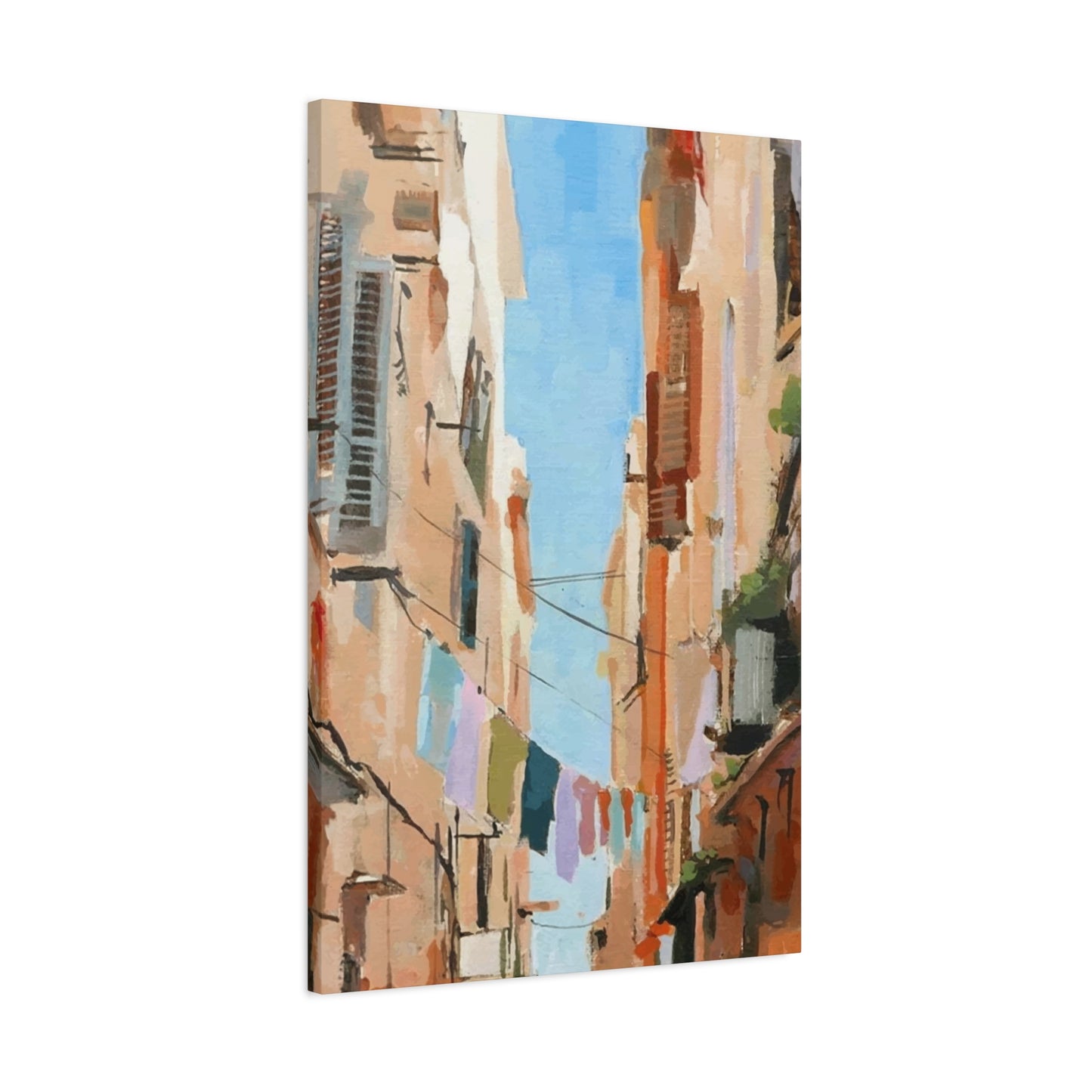
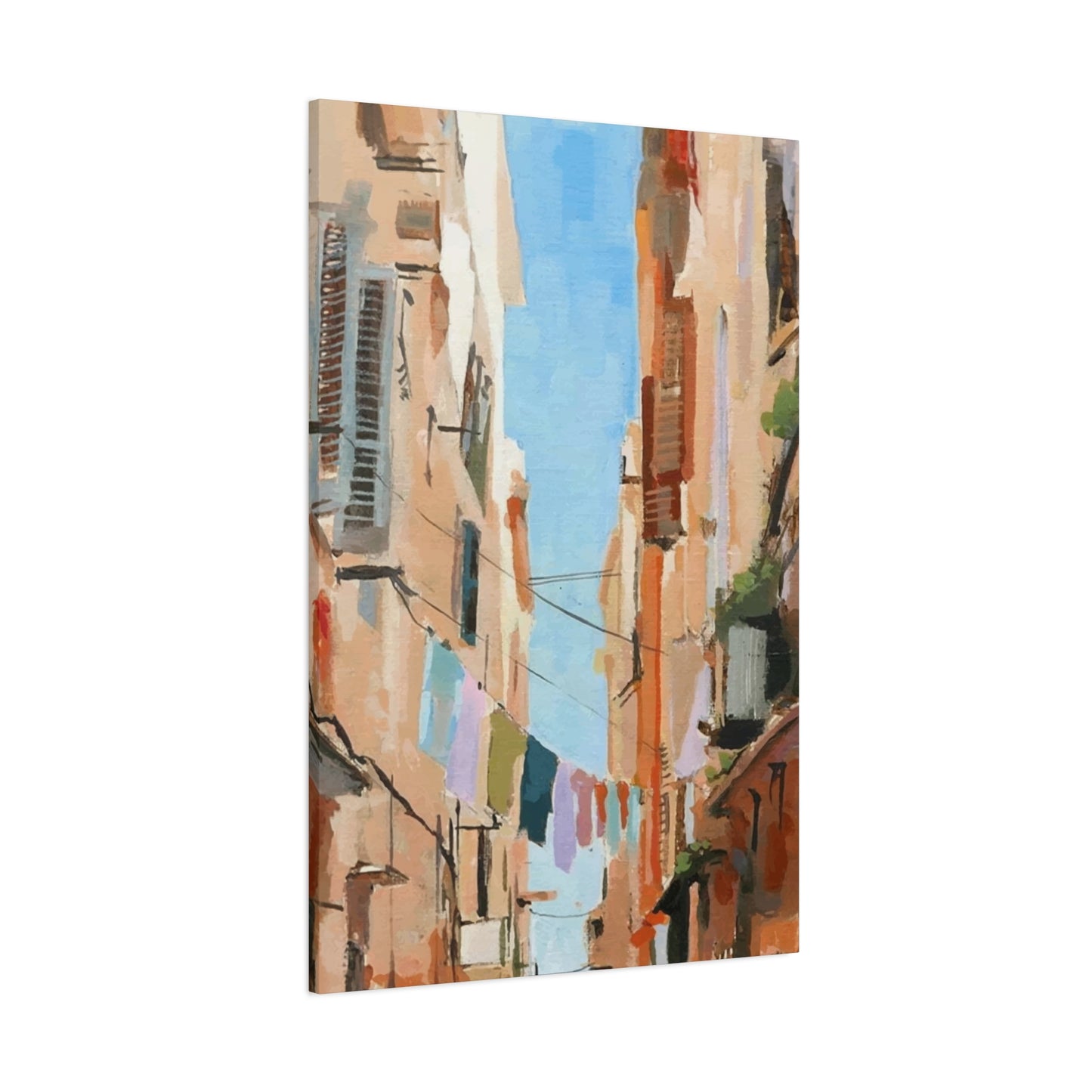
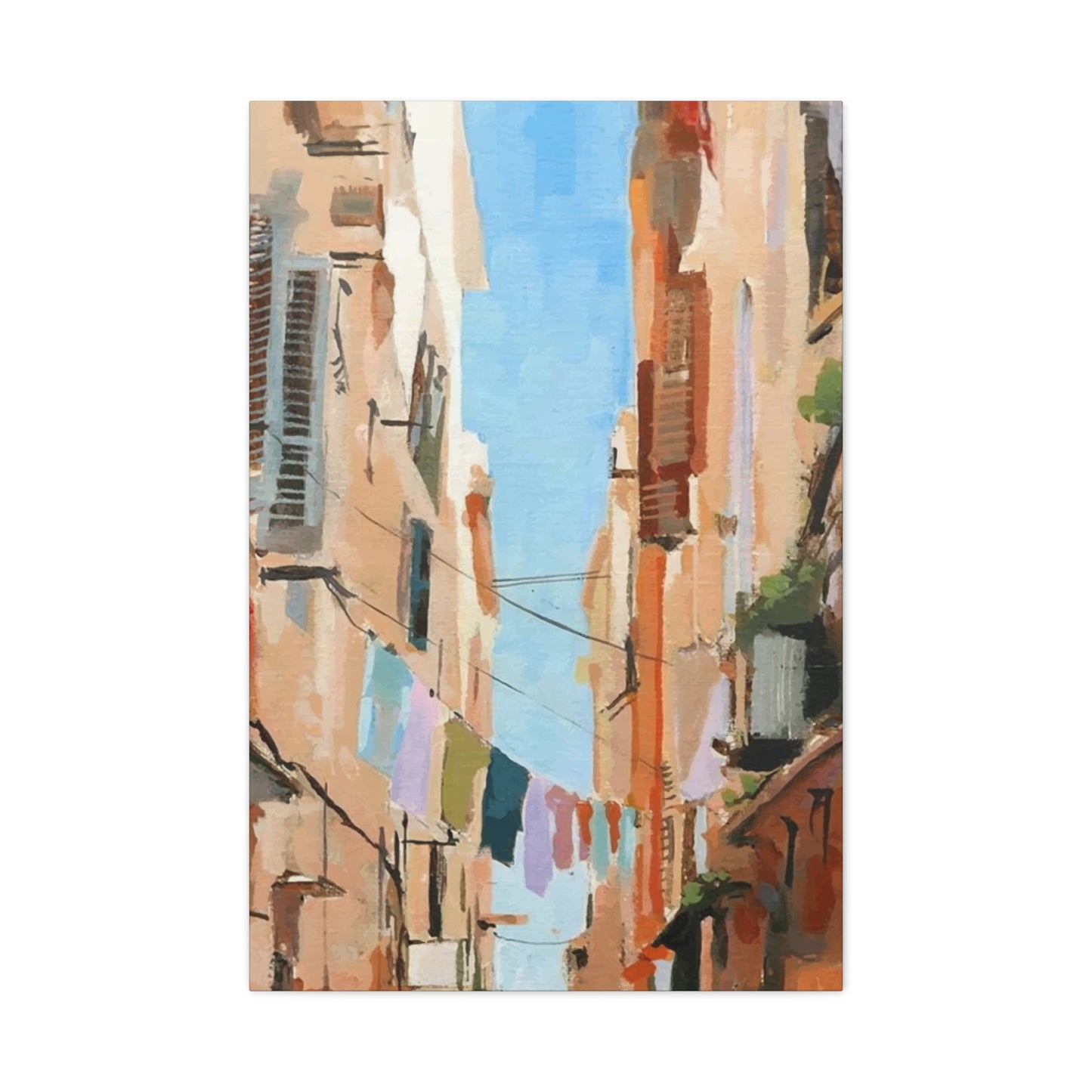
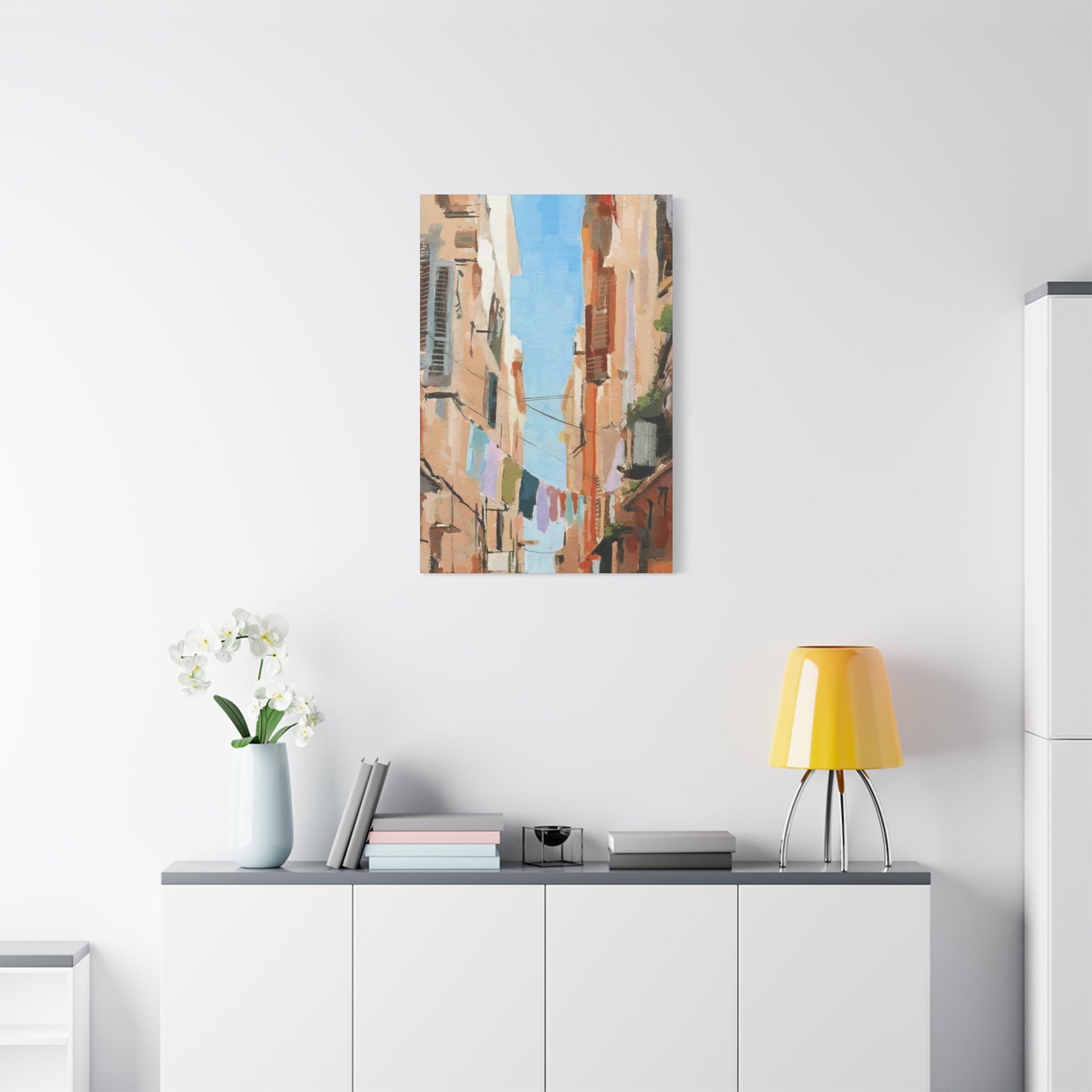
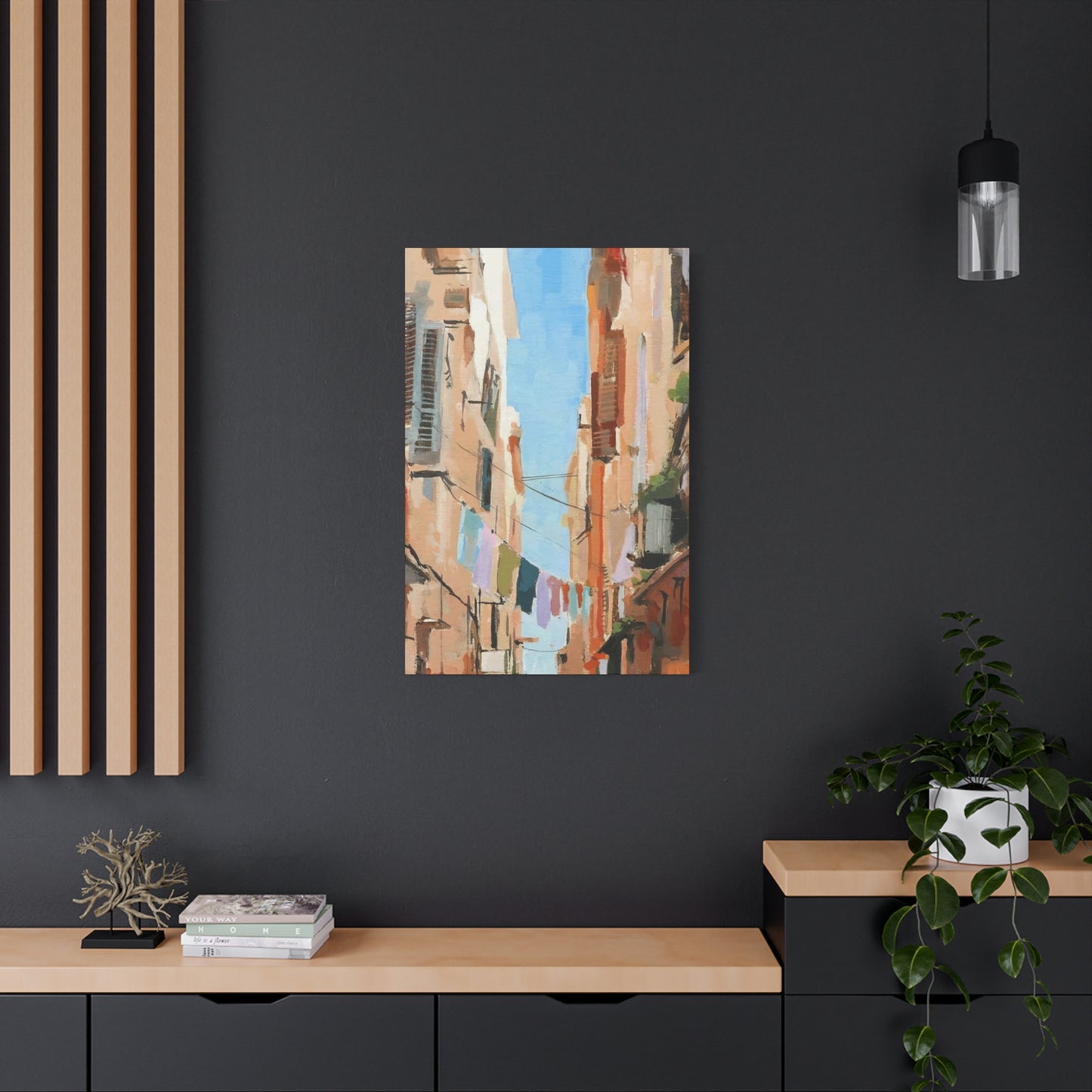
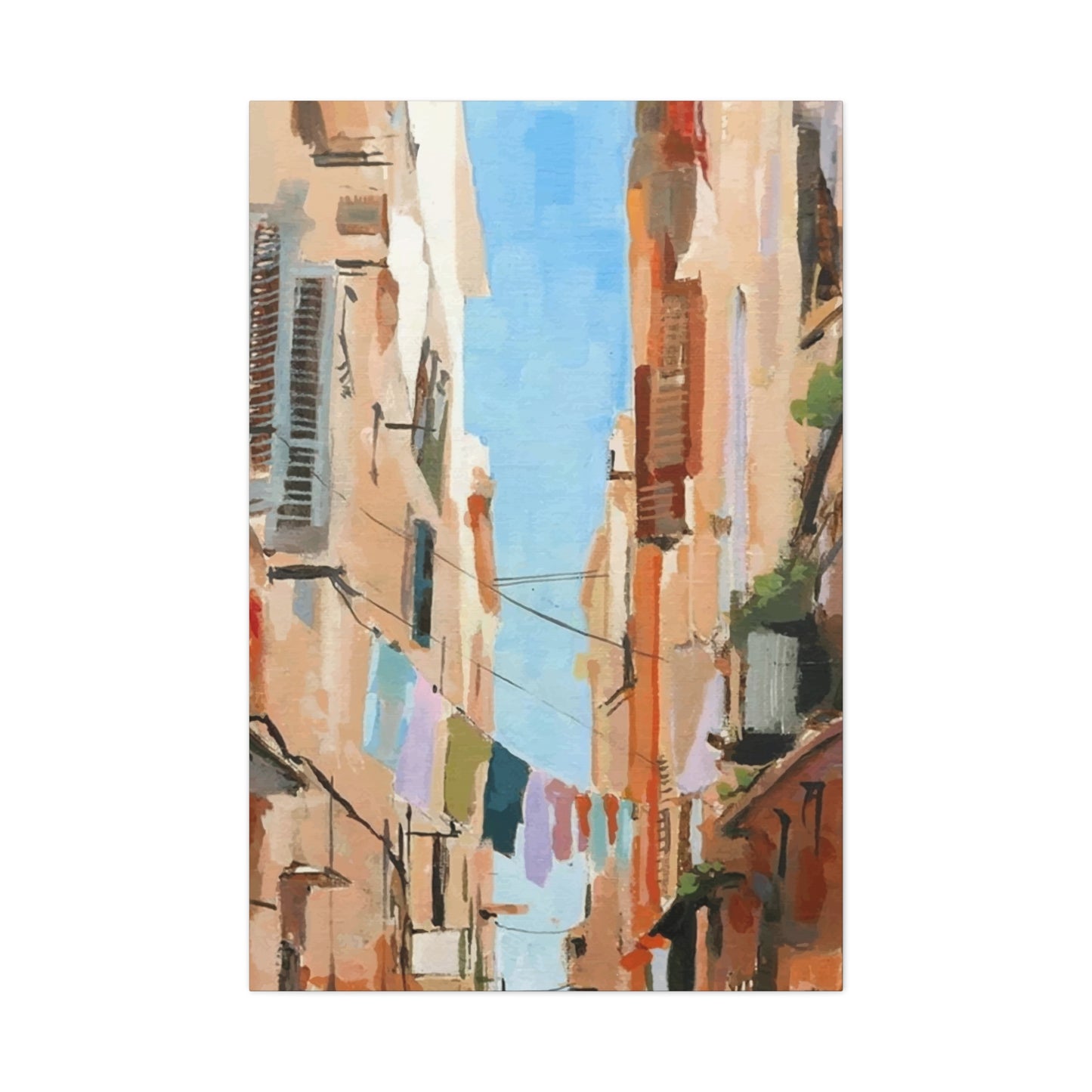
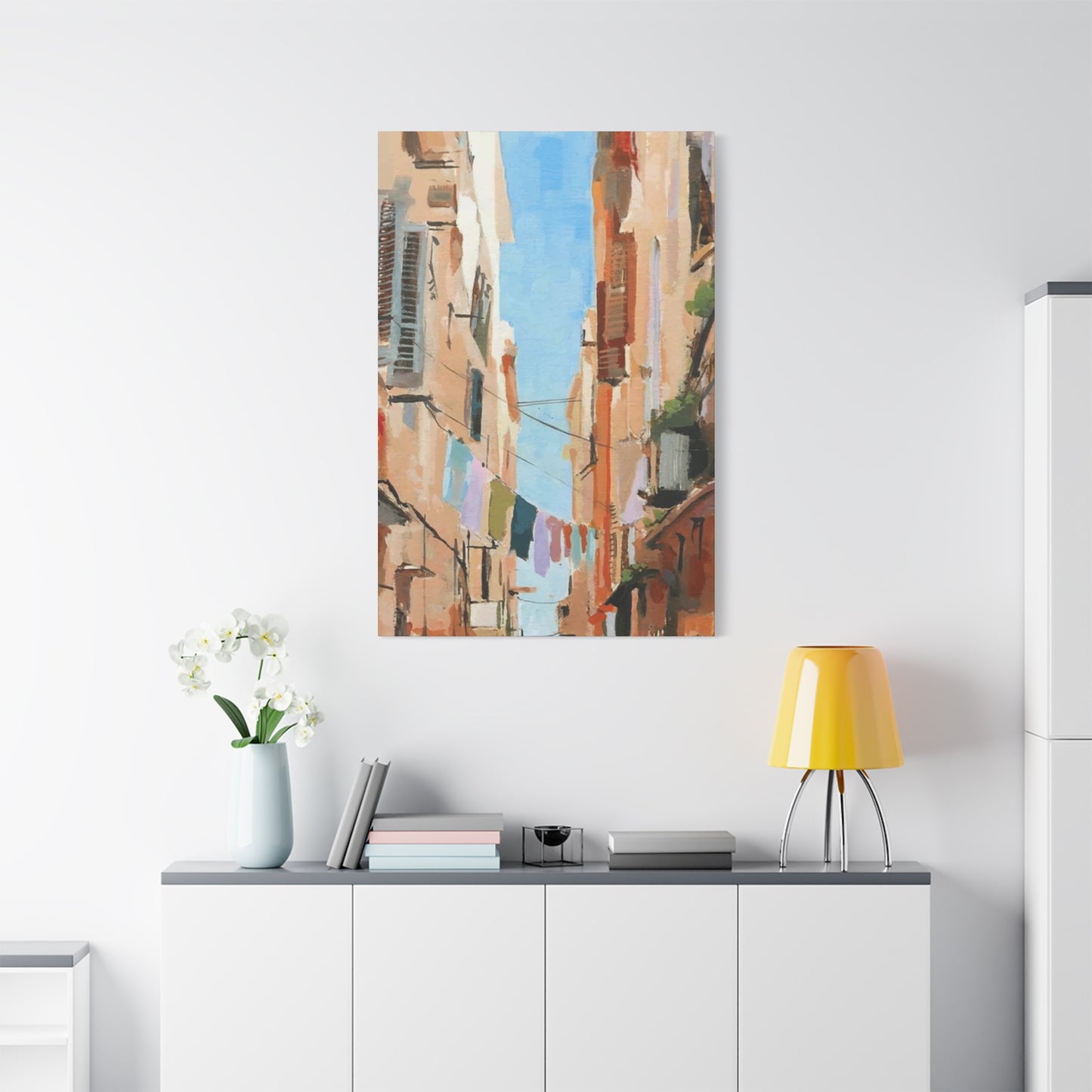
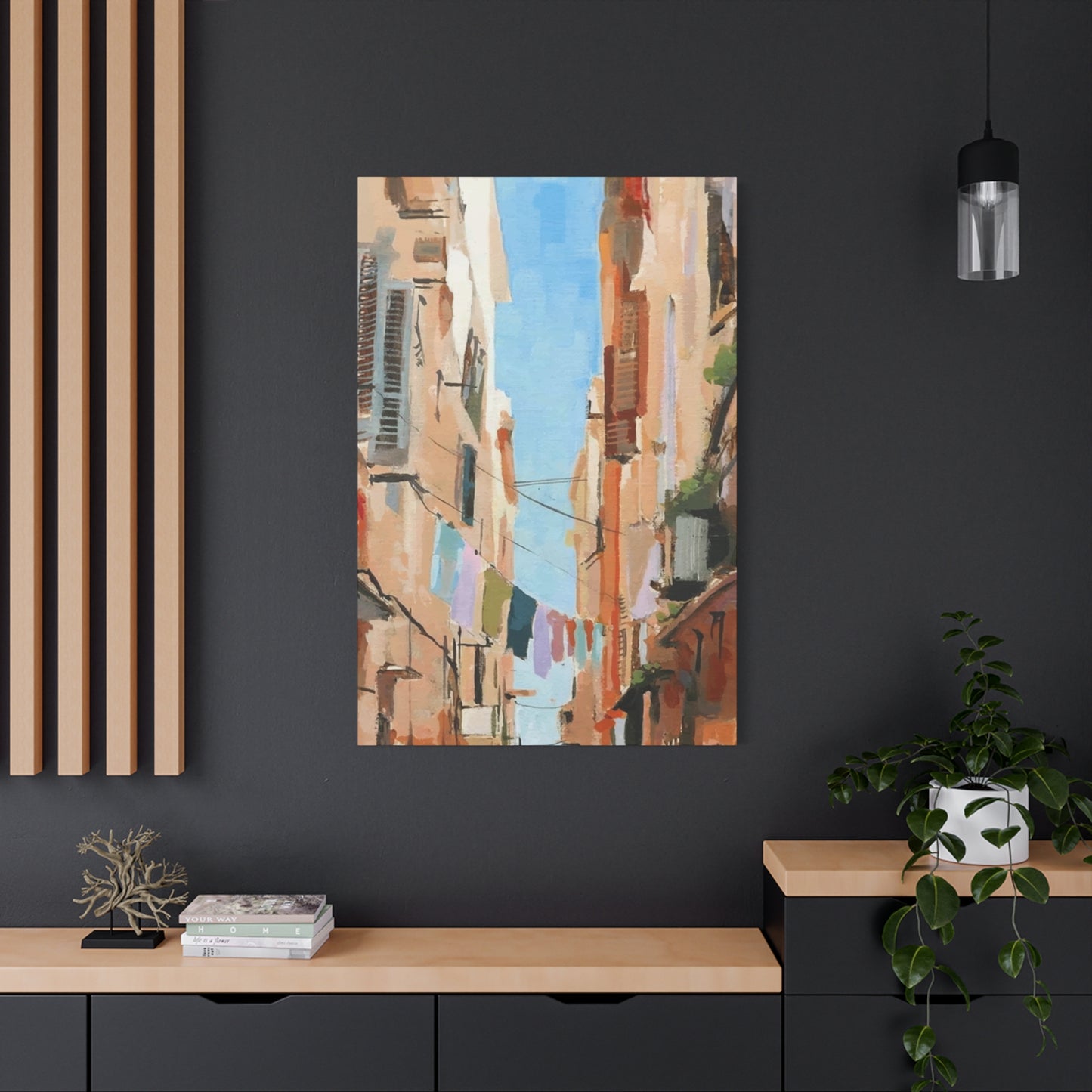
Drying Clothes Wall Art & Canvas Prints
Drying Clothes Wall Art & Canvas Prints
Couldn't load pickup availability
Handcrafted Coastal Décor That Brings Natural Elegance Into Your Living Space With Driftwood Crane Wall Art
The allure of coastal-inspired interior design has captivated homeowners and decorators for generations, and few pieces embody this aesthetic as perfectly as driftwood crane wall art. These magnificent sculptures represent a harmonious marriage between nature's raw materials and human creativity, transforming weathered wood fragments into stunning avian representations that grace walls with organic sophistication. The crane, revered across numerous cultures for its grace, longevity, and symbolic significance, becomes even more enchanting when crafted from driftwood—wood that has been naturally shaped and smoothed by water, wind, and time.
Driftwood crane wall art pieces serve multiple purposes within contemporary home décor. They function as conversation starters, artistic focal points, and tangible connections to coastal environments. Each piece tells a unique story through its materials, as no two fragments of driftwood possess identical characteristics. The wood's journey through rivers, lakes, or ocean waters leaves distinctive markings, textures, and colorations that artists incorporate into their designs, ensuring that every crane sculpture carries its own personality and character.
The Fascinating Journey of Driftwood From Shore to Sculpture
Understanding the origin and transformation of driftwood enhances appreciation for these artistic creations. Driftwood begins its journey as branches, trunks, or roots from trees growing near waterways. Natural events such as storms, erosion, or seasonal flooding dislodge this wood, sending it on an aquatic voyage that can last months or even years. During this time, the wood undergoes remarkable changes. Saltwater, freshwater, sand, rocks, and various mineral deposits work together to strip away bark, soften sharp edges, and bleach or stain the wood into beautiful shades ranging from silvery gray to deep honey brown.
The collection process requires patience, timing, and environmental awareness. Artisans who specialize in driftwood crane wall art typically gather materials from beaches, riverbanks, and lakeshores during optimal seasons when storms and high water levels deposit fresh supplies. Responsible collectors follow local regulations, respecting protected areas and leaving ecosystems undisturbed. The selection process is meticulous—artists examine countless pieces, envisioning how each fragment's natural curves, knots, and grain patterns might contribute to a crane's body, wing, neck, or leg.
Once collected, driftwood requires careful preparation before becoming art. Despite its time in water, the wood may harbor moisture, salt crystals, or organisms that could compromise the finished piece. Artists clean each fragment thoroughly, sometimes soaking it in freshwater to remove salt residues, then allowing it to dry completely in controlled environments. This drying period can extend for weeks or months, depending on the wood's size and density. Some creators apply gentle preservation treatments that protect against future moisture absorption, insect infestation, or deterioration while maintaining the wood's natural appearance.
Symbolic Significance of Cranes Across Different Cultures and Beliefs
The choice to depict cranes in driftwood art carries profound meaning that resonates across cultural boundaries. In Eastern traditions, particularly within Japanese and Chinese cultures, cranes represent longevity, good fortune, and fidelity. These birds often appear in wedding ceremonies and anniversary celebrations, symbolizing lasting partnerships and harmonious relationships. The Japanese legend of folding one thousand paper cranes to grant a wish demonstrates the crane's deep spiritual significance in Asian societies.
Native American tribes have their own interpretations of crane symbolism. Many indigenous peoples view cranes as messengers between earthly and spiritual realms, their distinctive calls serving as communication bridges. The birds' elaborate mating dances inspire stories about creativity, joy, and the importance of ritual in daily life. For coastal tribes specifically, cranes represented abundance and seasonal cycles, as their migrations coincided with fishing seasons and harvest periods.
European folklore also celebrates cranes, though with slightly different emphases. Medieval bestiaries described cranes as vigilant creatures that posted sentries while flocks rested, making them symbols of watchfulness and community responsibility. Greek mythology featured cranes in various tales, including their association with the god Apollo and stories about their legendary battles with pygmies. This rich tapestry of meanings adds depth to driftwood crane wall art, transforming decorative pieces into carriers of ancient wisdom and cross-cultural storytelling.
Modern interpretations often blend these traditional meanings with contemporary values. Crane sculptures may represent environmental consciousness, as both the driftwood materials and the bird subjects connect viewers to natural ecosystems. For others, cranes symbolize grace under pressure—their ability to stand motionless in water while hunting demonstrates patience and focused determination. These multifaceted meanings allow each viewer to develop personal connections with their driftwood crane wall art based on individual experiences and beliefs.
Artistic Styles and Design Variations in Driftwood Crane Creations
Driftwood crane wall art encompasses a remarkable spectrum of artistic approaches, from minimalist representations to elaborate, highly detailed sculptures. Minimalist styles focus on capturing the crane's essential form using few, carefully selected pieces of driftwood. These designs emphasize negative space and rely on the viewer's imagination to complete the image. A single curved branch might suggest the bird's elegant neck, while two intersecting pieces evoke wings in mid-flight. This approach appeals to those who appreciate contemporary design principles and uncluttered visual aesthetics.
Conversely, maximalist or realistic styles employ numerous driftwood fragments to create intricate, lifelike representations. Artists might layer small twigs to simulate feather texture, arrange graduated pieces to show wing structure, or incorporate multiple wood tones to add dimensional depth. These detailed sculptures often require weeks or months to complete, as creators meticulously select and position each component. The resulting pieces showcase not just the crane's physical appearance but also capture behavioral moments—a bird preening, calling, or wading through imagined waters.
Abstract interpretations offer another compelling category. These pieces use driftwood's organic shapes to suggest crane-like forms without strict adherence to anatomical accuracy. Exaggerated proportions, unexpected angles, or deliberately distorted features create dynamic, expressive works that prioritize emotional impact over representational fidelity. Such designs often resonate with collectors who value bold, statement-making art that challenges conventional expectations while still honoring the crane motif.
Three-dimensional versus relief-style construction presents another important distinction. Relief pieces attach driftwood to backing materials—canvas, reclaimed wood panels, or metal sheets—creating wall art that projects slightly from its mounting surface. These works maintain strong connections to traditional hanging artwork formats and integrate easily into existing gallery walls or room layouts. Fully three-dimensional sculptures, meanwhile, extend further from walls, sometimes incorporating shadow boxes or display shelves. These pieces command more attention and work best as standalone focal points rather than parts of larger groupings.
Color treatment varies significantly among driftwood crane wall art. Many artists preserve the wood's natural coloration, celebrating the subtle variations created by weathering processes. Others selectively apply stains, paints, or patinas to enhance certain features or create contrast. Some creators incorporate mixed media elements—metal legs, glass eyes, or stone bases—that complement rather than compete with the driftwood's organic beauty. The chosen color palette dramatically influences the piece's overall aesthetic, from rustic and earthy to polished and contemporary.
Selecting the Perfect Driftwood Crane Wall Art for Your Space
Choosing the right driftwood crane wall art requires consideration of multiple factors beyond personal taste. Scale represents perhaps the most critical element. A piece too small for its intended wall space disappears, failing to make the desired impact, while oversized sculptures can overwhelm rooms and throw off carefully balanced proportions. Measure your available wall space carefully, considering not just dimensions but also the visual weight of surrounding furnishings and architectural features. As a general guideline, wall art should occupy roughly two-thirds to three-quarters of the furniture width beneath it, though this ratio flexes based on room characteristics and personal preferences.
Room function influences appropriate choices. Driftwood crane wall art in living rooms might feature more elaborate designs that reward extended viewing and spark conversations with guests. These spaces can accommodate larger, more complex pieces that serve as room anchors. Bedroom selections often lean toward calmer, more serene representations that promote relaxation. Kitchens and dining areas benefit from pieces that withstand higher humidity levels and occasional temperature fluctuations, making sealed or well-preserved driftwood crucial. Home offices and studies might feature crane sculptures with symbolic meanings aligned with professional aspirations—vigilance, strategic thinking, or balanced perspectives.
Color coordination extends beyond the driftwood itself to encompass the entire room palette. Natural driftwood tones—grays, tans, whites, and browns—blend seamlessly with neutral color schemes but can also provide striking contrast against bold wall colors. Consider existing wood furniture finishes; driftwood crane wall art should either harmonize with these tones or create intentional contrast. The piece's background material (if any) also factors into color decisions. A light driftwood crane on dark backing creates different effects than the same sculpture mounted against weathered barn wood or painted canvas.
Existing décor style guides appropriate selections. Coastal and nautical themes obviously pair perfectly with driftwood crane wall art, but these pieces adapt to numerous aesthetics. Scandinavian and minimalist interiors appreciate clean-lined, simplified crane designs. Rustic, farmhouse, or cabin styles embrace more textured, rough-hewn pieces that showcase the wood's weathered character. Transitional and eclectic spaces benefit from crane sculptures that bridge traditional and contemporary elements, perhaps incorporating both natural and refined components. Even modern industrial settings can accommodate driftwood art when pieces include metal accents or geometric composition principles.
Lighting conditions dramatically affect how driftwood crane wall art appears. Natural daylight reveals wood grain patterns, texture variations, and subtle color nuances that might disappear under artificial lighting. Consider the direction and intensity of light in your chosen space throughout the day. South-facing walls receive bright, warm light that can wash out pale driftwood unless positioned carefully. North-facing locations provide cooler, more consistent illumination that flatters most wood tones. Accent lighting—picture lights, track systems, or nearby lamps—can highlight specific sculpture features while creating dramatic shadows that enhance three-dimensional qualities.
Crafting Your Own Driftwood Crane Wall Art: A Comprehensive Guide
Creating personal driftwood crane wall art offers rewarding opportunities for creative expression and deeper connections with finished pieces. The process begins with material sourcing. Visit beaches, riverbanks, or lakeshores during late autumn or early spring when winter storms have deposited fresh driftwood supplies. Look for pieces with interesting shapes, particularly curved sections that might suggest necks or wings. Collect more than you think necessary; having abundant options during construction proves invaluable. Bring sturdy bags or containers, gloves for protection, and perhaps a small saw for safely detaching partially buried pieces.
Proper preparation prevents future problems. Inspect collected driftwood for signs of rot, which appears as soft, crumbly areas or unusual darkening. Discard compromised pieces, as they won't hold fasteners reliably and may deteriorate further. Brush away sand, dirt, and loose material using stiff brushes or compressed air. Soak pieces in freshwater for several days if they came from saltwater environments, changing water daily to remove salt crystals that could attract moisture or corrode metal fasteners. After soaking, allow wood to air-dry completely in warm, well-ventilated spaces. This process might take several weeks for thick pieces.
Design planning separates successful projects from frustrating experiments. Before assembling anything, sketch your envisioned crane or create digital mockups using photo editing software. Study crane anatomy through photographs or wildlife guides, noting proportions and characteristic features. Identify which driftwood pieces suit specific body parts—perhaps a Y-shaped branch forms the body and neck junction, or a thin, straight section becomes a leg. Lay pieces on your work surface or backing material in various arrangements, photographing promising configurations for later reference. This planning phase saves time and prevents irreversible mistakes.
Assembly methods vary based on design complexity and intended display location. For relief-style pieces mounted on backing boards, construction adhesive or wood glue provides strong, permanent bonds. Apply adhesive to both surfaces, press firmly, and allow full curing time per manufacturer instructions. Screws offer additional security for heavier driftwood pieces; pre-drill holes to prevent splitting, especially near wood ends. For three-dimensional sculptures, consider internal armatures—wire frameworks that support driftwood components while remaining hidden. Floral wire works well for smaller pieces, while coat hanger wire or metal rods suit larger constructions.
Adding finishing touches elevates handmade pieces from craft projects to genuine artworks. Sand any areas where assembly methods created rough spots or where driftwood pieces join awkwardly. Apply wood sealers or marine varnishes to protect against humidity, though this step alters the wood's natural appearance slightly. Consider selective detailing—painting the beak and legs black, adding tiny beads or stones as eyes, or incorporating small shells or sea glass as decorative accents. Sign and date your creation on the back, documenting your artistic journey. Wall mounting requires appropriate hardware based on total weight; heavy pieces need wall anchors rated for substantial loads.
Placement Strategies That Maximize Visual Impact and Room Harmony
Strategic placement transforms driftwood crane wall art from mere decoration into integral room elements that enhance entire spaces. The concept of visual weight helps determine optimal positioning. Visual weight refers to how much a design element attracts viewer attention based on size, color, texture, and complexity. Large, dark, or highly textured pieces carry more visual weight than small, light, or smooth ones. Balance visual weight throughout rooms by positioning heavy elements opposite or adjacent to other substantial features rather than clustering them in single areas.
Height matters more than many realize. The standard recommendation suggests centering artwork at eye level, typically 57-60 inches from floor to the piece's center. However, this guideline adjusts based on viewing circumstances. In spaces where people primarily sit—living rooms, dining areas—lower placement by several inches ensures comfortable viewing from seated positions. Staircases and hallways where people pass through quickly can accommodate slightly higher placement. Above furniture, maintain 6-10 inches between the furniture top and the artwork's bottom edge, ensuring clear visual separation without creating disconnected floating effects.
Creating gallery walls incorporating driftwood crane wall art requires careful planning but yields stunning results. Start by arranging pieces on the floor in your desired configuration, maintaining consistent spacing between items. Photograph successful arrangements before transferring to walls. When mixing driftwood sculptures with other art forms—paintings, photographs, prints—ensure the collection shares unifying elements such as color palettes, frame styles, or thematic content. Vary piece sizes to create visual interest, positioning larger items slightly off-center rather than in the exact middle. Maintain consistent spacing between all items, typically 2-4 inches, which reads as intentional rather than haphazard.
Architectural features provide natural anchoring points. Mantels offer perfect opportunities for placing driftwood crane wall art, either centered above the fireplace or offset with complementary objects on the mantel surface. Large windows benefit from flanking crane sculptures that frame views without blocking light. Built-in shelving systems can integrate driftwood pieces among books and decorative objects, creating layered, collected looks. Alcoves and recessed areas become focal points when filled with carefully lit crane sculptures that draw eyes into these architectural details.
Negative space—the empty area surrounding artwork—contributes significantly to overall effects. Resist the urge to fill every wall inch; breathing room allows eyes to rest and prevents overwhelming visual clutter. Leave adequate space above and beside driftwood crane wall art so the piece stands out as an intentional choice rather than getting lost in crowded arrangements. This principle becomes especially important with elaborate, detailed sculptures that benefit from surrounding simplicity.
Preserving and Protecting Your Driftwood Crane Wall Art Investment
Proper preservation ensures driftwood crane wall art maintains its beauty for decades. Environmental conditions present the primary threat. Excessive humidity causes wood to absorb moisture, potentially leading to warping, mold growth, or structural weakness. Conversely, extremely dry conditions make wood brittle and prone to cracking. Maintain indoor humidity levels between 40-60 percent using humidifiers during dry winter months and dehumidifiers during humid summers. Hygrometers provide affordable, accurate humidity monitoring.
Temperature stability matters almost as much as humidity control. Avoid placing driftwood crane wall art near heating vents, radiators, fireplaces, or air conditioning units that create temperature fluctuations. These changes cause wood to expand and contract repeatedly, eventually compromising structural integrity. Similarly, avoid exterior walls in poorly insulated homes, where seasonal temperature variations penetrate interior spaces. Interior walls away from HVAC systems offer the most stable environments.
Sunlight exposure requires careful management. Direct sunlight gradually bleaches driftwood, causing colors to fade unevenly. While some people appreciate this continued weathering effect, it can make pieces appear washed out or dull over time. UV-filtering window films or curtains protect artwork without completely blocking natural light. Alternatively, position crane sculptures on walls perpendicular to windows rather than directly opposite them, where they'd receive maximum sun exposure. Rotate pieces periodically if you own multiple driftwood artworks, distributing sun exposure evenly.
Cleaning driftwood crane wall art demands gentle approaches that preserve natural finishes. Dust regularly using soft, dry cloths or feather dusters to prevent accumulation that dulls wood surfaces. For deeper cleaning, slightly dampen cloths with plain water—avoid cleaning chemicals, oils, or polishes that can darken wood, leave residues, or damage natural patinas. Address spills or splashes immediately by blotting (never rubbing) with clean, dry cloths. If sealed or varnished, consult the artist or manufacturer about appropriate cleaning products that won't compromise protective coatings.
Inspect pieces periodically for concerning changes. Loose components might need re-gluing; check joints and connection points several times yearly, especially in the first year after acquisition when shifting or settling often occurs. Watch for signs of insect activity, though properly dried driftwood rarely attracts pests. Look for tiny holes, sawdust-like material, or actual insects. Address infestations immediately through professional pest control services; DIY treatments risk damaging delicate artworks. Document your piece through photographs taken from multiple angles shortly after acquisition, providing useful references if restoration ever becomes necessary.
Understanding Different Types of Cranes Depicted in Driftwood Art
Driftwood crane wall art draws inspiration from numerous crane species, each offering distinct visual characteristics and symbolic meanings. The sandhill crane, common across North America, features rusty-red plumage on its body, contrasting with gray wings and a distinctive red forehead patch. Artists capturing sandhill cranes often emphasize their proud, upright posture and powerful build. These birds symbolize wilderness preservation and natural landscapes, making them popular choices for those passionate about conservation.
Whooping cranes, North America's tallest birds and among its most endangered species, carry profound conservation significance. Their striking white plumage with black wing tips creates dramatic visual contrast that translates beautifully into driftwood sculptures. Depicting whooping cranes in art raises awareness about endangered species protection and environmental stewardship. These pieces often resonate with viewers who support wildlife conservation efforts or who've witnessed these magnificent birds in natural habitats.
Japanese red-crowned cranes, also called Manchurian or Japanese cranes, rank among the most culturally significant species. Their predominantly white bodies, black secondary feathers, and brilliant red crowns create instantly recognizable silhouettes. In Japanese culture, these cranes represent luck, longevity, and fidelity—meanings that enhance driftwood art's symbolic value. Red-crowned crane sculptures make particularly meaningful wedding gifts or anniversary presents, carrying wishes for lasting relationships.
The common crane of Europe and Asia features blue-gray plumage with striking black and white neck markings. Their elaborate courtship dances—involving bowing, jumping, and stick-tossing—inspire dynamic, movement-focused driftwood sculptures. Artists depicting common cranes often capture these animated poses, creating pieces that convey energy and vitality rather than static poses. These designs appeal to those who appreciate active, lively artwork.
The demoiselle crane, the smallest crane species, possesses elegant proportions and distinctive white ear tufts and black neck plumes. Their delicate build lends itself to refined, detailed driftwood interpretations that emphasize grace over power. Demoiselle crane artwork suits spaces requiring subtle, sophisticated pieces that don't dominate rooms but add quiet beauty. These birds' incredible migration journeys—crossing the Himalayas—symbolize perseverance and determination.
Blue cranes, South Africa's national bird, display pale blue-gray plumage and elegant proportions. Their limited range and vulnerable conservation status make them meaningful subjects for environmentally conscious art collectors. Driftwood blue crane sculptures often emphasize the birds' graceful lines and aristocratic bearing, creating pieces with understated elegance.
Sarus cranes, the world's tallest flying birds, inhabit parts of Asia and Australia. Their remarkable height and bright red heads and upper necks provide dramatic visual elements. In Hindu tradition, sarus cranes represent marital fidelity, as pairs form lifelong bonds and grieve when separated. Driftwood sarus crane art often depicts paired birds, making these pieces especially popular for couples or as relationship celebration gifts.
The Environmental Story Behind Sustainable Driftwood Harvesting
Responsible driftwood collection practices protect coastal and riverine ecosystems while providing materials for artistic creation. Driftwood serves important ecological functions before artists collect it. In aquatic environments, submerged driftwood creates fish habitat, provides surfaces for algae and invertebrate colonization, and contributes to food webs. On beaches and shores, driftwood helps stabilize sand, creates microhabitats for plants and small animals, and protects dunes from erosion. Removing excessive amounts disrupts these ecological services.
Sustainable collection follows key principles. First, gather only what you'll use; hoarding materials prevents natural ecological functions and wastes resources. Second, leave substantial amounts in place, taking perhaps ten to twenty percent of available driftwood at most. Third, avoid removal from protected areas, nature preserves, or locations where collecting is prohibited. Many jurisdictions regulate driftwood collection; research and follow local laws. Fourth, consider source diversity—collect from multiple locations rather than depleting single areas.
Timing collection appropriately reduces environmental impact. Post-storm periods when storms have deposited large new quantities offer ideal opportunities. Taking freshly deposited material minimizes disruption to established driftwood playing ecological roles. Avoid collecting during nesting seasons when shorebirds utilize beach areas and disturbance could affect reproductive success. Winter and early spring generally pose fewer conflicts with wildlife activities.
Some artists source driftwood through alternative channels that bypass direct collection concerns. Woodworking shops and sawmills sometimes have weathered lumber suitable for artistic purposes. Demolition projects, particularly those involving waterfront structures like docks or piers, yield beautifully aged wood. Estate sales and antique dealers occasionally offer reclaimed wood with similar aesthetic qualities to natural driftwood. These alternatives provide materials while eliminating environmental impacts associated with coastal collection.
The relationship between driftwood crane wall art and environmental awareness creates interesting synergies. Many purchasers feel drawn to these pieces specifically because of nature connections. Artists who practice sustainable collection and communicate their environmental ethics attract customers who value responsible practices. Some creators donate portions of sales to conservation organizations protecting crane habitats or coastal ecosystems. This consciousness transforms driftwood art from simple decoration into tangible expressions of environmental values.
Climate change affects driftwood availability and characteristics. Altered precipitation patterns influence river flows and consequently the amount of wood entering aquatic systems. Changing storm patterns modify how driftwood deposits on shores. Rising sea levels inundate previously protected forests, potentially increasing driftwood supplies short-term but reflecting concerning environmental shifts. Artists working with driftwood witness these changes firsthand, often incorporating climate awareness into their creative practices and conversations with collectors.
Regional Styles and Influences in Driftwood Crane Artistry
Geographic location significantly influences driftwood crane wall art styles, reflecting both available materials and local cultural traditions. Pacific Northwest artists work with enormous driftwood pieces from massive trees like Douglas fir, western red cedar, and Sitka spruce. These hefty materials enable large-scale sculptures with dramatic presence. The region's strong indigenous artistic traditions, particularly among Coast Salish and Haida peoples, influence contemporary driftwood art through design principles emphasizing natural forms and spiritual connections to wildlife.
California coastal artists often incorporate more minimalist, contemporary approaches reflecting the state's modern design aesthetic. Beach communities from San Diego to Mendocino produce driftwood crane art with clean lines, strategic negative space, and sophisticated compositions. The varied wood species washed onto California beaches—pine, eucalyptus, driftwood from Central American forests—provide diverse color palettes ranging from pale blondes to rich browns. Many California artists integrate mixed media elements like beach glass, stones, or metal, creating layered, textural works.
Gulf Coast driftwood crane art draws from Southern folk art traditions and the region's rich cultural gumbo of influences. Louisiana artists might incorporate elements recalling Cajun and Creole heritage, while Florida creators often blend Caribbean vibrancy with Southern charm. The hurricane-prone Gulf region receives dramatic driftwood deposits following major storms, sometimes including exotic tropical wood species swept northward from Central America. This material diversity encourages experimental approaches and unexpected material combinations.
Atlantic Seaboard artists from New England to the Carolinas work within strong maritime heritage contexts. Driftwood crane wall art from these regions often reflects traditional nautical themes, weathered dock aesthetics, and connections to fishing communities. Cape Cod and Maine artists produce pieces with distinguished, classic qualities, while Outer Banks creators might incorporate more rustic, beach-cottage sensibilities. The mixed hardwood and softwood forests backing the Atlantic coast provide varied driftwood characteristics compared to Pacific regions.
Great Lakes driftwood comes primarily from freshwater sources, creating different weathering patterns than saltwater materials. Wood from Superior, Michigan, Huron, Erie, and Ontario often displays smoother surfaces and more uniform coloring due to freshwater's gentler effects compared to saltwater's harsher bleaching and texturing. Artists in states like Michigan, Wisconsin, and Minnesota incorporate Scandinavian influences reflecting the region's immigrant heritage, producing driftwood crane art with clean, simplified forms and natural wood finishes.
International styles show fascinating variations. Japanese driftwood artists might create crane sculptures incorporating ikebana principles—careful placement, asymmetric balance, and mindful negative space. Scandinavian creators produce pieces aligned with Nordic design philosophy: functional beauty, natural materials, and unpretentious elegance. Australian driftwood artists work with unique eucalyptus species and other Southern Hemisphere woods, creating crane art that sometimes depicts native brolgas rather than Northern Hemisphere crane species. British and Northern European artists craft pieces influenced by centuries-old driftwood sculpting traditions in fishing villages.
Incorporating Driftwood Crane Wall Art Into Various Design Schemes
Successfully integrating driftwood crane wall art across diverse interior design styles requires understanding each aesthetic's core principles. Coastal and nautical designs represent natural partnerships. These schemes already emphasize ocean references, natural materials, and relaxed atmospheres. Driftwood crane wall art amplifies these themes while adding vertical interest and sophisticated focal points. Pair pieces with soft blue and white color palettes, natural fiber textiles like jute and linen, and accessories including shells, coral, and sea glass. Layer various wood tones throughout the space—whitewashed furniture, teak accents, weathered tables—creating cohesion around natural material themes.
Bohemian or eclectic interiors thrive on unexpected combinations and personal expression, making them ideal settings for distinctive driftwood crane sculptures. These spaces celebrate collected aesthetics—items gathered over time that reflect owner interests and travels. Driftwood crane wall art contributes organic elements and nature connections while standing as conversation-starting statement pieces. Surround crane sculptures with vibrant textiles, plants, vintage finds, and global-inspired accessories. The key involves ensuring that despite diversity, elements share common threads—perhaps a color that repeats throughout, similar scale, or consistent material categories.
Minimalist spaces require careful approach but can beautifully showcase driftwood crane wall art. Select pieces with clean lines, simplified forms, and restrained compositions. Avoid overly busy or highly detailed sculptures that conflict with minimalism's emphasis on essentialism and visual calm. Mount crane art against neutral, unadorned walls where it commands attention through isolation rather than competition. Keep surrounding décor sparse—perhaps a single elegant vase, a carefully chosen side table, or a sculptural chair. The crane sculpture becomes a meditation object, rewarding extended contemplation in uncluttered environments.
Rustic and farmhouse aesthetics embrace driftwood crane wall art enthusiastically. These styles celebrate natural materials, handcrafted objects, and connections to simpler times. Choose pieces showcasing visible texture, weathering, and raw beauty rather than highly refined sculptures. Display crane art alongside reclaimed wood furniture, galvanized metal accents, vintage tools, and antique textiles. Consider mounting pieces on barnwood backgrounds or incorporating them into gallery walls mixing family photographs, botanical prints, and farm-related imagery. The result feels collected and authentic rather than coordinated and designed.
Scandinavian or Nordic interiors prioritize light, natural materials, and functional beauty—principles that align perfectly with certain driftwood crane wall art styles. Select pieces with simplified forms, light or medium wood tones, and graceful proportions. Avoid dark, heavy sculptures that contradict Scandinavian brightness. Pair crane art with pale wood furniture, white or light gray walls, cozy textiles like wool throws and sheepskins, and minimal decorative accessories. Incorporate plenty of natural light and perhaps a few carefully chosen plants. The aesthetic emphasizes hygge—that Danish concept of cozy contentment—where driftwood crane wall art contributes natural warmth without fussiness.
Contemporary interiors sometimes challenge driftwood crane wall art placement due to emphasis on current trends, processed materials, and geometric forms. Success requires selecting pieces that bridge natural and modern elements. Look for sculptures with clean lines, strategic asymmetry, or geometric composition principles. Consider mounting on painted canvas or metal backing rather than raw wood. Pair with contemporary furniture featuring organic shapes—curved sofas, sculptural lighting, or live-edge tables—that create dialogue between natural and manufactured. Maintain cohesion through restrained color palettes, often emphasizing neutrals with strategic accent colors.
Commissioning Custom Driftwood Crane Wall Art for Personal Spaces
Commissioning custom driftwood crane wall art enables perfect alignment between artwork and specific spaces, preferences, and symbolic intentions. The process begins with finding appropriate artists. Research craftspeople through online portfolios, craft fairs, galleries specializing in nature-inspired art, or social media platforms where artists showcase work. Examine multiple examples of each artist's creations, assessing not just beauty but also construction quality, design consistency, and whether their aesthetic aligns with your vision. Read customer reviews and testimonials when available, noting comments about communication, deadline adherence, and satisfaction with finished pieces.
Initial consultations establish project parameters. Prepare for these conversations by measuring your intended space carefully—height, width, and any architectural features affecting placement. Photograph the area from multiple angles, capturing lighting conditions, existing décor, and color palettes. Consider creating mood boards with images representing your vision—other artwork you admire, color schemes you prefer, specific crane poses or styles appealing to you. During consultations, discuss practical matters including budget ranges, timeline expectations, and installation requirements. Clarify whether prices include shipping, whether pieces come ready to hang, and what happens if you're unsatisfied with results.
Collaborative design development yields best results. Quality artists will present sketches, mock-ups, or digital renderings showing proposed designs. Review these carefully, considering proportions, balance, and how the piece might actually look in your space. Don't hesitate requesting modifications; custom work should reflect your preferences. Some artists welcome clients visiting studios to view materials and work in progress. If distance prevents visits, request regular progress photographs. This involvement ensures the final piece meets expectations while allowing artists creative freedom to apply their expertise.
Material selection represents a crucial decision point. Discuss driftwood sources with artists—coastal versus riverine, saltwater versus freshwater, specific wood species if identifiable. Express preferences regarding color palette—do you want pale, bleached wood, darker honey tones, or mixed varieties? Consider whether you're open to mixed media elements like metal legs, glass eyes, or painted details. Some artists offer sealed or unsealed finishes; discuss implications for longevity and appearance. If you've collected meaningful driftwood yourself—perhaps from a memorable beach vacation—inquire whether artists incorporate client-supplied materials into commissions.
Pricing custom driftwood crane wall art involves multiple factors. Size obviously influences cost, as larger pieces require more materials and construction time. Complexity matters significantly—simple, minimalist designs cost less than elaborate sculptures with hundreds of individual components. Artist reputation and experience command varying rates; established artisans with gallery representation charge more than emerging creators. Geographic location affects pricing too; artists in expensive urban markets generally charge higher rates than those in rural areas. Obtain detailed quotes specifying what's included—design fees, materials, labor, shipping, and any additional services. Clarify payment schedules; many artists request deposits before starting and final payments upon completion.
Commission agreements should outline expectations clearly. Document agreed-upon designs, dimensions, materials, timelines, and costs in writing. Specify what happens if you're unsatisfied with the finished piece—do you get revisions, refunds, or are sales final? Clarify ownership of designs—can artists reproduce similar pieces for other clients, or is your design exclusive? Address shipping and installation responsibilities. Quality artists provide these agreements professionally, viewing them not as trust issues but as mutual protection ensuring both parties understand commitments.
The Role of Color Theory in Driftwood Crane Wall Art Presentation
Color relationships between driftwood crane wall art and surrounding environments dramatically affect visual impact and emotional responses. Understanding basic color theory principles enables more intentional placement decisions. The color wheel organizes hues showing relationships between primary, secondary, and tertiary colors. Driftwood typically ranges from neutral browns, tans, and grays to whitish bleached tones—all fitting into the neutral category with varying warm or cool undertones.
Complementary schemes use colors opposite on the color wheel, creating high contrast and visual excitement. While driftwood itself is neutral, consider background colors or mixed media elements in the sculpture against wall colors. A driftwood crane incorporating orange-toned wood pops dramatically against blue-gray walls. Pieces with cooler gray wood create striking effects against warm terra cotta or rust-colored backgrounds. These high-contrast combinations suit bold, energetic spaces where you want crane artwork commanding immediate attention.
Analogous color schemes use hues adjacent on the color wheel, producing harmonious, related feels. For driftwood crane wall art, this might mean displaying warm-toned wood pieces against cream, tan, or soft yellow walls, creating cohesive, gentle environments. Cool-toned gray driftwood harmonizes beautifully with blue, aqua, or sage walls. These approaches suit spaces prioritizing tranquility and visual rest—bedrooms, reading nooks, meditation areas—where jarring contrast would disrupt desired atmospheres.
Monochromatic schemes use variations of single colors—different shades, tints, and tones. Displaying natural driftwood crane art against walls painted in various gray shades creates sophisticated, layered effects. The sculpture's texture and form provide interest while color unity creates calm. This approach particularly suits minimalist or Scandinavian interiors where subtle sophistication trumps bold statement-making. Success requires ensuring adequate value contrast—the relative lightness or darkness difference between sculpture and background. Insufficient contrast causes pieces to disappear; they need enough distinction to stand out despite color similarity.
Neutral schemes employ colors lacking strong chromatic content—whites, grays, blacks, browns, and beiges. Driftwood crane wall art naturally fits these palettes, contributing textural and formal interest without introducing new color families. Success in neutral environments depends on varying texture, finish, and value. Pair rough, weathered driftwood against smooth painted walls. Balance light-toned sculptures with darker furniture or vice versa. Introduce subtle pattern through textiles or wallpapers that add visual interest without color chaos. Neutral schemes risk appearing bland; prevent this through careful attention to variety in non-color elements.
Conclusion
In conclusion, Driftwood Crane Wall Art offers an exceptional way to introduce natural elegance and coastal charm into your living space. Handcrafted from weathered driftwood, each piece of this art carries the beauty and story of nature, reflecting the timeless connection between the elements of earth, water, and air. The crane, a symbol of grace, freedom, and longevity, is the perfect subject to pair with driftwood, creating a harmonious piece that not only elevates the aesthetic of a room but also imbues it with deeper meaning and energy.
The beauty of Driftwood Crane Wall Art lies in its simplicity and organic form. Driftwood, shaped by the forces of nature, brings texture, warmth, and authenticity to any space. Its natural color palette—ranging from light beige to deep browns—complements a wide range of interior styles, from rustic and beachy to contemporary and minimalist. This versatility makes it an ideal choice for anyone looking to enhance their home with a sophisticated yet relaxed atmosphere, one that reflects a love for nature and a mindful approach to décor.
The crane, with its graceful posture and soaring wings, adds a sense of movement and lightness to the piece. In many cultures, cranes symbolize longevity, happiness, and transformation. Their presence in the home can inspire feelings of freedom, peace, and balance, making it an especially meaningful addition to spaces dedicated to reflection, relaxation, or personal growth. Whether in a living room, bedroom, or meditation area, Driftwood Crane Wall Art brings an uplifting and calming energy to the room, encouraging both tranquility and inspiration.
One creative way to display Driftwood Crane Wall Art is by placing it as a focal point above a fireplace, sofa, or console table. The fluid form of the crane, coupled with the natural texture of the driftwood, creates a striking visual that draws the eye and invites conversation. Pairing the art with other coastal or nature-inspired elements, such as soft throw pillows, sea-inspired sculptures, or natural wood furniture, can enhance the organic feel of the space, allowing the piece to blend seamlessly with its surroundings while still making a bold statement.
If you want to create a more dynamic and immersive atmosphere, consider displaying the driftwood crane in a gallery wall alongside other nature-inspired artworks or photographs. This grouping could include images of coastal landscapes, botanical prints, or abstract ocean waves, creating a cohesive theme that reflects the beauty of the natural world. The driftwood crane, with its organic texture, provides a tactile contrast to sleek, modern designs or softer, painted artworks, adding depth and interest to the wall.
For those who appreciate the soothing qualities of nature, Driftwood Crane Wall Art makes an ideal addition to a bedroom or retreat space. Placing the piece above the bed or in a cozy reading nook creates an environment of peace and serenity. The crane’s symbolism of longevity and tranquility can evoke a sense of calm, making it an ideal visual cue to help create a sanctuary where rest and renewal can flourish. In this setting, the artwork can serve as a gentle reminder to embrace life’s natural flow and the beauty that surrounds us.
Another creative way to incorporate Driftwood Crane Wall Art is by using it to frame a window or enhance the view from a sunroom or porch. The art can serve as a natural frame for the outside world, drawing attention to the beauty of the natural landscape beyond. The driftwood’s connection to the earth and the crane’s symbolic flight can be seen as a metaphor for a seamless connection between indoor and outdoor spaces, creating a fluid transition from your home to the natural world outside.
One of the most charming aspects of Driftwood Crane Wall Art is its handcrafted nature. Every piece is unique, with the driftwood's naturally varied textures and tones making each crane artwork one of a kind. This individuality gives the piece character and depth, making it feel both personal and authentic. Whether you are drawn to the idea of supporting artisan craftsmanship or simply appreciate the natural beauty of driftwood, the uniqueness of this artwork ensures that it will always be a conversation starter in your home.
The crane, a bird that migrates across continents, also evokes a sense of journey and change. Displaying this artwork in your home may inspire you to reflect on your own life’s journey—embracing the transformations and challenges that come with time. It invites a sense of mindfulness and encourages the viewer to appreciate moments of stillness, grace, and personal growth, much like the peaceful flight of a crane.
In the end, Driftwood Crane Wall Art is more than just a decorative piece—it is a symbol of nature’s beauty, elegance, and power. Whether displayed in a coastal home, urban apartment, or rustic cabin, this artwork brings the essence of the natural world into your living space, creating an atmosphere that is serene, uplifting, and timeless. Its handcrafted design, symbolic meaning, and coastal charm make it an ideal choice for anyone looking to add a touch of nature’s elegance and grace to their home.
Share